
Society
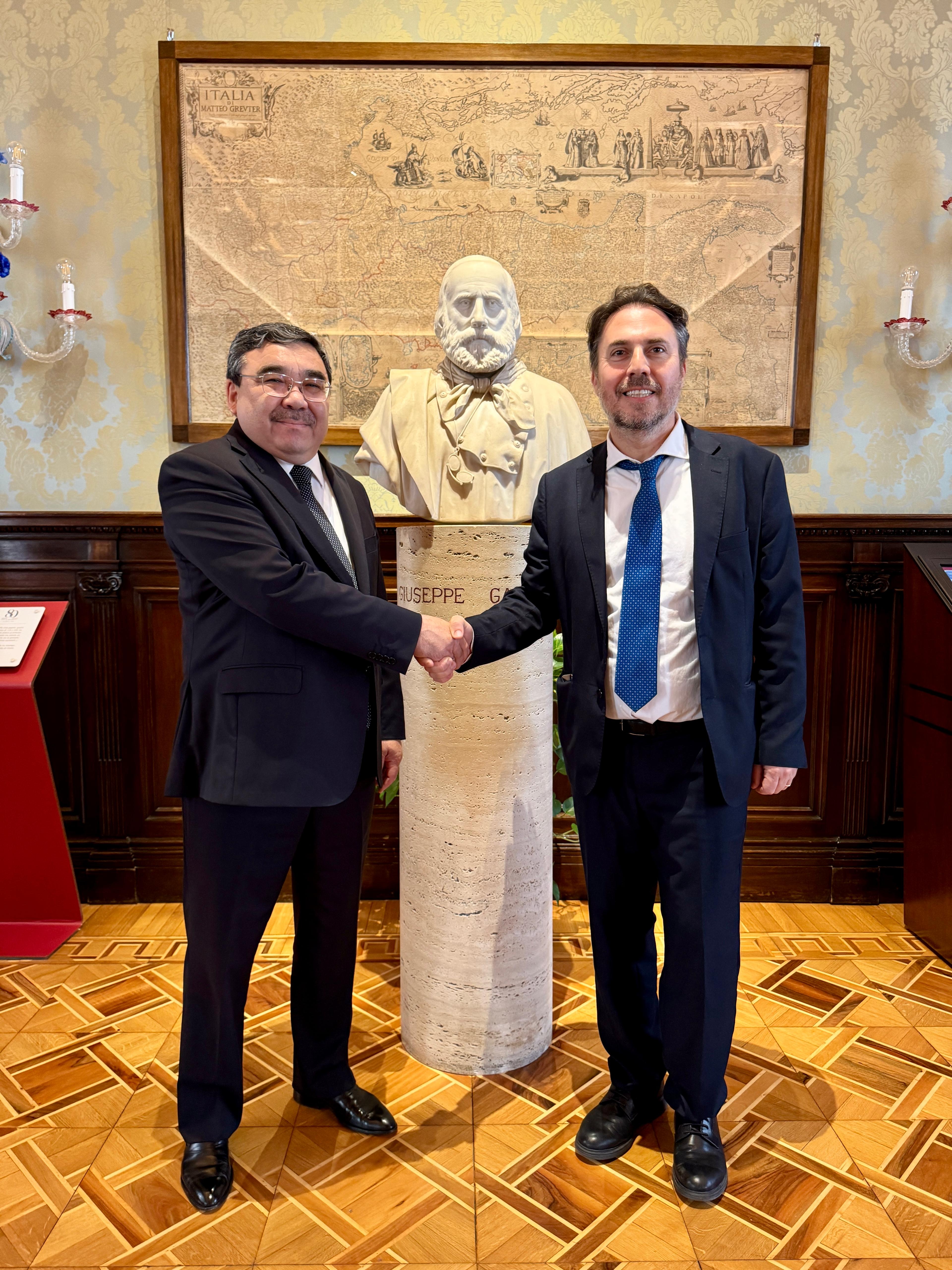
Constitutional Reforms in Kazakhstan Discussed at the Italian Senate 21.05.2026
Rome, May 20, 2026 – A meeting took place between Ambassador Yerbolat Sembayev and Antonio Trevisi, a member of the Italian Senate representing the “Forza Italia” party, during which the parties discussed bilateral political, trade-economic, and interparliamentary cooperation.In particular, Ambassador Sembayev briefed Senator Trevisi on the ongoing political and economic reforms in Kazakhstan and outlined the results of the referendum on the draft of the new Constitution of the Republic of Kazakhstan. The parties also discussed preparations for a major event dedicated to Kazakhstan’s constitutional reforms, scheduled to take place at the Italian Parliament in early June this year.During the talks, the Ambassador also informed Senator Trevisi about Kazakhstan’s ongoing economic reforms, measures aimed at improving the investment climate, and the implementation of investment projects. Particular attention was given to issues related to industrial cooperation, production localisation, equipment supplies, and the expansion of contacts between the business communities of the two countries.For his part, Senator Antonio Trevisi positively assessed the political reforms taking place in Kazakhstan and noted the importance of strengthening bilateral relations.Source : https://www.gov.kz/memleket/entities/mfa-roma/press/news/details/1224840?lang=ru
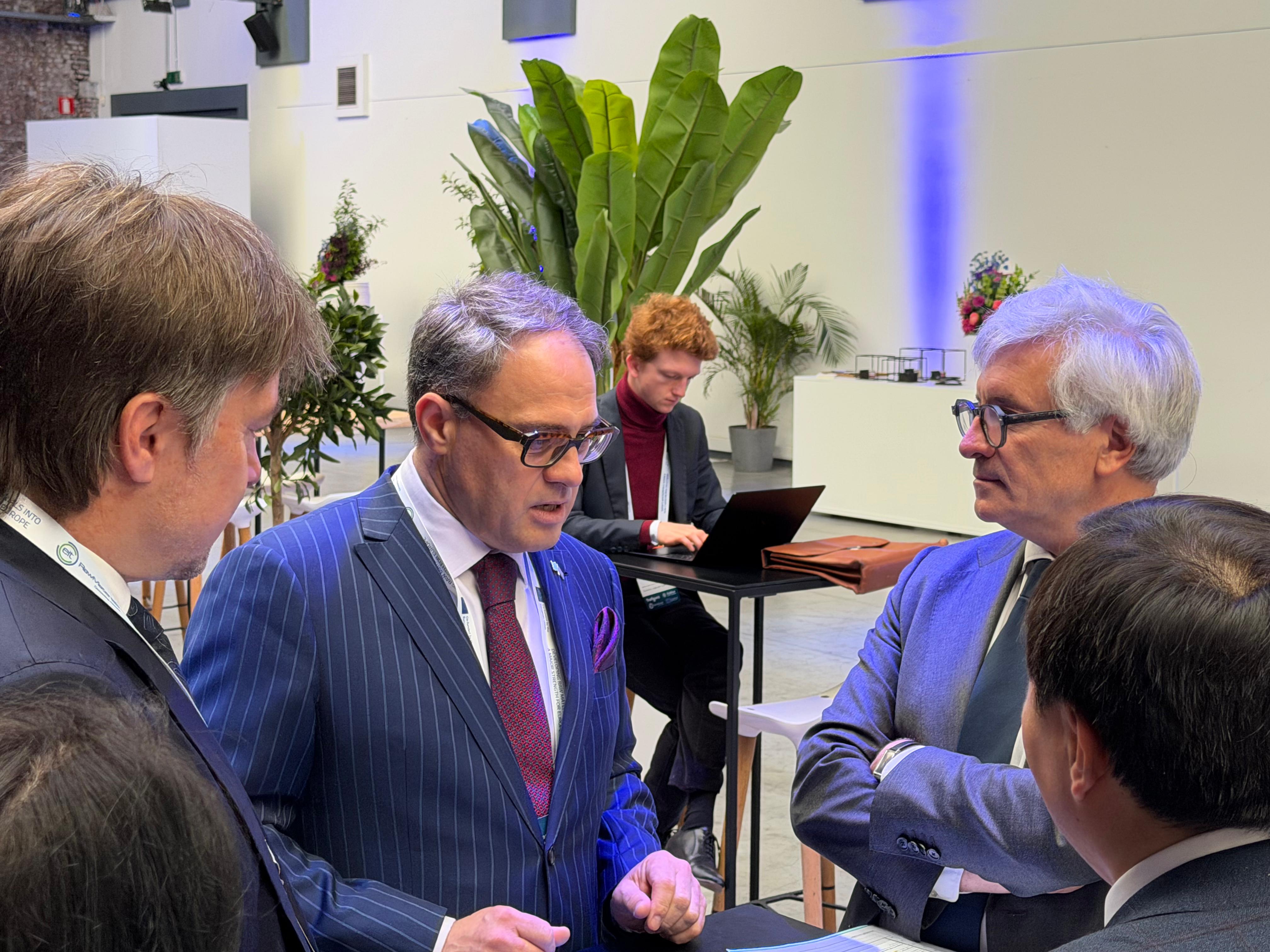
Mutual Commitment to Cooperation on Critical Raw Materials confirmed at Meeting in Brussels 21.05.2026
Brussels, 20 May 2026 – On the sidelines of the EIT (European Institute of Innovation and Technology) Raw Materials Summit, Ambassador of the Republic of Kazakhstan to the European Union Roman Vassilenko held a meeting today with Mr. Valère Moutarlier, Deputy Director-General of the European Commission’s Directorate-General for Internal Market, Industry, Entrepreneurship and SMEs (DG GROW).They discussed prospects for deepening the strategic partnership between Kazakhstan and the European Union in the areas of critical raw materials, industrial cooperation and sustainable supply chains in line with the relevant Memorandum of Understanding signed in 2022. Mr. Moutarlier highlighted the importance for the EU of cooperation with Kazakhstan as a reliable and constructive partner possessing significant potential in the field of mineral resources. Both sides reaffirmed their interest in further developing mutually beneficial business cooperation between Kazakhstan and the European Union based on mutual respect and trust.The interlocutors emphasized the importance of accelerating the practical implementation of joint initiatives, enhancing coordination mechanisms, and creating favourable conditions for private sector’s participation and investment. They also discussed preparations for upcoming joint events at various levels.Following the meeting, the parties agreed to continue working contacts and joint efforts aimed at expanding industrial partnership, developing high value-added projects, and strengthening investment cooperation within the framework of the Global Gateway initiative.Source : https://www.gov.kz/memleket/entities/mfa-brussels/press/news/details/1224847?lang=ru
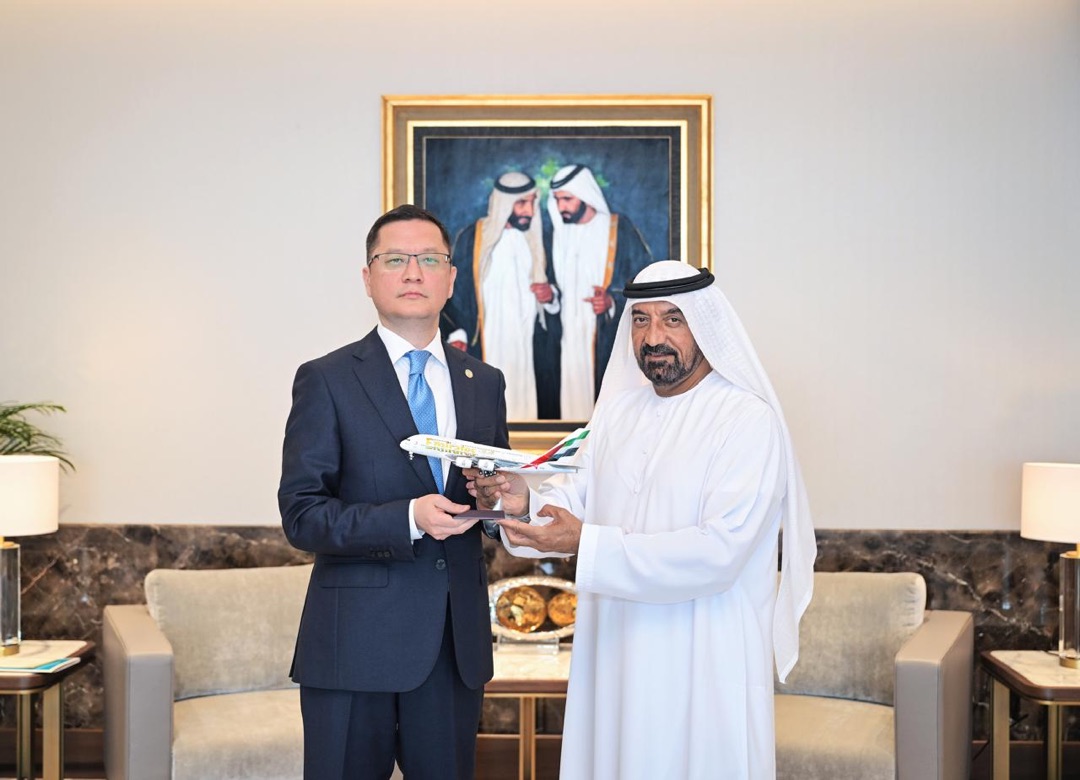
Kazakhstan and the UAE Strengthen Cooperation in Aviation and Investment 21.05.2026
Abu Dhabi, May 20, 2026 – Ambassador of Kazakhstan to the United Arab Emirates, Rauan Zhumabek, held a meeting with His Highness Sheikh Ahmed bin Saeed Al Maktoum, Chairman and Chief Executive of Emirates Group, President of the Dubai Civil Aviation Authority, and Chairman of Dubai Holding and Dubai Airports.During the meeting, the parties discussed the current state and future prospects for the development of cooperation between Kazakhstan and the UAE, including collaboration in the fields of aviation, transport, logistics, tourism, investment, and infrastructure development.The interlocutors noted that bilateral relations continue to demonstrate a high level of strategic partnership and are developing dynamically owing to the active political dialogue and regular high-level engagements between the two countries. The parties underscored the importance of continuing joint efforts aimed at expanding trade, economic, and investment cooperation.The Kazakh diplomat particularly highlighted the significant contribution of Sheikh Ahmed bin Saeed Al Maktoum to the transformation of Dubai into one of the world’s leading aviation, transport, and business hubs. Under his leadership, Emirates Group has become one of the global leaders in the aviation industry, while Dubai International Airport has evolved into the world’s largest international aviation hub.The parties also exchanged views on further strengthening business ties and expanding cooperation between Kazakh and Emirati companies.At the conclusion of the meeting, both sides reaffirmed their mutual interest in maintaining a constructive dialogue and further advancing the mutually beneficial partnership between Kazakhstan and the UAE.Background: Emirates Group is one of the world’s largest aviation groups and the UAE’s flagship carrier headquartered in Dubai. The Group includes Emirates Airline, which operates flights to more than 140 destinations worldwide and plays a central role in positioning Dubai as a global aviation and logistics hub.Dubai International Airport (DXB) retained its status as the world’s busiest airport for international passenger traffic in 2025, handling a record 95.2 million passengers.Dubai Holding is one of Dubai’s largest diversified state-owned investment conglomerates, with an extensive portfolio of companies and projects spanning real estate, tourism, hospitality, telecommunications, finance, technology, logistics, and other strategic sectors. Source : https://www.gov.kz/memleket/entities/mfa-abudhabi/press/news/details/1224851?lang=ru
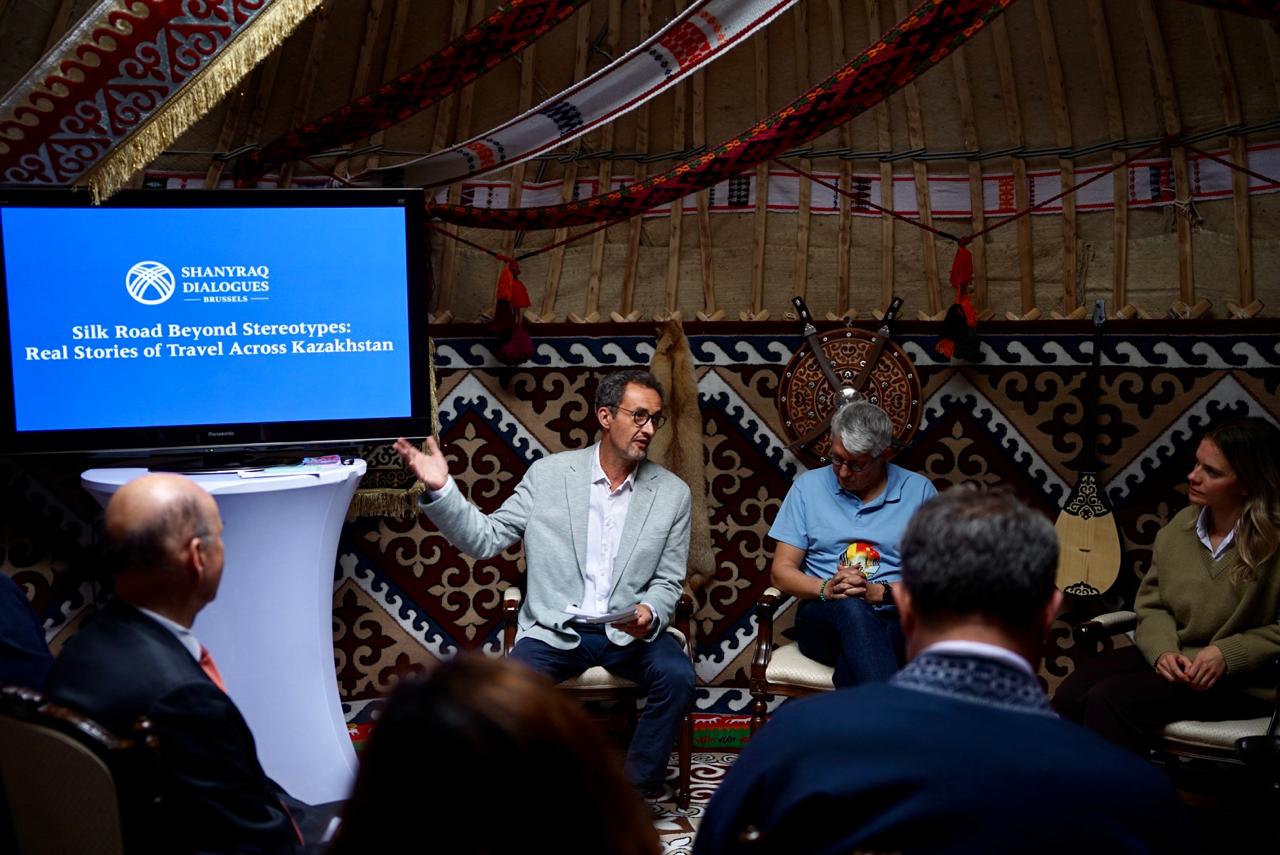
From the Great Steppe to “Kazakh-boo”: Brussels Hosts Discussion on Growing European Interest in Kazakhstan 21.05.2026
Brussels, May 20, 2026 — In the heart of the European capital, a traditional Kazakh yurt was turned into a venue for travel, discovery, and authentic stories about modern Kazakhstan. It hosted the second edition of the Shanyraq Dialogues series entitled: “The Silk Road Without Stereotypes: Real Travel Stories from Kazakhstan.”Organized by the Embassy of the Republic of Kazakhstan in Belgium, the event brought together representatives of EU institutions, European media, the tourism industry, bloggers, cultural figures, and friends of Kazakhstan.Opening the discussion, Ambassador of Kazakhstan to Belgium Roman Vassilenko noted that Kazakhstan today is becoming not only an important bridge between Europe and Asia, but also a new destination for travelers seeking authentic experiences, vast landscapes, and genuine human connections.“Today, Europe is increasingly discovering Kazakhstan not only as a modern state and a bridge between East and West, but also as the successor to the great civilization of the Golden Horde, which played a significant role in the history of Eurasia. Just yesterday, President Kassym-Jomart Tokayev particularly emphasized this historical continuity in his address at an international symposium in Astana.”The discussion was moderated by Antonio Buscardini, Founder and Editor-in-Chief of Travel Tomorrow and President of The Press Club Brussels Europe.“After the era of mass tourism, more and more people are looking for destinations where travel still feels authentic. Kazakhstan is increasingly appearing in the European digital space through travel videos, gastronomy, music, and the aesthetics of nomadic culture. Some social media users, especially young Europeans, even jokingly refer to this growing interest as ‘Kazakh-boo,’” he noted.The evening’s main speakers were travelers, journalists, and media project creators who had explored Kazakhstan firsthand.Sven Hoyaux, Editor-in-Chief of Porschist magazine, spoke about his travels across different regions of the country and the preparation of a special issue dedicated to Kazakhstan. His presentation was accompanied by video footage of steppe landscapes, mountain routes, and modern cities.Particular attention was drawn to the story of Belgian traveler Claude Brouir, who crossed Kazakhstan by bicycle. He admitted being impressed by the country’s scale, the openness of its people, and how easy it is to connect with people there.“I was amazed by people’s hospitality. Very often strangers invited me for tea, helped me on the road, or simply wanted to talk. In Europe, this happens less and less,” he said.The audience also showed strong interest in behind-the-scenes stories from the filming of the popular TV show Pékin Express in Kazakhstan, shared by producer Inga Chumakova. The show remains one of the best-known travel formats on French-speaking television. According to the project participants, the combination of modern cities, natural landscapes, and the warmth of the people became the main discovery for the European film crew.During the discussion, participants also highlighted the recent international symposium in Astana dedicated to the legacy of the Golden Horde, noting the growing interest in the history of the Great Steppe as an important part of Kazakhstan’s cultural and historical identity.Participants emphasized that such initiatives contribute to strengthening interest in Kazakhstan across Europe and help present the country more broadly as a modern tourist, cultural, and intellectual destination.Shanyraq Dialogues is a discussion platform aimed at promoting mutual understanding and strengthening ties between Kazakhstan and Europe. It serves as a venue to discuss contemporary developments, key ideas, and promising areas of cooperation in the political, economic, cultural, and public spheres. The platform encourages the exchange of views, experience, and initiatives, fostering lasting and meaningful dialogue between Kazakhstan and its European partners.Source : https://www.gov.kz/memleket/entities/mfa-brussels/press/news/details/1224852?lang=ru
Kazakhstan’s Agricultural Exports to China Rise by 82.4% 21.05.2026
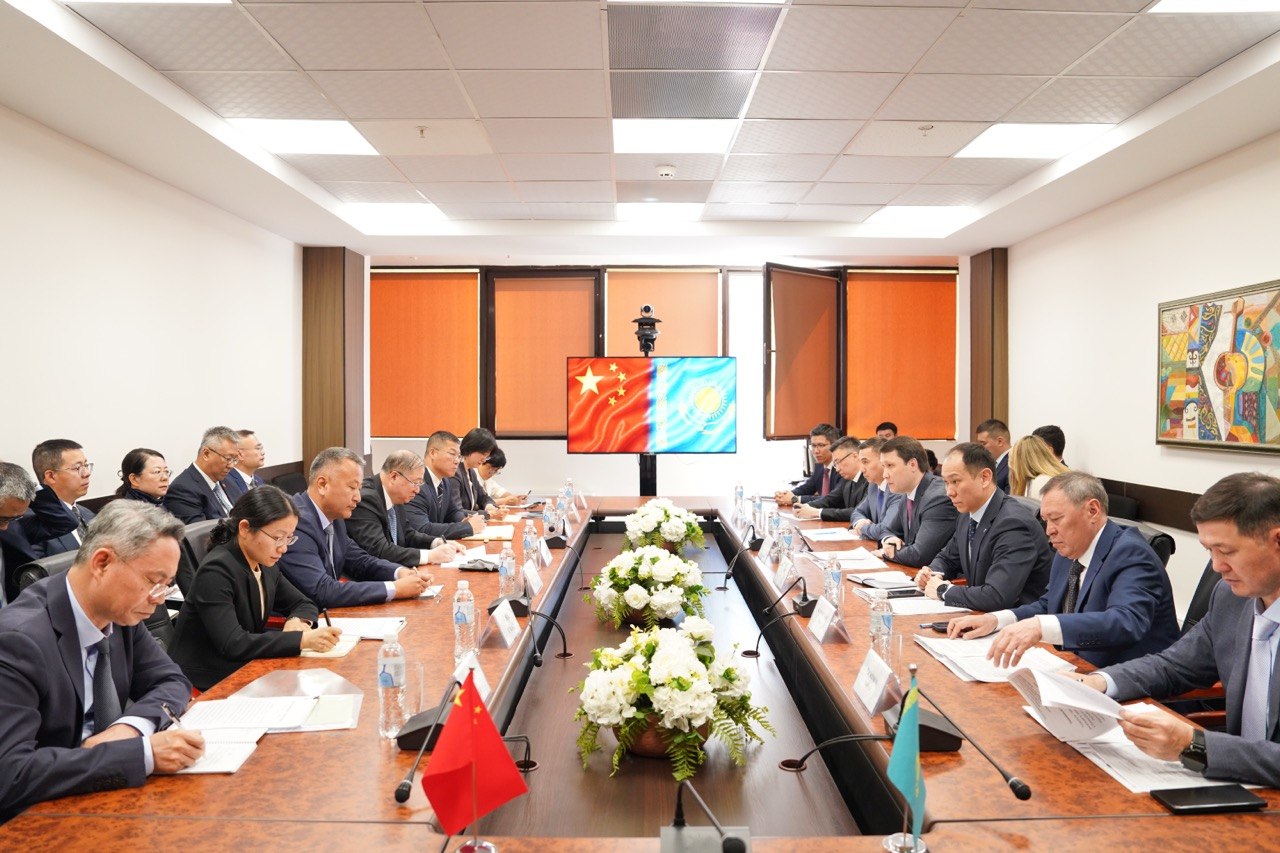
Vice Minister of Agriculture of Kazakhstan, Yermek Kenzhekhanuly, held a meeting with Liu Huanxin, Head of China’s National Food and Strategic Reserves Administration (NAFRA).During the talks, the parties discussed the current state and future prospects of bilateral cooperation, the expansion of agricultural trade, the implementation of investment projects, and the strengthening of food security.Yermek Kenzhekhanuly emphasized that China remains one of Kazakhstan’s key strategic partners in the agricultural sector.At the end of 2025, bilateral agricultural trade between the two countries increased by 36.8% and reached USD 1.97 billion. In January–March 2026, the figure grew by 61.7%, reaching USD 697 million.Kazakhstan’s agricultural exports to China increased by 35.3% in 2025, totaling USD 1.43 billion. The main export items included animal feed, vegetable oils, flax and sunflower seeds, and rapeseed oil. During the first three months of the current year, exports rose by 82.4%, reaching USD 550 million.Currently, Kazakhstan and China have signed protocols covering the export of 34 types of agricultural products, including 21 categories of crop products and 13 categories of livestock products. A total of 3,601 enterprises have been included in the register of companies authorized to export to China.For his part, Liu Huanxin highlighted the strong potential for agricultural cooperation between the two countries and confirmed China’s interest in stable supplies of high-quality products.“Your country is an important partner for China in ensuring food security and developing sustainable agricultural supply chains. We are ready to further strengthen practical cooperation, expand trade, and support joint projects in grain trade, logistics, and processing,” the head of NAFRA emphasized.Particular attention during the meeting was given to the prospects of concluding long-term contracts for the supply of grain and oilseed crops, creating logistics hubs and dry ports, as well as exchanging technologies for the storage and processing of agricultural products.Another topic of discussion was the development of digital tools for grain trading. The Kazakh side expressed interest in studying China’s experience in implementing a digital grain trading platform.Following the meeting, the parties agreed to establish a joint Chinese-Kazakh grain trading platform. The project is being implemented in accordance with the China–Central Asia Action Plan under the Belt and Road Initiative (BRI).The platform will be created on the basis of China’s existing National Internet Grain Trading Platform and will allow businesses from both countries to conduct transactions through competitive bidding and direct negotiations.The platform’s main product range will focus on soybeans and other oilseed crops.In addition, a Memorandum of Understanding was signed between the Ministry of Agriculture of Kazakhstan and NAFRA, along with a cooperation agreement between Food Contract Corporation JSC and the Grain Trade Coordination Center under NAFRA.Source : https://www.gov.kz/memleket/entities/moa/press/news/details/1224873?lang=ru
The new MAT methodology is aimed at ensuring the adequacy of future funded pensions. 21.05.2026
In Kazakhstan, to ensure the adequacy of future pensions for citizens and bring the pension system in line with international standards, changes are planned to the Methodology for Calculating Minimum Adequacy Thresholds (MAT).The purpose of revising the MAT calculation method (Methodology) is to increase the requirements for the minimum amount of pension savings necessary to ensure the adequacy of future funded pensions and to gradually increase the labor income replacement rate (IRR) of contributors through pension benefits at retirement age (taking into account minimum international standards). Why was there a need for change? According to the current Methodology, the MAT amounts are set annually based on calculations taking into account approved socio-economic indicators, projected calculations of future pension contributions depending on the minimum wage and investment returns. However, the current Methodology has a number of shortcomings:high dependence on long-term macroeconomic forecasts, resulting in annual volatility in MAT amounts;no guarantee that the contributor will actually pay future pension contributions;deminished amounts of future pension benefits. According to the current Methodology for determining MAT, it is assumed that if a portion of pension savings is withdrawn, the contributor will continue to regularly make compulsory pension contributions (CPCs) until retirement. In this case, the future funded pension will be approximately 50,000 tenge, which corresponds to the current subsistence minimum (SM). However, in practice, contributions may be received irregularly or not at all. In this case, the current MAT amounts will not provide the expected minimum payments, and the amount of future pension benefits will be lower than the SM. Moreover, even with regular contributions and ensuring the accumulation volume at the level of the current MAT amounts, the funded pension at the level of about 50 thousand tenge will amount to less than 15% of the current median salary[1]. What does the new Methodology propose?The proposed new Methodology for Determining the MAT aims to provide citizens with a higher and more predictable level of pension benefits. According to the new approach, after withdrawing savings above the MAT, the future funded pension will be equal to at least 40% of the median salary (according to the Bureau of National Statistics of the Agency for Strategic Planning and Reforms of the Republic of Kazakhstan, in the fourth quarter of 2025, it was 339,912 tenge).Moreover, in the proposed Methodology, threshold values will no longer depend on future contributions or annual projected changes in many macroeconomic indicators. MAT values will be determined based on long-term factors, including demographic tables of Kazakhstan's population, regularly updated by the United Nations (UN), taking into account national statistics. Accordingly, future pension amounts will be predictable for citizens and will gradually approach the target indicators of OECD countries.The MAT amount, as currently, will depend on the contributor's age: the closer a person is to retirement age, the higher the MAT level must be to secure a future pension.The classic formula for calculating the present value of a future pension benefit will be used to determine the MAT. In other words, the new formula determines the minimum savings amount, i.e., the MAT amount that must already be in the contributor's individual pension savings account (IPSA) to ensure the target pension. Furthermore, the impact of inflation and investment returns is taken into account when calculating future payments, meaning future benefits will grow in real terms, taking inflation into account.Thus, the new Methodology for Determining MAT increases the requirements for the minimum amount of pension savings required to provide a future funded pension, ensuring an adequate replacement rate for a contributor's labor income through pension benefits. Furthermore, this Methodology will bring the MAT calculation system closer to international pension standards and reduce the risk of insufficient pension savings at retirement. International Standards and Global ExperienceAs a reminder, according to Convention 102 of the International Labour Organization (ILO), the minimum acceptable level of pension provision is IRR of at least 40%. In European Union (EU) countries, the average minimum pension is approximately 60% of the minimum wage. In Organisation for Economic Co-operation and Development (OECD) countries, the average minimum wage is approximately 50% of the median wage.International experience shows that the option of early withdrawal of pension savings has been used in a number of countries as an anti-crisis measure in strictly limited amounts in exceptional situations related to economic upheaval and the need to support the population, including during the COVID-19 pandemic.It should be emphasized, however, that pension savings are primarily intended to provide income for citizens in old age. Therefore, regular withdrawal of pension funds before retirement can lead to a critical decline in the amount of savings and, consequently, to a reduction in the amount of future pension benefits. In the long term, this increases the risk of insufficient retirement income in old age.Therefore, the option of using a portion of pension savings for alternative purposes remains, but approaches to determining the amount of funds available for withdrawal are being refined, taking into account the need to ensure citizens have an adequate and stable level of pension benefits in the future. The calculation of the MAT under the new Methodology in Kazakhstan will be adapted to real conditions and aims to bring it closer to the pension provision practices of advanced countries. The updated methodology will allow for the determination of the minimum level of pension savings required to be retained in the Individual Pension Savings Account (IPSA), so that, if a portion of the savings is withdrawn, the future funded pension will not be lower than the target indicators and will provide a stable pension income for citizens at retirement age. UAPF was founded on August 22, 2013 on the basis of GNPF APF JSC. The founder and shareholder of the UAPF is the Government of the Republic of Kazakhstan represented by the State Institution Committee of State Property and Privatization of the Ministry of Finance of the Republic of Kazakhstan. Trust management of UAPF pension assets is carried out by the National Bank of the Republic of Kazakhstan. In accordance with the pension legislation, the UAPF attracts compulsory pension contributions, employer’s compulsory pension contributions, compulsory occupational pension contributions, voluntary pension contributions, as well as carries out enrollment and accounting of voluntary pension contributions formed at the expense of the unclaimed amount of guaranteed compensation for the guaranteed deposit, transferred by the organization carrying out mandatory guarantee of deposits, in accordance with the Law of the Republic of Kazakhstan "On mandatory guarantee of deposits placed in second-tier banks of the Republic of Kazakhstan", ensures the implementation of pension benefits. The Fund also carries out accounting of target assets and target requirements, accounting and crediting of target savings (TS) to target savings accounts, payments of TS to their recipients in bank accounts, accounting for returns of TS in the manner determined by the Government of the Republic of Kazakhstan within the framework of the National Fund for Children program (More details at www.enpf.kz) [1] The median salary is an indicator that divides all salaries into two equal parts: 50% of employees receive less than this amount, and 50% receive more. Source : https://www.gov.kz/memleket/entities/kostanai-mendykarin-audany-akimat/press/news/details/1231244?lang=ru

POWER OUTAGE NOTICE 19.05.2026
Due to repair works on overhead power lines, temporary power outages are scheduled.“Fedorov” Transformer SubstationOutage period:May 18–22, 2026Time: 10:00 AM – 6:00 PMPrivate residential sector:Doshchanov St.: 83–180, 180a, 99/1–99/11, 101a, 176/1–176/10Borodin St.: 24–45Shayakhmetov St.: 24–37, 35/1–35/14Zhuravleva St.: 98–138, 123/1–123/12Letunov St.: 11–36RP-9Outage period:May 18–22, 2026Time: 09:00 AM – 6:00 PMFacilities:Old church — 212 Altynsarin St.Stores:“Partner”“Na Kryuchke”“Promtovary”Service station — 56 Shipin St.Private residential sector:Altynsarin St.: 182–228Shipin St.: 50–61, 61aKassymkanov St.: 144–199, 152aRabochaya St.: 61–74, 61aProletarskaya St.: 74–84Traffic lights temporarily отключены:Nazarbayev Ave. — Altynsarin St. intersectionResidents are kindly asked to take the necessary precautions in advance and treat the temporary inconvenience with understanding.Source : https://www.gov.kz/memleket/entities/kostanai-kalasy-akimat/press/news/details/1223373?lang=kk

Press release about the organization of the summer language camp outside the school 19.05.2026
According to the plan of the KSU "East Kazakhstan Regional Scientific and Methodological Center for Informatization and Development of Education 'Örken'" of the Education Department of the East Kazakhstan Region, from June 1 of this year, school-based language camps for 4,255 students will begin operating in 340 general education organizations in the region.The goal of the camp is to develop students' language skills (listening, speaking, reading, and writing), expand vocabulary in three languages, and develop the ability to freely express their thoughts.In 121 schools with 2,155 students, activities will be organized to adapt children to the Kazakh-language environment; in 140 schools with 1,740 children — to the Russian-language environment; and in 18 lyceums and gymnasiums, 300 children will be adapted to the English-language environment.Dates: June 1–12, 2026Participants: students in grades 2–5.Source : https://www.gov.kz/memleket/entities/vko-bilim/press/news/details/1223374?lang=kk
Members of the Kuwaiti Royal Family Express Interest in Investing in Kazakhstan’s Agricultural and Real Estate Sectors 19.05.2026
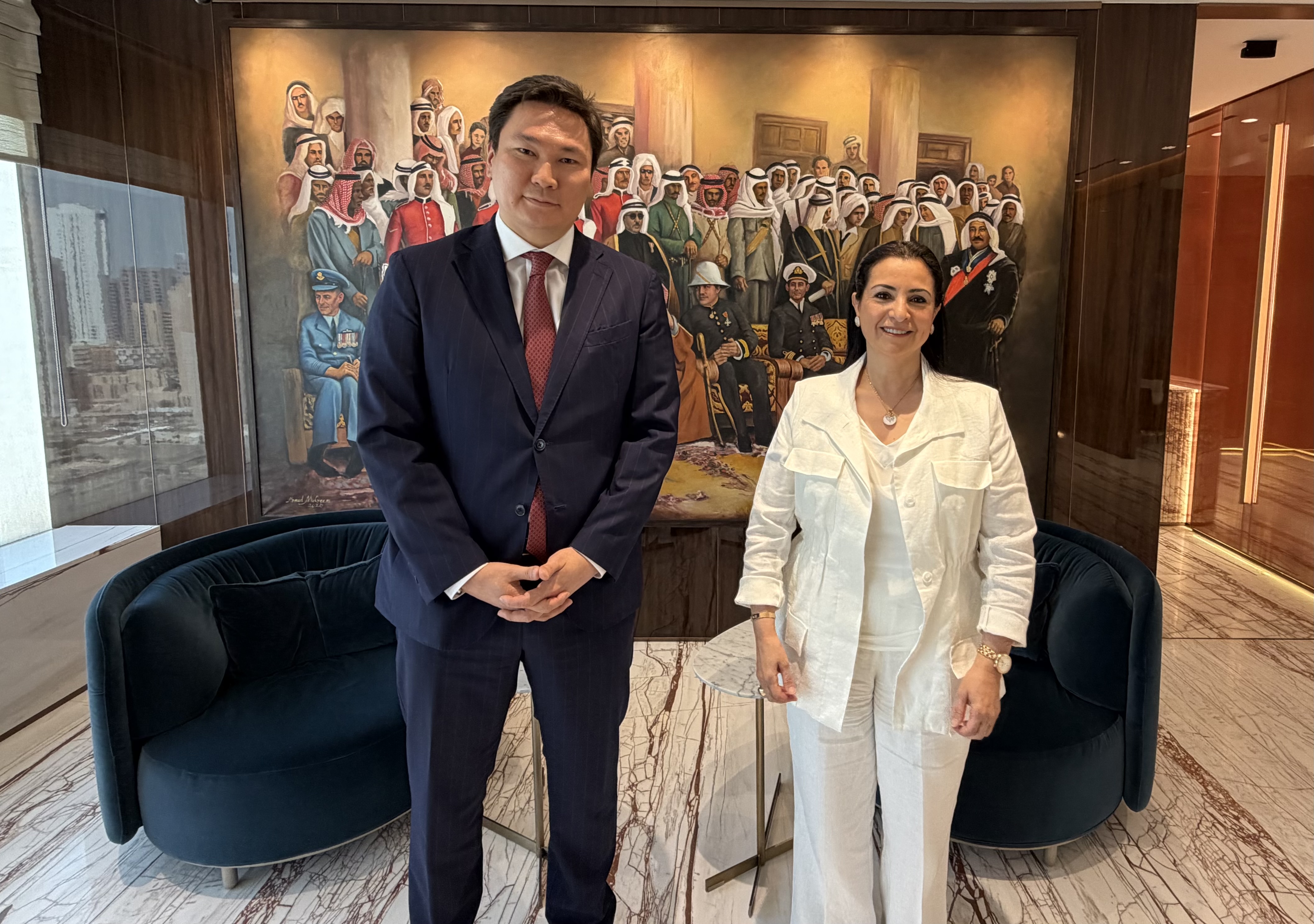
Al-Kuwait, May 18, 2026 – The Ambassador of the Republic of Kazakhstan to the State of Kuwait Yerzhan Yelekeyev held a meeting with Sheikha Ohoud Salem Al-Ali Al-Sabah, during which the parties discussed prospects for the development of trade, economic and investment cooperation between Kazakhstan and Kuwait.During the meeting, the parties discussed opportunities for cooperation in the fields of agriculture and the agro-industrial complex. It was emphasized that Kazakhstan is one of the world’s major grain exporters, supplying agricultural products to more than 80 countries worldwide. The Ambassador of Kazakhstan also noted that the country continues to strengthen its position in the global oilseed market, having recently entered the world’s top 10 exporters of sunflower oil.Particular attention was paid to food security issues. The Ambassador noted that Kazakhstan possesses significant potential to contribute to ensuring food security not only for the State of Kuwait, but also for the region as a whole, including through the supply of environmentally friendly and high-quality agricultural products.In this context, the parties, together with representatives of “Al Deira” company, discussed in detail the prospects for supplying Kazakh meat products to the Kuwaiti market, including beef and lamb exports. The Kuwaiti side expressed interest in establishing cooperation with leading Kazakh producers and suppliers of meat products.Following the meeting, an agreement was reached to organize a visit of Kuwaiti representatives to Kazakhstan in the summer of 2026 in order to further explore opportunities for cooperation, hold meetings with enterprises, and discuss prospects for importing Kazakh meat products.The parties also exchanged views on cooperation in the fields of real estate and investment, including the participation of “Al Ahd Al Mushtarak” company in the implementation of investment and infrastructure projects in Kazakhstan, including the “Alatau City” accelerated development project. The Kazakh side presented information on the project’s potential, its special legal status and opportunities available for foreign investors.At the conclusion of the meeting, the interlocutors confirmed their mutual interest in further expanding bilateral trade and economic cooperation and developing direct contacts between the business communities of Kazakhstan and Kuwait.“Al Deira”company operates in the field of food distribution in the State of Kuwait, supplying retail chains, restaurants, hotels and other HoReCa sector facilities. The company is considered one of the notable players in Kuwait’s food distribution market and is currently exploring opportunities to expand imports of meat products from the Republic of Kazakhstan. Founded in 2001, “Al Ahd Al Mushtarak” company operates in the fields of construction, real estate, facility management and interior design in the State of Kuwait. The companies are part of the family business structure of Sheikha Ohoud Salem Al-Ali Al-Sabah. Sheikha Ohoud Al-Salem Al-Ali Al-Sabah is a Kuwaiti public figure and entrepreneur, founder of a number of companies and initiatives in the fields of real estate, asset management, youth development and entrepreneurship support. Under her leadership, projects in the real estate sector are being implemented, along with initiatives aimed at supporting young talents and the development of creative industries in the State of Kuwait.Source : https://www.gov.kz/memleket/entities/mfa-kuveyt/press/news/details/1223339?lang=kk
THE USE OF CASH REGISTER MACHINES 19.05.2026
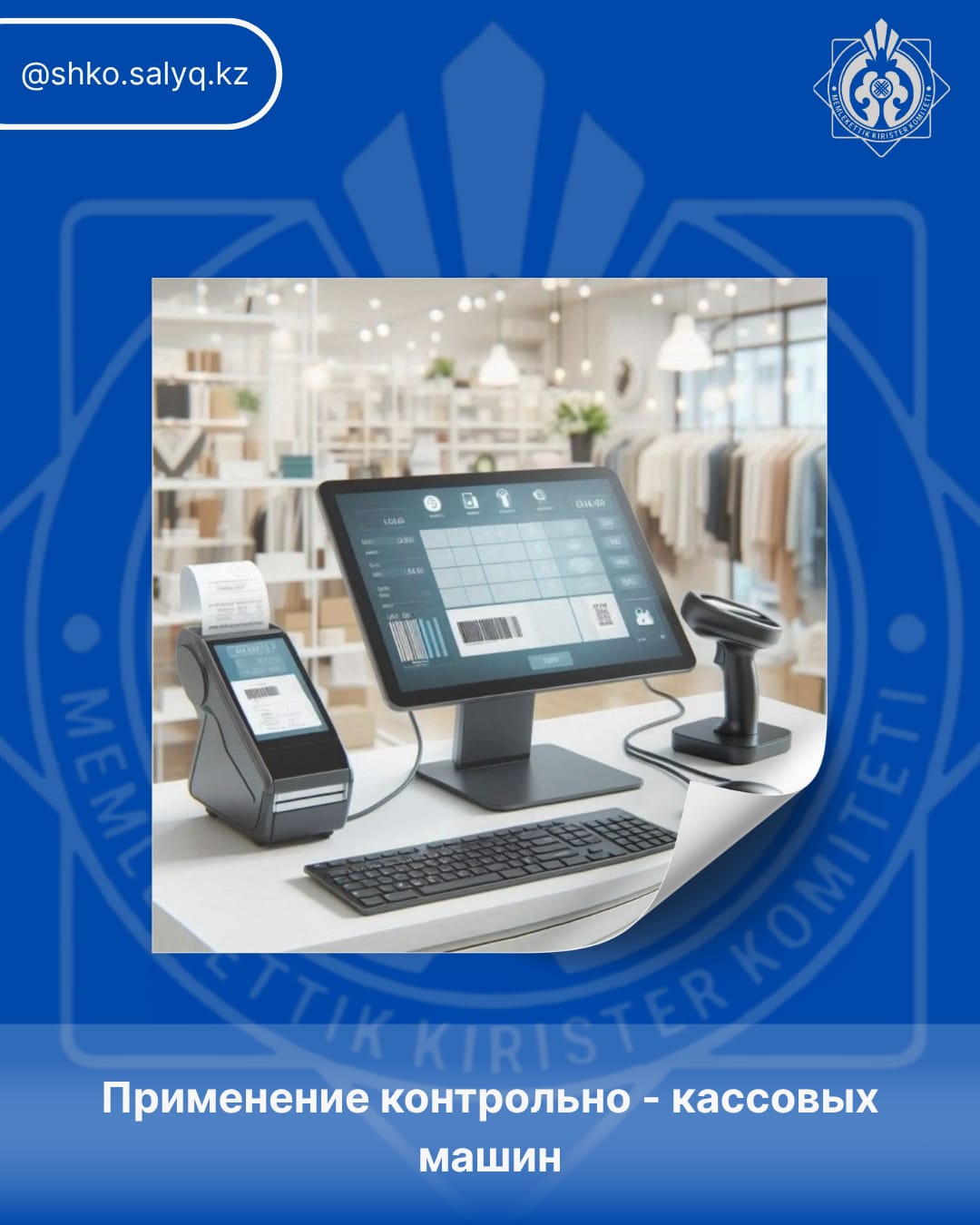
Pursuant to paragraph 1 of Article 110 of the Tax Code, all monetary settlements within the territory of the Republic of Kazakhstan must be conducted with the mandatory use of cash register machines (hereinafter – the CRM) equipped with with the function of data recording and (or) transfer. The approved models for these machines are included in the State Register, which is published on the official website: kgd.gov.kz.Issuing a receipt is a primary compliance requirement when utilizing cash registers. Taxpayers are legally obligated to issue a receipt for the exact amount paid for the sale of goods, the performance of work, or the provision of services.When conducting monetary settlements in locations lacking a telecommunications network, cash registers that do not feature a data transfer function may be utilized, provided their models are included in the State List i.e., standard cash registers without the function of data transfer.Currently, various alternatives to traditional online cash registers are available, including software-based and integrated cash register systems. For any inquiries regarding system upgrades or updating receipt data format requirements, taxpayers should contact authorized cash register service centers or the contact centers of Fiscal Data Operators at the location where the online CRM is deployed.Where necessary, the cash register receipt may additionally feature data provided for in the manufacturer's technical documentation. Furthermore, at the express request of the buyer (customer) or recipient of the goods, work, or services, the receipt must contain the identification number (IIN/BIN) of a buyer, customer, or recipient.If a violation is detected, specifically the failure to use a CRM when conducting monetary settlements for trading operations, work performed, or services rendered via cash or bank card, as well as the utilization of a faulty or unregistered CRM, a formal warning is issued for the first offense, a repeated violation within one calendar year entails a fine based on the category of the business entity, or applied to private notaries and bailiffs, ranging from 30 to 50 monthly calculation indices (hereinafter - the MCI), which equates to between 129 750 and 216 250 tenge in 2026.Similarly, the failure to issue a cash register receipt or a sales receipt, or issuing a receipt for an amount greater or less than the actual amount paid for the product or service, results in an initial warning, a repeated violation within a calendar year carries a fine ranging from 20 to 40 MCI, which equates to between 86 500 and 173 000 tenge in 2026.Every consumer has the right to report a refusal to issue a CRM receipt upon purchasing goods or receiving services to the state revenue authorities at their respective location.In light of this, we urge all taxpayers to make every effort to strictly comply with the requirements of tax legislation regarding cash control discipline!Source : https://www.gov.kz/memleket/entities/kgd-vko/press/news/details/1223341?lang=kk

Kazakhstani Athletes Won Medals at the Hand-to-Hand Combat World Cup Stage in Moscow 19.05.2026
The “Friendship Cup” stage of the Hand-to-Hand Combat World Cup was held at the International Sambo Center in Moscow. The tournament was organized by the Moscow Department of Sports in cooperation with the International Hand-to-Hand Combat Federation. In 2026, the tournament was held for the fifth anniversary time, bringing together more than 250 athletes from 16 countries. Participants competed for 30 sets of medals in the disciplines of “Combat,” “Self-Defense,” and “Self-Defense 1+1.” Fighters of the “BURKIT TEAM” of the National Guard of the Ministry of Internal Affairs of the Republic of Kazakhstan also demonstrated outstanding results at the international tournament. In the under-58 kg weight category, Aigerim Torekhanova confidently claimed the gold medal and became the winner of the World Cup stage. Meanwhile, in the under-67 kg category, Asembay Manarbek won the silver medal, finishing in second place. Following the results of the World Cup stage, the Kazakhstan national team ranked among the strongest teams of the tournament, winning 30 medals, including 17 gold medals. Kazakhstani athletes demonstrated a high level of preparation and secured second place in the overall team standings. After the international tournament concluded, the athletes returned to Kazakhstan, where they received a warm and ceremonial welcome from fans, representatives of the National Guard of the Ministry of Internal Affairs of the Republic of Kazakhstan, the BURKIT TEAM, as well as family members and relatives. At the airport, the athletes were congratulated on their successful performance and thanked for достойно representing the country on the international stage. The successful performance of Kazakhstani athletes at the prestigious international tournament once again confirmed the high level of the national hand-to-hand combat school and made a significant contribution to the overall result of the national team. #BURKIT_TEAM Press Service of the National GuardMinistry of Internal Affairs of the Republic of KazakhstanSource : https://www.gov.kz/memleket/entities/kvv/press/news/details/1223342?lang=kk
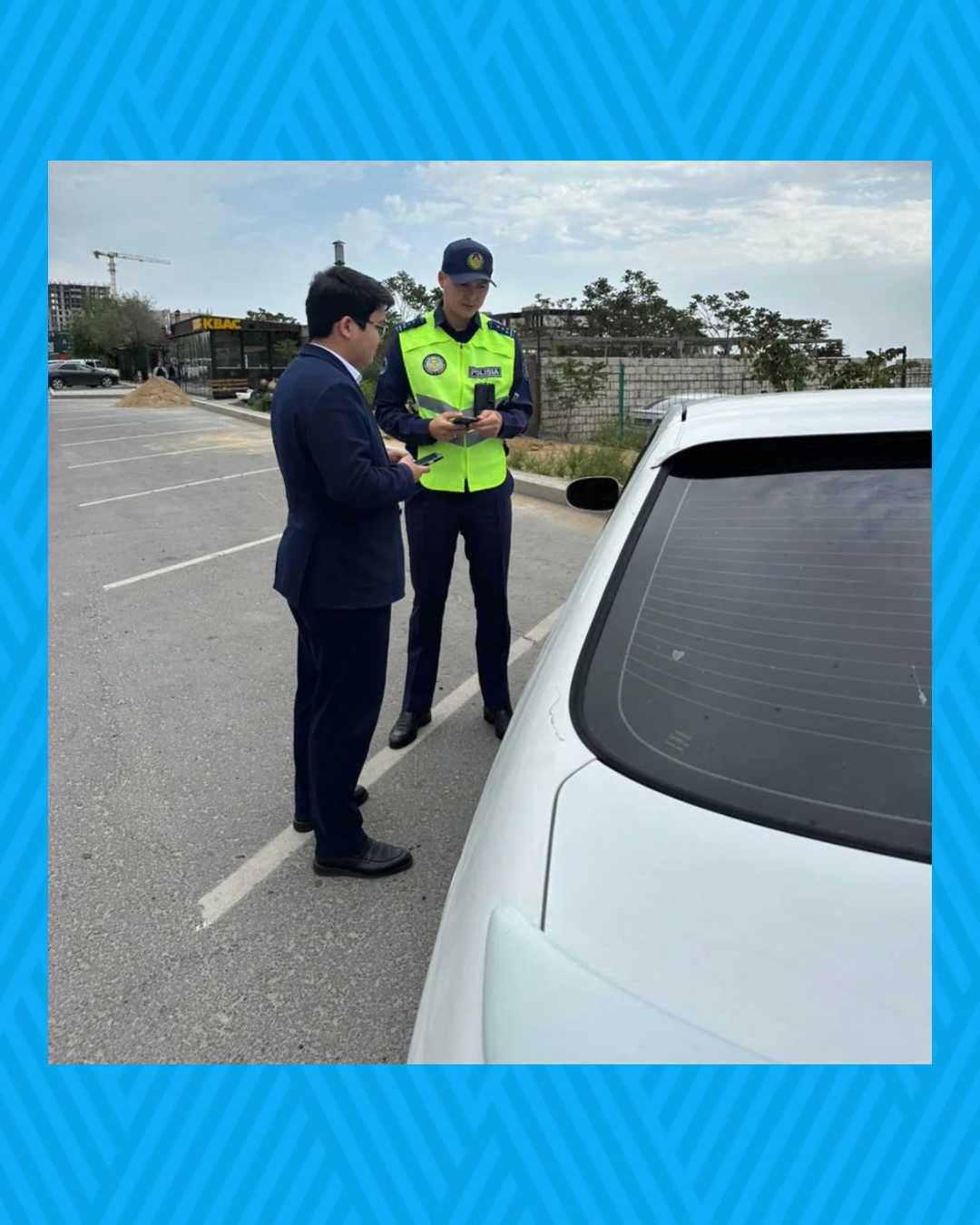
The Department of State Revenue for Aktau city, together with the city prosecutor's office, organized a raid on the streets of the city 19.05.2026
The Department of State Revenue for Aktau city, together with the city prosecutor's office, organized a raid on the streets of the city.During the event, work was carried out to collect taxes on vehicles. In addition, explanatory work was carried out among drivers and passengers on the requirements of tax legislation.The experts explained in detail the importance of timely fulfillment of tax obligations, especially the timing and responsibility for payment of transport tax.The State Revenue Department urges citizens to fulfill their tax obligations in a timely manner.Source : https://www.gov.kz/memleket/entities/kgd-mangistau/press/news/details/1223345?lang=kk
Refund of value-added tax paid on goods, works, and services purchased with the grant funds 19.05.2026
The value added tax (hereinafter referred to as the tax for the purposes of this paragraph) paid on goods, works, and services purchased at the expense of the grant funds is subject to refund.:- the grantee is a state body that is a beneficiary in accordance with the international agreement on the grant to the Republic of Kazakhstan and appoints the contractor, unless otherwise provided by the said international agreement;-contractor - the person appointed by the grantee for the purpose of implementing the grant.Source : https://www.gov.kz/memleket/entities/kgd-astana/press/news/details/1223262?lang=kk
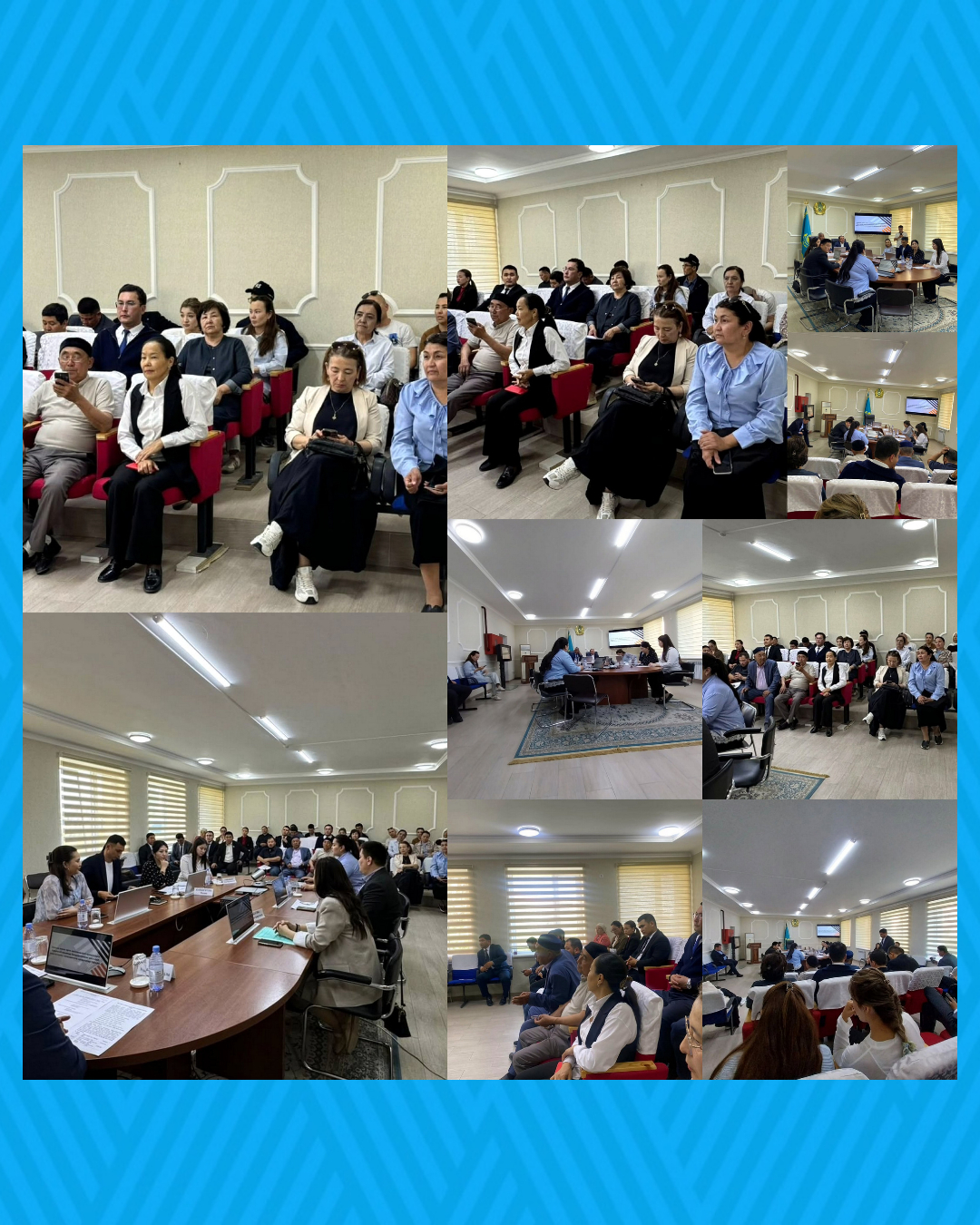
The Department of State Revenue for the Mangystau district, together with the akimat of the district, organized a seminar for taxpayers 19.05.2026
The Department of State Revenue for the Mangystau district, together with the akimat of the district, organized a seminar for taxpayers.At the event, detailed information was provided on changes in tax legislation, the procedure for correctly filling out tax reports, the possibilities of using electronic services and tax benefits.The seminar was attended by entrepreneurs, heads of farms and individuals. The experts answered the taxpayers' questions and offered practical recommendations.The goal is to increase tax culture, prevent offenses and provide state support to business entities.Representatives of the State Revenue Department plan to hold such meetings on an ongoing basis.Source : https://www.gov.kz/memleket/entities/kgd-mangistau/press/news/details/1223273?lang=kk
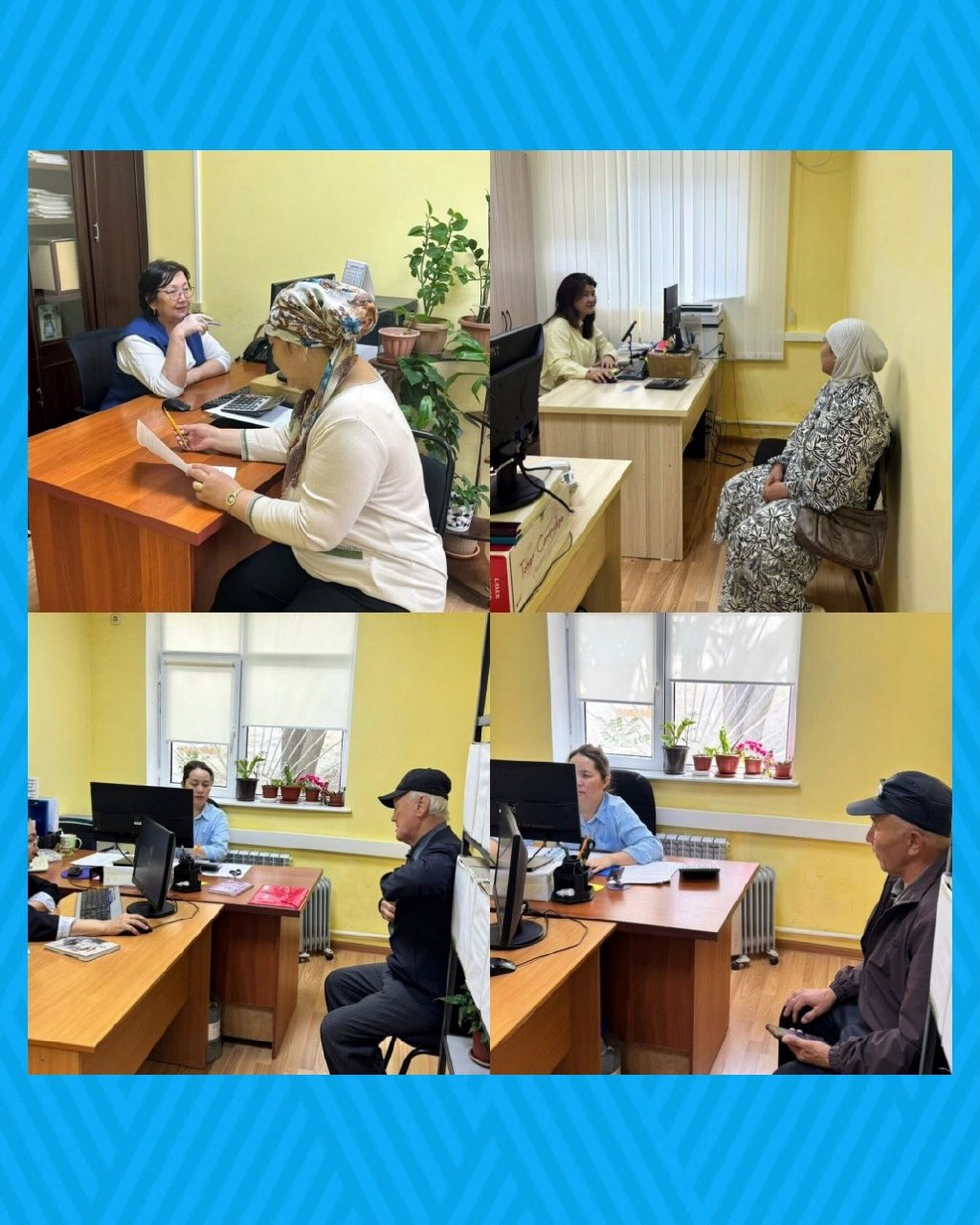
The Department of State Revenue for the Tupkaragan district held an action for taxpayers "Open Day" 19.05.2026
The Department of State Revenue for the Tupkaragan district held an action for taxpayers "Open Day".During the event, residents and entrepreneurs received comprehensive information on topical issues of tax legislation, clearly learned the procedure for obtaining public services, rules for electronic tax reporting, and the possibility of introducing benefits.The department's specialists advised each taxpayer individually, answered any questions that arose, and provided practical assistance. The purpose of the campaign was to simplify the fulfillment of tax obligations, increase transparency between the public and business, and provide public services.The participants highly appreciated the action and asked to hold such meetings regularly.The State Revenue Department noted that in the future it will continue to create comfortable conditions and provide high-quality services to taxpayers.Source : https://www.gov.kz/memleket/entities/kgd-mangistau/press/news/details/1223276?lang=kk

Kazakhstan has tightened controls over the transportation of temperature-sensitive cargo 19.05.2026
By order of the President of the Republic of Kazakhstan, a new standard for the transportation of temperature-sensitive goods has been approved in the country. This concerns the delivery of products that require strict adherence to the temperature regime at all stages of transportation, including intermediate transshipment and storage.By the order of the Chairman of the Committee for Technical Regulation and Metrology of the Ministry of Trade and Integration of the Republic of Kazakhstan dated April 29, 2026, No. 22-NQ, ST RK ISO 23412-2026 "Indirect services for the delivery of refrigerated cargo with temperature control. Land transportation of cargo with intermediate transshipment" has been adopted. The document came into force on May 10, 2026.The new standard establishes requirements for the land transportation of temperature-sensitive goods. These include food products and other goods for which it is important to maintain a stable temperature during delivery. The document covers the entire transportation process: cargo acceptance, transportation, storage, intermediate transshipment, and temperature monitoring.The standard also regulates the interaction between carriers and users of refrigerated delivery services.It is expected that the implementation of ST RK ISO 23412-2026 will help reduce the risks of product spoilage, prevent breaks in the cold chain, and improve the quality of logistics services. The document was developed within the framework of the Concept for the Development of Transport and Logistics Potential of Kazakhstan until 2030.Previously, there were no unified requirements in Kazakhstan for the provision of indirect refrigerated delivery services with intermediate transshipment. The new standard is intended to increase the reliability of transportation, enhance control over temperature regimes, and strengthen consumer trust in the refrigerated logistics sector.Source : https://www.gov.kz/memleket/entities/mti-ktrm/press/news/details/1223277?lang=kk
- 19.05.2026
Source : https://www.gov.kz/memleket/entities/almobl-densaulyk/press/news/details/1223291?lang=kk
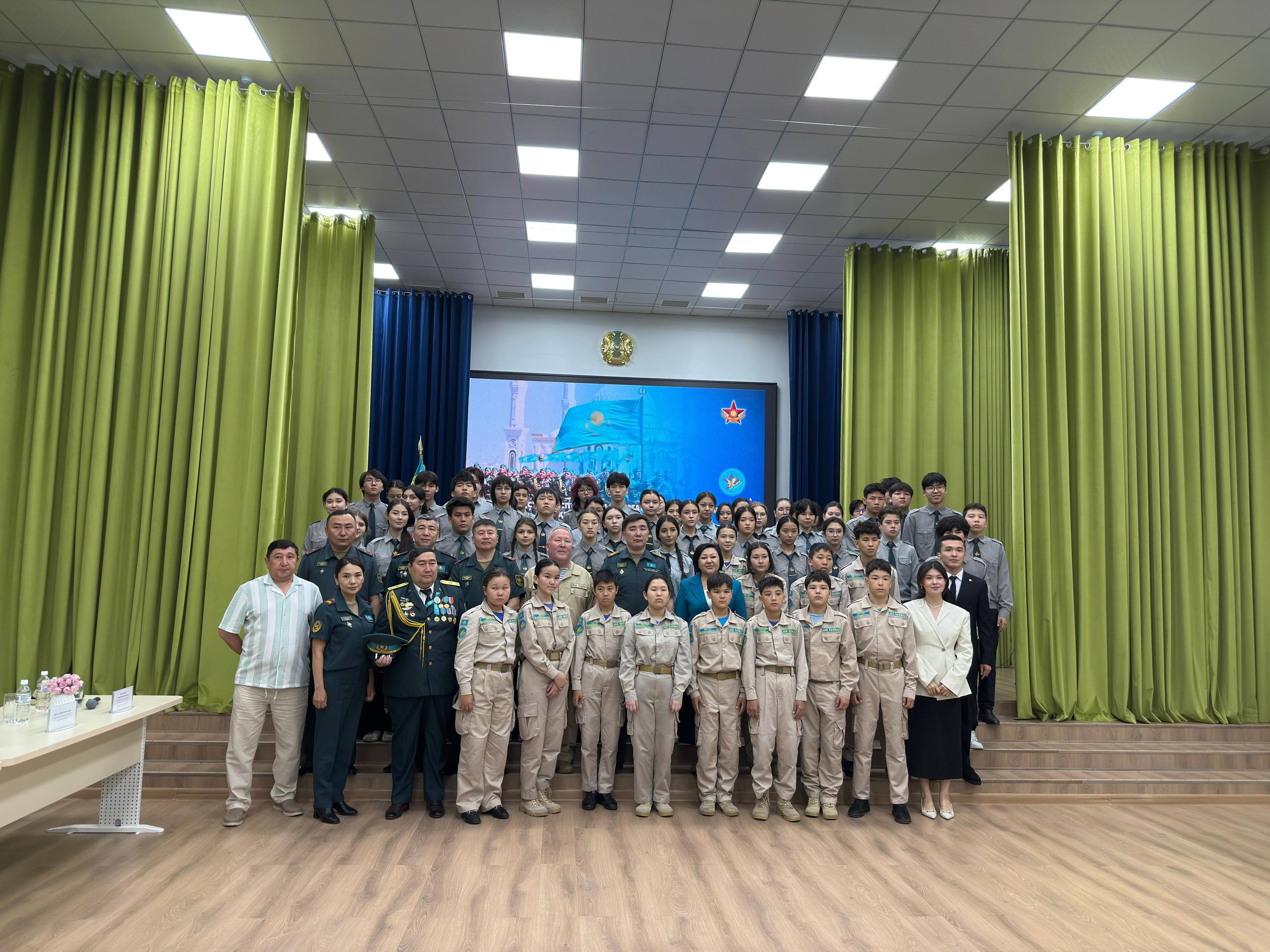
More than 3,500 schoolchildren took part in the Ministry of Defense's patriotic campaign in the Almaty region. 19.05.2026
Source : https://www.gov.kz/memleket/entities/mod/press/news/details/1223257?lang=kk
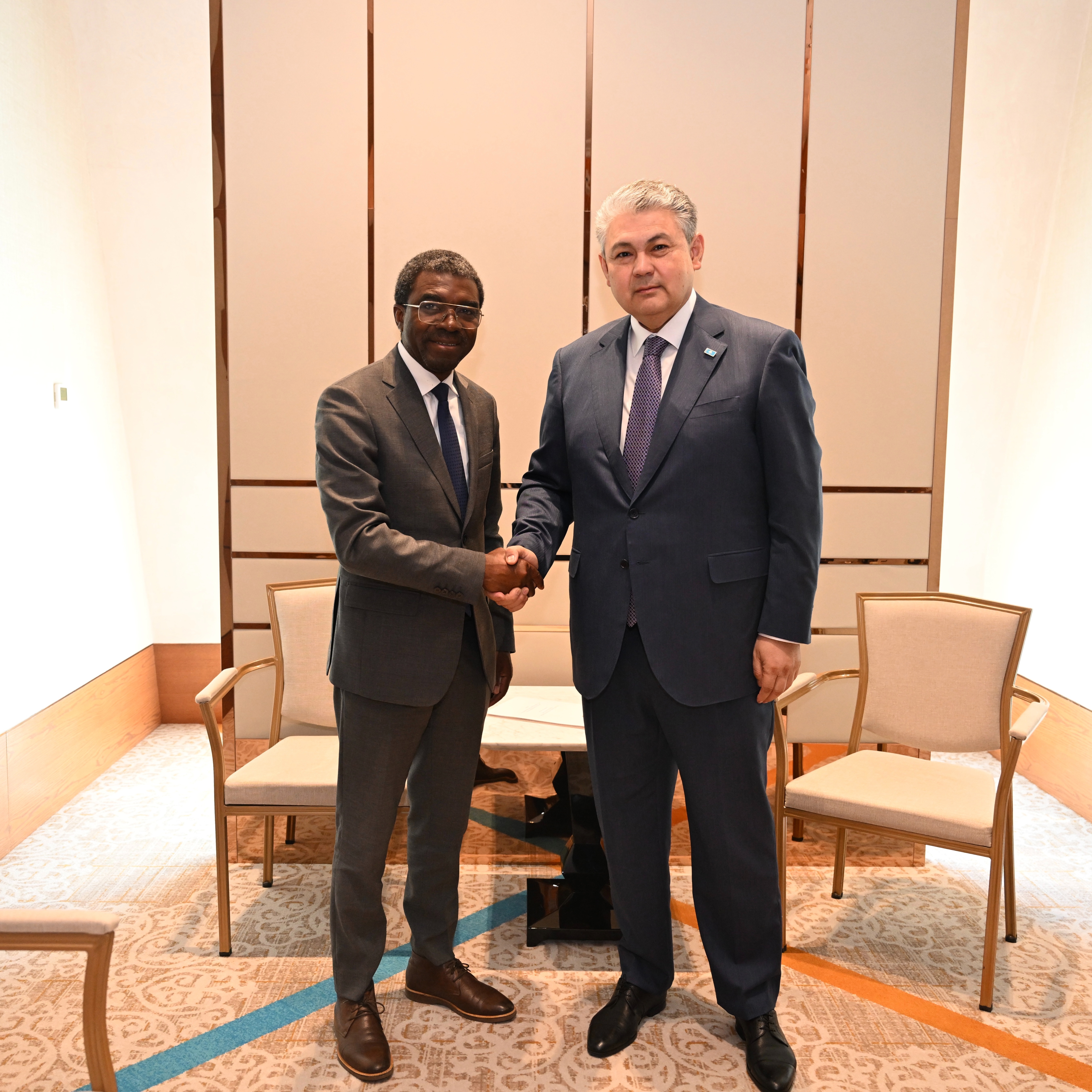
Astana and UNESCO strengthen cooperation in the field of cultural heritage preservation 19.05.2026
Astana, May 19, 2026 – On the sidelines of the international symposium “The Golden Horde as a Model of Steppe Civilization: History, Archaeology, Culture and Identity”, Minister of Foreign Affairs of the Republic of Kazakhstan Yermek Kosherbayev met with Lazare Eloundou Assomo, Director of the World Heritage Centre and UNESCO’s Acting Assistant Director-General for Culture.The Minister informed his interlocutor of the great importance attached by the President of Kazakhstan Kassym-Jomart Tokayev to the principles and practice of multilateral cooperation within the United Nations system, in which UNESCO has traditionally held a special place as a key instrument of international cooperation in the humanitarian areas.The Foreign Minister underscored the significance of the history of the Golden Horde as a major state that played an important role in the formation of the Kazakh nation, as well as a number of other peoples of Central Asia and Eastern Europe. In this context, he expressed appreciation to UNESCO for its decision to grant patronage to the significant international symposium taking place in Astana on 19-20 May 2026.In his turn, Lazare Eloundou Assomo thanked Kazakhstan for the invitation, noting the high level of organization and substantive quality of the scientific event. According to him, UNESCO highly values its cooperation with Kazakhstan, including in view of its ongoing membership in the World Heritage Committee, and stands ready to continue joint efforts aimed at safeguarding its cultural, natural, documentary and intangible heritage, as well as strengthening the capacities of Kazakh experts in this field.At the conclusion of the meeting, the parties reaffirmed their mutual commitment to constructive cooperation within the UNESCO’s mandate.Source : https://www.gov.kz/memleket/entities/mfa/press/news/details/1223258?lang=kk
Consolidation of society: sociological research records a high level of support for the President 19.05.2026
According to a survey of the Kazakhstan Institute for Strategic Studies (KazISS) conducted in April-May 2026, the level of confidence in the President of the Republic of Kazakhstan amounted to 86.7%, while maintaining a consistently high indicator.The highest level was recorded among young people (91.4%), and also remains comparatively high among the urban (86.9%) and rural population (86.7%).The analysis shows that trust is sustainable and correlates with the assessment of the socio-economic situation, increasing as income levels increase.Thus, the results of the study reflect broad public support for the course of development and modernization of the country.📌 The survey was conducted by KazISS from April 10 to May 10, 2026. Sample - 8,000 respondents from all regions of Kazakhstan, including Astana, Almaty and Shymkent.Source : https://www.gov.kz/memleket/entities/mfa-erevan/press/news/details/1223219?lang=kk