
Society
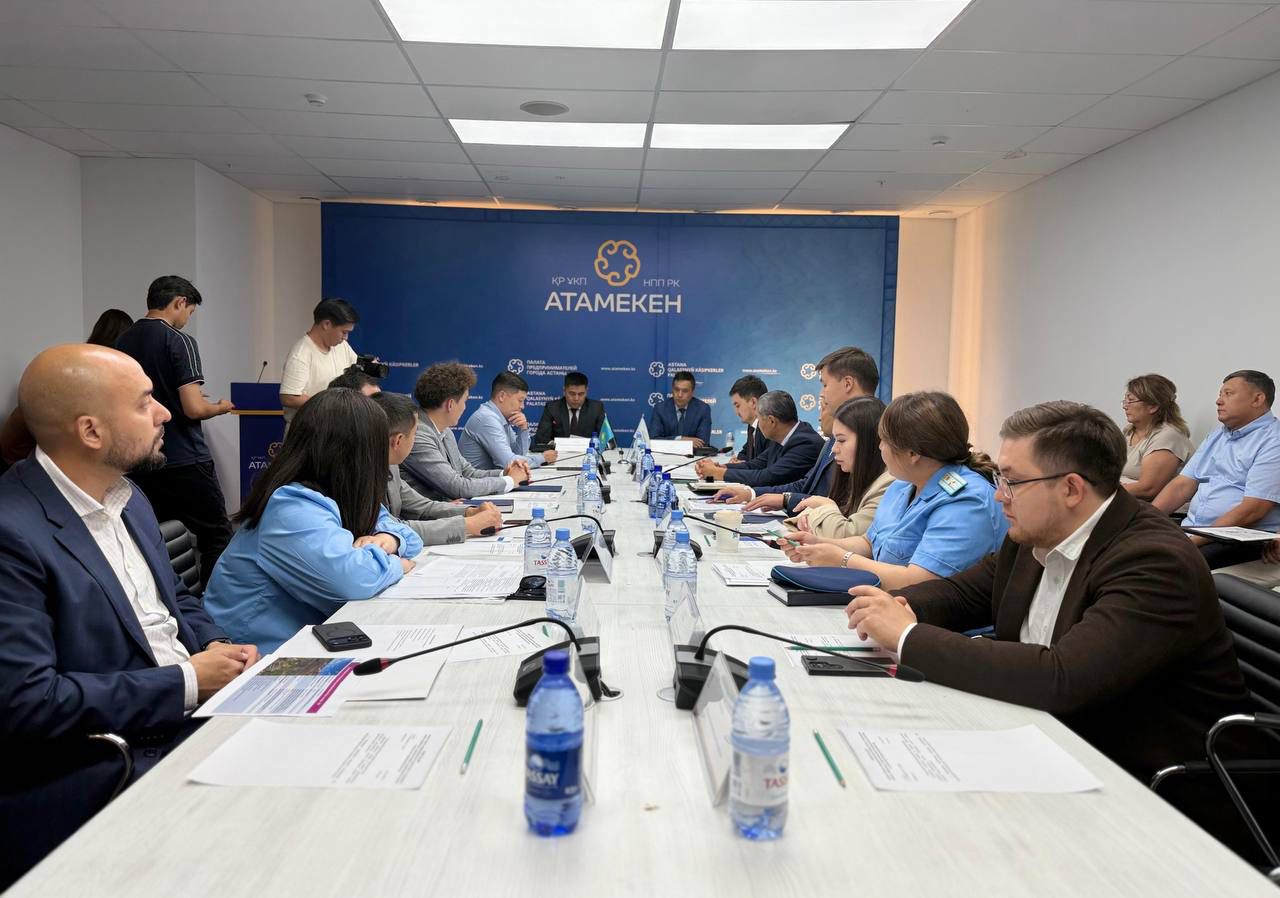
Working Meeting Held Under the INVEST CARAVAN Project in Astana 12.07.2026
As part of the «INVEST CARAVAN» project, a working meeting was held at the «Atameken Chamber of Entrepreneurs of Astana» with the participation of representatives of the Baikonyr District Prosecutor's Office and the Chamber of Entrepreneurs.The meeting brought together the Deputy Akim of Baikonyr District, representatives of local executive authorities, investors, and members of the business community.During the meeting, participants discussed key issues arising during the implementation of investment projects and the conducting of business activities within the district. Particular attention was given to administrative procedures, as well as other matters requiring interagency coordination and cooperation.During the open dialogue, representatives of the business community raised a number of issues requiring further consideration. Nurzhan Tokhmet, Head of the Department at the Astana City Investment and Entrepreneurship Development Department, together with representatives of the authorized government agencies, provided the necessary clarifications on the issues raised and outlined further mechanisms for their prompt and effective resolution.At the conclusion of the meeting, the participants reaffirmed their commitment to continuing joint efforts aimed at creating a favorable business environment in Astana and facilitating the successful implementation of investment initiatives. https://www.instagram.com/p/DaBGjPNsqvR/?hl=ru Source : https://www.gov.kz/memleket/entities/astana-uir/press/news/details/1249005?lang=ru
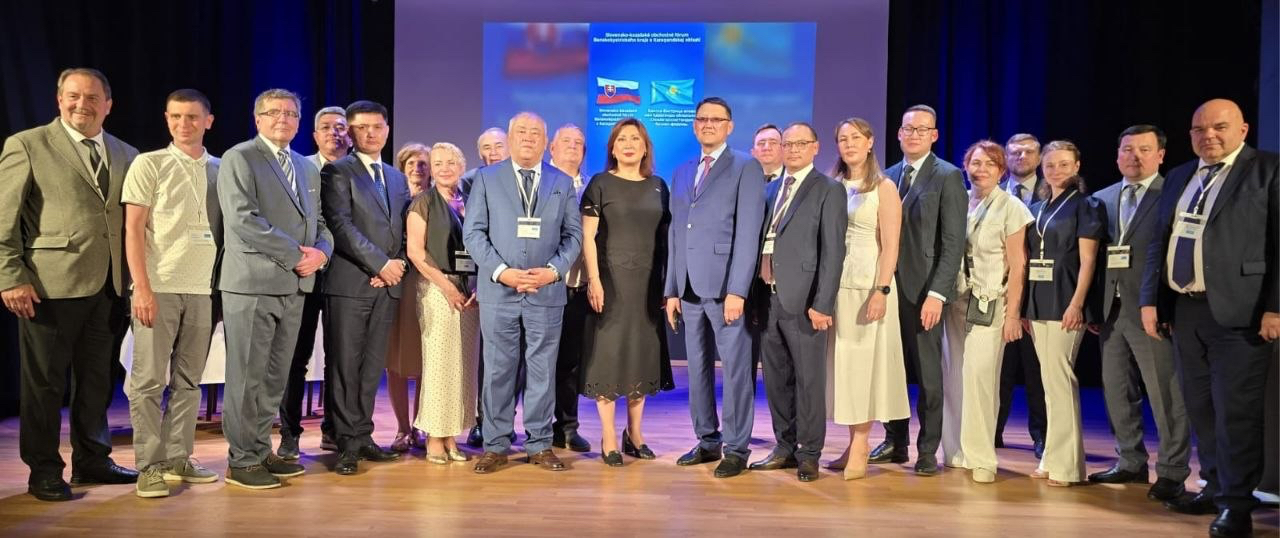
Kazakhstan and Slovakia Strengthen Interregional Cooperation 12.07.2026
On June 23-24, a delegation from the Karaganda Region, led by Deputy Akim Yermek Alpyssov, paid a visit to the Slovak Republic.The primary objective of the visit was to establish practical cooperation between the Karaganda Region and the Banská Bystrica Self-Governing Region, as well as to expand collaboration in the fields of economy, investment, technology transfer, and innovation.As part of the visit, the Deputy Akim held meetings with Ondrej Lunter, Chairman of the Banská Bystrica Region, and Michal Frič, Head of the Regional Branch of the Office of the President of the Slovak Republic. The parties reviewed a wide range of issues aimed at further developing interregional ties, including cooperation in industry, entrepreneurship, education, youth exchanges, and tourism.Nurlan Dulatbekov, Rector of the Karaganda National Research University, visited Matej Bel University, the Technical University in Zvolen, and the State Scientific Library in Banská Bystrica. He discussed the prospects for implementing joint research projects, expanding the academic mobility of students and faculty members, and participating in international educational and cultural programs.The central event of the visit was the Slovak-Kazakh Business Forum, which brought together representatives of the business communities from both regions. Opening remarks were delivered by O. Lunter, M. Frič, and the Ambassador of Kazakhstan, Zh. Saginova. They highlighted the importance of developing regional partnerships, taking into account the complementary nature of the two economies and the significant potential for sector-specific cooperation between the Karaganda Region and the Banská Bystrica Region.During the event, presentations were made showcasing the economic and investment potential of both regions. Particular attention was paid to meetings in B2B and B2G formats, where leaders from more than 30 Kazakh and Slovak companies held substantive negotiations on bilateral cooperation, the implementation of joint projects, technology exchange, and entry into new markets.The key outcome of the visit was the signing of three documents aimed at strengthening cooperation between the regions:The Letter of Intent between the Karaganda Region and the Banská Bystrica Self-Governing Region consolidated the commitment of both parties to developing a long-term partnership in trade, economic, scientific, technical, cultural, and humanitarian spheres.The Chamber of Entrepreneurs of the Karaganda Region and the Regional Slovak Chamber of Commerce and Industry of the Banská Bystrica Region concluded a cooperation agreement focused on promoting entrepreneurship, supporting business activity, and expanding contacts between private sector representatives of the two regions.Furthermore, an agreement on cooperation signed between the Buketov Karaganda National Research University and Matej Bel University will contribute to the development of academic interaction.On the second day of their stay in the Banská Bystrica Region, the delegation visited several leading enterprises in the area, where they familiarized themselves with advanced technologies and innovative solutions applied in Slovakia across the industrial, transport, and energy sectors.The visit marked an important milestone toward further deepening interstate relations between Kazakhstan and Slovakia, which are built on a solid foundation of friendship and the principles of mutually beneficial cooperation.Source : https://www.gov.kz/memleket/entities/mfa-bratislava/press/news/details/1248986?lang=ru
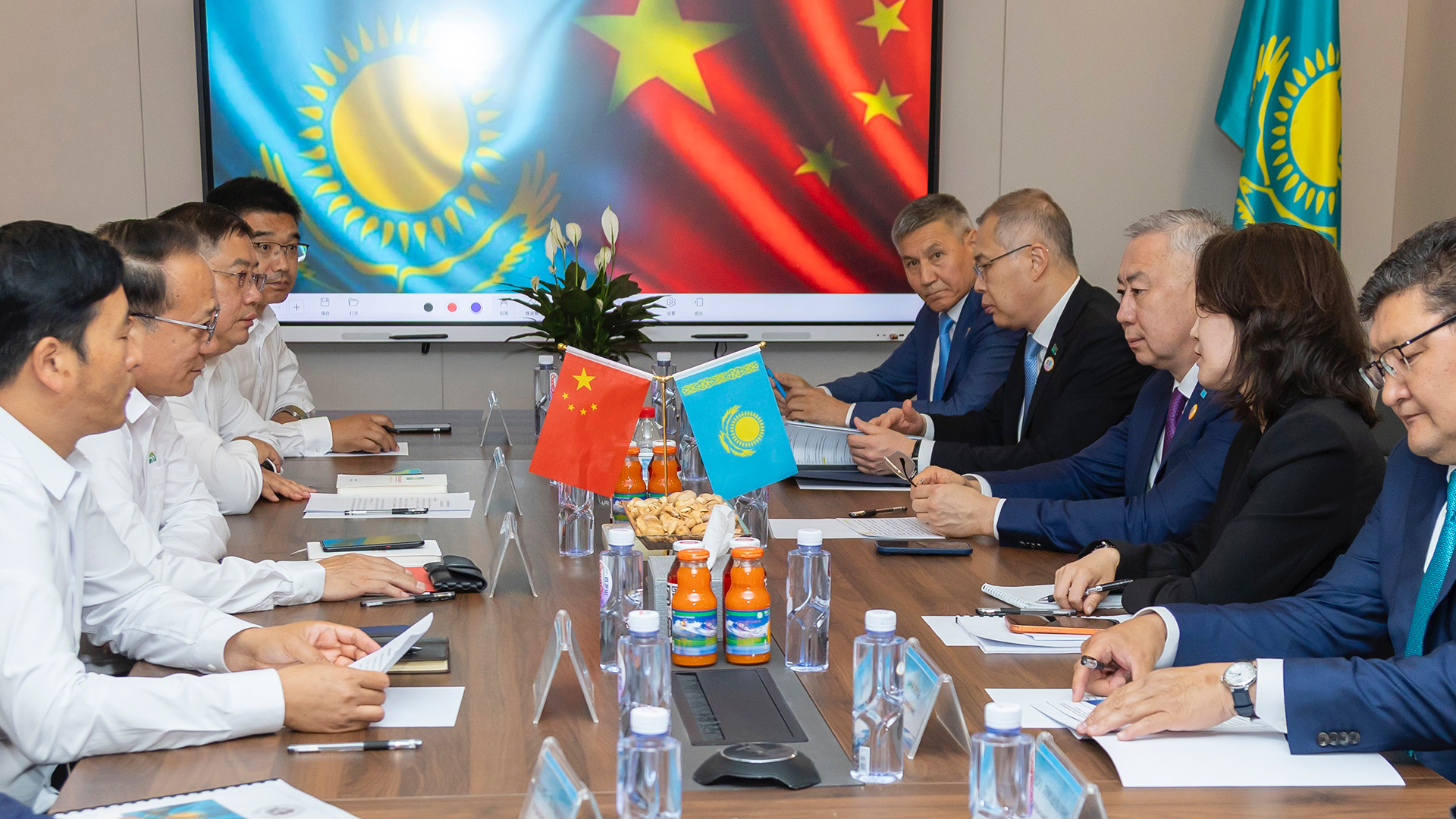
Инвестиции в углехимию и новые проекты в АПК: Серик Жумангарин провел переговоры с крупнейшими корпорациями Китая 12.07.2026
Заместитель Премьер-министра – министр национальной экономики РК Серик Жумангарин провел встречи с топ-менеджментом ведущих промышленных и агропромышленных холдингов Китая. Переговоры, направленные на привлечение масштабных инвестиций в экономику Казахстана, состоялись на площадке представительства АО «Центр развития торговой политики «QazTrade» в Урумчи.Одним из ключевых итогов встречи стали переговоры с руководством China Pingmei Shenma Holding Group Co., Ltd. – одного из крупнейших промышленных холдингов Китая в сфере угледобычи, углехимии и производства новых материалов.Китайская компания рассматривает возможность реализации в Казахстане масштабного проекта по созданию современного углехимического комплекса с объемом инвестиций до $1,5 млрд. Проект предусматривает создание полного цикла глубокой переработки угля с выпуском продукции высокой добавленной стоимости. Представители China Pingmei Shenma Holding Group заявили о намерении создать в Казахстане современный интегрированный углехимический комплекс полного цикла и рассматривают республику в качестве ключевой инвестиционной площадки группы в Центральной Азии.Серик Жумангарин поддержал инициативу и предложил китайской стороне в ближайшее время посетить Казахстан для реализации проекта.«Мы активно поддерживаем проекты в сфере углехимии. Готовы обеспечить сопровождение проекта, а также проработать механизмы финансирования совместно с холдингом «Байтерек» и Банком развития Казахстана. Область Абай также открыта для сотрудничества и готова предложить площадки для реализации проекта», — отметил вице-премьер Казахстана.По итогам переговоров China Pingmei Shenma Holding Group и АО «Центр развития торговой политики «QazTrade» подписали меморандум о стратегическом сотрудничестве в сфере освоения угольных ресурсов и развития углехимической промышленности Казахстана.Еще одним стратегическим партнером стала китайская промышленная группа Xinjiang Zhongxinjian Animal Husbandry Co., Ltd., обладающая компетенциями в области биотехнологий, животноводства, производства ветеринарных вакцин, кормов и глубокой переработки сельскохозяйственной продукции.Стороны обсудили возможность трансфера в Казахстан современных технологий производства ветеринарных препаратов и внедрения комплексных решений в сфере ветеринарии, животноводства и растениеводства. Особое внимание уделено развитию современных агротехнологий, систем орошения и выращивания высокопротеиновой кукурузы.Китайская компания также представила реализуемый в СЭЗ «Хоргос» проект по выращиванию кормовой кукурузы и строительству промышленного парка по глубокой переработке кукурузы мощностью 1 млн тонн в год. Китайские партнеры отметили, что смогли детально изучить рынок благодаря сотрудничеству с АО «НК «Продкорпорация». В ходе переговоров Серик Жумангарин предложил компании рассмотреть область Абай как базовую площадку для реализации совместных проектов в сфере агропромышленного комплекса и глубокой переработки сельхозпродукции.Вице-премьер отметил, что после снятия Всемирной организацией здоровья животных последних ветеринарных ограничений Казахстан получил дополнительные возможности для экспорта животноводческой продукции на мировые рынки.В этой связи казахстанская сторона предложила комплексную модель сотрудничества, предусматривающую создание специализированной лаборатории, работающей по стандартам КНР, совершенствование нормативной базы для экспорта и развитие приграничной логистической инфраструктуры.«Сегодня Казахстан заинтересован не в экспорте живого скота, а в поставках готовой продукции глубокой переработки. Создание современной инфраструктуры контроля качества и логистики позволит значительно увеличить экспорт переработанной продукции на китайский рынок», — подчеркнул Серик Жумангарин.По итогам встреч стороны договорились продолжить детальную проработку проектов, подготовить дорожные карты сотрудничества и организовать взаимные визиты специалистов для перехода к практической реализации инвестиционных инициатив.Source : https://www.gov.kz/memleket/entities/economy/press/news/details/1248988?lang=ru
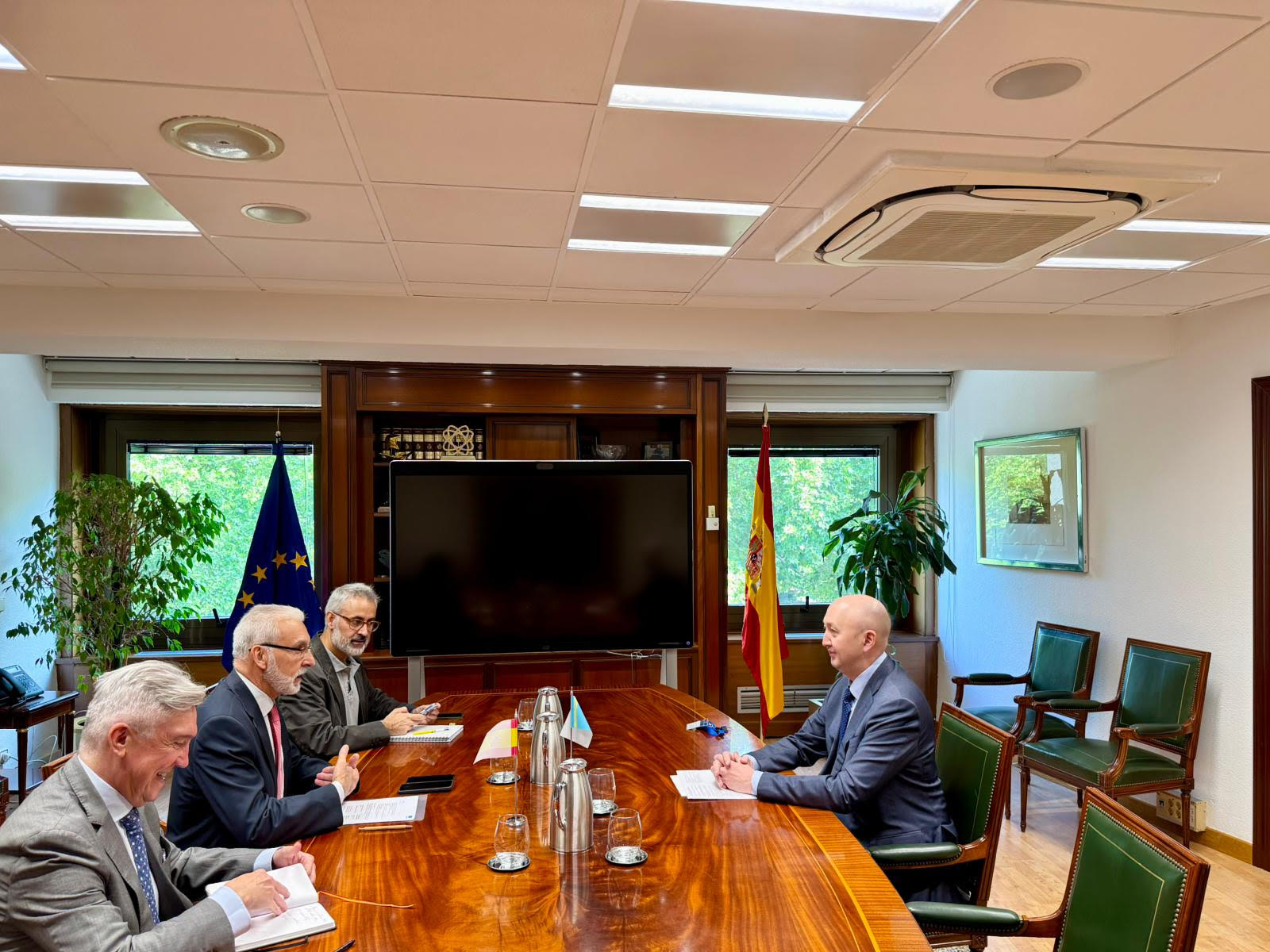
Kazakhstan and Spain Develop Partnership in the Field of Nuclear Safety 12.07.2026
Madrid, June 25, 2026 – Ambassador of Kazakhstan to Spain Danat Mussayev held a meeting with the President of Spain’s Nuclear Safety Council, Juan Carlos Lentijo.The Kazakh diplomat briefed his interlocutor on Kazakhstan’s approaches to the development of the national nuclear industry and informed him about the results of the republican referendum on the construction of the country’s first nuclear power plant.It was noted that the development of nuclear energy is regarded by Kazakhstan as an important element of ensuring long-term energy security, as well as a driver for scientific and technological progress, the training of highly qualified personnel and the strengthening of the country’s industrial potential.Mussayev also reaffirmed Kazakhstan’s unwavering commitment to the principles of nuclear disarmament, non-proliferation and the peaceful use of nuclear energy. In this context, the parties discussed prospects for further cooperation within the framework of the International Atomic Energy Agency (IAEA) and the coordination of efforts to advance the relevant international agenda.The interlocutors noted the significant potential for bilateral cooperation in the nuclear field and expressed interest in exploring joint initiatives aimed at expanding practical interaction between the relevant institutions of Kazakhstan and Spain.Source : https://www.gov.kz/memleket/entities/mfa-madrid/press/news/details/1248977?lang=ru
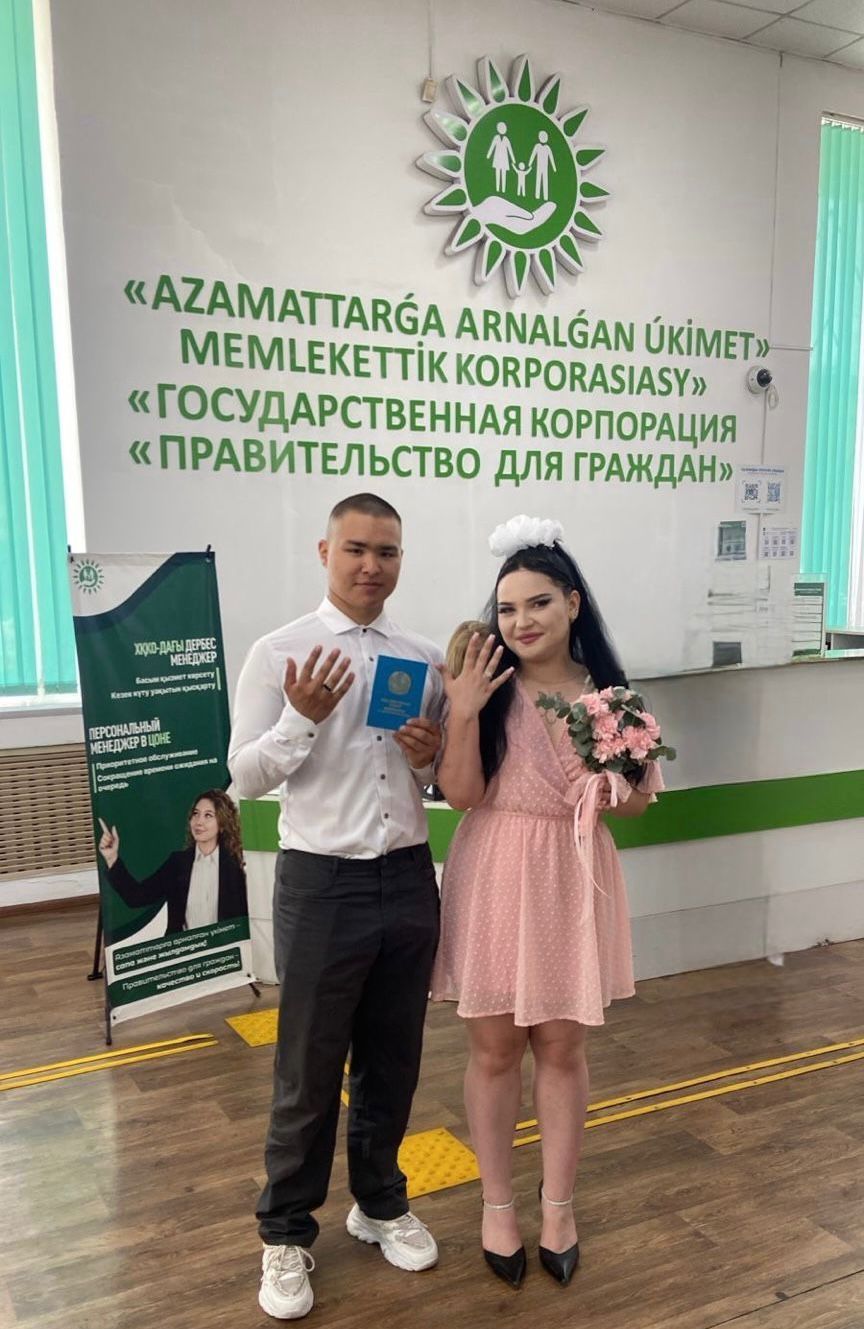
June 26, 2026: In the Abay region, about 150 couples registered their marriage on one of the most beautiful dates of the year 12.07.2026
June 26, 2026, became a truly special day for residents of the Abay region. The symbolic combination of numbers attracted the attention of many couples who decided to officially tie the knot on this day. As a result, approximately 150 marriages were registered at the region's civil registry offices.These special dates are traditionally in high demand among newlyweds. Many couples choose these dates in advance for their weddings, considering them a symbol of a happy start to their family life and a memorable occasion that will stay with them for many years to come.The city of Semey led the way in the number of registered marriages. It was here that the largest number of new families were born on this beautiful date, June 26, 2026, confirming the traditionally high demand for wedding ceremonies in the regional capital. In all the cities and districts of the region, this day was celebrated in a festive atmosphere, filled with the happy smiles of newlyweds, congratulations from family and friends, and the most sincere emotions.According to Zhibek Zhadrina, Director of the Abay Regional Branch of the State Corporation "Government for Citizens," these dates are always among the most sought-after on the registry office calendar."Starting a family is one of the most important events in everyone's life. And it's wonderful to see that many newlyweds strive to make this day even more special by choosing beautiful and symbolic dates. Today, approximately 150 marriages have been registered in the Abay Region, and each number represents a unique story of love, hope, and a happy future. We sincerely congratulate the young families on this momentous occasion and wish them mutual love, respect, prosperity, and many years of happy life together," notes Zhibek Zhadrina.The Abay Regional Branch of the State Corporation "Government for Citizens" congratulates all newlyweds on the beginning of a new chapter in their lives. May June 26, 2026, forever remain a bright memory for them, and may the families created today be strong, happy, and filled with warmth, mutual understanding, and love.Source : https://www.gov.kz/memleket/entities/abay-kurchatov/press/news/details/1248937?lang=ru
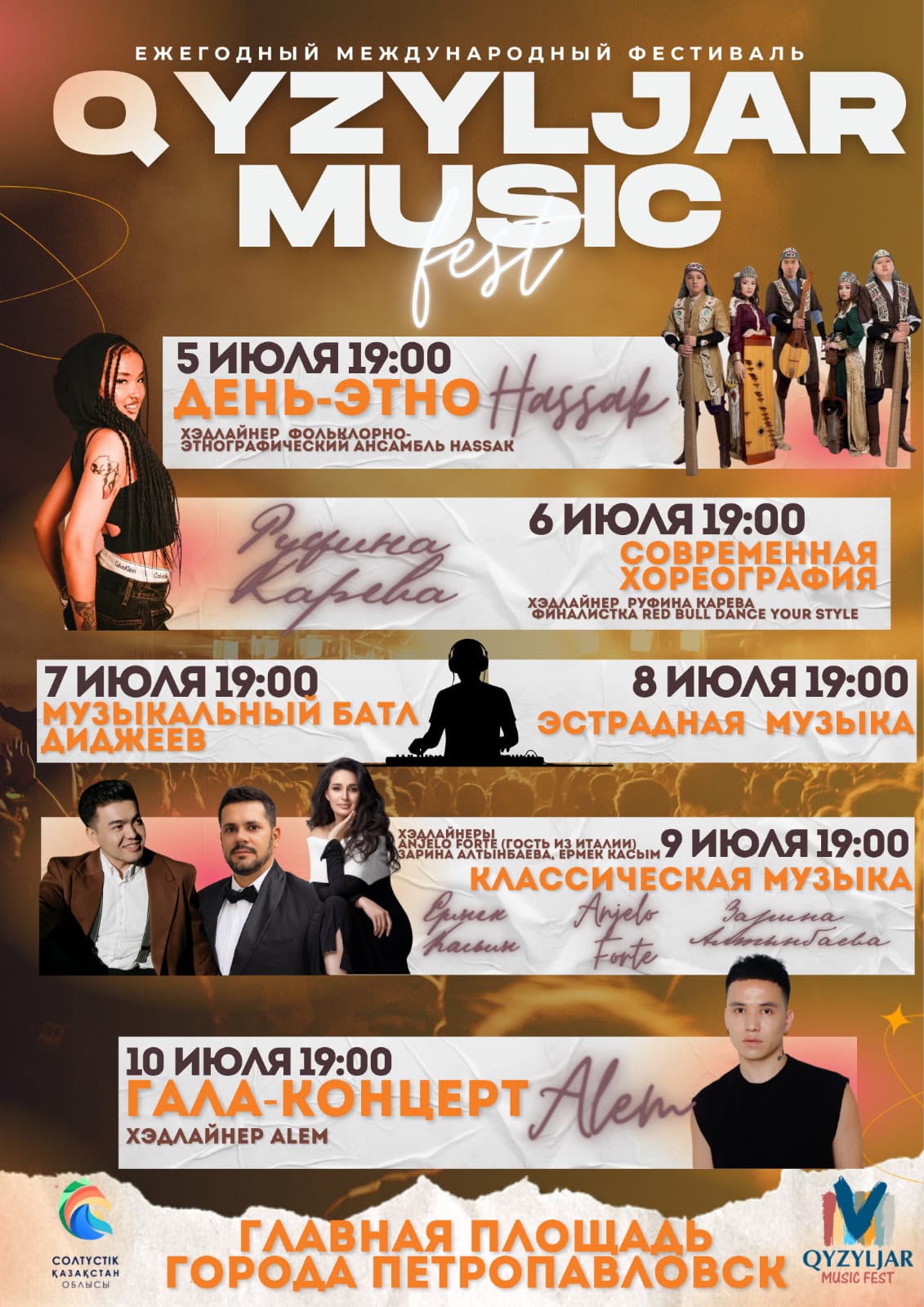
Petropavlovsk Will Once Again Become the Musical Capital of Summer: QYZYLJAR MUSIC FEST – V, Dedicated to the 100th Anniversary of Outstanding Opera Singer and People’s Artist of the USSR Yermek Serkebayev, Is Set to Begin 12.07.2026
From July 5 to 10, Petropavlovsk will once again become the center of the region’s main musical event. The international festival QYZYLJAR MUSIC FEST – V will take place on the city’s main square, annually bringing together thousands of spectators and combining the best traditions, contemporary art, and vibrant creative projects.Six unforgettable open-air evenings will give residents and guests of the city the atmosphere of a true celebration of music, creativity, and inspiration. Every day at 7:00 p.m., the main square will turn into a large-scale concert venue where different musical genres, cultures, and generations will come together.The festival will open on July 5 with a grand evening of ethnic music. The folklore and ethnographic ensemble Hassak will perform on stage, captivating audiences with its unique combination of national traditions and modern sound.On July 6, festival guests will enjoy the energy of movement and contemporary dance. The special guest will be Rufina Kareva, a finalist of the international project Red Bull Dance Your Style.On July 7, the square will be filled with the drive and powerful energy of a DJ music battle. Modern rhythms, a light show, and a dance atmosphere will create a real celebration for young people and all fans of electronic music.One of the festival’s special events will take place on July 9 — an open-air evening of classical music. Honored Worker of Kazakhstan Zarina Altynbayeva will perform for the audience, and the special guest of the program will be the renowned Italian opera singer Angelo Forte from Italy, whose voice has conquered stages in many countries around the world.The bright culmination of the festival will be held on July 10 — a large gala concert featuring the popular Kazakhstani performer Alem, who will present the audience with their favorite hits and unforgettable emotions.QYZYLJAR MUSIC FEST has already become a hallmark of the cultural life of North Kazakhstan Region. It is not just a series of concerts, but a large-scale event that unites people through music, art, and live communication. The festival offers an opportunity to hear world-class artists, discover new musical genres, and spend warm summer evenings in a festive atmosphere.We invite residents and guests of the city to become part of this bright event, filled with music, emotions, and unforgettable impressions.Date: July 5–10, 2026Start time: daily at 7:00 p.m.Venue: Main Square of PetropavlovskAdmission: free.Source : https://www.gov.kz/memleket/entities/sko-madeniet/press/news/details/1248970?lang=ru
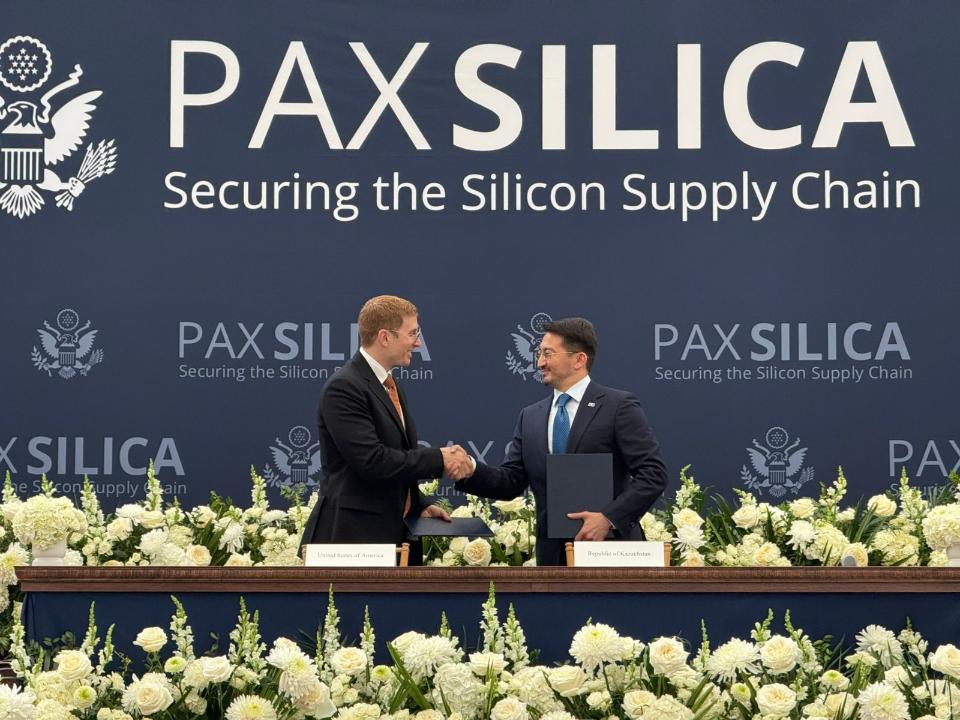
Kazakhstan Joins the Pax Silica Initiative to Develop AI Infrastructure and High-Tech Manufacturing 12.07.2026
Washington, D.C., June 25, 2026 - Kazakhstan has officially joined the international Pax Silica initiative, becoming the first country from the region to do so. The Declaration of Accession of the Republic of Kazakhstan to Pax Silica, as well as the joint statement on the AI Opportunity Partnership, were signed on behalf of Kazakhstan by Zhaslan Madiyev, Deputy Prime Minister and Minister of Artificial Intelligence and Digital Development of the Republic of Kazakhstan.The signing ceremony was held at the Donald Trump World Peace Institute, with the support of the US Department of State.The signing of these documents officially brings Kazakhstan into the international technology alliance comprising 15 countries: Australia, Finland, Greece, India, Israel, Japan, Norway, Qatar, the Republic of Korea, Singapore, Sweden, the Philippines, the United Arab Emirates, the United Kingdom, and Taiwan.Pax Silica is an international technology cooperation initiative aimed at developing trusted supply chains for the new AI economy. It brings together partner countries around artificial intelligence, critical minerals, semiconductors, data centers, energy infrastructure, high-tech manufacturing, research, and talent development.Kazakhstan’s participation in Pax Silica is aligned with President Kassym-Jomart Tokayev’s agenda to build a digital nation and accelerate the development of artificial intelligence as one of the key drivers of modernization in the economy, public administration, science, education, and industry.For Kazakhstan, joining Pax Silica opens new opportunities to attract investment, expand technology partnerships, develop high-tech manufacturing, and strengthen the country’s role in global supply chains.Kazakhstan brings a number of strategic advantages to the initiative: significant potential in critical minerals, energy resources, a favorable geographic location between Europe and Asia, developing digital infrastructure, a growing IT ecosystem, and a clear national course toward the development of artificial intelligence.One of the key areas of cooperation may be the processing of critical minerals and the development of high value-added manufacturing. Kazakhstan aims to move beyond the export of raw materials and develop more advanced links in the technology value chain, including components for batteries, semiconductors, energy storage systems, AI infrastructure, and other high-tech solutions.Participation in Pax Silica may also create additional opportunities for financing infrastructure and technology projects.“Today, a new AI economy is taking shape, in which artificial intelligence is becoming not only a digital technology but also the foundation of a new industrial system. Behind every AI solution are energy, critical minerals, computing capacity, data centers, semiconductors, engineering talent, and secure supply chains.Under the instructions of the Head of State, Kazakhstan is consistently building a digital nation where artificial intelligence should become a practical tool for the development of the economy, public administration, science, education, and industry. Our goal is not simply to introduce individual technologies, but to build a full-fledged ecosystem of the new AI economy.Kazakhstan has significant potential to take a strong position in this system. We aim to move beyond the role of a raw materials supplier and create greater technological value added within the country: to develop the processing of critical minerals, localize high-tech manufacturing, build data centers, participate in R&D platforms, train engineering and AI talent, and expand exports of technology solutions.Joining Pax Silica and signing the AI Opportunity Partnership open a new framework for cooperation with the United States and other partners. These are opportunities for investment, technology transfer, innovation-friendly regulation, access to partner markets, and strengthening Kazakhstan’s role as a reliable technology node in the global supply chains of the new AI economy,” said Zhaslan Madiyev.The joint statement on the AI Opportunity Partnership identifies three main areas of cooperation.The first is support for an innovation-friendly regulatory environment that promotes the development of artificial intelligence, startups, developers, and cloud platforms.The second is the expansion of cooperation in AI, research and development, energy and computing infrastructure, critical minerals, talent development, and the joint promotion of AI technologies.The third is the mobilization of the private sector, including venture investment, R&D partnerships, next-generation data centers, access to computing resources, and trusted AI models.The initiative may also contribute to human capital development through joint educational and research programs with leading global universities. Such programs may cover computational materials science, the application of AI in mining and raw materials processing, data security, data center engineering, industrial AI, and high-tech manufacturing.Kazakhstan’s accession to Pax Silica is part of the broader effort to implement the President’s instructions in the field of digital transformation and artificial intelligence. Kazakhstan is consistently moving toward the model of a digital nation where technology becomes the foundation for economic growth, high-quality public governance, industrial development, science, and human capital.Source : https://www.gov.kz/memleket/entities/mfa-washington/press/news/details/1249052?lang=ru
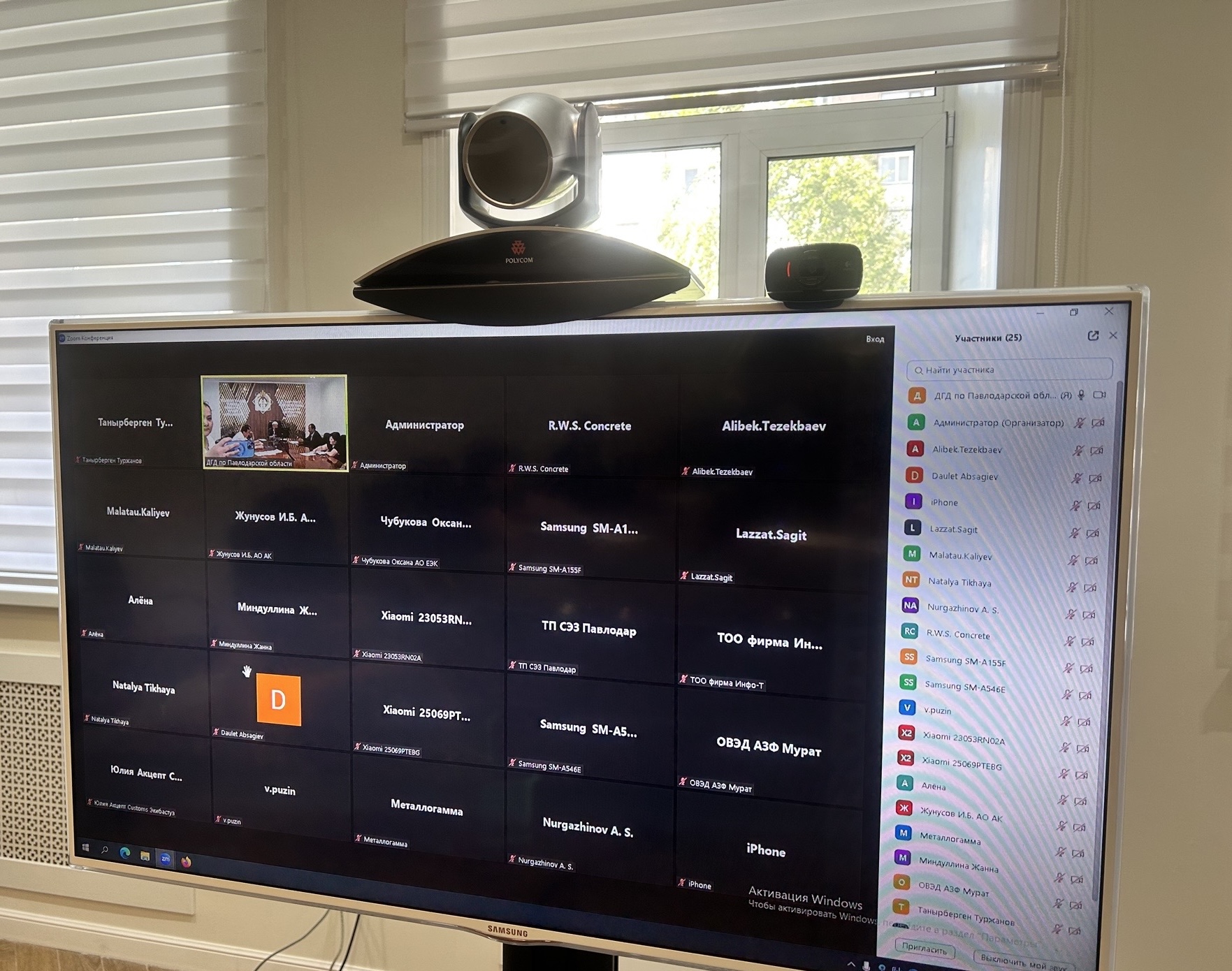
The work of the IP "KEDEN" was discussed in the DGD of Pavlodar region 12.07.2026
A round table in the ZOOM videoconference format was held at the Department of State Revenue for the Pavlodar region. The event was chaired by Deputy Head of the DGD Marat Beisenov, with the participation of the leadership of the relevant departments and customs posts of the department, as well as representatives of the largest participants in foreign economic activity (FEA) in the region and customs brokers (including JSC Kazakhstan Electrolysis Plant, Aksu Ferroalloy Plant JSC TNK Kazchrome, JSC Aluminum of Kazakhstan, LLP "KSP Steel" and others). The main topic of the meeting was the functioning, innovations and key advantages of the new information system (IP) "KEDEN". Opening the meeting, Marat Beisenov noted that the KEDEN IP is operating normally, and customs procedures are conducted transparently and in accordance with the law. During the meeting, the statistics of the customs declaration since the launch of the module "Declaration of goods" were also announced. The head of the Customs administration Department, Tlekes Tusetaev, spoke in detail about the functionality of the updated system and stressed that within the framework of the above module, verification of the fact of customs clearance of vehicles by VIN-code was implemented. Registers of special economic and industrial zones, medicines, intellectual property, state registration, etc. are also available in the system.Representatives of large enterprises in the region, in particular, JSC "KEZ" and JSC "Aluminum of Kazakhstan", confirmed the stable operation of the new system and the efficiency of the state revenue authorities in solving current issues. In turn, the specialists of the Aksu Ferroalloy Plant of TNK Kazchrome JSC made constructive suggestions to optimize the process of investment and provision of documents in the system. Following the meeting, all suggestions and comments from the participants of the foreign economic activity on improving the functionality of the system will be sent to the State Revenue Committee. The management of the DGD thanked the business community for the dialogue and called for further active cooperation.Department of Explanatory Work and Contact CenterState Duma of the Pavlodar regionSource : https://www.gov.kz/memleket/entities/kgd-pavlodar/press/news/details/1248926?lang=ru
Kazakhstan's Permanent Representative Appointed as Facilitator for WTO Reform 12.07.2026
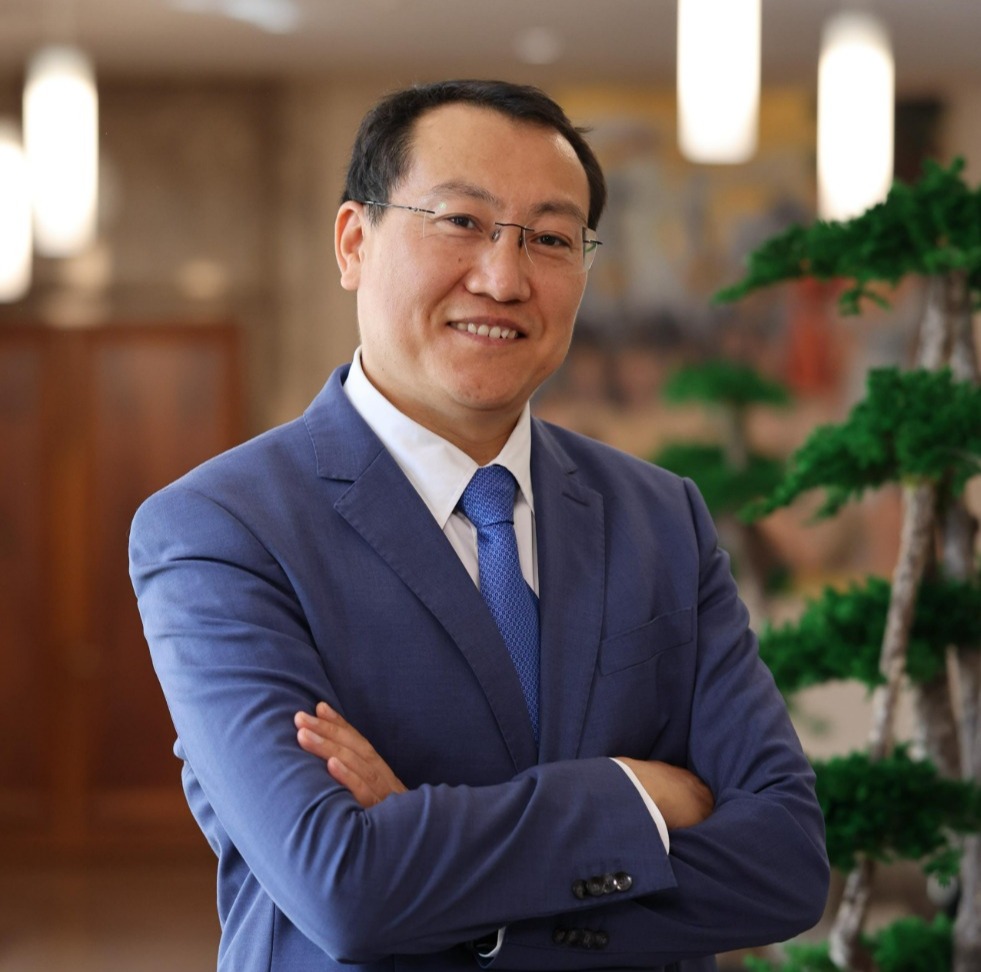
Geneva, 26 June 2026 – Five diplomats have today been designated in Geneva to shepherd one of the most consequential processes currently underway at the World Trade Organization (WTO): the reform of the Organization itself.WTO General Council Chair Ambassador Clare Kelly (New Zealand) presented five facilitators who will support the transition to the next substantive phase of WTO reform negotiations. H.E. Mr. Kairat Torebayev, Permanent Representative of the Republic of Kazakhstan to the WTO and International Economic Organizations, was appointed alongside the Permanent Representatives of Malaysia, Japan, Botswana, and Peru.The selection followed an invitation by the General Council Chair to WTO Members to nominate candidates. Following consultations, Members unanimously endorsed the appointment of five Permanent Representatives recognized for their high credibility, extensive experience, and active engagement within the Organization. All facilitators will serve in their personal capacity and on an equal footing.WTO reform is one of the Organization's foremost priorities, aimed at enhancing its effectiveness in the context of the modern global economy. Central to the discussions are improvements to decision-making mechanisms, the advancement of multilateral negotiations, balancing the interests of all Members, special and differential treatment (S&DT), ensuring a level playing field, and strengthening the foundational principles of the multilateral trading system.The appointment of Permanent Representative Torebayev reflects the high degree of trust placed in him by WTO Members and the recognition of his active contribution to the work of the Organization. In 2025–2026, he chaired the WTO Trade Policy Review Body (TPRB), overseeing a number of significant reviews, including the first Trade Policy Review of the United Kingdom following its withdrawal from the European Union (Brexit).Kazakhstan consistently advocates for a strengthened, open, predictable, and rules-based multilateral trading system and will continue to make an active contribution to advancing constructive dialogue and the reform of the World Trade Organization.Source : https://www.gov.kz/memleket/entities/mfa-wto/press/news/details/1248927?lang=ru
More Flights on the Ust-Kamenogorsk – Katon-Karagay Route for the Festival in Katon-Karagay 12.07.2026
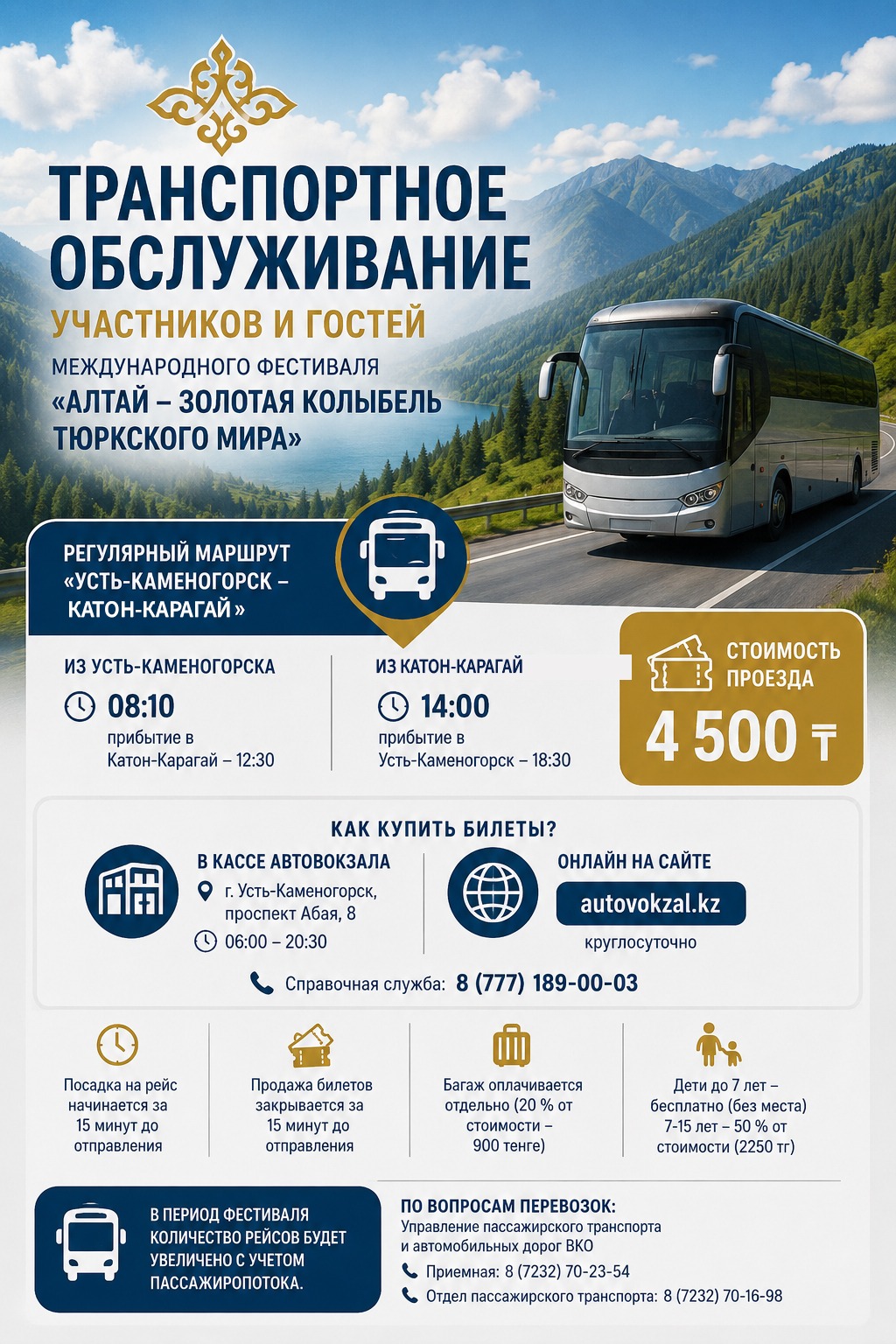
More Flights on the Ust-Kamenogorsk – Katon-Karagay Route for the Festival in Katon-KaragayThe International Festival "Altai – The Golden Cradle of the Turkic World" will take place in the Katon-Karagay District. To ensure convenient travel for participants and visitors, passenger transportation services will be reinforced during the event.Currently, a regular intercity bus service operates daily on the Ust-Kamenogorsk – Katon-Karagay route.Bus Schedule:Departure from Ust-Kamenogorsk: 08:10Arrival in Katon-Karagay: 12:30Departure from Katon-Karagay: 14:00Arrival in Ust-Kamenogorsk: 18:30The fare is 4,500 KZT.Tickets can be purchased at the Ust-Kamenogorsk Bus Terminal ticket office, located at 8 Abay Avenue, Ust-Kamenogorsk, open daily from 06:00 to 20:30, or online via https://autovokzal.kz/.For inquiries, please call the bus terminal information service: +7 (777) 189-00-03.During the festival period, the number of bus services on the Ust-Kamenogorsk – Katon-Karagay route is planned to be increased, depending on passenger demand.For additional information, please contact the East Kazakhstan Region Department of Passenger Transport and Highways:Reception Office: +7 (7232) 70-23-54Passenger Transport Department: +7 (7232) 70-16-98Source : https://www.gov.kz/memleket/entities/tourism-vko/press/news/details/1248912?lang=ru
On their professional holiday, regional media employees received housing 12.07.2026
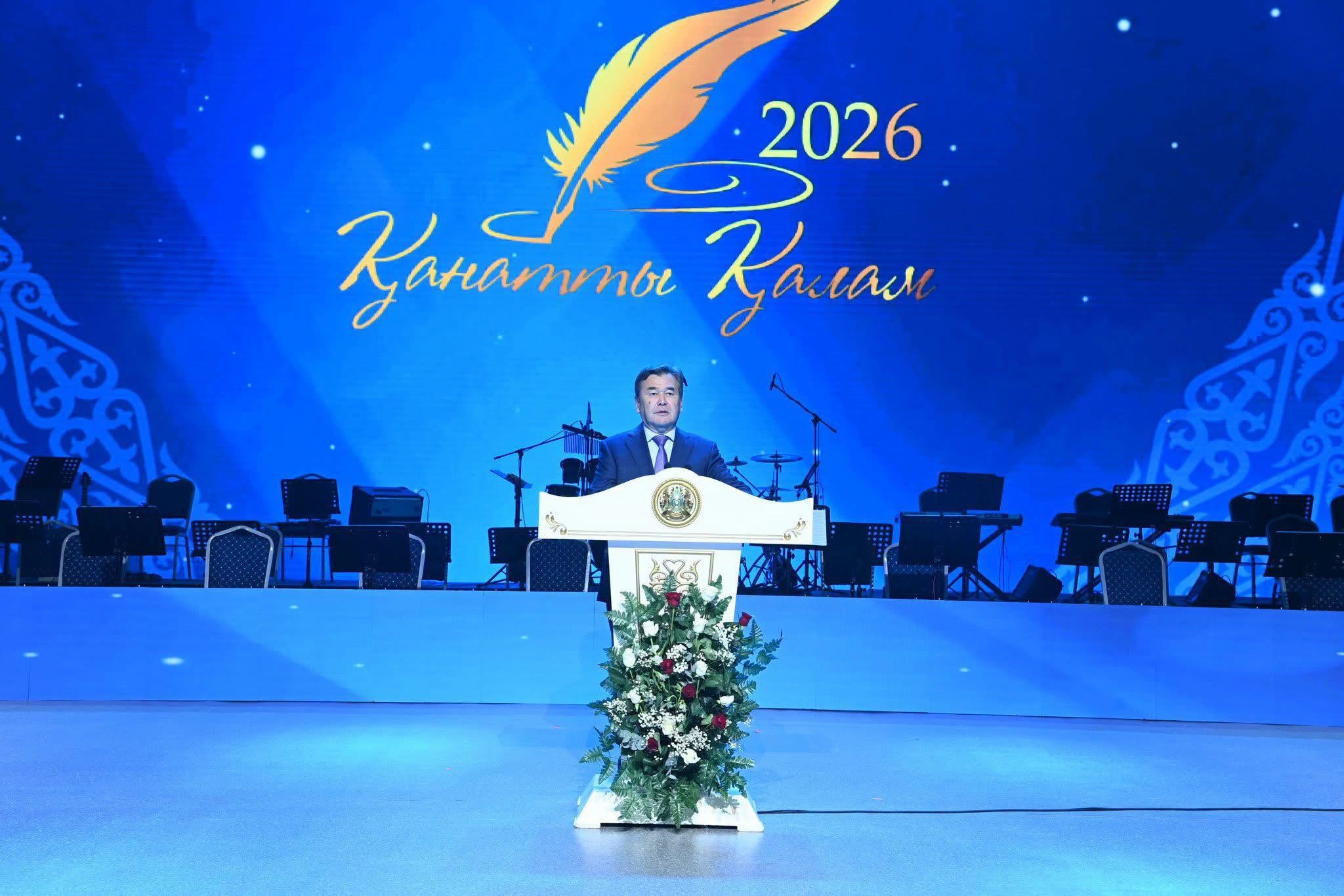
Today, the Arts Center hosted the "Kanatty Kalam-2026" gala event, dedicated to June 28th – Mass Media Workers' Day.The event was attended by regional Akim Murat Ergeshbayev, Chairman of the Regional Maslikhat Murat Tleumbetov, intellectuals, and industry veterans.The regional governor congratulated journalists on their professional holiday and praised their work in accurately informing the public about the region's innovations and initiatives."Today is an anniversary day for creative professionals working in publications and television channels, news agencies, and websites, and for the specialists who will work to publish journalists' stories and articles.On the eve of the holiday, the President of our country received media representatives in Akorda and presented state awards.Karabala Zhagyppar Amanzholovich, a veteran of the Qyzylorda TV channel, was awarded the Order of Parasat. This is a high assessment of our region's journalism.The Head of State: "Journalists are, first and foremost, messengers and sincere supporters of society. You always raise pressing issues facing the people and faithfully serve their interests. The state highly values your work."Our region also occupies a special place in the history of national journalism. Publications close to a century old, as well as newspapers published during the years of independence, are a vibrant source of history, socio-economic development, and the cultural and spiritual modernization of the region.This year, the region's leading channel, Qyzylorda, celebrated its 35th anniversary. The channel quickly broadcasts events and information in our region and is a harbinger of important political news in the life of the country.Kogam TV, which has been a popular channel for almost thirty years, occupies a special place in our information policy. The current excellence of regional television is the fruit of the labor of veterans past and present. The tenacity and hard work of talented professionals who have left their mark on the media have left a worthy mark on the history of television journalism.Today, specialists who have completed the internship and continued the mentorship of their teachers work for major national media holdings and television channels, raising the prestige of the School of Journalism in our region.Thank you for your work in shaping the history of Independence and the chronicle of the region!"- said Murat Nalkhozhaevich.Yesterday, at a ceremony in Akorda, the Head of State noted that special attention will be paid to supporting journalists and improving their social status. While over the past three years there were 200 journalists in Astana alone, this initiative has now expanded. At the President's direction, this year, 66 information workers working in the regions received keys to apartments for the first time. In our region, keys to apartments were presented to Aziz Batyrbekov, Deputy Director of the Syr Media partnership, and Ramazan Zhusupbek, a cameraman for the Qyzylorda TV channel.At the ceremony, those who have made significant contributions to the development of the information sector were awarded the Parasat and Qurmet orders, the Eren Enbegі Ushіn medal, the Enbek Ardagerі and Akparat Salasynyn Uzdіgі badges from the Ministry of Culture and Information of the Republic of Kazakhstan, a Certificate of Honor, the title of "Honorary Journalist of Kazakhstan" from the Union of Journalists of the Republic of Kazakhstan, and letters of gratitude from the First Deputy Prime Minister, the Deputy Prime Minister - Minister of Culture and Information, and the regional akim, a Certificate of Honor, and various nominations.Source : https://www.gov.kz/memleket/entities/kyzylorda/press/news/details/1248896?lang=ru
Karkaraly State National Nature Park 12.07.2026
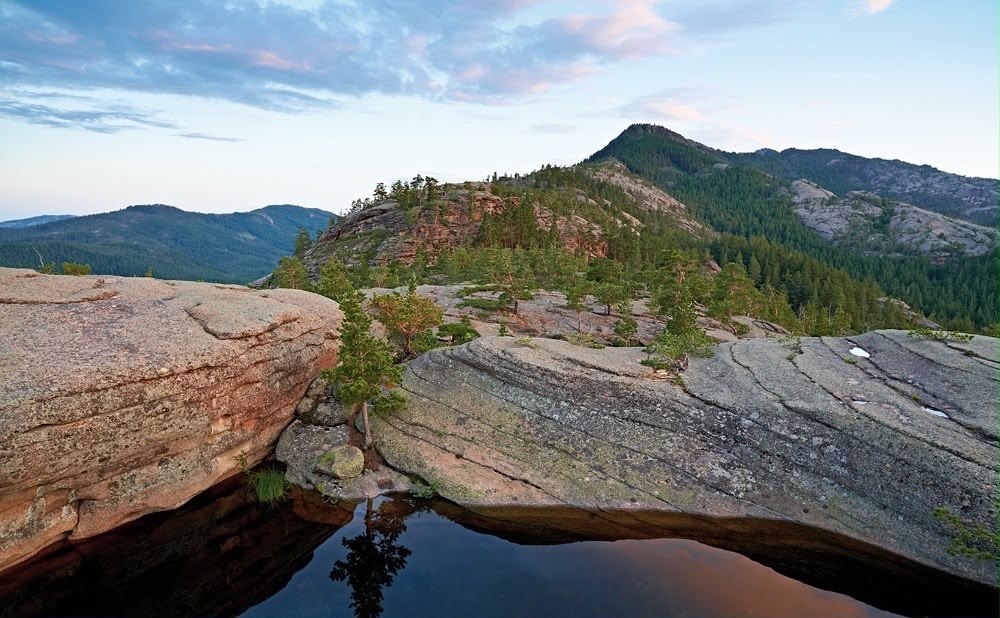
A glance at the picturesque mountains rising above the vast steppes of Saryarka reveals the unique beauty and mysterious charm of nature. At the heart of this magnificent landscape lies a remarkable place dedicated to preserving its natural treasures—the Karkaraly State National Nature Park.Established in 1998, the park has been protecting the unique natural ecosystems, diverse flora, and rich wildlife of the Karkaraly region for future generations. It stands as a symbol of Kazakhstan's commitment to conserving its natural heritage.The park covers an area of 112,120 hectares. It includes the Tau, Karkaraly, Kent, and Bakty forest districts. Towering pine forests, impressive granite cliffs, and crystal-clear lakes create the park's breathtaking scenery. Among its most famous natural attractions are Lake Shaytankol, Lake Basseyn, and Lake Pashennoye.The flora of the Karkaraly region is remarkably diverse. Pine, birch, aspen, hawthorn, rosehip, and many other plant species thrive here. This rich vegetation plays a vital role in maintaining the balance of the ecosystem.The park is also home to an impressive variety of wildlife. It shelters 234 bird species, including 4 listed in the Red Book of Kazakhstan. In addition, 46 species of mammals inhabit the park, 2 of which are also included in the Red Book of Kazakhstan.Beyond protecting nature, Karkaraly State National Nature Park serves as an important center for scientific research and environmental education. Every year, it hosts conservation campaigns, ecological events, and educational programs aimed at promoting environmental awareness.Karkaraly State National Nature Park is truly the pearl of Saryarka and one of nature's greatest gifts. Its magnificent forests, majestic mountains, pristine lakes, and abundant wildlife represent an invaluable part of Kazakhstan's natural heritage. Preserving this treasure is a responsibility shared by both present and future generations.Source : https://www.gov.kz/memleket/entities/ecogeo/press/news/details/1248811?lang=ru
Out-of-court bankruptcy of individuals in the Republic of Kazakhstan: current legislative amendments 12.07.2026
Since March 3, 2023, the Law of the Republic of Kazakhstan "On Restoration of Solvency and Bankruptcy of Citizens of the Republic of Kazakhstan" has been in force in the Republic of Kazakhstan, which provides for three procedures for resolving debts of citizens: out-of-court bankruptcy, judicial bankruptcy and restoring solvency. The most popular procedure is out-of-court bankruptcy, which makes it possible for citizens to get rid of debt obligations without visiting the court.Out-of-court bankruptcy applies to obligations to second-tier banks, microfinance organizations, collection agencies, as well as other organizations that have claims under loan and microcredit agreements for individuals. One of the main conditions is the availability of debt not exceeding 1600 monthly calculation indices (MCI). In 2026, this threshold is 6 920 200 tenge. In addition, the obligations must remain outstanding for at least 12 months on the date of the application.During the period of the Law operation, the State has made significant work to improve the procedure. In 2025, amendments were adopted according to which the requirement for mandatory debt settlement with a creditor does not apply to bank loan and microcredit agreements concluded before January 1, 2025. Debtors are also given the right to terminate the out-of-court bankruptcy procedure at their own request without giving reasons.Significant amendments will take effect in 2026. Pawnshops are excluded from the list of creditors whose claims can be written off as part of an out-of-court bankruptcy. In addition, for certain categories of debtors, the duration of the procedure has been reduced from six months to one month. This opportunity is provided to citizens with debts of less than 1600 MCI and not fulfilled their obligations for more than five years at the time of the application submitting. It makes possible to significantly speed up the process of freeing citizens from bad debts.In order to simplify the procedure, it is also not required to provide information on creditors, amounts owed, and attach supporting documents when submitting an application. Applications can be submitted through the eGov e-government portal, eGov Mobile and e-Salyq Azamat mobile applications, as well as through PSCs.At the same time, declaring a citizen bankrupt entails certain legal consequences. After completing the procedure, debt obligations are written off, except for alimony and obligations to compensate for harm to life and health. A ban on obtaining new loans for a period of five years is imposed on a bankrupt, the procedure can be re-applied only after seven years, and the financial condition of a citizen is subject to monitoring for three years.Thus, out-of-court bankruptcy is an important mechanism of social support for citizens in a difficult financial situation. Recent legislative amendments are aimed at further simplifying the procedure, shortening its duration and expanding the opportunities for citizens to become legally free from the unbearable debt burden.Since 03 March, 2023, i.e. since the Law came into force as of 24 June 2026, 12 162 applications have been submitted for the application of the out–of-court bankruptcy procedure in EKR, including:2023-1927;2024 – 2180;2025 – 4983;2026 – 3072 applications.From 12 162 applications:Rejected – 9240 applications;Under consideration - 919 applicatios.Completed – 2003 applications. Thus, to date, 2003 citizens have been declared bankrupt through the out–of-court bankruptcy procedure, debts to second-tier banks, microfinance organizations and collection organizations have been written off in the amount of 4 221 861 417, 0 tenge, including:2023 - 209 people for the sum of of 817 050 906, 10 tenge.;2024 – 305 people for the sum of 765 125 137, 30 tenge;2025 – 1101 people for the sum of 1 988 982 140, 60 tenge;2026 - 388 citizens for the sum of 650 703 233, 00 tenge.Source : https://www.gov.kz/memleket/entities/kgd-vko/press/news/details/1248813?lang=ru

100 Transfers in 3 Months: When a Personal Bank Account Shows Signs of Business Activity 12.07.2026
The State Revenue Department for Almaty informs that, as part of its information and awareness campaign, information letters have been sent to individuals whose banking transactions for the first quarter of 2026 indicate possible income derived from entrepreneurial activity.Information letters are sent to citizens who simultaneously meet the following criteria:during each of three consecutive calendar months, their personal bank account received funds from 100 or more different individuals;the bank account is not intended for entrepreneurial activities;the total amount of incoming funds during the specified period exceeded 12 minimum monthly wages (MMW).Receiving an information letter does not constitute a liability measure and does not mean that the recipient has been held liable. Its purpose is to inform citizens about possible indications of entrepreneurial activity and to provide them with an opportunity to voluntarily bring their activities into compliance with the requirements of tax legislation.If a citizen is in fact engaged in entrepreneurial activity, it is recommended to legalize the income received in a timely manner by:registering as an individual entrepreneur (if not already registered);declaring the income received in the appropriate tax return;fulfilling tax obligations in a timely manner.Depending on the taxpayer’s status, income must be reported as follows.For individuals who are not registered as individual entrepreneurs, as well as those applying the Special Tax Regime for the Self-Employed (with respect to income for which receipts have not been generated through the special mobile application), income must be reported in the Declaration of Income and Property (Form 270.00) for 2026. The declaration must be submitted between January 1 and September 15, 2027, and individual income tax must be paid no later than September 25, 2027.For individual entrepreneurs:if applying the General Tax Regime, income must be reported in the Individual Income Tax Declaration for Entrepreneurial Activities (Form 220.00) for 2026. The declaration must be submitted between January 1 and March 31, 2027, and the tax must be paid by April 10, 2027;if applying the Special Tax Regime based on a Simplified Declaration, income must be reported in Form 910.00 for the first half of 2026. The declaration must be submitted between July 1 and August 15, 2026, and the tax must be paid by August 25, 2026.If the activity is not entrepreneurial in nature, or if citizens have questions regarding the information letter received, they are advised to contact the 1414 Contact Center or the state revenue authorities for clarification.The State Revenue Department for Almaty recommends that taxpayers fulfill their tax obligations in a timely manner. This will help avoid further tax administration measures. If tax obligations are not fulfilled, the taxpayer will be issued a notification of discrepancies identified as a result of a desk audit.Source : https://www.gov.kz/memleket/entities/kgd-almaty/press/news/details/1248791?lang=ru
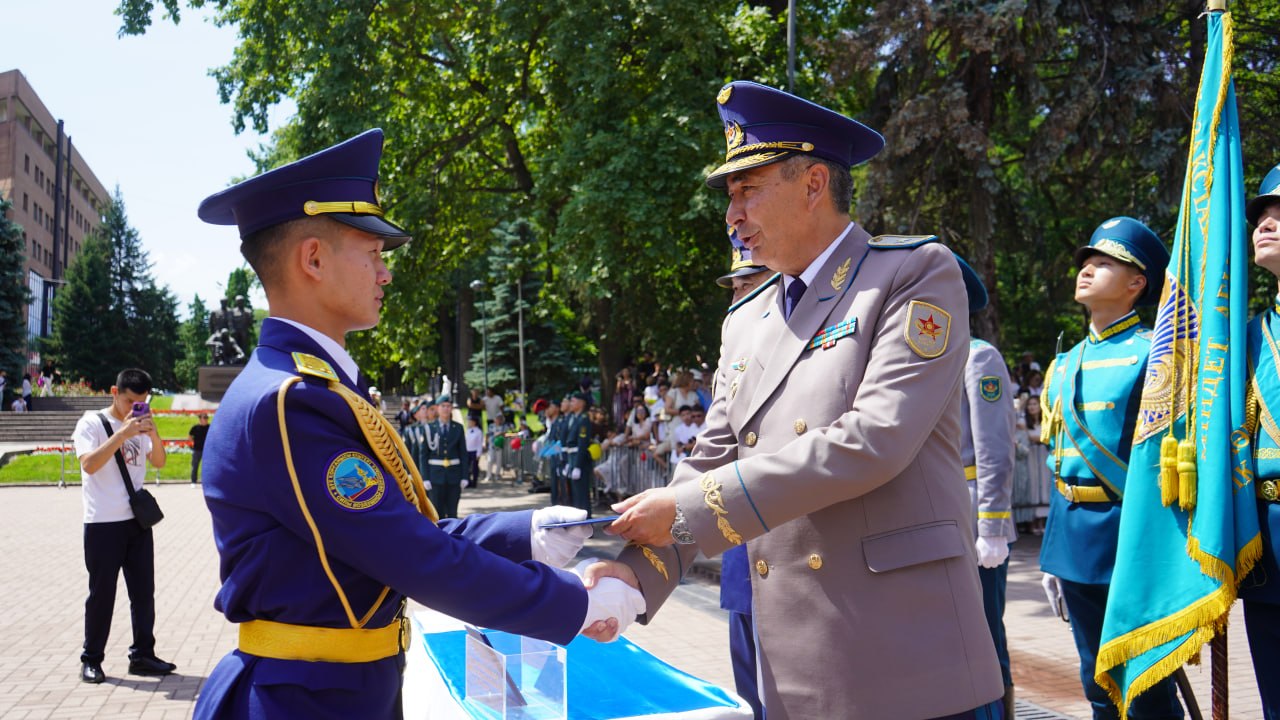
The 25th anniversary graduation of officers of the Military Engineering Institute of Radio Electronics and Communications took place in Almaty 12.07.2026
Source : https://www.gov.kz/memleket/entities/mod/press/news/details/1248767?lang=ru
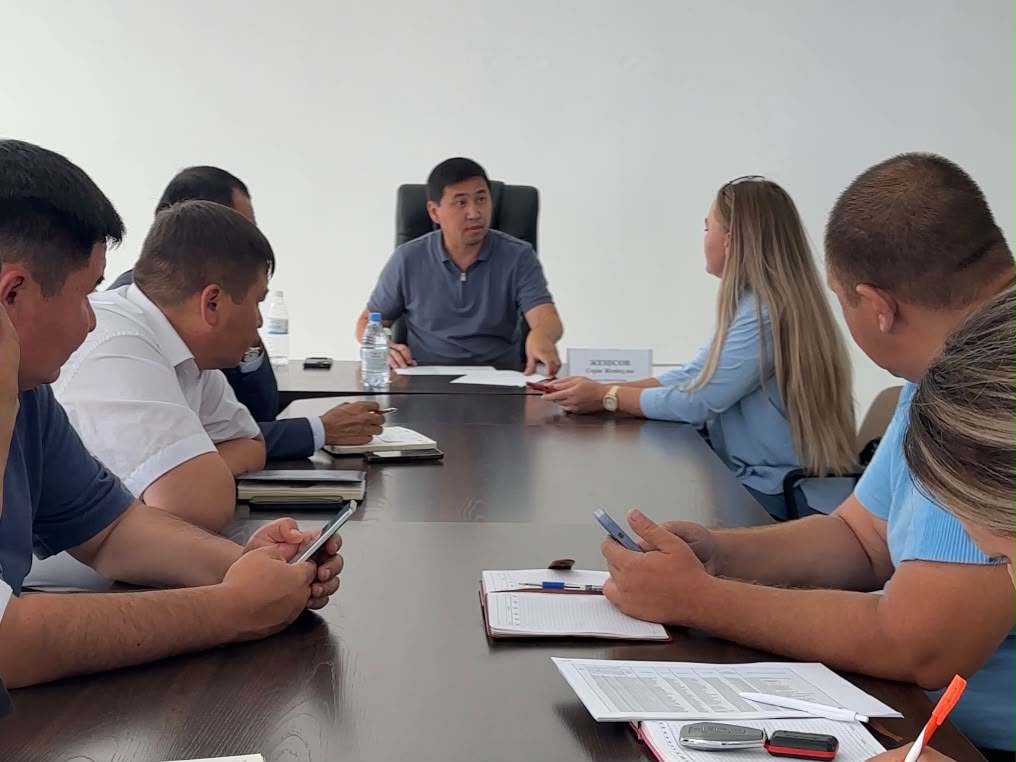
The Akim of the Samara District held another public reception. 12.07.2026
Samara District Akim Serik Zhenisov held another personal reception for residents. During the meeting, residents addressed questions about housing, employment, and public amenities.Most of the inquiries concerned housing. Residents on the waiting list were explained the housing allocation process. It was noted that the waiting list is currently managed by Otbasy Bank JSC, and housing is provided in accordance with the priority list established by current legislation.Special attention was given to a request regarding the employment of a graduate of the Samara Agrarian and Technical College, who is considered an orphan. Career center specialists explained the current government support measures. After completing his studies, the young man will receive the necessary assistance in finding employment.Public amenities were also discussed at the reception. A resident of the village of Samarskoye requested repairs to the road on Karibaeva Street and the installation of a children's playground. As specialists explained, no major road repairs are planned for this year, but some additional road fill will be carried out. A children's playground will be installed on the grounds of the new elementary school, which will be accessible to children living in the area.Regarding each request, the applicants received the necessary clarifications. The district akim instructed the responsible government agencies and relevant departments to monitor any issues requiring further investigation.Source : https://www.gov.kz/memleket/entities/vko-samar/press/news/details/1248771?lang=ru
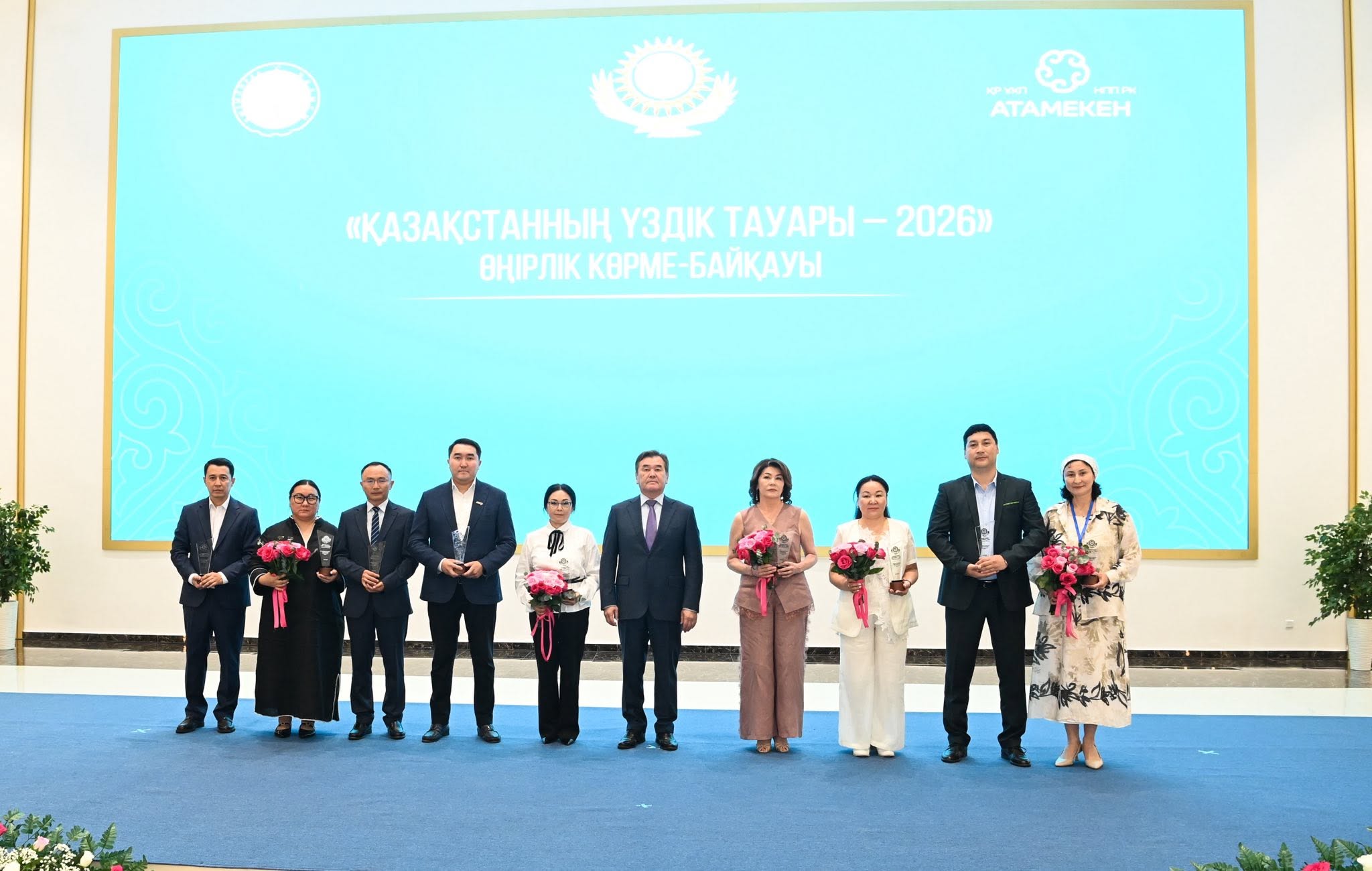
Regional exhibition and competition "Best Product of Kazakhstan - 2026" 12.07.2026
Today, the regional competition and exhibition "Best Product of Kazakhstan - 2026" was held at the Competence Center. The event featured the participation of the regional akim, Murat Ergeshbayev, maslikhat deputies, local business representatives, and heads of development and financial institutions.Entrepreneurs and producers in the region are actively participating in the annual Altyn Sapa awards and the traditional national competition and exhibition "Best Product of Kazakhstan." This is an important event aimed at supporting domestic producers, improving product quality, and developing national brands.The regional governor noted that producing competitive products and providing high-quality services is a real contribution to the country's prosperity."Entrepreneurs play a special role in achieving this goal. During our visit to the exhibition, we saw that high-quality products can be produced locally."Our President, Kassym-Jomart Kemelevich, said that the "Made in Kazakhstan" seal should be a sign of the highest quality and the best product. The main goal of the Altyn Sapa competition is this.The region's economic diversification is fueled by the development of a high-quality, export-oriented manufacturing industry. Over the next three years, 48 investment projects are planned to be implemented and over 10,000 new jobs created.Today's exhibition and competition platform will strengthen interactions between entrepreneurs and increase the consumption and sales of local products",- said Murat Nalkhozhaevich.A maintenance and repair facility for high-tech railcars belonging to the Maral Nur partnership recently opened. Last year, this company won the Altyn Sapa award for its high-quality work in developing railway infrastructure.Last month, the foundation stone for sanitary ware from the Spanish company Roca Group and the capsules for the Seven Rivers glass container factories were laid. The high-quality products from these new facilities will further contribute to the region's economic development.This year, 62 manufacturers from various sectors participated in the exhibition and competition. Following expert evaluation, nine winners were awarded in the categories "Best Industrial Goods," "Best Food Products," and "Best Consumer Goods."Currently, approximately 60,000 small and medium-sized businesses operate in the Kyzylorda region. This sector employs over 113,000 people. This year, approximately 25 billion tenge was allocated to support entrepreneurship, with 553 projects financed.Source : https://www.gov.kz/memleket/entities/kyzylorda/press/news/details/1248774?lang=ru
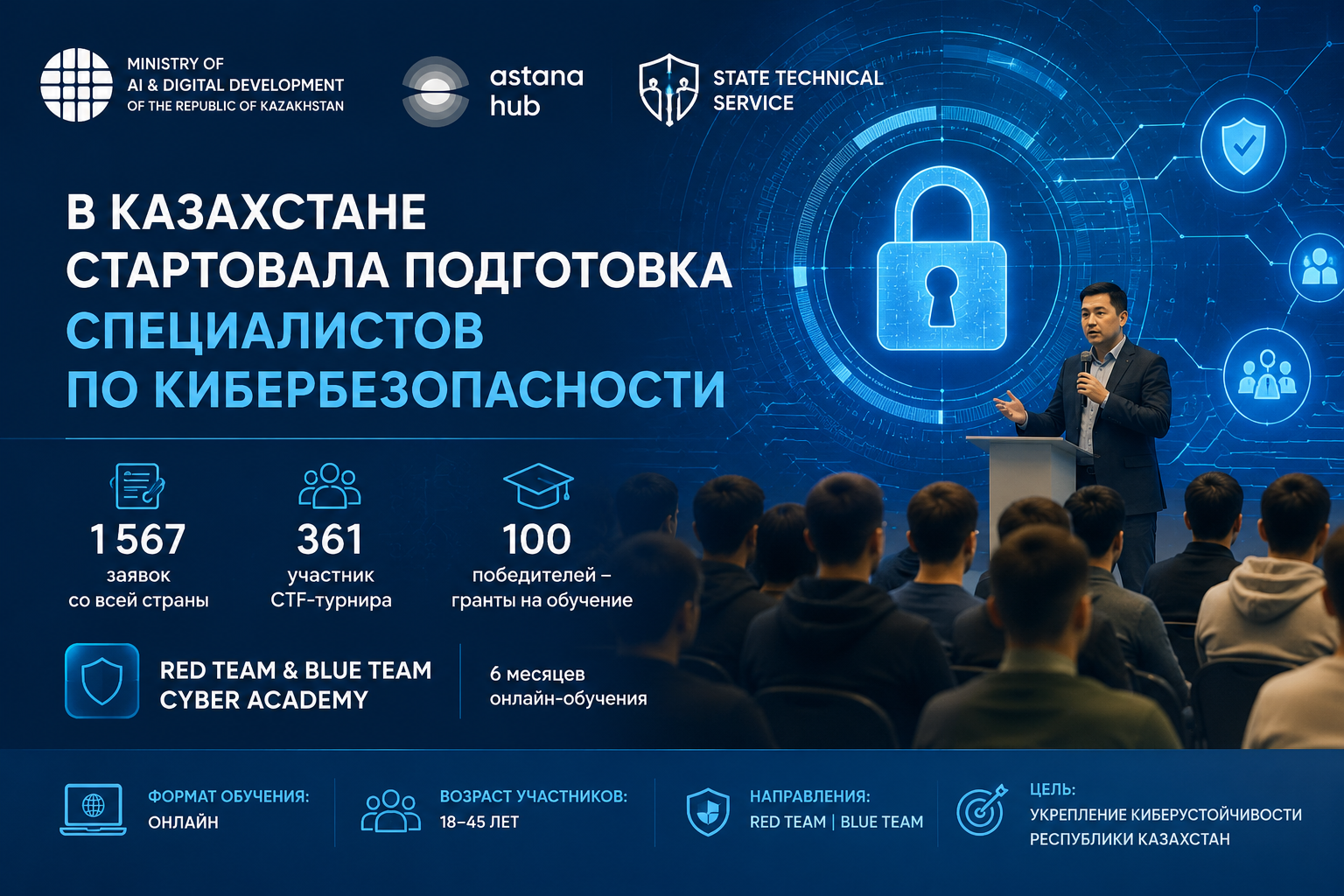
Kazakhstan Launches Cybersecurity Specialist Training Program 12.07.2026
Kazakhstan has completed the selection process for the Red Team & Blue Team Cyber Academy educational program. Following the National Cyber Shield CTF tournament, 100 winners received grants for free training.A total of 1,567 applications were submitted from across the country. After the selection process, 361 participants advanced to the tournament, where the top 100 candidates were selected.The project is implemented with the support of the Ministry of Artificial Intelligence and Digital Development of the Republic of Kazakhstan, Astana Hub, and State Technical Service JSC.During the six-month online training, participants will study in Red Team and Blue Team tracks, gaining skills in vulnerability assessment, monitoring, and cyber defense.The program’s key advantage is its practice-oriented approach based on real cyberattack simulations and defensive operations.Source : https://www.gov.kz/memleket/entities/vko-uca/press/news/details/1248763?lang=ru
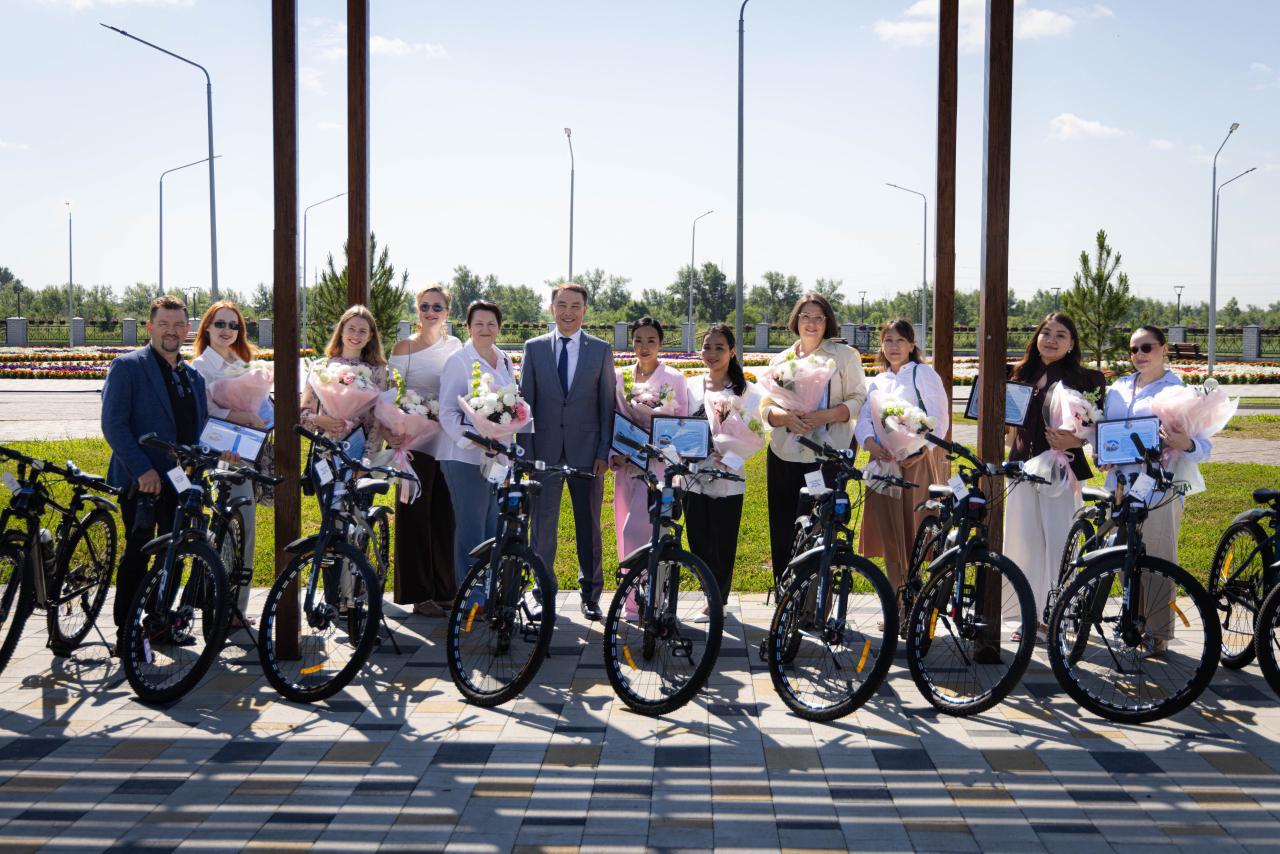
Meeting with Journalists Held 12.07.2026
On the eve of the Media Workers' Day, the mayor held a meeting with local journalists.The event has been held in an informal format for the fifth year in a row. During the meeting, issues of the city's development were discussed, an exchange of views took place, and topical issues of concern to residents were touched upon.This year's meeting was held at the Triathlon Park, which in recent years has become one of the most popular recreation areas and a vivid example of positive changes.Special attention was paid to the development of public spaces, sports infrastructure and the formation of a comfortable urban environment. It was noted that in the coming years it is planned to build about 40 kilometers of bike paths.During the event, the journalists were presented with bicycles, which symbolically reflects the dynamic nature of their profession.The mayor expressed gratitude to the media representatives for their professionalism and objectivity.Source : https://www.gov.kz/memleket/entities/kostanai-kalasy-akimat/press/news/details/1248765?lang=ru
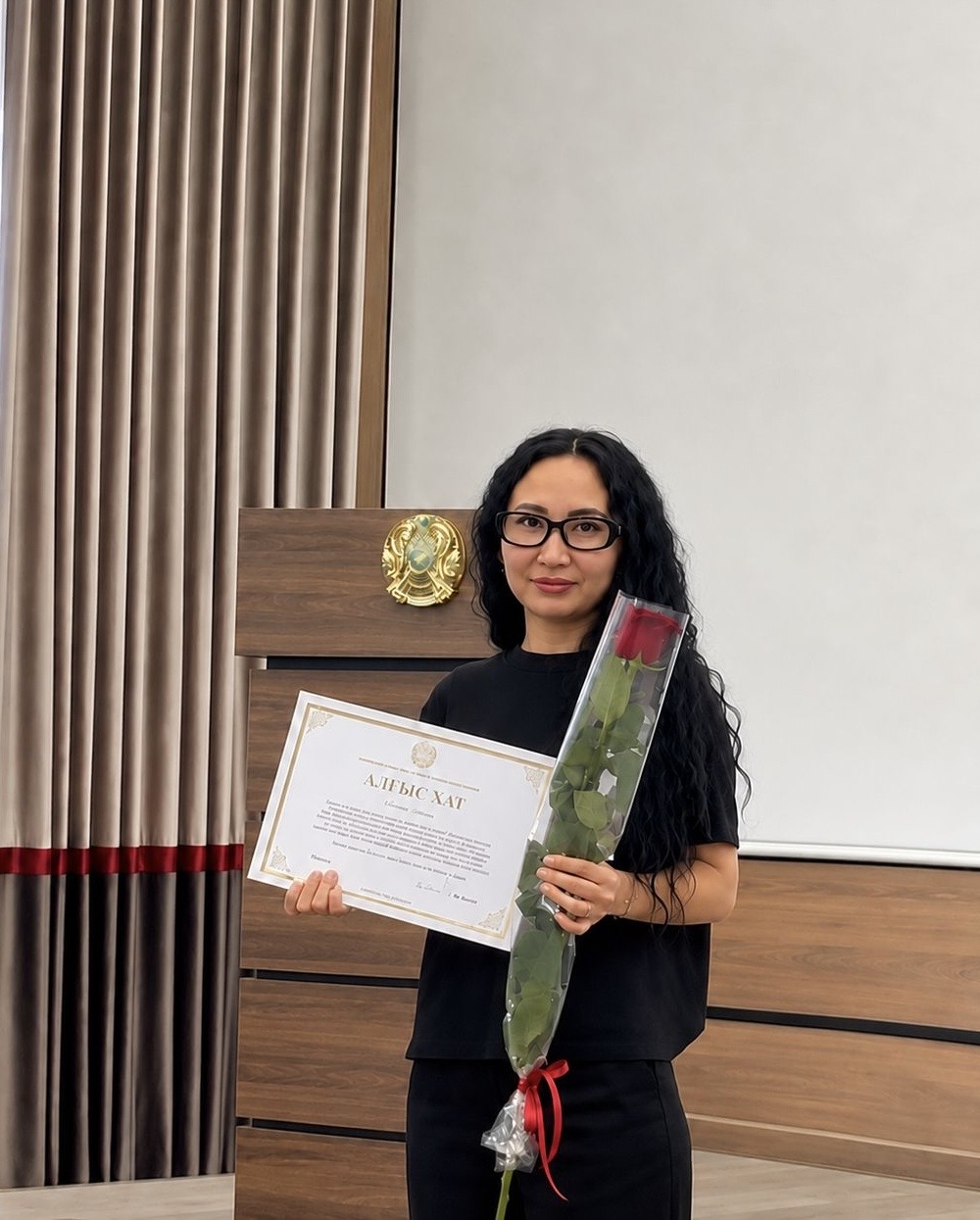
Sarina Bulat from NPP "Atameken" was awarded diploma of the Minister of Finance of the Republic of Kazakhstan 12.07.2026
In connection with the introduction of the new Tax Code, a large-scale republican campaign "People's Accountant" has been taking place throughout the country since the beginning of this year.The Professional Organization of Accountants actively participates in the event. Certified specialists advise representatives of small and medium-sized businesses on a free basis on the application of new tax legislation, accounting, reporting and work in specialized information systems.Accountants who showed the greatest activity within the framework of the campaign were awarded honorary diplomas of the Minister of Finance of the Republic of Kazakhstan.On the eve of the Civil Servant's Day, a solemn event was held in the State Duma of the Pavlodar region, where the diploma of the Minister of Finance of the Republic of Kazakhstan was presented to Zarina Bulat, accountant of the Atameken Regional Chamber of Entrepreneurs. The award was given for a special contribution to the information support of the Pavlodar region business. Congratulations!Department of Explanatory Work and Contact CenterState Duma of the Pavlodar region Source : https://www.gov.kz/memleket/entities/kgd-pavlodar/press/news/details/1248672?lang=ru