World
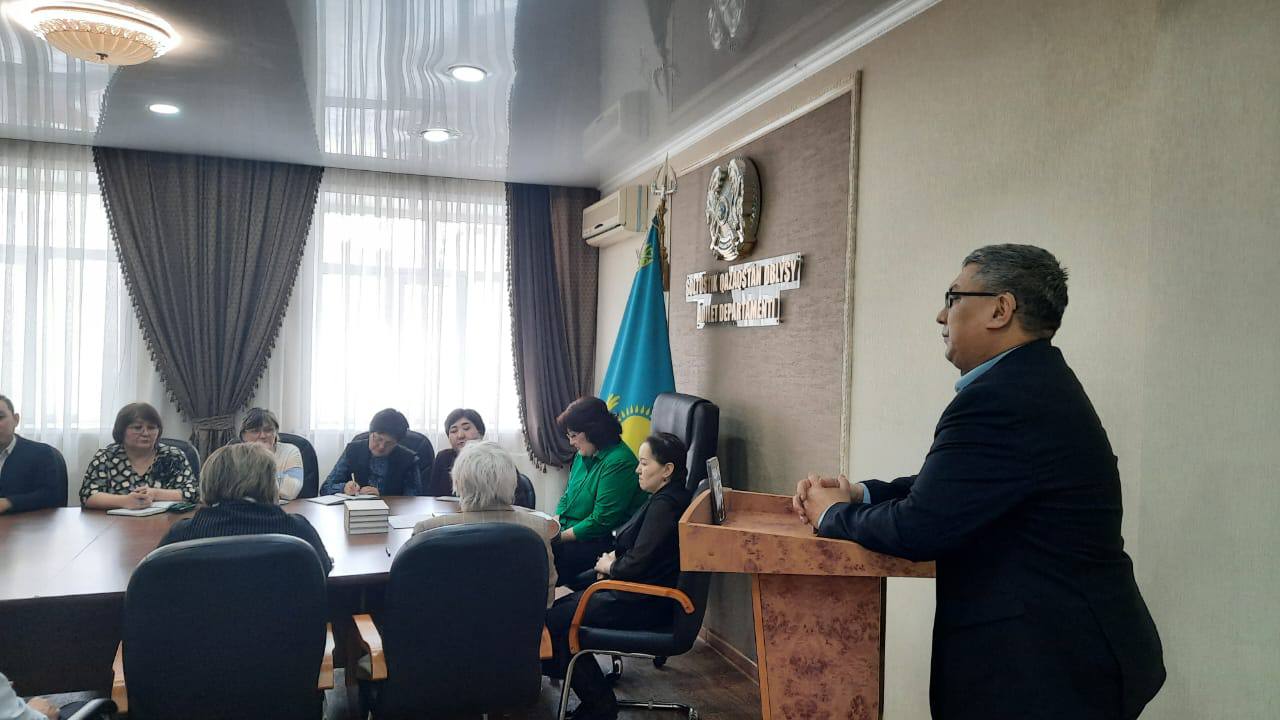
On March 18 of this year, the next meeting of the Coordinating Council of Legal Services of State Bodies under the Department of Justice of the North Kazakhstan Region was held. 29.03.2025
During the meeting, the results of legal monitoring of regulatory legal acts of local government bodies for 2024 were discussed, and the legislative norms in the field of registration of legal entities and their representative offices were explained.Source : https://www.gov.kz/memleket/entities/adilet-sko/press/news/details/960140?lang=kk

Dear residents of East Kazakhstan region invite you to take an active part in the discussion of the draft decision of the maslikhat of Altai region "On amending the decision of the maslikhat of Altai region dated December 25, 2024 № 24/2-VIII "On the district budget of Altai region for 2025-2027." 29.03.2025
This project can be found at:https://legalacts.egov.kz/npa/view?id=15496198 Source : https://www.gov.kz/memleket/entities/vko-altai/press/news/details/960137?lang=kk
Nurdaulet Kilybay visited a nursing home 29.03.2025
Nurdaulet Kilybay visited a nursing homeOn March 7, Governor of Mangistau region Nurdaulet Kilybay visited the Center for the provision of special social services No. 2 of the city of Aktau, where he congratulated elderly women on International Women's Day.In his speech, the head of the region noted that respect for the older generation is the main task of the younger generation.- Today, on a bright spring day, we came here to give you a mood. Caring for our old people is our main duty. I wish you health and happiness! Nurdaulet Kilybay said.The meeting continued with a small festive concert program specially prepared for the elderly. In the center, grandparents sang and danced with the artists. Congratulating everyone on the holiday, the head of the region thanked everyone.It is worth noting that in the center, which has been operating since 1990, today 104 people have permanent care and social assistance.Source : https://www.gov.kz/memleket/entities/mangystau-soc/press/news/details/960127?lang=kk
Prisoners Given Additional Sentences for Damaging Surveillance Equipment; Evacuation Underway Due to Flood Threat 29.03.2025
32 convicted inmates have been sentenced to additional prison terms for damaging video surveillance equipment in correctional facilities. Another 18 cases are currently under investigation.In July 2024, Kazakhstan introduced criminal liability for damaging surveillance equipment in penitentiary institutions, with penalties of up to seven years in prison. In addition to criminal punishment, convicted individuals are required to compensate for the financial damage caused by destroying or tampering with surveillance systems.To prevent such offenses, correctional facilities have organized demonstrative court proceedings for inmates.As part of a nationwide initiative led by the Head of State, Kazakhstan has completed the implementation of a comprehensive surveillance system across all penal institutions. Over 39,000 surveillance cameras have been installed in correctional facilities across the country. Live video feeds are integrated into monitoring systems operated by the CPS and the General Prosecutor’s Office, ensuring real-time oversight of prison conditions.Source : https://www.gov.kz/memleket/entities/ps/press/news/details/960120?lang=kk
Results of Jasandy Intellekt - 2025 Online Regional Competition for 8th to 11th graders 29.03.2025
From February, 20 to March 19, 2025, Örken East Kazakhstan Regional Scientific and Methodological Center for Informatization and Education Development of Education Administration of East Kazakhstan region held the regional distance learning competition “Jasandy Intellekt - 2025” for 8th to 11th gradersof schools of the region.Artificial intelligence is a set of technological solutions designed to simulate human cognitive functions (including self–learning and problem-solving without pre-programmed algorithms), achieving results comparable to human intellectual activity when performing specific tasks. The complex of technological solutions includes information and communication infrastructure, software (including those using machine learning methods), data processing and problem-solving services. The competition aimed to promote artificial intelligence technologies, project activities, and scientific-technical creativity among children and youth. 9 competitive applications were submitted for the competition.Following the evaluation of entries by the Expert Commission, the winners are:I place - Aizere A. Akzholtayeva, a 9th grader of Abai Secondary School, Ulan district.II place - Artur N. Zvonov, an 8th grader of Regional Specialized School Lyceum for Gifted Children in Mathematics, Physics, and Computer Science, Ust-Kamenogorsk city.III place - Aisulu D. Daniyarova, Adiya A. Zhumagazy, 10th graders of Oralkhan Bokey Lyceum No. 44, Ust-Kamenogorsk city.Congratulations to our winners! We thank all students for their participation and wish them good luck in all their endeavors!Source : https://www.gov.kz/memleket/entities/vko-bilim/press/news/details/960108?lang=kk
Clarifying new rules and conditions for teacher performance appraisal 29.03.2025
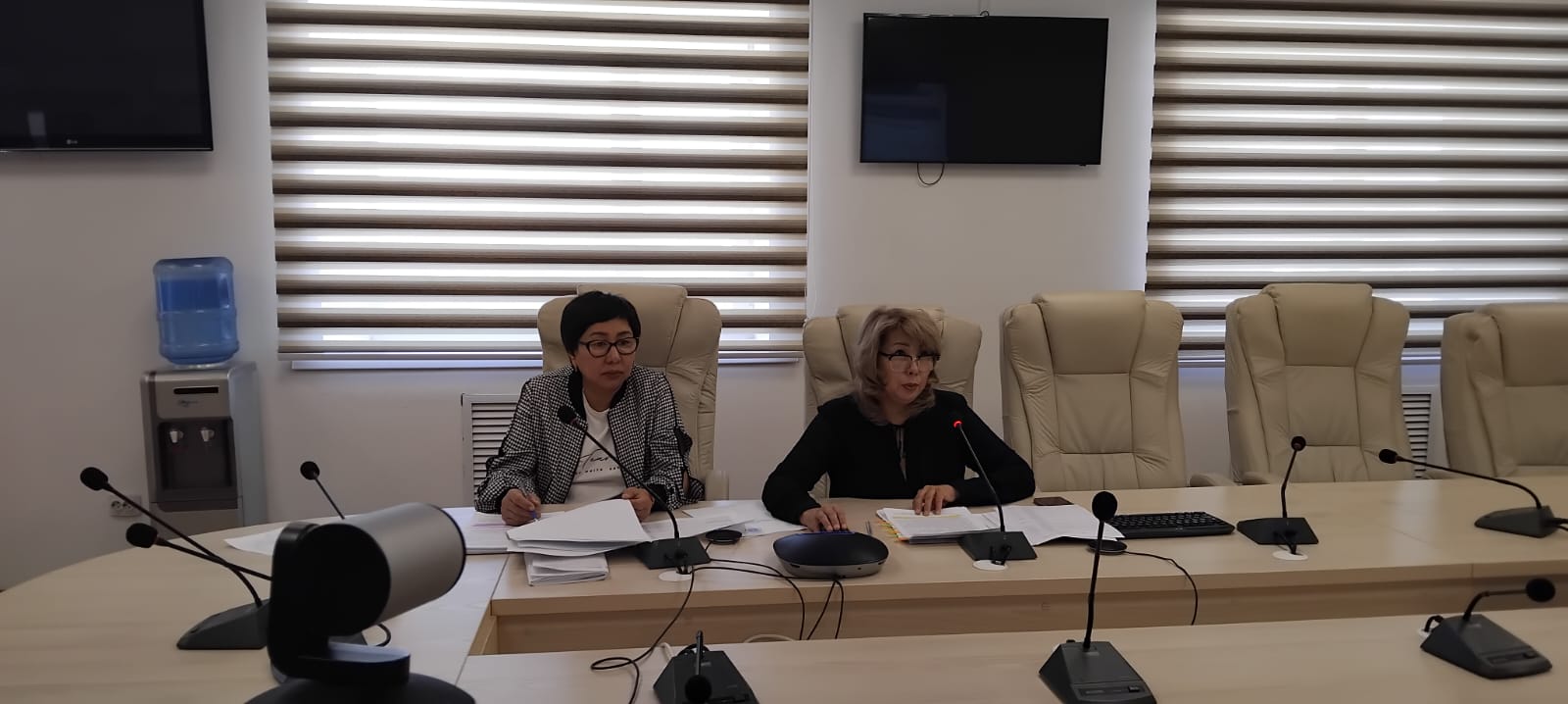
On March 17, 2025, Vocational Education Center of East Kazakhstan region held a ZOOM conference with methodologists and teachers of the region to explain the new rules and conditions for teacher performance appraisal in accordance with the Order of the Ministry of Education and Science of the Republic of Kazakhstan No. 32 dated February 25, 2025. The online meeting highlighted the key updates to the rules of the teacher performance appraisal process.Source : https://www.gov.kz/memleket/entities/vko-bilim/press/news/details/960104?lang=kk
Regional conference on the topic "Prevention of offenses and crimes among minors, use of psychoactive substances" 29.03.2025
18 марта 2025 года в п.Молодежный прошла районная конференция в рамках реализации совместного районного плана половой неприкосновенности со всеми субъектами системы профилактики на тему «Профилактика правонарушений и преступлений среди несовершеннолетних, употребления психоактивных веществ». Цель конференции: формирование у обучающихся стойкой негативной установки по отношению к употреблению психоактивных веществ как способу решения своих проблем или проведения досуга. Форум был открыт заместителем акима Осакаровского района, председателем Комиссии по делам несовершеннолетних и защите их прав Кошкеновой Д.К.На форуме присутствовали органы опеки и попечительства, отдел полиции, Центральная районная больница, отдел культуры, представители музея «Буйратау», руководители Шабыт, ДЮСШ, методисты отдела образования, директора школ, заместители директоров по воспитательной работе, педагоги-психологи, социальные педагоги, классные руководители, родители школ, учащиеся 5-11 классов.Всего участников конференции: 215 человек.За эффективную организацию работы по профилактике правонарушений среди обучающихся за подписью руководителя отдела образования района Акмаганбетовой А.И. были вручены благодарственные письма старшему участковому инспектору полиции группы местной полицейской службы Молодежного ПОП ОП Осакаровского района, майору полиции Хишину Абаю Бауржановичу и директору КГУ «Общеобразовательная школа имени Абая» Мусиповой Макпал Баткеновне.Кроме того, в рамках данной конференции с целью привлечения детей к разнообразным видам досуговой деятельности по завершению торжественной части были организованы экскурсии: 1. Музей Государственного Национального природного парка Буйратау. 2.ДЮСШ поселка Молодежный Осакаровского района.3. Центр дополнительного образования Шабыт.Source : https://www.gov.kz/memleket/entities/edu-osakarovka/press/news/details/960098?lang=kk
Rehabilitation measures for children with disabilities after cochlear implantation surgery 29.03.2025
Rehabilitation measures for children with disabilities after cochlear implantation surgery In accordance with the approved Rules for the provision of persons with disabilities with prosthetic and orthopedic assistance, technical auxiliary (compensatory) means, special means of transportation in accordance with the individual program of habilitation and rehabilitation of a person with disabilities, including the timing of their replacement, order of the Deputy Prime Minister - Minister of Labor and Social Protection of the Republic of Kazakhstan dated June 30, 2023 No. 287, auditory adaptation is carried out during the first five years after the operation (i.e. children who were operated on between 2020 and 2024 inclusive), within the framework of the state assignment, specialists plan to carry out round-the-clock auditory and speech rehabilitation in Almaty, for children with a cochlear implantation system together with an accompanying person (parent or guardian).Professional will take part in hearing rehabilitationSource : https://www.gov.kz/memleket/entities/mangystau-soc/press/news/details/960078?lang=kk

The position of the Kazakhstan pension system in the international rating of Allianz has increased 29.03.2025
Leading insurance company Allianz[1] released a new edition of its Global Pensions Report, which analyzed the pension systems of 71 countries using its Allianz Pension Index (Index). There, Kazakhstan ranked 26th ahead of Austria, Spain, Chile, Singapore, Hong Kong, China and many other countries (in 2023, Kazakhstan would have taken 34th place out of 75 countries in the Index).Allianz Pension Index (API) is based on a comprehensive assessment of the stability and integrity of pension systems. It consists of three sub-indices and 40 different dimensions rated on a scale from 1 to 7, where 1 represents the best result. The API index of the pension system of Kazakhstan is 3.5 points.According to the first sub-index, which evaluates the rate of demographic changes, public debt and the general standard of living, the score of Kazakhstan reached 4.1 points (in 2023 - 3.5 points). This indicator is higher in the UAE (2.3 points), Australia (2.6 points) and Israel (2.9 points).On the second sub-index, which assesses the stability of the pension system, Kazakhstan scored 3.6 points (in 2023 - 3.6 points). The best results in this sub-index were achieved by Indonesia, Denmark and Bulgaria (with points from 2.1 to 2.3), mainly by increasing the retirement age and introducing a fund component into their pension systems.According to the third sub-index, which assesses how well the pension system can provide a decent (adequate) level of living in old age, the Kazakhstani pension system has 3.2 points (in 2023 - 3.3 points). Denmark, the Netherlands and New Zealand are the leaders of this rating (scores from 1.7 to 2.0), which have strong fund components of the second and third levels of the pension system. According to the report, the average score for all analyzed pension systems was 3.7. Denmark is the country with the best pension system according to Allianz. This country took the lead in 2023 as well, with 2.3 points. The Netherlands and Sweden are in the second and third place (2.6 points), and Japan, which has 2.7 points, is in fourth place, displacing New Zealand. New Zealand scored 2.8 points, Israel - 3, Australia, Great Britain, Norway and the USA - 3.2 points.The lowest places in the rating are taken by the pension systems of Morocco, India, Laos, Malaysia, Sri Lanka (from 4.5 to 5 points). In these countries, the problem of covering the population with a pension system is very acute, because informal employment prevails.The report pays special attention to the problem of aging of the population. According to the latest forecasts of the UN, the number of people aged 65 and over will almost double over the next 25 years, from the current 857 million to 1,578 million in 2050. Declining birth rates will slow the growth of the working-age population, and by mid-century there will be 26 people over 65 for every 100 people aged 15 to 64. Currently, this number is equal to 16 people. The birth rate in the analyzed 71 countries, comprising 75% of the entire globe, varies from 0.7 children per woman in Hong Kong to 4.4 children in Nigeria. These countries can also specify upper and lower limits of life expectancy. Hong Kong has an average of 85.6 years, while Nigeria has an average of 54.6 years. Demographic burden ratio (DBR), which refers to the number of people of retirement age per 100 people of working age, varies from country to country. While the overall level of CVD is a cause for concern in most industrialized countries, the rapid aging rate in many developing countries is a cause for concern. The countries with the fastest aging rates are Hong Kong, South Korea, Taiwan and Saudi Arabia. However, in 2050, the world's 20 "oldest" countries will consist mainly of EU member states: Italy, Spain, Greece and Portugal will have more than 60% of the population. The birth rate in Nigeria, Kenya and Pakistan is still high, and due to the relatively low life expectancy, the population is among the youngest countries.Allianz experts pointed out that one way to reduce the negative impact of demographic changes on the pension system is to supplement the public pension system with an accumulation component. it is noted that it is to ensure the standard of living. Therefore, when reforming or creating pension systems, policymakers must consider not only their long-term sustainability, but also their merits. If the state pension systems cannot provide a decent standard of living in old age, then the taxation plan should consider additional benefits and state-subsidized pension products, professional and personal pension plans should be available. In these countries, supplementary occupational savings programs and private pensions are already a key element of pension systems.The adequacy of pension systems is also determined by the income replacement ratio (IRC). The average total KAC in the state pension systems of the analyzed countries is equal to 53%. Meanwhile, the ratios vary from 8% in South Africa to 88% in Brazil. According to the results of 2024, KAC in Kazakhstan showed 41%. However, the International Labor Organization (ILO) noted that due to pension reforms, the level of pension payments in some European countries is at risk of falling below the recommended minimum level of 40-45% of income after 30 years of contributions. This confirms the urgent need to strengthen additional accumulation levels of pension systems.The Allianz report asks whether public pension systems can cope with demographic challenges in the face of declining birth rates and increased life expectancy. As a result of a comprehensive analysis of the pension systems of different countries, it was concluded that the systems financed by the "pay-as-you-go" (distribution systems) principle, in which the contributions of the working population are used to finance the pensions of current retirees, cannot guarantee long-term financial stability and a good standard of living that can provide adequate pension payments in old age. finding a balance between In addition, allowing older workers to continue working is also important for maintaining the balance of public pension systems.Thus, the report concludes that the "perfect" pension system is the right balance between a public pension system (pay-as-you-go) and an accrual pension system. Countries that combine these two components will be better prepared for demographic changes and to ensure the long-term stability of the pension system and the adequacy of pension payments. However, an efficient labor market is a necessary condition for the successful implementation of any pension reform, which means an increase in the share of formal employment in developing markets and adaptation of labor markets to the needs of an aging workforce in industrialized countries.Information on the Allianz Global Pension Report "Time to Move" and the Allianz report on the results of the analysis of the world's pension systems in 2025 are available at this link: https://www.enpf.kz/kz/indicators/obzory-mezhdunarodnykh-ekspertov/mezhdunarodnye-reitingi/ [1] Allianz Group is a world leader among insurance companies and asset managers serving 125 million individuals and corporate clients in about 70 countries. As part of its activities, Allianz offers a wide range of personal and corporate insurance services, including property, life and health insurance, assistance services, credit insurance and international business insurance. In addition, the company is actively engaged in research in various areas of the economy, including reports on the analysis of world pension systems.Source : https://www.gov.kz/memleket/entities/enbek-pavlodar/press/news/details/1017953?lang=kk
Topical Questions about the UAPF 29.03.2025
What changed in 2026? Topical Questions about the UAPF How have pension benefit payments from the UAPF changed in 2026? The amount of pension benefits from the UAPF to pensioners who retired early, before 2026, increased by 5% effective January 1.As a reminder, benefits from the UAPF are paid in accordance with the Methodology for Calculating Pension Benefits, approved by the Decree of the Government of the Republic of Kazakhstan dated June 30, 2023. According to this method, payments to citizens retiring are calculated as follows: in the first year of receiving benefits, the amount of pension savings is multiplied by the pension savings payment rate of 6.5% and divided by 12. In subsequent years, the monthly pension benefit is increased by the pension payment indexation rate of 5%. Moreover, the monthly pension benefit from the UAPF is made in an amount of at least 70% of the subsistence minimum (hereinafter referred to as the SM), established for the corresponding financial year by the law on the republican budget (in 2025, the SM is 50,851 tenge).For beneficiaries of certain categories: individuals with permanent disability groups 1 or 2, as well as those who worked in hazardous and dangerous industries, whose savings were formed through compulsory occupational pension contributions for at least sixty months, the Methodology provides for adjustment factors that increase the monthly pension benefit amount. For individuals who meet more than one of the above conditions, the adjustment factor with the highest value is applied.Pension benefits from the UAPF are paid until the pension savings in the individual pension savings account are depleted. What is the employer’s compulsory pension contribution rate in 2026?Effective January 1, 2026, the employer's compulsory pension contribution rate (ECPC) increased to 3.5% of employee income (the ECPC rate increases annually in stages: 1.5% in 2024, 2.5% in 2025, 3.5% in 2026, 4.5% in 2027, and 5% in 2028).As a reminder, effective January 1, 2024, Kazakhstan's funded pension system was supplemented with a new component: employer's compulsory pension contributions (ECPC). According to the adopted amendments, each employer is required to transfer to the UAPF, in addition to the compulsory 10% contribution of employee income, additional contributions from their own funds for the benefit of their employees born after January 1, 1975.The amount from which the ECPC is calculated cannot be less than the minimum wage (MW) or exceed 50 times the MW established for the relevant year. Persons of retirement age, those with permanent disabilities of groups 1 and 2, military personnel, and persons born before January 1, 1975, are exempt from paying the ECPC. What is a “special tax regime” (STR)? Effective January 1, 2026, in connection with the entry into force of the new Tax Code of the Republic of Kazakhstan and amendments to the Social Code of the Republic of Kazakhstan, updated special tax regimes (STRs) were introduced in Kazakhstan: STRs for the self-employed, STRs based on a simplified tax return, and STRs for peasant or farm households (PFHs). These regimes regulate not only the payment of taxes by self-employed citizens but also compulsory pension contributions.What is the purpose of the updated "special tax regimes" (STR)?The implementation of the STR for the self-employed, the STR based on a simplified tax return, and the STR for peasant farms aims to:expand coverage of the pension and social system through the active involvement of the self-employed and micro-businesses;simplify business operations for millions of Kazakhstani citizens;further digitalize tax administration through mobile apps and online platforms.These innovations will enable the accumulation of pension savings, ensure social security for working citizens, and create incentives for them to come out of the shadow economy. 5) What types of “special tax regimes” have been introduced? STR for self-employed individuals, including those operating using internet platformsThe STR for the self-employed, which will be implemented starting in 2026, is intended for individuals (Kazakhstan citizens, qandas) who are not individual entrepreneurs (IEs) and do not employ employees. The STR for the self-employed applies to a limited list of activities approved by the Government of the Republic of Kazakhstan.The income limit for self-employed individuals applying the STR for a calendar month must not exceed 300 times the monthly calculation index (MCI) in effect as of January 1 of the relevant financial year (3,600 MCI per year).Self-employed individuals applying this STR independently pay mandatory pension contributions (CPC) and employer mandatory pension contributions (ECPC) on their income.The STR pension contribution rates for the self-employed are:CPC – 1% of income,ECPC – 1% of income.Self-employed individuals will apply this STR using a dedicated mobile app, based on their receipts and other information on income received from other sources. Income recording in areas without a public telecommunications network under the STR for self-employed individuals is maintained using a simple form developed independently by the individual, indicating the date, transaction type, amounts received for each transaction, and the total amount for each day and month.For self-employed individuals applying STR and operating through internet platforms and/or mobile apps for platform employment, the internet platform operator will withhold and transfer CPC and ECPC. STR based on simplified declaration Individual entrepreneurs and legal entities resident in the Republic of Kazakhstan may use the STR based on a simplified tax return, with the exception of taxpayers specified in paragraph 2 of Article 723 of the Tax Code of the Republic of Kazakhstan (legal entities in which the shareholding of other legal entities exceeds 25 percent, non-profit organizations, participants in special economic and industrial zones, etc.).The following entities may use the STR based on a simplified tax return under certain conditions:- whose maximum income for the calendar year does not exceed 600,000 times the minimum calculation index (MCI) in effect as of January 1 of the relevant financial year;- those engaged in activities not included in the list established by the Government of the Republic of Kazakhstan for which the use of the STR based on a simplified tax return is prohibited.The standard contribution rates for STRs based on the simplified declaration are:CPC - 10% of income,ECPC - 3.5% of income in 2026, increasing annually to 5% in 2028. STR for peasant or farm households Peasant farm enterprises (PFEs) may apply the STR for peasant farm enterprises (PFEs) if they own and/or use land plots in Kazakhstan (including secondary land use rights).The selected STR for a PFE is not subject to change during the calendar year, except in cases where the PFE's activities no longer meet the conditions for its application. The STR pension contribution rates for PFEs are:CPC - 10% of income,ECPC - 3.5% of income in 2026, with an annual increase to 5% in 2028. Payment of CPC, ECPC under the STR for the self-employed, STR based on a simplified declaration, and STR for PFEs is due no later than the 25th day of the month following the month in which income is received. Source : https://www.gov.kz/memleket/entities/kostanai-karabalyk-mihailov/press/news/details/1148795?lang=kk
On March 18, 2025, under the chairmanship of the chairman of the maslikhat K. Ermekbayev, an extraordinary XXVI session of the district maslikhat was held 29.03.2025
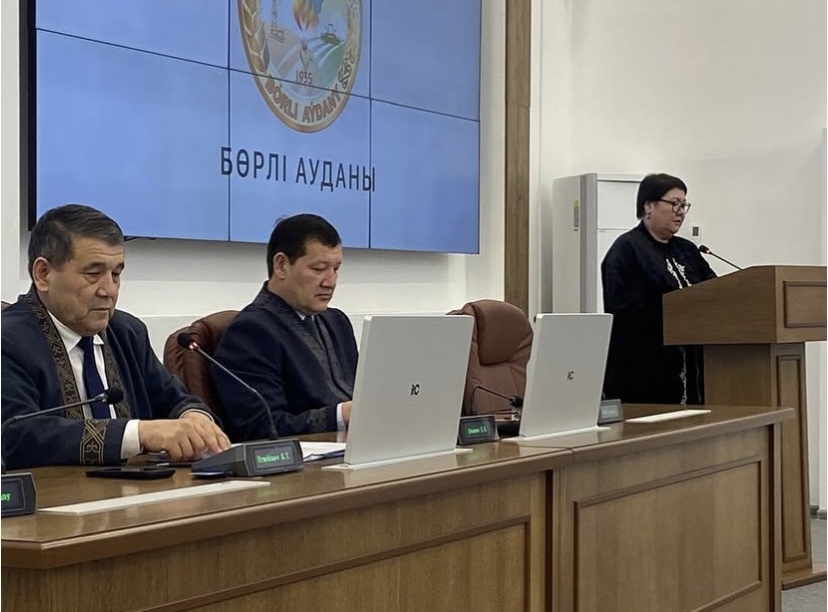
18 марта 2025 года под председательством председателя маслихата К.Ермекбаева прошла внеочередная XXVI сессия районного маслихата.На сессии депутаты обсудили вопрос уточнения бюджетов района, города Аксай и сельских округов.По вопросу повестки дня «О внесении изменения в решение Бурлинского районного маслихата от 16 октября 2023 года №7-2 «Об утверждении Правил оказания социальной помощи, установления размеров и определения перечня отдельных категорий нуждающихся граждан Бурлинского района» выступила руководитель отдела занятости и социальных программ О.Басимова. Депутаты приняли соответствующее решение.Согласно статьи 11 Закона Республики Казахстан «О местном государственном управлении и самоуправлении в Республике Казахстан» депутаты приняли решение сделать перерыв в работу сессии не привышающий 15 дней.Source : https://www.gov.kz/memleket/entities/burlin-maslihat/press/news/details/960050?lang=kk
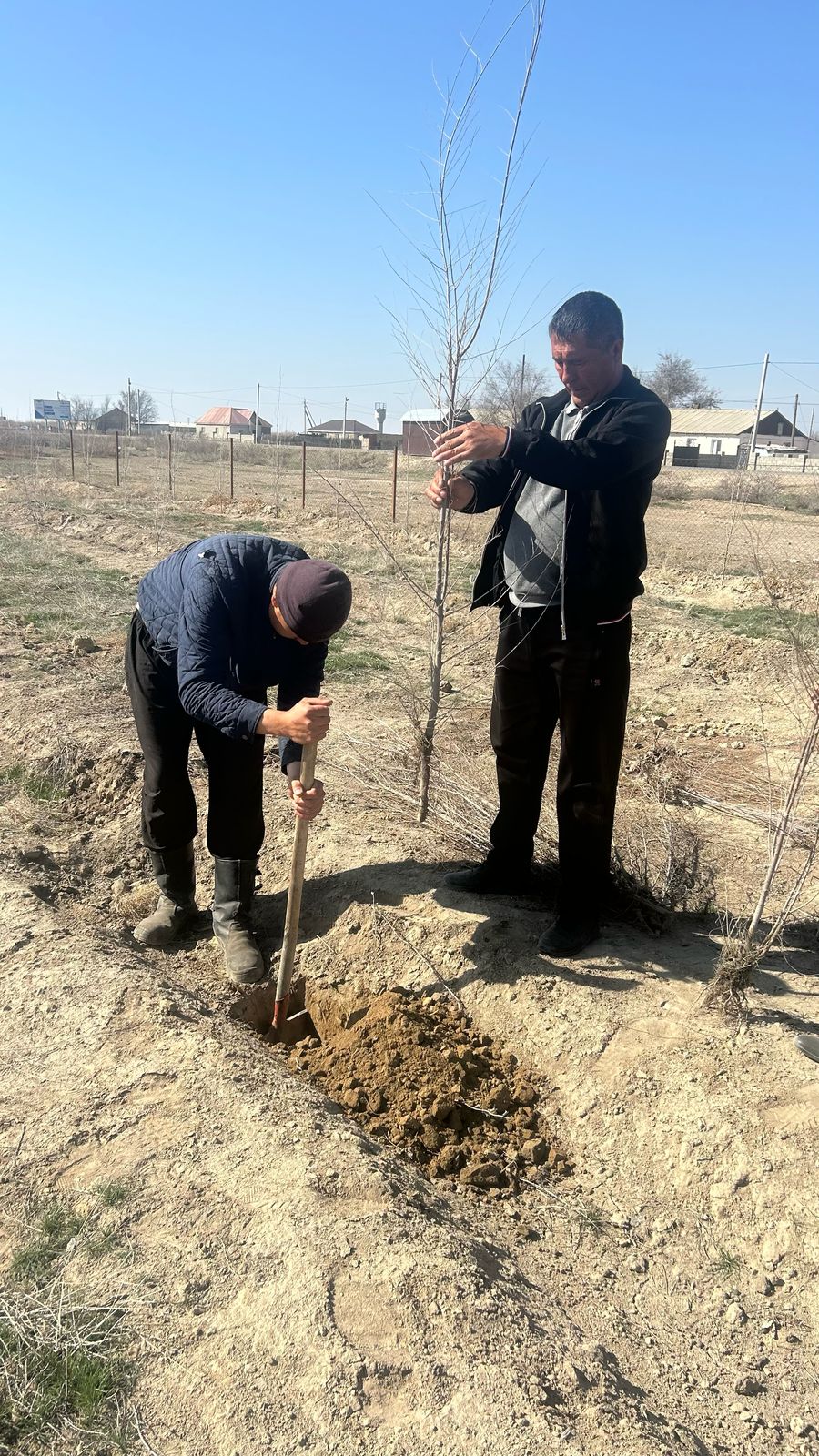
March 19 - Renewal Day 29.03.2025
🌱March 19 - Renewal DayRenewal is a period of changes and new milestones. Nature changes and life revives. It's time for horizons to expand and opportunities to arise.Each day of Nauryznama continues with good events in the country, and our national values are glorified.🌱Today we planted pine seedlings in the "Green belt" protected area located in Dosbol rural district and made our contribution to the rejuvenation of nature. This is not only landscaping, but a good start to leave a green and clean environment for future generations.Source : https://www.gov.kz/memleket/entities/zhambyl-sarysu-dosbol/press/news/details/961792?lang=kk
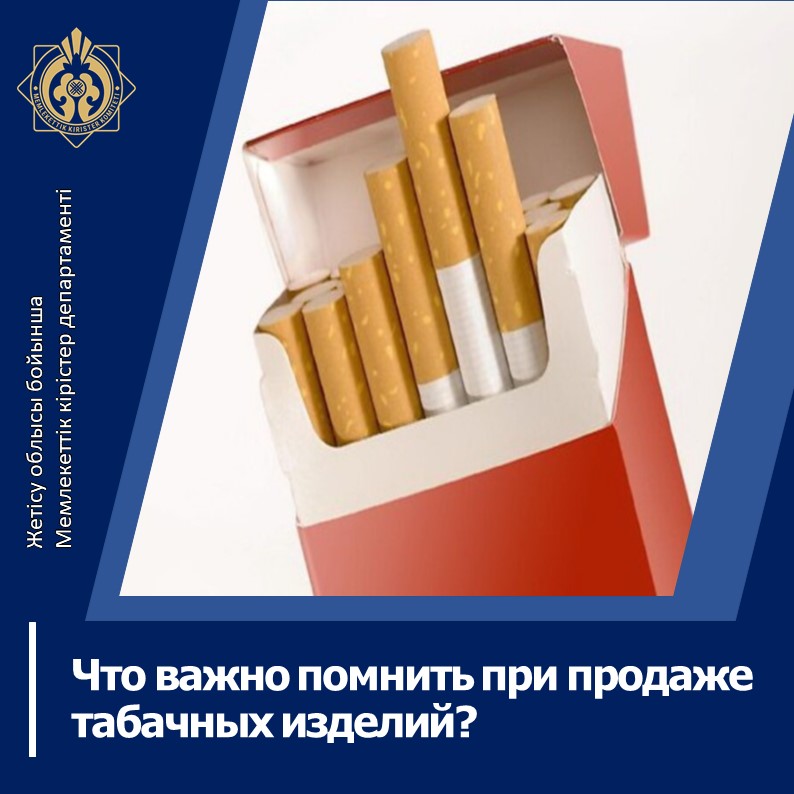
What is important to remember when selling tobacco products? 29.03.2025
Labeling is mandatory for all!Every tobacco product must be labeled with a means of identification (two-dimensional barcode), and this requirement applies to all products - both locally produced and imported.Unlabeled sales are prohibitedIt is illegal to sell tobacco products without means of identification or with labeling violations. This may result in penalties.Liability for violationThere are fines for labeling violations:- For individuals - up to 50 MRP;- For small businesses - up to 150 MRP;- For medium-sized businesses - up to 200 MRP;- For large companies - up to 500 MRP.Seizure and destruction of goods.Tobacco products that are not labeled in accordance with the law or do not meet the established standards are subject to seizure and destruction in accordance with the procedure established by law.How to label correctly?Manufacturers and importers are required to label products prior to importation or release to the market. Retailers remove goods from circulation by scanning the identifier on the package through the cash register. Data on the identification code is included in the cash register receipt and transmitted to the fiscal data operator.What is important to remember?Compliance with the rules of labeling and traceability of tobacco products will not only help avoid fines and penalties, but will also ensure the legality of your business.If you sell tobacco products, make sure your products are fully compliant with all legal requirements. Source : https://www.gov.kz/memleket/entities/kgd-zhetysu/press/news/details/1107054?lang=kk
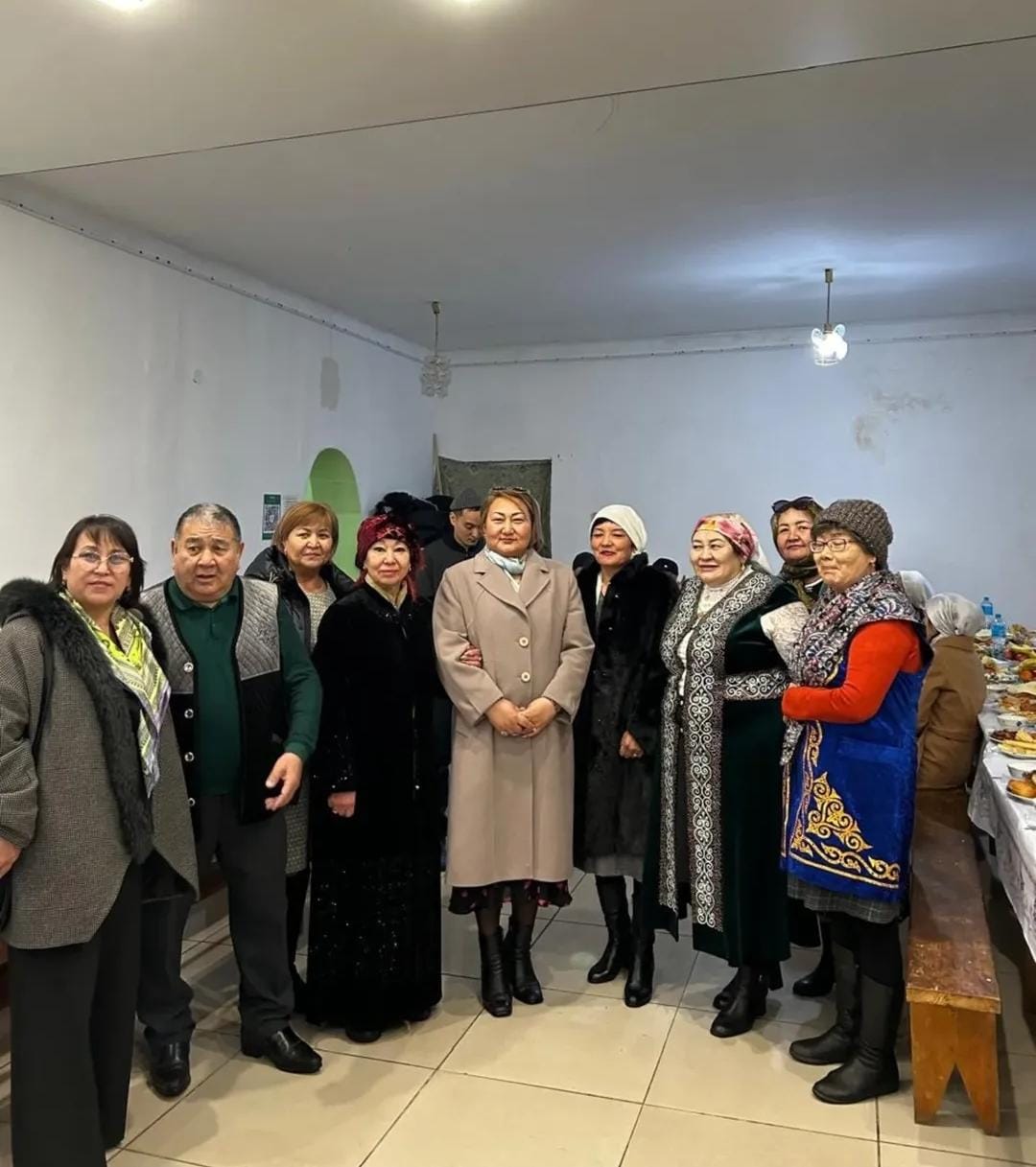
On March 1 of this year, the holy month of Ramadan began. With its onset, prayers are performed, the most cherished desires are addressed, and auzashar is given. 29.03.2025
On March 1 of this year, the holy month of Ramadan began. With its onset, prayers are performed, the most cherished desires are addressed, and auzashar is given. Continuing this good tradition, a charitable iftar was given by deputies of the Borodulikha district maslikhat and the chairman of the district Council of veterans on March 17, 2025 in the building of the mosque of the village of Borodulikha for residents of the district. Such charity events find a grateful response in the hearts of hundreds of people. After all, the main thing for us is to preserve the greatest good - peace, harmony, tranquility and unity of our people.Source : https://www.gov.kz/memleket/entities/borodulihamaslikhat/press/news/details/960027?lang=kk
Register your moped by April 5 - MIA 29.03.2025
Dear citizens! We remind you that there are only two weeks left to register mopeds. According to the law, it is forbidden to drive an unregistered moped after April 5.If such a violation is detected, responsibility is provided in accordance with part 2 of Article 590 of the Administrative Code.Currently, the republic 8,527 mopeds were registered.To register it, you need to apply to a special public service center at your place of residence. You need to take the following documents with you: an identity document, electronic form is also fine, a technical document or information about the technical characteristics of the moped. It is necessary to fill out the application, pass the inspection of the moped, pay the state fees for vehicle registration, registration certificate and license plate.Don't delay the registration! In order to avoid "negative consequences" for yourself, it is better to adjust the moped according to the legal requirements, said the head of the department - the official representative of the Ministry of Internal Affairs, Chingys Alekeshev.Source : https://www.gov.kz/memleket/entities/kostanai-kostanai-maskeu/press/news/details/964374?lang=kk
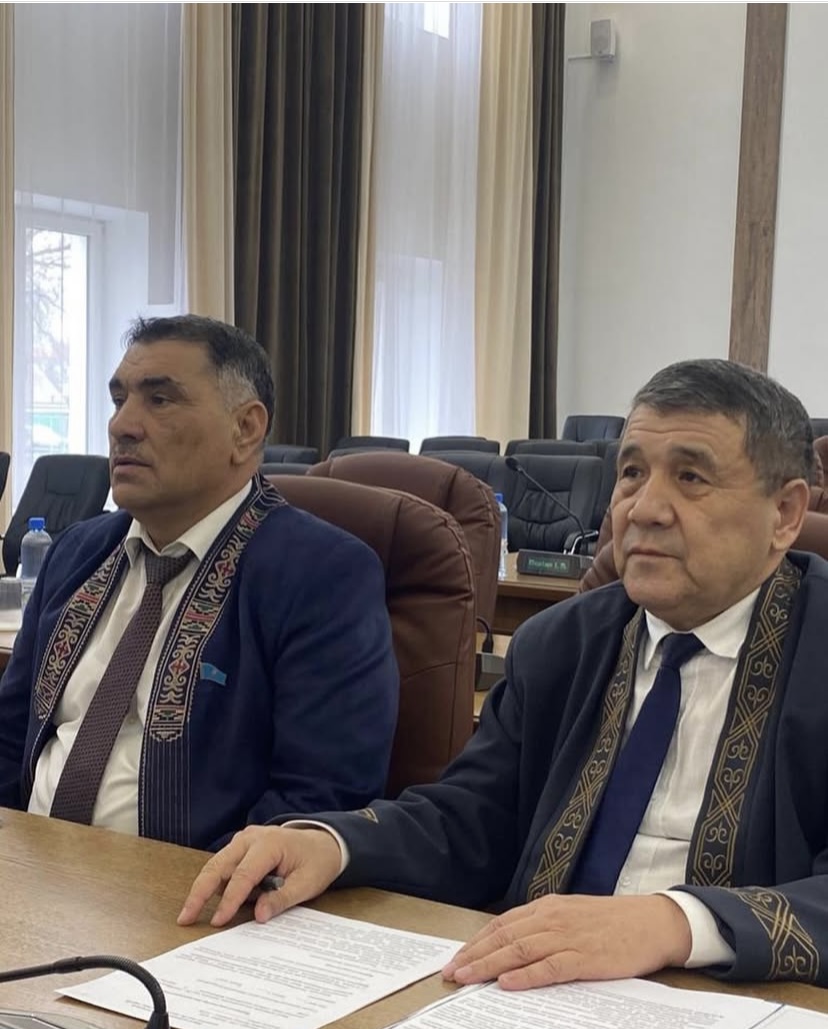
On March 18, 2025, a meeting of the standing commission of the district maslikhat was held under the chairmanship of maslikhat deputy B. Gadelshiev 29.03.2025
18 марта 2025 года прошло заседание постоянной комиссии районного маслихата под председательсвом депутата маслихата Б.Гадельшиева.На повестке дня комиссии были рассмотрены следующие вопросы:«О внесении изменений в решение Бурлинского районного маслихата от 19 декабря 2024 года №22-2 «О бюджете Бурлинского района на 2025-2027 годы».«О внесении изменений в решения Бурлинского районного маслихата от 20 декабря 2024 года «О бюджете города Аксай и сельских округов на 2025-2027 годы».«О внесении изменения в решение Бурлинского районного маслихата от 16 октября 2023 года №7-2 «Об утверждении Правил оказания социальной помощи, установления размеров и определения перечня отдельных категорий нуждающихся граждан Бурлинского района».На заседании по первому и второму вопросам повестки дня с докладом выступила руководитель отдела экономики и финансов Г.Шамгонова.Депутаты А.Агаев, С.Дуйсенов, Б.Гадельшиев задали вопросы касательно бюджета.Все вопросы повестки дня были вынесены на повестку дня внеочередной сессии районного маслихата. Source : https://www.gov.kz/memleket/entities/burlin-maslihat/press/news/details/960019?lang=kk
Import of vapes and electronic cigarettes into the Republic of Kazakhstan is prohibited 29.03.2025
The Department of State Revenue in Zhetisu region informs that importation of vapes and electronic cigarettes into the Republic of Kazakhstan is strictly prohibited.The importation of vapes into the Republic of Kazakhstan is subject to criminal liability under paragraphs 2 and 3 of Article 301-1 of the Criminal Code of the Republic of Kazakhstan.Import, production of non-smoking tobacco products, electronic consumption systems (vapes), flavorings and liquids for them are punishable by a fine of up to two thousand monthly calculation indices or corrective labor in the same amount, or community service for up to six hundred hours, or restriction of freedom for up to two years, or imprisonment for the same period, with or without confiscation of property. Source : https://www.gov.kz/memleket/entities/kgd-zhetysu/press/news/details/960005?lang=kk
Kazakhstan's pension system has improved its position in the international Allianz rating 27.03.2025
ANNOUNCEMENT Kazakhstan's pension system has improved its position in the international Allianz rating Leading insurance company Allianz has released a new edition of the Global Pension Report, containing an analysis of the pension systems of 71 countries using its own Allianz Pension Index (Index), according to which Kazakhstan took 26th position, ahead of Austria, Spain, Chile, Singapore, Hong Kong, China and many other countries (in 2023, Kazakhstan took 34th place out of 75 countries in the Index). The Allianz Pension Index (API) is designed to comprehensively assess the sustainability and adequacy of pension systems. It consists of three sub-indices and takes into account 40 parameters assessed on a scale from 1 to 7, where 1 means the best result. The API index of the Kazakhstan pension system was 3.5 points.According to the first sub-index, which assesses the pace of demographic change, public debt and general standard of living, Kazakhstan's score was 4.1 points (in 2023 - 3.5 points). This indicator is the highest in the UAE (2.3 points), Australia (2.6 points) and Israel (2.9 points).According to the second sub-index, which assesses the sustainability of the pension system, Kazakhstan scored 3.6 points (in 2023 - 3.6 points). The best results in this sub-index are demonstrated by Indonesia, Denmark and Bulgaria (with scores from 2.1 to 2.3), mainly due to the increase in the retirement age and the introduction of funded components in their pension systems. According to the third sub-index, which assesses the extent to which the pension system can provide an adequate (sufficient) standard of living in old age, the Kazakh pension system scored 3.2 points (in 2023 - 3.3 points). Denmark, the Netherlands and New Zealand are the leaders in this rating (with scores from 1.7 to 2.0), have strong funded components of the second and third pillars of the pension system.According to the Report, the average score for all pension systems analyzed was 3.7 points. The country with the best pension system according to Allianz, as in 2023, was Denmark with a score of 2.3 points, followed by the Netherlands and Sweden (2.6 points), then Japan, which displaced New Zealand and took fourth place in the index, scoring 2.7 points, New Zealand scored 2.8 points, Israel - 3 points, Australia, Great Britain, Norway and the USA - 3.2 points each. The lowest positions in the ranking are occupied by the pension systems of Morocco, India, Laos, Malaysia, Sri Lanka (from 4.5 to 5 points). In these countries, the most acute problems are low coverage of the population by the pension system, which is caused by the prevalence of informal employment. The report focuses on population ageing, noting that the latest UN projections show that the number of people aged 65 and over will nearly double over the next 25 years, from 857 million today to 1,578 million in 2050. Falling fertility rates are slowing the growth of the working-age population, and by mid-century there will be 26 people over 65 for every 100 people aged 15 to 64, compared with 16 today. Across the 71 countries analysed, representing 75% of the world’s population, fertility rates range from 0.7 children per woman in Hong Kong to 4.4 in Nigeria. These countries also represent the high and low ends of life expectancy, which averages 85.6 years in Hong Kong and 54.6 years in Nigeria. Dependency ratios (DRRs), which measure the number of people of retirement age per 100 people of working age, vary greatly across countries. In most industrialized countries, the overall DDR is a cause for concern, while in many developing countries, the rapid rate of ageing is a cause for concern. The countries with the fastest ageing rates are Hong Kong, South Korea, Taiwan and Saudi Arabia. However, in 2050, the top 20 “oldest” countries in the world will mostly be EU member states: Italy, Spain, Greece and Portugal will have DDRs above 60%. Nigeria, Kenya and Pakistan will have the youngest populations due to still high birth rates and relatively low life expectancy. Allianz experts emphasize that one way to mitigate the impact of demographic changes on the pension system is to supplement the state pension system with a funded element. The Report also notes that the main purpose of a pension system is to protect against the risks of longevity and poverty in old age, and to ensure a decent standard of living in old age. Therefore, when reforming or creating pension systems, policymakers should consider not only their long-term sustainability, but also their adequacy. If public pension systems are unable to provide a decent standard of living in old age, then additional tax-advantaged or state-subsidized pension products, occupational and private pension plans should be available. Countries that need less reform in terms of the adequacy of the pension system are Denmark, the Netherlands and New Zealand, where additional occupational savings plans and private pension provision are already a core element of the pension systems. The adequacy of pension systems is also determined by the income replacement ratio (IRR). The average gross IRR in public pension systems of the analyzed countries is 53%, with rates ranging from 8% in South Africa to 88% in Brazil. The IRR in Kazakhstan by the end of 2024 was 41%. However, the International Labor Organization (ILO) notes that due to pension reforms, the level of pension payments in some European countries threatens to fall below the recommended minimum level of 40-45% of earnings after 30 years of contributions, which confirms the urgent need to strengthen additional funded tiers of pension systems.The Allianz Report asks whether public pension systems are able to cope with demographic challenges in the context of declining birth rates and increasing life expectancy. A comprehensive analysis of pension systems in different countries concludes that systems financed on a pay-as-you-go basis, in which contributions from the working population are used to finance the pensions of current pensioners, cannot guarantee their long-term financial sustainability and a decent standard of living in old age with adequate pension benefits.The challenge is to find a balance between ensuring the sustainability and adequacy of pension systems and creating the necessary conditions for additional funding of pensions through the funded component. In addition, allowing older workers to continue working is also important to keep public pension systems in balance.The report therefore concludes that the “ideal” pension system is the right balance between a public (pay-as-you-go) pension system and a funded pension system. Countries that combine the two are best prepared to cope with demographic change and ensure the sustainability of the pension system and the adequacy of pension benefits in the long term. However, well-functioning labour markets are a prerequisite for the successful implementation of any pension reform, which means increasing the share of formal employment in emerging markets and adapting labour markets to the needs of an ageing workforce in industrialized countries.The Allianz Global Pension Report “Time to Move from Words to Action” fact sheet and the Allianz report on the results of the analysis of the world's pension systems in 2025 are available here: https://www.enpf.kz/ru/indicators/obzory-mezhdunarodnykh-ekspertov/mezhdunarodnye-reitingi UAPF was founded on August 22, 2013 on the basis of GNPF APF JSC. The founder and shareholder of the UAPF is the Government of the Republic of Kazakhstan represented by the State Institution Committee of State Property and Privatization of the Ministry of Finance of the Republic of Kazakhstan. Trust management of UAPF pension assets is carried out by the National Bank of the Republic of Kazakhstan. In accordance with the pension legislation, the UAPF attracts compulsory pension contributions, employer’s compulsory pension contributions, compulsory occupational pension contributions, voluntary pension contributions, as well as carries out enrollment and accounting of voluntary pension contributions formed at the expense of the unclaimed amount of guaranteed compensation for the guaranteed deposit, transferred by the organization carrying out mandatory guarantee of deposits, in accordance with the Law of the Republic of Kazakhstan "On mandatory guarantee of deposits placed in second-tier banks of the Republic of Kazakhstan", ensures the implementation of pension benefits. The Fund also carries out accounting of target assets and target requirements, accounting and crediting of target savings (TS) to target savings accounts, payments of TS to their recipients in bank accounts, accounting for returns of TS in the manner determined by the Government of the Republic of Kazakhstan within the framework of the National Fund for Children program (More details at www.enpf.kz). Source : https://www.gov.kz/memleket/entities/abay-aksuat/press/news/details/959968?lang=kk
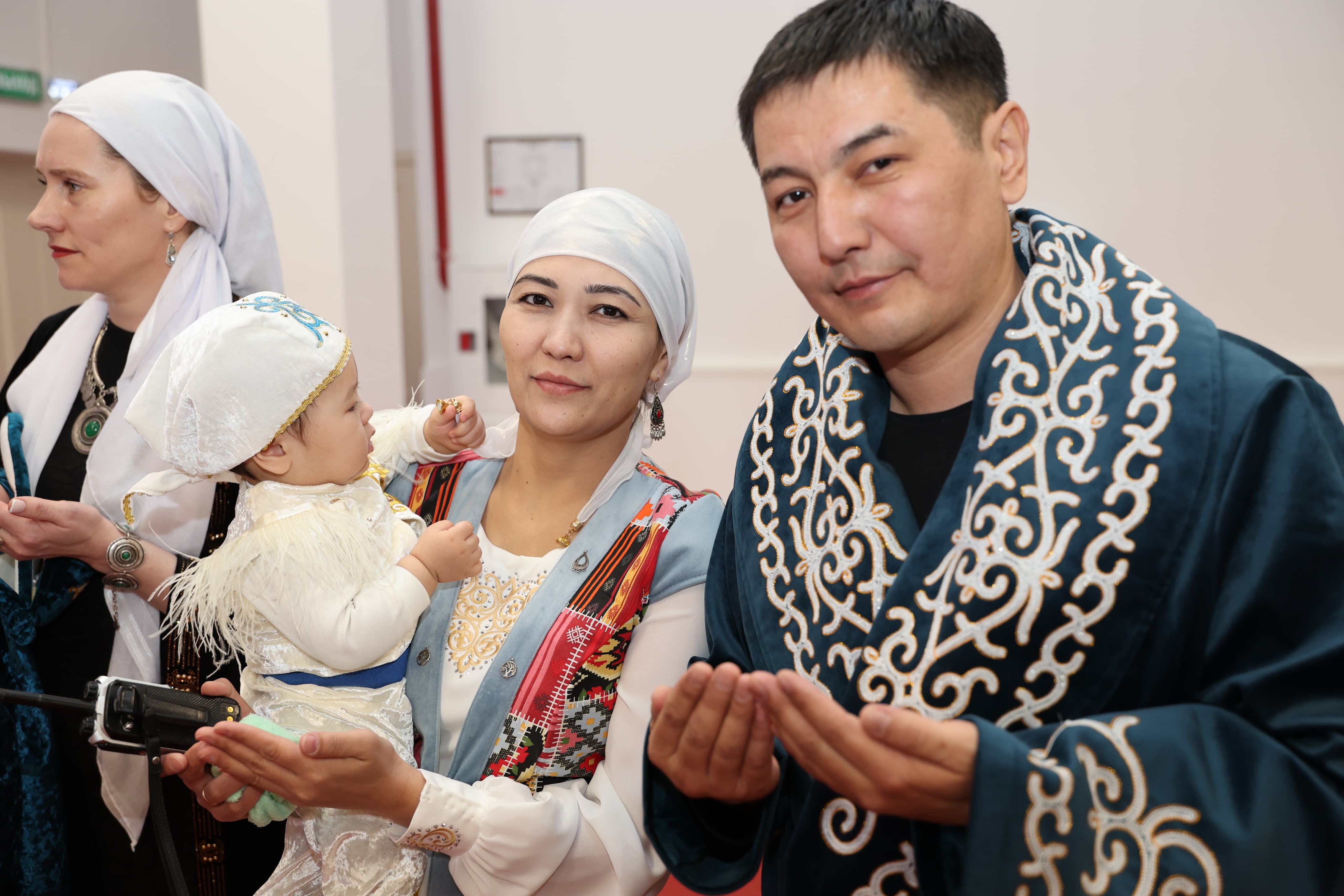
Nauryz Celebrated with Grandeur at the National Guard Airbase 27.03.2025
A festive event dedicated to the celebration of Nauryz was held at Military Unit 3656 of the National Guard of the Ministry of Internal Affairs of the Republic of Kazakhstan. Service members welcomed this special day with deep respect and reverence, as it symbolizes renewal, unity, and prosperity.One of the highlights of the celebration was the presentation of national traditions. Women of the older generation, wearing traditional headpieces, demonstrated and explained ancient Kazakh rituals, including Körisu (a respectful greeting and expression of good wishes), Tusa keser (the ceremony of cutting a child’s symbolic restraints, marking their first step toward independence), Besikke salu (placing a newborn into a cradle), and Betashar (the unveiling ceremony of a bride’s face).At the end of the event, one of the esteemed participants, Gulnar Apa, shared her impressions:"Today, I saw that our youth not only honor traditions but also strive to understand their deeper meaning. This brings joy and inspiration. We have passed down the wisdom of generations to our defenders of the homeland, wishing them strong health, courage, and unwavering loyalty to their duty. After all, they are the ones guarding the peace and security of our Motherland."These revived traditions, passed down through generations, reminded service members of the depth and centuries-old history of the Kazakh people. Press Service of the National Guard of the Ministry of Internal Affairs of the Republic of KazakhstanSource : https://www.gov.kz/memleket/entities/kvv/press/news/details/959945?lang=kk
Kazakhstan's pension system has improved its position in the international Allianz rating 27.03.2025
Leading insurance company Allianz[1] has released a new edition of the Global Pension Report, containing an analysis of the pension systems of 71 countries using its own Allianz Pension Index (Index), according to which Kazakhstan took 26th position, ahead of Austria, Spain, Chile, Singapore, Hong Kong, China and many other countries (in 2023, Kazakhstan took 34th place out of 75 countries in the Index).The Allianz Pension Index (API) is designed to comprehensively assess the sustainability and adequacy of pension systems. It consists of three sub-indices and takes into account 40 parameters assessed on a scale from 1 to 7, where 1 means the best result. The API index of the Kazakhstan pension system was 3.5 points.According to the first sub-index, which assesses the pace of demographic change, public debt and general standard of living, Kazakhstan's score was 4.1 points (in 2023 - 3.5 points). This indicator is the highest in the UAE (2.3 points), Australia (2.6 points) and Israel (2.9 points).According to the second sub-index, which assesses the sustainability of the pension system, Kazakhstan scored 3.6 points (in 2023 - 3.6 points). The best results in this sub-index are demonstrated by Indonesia, Denmark and Bulgaria (with scores from 2.1 to 2.3), mainly due to the increase in the retirement age and the introduction of funded components in their pension systems.According to the third sub-index, which assesses the extent to which the pension system can provide an adequate (sufficient) standard of living in old age, the Kazakh pension system scored 3.2 points (in 2023 - 3.3 points). Denmark, the Netherlands and New Zealand are the leaders in this rating (with scores from 1.7 to 2.0), have strong funded components of the second and third pillars of the pension system.According to the Report, the average score for all pension systems analyzed was 3.7 points. The country with the best pension system according to Allianz, as in 2023, was Denmark with a score of 2.3 points, followed by the Netherlands and Sweden (2.6 points), then Japan, which displaced New Zealand and took fourth place in the index, scoring 2.7 points, New Zealand scored 2.8 points, Israel - 3 points, Australia, Great Britain, Norway and the USA - 3.2 points each. The lowest positions in the ranking are occupied by the pension systems of Morocco, India, Laos, Malaysia, Sri Lanka (from 4.5 to 5 points). In these countries, the most acute problems are low coverage of the population by the pension system, which is caused by the prevalence of informal employment. The report focuses on population ageing, noting that the latest UN projections show that the number of people aged 65 and over will nearly double over the next 25 years, from 857 million today to 1,578 million in 2050. Falling fertility rates are slowing the growth of the working-age population, and by mid-century there will be 26 people over 65 for every 100 people aged 15 to 64, compared with 16 today. Across the 71 countries analysed, representing 75% of the world’s population, fertility rates range from 0.7 children per woman in Hong Kong to 4.4 in Nigeria. These countries also represent the high and low ends of life expectancy, which averages 85.6 years in Hong Kong and 54.6 years in Nigeria. Dependency ratios (DRRs), which measure the number of people of retirement age per 100 people of working age, vary greatly across countries. In most industrialized countries, the overall DDR is a cause for concern, while in many developing countries, the rapid rate of ageing is a cause for concern. The countries with the fastest ageing rates are Hong Kong, South Korea, Taiwan and Saudi Arabia. However, in 2050, the top 20 “oldest” countries in the world will mostly be EU member states: Italy, Spain, Greece and Portugal will have DDRs above 60%. Nigeria, Kenya and Pakistan will have the youngest populations due to still high birth rates and relatively low life expectancy. Allianz experts emphasize that one way to mitigate the impact of demographic changes on the pension system is to supplement the state pension system with a funded element. The Report also notes that the main purpose of a pension system is to protect against the risks of longevity and poverty in old age, and to ensure a decent standard of living in old age. Therefore, when reforming or creating pension systems, policymakers should consider not only their long-term sustainability, but also their adequacy. If public pension systems are unable to provide a decent standard of living in old age, then additional tax-advantaged or state-subsidized pension products, occupational and private pension plans should be available.Countries that need less reform in terms of the adequacy of the pension system are Denmark, the Netherlands and New Zealand, where additional occupational savings plans and private pension provision are already a core element of the pension systems.The adequacy of pension systems is also determined by the income replacement ratio (IRR). The average gross IRR in public pension systems of the analyzed countries is 53%, with rates ranging from 8% in South Africa to 88% in Brazil. The IRR in Kazakhstan by the end of 2024 was 41%. However, the International Labor Organization (ILO) notes that due to pension reforms, the level of pension payments in some European countries threatens to fall below the recommended minimum level of 40-45% of earnings after 30 years of contributions, which confirms the urgent need to strengthen additional funded tiers of pension systems.The Allianz Report asks whether public pension systems are able to cope with demographic challenges in the context of declining birth rates and increasing life expectancy. A comprehensive analysis of pension systems in different countries concludes that systems financed on a pay-as-you-go basis, in which contributions from the working population are used to finance the pensions of current pensioners, cannot guarantee their long-term financial sustainability and a decent standard of living in old age with adequate pension benefits.The challenge is to find a balance between ensuring the sustainability and adequacy of pension systems and creating the necessary conditions for additional funding of pensions through the funded component. In addition, allowing older workers to continue working is also important to keep public pension systems in balance.The report therefore concludes that the “ideal” pension system is the right balance between a public (pay-as-you-go) pension system and a funded pension system. Countries that combine the two are best prepared to cope with demographic change and ensure the sustainability of the pension system and the adequacy of pension benefits in the long term. However, well-functioning labour markets are a prerequisite for the successful implementation of any pension reform, which means increasing the share of formal employment in emerging markets and adapting labour markets to the needs of an ageing workforce in industrialized countries.The Allianz Global Pension Report “Time to Move from Words to Action” fact sheet and the Allianz report on the results of the analysis of the world's pension systems in 2025 are available here:https://www.enpf.kz/ru/indicators/obzory-mezhdunarodnykh-ekspertov/mezhdunarodnye-reitingiUAPF was founded on August 22, 2013 on the basis of GNPF APF JSC. The founder and shareholder of the UAPF is the Government of the Republic of Kazakhstan represented by the State Institution Committee of State Property and Privatization of the Ministry of Finance of the Republic of Kazakhstan. Trust management of UAPF pension assets is carried out by the National Bank of the Republic of Kazakhstan. In accordance with the pension legislation, the UAPF attracts compulsory pension contributions, employer’s compulsory pension contributions, compulsory occupational pension contributions, voluntary pension contributions, as well as carries out enrollment and accounting of voluntary pension contributions formed at the expense of the unclaimed amount of guaranteed compensation for the guaranteed deposit, transferred by the organization carrying out mandatory guarantee of deposits, in accordance with the Law of the Republic of Kazakhstan "On mandatory guarantee of deposits placed in second-tier banks of the Republic of Kazakhstan", ensures the implementation of pension benefits. The Fund also carries out accounting of target assets and target requirements, accounting and crediting of target savings (TS) to target savings accounts, payments of TS to their recipients in bank accounts, accounting for returns of TS in the manner determined by the Government of the Republic of Kazakhstan within the framework of the National Fund for Children program (More details at www.enpf.kz). [1] Allianz Group is a world leader among insurance companies and asset managers, serving 125 million private and corporate clients in almost 70 countries. As part of its activities, Allianz provides a wide range of personal and corporate insurance services, including property insurance, life and health insurance, assistance services, credit insurance and international business insurance. In addition, the company is actively engaged in conducting research in various areas of the economy, including publishing reports on the analysis of pension systems around the world. Source : https://www.gov.kz/memleket/entities/vko-shemonaiha/press/news/details/977827?lang=kk