Rules of conduct during the winter and during baptism
09.01.2026 12:31:02 3204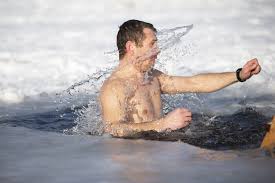
During periods of severe frost, the following rules should be followed:
- In severe frost, try not to leave the house unless absolutely necessary.
- Avoid alcohol. Alcohol creates the illusion of warmth and leads to hypothermia. It also makes it difficult to notice the signs of frostbite.
- Avoid long trips. Take shelter from the wind.
- Do not allow the frostbitten area to freeze again - this will cause much more significant damage to the skin.
- In addition to other measures, knowledge of the first symptoms that signal the onset of frostbite plays a role in preventing frostbite: chills, tingling, numbness to the point of loss of sensitivity, paleness, cold skin, and limited movement of the limbs.
January 19th, the day Orthodox Christians celebrate the Epiphany, is approaching. One of the holiday's traditions is washing in an ice hole filled with icy water. However, it's important to remember that immersing yourself in an ice hole just once a year is extremely stressful for the human body. Therefore, before deciding to plunge into cold water, it's advisable to consult a doctor to determine whether this procedure is safe for you.
Bathing rules for Epiphany:
- Bathing should be done in specially designated areas near the shore, preferably near lifeguard stations, under the supervision of lifeguards.
- Such areas are specially designated on rivers and lakes in cities and districts in the lead-up to the Epiphany holiday for mass bathing. Before bathing in the ice hole, it's necessary to warm up with some stretches.
- Wear comfortable, non-slip, and easy-to-remove shoes to the swimming area; wool socks are also acceptable. Special rubber slippers, which also protect your feet, may be worn.
- It's best to submerge yourself up to your neck, without getting your head wet, to avoid reflexive cerebral vasoconstriction. Never dive headfirst into the ice hole. Jumping into the water or submerging yourself completely is not recommended, as this increases temperature loss and can lead to cold shock.
- When entering the water for the first time, try to quickly reach your desired depth, but do not swim. Remember that cold water can cause a completely normal and safe increase in breathing rate. Once your body has adapted to the cold...
- Do not stay in icy water for more than 1 minute to avoid general hypothermia.
- After swimming (dipping), rub yourself dry with a terry towel and put on dry clothes.
- To strengthen your immune system and prevent hypothermia, drink hot tea, preferably made from berries, fruits, and vegetables, from a prepared thermos.
Mendykarinsky District Emergency Situations