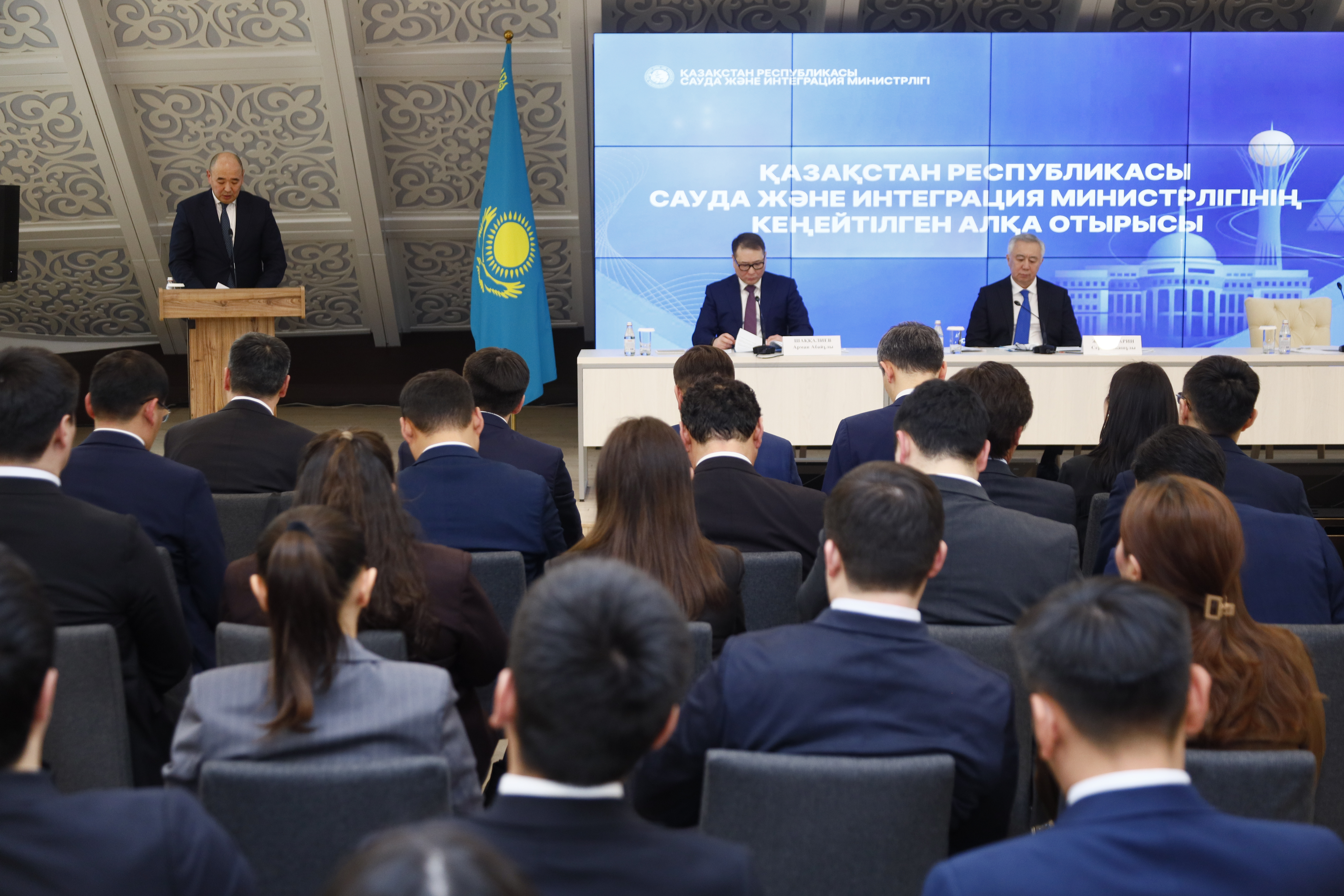
Last year, comprehensive state support measures were launched in domestic trade, based on instruments for subsidizing and guaranteeing loans for industry entities through second-tier banks. The program is aimed at developing modern trade formats and modernizing infrastructure in the regions, while it does not involve the cities of Astana, Almaty, Shymkent, and shopping and entertainment centers.
For projects in regional centers, the loan amount should not exceed 3 billion tenge; for mono- and small towns, as well as rural settlements, 1.5 billion tenge. The subsidized remuneration rate for second-tier banks is 10.75%, the subsidy period for investment purposes is up to 5 years, for replenishing working capital up to 3 years.
The Minister emphasized that the provision of state support is accompanied by reciprocal obligations from businesses. Entrepreneurs are required to ensure access to trading shelves for domestic producers: at least 20% for non-food goods and 50% for food goods, including 30% under the current Rules of Domestic Trade and an additional 20% under state support measures.
Currently, the ministry is working on changes that strengthen the priority of Kazakh producers. In particular, when receiving financing for replenishing working capital, a requirement is introduced to purchase goods, raw materials, and materials from domestic producers included in the relevant register. It also provides for an obligation to place products from novice Kazakh producers, registered no more than three years ago, on a preferential period from three months or more upon their written request.
Additionally, a prohibition is introduced on changing the rental fee within one year from the date of concluding subsidy or guarantee agreements, as well as an obligation to timely submit reports to the Bureau of National Statistics through the digital system statgov.kz.
Approximately 4.3 billion tenge has been allocated for the implementation of support measures, which has allowed for the financing of 460 projects across the country through second-tier banks.