News

To the attention of participants in foreign economic activity (FEA). Correctness and completeness of filling in column 31 of the declaration of goods (DT) 31.08.2026
Column 31 of the goods declaration "Cargo spaces and description of goods – Labeling and quantity – Container numbers – Quantity and distinguishing features" is intended to reflect detailed information that allows identifying the declared goods and comparing the information stated in the declaration with the goods actually being transported.What should be considered when filling in this column?When declaring a product to a foreign economic activity participant, it is necessary to ensure the completeness, reliability and unambiguity of its description.In column 31, depending on the nature of the goods and the specifics of their movement, the information necessary for their identification is indicated, including: the name of the goods; information about the model, brand, article and other distinctive characteristics; composition, material of manufacture and main technical characteristics (if they are relevant to the identification of the goods); information about the manufacturer and trademark (if applicable); quantity of goods and unit of measurement; information about packaging, cargo items and their labeling; container numbers, if the goods are transported in containers; other information provided by the customs legislation and necessary for the identification of the goods.Important: the product description must be specific and informative.The use of exclusively general formulations that do not allow us to unambiguously determine the characteristics and type of product, may lead to the need for additional clarification of information and additional control measures.For example, instead of a general description of "equipment", "spare parts", "plastic products", "electronics", it is necessary to specify the specific name and characteristics of the product that allow it to be identified.Why is this important?The information contained in column 31 is used by customs authorities during customs control, including for: identification of goods; verification of compliance of the declared information with the submitted documents; comparison of the declaration data with the goods actually transported; determination of applicable customs tariff and non-tariff regulation measures; verification of compliance with established prohibitions and restrictions; application of a risk management system; conducting subsequent customs control.Thus, the more accurately and fully the product is described, the less likely there are to be questions during its customs clearance. It is recommended that participants in foreign economic activity check the compliance of the information in column 31 with commercial, transport and other documents accompanying a foreign economic transaction before submitting the DT.The SRC urges participants in foreign economic activity to take a responsible approach to filling out declarations for goods. A complete and reliable description of the goods contributes to more effective customs control, reduces the number of additional requests and reduces the risk of delays in customs operations.At the same time, we would like to inform you that administrative liability is provided for violating the procedure for filling out a declaration for goods.Source : https://www.gov.kz/memleket/entities/kgd-pavlodar/press/news/details/1283112?lang=ru
"Road to School": Deputies of the Kostanay City Maslikhat Extend Support to Local Students 31.08.2026
The annual national charitable campaign "Road to School" is currently underway across Kazakhstan. The primary objective of this meaningful initiative is to provide comprehensive, targeted assistance to children from low-income and large families, as well as children left without parental care, as they prepare for the upcoming academic year.The Chairman and deputies of the Kostanay City Maslikhat actively joined the cause. The local representatives met with students from families in need and presented them with school uniforms, sportswear, backpacks, and essential learning supplies.Expressing their warm wishes, the deputies emphasized the vital importance of quality education and personal growth. May the new 2026–2027 school year bring children immense joy, outstanding achievements, and exciting opportunities! Thanks to the ongoing generosity and support of the community, these students are ready to step into their classrooms with confidence and enthusiasm. Source : https://www.gov.kz/memleket/entities/kostanai-kalasy-akimat/press/news/details/1283096?lang=ru
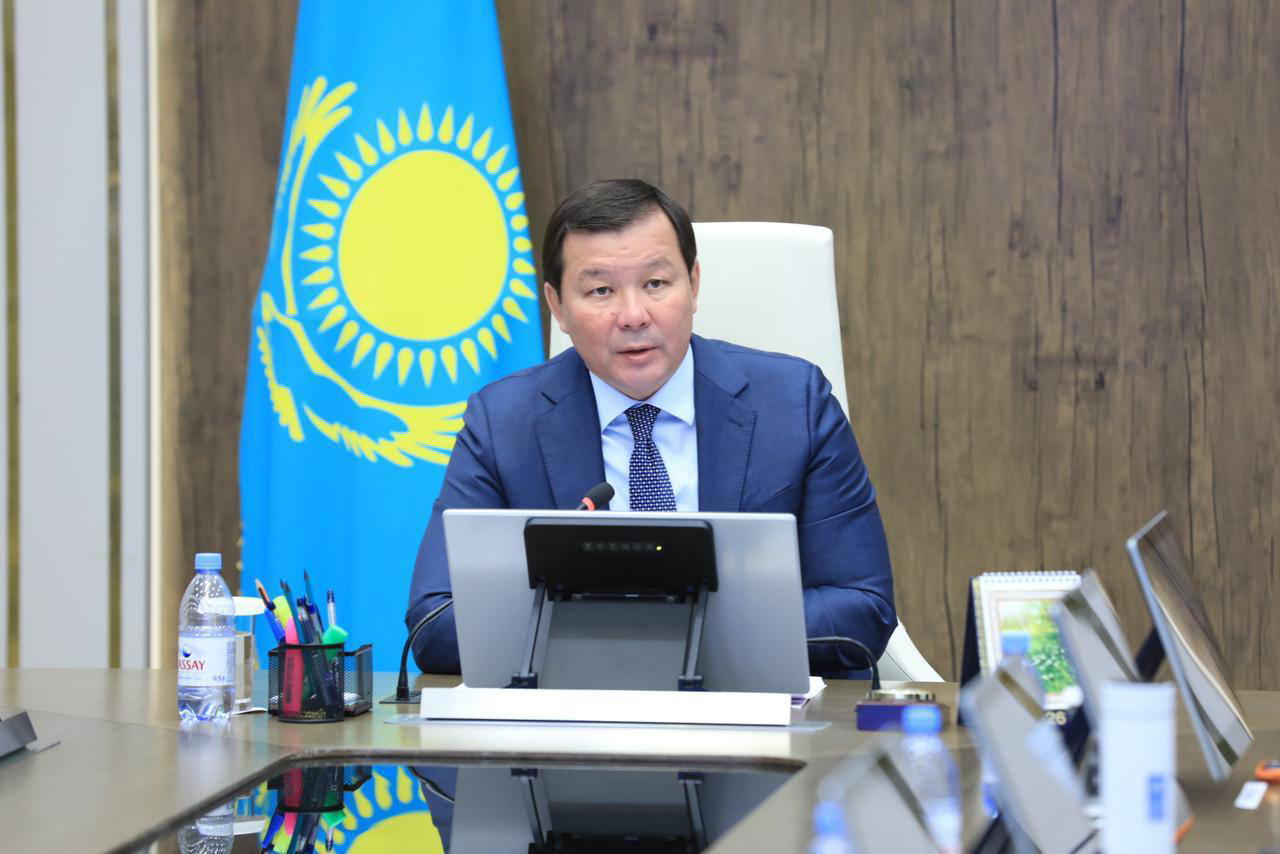
The readiness and availability of student dormitories for the new academic year were discussed at a staff meeting chaired by the regional akim, Askhat Shakharov. 31.08.2026
According to Alimbek Turaliev, head of the youth policy department, 23,703 students will study at the region's three universities. 4,860 students have been enrolled in their first year. Ten dormitories with a total capacity of 4,378 beds are available for student accommodation. Currently, 3,174 students are accommodated in these dormitories, and occupancy is ongoing.Ahead of the academic year, the condition of these dormitories was monitored jointly with youth organizations. Based on the results, all facilities were deemed ready to receive students.At the K. Zhubanov Aktobe Regional University, four dormitories with a capacity of 2,000 beds currently house 1,491 students. One building has undergone major renovations, while two are undergoing minor repairs. Check-in is handled through an online platform, with priority given to socially vulnerable groups.At M. Ospanov West Kazakhstan Medical University, five dormitories have a total capacity of 2,174 beds, of which 1,633 are occupied. Two dormitories have been renovated. Agreements have been signed with private hostels to accommodate the medical university's international students, providing 314 beds. The university also plans to build a new 600-bed dormitory.At S. Baishev University, a 204-bed dormitory is fully ready for students after renovations. It currently accommodates 50 people.Speaking about the dormitory preparations, Askhat Shakharov emphasized that the issue has not only educational but also social significance. A significant number of students come from rural areas and other regions of the country, so the dormitory becomes their primary residence during their studies.The regional governor instructed that the heating, water supply, sewerage, and electricity systems be ensured to operate smoothly, with special attention paid to fire safety, sanitary, and technical requirements. He also instructed that security measures be strengthened, including video surveillance, alarms, and security."Ensuring the full readiness of dormitories is an important factor directly impacting the quality of education for young people, improving living conditions, and strengthening social stability. All utility systems in each dormitory must be ensured to operate smoothly. It is important to ensure transparency during occupancy and prevent corruption risks, giving priority to students from low-income and large families, as well as those arriving from rural areas. Any identified deficiencies must be addressed promptly, and all conditions for safe and comfortable student accommodation must be created," the governor emphasized.Source : https://www.gov.kz/memleket/entities/aktobe-zhastar1/press/news/details/1283070?lang=ru
Tax Payments to the State Budget from Enterprises under Monitoring for the First 7 Months of 2026 31.08.2026
According to Order No. 786 of the Ministry of Finance of the Republic of Kazakhstan dated December 18, 2025, 12 enterprises under national monitoring are registered in the East Kazakhstan Region: KazZinc LLP; Vostoktsvetmet LLP; Orica-Kazakhstan JSC; Ust-Kamenogorsk Metallurgical Plant JSC; Ust-Kamenogorsk Titanium-Magnesium Plant JSC; Ulba-TVS LLP; Altyn Shyghys LLP; OblShygysZhol LLP; Ust-Kamenogorsk Thermal Power Plant LLP; Ust-Kamenogorsk Poultry Farm JSC; United Energy Service Company LLP; AK NIET GROUP LLP.During the first 7 months of 2026, tax payments to the State Budget from the above-mentioned enterprises amounted to KZT 127.4 billion, including KZT 19.0 billion to the Local Budget and KZT 108.4 billion to the Republican Budget, taking into account the VAT refund at the 0% rate transferred to taxpayers’ bank accounts in the amount of KZT 25.8 billion.The share of tax revenues from enterprises under national monitoring in the total State Budget revenues of the region amounted to 40.1%, including 15.4% of Local Budget revenues and 55.8% of Republican Budget revenues.The growth rate of tax revenues from enterprises under national monitoring for the first 7 months of 2026 compared with the same period of 2025 amounted to 204.5% for the State Budget, representing an increase of KZT 65.1 billion. For the Republican Budget, the growth rate amounted to 271.7%, representing an increase of KZT 68.5 billion.Source : https://www.gov.kz/memleket/entities/kgd-vko/press/news/details/1283062?lang=ru
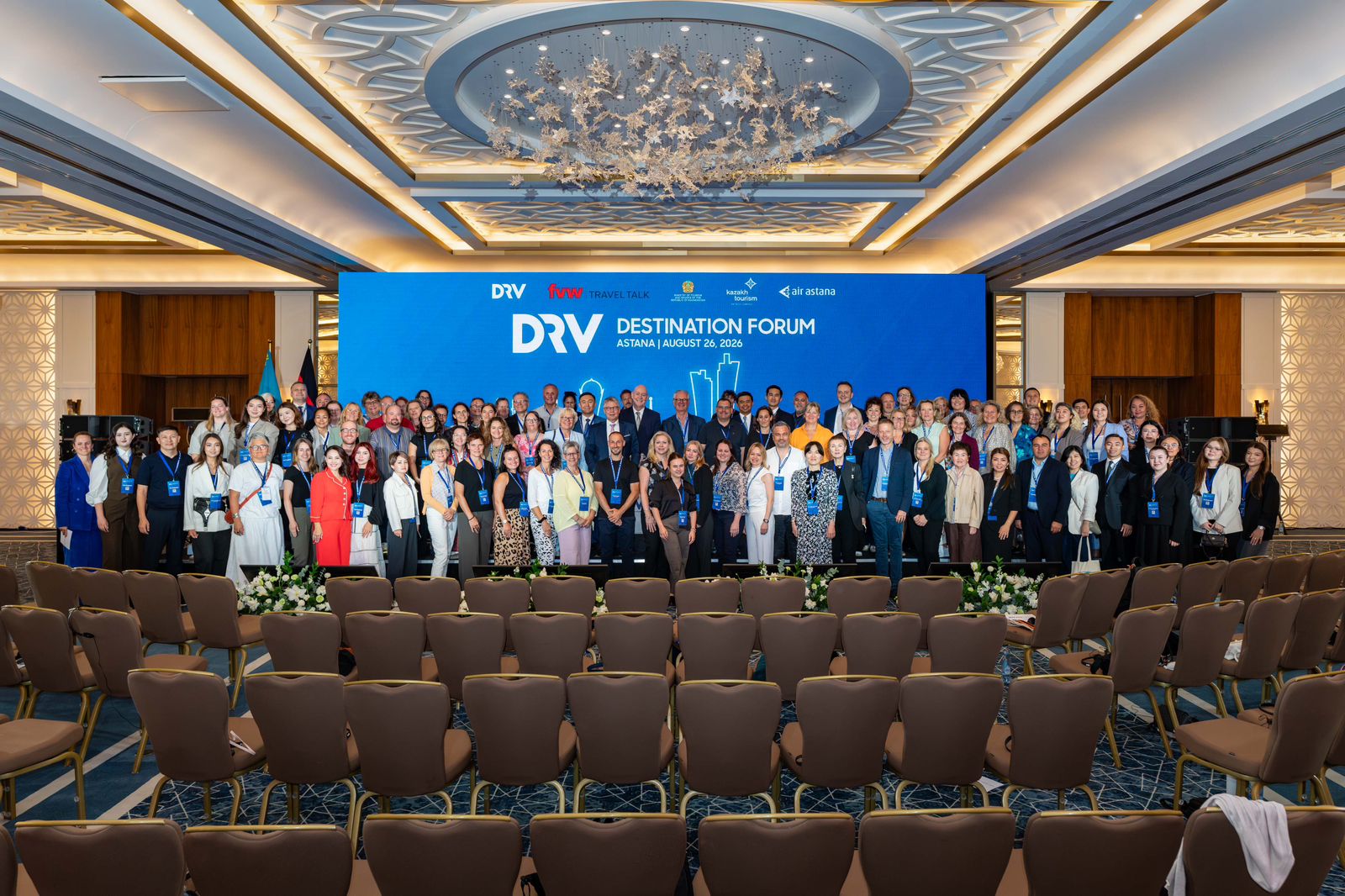
Kazakhstan Hosts Germany’s Major Tourism Industry Forum DRV Destination Forum for the First Time 31.08.2026
On August 26, 2026, DRV Destination Forum 2026, one of the key events of Germany’s tourism industry, was held in Astana. Kazakhstan hosted the forum for the first time, bringing together around 130 participants, including 69 representatives of the German tourism sector.Vice Minister of Tourism and Sports of the Republic of Kazakhstan Miras Tulebaev took part in the official opening of the forum.The event was organized as a result of cooperation between Kazakh Tourism National Company and the German Travel Association Deutscher Reiseverband (DRV).As part of the forum, German delegates visited Almaty and Almaty Region, Mangystau and East Kazakhstan Regions, as well as Shymkent and Turkistan Region, exploring their tourism potential and infrastructure.An important part of the programme was B2B meetings between representatives of Kazakhstan’s tourism industry and German tour operators. Air Astana also contributed to promoting Kazakhstan’s tourism potential and strengthening the country’s international connectivity.DRV brings together more than 3,000 tourism companies in Germany. Around 100,000 visitors from Germany travel to Kazakhstan annually.Hosting the forum in Astana creates new opportunities to promote Kazakhstan’s tourism products on the German market, expand business ties and increase tourist arrivals from Germany.Source : https://www.gov.kz/memleket/entities/mangystau-tourism/press/news/details/1282934?lang=ru
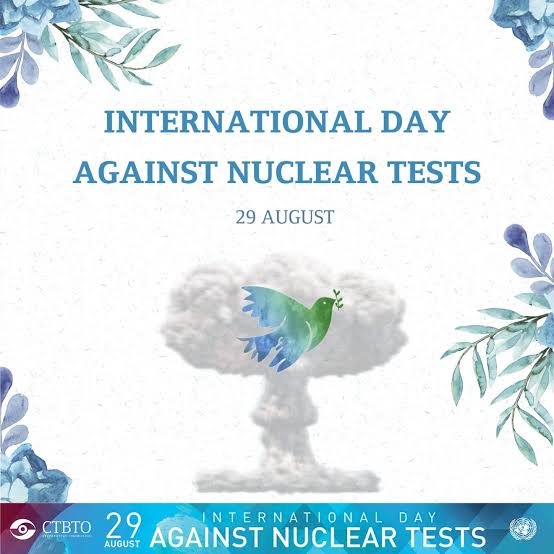
Kazakhstan 2026: From Semipalatinsk to Global Nuclear Diplomacy 31.08.2026
The International Institute for Middle East and Balkan Studies (IFIMES) in Ljubljana regularly analyzes developments in the Middle East, the Balkans and around the world. In this analysis, IFIMES examines how Kazakhstan has transformed its historical nuclear legacy and decision to renounce nuclear weapons into an active policy of nuclear non-proliferation, regional cooperation and the strengthening of global nuclear security. In this context, 2026 represents an important historical and symbolic milestone. Below, we present the key findings and most significant insights from the analysis entitled “Kazakhstan 2026 : From Semipalatinsk to Global Nuclear Diplomacy.”The year 2026 holds a special place in Kazakhstan’s history, marking three significant anniversaries: 35 years since the closure of the Semipalatinsk Nuclear Test Site, 30 years since the Comprehensive Nuclear-Test-Ban Treaty (CTBT) was opened for signature, and 20 years since the signing of the Treaty on a Nuclear-Weapon-Free Zone in Central Asia, known as the Semipalatinsk Treaty.Together, these anniversaries trace a single historical trajectory – from Kazakhstan’s direct experience of the devastating consequences of the nuclear arms race to the development of a distinctive national policy centred on nuclear disarmament, non-proliferation and international security.Semipalatinsk – from nuclear legacy to strategic choiceKazakhstan’s nuclear experience is inextricably linked to Semipalatinsk, where the Soviet Union conducted its first nuclear test in 1949. By 1989, a total of 456 nuclear tests had been conducted at the site, leaving profound and lasting consequences for the population and environment of the wider region. For Kazakhstan, therefore, nuclear weapons are not an abstract matter of strategic balance, but a deeply rooted part of its national memory and lived human experience.In the late 1980s, the Nevada–Semipalatinsk anti-nuclear movement emerged, bringing the issue of nuclear testing out of the closed military sphere and into public debate. On 29 August 1991, Kazakhstan closed the Semipalatinsk Nuclear Test Site, even before the dissolution of the Soviet Union. At Kazakhstan’s initiative, the UN General Assembly subsequently designated 29 August as the International Day against Nuclear Tests in 2009.Following the collapse of the Soviet Union, Kazakhstan inherited the world’s fourth-largest nuclear arsenal, comprising more than a thousand nuclear warheads, intercontinental ballistic missiles, strategic bombers, and associated infrastructure. For a newly independent state, such an arsenal could have represented a major source of strategic leverage. Kazakhstan, however, chose a different path.Kazakhstan renounced nuclear weapons and acceded to the Treaty on the Non-Proliferation of Nuclear Weapons (NPT) in 1994 as a non-nuclear-weapon state. By 1995, all nuclear weapons had been removed from its territory.This decision became a cornerstone of Kazakhstan’s foreign-policy identity. It demonstrated that a state could renounce nuclear deterrence without relinquishing its strategic autonomy, instead building its security and international standing through diplomacy, international law, cooperation, and active engagement in global non-proliferation efforts.From national decision to global diplomacyKazakhstan did not stop at renouncing its inherited nuclear arsenal. It developed its anti-nuclear policy into a distinctive and sustained pillar of its foreign policy. Kazakhstan signed the Comprehensive Nuclear-Test-Ban Treaty (CTBT) in 1996 and ratified it in 2002.Today, Kazakhstan also contributes to the Treaty’s practical implementation. Five facilities of the International Monitoring System (IMS) operate on its territory as part of the global network for detecting potential nuclear explosions. In 2008, the former Semipalatinsk test site hosted an international exercise designed to prepare for future on-site inspections.Semipalatinsk has therefore evolved from a symbol of the destructive legacy of nuclear testing into an important site for international monitoring, verification, and cooperation on nuclear risks. The Kazakh experience should be understood primarily as a model of political choice rather than a universal security formula. Its broader significance lies in demonstrating that a state can pursue strategic autonomy and international influence without possessing nuclear weapons.Central Asia as a nuclear-weapon-free zoneKazakhstan’s anti-nuclear policy has also acquired a significant regional dimension. On 8 September 2006, Kazakhstan, Kyrgyzstan, Tajikistan, Turkmenistan, and Uzbekistan signed the Treaty on a Nuclear-Weapon-Free Zone in Central Asia in Semipalatinsk, which entered into force in 2009.The Treaty established a regional security framework based on nuclear non-proliferation, mutual commitments, and cooperation among the Central Asian states.Central Asia thus demonstrated that even non-nuclear-weapon states can actively shape their own regional security architecture and make a meaningful contribution to global nuclear stability.In 2026, marking the Treaty’s 20th anniversary, Kazakhstan will assume the rotating chairmanship, further strengthening its role in advancing regional nuclear non-proliferation and cooperation with international organizations.From non-proliferation to peaceful uses of nuclear energyKazakhstan’s policy clearly distinguishes between nuclear non-proliferation and the peaceful use of nuclear energy. As one of the world’s leading uranium producers, Kazakhstan also regards nuclear energy as an important component of its energy security and technological development.A notable example is the IAEA Low Enriched Uranium Bank in Kazakhstan, which provides countries with reliable access to nuclear fuel for peaceful purposes while reducing the need to develop their own uranium-enrichment capabilities.The Kazakh experience demonstrates that nuclear safety, non-proliferation, and the peaceful use of nuclear energy can be mutually reinforcing, provided they are grounded in effective safeguards, rigorous verification, international cooperation, and mutual trust.From nuclear legacy to global responsibilityOperation Sapphire, conducted in 1994 and involving the removal of approximately 600 kilograms of highly enriched uranium from Kazakhstan, stands as one of the most significant examples of the country’s concrete contribution to global nuclear security. During the turbulent period following the collapse of the Soviet Union, Kazakhstan helped reduce the risk of the uncontrolled proliferation of sensitive nuclear materials, demonstrating that disarmament requires not only political decisions, but also concrete measures, international cooperation, and sustained monitoring.Kazakhstan’s experience also has a profound humanitarian and environmental dimension. The closure of the Semipalatinsk Nuclear Test Site did not erase the consequences of decades of nuclear testing. Kazakhstan therefore views nuclear disarmament not only as a matter of international security, but also as a responsibility towards affected communities and the environment. The country has signed and ratified the Treaty on the Prohibition of Nuclear Weapons (TPNW) and supports measures aimed at assisting victims and addressing the environmental legacy of nuclear testing.gainst the backdrop of intensifying strategic competition, the modernization of nuclear arsenals, and declining trust among the major powers, this approach has acquired renewed relevance. Kazakhstan advocates a concept of security based not solely on nuclear deterrence, but also on international law, verifiable commitments, dialogue, and effective multilateral institutions.Its active engagement within the Treaty on the Non-Proliferation of Nuclear Weapons (NPT), which links non-proliferation, nuclear disarmament, and the peaceful use of nuclear energy, reflects this broader approach. Kazakhstan’s experience should therefore not be viewed as a universal security formula, but as a compelling example of how a state can transform a difficult nuclear legacy into a long-term contribution to international peace and security.Kazakhstan's multi-vector diplomacy and the future of nuclear securityKazakhstan’s multi-vector diplomacy is built on cooperation with diverse centers of power while preserving strategic autonomy. In the field of nuclear security, this approach is reflected in its engagement with Russia, the United States, China, the European Union, the United Nations, and the IAEA, as well as in its efforts to strengthen regional cooperation across Central Asia. Kazakhstan’s anti-nuclear policy is therefore directed against neither a particular state nor a geopolitical bloc. Rather, it is rooted in the recognition that nuclear risks transcend national borders and geopolitical divisions.Over time, Kazakhstan has transformed its historical experience into foreign-policy capital, linking nuclear disarmament, non-proliferation, the peaceful use of nuclear energy, humanitarian responsibility, and regional security. For a medium-sized state, this represents an important source of international influence—one based not on military power, but on an active role in addressing issues of global significance.The year 2026 symbolically connects this development with three major anniversaries: 35 years since the closure of the Semipalatinsk Nuclear Test Site, 30 years since the CTBT was opened for signature, and 20 years since the signing of the Treaty on a Nuclear-Weapon-Free Zone in Central Asia. Together, they represent three interconnected stages of the same historical process: ending nuclear testing, renouncing the inherited nuclear arsenal, and institutionalizing non-proliferation at the regional and global levels.The broader significance of Kazakhstan’s experience lies precisely in this transformation. A country that was once the object of a great power’s nuclear strategy has transformed its historical legacy into diplomatic capital and an instrument of strategic autonomy. The three anniversaries of 2026 are therefore not merely occasions to look back, but an opportunity to consider how medium-sized states can contribute to strategic stability and to an international order grounded in law, verifiable commitments, and cooperation.At the same time, the international nuclear security architecture is facing growing pressure. The modernization of nuclear arsenals, the weakening of arms-control regimes, and declining strategic trust are increasing the risks of miscalculation and escalation. In this environment, Kazakhstan’s experience should not be presented as a universal security formula, but as a concrete example of long-term state policy.Its distinctive feature is the way Kazakhstan has linked the renunciation of nuclear weapons with international law, non-proliferation, regional cooperation, and active diplomacy. Yet the Kazakh model should not be idealized. Nuclear-weapon states continue to modernize their arsenals, the CTBT has not yet entered into force, the NPT faces significant pressures, and the security dilemma between nuclear- and non-nuclear-weapon states persists. Kazakhstan must also continue to balance its multi-vector diplomacy among the interests of Russia, China, and the Western powers.For this reason, Kazakhstan’s experience is not a final answer, but an ongoing political process. Its broader message is that national security can be strengthened not only through military capabilities, but also through trust, international law, verifiable commitments, regional cooperation, and sustained diplomacy.Kazakhstan’s Experience as a Lesson for the Future of Nuclear SecurityThe year 2026 is therefore not merely a year of historical remembrance, but also an opportunity to reflect on the future of global nuclear security. The three anniversaries mark distinct yet interconnected stages of the same process: the closure of the Semipalatinsk Nuclear Test Site, the consolidation of the global nuclear test-ban regime, and the establishment of a regional nuclear-weapon-free zone in Central Asia.Kazakhstan’s experience demonstrates that strategic stability does not depend exclusively on military power. It can also be strengthened through international law, verifiable commitments, regional cooperation, dialogue, and sustained diplomacy.This is the broader significance of the Kazakh experience. Semipalatinsk is no longer merely a reminder of the devastating consequences of the nuclear arms race; it has also become a symbol of how a difficult historical legacy can be transformed into a foundation for a more responsible approach to international security.The year 2026 is therefore, above all, a year of responsibility. At a time of renewed geopolitical tensions, nuclear security remains a shared responsibility of the international community. The future of global strategic stability will depend to a significant extent on the ability of states to rebuild trust, restore meaningful dialogue, and strengthen effective mechanisms for arms control, verification, and international cooperation.Ljubljana/Brussels/Astana, 26 August 2026 https://www.ifimes.org/en/researches/kazakhstan-2026-from-semipalatinsk-to-global-nuclear-diplomacy/5981? Source : https://www.gov.kz/memleket/entities/mfa-ljubljana/press/news/details/1282836?lang=ru
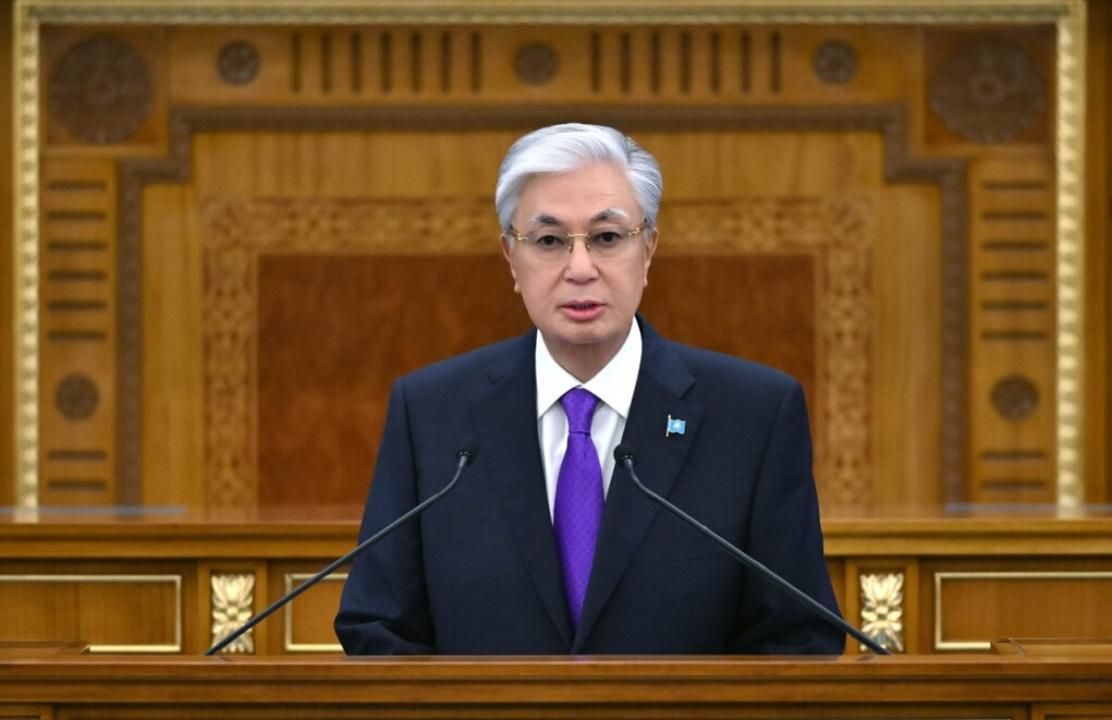
Address by the President of the Republic of Kazakhstan H.E. Mr. Kassym-Jomart Tokayev on the Occasion of the International Day against Nuclear Tests 31.08.2026
Dear compatriots,Today, the international community observes the International Day against Nuclear Tests, established by the United Nations General Assembly at the initiative of our country.Exactly 35 years ago, amid a complex international situation, the Semipalatinsk Nuclear Test Site was closed. For decades, it inflicted irreparable damage on human health and the environment, leaving a painful mark on the fate of our people. This date will serve as a reminder to all humanity of the tragic consequences of nuclear testing and as a call to prevent such tragedies from ever happening again.By voluntarily renouncing the fourth-largest nuclear arsenal on the planet, Kazakhstan made a historic choice in favor of peace, security, and sustainable development. This decision fulfilled the aspirations of the people of Kazakhstan and demonstrated our state’s responsibility for the fate of future generations.Our commitment to peace and friendship with all states, enshrined in the preamble of the New Constitution, remains an unwavering principle of Kazakhstan’s foreign policy. Our country’s position as one of the leaders of the global nuclear- weapons-free movement remains unchanged: we call for dialogue and negotiations among the nuclear-weapons states, the earliest possible entry into force of the Comprehensive Nuclear-Test-Ban Treaty, and decisive multilateral action aimed at eliminating the threat of the use of nuclear weapons.Nuclear energy must serve exclusively peaceful and constructive purposes. In a nationwide referendum, our people firmly supported the course towards the development of nuclear energy, laying a solid foundation for Kazakhstan’s economic, scientific, and technological progress for decades to come.This strategic choice is an important part of the transformations opening a new chapter in the country’s sustainable development. Large-scale reforms across all spheres of public life are aimed at building a Just, Progressive, and Clean Kazakhstan.I am confident that together we will achieve this noble goal. Source : https://www.gov.kz/memleket/entities/mfa-albania/press/news/details/1283965?lang=ru

The decline in prices for socially significant products came to an end in August 31.08.2026
According to the results of the last week, the SZPT index amounted to 100.0%. Since the beginning of August, prices have decreased by 0.2%. Since the beginning of the year, the index amounted to 101.4% against 107.9% for the same period last year.Thus, the growth of prices for SZPT since the beginning of the year remains minimal and is more than 5 times lower than last year's level.The current dynamics are facilitated by the seasonal arrival of the new harvest. The decrease in prices for vegetable products helps to restrain the overall index and compensate for the growth in individual goods.The positive dynamics in SZPT are also reflected in food inflation. In annual terms, it decreased from 13.5% in December last year to 10.1% by the end of July.At the same time, the work is not limited to seasonal measures. The main focus is on factors that directly affect the final cost of products: intermediaries, markets, transportation costs, and producer selling prices.On the instructions of Deputy Prime Minister – Minister of National Economy S.M. Zhumangarin, a survey of food markets is being conducted in the regions. Supply chains, rental conditions, and the formation of the final price are being analyzed. Special attention is paid to identifying unnecessary intermediaries.To reduce transportation costs, a preferential tariff for rail transportation of food products is in effect. To date, more than 50 companies have used it, and 38 thousand tons of products have been transported.Work continues with domestic producers. A 20% reduction in the electricity tariff is provided for SZPT producers. Support is provided upon acceptance of counter-obligations to restrain selling prices.At the same time, the mechanism of operation of stabilization funds is being revised. The approach will change from simple purchase of products and utilization of funds to assessment of a specific result – the impact on the price.For this purpose, stabilization mechanisms will be applied in a targeted manner, based on the situation for a specific product and region. The traceability of product movement and control over the effectiveness of funds channeled through the SPC will also be strengthened.By the end of the year, the work will be focused on maintaining the current dynamics, ensuring sufficient food supply, and preventing unjustified price growth.Source : https://www.gov.kz/memleket/entities/mti/press/news/details/1282616?lang=ru
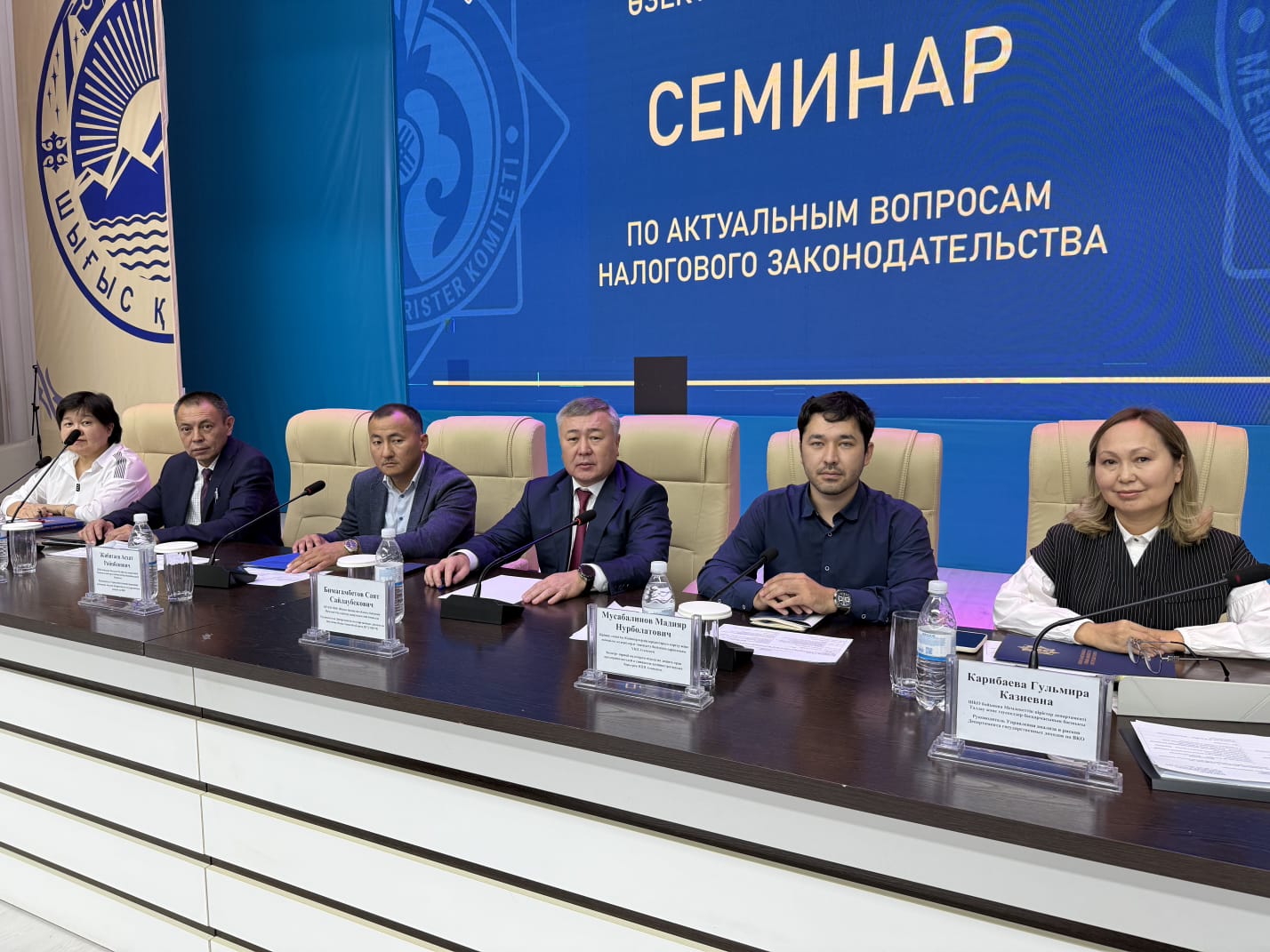
Tax Legislation — 2026: Explanations for Businesses Continue in Ust-Kamenogorsk 31.08.2026
On August 27, 2026, a seminar for representatives of the business community and taxpayers was held in Ust-Kamenogorsk. The event was organized by the Department of State Revenues of the East Kazakhstan Region (hereinafter referred to as the Department). The main topic of the seminar was current issues of tax legislation.The event was attended by representatives of the Department, the East Kazakhstan Regional Branch of the National Chamber of Entrepreneurs of the Republic of Kazakhstan “Atameken”, taxpayers, participants in foreign economic activity, representatives of consulting companies, and the media.During the seminar, heads of the Department’s specialized divisions explained the key changes and innovations in tax legislation that came into effect in 2026. Particular attention was paid to universal declaration, as well as to expenses not subject to deduction for corporate income tax purposes when purchasing goods, works, and services from entities applying the special tax regime based on a simplified declaration. Changes concerning value-added tax (VAT) and the new procedure for submitting tax reports were also discussed.“The main objective of our event is not simply to familiarize taxpayers with the new provisions of tax legislation, but also to help them properly understand the specifics of their practical application in their day-to-day activities. We are open to dialogue with businesses and interested in ensuring that entrepreneurs receive the necessary clarifications in a timely manner,” said Sayat Bimagambetov, Head of the Department.The seminar concluded with a “Questions and Answers” session, during which participants received clarifications on tax administration and the application of tax legislation.Holding such events helps maintain an open dialogue with the business community, improve tax literacy, and ensure that taxpayers are promptly informed about changes in legislation.Source : https://www.gov.kz/memleket/entities/kgd-vko/press/news/details/1282672?lang=ru
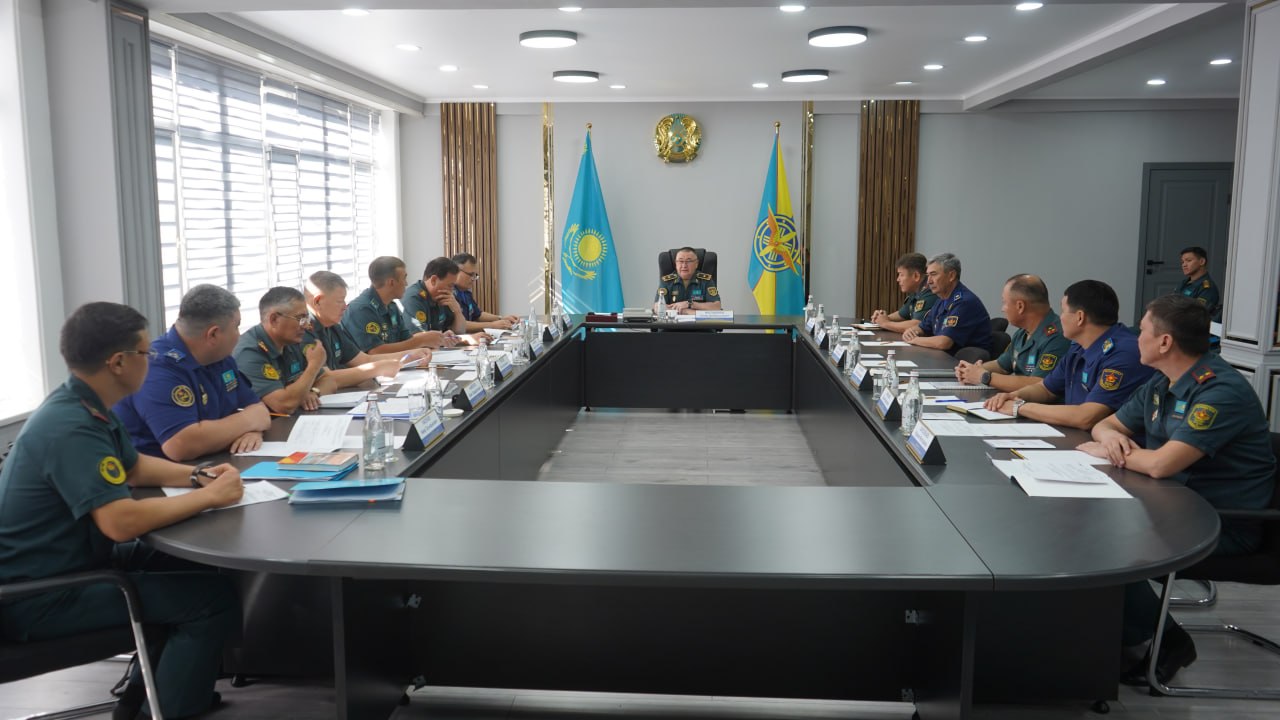
Tasks for the development of military education have been defined in Almaty. 31.08.2026
Source : https://www.gov.kz/memleket/entities/mod/press/news/details/1282744?lang=ru
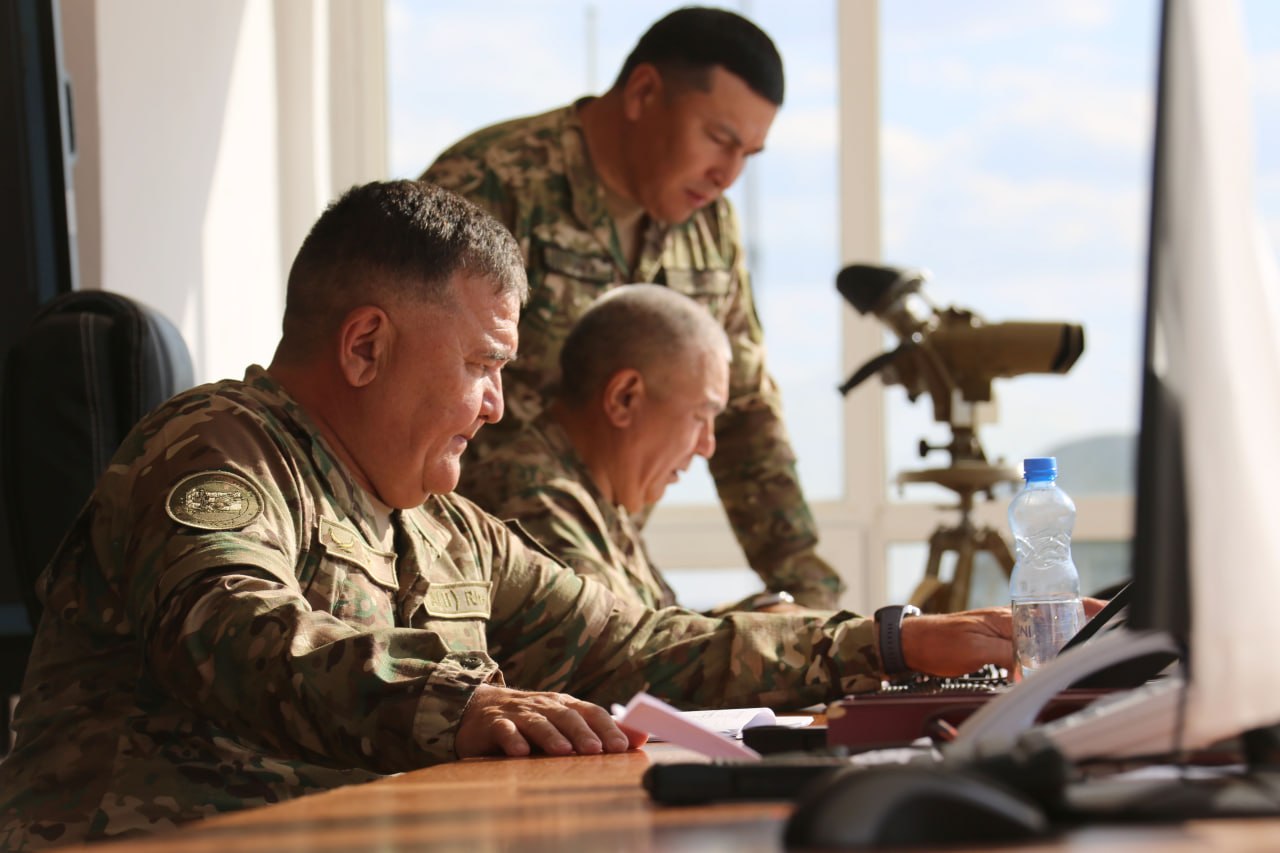
"Ashyk Aspan – 2026": Air Defense Forces' readiness tested at Saryshagan training ground 31.08.2026
Source : https://www.gov.kz/memleket/entities/mod/press/news/details/1282535?lang=ru
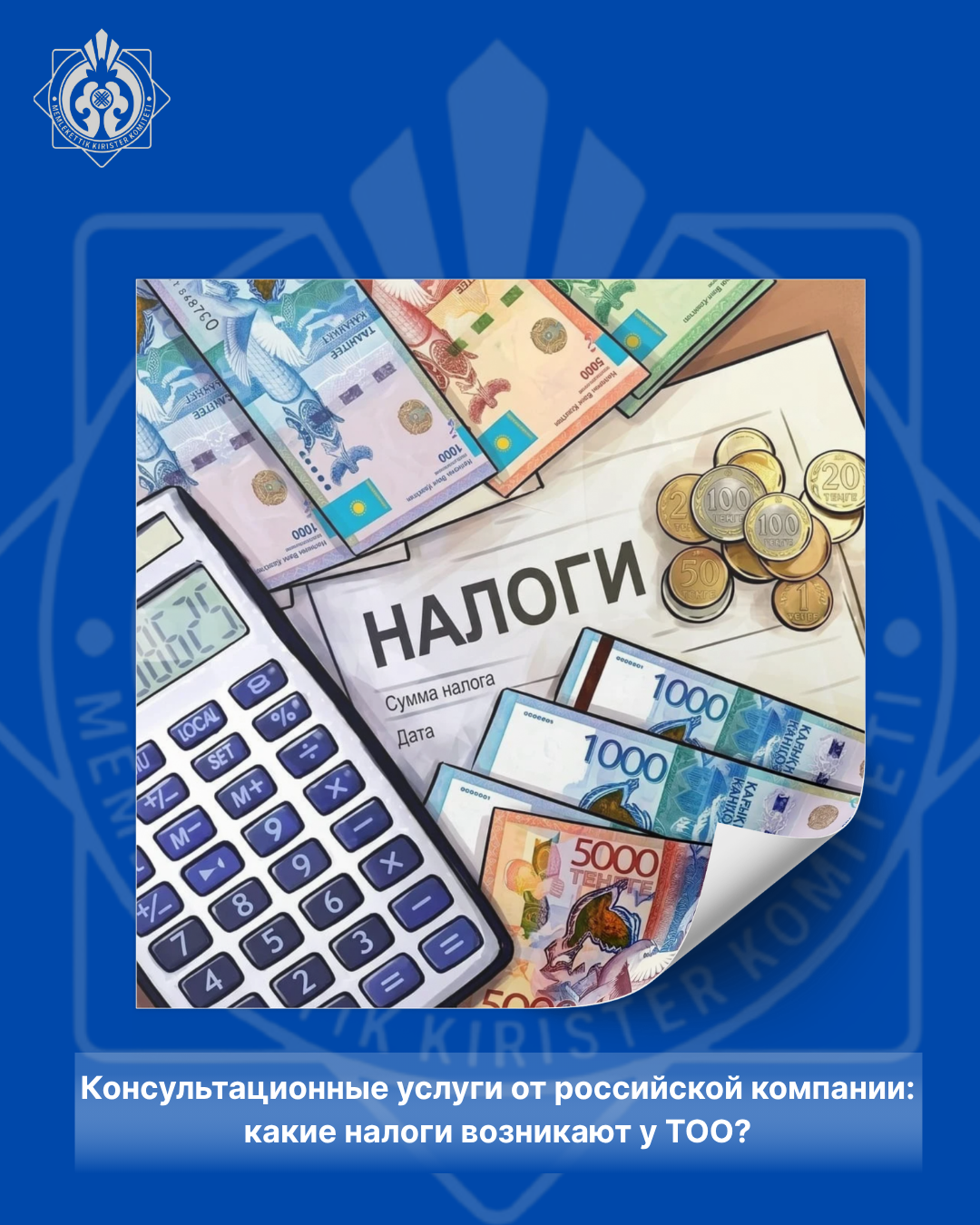
Consulting services from a Russian company: what taxes arise for the LLP? 31.08.2026
If an LLP in Kazakhstan acquires consulting services from a Russian company, the place of realization of such services is recognized as the territory of the Republic of Kazakhstan. The LLP needs to calculate VAT for the non-resident at a rate of 16 percent of the turnover amount for the acquisition of consulting services.Income of a non-resident from providing consulting services outside the Republic of Kazakhstan is recognized as non-resident income from sources in the Republic of Kazakhstan and is taxed with corporate income tax at a rate of 20%.Obligations to withhold CIT at the source of payment and submit the calculation under form 101.04 for CIT are assigned to the tax agent paying such income.Source : https://www.gov.kz/memleket/entities/kgd-vko/press/news/details/1282540?lang=ru
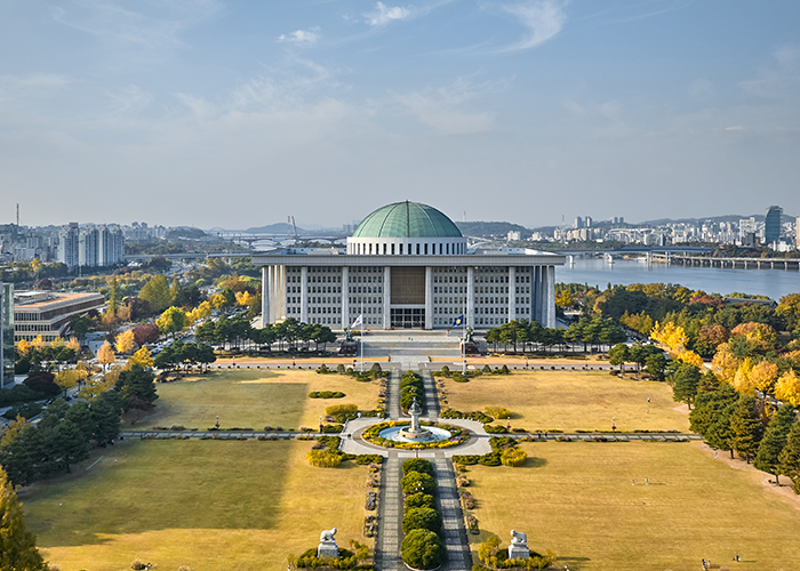
Event Marking the International Day against Nuclear Tests Held in Seoul 30.08.2026
Seoul, August 27, 2026 - Ahead of the International Day against Nuclear Tests, the Embassy of the Republic of Kazakhstan in the Republic of Korea held an awareness-raising event focused on nuclear disarmament, non-proliferation, and strengthening international security.The event brought together representatives of the Republic of Korea's public, political, expert, and academic communities.Addressing the participants, Ambassador of Kazakhstan to the Republic of Korea Asset Issenali highlighted the special place of anti-nuclear policy in the modern history of Kazakhstan, a country that endured the devastating consequences of nuclear testing and voluntarily renounced one of the world's largest nuclear arsenals.Particular attention was given to the historic decision to close the Semipalatinsk Nuclear Test Site on August 29, 1991. At Kazakhstan's initiative, the United Nations General Assembly subsequently designated this date as the International Day against Nuclear Tests.It was noted that Kazakhstan consistently advocates for strengthening the nuclear non-proliferation regime, achieving a universal ban on nuclear testing, and reducing nuclear risks.During the discussion, participants emphasized that amid persistent geopolitical tensions and growing threats to international security, the anti-nuclear agenda is taking on particular importance, while dialogue, mutual trust, and diplomacy remain indispensable instruments for ensuring lasting peace.The participants highly commended Kazakhstan's contribution to advancing nuclear disarmament and non-proliferation, noting the country's unique moral authority rooted in its own historical experience.In conclusion, it was emphasized that the International Day against Nuclear Tests is not only a reminder of the tragic consequences of the past, but also a call for states to assume shared responsibility for the peace and security of future generations.Source : https://www.gov.kz/memleket/entities/mfa-seoul/press/news/details/1282432?lang=ru

Kazakhstan and Saudi Arabia Elevate Transport Cooperation to a New Level 30.08.2026
Riyadh, August 30, 2026 – Ambassador of Kazakhstan to Saudi Arabia Madiyar Menilbekov met with Saleh Al-Jasser, Minister of Transport and Logistic Services of the Kingdom.During the negotiations, the parties welcomed the signing of the Agreement between the Government of the Republic of Kazakhstan and the Government of the Kingdom of Saudi Arabia on Air Services on 26 August, 2026, emphasizing its importance for further strengthening bilateral ties. It was noted that the intergovernmental agreement will provide a solid foundation for expanding direct air connectivity, increasing passenger and cargo transportation, as well as creating new opportunities for the development of trade and economic, investment, tourism and humanitarian cooperation.In this regard, the parties reaffirmed their readiness to ensure the effective implementation of the agreements reached and to give additional impetus to practical cooperation in the transport sector.Following the meeting, the parties agreed to continue working-level contacts aimed at further developing Kazakh-Saudi cooperation.Source : https://www.gov.kz/memleket/entities/mfa-riyadh/press/news/details/1282433?lang=ru
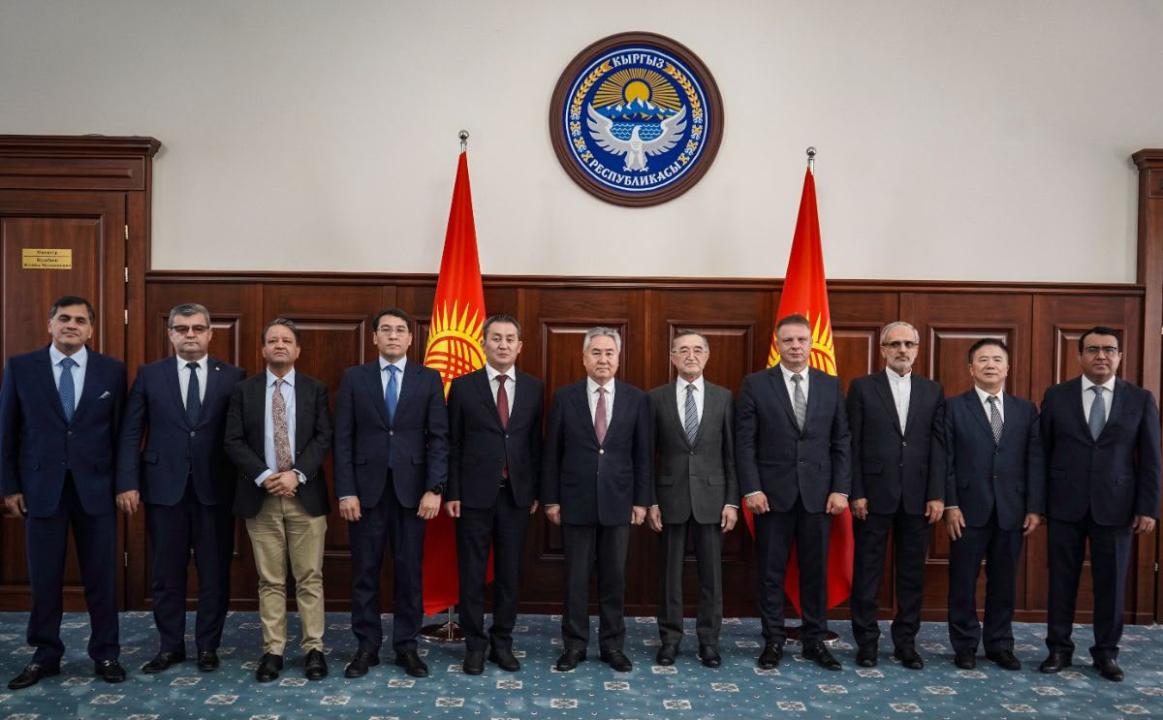
Key Issues Related to Preparations for the SCO Summit Discussed in Bishkek 30.08.2026
From 27 to 30 August 2026, Bishkek hosted a meeting of the Council of National Coordinators of the Member States of the Shanghai Cooperation Organisation (SCO) under the chairmanship of the Kyrgyz Republic.The National Coordinators considered draft outcome documents to be submitted for consideration at the forthcoming meeting of the Council of Heads of State of the SCO Member States, scheduled to take place in Bishkek on 1 September 2026. The meeting also provided an opportunity to exchange views on priorities for the further development of multifaceted cooperation within the SCO.Particular attention was devoted to current issues concerning the enhancement of the Organisation’s activities, as well as to strengthening its legal and institutional framework.“The forthcoming SCO Summit in Bishkek is of particular significance for the Organisation’s further development. As we commemorate the 25th anniversary of the SCO, it is important not only to take stock of the progress achieved over the years, but also to set clear and practical priorities for advancing cooperation. Kazakhstan attaches great importance to strengthening the role of the SCO as an effective, balanced and inclusive multilateral platform,” said Murat Mukushev, National Coordinator for SCO Affairs of the Republic of Kazakhstan.The SCO Summit is expected to adopt a substantive package of documents aimed at further enhancing the effectiveness of the Organisation and strengthening cooperation among its Member States. Among the key outcome documents will be the Bishkek Declaration, to be adopted on the occasion of the 25th anniversary of the SCO.The Council of National Coordinators of the SCO Member States serves as a coordinating mechanism for the Organisation’s ongoing activities and facilitates interaction among the relevant ministries and government authorities of the SCO Member States.Source : https://www.gov.kz/memleket/entities/mfa-pretoria/press/news/details/1283145?lang=ru
Individual property tax: calculation, exemptions and how to dispute an assessment 30.08.2026
The Department of State Revenue for the Mangystau Region explains how individual property tax is calculated and paid, which categories of individuals are not taxpayers (or enjoy a statutory allowance), and what to do if the assessment appears incorrect. How is property tax on residential objects calculated? Individual property tax is assessed by state revenue authorities at the location of the taxable object. For dwellings, buildings, dacha structures, garages, parking spaces and other constructions, the tax base is the value of the object (or the aggregate value of objects where the statutory threshold is exceeded).The rate depends on value: the higher the value, the higher the applicable rate (a progressive scale). From 2026, a separate calculation procedure applies where the aggregate value of objects exceeds the statutory threshold.The tax is assessed no later than 1 July of the year following the reporting tax period and is payable no later than 1 October of that year. What happens if the property tax is not paid? If the tax is not paid by the due date, a late-payment penalty (penya) accrues for each day of delay starting after 1 October.When arrears arise, the taxpayer is issued a notice. Thirty working days are allowed to comply. If the debt exceeds 1 MCI, a tax order is issued.If the debt remains unpaid after the tax order, the case is referred to court enforcement officers. Compulsory collection measures may be applied, including attachment of bank accounts and property.In 2026, 1 monthly calculation index (MCI / MRP) equals 4,325 tenge. Who is not an individual property taxpayer? The following persons are not individual property taxpayers (subject to the limits set by Article 597 of the Tax Code of the Republic of Kazakhstan):Heroes of the Soviet Union, Heroes of Socialist Labour, holders of the titles “Halyk Kaharmany” and “Kazakstanyn Yenbek Yeri”, and holders of the Order of Labour Glory of three classes and the “Otan” Order — within 1,000 MCI (KZT 4,325,000 in 2026) of the total value of objects specified in subparagraph 1) of Article 599 of the Tax Code;Great Patriotic War veterans, persons equated to them in benefits, veterans of combat operations in other states, home-front workers of the war years, and persons with disabilities — in respect of land plots occupied by the housing stock, adjoining plots, plots for personal subsidiary farming, gardening and dacha construction, and plots under garages; and within 1,500 MCI (KZT 6,487,500 in 2026) of the total value of objects specified in subparagraph 1) of Article 599;orphans and children left without parental care — until they reach the age of 18, in respect of the land plots and taxable objects listed above;one parent of a person with a disability from childhood or of a child with a disability — in respect of the land plots listed above;mothers of many children awarded the title “Mother Heroine” or the “Altyn Alka” pendant, and separately residing pensioners — in respect of land plots occupied by the housing stock and adjoining plots; and within 1,000 MCI of the total value of objects specified in subparagraph 1) of Article 599. Separately residing pensioners are pensioners at whose legal address only pensioners are registered;individual entrepreneurs — in respect of objects used in entrepreneurial activity (except dwellings and other objects assessed by the state revenue authorities);individuals who own an apartment (room) — in respect of their share in the land plot occupied by a multi-apartment residential building.Data on eligible categories are submitted annually by the competent authorities and are taken into account when the tax is assessed. If an exemption has not been applied, the taxpayer should apply to the state revenue authority with supporting documents. Why has property tax been charged to me? The tax is assessed on individuals who own dwellings, apartments, dacha structures, garages, parking spaces and other taxable objects located in the Republic of Kazakhstan. The legal basis is ownership of the object. Why has the tax amount increased compared with last year? An increase may result from a change in the value, area or other characteristics of the property, from updated information on the object, or from changes in calculation indices and rates provided by the Tax Code. Why has the tax been charged if I am entitled to an exemption? In some cases information on the preferential category may be missing from information systems or may not have been taken into account. The taxpayer should apply to the state revenue authority at the location of the object and submit documents confirming the right to the exemption so that the assessment can be adjusted. Why has the tax been charged if I have sold the property? The tax is assessed for the actual period of ownership. If information on the termination of ownership has not been received or taken into account, the taxpayer should apply to the state revenue authority for verification and adjustment. Why has the tax been charged to the wrong owner? This may occur where ownership records diverge or ownership has changed. The taxpayer should apply to the state revenue authority to verify and correct the data. Where should I apply if I disagree with the assessed amount? Apply to the state revenue authority at the location of the taxable object and submit documents supporting the need for an adjustment (title documents, evidence of an exemption, sale-and-purchase contracts, etc.).Assessments can be checked and the tax paid via the e-Salyq Azamat mobile application, the kgd.gov.kz portal, second-tier banks and payment services. Source : https://www.gov.kz/memleket/entities/kgd-mangistau/press/news/details/1282396?lang=ru
Kazakhstan’s First Administrative Amnesty 30.08.2026
OverviewOn 3 June 2026, the Mazhilis, the lower chamber of Kazakhstan’s Parliament, approved in the first reading the draft law “On Amnesty in Connection with the Adoption of the New Constitution of the Republic of Kazakhstan” and accompanying legislative amendments.The proposed legislation introduces the first large-scale administrative amnesty in Kazakhstan’s history and is directly linked to the adoption of the new Constitution in 2026 and the country’s broader programme of political and institutional reforms.While Kazakhstan has periodically conducted criminal amnesties, administrative amnesty has never previously been applied, despite the legal possibility existing under the Code of Administrative Offences. The new initiative seeks to provide individuals who committed minor administrative offences with an opportunity to resolve outstanding liabilities and move forward.The administrative amnesty will be conducted alongside a criminal amnesty, marking the first time both measures have been implemented simultaneously. Similar programmes aimed at reducing administrative penalties and outstanding fines have been used in various forms in several countries around the world.Under the Law of the Republic of Kazakhstan “On Amnesty in connection with the Adoption of the New Constitution of the Republic of Kazakhstan”(Law No. 328-VIII of 1 July, 2026) the measures required to implement the amnesty will be carried out from 1 July to 31 December 2026. Key Facts at a GlanceFirst administrative amnesty in Kazakhstan’s history.Introduced in connection with the adoption of Kazakhstan’s new Constitution in 2026 and the country’s political and institutional reforms.Applies primarily to administrative fines.Expected to cover around one million fines administered through the Ministry of Internal Affairs system.No application from citizens will be required.Decisions will be processed automatically through digital government systems.Court-imposed fines and offences that threaten public safety, public health, or state interests are excluded.Conducted alongside a criminal amnesty that could affect approximately 16,500 individuals. Why the Amnesty Is Being IntroducedResponding to public demand for fairness: While Kazakhstan has periodically conducted criminal amnesties linked to major national milestones since independence, public discussion increasingly focused on whether similar leniency should also be extended to individuals who committed minor administrative offences.Recognising the lower severity of administrative offences: Administrative violations are generally less serious than criminal offences, yet unpaid fines may still lead to legal consequences, including penalty accrual, restrictions on financial transactions, and enforcement measures.Providing a fresh start: The amnesty offers individuals with outstanding administrative fines a one-time opportunity to regularise their situation and move forward without the burden of long-standing penalties.Supporting financially vulnerable citizens: The measure is intended to help resolve unpaid fines, particularly for individuals who may face difficulties in settling accumulated liabilities.Complementing existing incentives: The amnesty builds on Kazakhstan’s existing system, which already allows administrative fines to be paid at a 50 percent discount if settled within the prescribed early-payment period.Supporting Kazakhstan’s constitutional renewal: The amnesty is linked to the adoption of Kazakhstan’s new Constitution in 2026 and represents a practical expression of the principles underpinning the country’s new stage of constitutional development.Continuing a broader reform agenda: The initiative forms part of Kazakhstan’s wider efforts to modernise public institutions, strengthen the rule of law, and build a more responsive and citizen-centred system of governance. Administrative Amnesty: Who Is EligibleThe administrative amnesty will be regulated under a new Article 889-1 of Kazakhstan’s Code of Administrative Offences.The measure applies to administrative fines imposed on:Citizens of KazakhstanIndividual entrepreneursPrivate notariesPrivate bailiffsLawyersLegal consultants The inclusion of individual entrepreneurs is intended to support economic activity and reduce the financial burden associated with outstanding administrative penalties.The administrative amnesty will not apply to:Fines imposed by courtsRepeat administrative offencesOffences that threaten public safety, citizens’ lives and health, or state interestsExcluded categories include, among others:Driving under the influence of alcohol or drugsDriving on the wrong side of the road and other serious traffic violationsIllegal trafficking of weaponsIllegal drug traffickingOffences related to public health and sanitary-epidemiological safetyViolations involving personal data protectionOther categories specified by law. Criminal AmnestySince independence, Kazakhstan has conducted around ten criminal amnesties linked to major national milestones and humanitarian considerations. The current initiative is distinct because it is the first to combine a criminal amnesty with a large-scale administrative amnesty.Who is eligible: Individuals convicted of criminal misdemeanours, minor offences, and certain medium-gravity crimes that did not result in damage, or where any damage caused has been fully compensated.Potential scope: According to preliminary estimates, approximately 16,500 individuals may benefit from the criminal amnesty.Potential releases: Around 1,500 individuals could be released from places of detention.Sentence reductions: Certain categories of convicted persons serving sentences for medium-gravity, serious, and especially serious crimes may qualify for reduced sentences, subject to conditions established by law. Who is excluded: The amnesty will not apply to persons convicted of:Corruption-related offencesTerrorism and extremism-related crimesCrimes against the sexual integrity of minors;Torture;Repeat and dangerous repeat offences;Other offences considered to pose a heightened threat to society.Judicial oversight: The final decision on the application of criminal amnesty will be made by the courts on an individual basis. Implementation MechanismDigital administration: The administrative amnesty will be implemented through Kazakhstan’s Unified Register of Administrative Proceedings.Automatic identification: Eligible individuals will be identified automatically using criteria established in legislation.Electronic processing: Amnesty decisions will be generated electronically and authenticated using the electronic digital signatures of authorised officials.No application required: Citizens will not need to submit applications, visit government offices, or take any additional steps to benefit from the amnesty.Automatic notification: Individuals covered by the amnesty will be informed through digital government services and SMS notifications.Reduced administrative burden: The fully digital process is designed to ensure efficient implementation and minimise bureaucracy for both citizens and government agencies. Expected ImpactReduced financial burden: The measure will help citizens and small businesses resolve outstanding administrative penalties and remove long-standing liabilities.Resolution of unpaid fines: The amnesty is expected to address a significant number of accumulated unpaid fines that may otherwise remain difficult to collect.Improved administrative efficiency: By resolving accumulated administrative cases and updating relevant government databases, the amnesty is expected to simplify enforcement procedures, improve data quality, and support more efficient interactions between citizens, government agencies, and financial institutions.Supporting social reintegration: The measure provides eligible individuals with an opportunity to regularise their legal and financial status and move forward without the burden of historical administrative penalties.Supporting digital transformation: The implementation of the amnesty through fully digital procedures will further strengthen the use of modern electronic government systems and automated public services. Beyond its immediate humanitarian and administrative objectives, the initiative forms part of Kazakhstan’s broader programme of constitutional, political, and institutional modernisation. By resolving accumulated administrative cases through a fully digital process, the amnesty is also expected to contribute to ongoing efforts to improve administrative efficiency, enhance the quality of government data systems, and support the further digital transformation of public services. International PracticeCountries around the world periodically introduce amnesty or penalty-relief programmes to help citizens and businesses resolve outstanding administrative liabilities, reduce enforcement burdens, and encourage compliance.Examples include:Italy has implemented several programmes allowing the cancellation or reduction of outstanding administrative penalties, tax debts, and related surcharges.Greece has introduced schemes enabling citizens to settle or reduce accumulated administrative debts and penalties, particularly during periods of economic hardship.Argentina has periodically implemented amnesty programmes covering unpaid taxes, penalties, and certain administrative obligations.The United Arab Emirates has introduced temporary amnesty initiatives that waived administrative fines associated with immigration and residency violations.Several U.S. states and municipalities have implemented limited amnesty programmes allowing residents to resolve overdue fines and administrative penalties without additional sanctions or interest.Russia has previously introduced targeted tax and debt amnesties for individuals and small businesses to regularise outstanding obligations.Source : https://www.gov.kz/memleket/entities/mfa-muscat/press/news/details/1283256?lang=ru
UN Marks International Day against Nuclear Tests 30.08.2026
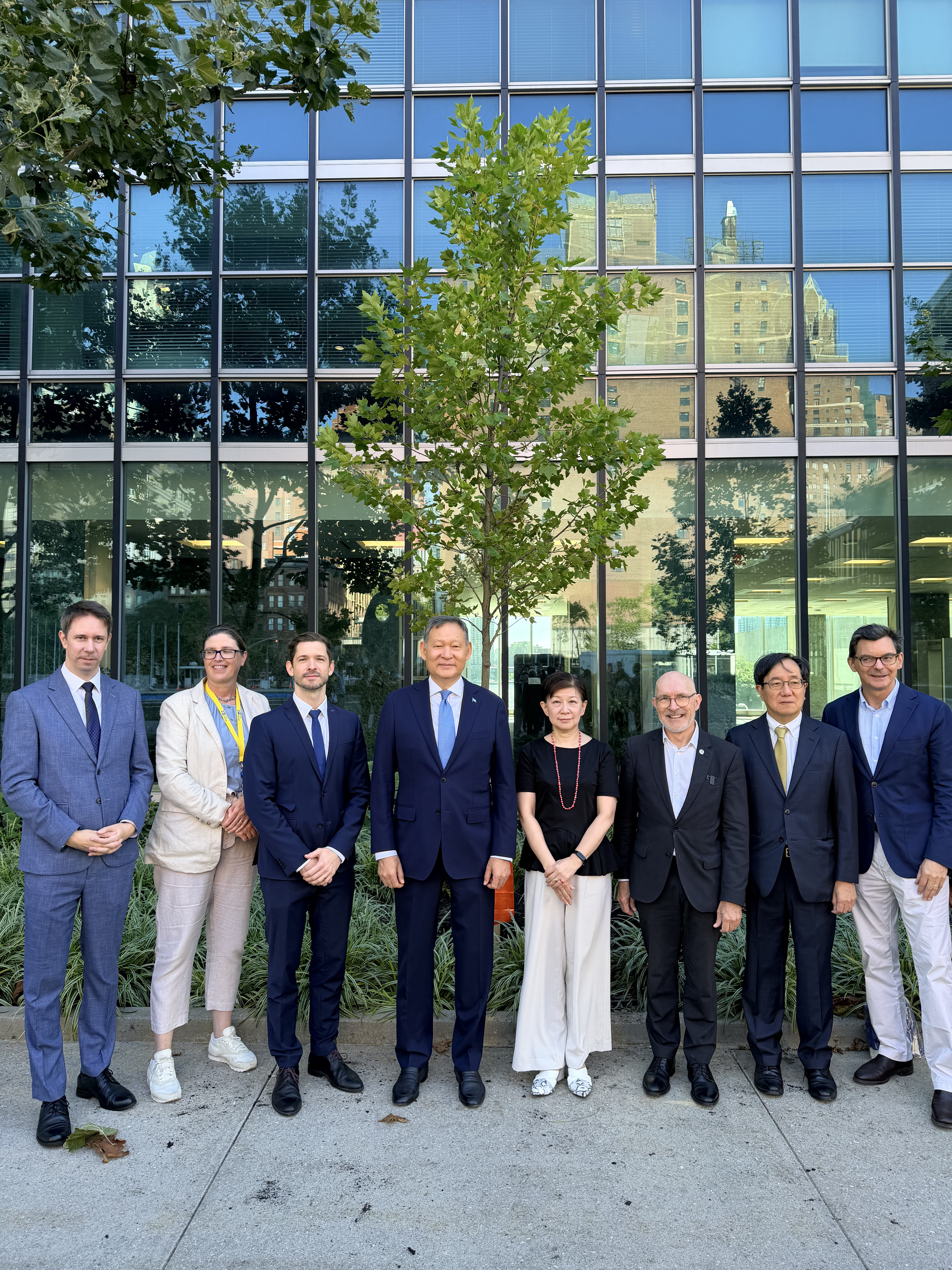
New York, 29 August 2026 – A series of events dedicated to the International Day against Nuclear Tests, established by the United Nations General Assembly at the initiative of Kazakhstan, was held at United Nations Headquarters in New York.In 2026, the International Day coincides with three significant anniversaries: the 35th anniversary of the closure of the Semipalatinsk Nuclear Test Site, the 30th anniversary of the opening for signature of the Comprehensive Nuclear-Test-Ban Treaty (CTBT), and the 20th anniversary of the signing of the Treaty on a Nuclear-Weapon-Free Zone in Central Asia.On 28 August, United Nations Headquarters hosted a high-level commemorative event and the official opening of a photo exhibition marking the 30th anniversary of the CTBT. The events brought together United Nations Under-Secretary-General and High Representative for Disarmament Affairs Izumi Nakamitsu, Executive Secretary of the Comprehensive Nuclear-Test-Ban Treaty Organization (CTBTO) Robert Floyd, Permanent Representative of the Republic of Kazakhstan to the United Nations Kairat Umarov, and representatives of UN Member States.Participants underscored the fundamental importance of the CTBT for international peace and security and called for intensified efforts towards its universalization and early entry into force.Speaking at the event, Ambassador Mr. Umarov highlighted Kazakhstan’s consistent contribution to global nuclear disarmament and non-proliferation efforts. He emphasized that the closure of the Semipalatinsk Nuclear Test Site on 29 August 1991 represented Kazakhstan’s historic choice in favour of peace and provided a powerful impetus to the international movement to end nuclear testing.On 29 August, a commemorative tree-planting ceremony was held on the grounds of United Nations Headquarters. Kazakhstan co-organized the ceremony alongside Australia, Canada, Finland, Germany, Japan and the Netherlands. The event brought together senior representatives of the United Nations and the CTBTO, diplomatic missions of Member States, and international organizations.In his remarks, Mr. Umarov reaffirmed Kazakhstan’s unwavering commitment to strengthening international peace and security, advancing nuclear disarmament, and promoting the universalization and early entry into force of the CTBT.The events once again drew the international community’s attention to the humanitarian and environmental consequences of nuclear testing, the importance of preserving the memory of its victims, and the shared responsibility of States to prevent such tragedies from ever recurring.Kazakhstan will continue to consistently contribute to the common goal of building a world free from nuclear testing and nuclear weapons.Source : https://www.gov.kz/memleket/entities/mfa-kazakhstanun/press/news/details/1282392?lang=ru
Peace March in Geneva: Kazakhstan Calls for a World Free of Nuclear Tests 29.08.2026
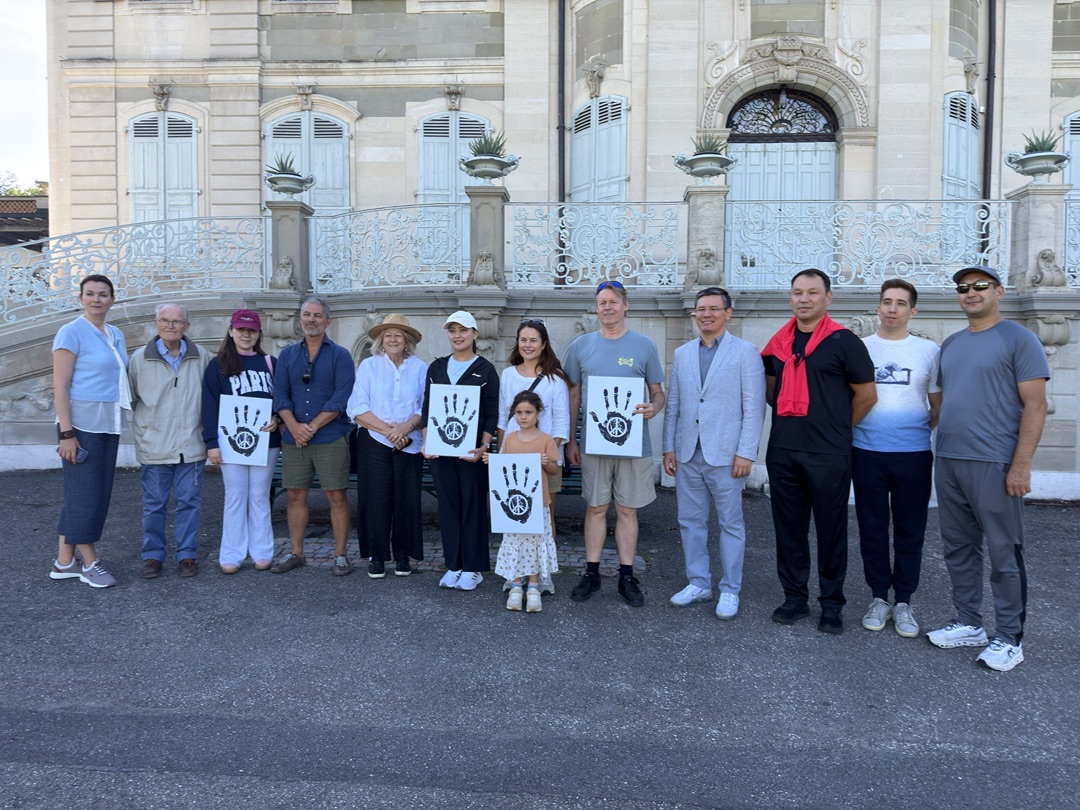
29 August 2026, Geneva – At the initiative of the Permanent Mission of the Republic of Kazakhstan to the United Nations Office and other International Organizations in Geneva, a Peace March was held to commemorate the International Day against Nuclear Tests and the 35th anniversary of the closure of the Semipalatinsk Nuclear Test Site.The event was co-organized by the Basel Peace Office, Parliamentarians for Nuclear Non-Proliferation and Disarmament, and the Youth Fusion network.The March took place within the framework of the global Kazakhstan-UN initiative #StepUp4Disarmament. The starting time — 8:29 AM — and the length of the route — 8.29 kilometers — symbolically referred to the date of August 29. The participants marched from the UN Office in Geneva along the shores of Lake Leman to the Villa La Grange.The International Day against Nuclear Tests was proclaimed by the UN General Assembly in 2009 at the initiative of Kazakhstan and is observed annually on August 29. This date reminds the global community of the severe humanitarian and environmental consequences of nuclear tests, as well as the need for their full and definitive cessation.The event was attended by representatives of the diplomatic corps, staff of the UN and other international organizations, non-governmental entities, the expert community, and youth movements.Addressing the participants of the march, a representative of the Permanent Mission of Kazakhstan spoke about the contribution of the people of Kazakhstan to international efforts to end nuclear testing and promote nuclear disarmament. He also emphasized the historical significance of the decision to close the Semipalatinsk Nuclear Test Site on 29 August 1991, and the consistent role of Kazakhstan in shaping the global anti-nuclear agenda.The Geneva Peace March continued a series of events held in Vienna and New York dedicated to three landmark milestones of 2026: the 35th anniversary of the closure of the Semipalatinsk Nuclear Test Site, the 20th anniversary of the signing of the Treaty on a Nuclear-Weapon-Free Zone in Central Asia, and the 30th anniversary of the opening for signature of the Comprehensive Nuclear-Test-Ban Treaty.Source : https://www.gov.kz/memleket/entities/mfa-geneva/press/news/details/1282372?lang=ru
Your property tax bill will pop up in the banking app: PUSH alerts start on 1 September 29.08.2026
From 1 September 2026, owners of real estate and land plots will start receiving PUSH notifications about the calculated individual property tax via second-tier bank apps — Kaspi, Halyk and others. This is not a fine and not an order to pay immediately. It is a reminder of the amount already assessed. The payment deadline remains no later than 1 October. Why it is being launched Many people learn about the tax at the last moment — or only after arrears appear. A notification in a familiar banking app makes the obligation visible in time and supports tax discipline. How the rollout will work The mailing will go out in stages:- 1 September — first batch (up to 1 million taxpayers nationwide);- 4 September — second batch (up to 2 million);- 7 September — remaining owners.If the message has not arrived in early September, that is not an error: your turn may fall in the next stage.When the PUSH arrives, check the object, the owner and the amount. Issues most often arise when a relief was not applied, the wrong owner was charged, the building has been demolished or declared unsafe, or the period of ownership is incorrect.Do not pay a disputed amount “just in case”. Contact the state revenue office at the location of the property with supporting documents. The request is closed only after the revised amount appears in the personal account. If the data are correct, pay through the same bank app, eGov.kz or e-Salyq Azamat.The Department asks residents not to postpone checking the notice. A few minutes in a banking app today will spare penalties and extra visits in October.Source : https://www.gov.kz/memleket/entities/kgd-mangistau/press/news/details/1282375?lang=ru