Жаңалықтар
Қосымша
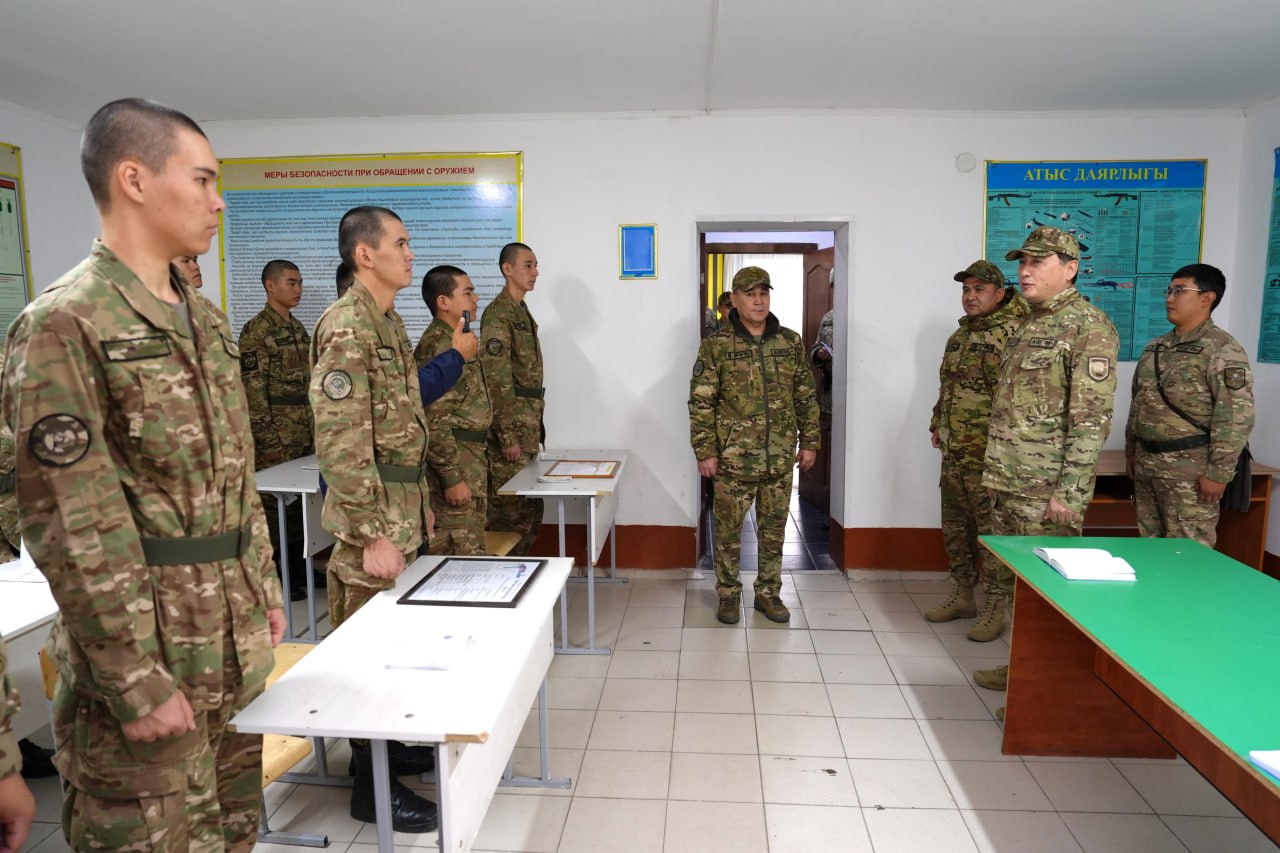
Басты назарда: Бас қолбасшы Семейде ұландықтардың қызмет жағдайы мен жас сарбаздардың даярлығын бағалады
27.10.2026
Қазақстан Республикасы Ішкі істер министрінің орынбасары – Ұлттық ұланның Бас қолбасшысы генерал-лейтенант Аңсаған Балтабеков Семей қаласындағы 5511 әскери бөліміне инспекциялық сапармен барды.Әскери бөлімнің жеке құрамы қаладағы қоғамдық қауіпсіздікті қамтамасыз ету және қоғамдық тәртіпті сақтау міндеттерін орындайды. Сонымен қатар қылмыстық-атқару жүйесі мекемелерін күзету бойынша жауынгерлік қызмет атқарады.Инспекция барысында Бас қолбасшы қызметтік-жауынгерлік іс-әрекеттің ұйымдастырылуына, жеке құрамның жүктелген міндеттерді орындауға дайындығына және полиция қызметкерлерімен өзара іс-қимылына ерекше назар аударды. Бөлімшелердің үйлесімді жұмысы, туындаған жағдайларға жедел ден қою және әскери қызметшілердің тұрақты әзірлігі қала тұрғындары мен қонақтарының қауіпсіздігін қамтамасыз етуде маңызды рөл атқарады.Сапар барысында Бас қолбасшы мерзімді әскери қызметке жаңадан келген жас сарбаздардың дайындығына да назар аударып, оқу пунктінде сарбаздардың әскери даярлығымен танысты. Мұнда жас ұландықтар әскери істің негіздерін меңгеріп, жауынгерлік қызметті атқару тәртібін, қаруды қолдану ережелері мен әскери тәртіп талаптарын үйреніп жатыр.Генерал-лейтенант Аңсаған Балтабеков жас әскери қызметшілермен әңгімелесіп, олардың даярлық барысы мен әскери ортаға бейімделуіне қызығушылық танытты. Ол сарбаздарға әскери мамандықты меңгеруде табандылық және әскери борышын орындауда жауапкершілік тіледі.Инспекция аясында Аңсаған Балтабеков жеке құрамның үй-жайын да тексерді. Ол казармаларды, тұрмыстық бөлмелер мен оқу сыныптарын аралап, әскери қызметшілердің күнделікті тұрмысын ұйымдастыру деңгейімен және сабақ өткізуге жасалған жағдайлармен танысты.Асханада Бас қолбасшы тамақ дайындау цехінің жұмысын, азық-түлікті сақтау және ас әзірлеу жағдайларын зерделеді. Санитариялық талаптардың сақталуына, сондай-ақ жеке құрамды құнарлы әрі сапалы тамақпен қамтамасыз етуге ерекше назар аударылды.Бұдан бөлек, генерал-лейтенант А. Балтабеков әскери бөлімнің медициналық пунктіне барды. Бас қолбасшылық жұмысының басым бағыттары ретінде әскери қызметшілердің денсаулығын сақтау,науқастанудың алдын алу және медициналық көмекті уақтылы көрсету мәселелері белгіленді. Әрбір әскери қызметшінің қажетті медициналық көмекті уақтылы әрі сапалы алуын қамтамасыз ету міндеті атап өтілді.Инспекция қорытындысы бойынша Ұлттық ұланның Бас қолбасшысы әскери қызметшілердің тұру және қызмет өткеру жағдайларын одан әрі жақсартуға, жас сарбаздардың даярлық сапасын арттыруға және мерзімді әскери қызметшілердің қауіпсіздігін қамтамасыз етуге бағытталған бірқатар тапсырма берді. ҚР ІІМ Ұлттық ұланының баспасөз қызметіАқпарат көзі : https://www.gov.kz/memleket/entities/kvv/press/news/details/1311972?lang=ru
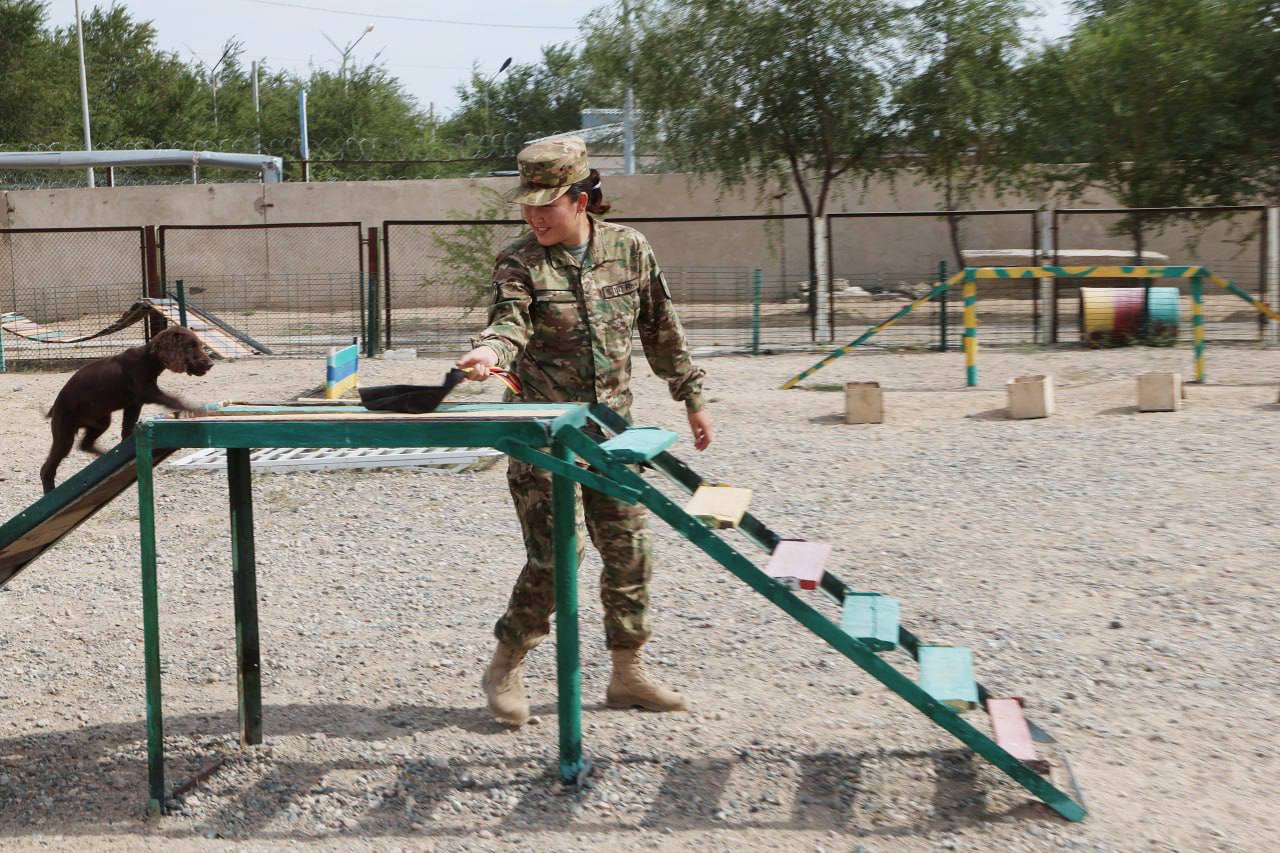
Ұлттық ұланның кинология орталығында алғаш рет кинолог қыз қызметке кірісті
27.10.2026
Қатардағы Аружан Жүнісова ҚР ІІМ Ұлттық ұланының 6654 әскери бөлімінде қызмет етеді. Ол ведомство тарихындағы алғашқы кинолог қыз атанды. Қазір әскери қызметші жаңа мамандықты меңгеріп, орыс аңшы спаниелі тұқымына жататын қызметтік итті есірткі заттарын іздеуге үйретіп жатыр.Ұлттық ұланда бұл тұқымдағы ит алғаш рет арнайы дайындықтан өтуде. Осылайша, Аружан кинология қызметінде бірден екі тың бастаманың басы-қасында жүр.Аружан бала кезінен жануарларға әуес. Ол көшеде қараусыз жүрген иттер мен мысықтарды үйіне жиі әкеліп, оларға қамқорлық танытатын. Бала күнінен бойына сіңген мейірімділігі мен өзгелерге көмектесуге деген ықыласы оның өмірлік ұстанымына айналды.Мектеп бітіргеннен кейін ұландық Алматы қаласындағы медициналық колледжді тәмамдап, өмірде қиын жағдайға тап болған адамдарға арналған әлеуметтік бейімдеу орталығында екі жыл жұмыс істеді.Алайда әскери қызметші болу арманы оның көкейінен кетпеген. Ұлттық ұланға әйел кинологтарды қабылдау басталғанын естігенде, Аружан жаңа мамандықты игеруге бел буды.Бүгінде әскери қызметшінің басты серігі – Чарли есімді үш айлық спаниель. Кинолог қыз күн сайын оны тамақтандырып, денсаулығын тексеріп, жаттықтырады. Оның айтуынша, спаниельдердің шағын дене бітімі мен ширақ қимылы тар жерлерді тінтуде таптырмас көмекші.Аружан үшін бұл жағдай әскери қызмет туралы арманын жүзеге асырып, жануарлармен жұмыс істеуге деген қызығушылығын кәсіби қызметімен ұштастыруға мүмкіндік берді. Ал Ұлттық ұлан үшін кинолог қыз қызметтік иттерді даярлау ісінде жаңа тәжірибеге жол ашты. ҚР ІІМ Ұлттық ұланының баспасөз қызметіАқпарат көзі : https://www.gov.kz/memleket/entities/kvv/press/news/details/1311968?lang=ru
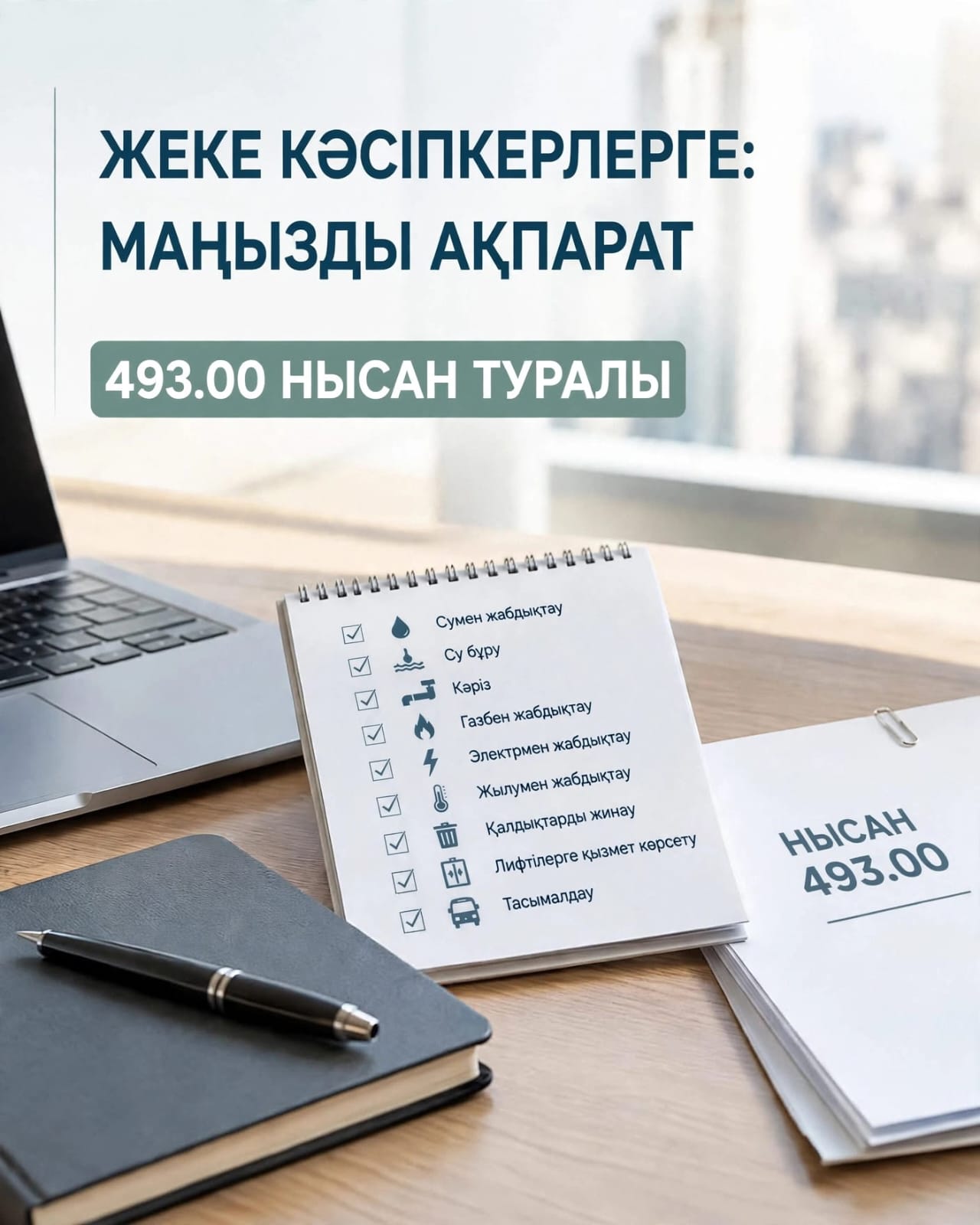
ЖЕКЕ КӘСІПКЕРЛЕРГЕ: 493-НЫСАН ТУРАЛЫ МАҢЫЗДЫ АҚПАРАТ
27.10.2026
Қазақстан Республикасы Салық кодексінің 56-бабының 6-тармағына және Қазақстан Республикасы Қаржы министрінің 2025 жылғы 30 қыркүйектегі № 554 бұйрығымен бекітілген Мәліметтерді ұсыну қағидаларына сәйкес, жекелеген ұйымдар мемлекеттік кірістер органдарына үшінші тұлғаларға көрсетілген қызметтер туралы мәліметтерді ұсынуға міндетті.Мұндай қызметтерге сумен жабдықтау, су бұру, кәріз, газбен және электрмен жабдықтау, жылумен жабдықтау, қалдықтарды жинау, лифтілерге қызмет көрсету және тасымалдау саласындағы қызметтер жатады.Назар аударыңыз!Жеке кәсіпкерлер аталған талап қолданылатын ұйымдар санатына жатпайды.Осылайша, жеке кәсіпкерлер 493-нысанды ұсынуға міндетті емес.Салық міндеттемелерін орындау кезінде осы ақпаратты ескеруді сұраймыз.Ақпарат көзі : https://www.gov.kz/memleket/entities/kgd-sko/press/news/details/1311951?lang=ru
.jpeg)
Базалық мөлшерлемеден кейін ипотека арзандай ма?
27.10.2026
Базалық мөлшерлемеден кейін ипотека арзандай ма? Асхат Смагулов, AMarkets компаниясының сарапшысы Қазақстан Ұлттық банкінің 2026 жылғы 23 қазанда базалық мөлшерлемені жылдық 15,75%-ға дейін төмендетуі — ақша-несие шарттарын біртіндеп жұмсартуға бағытталған кезекті қадам. Дегенмен, тұрғын үй нарығы үшін мөлшерлеменің өзгеру фактісі ғана емес, бұл шешімнің ипотекалық несие құнына қаншалықты жылдам әрі қай көлемде әсер ететіні маңызды.Ипотекалық портфельдің өсуі және нарықтық сегменттің тарылуыСоңғы бес жылда Қазақстанның ипотека нарығы ақшалай түрде айтарлықтай өсті. Ұлттық банк пен Қазақстан тұрғын үй компаниясының деректеріне сәйкес, жиынтық ипотекалық портфель 2021 жылдың соңындағы 3,38 трлн теңгеден 2026 жылғы 1 қаңтарда 6,952 трлн теңгеге дейін артты. 2025 жылы ипотека беру көлемі 2,4 трлн теңгеге дейін немесе бір жылда 16,7%-ға өсті. Бұл ретте бүкіл өсімді «Отбасы банк» қамтамасыз етті, оның берген несиелері 1,3 трлн-нан 1,6 трлн теңгеге дейін ұлғайды. Бұл — ипотека нарығының өсуін жалғастырып жатқанын, бірақ тұрғын үй құрылыс жинақ институты мен мемлекеттік қолдау механизмдеріне барған сайын тәуелді болып бара жатқанын көрсететін маңызды құрылымдық белгі. 2026 жылдың бірінші жартыжылдығы бойынша алдын ала деректер де осы тенденцияны растайды. Қазақстан қаржыгерлері қауымдастығының мәліметінше, нарықтың барлық қатысушылары берген ипотека көлемі шамамен 1,1 трлн теңгені құрап, өткен жылдың сәйкес кезеңімен салыстырғанда 12,4%-ға өсті. «Отбасы банк» тарапынан кредиттеу 32,8%-ға артып, 916,7 млрд теңгеге жетті, ал коммерциялық банктердің беру көлемі 39%-ға азайып, 161,5 млрд теңгені құрады. Осылайша, ипотека нарығының өсуін тұрғын үй несиесіне қолжетімділіктің біркелкі жақсаруы деп түсінуге болмайды. 2021 жылы берілген ипотекалық несиелер бойынша сараланған орташа мөлшерлеме 8,2%, 2022 жылы – 8,7%, 2023 жылы – 10,7%, 2024 жылы 10,9%-ды құрады. Бірақ бұл көрсеткіштерді әдеттегі коммерциялық ипотеканың бағасы ретінде қабылдауға болмайды, өйткені мұнда жеңілдетілген және нарықтық заемдар араласып кеткен. Subsidised (субсидияланатын) өнімге қолжетімділігі жоқ қарыз алушы үшін ЖТСМ (Жылдық тиімді сыйақы мөлшерлемесі) 23-25%-ды құрайды. Мемлекеттік ипотеканың бұқаралық коммерциялық нарықты автоматты түрде алмастыра алмайтынын түсіну керек. Арзан несиелер отбасылардың бір бөлігіне ғана қолжетімді, ал қалғандары сатып алуды кейінге қалдыруға, неғұрлым қымбат шарттарға келісуге немесе баспананы жалға алуды жалғастыруға мәжбүр. Базалық мөлшерлеменің төмендеуі нені өзгертеді?Қорландыру (қор жинақтау) құны — басты мәселе. Банктер ақшаны депозиттер, борыштық құралдарды шығару және басқа да көздер арқылы тартады. Егер бұл ресурстардың құны жоғары болып қала берсе, базалық мөлшерлеменің төмендеуі банкке несиені тез арзандату үшін жеткілікті мүмкіндік бермейді. Ұзақ мерзімді ипотекалық несие беру үшін банк ағымдағы ақша-несие саясатын ғана емес, сонымен бірге инфляция бойынша күтулерді де, ресурстардың болашақ құнын да ескеруі қажет. Сондықтан базалық мөлшерлеменің 0,5 пайыздық тармаққа төмендеуі ипотекалық мөлшерлеменің де бірден тура сондай 0,5 тармаққа төмендеуін білдірмейді. Коммерциялық сегментте бұл әсер біртіндеп байқалады. Әуелі жаңа ресурстарды тарту шарттары мен күтулер, кейін жаңа несиелік өнімдердің экономикасы өзгереді. Берер әсердің жылдамдығы нақты банктің қорландыру құрылымына және төлем қабілеті бар қарыз алушы үшін бәсекелестікке байланысты. Егер инфляция тұрақты түрде төмендеуін жалғастырса, ал депозиттер мен қорландырудың басқа көздерінің құны төмендесе, банктерде мөлшерлемелерді қайта қарауға көбірек мүмкіндік пайда болады. Ал егер инфляциялық қысым сақталса, базалық мөлшерлеменің төмендеуі ипотеканы айтарлықтай арзандату үшін жеткіліксіз болуы мүмкін. Ал мемлекеттік ипотекаға келетін болсақ, мұнда бәрі қарапайым: базалық мөлшерлеменің өзгеруі мемлекеттік институттар үшін ресурстарды тарту құнына, облигациялардың жаңа шығарылымдарының шарттарына, бюджеттік қолдау көлеміне және жаңа бағдарламалардың экономикасына әсер етуі мүмкін. Бірақ қатысушы үшін түпкілікті мөлшерлеме бағдарламаның нақты ережелерімен және ақшаның нарықтық пен жеңілдетілген құны арасындағы айырмашылықты өтеу көзімен айқындалады. Ипотеканы қалай шынымен қолжетімді етуге болады?Ипотеканы тұрақты түрде арзандату үшін ұзақ мерзімді қорландыру құнын азайтатын, несиелік тәуекелдерді төмендететін және тұрғын үй ұсынысын кеңейтетін механизмдер қажет. Олардың ең бастыларын қарастырайық. Тұрақты ұзақ мерзімді қорландыру. Ипотекалық бағалы қағаздар нарығын және ипотекалық портфельдерді қайта қаржыландыру механизмдерін дамыту қажет. Бұл банктерді депозиттер үшін қысқа мерзімді бәсекелестіктен босатады және активтер мен міндеттемелердің мерзімдерін жақсырақ үйлестіруге мүмкіндік береді. Бірақ бұл механизм сапалы ипотекалық портфельдер, кепілді бағалаудың ашық ережелері, құқықтарды сенімді тіркеу, инвесторларды қорғау және тәуекелдердің түсінікті бөлінісі болғанда ғана жұмыс істейді.Жекелеген бағдарламаларды субсидиялаудан қарыз алушыны атаулы қолдауға көшу. Пайыздық мөлшерлемені субсидиялау қарыз алушының төлемін азайтуға мүмкіндік береді, бірақ ұзақ мерзімге бюджеттік міндеттемелер тудырады. Мұнда мөлшерлемені жай ғана төмендету емес, мемлекеттік көмек есебінен онсыз мәміле жасай алмайтын жандарға баспана сатып алуға мүмкіндік беру маңызды. Осы қолдаусыз-ақ жүзеге асатын сатып алуды субсидиялауға болмайды.Банктердің тәуекелдерін бюджетке толығымен жүктемей азайту. Ипотека құнының бір бөлігі қайтарылмау тәуекелімен байланысты. Оны кірістерді сапалырақ бағалау, қарыз жүктемесін тексеру, жекелеген тәуекелдерді сақтандыру және мәмілелердің ашықтығын арттыру есебінен азайтуға болады. Кепілдік банк пен мемлекет арасында тәуекелді бөле отырып, шектеулі әрі атаулы болуы тиіс және жасырын бюджеттік субсидиялауға айналмауы керек.Тек сатып алушылық сұранысты емес, тұрғын үй ұсынысын да ынталандыру. Мемлекет кредиттеуді кеңейтіп, ал құрылыс саласы ұсынысты сәйкесінше арттырумен жауап бермеген кезде, қосымша төлем қабілеті бар сұраныс пәтер бағасына барып өсіп кетуі мүмкін. Ондай жағдайда сатып алушы арзанырақ несие алады, бірақ баспананың өзіне қымбатырақ төлейді. Бұнда құрылысты қолжетімді қаржыландыру, жер учаскелерін инфрақұрылымдық тұрғыдан дайындау, инженерлік желілерді дамыту, әкімшілік кедергілерді азайту және құрылыс салушылар арасындағы бәсекелестік маңызды. Түйін. Базалық мөлшерлеменің төмендеуі коммерциялық кредиттеудің біртіндеп арзандауы үшін тек алғышарттар жасайды, бірақ оның әсері инфляцияға, қорландыру құнына, несиелік тәуекелдерге және банктер арасындағы бәсекелестікке байланысты болады. Мұндағы басты критерий — жарнамалық ұсыныстағы ең төменгі мөлшерлеме немесе берілген несиелердің рекордтық көлемі емес, тұрақты табысы бар отбасының жеңілдетілген бағдарламаны жылдар бойы күтпей немесе шамадан тыс қарыз жүктемесін алмай, түсінікті шарттармен өзіне қолайлы баспана сатып алуының шынайы мүмкіндігі.
Қауіпсіз саяхат: «Лаборатория Касперского» қазақстандық туристерді сапар кезіндегі киберқауіптер туралы ескертті
27.10.2026
Күзде және қыста Қазақстан ішінде немесе шетелге сапарға шыққанда интернеттегі қауіптерді де ұмытпаған жөн. «Касперский зертханасы» сарапшылары Ресейде және жылы елдерде туристер жиі тап болатын алаяқтық тәсілдерді түсіндірді. Компания сондай-ақ саяхаттайтын орындар туралы мәліметтер мен киберқауіптерден сақтану кеңестерін жинақтаған «Kaspersky-мен әлемді қауіпсіз аралаймыз» жобасын іске қосты.2025 жылғы қазан мен 2026 жылғы маусым аралығында «Касперский зертханасы» сарапшылары Қазақстанда 14,5 млн веб-қауіпті тіркеді. Олардың ішінде спам-хаттар, зиянды бағдарламалар, фишинг және басқа да қауіптер бар.Kaspersky GReAT сарапшылары Қазақстанда QR-кодтарды қолданатын алаяқтық кең тарағанын айтады. Алаяқтар адам көп жүретін орындардағы QR-кодтарды жалған кодтармен ауыстырады. Оны сканерлеген адам жалған сайтқа өтіп, банк картасының деректерін байқамай беруі мүмкін. Сондықтан қоғамдық Wi-Fi желісіне қосылғанда және QR-кодты сканерлегенде мұқият болу қажет.Қазақстанда алаяқтар Telegram-дағы топтық чаттарды да пайдаланады. «Чат басқа жерге көшеді» деген сылтаумен олар шағын қосымшаға бес таңбалы код енгізуді сұрайды. Осы код арқылы адамның аккаунтына кіріп алуы мүмкін. Баспана мен билет брондағанда да сақ болған жөн. Алаяқтар бағасы арзан жалған хабарландырулар мен сайттар ашады. Онда әлеуметтік желі немесе электрондық пошта аккаунты арқылы кіруді сұрап, жеке деректерді ұрлауы мүмкін.Түркия мен Мысыр. Бұл елдерге баратын туристер де интернеттегі қауіптерге тап болуы мүмкін. «Касперский зертханасы» Түркияда 30,6 млн, ал Мысырда 15,6 млн веб-қауіпті тіркеді.Жалған Wi-Fi желілерінен бөлек, туристердің ақшасына қатысты қауіптер де бар. Мысалы, банк картасының деректерін көшіріп алу, иесінің рұқсатынсыз төлем жасау немесе скимминг – банкоматқа карта деректерін ұрлайтын жасырын құрылғы орнату. Әсіресе түнгі клубтар мен туристер көп жиналатын орындарда сақ болу керек.Бұл елдерде жалған туроператорлар мен қонақүйлер де кездеседі. Алаяқтар қонақүй, трансфер немесе экскурсияға үлкен жеңілдік ұсынып, туристерді қызықтырады. Олар шынайы компанияның сайтына ұқсас парақшалар жасап, әлеуметтік желілерде жарнама береді немесе мессенджер арқылы жазады. Кейін алдын ала төлем сұрайды. Нәтижесінде туристер ақшасынан да, жеке деректерінен де айырылуы мүмкін.Сингапур, Малайзия және Индонезия. Бұл елдерге саяхаттағанда да киберқауіпсіздікке мән берген жөн. Малайзияда 15,3 млн, Индонезияда 12,9 млн, ал Сингапурда шамамен 6 млн веб-қауіп анықталған.Малайзия мен Индонезияда туристердің смартфоны мен ноутбугін қоғамдық орындарда ұрлау қаупі бар. Құрылғыдан айырылу ғана емес, ондағы банк қосымшаларына, электрондық поштаға және басқа аккаунттарға бөтен адамның кіріп кетуі де қауіпті.Малайзияда алаяқтар танысу қосымшалары, әлеуметтік желілер мен мессенджерлер арқылы туристердің сеніміне кіріп, кейін олардың ақшасын немесе жеке деректерін алдап алуға тырысады.Сингапурда алаяқтар мемлекеттік органдардың атын жиі пайдаланады. Олар өздерін полиция, көші-қон қызметі немесе басқа мекеме қызметкері ретінде таныстырып, қоңырау шалады не хабарлама жібереді. Визаға қатысты мәселе немесе айыппұл бар деп қорқытады. Сенімді көріну үшін телефон нөмірін қолдан өзгертіп көрсетеді немесе жасанды интеллект арқылы дауысқа еліктейді. Сөйтіп ақша мен жеке деректерді алуға тырысады. Тағы бір қауіп – QR-кодтар мен цифрлық төлемдерге қатысты алаяқтық. Қылмыскерлер PayNow және NETS QR жүйелерінің шынайы QR-кодтарын жалған кодтармен ауыстырады немесе жалған төлем сілтемелерін жібереді. Осылайша ақша өздерінің шотына түседі.«Жаңа қалаға немесе елге бару әрдайым ерекше әсер сыйлайды. Бірақ саяхат кезінде қауіп те бар. Алаяқтар туристердің қарбалас сәтін пайдаланып, ақшасы мен деректерін ұрлауға тырысады. Олардың жиі қолданатын айлаларын білсеңіз, күмәнді белгілерді дер кезінде байқай аласыз. Kaspersky Premium сияқты заманауи қорғаныс шешімдері де қауіпсіздікті күшейтеді. Мұндай өнімдерде фишингті, күмәнді төлем парақшаларын және басқа қауіптерді тез анықтауға көмектесетін жасанды интеллект технологиялары көбірек қолданылып жатыр», – дейді Kaspersky GReAT-тың Ресейдегі жетекшісі Дмитрий Галов.«Саяхат жақсы әсер сыйлауы керек, алаяқтардың әрекетімен есте қалмауы тиіс. Жолда көп нәрсені асығыс жасаймыз. Алаяқтар осыны пайдаланады. Қазақстанда әсіресе ауыстырылған QR-кодтар мен мессенджердегі алдау тәсілдері қауіпті. Мысалы, «чат көшеді» деп код енгізуді сұрауы мүмкін. Ұсыныс тым тиімді көрінсе, күмәнданған жөн. Сілтемелерді тексеріңіз, байланыс деректерін салыстырыңыз, төлем жасауға асықпаңыз. Жасанды интеллект қолданатын қорғаныс құралдары сілтемені ашпай тұрып-ақ қауіпті анықтауға көмектеседі. Сапарыңыз сәтті өтуі үшін аздап сақтық танытсаңыз жеткілікті», – дейді «Касперский зертханасы» компаниясының Қазақстан, Орталық Азия және Моңғолиядағы басқарушы директоры Валерий Зубанов.Туристерге қауіпсіз саяхаттауға көмектесу үшін «Касперский зертханасы» «Kaspersky-мен әлемді қауіпсіз аралаймыз» жобасын әзірледі. Онда Беларусьтен Жапонияға дейінгі бағыттар бойынша 20-дан астам елде жұмыс істейтін компания қызметкерлерінің кеңестері жинақталған. Сондай-ақ Kaspersky GReAT сарапшылары әр өңірде кездесетін киберқауіптерден қалай қорғануға болатынын түсіндіреді.Саяхат кезінде қауіптерді азайту үшін «Касперский зертханасы» мынадай кеңес береді: Билеттерді тек ресми сайттардан сатып алып, баспананы да сенімді ресурстар арқылы брондаңыз. Жеке деректеріңізді енгізер алдында сайтты мұқият тексеріңіз;Қолма-қол ақшаны банк бөлімшесінің жанындағы банкоматтан алыңыз. Карта салатын жер мен пернетақтада бөтен қондырғы, жасырын камера немесе күмәнді бөлшек жоқ екенін тексеріңіз. Төлем кезінде картаңызды көзден таса етпеңіз. Операциялар туралы хабарламаларды қосыңыз. Күмәнді әрекет байқасаңыз, картаны дереу бұғаттаңыз;Күтпеген электрондық хаттарға сақ болыңыз. Сілтемені ашпас немесе тіркелген файлды жүктемес бұрын жіберушінің мекенжайын тексеріңіз;Құрылғыңыздың ашық Wi-Fi желілеріне автоматты түрде қосылуын өшіріңіз. Әсіресе құпия деректерді жібергенде мүмкіндігінше мобильді интернетті пайдаланыңыз;Шетелде интернетке қосылу үшін eSIM пайдалануға болады. Оны, мысалы, Kaspersky eSIM Store арқылы сатып алуға болады. Цифрлық SIM-картаны ресми қосымша арқылы іске қосқан дұрыс. Сонда кәдімгі SIM-картаны бөлек сатып алудың қажеті болмайды;Тиімділігі тәуелсіз зерттеулермен расталған қорғаныс өнімін, мысалы, Kaspersky Premium пайдаланыңыз. 2025 жылы бұл өнім AV-Comparatives тәуелсіз зертханасының фишингке қарсы сынақтарының нәтижесі бойынша жыл сайын берілетін Approved сертификатын тағы да алды.
Қоғам
Қосымша
Басты назарда: Бас қолбасшы Семейде ұландықтардың қызмет жағдайы мен жас сарбаздардың даярлығын бағалады
27.10.2026
Қазақстан Республикасы Ішкі істер министрінің орынбасары – Ұлттық ұланның Бас қолбасшысы генерал-лейтенант Аңсаған Балтабеков Семей қаласындағы 5511 әскери бөліміне инспекциялық сапармен барды.Әскери бөлімнің жеке құрамы қаладағы қоғамдық қауіпсіздікті қамтамасыз ету және қоғамдық тәртіпті сақтау міндеттерін орындайды. Сонымен қатар қылмыстық-атқару жүйесі мекемелерін күзету бойынша жауынгерлік қызмет атқарады.Инспекция барысында Бас қолбасшы қызметтік-жауынгерлік іс-әрекеттің ұйымдастырылуына, жеке құрамның жүктелген міндеттерді орындауға дайындығына және полиция қызметкерлерімен өзара іс-қимылына ерекше назар аударды. Бөлімшелердің үйлесімді жұмысы, туындаған жағдайларға жедел ден қою және әскери қызметшілердің тұрақты әзірлігі қала тұрғындары мен қонақтарының қауіпсіздігін қамтамасыз етуде маңызды рөл атқарады.Сапар барысында Бас қолбасшы мерзімді әскери қызметке жаңадан келген жас сарбаздардың дайындығына да назар аударып, оқу пунктінде сарбаздардың әскери даярлығымен танысты. Мұнда жас ұландықтар әскери істің негіздерін меңгеріп, жауынгерлік қызметті атқару тәртібін, қаруды қолдану ережелері мен әскери тәртіп талаптарын үйреніп жатыр.Генерал-лейтенант Аңсаған Балтабеков жас әскери қызметшілермен әңгімелесіп, олардың даярлық барысы мен әскери ортаға бейімделуіне қызығушылық танытты. Ол сарбаздарға әскери мамандықты меңгеруде табандылық және әскери борышын орындауда жауапкершілік тіледі.Инспекция аясында Аңсаған Балтабеков жеке құрамның үй-жайын да тексерді. Ол казармаларды, тұрмыстық бөлмелер мен оқу сыныптарын аралап, әскери қызметшілердің күнделікті тұрмысын ұйымдастыру деңгейімен және сабақ өткізуге жасалған жағдайлармен танысты.Асханада Бас қолбасшы тамақ дайындау цехінің жұмысын, азық-түлікті сақтау және ас әзірлеу жағдайларын зерделеді. Санитариялық талаптардың сақталуына, сондай-ақ жеке құрамды құнарлы әрі сапалы тамақпен қамтамасыз етуге ерекше назар аударылды.Бұдан бөлек, генерал-лейтенант А. Балтабеков әскери бөлімнің медициналық пунктіне барды. Бас қолбасшылық жұмысының басым бағыттары ретінде әскери қызметшілердің денсаулығын сақтау,науқастанудың алдын алу және медициналық көмекті уақтылы көрсету мәселелері белгіленді. Әрбір әскери қызметшінің қажетті медициналық көмекті уақтылы әрі сапалы алуын қамтамасыз ету міндеті атап өтілді.Инспекция қорытындысы бойынша Ұлттық ұланның Бас қолбасшысы әскери қызметшілердің тұру және қызмет өткеру жағдайларын одан әрі жақсартуға, жас сарбаздардың даярлық сапасын арттыруға және мерзімді әскери қызметшілердің қауіпсіздігін қамтамасыз етуге бағытталған бірқатар тапсырма берді. ҚР ІІМ Ұлттық ұланының баспасөз қызметіАқпарат көзі : https://www.gov.kz/memleket/entities/kvv/press/news/details/1311972?lang=ru
Ұлттық ұланның кинология орталығында алғаш рет кинолог қыз қызметке кірісті
27.10.2026
Қатардағы Аружан Жүнісова ҚР ІІМ Ұлттық ұланының 6654 әскери бөлімінде қызмет етеді. Ол ведомство тарихындағы алғашқы кинолог қыз атанды. Қазір әскери қызметші жаңа мамандықты меңгеріп, орыс аңшы спаниелі тұқымына жататын қызметтік итті есірткі заттарын іздеуге үйретіп жатыр.Ұлттық ұланда бұл тұқымдағы ит алғаш рет арнайы дайындықтан өтуде. Осылайша, Аружан кинология қызметінде бірден екі тың бастаманың басы-қасында жүр.Аружан бала кезінен жануарларға әуес. Ол көшеде қараусыз жүрген иттер мен мысықтарды үйіне жиі әкеліп, оларға қамқорлық танытатын. Бала күнінен бойына сіңген мейірімділігі мен өзгелерге көмектесуге деген ықыласы оның өмірлік ұстанымына айналды.Мектеп бітіргеннен кейін ұландық Алматы қаласындағы медициналық колледжді тәмамдап, өмірде қиын жағдайға тап болған адамдарға арналған әлеуметтік бейімдеу орталығында екі жыл жұмыс істеді.Алайда әскери қызметші болу арманы оның көкейінен кетпеген. Ұлттық ұланға әйел кинологтарды қабылдау басталғанын естігенде, Аружан жаңа мамандықты игеруге бел буды.Бүгінде әскери қызметшінің басты серігі – Чарли есімді үш айлық спаниель. Кинолог қыз күн сайын оны тамақтандырып, денсаулығын тексеріп, жаттықтырады. Оның айтуынша, спаниельдердің шағын дене бітімі мен ширақ қимылы тар жерлерді тінтуде таптырмас көмекші.Аружан үшін бұл жағдай әскери қызмет туралы арманын жүзеге асырып, жануарлармен жұмыс істеуге деген қызығушылығын кәсіби қызметімен ұштастыруға мүмкіндік берді. Ал Ұлттық ұлан үшін кинолог қыз қызметтік иттерді даярлау ісінде жаңа тәжірибеге жол ашты. ҚР ІІМ Ұлттық ұланының баспасөз қызметіАқпарат көзі : https://www.gov.kz/memleket/entities/kvv/press/news/details/1311968?lang=ru
ЖЕКЕ КӘСІПКЕРЛЕРГЕ: 493-НЫСАН ТУРАЛЫ МАҢЫЗДЫ АҚПАРАТ
27.10.2026
Қазақстан Республикасы Салық кодексінің 56-бабының 6-тармағына және Қазақстан Республикасы Қаржы министрінің 2025 жылғы 30 қыркүйектегі № 554 бұйрығымен бекітілген Мәліметтерді ұсыну қағидаларына сәйкес, жекелеген ұйымдар мемлекеттік кірістер органдарына үшінші тұлғаларға көрсетілген қызметтер туралы мәліметтерді ұсынуға міндетті.Мұндай қызметтерге сумен жабдықтау, су бұру, кәріз, газбен және электрмен жабдықтау, жылумен жабдықтау, қалдықтарды жинау, лифтілерге қызмет көрсету және тасымалдау саласындағы қызметтер жатады.Назар аударыңыз!Жеке кәсіпкерлер аталған талап қолданылатын ұйымдар санатына жатпайды.Осылайша, жеке кәсіпкерлер 493-нысанды ұсынуға міндетті емес.Салық міндеттемелерін орындау кезінде осы ақпаратты ескеруді сұраймыз.Ақпарат көзі : https://www.gov.kz/memleket/entities/kgd-sko/press/news/details/1311951?lang=ru
Базалық мөлшерлемеден кейін ипотека арзандай ма?
27.10.2026
Базалық мөлшерлемеден кейін ипотека арзандай ма?Асхат Смагулов, AMarkets компаниясының сарапшысыҚазақстан Ұлттық банкінің 2026 жылғы 23 қазанда базалық мөлшерлемені жылдық 15,75%-ға дейін төмендетуі — ақша-несие шарттарын біртіндеп жұмсартуға бағытталған кезекті қадам. Дегенмен, тұрғын үй нарығы үшін мөлшерлеменің өзгеру фактісі ғана емес, бұл шешімнің ипотекалық несие құнына қаншалықты жылдам әрі қай көлемде әсер ететіні маңызды.Ипотекалық портфельдің өсуі және нарықтық сегменттің тарылуыСоңғы бес жылда Қазақстанның ипотека нарығы ақшалай түрде айтарлықтай өсті. Ұлттық банк пен Қазақстан тұрғын үй компаниясының деректеріне сәйкес, жиынтық ипотекалық портфель 2021 жылдың соңындағы 3,38 трлн теңгеден 2026 жылғы 1 қаңтарда 6,952 трлн теңгеге дейін артты. 2025 жылы ипотека беру көлемі 2,4 трлн теңгеге дейін немесе бір жылда 16,7%-ға өсті. Бұл ретте бүкіл өсімді «Отбасы банк» қамтамасыз етті, оның берген несиелері 1,3 трлн-нан 1,6 трлн теңгеге дейін ұлғайды. Бұл — ипотека нарығының өсуін жалғастырып жатқанын, бірақ тұрғын үй құрылыс жинақ институты мен мемлекеттік қолдау механизмдеріне барған сайын тәуелді болып бара жатқанын көрсететін маңызды құрылымдық белгі.2026 жылдың бірінші жартыжылдығы бойынша алдын ала деректер де осы тенденцияны растайды. Қазақстан қаржыгерлері қауымдастығының мәліметінше, нарықтың барлық қатысушылары берген ипотека көлемі шамамен 1,1 трлн теңгені құрап, өткен жылдың сәйкес кезеңімен салыстырғанда 12,4%-ға өсті. «Отбасы банк» тарапынан кредиттеу 32,8%-ға артып, 916,7 млрд теңгеге жетті, ал коммерциялық банктердің беру көлемі 39%-ға азайып, 161,5 млрд теңгені құрады. Осылайша, ипотека нарығының өсуін тұрғын үй несиесіне қолжетімділіктің біркелкі жақсаруы деп түсінуге болмайды.2021 жылы берілген ипотекалық несиелер бойынша сараланған орташа мөлшерлеме 8,2%, 2022 жылы – 8,7%, 2023 жылы – 10,7%, 2024 жылы 10,9%-ды құрады. Бірақ бұл көрсеткіштерді әдеттегі коммерциялық ипотеканың бағасы ретінде қабылдауға болмайды, өйткені мұнда жеңілдетілген және нарықтық заемдар араласып кеткен. Subsidised (субсидияланатын) өнімге қолжетімділігі жоқ қарыз алушы үшін ЖТСМ (Жылдық тиімді сыйақы мөлшерлемесі) 23-25%-ды құрайды.Мемлекеттік ипотеканың бұқаралық коммерциялық нарықты автоматты түрде алмастыра алмайтынын түсіну керек. Арзан несиелер отбасылардың бір бөлігіне ғана қолжетімді, ал қалғандары сатып алуды кейінге қалдыруға, неғұрлым қымбат шарттарға келісуге немесе баспананы жалға алуды жалғастыруға мәжбүр.Базалық мөлшерлеменің төмендеуі нені өзгертеді?Қорландыру (қор жинақтау) құны — басты мәселе. Банктер ақшаны депозиттер, борыштық құралдарды шығару және басқа да көздер арқылы тартады. Егер бұл ресурстардың құны жоғары болып қала берсе, базалық мөлшерлеменің төмендеуі банкке несиені тез арзандату үшін жеткілікті мүмкіндік бермейді. Ұзақ мерзімді ипотекалық несие беру үшін банк ағымдағы ақша-несие саясатын ғана емес, сонымен бірге инфляция бойынша күтулерді де, ресурстардың болашақ құнын да ескеруі қажет.Сондықтан базалық мөлшерлеменің 0,5 пайыздық тармаққа төмендеуі ипотекалық мөлшерлеменің де бірден тура сондай 0,5 тармаққа төмендеуін білдірмейді.Коммерциялық сегментте бұл әсер біртіндеп байқалады. Әуелі жаңа ресурстарды тарту шарттары мен күтулер, кейін жаңа несиелік өнімдердің экономикасы өзгереді. Берер әсердің жылдамдығы нақты банктің қорландыру құрылымына және төлем қабілеті бар қарыз алушы үшін бәсекелестікке байланысты.Егер инфляция тұрақты түрде төмендеуін жалғастырса, ал депозиттер мен қорландырудың басқа көздерінің құны төмендесе, банктерде мөлшерлемелерді қайта қарауға көбірек мүмкіндік пайда болады. Ал егер инфляциялық қысым сақталса, базалық мөлшерлеменің төмендеуі ипотеканы айтарлықтай арзандату үшін жеткіліксіз болуы мүмкін. Ал мемлекеттік ипотекаға келетін болсақ, мұнда бәрі қарапайым: базалық мөлшерлеменің өзгеруі мемлекеттік институттар үшін ресурстарды тарту құнына, облигациялардың жаңа шығарылымдарының шарттарына, бюджеттік қолдау көлеміне және жаңа бағдарламалардың экономикасына әсер етуі мүмкін. Бірақ қатысушы үшін түпкілікті мөлшерлеме бағдарламаның нақты ережелерімен және ақшаның нарықтық пен жеңілдетілген құны арасындағы айырмашылықты өтеу көзімен айқындалады.Ипотеканы қалай шынымен қолжетімді етуге болады?Ипотеканы тұрақты түрде арзандату үшін ұзақ мерзімді қорландыру құнын азайтатын, несиелік тәуекелдерді төмендететін және тұрғын үй ұсынысын кеңейтетін механизмдер қажет. Олардың ең бастыларын қарастырайық.Тұрақты ұзақ мерзімді қорландыру. Ипотекалық бағалы қағаздар нарығын және ипотекалық портфельдерді қайта қаржыландыру механизмдерін дамыту қажет. Бұл банктерді депозиттер үшін қысқа мерзімді бәсекелестіктен босатады және активтер мен міндеттемелердің мерзімдерін жақсырақ үйлестіруге мүмкіндік береді. Бірақ бұл механизм сапалы ипотекалық портфельдер, кепілді бағалаудың ашық ережелері, құқықтарды сенімді тіркеу, инвесторларды қорғау және тәуекелдердің түсінікті бөлінісі болғанда ғана жұмыс істейді.Жекелеген бағдарламаларды субсидиялаудан қарыз алушыны атаулы қолдауға көшу. Пайыздық мөлшерлемені субсидиялау қарыз алушының төлемін азайтуға мүмкіндік береді, бірақ ұзақ мерзімге бюджеттік міндеттемелер тудырады. Мұнда мөлшерлемені жай ғана төмендету емес, мемлекеттік көмек есебінен онсыз мәміле жасай алмайтын жандарға баспана сатып алуға мүмкіндік беру маңызды. Осы қолдаусыз-ақ жүзеге асатын сатып алуды субсидиялауға болмайды.Банктердің тәуекелдерін бюджетке толығымен жүктемей азайту. Ипотека құнының бір бөлігі қайтарылмау тәуекелімен байланысты. Оны кірістерді сапалырақ бағалау, қарыз жүктемесін тексеру, жекелеген тәуекелдерді сақтандыру және мәмілелердің ашықтығын арттыру есебінен азайтуға болады. Кепілдік банк пен мемлекет арасында тәуекелді бөле отырып, шектеулі әрі атаулы болуы тиіс және жасырын бюджеттік субсидиялауға айналмауы керек.Тек сатып алушылық сұранысты емес, тұрғын үй ұсынысын да ынталандыру. Мемлекет кредиттеуді кеңейтіп, ал құрылыс саласы ұсынысты сәйкесінше арттырумен жауап бермеген кезде, қосымша төлем қабілеті бар сұраныс пәтер бағасына барып өсіп кетуі мүмкін. Ондай жағдайда сатып алушы арзанырақ несие алады, бірақ баспананың өзіне қымбатырақ төлейді. Бұнда құрылысты қолжетімді қаржыландыру, жер учаскелерін инфрақұрылымдық тұрғыдан дайындау, инженерлік желілерді дамыту, әкімшілік кедергілерді азайту және құрылыс салушылар арасындағы бәсекелестік маңызды.Түйін. Базалық мөлшерлеменің төмендеуі коммерциялық кредиттеудің біртіндеп арзандауы үшін тек алғышарттар жасайды, бірақ оның әсері инфляцияға, қорландыру құнына, несиелік тәуекелдерге және банктер арасындағы бәсекелестікке байланысты болады. Мұндағы басты критерий — жарнамалық ұсыныстағы ең төменгі мөлшерлеме немесе берілген несиелердің рекордтық көлемі емес, тұрақты табысы бар отбасының жеңілдетілген бағдарламаны жылдар бойы күтпей немесе шамадан тыс қарыз жүктемесін алмай, түсінікті шарттармен өзіне қолайлы баспана сатып алуының шынайы мүмкіндігі.
Қауіпсіз саяхат: «Лаборатория Касперского» қазақстандық туристерді сапар кезіндегі киберқауіптер туралы ескертті
27.10.2026
Күзде және қыста Қазақстан ішінде немесе шетелге сапарға шыққанда интернеттегі қауіптерді де ұмытпаған жөн. «Касперский зертханасы» сарапшылары Ресейде және жылы елдерде туристер жиі тап болатын алаяқтық тәсілдерді түсіндірді. Компания сондай-ақ саяхаттайтын орындар туралы мәліметтер мен киберқауіптерден сақтану кеңестерін жинақтаған «Kaspersky-мен әлемді қауіпсіз аралаймыз» жобасын іске қосты.2025 жылғы қазан мен 2026 жылғы маусым аралығында «Касперский зертханасы» сарапшылары Қазақстанда 14,5 млн веб-қауіпті тіркеді. Олардың ішінде спам-хаттар, зиянды бағдарламалар, фишинг және басқа да қауіптер бар.Kaspersky GReAT сарапшылары Қазақстанда QR-кодтарды қолданатын алаяқтық кең тарағанын айтады. Алаяқтар адам көп жүретін орындардағы QR-кодтарды жалған кодтармен ауыстырады. Оны сканерлеген адам жалған сайтқа өтіп, банк картасының деректерін байқамай беруі мүмкін. Сондықтан қоғамдық Wi-Fi желісіне қосылғанда және QR-кодты сканерлегенде мұқият болу қажет.Қазақстанда алаяқтар Telegram-дағы топтық чаттарды да пайдаланады. «Чат басқа жерге көшеді» деген сылтаумен олар шағын қосымшаға бес таңбалы код енгізуді сұрайды. Осы код арқылы адамның аккаунтына кіріп алуы мүмкін. Баспана мен билет брондағанда да сақ болған жөн. Алаяқтар бағасы арзан жалған хабарландырулар мен сайттар ашады. Онда әлеуметтік желі немесе электрондық пошта аккаунты арқылы кіруді сұрап, жеке деректерді ұрлауы мүмкін.Түркия мен Мысыр. Бұл елдерге баратын туристер де интернеттегі қауіптерге тап болуы мүмкін. «Касперский зертханасы» Түркияда 30,6 млн, ал Мысырда 15,6 млн веб-қауіпті тіркеді.Жалған Wi-Fi желілерінен бөлек, туристердің ақшасына қатысты қауіптер де бар. Мысалы, банк картасының деректерін көшіріп алу, иесінің рұқсатынсыз төлем жасау немесе скимминг – банкоматқа карта деректерін ұрлайтын жасырын құрылғы орнату. Әсіресе түнгі клубтар мен туристер көп жиналатын орындарда сақ болу керек.Бұл елдерде жалған туроператорлар мен қонақүйлер де кездеседі. Алаяқтар қонақүй, трансфер немесе экскурсияға үлкен жеңілдік ұсынып, туристерді қызықтырады. Олар шынайы компанияның сайтына ұқсас парақшалар жасап, әлеуметтік желілерде жарнама береді немесе мессенджер арқылы жазады. Кейін алдын ала төлем сұрайды. Нәтижесінде туристер ақшасынан да, жеке деректерінен де айырылуы мүмкін.Сингапур, Малайзия және Индонезия. Бұл елдерге саяхаттағанда да киберқауіпсіздікке мән берген жөн. Малайзияда 15,3 млн, Индонезияда 12,9 млн, ал Сингапурда шамамен 6 млн веб-қауіп анықталған.Малайзия мен Индонезияда туристердің смартфоны мен ноутбугін қоғамдық орындарда ұрлау қаупі бар. Құрылғыдан айырылу ғана емес, ондағы банк қосымшаларына, электрондық поштаға және басқа аккаунттарға бөтен адамның кіріп кетуі де қауіпті.Малайзияда алаяқтар танысу қосымшалары, әлеуметтік желілер мен мессенджерлер арқылы туристердің сеніміне кіріп, кейін олардың ақшасын немесе жеке деректерін алдап алуға тырысады.Сингапурда алаяқтар мемлекеттік органдардың атын жиі пайдаланады. Олар өздерін полиция, көші-қон қызметі немесе басқа мекеме қызметкері ретінде таныстырып, қоңырау шалады не хабарлама жібереді. Визаға қатысты мәселе немесе айыппұл бар деп қорқытады. Сенімді көріну үшін телефон нөмірін қолдан өзгертіп көрсетеді немесе жасанды интеллект арқылы дауысқа еліктейді. Сөйтіп ақша мен жеке деректерді алуға тырысады. Тағы бір қауіп – QR-кодтар мен цифрлық төлемдерге қатысты алаяқтық. Қылмыскерлер PayNow және NETS QR жүйелерінің шынайы QR-кодтарын жалған кодтармен ауыстырады немесе жалған төлем сілтемелерін жібереді. Осылайша ақша өздерінің шотына түседі.«Жаңа қалаға немесе елге бару әрдайым ерекше әсер сыйлайды. Бірақ саяхат кезінде қауіп те бар. Алаяқтар туристердің қарбалас сәтін пайдаланып, ақшасы мен деректерін ұрлауға тырысады. Олардың жиі қолданатын айлаларын білсеңіз, күмәнді белгілерді дер кезінде байқай аласыз. Kaspersky Premium сияқты заманауи қорғаныс шешімдері де қауіпсіздікті күшейтеді. Мұндай өнімдерде фишингті, күмәнді төлем парақшаларын және басқа қауіптерді тез анықтауға көмектесетін жасанды интеллект технологиялары көбірек қолданылып жатыр», – дейді Kaspersky GReAT-тың Ресейдегі жетекшісі Дмитрий Галов.«Саяхат жақсы әсер сыйлауы керек, алаяқтардың әрекетімен есте қалмауы тиіс. Жолда көп нәрсені асығыс жасаймыз. Алаяқтар осыны пайдаланады. Қазақстанда әсіресе ауыстырылған QR-кодтар мен мессенджердегі алдау тәсілдері қауіпті. Мысалы, «чат көшеді» деп код енгізуді сұрауы мүмкін. Ұсыныс тым тиімді көрінсе, күмәнданған жөн. Сілтемелерді тексеріңіз, байланыс деректерін салыстырыңыз, төлем жасауға асықпаңыз. Жасанды интеллект қолданатын қорғаныс құралдары сілтемені ашпай тұрып-ақ қауіпті анықтауға көмектеседі. Сапарыңыз сәтті өтуі үшін аздап сақтық танытсаңыз жеткілікті», – дейді «Касперский зертханасы» компаниясының Қазақстан, Орталық Азия және Моңғолиядағы басқарушы директоры Валерий Зубанов.Туристерге қауіпсіз саяхаттауға көмектесу үшін «Касперский зертханасы» «Kaspersky-мен әлемді қауіпсіз аралаймыз» жобасын әзірледі. Онда Беларусьтен Жапонияға дейінгі бағыттар бойынша 20-дан астам елде жұмыс істейтін компания қызметкерлерінің кеңестері жинақталған. Сондай-ақ Kaspersky GReAT сарапшылары әр өңірде кездесетін киберқауіптерден қалай қорғануға болатынын түсіндіреді.Саяхат кезінде қауіптерді азайту үшін «Касперский зертханасы» мынадай кеңес береді:Билеттерді тек ресми сайттардан сатып алып, баспананы да сенімді ресурстар арқылы брондаңыз. Жеке деректеріңізді енгізер алдында сайтты мұқият тексеріңіз;Қолма-қол ақшаны банк бөлімшесінің жанындағы банкоматтан алыңыз. Карта салатын жер мен пернетақтада бөтен қондырғы, жасырын камера немесе күмәнді бөлшек жоқ екенін тексеріңіз. Төлем кезінде картаңызды көзден таса етпеңіз. Операциялар туралы хабарламаларды қосыңыз. Күмәнді әрекет байқасаңыз, картаны дереу бұғаттаңыз;Күтпеген электрондық хаттарға сақ болыңыз. Сілтемені ашпас немесе тіркелген файлды жүктемес бұрын жіберушінің мекенжайын тексеріңіз;Құрылғыңыздың ашық Wi-Fi желілеріне автоматты түрде қосылуын өшіріңіз. Әсіресе құпия деректерді жібергенде мүмкіндігінше мобильді интернетті пайдаланыңыз;Шетелде интернетке қосылу үшін eSIM пайдалануға болады. Оны, мысалы, Kaspersky eSIM Store арқылы сатып алуға болады. Цифрлық SIM-картаны ресми қосымша арқылы іске қосқан дұрыс. Сонда кәдімгі SIM-картаны бөлек сатып алудың қажеті болмайды;Тиімділігі тәуелсіз зерттеулермен расталған қорғаныс өнімін, мысалы, Kaspersky Premium пайдаланыңыз. 2025 жылы бұл өнім AV-Comparatives тәуелсіз зертханасының фишингке қарсы сынақтарының нәтижесі бойынша жыл сайын берілетін Approved сертификатын тағы да алды.