World
The city mayor inspected the progress of work at the greenhouse complex of the "Iftihari" farm 23.10.2025
The agro-industrial sector of Karatau district has been experiencing significant growth in recent years. Its contribution to the economy of the region, important initiatives in the development of agriculture and ensuring food security are noteworthy. Among them, the greenhouse complex of the Iftihari farm and the cattle feedlot of Meat Asia LLP in the Otemis residential area deserve special attention. These enterprises not only provide jobs for local residents, but also contribute to increasing the agro-industrial potential of the city. Greenhouse complex of the "Iftikhari" farm The greenhouse complex of the Iftihari farm, located in the Karatau district, makes a significant contribution to the agro-industrial development of the city. About 30 people work here on a permanent basis. The greenhouse complex is equipped with high-tech equipment and uses modern agricultural methods. This enterprise is distinguished by the annual production of up to 550 tons of products for the domestic market. The products produced mainly consist of vegetables and various crops grown in greenhouses. The main goal of the greenhouse complex is to supply quality products to the city and regional markets. The vegetables and fruits grown here are considered environmentally friendly products, since modern fertilizers and pesticides are used to a limited extent in the growing process. The technologies used in the complex ensure year-round plant growth, which allows us to supply the population with quality vegetables even in winter. The social significance of the enterprise is also significant. About 30 people are permanently employed, each of whom receives a salary commensurate with their profession, and is covered by social guarantees. This will help reduce the problem of unemployment in the region, improve the quality of life of local residents, and contribute to the formation of qualified specialists in the agro-industrial sector. Another important aspect of the greenhouse complex is its contribution to food security. Locally produced products provide the city's residents with high-quality and clean vegetables. In addition, this enterprise also contributes to the economic development of the region, as the products produced are shipped not only to the domestic market, but sometimes to regional markets as well. Livestock feedlot of Meat Asia LLP The second important enterprise located in the Karatau district is the cattle feedlot of Meat Asia LLP, located in the Otemis residential area. About 30 people work here on a permanent basis. The main activity of the enterprise is cattle fattening. This industry is an important part of ensuring meat production in the city and the region. The products of Meat Asia LLP are supplied to the domestic market, as well as exported to other regions of the country. The efficient operation of this enterprise not only brings economic benefits, but also contributes to strengthening food security. The professional level of the workers is high, each of them has undergone special training in animal husbandry and care. The enterprise uses modern technologies in animal husbandry, which allows to maintain the health of livestock and improve the quality of products. One of the main principles of the enterprise is to work in accordance with sanitary requirements without harming the environment. Such enterprises play an important role in increasing the agro-industrial potential of the city, as they ensure the sustainable production of agricultural products. The contribution of agro-industry to the city's economy The development of the greenhouse complex and feedlot is important not only for private enterprises, but also for the city's economy. They will create permanent jobs for local residents, ensure the city's food security, and increase investment potential in the agro-industrial sector. In addition, such projects will have a positive impact on the environmental situation in the city. Greenhouse complexes protect residents from harmful chemicals by producing environmentally friendly products. Livestock feedlots operate in accordance with modern sanitary standards, which reduces the negative impact on the environment. The development of agro-industrial projects in the city will provide a number of important results, such as providing residents with quality products, creating jobs, increasing agro-industrial potential, and contributing to the economic development of the city. Greenhouses and feedlots not only meet the daily food needs of residents, but are also an important part of the city's agro-industrial development strategy. The greenhouse complex of the "Iftihari" farm in the Karatau district and the cattle feedlot of "Meat Asia" LLP in the "Utemis" residential area are making a significant contribution to the agro-industrial development of the city. These enterprises not only bring economic benefits, but also contribute to strengthening food security, providing permanent jobs for local residents, and increasing agro-industrial potential. The development of such projects will greatly contribute to the successful implementation of the agro-industrial strategy of Shymkent, the population's access to quality food, and the sustainable development of the city's economy. The effective operation of the greenhouse complex and the feedlot will allow the city to establish new standards in the agro-industrial sector, introduce modern technologies, and improve the quality of life of residents.
Landscaping and cleaning work has been carried out at the A. Askarov Dendrological Park in Shymkent. 23.10.2025
The A. Askarov Arboretum in Shymkent is a popular recreational spot for residents and visitors, offering the opportunity to enjoy nature, spend time with family, take walks, and exercise outdoors. To maintain the park's beauty and order, the "Zhaily Ortany Damytu Baskarmasy" LLC regularly carries out landscaping and cleaning, ensuring the comfort and safety of visitors. The park recently underwent comprehensive landscaping and sanitization. First and foremost, specialists restored damaged paving on the pedestrian paths. This work is aimed at ensuring safe walking, preventing injuries to visitors, and improving the park's overall aesthetic appearance. Smooth, high-quality paths create comfortable conditions for walking, exercising, and relaxing, and leave a positive impression on tourists and visitors. Additionally, the artificial lake area was completely cleaned. This included removing trash, fallen leaves, and other organic matter, as well as testing the water's condition. Maintaining the lake's cleanliness is important not only for its aesthetic appeal, but also for the park's ecosystem, creating a safe environment for birds and aquatic animals, and preventing pollution of the surrounding area. A clean lake creates a pleasant atmosphere for recreation and enhances the park's visual appeal. Particular attention was paid to the park's young saplings. They were watered, their soil conditions were checked, and they were provided with the necessary care to ensure healthy growth. Watering is critical for maintaining the vitality of plants. Caring for young trees and shrubs ensures that the park will be green, dense, and picturesque in the future, creating a comfortable environment for visitors and improving the city's ecology. Daily park maintenance is also ongoing. Staff regularly collect trash, clear leaves, and maintain flower beds and green areas, ensuring the entire park is clean and tidy. This not only maintains the park's aesthetic appeal but also ensures the health and safety of visitors. A clean and well-maintained environment encourages people to spend more time outdoors, exercise, relax with their families, and enjoy nature. The Park's Landscaping and Sanitation Department organizes and oversees all work within the park, ensuring high-quality and timely completion. Park improvement and sanitation is a systematic process aimed at maintaining the park's beauty, order, and safety over the long term. This approach ensures the park's functionality and attractiveness for years to come. Visitor safety is a key aspect of the work. Restoring paving and leveling paths reduces the risk of injury and creates a comfortable walking environment. The cleanliness of the artificial lake and the care of the plants ensure a safe and enjoyable park experience for children, seniors, and active recreation enthusiasts. These measures create a harmonious and safe space for all visitors. The environmental component of the improvements is also crucial. Cleaning the lake, tending to young trees, and regularly cleaning the grounds help maintain the park's ecological balance. These measures foster environmental awareness among city residents, increase public responsibility for the environment, and foster concern for nature. The social impact of the park's ongoing work is also significant. It creates a comfortable and safe environment for city residents to relax, allows them to spend their leisure time outdoors, and promotes family values. Green spaces, well-maintained paths, and clean grounds create a positive psychological impact, reduce stress, and improve the overall mood of visitors. When planning work, foremen and management specialists consider visitor interests, the park's environmental status, and its engineering infrastructure. Safety standards, quality requirements, and environmental conservation are taken into account when implementing projects. This approach ensures sustainable results and ensures the park's long-term appeal to residents and tourists. Regular cleaning and landscaping of the area instills a sense of responsibility and culture in visitors. A clean and well-maintained environment encourages people to avoid littering, respect plants, and maintain order. This is part of fostering urban environmental culture and public discipline. In summary, the landscaping and cleaning work at the A. Askarov Arboretum is aimed at creating a safe, comfortable, and attractive environment for residents and visitors. Restoring the paving, cleaning the artificial lake, watering the young trees, and regular cleaning ensure the park's aesthetic appeal and functionality. The Park's Development and Maintenance Department (Zhaily Ortany Damytu Baskarmasy) LLC systematically carries out all work, ensuring the park's long-term development. The park offers residents and visitors the opportunity for active recreation, walks, and communion with nature. A well-maintained and clean area contributes to a better environment, fosters residents' responsibility for nature, and enhances the city's cultural heritage. These activities ensure the preservation of green spaces, keep them healthy, and create a comfortable space for recreation. Regular cleaning and landscaping promote environmental awareness and improve the quality of life for residents. The park becomes an attractive place for family recreation, walks, and outdoor leisure. Thus, landscaping and sanitation work at the A. Askarov Arboretum plays a key role in maintaining the park in excellent condition, ensuring comfort and safety for all visitors, and contributing to the strengthening of the city's ecological and social environment. The park remains an important element of the city's infrastructure, creating opportunities for active, safe, and enjoyable recreation for Shymkent residents.
Improvement and cleaning work carried out in the Shymkent State Dendrological Park named after A. Askarov 23.10.2025
The A. Askarov State Dendrological Park, located in Shymkent, is a place for residents and guests of the city to relax, walk and enjoy nature. The city administration and a special department - LLP "Administration for the Development of a Comfortable Environment" regularly carry out improvement and cleaning work in the park. The purpose of these works is to ensure that the park is attractive, clean and safe, as well as to create comfortable conditions for visitors. Several important activities were carried out during the recent improvement and cleaning activities. First, the broken tiles in the park area were restored. This measure is aimed at making the pedestrian paths in the park safer, ensuring the safety of visitors and improving the overall appearance. Proper, smooth paths are important for walking and playing sports, as well as creating a positive impression on tourists and city guests. In addition, the artificial lake area has been completely cleaned. During the improvement of the lake, its water is checked and, if necessary, cleaned of garbage, leaves and other debris. Keeping the artificial lake clean is important to maintain water quality, protect the ecosystem and provide a safe environment for animals and birds in the park. The cleanliness of the lake increases the aesthetic satisfaction of visitors and improves the picturesque appearance of the park. The young seedlings in the park were also not left without attention. Specialists watered them, checked the condition of the soil, and carried out the necessary care measures. Watering is an important process for the growth and development of plants. Proper care of young seedlings will ensure that the greenery in the park will be dense, beautiful, and healthy in the future. Through these measures, the park will contribute to the beautification of the city, preserving its natural appearance and ecological balance in the future. Daily cleaning is also carried out regularly. Activities such as collecting garbage, cleaning leaves, and tidying up flower beds in the park are carried out daily. This is important not only to maintain the beauty and cleanliness of the park, but also to ensure the health and safety of visitors. A clean and well-maintained environment encourages people to be close to nature, walk, play sports, and spend time with their families. LLP "Department of Comfortable Environment Development" systematically plans and implements all work. The department's specialists monitor each part of the park and ensure high-quality and timely implementation of work. Improvement and cleaning work is not just a short-term measure, but a systematic process that is carried out regularly. This approach ensures that the park remains attractive, safe and comfortable for a long time. An important aspect of the work in the park is safety. Since broken tiles and paths are repaired in a timely manner, the risk of injury to visitors is reduced. In addition, the cleanliness of the lake and proper care of the plants ensure safe and comfortable contact with nature for people. These measures are especially important for children, the elderly, and people involved in sports. During the landscaping of the park area, environmental aspects were also taken into account. Keeping the water of the artificial lake clean, providing necessary care for young seedlings, and cleaning the area from garbage are important for maintaining ecological balance. These measures contribute to increasing the ecological culture in the city and forming residents' responsibility for nature. The improvement work in the park also has a high social value. These measures provide residents with a safe, clean and comfortable environment for recreation and walking. In addition, they provide aesthetic pleasure for visitors to the park, improve the quality of life of city residents and strengthen their connection with nature. The greenery and clean territory in the park have a positive effect on the psychological state of people, reduce stress and improve overall mood. When planning work in the park, the department's specialists take into account the interests of visitors, the environmental situation and engineering infrastructure. During the implementation of projects, safety, quality standards and the principles of non-harm to nature are the main focus. This approach allows you to achieve long-term results and ensures the future sustainability of the park. Also, regular cleaning and landscaping work helps to instill responsibility and order in the minds of park visitors. A clean, orderly environment encourages people to respect nature, not litter, and keep the environment clean. This is one way to enhance urban culture and foster social responsibility. In conclusion, the improvement and cleaning work in the Shymkent State Dendrological Park named after A. Askarov is aimed at creating a safe, comfortable and attractive environment for residents. The restoration of broken tiles, cleaning of the artificial lake, watering of young seedlings and regular daily cleaning are the main elements of maintaining the beauty and functionality of the park. LLP "Administration of the Development of a Comfortable Environment" systematically carries out these works, ensuring the long-term development of the park. The park provides visitors with the opportunity to relax, walk and connect with nature. In addition, a well-maintained and clean environment has a positive impact on the ecology of the city, increases the responsibility of residents for nature and strengthens urban culture. These measures will ensure the sustainable development of the park in the future, the beauty and health of the greenery, and the creation of an attractive recreational environment for residents and guests of the city. Regular landscaping and cleaning work in the park is an important initiative that contributes to improving the ecological culture of Shymkent and the quality of life of residents.
An extended meeting on water management development was held in Shymkent 24.10.2025
On October 24, 2025, an expanded meeting on water management development was held in Shymkent. Representatives of central and local government bodies, relevant institutions, as well as water management specialists and experts participated. The main goal of the meeting was a comprehensive discussion of improving the region's water infrastructure, the efficient use of water resources, improving the quality of water supply, and the implementation of modern technologies. The event organizers placed special emphasis on sharing experiences, discussing pressing regional issues, and identifying concrete solutions. Water resources are a key component of a city's economic, social, and environmental development. Any shortcomings in this area can negatively impact the level of services provided to residents, so a systemic solution to these issues is of paramount importance. The meeting focused on improving the region's water infrastructure. Experts analyzed the condition of the city's water pipelines, sewer systems, irrigation canals, and pumping stations, proposing ways to improve their efficiency. It was noted that existing systems require modernization, and the growing number of consumers, especially in new neighborhoods, requires increasing the capacity of water networks. These measures are necessary to ensure a stable water supply and prevent water shortages. Particular attention was paid to the rational use of water resources. Experts discussed the potential of implementing digital control systems to monitor water consumption, promptly identify leaks, and reduce losses. The introduction of modern technologies ensures more precise control of the water supply network, reduces operating costs, and improves the reliability of the entire system. Water quality control, ensuring water safety, and compliance with environmental standards were also discussed. A key part of the meeting was the discussion of the implementation of state programs. Ministry representatives presented participants with information on key areas of water management development, the level of implementation of planned activities, and the results achieved. Current issues arising at the regional level were discussed, and specific mechanisms for their resolution were proposed. For example, the modernization of water intake structures, the renovation of pumping stations, and the cleaning and repair of irrigation canals were all identified as priorities. Issues of the efficient use of budget funds, timely project completion, and compliance with quality standards were also discussed. The meeting focused on the topic of "Project Management." Methods for ensuring project implementation in accordance with goals, deadlines, budgets, and quality standards were discussed. Experts proposed implementing modern project management tools, control systems, and information technologies to improve implementation efficiency and reduce risks. The use of such methods ensures the timely and high-quality completion of projects, optimal use of resources, and process transparency. The meeting participants also discussed strategic areas for water management development. These included modernizing the city's infrastructure, implementing innovative technologies, ensuring environmental sustainability, improving the quality of water supply for the population, and protecting water resources. Experts assessed current and potential risks to the city's water system and proposed ways to minimize them. During the event, participants exchanged experiences and discussed practical mechanisms for addressing regional challenges. It was emphasized that water management development is not only an engineering challenge but also a socioeconomically significant process. Effective water infrastructure management directly impacts the quality of life for city residents, promotes sustainable development, and improves the environmental situation. The proposed set of measures to develop water management, improve water supply quality, and modernize irrigation systems is aimed at ensuring the stable functioning of the city and providing high-quality services to the population. An effective project management system, the implementation of modern technologies, and monitoring of the implementation of state programs will ensure significant results in the development of the region's water infrastructure. The meeting, held on October 24, 2025, provided a comprehensive overview of current water management issues, discussed specific solutions and proposals, and identified priority areas for future work. The event marked an important step toward improving regional water infrastructure, enhancing water supply quality, and promoting the rational use of water resources. In conclusion, it can be noted that the expanded meeting on water management development in Shymkent played a significant role in comprehensively analyzing the situation, formulating proposals, and developing practical recommendations for the sector's further development. The proposals and comments presented by the participants will contribute to the effective management of projects, the implementation of government programs, and the provision of high-quality public services to residents. Thus, the meeting became a significant event for the city, aimed at improving the quality of water management, implementing modern technologies, improving infrastructure, and ensuring environmental safety. Participants emphasized that a comprehensive approach to water management development will create a sustainable system, improve the quality of life for the population, and strengthen the city's environmental and social resilience. Systematic water resource management, project monitoring, and compliance with quality standards create the conditions for the effective operation of all elements of water infrastructure. These measures are important not only for providing residents with high-quality water but also for maintaining the ecological balance and long-term development of the city. The meeting demonstrated that successful water management development requires the joint efforts of government agencies, relevant specialists, and local residents. Only integrated efforts, the use of modern technologies, and effective project management will achieve sustainable results and ensure a stable water supply for all residents of Shymkent.
An expanded meeting on water management development was held in Shymkent 24.10.2025
On October 24, 2025, an expanded meeting on the development of water management was held in Shymkent. Representatives of central and local executive bodies, industry organizations, as well as specialists and experts in the field of water management took part in this important event. The main goal of the meeting was to comprehensively discuss the issues of developing water infrastructure in the region, efficient use of water resources, improving the quality of water supply, and introducing new technologies. During the organization of the meeting, special attention was paid to the exchange of views, sharing of experiences and consideration of specific mechanisms for solving problems at the regional level. After all, the sustainable development of water resources is an important component of the economic, social and environmental development of the city. Deficiencies in the water sector can create difficulties in providing quality services to residents, so it is necessary to systematically address these issues. During the meeting, the issue of improving the region's water infrastructure was widely discussed. Experts assessed the condition of the city's water pipes, sewage systems, irrigation canals and water pumping stations and suggested ways to improve their efficiency. The current state of the city's water system, outdated or in need of repair structures, as well as the increase in demand associated with the addition of new microdistricts were considered. These aspects are important for providing residents with quality water and preventing water shortages. During the meeting, the issue of efficient use of water resources was also given special attention. Experts discussed ways to rationalize water consumption, reduce water losses, and equip water supply infrastructure with modern technologies. The possibility of controlling water supply, reducing failures and losses, and increasing system stability through the introduction of digital water management systems was considered. The issues of water quality control, ensuring water safety, and compliance with environmental standards were also raised. An important part of the discussion was the implementation of state programs. Ministry representatives provided participants with detailed information on the main directions of state programs for the development of water management, the level of implementation of activities and their results. They proposed specific mechanisms for solving urgent problems at the regional level. For example, measures such as the modernization of water intake facilities, modernization of pumping stations, and ensuring the cleanliness of irrigation canals were considered. In addition, issues of effective use of budget funds, timely implementation of projects and implementation in accordance with quality standards were discussed. Another important topic of the meeting was the issue of "Project Management". This section considered ways to ensure that projects are implemented in accordance with goals, deadlines, budget and quality standards. Experts discussed effective project management methods, control mechanisms, and the possibilities of implementing information systems. Modern approaches to project management ensure timely and high-quality project implementation and save resources. In addition, during the meeting, the participants discussed strategic directions in the development of water management. Among them, the issues of modernizing the city's infrastructure, introducing new technologies, ensuring environmental sustainability, improving the quality of water supply for residents, and protecting water resources were considered. Experts assessed current and future threats to the city's water system and proposed ways to eliminate them. At the end of the meeting, the participants shared their experiences and discussed ways to solve problems at the regional level. As the participants noted, the development of water management is not only an engineering or technical issue, but also a socially, economically and environmentally important direction. Effective management of water infrastructure allows to improve the quality of life of residents, ensure the development of the city and improve the environmental situation. The proposed set of measures to develop the city's water resources, improve the quality of water supply and modernize irrigation systems is aimed at the sustainable development of Shymkent and the provision of quality services to residents. Through an effective project management system, the introduction of modern technologies and monitoring the implementation of state programs, the city will achieve significant results in the development of water management. In general, the expanded meeting held on October 24, 2025 allowed for a comprehensive consideration of current issues in the water management sector, as well as the development of specific solutions and proposals. This event is an important step towards the development of water infrastructure at the regional level, improving the quality of water supply, and the efficient use of water resources. In conclusion, the expanded meeting on water management development in Shymkent was an important step towards improving the region's infrastructure, improving the quality of water supply, and introducing new technologies. The suggestions and opinions of the participants are important for effective project management, implementation of state programs, and providing quality services to residents.
Construction of the Kәusar canal is proceeding at an active pace – TOO "Tabigat" 23.10.2025
Construction of the Kausar Canal continues in Shymkent, part of a large-scale infrastructure development and water supply improvement program. The project aims to create a reliable irrigation system, maintain ecological balance, and provide city residents with high-quality public services. The work is being carried out by Tabigat LLC, which is responsible for planning, coordination, and oversight of the entire construction process, ensuring high quality and compliance with all regulations. The Kausar Canal is a strategically important structure for the city. It plays a key role in the irrigation system, providing water to agricultural and public areas and preventing flooding of streets and residential areas during rainfall. The canal construction project includes the creation of modern engineering structures, hydraulic elements, and protective structures to ensure the safe passage of water. During the first phase of construction, specialists prepared the canal route. This included clearing the land, removing obstacles, leveling the soil, and installing temporary protective structures. Particular attention was paid to accurately determining the canal's level and slope to ensure a stable and uniform water flow along its entire length. To carry out these works, Tabigat LLC utilized modern construction equipment: excavators, loaders, bulldozers, and specialized earthmoving machines. This accelerated construction, reduced time costs, and ensured the precise fulfillment of all technical requirements. The use of modern equipment also improves employee safety and construction efficiency. The next phase of the project focused on hydraulic structures. Water flow regulation devices were installed, the canal banks were reinforced, and protective barriers were installed. These measures prevent canal erosion, increase their durability, and ensure the safety of nearby residents. Environmental safety is also a priority during the canal's construction. Tabigat LLC complies with all environmental protection standards: construction waste is promptly removed, the canal area is cleared of debris, and vegetation along the channel is maintained. This minimizes the negative impact on natural ecosystems and maintains the ecological balance of the area. The canal's construction has significant social significance. Firstly, it improves the irrigation system, ensuring a stable water supply for agricultural land and public areas. Secondly, the project contributes to the improvement of the area around the canal: green spaces, walking paths, and recreation areas are planned. This improves the quality of life for residents, creating comfortable conditions for family recreation, sports, and leisure. Canal safety is a key consideration. Safety barriers, warning signs, and designated danger zones are installed along the entire length. This prevents accidents, especially among children and teenagers, and ensures safe use of the area. Furthermore, the area around the canal is maintained clean and tidy to ensure local residents can safely use the space for walking and recreation. Tabigat LLC also actively informs residents about the canal's construction progress and benefits. Various informational events, consultations, and public meetings are held. Residents are informed about the canal's importance to the city, its role in ensuring environmental safety and improving quality of life. This approach helps residents understand the project's importance and support it in the future. The canal's construction also creates new jobs. The project attracts qualified specialists, engineers, technicians, and maintenance personnel. This positively impacts the local economy, fosters professional skills development, and increases employment among the local population. The canal construction is being carried out in stages. The first stage involved route preparation and land clearing. The second stage involved installing hydraulic structures, reinforcing the banks, and constructing protective structures. The third stage involves landscaping the surrounding area: creating green spaces, walking paths, installing benches, lighting, and other urban infrastructure. Construction quality is monitored at every stage. Tabigat LLC conducts systematic inspections, eliminates potential deficiencies, and ensures compliance with standards and regulations. Particular attention is paid to occupational safety and ensuring compliance with all occupational health and safety regulations for employees. Once completed, the Kausar Canal will ensure a stable water supply, protect against flooding, improve the environment, and create a comfortable urban environment. The canal will become an important element of urban infrastructure, facilitating the development of Shymkent's districts and improving the quality of life for residents. The main message for city residents: the construction of the Kausar Canal is aimed at improving quality of life and ensuring a safe and environmentally friendly environment. All work is carried out in compliance with safety, environmental standards, and regulations. City residents are expected to respect the new facility, use it wisely, and maintain it clean and tidy. Thus, the Kausar Canal construction project is strategically important for Shymkent. It improves water supply, promotes irrigation, prevents flooding, and enhances the district's environmental and social value. Thanks to the efforts of Tabigat LLC, modern technologies, and the participation of local residents, construction is being carried out efficiently, safely, and effectively, creating conditions for comfortable and secure living for the city's residents. Only by following operating regulations and caring for the canal will it be possible to maintain its functionality, prevent accidents, and maintain a clean environment. The Kausar project exemplifies a comprehensive approach to urban infrastructure development that integrates technological, environmental, and social aspects for the benefit of Shymkent residents.
The construction of the Kausar Canal is progressing rapidly - the management of Tabigat LLP 23.10.2025
In order to develop infrastructure, modernize water systems, and provide quality services to residents in Shymkent, the construction of the Kausar Canal is underway. The management of Tabigat LLP is responsible for the implementation of this project, and special attention is being paid to the high-quality and efficient construction of the canal. The Kausar Canal is a strategically important facility for the city. It provides irrigation water to some areas of the city as part of the irrigation system, and is also designed to prevent flooding of streets and residential areas. The construction of the canal within the project is being carried out in accordance with modern technologies and standards, and all engineering requirements are met. During the initial phase of construction, work was carried out to prepare the canal route. Specialists excavated the canal route, leveled the soil, and installed the necessary protective devices. In addition, work was carried out to clean the canal, remove excess soil, and remove obstacles along the canal. These works were aimed at ensuring the flow of water through the canal and maintaining safety during construction. The management of Tabigat LLP is using modern equipment and tools during construction, increasing the efficiency and speed of work. Special digging machines, excavators, loading equipment and other construction equipment are deployed along the canal. This will allow for the timely delivery of construction materials, high-quality preparation of the canal, and the overall project to be implemented according to schedule. Special attention is also being paid to engineering communications along the canal. Special hydraulic devices are being installed to increase water throughput, ensure the channel's resistance, and maintain safety during mudflows and floods. In addition, fences and roads along the canal are being restored, and safety rules are being observed along the canal. One of the project participants — specialists from the management of Tabigat LLP — in addition to coordinating construction work, is also responsible for the environmental safety of the canal. During the construction of the canal, all necessary measures are being taken to ensure that environmental standards are observed and that no harm is done to the environment. For example, construction waste is removed in a timely manner and transported to special places, without disrupting the water cycle. The construction of the Kausar Canal will bring many benefits to the city's residents. First, the canal will improve the irrigation water system, providing agricultural fields and public areas with a stable supply of water. Second, landscape improvement works are underway along the canal. These measures will improve the beauty and aesthetic condition of the city and provide residents with a comfortable recreational environment. Another important aspect of the construction is safety. Special warning signs, fences and danger zones are marked along the canal. This is aimed at ensuring the safety of residents, especially children and adolescents. In addition, the sanitary cleanliness of the road and public areas along the canal is strictly monitored. The participation of local residents during the construction of the Kausar Canal will not go unnoticed. The management of Tabigat LLP is conducting various information events to inform residents about the construction progress, the benefits of the canal, and its environmental significance. This will help residents understand the importance of the project and approach it responsibly. The construction is also of great social importance. The work along the canal will provide new jobs and attract specialists and technicians to the construction industry. This will have a positive impact on the local economy and help improve the living conditions of residents. The construction of the Kausar Canal is being carried out in stages. In the first stage, the canal was excavated and the soil was leveled. In the second stage, hydraulic engineering structures will be installed, and fences and roads along the canal will be restored. In the third stage, the landscape along the canal will be improved, recreation areas, roads and walkways will be created, and greenery will be planted. The management of Tabigat LLP pays special attention to the quality of construction. All work is carried out in accordance with modern standards, and quality control is carried out systematically. Specialists monitor each stage and make the necessary adjustments. In addition, during construction, technical safety and labor protection rules are strictly observed. In conclusion, the construction of the Kausar Canal is being carried out intensively in Shymkent in order to develop infrastructure, improve the irrigation system and provide a comfortable environment for residents. The management of Tabigat LLP pays special attention to the quality of construction, environmental safety and effective implementation of the project. This project is strategically important for the city: it will prevent flooding, improve the irrigation system, improve the city's aesthetics and environmental situation. In addition, the construction of the canal will provide new opportunities for residents, create jobs, and give impetus to the development of the city. The main message to residents: The construction of the Kausar Canal is an important project aimed at improving the development and environmental condition of the city. All work will be carried out in a high-quality and safe manner, ensuring clean water, a comfortable environment, and security for residents.
KazStroyCapital LTD: In the Abay district of Shymkent, landscaping and sanitation work is actively underway. 23.10.2025
In the Abay district of Shymkent, landscaping, green space maintenance, and sanitary cleaning of irrigation ditches, roads, and bus stops are systematically carried out. The goal of these activities is to improve the quality of the urban environment, create comfortable living conditions for residents, and maintain the aesthetic appeal of the district. All work is being carried out in collaboration with KazStroyCapital LTD, which is actively involved in improving and maintaining the district's environmental conditions. Landscaping is a key priority in the Abay District. As part of this program, specialists develop squares, parks, and green spaces, plant trees and shrubs, and maintain lawns and flower beds. Landscaping includes properly shaping tree crowns, pruning shrubs, cultivating the soil, and fertilizing. This ensures healthy plant growth, improves the appearance of the district, and creates comfortable recreational conditions for residents. Green spaces play a vital role not only in the aesthetics of a neighborhood but also in improving the environment. Trees and shrubs purify the air, reduce dust and noise, and create a favorable microclimate. Furthermore, well-maintained green spaces promote psychological well-being for residents, providing opportunities for walks, exercise, and outdoor recreation. Sanitary cleaning of irrigation ditches is carried out regularly. These ditches play a vital role in maintaining the area's water balance, preventing flooding, and maintaining soil moisture. Specialists clear the ditches of debris, accumulated plant debris, and construction waste so that the water can flow freely and perform its functions. Additionally, water quality is monitored and pollutants are removed, helping to preserve the ecosystem and ensure the environmental safety of the area. Sanitary cleaning of roads and bus stops is also carried out systematically. Specialists inspect and empty trash containers, wash bus shelters, and remove litter from sidewalks and roadways. These activities create a clean and safe environment for residents and public transport passengers, improve ease of travel within the district, and make the urban environment more attractive. KazStroyCapital LTD plays a key role in landscaping and sanitation work. The company's employees not only perform technical work but also participate in educational events, engaging residents in caring for green spaces and maintaining the neighborhood's cleanliness. This collaborative work between specialists and the public fosters environmental awareness, responsibility for the environment, and respect for urban infrastructure. Maintaining green spaces and cleaning the area helps keep the neighborhood clean and tidy, improving safety and comfort for residents. Green spaces have a positive impact on people's psycho-emotional well-being and create conditions for active recreation, sports, and family time. Regular plant care ensures their healthy development and longevity, enhancing the overall ecological value of the neighborhood. Particular attention is paid to engaging residents in community improvement efforts. Youth organizations, volunteers, and local residents actively participate in garbage collection, tree planting, and green space maintenance. The collaborative work of specialists and the public fosters a sense of unity, responsibility, and mutual support. Residents learn to respect the environment and keep public spaces clean. Irrigation ditches and roads are regularly cleaned and repaired, preventing flooding, improving drainage, and ensuring safe travel within the area. These measures also contribute to the preservation of the urban landscape and improving the quality of life for residents. Landscaping and sanitation work is being carried out in stages. The first stage involves removing debris, removing weeds, and preparing the soil for planting. The second stage involves planting trees, shrubs, and flower beds, shaping and maintaining the greenery. The third stage involves creating recreation areas, walking paths, installing benches, trash cans, and lighting, making the area comfortable for residents and visitors. KazStroyCapital LTD utilizes modern technologies and equipment to effectively carry out landscaping and sanitation work. The company ensures high-quality and timely completion of all projects, which positively impacts the urban environment and the ecological situation in the Abay district. Regular landscaping and sanitation are important not only for the aesthetics of the neighborhood but also for the health of residents. A clean and well-maintained neighborhood reduces pollution, prevents the spread of harmful microorganisms, improves air quality, and creates comfortable living conditions. An important part of the process is educating and informing residents about the need to care for green spaces, maintain cleanliness, and adhere to sanitary standards. This fosters environmental responsibility, increases awareness, and promotes sustainable urban development. In summary, landscaping, green space maintenance, and sanitation in Shymkent's Abay District represent a comprehensive effort aimed at creating a clean, safe, and comfortable environment for residents. Thanks to the efforts of KazStroyCapital LTD, utility service specialists, and the proactive efforts of residents, conditions are being created for a healthy, pleasant, and safe life. The main message for district residents: protect green spaces, keep streets and public spaces clean, and observe sanitary standards. These measures help maintain the ecological balance, improve quality of life, and make the district more attractive for living and recreation. The joint efforts of all stakeholders are the key to the successful and sustainable development of the Abay District.
KazStroyCapital LTD company: Greening and sanitation work is being carried out intensively in the Abay district 23.10.2025
In order to improve the beauty of the urban environment and provide residents with clean and comfortable living conditions, landscaping, maintenance of greenery, and sanitation are being systematically carried out in the Abay district of Shymkent. KazStroyCapital LTD is actively participating in these works, contributing to improving the infrastructure and making the ecological situation in the district more favorable. Greening works are being carried out simultaneously in different parts of the district. Specialists are working on improving parks and squares, planting greenery, properly shaping trees and shrubs, as well as improving streets and roadsides. Maintaining green spaces is not only an aesthetic activity, but also an important measure aimed at improving urban air quality, reducing dust and pollen, and creating a comfortable microclimate for residents. In Abay district, special specialists and equipment have been deployed to maintain green spaces. They carry out work such as pruning trees, trimming bushes, cultivating the soil, and applying fertilizers. These methods ensure the proper development of plants, increase their beauty, and improve the appearance of the city. In addition, landscaping contributes to the formation of an ecological culture among residents and teaches the younger generation to respect nature. Irrigation ditch cleaning is also being actively carried out. These ditches play an important role in regulating the district's water system, through which the land is watered and flooding of streets, roads, and residential areas is prevented. Specialists clean the ditches from garbage and grass, ensuring the free flow of water. Also, measures are being taken to eliminate pollutants in the ditches and monitor water quality. These works contribute to the creation of a safe and environmentally friendly environment for the residents of the district. Sanitary cleaning of roads and bus stops is also carried out systematically. Garbage bins and bus stops are regularly inspected, washed if necessary, and garbage is removed. Roadsides, pedestrian paths, parking lots, and public transport stops are cleaned for the convenience and safety of residents. These works are aimed at creating a comfortable environment for residents, improving the appearance of the city, and stabilizing the sanitary situation. KazStroyCapital LTD plays an important role in the sanitation and improvement of the district. The company's specialists not only carry out technical work, but also promote environmental culture among residents and encourage them to contribute to a clean environment. As a result of this work, the formation of a safe, clean and attractive environment for the residents of the Abay district is ensured. Regular landscaping and sanitation work not only improves the ecological situation of the area, but also increases the quality of life of residents. Green spaces and clean roads have a positive effect on the psycho-emotional state of residents, allowing them to live in harmony with nature. In addition, green spaces contribute to protecting the environment from pollution, purifying the air, and reducing dust and harmful gases. Another feature of the work being carried out in the Abay district is the active participation of residents. Youth organizations, volunteers, and residents of the district voluntarily help clean streets, parks, ditches, and maintain greenery. As a result of this joint work, an ecological culture is formed and a sense of responsibility increases in society. Regular cleaning of irrigation ditches and roads reduces the risk of flooding in the area, and streets and residential areas are always in a favorable condition. The importance of this work is aimed at ensuring the safety of residents, preventing emergencies, and ensuring the efficient use of city infrastructure. In the Abay district, landscaping and sanitation work will be carried out in a planned phased manner. In the first phase, garbage and grass will be collected, ditches and roads will be cleaned. In the second phase, greenery will be planted, trees and shrubs will be trimmed. In the third phase, walking paths and recreation areas for residents will be improved, benches and light poles will be installed in parks and squares. KazStroyCapital LTD pays special attention to improving the infrastructure in the region, carrying out work qualitatively and efficiently. The company's specialists use modern technologies to systematically carry out work on maintaining greenery, cleaning ditches, and improving roads. In conclusion, the landscaping, maintenance of greenery and sanitation works carried out in the Abay district are not just aesthetic or technical measures. These works are important measures aimed at improving the quality of life of residents, forming an ecological culture, and making the urban environment clean and safe. The active participation of residents, the professionalism of specialists and the systematic work of KazStroyCapital LTD make a great contribution to the formation of a beautiful, clean and comfortable district. The main message for the residents of the district: keeping your environment clean, protecting greenery, and observing sanitary standards is the duty of every citizen. This is an important event aimed at forming an ecological culture, ensuring the beauty of the city, and ensuring the health of residents.
In the Turansky district of Shymkent, an emergency preventative measure was carried out on small-scale transportation and meat distribution points. 22.10.2025
On October 22, 2025, an emergency preventative measure was conducted in the Turansky District of Shymkent to address the issue of under-transportation and distribution of meat. The purpose of this measure was to ensure epizootic safety, monitor the sanitary conditions of facilities involved in the transportation and sale of meat products, and protect the health of the city's population. Representatives of the Turansky District administration, veterinary service personnel, sanitary and epidemiological control officers, and law enforcement agencies participated in the event. Each agency performed its own functions aimed at ensuring compliance with livestock transportation regulations and sanitary standards at meat retail locations. This joint effort allowed for the inspection of animal welfare conditions, transportation, compliance with sanitary requirements, and the quality of products entering the retail chain. The focus was on inspecting the vehicles used for transporting animals. Veterinary specialists assessed the technical condition of the vehicles, the availability of specialized equipment, and compliance with hygiene requirements. Ventilation systems, floor cleanliness, and bedding, ensuring the animals' comfort during transport, were also checked. The goal of these measures is to prevent injuries, stress, and illnesses in livestock, which directly impact the quality of meat products. Particular attention was paid to meat distribution areas. Veterinary service staff checked for proper storage temperature control, the sanitary condition of retail outlets, and the cleanliness of work surfaces and equipment. The inspection assessed the condition of refrigerators, display cases, and food storage containers, as well as the employees' personal hygiene. The use of gloves, protective clothing, headgear, and clean shoes was mandatory. To control product quality, samples of meat, dairy, and other livestock products were taken for laboratory testing. This allowed us to determine the products' compliance with established sanitary standards and identify any potential violations. If any non-compliance was detected, the products were recalled or disposed of. These measures are aimed at protecting consumers and preventing the spread of disease. During the event, veterinary specialists held consultations with livestock owners and entrepreneurs. They explained animal husbandry practices, proper feeding, watering, disease prevention, and timely vaccination. Particular attention was paid to infectious disease prevention and measures to prevent epizootic outbreaks. Each animal owner received recommendations on record-keeping, vaccination, and livestock health monitoring. Law enforcement agencies, together with sanitary services, checked that entrepreneurs and livestock owners had all the necessary documents: veterinary passports for animals, registration documents, and meat product certificates. These measures ensured that the livestock was imported legally and the products were safe for consumption. Compliance with transportation regulations was also monitored to prevent illegal transportation of animals and products. The main goal of the preventative measure was to ensure the safety and quality of meat products, prevent epizootic risks, and improve sanitary awareness among businesses and the public. The inspection included not only identifying violations but also providing preventative information: businesses and animal owners received recommendations for improving the sanitary conditions of their facilities. In addition to monitoring the transportation and sale of meat, public outreach was conducted. Residents were educated on the safe purchase of meat products, quality control methods, and the importance of adhering to sanitary standards. This contributed to the development of environmental and sanitary responsibility among the population, as well as increased awareness of the risks associated with consuming substandard products. As a result of the event, the identified violations were corrected, and administrative measures were taken against the violators. All entrepreneurs were provided with specific recommendations on how to bring their operations into compliance with regulations. This improved food safety and maintained the epizootic situation in the region. Regularly conducting such preventative measures is an important part of the Turansky District Administration's work. They are aimed at maintaining sanitary control, preventing diseases, protecting the health of residents, and fostering a culture of responsible business practices among entrepreneurs. These measures increase public confidence in the quality of products sold and ensure the stable operation of livestock farming and retail facilities. In summary, it should be noted that the preventive measure carried out on October 22, 2025, made it possible to systematize control over livestock transportation and meat sales in the Turansky District. It ensured compliance with sanitary standards, increased epizootic safety, strengthened sanitary discipline among businesses and residents, and contributed to improved quality and safety of meat products. The main message for residents and businesses is to purchase meat products only from reputable sources, comply with sanitary requirements, properly care for livestock, and monitor product quality. These measures are aimed at protecting public health, preventing epidemics, and maintaining sanitary conditions in the city. The preventative measure in the Turansky District is part of ongoing efforts to monitor the quality of livestock products, ensure epizootic safety, and foster a responsible attitude toward sanitary standards among the population and businesses. The joint efforts of the administration, veterinary services, and residents help maintain a high level of safety, improve trading conditions, and protect the health of city residents. Only by adhering to these rules and taking a responsible approach to livestock transportation and meat sales will we prevent diseases, ensure food safety, and create comfortable living conditions for the population. Monitoring, prevention, and information are key elements in maintaining sanitary safety and food quality.
Urgent preventive measures were taken at livestock transportation and meat sales points in Turan district 22.10.2025
On October 22, 2025, an urgent preventive action was taken in the Turan district of Shymkent city in the direction of "Livestock transportation and meat sales points". This action was organized in order to monitor the activities of institutions and individual entrepreneurs engaged in livestock farming, maintain a stable epizootic situation, ensure the safety of livestock products, and protect the health of the population. The event was attended by representatives of the Turan district akimat, local veterinary service specialists, sanitary and epidemiological control officers, and representatives of law enforcement agencies. All participants worked together in their respective functions and checked compliance with sanitary requirements at livestock transportation and meat sales points. During the urgent preventive inspection, the first thing to pay attention to was the condition of livestock transport vehicles. Veterinary specialists monitored the technical condition of each vehicle, the presence of special equipment for transporting livestock, and their hygienic cleanliness. These measures are aimed at ensuring the safe and proper transportation of livestock. In addition, the vehicles were checked for the suitability of ventilation systems and bedding for livestock. Special attention was paid to compliance with sanitary requirements at meat outlets. Specialists checked strict compliance with the conditions of storage and sale of meat and monitored the temperature regime. Attention was also paid to the compliance of employees working at sales outlets with personal hygiene requirements: gloves, overalls, hats and clean shoes are a must. During the event, samples were taken to check the quality of livestock products. Specialists conducted timely laboratory monitoring to study the composition of meat, milk and other livestock products. These measures are designed to ensure the quality and safety of products sold to the public. If any violations are detected, appropriate measures will be taken and the products will be recalled or destroyed. Veterinary specialists also conducted explanatory work on the procedure for caring for livestock. Individual entrepreneurs and residents who keep livestock were given advice on proper feeding and watering of livestock, timely detection of diseases and preventive measures. People engaged in livestock farming were given instructions on conducting individual monitoring of each animal, vaccination and prevention of infectious diseases. During the event, law enforcement agencies and sanitary workers checked the legal documents of the employees, veterinary passports and registration documents. This made it possible to determine where the livestock was delivered, whether it was legally registered and safe. In addition, special controls were carried out to prevent illegal activities during the transportation of livestock. The main goal of this preventive event held in the Turan district is to monitor the safety and quality of livestock products, prevent epizootic threats among the population, and train entrepreneurs to comply with legal requirements. As experts noted, not only were sanitary conditions at livestock transportation and meat sales points checked, but preventive advice was also provided to entrepreneurs and livestock keepers. An important part of the event is informing residents and entrepreneurs. During the inspection, residents were explained how to safely purchase livestock products, check the quality of food products, and protect their own health. These measures will help increase the sanitary culture in society and make residents take responsibility for their own health. As a result of preventive measures in the Turan district, illegal actions were detected at livestock transportation and meat sales points, and administrative measures were taken against them. In addition, specific recommendations were given to entrepreneurs on all identified shortcomings and necessary corrections were made. These measures are aimed at increasing the safety of livestock products, stabilizing the epizootic situation, and protecting the health of city residents. In general, the urgent preventive measures carried out in the Turan district are one of the most important measures to ensure the health and safety of the population. Sanitary control is carried out regularly at livestock transportation and meat sales points. These preventive measures allow controlling the quality of livestock products, preventing diseases, and delivering safe products to the population. According to the Turan district akimat, such preventive measures are carried out regularly. These measures not only control the quality of livestock products, but also contribute to the formation of a sense of responsibility among residents and entrepreneurs, the improvement of sanitary culture, and the safety of the urban environment. In conclusion, the operational preventive measure of October 22, 2025, checked compliance with sanitary and epidemiological requirements at livestock transportation and meat sales points, protected the health of the population, maintained a stable epizootic situation, and encouraged entrepreneurs to comply with legal requirements. Such measures make a significant contribution to increasing the safety of the population, improving the sanitary situation in the city, and ensuring the quality of livestock products. The main message to residents and entrepreneurs is: be careful when purchasing livestock products, comply with sanitary requirements, properly care for livestock, and be responsible for the quality of products. These preventive measures are one of the most important measures aimed at ensuring the safety of city life and protecting the health of residents.
Improvement of the Koshkar Ata River continues 22.10.2025
The Koshkar Ata River, which flows through the central districts of Shymkent, is an important waterway and a significant part of the city's infrastructure. It not only beautifies the urban environment but also serves as a recreational and leisure spot for residents. Maintaining the river's cleanliness and order is a key indicator of the quality of the urban environment. In recent years, the city administration and municipal services have been paying special attention to the improvement of the Koshkar Ata River, implementing systematic measures to improve its condition and infrastructure. The main goal of the improvements is to improve the environmental situation, create safe and attractive banks, and provide comfortable recreation areas for city residents. These measures aim to create conditions that will ensure the river is not only clean and well-maintained, but also accessible for various public and sporting events. Improvement work covers a wide range of activities. First, the banks are cleared of debris, plant debris, and construction waste. Second, accumulated debris in the riverbed, which could impede the normal flow of water, is removed. Third, old and damaged structures, such as retaining walls, bridges, and stairs, are repaired or replaced, and new infrastructure is created. In addition, walking paths, benches, lighting, playgrounds, and recreation areas for families with children are being installed along the riverbanks. These measures create comfortable leisure conditions and contribute to the improvement of the urban environment. City residents can enjoy walks in the fresh air, exercise, or simply relax, which positively impacts their health and overall quality of life. During improvements, special attention is paid to compliance with environmental standards. Specialists meticulously remove debris from the banks and water, maintain green spaces, and plant new trees and shrubs. This not only improves the river's visual appeal but also preserves its natural ecosystem and supports the biodiversity of its flora and fauna. A key part of the work involves measures to ensure the safety of residents. Fences are installed along the banks, especially in areas where the risk of falling into the water is highest. Modern water level control systems are also in place to prevent flooding during heavy rainfall. This comprehensive approach makes the river safe for all categories of the population, including children and the elderly. The improvements are being carried out in stages. The first stage involves removing debris, removing excess plant debris, and inspecting drainage and water drainage systems. The second stage involves repairing and replacing infrastructure elements and installing new recreational and sports facilities. The third stage involves planting greenery, maintaining existing trees and shrubs, and creating areas for active and relaxing recreation. Not only utility service specialists but also city residents, volunteers, and youth organizations are actively involved in the work. They help remove trash, maintain green spaces, and plant new plants. This collaborative work between specialists and residents fosters a sense of responsibility for the environment and instills a culture of caring for natural and urban areas. Particular attention is being paid to infrastructure upgrades. New walking paths, recreation areas, and sports grounds are being created along the riverbanks, along with benches and lighting. This allows residents to comfortably spend time at any time of day. New lighting systems ensure safe evening walks, and additional infrastructure makes visiting the river more convenient and enjoyable. The improvement of the Koshkar Ata River has not only aesthetic but also ecological significance. Clean banks and a well-maintained riverbed help preserve the river's ecosystem, maintain water balance, and ensure free flow. This prevents the formation of stagnant zones, which can lead to the spread of harmful microorganisms and deteriorate sanitary conditions. The improvements will result in a comfortable and safe recreational space for city residents. New walking paths, green alleys, playgrounds, and recreation areas will significantly improve the quality of life for city residents. These measures promote health and improve the psycho-emotional well-being of the population, and also create favorable conditions for social interaction and public events. The city administration notes that the improvement of the Koshkar Ata River is a long-term project. Future plans include installing water quality monitoring systems, regular cleaning and maintenance, and conducting environmental awareness campaigns. These measures are aimed at fostering a sustainable culture of cleanliness and care for the natural environment. Participation by city residents in these efforts is particularly important. The combined efforts of specialists and citizens help create a sense of community, responsibility, and mutual support. This fosters a strong habit of maintaining cleanliness and order in the urban environment. Thus, the improvement of the Koshkar Ata River is an important and multi-faceted undertaking that improves the environmental situation, enhances the city's aesthetic appeal, provides a safe space for recreation, and promotes environmental awareness among residents. City residents should remember that maintaining the river's cleanliness is their personal responsibility. A clean and well-maintained Koshkar Ata River creates comfortable conditions for walks, sports, and outdoor recreation. Therefore, everyone should do their part to maintain its cleanliness, not litter, and care for natural and landscaped areas. Only through the joint efforts of the administration, municipal services, and residents can we keep the Koshkar Ata River clean, create comfortable recreational conditions, and ensure the long-term stability of the ecosystem and urban environment. A clean river is not only an asset to the city's beauty but also a guarantee of the health and safety of its residents.
Improvement work on the Koshkar Ata River continues 22.10.2025
The Koshkar Ata River, which flows through the center of Shymkent, is an important water body for the city's residents. The picturesqueness and cleanliness of this river is an important indicator of the quality of the urban environment, as well as one of the most convenient places for recreation and walks for residents and guests of the city. In recent years, the city administration and public utilities have been paying special attention to the improvement of the Koshkar Ata River. The main goal of the improvement works is to improve the ecological condition of the river, make its banks safe and attractive, and also create a comfortable walking area for residents. In this direction, the city administration and various public utilities are working together and carrying out work according to a systematic plan. The scope of work is wide: cleaning the riverbanks from garbage, removing waste from the water body, repairing or replacing old and unusable structures on the banks, and improving parks and recreation areas. In addition, new walking paths are being built, and playgrounds and recreation areas for families and children are being created. These measures are aimed at improving the recreation of residents and public spaces in the city center. Environmental requirements and standards are being observed in the improvement of the banks of the Koshkar Ata River. Specialists collect garbage from the water body and banks, remove excess soil and grass. Also, work is being carried out to properly shape trees and shrubs on the banks, and if necessary, new greenery is being planted. This will not only enhance the beauty of the river, but also contribute to the preservation of its ecosystem and improvement of urban air quality. Not only municipal service specialists, but also city residents, volunteers, and youth organizations are actively participating in the improvement work. They are contributing to such works as cleaning the river banks, collecting garbage, caring for trees and shrubs, and planting greenery. The active participation of residents helps to ensure the constant cleanliness of the Koshkar Ata River and contributes to the formation of an ecological culture in society. In addition, during the improvement, the safety of the river is not neglected. Safe paths and fences are being installed on the banks for people entering the water, and special technical equipment and sensors are being used to monitor the water level. This will ensure safety measures for everyone using the river. Another important part of the improvement work is the modernization of infrastructure. New walking paths, benches, light poles, sports and recreation areas are being built along the river, creating comfortable conditions for residents and visitors. In addition, new lighting systems are being installed along the river, allowing for safe walking even in the evening. The improvement of the Koshkar Ata River is not just an aesthetic issue. It is an ecologically significant event. The cleanliness of the river ensures the stability of the urban ecosystem, allows the development of aquatic flora and fauna, and also maintains the free flow of water, preventing disasters caused by floods and changes in water levels. The work is being carried out in stages. In the first stage, garbage and excess grass were collected from the riverbanks, and if necessary, sewage and water treatment facilities were inspected. In the second stage, old structures on the banks were repaired and new infrastructure elements were installed. In the third stage, new greenery was planted and trees and shrubs were maintained. Residents are actively participating in the progress of these works and expressing their suggestions, which in turn helps to coordinate the needs of the city and residents. According to the city administration, in the next stage of the improvement of the Koshkar Ata River, water quality monitoring systems will be installed and measures to prevent water pollution will be strengthened. It is also planned to organize information campaigns and explanatory work to form an ecological culture. This is an important measure aimed at keeping the river clean and increasing environmental responsibility among residents. The result of the improvement work will be a pleasant place for residents and visitors to relax. New walking paths, green alleys, playgrounds and recreation areas will improve the quality of life of city residents, help maintain their health, and also improve the aesthetic appearance of public spaces in the city. The Koshkar Ata River improvement project is the result of the joint efforts of not only the city mayor and municipal services, but also residents. Active residents and volunteers are contributing to maintaining the cleanliness and beauty of the river. Such work creates a sense of unity and responsibility among residents. In conclusion, the improvement of the Koshkar Ata River is a very important and multifaceted event for the city. This is not only an ecological and aesthetic work, but also an important measure that ensures the health and safety of residents. The joint work of the city administration and municipal services, as well as the active participation of residents, will ensure the constant cleanliness, beauty and safety of the river. The main message for residents: keeping the river clean is everyone's responsibility. If the Koshkar Ata River is clean and beautiful, the city will have more opportunities to relax, walk, and live in harmony with nature. Therefore, every resident is responsible for doing their part and not littering, protecting the water body, and maintaining an ecological culture.
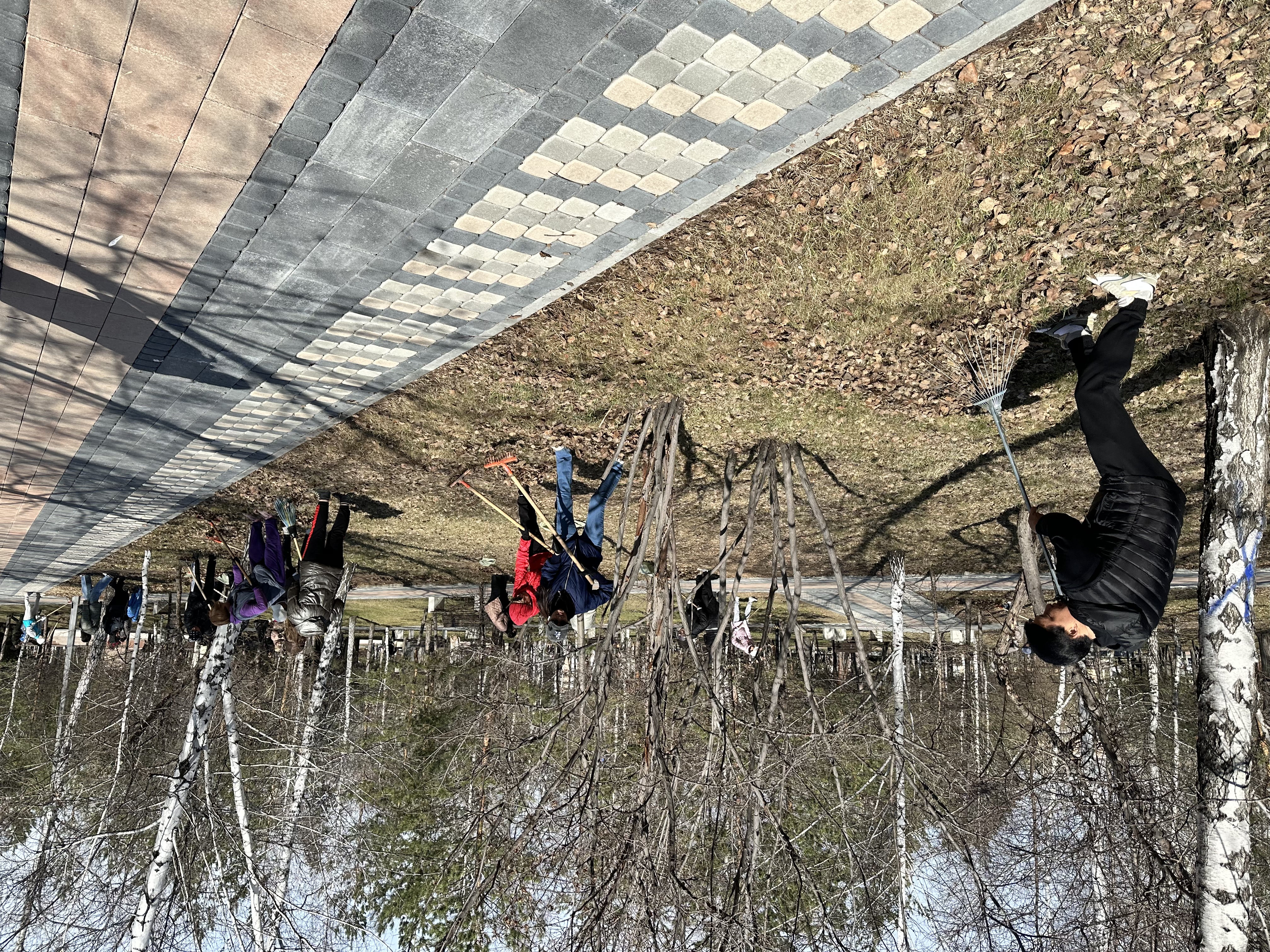
CITYWIDE CLEAN-UP IN SHYMKENT: PARTICIPATION OF URBAN ENVIRONMENT QUALITY MANAGEMENT AND CONTROL SPECIALISTS 18.10.2025
On October 18, 2025, specialists from the Shymkent Department of Urban Environment Quality and Control actively participated in a citywide cleanup day. This event was aimed at maintaining cleanliness and order in the city, improving the sanitary conditions of public spaces, and enhancing the quality of the urban environment for all residents. The cleanup day was another important initiative uniting the efforts of the administration, utility service specialists, and city residents to create a clean and comfortable urban environment. According to the approved cleanup schedule, department specialists worked on designated streets, clearing trash from trash cans, waste containers, as well as irrigation ditches and canals. A key component of the event was removing trash from streets and public areas. All full and damaged waste containers were replaced with new ones, and accumulated household and construction waste was promptly removed. This systematic approach helps maintain the city's sanitary conditions, prevents the accumulation of trash, and fosters a culture of cleanliness and environmental awareness among residents. Particular attention was paid to irrigation ditches, which are a crucial part of the city's utility infrastructure. Clearing them of debris and plant debris is necessary not only to maintain their appearance but also to ensure proper water drainage. Clogged ditches can lead to flooding and disruption of the drainage system, especially during rainy periods. During the cleanup, the ditches were cleared of accumulated debris, ensuring their uninterrupted operation and preventing potential emergencies. The citywide cleanup event involved not only specialists from the Department of Urban Environment Quality and Control, but also volunteers, local residents, and young people. They helped clean up streets, playgrounds, parks, public transportation stops, and other public spaces. This collaborative effort between professionals and citizens fosters a sense of responsibility in every resident for the cleanliness of their neighborhood and the city as a whole. During the cleanup day, the department's specialists also conducted outreach to the public, explaining waste management rules, proper waste disposal, the separate collection of plastic, paper, and glass, and the importance of observing sanitary standards. This educational outreach helps raise residents' environmental awareness and fosters sustainable habits of maintaining cleanliness and order in the urban environment. During the events, a comprehensive street cleaning program was conducted. In addition to removing household waste, specialists used specialized equipment to remove construction waste, old and damaged items that interfere with normal traffic and the aesthetic appeal of the urban environment. Street and public space cleaning helps create comfortable conditions for residents, improves their safety, and enhances the city's appearance. The cleanup day also served as an example of fostering teamwork and mutual assistance skills among residents. Each participant, by making their contribution, strengthens their sense of responsibility for maintaining cleanliness, sanitation, and the city's amenities. The combined efforts of specialists and residents demonstrate that order and cleanliness in the city depend on each individual and their active involvement in the life of their neighborhood and the city as a whole. Particular attention was paid to checking the condition of waste containers and ensuring their sufficient number on the streets. All waste was collected and removed for subsequent disposal and recycling. This not only improves the city's visual appeal but also helps maintain the ecological balance, reduces the risk of environmental pollution, and improves sanitation. Cleaning the irrigation ditches was also crucial. Water will now flow freely through them, preventing stagnation and potential flooding. This work improves the efficiency of urban infrastructure and reduces the risk of accidents during rainy season. Special equipment and utility workers were deployed to carry out the cleanup. Containers were emptied, trash was removed, streets were swept, and bus stops and surrounding areas were washed. All these measures are aimed at improving the quality of the urban environment, ensuring sanitary safety, and creating comfortable conditions for residents. It's important to note that the citywide cleanup day is not a one-time event, but rather part of a systematic effort to foster a sustainable culture of cleanliness. The Department of Urban Environment Quality and Control plans regular cleanup days to gradually cover all streets and districts of the city, ensuring a stable sanitary and aesthetic condition of the urban environment. One of the department's specialists emphasized: "Our goal is to make the city clean, convenient, and comfortable to live in. Residents' active participation and conscious responsibility for cleanliness are key to successful cleanliness. Everyone should start with their own yard, their own street, and gradually influence the condition of the entire city." Thus, the citywide cleanup day on October 18, 2025, became an important event aimed at improving the quality of the urban environment, strengthening the population's environmental awareness, and improving the city's sanitary conditions. Cleaning streets, containers, and irrigation ditches, as well as educating residents, will contribute to improving living conditions in the city and establishing sustainable cleanliness practices. The participation of management specialists and residents demonstrates that joint efforts produce tangible results. Such events increase citizens' responsibility for the environment, foster habits of maintaining order and cleanliness, and strengthen a sense of community and cooperation. Ultimately, the citywide cleanup event held in Shymkent became a concrete example of systematic efforts to improve the urban environment, develop environmental awareness, and strengthen residents' social responsibility. Cleaning streets, irrigation ditches, and trash containers, along with active public participation, creates the conditions for a comfortable, safe, and aesthetically pleasing urban environment, contributing to a long-term improvement in residents' quality of life.
Specialists of the Shymkent City Department of Environmental Quality and Control actively participated in the Shabbat for the general public in the city 18.10.2025
On October 18, 2025, specialists from the Shymkent City Environmental Quality and Control Department actively participated in a general cleaning day in the city. This event was organized to ensure the cleanliness of the city, improve the quality of life of residents, and make public spaces more attractive and comfortable. As part of the cleaning day, comprehensive cleaning work was carried out in various districts and streets of the city, as well as near social facilities. In accordance with the citywide Saturday plan, specialists cleaned all main streets, garbage cans and irrigation ditches from garbage according to the approved schedule. During the cleaning of streets and roadsides, old, unusable or overflowing garbage cans were replaced, and waste was collected using special equipment. Regular cleaning of garbage cans allows residents to keep their yards clean, improve hygiene conditions in the urban environment, and enhance the aesthetic appearance. Irrigation ditch systems are one of the most important engineering communications of the city. The work of cleaning the ditches was carried out not only to ensure visual cleanliness, but also to maintain water permeability and the stability of the infrastructure. The ditches, cleared of debris and soil, allow for the normal flow of water, preventing flooding and the formation of dams. These measures play an important role, especially during the rainy season and in preventing water-related emergencies. Not only specialists from the city's Department of Environmental Quality and Control, but also volunteers and young people actively participated and contributed to the cleanup. Residents helped clean streets, children's playgrounds, parks, and bus stops. Through their active participation, city residents demonstrated the importance of keeping their yards clean and protecting the environment. During the event, specialists from the city's Department of Environmental Quality and Control gave residents advice on proper garbage disposal, sorting waste such as plastic, glass, and paper, as well as the proper collection and placement of household waste in trash cans. This is aimed at increasing the environmental culture of residents and maintaining constant cleanliness in the urban environment. General cleaning work in the city was carried out in a comprehensive manner. Not only were the streets and roads cleared of garbage, but old, unsuitable items and construction waste were removed using special equipment. Such measures will improve the quality of daily life of residents and improve the aesthetic appearance of the city. An important aspect of the Sabbath is the formation of a culture of participation and cooperation among residents. Each person who is active increases the sense of responsibility for cleanliness in society. This, in turn, contributes to maintaining public order, improving the hygienic conditions in the urban environment, and keeping the city clean. During the weekend, specialists checked the city's garbage collection schedules and ensured a sufficient number of garbage bins. Proper waste processing and sorting helps improve the city's environmental situation. In addition, by cleaning irrigation ditches, it was possible to ensure the normal functioning of water systems, prevent soil erosion, and increase the reliability of urban infrastructure. During the weekend, special equipment and workers were mobilized. Trash cans were cleaned, garbage was removed from ditches, streets were swept, and bus stops were washed. All of these activities were carried out to improve the quality of the urban environment and protect the safety and health of residents. The citywide Shabbat is not just a one-day event, but part of the formation of a sustainable culture. Specialists of the City Environmental Quality and Control Department have developed a systematic plan to increase the effectiveness of Shabbat, covering each district and street with cleaning work in stages. Thus, the hygienic and aesthetic situation in the city is constantly monitored. One of the participants in the rally, a specialist from the city's Department of Environmental Quality and Control, noted: "Our goal is to make the city clean, attractive, and comfortable for residents. The active participation and volunteer spirit of residents are important for maintaining the cleanliness of the city. Everyone should maintain cleanliness, starting from their own yard and street." In general, the city-wide cleanup, held on October 18, 2025, was an important event aimed at increasing the level of cleanliness in Shymkent, forming an environmental culture among residents, and ensuring the reliable operation of the city's infrastructure. Cleaning streets and drainage systems from garbage, putting garbage cans in order will improve the quality of life of city residents, ensure safety and hygiene in the urban environment. By participating in the Sabbilyk, specialists from the city's Department of Environmental Quality and Control and residents contributed to the beauty and cleanliness of the city. This experience allows residents to increase their sense of social responsibility, explain the importance of keeping the city clean, and set an example of teamwork. Thus, the city-wide clean-up drive held in Shymkent was a tangible manifestation of improving the city's infrastructure, raising the environmental culture of residents, and strengthening social unity. The cleaning work carried out during the clean-up drive showed residents the importance of taking care of their city and clearly demonstrated the contribution of such regularly organized events to the life of the city.
Preventive and diagnostic measures have been completed in the Yeltay settlement of the Yembekshi district of Shymkent. 17.10.2025
On October 17, 2025, preventive and diagnostic measures for farm animals were successfully completed in the Yeltay settlement of the Yenbekshinsky district of Shymkent. These measures were carried out by veterinarians from District Veterinary Station No. 6 in full compliance with current veterinary requirements and standards. The aim of the measures was to ensure animal health, prevent infectious diseases, and maintain a stable epizootic situation in the region. As part of preventative measures, the animals received appropriate vaccinations, underwent clinical examinations, and were closely monitored for their general health. Vaccination is a key measure in preventing the spread of infectious and viral diseases among pets. Veterinarians took into account the age, health, and previous vaccination history of each animal, ensuring safe and correct vaccine administration. This systematic approach strengthens the animals' immune systems and reduces the risk of epizootics. Clinical examinations included an assessment of the animals' overall physical condition, weight monitoring, skin, coat, eyes, and ears, and an assessment of their cardiovascular and digestive systems. Each examination was recorded in the veterinary clinic's records, and recommendations for additional treatment and preventative measures were provided if necessary. Timely examinations and monitoring of animals' condition enable early detection of diseases, significantly increasing the effectiveness of treatment and preventing the spread of disease. In addition to direct animal care, veterinary specialists conducted outreach to local residents. Residents were given detailed explanations of animal care and maintenance, proper feeding principles, and procedures for pregnant and lactating animals. Special attention was paid to hygiene, proper grazing, watering and rest schedules, and sanitary and hygienic conditions. This educational outreach increases owners' responsibility for their animals' health and fosters a culture of proper animal care. The main goal of these measures is to prevent infectious diseases among animals, maintain their health, and control epizootic situations. Regular prevention and diagnostics reduce the risk of disease, increase livestock productivity, and provide the population with high-quality agricultural products. The ongoing work of veterinary services also contributes to raising veterinary awareness among the population and fostering a sense of responsibility for animals. As a result of these measures, each owner received information about the health of their animals and recommendations for further care. Constant monitoring by veterinary specialists allows for prompt response to potential diseases, preventing their development, and increasing the productivity of farm animals. This preventative work has a positive impact not only on animal health but also on the economic stability of the region's agricultural sector. Animal health is directly linked to the well-being of rural populations. Therefore, systematic preventive and diagnostic measures are an essential component of food security. Animal care, vaccinations, and compliance with sanitary standards all help maintain the high quality of agricultural products, prevent the spread of diseases, and promote sustainable development in the industry. Pet owners who participated in the events received recommendations on animal care, preventative vaccinations, sanitary and hygienic rules, and proper feeding. Increasing owner awareness and knowledge directly impacts the epizootic situation and helps prevent diseases among pets. Knowledge of animal care rules helps maintain livestock health and improve the quality of livestock products. Preventive and diagnostic veterinary measures are an important tool for maintaining animal health, preventing infectious diseases, and stabilizing the epizootic situation. The professional work of veterinary specialists and the active participation of local residents create conditions for the sustainable development of livestock farming and maintaining animal health. Such events are held regularly. Every year, animals receive preventative vaccinations, undergo clinical examinations, and owners are informed about housing and care guidelines. This systematic approach ensures epizootic control, disease prevention, and the stable development of the livestock industry. Thus, the preventive and diagnostic measures carried out in the Yeltai settlement of Shymkent's Yenbekshinsky district contribute to maintaining animal health, maintaining epidemiological safety, and developing the agricultural sector. Regular veterinary services not only ensure animal health but also raise awareness among residents, foster proper livestock care practices, and promote responsible pet ownership. These events help residents understand the importance of following animal care guidelines, timely preventative vaccinations, and monitoring nutrition and sanitation. As a result, the epizootic situation remains stable, and animal productivity and the quality of agricultural products improve. Regular preventative and diagnostic measures create conditions for the safe and sustainable development of livestock farming, improving animal health, and ensuring food security in the region. Thus, the systematic work of veterinary specialists and the participation of local residents are key factors in successfully maintaining animal health, preventing the spread of diseases, and maintaining epidemiological safety. Regular preventive and diagnostic measures in the Yeltai settlement ensure the stable development of the livestock industry, increased animal productivity, and improved quality of life for the population.
PROPHYLAXIS AND DIAGNOSTIC MEASURES HAVE BEEN COMPLETED IN THE CITY OF SHYMKENT, LABOR DISTRICT, AND THE HOME OF THE COUNTRY. 17.10.2025
On October 17, 2025, preventive and diagnostic measures for farm animals were fully completed in the Eltai settlement of the Enbekshi district of Shymkent city. These works were carried out by experienced doctors of the district's veterinary station No. 6 in accordance with veterinary requirements. These measures are aimed at ensuring the health of livestock, preventing infectious diseases, and constantly monitoring the epizootic situation. During the planned preventive measures, the animals were vaccinated and clinically examined. Veterinarians monitored the general condition of the animals and collected detailed information about their health. These examinations allow them to assess the physical condition of the animals, the level of nutrition and care, as well as to identify any signs of illness in a timely manner. Veterinary examinations play an important role in ensuring the health and survival of animals, as timely detection of diseases prevents them from developing complications and allows for the timely application of necessary treatment measures. Vaccination strengthens the defense of animals against infectious diseases. Vaccination work carried out in the rural area is aimed at preventing the spread of infectious and viral diseases among animals. During the vaccination procedure, doctors administered vaccines in the correct dosage and in a safe manner, taking into account the age, health status and previous vaccination history of the animals. These measures help strengthen the immune system of animals and maintain a stable epizootic situation. In addition, veterinary specialists conducted a clinical examination. This was aimed at assessing the general physical condition of the animals, measuring their weight, monitoring the condition of the skin, fur, eyes and ears, as well as checking the normal functioning of the cardiovascular and digestive systems. The condition of each animal was recorded individually and, if necessary, additional treatment measures were recommended. These clinical examinations are very important for maintaining the health of animals and systematically implementing preventive measures. Veterinary activities do not only consist of vaccinations and examinations of animals. In addition, explanatory work was carried out for residents on the principles of animal care, proper nutrition, and care measures that should be provided to pregnant animals. Specialists explained important aspects such as proper nutrition of animals, drinking regimen, the procedure for taking them out to pasture, ensuring animal rest, and observing hygiene measures. This information increases the responsibility of residents for proper care of animals and ensures their health. The main goal of these events is to prevent infectious diseases among animals, maintain their health, and maintain constant control over the epizootic situation. Preventive and diagnostic measures carried out in rural areas contribute to the development of livestock farming, increase productivity, and provide the population with high-quality livestock products. Such events, carried out regularly, also form a veterinary culture among the local population, strengthen the sense of responsibility and proper care for livestock. As a result of the work carried out in the village of Eltai, each livestock owner received complete information about the health of the animal and was able to take the necessary measures in accordance with its condition. Regular monitoring and advice from veterinarians create conditions for increasing livestock productivity, timely detection of diseases and their treatment. These preventive measures have a positive impact not only on livestock farming, but also on the economic stability of agriculture. In rural areas, the health of animals is directly related to the well-being of the population. Therefore, it is important to carry out veterinary activities systematically. Animal health, environmental safety, and the quality of food products are all ensured through regular veterinary control. The work carried out in the Eltai settlement is an important step in this direction. In addition, livestock owners were able to keep their livestock in safe and healthy conditions by receiving information on the care measures that should be provided to animals, preventive vaccines, sanitary and hygienic requirements, and proper nutrition. As the population's education and awareness increase, the epidemiological situation of animals will also become more stable. This, in turn, ensures the quality and safety of agricultural products. In general, the preventive and diagnostic veterinary measures carried out in the Eltai settlement are an important step towards maintaining animal health and preventing infectious diseases. The professional work of veterinary specialists and the active participation of residents allow for the sustainable development of agriculture and ensuring animal health. These activities are carried out systematically. Every year, preventive vaccinations are carried out for livestock, clinical examinations are conducted, and explanatory work is carried out among the population on animal care. This regular practice helps to control the epizootic situation of animals, prevent infectious diseases, and ensure the sustainability of the development of livestock farming in rural areas. Thus, preventive and diagnostic veterinary measures carried out in the Yeltai settlement of Shymkent, Enbekshy district, are yielding significant results in maintaining animal health, stabilizing the epidemiological situation, and contributing to the development of agriculture. Such measures, carried out systematically, allow not only to maintain the health of livestock, but also to raise awareness among the population and form a culture of proper care for animals.
THE CITY'S WATER SUPPLY INFRASTRUCTURE IS BEING UPDATED 18.10.2025
On October 18, 2025, an event was held in Shymkent to celebrate the large-scale modernization of water supply and sewerage systems to provide residents with high-quality drinking water. The presentation included a presentation on the current reconstruction results and plans for further infrastructure improvements. Representatives of the local administration, relevant departments, media outlets, and city residents participated in the event. It should be noted that this event is being carried out as part of the 2021–2025 investment program, approved by a joint decision of the Shymkent Department of the Committee for Regulation of Natural Monopolies of the Ministry of National Economy and the city administration. The investment program is aimed at modernizing and reconstructing the water and sewerage networks, improving the quality and reliability of water supply for city residents. The total funding for the program is 750,248,994 tenge, of which 110,051,862 tenge is planned for 2025. The program's main objectives are to renovate worn-out water supply networks, improve tap stations, modernize pumping stations, and ensure uninterrupted water supply. The program also includes replacing old pipes, upgrading taps, and installing modern filters and control points. The infrastructure upgrade is driven by the city's growing population, the emergence of new neighborhoods, and the rapid construction of residential complexes. This has led to an increase in the number of consumers connected to the centralized water supply system, creating a need to increase the network's capacity and reliability. The modernization work is aimed at creating a stable and safe water supply for all city residents. As part of the renovation, checkpoints were modernized, and the fencing at pumping stations BS-1 and BS-2 was restored. Outdated equipment was replaced with modern equipment that meets all technical requirements. New water lines of various diameters were installed, and fire hydrants were replaced with modern ones, ensuring a prompt response by emergency services in the event of an emergency. In addition, the State Municipal Enterprise "Water Supply and Sewerage Department" carried out major repairs to buildings and control points at water intake structures. Fences were restored and brought into compliance with safety requirements. The perimeter of the Dostyk water intake structure was also renovated, increasing the level of protection for utility facilities and preventing potential emergencies. Particular attention was paid to engineering solutions to improve water supply quality. Hydraulic calculations were conducted, pumping stations were modernized, and the network's capacity was increased. New pipelines and equipment ensure stable water pressure, cleanliness, and safety, which is especially important for city residents. The program also includes modernization of the sewer system. The project involves reconstructing sewer networks, cleaning, and replacing worn-out pipes, improving the city's sanitary conditions and preventing potential flooding and emergency situations. A clean and modern sewer network directly impacts the city's ecology, preventing pollution and maintaining sanitary safety. The implementation of the investment program ensures the comprehensive development of urban infrastructure. New microdistricts and residential complexes require an updated utility system, and the program takes into account the city's growth prospects. This ensures the long-term and sustainable development of water supply and sanitation systems, improving the quality of life for residents. Upgraded infrastructure directly impacts the health and well-being of residents. Modern filters and water quality control systems maintain high safety standards and prevent contaminants. For residents, this means access to clean drinking water, a key factor in maintaining health and comfort in everyday life. The modernization of the water supply and sewerage network improves the reliability and efficiency of public utilities. New pumping stations and lines ensure uninterrupted water supply, simplify network maintenance, and allow for the prompt resolution of emergencies. This creates conditions for a stable water supply in all districts of the city. An important aspect is the project's social significance. The updated infrastructure improves residents' living conditions, enhances sanitary standards, creates comfortable living conditions, and promotes social stability. A reliable water supply and sewerage system is the foundation of urban safety and quality of life. The city administration and responsible agencies are carrying out the work in stages, with particular attention to quality and safety. In the coming years, plans include the construction of new pumping stations, the modernization of water intake points, and the installation of modern pipelines in new neighborhoods. These measures will make the city's water supply system modern and sustainable, ensuring comfort and safety for all residents. Thus, the modernization of Shymkent's water infrastructure is aimed at providing residents with high-quality drinking water, increasing the efficiency of the sewerage system, and the reliability of utility networks. These projects contribute to improving the city's sanitary conditions, enhancing comfort for residents, and developing the urban environment as a whole. Infrastructure upgrades are not only a technical task but also a socially significant mission. Modern water supply and sewerage systems allow city residents to live safely, maintain cleanliness, prevent emergencies, and ensure comfortable living for everyone. Shymkent has the opportunity to become a modern, sustainable, and livable city thanks to the implementation of this investment program.
THE CITY'S WATER INFRASTRUCTURE IS BEING RENEWED 18.10.2025
On October 18, 2025, a presentation was made of the large-scale infrastructure modernization work being carried out in Shymkent to provide residents with high-quality drinking water and a sewage system. The event, attended by city residents and media representatives, provided a detailed overview of the progress and results of the work being carried out to modernize the water system. This event was dedicated to the implementation of the investment program for 2021–2025, approved on the basis of a joint decision of the Shymkent Department of the Committee for Regulation of Natural Monopolies of the Ministry of National Economy and the city akimat. It should be noted that the total cost of this investment program is 750,248,994 thousand tenge. Of which 110,051,862 thousand tenge has been allocated for this year. The main goal of the program is the reconstruction and modernization of the water supply and sewage systems of the city of Shymkent. This, in turn, is aimed at providing the city's residents with stable quality drinking water, increasing water supply capacity and improving engineering infrastructure. The annual increase in the city's population, the emergence of new microdistricts, and the rapid pace of housing construction have increased the number of consumers connected to the centralized water system. In this regard, the uninterrupted supply of drinking water to residents, increasing the reliability of water supply systems, and modernizing the city's engineering infrastructure have become urgent issues today. To this end, a number of works are being carried out on the city's water system. As part of the modernization of water infrastructure, checkpoints were completely renovated. The fences of the VS-1 and VS-2 pumping stations were restored. The old, worn-out equipment was removed and replaced with modern equipment. Fire hydrants in the city were renovated, and new water pipelines of various diameters were laid. These works will ensure the continuity of water supply to residents and speed up the response of the fire service in case of emergency situations. In addition, major repairs were carried out to checkpoints and buildings at the water intake facilities of the State Utility Enterprise "Water Supply and Sewerage Administration". The fences were updated and restored to meet safety requirements. Fences and infrastructure elements were also updated along the perimeter of the Dostyk water intake facility. These measures are aimed not only at technical modernization, but also at ensuring the safety of residents. During the modernization of the city's water infrastructure, special attention was paid to engineering solutions. Work was carried out to improve the quality of water supply networks, update hydraulic calculations, and increase the efficiency of pumping stations. Newly laid pipelines and installations will allow maintaining water quality, stabilizing water pressure, and meeting consumer demand in a timely manner. The program includes not only the installation of new infrastructure, but also the replacement, repair and modernization of outdated networks. This is an important step not only to contribute to the development of the city, but also to improve the quality of life of residents. As the reliability of the water system increases, residents will be able to use water in their homes without interruption, and the sanitary conditions in the city will improve. The new water infrastructure will also have a positive impact on the health of residents. Water quality monitoring systems have been upgraded and modern filtration devices have been installed. This improves the quality of drinking water and prevents its contamination. For city residents, clean drinking water is not only a daily necessity, but also a guarantee of safety and health. Another important part of the investment program is the modernization of the city's sewage system. Work is underway to reconstruct sewage systems, clean ditches and sewerage networks, and replace outdated pipes. These measures will not only improve sanitary conditions, but will also have a positive impact on the city's ecology. Systematic cleaning of ditches and sewerage networks will prevent floods and other emergencies in the city. The updated infrastructure directly contributes to the development of the city. The emergence of new microdistricts and residential complexes, population growth require the modernization of engineering systems. Therefore, the investment program is aimed not only at technical modernization, but also at planning the infrastructure in accordance with the development of the city. In addition, the modernization of the city's water infrastructure is socially important for residents. Access to high-quality drinking water, maintaining sanitation, and ensuring reliable water supply in emergency situations all contribute to improving the quality of life of residents and strengthening social stability in the city. The city administration and the institutions implementing the investment program attach special importance to the phased, high-quality and safe implementation of these works. In the coming years, new water pumping stations, control points, water supply and sewage networks will be introduced in the city. These projects are aimed at bringing the city's infrastructure up to modern standards and providing quality services to residents. Thus, the water infrastructure modernization program being implemented in Shymkent aims to provide residents with high-quality drinking water, increase the efficiency of the sanitary sewer system, and ensure the reliability of engineering networks in the city. These works contribute to the development of the city, the improvement of the quality of life of residents, and the environmental situation. Modernizing the city's infrastructure is not just a technical issue, it is a significant social task that directly affects the safety, health, and quality of daily life of residents. The upgraded water system and sewage networks will help transform Shymkent into a modern, sustainable, and citizen-friendly city.
NFA Expo 2025: Central Asia's premier non-food trade show will bring global manufacturers together in Almaty 20.11.2025
From November 26 to 28, the Kazakhstan Business Cooperation Center "Atakent" will host the 4th International Exhibition NFA Expo-2025. This key venue in Central Asia will bring together manufacturers, buyers, and representatives of retail chains and marketplaces from Kazakhstan, the CIS, Europe, and Asia. Participants can look forward to new contracts, B2B meetings, and opportunities to enter international markets.For the first time this year, the exhibition has been expanded with a new section, Retail Tech – Technologies for Retail. It will feature IT solutions, digital tools, marketing, design, equipment, and services for modern retail.The main sections of the exhibition include "Household Goods, Tableware, Household Goods, and Appliances," "Textiles and Interiors," "Cosmetics, Perfumes, and Hygiene Products," "Household Chemicals," "Gifts, Souvenirs, New Year's and Holiday Products," "Goods for the Country House and Leisure," and "Stationery and Children's Products." This year's exhibition will feature companies from Kazakhstan, Italy, China, Latvia, Turkey, Russia, Uzbekistan, Ukraine, and Belarus. Exhibitors include 2K, All-trade, Aprel Uz, Baraka, Joby Home, KLEESOFT KZ, Lafarfor, Liby, Royal Farfor, Satbayev University, TS Kitchen, Zeta, H.A. Brieger, and others.The China National Exposition will feature leading manufacturers from the provinces of Zhejiang, Shandong, Sichuan, Guangdong, and Jiangsu, including Guangzhou Fresh World Electrical Appliance, Ningbo Klinsmann Intelligent Technology, Guangdong Zoncenway Electric Technology, HUARUN Trade, Sunshine (Guangzhou) Ltd., and dozens of other companies.This year, special attention is paid to the development of private labels. More than half of the exhibitors will offer private label manufacturing contracts to retailers.According to NielsenIQ, the share of private labels in non-food products in Kazakhstan has nearly doubled over the past three years. More than 60% of shoppers choose private label products at least once a month.For a professional audience, the following events are organized:- Buyer program and B2B sessions, "Buyer-Supplier" featuring Magnum, Small, Anvar, Airba Fresh, Toimart, Korzinka, Wildberries, Flip.kz, Fix Price, bi1, Globus, and other chains.- Business consulting center – raw materials, packaging, certification, logistics, and financial solutions for manufacturers.The three-day exhibition features hundreds of brands, new contracts, and exclusive premieres. Guests can expect special conditions for wholesale purchases, presentations of new products, technology demonstrations, and discount programs from suppliers.NFA Expo 2025 is supported by the Ministry of Trade and Integration of the Republic of Kazakhstan and the National Chamber of Entrepreneurs "Atameken."Dates: November 26–28, 2025 Place: Republic of Kazakhstan, Almaty, Atakent Cultural Center, Pavilion No. 11More details: www.non-food.asiaMedia accreditation: Lyazzat Sagyndykova, +77017776917 (WhatsApp, Telegram), press.service891@gmail.comSource : https://www.gov.kz/memleket/entities/mti/press/news/details/1108836?lang=kk