Science
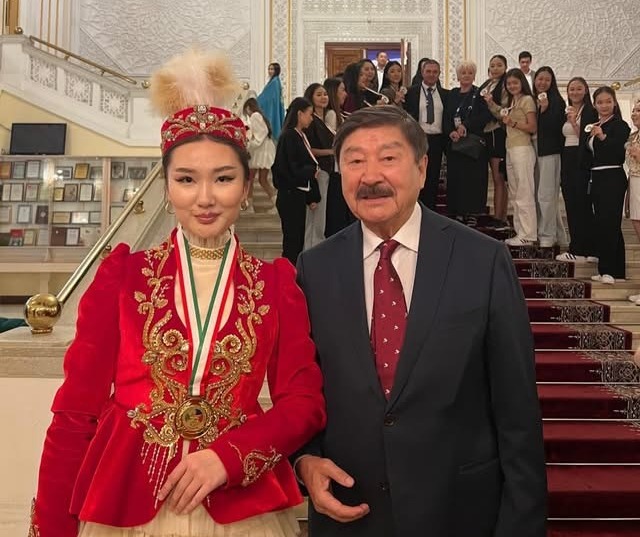
Aizere Toleu from Karaganda has won gold at the Delphic Games 20.10.2026
Aizere Toleu, a young performer from Karaganda, won a gold medal at the 20th Youth Delphic Games, held in Dushanbe, Tajikistan. This milestone event brought together hundreds of young talents from nine CIS countries: Azerbaijan, Armenia, Belarus, Kazakhstan, Kyrgyzstan, Russia, Tajikistan, Turkmenistan, and Uzbekistan. Participants competed across ten creative categories.Aizere Toleu is a 12th-grade student at a specialized music boarding school, where she studies folk instruments. At the Delphic Games, she competed in the "Solo Folk Song Performance" category and took first place.The "Saryarka Daryny" Regional Scientific-Practical Center for Supplementary Education for Children noted that the young performer's victory was the result of her hard work and love for national art, as well as the professionalism of her teachers."Aizer’s success in such a prestigious international competition is a major achievement, confirming the vitality of the traditional Kazakh art of singing. It also demonstrates that the national heritage is being revived through the performances of the younger generation and is gaining well-deserved recognition on the global stage," the center emphasized.Source : https://www.gov.kz/memleket/entities/karaganda/press/news/details/1310375?lang=ru

Viktor Druzin from Karaganda has been nominated for the title of the world's best athlete 17.10.2026
Swimmer Viktor Druzin from the Karaganda Region has been named one of the top five athletes of the year by World Aquatics (the international governing body for aquatic sports). The winner in the "Male Artistic Swimmer of the Year" category will be determined through an open vote.Competing alongside the Kazakhstani athlete for this prestigious award are Ranjuo Tomblin (Great Britain), Gustavo Sánchez (Colombia), Muye Guo (China), and Filippo Pelati (Italy).This year has been highly successful for Viktor Druzin in international competition. In June, he won bronze in the technical solo event at the World Cup Super Final in Toronto, while also securing silver in the free routine and bronze in the mixed duet alongside Nargiza Bolatova. In July, at the Asian Championships in Bangkok, the athlete from Karaganda took gold in the technical solo, becoming a continental champion for the second time. In August, Viktor Druzin placed third at the World Junior Championships in Budapest. At the 2026 Asian Games, he reached the third step of the podium as part of Kazakhstan’s mixed team.The athlete is coached by Elena Kotova.The Department of Physical Culture and Sports of the Karaganda Region encourages local residents to support their fellow countryman.To cast your vote, visit the official World Aquatics Instagram page (https://www.instagram.com/world_aquatics/), locate the post featuring nominees in the "Artistic Swimming | Men" category, and "like" the comment that mentions @druzin.viktor. The winner will be determined based on the number of likes received by the comments supporting each athlete.Source : https://www.gov.kz/memleket/entities/karaganda/press/news/details/1309890?lang=ru
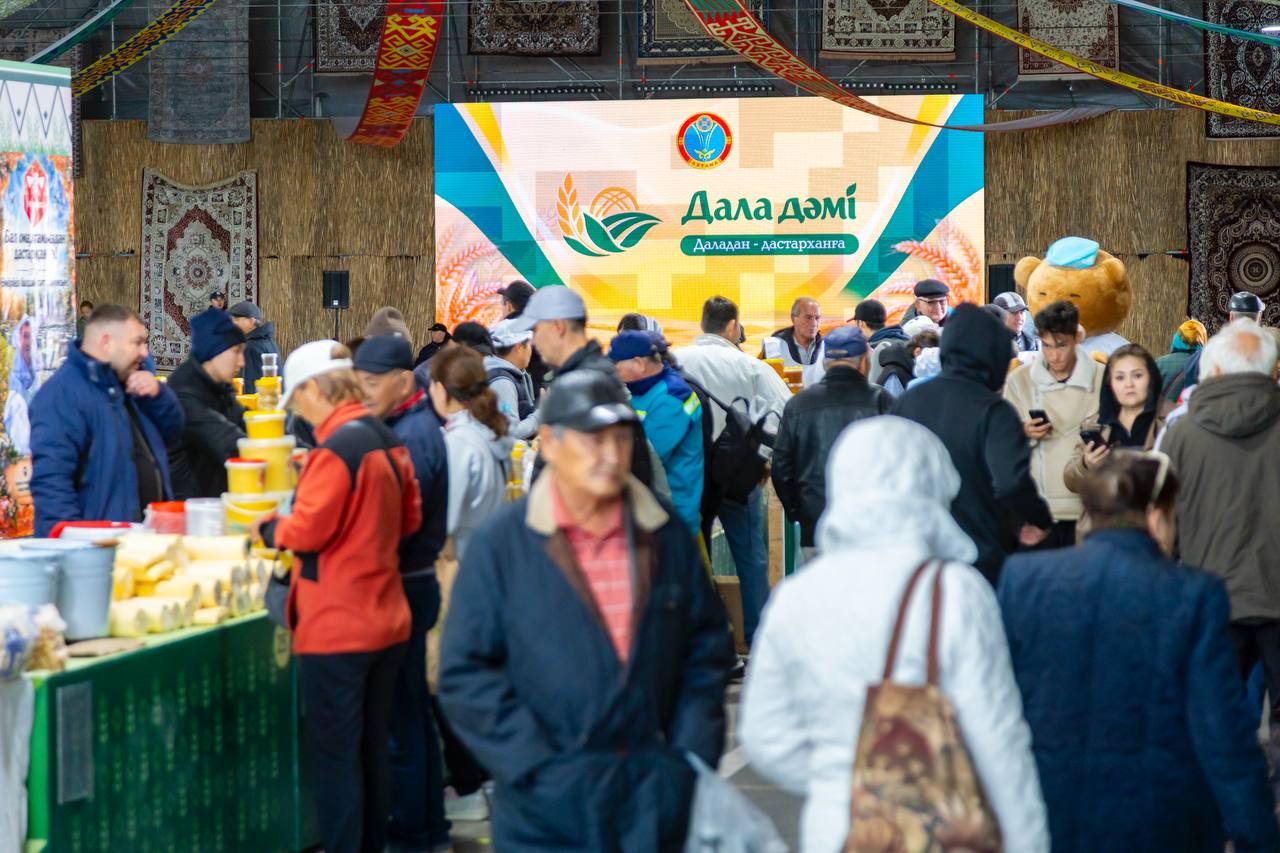
Agricultural Fairs “Dala Dami” Held Across All Regions of Kazakhstan 15.10.2026
Since September 19, agricultural fairs under the “Dala Dami” initiative have been held in all regions of Kazakhstan to support domestic producers and provide the population with affordable food products. More than 13,000 tonnes of produce have been sold during the first three weeks. The fairs take place on weekends and will continue regularly throughout the year.This week alone, the fairs held across the country offered 3,500 tonnes of food products. The largest share consisted of vegetables and melons, at 1,700 tonnes, followed by meat and meat products at 785 tonnes, and dairy products at 285 tonnes. The fairs also offer poultry, fish, fruit and berries, dry groceries, flour, bread, pasta and other food products.Thanks to direct deliveries from domestic farmers and a reduction in the number of intermediaries, prices at the fairs are approximately 20% lower than the market average. These trading platforms also give agricultural producers across the country additional opportunities to sell their products, establish direct contact with consumers and strengthen interregional trade ties.This weekend, residents and visitors of Astana will be able to purchase products supplied by agricultural producers from the Turkistan and West Kazakhstan regions. More than 600 tonnes of agricultural products have been delivered to the capital. These include 60 tonnes of meat and meat products, 260 tonnes of vegetables and fruit, and more than 60 tonnes of dairy products from the Turkistan Region. Producers from the West Kazakhstan Region will offer nearly 50 tonnes of meat and meat products, 80,000 eggs, 11 tonnes of fish products and other agricultural goods.Holding these fairs in the capital creates additional sales opportunities for regional producers and helps strengthen interregional trade ties. At the same time, the fairs enable consumers to purchase high-quality domestic products at affordable prices.Source : https://www.gov.kz/memleket/entities/mti/press/news/details/1309352?lang=ru
The pace of work on production and investment projects has been analyzed 14.10.2026
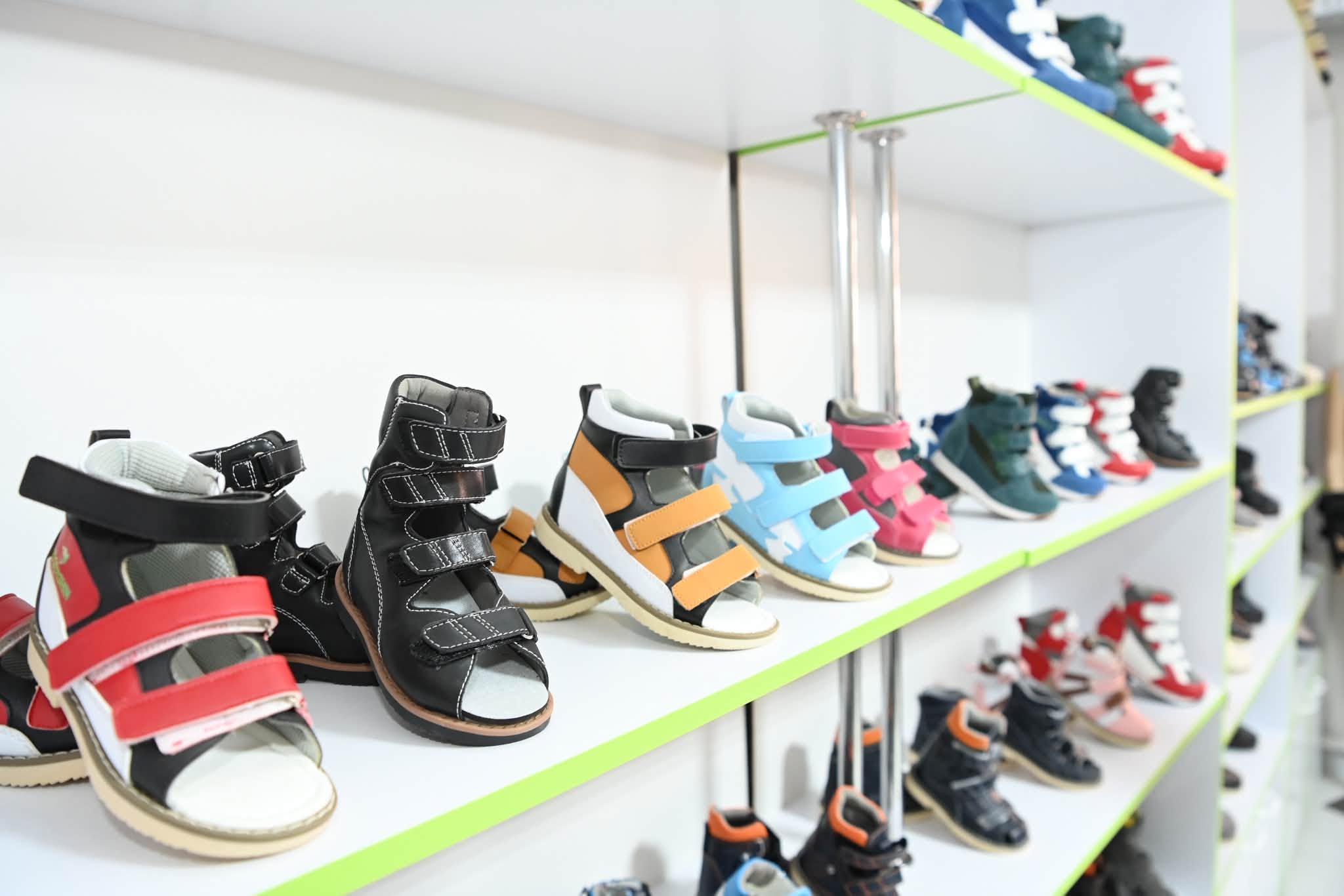
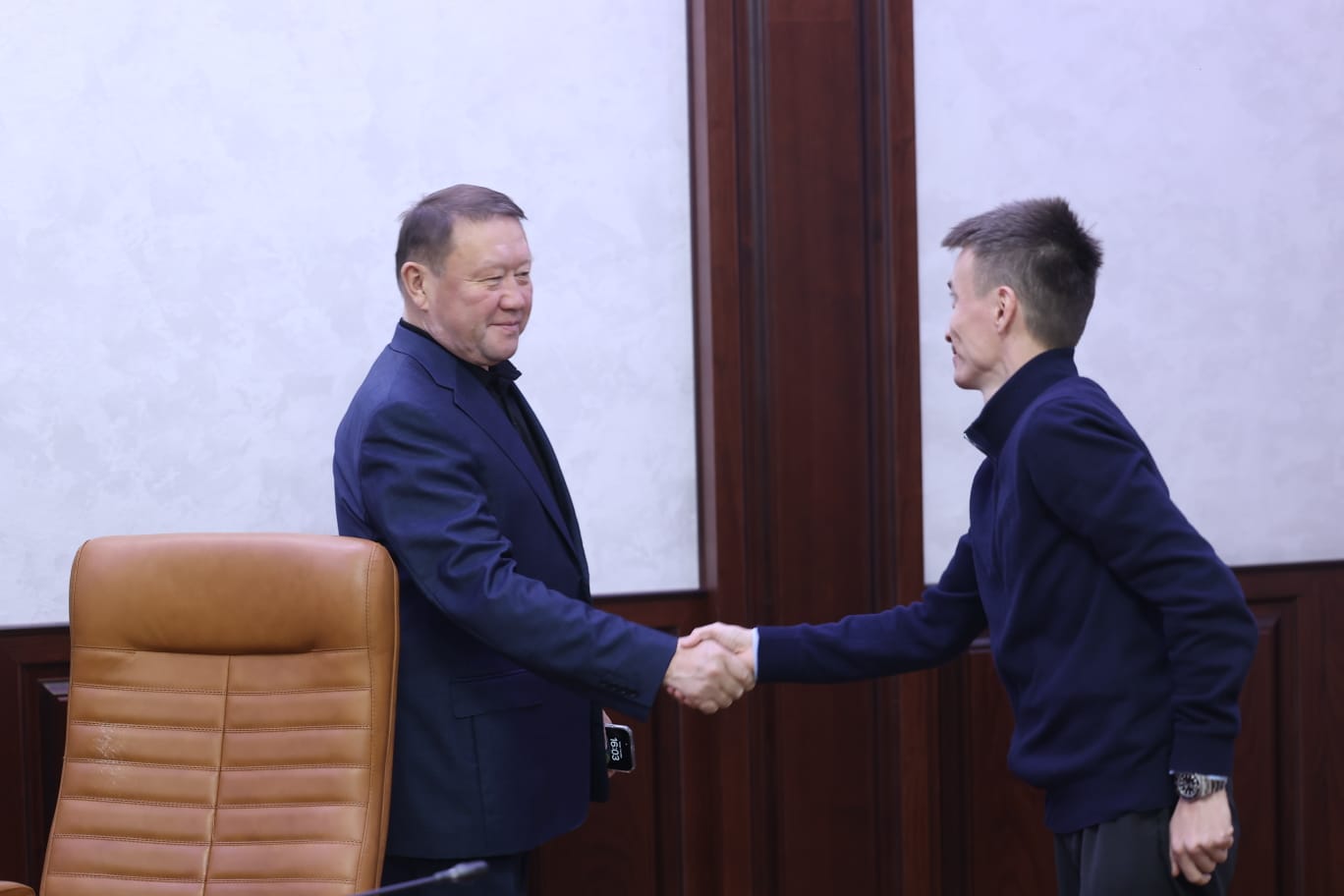
Today, Regional Akim Murat Ergeshbayev inspected the status of investment projects currently underway in the city and reviewed progress at the various sites.He first visited the "Alem Asia Trade" showroom located on the Left Bank. The project has created 21 jobs, with plans to sell an average of 20 vehicles per month. The company has now launched operations in partnership with the official KIA dealership from South Korea.An automated insulated glass unit (IGU) production facility owned by the "Dostyk" individual enterprise was launched last year. Its core activities include the lamination of PVC profiles and the manufacture of insulated glass units. The facility has an annual production capacity of 1 million square meters and employs 27 people on a permanent basis.The plant utilizes a modern automated production line. This has reduced the manufacturing time for a single glass unit from 10 minutes to one minute, increasing speed approximately tenfold. These improvements enable rapid order fulfillment, consistent product quality, and enhanced production efficiency.Another key feature of the enterprise is that the majority of its raw materials are sourced from domestic producers. Approximately 90 percent of the raw materials used are domestically produced; a primary material is sheet glass manufactured by "Orda Glass" LLP in Kyzylorda.This strengthens industrial ties between local enterprises. The project received additional financial support from second-tier banks, state subsidies, and the "Kyzylorda" Regional Investment Center.The "Medstroy-Shanyrak" neuromedical prosthetic and orthotic center opened in May. The facility provides prosthetic and orthotic services and has established the infrastructure to expand capabilities in the field of medical rehabilitation. Currently, the center employs 10 people and is equipped with the necessary machinery; the bulk of the equipment was sourced from China and Russia.The head of the region also inspected the construction of an 800-head cattle feedlot in the village of Abai. The "Kyzylorda Kurylys NK" company has invested 7.5 billion tenge in the project, which is set to create 50 new jobs. Construction of the first and second cattle sheds is currently underway. The facility is scheduled to open in stages, with the farm's launch planned for December.Source : https://www.gov.kz/memleket/entities/kyzylorda/press/news/details/1309227?lang=ru
Progress at construction sites has been inspected 12.10.2026
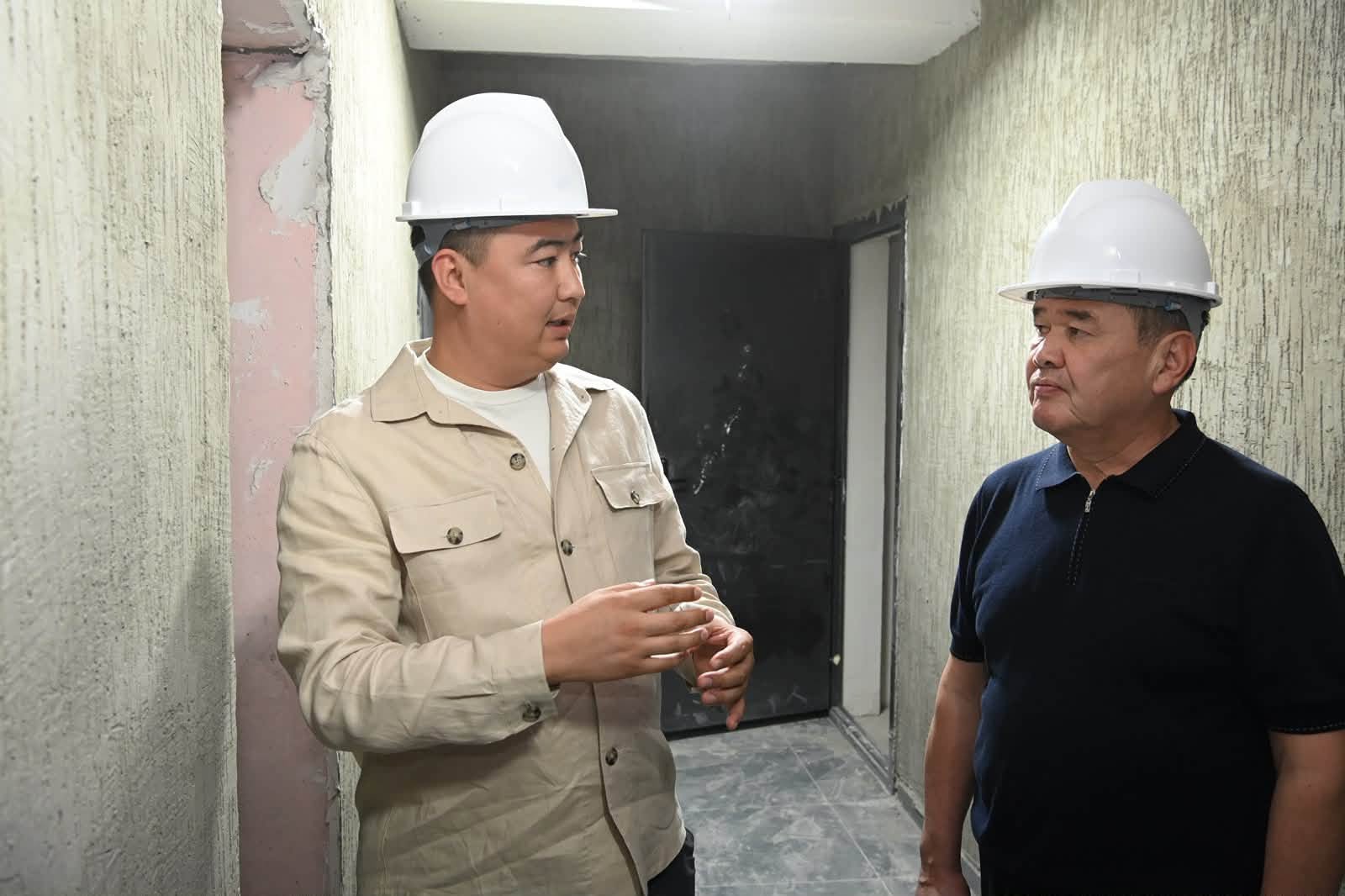
Regional Akim Murat Ergeshbayev inspected construction sites within the city.He first visited the construction site of the "Kyzylorda Arena" multi-purpose sports complex. The modern facility covers a total area of 26,000 square meters, with Aspan Holding LLP serving as the general contractor.The complex, comprising nine blocks, will feature a 50-meter swimming pool, a 2,500-seat arena for international competitions, training halls, and a 150-seat conference hall for forums and various gatherings. Construction is currently 93 percent complete.Subsequently, the regional head inspected the progress of medical facilities currently under construction.Once commissioned, the 500-bed multi-purpose medical facility on the Left Bank will provide outpatient, diagnostic, and day-patient services.It will house departments for general practice, obstetrics and gynecology, pediatrics, specialized and emergency care, as well as disease prevention and school health services. Additionally, the facility will include a 50-bed day hospital, a pharmacy, a central sterilization unit, a medical waste storage area, training rooms, a 50-seat lecture hall, and a 200-seat conference hall.A 300-bed multi-purpose hospital with an outpatient clinic capable of handling 100 visits per shift is also under construction in the city. The facility, spanning a total area of 57,000 square meters, is being built by the Meliorator company.Designed to meet modern standards, the hospital will be equipped with advanced diagnostic and treatment technologies and will provide medical services in accordance with international standards. The complex will include an outpatient clinic, a guesthouse, a conference hall, and a cafeteria, as well as departments for physiotherapy, admissions, administration, intensive care, chemotherapy, and radiotherapy, along with operating suites.Another medical facility is a new 200-bed perinatal center located within the First President's Park. It will provide specialized medical care for mothers and children. In addition to admissions, inpatient, diagnostic, surgical, intensive care, and administrative departments, the center will house a laboratory.Furthermore, City Outpatient Clinic No. 5 is currently under construction in the Titov neighborhood. Once operational, the facility will be able to accommodate 400 patients per shift and provide high-quality medical care to local residents.Source : https://www.gov.kz/memleket/entities/kyzylorda/press/news/details/1308853?lang=ru
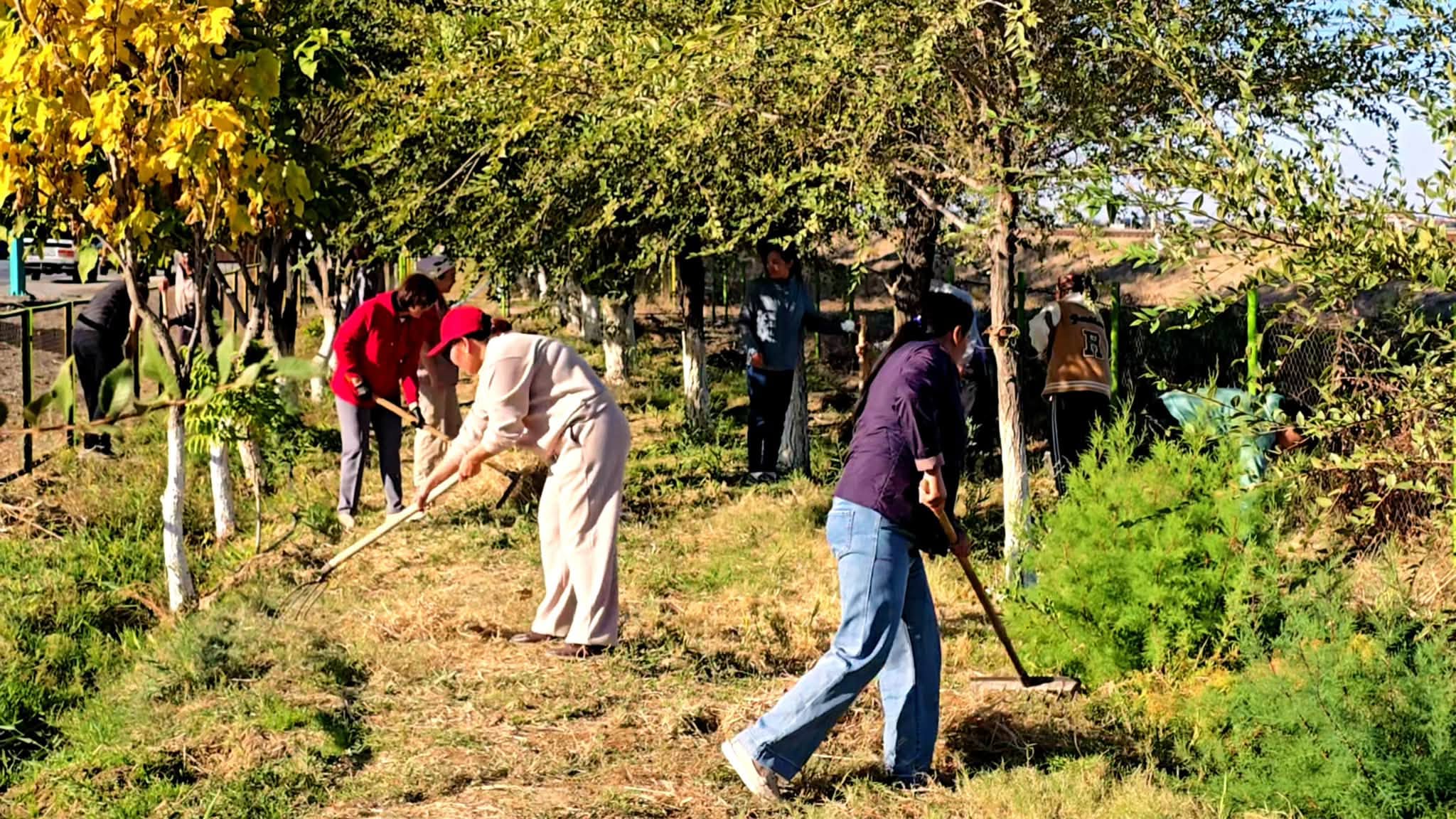
Taza Kazakhstan: The nationwide cleanup day took place 12.10.2026
At the initiative of the Head of State, and as part of the "Taza Kazakhstan" national environmental program, community cleanup days were held in all settlements across the region.Local residents, social activists, and volunteers actively participated in cleanup, landscaping, and greening efforts.It is worth noting that since the beginning of the year, 377,299 volunteers, activists, and employees from the public sector and various enterprises have taken part in environmental activities under the "Taza Kazakhstan" program in the region.As a result of these systematic efforts, over 10,000 tons of waste were removed. A total of 548 units of specialized machinery were deployed to clean streets, bodies of water, 510 public gardens and parks, 256 historical and cultural monuments, and 1,019 social, industrial, and business facilities.In addition, 91,817 saplings adapted to the region's natural and climatic conditions were planted.Large-scale activities under the environmental program will continue.It is worth recalling that since the start of the year, over 7 million citizens across the country have actively participated in the "Taza Kazakhstan" campaign. In total, since the initiative's launch, more than 7 million trees have been planted in populated areas, while over 1 billion seeds and saplings have been planted on state forest lands.Source : https://www.gov.kz/memleket/entities/kyzylorda/press/news/details/1308848?lang=ru

A festive gala concert was held in Kyzylorda 12.10.2026
A gala concert titled "Happy City Day, Kyzylorda!" took place at the Kaisar Arena stadium on the left bank of Kyzylorda to celebrate the city's anniversary. The festive program opened with a thematic prologue dedicated to the regional center's two-century history and its modern development.Murat Ergeshbayev, the Akim of the Kyzylorda Region, congratulated residents on the holiday and highlighted the region's achievements.President Kassym-Jomart Kemeluly has noted that the Kyzylorda region holds a special place in the history of our people. The presence of ancient settlements such as Chirik-Rabat, Zhankent, and Syganak testifies to the fact that a developed urban civilization existed on Kazakh soil in ancient times, and Kyzylorda represents its direct continuation."The ongoing renewal and improvement of our city represent a continuation of this historical legacy. In recent years, social and engineering infrastructure has been modernized, modern facilities have been commissioned, and major investment projects have been implemented. Nurlybek Mashbekovich—who made a significant contribution to Kyzylorda’s prosperity and now serves as First Deputy Prime Minister—congratulates you on City Day and sends his warmest wishes.May our beloved city continue to flourish, and may Kyzylorda’s future be bright and prosperous!"- said Murat Ergeshbayev.Renowned Kazakh artists—including Indira Elubayeva, Kazybek Kurayysh, Ukitay Erniyazov, Balzhan Bidash, the group KeshYOU, and ALEM—performed at the concert. The festive evening concluded with a fireworks display.In recent years, Kyzylorda has seen active infrastructure development, the launch of new manufacturing facilities, and the construction of residential buildings and social amenities. This year, the Inclusive Sports Center, the House of Friendship, the Competence Center, the "Ai-Kerim" educational and health center, and the Botanical Garden have been put into operation.Construction continues on the Presidential Library, the drama theater, and major medical facilities. A road bridge connecting the city's left-bank area and a modern pedestrian bridge are currently under construction. Work has also begun on a water park near Presidential Park.The "Kyzylorda Arena" sports complex is scheduled to open before the end of the year.Source : https://www.gov.kz/memleket/entities/kyzylorda/press/news/details/1308841?lang=ru
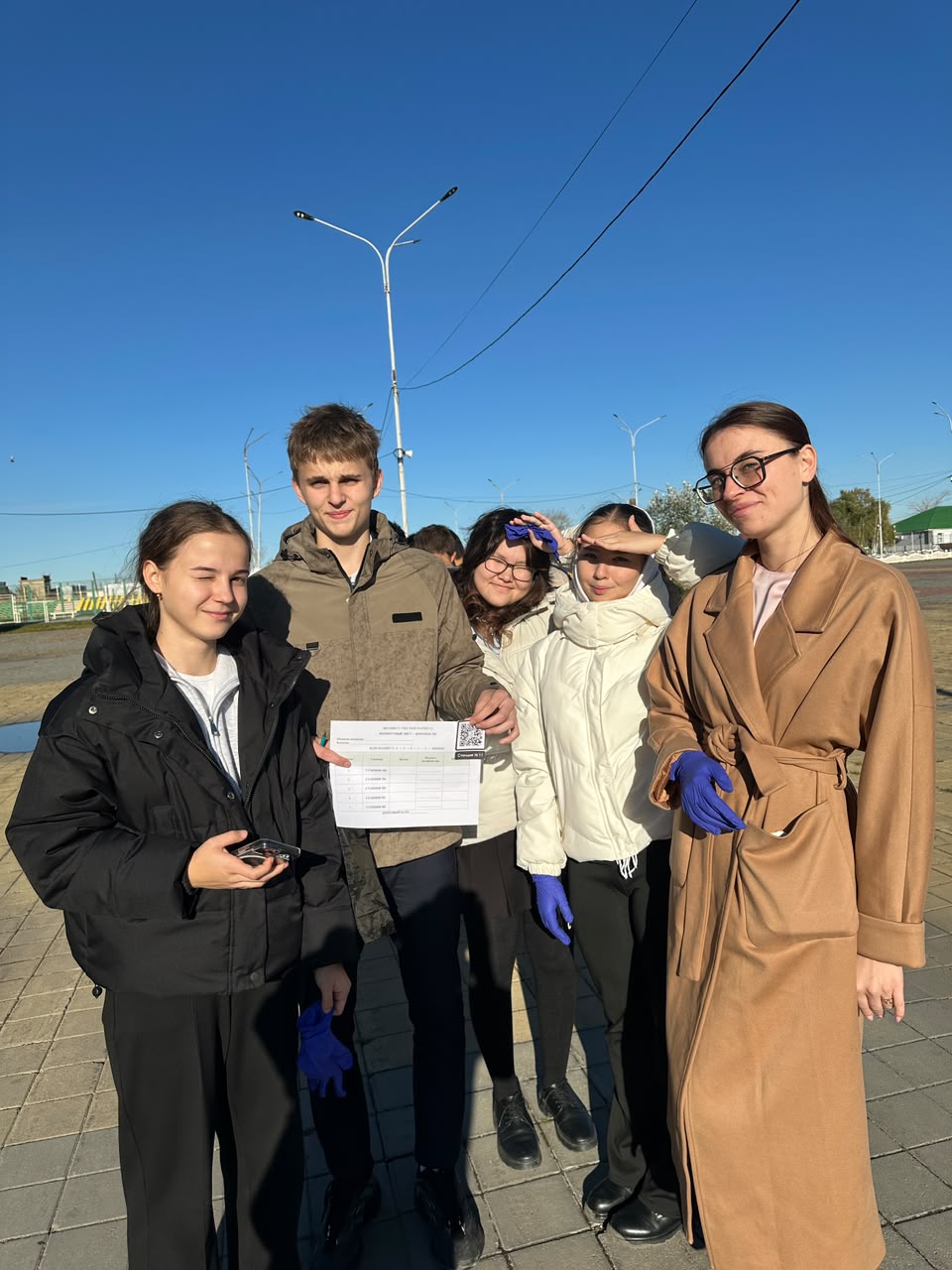
Clean-Up Route: Youth of the Fedorovsky District Complete Eco-Quest 09.10.2026
An environmental quest for schoolchildren and young people took place at Tauelsizdik Square in the Fedorovsky District, held as part of the "Dostyk Kerueni" district festival and the "Taza Qazaqstan" national environmental campaign.The event aimed to foster an environmental mindset, encourage a responsible attitude toward the environment, and engage the younger generation in socially beneficial activities.Participants navigated a route featuring various themed stations. At each stop, they encountered environmental trivia, puzzles, tasks testing attention and logic, and challenges requiring teamwork.The quest incorporated a modern approach by utilizing digital technology; participants scanned QR codes with their smartphones to proceed to the next stations, determining their own route as they went.Organizers placed special emphasis on hands-on environmental work. Participants collected litter from designated areas, tidied up the grounds, and sorted the collected waste. In this way, environmental knowledge was reinforced through concrete actions aimed at improving the local area."We wanted to show the young people that environmental responsibility begins with the individual. That is why we combined knowledge, gaming elements, and practical work in this quest," noted G. B. Kabdenova, a representative of the Youth Resource Center.According to the organizers, this format makes environmental topics more accessible and engaging for young people. Participants not only expanded their knowledge but also witnessed the tangible results of their collaborative efforts.The environmental quest also served as an opportunity to instill beneficial daily habits in young people, such as not leaving litter behind, maintaining cleanliness, sorting waste correctly, and treating public spaces with care. Holding such events as part of the "Taza Qazaqstan" initiative fosters an environmental culture and engages young people in nature conservation and socially beneficial activities.An environmental quest in the Fedorovsky District demonstrated that environmental education can combine educational, game-based, and practical formats, transforming concern for the environment into concrete collective action.Source : https://www.gov.kz/memleket/entities/kostanay/press/news/details/1308566?lang=ru
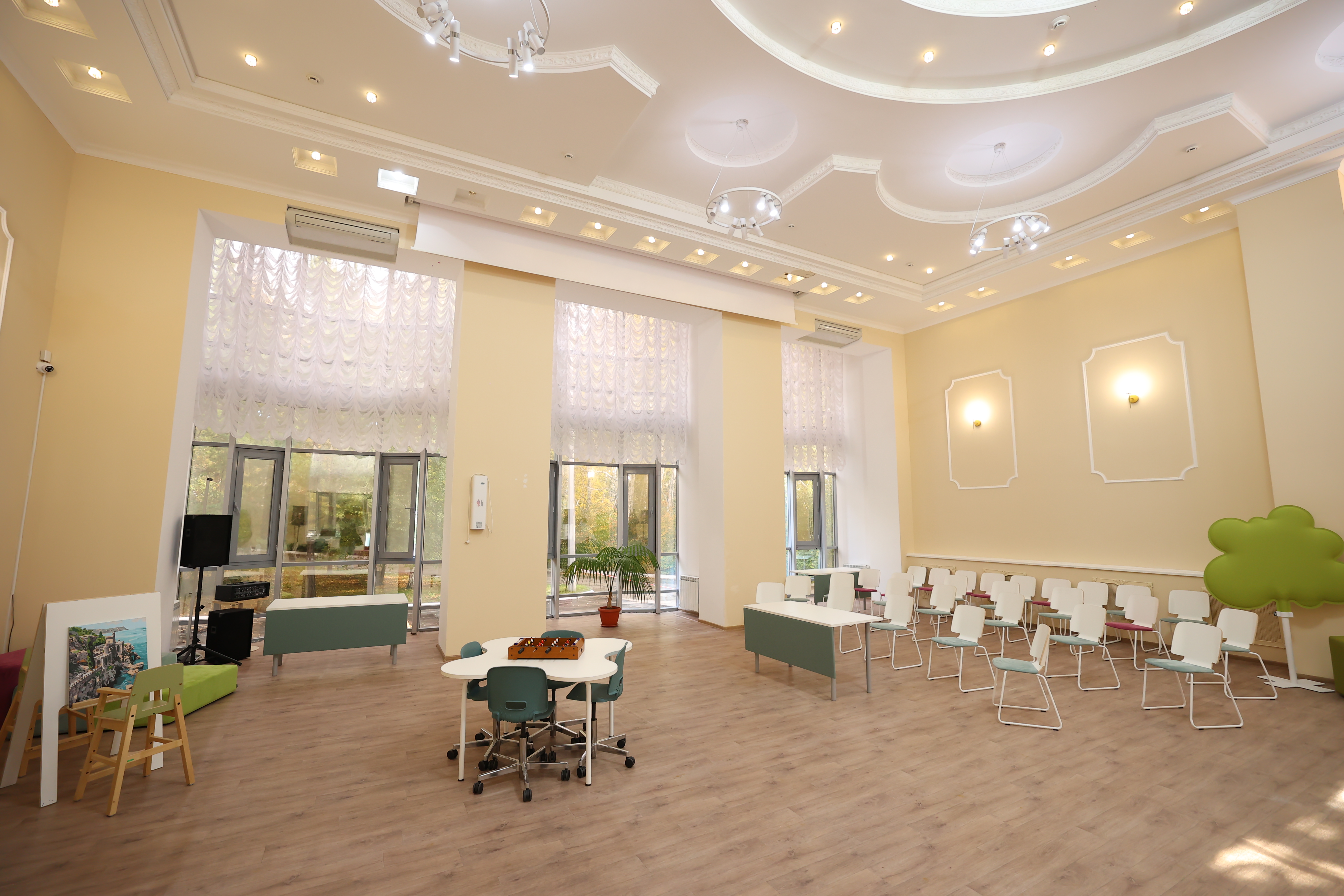
Creating Better Conditions for People with Disabilities 09.10.2026
More than 29,600 people with disabilities currently live in the region, including nearly 4,000 children. There are 41 organizations in the region providing specialized social services to children and people with disabilities. Since the beginning of 2026, a total of 1,337 children with disabilities have received specialized social services.In accordance with the instructions of the Head of State, a rehabilitation center with a capacity of 60 places has been opened in the Kostanay Region on the premises of the former regional residence. The center will provide services to 900 children under the age of 18 annually.The Kazakhstan Khalkyna Public Foundation has allocated 1 billion tenge to equip the center with modern rehabilitation equipment.During her visit to the region, Lyazzat Chynkysbayeva, Chairperson of the Board of the Kazakhstan Khalkyna Public Foundation, visited the rehabilitation center in Kostanay together with the Akim of the Kostanay Region. They toured the facility’s specialized rooms and inspected the sports facilities being constructed on the center’s grounds with funding from the Foundation.The planned facilities include a football field, a sports ground for children with musculoskeletal impairments, a playground equipped with small architectural forms (SAFs) for preschool-aged children, and a sports ground with exercise equipment for school-aged children.Source : https://www.gov.kz/memleket/entities/kostanay/press/news/details/1308584?lang=ru
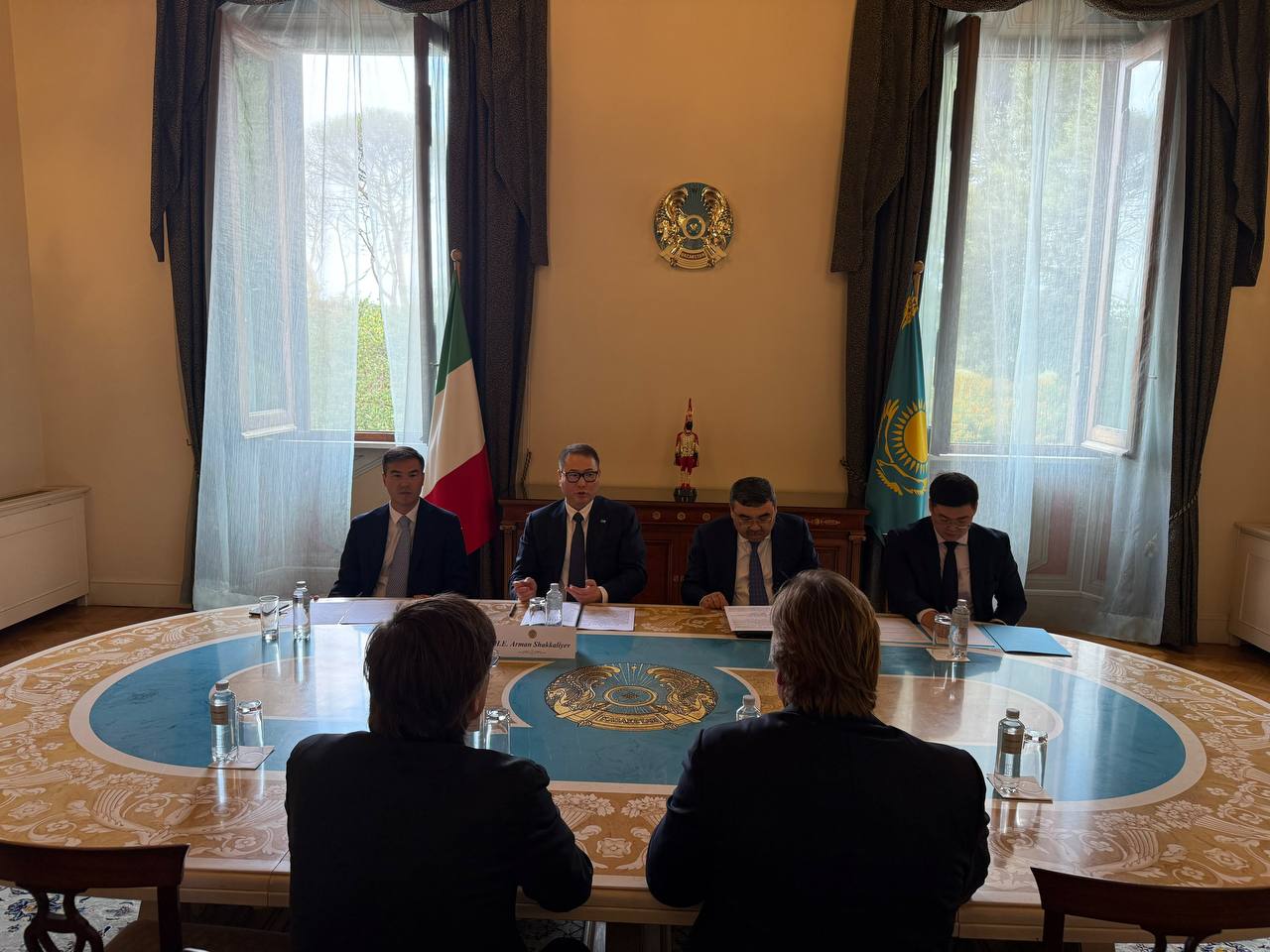
Kazakhstan and Italy Discuss New Areas of Trade, Economic and Industrial Cooperation 08.10.2026
Rome, October 7, 2026 – As part of his working visit to the Italian Republic, Minister of Trade and Integration of the Republic of Kazakhstan Arman Shakkaliev chaired the 10th meeting of the Intergovernmental Kazakhstan–Italy Working Group on Industrial and Economic Cooperation and Exchanges, as well as a series of meetings with the heads of Italian companies and business associations.The Italian side at the Working Group meeting was headed by Edmondo Cirielli, Deputy Minister of Foreign Affairs and International Cooperation of the Italian Republic. The sides reviewed progress in implementing previously reached agreements and discussed further expansion of trade, economic and investment cooperation. Particular attention was paid to diversifying bilateral trade, developing industrial cooperation, implementing joint investment projects, and strengthening cooperation in energy, transport and logistics, the agro-industrial sector and other promising areas.In 2025, bilateral trade amounted to approximately USD 16.9 billion. In January–July 2026, trade turnover reached USD 9.79 billion, including approximately USD 9 billion in Kazakhstan’s exports and USD 789.6 million in imports from Italy. At the same time, Italian exports to Kazakhstan increased by 13.5%.One of the key priorities identified by the sides was further diversification of bilateral trade and expansion of supplies of higher value-added products. According to the Kazakh side, the potential for additional exports of Kazakh products to the Italian market is estimated at approximately USD 307.5 million. Significant opportunities exist in metallurgy, petrochemicals, food and chemical industries, mechanical engineering and other sectors.An important practical platform for strengthening business ties is the Kazakhstan–Italy Trade House, opened in Almaty in February 2026. The platform is focused on promoting exports, supporting investment projects, developing industrial cooperation and establishing direct contacts between businesses from the two countries.Investment cooperation was another key area of discussion. To promote joint projects, the sides expressed interest in making greater use of the opportunities offered by the Astana International Financial Centre and expanding cooperation between financial institutions and business communities of the two countries.Considerable attention was also paid to the development of the Trans-Caspian International Transport Route (Middle Corridor) as a reliable and efficient multimodal corridor connecting Central Asia and Europe. Kazakhstan invited Italian railway and logistics companies to participate in joint projects using the capabilities of the ports of Aktau and Kuryk. In the energy sector, the sides confirmed their interest in further developing cooperation in traditional areas.In the agro-industrial sector, the sides discussed prospects for cooperation in crop production, grain processing and livestock farming. They agreed to continue efforts to increase the level of localization and develop the component base, with a view to integrating Kazakh-made components into global supply chains.The sides also agreed to expand cooperation in environmental protection and sustainable water resource management, tourism and sports, culture and education. Particular attention will be given to climate initiatives, energy efficiency, decarbonization, the introduction of modern engineering and digital solutions in water management, as well as the development of professional and educational exchanges.The business programme of the visit served as a practical continuation of the Working Group’s agenda. The key focus of meetings with Italian companies was to expand practical cooperation between businesses in Kazakhstan and Italy – from promoting Kazakh products and establishing direct commercial ties to attracting investment and technology and implementing joint projects.A significant part of the discussions focused on attracting Italian and European businesses to investment and industrial projects in Kazakhstan. During meetings with representatives of Blacktrace and Value Partners, the sides explored opportunities to develop a concrete project pipeline and attract investors, technology providers and engineering partners. Potential areas included the deep processing of critical minerals and rare earth metals, development of logistics infrastructure along the Middle Corridor, water-saving technologies, data centers and artificial intelligence infrastructure.At the same time, the Kazakh side emphasized that its interest extends beyond attracting investment and contractors to deeper industrial cooperation, including localization of engineering expertise and technologies, greater involvement of domestic contractors, workforce training and a gradual increase in local content. As a next practical step, the sides proposed identifying several pilot projects and developing specific cooperation models for them.Another important area of the business programme was the creation of new channels for Kazakh producers to enter the Italian market. During talks with Crai Mediterranea, the sides discussed the possibility of direct supplies of Kazakh food products to Italian retail chains. Promising categories include vegetable oils, honey, confectionery, grain and flour products, pulses and organic products. As a practical mechanism, the sides proposed launching a pilot shelf featuring Kazakh products in selected stores, followed by an expansion of supplies through the Gruppo CRAI network. The possibility of producing goods by Kazakh companies under the Italian group’s private-label brands was also discussed.The export agenda continued during talks with ASSOEBIOS, which represents Italian electricity sector operators working with sustainable bioliquids. The Italian side expressed interest in purchasing Kazakh agricultural raw materials for further processing and use in bioenergy. There is potential for supplies of oilseeds and their processed products, including sunflower, rapeseed and vegetable oils.Alongside major investment and export initiatives, the sides discussed opportunities to introduce new technology-driven business models to the Kazakh market. With CoolXp, they explored the possibility of using Kazakhstan as a pilot market for the subsequent expansion of the company’s business across Central Asia. At the initial stage, the sides proposed testing the company’s equipment in Astana and Almaty. Subject to achieving the required volumes, the parties may subsequently consider the gradual localization of service maintenance, consumables and selected components.The issue of systematic cooperation between entrepreneurs from the two countries was also discussed with the leadership of the Italy–Kazakhstan Chamber of Commerce. The sides highlighted the importance of expanding direct business contacts, supporting Kazakh companies in entering the Italian market and further strengthening ties between the business communities of Kazakhstan and Italy.Following the meetings, the sides agreed to move the initiatives discussed towards practical implementation by identifying specific projects and potential partners, arranging direct negotiations between companies and continuing work on possible cooperation formats. The Ministry of Trade and Integration, together with QazTrade, is ready to facilitate the necessary contacts with government agencies, development institutions and Kazakh businesses to further implement the agreements reached.Source : https://www.gov.kz/memleket/entities/mti/press/news/details/1307855?lang=ru
MagnumGo: New industrial and logistics hub to be established in Kostanay 08.10.2026
Magnum E-commerce plans to implement a project in the city of Kostanay to build the MagnumGo industrial and logistics hub. The project was presented by the company’s Deputy General Director, Elnar Altayev, during a meeting with Regional Governor Kumar Aksakalov.The project entails the construction of a next-generation Class A warehouse complex with a total area of 7,700 square meters. The investment in the project will exceed 5 billion tenge.The industrial and logistics hub will operate based on the model of the Magnum online supermarket featured in the Kaspi.kz app. Currently, the online supermarket offers over 10,000 product items, approximately half of which are produced in Kazakhstan.The project is expected to create more than 300 permanent jobs. The new hub will enable the processing of up to 6,000 orders per day via the online supermarket.Customers will receive free delivery of goods directly from the warehouse to their homes.Launching the new industrial and logistics hub will help develop Kostanay’s modern logistics infrastructure, boost e-commerce volumes, and create new jobs.Source : https://www.gov.kz/memleket/entities/kostanay/press/news/details/1307248?lang=ru
Kazakhstan’s Cross-Border Hubs Are Emerging as New Trade and Logistics Centers 08.10.2026
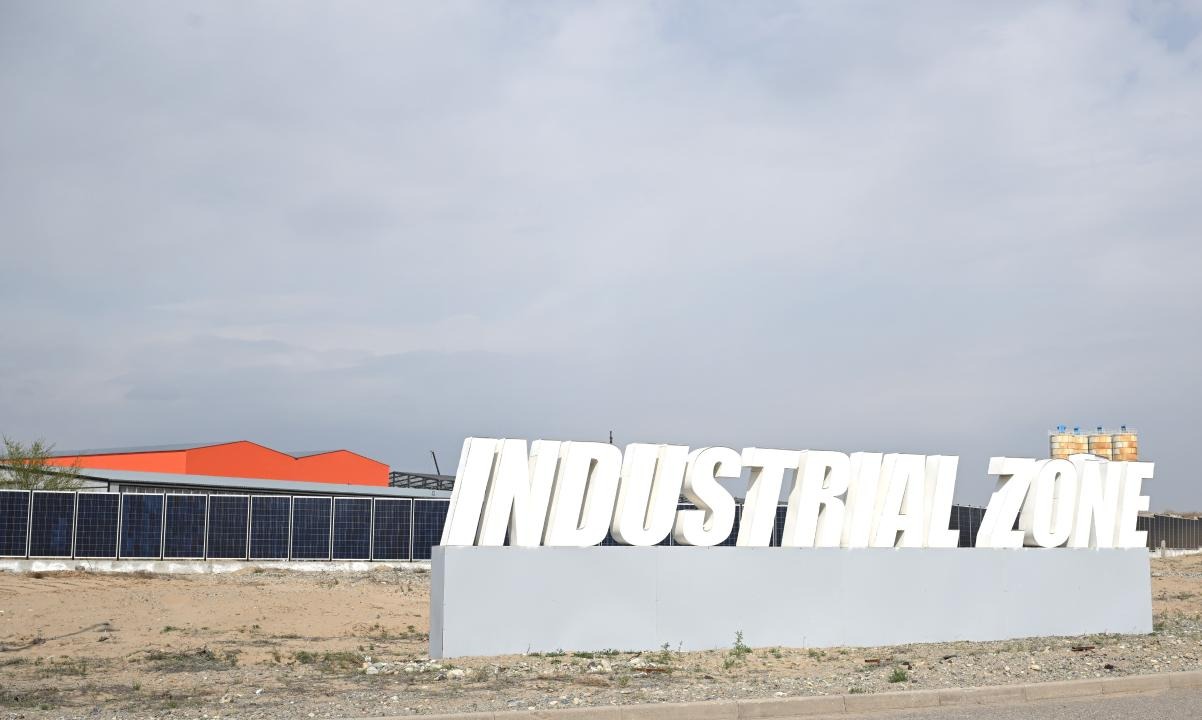
Work on developing cross-border trade and logistics hubs in Kazakhstan is continuing and gradually moving from the planning stage to concrete implementation. The focus is no longer limited to building infrastructure along the borders: projects are now moving into the construction of production facilities, attraction of investment, launch of new logistics capacities and the development of initial cargo flows. The Ministry of Trade and Integration is coordinating work on five key hubs designed to strengthen Kazakhstan’s trade ties with Kyrgyzstan, Uzbekistan, Russia, China and the Caspian region. Their development is expected to streamline logistics procedures for businesses and contribute to increasing non-commodity exports to 30%.The most visible progress is being made in the eastern direction. At the Khorgos – Eastern Gate Special Economic Zone (SEZ), the number of projects has increased from 14 in 2022 to 69, while the volume of attracted investment has grown from KZT 340 billion to KZT 652.8 billion. Today, 40 projects worth KZT 75 billion are being implemented, creating 864 jobs. In the first half of 2026 alone, nine new participants were registered, with investments totaling KZT 9.3 billion and 230 jobs to be created. During the same period, the value of manufactured products reached KZT 12.7 billion, up 74% compared with the same period in 2025.The infrastructure at Khorgos is also expanding. The SEZ already has an inland dry port with an annual capacity of 540,000 containers, as well as a 25,000-square-metre Class A warehouse complex. Two more major logistics projects are currently at the design stage. By 2028, 28 projects worth KZT 577.7 billion are planned for implementation, creating around 2,800 jobs. Among the largest initiatives are the Kazakhstan–China International Industrial City industrial park, valued at KZT 330 billion, and an international passenger and cargo airport worth KZT 250 billion.In southern Kazakhstan, projects are also moving into practical implementation. At the Central Asia International Center for Industrial Cooperation, fencing of the 100-hectare site has been completed, while internal roads and engineering infrastructure are under construction. External construction and installation works have been completed, and commissioning activities are now underway. Internal engineering infrastructure is 55% complete, with the remaining works scheduled for completion in December 2026. The local akimat has already fully completed the construction of eight production buildings, while the investment project pipeline for the center has reached KZT 89.4 billion. Construction has already begun on one of the largest projects — an industrial park worth KZT 75.3 billion.In the Zhambyl Region, the Industrial Trade and Logistics Complex was granted Special Economic Zone status in April 2026. A 165-hectare site has been allocated for the project, and a programme for connecting the complex to engineering networks has been developed. Construction of the first-stage substation began this year. Of the KZT 12 billion allocated for these purposes, around KZT 4 billion has been provided in 2026, with the remaining funds planned for next year. At the same time, preparations for the site and the complex’s infrastructure are continuing.The western direction is also undergoing active development. The Eurasia Cross-Border Trade Center in the West Kazakhstan Region covers 281 hectares. Part of the external engineering infrastructure has already been completed, including gas, electricity, water supply and wastewater systems. Projects are being implemented in the industrial zone for the production of asphalt concrete, recycling of automotive tires, manufacturing of aerated concrete products and construction of a gas-turbine power plant. At the same time, work is underway to establish the Eurasia Special Economic Zone, which is expected to create additional conditions for attracting investment and localizing production.The Caspian region is seeing its own progress. Practical operations at the Aktau International Container Hub have already begun at the Port of Aktau: the first container train arrived on July 14, 2026. To date, 233 containers, equivalent to 444 TEUs, have been received. The project is being implemented in stages and is expected to increase the port’s annual container handling capacity to 240,000 TEUs, compared with the current 70,000 TEUs.Another major facility in the Caspian hub is the container terminal at the ERSAI Industrial Port. Construction is approximately 85% complete. Ten kilometers of internal port railway tracks have already been built, while the container yard and crane tracks are nearing completion. The terminal is scheduled to be commissioned on October 1, 2026. Once it reaches full capacity, it will be able to handle up to 120,000 TEUs annually and accommodate up to 300 vessels per year. Private investment in the project exceeds KZT 15 billion.Overall, the five cross-border hubs are gradually forming an integrated infrastructure network designed to connect Kazakh businesses with the major markets of neighboring countries. In some locations, production facilities are already operating; in others, the first container trains have arrived, while elsewhere engineering infrastructure is nearing completion and construction of new facilities is getting underway. The next stage will be to bring these projects to full capacity, expand the investor base and further increase trade and transit volumes across Kazakhstan’s borders.Source : https://www.gov.kz/memleket/entities/mti/press/news/details/1305756?lang=ru
The Agreement on Economic Partnership between the EAEU and the UAE Has Entered into Force 08.10.2026
On October 6, 2026, the Agreement on Economic Partnership between the Eurasian Economic Union and its Member States, on the one hand, and the United Arab Emirates, on the other hand (hereinafter referred to as the “Agreement”), entered into force.Reference: The Agreement was signed on June 27, 2025, in St. Petersburg. The Agreement was ratified by the Law of the Republic of Kazakhstan dated July 8, 2026, No. 338-VIII ZRK.The main objective of the Agreement is the mutual elimination and reduction of import customs duties on more than 85% of the product nomenclature, as well as the facilitation of trade between the parties.The opening of the Emirati market will enable Kazakhstani exporters to supply the UAE duty-free with such categories of agricultural and industrial products as lamb, dried leguminous vegetables, chicken meat, beef, other food products, sweetened mineral water, wheat flour, and confectionery products. Industrial goods include oil and petroleum products, refined copper, hot-rolled flat products, cold-rolled flat products, bars, cranes, valves, parts of machinery and equipment, pumps, and others.In addition to the elimination and reduction of import customs duties, the Agreement contains provisions on customs cooperation, trade remedies, rules of origin, technical barriers to trade (TBT), sanitary and phytosanitary measures (SPS), intellectual property, as well as relevant chapters on legal and institutional matters and agreements aimed at developing sectoral cooperation, enhancing interaction between small and medium-sized enterprises, e-commerce, and other areas.The establishment of a comprehensive preferential trade regime and the regulation of a broad range of issues under the Agreement will help unlock the potential of mutual trade and bring Kazakhstan–UAE trade and economic relations to a qualitatively new level.The full text is available on the website: https://eec.eaeunion.org . Source : https://www.gov.kz/memleket/entities/mti/press/news/details/1306005?lang=ru
Regional Governor Congratulates Teachers on Their Professional Holiday 08.10.2026
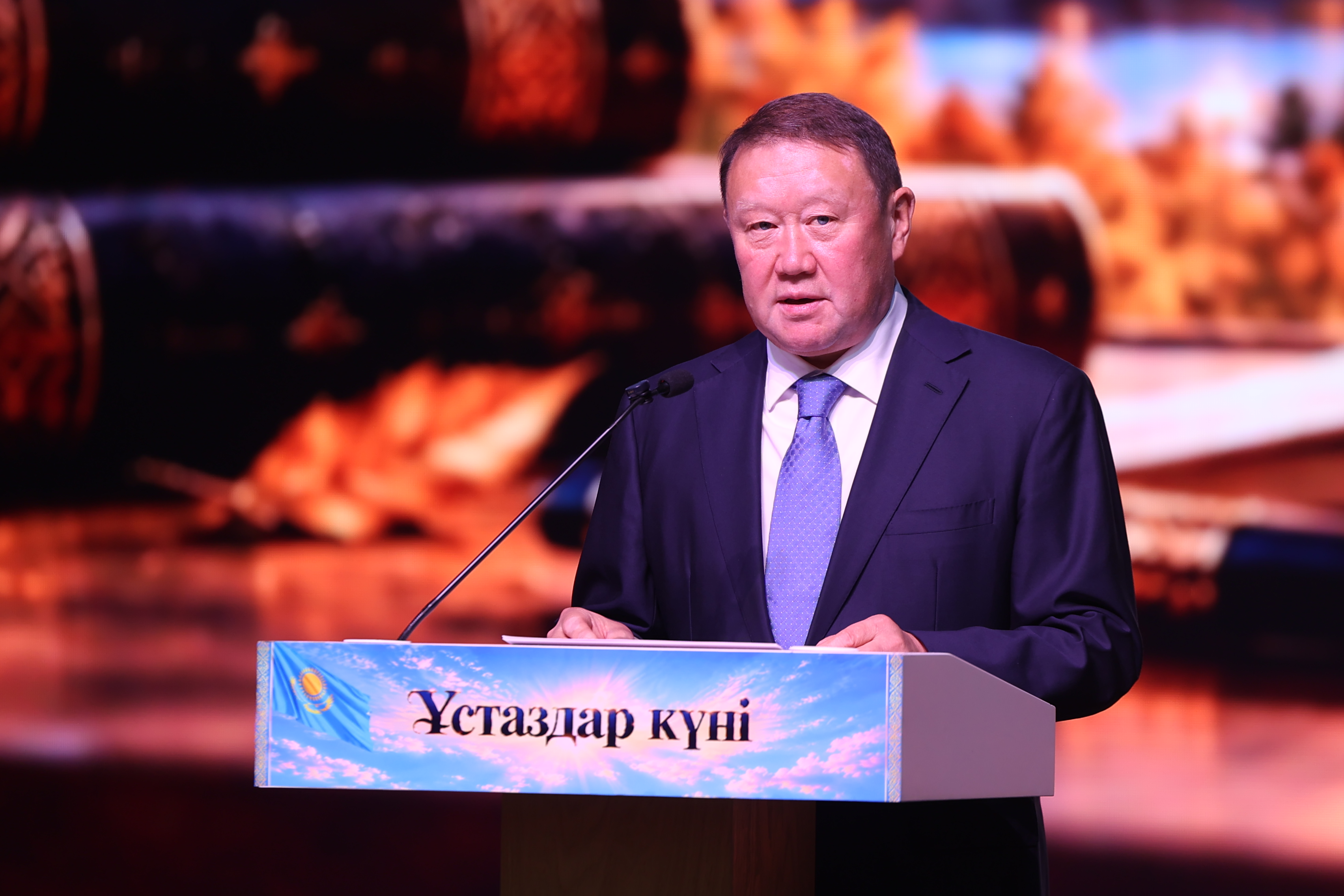
Kostanay Region Governor Kumar Aksakalov congratulated teachers across the region on their professional holiday.The Head of State has outlined key priorities in education, including improving the quality of education, ensuring equal opportunities for every child, introducing modern technologies and artificial intelligence, and supporting teachers.“Since 2023 alone, 10 new schools with a total capacity of 6,840 students and 15 kindergartens have been built in the region. As a result, the shortage of school places has decreased threefold. The enrollment rate of children aged 3 to 6 in preschool education has reached 100%, while the rate for children aged 2 to 6 has reached 96.6%,” the regional governor said.In response to the opening of new plants and modern production facilities, as well as the growing demand from the economy, 25 new specialties have been introduced at the region’s colleges in recent years. Today, young people under the age of 35 account for 70% of the workforce at new production facilities.There are nearly 22,000 teachers and approximately 159,000 students in the region. This year, the region’s education system has achieved a number of significant results. In the PISA 2025 international assessment, the region ranked among the top three in three areas: 2nd place in reading literacy, and 3rd place in scientific literacy and digital problem-solving skills.All schools in Kostanay Region have been provided with high-speed internet, while 156 rural schools use Starlink satellite internet. More than 5,000 teachers use the ChatGPT Edu artificial intelligence assistant. A total of 666 students participated in the “Artificial Intelligence and Game Development” project, while 14 students took part in the national “Auyl Ertegi” project. This year, the region hosted the “QOSTANAI TECH” family festival for the first time.“During the August conference, the Head of State specifically noted the high results achieved by graduates of Kostanay Region in the Unified National Testing. Behind each of these achievements are the dedicated efforts, professional expertise and great responsibility of our teachers. I express my special gratitude to veterans of the education sector.I wish you to enjoy the fruits of your work, take pride in the achievements of your students, and continue to fulfill your important mission with inspiration. Happy Teachers’ Day!” the regional governor said. Source : https://www.gov.kz/memleket/entities/kostanay/press/news/details/1306180?lang=ru
Eco-Taxi Fleet Begins Operations in Kostanay 08.10.2026
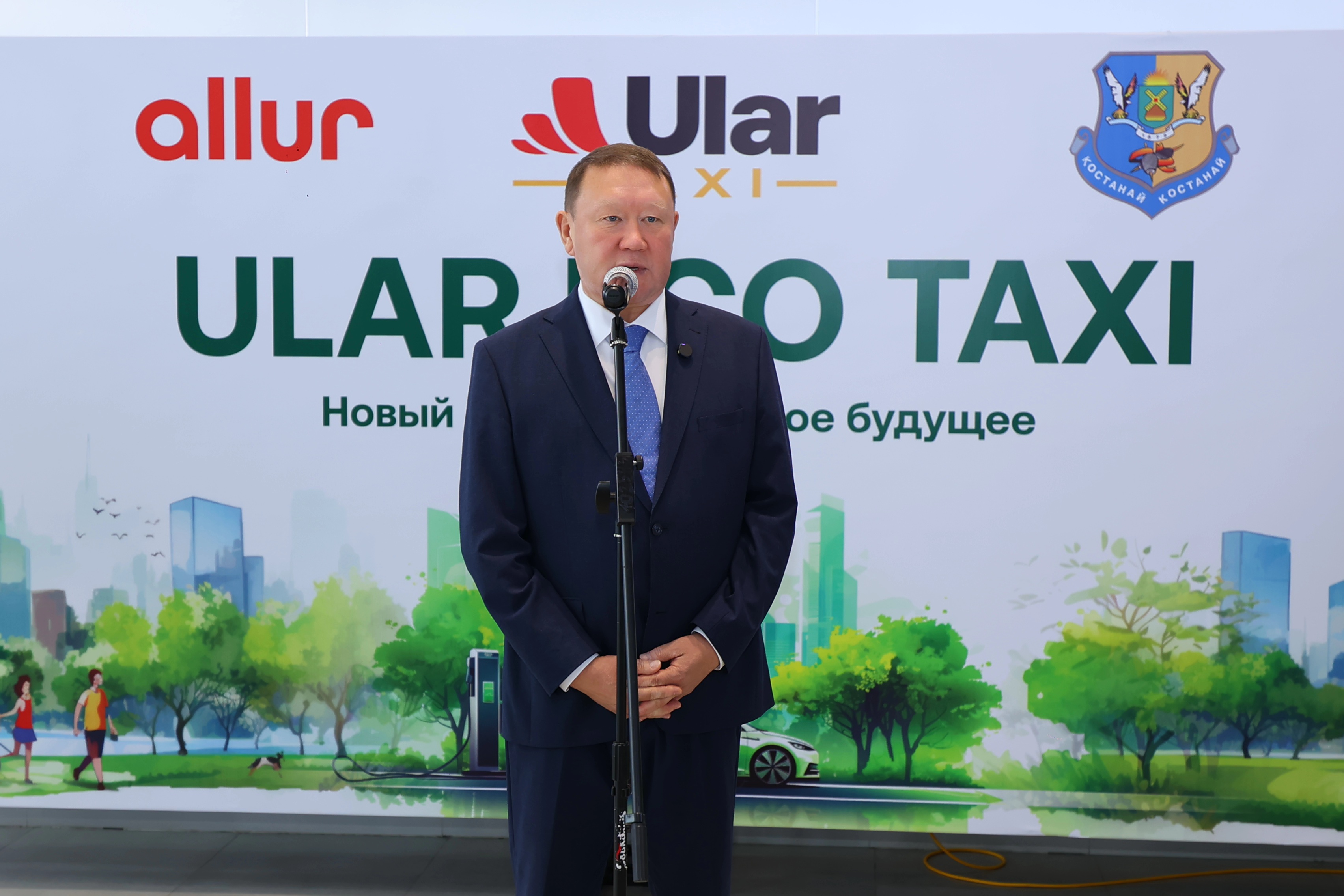
The Head of State has set the task of creating a comfortable living environment for people, introducing modern solutions, and improving the quality of urban infrastructure.A new eco-taxi fleet consisting of electric vehicles has begun operating in Kostanay as part of the “Taza Kazakhstan” national environmental initiative. This is a modern, environmentally friendly and convenient passenger transportation service for residents.Kostanay Region Governor Kumar Aksakalov attended the official opening ceremony.As part of the project, 65 JAC electric vehicles were purchased. The total investment amounted to 487.5 million tenge. More than 100 new jobs will be created. The electric vehicles were manufactured at the Allur plant in Kostanay.Electric vehicles will help reduce harmful emissions into the atmosphere and decrease the environmental burden on the city. As part of the project, a network of charging stations for electric vehicles is also being developed. The stations will be located at various points across the city.“Over the past five years, the population of Kostanay has increased by 20,000 people. Therefore, we need to continue introducing modern technologies, environmentally friendly solutions and initiatives that make people’s lives more comfortable,” the regional governor said in his congratulatory address.Source : https://www.gov.kz/memleket/entities/kostanay/press/news/details/1306181?lang=ru
Investment in Housing Construction in Naurzum District Increases 6.7-Fold 08.10.2026
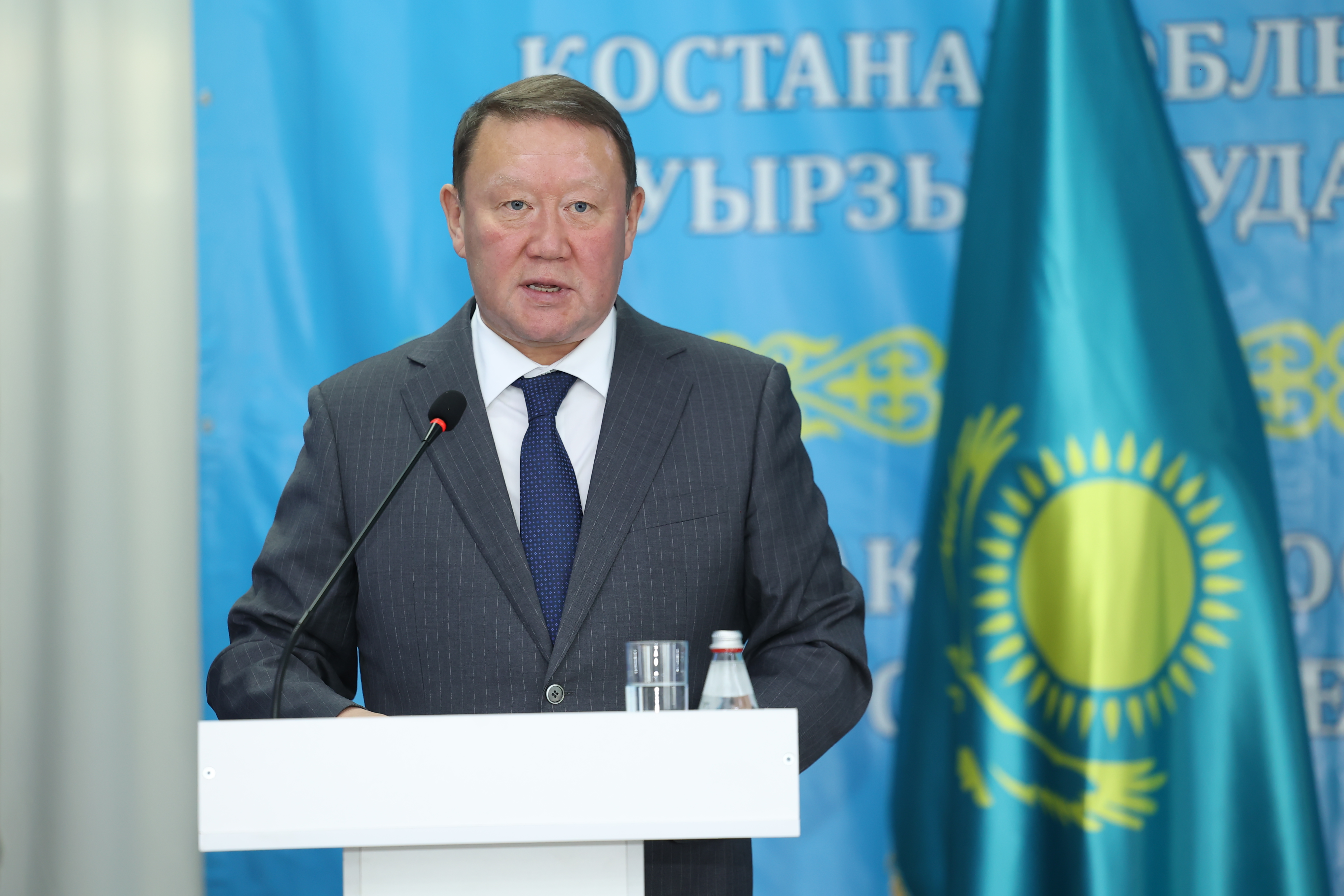
This year, investment in housing construction in Naurzum District increased 6.7-fold, while the volume of commissioned housing grew by 913%. During a working visit to Naurzum District, Akim of Kostanay Region Kumar Aksakalov inspected ongoing construction works in the village of Karamen.Currently, four eight-apartment residential buildings are being constructed in the district center for citizens from socially vulnerable groups.As part of the visit, the regional akim met with residents of the district and presented an overview of the region’s socio-economic development. He also answered questions from local residents.A total of 276,900 hectares of land were sown in the district, and 231.2 tonnes of agricultural produce were harvested. Some 75,500 tonnes of hay were prepared, with the plan fulfilled by 131.5%. Since the beginning of the year, 70 units of agricultural machinery and equipment have been purchased.Three investment projects worth a total of 470 million tenge are being implemented in the agro-industrial sector.Modular veterinary stations are currently being constructed in five settlements.In 2026, 31 small and medium-sized business entities were established in the district.As part of the “Taza Kazakhstan” national environmental campaign, 9,000 seedlings were planted this year. A total of 21 abandoned and emergency structures were demolished.During the visit, the regional head also inspected the work of a modern sports and fitness complex, which was opened in 2023. Source : https://www.gov.kz/memleket/entities/kostanay/press/news/details/1306184?lang=ru
A Ski and Cycling Trail Is Being Built in Sarykol District 08.10.2026
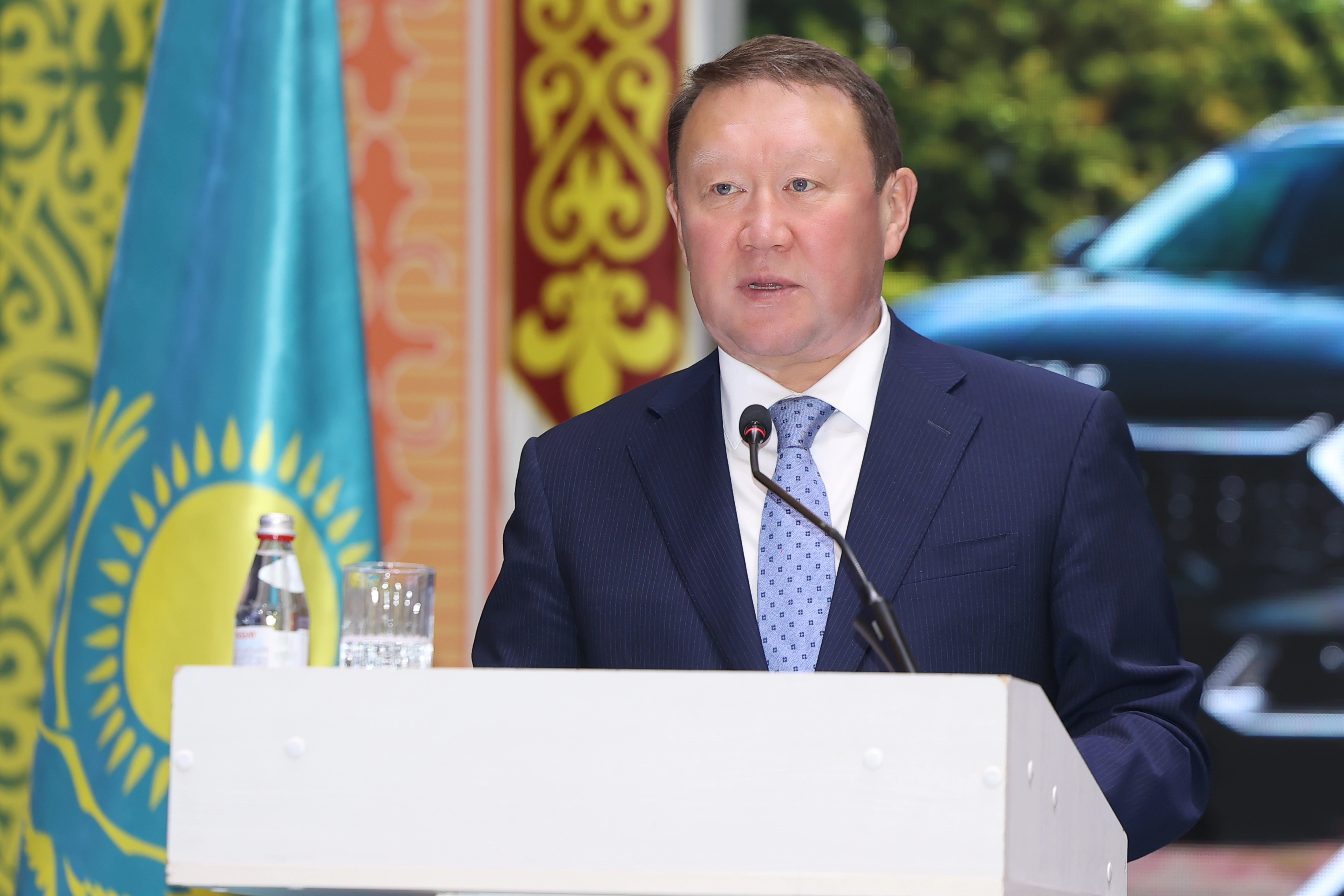
В ходе рабочей поездки в Сарыкольский район аким Костанайской области Кумар Аксакалов ознакомился с ходом строительства лыжно-велосипедной трассы. Проект реализуется в рамках меморандума, заключенного между местным акиматом и сельхозтоваропроизводителем.Строительные работы осуществляет ТОО «СарыкольДорСтрой» за счет собственных инвестиционных средств в размере 75 млн тенге. Всего в районе насчитывается 67 спортивных объектов, работают 315 спортивных секций.Агропромышленный сектор составляет 85% экономики Сарыкольского района. Здесь работают 557 сельскохозяйственных предприятий. Урожай собран с площади 271,3 тыс. га, намолочено 531,3 тыс. тонн зерна. Средняя урожайность составила 19,6 центнера с гектара. Убрано 61,6 тыс. га масличных культур. За 8 месяцев приобретена 91 единица сельскохозяйственной техники на сумму 5,1 млрд тенге.В районе ведется строительство трех животноводческих объектов. Реализуются 10 инвестиционных проектов общей стоимостью 4,7 млрд тенге.ТОО «MEL-FARMAGRO» за счет собственных средств в размере 1,5 млрд тенге строит ферму по разведению племенного крупного рогатого скота мясного направления. В рамках проекта будет создано 22 новых рабочих места.В этом году в районе планируется ввести в эксплуатацию 2,5 тыс. квадратных метров жилья. После 30-летнего перерыва строительство жилья было возобновлено. В настоящее время для граждан из социально уязвимых категорий строятся два дома общей площадью 1 640 квадратных метров на 32 квартиры, а также два дома общей площадью 260 квадратных метров.Кроме того, планируется приобрести 14 квартир и построить шесть двухквартирных домов.В районе функционируют 18 лечебно-профилактических учреждений. В прошлом году в селе Крылов был введен в эксплуатацию медицинский пункт. В настоящее время завершено строительство фельдшерско-акушерского пункта в селе Маяк.В ходе поездки аким области встретился с жителями района и рассказал о социально-экономическом развитии региона. Он также ответил на вопросы жителей.Source : https://www.gov.kz/memleket/entities/kostanay/press/news/details/1306209?lang=ru
The heating season has begun in the region 08.10.2026
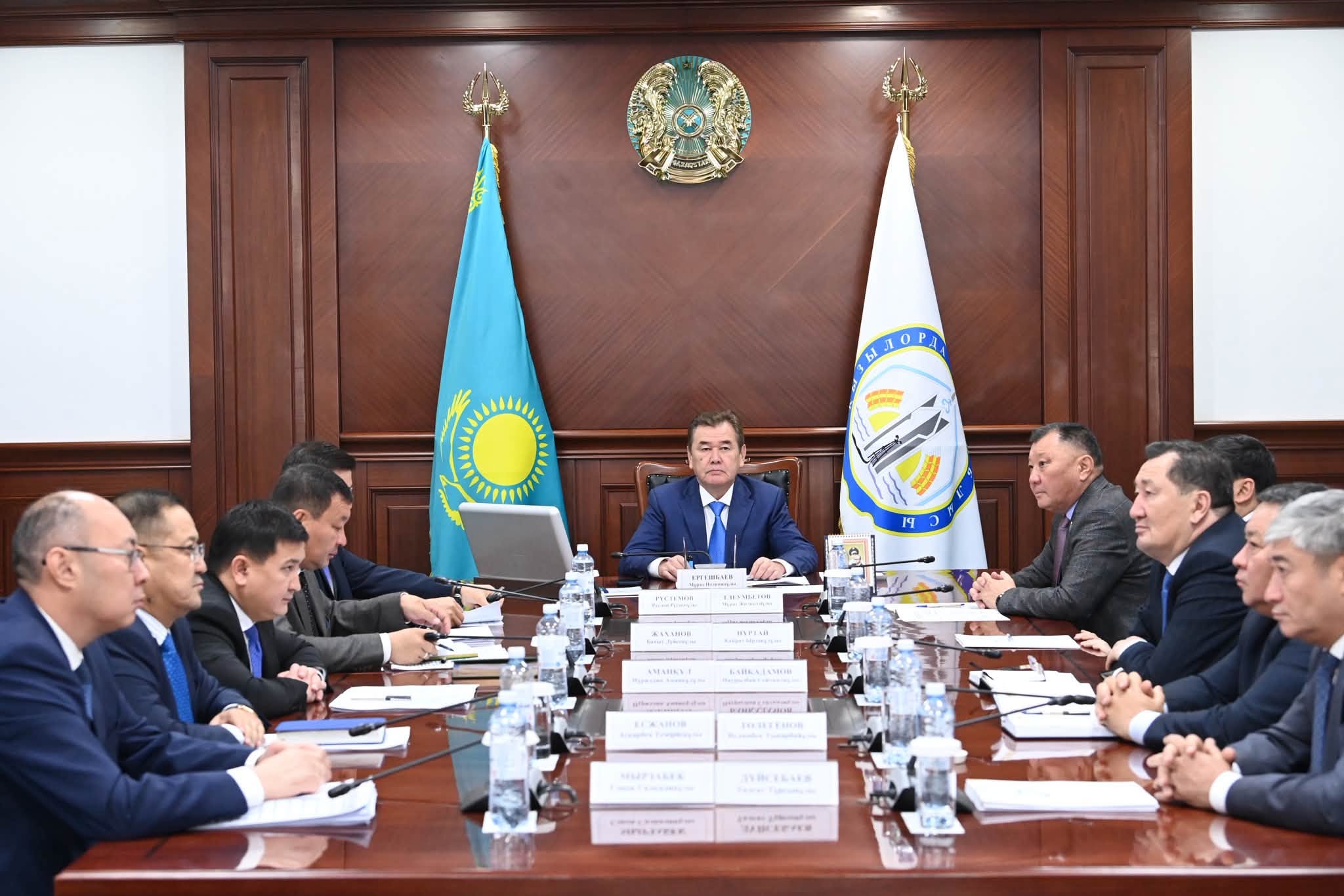
A Government meeting chaired by Prime Minister Olzhas Bektenov took place today. The agenda covered preparations for the heating season and the implementation of the nationwide "Digital Qazaqstan" strategy. First Deputy Prime Minister Nurlybek Nalibayev reported on the situation in the regions regarding the start of the heating season.Regional Akim Murat Ergeshbayev participated in the meeting via a conference call.At the meeting held following the Government session, the regional head noted that the progress of the heating season is under the strict supervision of the Presidential Administration and the Government. The operations of essential utility providers must be monitored daily by sector heads."Heads of the departments for education, healthcare, culture, and sports, as well as utility companies, must ensure the uninterrupted supply of heat, electricity, drinking water, and gas to residential buildings and social facilities. The Department of Emergency Situations must take appropriate measures to prevent gas poisoning and fires, and conduct a comprehensive inspection of social facilities and residential buildings to ensure compliance with fire and gas safety standards. All facilities must meet established regulations",-said Murat Nalkhozhauly.Instructions were also issued regarding digitalization: to recruit qualified specialists and experts with experience in IT, artificial intelligence, information security, and communications; to develop a work plan for the council; and to accelerate the implementation of promising digital projects across all economic sectors.All departments, as well as city and district administrations, are required to study best international and regional practices and participate in implementing top-tier projects and the "Digital Qazaqstan" strategy. In addition, discussions covered afforestation on the dried-up bed of the Aral Sea, the concreting of canals, housing quality for socially vulnerable groups, and the achievement of key macroeconomic targets.It is worth noting that the heating season in the region began on October 5. Essential utility services are currently operating normally. Heating is being connected in stages to 1,074 social facilities and 943 apartment buildings. Boiler houses are supplying heat steadily, in accordance with the approved schedule and based on outdoor temperatures.All social facilities have been stocked with the necessary fuel reserves. A total of 80,000 tons of coal is required: 68,000 tons for the general population and 12,000 tons for social facilities.Source : https://www.gov.kz/memleket/entities/kyzylorda/press/news/details/1305848?lang=ru
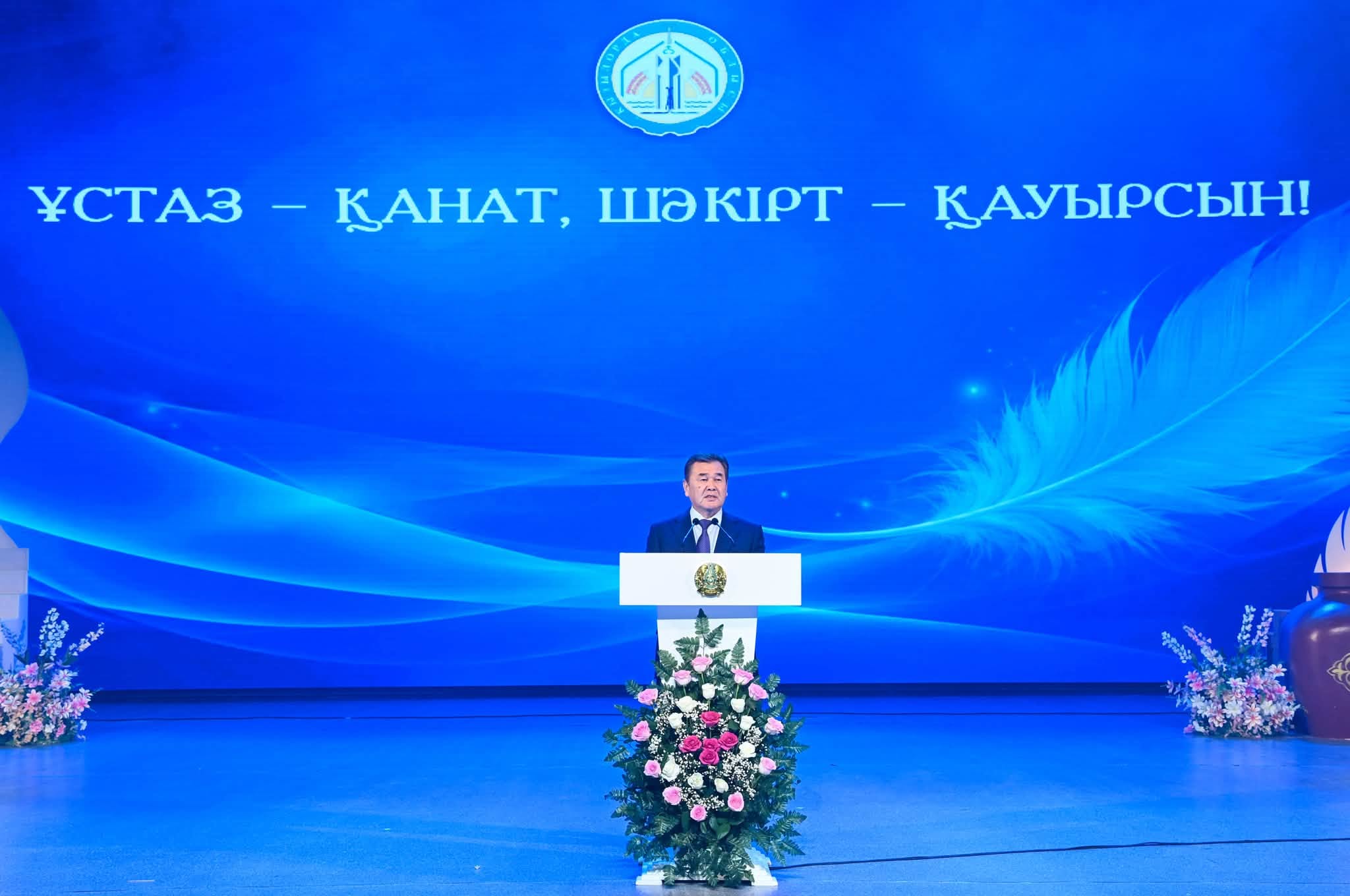
The best teachers of the region were honored in Kyzylorda 06.10.2026
A celebratory event dedicated to Teacher's Day was held at the Kyzylorda Arts Center. Murat Ergeshbayev, the Akim of the Kyzylorda Region, congratulated the region's educators.The regional head highlighted the special role teachers play in nurturing the younger generation and developing society, emphasizing the significance of their work."Head of State Kassym-Jomart Kemeluly Tokayev once noted: 'A strong teacher is the pillar of a high-quality nation.' These words hold special meaning. Indeed, a teacher opens up not only the path to knowledge for a child but also the road to life itself.The work of every educator present in this hall today is intertwined with the destiny of their students, the hopes of families, and the future of the entire country",- said Murat Ergeshbayev.The Akim also cited the words of the prominent Kazakh enlightener and educator Ybyrai Altynsarin: "A good teacher is more precious to me than anything else, for the teacher is the heart of the school.""I wish you all good health, well-being for your families, creative inspiration, and professional success. May you always find the way to your students' hearts, and may your authority and the respect you command continue to grow," the regional head remarked.During the ceremony, a number of educators from the Kyzylorda Region were honored with state and regional awards. Teachers received the "Kurmet" Order, as well as medals for "Labor Valor," "Contribution to the Development of the Kyzylorda Region," "Veteran of Labor," and the "Ybyrai Altynsarin" medal.In addition, educators were presented with "Excellence in Education" badges, Certificates of Honor from the Kyzylorda Region and the Ministry of Education of the Republic of Kazakhstan, honorary diplomas for "Excellence in Secondary Education" and "Excellence in Supplementary Education," as well as Letters of Appreciation from the First Deputy Prime Minister and the regional Governor. Special recognition was given to ten educators who achieved outstanding professional results and, together with their students, excelled in educational competitions. They were awarded vouchers for a health retreat at the Saryagash sanatorium.The celebratory event continued with a concert program featuring local performers.On the same day, the President of the Republic of Kazakhstan, Kassym-Jomart Tokayev, received a group of educators at the Akorda Palace and presented them with state awards. Representatives from the Kyzylorda region were among the recipients.Specifically, Miramkul Zholekesh, a teacher of Kazakh language and literature at the B. Mergenbayev School No. 226 in the Kazaly District, and Galymzhan Nurmakhatov, a mathematics teacher at the T. Zhurgenov School-Lyceum No. 123 in the Zhalagash District, were awarded the "For Labor Valor" medal.Major projects in the education sector continue to be implemented in the region. With the support of the Head of State and the Government, over 1 trillion tenge has been allocated to the sector's development over the past four years. During this period, 46 new educational facilities were built at a total cost of 123 billion tenge.Under the "Keleshek Mektepteri" (Schools of the Future) national project initiated by the President of Kazakhstan, ten schools have already been commissioned in the region.Source : https://www.gov.kz/memleket/entities/kyzylorda/press/news/details/1305451?lang=ru
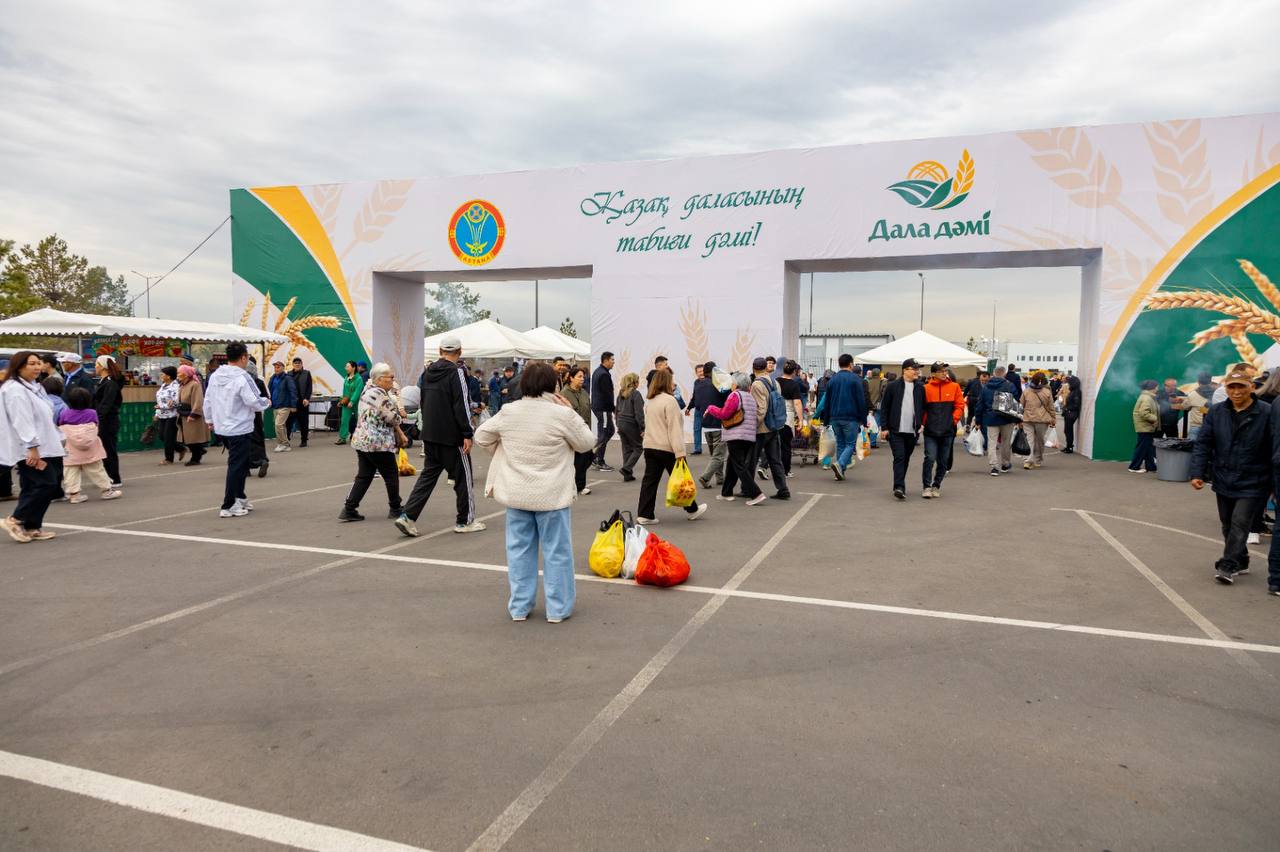
Dala Dami Agricultural Fairs Held Across Kazakhstan for the Third Consecutive Week 05.10.2026
For the third consecutive week, agricultural fairs under the “Dala Dami” initiative are being held across Kazakhstan. With the support of the Ministry of Trade and Integration of the Republic of Kazakhstan, domestic farmers are selling their products directly to consumers, without intermediaries.This week, the fairs across the country feature 7,568 tonnes of agricultural products. In Astana, the total volume exceeds 400 tonnes.Prices at the fairs remain affordable. Last week, a number of products were sold at prices 15–20% lower than market levels. For example, in Astana, a kilogram of beef and horse meat was offered at KZT 3,500, while in Kostanay, beef was priced at KZT 3,200–3,500 per kilogram, and horse meat and lamb started from KZT 3,000 per kilogram.This weekend, farmers from the East Kazakhstan and Aktobe regions are presenting their products in the capital.The fairs offer a wide range of locally produced goods, including meat and dairy products, fruits and vegetables, fish, grains and other products. Meat products remain particularly popular among consumers.A key feature of the “Dala Dami” fairs is that farmers can sell their products directly to consumers. Trading spaces are provided free of charge to local agricultural producers.The “Dala Dami” fairs are held in all regions of the country every weekend.Source : https://www.gov.kz/memleket/entities/mti/press/news/details/1304903?lang=ru