Science
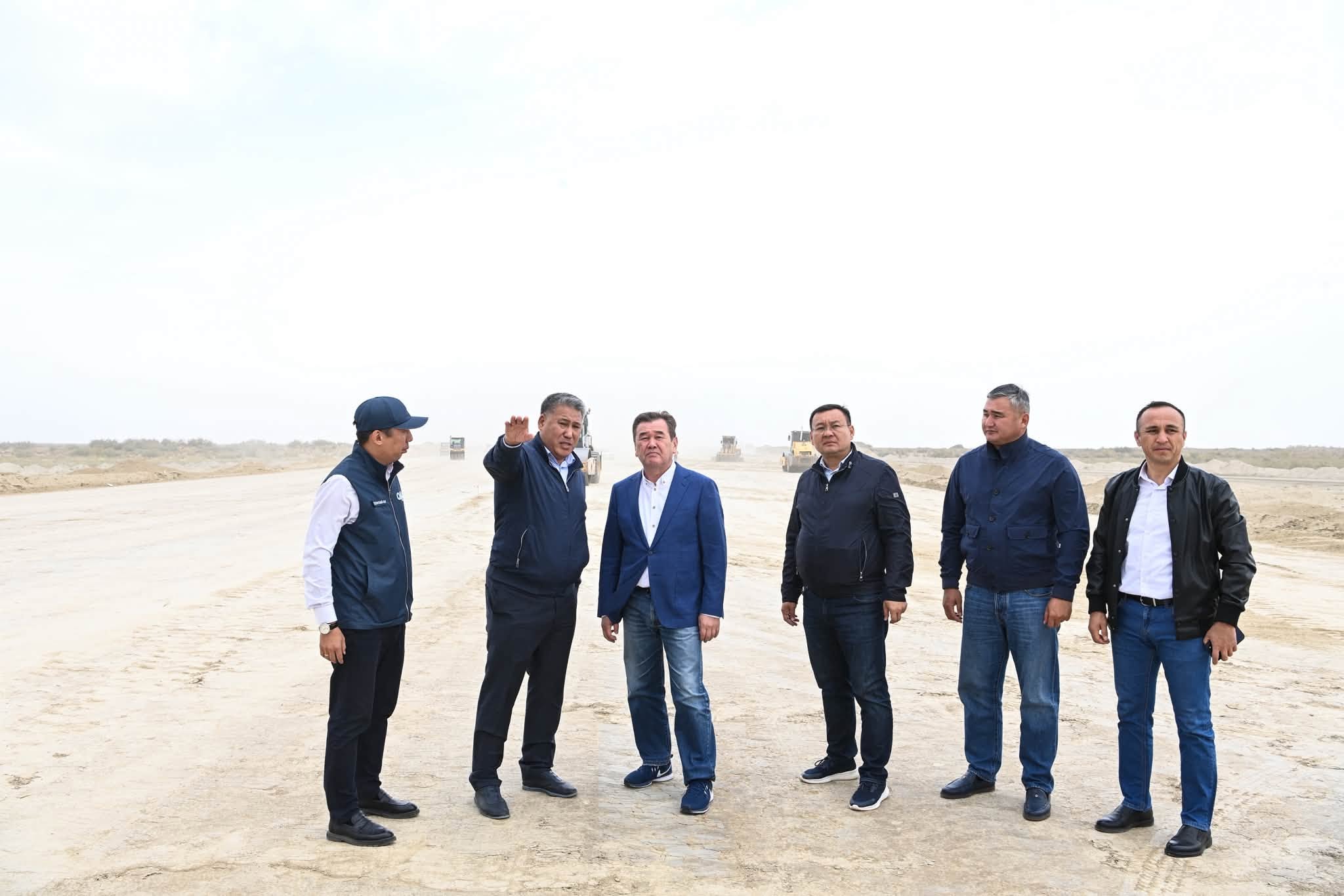
Reviewed the progress of work on developing road and transport infrastructure 05.10.2026
Regional Akim Murat Ergeshbayev inspected the progress of construction work aimed at developing transport infrastructure and improving road quality.At the fifth meeting of the National Kurultai, the Head of State noted: "Construction of the Kyzylorda–Zhezkazgan road section within the Kyzylorda region was recently completed. The Western Europe–Western China highway is one of the most important in Kazakhstan. However, the section between Kyzylorda and Aktobe is narrow, and traffic accidents frequently occur there. I previously issued instructions to widen this road. Construction of a new four-lane highway in this direction will begin this year. You also know that in my previous Address, I instructed that construction of the Beineu–Saksaulsk road be accelerated. Work there is also starting this year."In August, the construction of the Kyzylorda–Saksaulsk, Ulgaysyn–Saksaulsk, and Beineu–Saksaulsk highways was launched via a teleconference. During the event, First Deputy Prime Minister Nurlybek Nalibayev reported on the readiness to implement the projects and emphasized their importance for the development of the country's transport infrastructure.The regional head visited the construction sites for the Kyzylorda city bypass road (on the Kyzylorda–Aktobe route) and the Kyzylorda–Saksaulsk highway.The Kyzylorda bypass road spans 25.8 km, with a contract value of 39.5 billion tenge. Funding is provided by the Islamic Development Bank. The general contractor is Kyran LLP, and the design firm is Semdorproekt LLP. The project is scheduled for implementation between 2026 and 2029. The site currently employs 150 workers and utilizes 85 units of specialized machinery.The cost of the project to construct the 130.8 km "Kyzylorda – Saksaulsk" highway is 242.3 billion tenge. The Islamic Development Bank is providing funding; the general contractor is Integra Construction KZ LLP, and the subcontractor is Elite Stroy Komplekt LLP. The project will be carried out from 2026 to 2029. Currently, 70 workers and 43 units of specialized machinery are engaged in the construction work.Implementing these projects will modernize the region's road transport infrastructure, enhance road safety and travel comfort, and improve the throughput capacity of transit routes.Source : https://www.gov.kz/memleket/entities/kyzylorda/press/news/details/1304512?lang=ru
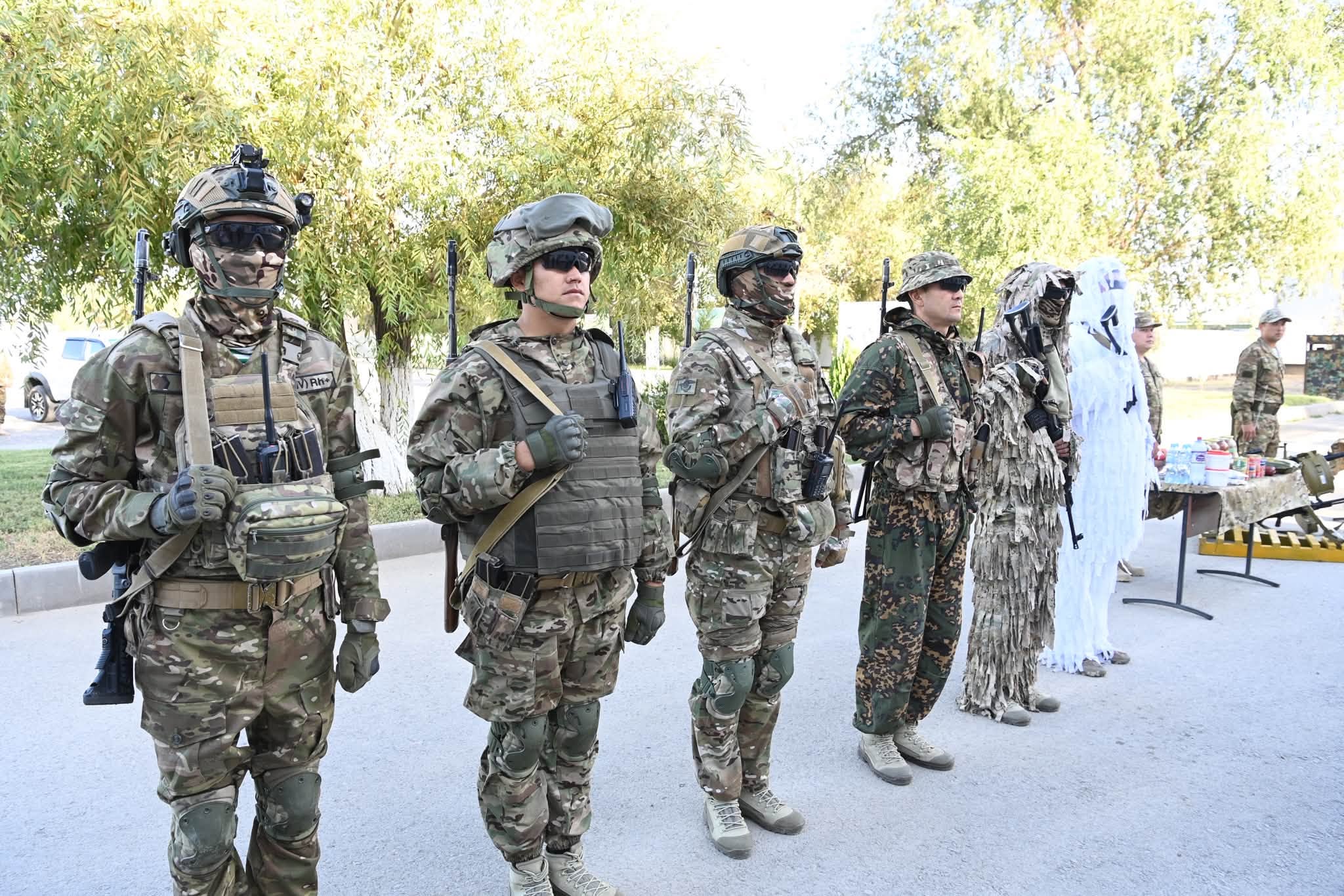
The head of the region inspected the operations of the military units of the Kyzylorda garrison 05.10.2026
Regional Akim Murat Ergeshbayev visited military units and facilities of the Kyzylorda garrison.He first visited military unit 66597 of the Ministry of Defense of the Republic of Kazakhstan. The unit comprises 526 military personnel—including 42 conscripts—and 17 civilian specialists; it is also equipped with 107 vehicles.At military unit 99215, which also falls under the Ministry of Defense, infrastructure improvements are being carried out using local budget funds. Allocations for these purposes totaled 278.8 million tenge in 2024 and 369.8 million tenge last year, with 151 million tenge earmarked for the current year. The unit consists of six buildings and a staff of 90 military personnel and 10 civilian employees.The next stop was the Department of the Border Service of the National Security Committee (KNB) for the Kyzylorda region. Including its structural subdivisions, the agency operates 118 buildings and employs over 700 military personnel and more than 90 civilian staff; there are no conscripts stationed there.The regional head also inspected the status of National Guard military unit 5547. The unit’s personnel consists of 540 military members and three civilian employees. The military training ground under the unit's jurisdiction covers an area of 70 hectares and contains five buildings; three military personnel and four conscripts serve at the site.Source : https://www.gov.kz/memleket/entities/kyzylorda/press/news/details/1304503?lang=ru
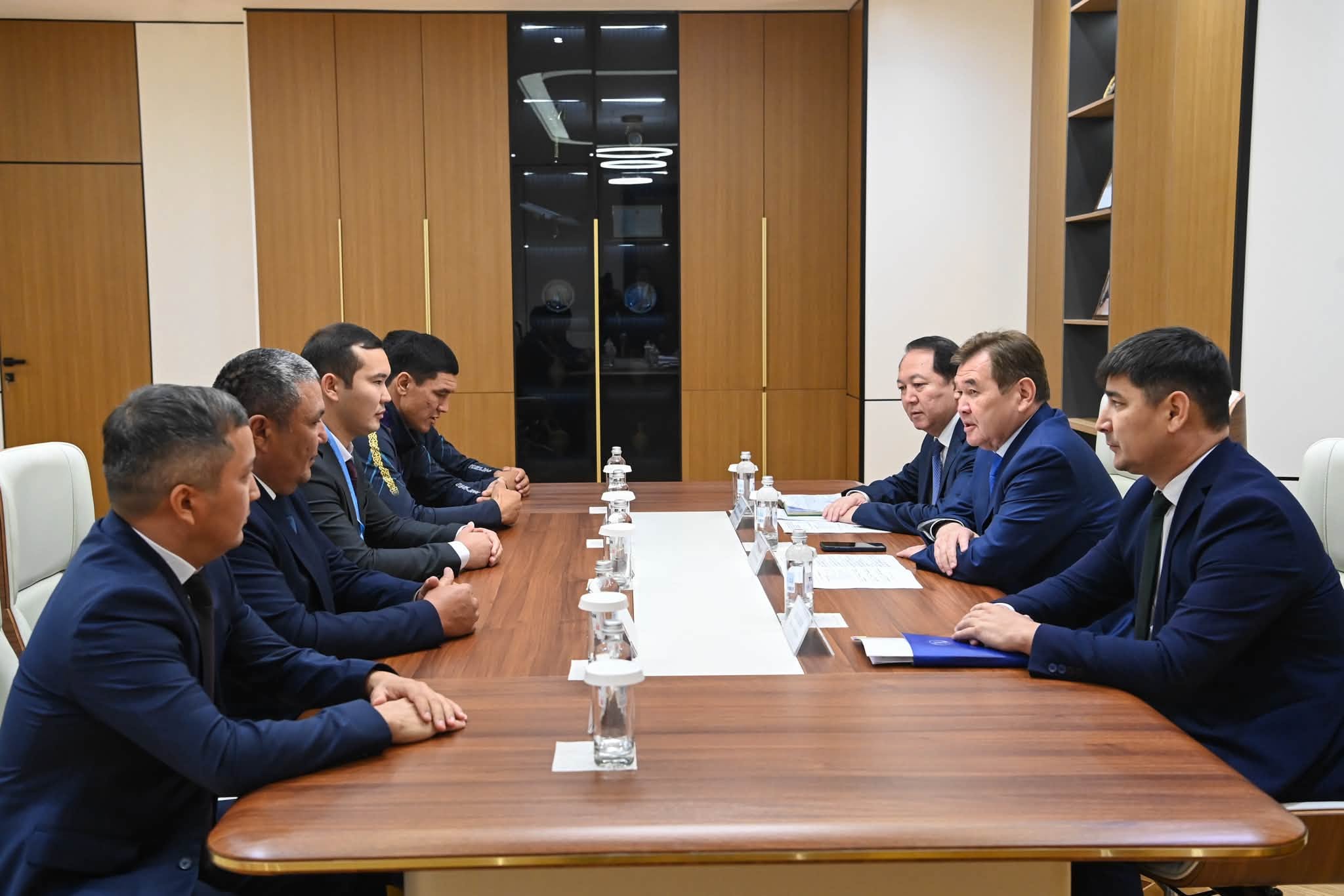
Winners of international competitions have been awarded 03.10.2026
Today, Regional Akim Murat Ergeshbayev met with the medalists of the 6th World Nomad Games, held in Kyrgyzstan, as well as Togyz-kumalak World Champion Ermukhamed Alaydar. The regional head congratulated the athletes on their outstanding achievements and wished them success in future competitions."I wholeheartedly congratulate you on representing our country with distinction at the 6th World Nomad Games in Kyrgyzstan and for winning medals! Our President, Kassym-Jomart Kemeluly, has emphasized that the success of our athletes is a vital factor in lifting the nation's spirit and strengthening national unity. I consider it a true feat that three of our fellow countrymen achieved such high results in a fiercely competitive environment, where nearly three thousand athletes from 113 countries took part",- noted Murat Nalkhozhauly.In the competition results, Zhandos Abubakirov won a bronze medal in Alysh wrestling. Nurlybek Askarov (in Kok-boru) and Almat Zhunisov (in Kokpar) secured silver medals while competing as part of the national team. Additionally, our talented athlete Ermukhamed Alaydar achieved a decisive victory at the Togyz-kumalak World Championship in Bucharest, Romania."Thanks to your hard work, perseverance, and professionalism, our sky-blue flag has been raised high. We express our sincere gratitude for your significant contribution to the development of national sports and for bringing glory to our country! Underlying these brilliant victories is the dedicated work of skilled coaches Slamkhan Boranbayev and Khakimzhan Eleusinov." "I am confident that you will continue to elevate domestic sports to new heights and achieve great success in prestigious arenas. May many more victories await you—victories that bring honor to our nation",- the Akim said.It is worth noting that the Kazakhstan national team took first place in the overall medal standings at the 6th World Nomad Games, winning a total of 74 medals.Almat Zhunisov and Slamkhan Boranbayev spoke at the meeting. The winners were presented with letters of appreciation from the Head of State, regional certificates of merit, and monetary awards.Notably, since 2022, 27 modern sports complexes have been commissioned in the region with the support of the Head of State and the Government. Construction of the "Kyzylorda Arena" multifunctional sports complex is currently underway in the regional center, and six additional sports facilities are scheduled for completion in the near future.More than 377,000 residents in the region—representing 44.6% of the population—regularly engage in sports. Thanks to systematic efforts to develop the sector, athletes from the region have won 34 gold, 27 silver, and 28 bronze medals at World and Asian championships so far this year, as well as 192 gold, 150 silver, and 192 bronze medals at national championships and cup competitions in Kazakhstan.Source : https://www.gov.kz/memleket/entities/kyzylorda/press/news/details/1303819?lang=ru
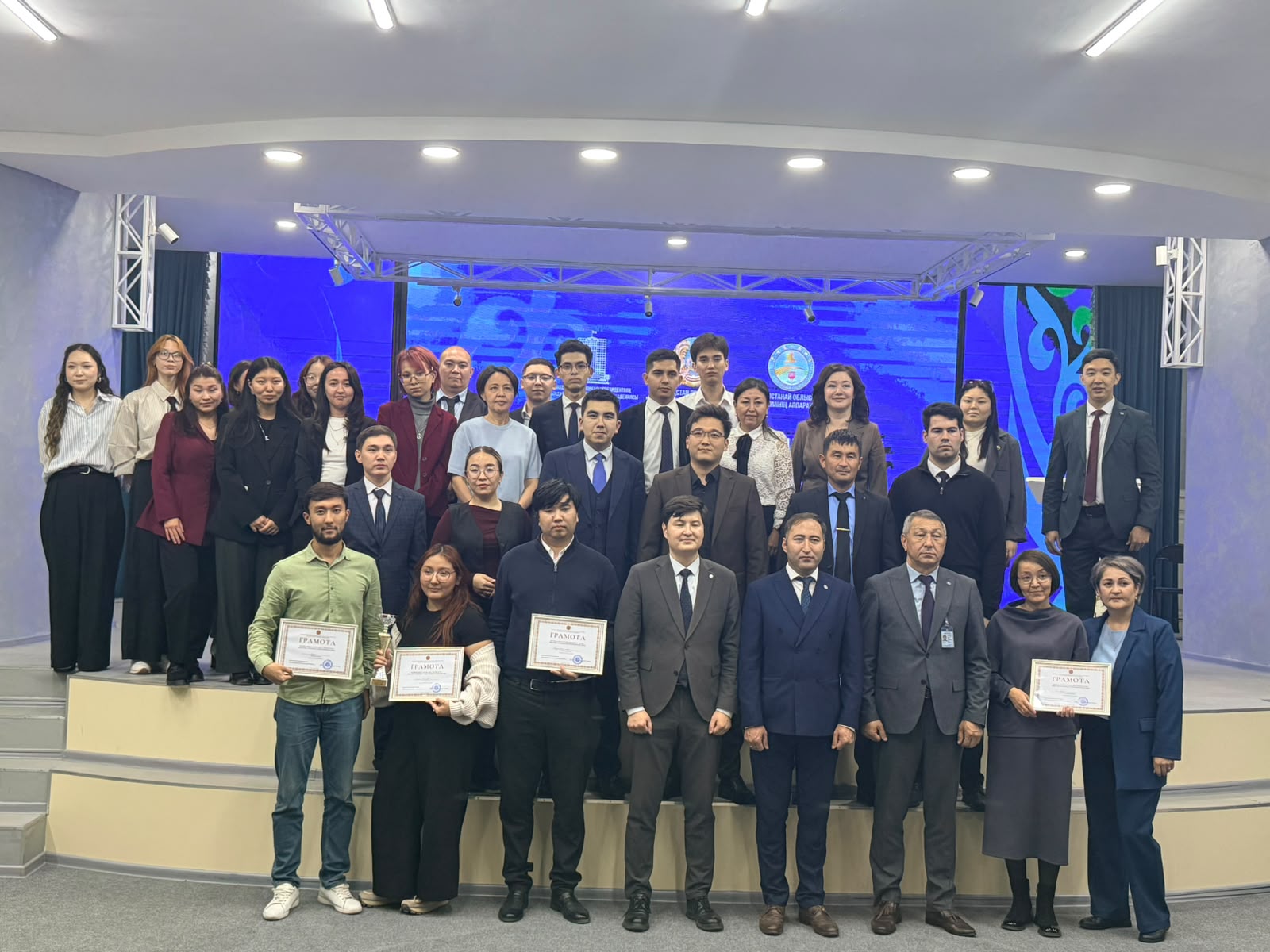
On October 1, 2026, the Republican debate tournament among civil servants "Ystyk Kairat, Nurly akyl, zhyly zhurek" was held 03.10.2026
The organizers were the Department of the Agency of the Republic of Kazakhstan for Civil Service Affairs in Kostanay region, a branch of the Academy of Public Administration under the President of the Republic of Kazakhstan, and the Office of the Akim of Kostanay region. The tournament was held as part of the implementation of the Roadmap for the promotion of professional and personal qualities of civil servants in accordance with the ideals of "Adal Azamat" for 2025-2027. The event was attended by 16 teams of local executive and central government agencies of Kostanay region. A modern civil servant is a speaker who is able to analyze information, express his position in a reasoned manner and find effective solutions.3 prizes were awarded, and the best speaker of the tournament was also awarded.The winners of the tournament were the national team of the departments of agriculture and land relations, economics and budget planning of the Akimat of Kostanay region, Diana Iskakova and Daryn Kaipbaev. The honorable second place was taken by the team of the Department of the Bureau of National Statistics of the Agency for Strategic Planning and Reforms of the Republic of Kazakhstan for Kostanay region, which was represented by Rimma Magazhanova and Gulsimkhan Sarsenbayeva. Aitmagambet Azamat and Kaldybayeva Gulnara, employees of the Health Department of the Akimat of Kostanay region, became the winners of the third place. Diana Iskakova was recognized as the best speaker at the end of the tournament. The judging at the tournament was carried out by members of the debate club "Akhmet Urpaktary" of Kostanay Regional University named after A.Baitursynuly, chaired by the president of the club, Sabina Atipeleva. Each team demonstrated not only knowledge, but also the ability to work as a team, respond promptly to opponents' arguments and defend their position. Regardless of the final result, each participant received the necessary skills and experience in public speaking, conducting discussions and constructive dialogue.Source : https://www.gov.kz/memleket/entities/kostanay/press/news/details/1303529?lang=ru
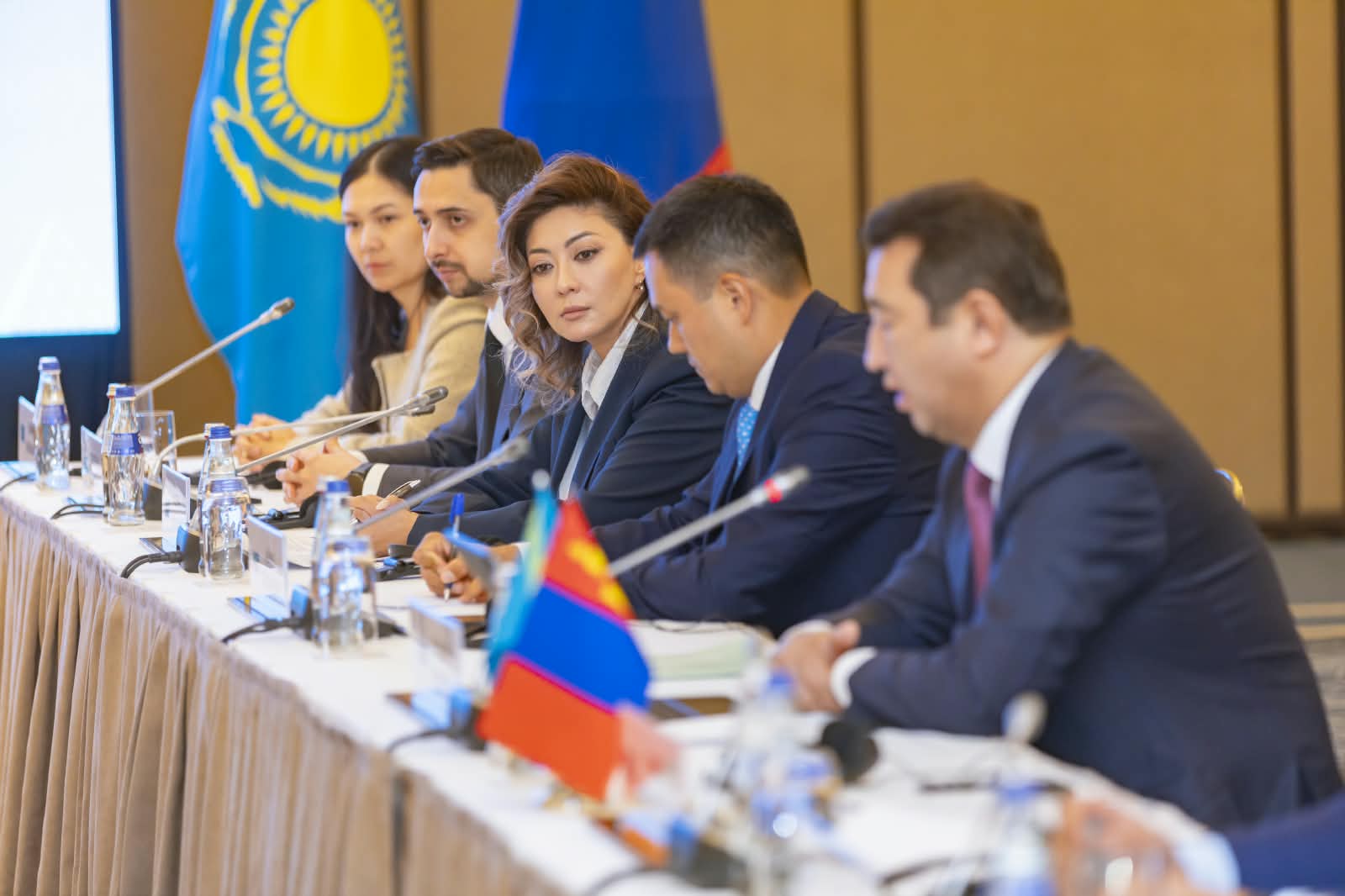
1 октября 2026 года в городе Астана состоялось 10-е заседание Казахстанско-монгольской межправительственной комиссии по торгово-экономическому, научно-техническому и культурному сотрудничеству 02.10.2026
The 10th Meeting of the Kazakhstan-Mongolia Intergovernmental Commission on Trade, Economic, Scientific, Technical and Cultural Cooperation was held in Astana on October 1, 2026.During the meeting, the sides discussed the current state of bilateral trade and practical measures to further expand trade relations.First Vice Minister of Trade and Integration of the Republic of Kazakhstan Aizhan Bizhanova noted that Kazakhstan and Mongolia have significantly intensified their cooperation since the beginning of the year. In the first eight months of 2026, bilateral trade reached approximately USD 77 million.At the same time, the sides have carried out substantial work this year to develop legal, trade and financial instruments to further increase bilateral trade.One of the key developments was the entry into force on July 22 of the Interim Trade Agreement between the EAEU and Mongolia. The agreement provides preferential conditions for 367 tariff lines. Kazakhstan sees significant potential for increasing exports of agricultural products, machinery, metals and chemical industry products.In parallel, infrastructure is being developed to promote Kazakh products in the Mongolian market. Several agreements have been signed with major Mongolian partners this year.Under one of these agreements, concluded with Mon-Kaz Trade & Investment Hub, preparations are underway in Ulaanbaatar to launch a trading platform under the Made in Kazakhstan brand, where Kazakh products will be presented on a permanent basis.Particular attention was also paid to the development of trade financing. The Kazakhstan Export Credit Agency has approved a USD 33 million limit for Mongolia’s Trade and Development Bank. Under this mechanism, three transactions for the supply of Kazakh railway gondola cars, with a total value of approximately USD 21 million, are already being worked on. At the same time, cooperation with other Mongolian banks is also underway.The Kazakh side also proposed exploring a reciprocal financing mechanism that would allow domestic businesses to purchase Mongolian products on more favorable terms. This would help use trade finance instruments to increase mutual supplies between the two countries.Another practical outcome was the development of cooperation in the field of technical regulation. On September 28, a Memorandum was signed between the Committee for Technical Regulation and Metrology of the Ministry of Trade and Integration of the Republic of Kazakhstan and the Mongolian Agency for Standardization and Metrology. The cooperation is aimed at simplifying procedures and reducing technical barriers to bilateral trade.Particular attention during the meeting was also given to transport and logistics connectivity between the two countries. Kazakhstan supported the Mongolian side’s initiatives to improve trade routes, develop transportation through the territory of China and reduce logistics costs.“Over the course of this year, we have carried out substantial preparatory work together. Trade, financial and organizational instruments have been established. Our common task now is to translate these mechanisms into concrete transactions, secure new contracts and increase bilateral trade,” Aizhan Bizhanova said.The Kazakh side expressed its readiness to continue practical work to promote joint trade projects and provide the necessary support to Mongolian businesses in the Kazakh market. Source : https://www.gov.kz/memleket/entities/mti/press/news/details/1303214?lang=ru

Food Inflation in Kazakhstan Reached 8.5% in September 02.10.2026
According to the Bureau of National Statistics, annual inflation in Kazakhstan stood at 9.3% in September 2026. Food prices increased by 8.5%. On a month-on-month basis, inflation remained at the August level of 0.6%.At the same time, prices for a number of food products declined in September. Onion prices fell by 20.7%, lemons by 13.9%, carrots by 13.6%, potatoes by 13.4%, eggplants by 11.2%, and cabbage by 10.1%. Prices for sweet peppers, apples, pears, garlic and bananas also decreased. Prices for baby food cereals fell by 6.1%, while sugar prices decreased by 1.3%.The decline in prices for certain fruits and vegetables was also recorded year-on-year. Over the past year, apple prices decreased by 11.1%, lemons by 8.3%, beets by 6.9%, cabbage by 6.1%, bananas by 5.6%, and sweet peppers by 3.9%.The Ministry of Trade and Integration continues to take measures to stabilize prices for socially significant food products. The main focus is on maintaining sufficient supply, ensuring direct deliveries from producers, reducing unnecessary intermediaries and monitoring trade markups.Since the beginning of the year, the direct supply mechanism has brought approximately 33.2 thousand tonnes of potatoes, 13.9 thousand tonnes of carrots, 4.7 thousand tonnes of onions and 177.7 tonnes of white cabbage to the domestic market. The main volumes have been supplied from China, Uzbekistan and other countries in the region.Stabilization funds and the “revolving scheme” are also being used to help contain prices. Regional commissions continue to identify unproductive intermediaries and remove them from supply chains. Since the beginning of the year, 816 meetings have been held, 3,391 violations have been identified, and 222 unproductive intermediaries have been removed from supply chains.Compliance with the 15% trade markup limit for socially significant food products remains under regular monitoring. Since the beginning of the year, 3,610 administrative decisions have been issued for exceeding the established markup.Additional measures are also being taken to reduce costs for producers and suppliers. Since June, a reduced railway transportation coefficient has been applied to socially significant food products and wheat intended for flour-milling and baking enterprises. This has made it possible to reduce transportation costs by up to 40%. A reduced electricity tariff is also available to producers of socially significant goods that undertake commitments to stabilize prices.Work to ensure price stability continues. Particular attention is being paid to goods that have the greatest impact on food inflation, as well as to ensuring a stable and uninterrupted supply of the domestic market.Source : https://www.gov.kz/memleket/entities/mti/press/news/details/1303055?lang=ru
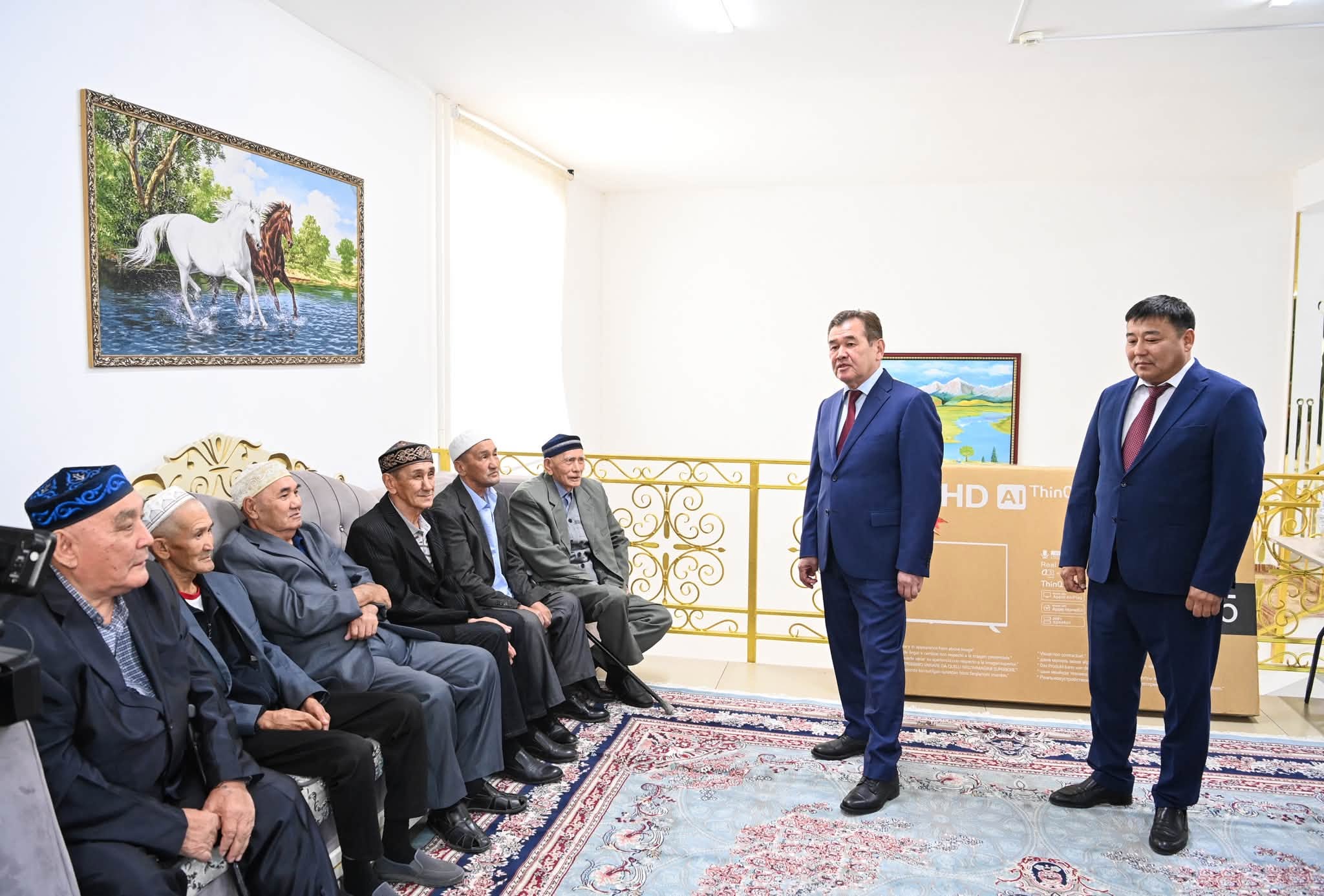
Elderly people were congratulated on the holiday 02.10.2026
Today, Regional Akim Murat Ergeshbayev, City Akim Nurzhan Akhatov, and Chairman of the Regional Council of Veterans Serik Duisenbayev visited the Kyzylorda Special Social Services Center No. 1 to congratulate the elderly on the International Day of Older Persons, observed on October 1."For the Kazakh people, respect for elders and reverence for old age is a noble tradition passed down through the centuries. It represents an invaluable spiritual asset for the younger generation. Therefore, respecting our wise *aksakals* (elders) is a civic duty for each of us. Providing social support to the region's veterans is a top priority for me. We will continue to care for you. We remain committed to creating comfortable conditions and providing the necessary assistance. I wish you all good health and well-being!"- said Murat Nalkhozhauly.The regional head toured an exhibition set up in a yurt outside the center, which showcased traditional-style handicrafts made by the facility's residents themselves.Currently, there are approximately 90,000 elderly people living in the region, with over 2,000 receiving special social services. This year, 843.8 million tenge was allocated to the Kyzylorda Special Social Services Center No. 1.The center is equipped to meet modern standards, offering a favorable environment for the health improvement and rehabilitation of service recipients. Efforts to upgrade the facility's infrastructure and equipment will continue.In addition, special social services for pensioners are provided at a 150-bed rehabilitation center in the village of Talsuat and at a 50-capacity day-care facility in the city of Kyzylorda.Source : https://www.gov.kz/memleket/entities/kyzylorda/press/news/details/1302913?lang=ru
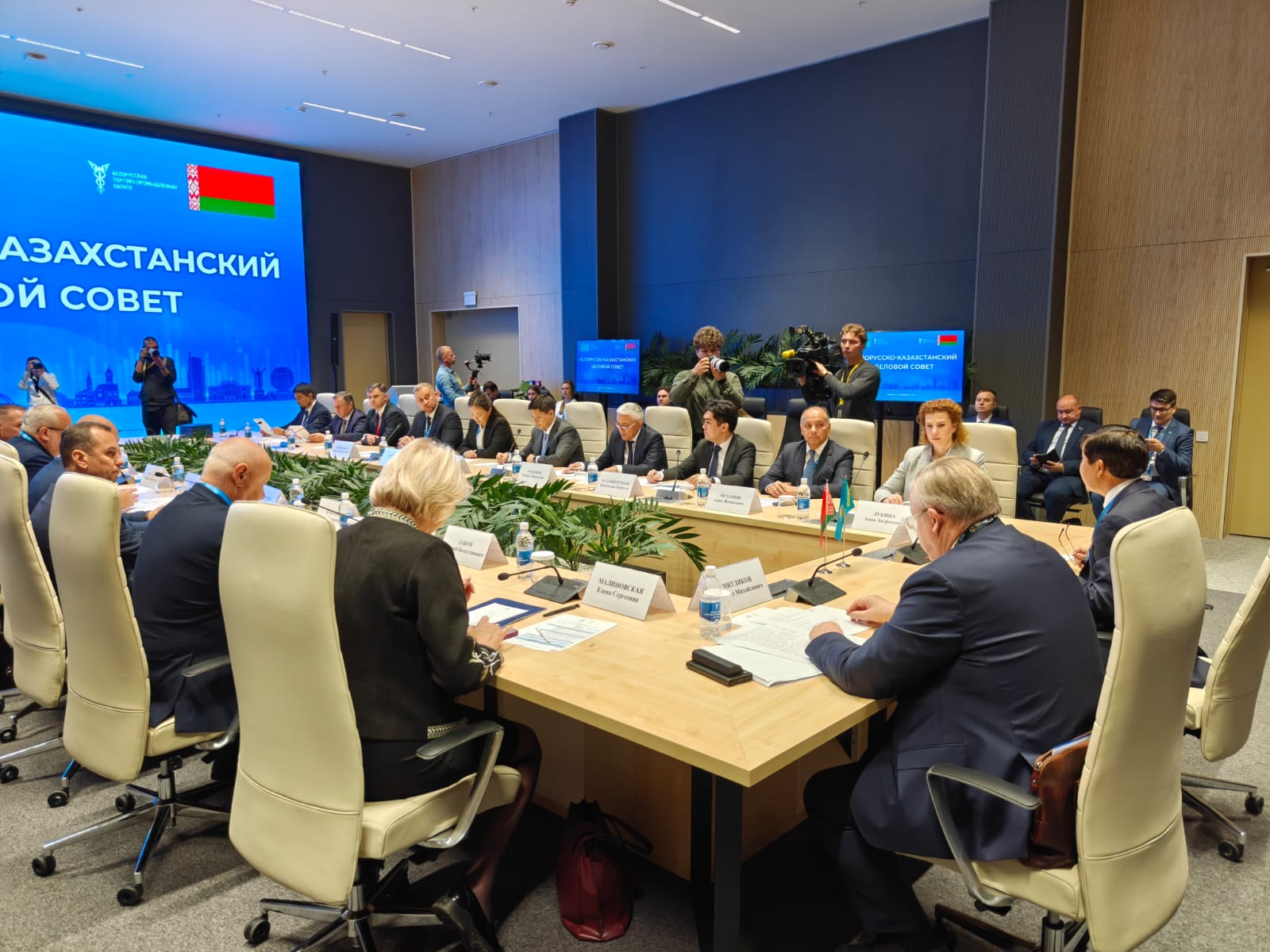
Kazakh Automakers to Supply $30 Million Worth of Commercial Vehicles to Belarus 02.10.2026
A meeting of the Kazakhstan-Belarus Business Council was held on the sidelines of the Innoprom. Belarus forum. With the support of the Ministry of Trade and Integration of the Republic of Kazakhstan and JSC QazTrade Trade Policy Development Centre, Kazakh companies reached agreements with Belarusian partners to expand supplies of Kazakh products.One of the key outcomes was an agreement on the supply of commercial vehicles manufactured in Kazakhstan. Kazakh company Hyundai Trans Auto LLP and Belarusian company RCM LLC have agreed to work on the supply of 790 vehicles in 2027–2028, with a total value of at least USD 30 million. The confirmed export potential of Kazakh automakers in the Belarusian market is estimated at up to 4,500 vehicles per year.Another agreement provides for expanding supplies of products manufactured by Kazakh companies to the Belarusian market. As part of the existing mechanism for promoting Kazakh products, a pool of suppliers has been formed, with projected annual supplies of up to 20 trucks.Trade and economic cooperation between Kazakhstan and Belarus continues to show positive growth. In 2025, bilateral trade increased by 30% to more than USD 1.2 billion. In January–July 2026, mutual trade grew by 20.5% to USD 723 million. Kazakhstan’s exports reached USD 180.3 million, while imports amounted to USD 542.7 million. During the same period, exports of Kazakh agricultural and food products to Belarus increased by 34.9% to USD 24.9 million.To expand exports, Kazakhstan and Belarus are focusing on specific projects in industry, mechanical engineering and the agro-industrial sector. The additional export potential for Kazakh products is estimated at USD 80.1 million.In January 2026, the Kazakhstan Trade House “Kazakh Trade House” began operations in Minsk. It serves as a platform for promoting Kazakh products and supporting export projects in the Belarusian market. A pool of eight Kazakh manufacturers has been formed. The potential supply volume is estimated at up to 20 trucks per year, worth up to USD 300,000.In the food sector, potential supplies to Belarus’s largest retail chain, Euroopt, are being explored. The product range under consideration includes vegetable oil, dairy products, beverages, mineral water, flour, cereals and canned meat.In railway engineering, Prommashkomplekt LLP already supplies solid-rolled railway wheels to Belarus. Railways Systems Holding LLP is negotiating the supply of railway cars, rail buses, components and other products.Two other projects focus on industrial cooperation and the localisation of production in Kazakhstan. Belarusian company POZHSNAB LLC and Avtokomponenty KZ LLP are working on the production of specialised firefighting vehicles. Qaz-Bel Lift LLP and Mogilev Lift Engineering Plant OJSC are developing an elevator to be subsequently manufactured in Aktobe.The main focus of further cooperation will be on concluding specific contracts and increasing the volume of Kazakh product supplies to Belarus.Source : https://www.gov.kz/memleket/entities/mti/press/news/details/1302820?lang=ru
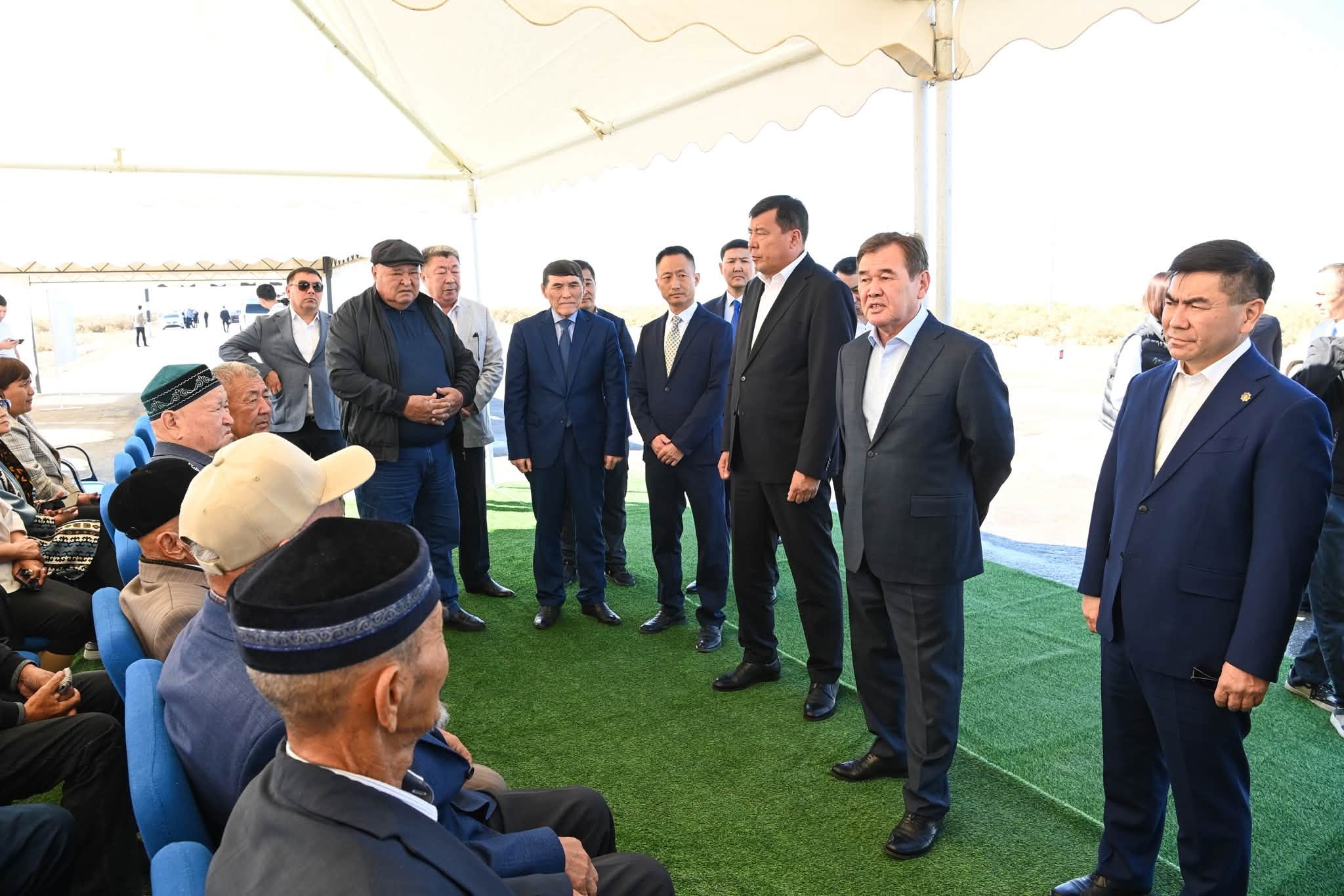
The head of the region met with residents of the villages of Baigekum and Enbekshi 01.10.2026
Today, during a working visit to the Shieli District, Regional Akim Murat Ergeshbayev met with residents of the villages of Baigekum and Enbekshi. The meetings focused on infrastructure development, agriculture, and entrepreneurship, as well as measures to improve the population's quality of life.Road paving, irrigation water supply, and street lighting projects have been carried out in these rural districts. Local residents are engaged in livestock farming and entrepreneurial activities. Following the proposals and opinions voiced during the meetings, appropriate instructions were issued to the heads of the relevant agencies.The regional head inspected the new local police station in Baigekum village. The facility was built with sponsorship from the "Sat-Service" company at a cost of 22 million tenge and was commissioned in September. The village has a population of 2,330. The opening of the station will help ensure public safety, facilitate crime prevention, and strengthen direct interaction between the police and the community.The Regional Akim then inspected the construction of the 4.3-kilometer "Samara-Shymkent-Enbekshi" road, a project funded by "Gezhuba Shieli Cement" with an investment of 1.2 billion tenge. "Orda AvtoDor" LLP is the general contractor, while "Dimash-Service" provides design supervision and "Opora Stroya" handles technical supervision. The road reconstruction will significantly improve travel convenience for the residents of Enbekshi village.Road repairs in the settlement of Shieli and the specialized children's and youth sports school also received attention. This year, 544.6 million tenge from the regional budget and 350 million tenge from the district budget were allocated for the reconstruction of Kozha Akhmet Yassaui, Bakirov, and Esabyz streets, as well as the section stretching from Baitursynov Street to the canal bridge. Construction and installation work is currently underway.Major renovations were carried out at the Shieli District Specialized Children and Youth Olympic Reserve School No. 9. A total of 249.9 million tenge was invested in the project, resulting in a modernized school building and improved facilities for athletes and coaches.It is worth noting that the total length of roads in the Shieli District is 325.9 km; of this, 80 km are roads of national significance, 100.5 km are of regional significance, and 145.4 km are of district significance.Of the 145.4 km of district-level roads, 138.1 km (94.9%) are in good or satisfactory condition, while roads of regional and national significance are fully paved with asphalt.Source : https://www.gov.kz/memleket/entities/kyzylorda/press/news/details/1302249?lang=ru
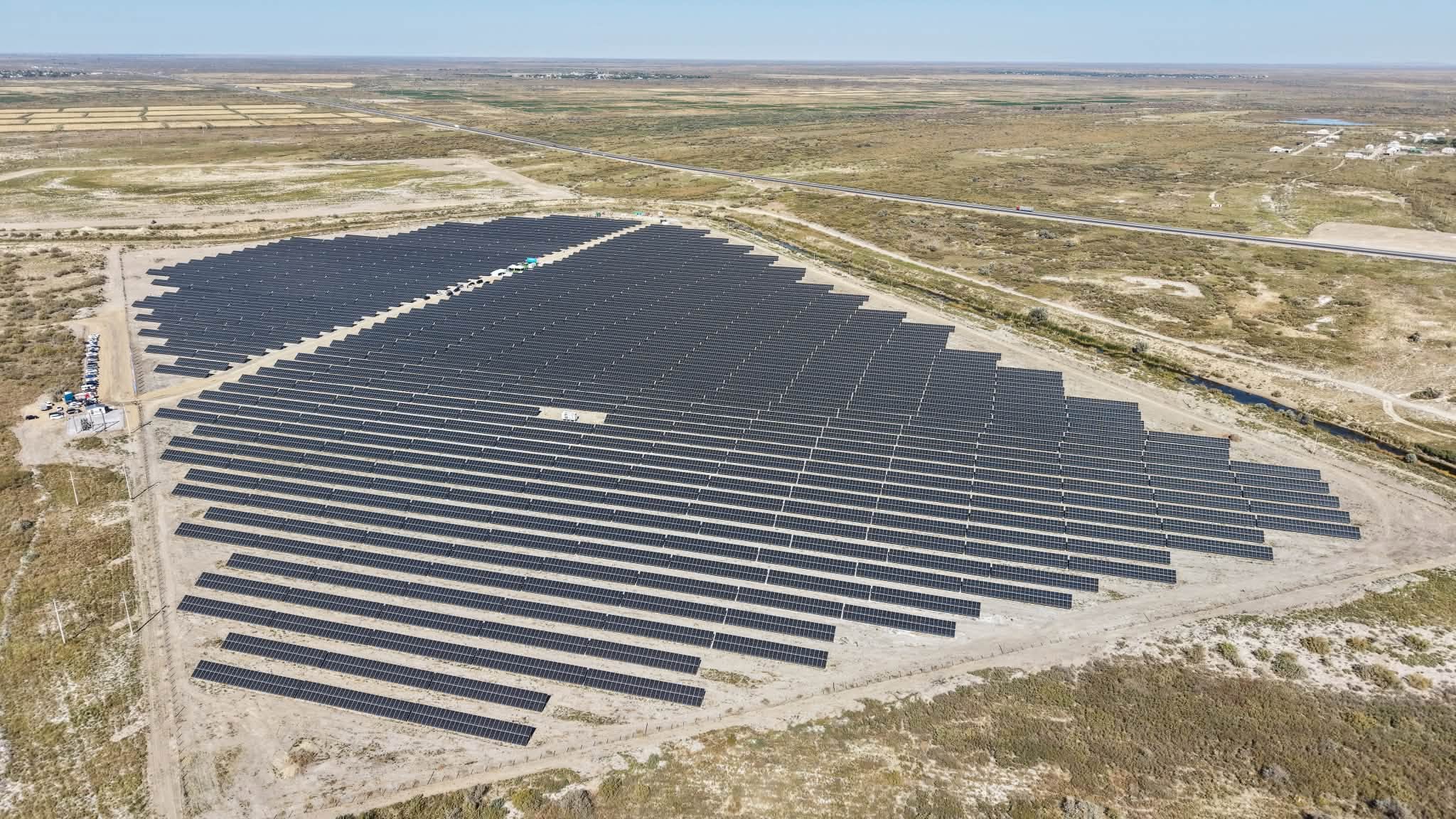
A solar power plant has been launched in Shieli 01.10.2026
Today, a launch ceremony was held for a 20 MW solar power plant in the Shieli District, built by Vigor Holding, with the participation of Regional Akim Murat Ergeshbayev. Attendees included Regional Prosecutor and Investment Ombudsman Rizabek Ozharov, members of the intelligentsia, public figures, and representatives from the investor company and the Development Bank of Kazakhstan, which provided financial support for the project."The Head of State, Kassym-Jomart Kemeluly, has directed us to launch a new phase of investment in the country—specifically, to establish modern production facilities in the industrial, energy, and construction sectors. The state provides comprehensive support and creates favorable conditions for implementing new projects and attracting private capital to industrial development. Today’s event—the launch of the Vigor Holding solar power plant, realized with the participation of a domestic investor—is a prime example of this. We are always open to building trusting, productive relationships with both domestic and foreign investors. In an era of intensifying global competition, this is a vital initiative. Investments made in establishing production facilities and developing new technologies will undoubtedly yield returns. Therefore, we must effectively utilize our potential and opportunities. I wish the new plant every success",- said Murat Nalkhozhauly.During the event, individuals who contributed to the district's socio-economic development and the project's implementation were presented with letters of appreciation from the Regional Akim. Rizabek Karimuly and Vigor Holding CEO Aitugan Akhmetuly delivered congratulatory speeches, while veteran Orken Azimkhanuly offered a traditional bata (blessing).To date, 11 solar power plants with a total capacity of 151 megawatts are operating in the region. Plans are in place to launch another seven power plants with a combined capacity exceeding 225 megawatts in the near future.Currently, power plants with a capacity of 30 megawatts each are under construction in the Aral and Zhanakorgan districts. In addition, projects are being developed for a 15-megawatt solar power plant in Kyzylorda and two 60-megawatt plants in the Shieli district. Construction of a 10-megawatt plant by the company KyzylordaEnergyGaz is set to begin next month.Source : https://www.gov.kz/memleket/entities/kyzylorda/press/news/details/1302233?lang=ru
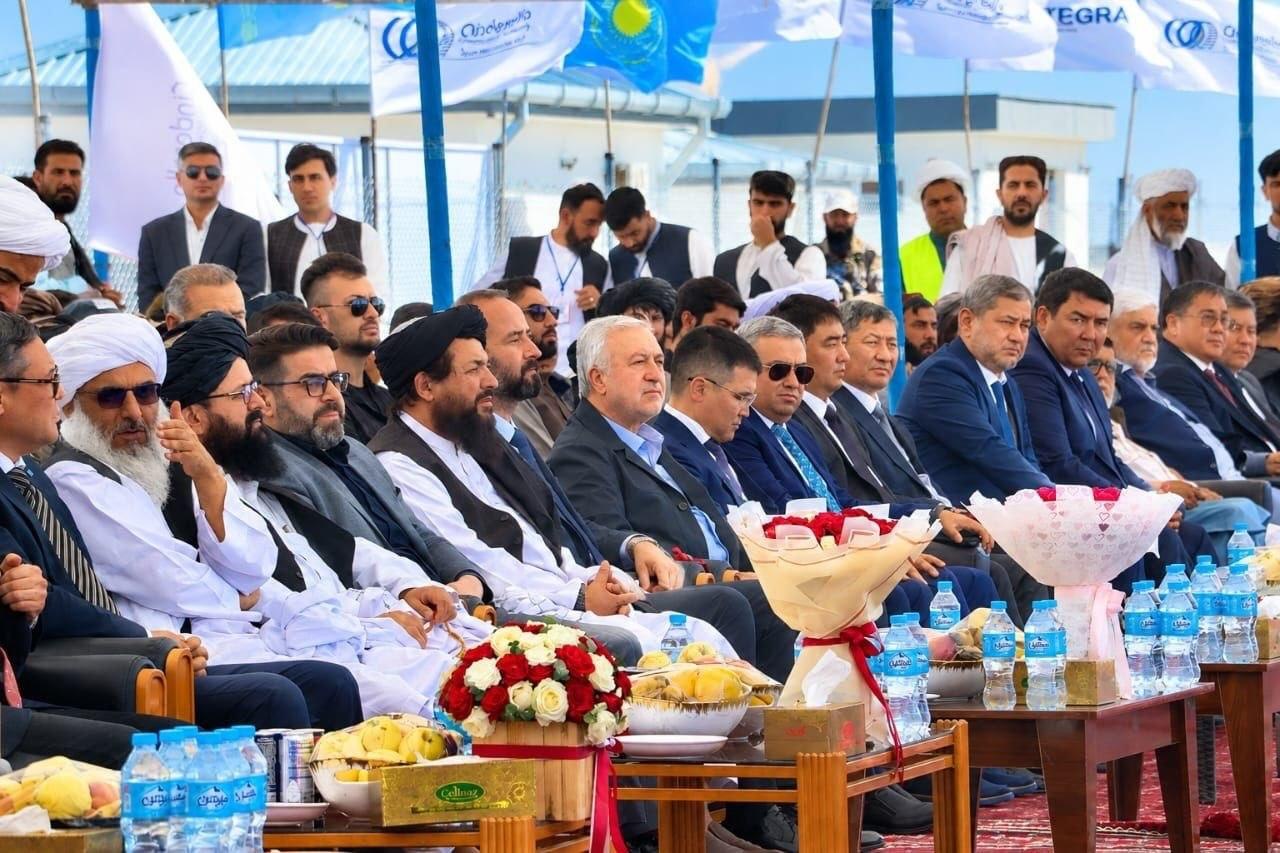
Kazakhstani companies have agreed to supply wheat and sunflower oil to Afghanistan for $21 million 01.10.2026
A business forum bringing together representatives of the business communities of Kazakhstan and Afghanistan was held in Herat. The Kazakh business delegation was led by Asiet Nussupov, Vice Minister of Trade and Integration of the Republic of Kazakhstan. Around 12 Kazakh companies interested in expanding cooperation and entering the Afghan market took part in the event.The forum featured business negotiations and B2B meetings, during which entrepreneurs from the two countries discussed promising areas for expanding bilateral trade, increasing supplies of Kazakh products and implementing new joint projects.Following the negotiations, Kazakh companies WAYSTAR and Kim Rail International signed two contracts with Afghan company OSMAN KHALID for the supply of wheat worth a total of USD 11 million.In addition, price terms were finalised for the supply of Kazakh sunflower oil worth around USD 10 million, with the participation of the National Association of Oilseed Processors of Kazakhstan.The opening ceremony of the third section of the Khaf–Herat railway was also held. Kazakh company Integra Construction KZ LLP participated in its construction.The parties also reached agreements to continue cooperation in other areas of bilateral trade and maintain direct business contacts between Kazakh and Afghan companies.As part of the visit, the Kazakh delegation toured the industrial potential of the industrial zone in Herat Province. Representatives of major industrial enterprises presented their production facilities and processes in marble extraction and processing, metal products manufacturing, pharmaceuticals and non-alcoholic beverages.Kazakhstan continues to expand its trade and economic cooperation with Afghanistan. In the first seven months of 2026, bilateral trade reached USD 581.1 million, exceeding the total trade turnover recorded for the whole of 2025, which amounted to USD 541.6 million.Kazakhstan’s main exports to Afghanistan include flour, wheat, sunflower oil, metal products and mineral fertilisers. The growth in trade is accompanied by expanding direct contacts between businesses in the two countries.To further develop business cooperation, Kazakhstan regularly organises trade and economic missions, business forums and B2B meetings. Kazakhstan’s Trade Houses in Kabul and Herat also provide additional opportunities to promote domestic products and establish direct business ties.The business forum and the agreements reached during the visit are expected to contribute to further expanding bilateral trade, increasing supplies of Kazakh products and strengthening direct cooperation between businesses in the two countries.Source : https://www.gov.kz/memleket/entities/mti/press/news/details/1302522?lang=ru
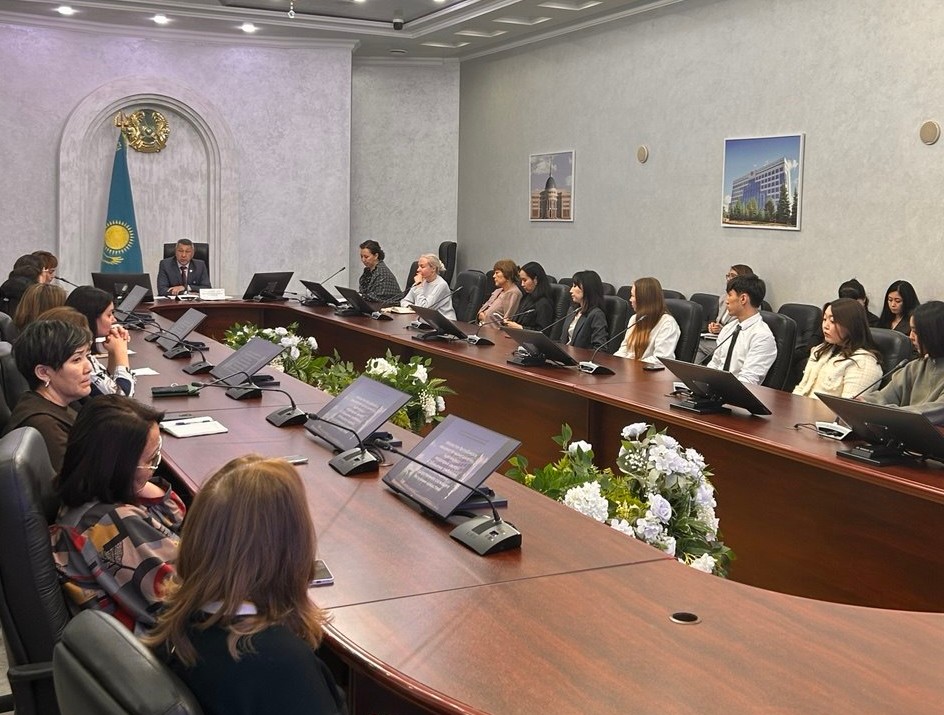
ETHICS 01.10.2026
Another class of legal studies was held in the office of Akim of Kostanay region and regional maslikhat. Speaker - K.Syundikov, Ethics Commissioner of Kostanay region. The purpose of the lesson is to improve the competencies of employees, familiarize them with the latest legislation on public service, and prevent ethical misconduct and administrative offenses. The focus is on the implementation of values in public service, the principles of "Adal Azamat", "Taza Kazakhstan" and "Law and Order". In accordance with the new legislation, concepts such as digital ethics and impeccable reputation are being introduced in the civil service. The Speaker informed about the speeches of the Head of State on the topic of public ethics and the fundamental principles of the Republic of Kazakhstan. The new Constitution has consolidated the equal access of the country's citizens to public service. K.Syundikov also drew the audience's attention to the content of the latest article by Chairman of the Agency of the Republic of Kazakhstan for Civil Service Affairs D. Zhazykbai "The result is more important than the process" in the newspaper Kazakhstanskaya Pravda. The country continues to develop a public service service model based on the principle of "People first".The speaker noted the importance of observing ethical standards in communication with the public, service recipients and conflict prevention.Source : https://www.gov.kz/memleket/entities/kostanay/press/news/details/1301711?lang=ru
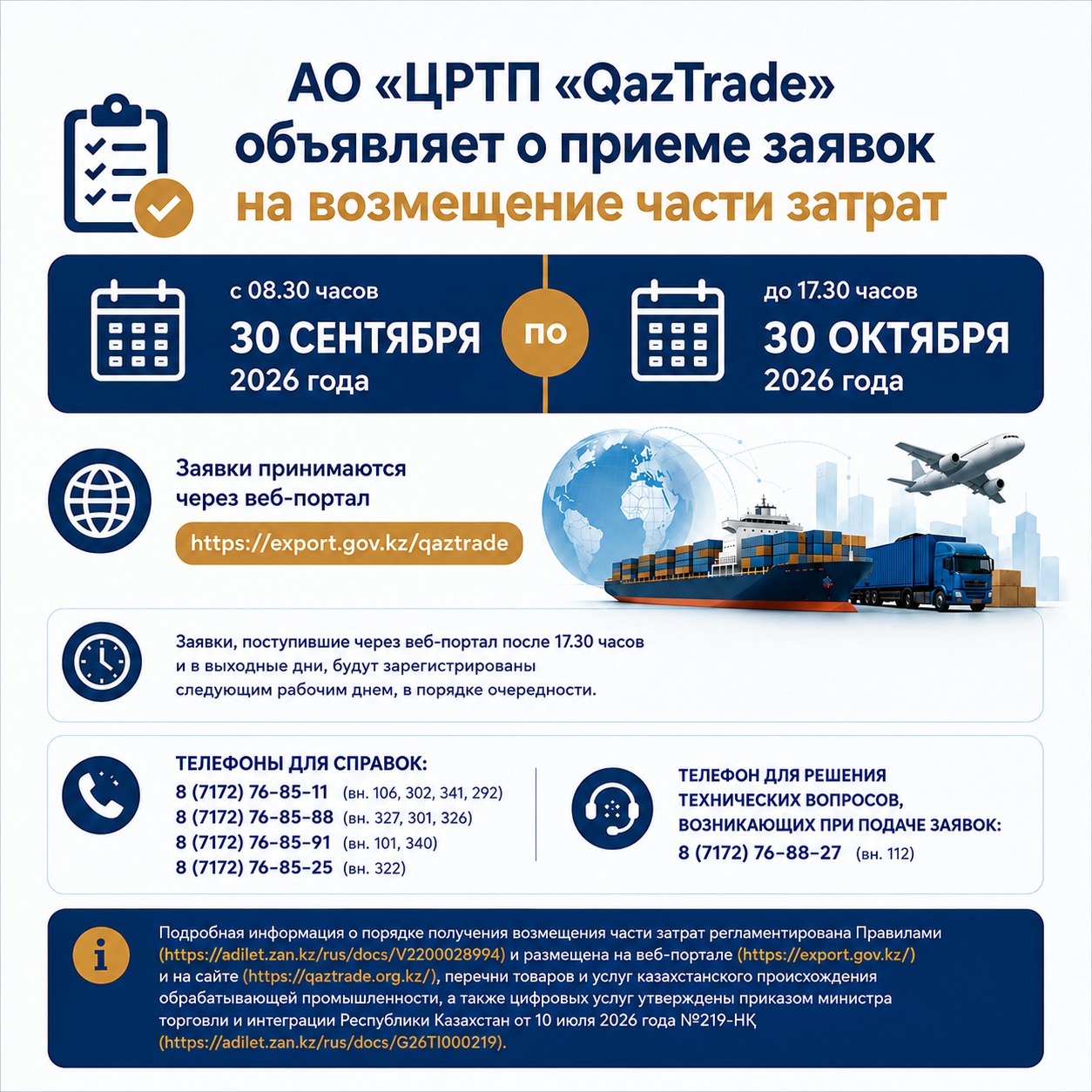
JSC "QazTrade Center for Trade Policy Development" announces an additional call for applications for the reimbursement of a portion of exporters' costs 30.09.2026
QazTrade Announces Additional Application Period for Reimbursement of Export Promotion CostsFrom 08:30 on 30 September 2026 until 17:30 on 30 October 2026, JSC QazTrade Trade Policy Development Centre announces an additional application period for reimbursement of part of the costs incurred by industrial and innovative entities to promote Kazakhstani-origin goods and services from the manufacturing industry, as well as digital services, in foreign markets.Applications will be accepted through the web portal export.gov.kz/qaztrade.Applications submitted through the web portal after 17:30 or on weekends will be registered on the next working day in the order in which they are received.For enquiries:8 (7172) 76-85-11 (ext. 106, 302, 341, 292)8 (7172) 76-85-88 (ext. 327, 301, 326)8 (7172) 76-85-91 (ext. 101, 340)8 (7172) 76-85-25 (ext. 322)For technical issues arising during the application process:8 (7172) 76-88-27 (ext. 112)Detailed information on the procedure for obtaining reimbursement of part of the costs is set out in the Rules and is available on the export.gov.kz web portal and the QazTrade website.The lists of Kazakhstani-origin manufacturing goods and services, as well as digital services eligible for reimbursement, were approved by Order No. 219-NQ of the Minister of Trade and Integration of the Republic of Kazakhstan dated 10 July 2026.The relevant Rules are available on the Adilet legal information system, while the relevant Order is available here.Source : https://www.gov.kz/memleket/entities/mti/press/news/details/1301514?lang=ru
The harvest process was discussed 30.09.2026
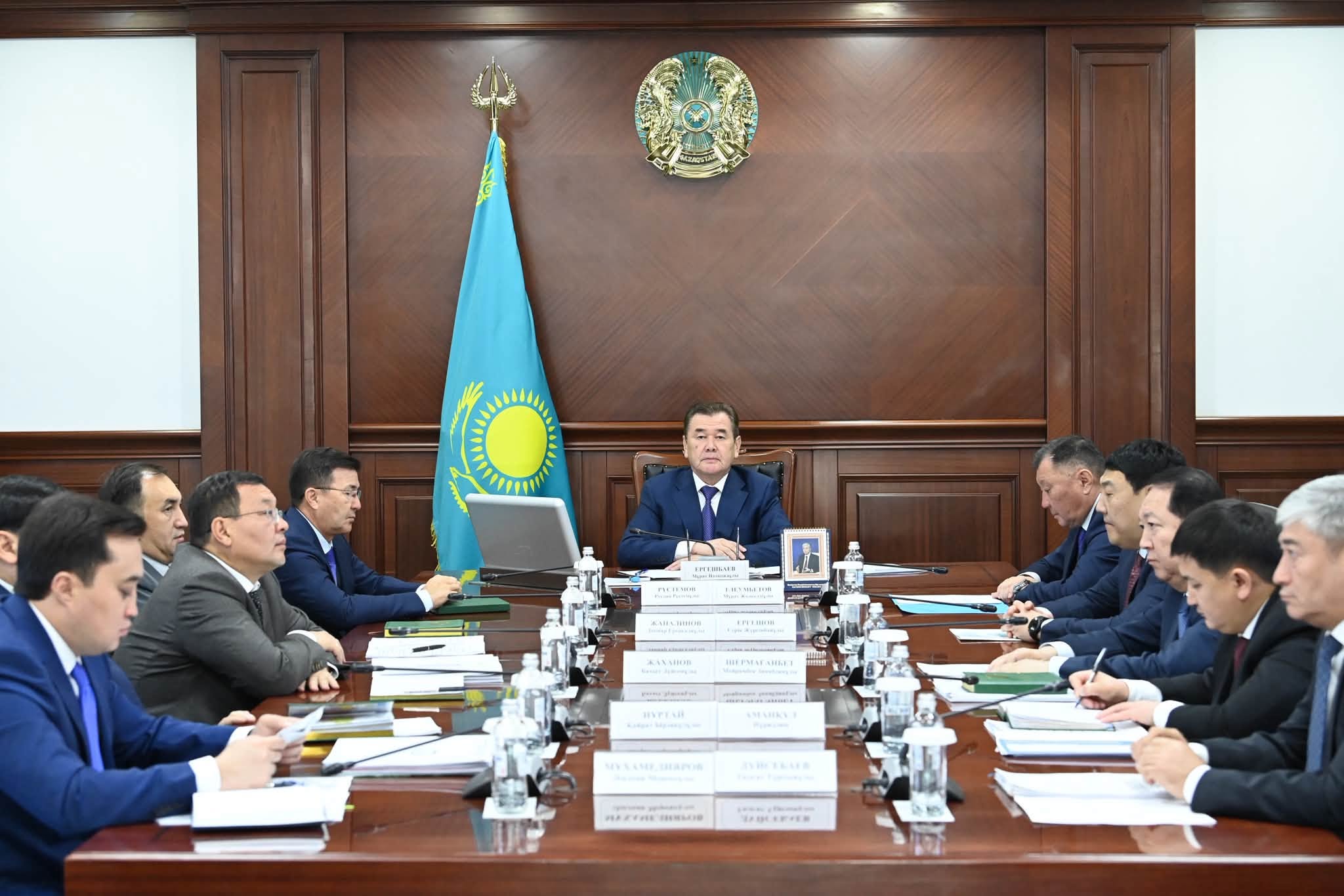
The progress of the harvest campaign was reviewed today at a government meeting chaired by Prime Minister Olzhas Bektenov. Regional Akim Murat Ergeshbayev participated in the meeting via a conference call.Following the discussion of the issues raised, specific instructions were issued to the heads of the relevant sectors."Our goal is to harvest the crop without losses. The campaign must be completed no later than October 15. Working together with city and district administrations, priority must be given to the high-quality execution of all tasks within the established timeframes.Ensure constant monitoring of entrepreneurship indicators and strict oversight of the implementation of state support programs. The Department of State Revenues must ensure that entrepreneurs who have received support fulfill their obligations to the state. A comprehensive analysis of tax revenues from businesspeople who utilized concessional financing, subsidies, and guarantees is required. Empty talk about 'work having been done' or 'awareness-raising events having been organized' is not needed. Focus on tangible results and report on the outcomes",- emphasized Murat Nalkhozhauly.Reports were presented at the meeting by Zhanar Berdenova, Acting Head of the Regional Department of Entrepreneurship and Industry, and Talgat Duisebayev, Head of the Regional Department of Agriculture and Land Relations.This year, crops were planted across an area of 193.7 thousand hectares in the region.In accordance with the government-approved roadmap, the area of rice fields decreased by 10.9 thousand hectares compared to last year. As part of the Head of State's directive on crop diversification, corn was planted on 11 thousand hectares. A water allocation of 3.2 billion cubic meters was approved to supply the fields, and the growing season proceeded according to plan. Agricultural producers were fully supplied with seeds, fertilizers, herbicides, and fuel and lubricants. A total of 2.5 billion cubic meters of water was delivered from the SyrDarya River to the fields via canals.The region has completed the harvesting of early grain crops. To date, 36,000 hectares of rice have been mowed, with 27,450 hectares threshed. The average yield was 48.4 centners per hectare, resulting in a harvest of 133,000 tons of paddy rice.The meeting also reviewed preparations for the heating season. This year, 5.5 billion tenge was allocated for the modernization of heat supply facilities. Work has been fully completed on upgrading 8.7 km of heating networks, overhauling a gas turbine unit, and repairing heating mains, boilers, turbines, and autonomous boiler houses.A total of 7.6 billion tenge was directed toward modernizing electrical networks, resulting in the repair of 460 kilometers of power transmission lines and 134 substations.The region's 1,074 social facilities are 100 percent ready. Heat supply will commence based on actual weather conditions and the average daily outdoor temperature.To get through the winter period, the population requires 68,000 tons of coal, while social facilities require 12,000 tons, making a total requirement of 80,000 tons. Work to replenish coal stocks is proceeding according to the approved schedule.Source : https://www.gov.kz/memleket/entities/kyzylorda/press/news/details/1301040?lang=ru
QazTrade Holds Middle Corridor Briefing for UK Parliamentary Delegation 29.09.2026
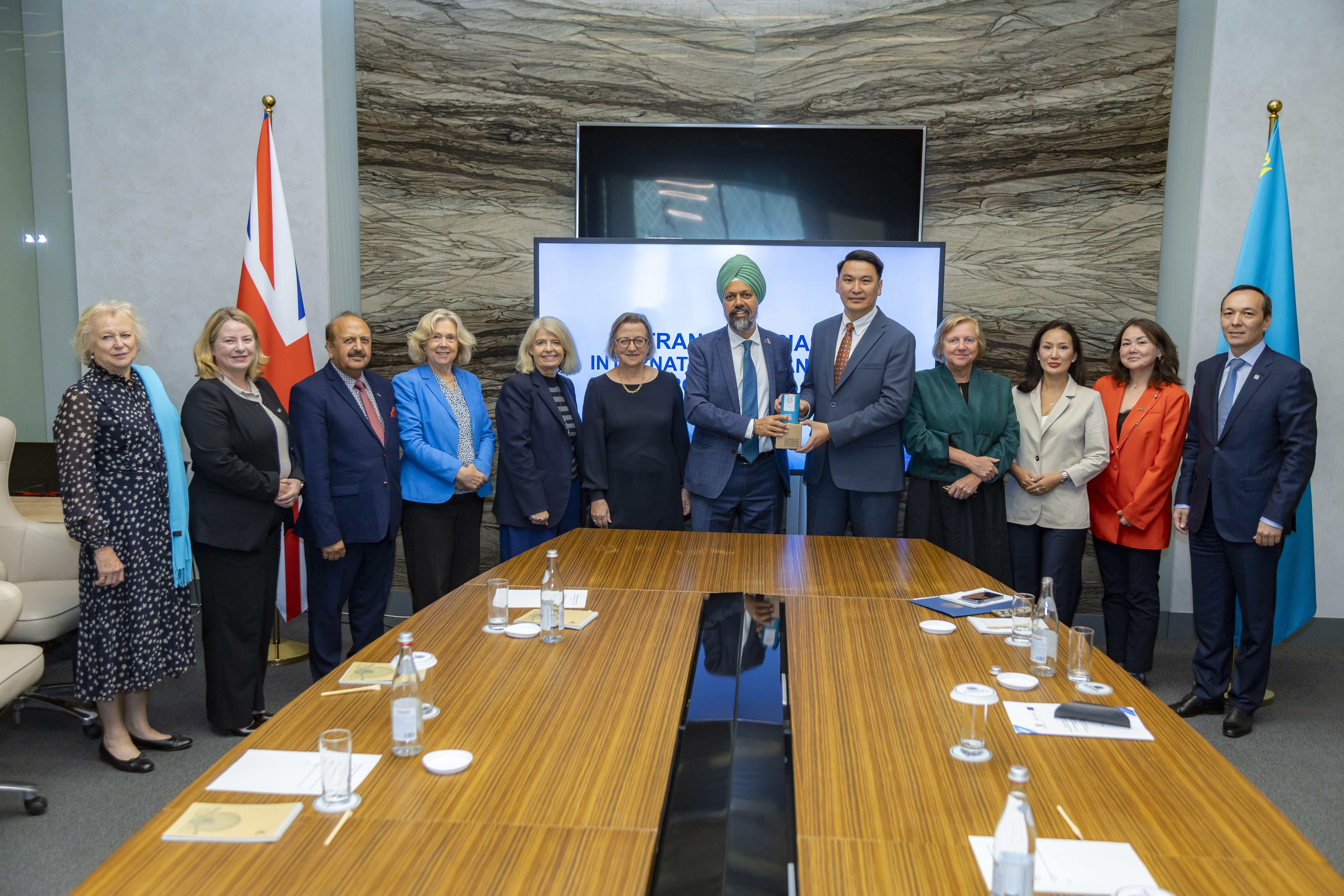
QazTrade JSC hosted an information briefing on the development of the Middle Corridor for a parliamentary delegation of the British Group of the Inter-Parliamentary Union. The delegation was led by Tan Dhesi MP, Chair of the House of Commons Defence Committee, and also included Members of the House of Commons and the House of Lords of the UK Parliament.Nurlan Kulbatyrov, Director General of QazTrade JSC, presented the current state of the Middle Corridor and its prospects as a key trade route not only for Kazakhstan but for Central Asia as a whole.Madina Anet, Business Development Director at SEMURG INVEST LLP, presented Semurg's infrastructure at the Port of Kuryk on the Caspian Sea. The development of the Sarzha multipurpose marine terminal cluster envisages up to 5 million tonnes of annual throughput capacity, including container capacity of up to 110,000 TEU per year.Jalil Bulatov, National Coordinator of the International Trade Centre (ITC), spoke about EU-supported projects being implemented in the region under the Global Gateway initiative.Source : https://www.gov.kz/memleket/entities/mti/press/news/details/1300685?lang=ru
Discussed large-scale projects planned for the coming years 29.09.2026
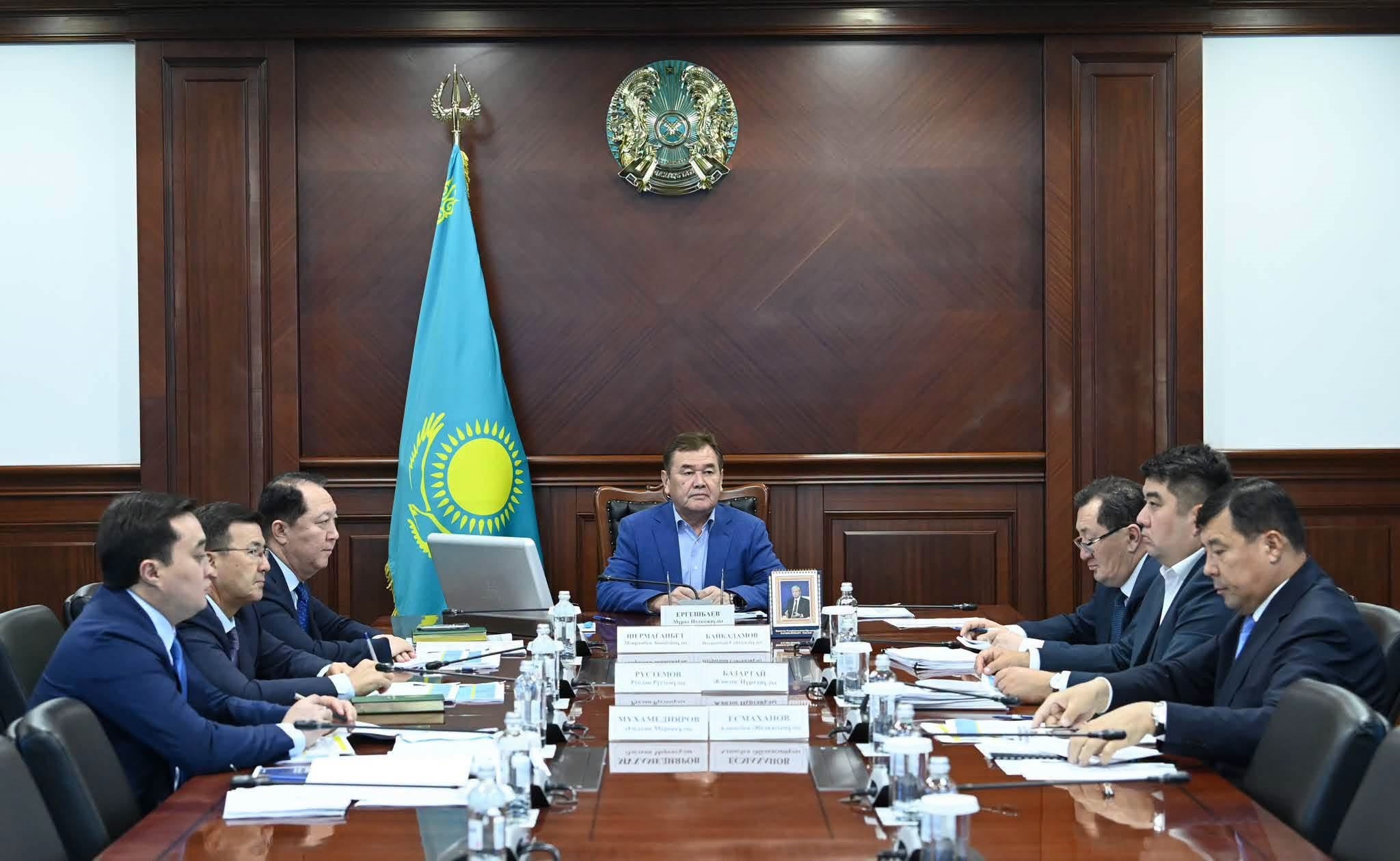
Regional Akim Murat Ergeshbayev held a meeting with the mayors of Kyzylorda city and the region's districts, during which the parties discussed in detail large-scale projects planned for the coming years.Important initiatives aimed at developing socio-economic and engineering infrastructure will be implemented in the region. Specifically, the work will cover gasification, water and electricity supply, the construction of roads, housing, and social facilities, as well as agriculture and industry.In Kyzylorda, 104 new projects with a total value of 114.4 billion tenge have been developed. Key areas include housing construction, the building of roads and bridges, the installation of water supply and sewage systems, gasification, urban beautification, street lighting, and the modernization of apartment buildings.In the Aral District, the implementation of 8 projects worth 194.3 billion tenge is planned. These focus on developing the processing industry, logistics, roadside services, construction material production, agriculture, and the service sector.In the Kazaly District, 52 projects worth 48.4 billion tenge have been prepared and submitted for funding. They aim to develop education, gas and heat supply, sewage systems, roads, electrical grids, and agriculture. Additionally, another 5 projects worth 5.9 billion tenge are currently under development.In the Karmakshy District, the goal is to implement 16 projects worth 22 billion tenge aimed at improving the population's quality of life. The projects cover the provision of drinking water, the modernization of electricity and gas networks, the construction of roads and social facilities, the preservation of historical and cultural heritage, and the development of livestock farming.In the Zhalagash District, the implementation of 33 projects worth 16.531 billion tenge is planned. Key areas of focus include gasification, power supply, road repairs, the provision of drinking water, and the renovation and improvement of social facilities.The Syrdarya District has submitted budget requests for 32 projects totaling 26.5 billion tenge. Projects spanning education, gasification, power supply, road construction, water supply, and the renovation and improvement of social facilities will shape the agenda for the coming years.In the Shieli District, budget requests have been submitted for 98 projects valued at 42.898 billion tenge. Plans are in place to implement projects covering education, gasification, power supply, roads, drinking water, and social facilities.The Zhanakorgan District is set to implement eight major investment projects with a combined value of 607.8 billion tenge. These include a fruit and vegetable storage and processing complex, a solar power plant, a cement plant, a commercial dairy farm, as well as projects for developing polymetallic deposits and constructing the Shalkiya processing plant.Implementing these plans will positively impact the modernization of the region's engineering infrastructure, boost production and investment potential, create new jobs, and improve the population's quality of life.Source : https://www.gov.kz/memleket/entities/kyzylorda/press/news/details/1300589?lang=ru
Kazakhstan ranked 32nd out of 185 countries in terms of accreditation development 29.09.2026
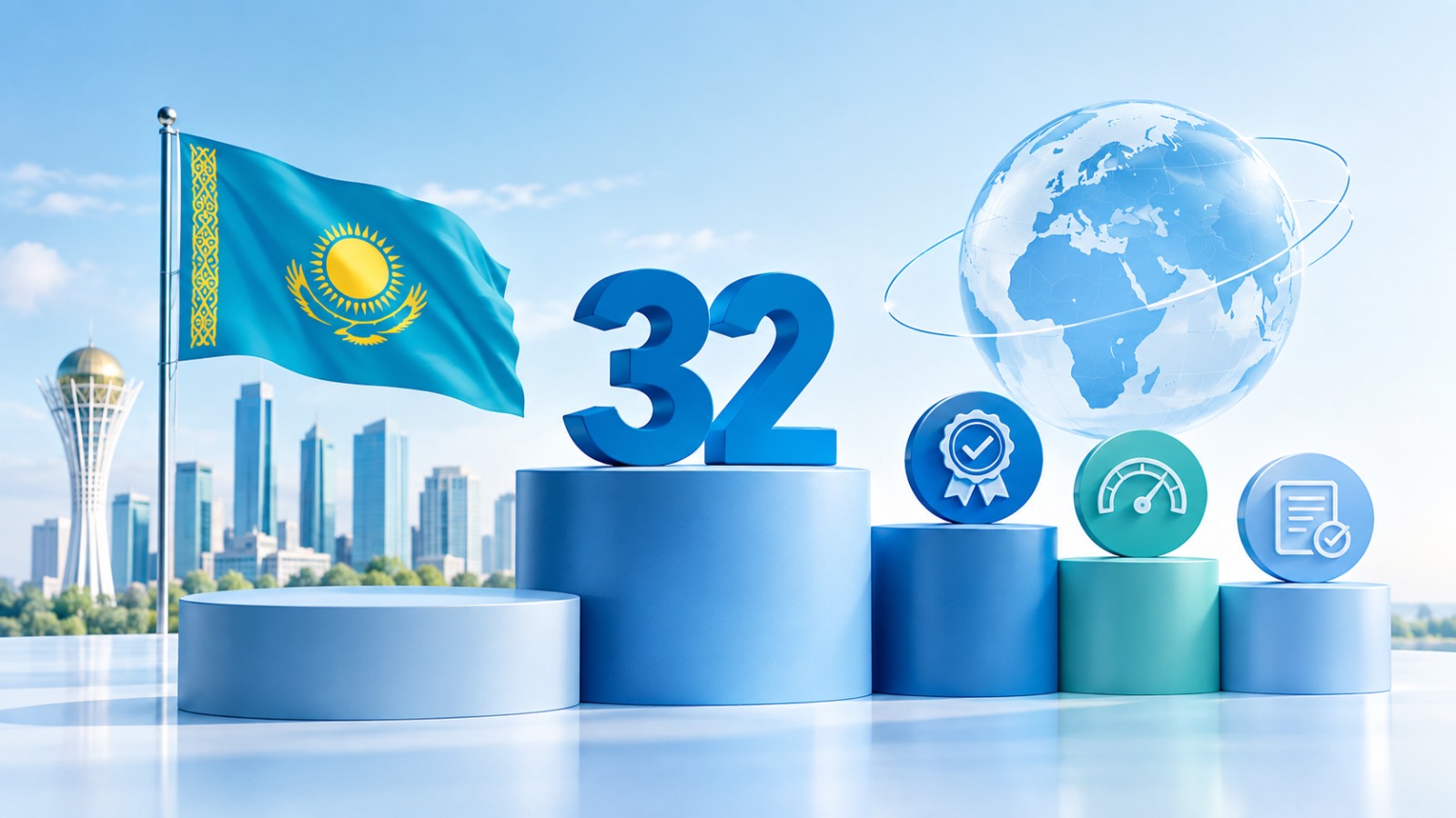
Kazakhstan ranks 32nd globally in accreditation development according to the Global Quality Infrastructure Index 2025Kazakhstan ranked 32nd globally in terms of accreditation development, according to the 2025 Global Quality Infrastructure Index (GQII).In the overall GQII 2025 ranking, Kazakhstan placed 48th among 185 countries. The country’s performance is assessed across three key components of national quality infrastructure: accreditation, metrology and standardisation.Kazakhstan recorded its highest position in accreditation, ranking 32nd. The country ranked 43rd in metrology and 70th in standardisation.Accreditation is one of the key elements of quality infrastructure. It provides formal recognition of the competence of conformity assessment bodies, including testing and calibration laboratories, certification bodies and inspection bodies. An effective accreditation system helps strengthen confidence in testing, measurement and certification results and creates conditions for their international recognition.The Global Quality Infrastructure Index (GQII) enables the level of development of quality infrastructure systems in different countries to be compared. The ranking is based on data covering accreditation, standardisation and metrology.According to GQII, the index is compiled using publicly available data from official quality infrastructure institutions. This includes information from international organisations and national bodies working in the fields of metrology, standardisation and accreditation.The GQII results provide an opportunity to assess the state of national quality infrastructure and track its development in an international context. A well-developed quality infrastructure plays an important role in building confidence in products and services, supporting international trade and strengthening economic competitiveness.The Global Quality Infrastructure Index (GQII) is an initiative of Mesopartner and is implemented with long-term financial and technical support from the German National Metrology Institute (PTB) and the German Federal Ministry for Economic Cooperation and Development (BMZ), with the participation of national quality infrastructure bodies and international experts. Since 2023, the project has also been working closely with UNIDO and INetQI partners.For reference: The Global Quality Infrastructure Index is an international initiative by Mesopartner to collect, analyse and disseminate open data on the development of quality infrastructure across countries.Source: Global Quality Infrastructure Index (GQII) 2025, Mesopartner.Source : https://www.gov.kz/memleket/entities/mti/press/news/details/1300093?lang=ru
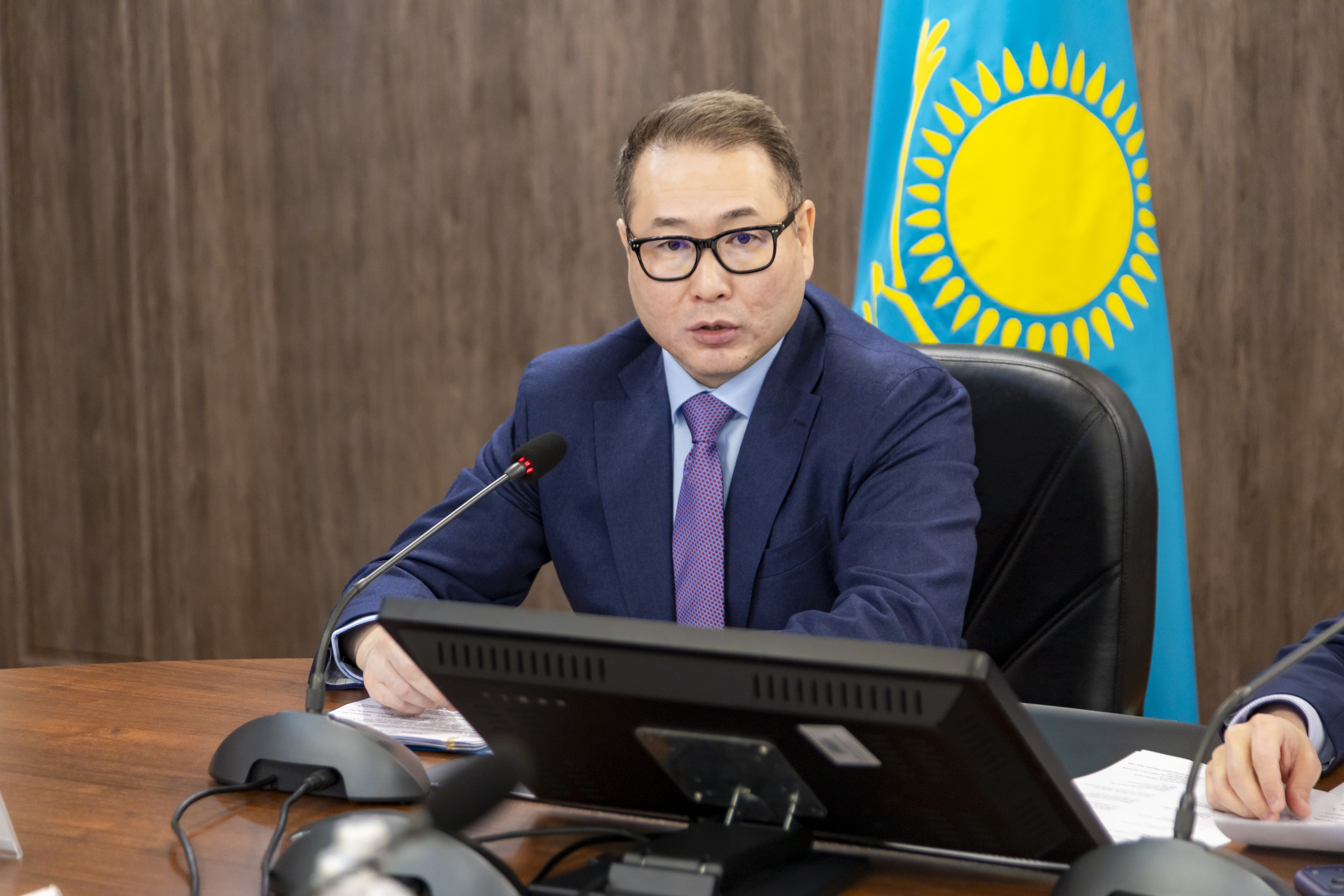
Public Council under the Ministry of Trade and Integration discusses key domestic market issues 28.09.2026
The Ministry of Trade and Integration of the Republic of Kazakhstan held a regular meeting of its Public Council with the participation of Minister of Trade and Integration Arman Shakkaliyev.The meeting focused on the regulation of real estate services, consumer rights protection, ensuring fair competition and improving legislation.Particular attention was paid to issues related to the real estate services market. Public Council member Marlen Smailov stressed the need for transparent and clear rules for market participants, stronger consumer protection and greater responsibility among real estate agents.Among the key challenges discussed were the lack of a unified state register and mandatory accreditation for real estate agents, the absence of common service standards, limited transparency in pricing and insufficiently regulated mechanisms for handling consumer complaints.According to the Ministry of Trade and Integration, efforts to improve legislation governing real estate activities are being carried out at the initiative of Members of Parliament.As part of this work, the Ministry has received three positive Government conclusions on legislative initiatives aimed at regulating real estate activities and the provision of real estate services, as well as licensing and state oversight in the sector.During the review of the relevant draft laws, the Government noted that there was no need to develop a separate law specifically regulating real estate activities. At the same time, it confirmed the need to improve the legal framework in this area and strengthen the protection of citizens using real estate services.The draft law on the regulation of real estate activities is currently under consideration by the Kurultai of the Republic of Kazakhstan. At the same time, a professional standard for real estate services is being developed and coordinated.According to Aset Aitbai, Chairman of the PANA Association, the initiative to improve the regulation of real estate activities was put forward by the professional community two years ago. He noted that one of the key challenges in the market is the large number of intermediaries who do not meet professional requirements, as well as cases of fraud.“We will further discuss all the proposed changes with members of the Public Council. The working group under the Kurultai will continue its detailed work on issues related to the regulation of real estate activities,” said Arman Shakkaliyev, Minister of Trade and Integration of the Republic of Kazakhstan.Another important part of the meeting focused on improving the competitiveness of Kazakhstan’s meat processing industry. Public Council members raised concerns about the quality of imported sausage products and proposed strengthening controls over products available on the market. In particular, they suggested regularly collecting samples of sausage products from retail outlets for laboratory testing.Council members also raised the issue of the origin of certain goods available on the market. According to them, consumers can sometimes find it difficult to determine where and by whom a product was manufactured, as well as how it entered the market.“That is why the digital map of goods is so important today. We are actively working on the National Goods Catalogue, which will make it possible to track the movement of products and determine where they came from and where they are headed. The Government is taking systematic steps to bring the economy out of the shadow. This is a comprehensive process that takes time. At the same time, the digitalisation of these processes will help make the movement of goods more transparent,” the Minister said.At the end of the meeting, members of the Public Council unanimously supported the resignation of Galym Kussainov from the Council following his voluntary request to step down. Dana Temirkhanovna Kassymova was appointed to the Public Council in his place.Source : https://www.gov.kz/memleket/entities/mti/press/news/details/1299921?lang=ru
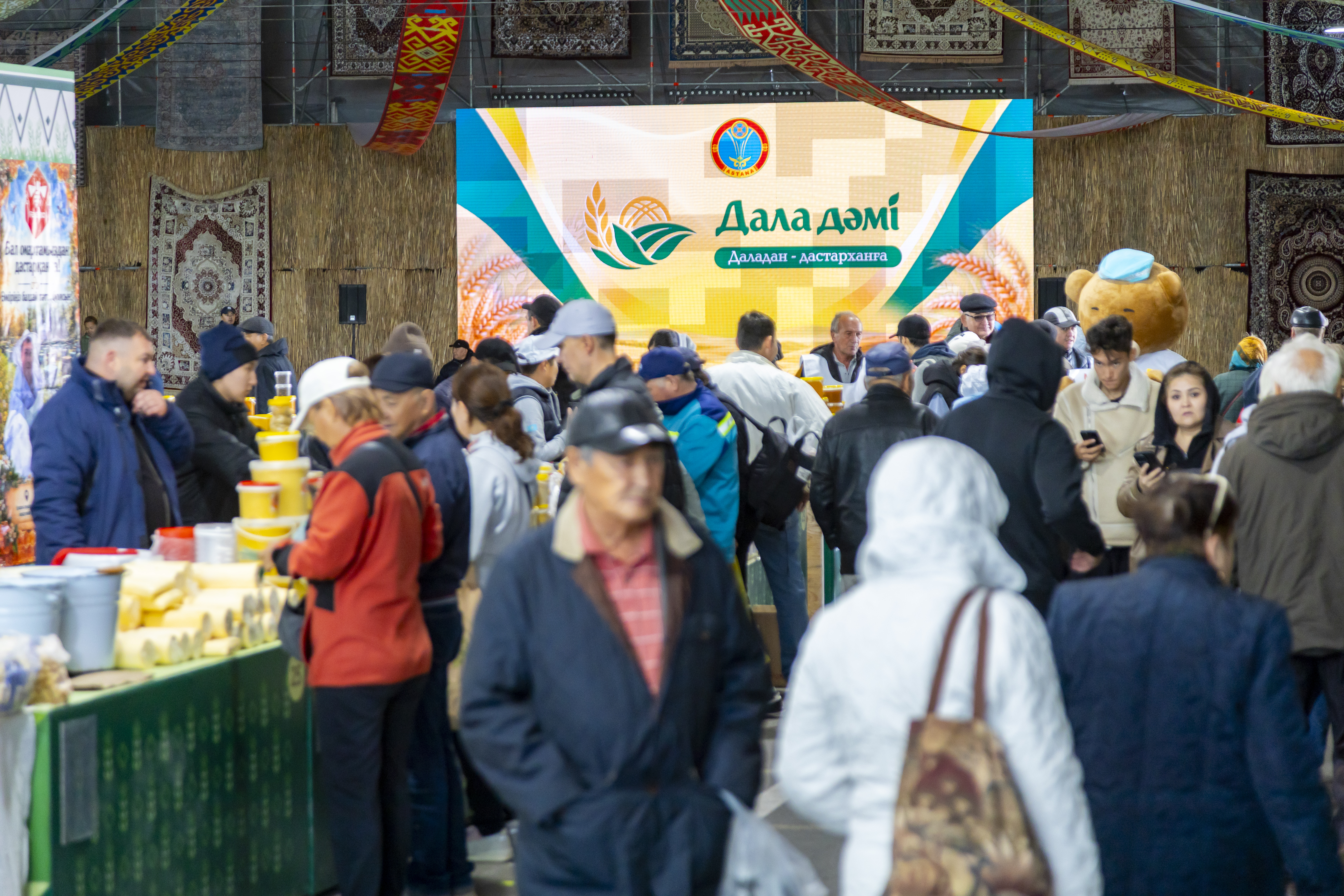
About 3,500 tons of domestic agricultural produce are sold at the "Dala Dami" fairs 26.09.2026
This weekend, around 3.5 thousand tons of domestic agricultural products are presented at "Dala dämi" fairs across the country. This is almost twice as much as at the fairs held last week, when more than 2 thousand tons of goods were sold."Dala dämi" fairs are held in all regions of Kazakhstan at the initiative of the Ministry of Trade and Integration of the Republic of Kazakhstan. Their main feature is the opportunity to purchase products directly from farmers, without intermediaries. At the same time, prices for goods are on average up to 20% lower than market prices.In Astana this weekend, farmers from the Abai region, Mangystau and Almaty regions are presenting their products. In Almaty, fairs are simultaneously operating at four venues, where about 600 tons of agricultural products are being sold. One of the largest fairs is taking place in Shymkent. Farmers have brought more than 500 tons here.Meat products are in particular demand among buyers. Beef, horse meat, lamb, and poultry are presented on the shelves.For example, 52 tons of beef have been brought to the fair in the Karaganda region. In Astana, beef and horse meat from farmers of the Abai region can be purchased for 3500 tenge per kilogram. Comparable prices are in effect in other regions as well. In Kostanay, a kilogram of beef is sold for 3200–3500 tenge, horse meat and lamb from 3000 tenge.In addition to affordable prices, an important advantage of the fairs is the free provision of trading places to farmers. First and foremost, socially significant food products are presented here.Since September of this year, agricultural fairs across the country have been held under the unified name "Dala dämi". The format has already become a familiar shopping destination for residents of the regions."The fair has become a good place for shopping. We come here on weekends because prices are lower here. Even if we manage to save 5–10 thousand tenge, it is noticeable for the family budget. And if you calculate the savings of all buyers, the amount turns out to be significant," noted Aktau resident Sabit Sapargul. Source : https://www.gov.kz/memleket/entities/mti/press/news/details/1299260?lang=ru
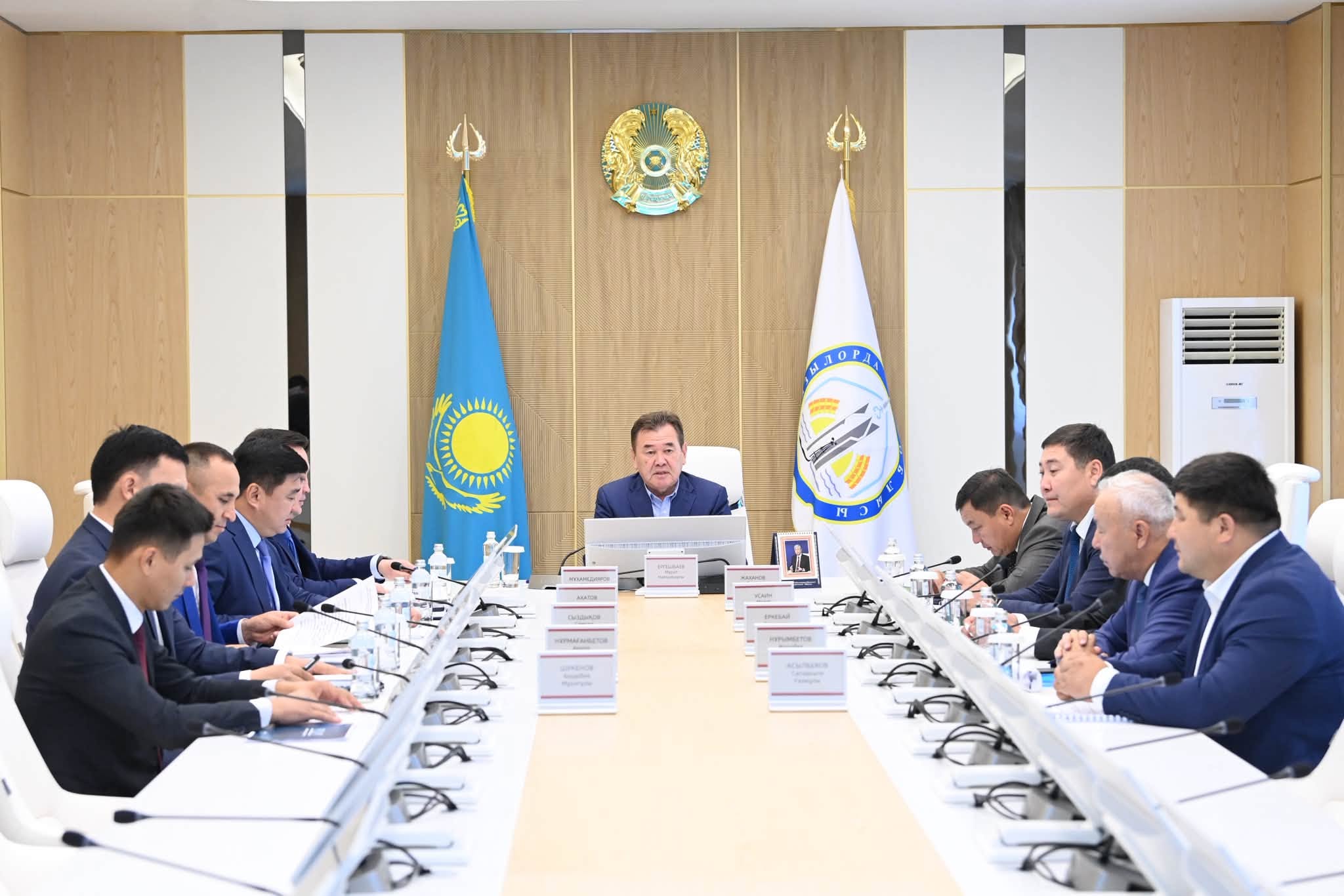
The issues of providing the city of Kyzylorda with irrigation water were considered 24.09.2026
Today, under the chairmanship of the region's akim Murat Ergeshbayev, a meeting was held to discuss the current state of irrigation water supply and the irrigation system in the city of Kyzylorda, as well as plans for the upcoming period.«It is important to conduct a full analysis of water resources, clarify the volume required for the city, and consider the possibility of supplying water for the next year. It is necessary to ensure a regular supply of irrigation water to the green zone near the airport and at the entrance to the village of Belkol, as well as to carry out tree planting there.Conduct a complete inventory of the ditch systems and submit specific project and financial proposals for areas experiencing water shortages. Develop a clear plan for the phased expansion of territories covered by irrigation water. Organize the planting of seedlings and their watering», – said Murat Nalkhozhayevich.Currently, irrigation water is supplied to the city territory through 22 pumping units at 15 points. Four of them were installed this year. The total length of the ditch systems is 98.8 kilometers, covering 68 streets. A large flume system with a length of 14.4 kilometers has been laid through the «Zhibek Zholy», «Sarkyrama», and «Kyzylzharma» canals, small flumes with a length of 68.6 kilometers are available on 39 streets, and a flumeless ditch system with a length of 15.8 kilometers exists on 26 streets. Water is distributed into the city ditches through pumping units at 6 sections.In the near future, a water well in the yard of school No. 217 will be repaired and put back into operation. This will allow providing irrigation water to a part of Korkyt Ata Street. For the purpose of greening the territories supplied with irrigation water, seedlings will be planted along M. Shokay, Kozha Akhmet Yassaui, and D. Konayev streets.Source : https://www.gov.kz/memleket/entities/kyzylorda/press/news/details/1297356?lang=ru