News
Clean rivers and canals are the foundation of environmental safety in Shymkent 26.07.2025
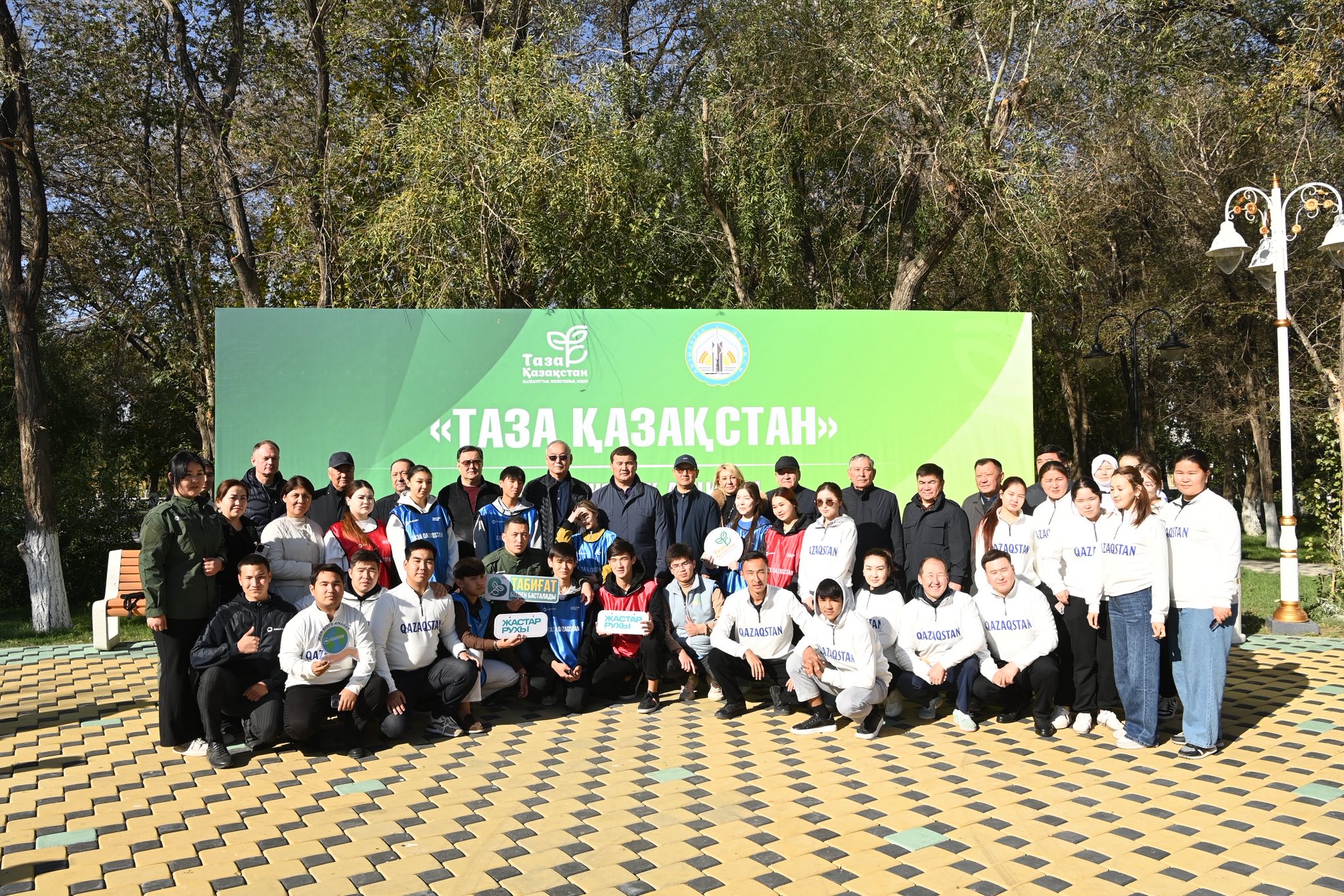
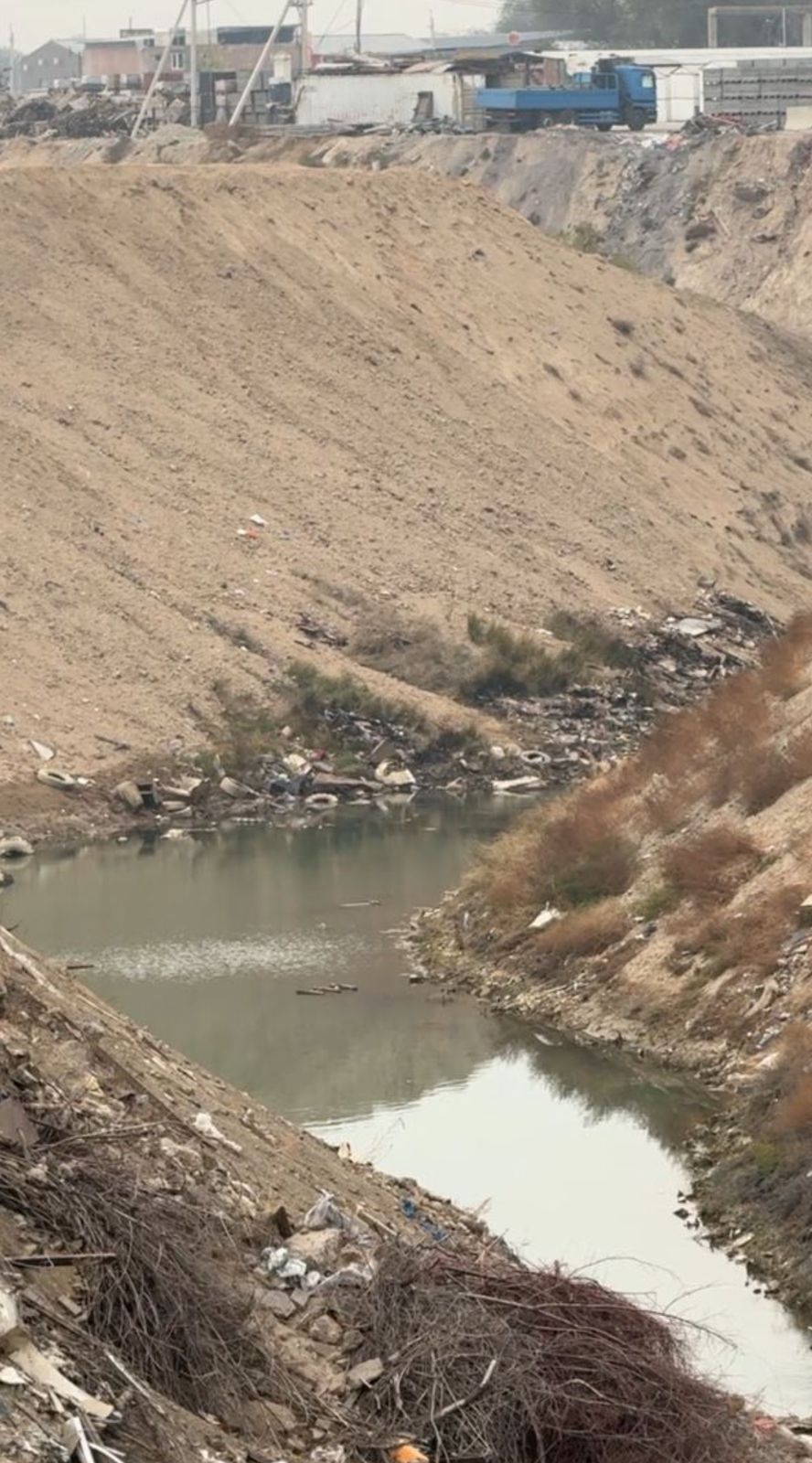
On July 26, 2025, a large-scale environmental campaign dedicated to cleaning rivers and canals took place in Shymkent. The event organizers reminded that water is the basis of life, and the cleanliness of waterways is directly related to the future of the city and the health of its residents. The campaign brought together municipal services, employees of environmental protection agencies, volunteers, youth organizations and activists. About two hundred participants worked along the city canals and on the banks of small rivers. Special equipment, trucks for waste removal and watercraft for cleaning hard-to-reach areas were brought in for the events. Several tons of garbage were collected in one day, mostly plastic bottles, bags, construction material scraps and household waste. Environmentalists emphasized that such pollution not only spoils the appearance of the city, but also causes serious damage to the ecosystem. Plastic decomposes for decades, pollutes the soil and water with microparticles, and organic waste provokes the growth of harmful microorganisms and attracts rodents. Cleaning rivers and canals is not just a matter of improvement. It has a direct impact on the urban ecology. Water flowing through clean canals retains its natural ability to nourish greenery without poisoning the soil and plants with chemical compounds. In addition, clean banks create a favorable environment for birds, fish and insects, supporting the city's biodiversity. In Shymkent, where the temperature rises very high in summer, water and green areas act as a natural air conditioner, softening the microclimate. Therefore, each such action is not only about cleaning up garbage, but also about improving living conditions for all residents of the metropolis. Experts note that river pollution often causes local environmental crises. Clogged channels reduce the system's capacity, create a risk of flooding, and can become a source of unpleasant odors. Keeping water bodies clean is a preventative measure against many urban problems. Shymkent holds similar events annually, but their scale and format have changed over the years. In 2022, the main focus was on cleaning the central irrigation ditches and canals. Then, about a hundred people took part in one of the clean-up days, and about five tons of waste were removed. In 2023, students and schoolchildren joined the initiative, and the campaign acquired an educational character. Information boards appeared on the banks with a reminder not to throw garbage into the water. In 2024, separate waste collection was introduced for the first time - plastic, glass and organic waste were collected separately and sent for recycling. This became an important step towards the formation of an environmental culture among residents. The current campaign in 2025 was the most comprehensive. It combined mechanized cleaning, manual garbage collection, waste sorting and simultaneous outreach work among the population. Volunteers talked to passers-by, explained the harm caused by water pollution and encouraged participation in future environmental initiatives. The organizers emphasize that the cleanliness of rivers and canals is not only the responsibility of public utilities. Each city resident bears personal responsibility for the environment. A bottle or a bag thrown into the water is not a trifle, but a contribution to the destruction of the ecosystem. Formation of ecological culture requires systematic work: from school lessons and competitions to city senbiliks and information campaigns. Experience from previous years shows that participation of residents directly influences the result. Where people regularly go out to clean up and monitor the condition of their neighborhood, there is noticeably less garbage. Following the event, city services outlined plans to further strengthen environmental safety: Monthly monitoring of the state of canals and rivers. Installing additional warning signs and surveillance cameras in areas prone to littering. Development of a system for separate waste collection along water bodies and in residential areas. Organization of regular public events and campaigns to educate citizens. These measures will help create a sustainable urban ecosystem where the cleanliness of water is directly related to the quality of life. Clean channels reduce the risk of diseases, prevent unpleasant odors and create an attractive environment for recreation and tourism. Cleaning rivers and canals is a step not only towards a well-maintained but also towards a healthy city. Experience from previous years shows that systematic measures and citizen participation can radically change the environmental situation. The July 30 campaign once again reminded us that ecology is a shared responsibility. Every bag thrown into a bin, not into the water, is a contribution to the future, where Shymkent will remain a clean, green and safe city to live in.
Clean rivers and canals are the guarantee of nature and city life 26.07.2025
On July 26, 2025, another ecological Saturday was held in Shymkent. This time, the campaign was dedicated to cleaning rivers and canals . It was emphasized that maintaining the cleanliness of natural waterways is a common responsibility for today's society and future generations, based on the principle that "Every drop of water is the basis of life." Public utilities, volunteers, youth organizations, and environmental inspectors worked together to clean up several major riverbeds and canals in the city. About 200 people participated in the campaign, and special equipment and garbage trucks were deployed. During the work, several tons of garbage were removed from the banks of the rivers and canals. Most of the garbage found was plastic bottles, bags, household waste and construction debris. According to experts, such waste not only reduces water quality, but also harms living organisms in rivers, and can block the flow of water in canals and create a risk of flooding. Impact on the ecosystem Rivers and canals are the lifeblood of the city's natural ecosystem . They are not only a source of water, but also a key factor in the stability of the city's climate and biodiversity. Polluted water sources negatively affect the greenery of the city, as the chemical compounds in the water that reach the plants and soil are altered. In addition, the cleanliness of water channels is directly related to the sanitary condition of the city. Harmful substances released from household waste are spread through water, creating conditions for the reproduction of mosquitoes and rodents. This, in turn, increases the risk of the spread of infectious diseases. Clean rivers and canals in the city preserve the natural habitat of birds and fish and ensure the biological balance of the ecosystem. Therefore, such cleaning activities are not just an environmental campaign, but a strategic measure aimed at improving the quality of urban life. Comparison with previous measures Although river and canal cleaning operations are carried out annually in Shymkent, their regularity has increased in recent years. For example: In 2022, a one-time citywide cleanup was held, mainly cleaning the ditches in the city center. About 5 tons of garbage were removed at that time. In 2023 , the scale of the environmental campaign increased, and youth organizations became more active. Posters and warning signs were installed along the canals to prevent littering , but they were mostly only seasonal. In 2024, the practice of separate waste collection was introduced for the first time . Plastic, glass, and other waste were collected separately and sent for recycling. This was an important step in creating an environmental culture. The highlight of this year's 2025 campaign is the increase in the number of participants , the involvement of more special equipment , and the simultaneous implementation of sanitary and educational works . In addition to cleaning the banks, specialists and volunteers explained to residents how to avoid water pollution and spread the message "Do not throw garbage into the water, choose recycling." Social responsibility and environmental culture The cleanliness of rivers and canals is not only the responsibility of municipal services. It is an indicator of the culture and responsibility of each resident . Considering that today a significant part of household waste is the result of the actions of residents themselves, environmental education is of great importance. The city administration and environmental protection agencies encourage residents to dispose of garbage in designated areas, sort household waste, and participate in public cleanups. Such public participation not only improves the city's environmental situation but also increases residents' love for their environment. In recent years, environmental education has also been given special attention in city schools. Campaigns and creative competitions for students under the title "Clean River - Clean City" are being organized. This makes a great contribution to shaping the attitude of the younger generation towards nature protection. A step towards the future As a result of the meeting and today's session, several important decisions were made: Monthly monitoring of rivers and canals will be established; Signs and video surveillance cameras will be installed prohibiting littering ; A waste collection system for recycling will be implemented on a regular basis; Public sabbaticals and environmental campaigns will be organized quarterly. These measures are aimed at preserving the city's ecosystem, improving the quality of life of residents, and preserving natural resources for future generations. Clean rivers and canals are the well-being of not only today, but also of future generations . The July 2025 Environmental Saturday was a demonstration of the systematic and effective work of the city of Shymkent in protecting nature. As the experience of past years has shown, only a sustainable and integrated approach will allow us to preserve the city's ecosystem. Every small right step by each resident is a guarantee of a clean environment in the future .
Shymkent is betting on a comfortable and environmentally friendly urban environment: results of the hardware meeting 29.07.2025
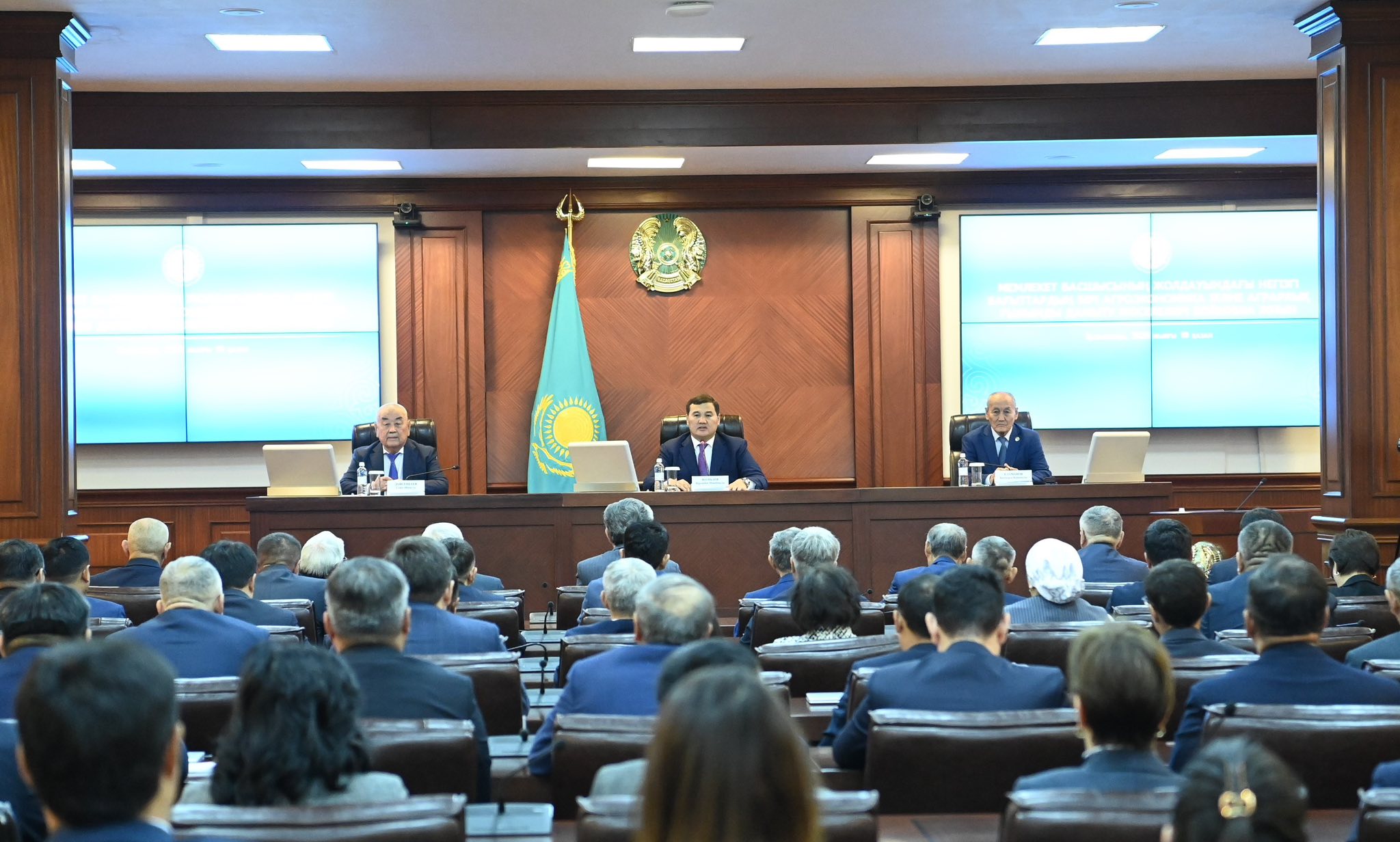
On July 29, 2025, the next hardware meeting of the Department for the Development of a Comfortable Urban Environment was held in Shymkent. The main topics of the meeting were the improvement of the city, sanitary cleaning, landscaping and improvement of infrastructure. Such events are held regularly, but the current meeting was especially indicative, since it focused not only on the everyday aspects of cleanliness and order, but also on their impact on the environmental sustainability of the metropolis. At the meeting, department heads presented reports on the work done and discussed new tasks. City services continue their course to create a comfortable and safe environment for residents, including systematic landscaping, infrastructure renovation, control over solid waste removal, and modernization of irrigation and lighting systems. Specific instructions with clear deadlines and the identification of responsible persons were given for each area. Improvement and sanitation as the basis of the urban ecosystem One of the central issues of the meeting was the sanitary cleaning of the city. In summer, the load on public utilities increases several times: high temperatures accelerate the decomposition of waste, increase the amount of dust and make areas where cleaning is not carried out regularly especially noticeable. In this regard, a decision was made to strengthen the garbage removal schedule and increase the number of mobile teams to work in remote areas. Special attention is paid to the introduction of a separate waste collection system and increasing the percentage of waste recycling. If a few years ago less than 20% of solid municipal waste was recycled in Shymkent, then by the end of the first half of 2025 this figure had grown to 27%. Such growth means a reduction in the load on landfills and a reduction in the risk of soil and groundwater pollution. Greening and creation of a "green shield" of the city The meeting also considered the issue of systematic greening. As part of the current program, it is planned to plant 15 thousand trees and shrubs by the end of the year, as well as to improve more than 40 new flower beds and lawns in courtyards and public spaces. This is not only an aesthetic improvement of the city's appearance, but also a real contribution to climate sustainability. Green spaces reduce dust levels, retain moisture in the soil and absorb carbon dioxide. In the hot climate of Shymkent, such measures are especially important: green areas reduce the effect of the urban heat island, making the summer months more comfortable for residents. The issue of caring for existing plantings was also raised at the meeting. Planting trees is often perceived as the final stage, but without regular watering and sanitary pruning, young trees do not take root, and old ones lose their stability. In this regard, the Department for the Development of a Comfortable Urban Environment, together with municipal enterprises, is strengthening control over the condition of city parks and squares. Infrastructure improvements and digital control Modern improvement is impossible without high-quality infrastructure. The meeting discussed plans to modernize street lighting and irrigation systems. The use of automated and cost-effective technologies allows for a reduction in water and electricity costs, while simultaneously increasing the efficiency of public utilities. Digital control has been actively implemented in the last two years. In 2024, the first GPS trackers appeared in Shymkent on equipment cleaning streets and watering green areas. Now city services can see in real time where each unit of special transport is and what work it is doing. This approach increases transparency and discipline, and residents get cleaner streets and well-kept yards. Comparison with past experience and the role of residents Compared to previous years, the approach to city improvement is becoming more systematic. In 2022–2023, the focus was mainly on seasonal work: spring clean-ups, summer watering, and autumn leaf removal. Today, the work is year-round, based on planning, digital technologies, and public participation. An important element was the involvement of residents. During the meeting, a proposal was made to more actively involve yard committees, youth organizations and volunteers in environmental campaigns and clean-up days. The experience of last year's "Clean City" campaign showed that citizen participation produces tangible results: in three months of 2024, it was possible to remove more than 50 tons of garbage from public areas, and the number of complaints about unsanitary conditions decreased by almost a third. Impact on the urban ecosystem and quality of life The measures discussed have a direct impact on the environmental sustainability of Shymkent. Regular cleaning reduces the amount of dust and allergens in the air, separate waste collection reduces the burden on nature, and the expansion of green areas improves the microclimate and increases biodiversity. A clean and well-maintained city is not only comfortable for residents, but also attractive for investors and tourists. Environmental stability is directly related to economic development: less money is spent on eliminating the consequences of pollution, more attention is paid to creating new infrastructure. Summary and Next Steps The results of the meeting showed that a long-term strategy for creating a comfortable and safe urban environment continues to be formed in Shymkent. Systematicity, digital control, public involvement and consideration of environmental factors make this process more effective than in previous years. The coming months will show how clearly the announced plans will be implemented. If the planned measures are completed on time, residents will receive not only a clean and green city, but also a sustainable ecosystem that will protect Shymkent from the climate and environmental challenges of the coming years.
Developing a comfortable environment in Shymkent: systematic steps towards improvement and environmental sustainability 29.07.2025
On July 29, 2025, the next meeting of the Department of Comfortable Environment Development was held in Shymkent. During the meeting, the status of improvement works in the city, sanitary measures, new initiatives in the direction of landscaping, and issues of improving infrastructure were comprehensively considered. The management of the Department noted that ensuring a safe and comfortable environment for the city's residents is one of the main priorities. The meeting gave specific tasks for each department, established deadlines for their implementation and control mechanisms. Cleaning city streets, landscaping parks and courtyards, maintaining engineering infrastructure facilities, improving lighting and irrigation systems were among the main issues on the agenda. Measures were also considered to ensure the timely removal of household solid waste and increase the level of recycling. The peculiarity of this meeting is its focus on the impact on the city's ecosystem and its sustainable development. Shymkent is one of the largest metropolises of the country, where the population is growing every year. Accordingly, traffic, the volume of household waste, and the load on green areas are also increasing. Therefore, landscaping and planting are important not only from an aesthetic, but also from an ecological point of view. The Department of Environmental Development plans to plant more than 15,000 tree seedlings this year to expand the city's green belt. In addition, work has been undertaken to create more than 40 new flower beds and lawns in the courtyards of apartment buildings and public parks. Such initiatives will improve the city's microclimate and help reduce air temperatures during the summer heat. The issue of sanitation is also a priority. The frequency of garbage collection on city streets has been increased, and the practice of separate collection of solid waste is being gradually introduced. In recent years, the share of household waste recycling has increased from 18% to 27%. This reduces the burden on the ecosystem and the risk of soil and water pollution. Compared to previous years, the format of such meetings has also changed significantly. For example, in 2022–2023, landscaping issues were mainly considered within the framework of seasonal planning, while from 2024, a system of constant environmental monitoring and digital control began to be introduced. Now, on a number of main streets in the city, garbage collection and irrigation equipment is tracked via GPS, and the quality of work is monitored in real time. This consistency is the main lesson learned from past experience. In addition, the role of residents in protecting the city's ecosystem is also increasing. The meeting made proposals to actively involve volunteers, youth organizations and local communities in landscaping. Such a practice of public participation proved its effectiveness during the "Clean City" campaign in 2023: then, more than 1,200 residents took part in the clean-up activities in 3 months, and about 50 tons of garbage were removed. This year, it is planned to double this figure. Landscaping and landscaping measures have a direct impact on the city's ecosystem. Trees absorb carbon dioxide, purify the air, reduce wind speed, and moderate the urban climate. Flower beds and lawns trap dust and reduce the spread of allergens. Efficient use of irrigation and lighting systems is consistent with modern approaches to energy and resource conservation. The Department of Development of a Comfortable Environment identified priorities for the coming months at a staff meeting. These include: Increase the city's green space by 10%; Improving the waste collection and sorting system; Comprehensive landscaping of the courtyards of multi-storey buildings; Modernization of lighting and irrigation systems in public places; Conducting monthly environmental campaigns and sabbaticals. In conclusion, the head of the department noted that improving the quality of life of city residents and protecting the ecosystem go hand in hand. He reminded that a comfortable environment in the city is not only clean streets and beautiful parks, but also a sustainable system that allows maintaining ecological balance.
Shymkent Cleanliness Week: Results and Significance of Environmental Work in the Abay District 28.07.2025
On July 28, 2025, another clean-up was held in the Abay district of Shymkent. This event was organized as part of the "Clean Kazakhstan" environmental campaign. During the clean-up, sanitary mowing of greenery in the district was carried out, streets and sidewalks were washed, and courtyards were cleaned. The event was attended by employees of the district akimat, representatives of municipal institutions and the KazStroyCapital company, as well as volunteer residents. A total of about 100 people took part in the cleanup, and 4 special vehicles were deployed. As a result, more than three tons of solid household waste were collected and taken to special landfills. Dry branches were cut and the yards were cleared of grass. These works were considered as a comprehensive measure that would not only be limited to external cleanliness, but also have a positive impact on the city's ecosystem. Today, maintaining ecological balance in cities is one of the most pressing issues. Especially in densely populated areas, air pollution, the reduction of green areas, and the increase in solid waste directly affect the quality of life of residents. Since Abay district is one of the largest and most rapidly developing areas in Shymkent, cleaning work here is of great importance. Sanitary pruning of trees during the Sabbath allows for the renewal of natural branches and their longevity. Pruning dry and diseased branches helps protect trees from pests and fungal diseases. This work contributes to the spontaneous regeneration of natural vegetation and the maintenance of a stable microclimate in the city. Mowing and cleaning the yard is important not only for the appearance, but also for ensuring sanitary safety. Grass and weeds that have not been mowed for a long time create a favorable environment for harmful insects and mites. This is a factor that poses a threat to the health of residents, especially in the summer months. Therefore, such work is of great preventive importance. Washing streets and sidewalks is an important step in reducing atmospheric dust in the city. In the summer, small dust particles floating in the air can trigger allergies, asthma, and other respiratory diseases. Washing the area with water reduces this risk. In addition, such measures also have a positive effect on the preservation of the road surface, safe movement, and aesthetic appearance. These measures are also important in order to increase environmental culture among city residents. In recent years, the number of residents who are not indifferent to public cleanliness has been increasing in Shymkent. The participation of volunteers and the activity of residents show that Shabbat is supported not only by the akimat, but also by the people themselves. This is a sign of environmental responsibility. Cleaning work in the Abay district is being carried out more systematically than in previous years. For example, while the 2023 clean-up days were mainly focused on garbage collection and landscaping, today these works are being carried out using specific approaches based on environmental assessment and planning. With the help of specialized specialists, it is determined in advance where sanitary mowing is necessary and in which areas it is important to mow the grass. This increases the efficiency of the work. In this regard, another important aspect that affects the city's ecosystem is waste management. Proper collection and disposal of solid waste reduces the burden on the city's natural resources. If waste is not disposed of in a timely manner, it harms not only the environment, but also human health. In general, the clean-up on July 28 was not just a one-time clean-up event, but a concrete step towards creating a sustainable environmental culture. Such comprehensive work in the Abay district is aimed at improving the city's ecology and improving the quality of life of residents. If in the future such measures are continued in other districts and the concept of "cleanliness is a shared responsibility" is established in the minds of every resident, then it is quite possible that Shymkent will become one of the most environmentally attractive and livable centers. Ecology is not only nature, it is the well-being of every person, the health of every family.
Urban ecology in action: clean-up day in Abay district 28.07.2025
On July 28, 2025, another large-scale sanitary campaign was held in the Abay district of Shymkent city as part of the eco-project "Taza Kazakhstan". Work on sanitary pruning of green spaces, mowing grass, washing streets and sidewalks were concentrated on the busiest residential areas, including park areas, adjacent territories and public spaces. The event involved employees of the district akim's office, public utilities, representatives of the contracting organization KazStroyCapital, as well as volunteers from among active citizens. In total, about 100 people took part, specialized equipment was used: water trucks, tractors with attachments and loaders. During the day of work, municipal services collected and removed about three tons of garbage, removed dozens of dry trees and cut hundreds of meters of weeds. But behind these figures lies a much deeper effect, primarily an environmental one. Today, when cities are faced with the growing effects of climate change, air pollution and degradation of green spaces, each such event plays a role not just for improvement, but for strategic purposes. The Abay district of Shymkent is densely populated, with a high density of development, and the presence of well-maintained green infrastructure is critically important here. Sanitary pruning of trees and shrubs is not just aesthetics. It is a measure that prevents the spread of pests, plant diseases and even possible sources of fire. In the hot southern summer, abandoned and dried branches pose a real threat to both the environment and the safety of residents. Cosmetic and sanitary pruning improves tree aeration, promotes their rejuvenation and sustainable growth, and therefore better absorption of carbon dioxide. Mowing the grass and removing weeds is another important factor, especially in the fight against insects that carry diseases. In Shymkent, in recent years, there has been an increase in complaints about mosquitoes and ticks in the summer season. Abandoned grass areas become their natural shelters. Keeping the vegetation clean and short is prevention. And prevention is not only biological, but also psychological. A clean yard is a completely different perception of the urban environment, especially for the elderly and children. It is worth mentioning the activities on washing sidewalks and roadways separately. This is important not only in terms of sanitation, but also in terms of reducing the level of dust in the air. In the summer, dryness and heat make the streets a potential source of aerosol pollution. Fine dust, mixed with particles of asphalt, plastic and other microscopic pollutants, settles in the respiratory tract, causing allergies, asthma and other respiratory diseases. Washing the streets helps to reduce this risk several times. Compared to previous years, the format of such events is becoming more and more comprehensive. If earlier — in 2022–2023 — clean-up days were mostly one-off, limited to garbage collection and curb painting, today the approach has become strategically thought-out. Based on satellite monitoring and akimat data, priority areas with high population density and the greatest environmental impact are identified. First of all, areas with a deficit of green spaces, increased air pollution levels and citizen appeals are processed. In addition, the involvement of the residents themselves is growing every year. People are beginning to understand that a clean environment is not only the responsibility of the state, but also of each citizen. More and more young people, schoolchildren, and volunteers are participating in such events. They receive basic knowledge of urban ecology, learn how to care for trees, how to properly dispose of waste, and which plants protect the soil from weathering. The city ecosystem is a living organism that reacts to any impact. Timely landscaping, maintaining cleanliness and sanitation, preventing pests and droughts are factors that together increase the climatic stability of the urban environment. The noise level decreases, the temperature stabilizes, the air humidity increases, and the number of diseases decreases. It is important that city authorities realize that ecology is not only parks and tree plantings. It is also the protection of existing green areas, supporting their viability and functionality. That is why, as part of the campaign, a preliminary diagnosis of the condition of trees was carried out, and in the future, it is planned to launch a project for digital registration of city plantings. Thus, July 28 has become more than just a day of cleaning. This is the date when ecology emerged from the shadow of routine clean-up days and became part of a conscious city policy. And if such events become regular, with the participation of residents, experts and the administration, Shymkent will receive not only clean streets, but also a healthy, sustainable and comfortable urban environment.
A clean city is everyone's concern: clean-up days continue in Al-Farabi as part of the "Taza Kazakhstan" campaign 24.07.2025
On July 24, 2025, another clean-up day was held in one of the microdistricts of the Al-Farabi district of the city of Shymkent, organized as part of the nationwide environmental campaign "Taza Kazakhstan". This time, employees of the district akimat, public utilities and local residents united to restore order in the courtyard of multi-story building No. 18 in the Karasu microdistrict. About 100 people took part in the cleanup, 4 units of special equipment were used. The participants of the event cleared the adjacent territory of garbage, mowed the grass, cut dry tree branches, collected and removed the accumulated rubbish. In total, about 3 tons of waste were removed. Such events are becoming more and more systematic in the city. If earlier cleanups were carried out mainly for holidays or as one-off events, today they have become regular. Local authorities and public utilities, having secured the support of city residents, continue systematic work to improve the sanitary condition of residential areas and increase the environmental culture of the population. The peculiarity of this cleaning was not only in the scale of the resources involved, but also in its timeliness. July is a period of active vegetation growth, and the lack of control over the condition of the adjacent territories can lead to undesirable consequences: accumulations of insects, growth of weeds, violation of sanitary standards. Trimming dry branches and mowing the grass are not just aesthetic measures, but an important prevention of the spread of dangerous diseases and potential fires in hot conditions. The ecological significance of such actions is difficult to overestimate. Systematic cleaning of urban space from garbage directly affects the health of the soil and the purity of the air. Garbage, especially of inorganic origin - plastic, polyethylene, glass - decomposes slowly and can emit harmful substances that poison the environment. Timely removal of such waste helps prevent pollution of the soil and groundwater, which is of paramount importance in a densely populated city. In addition, it is important to note that the population's participation in such clean-up days forms a culture of collective responsibility for the common space. Neighbors become not just residents of the entrances, but like-minded people in an effort to make their city cleaner and safer. This entails increased trust in municipal structures and a stronger connection between the government and society. If we look at the experience of previous years, we can note positive dynamics. In 2023, as part of a similar clean-up day in the Karatau district, only 40 people took part in the action, and it was possible to remove about 1.5 tons of garbage. Already in 2024, the number of participants increased to 70 people, and the volume of waste removed from the territory reached 2 tons. Current indicators indicate that civic activity and involvement in environmental initiatives are increasing every year. In the environmental context, it is also worth touching on the impact of such events on the urban ecosystem. Shymkent, as a large southern city, is subject to certain environmental loads: dust, heat, dense development. In such conditions, the support of green areas, timely care of trees and cleanliness in the courtyards are especially important. Removing dead wood allows trees to grow and breathe better, and mowing the grass reduces the concentration of pollen, which has a beneficial effect on the well-being of allergy sufferers. It is also worth noting that the urban landscape becomes noticeably more attractive after cleaning. This also affects the psychological state of residents, especially the elderly and families with children. A clean yard is a place for walks, communication, and sports. A space where you can feel comfortable and safe. The clean-up day on July 24 is another step towards sustainable development of the urban environment. Representatives of the district administration promised that similar work will be carried out in all microdistricts of Al-Farabi. The plans include areas adjacent to houses, vacant lots, areas along roads and near educational institutions. Schools, youth organizations and the business community are expected to join the events. Thus, such clean-up days are not just technical work on garbage removal, but targeted activities aimed at improving the quality of life in the city, preserving its nature and raising an environmentally conscious generation. Only through joint efforts is it possible to create an environment in which each resident feels responsible for the cleanliness and well-being of the surrounding world. Shymkent continues to confidently move along the path of environmental modernization, focusing on interaction, prevention and the participation of each city resident in the life of their district.
Clean city — healthy generation: Sabbath in the Al-Farabi district and its impact on the ecosystem 24.07.2025
On July 24, 2025, another clean-up was held in the Karasu microdistrict of the Al-Farabi district of Shymkent. This event was organized as part of the "Clean Kazakhstan" environmental campaign and was held in the courtyard of multi-storey residential building No. 18. About 100 people and 4 special equipment were involved in the clean-up, which was held in order to maintain urban cleanliness and ecological balance. The volume of garbage collected was 3 tons. The main activities of the Saturday were cleaning yards and public spaces from garbage, cutting dead branches from trees, mowing grass, and sweeping yards. Representatives of the district akimat and municipal services actively participated in the event. This Saturday is not just a cleaning event, but a significant initiative that directly affects the city's ecosystem. Maintaining the city's greenery and pruning old tree branches will allow the natural environment to renew. Also, timely garbage collection will help prevent soil pollution, the proliferation of pests, and the spread of unpleasant odors into the air. For comparison, similar Saturday works were also held in 2022 and 2023. However, while previous events were mostly held only in connection with holidays and specific calendar dates, in the last two years this event began to be held systematically, every week throughout the year. For example, in 2023, a similar Saturday was organized in the Karatau district, and about 1.5 tons of garbage were removed. This year's Saturday saw a significant increase in indicators - this indicates an increase in the activity and environmental culture of residents. In terms of impact on the city's ecosystem, the importance of sanitation measures is significant. Garbage and waste not only harm the eyes, but also negatively affect groundwater, soil quality, and air quality. Plastic waste and chemicals in particular can leach into the soil over time, posing a threat to plant growth and nearby living organisms. Regular sanitation measures are an effective way to prevent these threats. In addition, cutting dead branches from trees and mowing grass also have an ecological value. Dead branches are one of the factors that increase the risk of fire. Cutting them in a timely manner is a concrete measure aimed at preventing fires in the summer. And mowing grass prevents the reproduction of harmful insects such as mosquitoes and ticks, allowing you to protect the health of residents. In addition, Shabbat has a high social significance. Such collective events increase the unity of residents, form environmental awareness and a sense of responsibility. If people living in the courtyards of multi-storey buildings do not neglect the cleanliness of their environment, this will contribute to the improvement of the beauty of the city as a whole and the development of domestic culture. According to local authorities, such measures will continue in the future. One of the main goals is to hold cleaning months in each microdistrict, intensify planting activities, and provide environmental education among residents. In the future, it is planned to widely involve students, youth organizations, and public associations in these Saturdays. It is important to note that environmental measures should not be limited to one-time cleaning. To maintain a sustainable city ecosystem, simple actions by residents in their daily lives, such as sorting garbage, collecting recyclable materials, using water economically, and participating in landscaping, are very important. In conclusion, the clean-up drive in the Al-Farabi district on July 24 is not only a demonstration of cleanliness, but also a harmonious partnership between the city's residents and the authorities. We all need to be active to preserve the ecosystem. Protecting nature and keeping the city clean is a common task. Through this clean-up drive, the residents of Shymkent once again proved their responsibility for their city.
Providing agricultural producers with fuel: how the commission works and what it means for the city's ecology 22.07.2025
On July 22, 2025, a meeting of a special commission was held in Shymkent, which determined the operator for the distribution of diesel fuel intended for autumn field work. This decision became an important part of the preparation for the seasonal campaign in the agricultural sector and directly affects the efficiency of farms in the region. Autumn agricultural activities require a reliable supply of fuel and lubricants. That is why working groups are formed in advance at the city level, including representatives of the akimat, the agricultural department, technical specialists and farmers. The main task of the commission is to select a supplier capable of ensuring uninterrupted and environmentally safe delivery of fuel to the sites. The meeting considered proposals from several potential operators. The main selection criteria were logistics capabilities, availability of infrastructure, compliance with safety requirements and, importantly, minimization of environmental impact. In the context of growing interest in the environmental sustainability of urban development, this point has acquired special significance. One of the key topics was the discussion of the impact of transportation and storage of fuel and lubricants on the state of the ecosystem of Shymkent and adjacent agricultural areas. Representatives of the commission emphasized that the operator is obliged to use specialized tanks, sealed containers and certified equipment that eliminates leaks and pollution of soil, water bodies and atmospheric air. Looking back at previous years, similar meetings were held in 2022 and 2023, but in some cases the process of organizing supplies was delayed. This had a negative impact on the pace of sowing and harvesting, especially in remote communities. Farmers then faced delays due to untimely distribution of fuel and logistical failures. It was this experience that prompted local authorities to more clear and transparent planning in 2024, and the approach was further improved in 2025. The selected operator assumes responsibility not only for fuel delivery, but also for consulting farmers on the proper storage and use of fuel and lubricants. Information on the needs of agricultural enterprises is also collected to avoid shortages or irrational distribution of resources. This approach reduces the risk of equipment stopping in the midst of field work and helps to increase crop yields. However, in addition to production tasks, there is also an environmental issue on the agenda. The use of large quantities of diesel fuel is a potential threat to the ecosystem. Violation of storage and transportation rules may result in emissions of harmful substances, air and soil pollution, which is especially dangerous near water bodies and populated areas. To minimize such risks, environmental protection specialists also took part in the work of the commission. They proposed introducing a system of regular monitoring at storage and filling sites, including air measurements, soil analysis, and monitoring of compliance with sanitary standards. In addition, the idea of creating mobile environmental laboratories that can quickly respond to possible incidents is being considered. Special attention was paid to the development of a logistics scheme, whereby filling points will be located at a safe distance from residential areas, reservoirs and nature conservation areas. This is necessary to eliminate even the slightest threat to the flora and fauna of the city and suburban areas. The commission also proposed considering alternative energy sources for agriculture in the future, such as biofuels or hybrid models of agricultural machinery. For now, these are just plans, but such initiatives are already gaining support from the public and environmentalists. Thus, the past meeting of the commission in Shymkent was not just a technical stage in preparation for the agricultural season, but a comprehensive work to ensure food security and preserve the environment. The selected operator will have to not only fulfill its obligations to supply fuel, but also comply with increased requirements for environmental responsibility. This is an example of how a systemic approach, based on past experience and modern standards, can ensure sustainable development of the agricultural sector without harming the urban ecosystem. In the context of climate change and increasing pressure on natural resources, such solutions are becoming increasingly relevant and significant for a sustainable future.
Resources allocated as a fuel operator for autumn field work in Shymkent: a comparison of ecology and practice 22.07.2025
On July 22, 2025, a meeting of the commission was held in Shymkent to determine the operator of fuel and lubricants for agricultural producers to carry out autumn field work. This event was aimed at creating the necessary logistics base before the start of an important stage in the agricultural sector - sowing, fertilizer application, and field work. The commission included representatives of the local akimat, the agricultural department, entrepreneurs, and technical specialists. The commission considered the operator's service capacity, fuel supply volume, compliance with technical requirements, and environmental safety measures. In addition, indicators such as the operator's ability to efficiently transport fuel via rail, road, or warehouse systems, and taking into account the impact on the region's natural resources, were relevant. The volume of diesel fuel allocated to the Shymkent region has been planned in sufficient quantities, and one or more operators have been identified to ensure timely and uninterrupted supply of agricultural machinery arriving in the region. This was achieved through a comprehensive analysis of experienced specialists and infrastructure resources. This approach is not only effective in terms of fuel delivery, but also in terms of organizational efficiency. The selected operator ensures timely completion of field work by providing the necessary capacity for agricultural machinery in a timely manner. Given that the problems of water shortage and soil dryness traditionally arise in the summer and autumn periods, such planned provision is important for farmers. Social and environmental aspects were also not ignored. The commission was guided by the fact that the operator would cause minimal damage to the ecosystem when using fuel. In accordance with special environmental standards, it was necessary to prove that the operator's fleet met technical requirements, followed safe storage and distribution methods for fuel without spills. In order to prevent soil and surface water contamination, the operator must equip fuel storage facilities. This is an important task aimed at environmentally responsible management. In addition, the use of environmentally friendly techniques and filtration systems was considered to reduce the amount of hydrogen and carbon emissions released into the air. Compared to the experience of previous years, in 2022 and 2023, the supply of autumn field fuel was often not timely and in sufficient quantities, which led to delays in sowing in some rural areas. Unpreparedness of operators or poor infrastructure led to losses of agricultural products. In 2024, this problem improved somewhat, and major assessments and requirements were introduced among fuel suppliers, so the creation of the commission in 2025 is a continuation and improvement of that experience. Regarding potential environmental impacts, there are risks of spills, pollution, and indirect damage to trees and grass during fuel transportation. To prevent this, the operator should have special tanks, a spill cleanup system, and emergency preparedness measures in place when working with fuel. This will not affect the rural ecosystem or biodiversity. According to the decision of the commission in Shymkent, after the operator is selected, it is planned to introduce monitoring along with fuel distribution. This means that the status of the ecosystem should be constantly assessed, and the quality of air, soil, and water should be checked as a combined direction of control. This time, environmental safety and agricultural productivity were considered simultaneously. The commission meeting considered not only the operator's technical accessibility and infrastructure capabilities, but also the location of fuel exchange points. This is also important in order to avoid harm to the environment - the fuel station should be located at an appropriate distance from urban areas and water sources. In conclusion, after the commission selected the operator, specific plans were approved aimed at effectively organizing autumn field work. This is an important event that will give impetus to the development of the agro-industrial complex. Some experts believe that additional mechanisms should be introduced to conduct environmental audits and monitor fuel compliance with environmental standards, in collaboration with fuel operators. This will allow for the restoration of a balance between agriculture and the conservation of natural resources in the future. Thus, the commission meeting on July 22, 2025 is a clear demonstration of responsible management practices that combine fuel supply and ecology. If implemented, this balanced approach will allow increasing the efficiency of agriculture without harming the city's ecosystem. At the same time, taking into account the shortcomings of previous years, a systematic step was taken towards an efficient and safe supply system in 2025.
Large-scale locust control operations have begun in Shymkent: a balance between crop protection and ecosystem conservation 23.07.2025
On July 23, 2025, large-scale chemical treatment of agricultural areas against single (sayak) locusts began in Shymkent. This work is carried out on the recommendation of the Republican Methodological Center for Phytosanitary Diagnostics and Forecasts, and is aimed at preventing the spread of pests that annually threaten the region's agriculture. Locusts are one of the most dangerous seasonal disasters for the agricultural regions of Southern Kazakhstan. Under favorable weather conditions and without timely measures, pests can quickly destroy crops, grass on pastures and even individual bushes. This season, an increase in the number of single locusts was recorded, which required a rapid response from authorized bodies. Specialized mobile teams equipped with ground equipment, drones and hand sprayers were deployed to combat the pests. The work covers more than 3,000 hectares of land, including household plots, pastures and fields in suburban areas. The treatment is carried out mainly in the morning and evening hours to reduce the possible impact on people and animals, as well as to achieve the greatest effectiveness against locusts, which are most active at these hours. The preparations used comply with modern safety standards. These are selective pesticides aimed exclusively at pests. They quickly decompose in the environment, do not accumulate in the soil and do not pose a threat to humans or animals if all instructions are followed. However, despite the safety of the chemicals, it is important to consider the potential impact on the ecosystem as a whole. One of the most important aspects discussed by experts is the impact of treatment on biodiversity. Locusts, despite their harmful nature, occupy a certain niche in the food chain. They are hunted by birds, lizards and some insects. A sharp reduction in their numbers can lead to a disruption of the food supply of these species. In addition, even safe preparations, if used incorrectly, can affect the populations of bees and other beneficial insects. Therefore, the entire treatment process is accompanied by environmental monitoring, which assesses the condition of the soil, air and water in the treated areas. Comparing the current campaign with previous years, significant changes in the approach to phytosanitary safety can be noted. For example, in 2022, outdated preparations with a higher toxicity level were used in some regions of Southern Kazakhstan, which caused alarm among environmentalists and agricultural producers. Cases of mass death of pollinating insects were recorded, as well as complaints from the population about odors and deterioration in health. Since then, the approach to treatment has been seriously modernized: new, environmentally friendly preparations have been introduced, safety precautions have been improved, and public awareness has become more systematic. In some regions of Kazakhstan, such as Turkestan and Zhambyl, biological control methods have been actively tested in recent years. Predatory insects, fungi, and bacteria that attack locusts are used as an alternative to chemicals. However, biological methods are still less effective in the event of a sharp increase in pest numbers. Therefore, a mixed approach has been chosen in Shymkent: the priority is safe chemical protection with mandatory environmental monitoring and comprehensive analysis of the consequences. It is important to note the active interaction with the population. Before the start of the treatment, local authorities warned residents about the time and place of the events through the media, messengers and announcements. Those living near the treated areas were asked to temporarily limit their stay in the open air, not to drive cattle to pastures and thoroughly wash the harvest from vegetable gardens. Citizens were also recommended to ensure the protection of bees and other domestic insects by moving hives away from the danger zone. According to experts, current measures will not only help preserve the harvest and reduce farmers' economic losses, but will also serve as important experience for organizing similar operations in the future. With the right approach and compliance with all standards, it is possible to achieve a balance between protecting agricultural interests and minimizing damage to the environment. It is planned that after the treatment is completed, a comprehensive analysis of the effectiveness and environmental impacts will be carried out. This will allow for adjustment of future strategies and a further shift in focus towards sustainable and bio-safe pest control methods. Thus, the fight against locusts in Shymkent in 2025 became an example of a thoughtful and systematic approach that combines technology, safety and responsibility to society and nature.
Locust control in Shymkent: impact on the ecosystem and comparison with previous measures 23.07.2025
On July 23, 2025, large-scale chemical treatment against locusts began in Shymkent. This event was organized on the recommendation of the Republican Methodological Center for Phytosanitary Diagnostics and Forecasts. Due to the current threat to agriculture in the city, local authorities and specialists are taking urgent action and trying to limit the spread of harmful insects. Locusts have been multiplying, especially since mid-July, and have begun to threaten arable land and pastures. Locust invasions are a common seasonal phenomenon in the southern regions. If timely measures are not taken, they can destroy a significant part of agricultural products. Therefore, specialists have intensified preventive measures. Chemical treatment is currently being carried out on more than 3,000 hectares of land near the city. Special equipment, drones and sprayers have been involved in these works. Treatment is carried out in the morning and evening, since during these periods the insects are active, and the movement of residents and livestock facilities is low. The pesticides used are selected in accordance with modern safety standards. They are biodegradable and are aimed at affecting only pests and not harming beneficial insects, animals and humans. However, it is clear that any chemical intervention will have a certain impact on the ecosystem. To prevent this impact, the relevant authorities conduct environmental monitoring and monitor the condition of soil and water sources in the cultivated areas. When talking about possible impacts on the ecosystem, we should not forget that locusts themselves are part of the natural biocenosis. Many birds and insects feed on them. Therefore, a sharp decrease in their number can negatively affect the balance in the ecosystem. In addition, if residues of substances used during processing accumulate in the soil or water sources, this can also cause long-term harm. However, it is expected that the drugs used today will decompose naturally in a short time. These processing measures are not the first time that Shymkent has been carrying out these activities. Similar processing operations were carried out in 2022 and 2023. However, the chemicals used during those periods had a greater impact on the natural environment. That is why a decrease in the number of bees and other beneficial insects was recorded. In recent years, more attention has been paid to agroecological approaches in Kazakhstan, and biological control methods are being put into practice. For example, in 2024, a biological processing method against locusts using parasitic insects was used in the Turkestan region. Although this method is less harmful to the ecosystem, it is less effective, so this year a decision was made in Shymkent to use a mixed approach - that is, to combine chemical and control and analytical work. Public education is also being carried out systematically. The city's agricultural department, representatives of the sanitary and epidemiological service, and local akimats are warning residents in advance and explaining safety rules. Through social networks, local press, and advertising media, citizens are being provided with accurate information about the time and place of chemical treatment, as well as precautions. Among the main rules recommended to the population are recommendations such as not to go out into the field during treatment, not to let livestock out to pasture, thoroughly wash vegetables and fruits, and boil running water. The fight against locusts in Shymkent is a systematic measure aimed at protecting agriculture. The main goal of these works is not only to reduce the damage caused by pests to agricultural products, but also to maintain environmental stability. The use of modern methods and environmentally friendly preparations is becoming more effective and safer than in previous years. However, these works must be constantly monitored to reduce the potential impact on the ecosystem, and in the future, the need to increase the share of biological methods will remain on the agenda.
"ALSERA KZ": A New Stage of Development of the Agro-Industry and Environmental Responsibility 25.07.2025
On July 25, 2025, one of the largest investment projects in the country's agricultural sector was presented in the industrial district of Shymkent - the construction of an industrial greenhouse complex by ALSERA KZ. This large-scale project is designed to bring domestic agriculture to a new level, using advanced technologies and modern methods of running agribusiness. The project envisages the creation of a high-tech complex equipped with climate control systems, automated control and resource-saving technologies. At the same time, special attention is paid to environmental issues and minimizing the negative impact on the environment. The Shymkent region, like many southern regions of Kazakhstan, is characterized by limited water resources and a vulnerable ecosystem. In this context, ALSERA KZ sets itself the task of not only increasing agricultural production, but also doing so in the most sustainable way from the point of view of environmental safety. One of the key areas is the efficient use of water resources. Innovative drip irrigation systems are being introduced in the greenhouse complex, allowing for a significant reduction in water consumption compared to traditional methods. Moreover, the complex is equipped with installations for collecting and reusing rainwater and wastewater, which helps reduce the load on local water sources. Also, when designing the complex, the conservation of land resources is taken into account. Instead of expanding the cultivated areas in natural areas, the enterprise uses the industrial zone, which prevents soil degradation and reduces anthropogenic impact on natural ecosystems. An important aspect is also the integrated waste management system. Organic waste is used to produce compost, reducing the need for chemical fertilizers, and packaging materials are sorted and recycled, which reduces the amount of waste ending up in landfills. The project makes extensive use of renewable energy sources, including solar panels, as well as energy-efficient lighting and climate control systems, to reduce carbon emissions and reduce the negative impact on the region's climate. Biological methods of pest control, replacement of pesticides with natural enemies of insects and the use of environmentally friendly products are another example of ALSERA KZ's commitment to the principles of sustainable development. Small greenhouse projects have been implemented in Shymkent and its environs before, but they were not distinguished by such a large-scale application of modern environmental technologies. In many cases, such farms did not pay due attention to environmental protection, which led to the depletion of water resources and environmental pollution. ALSERA KZ is becoming a pioneer of a new approach that integrates economic efficiency and environmental responsibility. Unlike previous initiatives, the creation of a greenhouse complex here is accompanied by constant monitoring of the environment and regular adjustments to processes in order to minimize damage. The project has a positive impact not only on agriculture, but also on the economy of the region as a whole. The creation of new jobs, development of infrastructure and increased production of fresh vegetables and fruits stimulate socio-economic growth and improve food security. Particular attention is paid to training personnel and attracting young specialists, which contributes to the formation of competent personnel and the development of the agro-technological sector. The industrial greenhouse complex "ALSERA KZ" is not just a large-scale agricultural project, but an example of a comprehensive, environmentally oriented approach to the development of agriculture. Its implementation shows that modern production can be not only efficient, but also environmentally friendly. This approach is particularly relevant in the context of climate challenges and the need for rational use of limited natural resources. The success of the project in Shymkent will stimulate the implementation of similar initiatives throughout the country and will strengthen Kazakhstan's position as a responsible participant in the global sustainable development process. As a result, ALSERA KZ opens a new stage in the development of the agro-industrial complex of Kazakhstan, where advanced technologies and concern for the environment go hand in hand, creating conditions for stable and long-term growth of the industry.
New momentum in Shymkent: “ALSERA KZ” greenhouse complex and the future of the agricultural sector 25.07.2025
On July 25, 2025, an event was held in Shymkent to familiarize itself with the construction progress of an industrial greenhouse complex being implemented by the “ALSERA KZ” Limited Liability Partnership, which is one of the largest investment projects in the country. This is one of the largest agricultural investments between Kazakhstan and Turkey. The event was attended by the city administration, agricultural specialists, investors, project technical staff, and public activists. Project scope and features The complex is located in the "Bozaryk" industrial zone in Shymkent. This greenhouse complex, with a total area of 500 hectares, will be implemented in two stages. In the first stage, an area of up to 200 hectares will be fully developed and put into operation by the end of 2026. In the second stage, the remaining 300 hectares will be completed by 2028. The investment volume is 650 million US dollars. This is one of the largest financial investments in greenhouse complexes in Kazakhstan. After the complex is launched, it is planned to produce up to 155 thousand tons of tomatoes per year. In addition, it is expected to create about 5,000 new jobs. New technologies and environmental efficiency The complex will be fully equipped with modern digital and automated technologies. It will use smart climate control systems, automatic irrigation and fertilizer supply systems, and energy-saving light sources. This will not only improve product quality, but also make it possible to use resources more efficiently. The project is also environmentally friendly. The greenhouse complex includes water-saving technologies and the use of solar energy. This, in turn, reduces the burden on the environment. The company "ALSERA KZ" has taken on significant obligations not only in terms of economic, but also in terms of social responsibility. The investors plan to develop housing for workers, kindergartens, sports grounds and other social infrastructure. This shows that the project has real benefits for the local population. Over the past decade, several projects aimed at developing greenhouse complexes have been implemented in Kazakhstan. However, their scale and technological capabilities were significantly smaller than the current “ALSERA KZ” project. For example, greenhouse projects implemented in various regions of Kazakhstan in 2022-2024 averaged 20-50 hectares and produced 15-30 thousand tons of products. The number of people employed was also limited to a few hundred people. The “ALSERA KZ” project is a new qualitative level. Its main feature is a full-fledged agro-industrial system that covers the entire production cycle, from seeds to product export. The complex's products will not only fully supply the domestic market, but will also be exported to foreign markets. At the initial stage, it is planned to export to Russia, Central Asia, the Middle East and South Korea. This will increase the potential of Kazakhstan in exporting agricultural products to the world market. The implementation of such a large-scale project will have a positive impact on the economic development of Shymkent. New infrastructure will be built around the greenhouse complex, and related industries such as logistics, transport, storage, packaging will also develop. These are new opportunities, sources of income and permanent jobs for the residents of the city and the region. Project impact on the ecosystem During the implementation of the project, special attention is paid to the issue of ecological balance and efficient use of natural resources. The ecosystem of Kazakhstan, especially in the southern regions, is very sensitive to climate change, water scarcity and soil degradation. Therefore, the industrial greenhouse complex should not have a negative impact on the environment, but, on the contrary, should work towards saving natural resources and reducing waste. 1. Rational use of water resources Shymkent region is a water-scarce region. In this regard, the greenhouse complex will introduce technologies for collecting and reusing rainwater and wastewater, drip irrigation systems, and water filtration. These methods will not only provide plants with the necessary moisture, but also allow preserving groundwater and surface water sources. 2. Conservation of agricultural lands Compared to conventional fields, the greenhouse system allows you to get more products from a much smaller area. This is very important for preserving the natural land resources and biological diversity of the region. The “ALSERA KZ” complex is located in a special industrial zone, without developing dry lands, which is also a way to avoid putting pressure on the land ecosystem. 3. Waste management The complex will be equipped with waste sorting and recycling systems. Organic waste will be used as compost, helping to reduce the use of chemical fertilizers. In addition, plastic and other packaging waste will be specially collected and sent to recycling plants. 4. Reduce your carbon footprint The greenhouse complex will minimize carbon dioxide emissions through the use of solar panels and energy-efficient lighting sources. In addition, it is planned that electricity will be generated from renewable sources. 5. Biological control The complex will use biological methods to combat pests: instead of chemical pesticides, beneficial insects and natural plant extracts will be used. This approach will not only ensure the ecological purity of the product, but also prevent soil and water pollution. The importance of the presentation The orientation event on July 25 was a manifestation of establishing an open dialogue between the public and the investor. Participants received detailed information about the project, had the opportunity to ask questions and make suggestions. In addition, this event drew the public's attention to a new direction in the agricultural sector. The “ALSERA KZ” greenhouse complex is not only an agricultural project, but also a project that combines the economy, social sphere, and technological development. The production and social facilities implemented within its framework are a concrete step towards the sustainable development of our country. This complex, which is being built in the industrial zone of Shymkent, is likely to become one of the largest export centers in the agricultural sector of Kazakhstan in the future. Such projects will undoubtedly help ensure the country's food security and strengthen its position in the global market.
The board meeting took place 01.08.2025
The Department of State Revenue for the Akmola region summed up the results of its activities for the first half of 2025. The execution of the planned task amounted to 112.9%, more than 304 billion tenge of revenues were transferred to the state budget. The Department of State Revenue, within the framework of tax and customs administration, provided additional reserves of about 11 billion tenge, including in such sections as administration of subsurface users – 2.4 billion tenge, desk control – 5.9 billion tenge, tax and customs inspections – 731 million tenge, customs administration – 214 million tenge, administration of excise taxes – million tenge. tenge, administration of indirect taxes within the EAEU – 283 million million tenge, etc.At the customsposts of the department, more than8thousanddeclarationsforgoods have been issuedinvariouscustomsprocedures. It should be notedthat71% of declarations were issuedin the greencorridor,i.e.without the participation of officials. The priorityareaof the department's activity is the high-qualityprovision of publicservices. Transparencyintheprovision of publicservices,theirqualityandaccessibility, and continuousimprovement of the provisionprocessdepend on the degree of trust of citizensandtheimage of governmentemployees as awhole.Over the pastyear, more than310thousand were provided. governmentservices,99.8percent of which are providedelectronically.Alsoat the event, which was attended by the heads of the territorialdepartments of staterevenueviavideoconference, issues of universaldeclaration,improvement of tax and customsadministration,ludomaniaandanti-corruptionwerediscussed.At the end of the meeting, tasks for the near future were outlined, including ensuring the unconditional execution of the forecast plan and other issues.Source : https://www.gov.kz/memleket/entities/kgd-akmola/press/news/details/1044320?lang=kk
Working meeting with the participation of directors of MGM Nur LLP, RADIAL Limited LLP, the Council for the Protection of Entrepreneurs' Rights and Anti-Corruption, the Regional Chamber of Entrepreneurs of the Abay Region and the prosecutor's office 01.08.2025
Yesterday, the city akim B. Abdraliev held a working meeting with the participation of the directors of MGM Nur LLC, RADIAL Limited LLC, the Council for the Protection of Entrepreneurs' Rights and Anti-Corruption, the Regional Chamber of Entrepreneurs of the Abay Region and the prosecutor's office. The agenda included problematic issues related to the commissioning of the Topolyok kindergarten. Current technical and legal obstacles were discussed, and ways to solve them were outlined. Following the meeting, specific instructions were given to speed up the process.Source : https://www.gov.kz/memleket/entities/abay-kurchatov/press/news/details/1044303?lang=kk
Meeting with large families 01.08.2025
On July 31, 2025, a meeting with large families was held at the KSU «Secondary School No. 2» of the Sarani City Education Department of the Karaganda Region Education Department. The event was attended by Deputy Akim for Social Affairs S.Zh. Beiskeev, Head of the Department of Education of Sarani A.B. Baktybaev, Acting Head of the State Institution «Department of Employment and Social Programs of Saran» N.N. Kurgannikova. The participants of the meeting were introduced to social support measures and the appointment of social benefits. In the format of an open dialogue, mothers were able to ask important questions and receive competent answers.Source : https://www.gov.kz/memleket/entities/social-saran/press/news/details/1044305?lang=kk
Social benefits for children with disabilities under 18 years of age 01.08.2025
According to the decision of the Saransk City Maslikhat No. 33 dated June 15, 2023, by the Constitution Day of the Republic of Kazakhstan – August 30, a social payment of 40 thousand tenge will be made to children with disabilities under the age of 18. 169 people will receive financial assistance.Source : https://www.gov.kz/memleket/entities/social-saran/press/news/details/1044309?lang=kk
More than 1.5 million tourists in two months: Konayev summed up the results of the summer season 01.08.2025
Source : https://www.gov.kz/memleket/entities/almobl/press/news/details/1044276?lang=kk
The largest regional Field Day has begun in Kostanay region 01.08.2025
One of the largest regional exhibitions of agricultural production and agribusiness in Kazakhstan has opened in Kostanay region today. About 100 companies from 20 countries are taking part in the International Agricultural Exhibition and Demonstration "Jańa Dala / Qarqyn '2025".At the industry event, which is traditionally held on the eve of the harvesting campaign, foreign and domestic agribusiness demonstrates the capabilities of modern agricultural technologies and high-performance equipment, achievements in the field of animal husbandry and selection, as well as innovative developments in the field of veterinary medicine, plant protection and organic farming.Among the participants and guests of the exhibition are mechanical engineering enterprises, Kazakhstani and foreign manufacturers and suppliers of agricultural machinery and equipment, representatives of agricultural science in the field of agriculture and plant growing, specialists from livestock breeding farms, interested departments of the akimat, financing enterprises and public organizations of the region.By 2027, 93 investment projects worth 383 billion tenge are planned to be implemented in Kostanay region. Of these, 51 projects are in livestock farming, 23 in crop production, and 19 in agricultural processing. It is planned to create 4.4 thousand new jobs. This year, 36 projects worth 52.5 billion tenge are planned to be introduced in the region. By the end of the year, large projects will be commissioned - 4 dairy farms in Altynsarinsky, Mendykarinsky, Fyodorovsky districts. This was said by Deputy Akim of Kostanay region Arman Abenov during the official opening of the Field Day "Jańa Dala / Qarqyn ‘2025". According to Abenov, 207 billion tenge have been allocated for the development of the region's agro-industrial complex this year. This is 1.2 times higher than the 2024 level. 62 billion tenge were issued for preferential lending for spring field work. As the representative of the regional Akimat noted, the main task is to effectively use budget funds, get the maximum return on investment, ensure the stability of enterprises, and increase production volumes.The Field Day in the Kostanay region aroused great interest not only among Kazakhstani farmers and agricultural producers, but also among their foreign partners. The International Conference "Astyk 2025" held within the framework of the exhibition became a special object of attention for agribusiness. For the first time in Kazakhstan, the grain forum is being held directly in the fields of grain-growing farms. A large-scale event on the eve of the start of the new season brought together more than 500 agricultural producers, representatives of companies engaged in the purchase, sale and international trade of grain, players in the oilseeds market, suppliers of agricultural technologies, machinery and equipment. Traders, agricultural enterprises, farms and agro-formations, elevators, flour mills and oilseed processors are taking part in the work of "Astyk 2025".A representative Uzbek delegation is also participating in the conference. According to Alisher Makhmudov, an expert on the agricultural market and logistics of Uzbekistan, the Uzegmoysanoat Association, whose members arrived at the exhibition, unites about 320 oil and fat enterprises of Uzbekistan. These are enterprises that produce vegetable oils from various raw material sources, primarily from cotton and sunflower seeds."Every year, our processors import more than 200 thousand tons of raw materials and semi-finished products, as well as over 150 thousand tons of finished oil produced in Kazakhstan. Our main goal at "Jańa Dala / Qarqyn ‘2025" is to get acquainted with the capabilities of Kazakhstani partners in the new season, discuss further actions of bilateral cooperation and, of course, organize bilateral meetings with direct suppliers in order to conclude contracts," said the head of the Uzbek delegation. At the same time, Alisher Makhmudov noted that a series of B2B with Kazakhstani entrepreneurs is scheduled for the second day of the exhibition, and representatives of Uzbekistan will be glad to receive all proposals.One of the honorary guests of the Kazakhstan Field Day "Jańa Dala / Qarqyn ‘2025" was the Ambassador Extraordinary and Plenipotentiary of the Republic of Moldova to the Republic of Kazakhstan Stefan Gorda, who highly appreciated the potential of the agricultural sector of Kazakhstan and outlined broad prospects for cooperation between the agribusiness of the two countries."We will make the necessary efforts for mutual access of products to the markets of our countries and the creation of effective logistics corridors. We intend to assist in the implementation of projects in the field of organic agriculture and the development of plant varieties adapted to climate change. We also express interest in increasing the supply of high-quality Moldovan agricultural products to the Kazakhstan market and invite companies from Kazakhstan to invest in the Moldovan agro-industrial complex with the prospect of export to the European market," said Mr. Gorda.Field Day "Jańa Dala / Qarqyn '2025" is held on the demonstration fields of Vostok-1 LLP and Agrofirma Qarqyn LLP in the Mendykara district of the Kostanay region. The event will last from July 31 to August 1, 2025. In addition to demonstrating modern agricultural machinery and equipment, plots with varieties of highly productive and high-quality agricultural crops from leading domestic breeding stations, the rich program of the exhibition includes:- Republican meeting of veterinary specialists of the northern regions of Kazakhstan and a field meeting on the topic "Topical issues of veterinary safety and interregional cooperation";- An extensive scientific and practical agenda (seminars, conferences, master classes, etc.)- Demonstrations of agricultural drones;- Test drives of SUVs and auto-moto shows, etc.The organizer of the International Agricultural Exhibition and Demonstration "Jańa Dala / Qarqyn ‘2025" is the Kazakhstani company "EXPO TIME", one of the leading organizers of international exhibitions in the republic in the field of agro-industrial complex._________________________________________Information center "Jańa Dala / Green Day ‘2025",Rinat Tasbulatov, 8-701 460 91 82, e-mail: rinat_tas@mail.ruhttps://expotime.kzhttps://t.me/jana_dalahttps://www.instagram.com/jana_dala_greenday/Source : https://www.gov.kz/memleket/entities/kostanai-mendykarin-audany-akimat/press/news/details/1044250?lang=kk