
Law
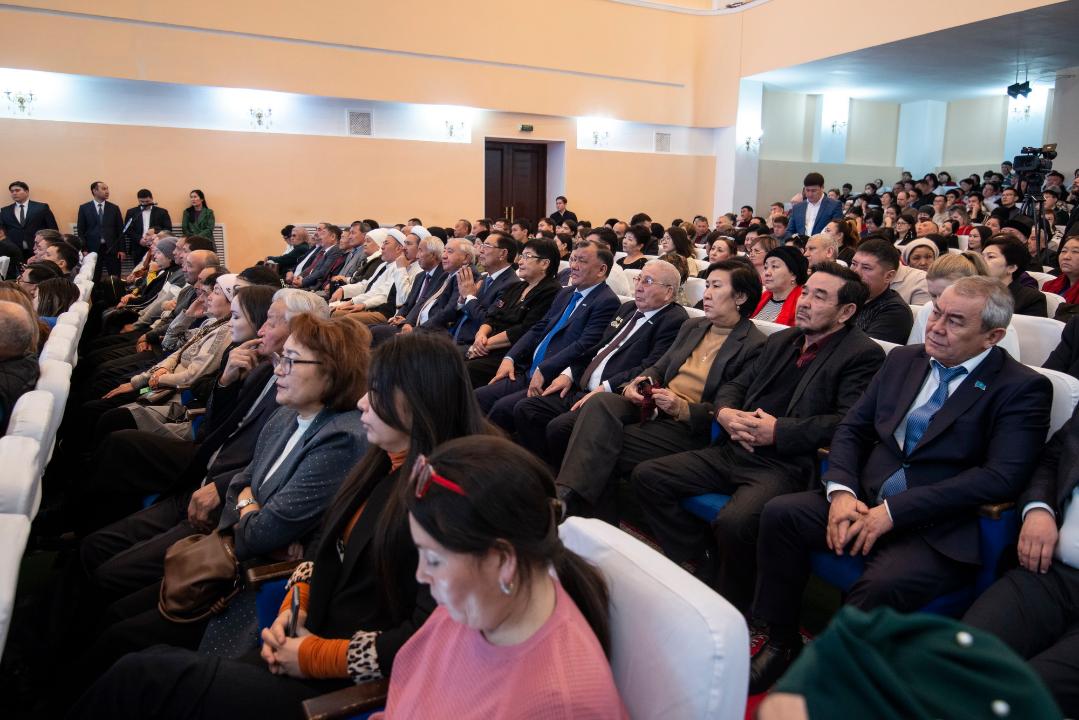
The housing waiting list in Taldykorgan has decreased by 8.3% this year.% 27.12.2024
This year, 1,283 families have been provided with housing in Taldykorgan, and the waiting list has decreased by 8.3%. At the same time, 1,448 families will be provided with housing in 2025. The construction of 28 houses for 1,041 apartments, 107 cottages will be completed and 300 apartments for socially vulnerable segments of the population will be purchased. Thus, in 2023-2025, about 5 thousand waiting lists will be provided with housing. This was announced today by Akim of the region Beibit Isabayev during a meeting with the population of Taldykorgan, the press service of Akim of the region Zhetisu reports.As the head of the region noted, the housing issue continues to be the most sensitive in the regional center. At this stage, there are more than 15 thousand people on the housing waiting list. At the same time, there are idle houses that spoil the appearance of the city. In this regard, Beibit Isabayev instructed to take concrete measures to complete the construction of these houses.- Changes have been made to the General Plan of the city of Taldykorgan, which completely eliminates dotted and chaotic buildings, taking into account the load on engineering and communication networks. According to the General Plan, work is underway on the construction of new residential districts, for example, 41 multi-storey residential buildings are being designed in the 11th, 12th, and 13th residential districts of the Southwestern Residential District and on the right bank of the Karatal River," B. Issabayev said.As the head of the region emphasized, taking into account the development of the city, one of the most urgent tasks is to ensure uninterrupted heat supply. At the same time, most of the city is provided with centralized heat supply by the Basquat boiler house, which operates year-round and is loaded up to 90%. Meanwhile, there has been a significant increase in construction and population in the city:- Over the past two years alone, 51 multi-storey residential buildings and 5 social facilities have been built in new neighborhoods of the city. In 2025, it is planned to build 28 more multi-storey residential buildings, which in turn requires a significant increase in thermal energy consumption. In this regard, measures are being taken to reduce the load of the Basquat boiler house," the governor of the region said.In particular, 2.9 km of heating networks have been reconstructed this year and facilities in the central part of the city and the Karatal district have been reconnected to the district boiler houses No. 2 and No.3. Construction of a boiler house with a capacity of 49 Gcal/hour and a gas turbine station based on the Basquat boiler house has also begun. The implementation of these projects will make it possible to unload the Basquat boiler house by another 30%. Press service of the akim of Zhetisu regionThe author of the photo: Olzhas KurmashevSource : https://www.gov.kz/memleket/entities/zhetysu-oblysy/press/news/details/909075
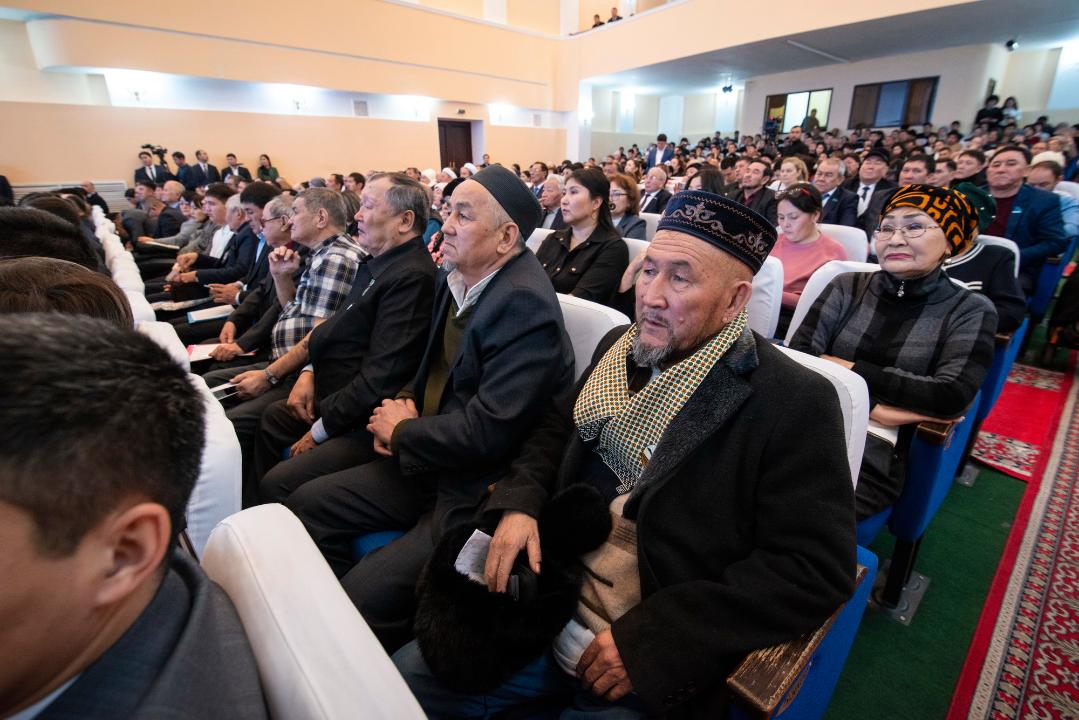
69 yards have been landscaped in Taldykorgan this year. 27.12.2024
This year, the roofs of 28 multi-storey buildings and the facades of 10 apartment buildings were repaired in Taldykorgan. Next year, this work will be continued, 1.4 billion tenge will be allocated for it. In addition, 69 yards have been improved in the city this year. This was announced today by Akim of the region Beibit Isabayev during a meeting with residents of Taldykorgan, the press service of Akim of Zhetysu region reports.In his speech, Beibit Isabayev noted that an important part of the development of the regional center is the systematic work on the formation of a unified architectural appearance and landscaping of the city.- The problem of courtyards in the Ulan microdistrict has not been solved for years. This problematic issue was raised at a meeting last year. To date, comprehensive landscaping work has been carried out on 5 courtyards at once, covering 25 multi-storey buildings in the microdistrict. Landscaping works will continue in 4 courtyards of the remaining 11 multi-storey buildings next year, - B. Issabayev noted. Repairs were also carried out to 2 courtyards in the village of Yerkinin, 62 courtyards in other microdistricts around the city. In 2025, 32 courtyards will be landscaped in Zhetysu and Zhuldyz neighborhoods.According to the governor of the region, 10,000 seedlings and 11,000 perennial flowers have been planted this year in order to beautify the city. In 2025, work will be carried out on the placement of a park in the Kulager microdistrict and a public garden in the Birlik microdistrict.Due to the fact that in the summer, due to the beginning of the irrigation season for green spaces and vegetable gardens, water shortages cause major problems, the head of the region noted that in this regard, 10 km of the city's irrigation network have been repaired.- The next problem is street lighting. Only 420 or 65% of the city's 640 streets are illuminated. This is also a disadvantage of the akimat's work, the issue is not being systematically addressed. In this regard, 3.5 billion dollars have been allocated from the regional budget for lighting the streets of the city in 2025. tenge has been allocated. These funds will be used to install street lighting in 9 suburban communities, Khutor, Vostochny, Western districts of the city and in the city itself," the governor of the region said.The press service of the akim of Zhetysu region.Photographers: Zhenis Iskabai, Olzhas KurmashevSource : https://www.gov.kz/memleket/entities/zhetysu-oblysy/press/news/details/909094
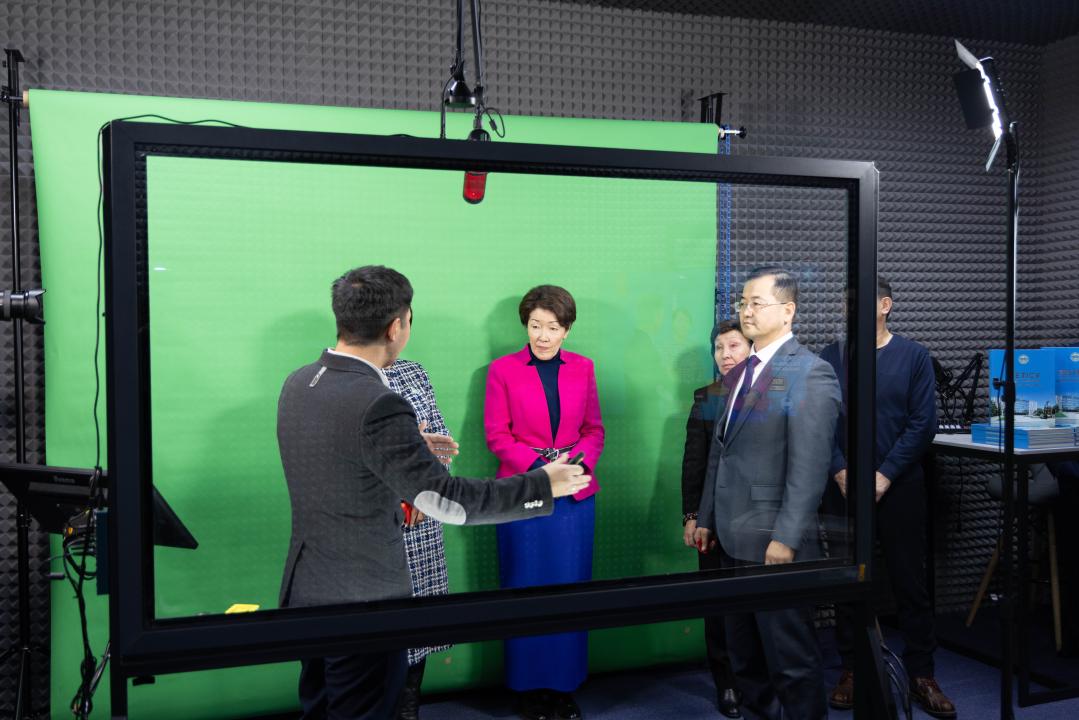
EDSMART PREMIUM MULTIMEDIA INTERACTIVE VIDEO STUDIO OPENED AT ZHETYSU UNIVERSITY 27.12.2024
EDSMART PREMIUM MULTIMEDIA INTERACTIVE VIDEO STUDIO OPENED AT ZHETYSU UNIVERSITYThe opening of the multimedia interactive video studio "EdSmart Premium" took place at Zhetysu University named after I.Zhansugurov.Chairman of the Management Board, Rector of Zhetysu University Ermek Buribayev presented the goals and advantages of a multimedia interactive video studio."The studio allows you to create video content for international educational platforms such as Coursera and EDx, as well as for online learning using modern tools such as ZOOM, Google Meet, WebEx and others. The studio also allows you to develop and share interactive presentations, create educational content for blended learning, and organize discussions on topical issues in the field of education," said the rector.The studio provides students with the opportunity to learn educational material through animation, graphics, and video content. Students can take tests, participate in quizzes, and complete various tasks.In addition, the studio allows you to integrate various educational resources, such as text materials, links to external sources and virtual laboratories. It promotes the development of the creative abilities of teachers and students, as well as the skills of creating multimedia content.Source : https://www.gov.kz/memleket/entities/sci/press/news/details/908961
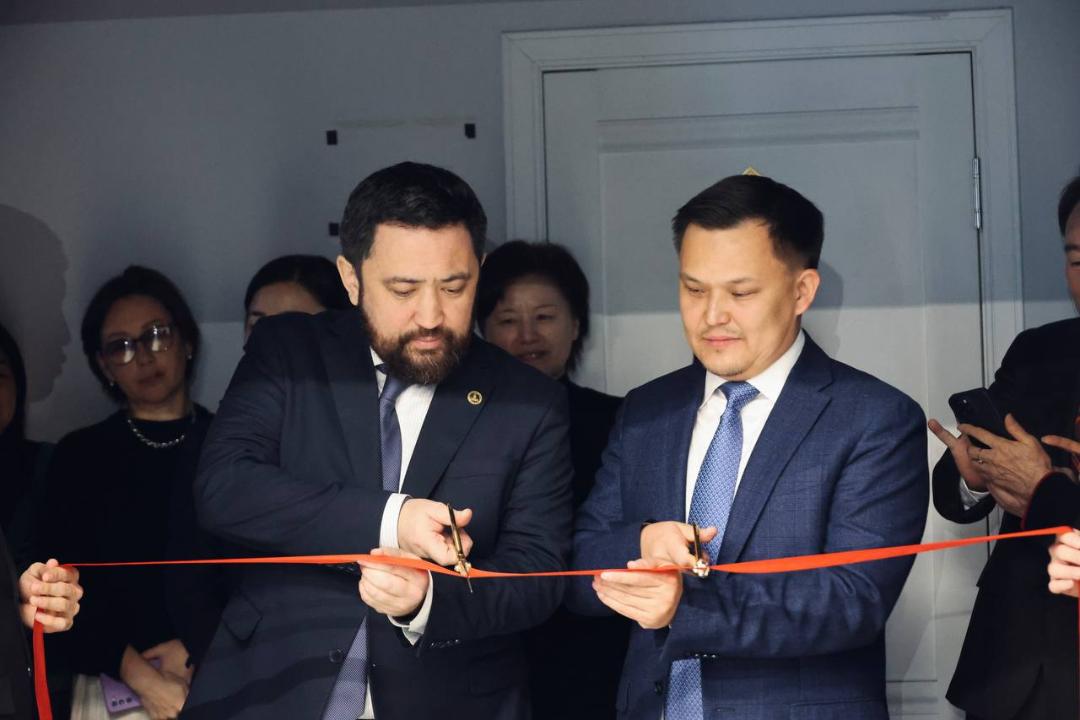
LENOVO AUDITORIUM OPENED AT SATBAYEV UNIVERSITY 27.12.2024
LENOVO AUDITORIUM OPENED AT SATBAYEV UNIVERSITYOn December 24, in Almaty, Lenovo, the world leader in the production of personal computers, opened its own auditorium at the Kazakh National Research Technical University named after Satpayev, equipped with modern Lenovo digital solutions. The opening of the Lenovo auditorium was the result of the company's collaboration with the university. This demonstrates how cutting-edge technologies are transforming education and driving innovation.The Lenovo auditorium was opened as part of the university's FabLab SU project. Fablab SU is a laboratory for the implementation of innovative ideas of engineering students and technology startups, which is part of the global network of MIT FabLab laboratories, which unites more than 1,500 laboratories around the world, which provide students and researchers with access to advanced technologies and the exchange of experience with colleagues from different countries.Lenovo's auditorium is located in the Kazakh-Korean IT Center of KazNRTU named after K.I. Satpayev. It is equipped with the most modern Lenovo solutions: monitors, laptops and workstations that have the highest performance for solving the most resource-intensive tasks such as 3D modeling, engineering analysis and application development based on artificial intelligence."We are honored to be a part of this important project. Lenovo sees it as its mission to make smart technologies accessible to as many people as possible," said Gaziz Abdrasilov, Director of Corporate Sales for Lenovo Intelligent Device Group in the Eastern Europe and Central Asia region. "We hope that the opening of this auditorium, as well as our joint support with the university for the development of talents, young entrepreneurs and researchers, will become the birthplace of many innovative solutions and projects that will contribute to the development of various industries in Kazakhstan."The Lenovo auditorium space is divided into several zones, each of which has not only its own functional purpose, but also the appropriate equipment. For example, to work with specialized CAD/CAM/CAE software and to conduct research in the field of artificial intelligence, create simulations and prototypes, comfortable desks with ThinkStation workstations and ThinkVision monitors are installed in the classroom. The lecture hall area is equipped with ThinkPad laptops and a large digital display for broadcasting presentation materials, and a space is organized for negotiations and discussion of startup projects.The laboratory will serve as an important center of attraction for students who want to deepen their knowledge in the field of high technology, as well as for researchers seeking to implement their projects. Students will be able to use Lenovo's classroom to conduct simulations. Teachers can conduct classes and research in the field of artificial intelligence. Startups can rent a classroom to develop prototypes of their products that can be used in industry. Lenovo also plans to use the auditorium for meetings, presentations, and workshops on processing large amounts of data.Source : https://www.gov.kz/memleket/entities/sci/press/news/details/909045
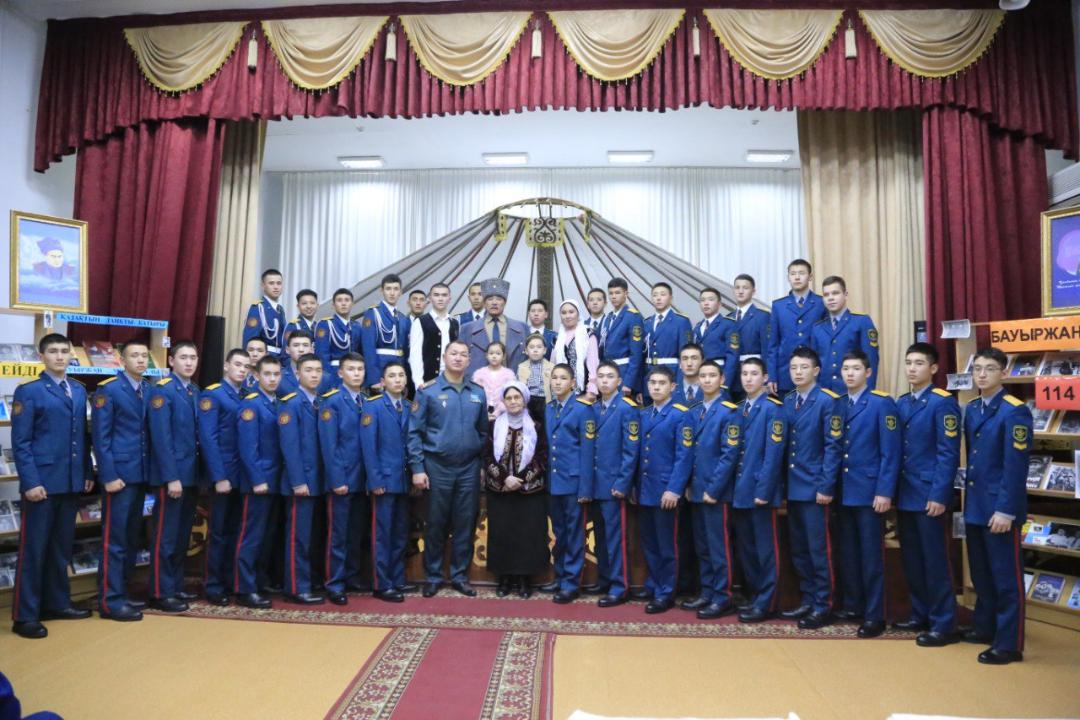
Military personnel and Zhasulan members study the legacy of Bauyrzhan Momyshuly 27.12.2024
Source : https://www.gov.kz/memleket/entities/mod/press/news/details/908799
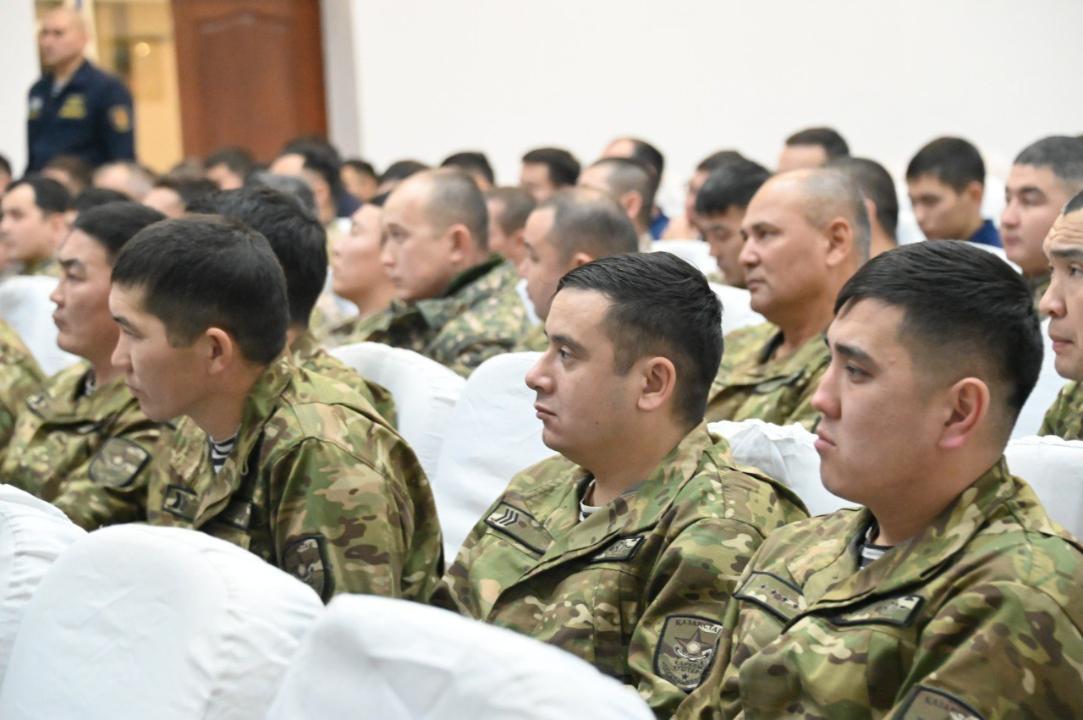
The issues of modernization of military and housing and communal infrastructure are under control. 27.12.2024
Deputy Minister of Defense for Logistics and Military Infrastructure, Lieutenant General Kanysh Abubakirov, made a working trip to Mangystau region, where he met with the regional leadership and inspected a number of military facilities.During the talks with Akim of Mangystau region Nurdaulet Kilybai, issues of development of housing and communal infrastructure in places of permanent deployment of army units were discussed. The head of the region expressed his willingness to assist in further modernizing the garrison's infrastructure and improving the social and living conditions of military personnel.In military units, the Deputy Minister studied the organization of clothing, medical care and nutrition for conscripts. Special attention was paid to the issues of heating, water and electricity supply to barracks and military installations.During his visit to the Aktau naval base, Lieutenant General Kanysh Abubakirov inspected the administrative modular building, barracks, pier and ships of the division. At the military hospital, he checked the progress of ongoing work and assessed the conditions of medical care for the personnel.At the final meeting in the Aktau garrison Marine brigade, Lieutenant General Kanysh Abubakirov gave a number of instructions regarding the careful treatment of state property and economical consumption of communal resources, which have a direct impact on the effective functioning of military facilities. He paid special attention to the further improvement of social and living conditions and the diet of conscripts.Source : https://www.gov.kz/memleket/entities/mod/press/news/details/909022
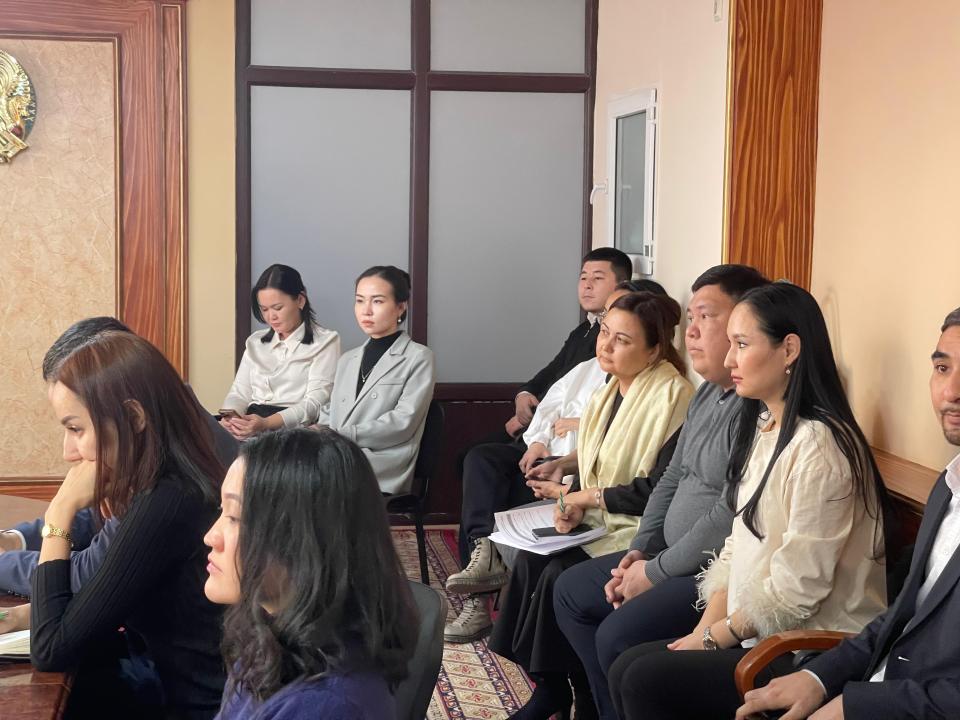
Vice Minister of Digital Development, Innovation and Aerospace Industry of the Republic of Kazakhstan Malik Olzhabekov met with the population of Mangystau region 27.12.2024
On December 20, 2024, Aktau hosted a reporting meeting between Malik Olzhabekov, Vice Minister of Digital Development, Innovation and Aerospace Industry of the Republic of Kazakhstan, and the population of the Mangystau region.During the meeting, Malik Serikovich noted the ongoing work on the transfer of public services to electronic format. So, today 93% of services are provided electronically, of which 90.8% are available on the eGov Mobile platform.Kazakhstan has become one of the 10 world leaders in the development of online services, and the popularization of digital documents makes it possible to abandon paper certificates. 34 digital documents are already available, which simplifies daily life.As part of the "Invisible Government" concept, bureaucratic processes have been significantly reduced: the number of procedures has been reduced from 605 to 175, and the number of visits to government agencies has been reduced from 119 to 21.The Vice Minister noted that special attention is paid to digital solutions aimed at improving the convenience of citizens – social initiatives:More than 800,000 socially significant services have been provided using digitalization.The Social Wallet project is being implemented. Currently, two services have been launched in a pilot format: free medicines and free meals for schoolchildren.Citizens' medical data is now available through the e-Densaulyq service.An overview was also made of the IT sector and digital services introduced in 2024. The quality of communications in the Mangystau region was discussed, as well as plans for the next few years.Digitalization of regions is one of the important activities of the Ministry. Thus, in Aktau, a Single Contact Center-109 is actively functioning for operational interaction with citizens – more than 40 thousand requests have been received since the beginning of the year. To increase the public safety of citizens, the coverage of video surveillance is expanding – there are 46 thousand video surveillance cameras in the region.In addition, Malik Olzhabekov answered questions from residents of the region. One of the urgent issues for residents of the Mangystau region is providing high-quality communications and Internet access. Questions were also asked in the field of public services and communications. Source : https://www.gov.kz/memleket/entities/mdai/press/news/details/909103
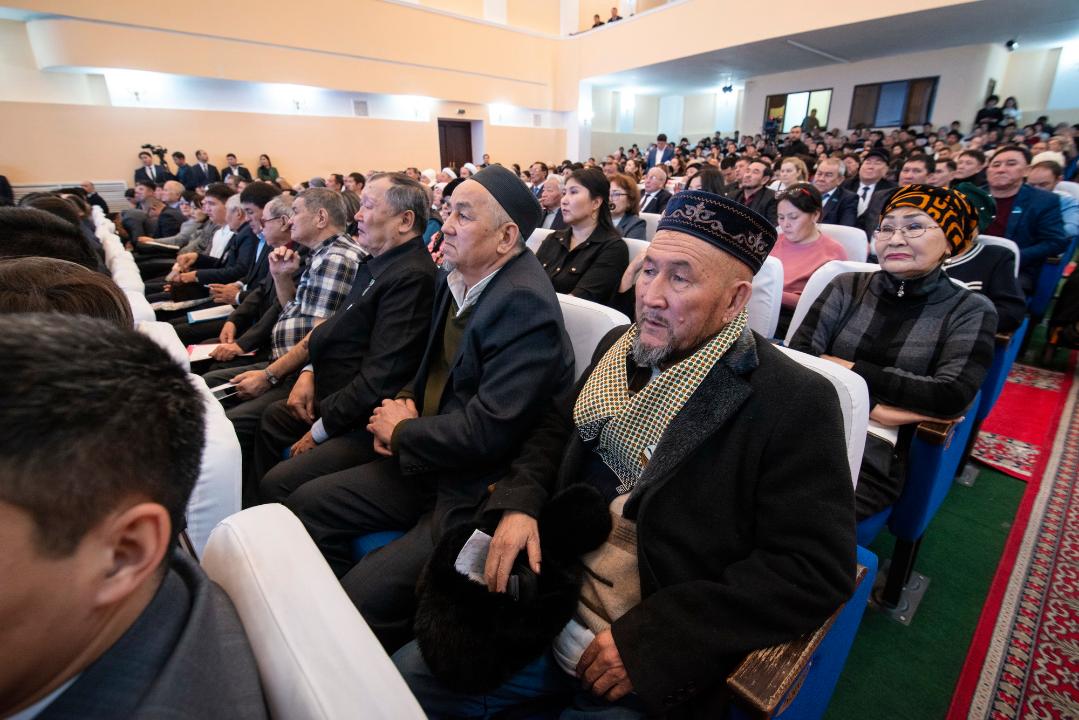
Beibit Isabayev: Taldykorgan should become a comfortable and safe city for residents 27.12.2024
Over the past two years, most of the budget of the Zhetisu region has been aimed at improving the standard of living and well-being of the rural population in the districts. In the next two years, special attention will be paid to the development of the regional center. In this regard, it is planned to increase the city's budget by an average of 30% for 2025-2026. This was announced today by Akim of the region Beibit Isabayev during a meeting with residents of Taldykorgan, the press service of Akim of the region Zhetis reports.Meanwhile, in his report, the akim of the region expressed dissatisfaction with the pace of work carried out by the akimat of the city for the purposes of the master plan for the development of the regional center.According to the head of the region, the main attention should be paid primarily to housing construction, modernization of engineering infrastructure, including heat, water and gas supply networks, as well as sanitation and road construction. It is also necessary to continue work on landscaping courtyards, renovation of facades and roofs of residential buildings, and street lighting. In general, Taldykorgan should become a comfortable and safe city for residents.:"As a result, citizens, especially those living on the outskirts of the city, should feel the positive changes, it is necessary to create modern, comfortable living conditions," said the head of the region, instructing the leadership of the regional center to approve a comprehensive development plan for the next two years as soon as possible. Press service of the akim of Zhetisu region Photographer: Zhenis Yskabai Source : https://www.gov.kz/memleket/entities/zhetysu-oblysy/press/news/details/909010

The national boxing team of Akmola region successfully performed at the Championship of Kazakhstan 27.12.2024
From December 16 to December 24, 2024, the Boxing Championship of the Republic of Kazakhstan among men and women was held in the city of Karaganda. The national team of Akmola region showed good results, winning 3 gold and 3 bronze medals.Among men, the real winner was world champion Temirtas Zhusupov, who once again confirmed his superiority in the weight category up to 48 kg, becoming the 8-time Champion of Kazakhstan. Timur Kabdeshov, who became the national men's champion for the first time, won gold in the weight class up to 54 kg. Bronze medals were awarded to the team by Chingiz Musinov (60 kg), who made his debut at the senior championship, and Bekzat Makzhan (63.5 kg), for whom this medal became the first at the national level.In the women's competition, Karina Ibragimova won in the weight category up to 57 kg, becoming the 3-time Champion of Kazakhstan. Valeria Aksenova, who won the bronze medal, brought another medal to the national team. Source : https://www.gov.kz/memleket/entities/aqmola/press/news/details/908852
Results of the year: natural resources and environmental management 27.12.2024
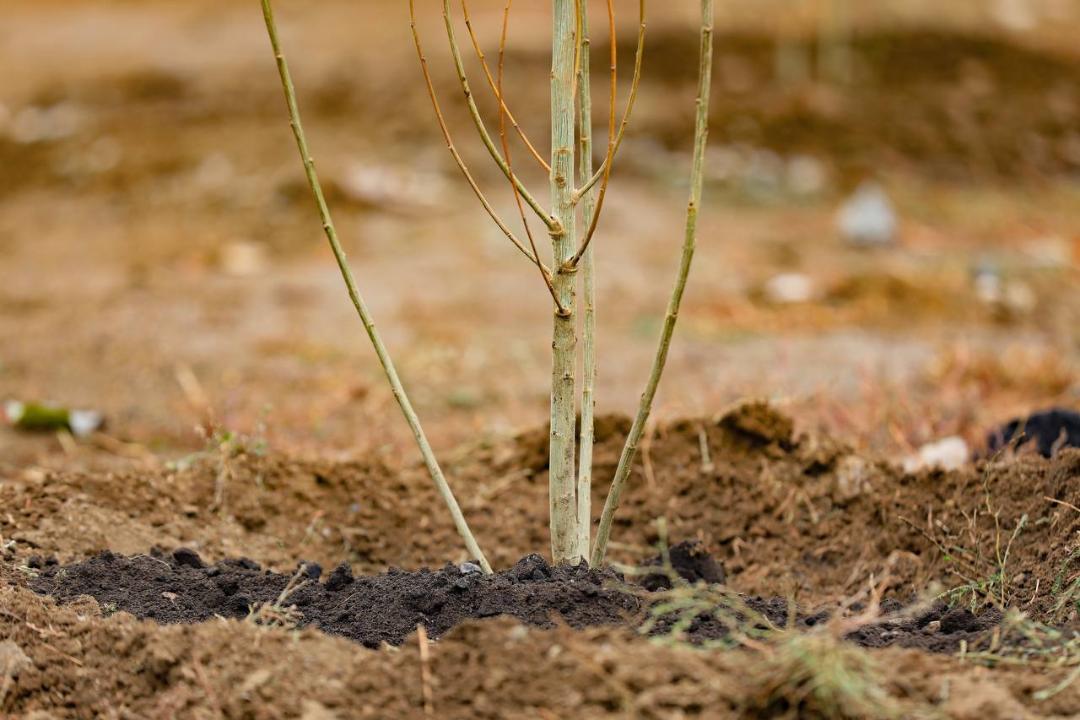
418,643 residents of Aktobe region took part in the national environmental campaign "Taza Kazakhstan", which started in April on the initiative of the Head of State, 105,845 yards were cleaned. 6,203 pieces of equipment were involved in cleaning the territories, 74,270 tons of waste were removed to landfills. 356 111 saplings of trees and 6,415 shrubs were planted on the territory of settlements.This year, 474 million tenge was allocated to improve the material and technical fire-fighting condition of forest institutions, which were used to purchase: 4 fire fighting equipment, 3 vehicles in a small patrol complex, 3 pumping stations, 2 motor pumps.An arboretum plan has been developed for 135 of the 180 settlements of Aktobe city and districts.There are 7 state forest nurseries (215 ha) in the region. In 2024, 14 million seedlings were allocated to the nursery of forest institutions, and primary vaccination materials were grown. In 2025, it is planned to grow 15 million seedlings of primary vaccination materials.167 conclusions of the state environmental expertise have been issued. 403 public hearings were held to discuss the environmental aspects of upcoming projects. 410 announcements about the planned activities have been published. 109 declarations on the impact of economic entities have been adopted.In total, there are 206 GTS in the region, they have the ability to store 611.8 million m3 of water, of which 10 are republican, 174 communal and 22 private.As part of the draft Comprehensive Plan for the development of the water industry in the region for 2024-2028, construction of 2 reservoirs will begin to protect settlements and other structures from flooding, and water supply for agricultural producers. The volume of reservoirs will amount to 93.8 million m3, which will allow to store excess water and reduce the risk of floods.During the spring flood, 15 hydraulic structures were demolished, 9 of them were restored, restoration work is underway on 2 dams under the warranty period (completion date is July 2025), the remaining 4 structures will be completed by the end of this year. In addition, construction and installation work on 7 defense facilities will be completed by December 25 of this year.By Resolution No. 120 of the Akimat of the Aktobe region dated May 2, 2024, the municipal state institution "Institution for Maintenance of Hydraulic Structures of the Aktobe region" was established, created as part of the State Institution "Department of Natural Resources and Environmental Management of the Aktobe Region".Source : https://www.gov.kz/memleket/entities/aktobe/press/news/details/908844
New Year's Tree of the President of the Republic of Kazakhstan was held in East Kazakhstan region 27.12.2024
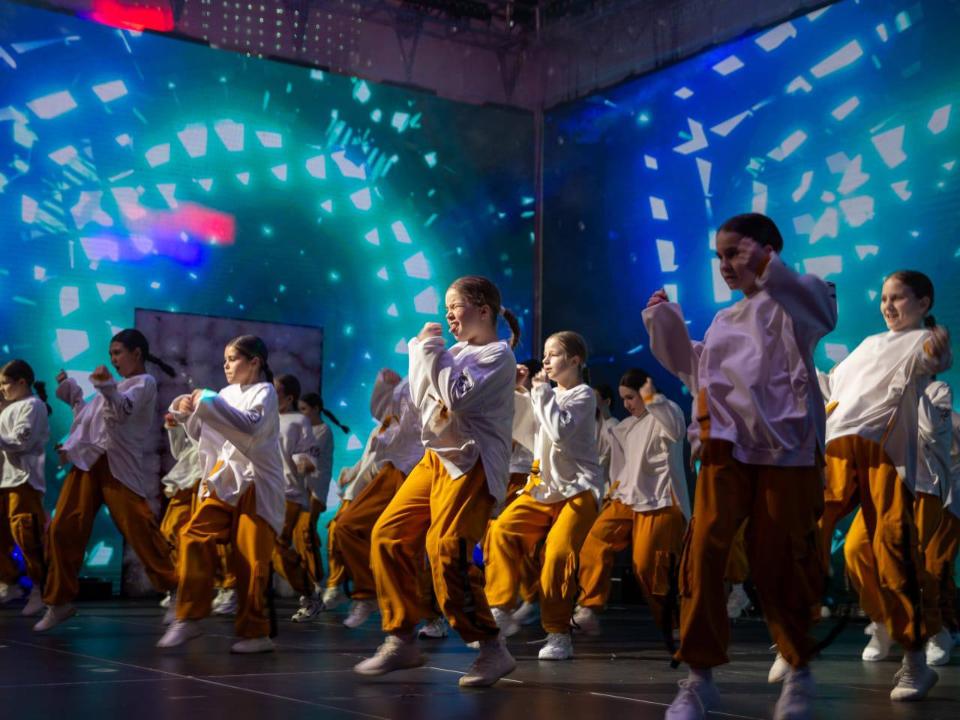
The Presidential Christmas tree "Kosh keldin, Zhana zhyl!" took place in Ust-Kamenogorsk today. More than 250 children from 13 districts and cities of the region took part in a bright and cheerful New Year's performance event. A rich program with fun contests, interactive games and meetings with their favorite fairy-tale characters awaited the children. There was a festive atmosphere at the matinee, and the children actively participated in fun contests, danced and sang. Akim of the East Kazakhstan region Yermek Kosherbayev congratulated the children on the upcoming New Year. -This holiday is organized on behalf of the President of our country Kassym-Jomart Kemelevich Tokayev. Such New Year's matinees are taking place today in all cities of Kazakhstan. I think we have a special Christmas tree, but do you know why? Because East Kazakhstan is the birthplace of Ayaz Ata and Akshakar. Our President has prepared a special gift for each of you today, and you will definitely receive it," said the head of the region.The children were reminded that the grand Ayaz Ata festival was recently held in the region, where more than 150 fairy-tale heroes from all over the republic gathered, and it was from East Kazakhstan Region that the magical holiday, the New Year, was launched. The guys actively communicated with each other, talked about themselves, read poetry and sang songs. This year, New Year's Eve matinees are held in the region for more than 450 children aged 9 to 13, including orphans, children from low-income and large families, children with special educational needs, as well as gifted children who have achieved success in studies, sports, creativity or social life. The organizers of the holiday have prepared for the children an incredible journey into the world of New Year's wonders and magic. In addition, all participants of the Presidential Christmas Tree received a cash certificate in the amount of 150,000 tenge, a soft toy and a sweet gift.- I came from Cheremshanka. Thank you so much for such a bright holiday, I really enjoyed it. Thank you to our President for giving us such gifts," said Alyona Chernova, a 6th grade student at the Cheremshan School.The holiday program was designed for two days. Earlier, the children visited the East Kazakhstan Regional Drama and Operetta Theater, where a special surprise awaited them - watching the New Year's play "Altyn Balapan".Source : https://www.gov.kz/memleket/entities/akimvko/press/news/details/908911
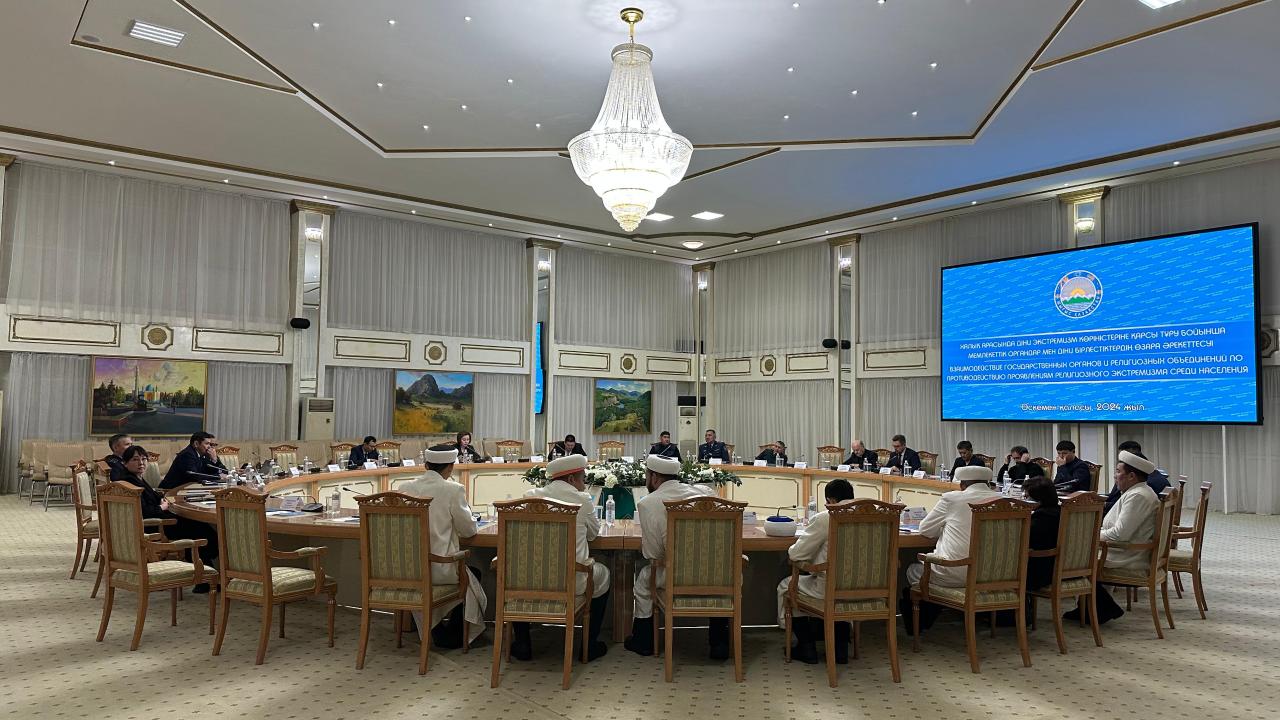
On December 23 of this year, a round table was held on the topic "Interaction of state bodies and religious associations to counteract manifestations of religious extremism among the population." 27.12.2024
The round table was attended by Zhanat Zhumagazinovna Mekeeva, head of the Department for Religious Affairs of East Kazakhstan Region, heads and deputies of law enforcement agencies, heads of local religious associations of East Kazakhstan Region, professors of social and humanitarian disciplines from leading universities of the republic.During the round table session, the chief Imam of East Kazakhstan Region, Mukhatai Ermek Kasbolatuly, spoke about the role of the SAMK in promoting traditional spiritual and moral values in society and combating DPT, PhD in Philosophy, PhD in theology, senior lecturer at L. Gumilyov Eurasian National University, republican theologian Kenshilik Tyshkhan, about religious fundamentalist concepts as the origins of religious and political extremism, Vladimir Filippovich Wolf, head of the NGO "Church of Evangelical Christians Baptists" Rodnik, on the role of interfaith relations in preventing and countering radicalism among the population, Kuanyshbek Toktagulovich Tutkushev, head of the Office of the Akim of East Kazakhstan Region, on measures to increase the effectiveness of joint work with the RO on the prevention of religious extremism, a member of the RIRG, graduate of the Higher Religious Academy "Haseki", Master of theology at the Islamic Institute of Kazan Kanapiyanov Ernur Bolatbekovich on the relationship and interaction of M&E and RO in the rehabilitation of victims of DRT.During the round table, important and topical issues on countering religious extremism among the population were raised. Issues and initiatives to improve collaboration in this area have been put forward for discussion.All suggestions made during the event will be taken into account in further joint work.Source : https://www.gov.kz/memleket/entities/akimvko/press/news/details/908917
ANNOUNCEMENT Vice Minister of Transport of the Republic of Kazakhstan Maksat Kaliakparov will hold a meeting with residents of Astana 27.12.2024
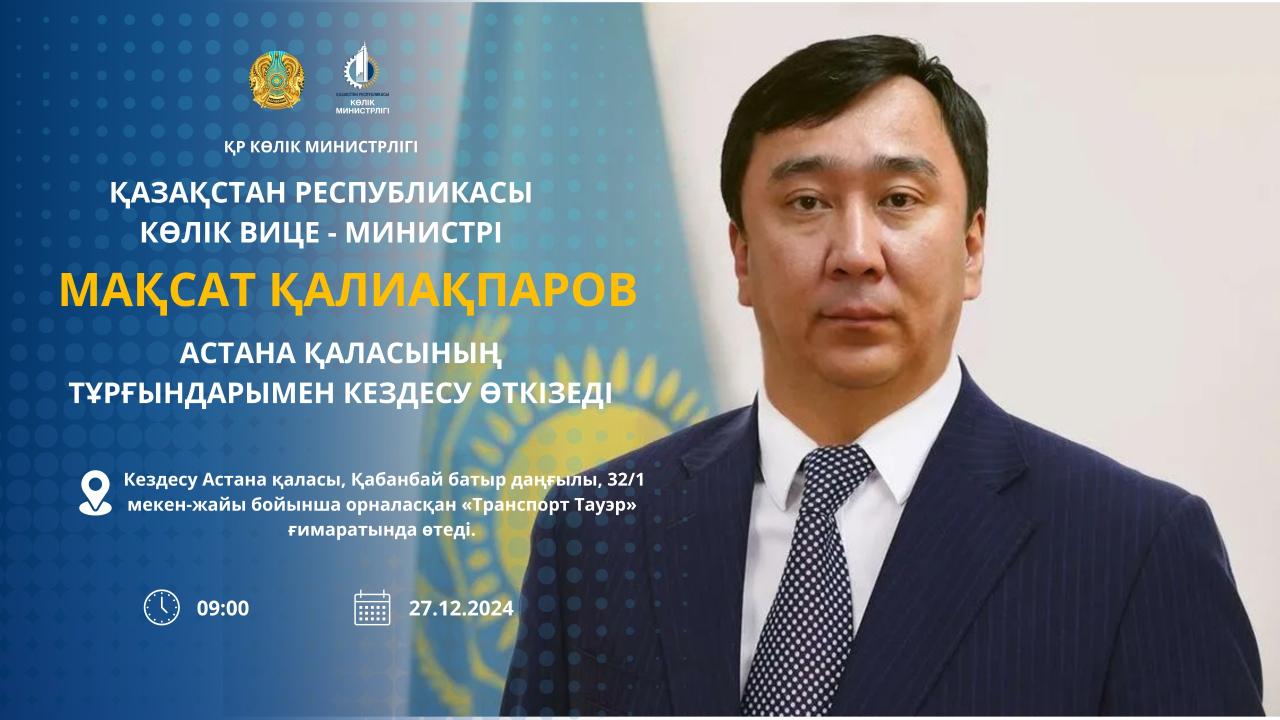
THE ANNOUNCEMENTVice Minister of Transport of the Republic of Kazakhstan Maksat Kaliakparov will hold a meeting with residents of AstanaOn December 27, 2024, Vice Minister of Transport of the Republic of Kazakhstan Maksat Kairzhanovich Kaliakparov will hold a meeting with residents of Astana. Issues related to the competence of the Ministry of Transport of the Republic of Kazakhstan will be considered on the agenda.The meeting will take place at 09:00 in the Transport Tower building, located at 32/1 Kabanbai Batyr Avenue, Astana.We invite the residents of the city to take part in the meeting. For more information, please contact by phone +7 707 808 60 70 , Daulet Sambetbaev.Source : https://www.gov.kz/memleket/entities/transport/press/news/details/908899
Karaganda region plans to increase staff training at the request of employers 27.12.2024
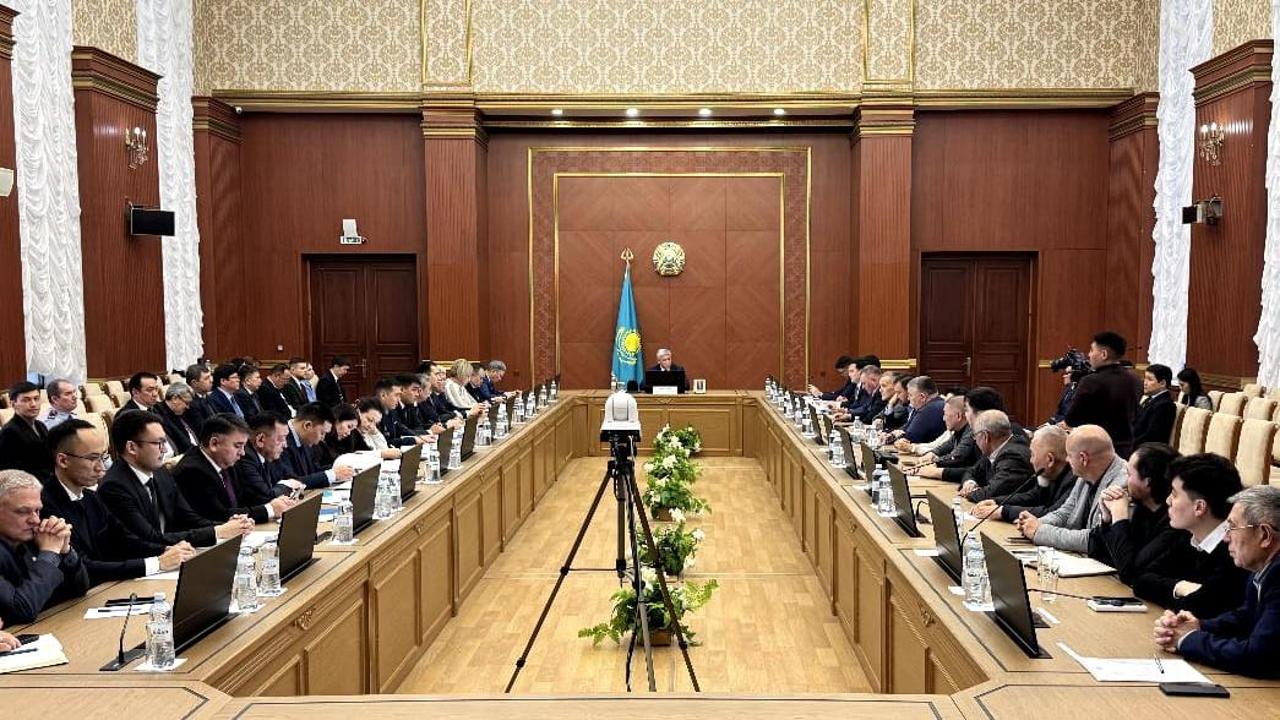
In the Karaganda region, they are trying to use all the opportunities to satisfy the labor market. At the request of employers, short-term professional courses are conducted. Colleges are developing dual education and introducing new sought-after specialties. A pilot social project, Jumys Tap, was launched this year to train residents in new professions.Staff training was discussed at the next meeting of the Expert Council on Entrepreneurship.– This year, according to the needs of employers, we have trained 506 people. To date, 87% have already been employed. Professional training is also provided through the Skills Enbek platform. This year, 2,489 people took free online courses. In addition, according to the Jumys Tap project, together with the Department of Education, training has been organized at five colleges in 28 specialties," said Asem Dzhunuspekova, head of the Department for the Coordination of Employment and Social Programs.It is planned to train about 3,400 people in various fields in 2025.According to Gulbakyt Zhunusova, head of the Department of Education, it is planned to increase the state order for personnel training at the request of employers. In accordance with the demands of the labor market, new specialties "polymer production technology", "installation and operation of gas supply systems", "hydraulic engineer", etc. should appear in colleges.Akim of the region Ermaganbet Bulekpayev discussed with the business community other topical issues, on the solution of which the development of the region and the strengthening of the economy depend.– We strive for an open dialogue with business. The Expert Council was created in order to promptly respond to existing problems and jointly find solutions," the head of the region noted. – At the end of the year, positive dynamics has been achieved in all sectors of the region's economy. First of all, this is the result of the stable operation of our region's business.The Director of the Chamber of Entrepreneurs, Yernar Kulpeisov, reported on the fulfillment of previous instructions.The entrepreneurs were presented with investment and infrastructure projects.The members of the expert council made their suggestions and comments. Issues related to the availability of financing, support for domestic producers, as well as exporters were raised. Source : https://www.gov.kz/memleket/entities/karaganda/press/news/details/908776
Advance flood preparation is underway in the Karaganda region 27.12.2024
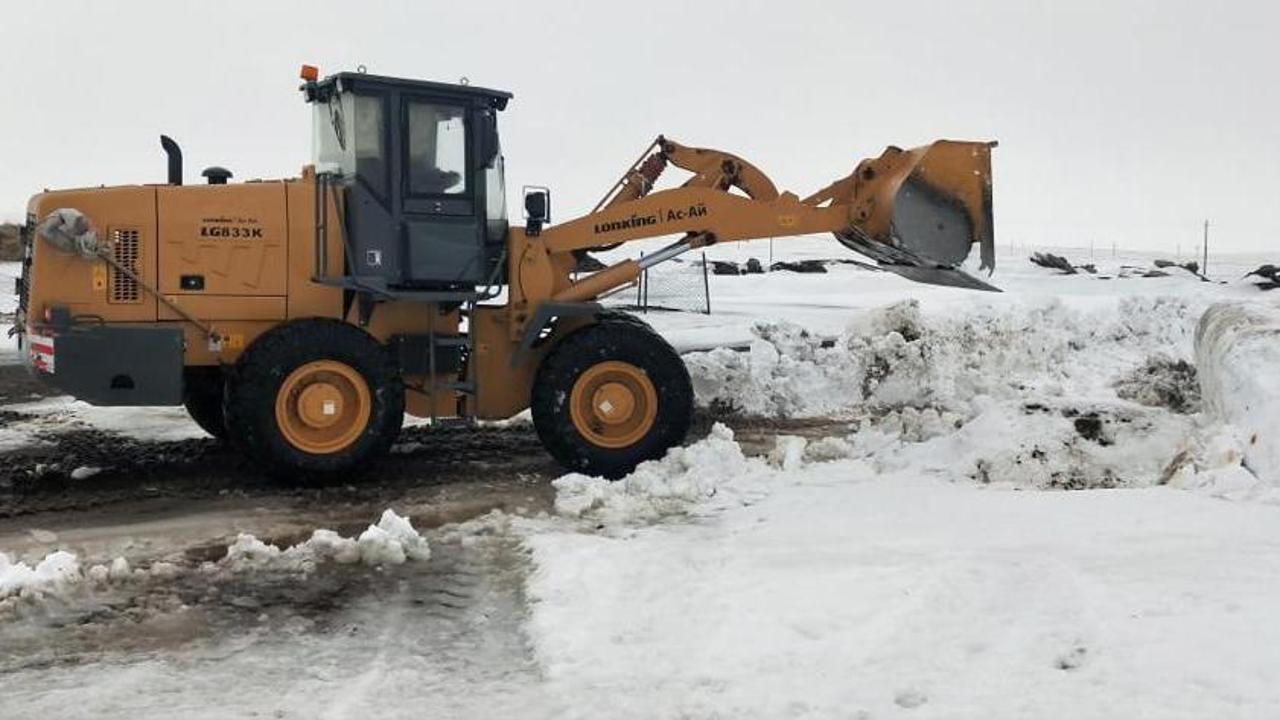
Preparations for the spring flood are continuing in the Karaganda region. This year, about 180 events have been completed according to the engineering work plan. From January 15, emergency personnel should begin detours of flood-prone settlements to assess the readiness of the regions.Representatives of responsible departments, as well as heads of cities and districts, reported on the work done to prepare for the flood period to Akim of Karaganda region Ermaganbet Bulekpayev. They identified the problem points.– Currently, a reserve of logistical and financial resources is being formed in the region. 3,073 tons of fuel and lubricants, 15 tons of food, 48 thousand tons of inert material, over 99 thousand pieces of sacks were harvested,– said Margulan Amanbayev, head of the Emergency Department.65 km of protective dams and ramparts have been erected and reinforced in the region, more than 18 km of flood-prone riverbeds have been rehabilitated, and 26 km of drainage and drainage systems have been cleaned. The water transmission capacity has been increased on 75 sections of highways.The Emergency Department conducts competitive procedures for concluding contracts for blasting operations on the rivers of the region. From March 1, all forces and means of the territorial subsystem of civil protection will be put on high alert.The department has at its disposal more than 4 thousand people and 1,754 units of highly advanced, engineering and special equipment.150 settlements located below hydraulic structures and along riverbeds are under special control. There are risks of flooding by meltwater.Ermaganbet Bulekpayev stressed that, despite the work done, it is impossible to relax.– The most important thing is to organize the work properly. We must take into account the mistakes of last year and seriously prepare for the flood," said the head of the region. – We need people and resources. The locals must be properly oriented. It is necessary to hold a competition for blasting in a timely manner, open culverts and perform other important work. Do not forget to invest funds for the removal of snow from populated areas now. There should be a headquarters in every village and in every city in order to clearly distribute responsibilities. Everyone should work together and promptly.Source : https://www.gov.kz/memleket/entities/karaganda/press/news/details/908809
Minister Yerbol Myrzabosynov awarded the best in the sports field by the end of 2024 25.12.2024
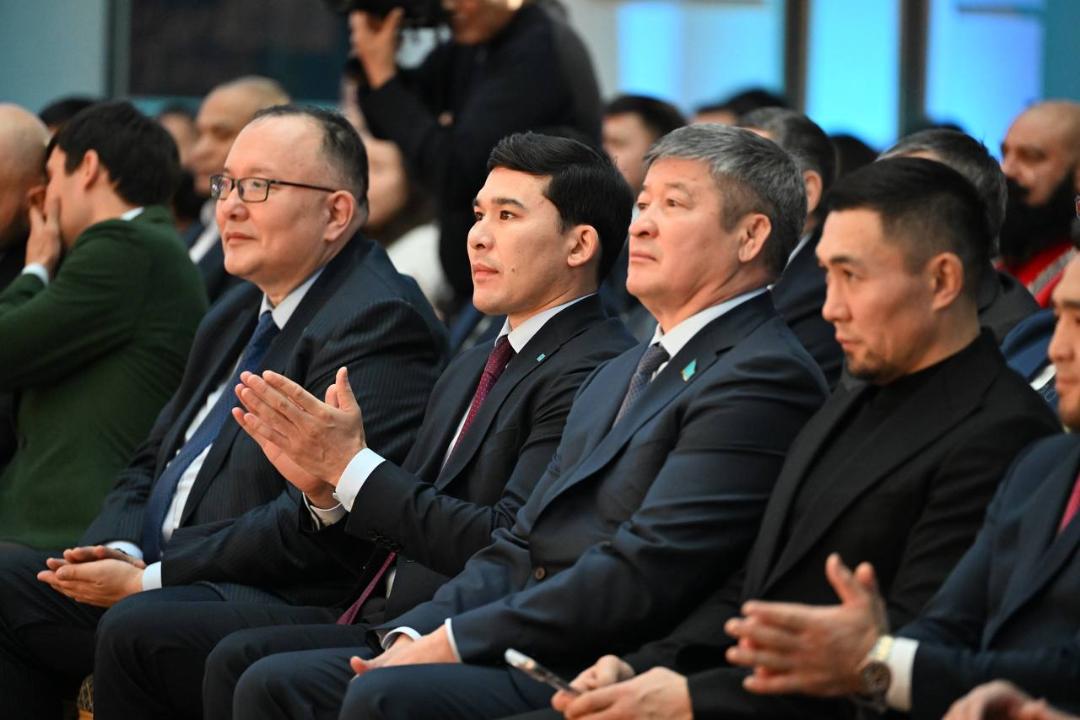
The solemn awarding ceremony of the winners of the annual Uzdik-2024 award, organized by the Ministry of Tourism and Sports of the Republic of Kazakhstan, took place in Astana. The event was attended by deputies of the Parliament of the Republic of Kazakhstan, outstanding athletes, coaches, representatives of the sports community and sports journalists.In his speech, Minister of Tourism and Sports Yerbol Myrzabosynov stressed that 2024 was a special year for Russian sports. Kazakhstani athletes have demonstrated high results at major international competitions, and large-scale tournaments have been successfully held in the country."This year was marked by historic achievements at the Olympic and Paralympic Games in Paris. Judoka Yeldos Smetov won the first Olympic gold medal in judo in the history of Independent Kazakhstan. For the first time, a Kazakhstani gymnast, Nariman Kurbanov, rose to the Olympic podium, and David Degtyarev became a two-time Paralympic champion in powerlifting. Para-judoka Akmaral Nahuatbek also brought Olympic gold to the country," the minister noted.In addition, in 2024, Kazakhstan became the organizer of the V World Nomad Games, which were held in Astana with the participation of athletes from 89 countries. The national team of Kazakhstan took the first place in the team competition."With the support of the President of the Republic of Kazakhstan, Kassym-Jomart Tokayev, significant transformations have begun in the sports sector. New challenges await Kazakhstan next year. As early as February 2025, our athletes will take part in the Asian Winter Games in Harbin, and will also continue to fight for Olympic licenses. The past year has brought a lot of achievements, and we expect even greater success from the new year. We are together with you!" said Erbol Myrzabosynov.Uzdik Award winners in key nominations:🔹Eldos Smetov, David Degtyarev – "Zhyldyn uzdik sportshysy";🔹Zhylgeldiev Galymzhan, Kolesnikov Yuri – "Zhyldyn uzdik zhattyktyrushysy";🔹Federation of Greco-Roman, freestyle and women's wrestling – "Zhyldyn uzdik accredittelgen sport federationsy";Yesekeyev Kuanyshbek, President of the Judo Federation of the Republic of Kazakhstan – Uzdik accredittelgen sport federationsin presidenti;Yerkebulan Ilyasov, President of the NGO "Federation of National Sport "Zhamby ata" – Uzdik sport patrons;Kaz Minerals - Uzdik Sport patrons;🔹Gizat Tusupaev – "Zhyldyn uzdik auyl zhattyktyrushysy";Tasbolatov Yerlan – "Auyldyk zherdegi uzdik dene shynyktyru zhane sport adisker";Sharigatov Darkhan – "Auyldyk zherdegi uzdik dene shynyktyru zhane sultan nuskaushi";🔹State institution "Department of Culture, Language Development, Physical culture and Sports of Makat district" – "Audandyk uzdik dene shynyktyru zhane sport bolimi";🔹GKP "Specialized school of higher sports skills", Almaty – "Zhyldyn uzdik sport uyymy";🔹KSU "Department of Physical Culture and Sports of Akimat of Zhambyl region" – "Uzdik sporttyk onir";Ilya Mizernykh –"Zhas zhane zhasospirimder kuramyndagy sportshy";Sergeyev Sergey – "Zhyldyn uzdik balalar zhattyktyrushysy";Kim Nadezhda – "Dene shynyktyru zhane sport salasyndagi uzdik maman";Nahuatbek Akmaral – "Sportta uzdik serpin";Zhandos Aitbayuly (Khabar TV channel), Kuanysh Nurdanbekuly (Egemen Kazakhstan newspaper), Nazerke Sultanbek (Sport+ website) became the winners of the Seydakhmet Berdikulov Award.Source : https://www.gov.kz/memleket/entities/tsm/press/news/details/908749
AS PART OF THE NATIONAL PROJECT, 263 MEDICAL FACILITIES WERE BUILT AND COMMISSIONED IN RURAL AREAS. 25.12.2024
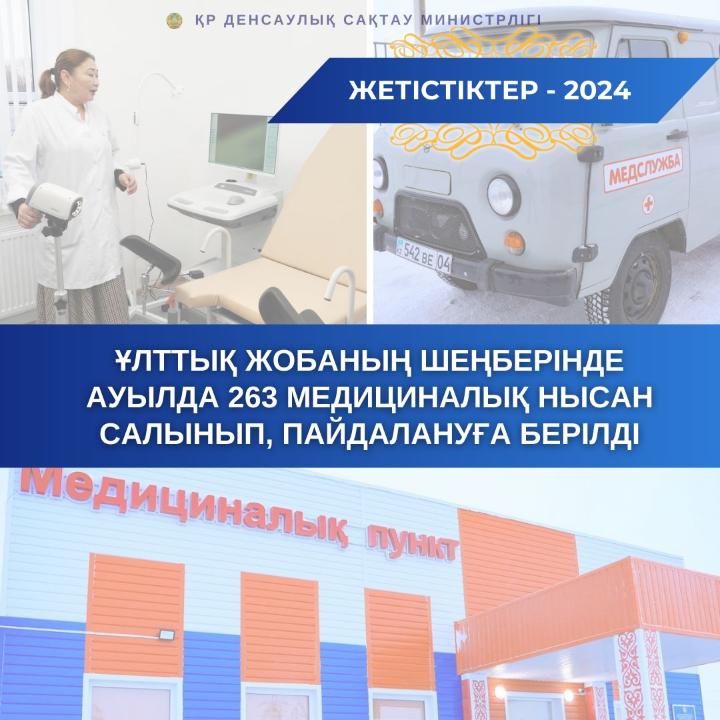
As part of the National Project "Modernization of Rural Healthcare", 263 primary health care facilities were completed and commissioned in 2024.Of these, 47 outpatient clinics, 101 paramedic and obstetric centers, and 115 medical centers appeared on the map of regions.Among the leaders in the implementation of the national project this year are the North Kazakhstan region, where 38 facilities have been built, Turkestan - 37 facilities, Zhambyl – 18, Kostanay – 19, Akmola – 24.As part of the national project, it is planned to build a total of 655 primary health care facilities in rural settlements, it includes the construction of 257 first-aid posts, 238 medical clinics, 160 outpatient clinics.In order to increase the timeliness of emergency medical care to the rural population, it is planned to modernize 32 modern multidisciplinary central district hospitals.The national project for the renovation of rural hospital infrastructure, implemented on behalf of the Head of State, aims to improve the health of rural residents. The construction of the missing primary health care facilities, equipped with modern equipment, will improve the availability and quality of medical services in rural areas, including preventive examinations, screenings, maternity and child care, follow-up of dispensary patients, outpatient rehabilitation and other types of medical care.Source : https://www.gov.kz/memleket/entities/dsm/press/news/details/908725
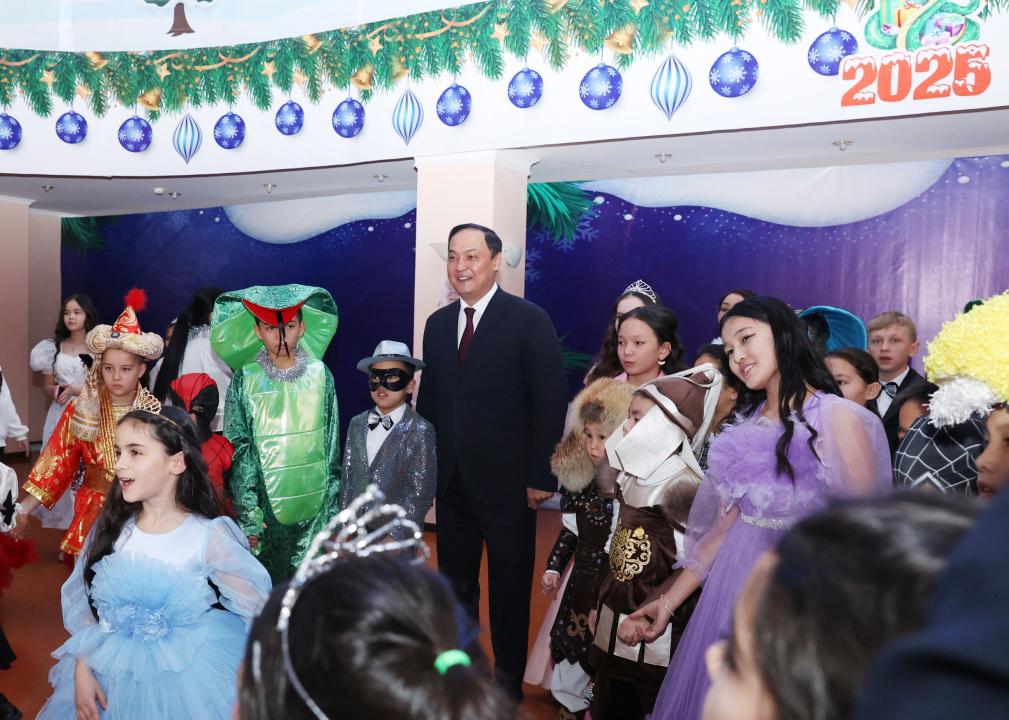
The Presidential Christmas tree was held in Zhambyl region 24.12.2024
A New Year's tree was held in Taraz on behalf of the President of the Republic of Kazakhstan Kassym-Jomart Tokayev.Akim of Zhambyl region Yerbol Karashukeyev took part in the festive Christmas tree "Kosh keldin, Zhana zhyl!" and congratulated the children on this wonderful holiday.The New Year's round dance brought together 200 children, including orphans and children left without parental care, children from large and low-income families, and children with special educational needs.The children were presented with New Year's gifts, greeting cards, sets of sweets, a certificate worth 120 thousand tenge on behalf of the President of the country.The event features choreographic and theatrical performances featuring characters from popular cartoons.An excursion is also organized for the participants of the New Year's tree. They visited the historical and ethnocultural complex "Kone-Taraz", the Sports Palace named after Zh.Ushkempirov's Taraz Arena, the table tennis and rhythmic gymnastics center, and also attended a New Year's theatrical performance at the regional drama theater.Source : https://www.gov.kz/memleket/entities/zhambyl/press/news/details/908687
The government is introducing a bill in the field of peacekeeping activities to the Mazhilis of Parliament 24.12.2024
Source : https://www.gov.kz/memleket/entities/mod/press/news/details/908667
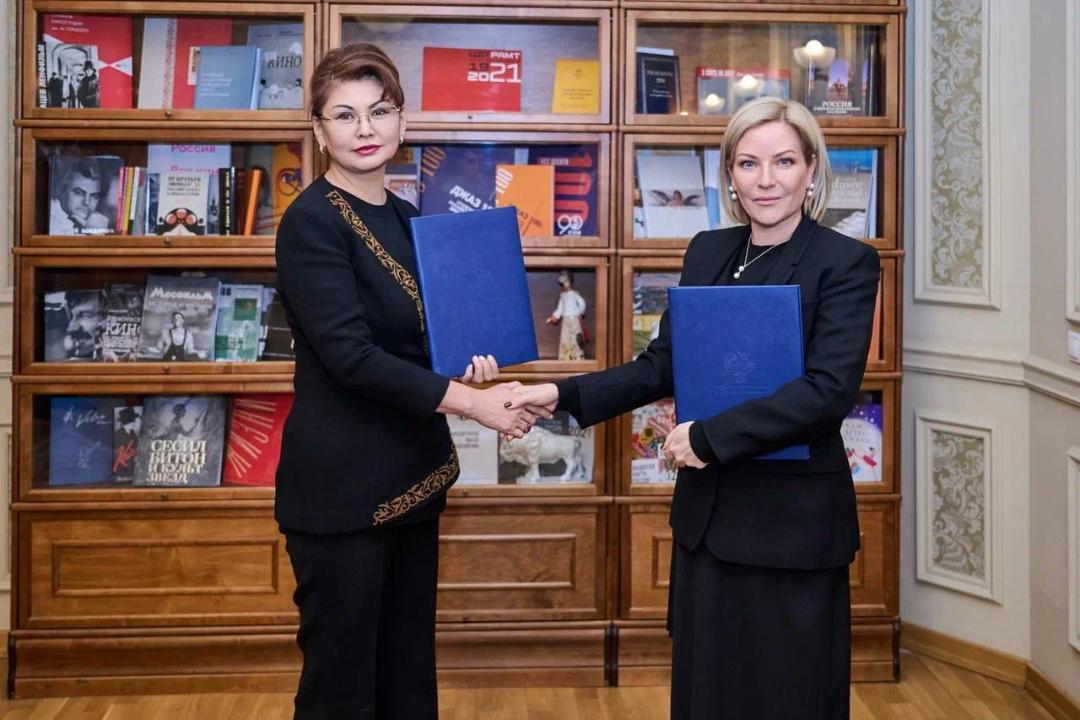
Kazakhstan and Russia signed a Plan of cultural events dedicated to the 80th anniversary of the Victory 24.12.2024
The Ministers of Culture of Kazakhstan, Aida Balayeva, and Russia, Olga Lyubimova, signed a plan of joint events dedicated to the 80th anniversary of Victory in the Great Patriotic War.The plan includes a variety of cultural events, including theater festivals, film screenings, conferences, exhibitions and round tables.In addition, the Days of Culture of Kazakhstan in Russia will be held next year."The cultural events included in the plan are aimed at the eternal memory of the exploits of war veterans and home front workers. I am sure that joint initiatives will contribute to further strengthening cultural and humanitarian ties between our countries," said Aida Balayeva.At the meeting, the parties also discussed and agreed on further cooperation in the field of cinematography and archives, as well as on conducting master classes and advanced training courses in such areas as museum business and theatrical art. Press Service of the Ministry of Culture and Information of the Republic of KazakhstanSource : https://www.gov.kz/memleket/entities/mam/press/news/details/908682