News
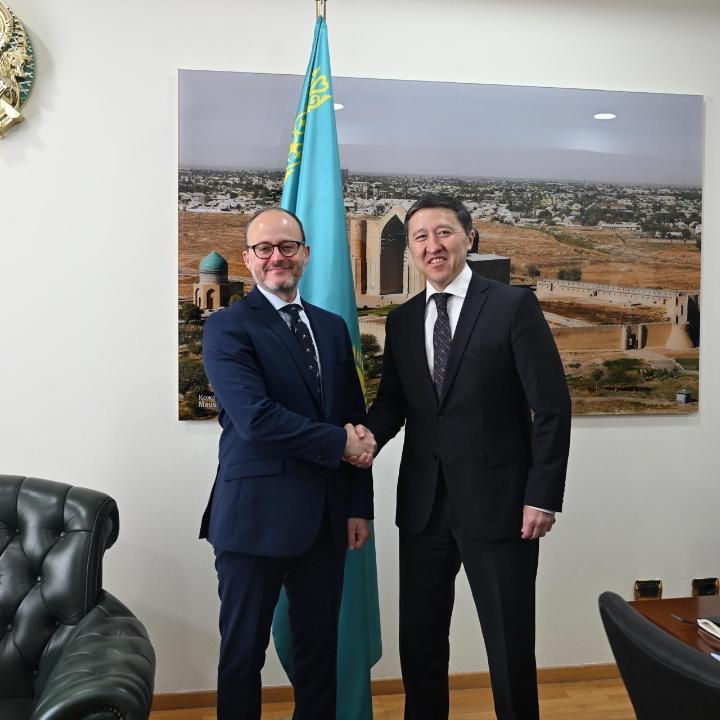
Kazakhstan and Spain Reaffirmed their Commitment to Further Deepening Strategic Partnership 04.07.2026
Astana, 16 June 2026 – The 8th round of political consultations between the Ministries of Foreign Affairs of the Republic of Kazakhstan and the Kingdom of Spain was held at the Ministry of Foreign Affairs of the Republic of Kazakhstan.The Kazakh delegation was headed by Deputy Minister of Foreign Affairs of the Republic of Kazakhstan Arman Issetov, while the Spanish delegation was led by State Secretary for Foreign and Global Affairs of the Ministry of Foreign Affairs, European Union and Cooperation of the Kingdom of Spain Diego Martínez.During the consultations, the parties discussed a wide range of issues related to the Kazakhstan-Spain strategic partnership in the political, trade, economic, investment, cultural, humanitarian and educational spheres. The sides exchanged views on current regional and international developments, as well as cooperation within international organizations.Particular attention was paid to the further strengthening of trade and investment cooperation. It was noted that Spain is one of Kazakhstan’s key economic partners among the member states of the European Union. This is evidenced by stable bilateral trade indicators, which reached 1.93 billion US dollars in 2025. The sides expressed interest in further expanding cooperation in the fields of transport and logistics, renewable energy, agro-industrial complex, digitalization, tourism, and education.A. Issetov emphasized that Kazakhstan regards Spain as one of its key partners in Europe and remains interested in further deepening the strategic partnership based on the principles of mutual respect, trust and pragmatic cooperation.In his turn D.Martínez reaffirmed Spain’s readiness in expanding multifaceted cooperation with Kazakhstan, noting the considerable potential for the implementation of joint projects in the economic and humanitarian spheres.Following the consultations, the parties reaffirmed their mutual commitment to further strengthening bilateral cooperation and maintaining an active political dialogue.Source : https://www.gov.kz/memleket/entities/mfa-madrid/press/news/details/1242329?lang=ru
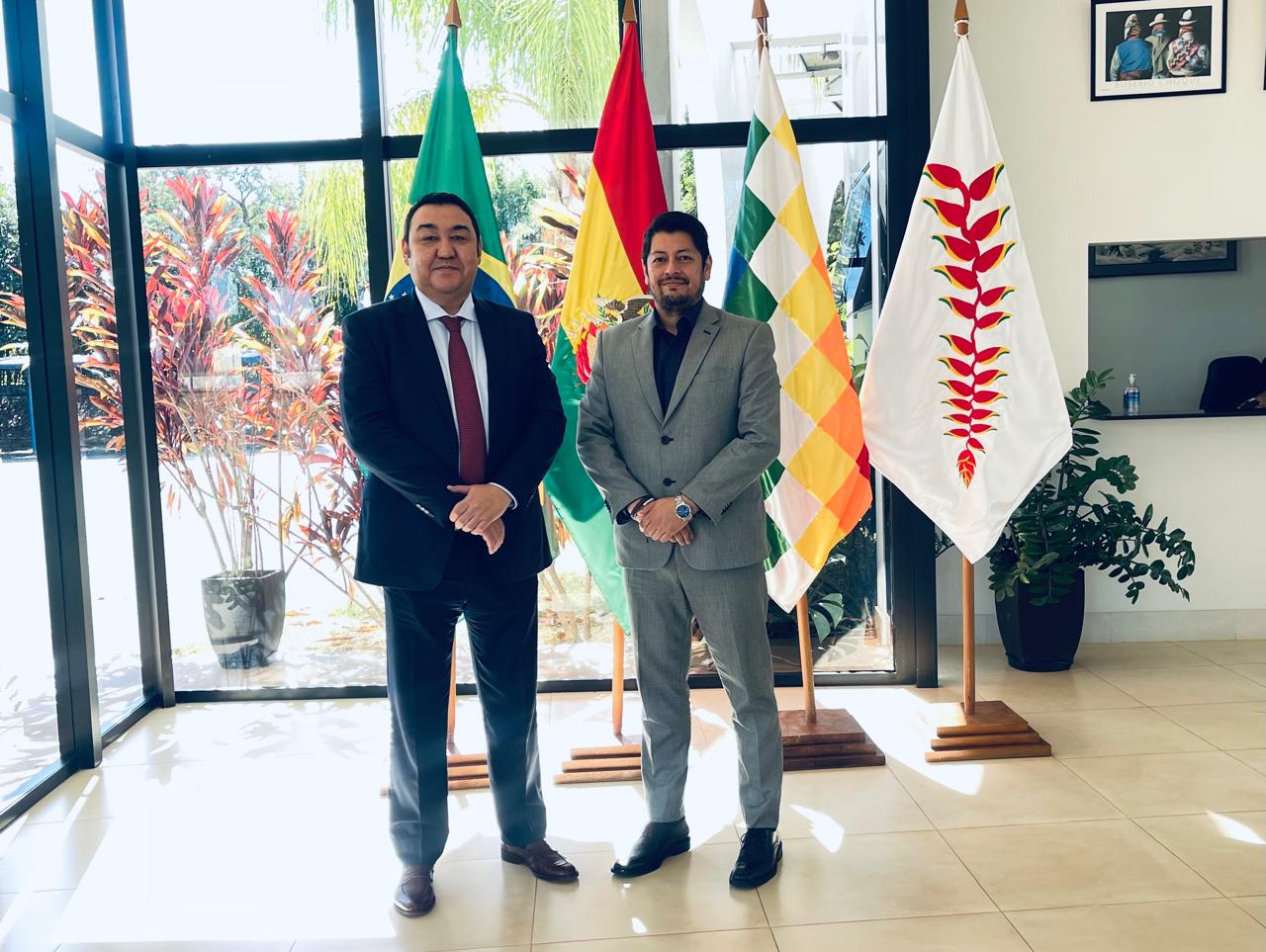
Cooperation issues with Bolivia discussed 04.07.2026
Brasília, June 16, 2026 - The Ambassador of Kazakhstan to Brazil, Bolat Nussupov, visited the Embassy of Bolivia and met with the Chargé d’Affaires of Bolivia, Álvaro Eduardo Pardo Garvizu.During the meeting, the parties discussed the current state and future prospects of Kazakhstan-Bolivia relations, with particular emphasis on strengthening political dialogue, expanding trade and economic cooperation, and enhancing collaboration in the international sphere. They also exchanged views on the implementation of the agreements reached following the meeting between the Minister of Foreign Affairs of the Republic of Kazakhstan, Yermek Kosherbayev, and the Minister of Foreign Affairs of Bolivia, Aramayo Carrasco, held in Antalya on April 19, 2026, on the sidelines of the Antalya Diplomacy Forum.For his part, Álvaro Eduardo Pardo Garvizu reaffirmed Bolivia’s commitment to further strengthening friendly relations with Kazakhstan, emphasizing the importance of maintaining regular dialogue between the diplomatic missions of the two countries as a key element of political and economic cooperation.In addition, the parties discussed the candidacy of prominent Bolivian businessman Jorge Ormachea for the position of Honorary Consul of the Republic of Kazakhstan in Bolivia. At the conclusion of the meeting, they agreed to maintain regular working-level contacts between the embassies of the two countries. Source : https://www.gov.kz/memleket/entities/mfa-brazil/press/news/details/1241988?lang=ru
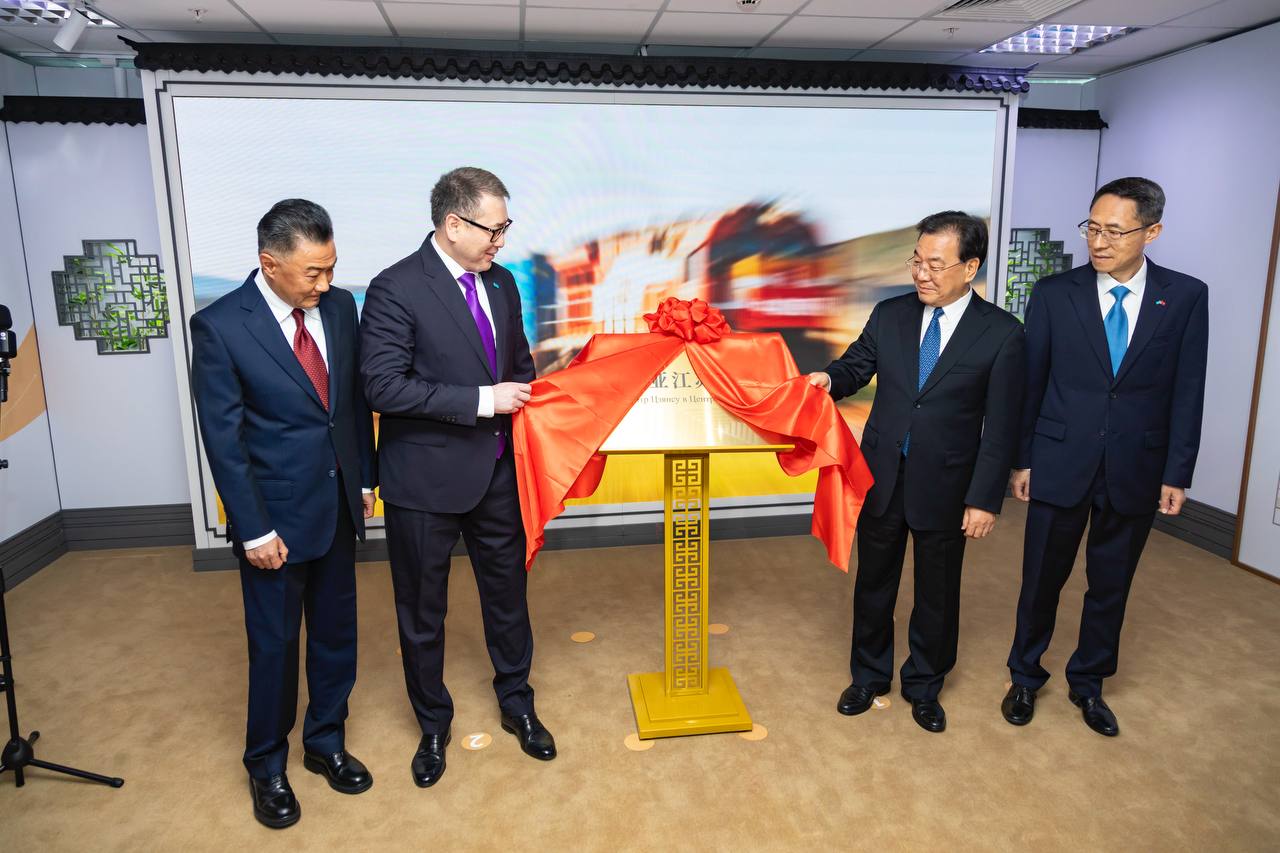
A new Jiangsu Provincial Center in Central Asia has opened in Astana 04.07.2026
The capital of Kazakhstan hosted the "China (Jiangsu Province) – Kazakhstan" Forum on Trade and Economic Cooperation, bringing together representatives of state bodies and business circles from the two countries. The dialogue platform became an important stage in expanding the strategic partnership between the two countries. During the event, Minister of Trade and Integration of the Republic of Kazakhstan Arman Shakkaliyev and Secretary of the Party Committee of Jiangsu Province Mr. Xin Zhangxing discussed prospects for investment cooperation and officially announced the opening of the Jiangsu Province Center in Central Asia. Today, relations between Kazakhstan and China are at an unprecedentedly high level. Thanks to the strategic course set by the heads of state, China has remained one of Kazakhstan's largest trading partners for many years. Last year, the mutual trade volume reached a record $49 billion USD. At the same time, Kazakhstan is a key partner for China in the region: our country accounts for almost 60% of China's total trade turnover with Central Asia."Thanks to the strategic vision of our countries' leaders, cooperation has become an important factor for sustainable economic growth and the development of regional connectivity. Today, we invite businesses from Jiangsu Province to implement joint projects in industry, agricultural processing, petrochemicals, and digital technologies. I am confident that the opening of the Jiangsu Center in Astana will be a logical continuation of our joint work and a tool for forming new production chains," noted Minister of Trade and Integration of the Republic of Kazakhstan Arman Shakkaliyev at the forum.During the event, the Kazakh side presented the country's investment potential and invited companies from Jiangsu Province to implement joint projects, including in renewable energy, e-commerce, and the transport and logistics sector. One of the key outcomes of the forum was the decision to expand logistics cooperation, including the implementation of a new container project at the port of Aktau, which will become part of a unified "door-to-border" logistics chain. The parties also agreed to diversify Kazakh exports: plans include increasing supplies of wheat, meat, and honey to Jiangsu. Special attention at the forum was given to Jiangsu Province – one of the world's most powerful industrial centers, whose industry accounts for 4% of the global volume. To date, companies from Jiangsu are already implementing 63 investment projects in Kazakhstan, which constitutes 47% of the province's total investment volume in Central Asian countries. "China and Kazakhstan are close friends and reliable partners with a shared destiny. Unique strategic partnership relations have been established between us. Our economies complement each other, and I see enormous potential for doubling trade figures. We intend to develop new growth points in areas such as artificial intelligence, the 'green' economy, and e-commerce, providing reliable guarantees for bilateral investments," emphasized Secretary of the Party Committee of Jiangsu Province Mr. Xin Zhangxing.The Jiangsu Center in Central Asia in Astana will become a unified service hub for Chinese companies, providing consulting services, exhibition activities, and support for the "Silk Road" e-commerce.Following the forum, the parties confirmed their interest in developing investment cooperation, creating joint productions, and expanding trade and economic ties.Source : https://www.gov.kz/memleket/entities/mti/press/news/details/1241991?lang=ru

THE ANNOUNCEMENT! Live broadcast of the Department of State Revenue in Pavlodar region Topic: "Changes and innovations on VAT excess issues" 04.07.2026
Dear taxpayers,Instagram @pavlodar_mkd will host a live broadcast on the topic: "Changes and innovations on VAT excess issues" on June 17, 2026 at 15:00 on the Department's page on the Instagram social network.Speaker: Yersin Seifollaevich Kharifollin, Head of the Indirect Taxes Administration Department.Moderator: Tolegen Bilyalovich Shaimardanov, Head of the Department of Explanatory Work and the Contact Center.In order not to miss the broadcast, subscribe to the Instagram of the Department of State Revenue for the Pavlodar region – pavlodar_mkd.Department of Explanatory Work and Contact CenterState Duma of the Pavlodar regionSource : https://www.gov.kz/memleket/entities/kgd-pavlodar/press/news/details/1241975?lang=ru
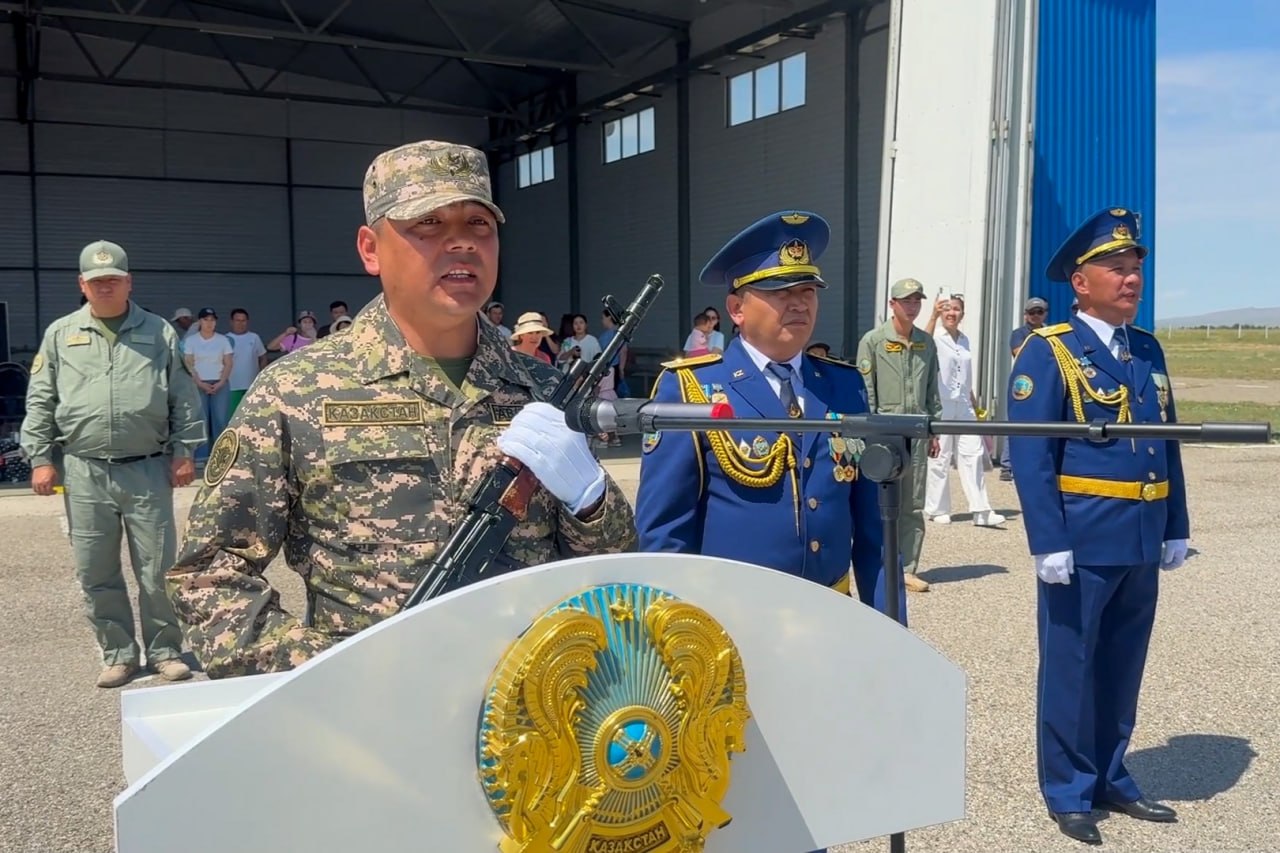
In Taraz, conscripts took the military oath 04.07.2026
Source : https://www.gov.kz/memleket/entities/mod/press/news/details/1241981?lang=ru
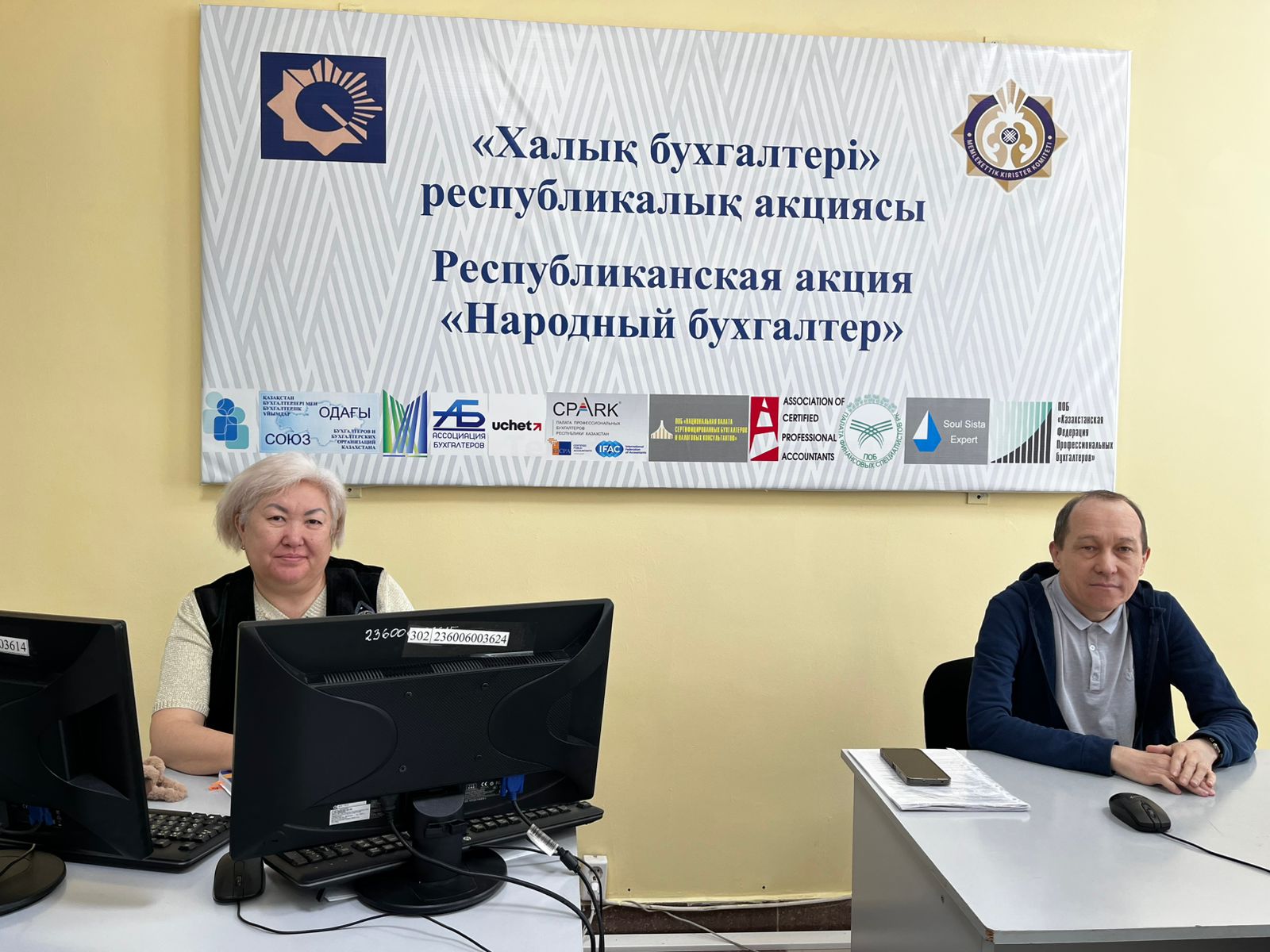
The People's Accountant campaign ends in June: there are only 4 days left for free consultations! 04.07.2026
Dear taxpayers,We remind you that the republican campaign "People's Accountant", which started on January 5, 2026, is coming to an end. June is the last month when you can get expert help absolutely free of charge.There are only 4 consultation days left before the end of the campaign: June 18, 23, 25 and 30. If you still have questions about taxation, we invite you to the final meetings.When: every Tuesday and Thursday from 10:00 to 13:00.Format: offline, based on state revenue departments.Who conducts consultations? You are advised by members of the professional organization "Union of Accountants and Accounting Organizations of Kazakhstan", as well as leading UGD specialists in the cities of Pavlodar, Aksu and Ekibastuz and in district offices. Our experts are ready to help you understand the norms of the new Tax legislation.Dear taxpayers, Don't miss this great opportunity to improve your tax literacy and get answers to difficult questions.Department of Explanatory Work and Contact CenterState Duma of the Pavlodar regionSource : https://www.gov.kz/memleket/entities/kgd-pavlodar/press/news/details/1241972?lang=ru
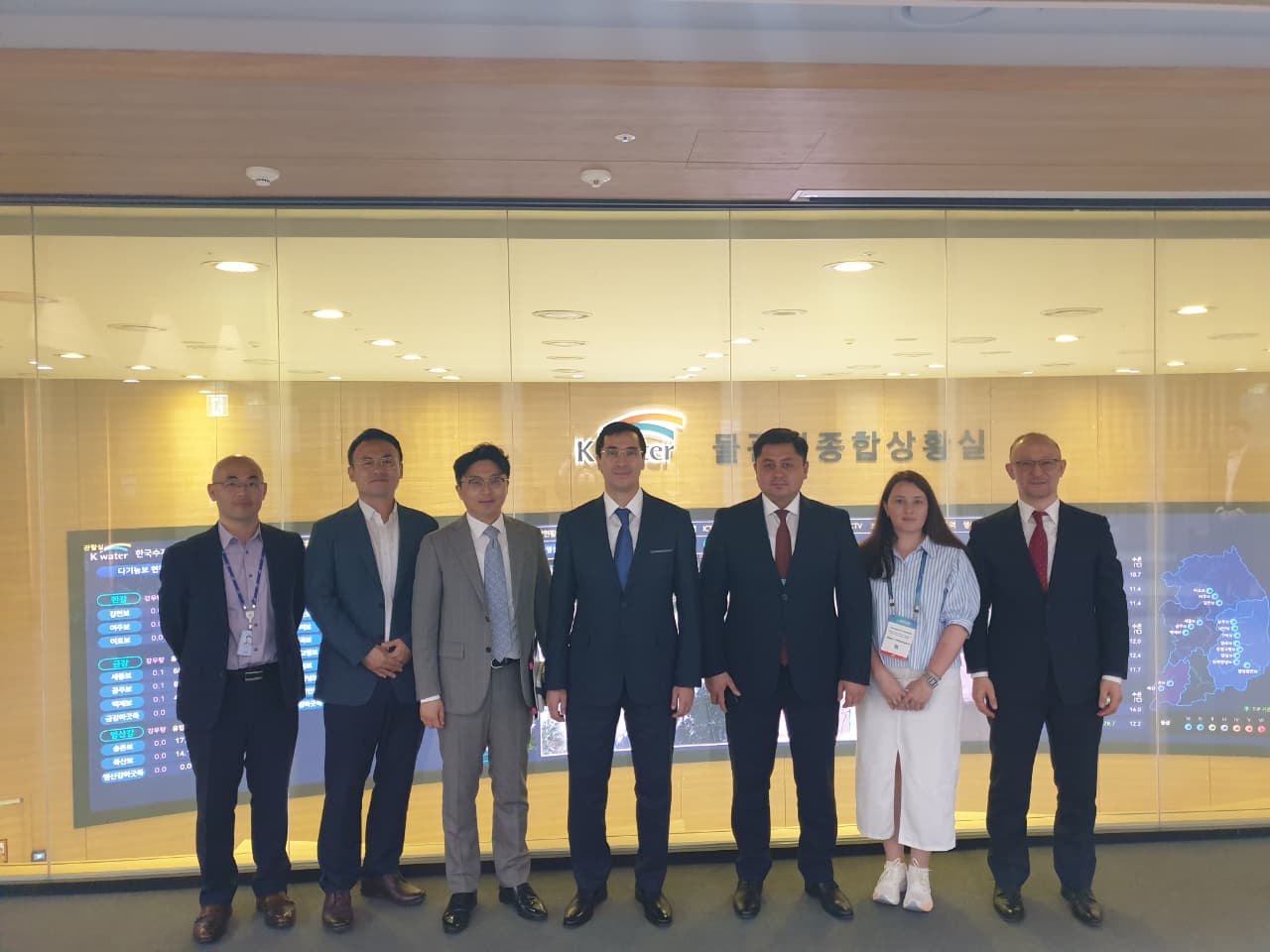
Kazakhstan and the Republic of Korea Strengthen Cooperation in Water Resources Management 04.07.2026
Daejeon, June 16, 2026 - Ambassador of the Republic of Kazakhstan to the Republic of Korea Asset Issenali held a meeting with Executive Vice President of the Korea Water Resources Corporation (K-water) Song Young Han.During the meeting, the parties discussed current issues and promising areas of Kazakhstan-Korea cooperation in water resources management, sustainable development of water infrastructure, and the introduction of advanced digital technologies and innovative solutions in the water sector.Particular attention was paid to enhancing water-use efficiency, developing intelligent monitoring and management systems for water resources, and exchanging best practices in water security and climate change adaptation.Ambassador Asset Issenali briefed his counterpart on Kazakhstan's ongoing efforts to improve the national water resources management system, ensure sustainable water use, and strengthen international cooperation in this field.The parties also emphasized the importance of further strengthening the global water governance architecture. In this regard, the Kazakh diplomat informed the Korean side about the initiative of President of the Republic of Kazakhstan Kassym-Jomart Tokayev to establish an International Water Organization under the auspices of the United Nations. The proposed organization is intended to enhance international coordination, facilitate the exchange of knowledge and technologies, mobilize resources, and promote more effective cooperation in the field of water security.The meeting also explored opportunities to expand bilateral cooperation in water technologies, water infrastructure management, and the implementation of joint projects, including the application of digital twin technologies for flood monitoring and early warning systems.At the conclusion of the meeting, the parties reaffirmed their mutual interest in further developing practical cooperation and exchanging expertise on sustainable water resources management.K-water is the national water resources corporation of the Republic of Korea and one of the world's leading organizations in water technologies, reservoir operations, water supply systems, digital solutions for the water sector, and water infrastructure development.Source : https://www.gov.kz/memleket/entities/mfa-seoul/press/news/details/1241957?lang=ru

Mandatory notifications from the tax authority 04.07.2026
Mandatory notifications from the tax authority include: 1) notification of the results of the tax audit. Notification of the results of the tax audit shall be submitted to the taxpayer (tax agent) no later than five working days from the date of delivery of the tax audit report if violations leading to the accrual of taxes and payments to the budget, reduction of losses, non-confirmation of the refund of excess amounts of value added tax and (or) corporate (individual) income tax withheld at the source of payment from income of non-residents; 2) notification of the results of consideration of the taxpayer's (tax agent's) complaint against the notification of the results of the tax audit. The notification of the results of consideration of the taxpayer's (tax agent's) complaint against the notification of the results of the tax audit shall be submitted to the taxpayer (tax agent) no later than five working days from the date of the decision on the results of consideration of the complaint in case of cancellation of the appealed notification of the results of the tax audit in part; 3) notification of elimination of violations of the tax legislation of the Republic of Kazakhstan. A notification on the elimination of violations of the tax legislation of the Republic of Kazakhstan shall be submitted to the taxpayer (tax agent) no later than five working days from the date of detection of violations of the tax legislation of the Republic of Kazakhstan if the tax authority reveals the facts of non-compliance by the taxpayer (tax agent) with the requirements established by this Code.; 4) notification of the amounts accrued during the liquidation period. The notification of the amounts accrued during the liquidation period contains information on the amount of accrued taxes, payments to the budget and social payments during the liquidation period and the deadline for fulfilling the tax obligation. Notification of the amounts accrued during the liquidation period shall be submitted to the liquidated taxpayer (tax agent) no later than five working days from the date of delivery of the act of liquidation tax audit if, during the period from the date of submission of liquidation tax reports to the date of completion of tax administration, obligations to calculate and pay taxes, payments to the budget and social payments arise; 5) notification of confirmation of the taxpayer's location (absence). A notification confirming the location (absence) of a taxpayer shall be submitted to the taxpayer (tax agent) within one business day following the date of drawing up the tax survey report, if the taxpayer (tax agent) is absent at the time of the tax survey at the location indicated in the registration data.; 6) notification of repayment of tax arrears. Notification of repayment of tax arrears is submitted to the taxpayer (tax agent) no later than five working days following the date of formation of tax arrears from a legal entity, a structural subdivision of a legal entity, a non-resident operating in the Republic of Kazakhstan through a permanent establishment, an individual entrepreneur, a person engaged in private practice, in an amount exceeding the maximum amount of tax arrears; 7) notification of confirmation of accounts receivable. A notification of confirmation of accounts receivable is submitted to the debtor of the taxpayer (tax agent) if the taxpayer (tax agent) fails to repay the tax debt after taking enforcement measures at the expense of the money held in his bank accounts, no later than ten working days before the foreclosure; 8) notification of repayment of tax debts of individuals. A notification on the repayment of tax debts of individuals is submitted to the taxpayer when a tax debt is incurred by an individual for tax obligations not related to entrepreneurial activity and private practice. The notification of repayment of the tax arrears of individuals is submitted to the taxpayer no later than twenty working days from the date of the formation of the tax arrears.Source : https://www.gov.kz/memleket/entities/kgd-astana/press/news/details/1241936?lang=ru
Amendments to the Tax Code effective July 1, 2026 04.07.2026
Amendments to the Tax Code effective July 1, 2026Starting from July 1, 2026, separate amendments will be introduced into the Tax Code of the Republic of Kazakhstan.The amendments are mostly editorial and terminological in nature. They are aimed at clarifying the wording, bringing the terms in line with the current legislation and uniform application of the norms of the Code.In particular, it providesfor the replacement of certain terms in the text of the Code.;clarification of legal formulations;bringing the spelling of the national currency to the "tenge" form;adjustment of standards due to changes in legislation;the introduction of certain provisions of the tax administration.In addition, starting from July 1, 2026, Article 189 of the Tax Code will enter into force, providing for the procedure for applying temporary restrictions on departure from the Republic of Kazakhstan in respect of the first head of a legal entity, an individual entrepreneur and a person engaged in private practice, if there are grounds established by law.The Department of State Revenue for Kostanay region reminds that it is important for taxpayers to monitor changes in tax legislation in a timely manner and fulfill tax obligations on time.Up-to-date information is posted on the official resources of the State Revenue Committee of the Ministry of Finance of the Republic of Kazakhstan.#Ddkostanay #Tax Code #CGD #Tax2026 #Bizneskazakhstan #KostanaySource : https://www.gov.kz/memleket/entities/kgd-kostanay/press/news/details/1241920?lang=ru
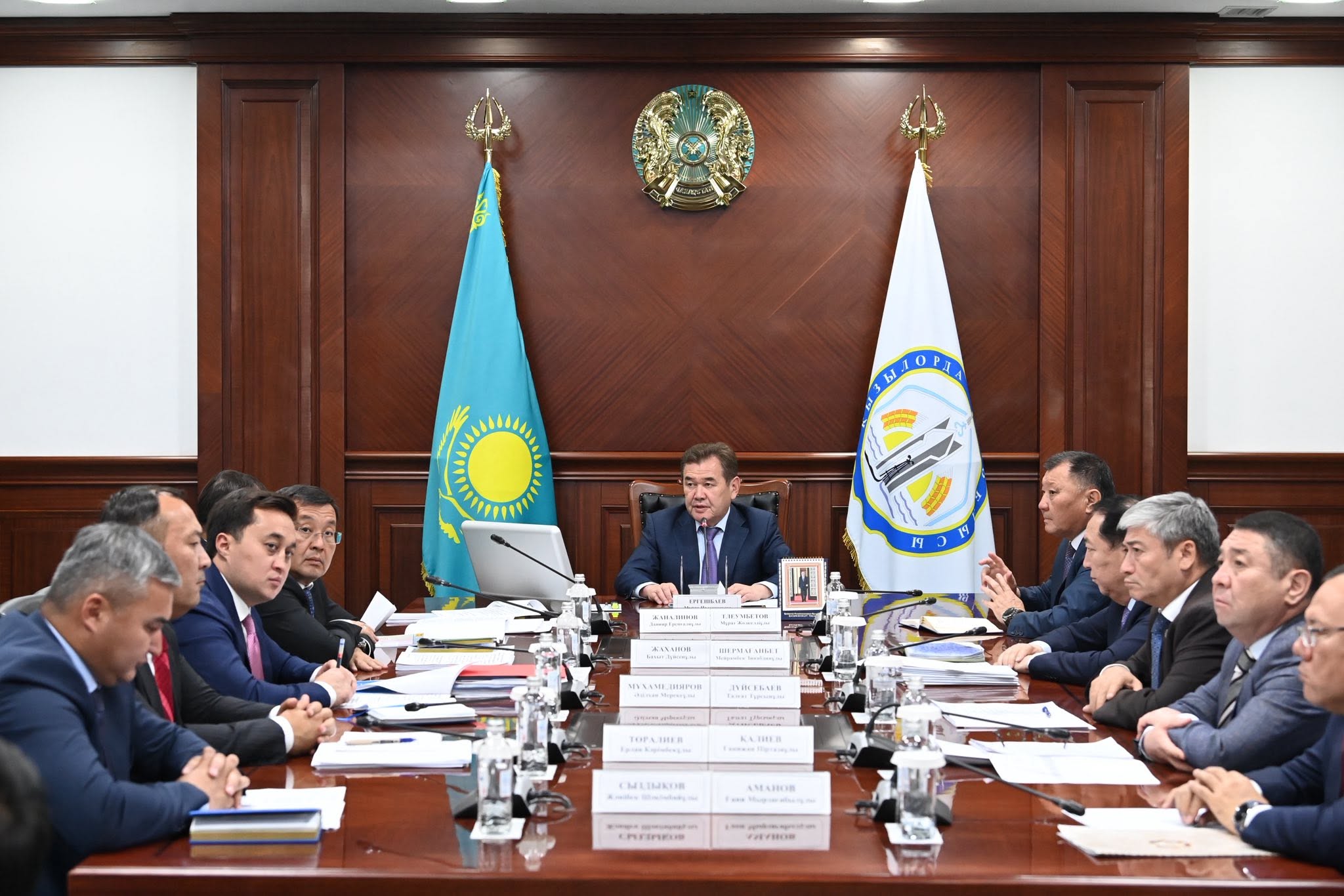
The development of the railway industry and infrastructure was discussed 04.07.2026
At a meeting of the Government of the Republic of Kazakhstan chaired by Prime Minister Olzhas Bektenov, the issue of developing the railway industry and infrastructure was considered today. Akim of the region Murat Ergeshbayev participated in it via video conference. At the meeting following the Government session, the issues were discussed comprehensively.The head of the region instructed to complete the acceptance of railway stations into municipal ownership in a timely manner in accordance with legal requirements.–Not only the external appearance of railway stations, but also passenger service must reach a new qualitative level. Together with the city and district akimats, ensure daily improvement, landscaping of station territories, and sanitary cleanliness, – said Murat Nalkhozhauly.There are 1051 kilometers of railway tracks passing through the region's territory. Capital repairs have begun on 83.4 kilometers of them. To date, 50.4 kilometers have been repaired, the remaining 33 kilometers will be completed by the end of the year. At the Sekseul station, 18.7 kilometers of railway are being built and 77 sets of turnouts are being installed.From the Kyzylorda region, 15 pairs of passenger trains operate, and from the regional center to the cities of Astana, Petropavlovsk, Pavlodar, Kokshetau, Semey, Turkistan – 6 pairs.Two years ago, a major overhaul of the railway station in the city of Kyzylorda was carried out and the adjacent territory was improved. Today, major repairs and reconstruction work are underway at 7 stations in the region, namely: Zhanakorgan, Shiely, Zhosaly, Toretam, Kazaly, Aral, Sekseul, as well as at service points in Terenozek and Zhalagash, and at the passenger platform of the Talap station in the Zhanakorgan district. Construction and installation work has been completed at the Kazaly, Shiely, Zhanakorgan stations and at the Talap station.Also at the meeting, responsible managers were instructed to prepare specific proposals for the development and launch of new production directions within a week. Positive dynamics of key socio-economic indicators must be maintained.The issue of conducting autumn deratization works against Congo-Crimean hemorrhagic fever qualitatively and in accordance with the approved schedule was also discussed.The regional akim instructed to organize and strictly control the implementation of anti-tick treatments in accordance with veterinary requirements. It is necessary to systematically conduct informational and explanatory work on the importance of disease prevention and seeking medical help at the first detected signs.Source : https://www.gov.kz/memleket/entities/kyzylorda/press/news/details/1241912?lang=ru
Akim of Belagash village elected 04.07.2026
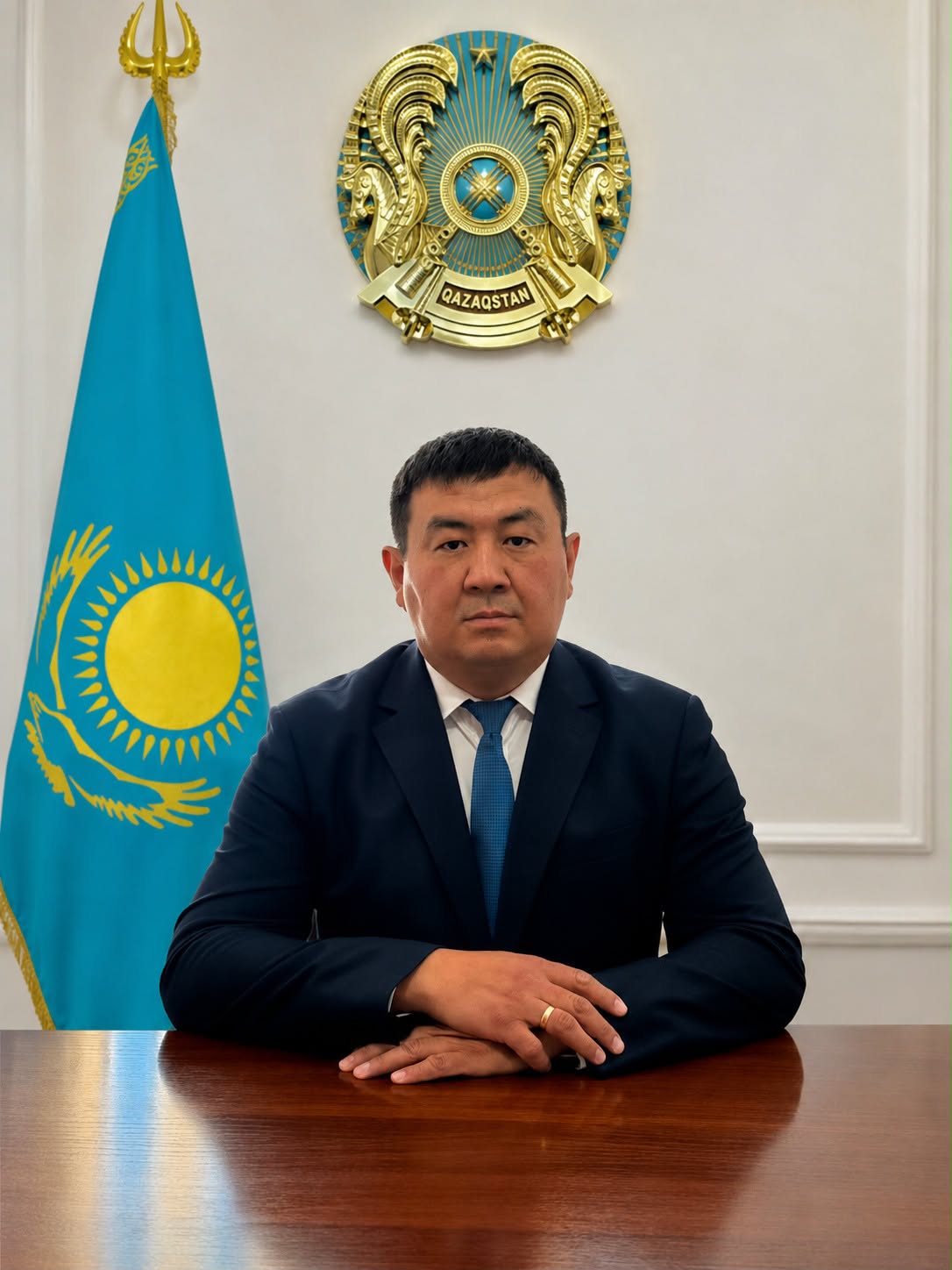
On June 14 of this year, the election of the akim of the village of Belagash took place.The voter turnout was 77.42% or 408 voters(527 total voters).According to the results of the voting, Aubakirov Atalyk Amanzholovich was elected akim of the village.By the decision of the TEC dated June 15, 2026, Aubakirov Atalyk Amanzholovich was registered as the akim of the village of Belagash in the Zhaksyn district.Atalyk Amanzholovich, was born on May 15, 1988 in the village of Lvovskoye, Zharkainsky district, higher education: in 2011 he graduated from the Kazakh Economic University named after T. Ryskulov with a degree in Economics and Business.From March 2009 to October 2012, he worked as an electrician, communications foreman of the Department for Operation and Repair of electrical equipment and communications at the state communal state-owned production and maintenance enterprise of the office of the Mayor of Almaty and at Almaty Electric Power Plants JSC, Department of CHP-1.In the period from October 2012 to August 2014, he worked at Kaspi Bank JSC in Almaty, where he held the positions of manager in the Retail Product Development Departments, the Retail Back Office and the Product Office Department of the Retail Product Development Directorate.From January 2015 to March 2015, he was a specialist in the livestock department of Agrofirma TNK LLP.From April 2016 to October 2018, he worked as the chief specialist of the office of the akim of the village of Belagash.From October 2018 to July 2020, he held the position of akim of the village of Belagash.From May 2022 to October 2022, he was an expert in the Financial Instruments Department of the Department of Financial Instruments and Microcredit of the Ministry of Agriculture of the Republic of Kazakhstan.From October 2022 to December 2022, he worked as the chief expert of the Analysis Department of the Department of Strategic Analysis and Planning of the Ministry of Agriculture of the Republic of Kazakhstan.From April 2023 to the present, he has been working as a foreman of the field breeding brigade of the Baylyk peasant farm in the Zharkainsky district.Source : https://www.gov.kz/memleket/entities/aqmola-zhaksy/press/news/details/1241906?lang=ru
Meeting with the Hungarian company «Globus Konzervipari Zrt.» 04.07.2026
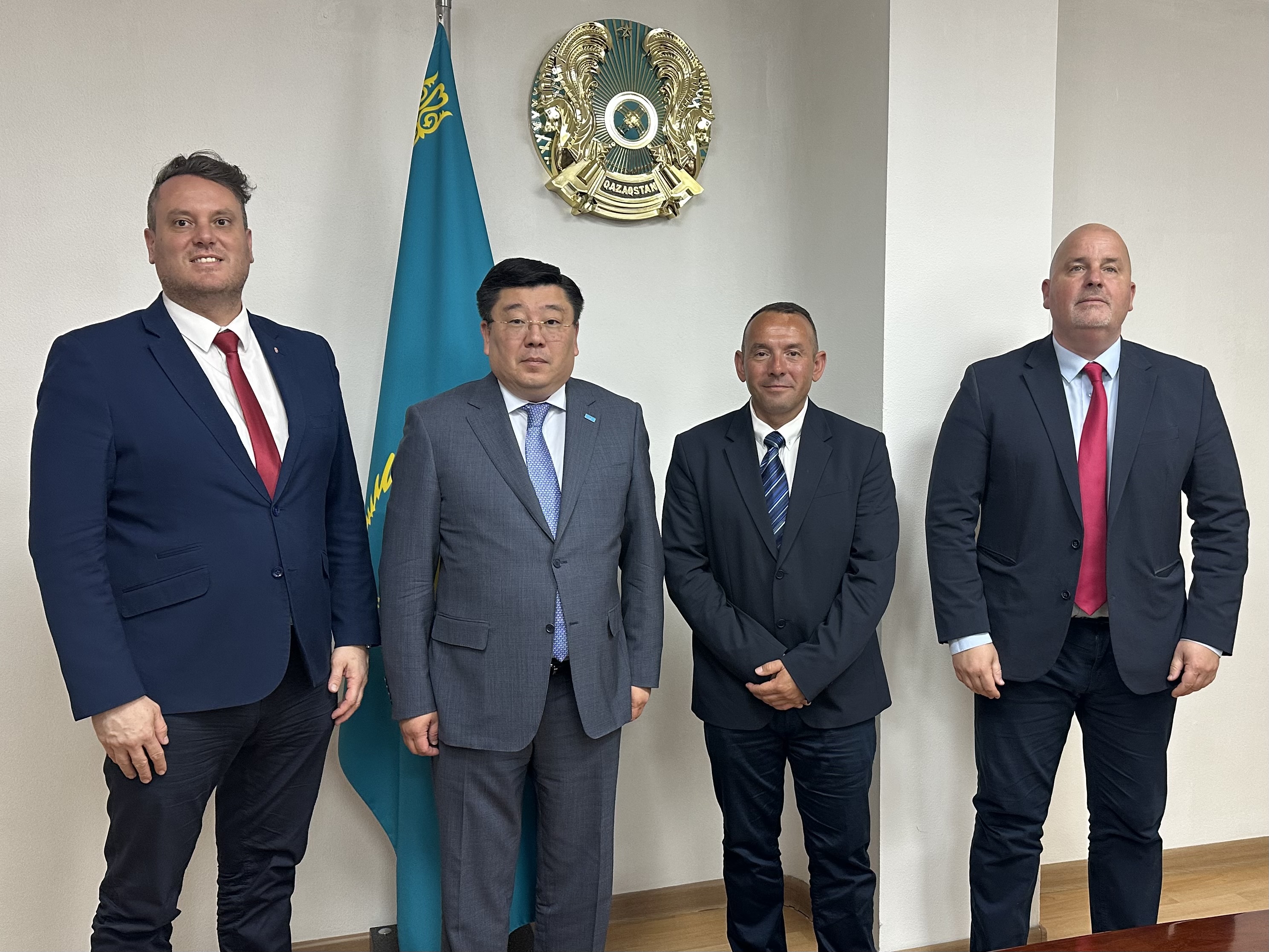
On June 16, 2026, Ambassador-at-Large – Head of the Representative Office of the Ministry of Foreign Affairs of the Republic of Kazakhstan in Almaty Zhanibek Abdrashov held a meeting with Commercial Director of the Hungarian company «Globus Konzervipari Zrt.» László Berényi. During the meeting, the parties discussed prospects for expanding mutually beneficial trade and economic cooperation. Particular attention was paid to the production of canned vegetables without additives and preservatives. At the end of the meeting, the parties agreed to actively support efforts to strengthen partnership between the two countries.Source : https://www.gov.kz/memleket/entities/mfa-almaty/press/news/details/1241907?lang=ru
Kazakhstan and the Republic of Korea Expand Cooperation in the Space Sector 04.07.2026
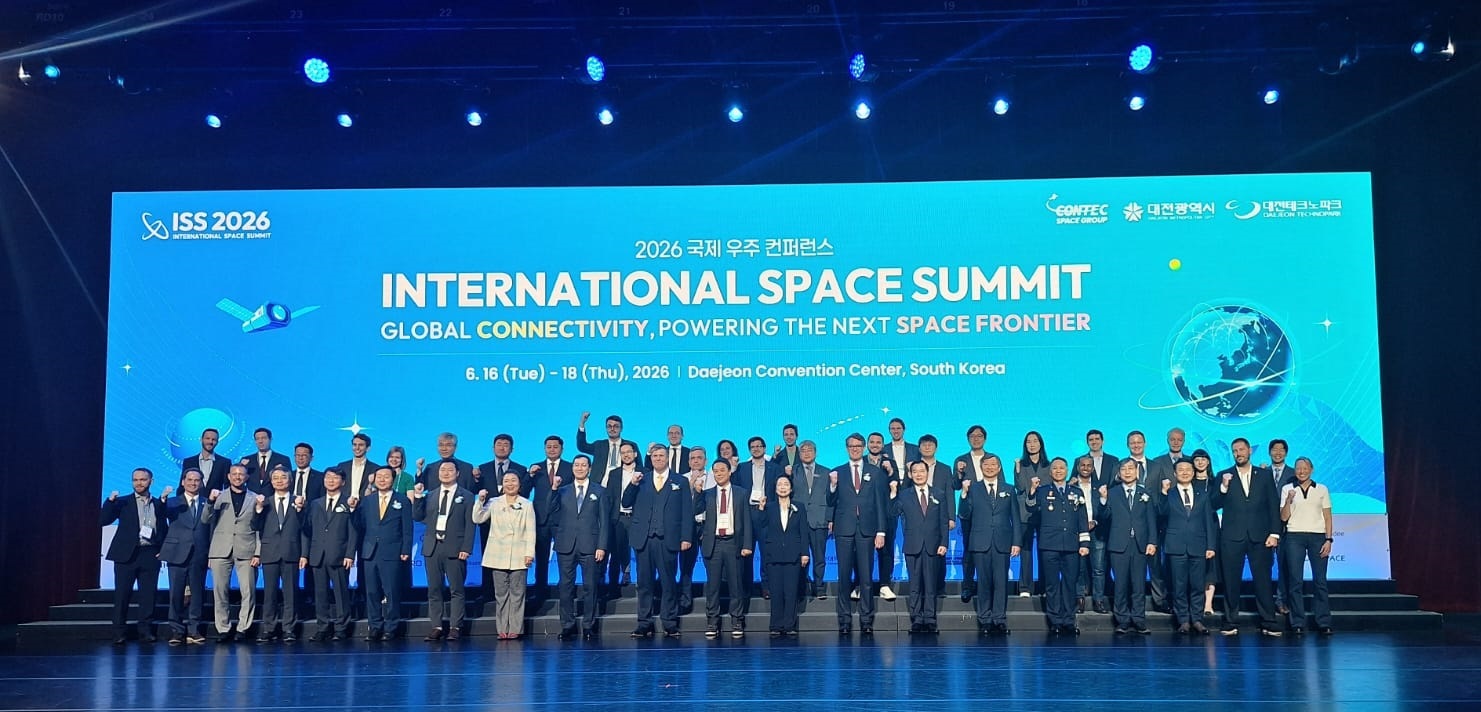
Daejeon, June 16, 2026 – On the sidelines of the International Space Summit 2026, Ambassador of the Republic of Kazakhstan to the Republic of Korea Asset Issenali held a meeting with Mr. Lee Sung-hee, Founder and Chairman of CONTEC Co., Ltd.During the meeting, the parties discussed the current state and future prospects of cooperation between Kazakhstan and the Republic of Korea in the space sector.Particular attention was paid to satellite technologies, Earth observation and remote sensing, the development of space infrastructure, as well as the training of highly qualified specialists for the aerospace industry.The interlocutors also considered opportunities to expand cooperation between relevant institutions of the two countries, introduce advanced technological solutions, and implement joint projects aimed at the development of space technologies and digital services.Ambassador Asset Issenali noted the significant potential for further strengthening cooperation between Kazakhstan and the Republic of Korea in the fields of space research and innovation, emphasizing Kazakhstan's interest in attracting advanced Korean expertise and technologies.For his part, Mr. Lee Sung-hee highlighted the solid foundation of Kazakhstan-Korea cooperation established over recent years. He reaffirmed CONTEC's interest in further expanding cooperation with Kazakh partners and underlined the promising prospects for joint projects in satellite technologies and space services.The parties also discussed preparations for the upcoming visit of the President of the Republic of Kazakhstan to the Republic of Korea scheduled for September 2026, as well as opportunities to advance new initiatives in high technologies and innovation-driven cooperation.At the conclusion of the meeting, both sides confirmed their readiness to further develop practical cooperation contributing to the strengthening of the strategic partnership between Kazakhstan and the Republic of Korea.The International Space Summit 2026 brought together representatives of leading space agencies, research institutions and high-tech companies from around the world to discuss the future development of the global space industry and international cooperation in this field.Special attention during the summit was given to the national pavilion of the Republic of Kazakhstan, which showcased the capabilities of the country's space sector and the latest developments of Kazakh aerospace enterprises.The Kazakh national stand served as an important platform for promoting the country's achievements in space technologies and establishing new contacts with international partners and investors.Source : https://www.gov.kz/memleket/entities/mfa-seoul/press/news/details/1241870?lang=ru
From Questions to Solutions: District Seminar on Protecting the Rights of Minors. 04.07.2026
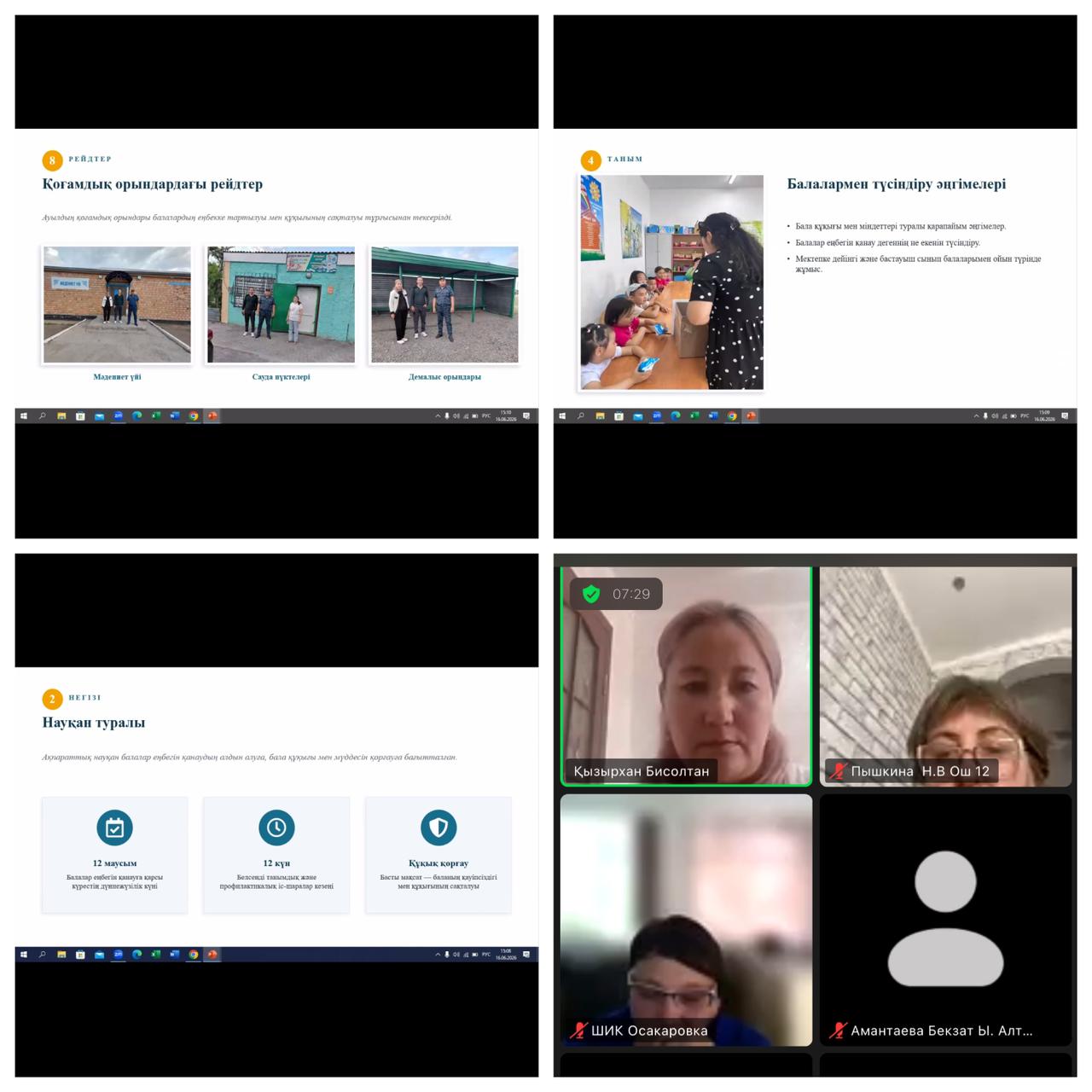
В рамках информационной кампании «12 дней против эксплуатации детского труда», а также Циклограммы работы с заместителями директоров по воспитательной работе, педагогами психологами и социальными педагогами состоялся районный семинар, организованный методистом отдела образования Осакаровского района Касумовой В.Н.В ходе семинара участники обсудили вопросы защиты прав детей, профилактики эксплуатации детского труда, организации занятости и досуга несовершеннолетних в летний период, а также взаимодействия школы, семьи и общественности в данном направлении.В ходе обсуждения методист отдела образования Касумова В.Н. задала ряд вопросов, касающихся эффективности проводимой работы. Особое внимание было уделено формам работы, которые вызвали наибольший интерес у учащихся, охвату детей пришкольной площадкой, а также количеству профилактических рейдов, проведённых в течение 2025–2026 учебного года.По итогам семинара были выработаны рекомендации по дальнейшему совершенствованию профилактической работы, направленной на защиту прав и законных интересов несовершеннолетних.Source : https://www.gov.kz/memleket/entities/edu-osakarovka/press/news/details/1241852?lang=ru

SRC Portal: Public Services and Electronic Services Available Online 04.07.2026
The State Revenue Department for Almaty reminds citizens and business representatives that they can take advantage of a wide range of electronic services available on the Portal of the State Revenue Committee of the Republic of Kazakhstan without visiting state revenue authorities in person.The SRC Portal offers various services that enable users to promptly obtain the necessary information and fulfill their tax obligations online.Verification services provide information on:taxpayers and counterparties;unreliable taxpayers;VAT payers;taxpayers undergoing liquidation procedures;returned notifications;registration of cash register machines;applicable tax regimes;suspension, extension, and resumption of tax return filing;documents confirming residency of the Republic of Kazakhstan;other information available on the SRC Portal.Using tax and debt-related services, users can:obtain information on the absence or existence of tax arrears;make online payments of taxes and other budget payments;review information on upcoming payments and outstanding liabilities of individuals.The SRC Portal also provides auxiliary services, including:online appointment booking;calculators for calculating penalties, transport tax, individual income tax, and estimated customs payments;answers to frequently asked questions regarding the Tax Code.For the convenience of taxpayers, the SRC Portal contains up-to-date tax reporting forms and tax application forms required for obtaining public services and fulfilling tax obligations.In addition, to improve the quality of services provided and ensure prompt feedback, QR codes have been placed on the SRC Portal pages to enable users to evaluate the quality of services and submit suggestions for their improvement. Users may leave feedback, report difficulties encountered, make suggestions to improve the activities of the state revenue authorities, and submit other inquiries.The State Revenue Department for Almaty recommends actively using the digital capabilities of the SRC Portal, which provide fast, convenient, and transparent access to public services and electronic services. Source : https://www.gov.kz/memleket/entities/kgd-almaty/press/news/details/1241825?lang=ru
Foreign tax offset 04.07.2026
The amounts of taxes paid outside the Republic of Kazakhstan on income or profits or other foreign taxes similar to corporate or individual income tax (hereinafter, for the purposes of this article, foreign income tax) on income received by a resident taxpayer from sources outside the Republic of Kazakhstan are subject to offset against the payment of corporate or individual income tax in the Republic of Kazakhstan. Kazakhstan, if there is a document confirming the payment of such foreign income tax.Such a document is a certificate of the amounts of income received from sources in a foreign country and taxes paid, issued and/or certified by the tax authority of a foreign state.If the certificate of the amounts of income received from sources in a foreign country and taxes paid, issued and (or) certified by the tax authority of a foreign state, is drawn up in a foreign language, it is mandatory to have a translation into Kazakh or Russian, certified by a notary in accordance with the procedure established by the legislation of the Republic of Kazakhstan.Source : https://www.gov.kz/memleket/entities/kgd-astana/press/news/details/1241811?lang=ru
Representatives of the supreme financial control authorities of the member States of the Eurasian Economic Union held a joint control event 04.07.2026
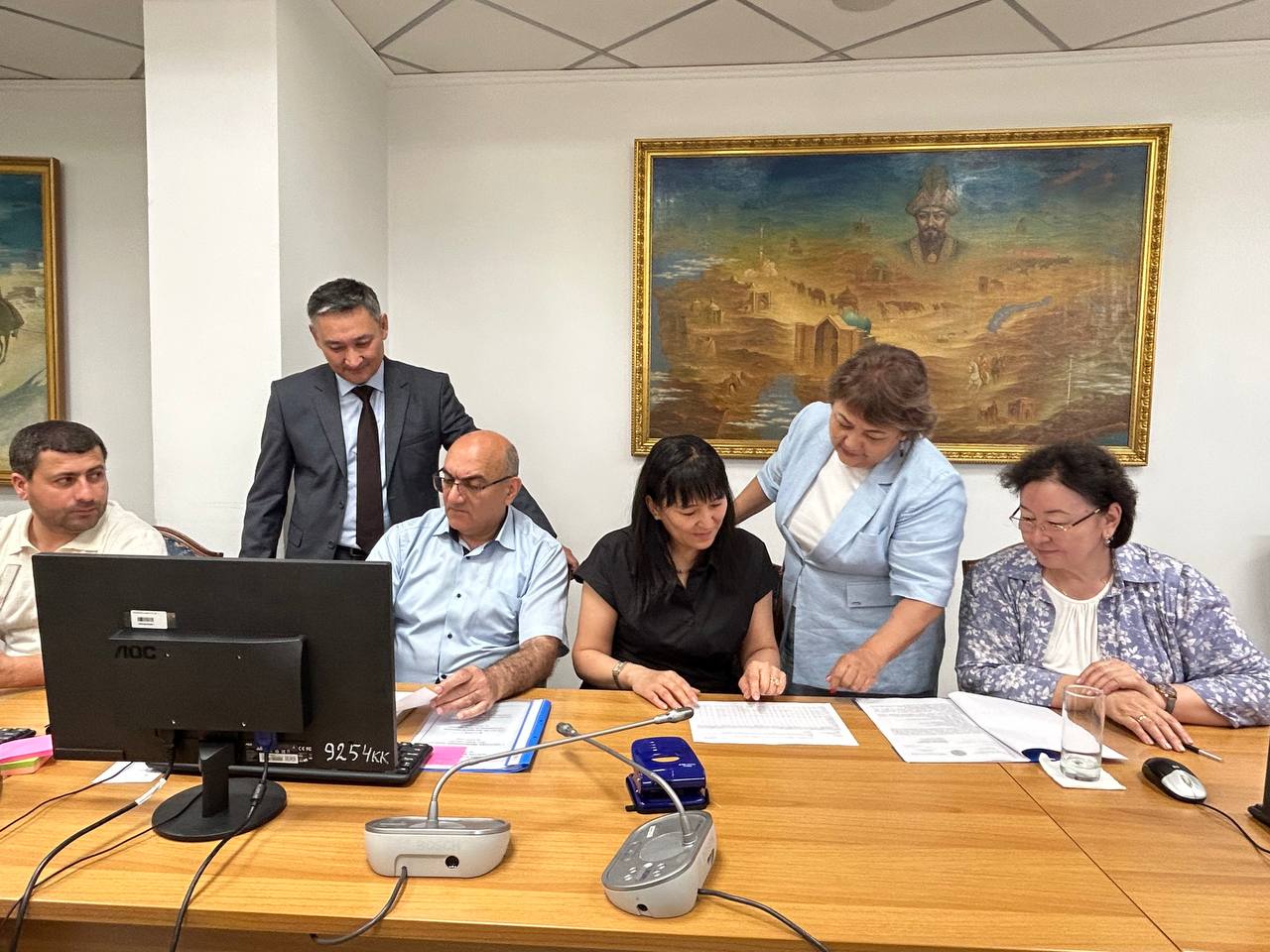
From June 10 to June 16, 2026, representatives of the supreme financial control authorities of the member states of the Eurasian Economic Union held a joint control event to verify compliance by the Republic of Kazakhstan with the provisions of the Protocol on the procedure for crediting, Distributing and Transferring import Customs Duties to the budget revenues of the EAEU member States for 2025. The control event was attended by representatives of the Audit Chamber of the Republic of Armenia, the State Control Committee of the Republic of Belarus, the Accounts Chamber of the Kyrgyz Republic, the Accounts Chamber of the Russian Federation and the Supreme Audit Chamber of the Republic of Kazakhstan. As part of the audit, the activities of the State Treasury Committee of the Republic of Kazakhstan on the application of the established procedure for crediting and distributing amounts of import customs duties, as well as other duties, taxes and fees were studied. The control event is aimed at assessing compliance by the Republic of Kazakhstan with the obligations stipulated by the legal framework of the Eurasian Economic Union in the field of customs revenue distribution between the member states of the association.Source : https://www.gov.kz/memleket/entities/kazyna/press/news/details/1241795?lang=ru

Development of bicycle infrastructure discussed in Kostanay 04.07.2026
A modern city is not just about high-quality roads for cars, but also about ensuring safe conditions for all road users. Many residents choose cycling for recreation, sports, and daily commuting, and our task is to create convenient and comfortable conditions for this.Currently, 7.5 kilometers of cycle paths are operational in the city. In addition, a project for a unified bicycle network with a length of 40 kilometers is being developed. It will connect parks and squares, residential micro-districts, educational and sports facilities, as well as the central and northwestern parts of Kostanay.During the preparation of the project, the successful experience of the Russian city of Almetyevsk was studied, where a modern and safe cycling infrastructure was implemented within a few years. The best practices will be taken into account in our city as well.I would like to note that the development of the bicycle network is a contribution not only to road safety, but also to strengthening public health, improving the environmental situation, reducing traffic load, and enhancing the quality of the urban environment. Source : https://www.gov.kz/memleket/entities/kostanai-kalasy-akimat/press/news/details/1241749?lang=ru
On the procedure for offsetting and refunding excessively and erroneously paid amounts of taxes, payments to the budget, penalties and fines 03.07.2026
The Department of State Revenue of the Mangystau region informs taxpayers about the procedure for offsetting and refunding excessively and erroneously paid amounts of taxes, payments to the budget, penalties and fines.In accordance with Paragraph 1 of Chapter 10 of the Code of the Republic of Kazakhstan "On Taxes and Other Mandatory Payments to the Budget" (Tax Code), taxpayers have the right to offset or refund overpaid amounts of taxes, payments to the budget and penalties. What is considered an overpaid amount? According to Article 120 of the Tax Code, an overpaid amount of tax, payment to the budget, or penalties is a positive difference between the amount paid to the budget and the calculated, accrued amounts for this type of tax, payment to the budget, penalties, as well as amounts offset against the payment of another tax, payment to the budget, penalties, and returned to the taxpayer. the date of the offset and/or refund. In what cases is a set-off made? The overpaid amount of tax, payment to the budget and penalties on the taxpayer's tax statement are offset against:1) upcoming payments for the relevant type of tax and (or) payment to the budget specified in such an application, in the absence of tax arrears from the taxpayer and (or) the structural subdivision of such taxpayer;2) repayment of tax arrears for the relevant type of tax and (or) payment to the budget specified in such an application:the structural unit of such a taxpayer;a legal entity - if the taxpayer is a structural subdivision of such a legal entity. How do I apply for a set-off or refund? Offsetting or refund is made on the basis of a taxpayer's tax statement. The application is submitted electronically via the Taxpayer's Office web application, the Electronic Government portal (egov.kz ), eGov mobile, mobile application e-salyq azamat tax wallet (for individuals) to the state revenue authority at the place of payment. The refund of the amount of tax paid and (or) overpaid, payment to the budget (with the exception of taxes and payments to the budget that are not refundable), penalties and fines is made by the tax authority by transferring to the taxpayer's bank account specified in such application. The timing of the offset and refund. Offsetting and refund of the excessively/erroneously paid amount of taxes, payments to the budget, fines, and penalties is carried out within 5 (five) business days from the date of receipt of the taxpayer's tax statement.The procedure and terms for setting off and (or) refunding are regulated by the Rules for Maintaining Personal Accounts approved by Order of the Minister of Finance of the Republic of Kazakhstan dated October 28, 2025 No. 637 "Rules for maintaining a taxpayer's (Tax Agent's) Personal Account". Features of the refund of the paid amounts of state duty The overpaid amount of the state fee is subject to refund upon submission of documents for refund within three years from the date of payment of such amount of the state fee to the budget. The refund of the state duty is carried out on the basis of a tax statement and a document from the relevant government agency confirming the legality of the refund at the place of payment of the state duty. The grounds for the refund of the state duty are determined by Article 120 of the Tax Code of the Republic of Kazakhstan. Recommendations to taxpayers, the State revenue authorities recommend: regularly checking personal accounts; checking the correctness of details when paying taxes and payments; timely submitting applications for offsetting or refunding overpayments; using electronic services to promptly receive government services.Dear taxpayers, If you have any questions about setting off or refunding overpaid amounts, you can contact the state revenue authorities at the place of registration or use the electronic services of the State Revenue Committee of the Ministry of Finance of the Republic of Kazakhstan. Timely reconciliation of calculations with the budget will avoid overpayment and ensure the correct fulfillment of tax obligations. Aliya Asenova, Chief Specialist of the Accounting and Personal Account Management Department of the State Revenue Department for the Mangystau region (Unofficial translation)Source : https://www.gov.kz/memleket/entities/kgd-mangistau/press/news/details/1241571?lang=ru
Reception hosted by the British Embassy in Kazakhstan 03.07.2026
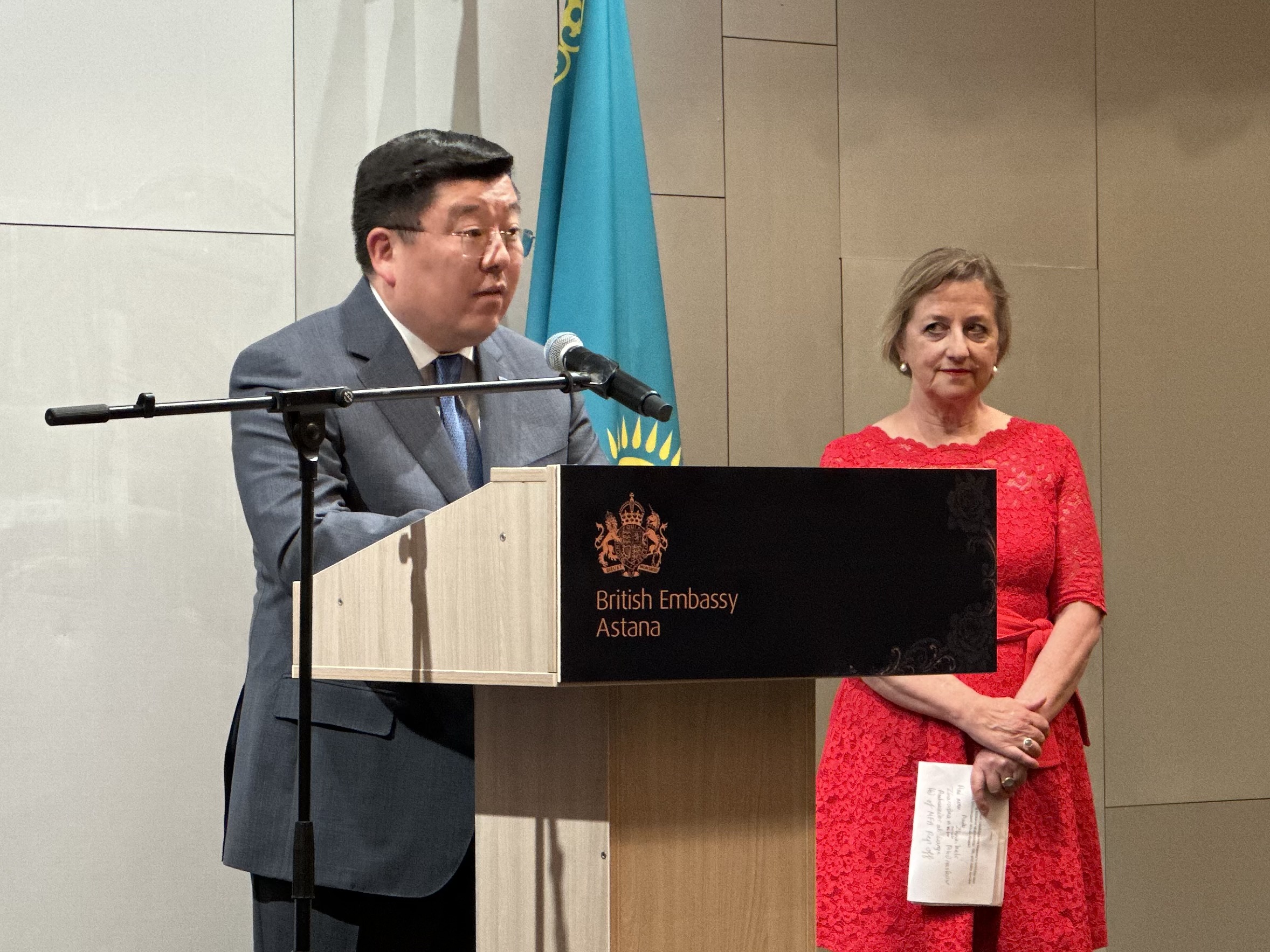
On June 15, 2026, Ambassador-at-Large – Head of the Representative Office of the Ministry of Foreign Affairs of the Republic of Kazakhstan in Almaty Zhanibek Abdrashov participated and delivered a congratulatory speech at a reception on the occasion of the Birthday of King Charles III, organized by the British Embassy in Kazakhstan. In his speech, Zh. Abdrashov noted the high level of Kazakhstan–United Kingdom relations, highlighting active political dialogue, strengthening of cultural and humanitarian cooperation, as well as the importance of trade, economic, and investment ties. In conclusion, the diplomat expressed confidence in the further deepening of friendly and mutually beneficial cooperation between Kazakhstan and the United Kingdom.Source : https://www.gov.kz/memleket/entities/mfa-almaty/press/news/details/1241501?lang=ru