
Society
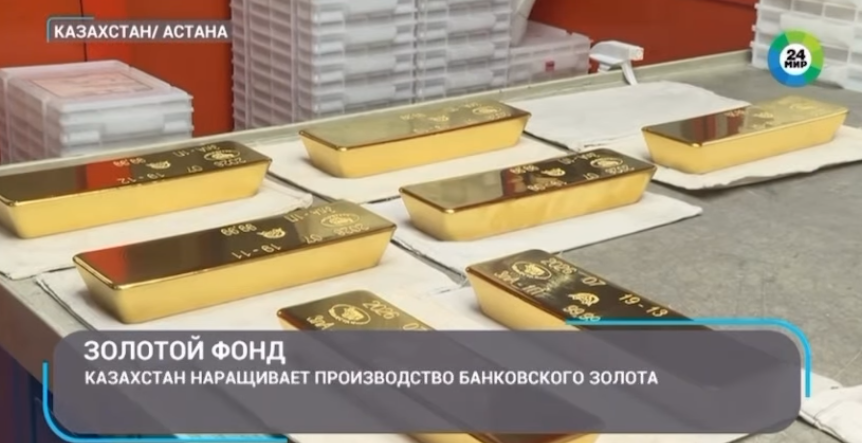
Gold is a Strategic National Reserve and a Guarantee of Financial Stability 20.07.2026
Kazakhstan continues to increase its gold production capacity. The country's precious metals refinery in Astana has more than doubled its original design capacity and is now processing record volumes of gold-bearing raw materials, strengthening Kazakhstan's strategic gold reserves.As one of the country's most technologically advanced and highly secure industrial facilities, the refinery produces gold exclusively for the National Bank of Kazakhstan's gold and foreign exchange reserves. The gold refined here is not intended for the jewelry market. Instead, it serves as a strategic national asset that supports the country's financial stability.The refinery receives gold-bearing raw materials from more than 40 mines across Kazakhstan. Through a sophisticated refining process, the gold is purified to 99.99% purity, meeting the highest international standards.The production process begins in the smelting workshop, where Doré alloy—typically containing 50–70% gold, with the remainder consisting primarily of silver and other metals—is melted in furnaces operating at temperatures exceeding 1,000°C.According to Kozhan Muratbekov, Head of the Smelting and Casting Workshop, the installation of new electrolysis equipment has significantly increased the refinery's production capacity.https://kz.mir24.tv/news/16678266/zolotoj-fond.-kak-v-kazahstane-sozdayut-slitki-vysshej-proby Source : https://www.gov.kz/memleket/entities/astana-uir/press/news/details/1260759?lang=ru

Refund of excess VAT 20.07.2026
The refund of excess value added tax (VAT) is one of the key measures of government support for business in Kazakhstan. This mechanism allows taxpayers to reimburse tax amounts in a timely manner and return financial resources to circulation.According to the Tax Code of the Republic of Kazakhstan, the excess of VAT is recognized as a positive difference between the amount of tax deductible and the amount of accrued tax that has accumulated according to the declaration at the end of the reporting tax period.Who is eligible for a VAT refund?The legislation defines certain categories of taxpayers who are entitled to compensation:- taxpayers who sell goods, perform work and provide services subject to a zero VAT rate;-taxpayers who carry out activities under contracts for subsurface use (with the exception of contracts for exploration and (or) extraction of common minerals, groundwater and therapeutic mud);-taxpayers who purchase goods, works and services for the construction of industrial buildings and structures under long-term contracts, which are being put into operation for the first time in the territory of the Republic of Kazakhstan.In what cases is the refund not made?The legislation sets clear restrictions. Refunds are not made for tax amounts:- offset against invoices issued by procurement organizations in the field of the agro-industrial complex;- offset for goods, works and services related to minerals transferred to meet tax obligations in kind;- those that have developed over tax periods in which the taxpayer has included an additional amount of tax in the offset.Procedure and grounds for refundIn order to claim a refund of the excess VAT amount, the taxpayer must indicate it in the next tax return. This can be done within the limitation period.Foundation documents- notification of the amount of excess VAT, confirmed for refund in a simplified manner;- the act of tax audit, taking into account the results of the appeal;- conclusion to the tax audit report.After confirming the amount, the taxpayer submits an application to the tax authority at his location, on the basis of which the funds are transferred.Thus, the refund of excess VAT is an important tool for the financial stability of enterprises. Knowing the terms and procedure of the refund allows taxpayers to exercise their right to a tax refund in a timely manner and avoid mistakes when completing the relevant documents.Department of Explanatory Work and Contact CenterState Duma of the Pavlodar region Source : https://www.gov.kz/memleket/entities/kgd-pavlodar/press/news/details/1260760?lang=ru
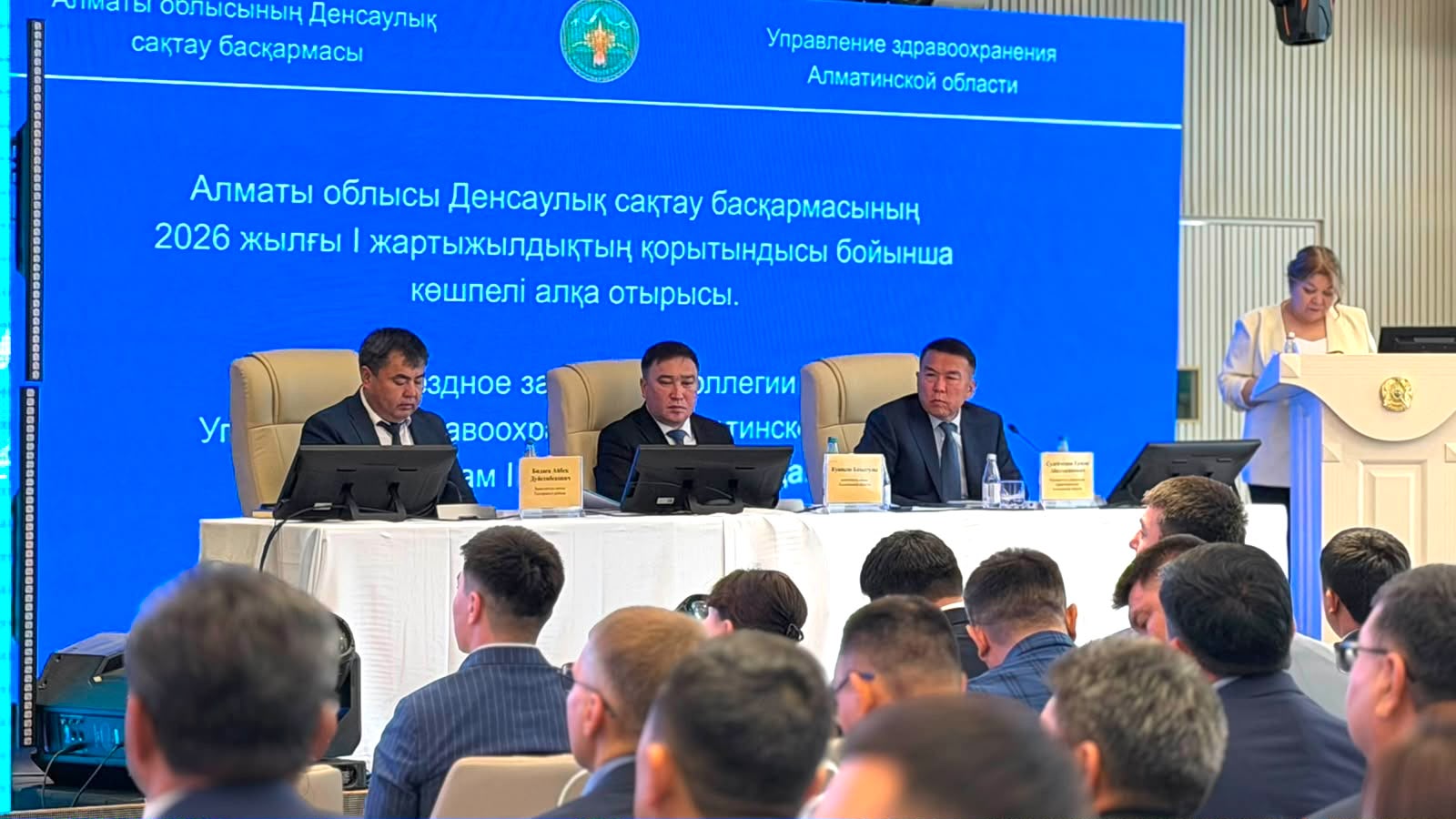
The Almaty region has summed up the results of the healthcare system's work for the first half of 2026 20.07.2026
Source : https://www.gov.kz/memleket/entities/almobl-densaulyk/press/news/details/1260725?lang=ru
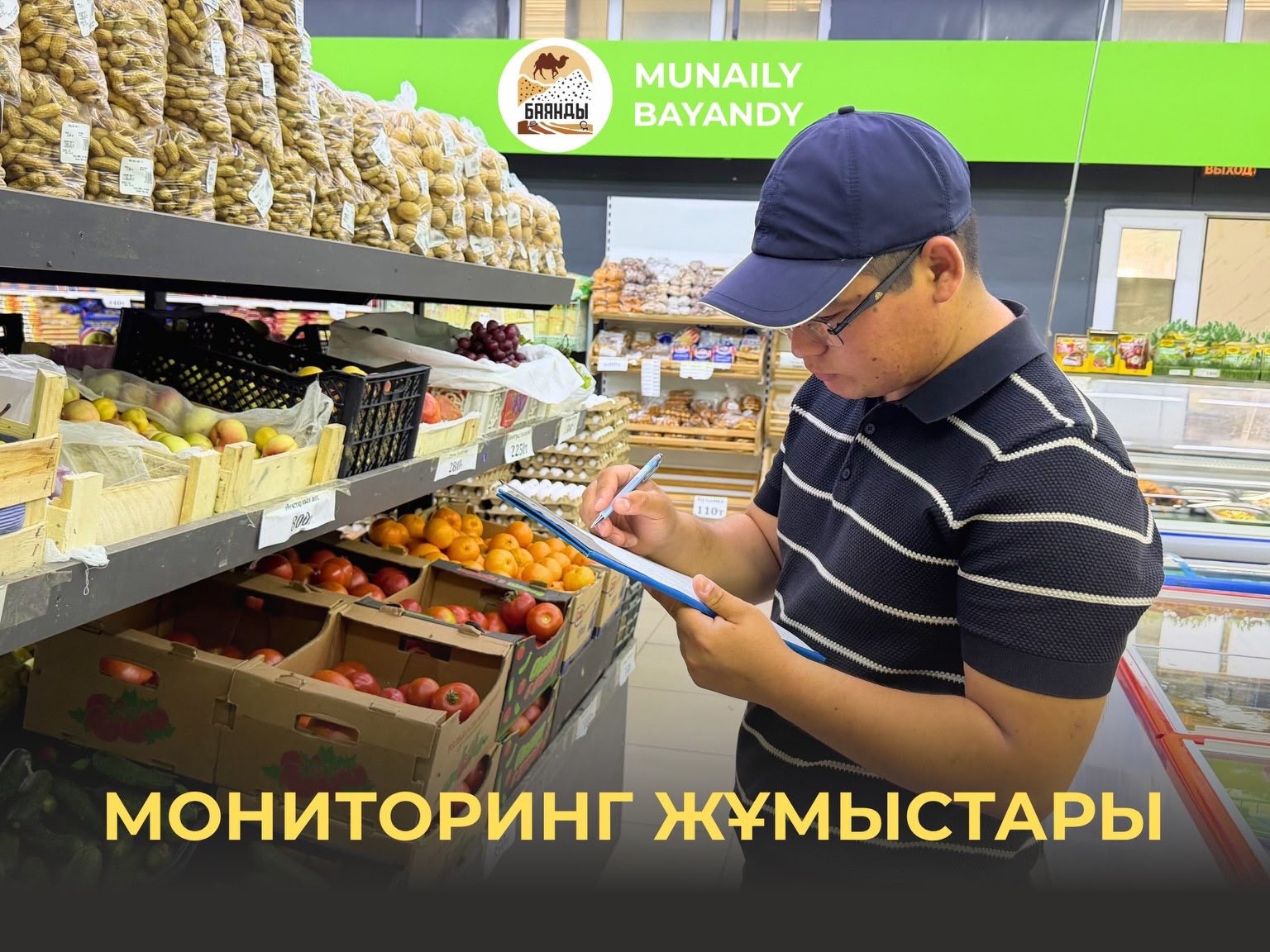
, Food products were monitored 20.07.2026
The monitoring of prices and availability of socially significant food products was carried out.During the monitoring, 31 socially significant food products were tested and reviewed for compliance with current requirements.️ ️ The press service of the akim's office of Bayanda village.Source : https://www.gov.kz/memleket/entities/mangystau-munaily-bayandy/press/news/details/1260713?lang=ru
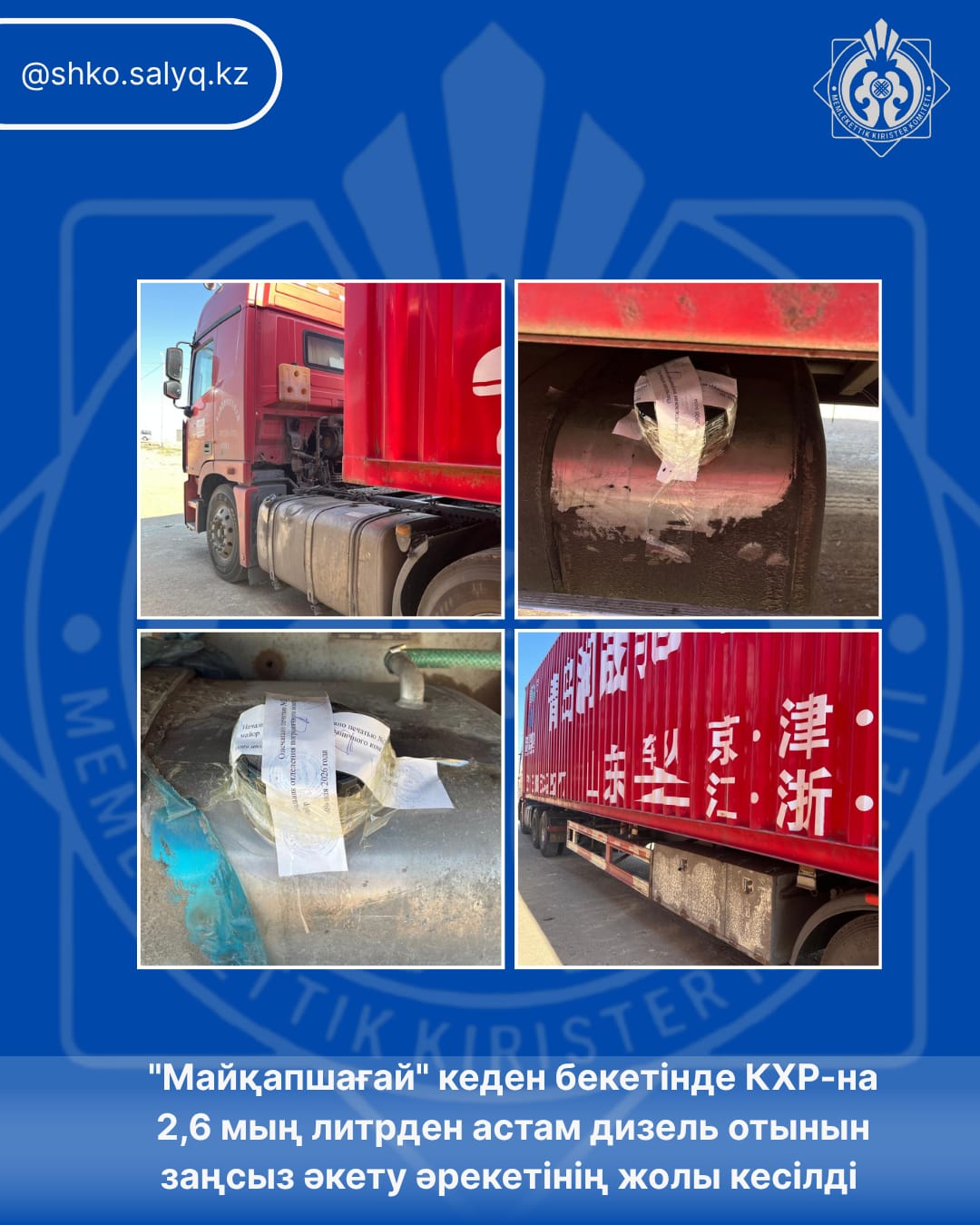
An attempt to illegally export more than 2.6 thousand liters of diesel fuel to China was stopped at the Maykapchagai customs post. 20.07.2026
The State Revenue Department of East Kazakhstan Region continuously conducts systematic monitoring to ensure compliance with the customs legislation of the Eurasian Economic Union and the Republic of Kazakhstan regarding goods and vehicles transported across the customs border. During one of these ongoing enforcement operations, the department's staff suppressed another instance of illegal fuel and lubricant exportation.The violations were recorded at the Maykapchagai customs post during the customs inspection and screening of empty cargo trucks traveling from the Republic of Kazakhstan to the People's Republic of China.On July 10, 2026, during a joint inspection of four heavy-duty vehicles operated by Chinese citizens, custom officers discovered non-factory-installed, specially equipped auxiliary tanks designed for the concealed transportation of fuel. The total volume of illegally transported diesel fuel amounted to approximately 2,640 liters (exceeding 2 metric tons).This export attempt did not qualify under any statutory exemption criteria (as the fuel did not constitute humanitarian aid, certified research samples for scientific purposes, or fuel contained within standard factory-installed fuel tanks). Thus, the actions of the Chinese nationals exhibit signs of direct non-compliance with the established export ban, directly threatening the national and economic security interests of the Republic of Kazakhstan (pursuant to Articles 6 and 22 of the Law of the Republic of Kazakhstan "On National Security of the Republic of Kazakhstan.")The Chinese citizens were held administratively liable under Part 7 of Article 590 of the Code of the Republic of Kazakhstan on Administrative Offences. An administrative fine in the amount of 32 437, 5 tenge was imposed on each offender.All case materials documenting the offense (including inspection reports, written statements, and photographic evidence) have been officially referred to the Department of Economic Investigation (DEI) of EKR for verification, registration, and the initiation of subsequent procedural decisions within their statutory competence.We remind the public that in order to protect the domestic market, Order of the Minister of Energy of the Republic of Kazakhstan No. 175-н/қ dated April 30, 2026, "On certain issues of exporting petroleum products from the territory of the Republic of Kazakhstan," introduced strict temporary export restrictions:From May 21, 2026, to November 21, 2026 (for a period of 6 months), a comprehensive ban is in effect on the export from the territory of the Republic of Kazakhstan (including to EEU member states) by road of motor gasoline, diesel fuel, and specific types of petroleum products (under codes CN FEA EEU 2709 00, 2710, 2902, 3403, 3811, 3826 00), as well as the export of petroleum products by rail under (CN FEA EEU code 2710 12.) From July 1, 2026, to December 31, 2026, the export of light distillates, aviation kerosene, diesel fuel, gas oils, toluene, xylene, and petroleum bitumen outside the customs territory of the EEU is prohibited.The State Revenue Department of East Kazakhstan Region warns all FEA participants of the strict necessity to comply with the legislation of the Republic of Kazakhstan when crossing the customs border. Efforts to combat the illegal export of fuels and lubricants, protect the economic interests of the state, and ensure full transparency in the cross-border movement of goods will continue in an enhanced operational mode. Residents and guests of the region can promptly report any detected violations of customs or tax legislation to the State Revenue Department of East Kazakhstan Region:Address: Ust-Kamenogorsk, Permitin St., 27Phone: 8 (7232) 57-84-79Source : https://www.gov.kz/memleket/entities/kgd-vko/press/news/details/1260706?lang=ru
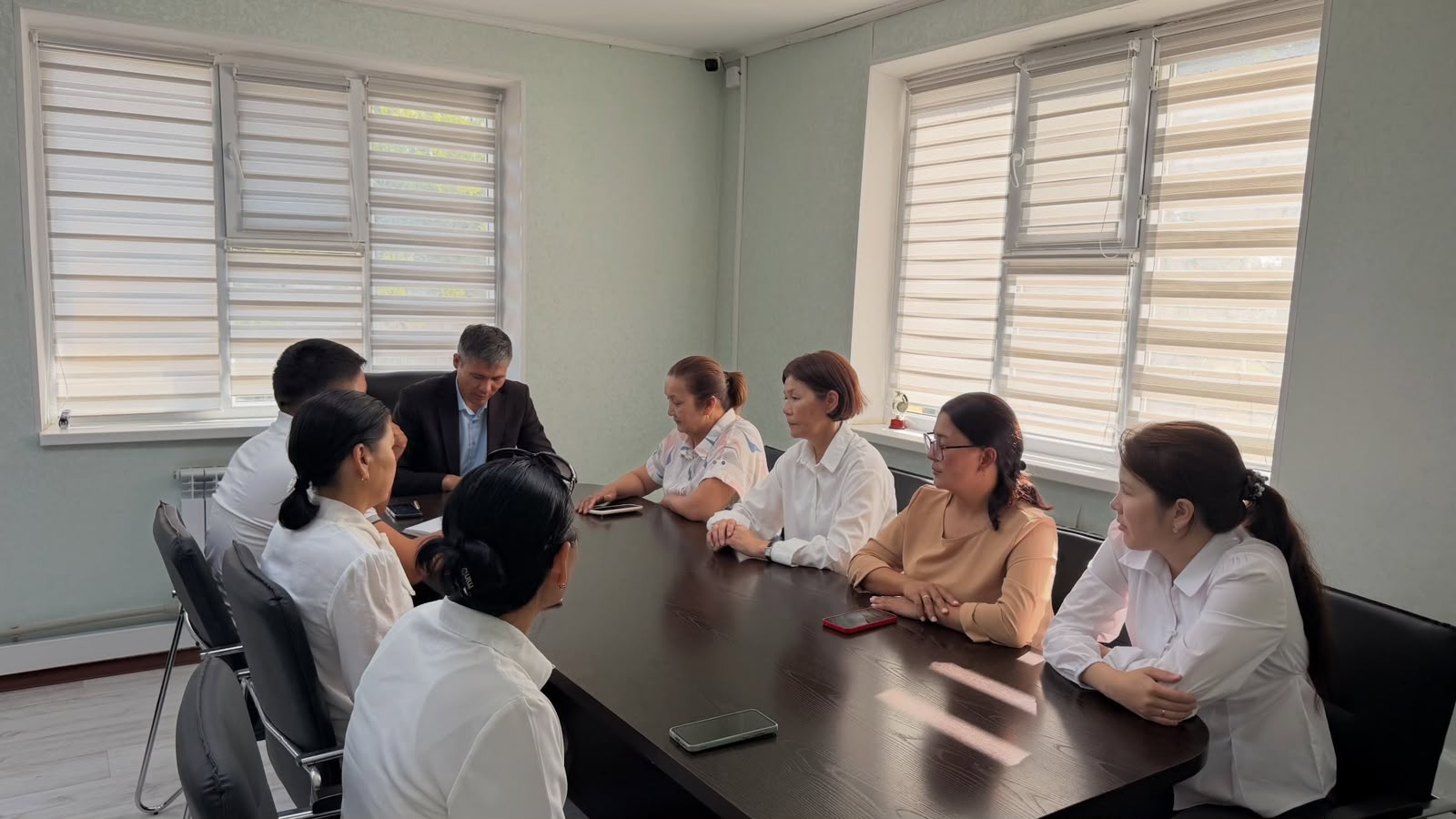
Kadyrbek Kudabaevich Kadyrbek Kudabaevich, akim of the Bayanda village akim's office, held an explanatory meeting with the staff of the institution on the prevention of corruption, compliance with ethical standards of civil servants and strengthening official discipline. 20.07.2026
During the meeting, the need for strict compliance with anti-corruption requirements, ethics in dealing with citizens and high-quality performance of official duties was noted.️ ️ The press service of the akim's office of Bayanda village.Source : https://www.gov.kz/memleket/entities/mangystau-munaily-bayandy/press/news/details/1260691?lang=ru

On behalf of the President, Lake Kobeytuz will receive a protected status 20.07.2026
On behalf of the Head of State Kassym-Jomart Tokayev, Lake Kobeytuz, known for its unique pink hue of water, will receive the status of a specially protected natural area. For this purpose, the borders of the Buiratau State National Natural Park will be expanded – the Kobeytuz water area will become part of it. This will ensure the protection of the unique ecosystem of the lake.The reservoir, located 160 km from the capital, is rightfully considered one of the most photogenic natural sites in the country, which attracts thousands of tourists every year. The growing flow of guests requires an appropriate infrastructure. Therefore, along with giving the lake a protected status, the akimat of the Akmola region is starting to improve the coastal territory: an observation deck and parking are being equipped here – this will allow residents and guests of the region to observe and photograph the natural phenomenon without creating threats to the fragile ecosystem.It should be noted that Kobeytuz is already one of the symbols of the Akmola region. And now it is necessary to create conditions under which people can safely and comfortably explore this unique place and enjoy the picturesque views without causing any harm to the lake. It is possible to preserve Kobeytuz in its original form for posterity only with proper landscaping and strict observance of environmental standards.The preservation of unique natural sites remains one of the priorities of the state environmental policy. The new Constitution establishes the formation of a high ecological culture as a fundamental principle of the Republic of Kazakhstan, and the expansion of the network of specially protected natural territories is one of the tools for its practical implementation. That is why the issues of nature protection and environmental protection are especially relevant today.The measures taken to protect and improve the lake's territory fully comply with the spirit and goals of the large-scale republican environmental initiative "Taza Kazakhstan". Preserving the fragile ecosystem of Lake Kobeytuz is an important practical contribution to the implementation of the concept of clean and green Kazakhstan.Earlier, the Department of Natural Resources and Environmental Management in the Akmola region conducted a study of the hydrochemical properties of lake water. The analysis showed exceeding the maximum permissible concentrations for a number of substances – ammonium nitrogen, ammonia, chlorides, arsenic, sulfates and others. Based on the data obtained, swimming in the lake and collecting salt from its shores are strictly prohibited.For the duration of the landscaping work, access to Lake Kobeytuz will be limited: it is not allowed to approach the coastline or stay in the surrounding area closer to the recommended zone. Round-the-clock checkpoints will be set up at the entrances to the lake, and the police, together with authorized bodies, will patrol the territory.The regional Akimat urges residents and guests of the region to comply with the established requirements and environmental legislation, as well as to take care of the environment. This is the only way to preserve a unique natural site for future generations.Source : https://www.gov.kz/memleket/entities/aqmola-tourism/press/news/details/1260618?lang=ru
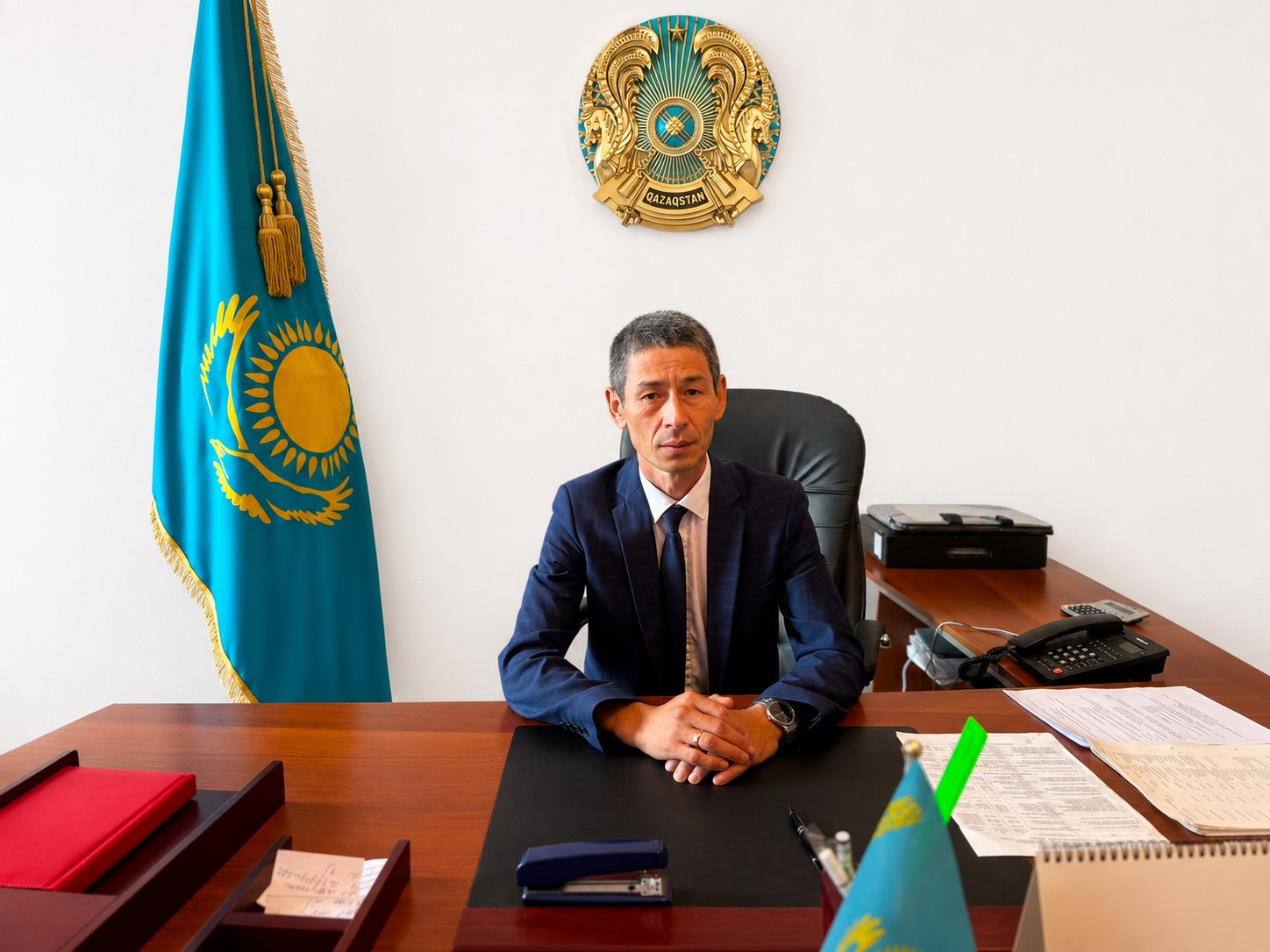
Akim of Zhanakima Rural District elected 20.07.2026
Voter turnout was 76.45% or 1,107 voters (total number of voters – 1,448).According to the results of the voting, Kairzhan Anes Sayatovich was elected mayor of Zhanakima rural district.By the decision of the ASC of July 20, 2026, Kairzhan Anes Sayatovich was registered as the mayor of Zhanakima rural district of Zhaksylyk district.Anes Sayatovich was born on November 1, 1984 in Algabas Village, Zhaksyn District, higher education: in 2006 he graduated from the Kazakh humanitarian and Law University with a degree in jurisprudence.From October 2007 to April 2008, he worked as the chief specialist for work with disabled people and veterans in the Department of employment and social programs of the Atbasar district.From October 2008 to August 2017, he worked in the judicial system of Akmola region, where he worked as a bailiff, chief specialist-Secretary of the court session of the Atbasar District Court, head of the Office of the Zhaksylyk District Court and head of the Office of the atbasar District Court.From July 2018 to November 2018, he worked as a chief specialist in the construction Department of the Atbasar district.From November 2018 to December 2022, he worked as the head of the Department of Housing and communal services, Passenger Transport, Highways and housing inspection of the atbasar district.From December 2022 to November 2024, he worked as the head of the construction Department of the Atbasar district.From November 2024 to May 2026, he served as the mayor of Atbasar.Source : https://www.gov.kz/memleket/entities/aqmola-zhaksy/press/news/details/1260605?lang=ru

Austrian-Kazakh Connectivity Platform Officially Launched at the Austrian Parliament 20.07.2026
Vienna, July 15, 2026 – A ceremonial event marking the official launch of the Austrian-Kazakh Connectivity Platform (AKCP) was held at the Austrian Parliament. The Platform is designed to elevate bilateral cooperation between Kazakhstan and Austria in the fields of transport, logistics, infrastructure, energy, and investment to a new level.The event was attended by the President of the National Council of the Austrian Parliament, Walter Rosenkranz, Secretary General of the Austrian Federal Ministry for Economy, Energy and Tourism Severin Gruber, Austrian Co-Chair of the Kazakh-Austrian Intergovernmental Commission on Trade and Economic Cooperation Florian Frauscher, members of the federal and regional parliaments of Austria, as well as representatives of leading Austrian transport and logistics companies, construction firms, and financial institutions.The Kazakh delegation was represented by the Ambassador of the Republic of Kazakhstan to the Republic of Austria Mukhtar Tileuberdi, Managing Director for Finance of Samruk-Kazyna JSC Aidar Ryskulov, and Deputy Chairman of the Management Board of Kazakhstan Temir Zholy National Company JSC Anuar Akhmetzhanov. The event was organized by the Honorary Consul of the Republic of Kazakhstan in the Federal State of Lower Austria, Alexander Schirchuber.Opening the event, the speakers emphasized that Kazakhstan and Austria continue to strengthen their relations based on mutual trust, an intensive political dialogue, and steadily expanding trade and economic cooperation. Against this backdrop, the launch of the Austrian-Kazakh Connectivity Platform represents an important practical step reflecting the shared commitment of both countries to implementing joint infrastructure and investment projects.In his remarks, President of the National Council Walter Rosenkranz highly commended the dynamic development of Kazakh-Austrian relations and underlined the considerable potential for further expanding bilateral cooperation. He also expressed his support for the new Platform as an effective mechanism for promoting cooperation in transport, logistics, sustainable infrastructure, digitalization, and energy.In his address, Ambassador Mukhtar Tileuberdi stressed that enhancing transport connectivity remains one of Kazakhstan's key national priorities. He presented Kazakhstan's initiatives aimed at further developing the Middle Corridor and strengthening its role as one of the principal transport routes linking Europe and Asia.Speaking about the ongoing reforms in Kazakhstan, the Ambassador informed participants that the country's new Constitution, adopted through a nationwide referendum, entered into force on 1 July 2026. He noted that the renewed Basic Law establishes a new model of state governance by expanding the powers of Parliament, strengthening guarantees for the rights and freedoms of citizens, enhancing the accountability of state institutions, and further improving the investment climate. The Ambassador emphasized that the reforms initiated by the President of the Republic of Kazakhstan, Kassym-Jomart Tokayev, are aimed at building a Just Kazakhstan founded on the principles of the rule of law, openness, and sustainable development.The official launch of the Austrian-Kazakh Connectivity Platform marked an important milestone in the development of Kazakhstan-Austria relations, reaffirming the high level of mutual trust and the shared commitment to further strengthening the strategic partnership between the two countries. The new initiative is intended to bring together government institutions, businesses, and financial organizations of both countries to implement promising projects that will contribute to sustainable transport connectivity between Europe and Central Asia.Source : https://www.gov.kz/memleket/entities/mfa-vienna/press/news/details/1260560?lang=ru

Offsetting and refunding of taxes, budget payments, penalties, and fines 20.07.2026
State Revenue Department for the City of Almaty informs taxpayers of the procedure for offsetting or refunding taxes, budget payments, penalties, and fines that have been overpaid or paid in error.In accordance with the Tax Code of the Republic of Kazakhstan, the refund of overpaid amounts or amounts paid in error—covering taxes, budget payments, penalties, and fines—is carried out by state revenue authorities based on a taxpayer's application, through the transfer of funds to the bank account specified in the application.The form of the tax application for the offset and/or refund of taxes, budget payments, customs payments, penalties, interest, and fines was approved by Order № 637 of the Minister of Finance of the Republic of Kazakhstan dated October 28, 2025.Refunds of taxes and budget payments for which personal accounts are maintained are processed by the state revenue authority at the location where the personal accounts are kept. Refunds of budget payments for which personal accounts are not maintained (such as state duties or registration fees) are processed by the state revenue authority at the location where the payments were made.Please note that the public service "Offsetting and refunding of taxes, budget payments, penalties, and fines" is not provided through the "e-Otinish" Unified Platform for receiving and processing all citizen inquiries.To ensure the timely refund of tax amounts and budget payments that were overpaid (or paid in error), the prescribed tax application form must be submitted via one of the following methods: - in paper format — through the "Government for Citizens" State Corporation JSC; - in electronic form — via the eGov.kz digital government web portal or the "Taxpayer's Cabinet" web application.Please take this information into account when applying for a refund of tax amounts and budget payments that were overpaid or paid in error.Source : https://www.gov.kz/memleket/entities/kgd-almaty/press/news/details/1260822?lang=ru
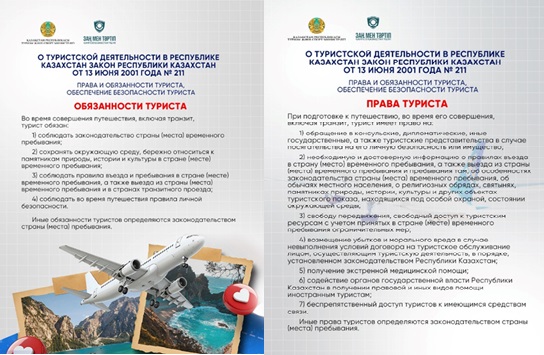
About tourism activities 20.07.2026
Source : https://www.gov.kz/memleket/entities/kostanai-mendykarin-audany-akimat/press/news/details/1260523?lang=ru
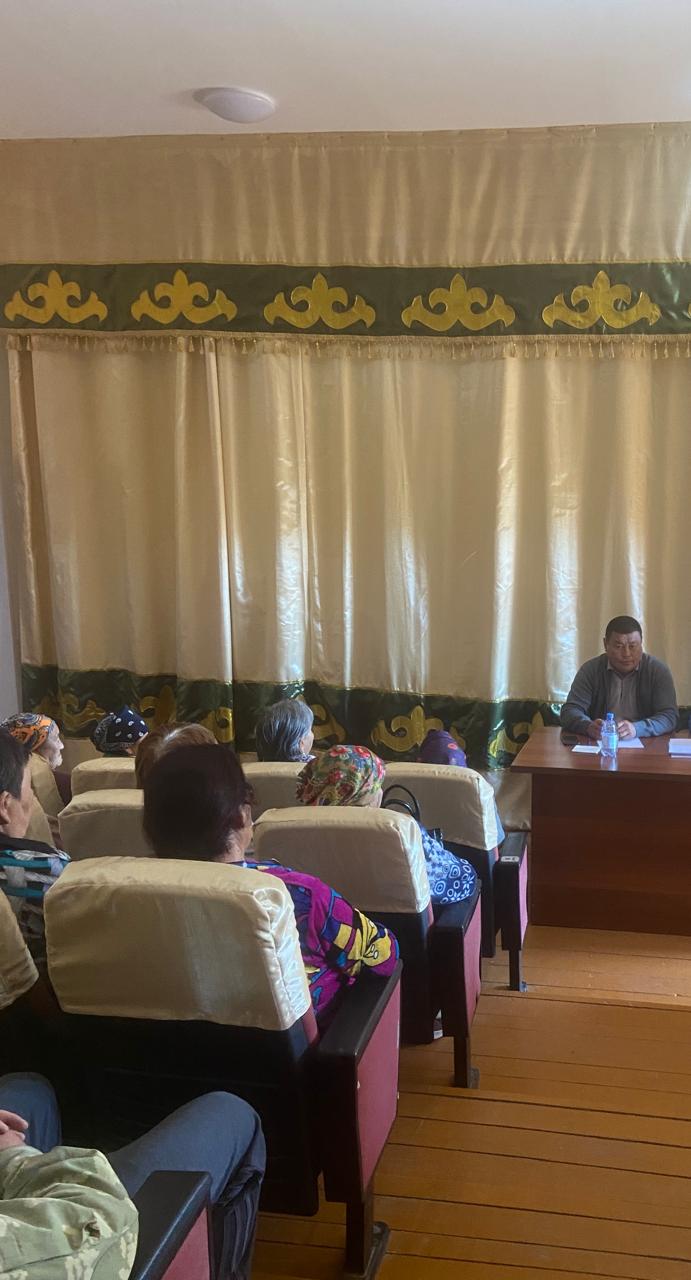
Meeting of Akim of Mirolyubovsky rural district with the population on the topic "New Constitution: amendments and innovations" 20.07.2026
Meeting with residents of the Mirolyubovsky rural district on the topic «The New Constitution – Amendments and Innovations»An informational and explanatory meeting was held at the rural club of the Mirolyubovsky rural district of the Samar region between the akim of the Mirolyubovsky rural district, K. D. Metkenov, and the village residents on the topic «The New Constitution – Amendments and Innovations».During the event, the main changes and additions made to the Constitution of the Republic of Kazakhstan were reviewed in detail, along with their significance for further strengthening democratic institutions, developing civil society, and protecting the constitutional rights and freedoms of citizens.The meeting participants received clarifications on pressing issues, exchanged opinions, and were able to ask questions of interest to them. Holding such meetings contributes to improving the legal culture of the population, strengthening trust between the state and society, as well as developing an open dialogue with citizens.#ConstitutionRK #NewConstitution #LegalLiteracy #OpenDialogue #KazakhstanSource : https://www.gov.kz/memleket/entities/vko-samar-mirolubovka/press/news/details/1260411?lang=ru
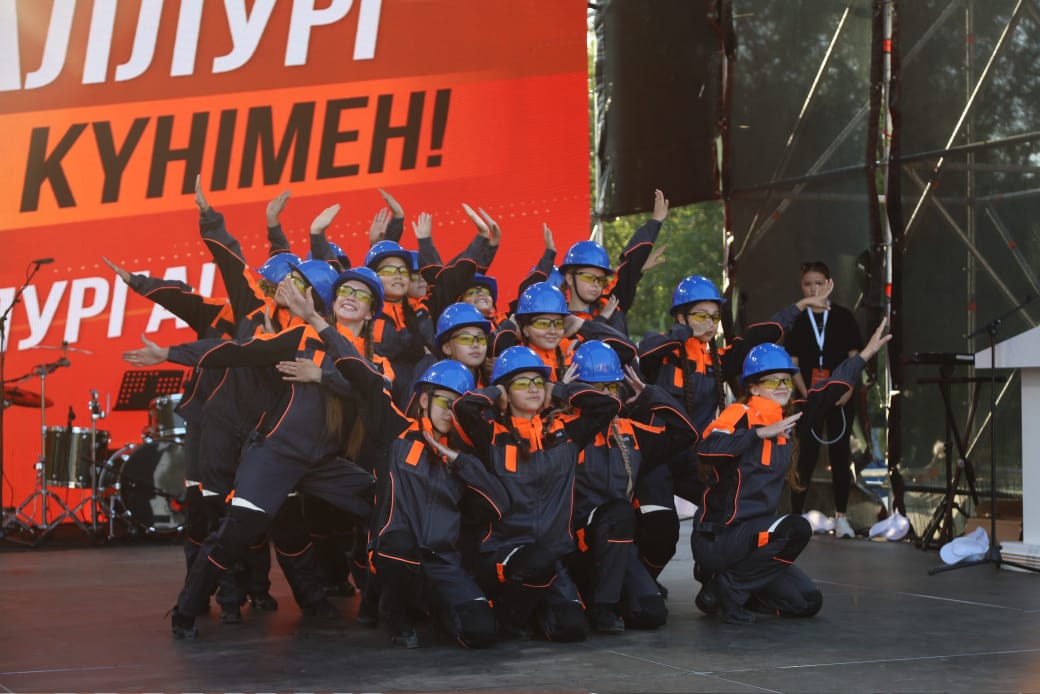
The two-day celebration dedicated to the 90th anniversary of Beimbet Mailin District concluded with a festive gala evening held in the central square of Aiyet village. 20.07.2026
On July 17, residents and guests of the district came together to celebrate two significant occasions — the 90th anniversary of Beimbet Mailin District and Metallurgist Day.The theatrical performance "Merейлі Mereitoy – 90!" became a heartfelt tribute to the native land, its hardworking people, and the rich history of the district. During the official ceremony, congratulatory speeches were delivered, and awards were presented to residents who made a significant contribution to the development of the district and Varvarinskoye LLP, as well as to outstanding employees of the mining and metallurgical industry.The festive atmosphere was enhanced by performances from the district's creative groups, followed by an impressive concert program presented by artists of the Kostanay Regional Philharmonic.A special highlight of the anniversary celebration was the performances of Kazakhstan's pop stars Dilnaz Akhmadiyeva and Anatoliy Tsoy, who delighted the audience with their greatest hits, creating a festive atmosphere and leaving guests with unforgettable memories.Source : https://www.gov.kz/memleket/entities/kostanai-bmalin-audany-akimat/press/news/details/1260335?lang=ru

A vibrant continuation of the festive program dedicated to the 90th anniversary of Beimbet Mailin District was the regional youth dance competition "Dance Vibes". 20.07.2026
The dance battle brought together around 100 talented participants from Zhitikara District, the city of Kostanay, and Beimbet Mailin District.For two hours, the stage was filled with energy, excitement, and unforgettable emotions. The young dancers showcased their talent, creativity, unique style, and passion for modern dance, delivering spectacular performances that captivated the audience.The competition became a true celebration of youth, creativity, and inspiration, once again proving that talented young people are the pride and future of our region.Source : https://www.gov.kz/memleket/entities/kostanai-bmalin-audany-akimat/press/news/details/1260318?lang=ru
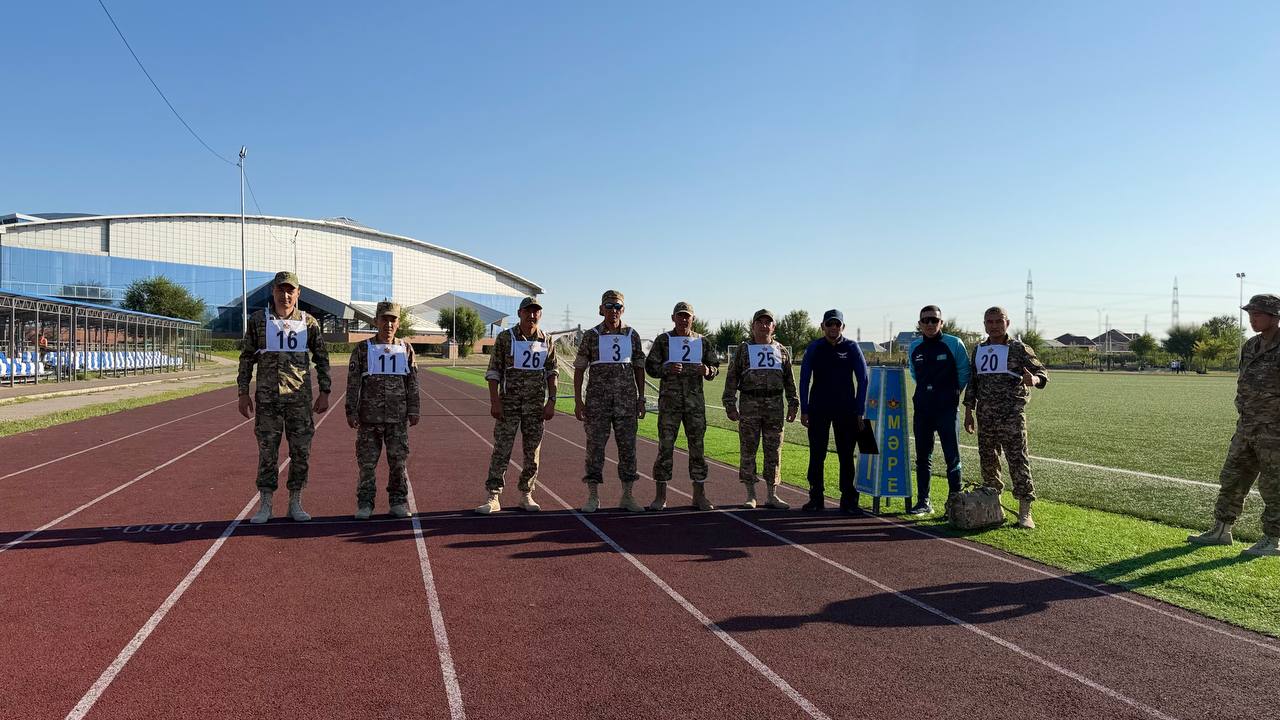
The Special Operations Forces team became the Armed Forces of the Republic of Kazakhstan champion in military all-around competition 20.07.2026
Source : https://www.gov.kz/memleket/entities/mod/press/news/details/1260303?lang=ru
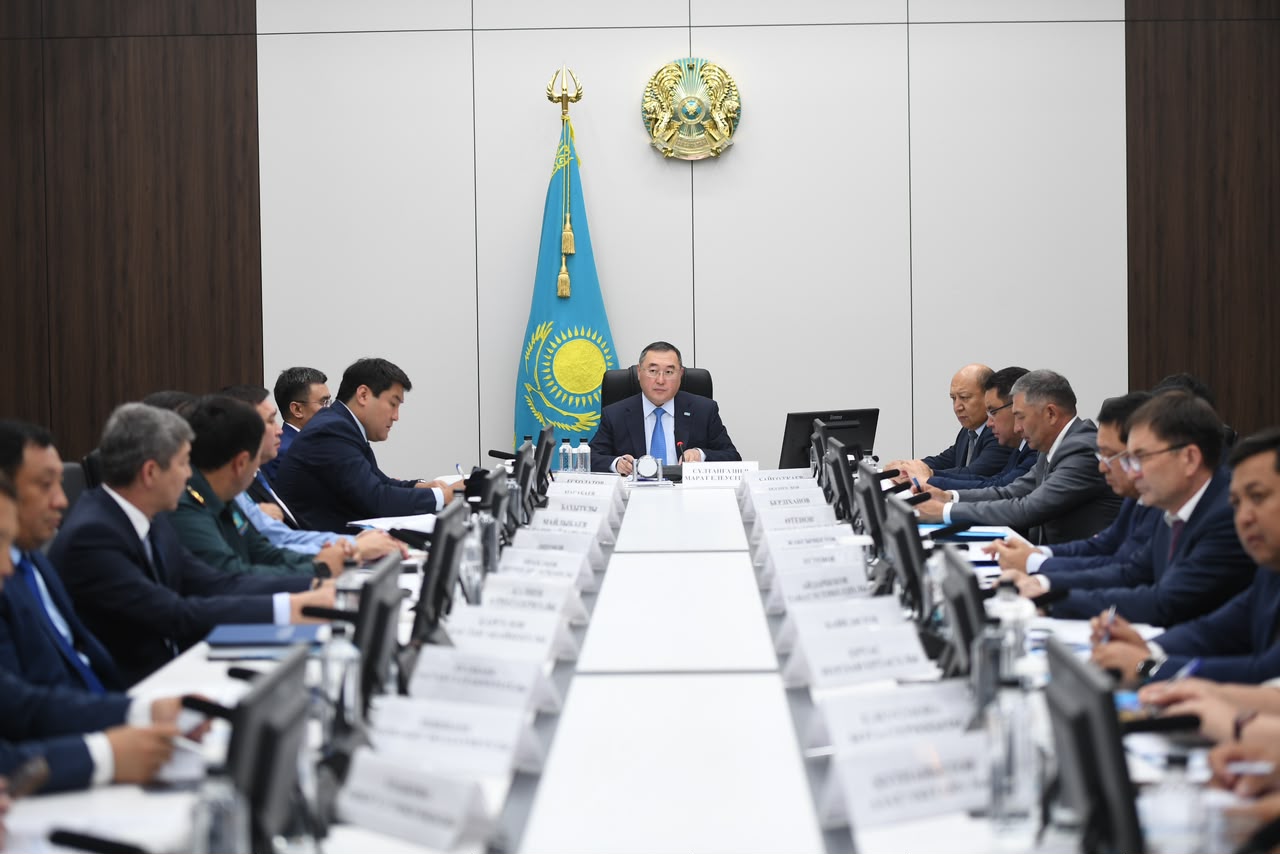
In the Almaty region, the volume of investments increased by 18.5% 20.07.2026
Source : https://www.gov.kz/memleket/entities/almobl/press/news/details/1260271?lang=ru
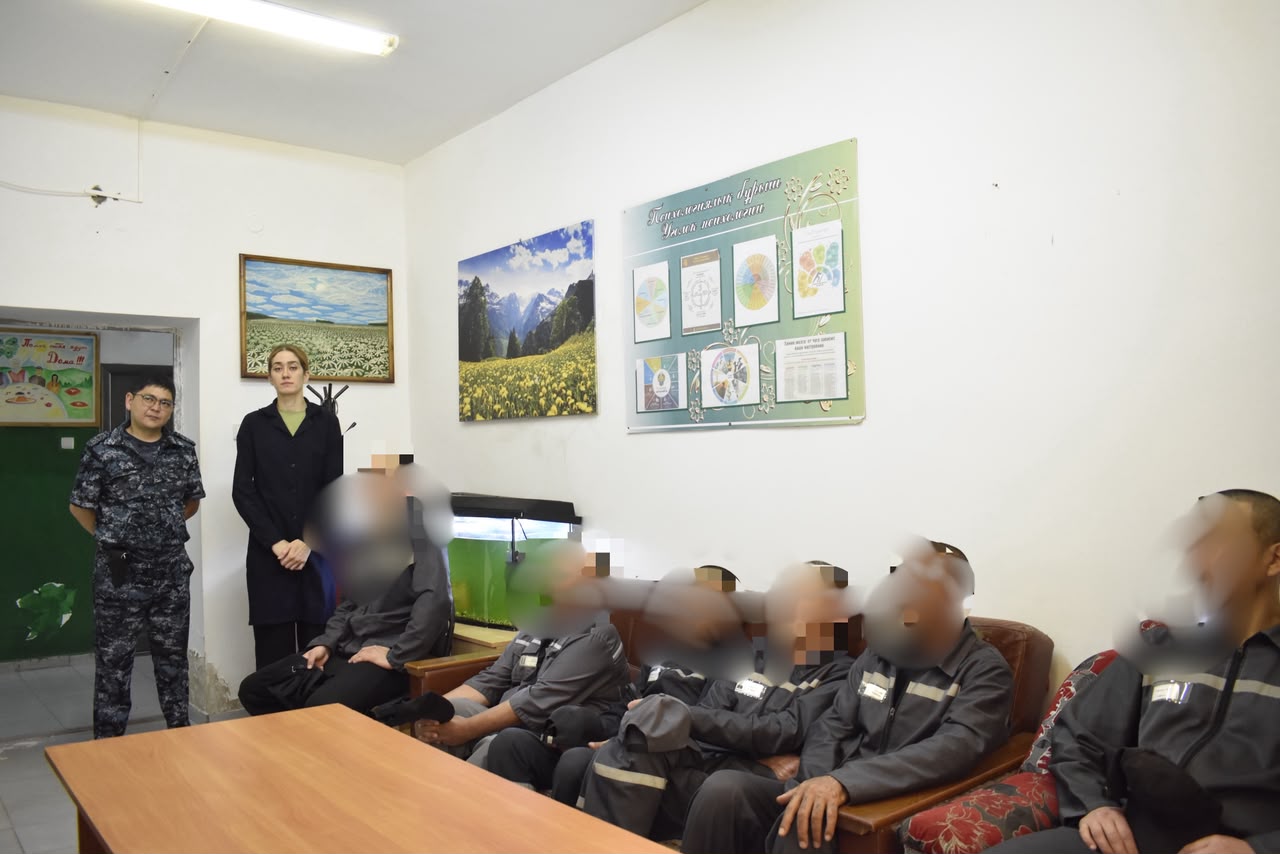
On the eve of the International Nelson Mandela Day 20.07.2026
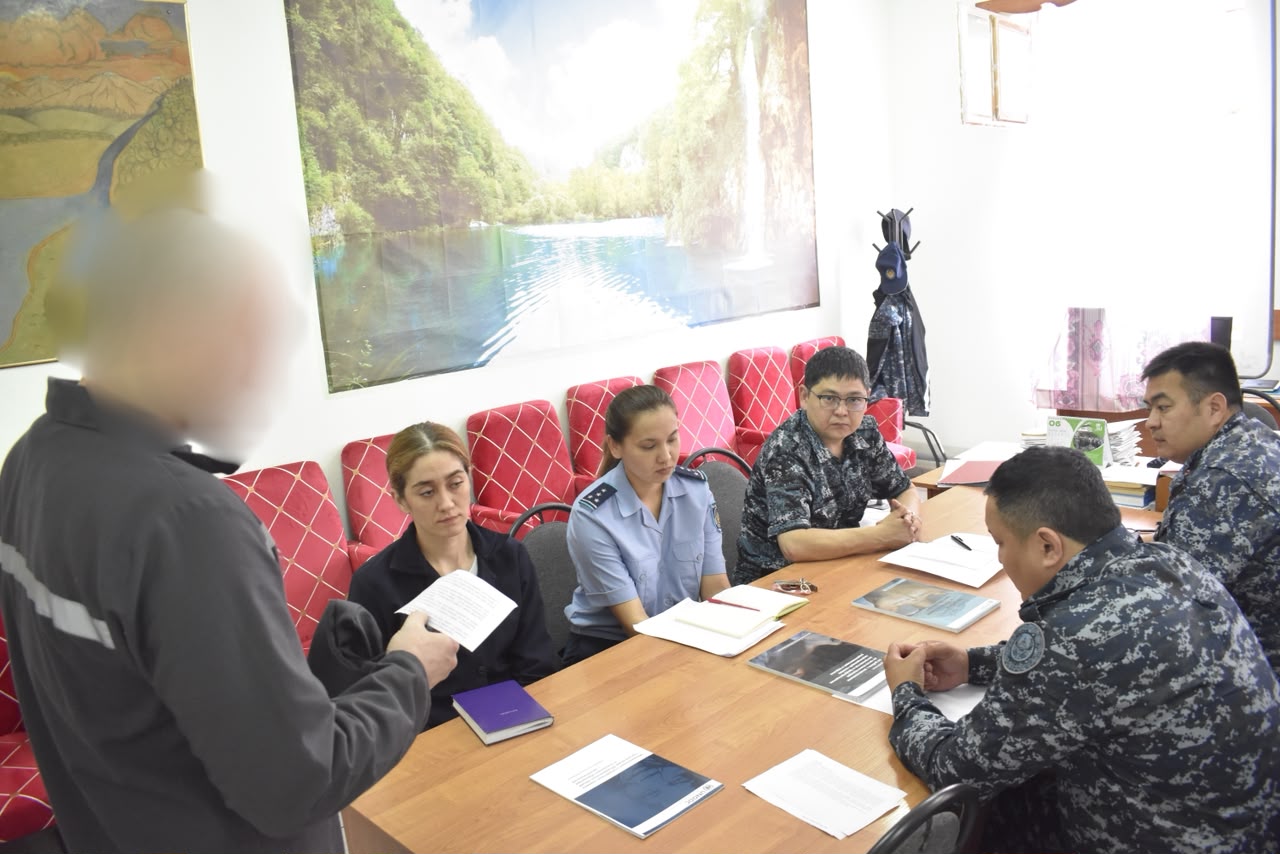
On the eve of the International Nelson Mandela Day, Facility No. 28 psychologists conducted a thematic event with convicts aimed at fostering respect for universal human values, human rights and law-abiding behavior. During the meeting, the participants were told about the life of Nelson Mandela, his contribution to the consolidation of peace, justice and equality. There was also a conversation about the importance of personal responsibility, respect for others and striving for positive changes.According to Polina Reznichenko, a psychologist at the institution, such events help convicts rethink life values, develop a sense of responsibility for their own actions and contribute to the formation of motivation for correction and successful social adaptation. Source : https://www.gov.kz/memleket/entities/duis-uralsk/press/news/details/1260263?lang=ru
An essay contest dedicated to the International Day of Nelson Mandela was held at Institution No. 28. 20.07.2026
In Institution No. 28, an essay contest was held among convicts on the topic "Sottalushynn kozim bostandyk, tendik, kadir-kasiyet" ("Freedom, equality and dignity through the eyes of a convict"), dedicated to the International Day of Nelson Mandela. Participants were invited to express in their works a personal understanding of values such as freedom, equality, human dignity, responsibility for their actions and the desire for correction. In their essays, the convicts shared their thoughts on life experiences, the importance of following the law, and the need for positive change. According to Mirzhan Mendigaliev, head of the educational department of Institution No. 28, holding such events contributes to the development of the creative potential of convicts, the formation of moral values, legal culture and motivation for a law-abiding lifestyle. The best competitive works were awarded by the administration of the institution. Source : https://www.gov.kz/memleket/entities/duis-uralsk/press/news/details/1260248?lang=ru

Regarding the application of the basic personal income tax deduction 20.07.2026
Article 403 of the Tax Code of the Republic of Kazakhstan (hereinafter referred to as the "Tax Code") provides for an individual to apply a basic tax deduction for each calendar month in the amount of 30 times the monthly calculation index (hereinafter referred to as the "MCI"). The total amount of the basic tax deduction for a calendar year must not exceed 360 times the MCI. In light of questions arising regarding the application of the basic tax deduction and the treatment of any unused portion thereof—specifically in cases where the basic tax deduction exceeds the individual's taxable income calculated by the tax agent for a calendar month—this matter has been submitted for discussion among interested parties. In accordance with Item 1.2 of the Minutes of the meeting of the Project Office for the implementation of the new Tax Code—chaired by S.M. Zhumangarin, Deputy Prime Minister and Minister of National Economy of the Republic of Kazakhstan, on July 8, 2026—an approach was approved providing for the application of a basic tax deduction for each calendar month in the amount of 30 times the Monthly Calculation Index (MCI), without carrying forward any excess of tax deductions over taxable income to subsequent tax periods. At the same time, the provisions of Clause 2 of Article 409 of the Tax Code apply, under which the amount by which tax deductions exceed the tax liability (incurred by the tax agent) and any unused tax deduction amount are to be taken into account by the individual independently when filing a tax return. Thus, when applying the basic tax deduction, the tax agent does not carry forward any unused portion of the deduction to subsequent tax periods; in other words, the established deduction amount of 30 MCI applies only within the calendar month. In addition, when receiving income subject to independent taxation (such as income from the disposal of property or other income not received from a tax agent), an individual is entitled to utilize any unused excess of tax deductions over taxable income—arising from income received from a tax agent—up to a total aggregate limit of 360 MCI per calendar year.Department of Explanatory Work and Contact Center DGD in Zhambyl regionSource : https://www.gov.kz/memleket/entities/kgd-zhambyl/press/news/details/1260225?lang=ru

Regarding the application of the social tax deduction for personal income tax 20.07.2026
In accordance with Part 1 of Clause 1 of Article 404 of the Tax Code, persons with Group I or II disabilities are entitled to a social tax deduction of 5,000 MCI per calendar year, while persons with Group III disabilities, a child with a disability, and one of the parents, guardians, or trustees of a child with a disability (among others) are entitled to a deduction of 882 MCI per calendar year. Part 1 of Clause 3, Article 437 of the Tax Code establishes that an individual is entitled to claim the basic tax deduction with only one tax agent. The Tax Code does not establish a similar restriction regarding the application of the social tax deduction. Pursuant to the grounds established in Clause 4 of Article 437 of the Tax Code, provision is made for the sequential application of the social tax deduction amount when transitioning from one tax agent to another, based on a statement of settlements with the individual issued by the tax agent. In light of inquiries regarding the eligibility of a person with a disability to claim a social tax deduction from two or more employers, this matter has been submitted for discussion. In accordance with Item 2.2 of the Minutes of the meeting of the Project Office for the implementation of the new Tax Code—held on July 8, 2026, and chaired by S.M. Zhumangarin, Deputy Prime Minister and Minister of National Economy of the Republic of Kazakhstan—an approach was approved allowing for the simultaneous application of the social tax deduction with two or more tax agents, based on an application submitted by the individual, within the established limit.Department of Explanatory Work and Contact Center DGD in Zhambyl regionSource : https://www.gov.kz/memleket/entities/kgd-zhambyl/press/news/details/1260204?lang=ru