
Society
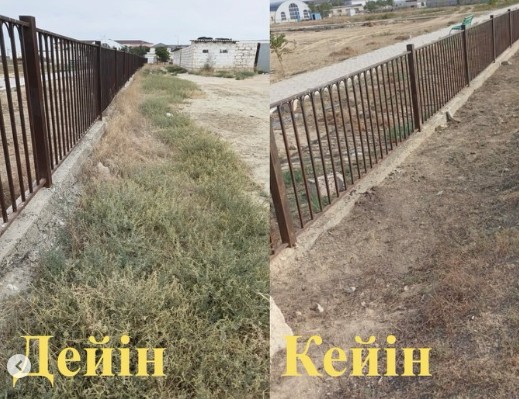
🌿 Sanitary cleanup operations underway in Kyzyltobe Rural District Sanitary cleanup activities—including mowing dried grass and tidying up the grounds—are currently being carried out by the "Taza Munaily" municipal enterprise in the "Zhastar" Park area of the Kyzyltobe Rural District. Efforts to maintain cleanliness, enhance the landscape, and improve the area are continuing on an ongoing basis. Press Service of the Kyzyltobe Rural District Akim's Office 03.09.2026
🌿 Sanitary cleanup operations underway in Kyzyltobe Rural DistrictSanitary cleanup activities—including mowing dried grass and tidying up the grounds—are currently being carried out by the "Taza Munaily" municipal enterprise in the "Zhastar" Park area of the Kyzyltobe Rural District.Efforts to maintain cleanliness, enhance the landscape, and improve the area are continuing on an ongoing basis.Press Service of the Kyzyltobe Rural District Akim's OfficeSource : https://www.gov.kz/memleket/entities/mangystau-munaily-qyzyltobe/press/news/details/1285151?lang=ru
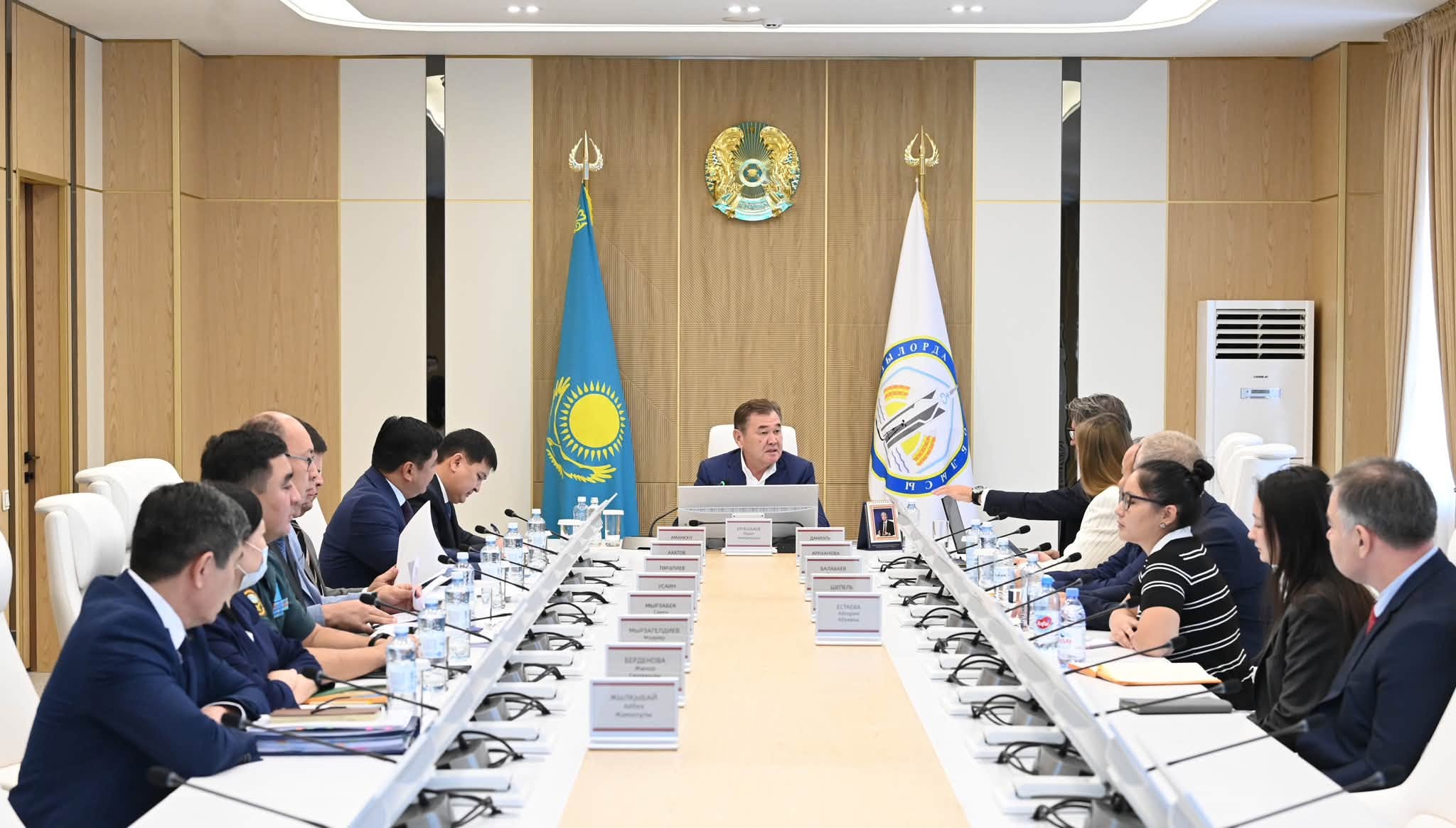
The production projects of the Roca group company were discussed 03.09.2026
Akim of the region Murat Ergeshbayev met with the head of Roca Group, Daniel Hernandez. The meeting discussed the construction of a sanitary ware plant and the implementation of the company's production projects.In August of this year, during a working visit of First Deputy Prime Minister Nurlybek Nalibayev to the region, plans were announced to launch an assembly line for faucets and installation systems by the end of the year. Currently, production buildings of the partnerships "Panabek" and "Kolіk qurylys kompaniyasy" have been proposed for housing the assembly shop.In addition, the partnership "Panabek" has developed and presented to the company's representatives metal installations necessary for the production of sanitary ware. If the product quality meets the requirements of Roca Group, the possibility of establishing a mutually beneficial partnership with local entrepreneurs will be considered.Within the framework of the project, priority will be given to increasing local content and using the company's products at construction sites in the region.In particular, these products will be used at social facilities, in five-star and three-star hotels on the territory of the Presidential Park.The regional akimat is ready to provide comprehensive support to investment projects in the region and to the company.Source : https://www.gov.kz/memleket/entities/kyzylorda/press/news/details/1285124?lang=ru
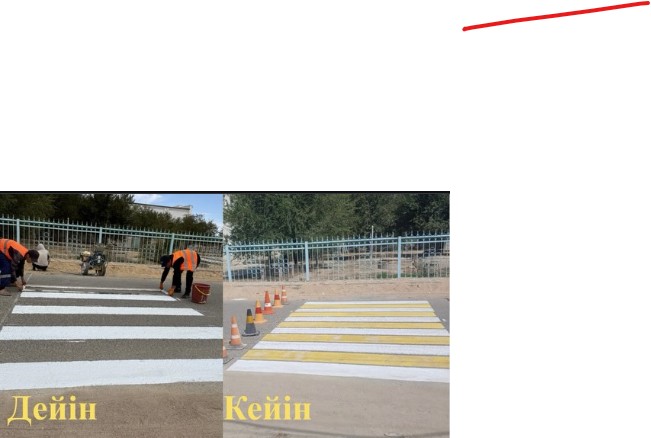
️ ️ On the territory of kyzyltobe rural district, work is underway to paint pedestrian lanes of intra-village roads, draw special road markings in front of educational organizations. Баспасөз press service of the Office of the Akim of kyzyltobe rural district! 03.09.2026
️ ️️ ️ On the territory of kyzyltobe rural district, work is underway to paint pedestrian lanes of intra-village roads, draw special road markings in front of educational organizations.Баспасөз press service of the Office of the Akim of kyzyltobe rural district!Source : https://www.gov.kz/memleket/entities/mangystau-munaily-qyzyltobe/press/news/details/1285078?lang=ru
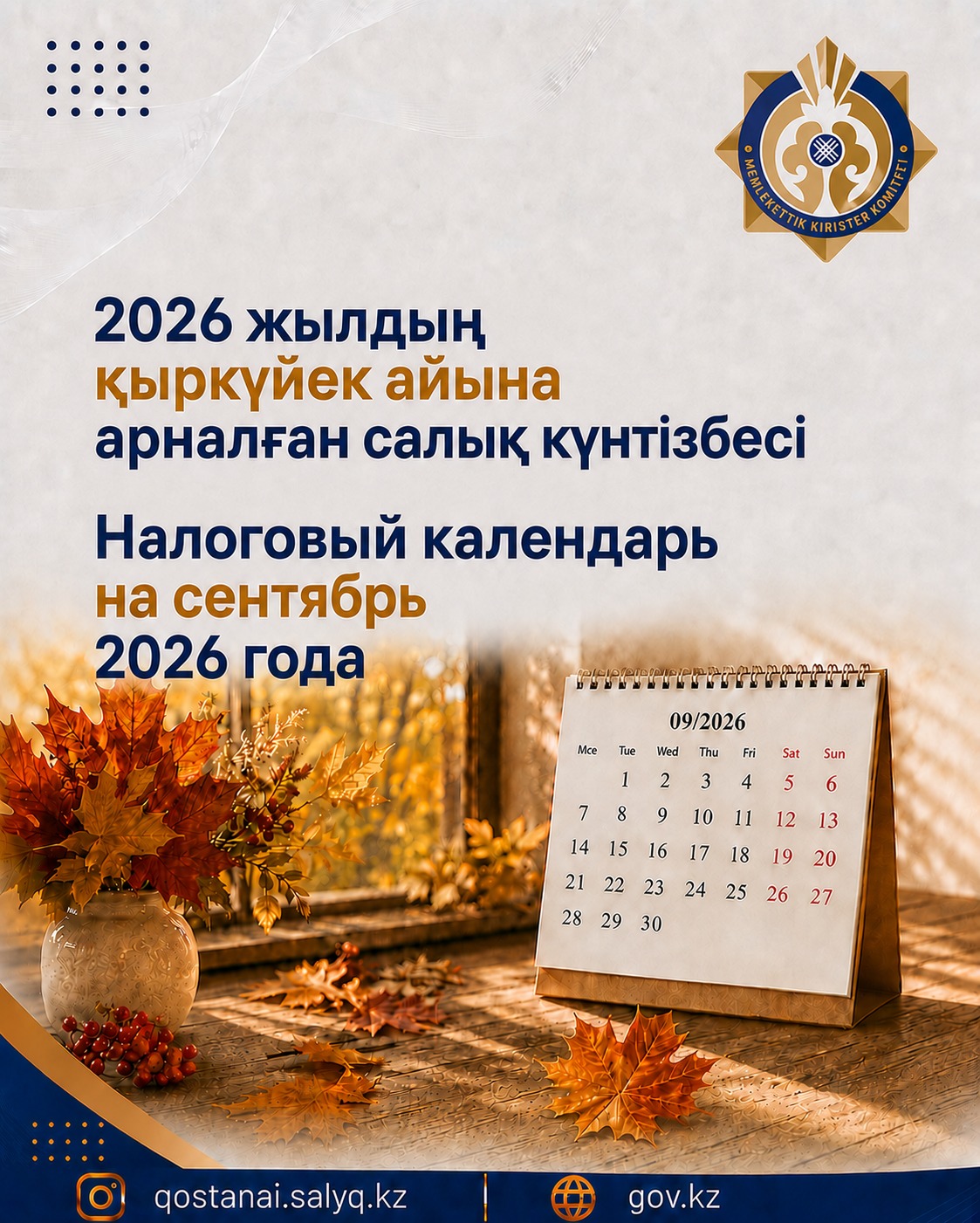
Tax calendar for September 2026 03.09.2026
TAX REPORTING:September 15:Form 400.00 – excise tax declaration for July 2026;Form 250.00 – declaration of assets and liabilities as of December 31, 2025;Form 270.00 – income and property declaration for 2025, submitted by resident individuals and resident labor immigrants of the Republic of Kazakhstan.TAX REPORTS:September 21:Form 328.00 — application for the import of goods and payment of indirect taxes for August 2026;Form 851.00 — calculation of the amounts of current payments for the use of land plots;Form 870.00 — declaration on payment for negative impact on the environment.PAYMENTSSeptember 7:Income tax on individuals engaged in private practice for August 2026.September 15:Personal income tax for the self-employed, listed by the operator of the Internet platform for August 2026.PAYMENTSSeptember 21st:VAT in the EAEU for August 2026;Excise tax, including imports from the EAEU countries, for August 2026;Payment for the negative impact on the environment.September 24:IPT on income paid in August 2026 to certain categories of non‑residents.PAYMENTSSeptember 25:ΚΠΗ — advance payments for September 2026;CIT withheld at source on resident income paid in August 2026;IPT withheld at source;CIT withheld at source on non‑resident income.PIT on income of non‑resident individuals;PIT paid independently based on the income and property declaration (form 270.00) for 2025;PAYMENTSSeptember 25:PIT under the simplified tax system for self‑employed persons for August 2026;Social tax for August 2026;Fee for the use of the radio frequency spectrum;Payment for the provision of long-distance and (or) international telephone communications, as well as cellular communications;Payment for the use of land plots;PAYMENTSSeptember 25th:Payment for outdoor (visual) advertising for September 2026;Single payment for August 2026;Social payments (OPV, OPV, OPVR, CO, OCMC, VOSMS) for August 2026.Source : https://www.gov.kz/memleket/entities/kgd-kostanay/press/news/details/1285044?lang=ru
QUESTIONS AND ANSWERS ON THE BANKRUPTCY PROCEDURE 03.09.2026
HOW WAS THE DEBTOR DECLARED BANKRUPT, AND FOR HOW LONG WILL THE DEBTS BE WRITTEN OFF?The debtor’s obligations to creditors cease from the date the notice of the completion of the extrajudicial bankruptcy procedure and the recognition of the debtor as bankrupt is posted on the “e‑government” web portal.Source : https://www.gov.kz/memleket/entities/kgd-kostanay/press/news/details/1285052?lang=ru
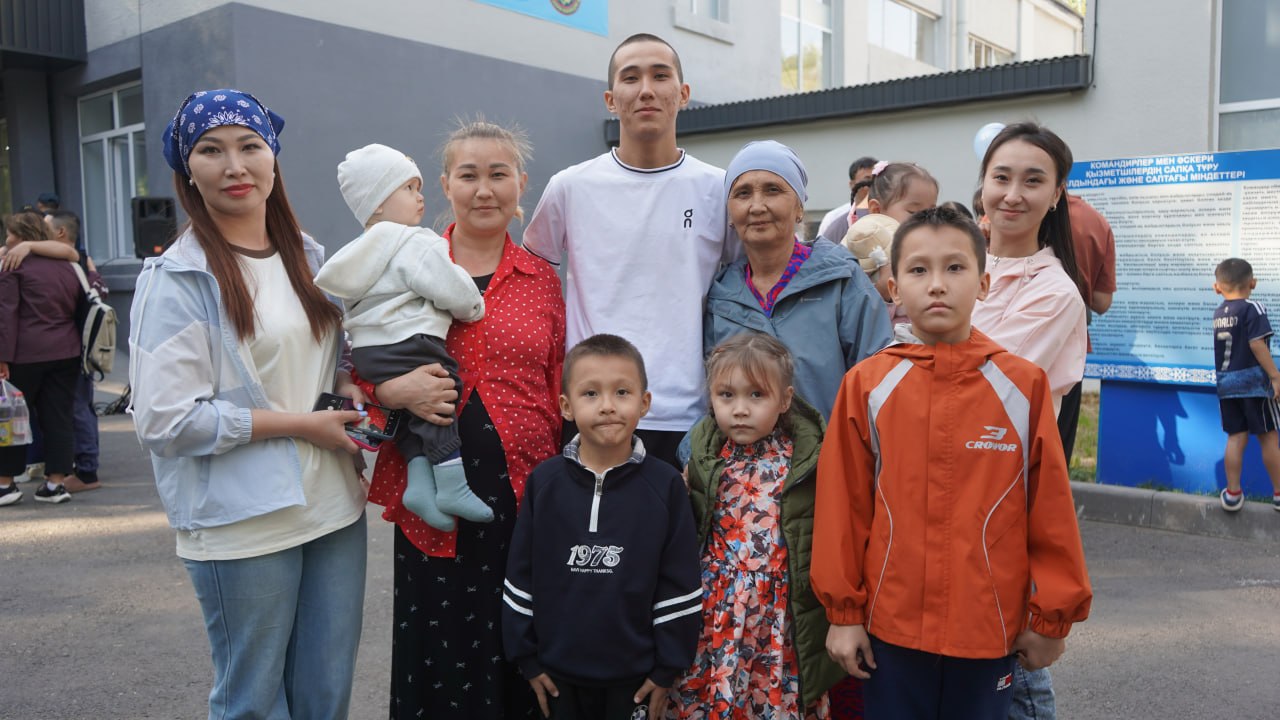
This autumn, Almaty will send more than a thousand conscripts to the army. 03.09.2026
Source : https://www.gov.kz/memleket/entities/mod/press/news/details/1285022?lang=ru
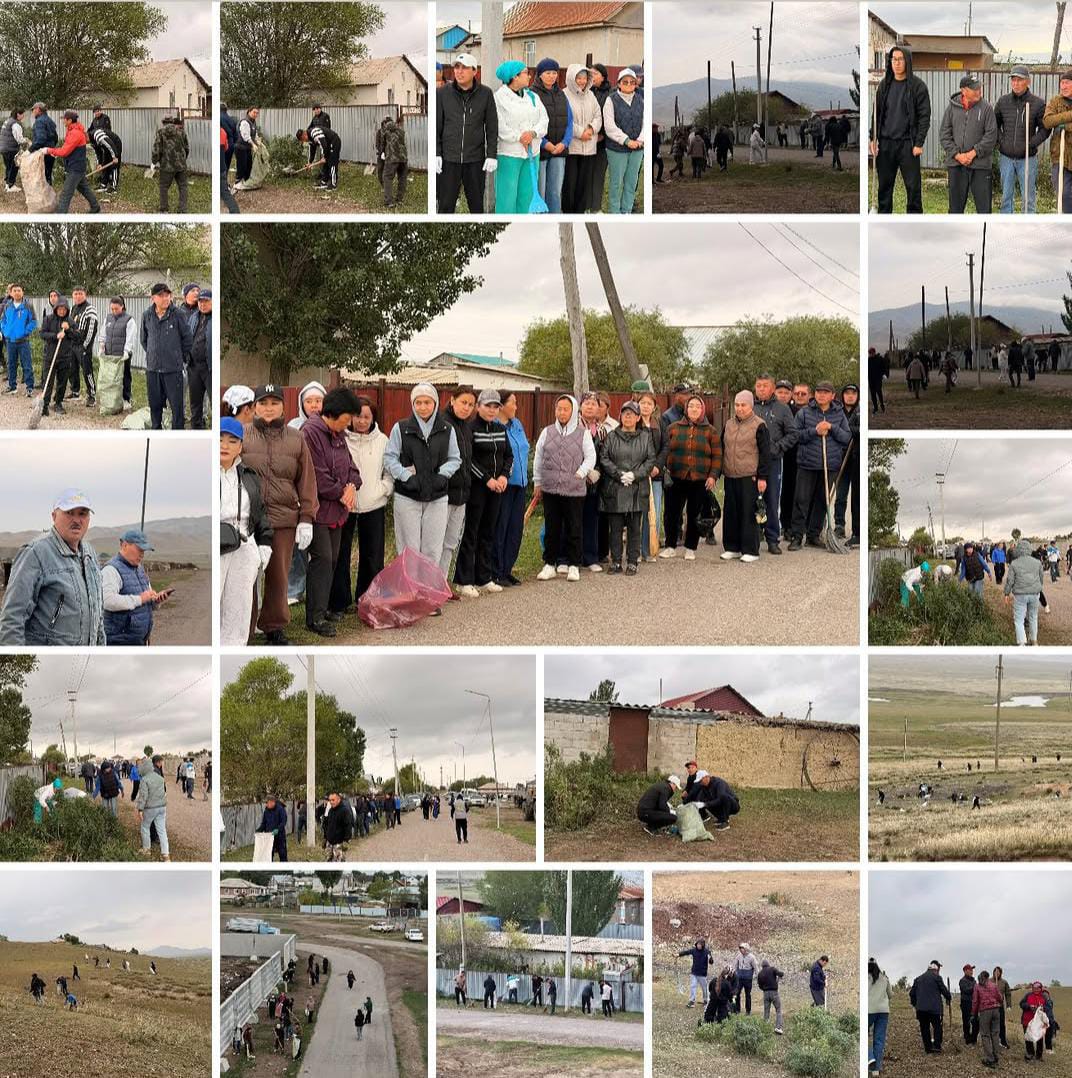
The "Clean Thursday" event was held as part of the "Clean Kazakhstan" republican environmental campaign. During the event, cleaning work was carried out on Smagulov Street, Kegen village. 03.09.2026
Source : https://www.gov.kz/memleket/entities/kegen-kegen/press/news/details/1285027?lang=ru
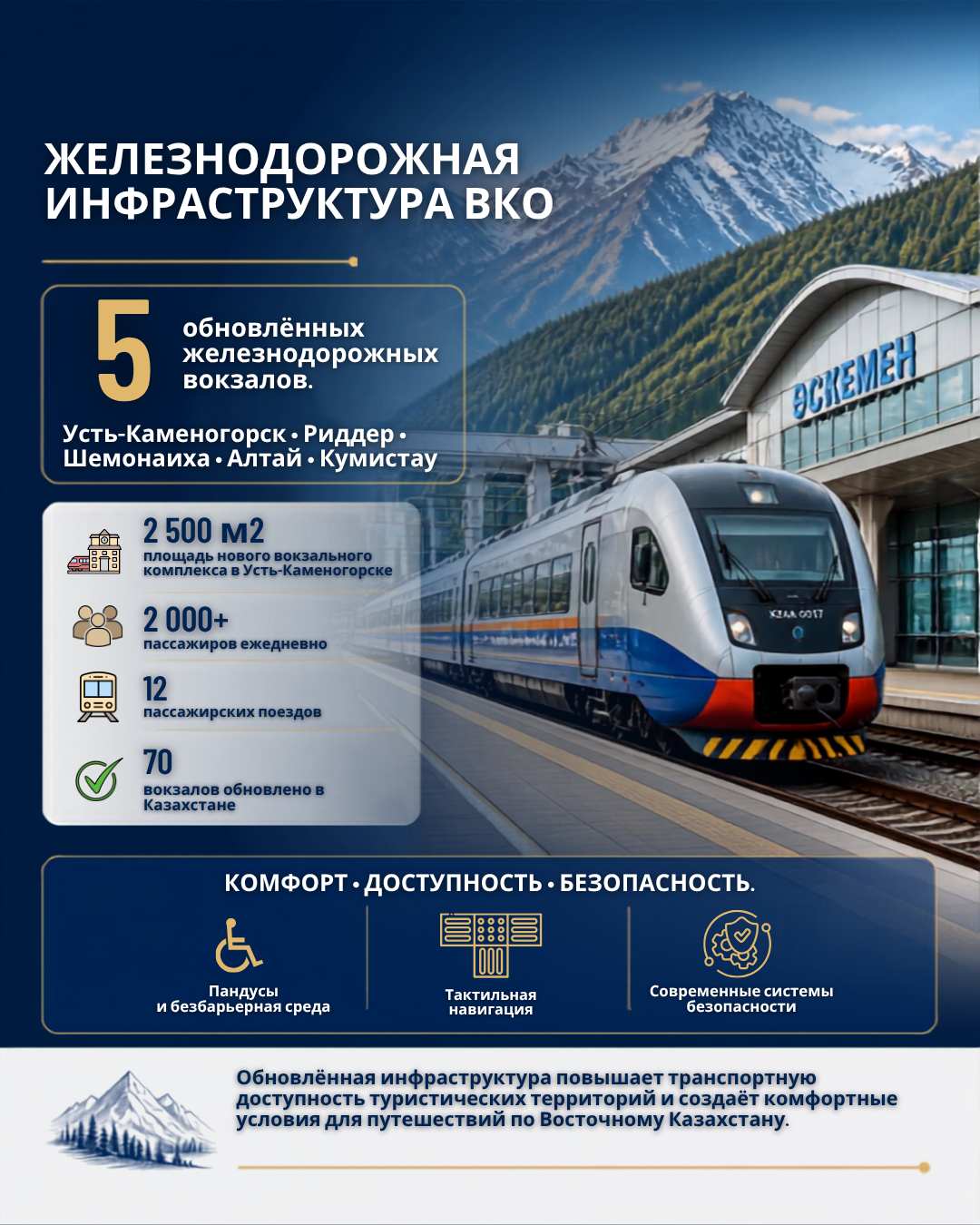
Five railway stations renovated in East Kazakhstan 03.09.2026
A large-scale phase of railway infrastructure modernization has been completed in the East Kazakhstan Region. As part of the national programme being implemented on the instructions of the Head of State, five railway stations in the region have been renovated — in the cities of Ust-Kamenogorsk, Ridder and Shemonaikha, as well as at the Altai and Kumistau stations.In Ust-Kamenogorsk, the railway station of the Oskemen-1 station has been reconstructed. A modern railway station complex with an area of approximately 2,500 square metres was built to replace the building constructed in 1938. The facility serves more than 2,000 passengers daily. Twelve passenger trains pass through the station, connecting the regional centre with Astana, Almaty and other cities of Kazakhstan.The railway stations in Ridder and Shemonaikha have also undergone large-scale modernization. As part of the work, the facades and interior premises, engineering networks, passenger platforms and adjacent areas were renovated. Following the reconstruction, the area of the Ridder railway station is 471 square metres, while the area of the Shemonaikha railway station is 230 square metres.In the Altai district, the railway stations of Altai and Kumistau were opened after reconstruction. The buildings, constructed in the 1950s, have retained their historical appearance, while their engineering systems, waiting rooms and passenger platforms have been fully modernized.Particular attention was paid to passenger accessibility and safety as part of the modernization. The renovated railway stations are equipped with ramps, lifting platforms, tactile navigation and Braille signs, as well as modern fire and security systems.The development of railway infrastructure is important not only for improving the quality of services for the population, but also for the further development of tourism in East Kazakhstan. Modern and comfortable railway stations contribute to improving the transport accessibility of tourist areas, create favourable conditions for travellers and help create a positive first impression among visitors to the region.The modernization of railway infrastructure continues throughout the country. As part of the programme, 124 railway stations are being renovated. Since the beginning of the 2026 summer season, 70 facilities have already resumed operations following reconstruction.Source : https://www.gov.kz/memleket/entities/tourism-vko/press/news/details/1285008?lang=ru
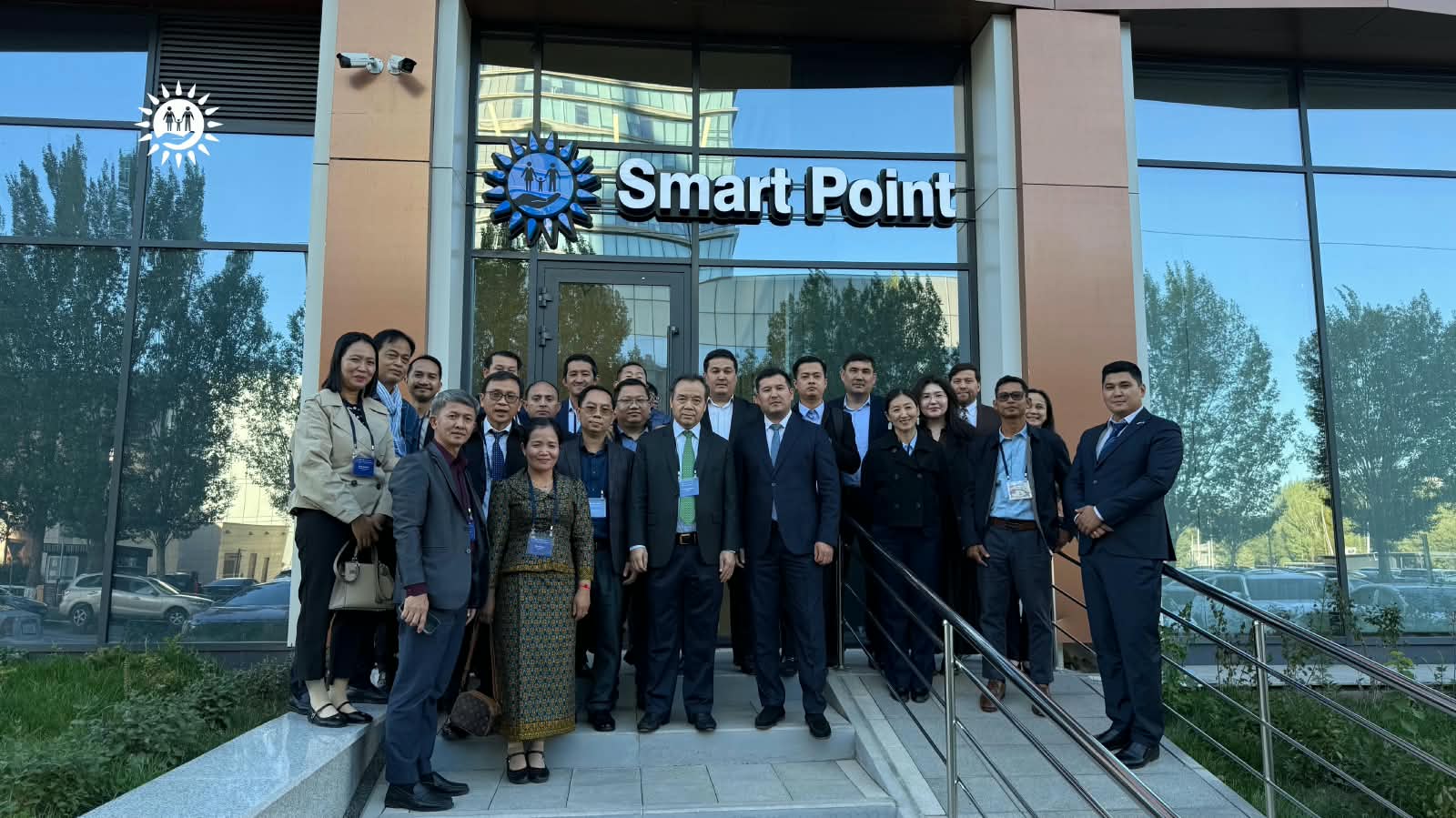
Cambodia Adopts Kazakhstan’s Advanced Approaches to the Digitalization of Public Services 03.09.2026
Cambodia Adopts Kazakhstan’s Advanced Approaches to the Digitalization of Public ServicesA delegation from the Ministry of Interior of the Kingdom of Cambodia visited the State Corporation “Government for Citizens” to study Kazakhstan’s experience in digitalizing and modernizing the public service delivery system.During the visit, the foreign guests familiarized themselves with the operations of front offices, the procedures for receiving applications and issuing completed documents, as well as modern solutions aimed at improving the quality and speed of public service delivery.The scale of Kazakhstan’s existing system enabled the delegation to gain practical insight into how public services are delivered to the population. Today, the country has 318 front offices, where citizens can access 1,330 types of public services. At the same time, 1,272 services are available online through the e-Government Portal.As part of the visit, the delegation was introduced to modernized “Digital Population Offices,” designed in accordance with Kaizen principles, featuring efficient zoning and expanded self-service areas. The guests also learned about 24/7 automated parcel terminals that allow citizens to collect completed documents at any time.The Cambodian delegation showed particular interest in the new format of Digital Public Service Centers — AI Offices, which combine artificial intelligence technologies with biometric identification. The offices bring together three functional zones: SELF, where citizens can obtain certificates through self-service terminals; DIGITAL, for accessing online services; and ASSIST, where complex issues can be addressed with the assistance of a consultant.Representatives of the Ministry of Interior of Cambodia highly appreciated the practical value of the solutions presented. The delegation expressed particular interest in the digitalization of processes, the development of self-service solutions, and the use of modern technologies, which could be taken into account in the further improvement of Cambodia’s public service delivery system. Source : https://www.gov.kz/memleket/entities/bko-terekty/press/news/details/1285400?lang=ru
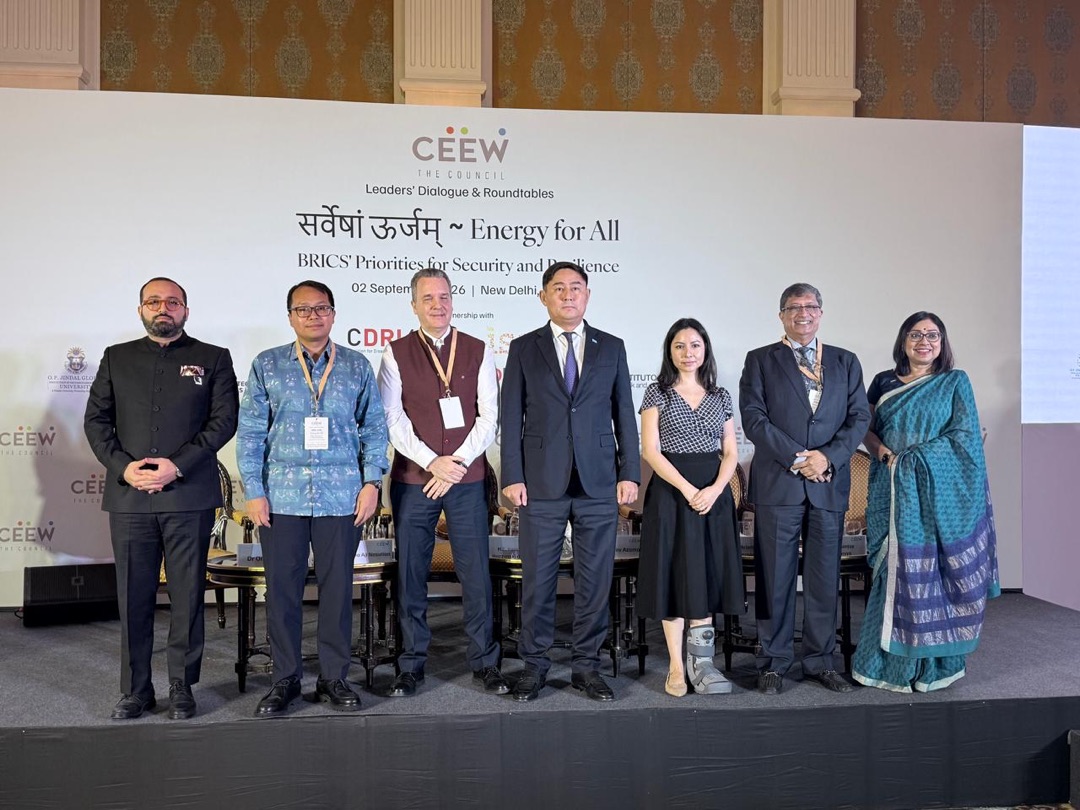
Kazakhstan Advances Energy and Water Cooperation within BRICS 03.09.2026
New Delhi, 2 September 2026. Ambassador of the Republic of Kazakhstan to the Republic of India Azamat Yeskarayev participated in the diplomatic dialogue “BRICS Energy Partnerships for Progress and Prosperity,” dedicated to BRICS priorities in strengthening energy security and resilience. The event brought together heads of diplomatic missions of BRICS member and partner countries, as well as representatives of India’s expert and academic communities.The discussion provided an opportunity for an exchange of views on the prospects for energy cooperation within BRICS, the development of renewable energy, critical minerals, advanced energy technologies, infrastructure, and investment cooperation. Participants highlighted the need to strengthen the resilience of supply chains, develop new energy and transport corridors, and expand technological cooperation among BRICS members and partners.In his remarks, Ambassador Yeskarayev presented Kazakhstan’s position on the role of BRICS in shaping a more sustainable and inclusive global energy system, highlighting Kazakhstan’s potential in traditional and renewable energy, critical minerals, and the development of Eurasian transport and energy connectivity.Particular attention was drawn to the initiative of the President of the Republic of Kazakhstan Kassym-Jomart Tokayev to establish an International Water Organization under the auspices of the United Nations as part of the UN80 reform process. It was emphasized that energy, food, and water security are closely interconnected, while growing pressure on water resources requires enhanced international coordination. Kazakhstan’s initiative seeks to consolidate existing international efforts, enhance the effectiveness of cooperation, and ensure that the global water agenda receives the necessary political attention.Participation in this event and the discussion of cooperation within the BRICS partnership framework are particularly timely in the lead-up to the BRICS Summit, to be held in New Delhi on 12–13 September 2026. The dialogue provides an important opportunity to articulate Kazakhstan’s priorities ahead of the Summit and to contribute substantively to shaping the agenda of the BRICS partnership.Source : https://www.gov.kz/memleket/entities/mfa-delhi/press/news/details/1284996?lang=ru
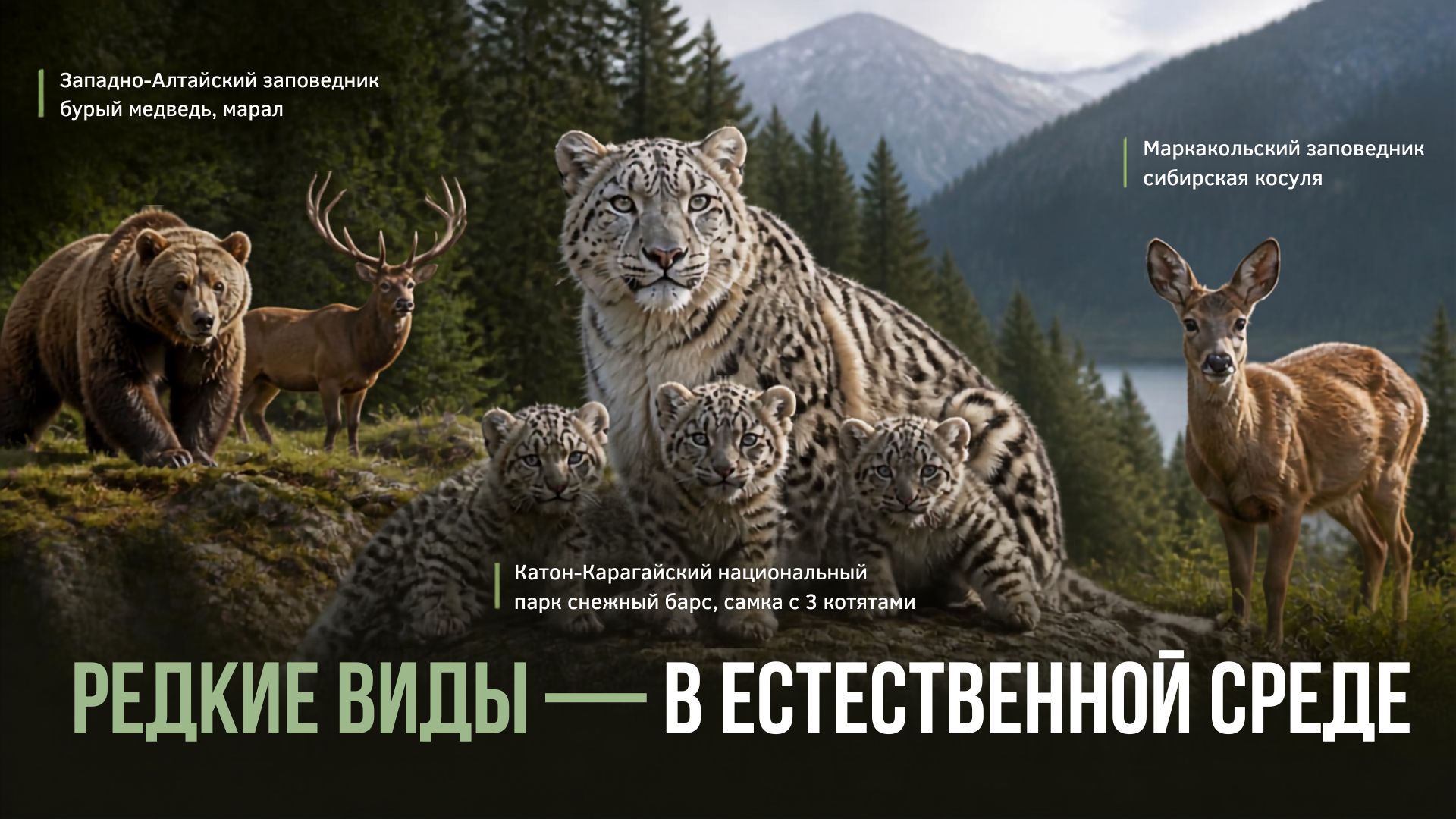
Wildlife of East Kazakhstan — Captured by Camera Traps 03.09.2026
In East Kazakhstan, work continues to monitor and preserve the region’s unique natural biodiversity. Camera traps installed in the region’s specially protected natural areas make it possible to record rare animal species in their natural habitats.In the West Altai State Nature Reserve, camera traps recorded a brown bear — one of the characteristic representatives of the Altai taiga — as well as a maral deer inhabiting the mountain forests of East Kazakhstan.The footage obtained in the Katon-Karagay State National Nature Park is of particular importance. Camera traps recorded a snow leopard — a rare and protected species and one of the symbols of the region’s mountain ecosystems. Individual images made it possible to observe a female snow leopard together with her three cubs.In the Markakol State Nature Reserve, a camera trap also recorded a Siberian roe deer — a representative of the rich fauna of the Southern Altai.The use of camera traps is important for studying the condition of wild animal populations, monitoring their behavior, and assessing the state of natural ecosystems. The materials obtained also make it possible to visually demonstrate the natural wealth of East Kazakhstan.The presence of such unique natural complexes as the West Altai State Nature Reserve, the Katon-Karagay State National Nature Park and the Markakol State Nature Reserve in the region creates significant potential for the development of ecological and educational tourism.Preserving natural heritage and promoting responsible attitudes towards the environment remain important conditions for the sustainable development of the tourism industry in East Kazakhstan.Source : https://www.gov.kz/memleket/entities/tourism-vko/press/news/details/1285001?lang=ru
📢The Department of State Revenue for the Karaganda region reminds: on September 15, 2026, the deadline for submitting declarations for 2025 expires. 03.09.2026
📋 The declaration of assets and liabilities (f. 250.00)Represents:1️⃣ citizens and residents of the Republic of Kazakhstan who have assets abroad: real estate, transport, land, shares in foreign companies, securities, investment gold, digital assets, etc.;2 . Candidates for elected and public office and their spouses;3. persons applying for the status of a major participant in banks, securities market organizations and insurance organizations, as well as their spouses;4. persons engaged in private practice: notaries, lawyers, private bailiffs, mediators;5️⃣ citizens and residents of the Republic of Kazakhstan who own digital assets.The declaration contains information about property in the Republic of Kazakhstan and abroad, securities, digital assets, investment gold, shares in foreign companies, money in foreign accounts over 1,000 MCI, cash within 10,000 MCI, foreign brokerage accounts and other property.💰 Income and property declaration (f. 270.00)is submitted:Civil servants and persons equated to them, as well as their spouses;Major participants of banks, securities market and insurance organizations and their spouses;heads and founders (participants) of legal entities owning more than 10% of the share or shares, as well as their resident spouses (with the exception of participants in non-profit organizations);Notaries, lawyers, private bailiffs and mediators;individuals who received income subject to self—taxation, for example, from rent, foreign bank accounts, transactions with digital assets, and other income from which tax was not withheld at the source of payment (except income from sole proprietors);persons with money in foreign bank accounts over 1,000 MCI or assets abroad;, owners of digital assets;🏠 persons who acquired property with a total value of over 20,000 MCI in 2025, including outside the Republic of Kazakhstan;persons who have submitted an application to the tax agent for the application of tax deductions in the form of a preliminary amount of other deductions.📌 f. 270.00 reflects income and property in Kazakhstan and abroad, income for self-taxation, tax deductions, acquisition and alienation of property, sources of acquisition of expensive property, as well as relevant information about foreign accounts, assets and loans.How do I submit the declaration?The declaration can be submitted:, through the Taxpayer 's Account;, through the e-government portal;📱 via mobile applications e-Salyq Azamat, eGov mobile, Halyk, CenterCredit Bank, Kaspi.kz;, on paper.Do not delay the filing of the declaration until the last day!Source : https://www.gov.kz/memleket/entities/kgd-karaganda/press/news/details/1284969?lang=ru

IFIMES Expert: Kazakhstan’s ‘Strategic Redundancy’ Is Reshaping Its Role in Eurasia 03.09.2026
ASTANA – Central Asia and the Western Balkans may be geographically distant, but they are not economically or strategically disconnected. Their positions between major European and Eurasian markets create opportunities that have yet to be fully developed, according to Prof. Dr. Zijad Bećirović, director of the International Institute for Middle Eastern and Balkan Studies (IFIMES) in Ljubljana.According to Bećirović, the next step for Europe and Central Asia is to give the dialogue greater economic substance.According to him, Astana is developing a more sophisticated foreign policy model, which he described as “strategic redundancy,” seeking to reduce dependence by creating multiple political, economic, diplomatic, energy and transport options.“This is a highly sophisticated approach to international relations,” Bećirović said in an interview with The Astana Times, noting that resilience increasingly depends on having alternatives while maintaining constructive relations across different geopolitical divides.He said that this approach is becoming increasingly relevant as the international environment grows more fragmented and unpredictable. Rather than simply balancing competing powers, Kazakhstan is building a portfolio of relationships and routes that can reinforce one another and provide alternatives when geopolitical conditions change.From geopolitical dialogue to economic diplomacyBećirović’s assessment also reflects the changing role that IFIMES itself seeks to play. He is visiting Kazakhstan together with Janez Škrabec, founder and director of Slovenia-based RIKO, in what he described as part of a broader effort to connect political dialogue with practical economic cooperation.IFIMES has held Special Consultative Status with the United Nations Economic and Social Council since 2018 and publishes the international scientific journal European Perspectives. Bećirović said this institutional position allows the institute to connect political, academic and economic perspectives.“We increasingly believe that economic diplomacy should complement political and security dialogue. In the current geopolitical environment, strategic relationships become sustainable when political understanding is translated into concrete economic interests, investment, technology transfer and long-term partnerships,” he said.RIKO, which Bećirović described as one of Slovenia’s most internationally recognized engineering companies, combines engineering expertise, advanced technologies, project management and implementation. He sees this expertise as relevant to Kazakhstan’s development priorities in sectors including energy, infrastructure, industry, environmental technologies and water management.The objective, he stressed, is not simply to identify commercial opportunities, but to explore projects in which European expertise, technology and engineering capabilities can contribute to Kazakhstan’s long-term development objectives.“Our objective is to turn geopolitical understanding into economic connectivity, investment and concrete projects,” Bećirović said.Kazakhstan as a Eurasian anchorBećirović sees Kazakhstan’s role becoming even more significant as the structure of Eurasian trade and connectivity changes. In his view, its importance extends beyond its territory and natural resources. What distinguishes the country is its ability to engage with different geopolitical centers while preserving strategic autonomy and avoiding dependence on any single power. He linked this directly to the evolution of Kazakhstan’s foreign policy under President Kassym-Jomart Tokayev, arguing that the country’s strategic value is greatest when it remains open, connected and predictable.“What we are witnessing today is a shift from traditional geopolitical balancing towards what I would call strategic redundancy,” Bećirović said, describing it as the deliberate development of “multiple, mutually reinforcing channels of cooperation” in diplomacy, trade, transport, energy, investment and technology.For Kazakhstan, the logic is particularly relevant as transport corridors are being reconfigured, supply chains diversified and new economic centers emerge across Eurasia.Bećirović pointed specifically to the expansion of the Trans-Caspian International Transport Route and other connectivity corridors linking Asia and Europe, saying Kazakhstan is exceptionally well positioned to benefit from these changes. But he also stressed that connectivity should not be viewed as a purely economic issue.“Economic connectivity and security can no longer be treated as separate concepts,” he said.Reliable transport routes, diversified energy supplies, investment opportunities and sustained political dialogue are becoming interconnected elements of strategic stability, he argued. A country that contributes to all of these dimensions strengthens not only its own resilience, but also that of the wider Eurasian space. In this sense, he believes Kazakhstan should no longer be viewed only through the traditional lens of Central Asian geopolitics.“Kazakhstan is increasingly positioning itself as a European, Asian and Eurasian partner simultaneously,” Bećirović said.He described the country as an actor capable not only of connecting different regions, interests and geopolitical perspectives, but also of shaping emerging patterns of cooperation among them.Beyond the East-West “bridge” narrativeFor years, Kazakhstan’s international role has often been described in terms of its ability to serve as a bridge between East and West. Bećirović believes that description is now becoming too limited. In his assessment, Kazakhstan’s real strategic advantage lies in its ability to convert geography into connectivity and political independence into resilience.“Astana is therefore no longer simply a bridge between East and West. It is increasingly becoming an actor shaping the future of Eurasia,” he said.That interpretation also expands the geography of Kazakhstan’s potential partnerships. Bećirović sees significant room for stronger economic links between Central Asia and Europe, including the Western Balkans, where he believes substantial potential remains underdeveloped. Rather than focusing only on bilateral ties, he said economic diplomacy should increasingly build broader networks linking markets, investors, institutions and regions.“Kazakhstan can serve as an important gateway between Central Asia and Europe, while the Western Balkans can provide an additional platform for connecting European markets with the wider Eurasian space,” he said.A Central Asia–Western Balkans platformThe challenge for Europe and Central Asia, according to Bećirović, is no longer primarily to establish political dialogue. That foundation already exists. The next step is to give that dialogue greater economic substance.“Europe and Central Asia have established a solid political dialogue, but I believe the economic dimension now needs to become much more ambitious and tangible,” he said.The key challenge, he added, is translating political understanding into concrete projects, investment, connectivity and long-term institutional partnerships. This is also where he sees IFIMES’s role expanding further: acting as a bridge between political decision-makers, the business community and the expert community, while creating platforms where geopolitical analysis can connect to practical economic opportunities.One of IFIMES’s most concrete ideas is to organize a Central Asia–Western Balkans Summit in Belgrade. Bećirović said the initiative reflects the institute’s belief that the two regions, despite their geographical distance, have complementary economic interests and considerable untapped potential. Serbia and President Aleksandar Vučić, he noted, have developed strong relations with Kazakhstan and other Central Asian states, while Belgrade has increasingly become a meeting point between Central and Southeast Europe and the wider Eurasian space.“The purpose should not be to create another purely political conference,” Bećirović said. Instead, he envisages an economic and strategic platform bringing together governments, companies, investors, financial institutions and experts.The focus, he said, should be on trade, investment, infrastructure, energy, transport, technology and industrial cooperation. He also highlighted the role of Kazakhstan’s Ambassador to Slovenia, Altay Abibullayev, describing his engagement and outreach in Slovenia as particularly visible and proactive and as a demonstration of Kazakhstan’s commitment to deepening relations with Slovenia and the European Union.Ultimately, Bećirović said, the objective should be to build “new corridors of cooperation rather than new dividing lines.”Central Asia and the Western Balkans may be geographically distant, he noted, but they are not economically or strategically disconnected. Their positions between major European and Eurasian markets create opportunities that have yet to be fully developed. For Bećirović, Kazakhstan’s experience offers a wider lesson for Europe: openness, connectivity and strategic redundancy do not have to compete with one another. They can reinforce one another and become the basis for a more resilient model of international engagement. https://astanatimes.com/2026/09/ifimes-expert-kazakhstans-strategic-redundancy-is-reshaping-its-role-in-eurasia/Source : https://www.gov.kz/memleket/entities/mfa-ljubljana/press/news/details/1284973?lang=ru
🚨Customs control: basic violations and liability. 03.09.2026
The Department of State Revenue for the Karaganda region reports the following.After the goods are released, the customs authorities continue to exercise control. The following violations are most often detected:Incorrect classification of goods according to the HS code is a statement of an unreliable product code due to incorrect application of classification rules.Violations in the application of VAT by the offset method — including the sale of goods without the necessary adjustment of the VAT payment method.Incorrect determination of customs value — errors in choosing the method, determining the structure and size of the value, as well as the lack of documentary evidence.When can the declarant not be held accountable?Article 150 of the Code of the Republic of Kazakhstan "On Customs Regulation" provides for cases of exemption from administrative liability, in particular when:🔹 self - identification and elimination of violations before the release of goods;timely elimination of violations upon notification of the customs authority;🔹 voluntary elimination of violations during the limitation period , subject to the established conditions;correcting errors in the customs declaration if they do not affect the amount of payments and compliance with prohibitions and restrictions;🔹 payment of additional payments in full within the prescribed period, if the amount does not exceed 500 MCI;the occurrence of confirmed technical errors in the electronic declaration information system.Important: timely detection and elimination of violations in cases stipulated by law helps to avoid administrative liability.Source : https://www.gov.kz/memleket/entities/kgd-karaganda/press/news/details/1284960?lang=ru
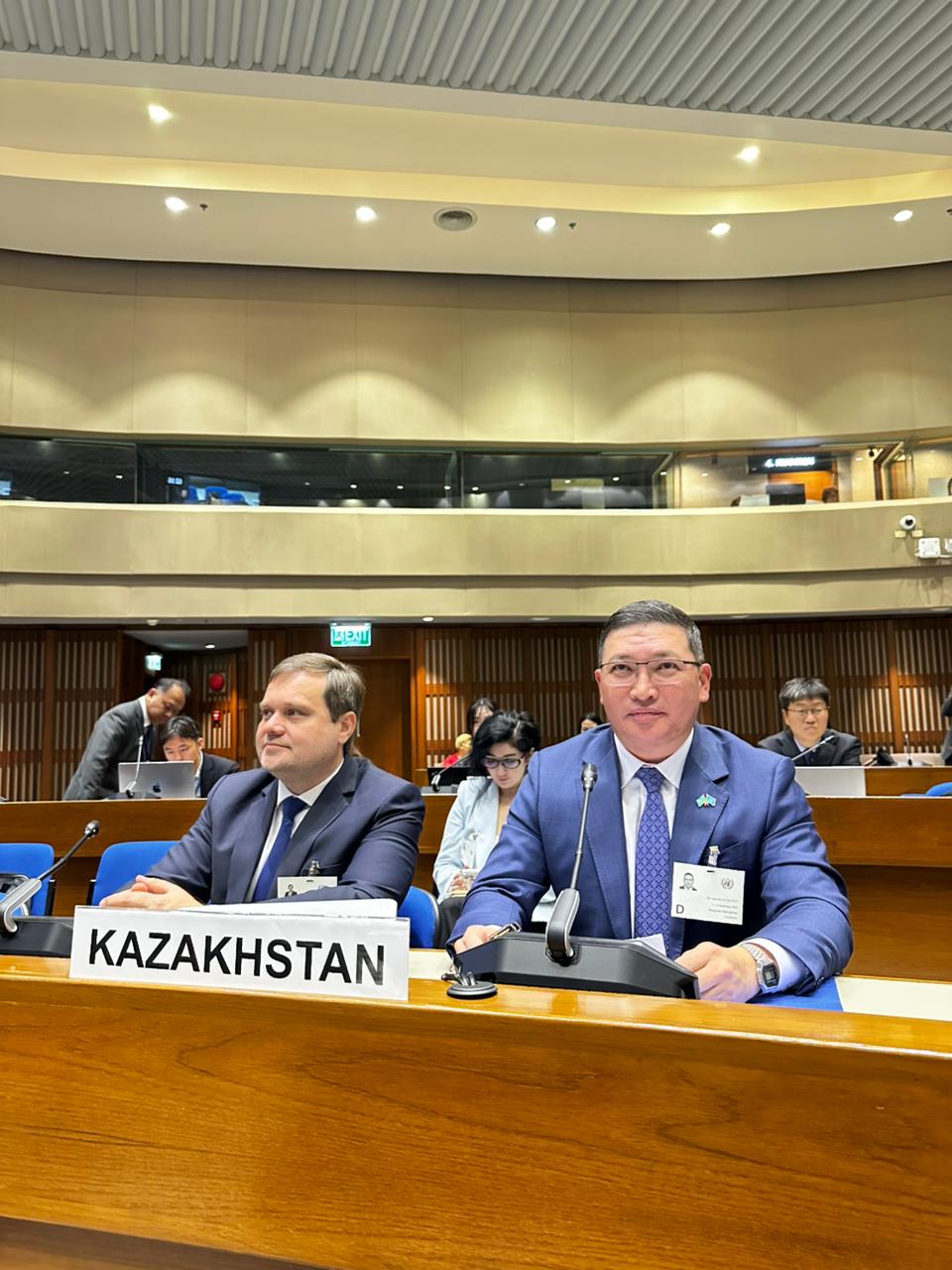
Kazakhstan presents progress on establishing the UN ESCAP Asian and Pacific Digital Solutions Centre for Sustainable Development in Almaty at UN ESCAP headquarters in Bangkok 03.09.2026
Bangkok, 3 September 2026. During the fifth session of the UN ESCAP Committee on Information and Communications Technology, Science, Technology and Innovation, the delegation of Kazakhstan presented an update on progress in implementing the project to establish the UN ESCAP Asian and Pacific Digital Solutions Centre for Sustainable Development in Almaty.In his statement, Permanent Representative of the Republic of Kazakhstan to UN ESCAP Margulan Baimukhan reaffirmed Kazakhstan’s commitment to fulfilling the obligations undertaken under the relevant resolution adopted at the 82nd session of the Commission and noted that the country plans to ensure the opening of the Centre in 2027. The head of the Kazakh delegation called on ESCAP member States to actively participate in the work of the Centre, including by seconding representatives and experts, as well as by sharing best practices and digital solutions.Several participating UN ESCAP member States expressed their support for Kazakhstan’s initiative and welcomed the progress made in implementing the Astana Ministerial Declaration on Digital Inclusion and Transformation in Asia and the Pacific. Background: During the 82nd session of the United Nations Economic and Social Commission for Asia and the Pacific (ESCAP) in Bangkok, a resolution establishing a UN ESCAP Asia and Pacific Digital Solutions Centre for Sustainable Development in Almaty was adopted by consensus of all 52 member States.The initiative attracted an unprecedented number of co-sponsors for an ESCAP resolution - 21 countries in total: Azerbaijan, Armenia, Bangladesh, Vanuatu, Georgia, Cambodia, China, Kyrgyzstan, Malaysia, Maldives, Mongolia, Nepal, Pakistan, the Russian Federation, Tajikistan, Timor-Leste, Tonga, Türkiye, Uzbekistan, Fiji and Sri Lanka.It is symbolic that the establishment of this new United Nations entity in Kazakhstan has taken place in the Year of Digitalization and Artificial Intelligence, as proclaimed by H.E. Mr. Kassym-Jomart Tokayev, President of Kazakhstan.The Centre will become ESCAP’s sixth regional institution, alongside its existing specialized centres in Japan, China, the Republic of Korea, India and Iran.The Centre is envisaged as a neutral international platform under the auspices of the United Nations, aimed at identifying and disseminating best digital solutions from across the Asia-Pacific region in the field of public and social services.The activities of the new United Nations entity will contribute to bridging the digital divide across the region, with a particular focus on supporting least developed countries, landlock countries and small island developing States. The initiative also creates conditions for enhancing Kazakhstan’s export potential in IT services and promoting domestic digital solutions in international markets.The establishment of the UN ESCAP Asia-Pacific Digital Solutions Centre for Sustainable Development in Almaty will constitute a significant contribution to advancing the priorities of the Republic of Kazakhstan’s state policy in the fields of digitalization and artificial intelligence development.Source : https://www.gov.kz/memleket/entities/mfa-thailand/press/news/details/1284942?lang=ru
К сведению депутатов областного, городских и районных маслихатов, расположенных на территории Алматинской области 03.09.2026
К сведению депутатов областного, городских и районных маслихатов, расположенных на территории Алматинской областиВ соответствии с Указом Президента Республики Казахстан от 8 июня 2022 года № 912 «Об утверждении Правил дачи согласия депутатами маслихата столицы, маслихатов, расположенных на территории области, маслихатов городов республиканского значения на назначение на должность акима столицы, области и города республиканского значения» собрание депутатов маслихатов, расположенных на территории Алматинской области, для дачи согласия на назначение на должность акима Алматинской области состоится 4 сентября 2026 года в 10:00ч. городе Қонаев по адресу:ул. Жамбыла 13/1 (Дом культуры города Қонаев).Регистрация депутатов начинается в 09:00ч.Председательмаслихата Алматинской области Байгоджаев К.С.Source : https://www.gov.kz/memleket/entities/almobl-maslihat/press/news/details/1284927?lang=ru

3 September Marks Kazakh Tazy Day 03.09.2026
Kazakhstan marks Kazakh Tazy Day for the first time on 3 September. The date commemorates the decision of the Fédération Cynologique Internationale (FCI) to grant provisional recognition to Kazakhstan’s national dog breed on 3 September 2024.Under the decision adopted in Amsterdam, the Kazakh Tazy was assigned international breed standard No. 372, while Kazakhstan was officially recognised as the breed’s country of origin.For centuries, the Kazakh Tazy accompanied the people of the Great Steppe, played an important role in traditional hunting and became an integral part of Kazakhstan’s cultural heritage. Systematic efforts to preserve the breed and promote its international recognition are being implemented in accordance with the instructions of President Kassym-Jomart Tokayev.“The Kazakh Tazy has been preserved to the present day thanks to the dedication of hunters, breeders, canine specialists, dog owners and all those who have cared for the breed from generation to generation. International recognition is an important achievement, but our work does not end here. Our primary task is to preserve the breed’s distinctive characteristics, genetic heritage, natural abilities and working qualities and to pass this legacy on to future generations,” said Yerlan Nyssanbayev, Minister of Ecology and Natural Resources of the Republic of Kazakhstan.Today, approximately 4,000 Kazakh Tazy dogs are registered in the Unified Stud Book of the Union of Cynologists of Kazakhstan. Work continues throughout the country to collect pedigree information, maintain breeding records and preserve the breed’s distinctive traits and genetic diversity.The Kazakh Tazy is also gaining greater international visibility. In 2025, the breed was officially presented at the World Dog Show in Helsinki. In June 2026, Kazakhstan presented 12 Kazakh Tazy dogs at the World Dog Show in Bologna.Meanwhile, the National Centre for Kazakh Dog Breeds is being constructed in the Jetisu Region. The Centre will focus on breeding and maintaining purebred dogs, registering their pedigrees, managing the Unified Stud Book and training canine specialists.On 20 February 2026, the Government approved the Comprehensive Plan for the Preservation and Reproduction of Kazakh Dog Breeds for 2026-2036.The FCI’s provisional recognition of the Kazakh Tazy represents an important milestone in a long-term process. Further work will be required to demonstrate the stability of the breed across several generations and to preserve its genetic diversity, health, natural abilities and working qualities.Kazakh Tazy Day is therefore not only a celebration of the breed’s international recognition but also a reminder of the shared responsibility to preserve this important element of Kazakhstan’s national heritage for future generations. Source : https://www.gov.kz/memleket/entities/mfa-thailand/press/news/details/1284933?lang=ru
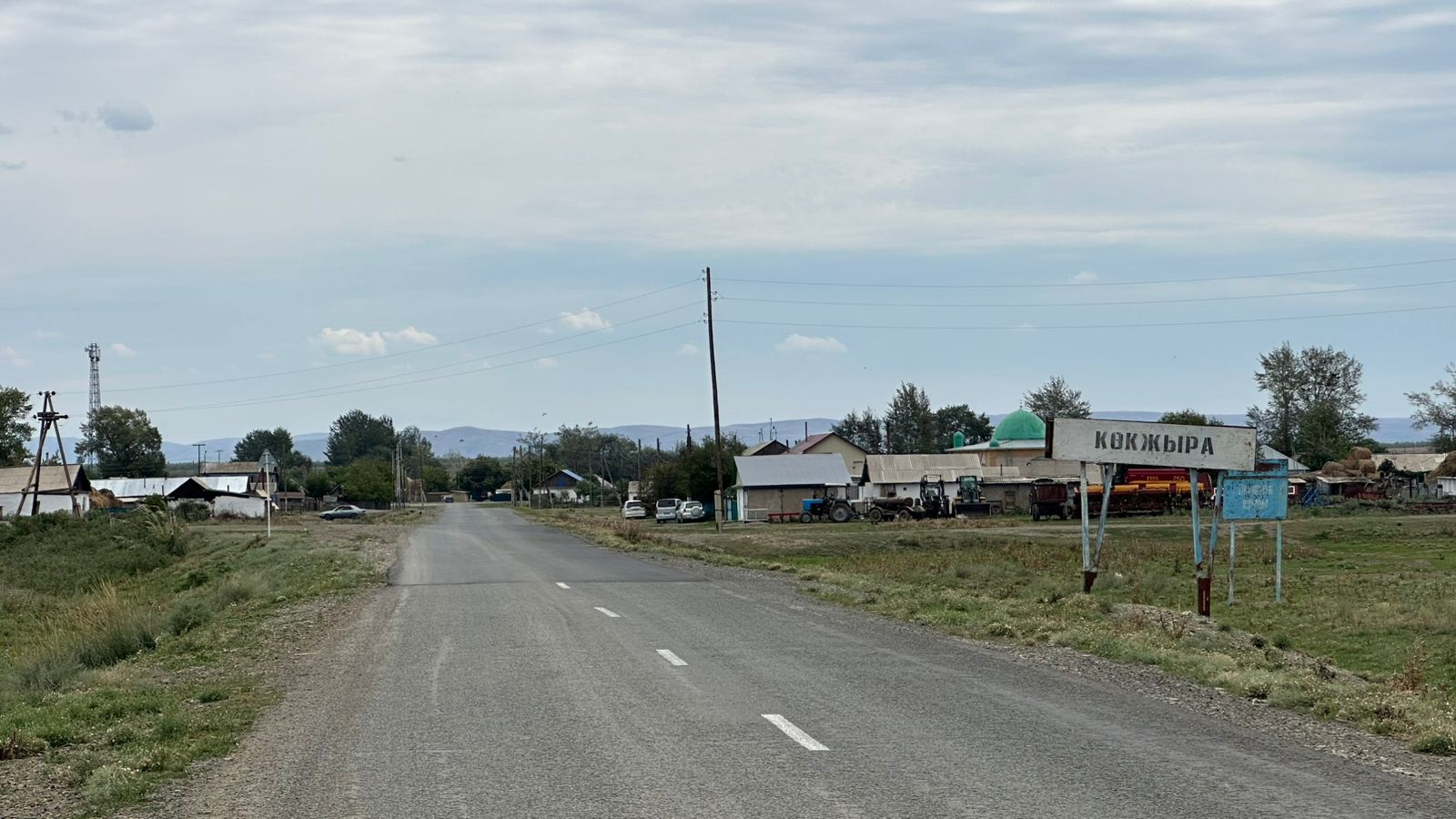
The water that has been waiting for years has arrived: villages in the Samara region are connected to the centralized water system 03.09.2026
чResidents of the villages of kulynjon, Kokzhyra and Akkala have been waiting for years for water to flow from the tap in the house, which has become a daily routine for many. Previously, there was no centralized water supply system in these small settlements. The residents came using wells and depth pumps.The project for the reconstruction and development of water supply networks was launched in 2019-2020. However, at the initial stages of its implementation, a number of problems arose due to poor performance of work. As a result, the project was not put into full operation, and the problem of water supply remained unresolved for several years. Residents have repeatedly raised this issue at meetings with the Akim of the region and the district leadership, which often changed during the same period.The situation changed in 2025. At that time, the new leadership of the district took control of the issue of water supply and resumed work on the facilities. Today, the first results are beginning to appear: social facilities and residential buildings are being connected to the centralized system, and residents of individual villages receive water through centralized water supply.The work is carried out within the framework of the instructions of the head of state to provide the population with 100% quality drinking water, as well as the tasks set by the leadership of the East Kazakhstan region.The first results were felt by residents of the village of Kokzhyra. There are about 140 courtyards here, today more than 20 of them have been connected to the new water supply. In addition, first of all, the school and other social facilities were connected to the water supply system.- Current repairs at the facility have been completed in full. At the beginning of summer, a hydraulic test of the pipelines was successfully carried out, and the tank was filled with water. Today, the facility is fully ready for further operation, — explained in the Department of architecture, construction and housing and communal services of the Samara region.According to preliminary data, more than half of the population of Kokzhyra is ready to connect to the centralized system. Now specialists of the district akimat, rural district and municipal services are conducting explanatory work among the population. Connection of houses to the system is carried out on the basis of requests from residents.For residents who have been waiting for a centralized water system for years, these changes are clearly felt in everyday life.- Before that, we used only water from the well. The water quality, of course, was not very good. Now the long-awaited water supply is laid in our house, and immediately life has become much easier. After water was brought into the house, we also installed an automatic washing machine. My wife is happy that the water is now in the kitchen itself. We thank the mayor of the district and all the citizens who heard our problem, paid attention to the village and helped solve it, — says Murat Baibolatov-Kaysar, a resident of the village of Kokzhyra.Work on the implementation of the water supply project continues. Depending on the readiness of the networks, residents of the three villages will be able to connect to the centralized system in stages. In kulynzhon, social facilities have already been connected to the system, and hydraulic testing of water supply networks is being carried out in Akkala. The work is planned to be completed by the end of this year.Source : https://www.gov.kz/memleket/entities/vko-samar/press/news/details/1284916?lang=ru
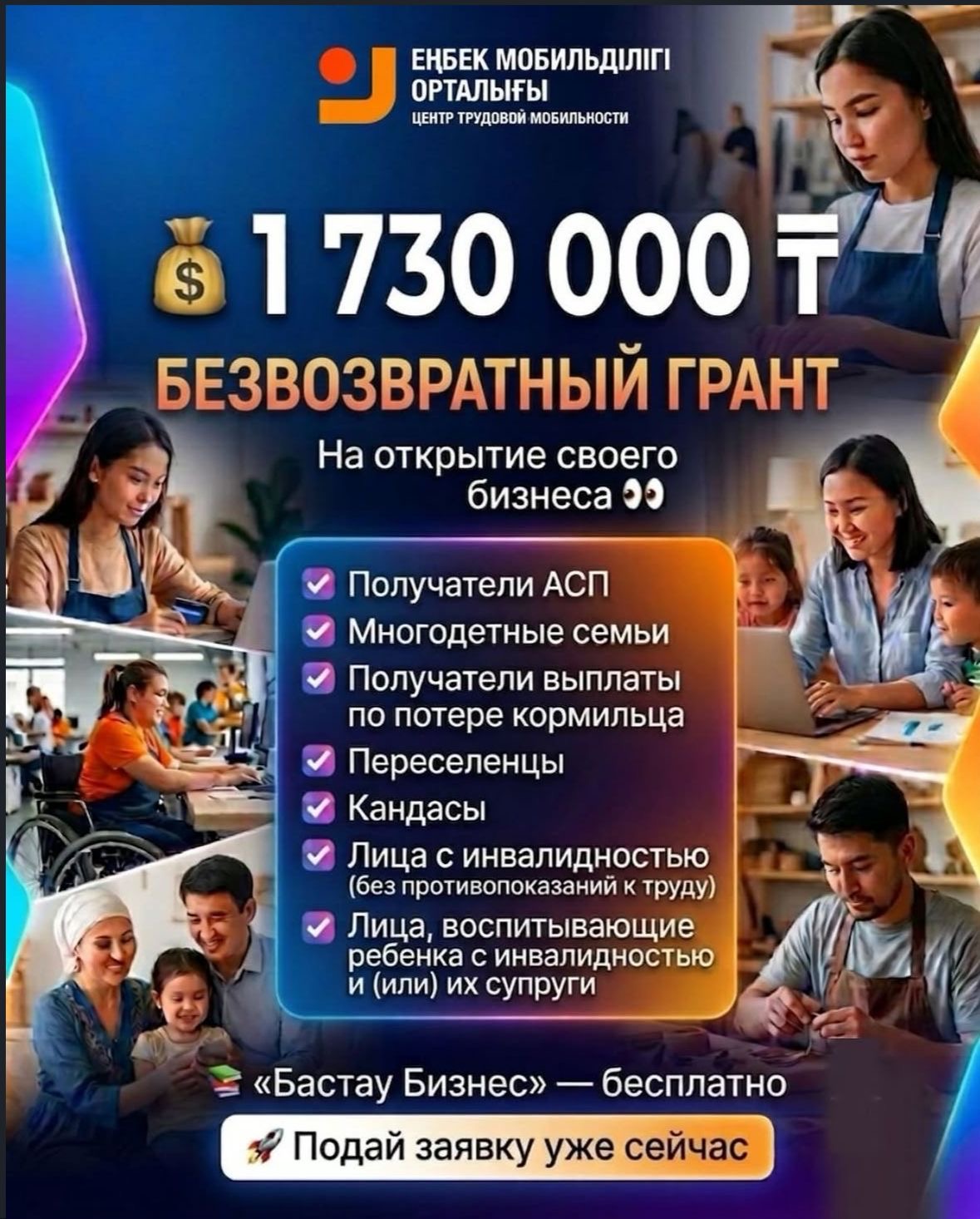
Guide to the Conditions for Obtaining a State Grant 03.09.2026
A “State Grant” is start-up capital provided on a non-repayable basis for launching and developing a new business.Grant amount: up to 400 MCI (in 2026 — KZT 1,730,000).Main eligibility requirements for obtaining a grant1. Belong to one of the following employment categories:individual entrepreneurs registered for no more than 1 year;registered unemployed persons.2. Belong to one of the following social categories:recipients of targeted social assistance;members of large families;recipients of social payments due to the loss of a breadwinner;internally displaced persons;kandas (ethnic Kazakhs returning to Kazakhstan);persons with disabilities who have no medical contraindications to employment;persons raising a child with a disability and/or their spouses.3. Have a certificate of completion of entrepreneurship training under the“Bastau Business”projectThe “Bastau Business” certificate can be obtained free of charge on the business.enbek.kz website within 14 calendar days. To obtain the certificate, applicants must complete online training (video lessons) and successfully pass the test.Steps for obtaining a non-repayable state grant through the business.enbek.kz portal:Register on the portal and verify eligibility status;Upload a business plan;Submit an application;Present the project to the commission;Provide bank details if the project is approved;Sign the grant agreement;Submit quarterly reports for 24 months;Create at least one new permanent job within 18 months from the date of receiving the grant and employ an applicant referred by the Career Center to the newly created position.What the grant can be used forGrants may be used to purchase necessary inventory, tools, technological equipment, livestock, cattle, poultry, seedlings, shrubs and seeds, as well as to pay for premises rental.What the grant cannot be used forGrants are not provided for:consumer purposes;repayment of loans or credit obligations;purchase or construction of residential real estate;purchase of land plots;production of excisable goods.Applicants who have previously received a state grant are not eligible to receive a second grant.For detailed information, please contact the Career Center at your place of residence.Instagram: emo_karagandy_oblCall center: 8-7212-60-50-50WhatsApp: 8-775-644-35-80Source : https://www.gov.kz/memleket/entities/otdel-social-karagandy/press/news/details/1284907?lang=ru
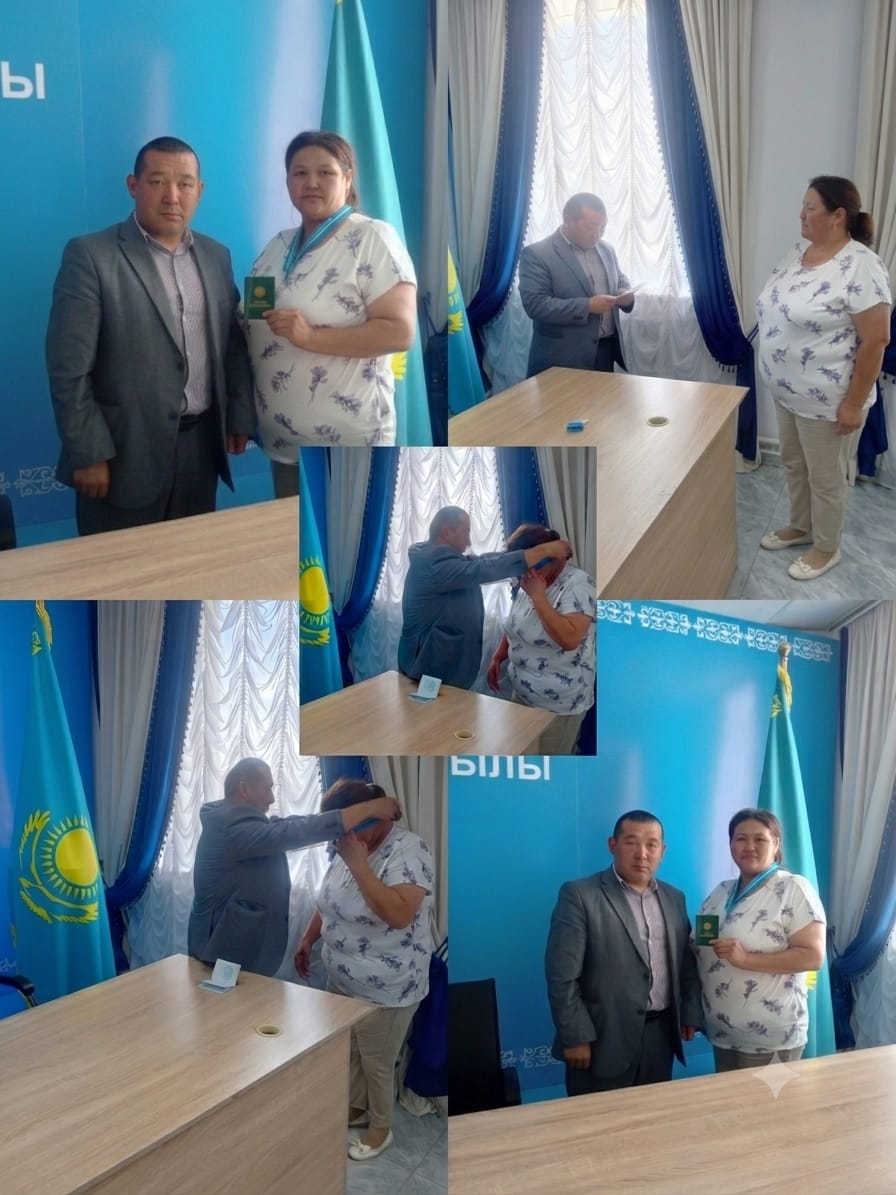
В соответствии с Указом 1223 Президента Республики Казахстан Касым-Жомарта Токаева от 7 апреля 2026 года, Кусаинова Гульнур Узаковна, жительница села Кеген, многодетная мать, будет награждена государственной наградой «Серебряный воротник». 03.09.2026
Source : https://www.gov.kz/memleket/entities/kegen-kegen/press/news/details/1284837?lang=ru