Law
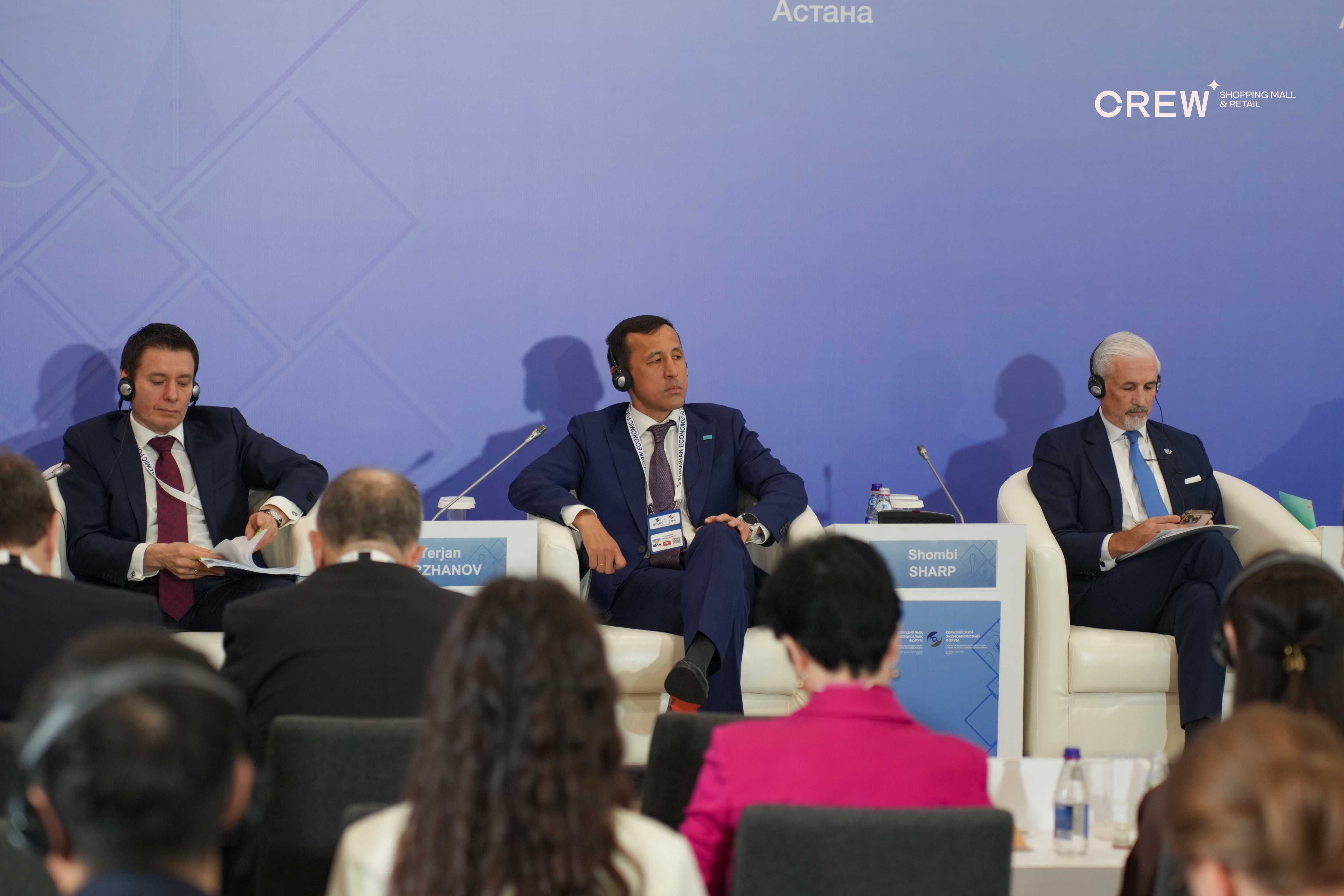
The Ministry of Finance presented its digital initiatives at the Eurasian Economic Forum 30.06.2026
The Ministry of Finance of the Republic ofKazakhstan is participatingin the 5th Eurasian Economic Forum, which isbeing held on May 28–29, 2026, as part of theRepublic of Kazakhstan’s chairmanship of theEAEU bodies. The key theme of this year’s forum is thedevelopment of digital technologies and artificial intelligence in the countries of the Eurasian Economic Union. The EEF-2026 program includes approximately 30 events grouped into several thematic areas focused on the digital transformation of the economy, integration of services, and development of Eurasian cooperation.Yerzhan Birzhanov, Vice Minister of Finance of the Republic of Kazakhstan, spoke at sessions dedicated todigital trade and development of customs administration in EAEU member states. During his remarks, he presented Kazakhstan’s approaches to developing digital infrastructure in the finance and trade sectors, as well as tools aimed at simplifying interaction between businesses and the government.Particular attention was paid to the development ofthe electronic invoicing system and mechanisms for tracking goods. To date, the system has processed more than 1.7 billion electronic invoices and approximately 96 million shipping documents for goods, including documents related to trade between EAEU member states.As part of the discussion of customs administration, the results of the modernization of the digital infrastructure at external checkpoints were presented, which made it possible to significantly increase the throughput and reduce the time for undergoing procedures for participants in foreign economic activity.Erlan Seitov, Director of the Department of Public Procurementand Quasi-Public Sector Procurement Legislation atthe Ministry of Finance of the Republic of Kazakhstan moderated a session on the digitalization of public procurement in EAEU countries. Participants discussed the developmentof procurement systems, increasing the transparency of procedures, and creating modern digital mechanisms for interaction between the government and thebusiness sector.The Ministry of Finance of the Republic of Kazakhstan’s participation in the Eurasian Economic Forum is aimed at strengthening integration and cooperation, exchanging best practices, and promoting modern digital solutions in the areasof public finance, customs administration, andprocurement processes. Source : https://www.gov.kz/memleket/entities/minfin/press/news/details/1229985?lang=ru
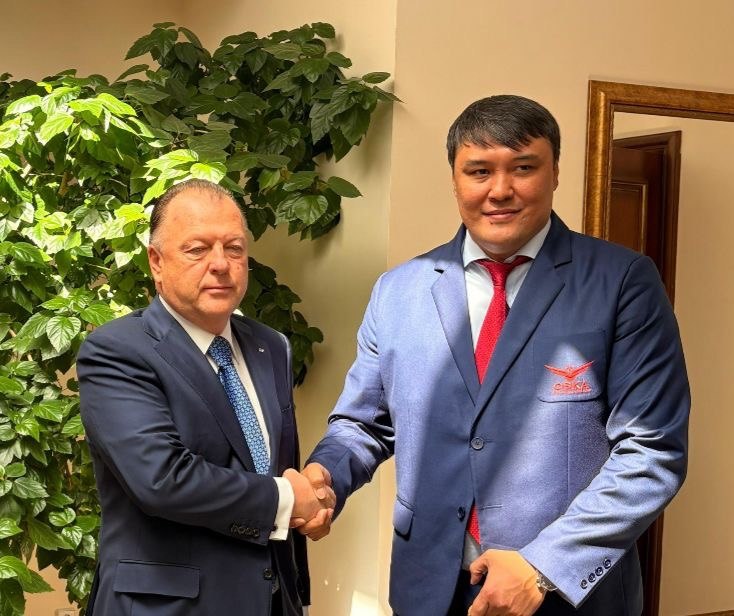
Arman Abeuov has been appointed head of the International Judo Federation's Military Commission 30.06.2026
Source : https://www.gov.kz/memleket/entities/mod/press/news/details/1230032?lang=ru
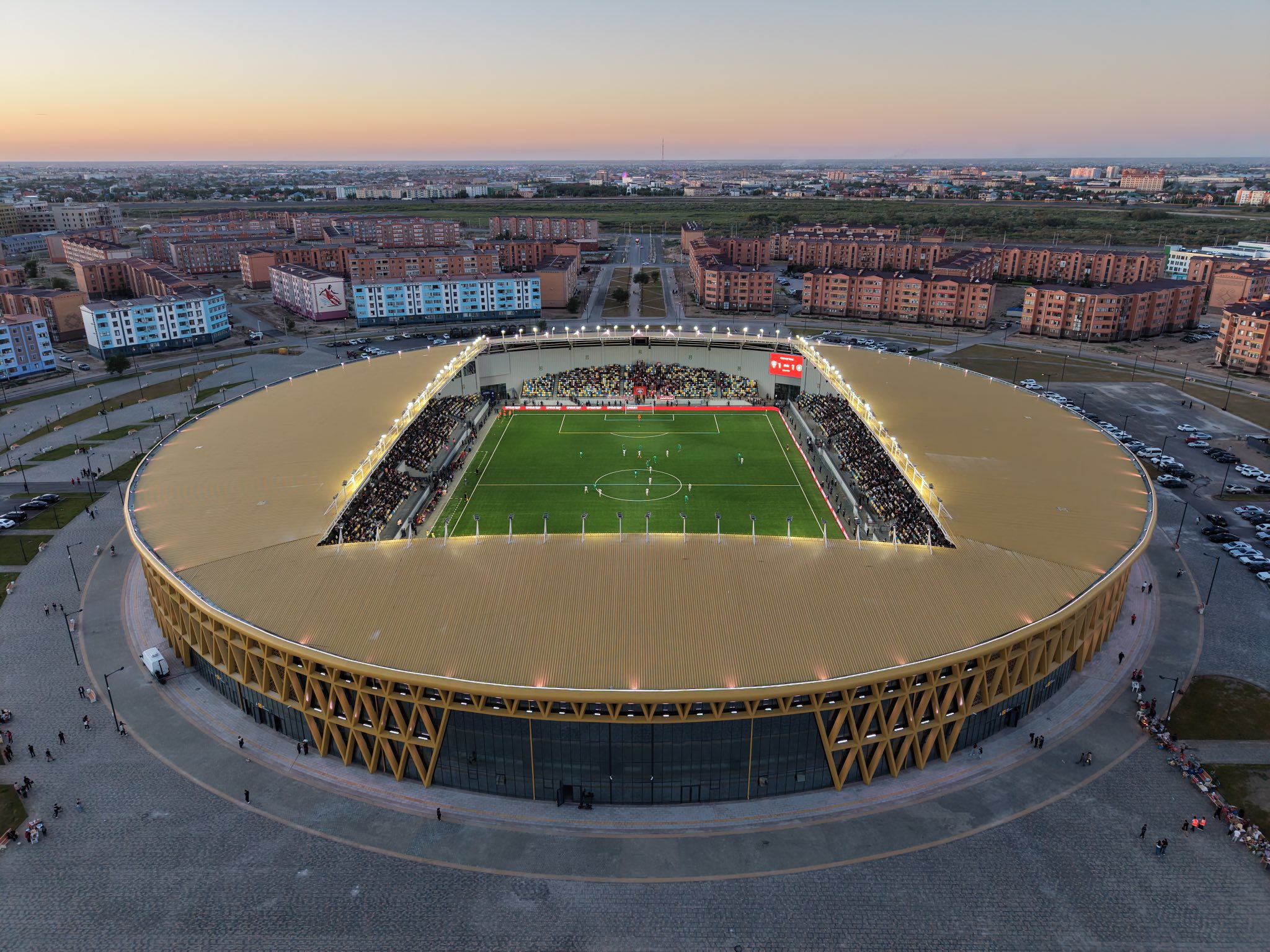
A match was held between the teams "Kaisar" and "Elimai" 30.06.2026
At the "Kaisar Arena" stadium in Kyzylorda, as part of the 12th round of the Kazakhstan Premier League, another match took place between the local "Kaisar" and the football team "Elimay" from the Abai region.Akim of the region Murat Ergeshbayev specially participated in it, expressing support for the local team. During the game, Nikolla Tsutskich and Imo Ezikel from "Kaisar" demonstrated their skills on the green pitch and became the authors of goals. However, the result of the intense competition ended with a score of 3:2, and the points went to the opposing team. Source : https://www.gov.kz/memleket/entities/kyzylorda/press/news/details/1230151?lang=ru
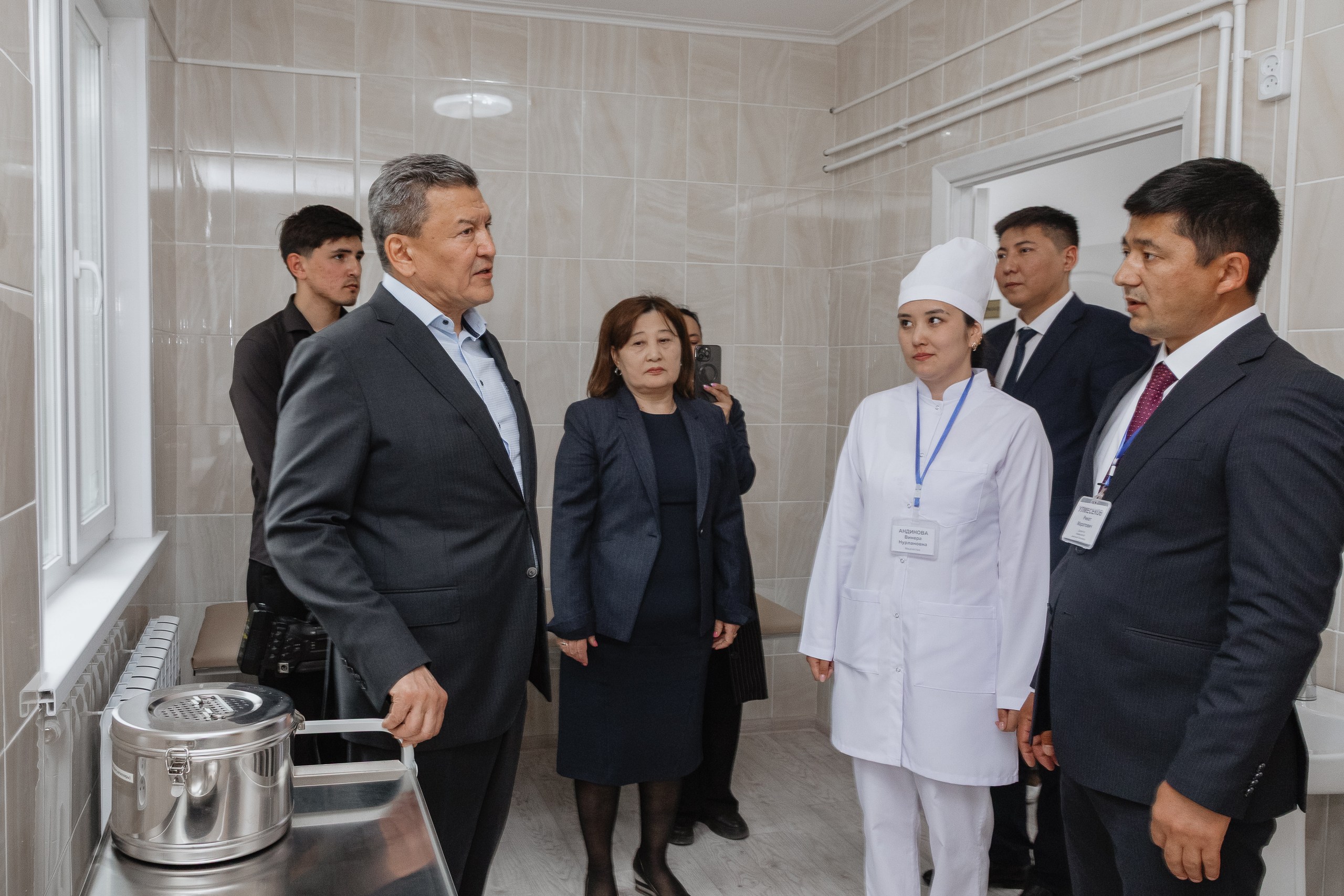
Akim of the region inspected the development of the Akkaiyn District and met with residents 30.06.2026
Akim of the region Gauez Nurmukhambetov began his annual tour of the districts and meetings with residents. The first meeting was held in the Akkaiyn District.During the visit, the head of the region inspected the progress of the sowing campaign at Kraft Agro LLP and met with agricultural producers in the district. Sowing is currently 80% complete. It was noted that these results were achieved thanks to systematic government support for the agricultural sector, timely farm preparation, and the coordinated work of farmers.Particular attention was paid to business participation in the development of rural communities. In 2026, 1.1 billion tenge was allocated for social projects in the district. One example of corporate social responsibility is the construction of a fire station in the village of Tokushy. Kraft Agro LLP allocated 200 million tenge for the project. The new facility will improve safety in several communities.Akim of the region also visited the IKEA TASS Group feed mill in the village of Smirnovo, one of the district's investment projects, implemented jointly with Chinese partners. The plant's capacity is 300 tons of feed flour per shift. The company plans to build a terminal for storing and shipping products. Investment in the new project will total 1.5 billion tenge.At the district clinic, the akim inspected the facility's upgraded facilities. Last year, an ambulance was purchased for the facility, and two more units of specialized equipment have been purchased this year. Furthermore, a medical center and a residential building for specialists have been built in the village of Kamyshlovo, which will improve access to medical care for rural residents.During his visit, Gauez Nurmukhambetov also inspected the progress of major repairs on the 16.8-kilometer Astrakhanka-Smirnovo-Kiyaly-Tayinsha-Alekseyevka highway. In total, 26.8 km of district roads are planned for repairs this year.The working visit concluded with a visit to a new playground and a meeting with residents of the Akkaiyn District. During the meeting, infrastructure, social issues, and the future development of the villages were discussed. All requests and suggestions from residents were taken into account.Source : https://www.gov.kz/memleket/entities/sko/press/news/details/1230217?lang=ru

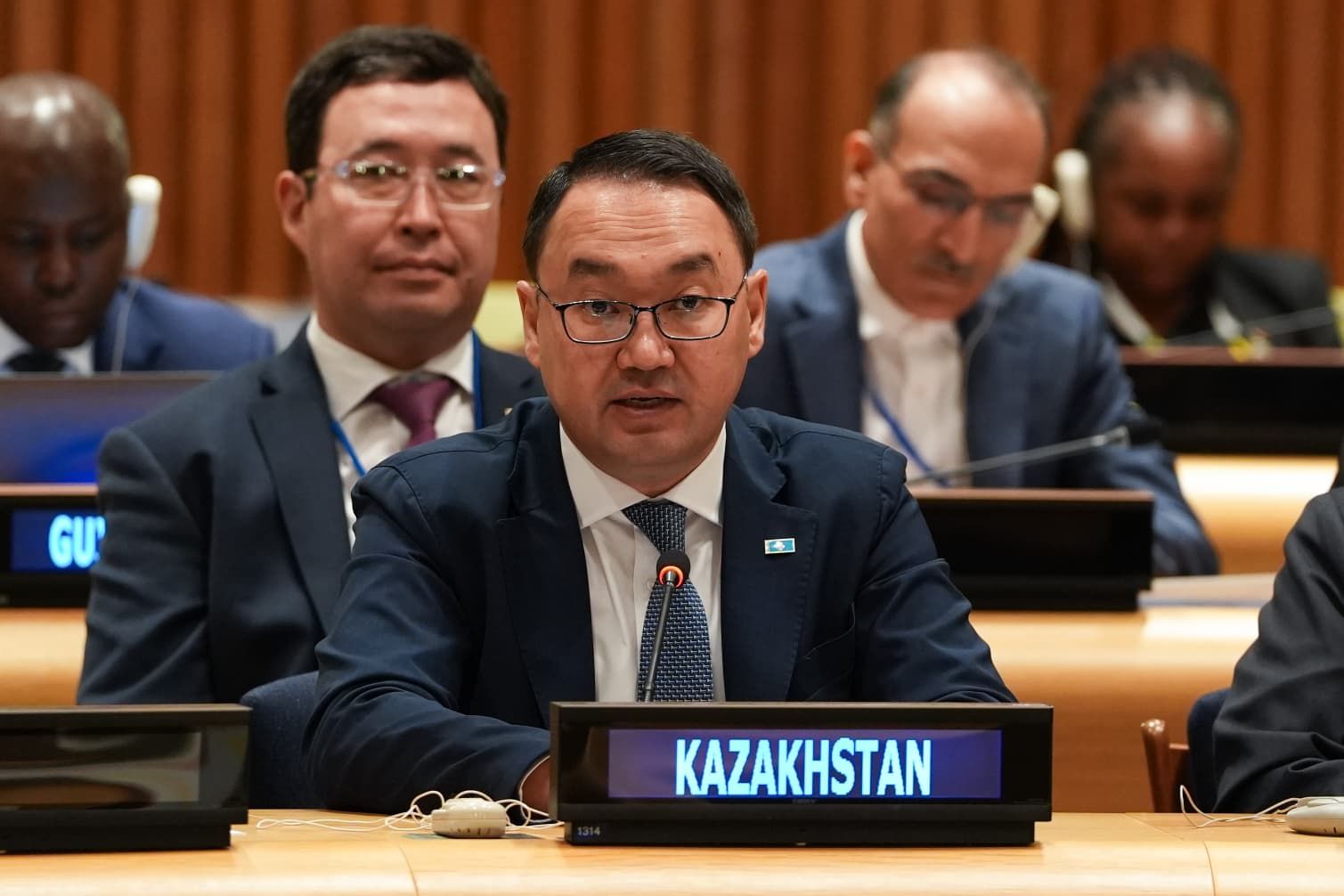
Kazakhstan Attends the Meeting of the Group of Friends of Global Governance 30.06.2026
New York, 28 May 2026 – First Deputy Minister of Foreign Affairs of the Republic of Kazakhstan Yerzhan Ashikbayev took part in the meeting of the Group of Friends of Global Governance under the theme “Reforming and Improving Global Governance: Jointly Responding to Global Challenges” held under the chairmanship of Foreign Minister of China Wang Yi at UN Headquarters.In his remarks First Deputy Foreign Minister Yerzhan Ashikbayev reaffirmed Kazakhstan’s commitment to strengthening multilateral cooperation, upholding the central coordinating role of the UN, and promoting a more just, inclusive, and balanced system of global governance. The Kazakh delegation placed particular emphasis on the need to bridge the global digital divide, expand equitable access to emerging technologies and strengthen international cooperation in the field of artificial intelligence.In this regard, Kazakhstan presented a number of initiatives being advanced in Almaty, including the establishment of the Asia-Pacific Digital Solutions Centre for Sustainable Development under the auspices of UN ESCAP, as well as the UN Regional Centre for the SDGs for Central Asia and Afghanistan.The relevance of the initiative put forward by President of the Republic of Kazakhstan Kassym-Jomart Tokayev to establish an International Water Organization under the auspices of the UN was also underscored.Following the meeting, participating countries adopted a joint communiqué reaffirming their commitment to multilateralism, international law and the central role of the UN in the system of global governance.Source : https://www.gov.kz/memleket/entities/mfa/press/news/details/1230295?lang=ru
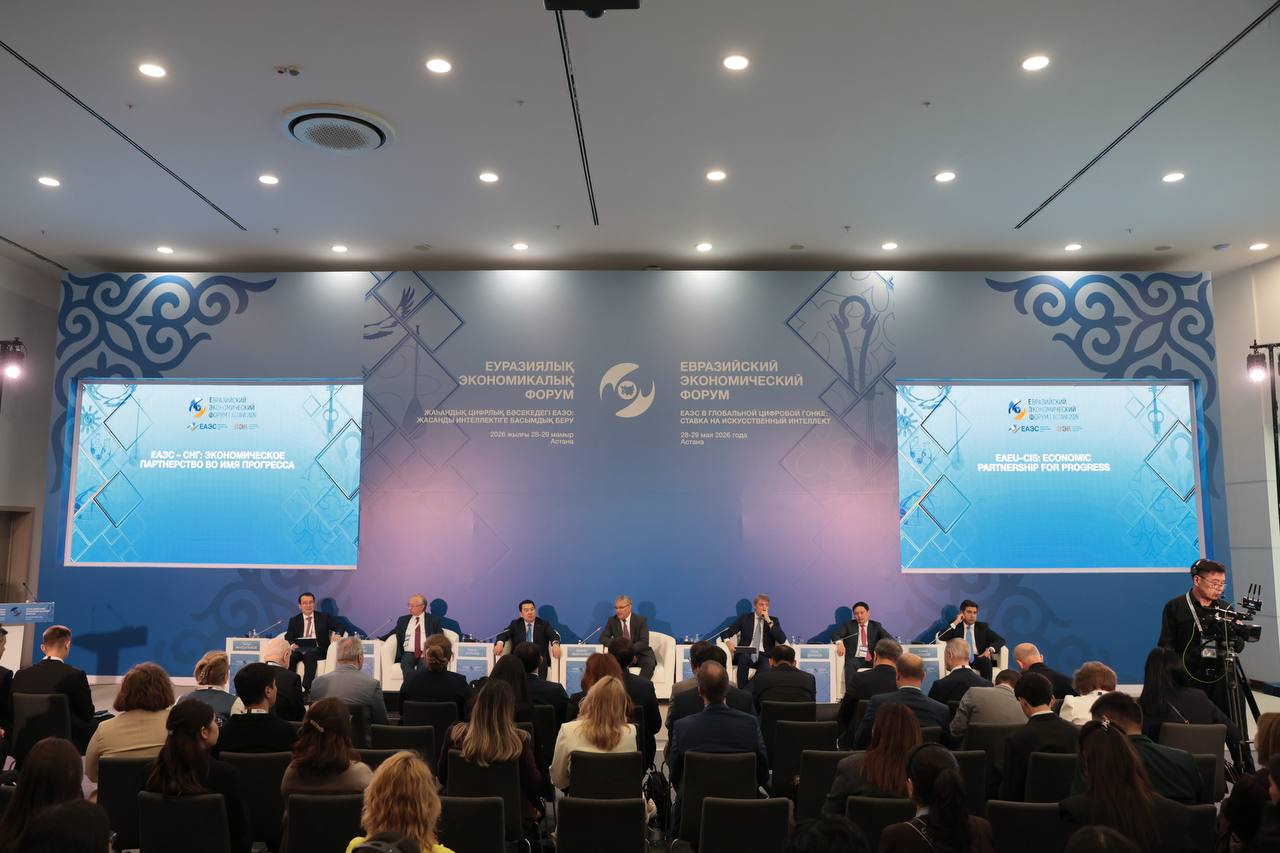
Developing the EAEU-CIS partnership: Key areas of economic cooperation discussed in Astana 30.06.2026
A joint session of the Eurasian Economic Commission (EEC) and the CIS Executive Committee, "EAEU-CIS: Economic Partnership for Progress," was held in Moscow as part of the 5th Eurasian Economic Forum. The platform brought together representatives of the EEC, CIS governments, and leading experts to discuss eliminating trade barriers, accelerating digitalization, and implementing large-scale infrastructure projects.The discussion featured key speakers on the integration agenda: Daniyar Imanaliev, Member of the Board (Minister) for Integration and Macroeconomics of the EEC; Laziz Kudratov, Minister of Investment, Industry, and Trade of the Republic of Uzbekistan; German Nurbayev, Chairman of the CIS Economic Court; Alexander Pankin, Deputy Minister of Foreign Affairs of the Russian Federation; and Denis Trefilov, Deputy Secretary-General of the CIS.In his address to the session participants, Vice Minister of National Economy of the Republic of Kazakhstan Asan Darbayev expressed gratitude to the organizers for the timely update of the agenda and emphasized that in an era of profound transformation of global markets, the resilience of the region's states directly depends on their ability to quickly pool resources, infrastructure, and technological expertise."Today, interaction between the EAEU and the CIS is not just a regional agenda, but the foundation of a new Eurasian economic architecture. The global economy is undergoing a period of profound transformation: production chains are being restructured, routes are changing, and competition for investment and human capital is intensifying. Under these conditions, synchronizing the work of the EAEU and the CIS is becoming not just a formal institutional process, but a practical tool for economic growth," stated Asan Darbayev.Asan Darbayev emphasized the fundamental importance of Kazakhstan's transition from declarations to tangible results for businesses and citizens. This includes increasing mutual trade, launching industrial cooperation, expanding transit potential, and reducing costs. The most important next step will be the implementation of end-to-end digital interaction, which should reduce customs clearance times along EAEU-CIS routes in the coming years.The high level of economic interconnectedness between the countries is confirmed by official statistics. By the end of 2025, Kazakhstan's trade turnover with EAEU countries amounted to almost $31 billion, and with all CIS countries, approximately $38 billion. Sectoral cooperation is demonstrating steady growth: according to the Eurasian Economic Commission (EEC), the region's industry grew by 15% between 2020 and 2024, while agricultural production in the EAEU, following a 10% increase in previous years, increased by another 4.6% by the end of 2025.Asan Darbayev cited the development of the Trans-Caspian International Transport Route (TITR, or "Middle Corridor") as a benchmark for successfully synchronizing efforts. Over the past seven years, the volume of shipments along the TITR has increased more than fivefold, from 800,000 to 4.5 million tons. By 2030, container traffic along the corridor is planned to increase.Concluding his speech, the Vice Minister touched on financial cooperation, noting that labor mobility and cross-border financial services require closer coordination in the areas of migration and the protection of citizens' social rights. Source : https://www.gov.kz/memleket/entities/economy/press/news/details/1229842?lang=ru
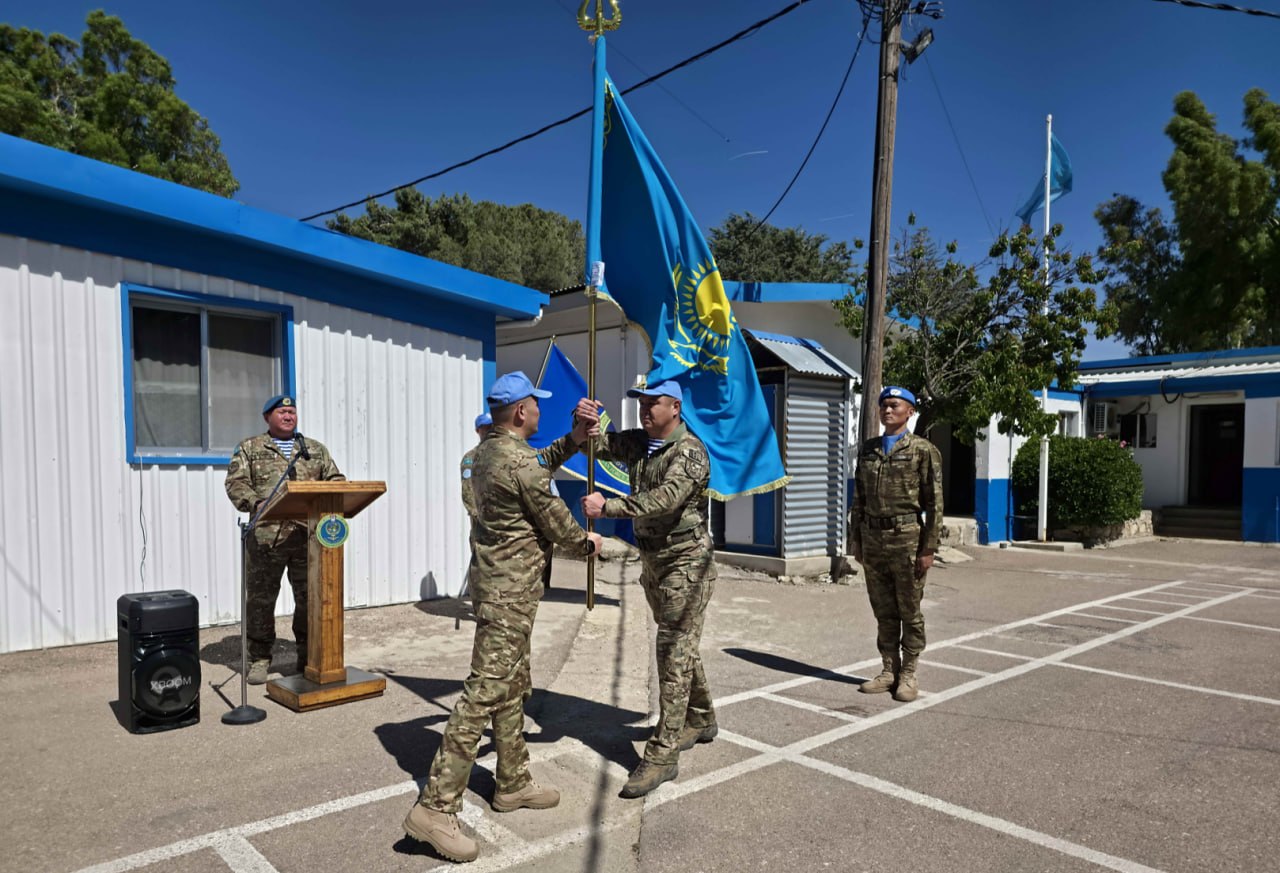
A scheduled rotation of Kazakh peacekeepers took place in the Golan Heights 30.06.2026
Source : https://www.gov.kz/memleket/entities/mod/press/news/details/1230483?lang=ru
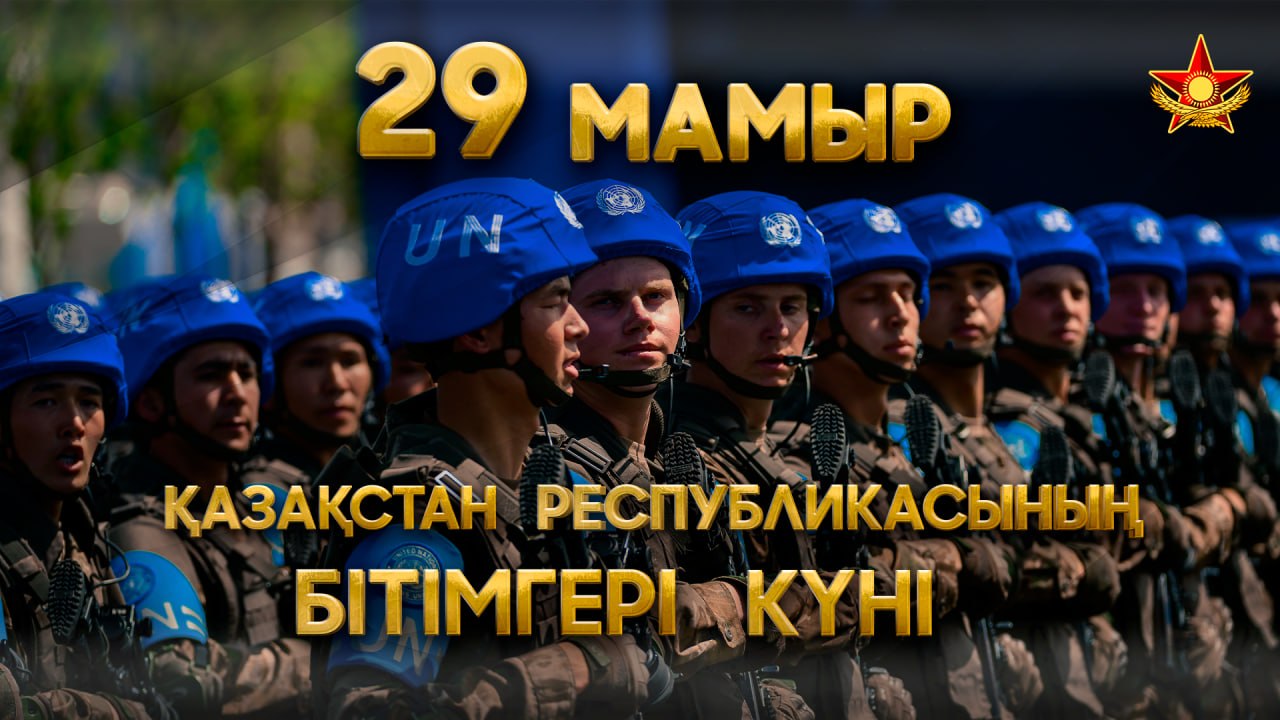
Over 900 Kazakh military personnel have served in UN peacekeeping missions 30.06.2026
Source : https://www.gov.kz/memleket/entities/mod/press/news/details/1230089?lang=ru
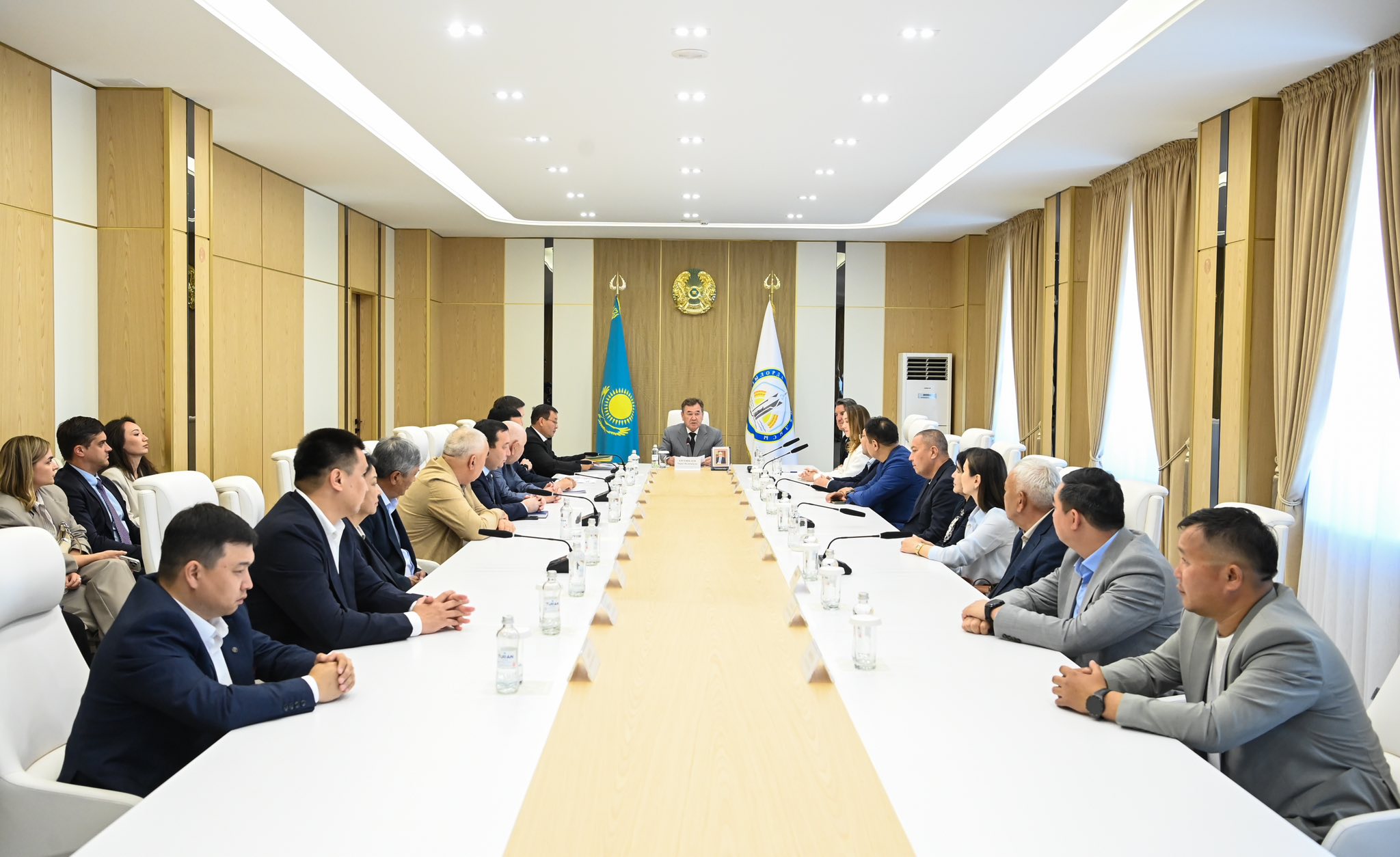
Roca Group and the regional association of builders signed a memorandum 30.06.2026
At a meeting chaired by the regional akim Murat Ergeshbayev, issues of establishing a partnership with the company "Roca Group" were discussed.The meeting was attended by the General Director of "Roca Group" Daniel Jurado Hernandez, the Chairman of the Regional Builders Association Manarbek Espenbetov, and heads of construction companies. During the meeting, Murat Nalkhozhauly outlined the immediate tasks for increasing investment potential and developing raw material production. "It is known that the Head of State, Kassym-Jomart Kemelovich, has instructed to begin a new investment stage in our country, particularly to open modern production facilities. A vivid manifestation of this is that today we have laid the foundation for a project important for our region — a modern sanitary ware production plant by the company 'Roca Group'.The company manages 78 production sites located in 170 countries and is known for the high quality of its products, innovation, and compliance with European standards.The start of the plant's construction is an important step that will not only increase the production potential of the Kyzylorda region but will also bring new technologies and international experience to the region. Currently, a land plot of 24 hectares has been allocated as state support. The company will launch production for assembling faucets and installation systems by the end of the year",-said Murat Nalkhozhauly. At the meeting, representatives of "Roca Group" presented their work, and a memorandum of mutual cooperation was signed with the Builders Association of the Kyzylorda region.Source : https://www.gov.kz/memleket/entities/kyzylorda/press/news/details/1230530?lang=ru
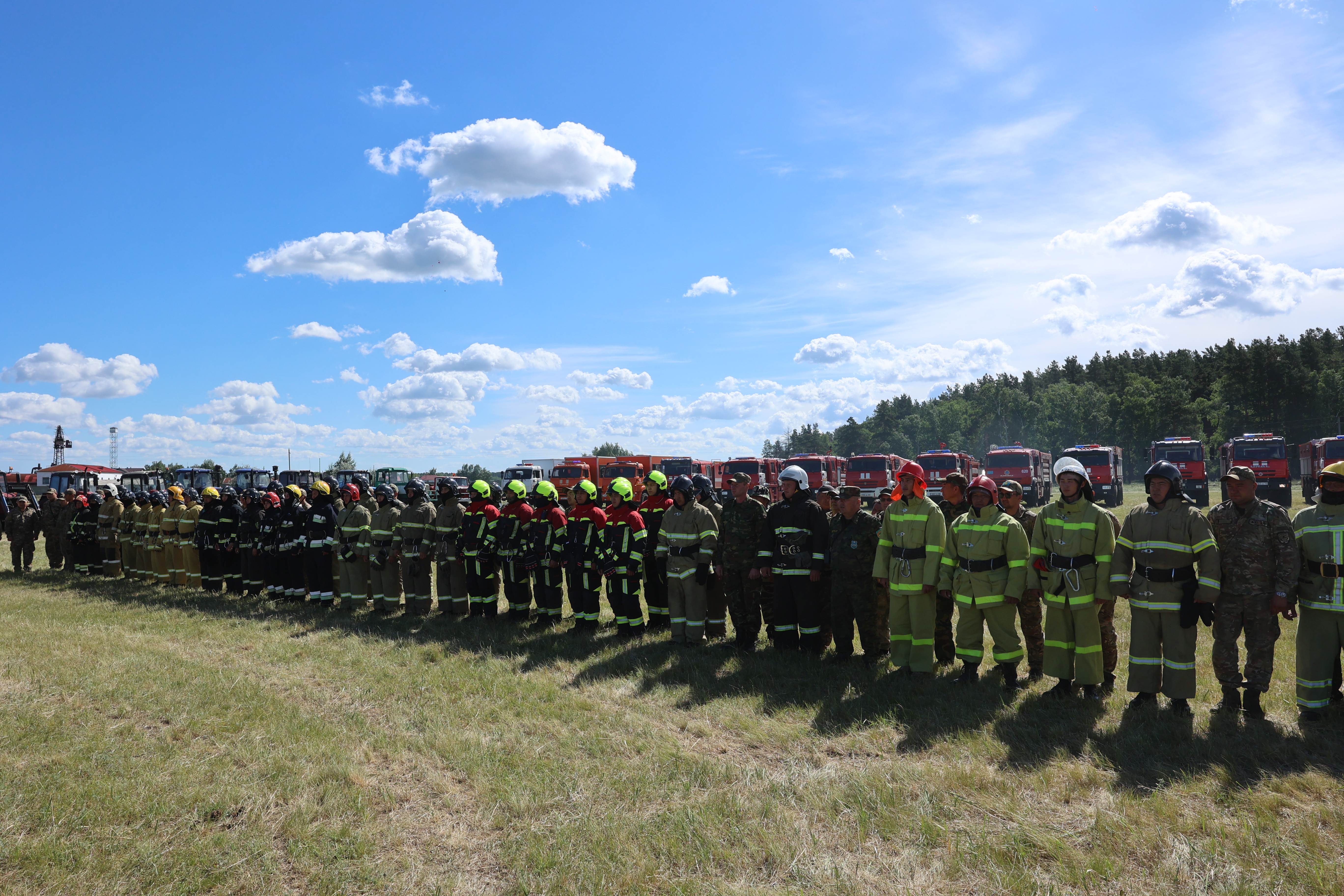
Republican command and staff exercises "Ort - 2026" 30.06.2026
Republican command-staff exercises "Fire - 2026" were held in the region. The akim of Kostanay region, Kumar Aksakalov, participated in the large-scale event.To prevent and avert large forest fires in the region, work is underway to strengthen and update the material and technical base. 51 fire trucks, 86 tractors, 36 forest fire complexes, 26 patrol vehicles, 16 units of trailer equipment, and 2 trailer firefighting modules have been purchased. The work to equip forestry institutions with modern specialized equipment and communication means will continue."This year, under the 'Village Rescuers' program, it is planned to open 18 new fire posts and modernize 12 existing posts. This will ensure the safety of 75 settlements with a population of over 34 thousand people," noted the head of the region.The conducted exercises contribute to improving the efficiency of the early fire detection system, enhancing space monitoring and patrolling of forest-steppe territories, as well as expanding capabilities to eliminate fire outbreaks in the first hours of their occurrence.Source : https://www.gov.kz/memleket/entities/kostanay/press/news/details/1230544?lang=ru
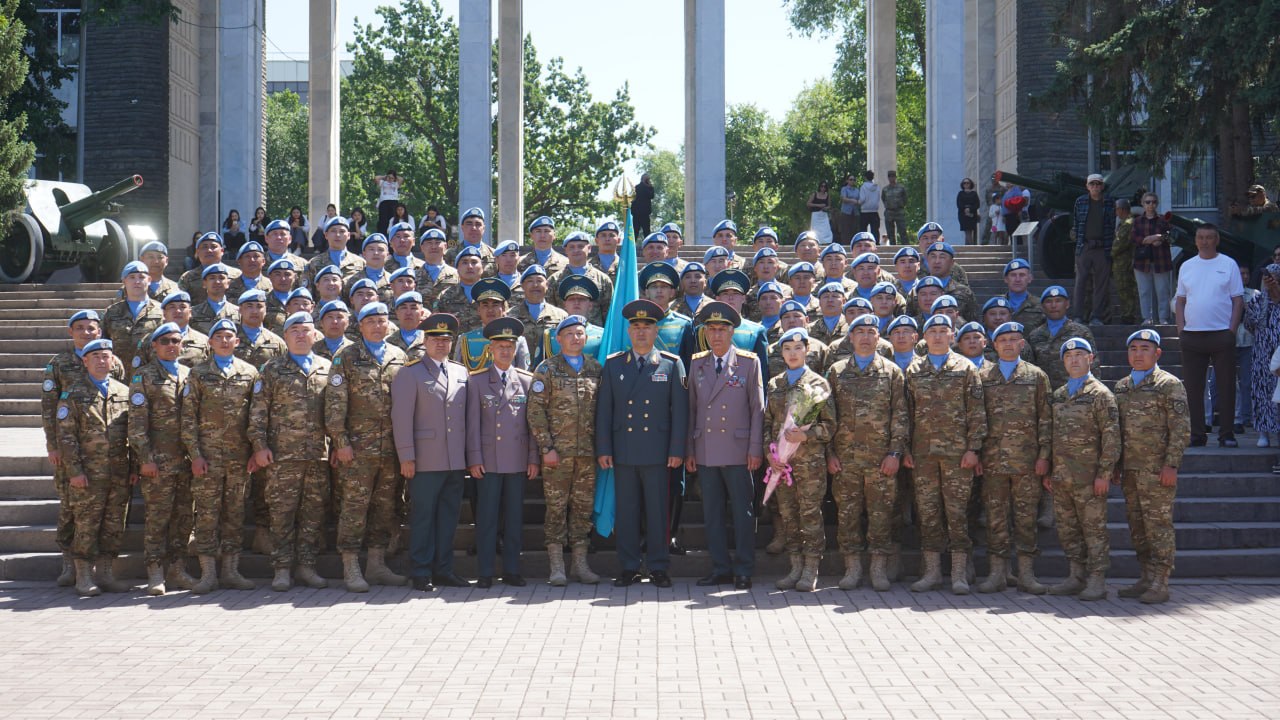
The UN mission's best result: the second contingent of Kazakh peacekeepers has completed its service in the Golan Heights. 30.06.2026
Source : https://www.gov.kz/memleket/entities/mod/press/news/details/1230760?lang=ru
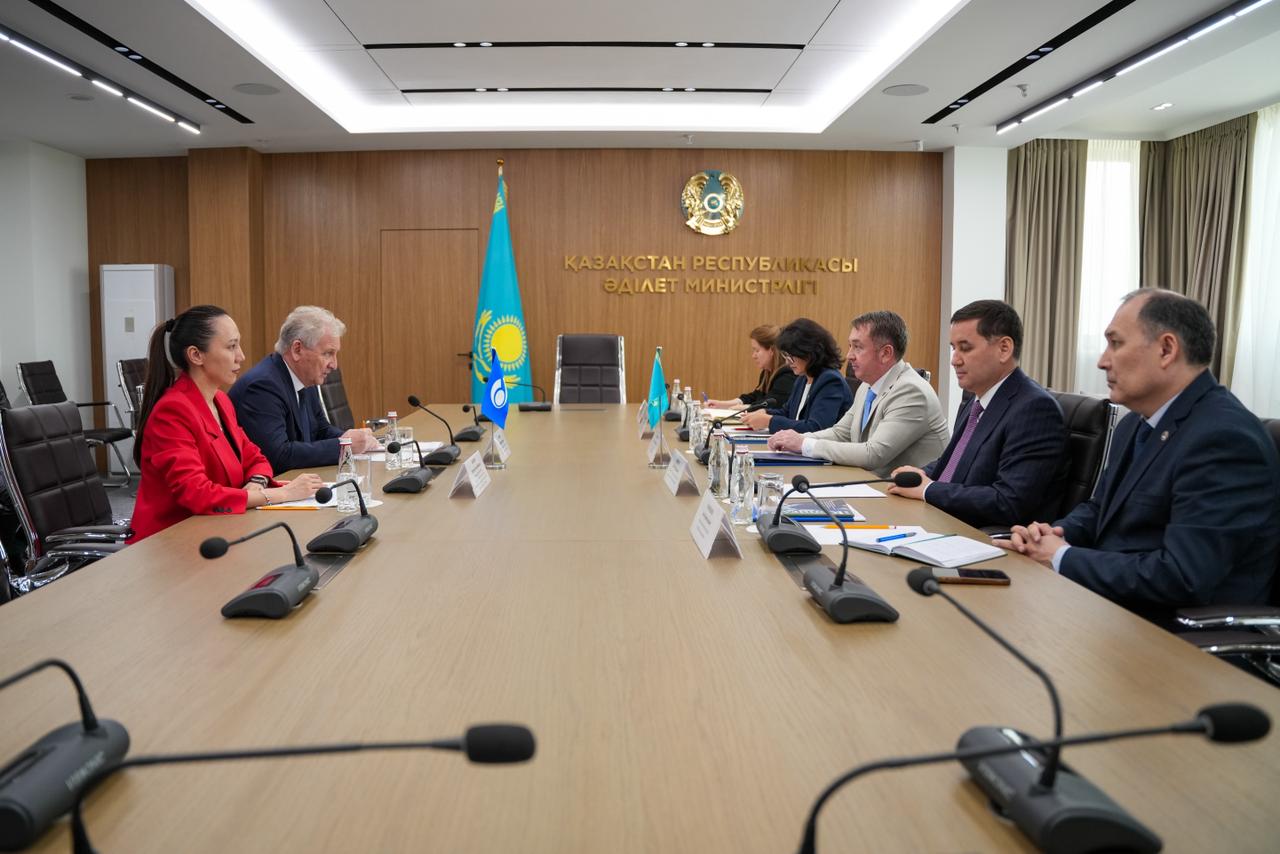
A meeting was held between the Minister of Justice of the Republic of Kazakhstan Yerlan Sarsembayev and the President of the Eurasian Patent Office Grigory Ivliev 30.06.2026
During the meeting the parties discussed current issues related to the development of Eurasian cooperation in the field of industrial property, digitalization of patent procedures and the introduction of modern technologies into the activities of patent offices.The Minister of Justice of the Republic of Kazakhstan Yerlan Sarsembayev highlighted the large-scale constitutional reform being carried out in the country, within the framework of which issues of intellectual property have for the first time been enshrined at the constitutional level as a significant legal value. It was emphasized that these changes create an additional foundation for the further improvement of the national intellectual property system and the development of an innovation-driven economy.Special attention was paid to the development of electronic interaction between offices, the application of artificial intelligence technologies in patent examination as well as the improvement of mechanisms for supporting applicants and enhancing the quality of expert activities.The Kazakhstani side emphasized its consistent efforts aimed at modernizing the national intellectual property system, including the development of digital services, improvement of legislation and strengthening of international cooperation. It was noted that the protection of intellectual property is regarded as an important element in the formation of a modern innovative economy and sustainable technological development.The parties also exchanged views on the further improvement of Eurasian mechanisms in the field of patenting, the development of cooperation between national offices as well as the preparation of joint programs in the areas of digitalization and professional training of specialists.Following the meeting, the parties confirmed their mutual interest in further strengthening practical cooperation and implementing joint initiatives within the Eurasian space. Source : https://www.gov.kz/memleket/entities/adilet/press/news/details/1230787?lang=ru
Kazakhstan and Russia Hold Interagency Consultations on Biological Security 30.06.2026
Moscow, 29 May 2026 - The latest interagency bilateral consultations between the Republic of Kazakhstan and the Russian Federation on ensuring biological security were held.During the consultations, the sides exchanged up-to-date information on the current situation in the field of biological security at the regional and global levels, and also discussed prospects for further development of cooperation in bilateral, regional, and multilateral formats.Particular attention was paid to cooperation in the context of promoting the initiative of the President of the Republic of Kazakhstan, Kassym-Jomart Tokayev, to establish an International Agency for Biological Security.The parties confirmed their mutual interest in expanding cooperation in the areas of scientific exchange, training of specialized personnel, as well as conducting joint activities to monitor the epidemiological situation in border areas.Source : https://www.gov.kz/memleket/entities/mfa/press/news/details/1230995?lang=ru
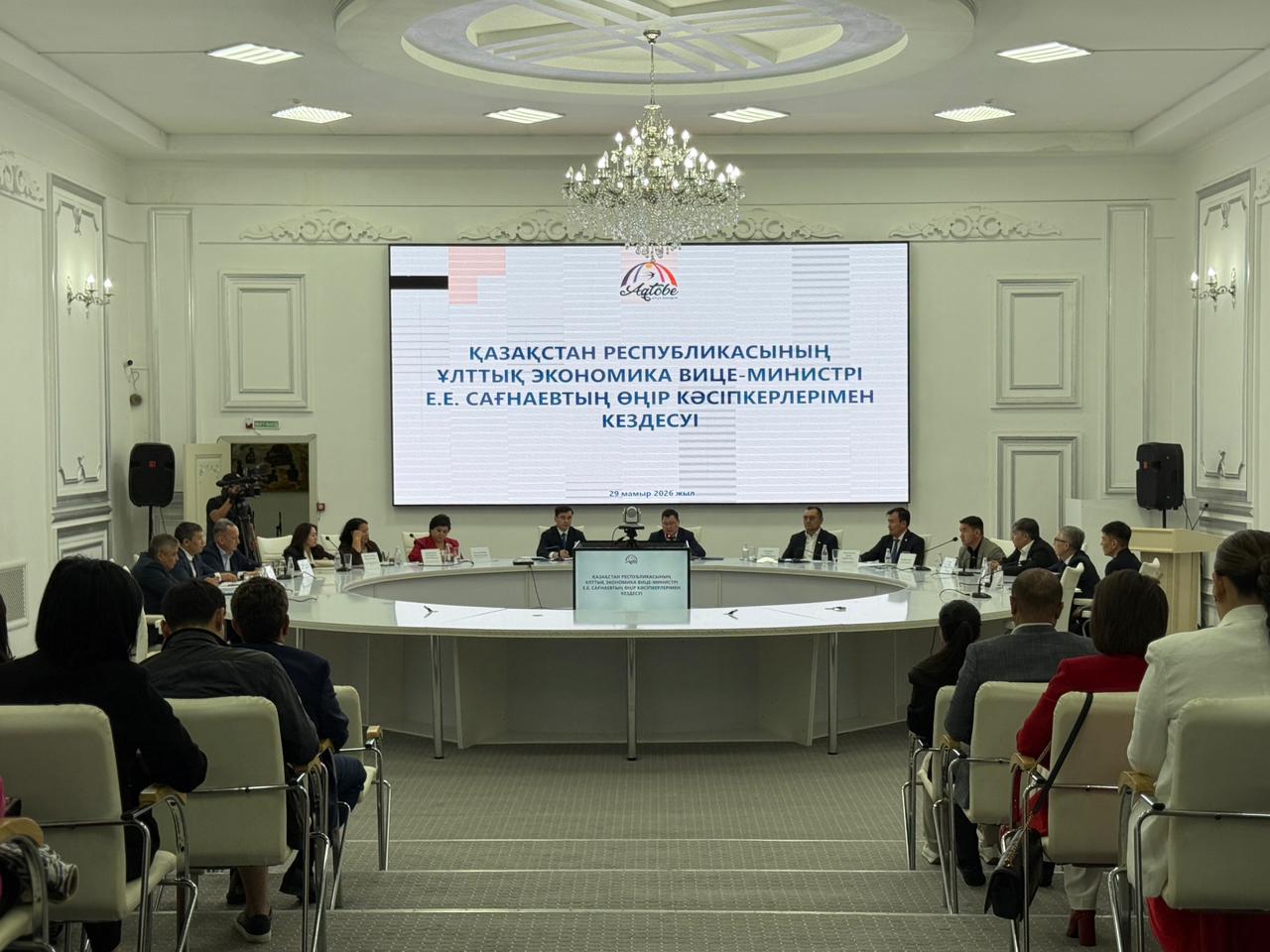
Более 78 тыс. субъектов бизнеса обеспечивают занятость 185,1 тыс. жителей Актюбинской области 30.06.2026
В рамках поездки в Актюбинскую область вице-министр национальной экономики РК Ерлан Сагнаев провел встречу с представителями бизнеса, отраслевых ассоциаций, Национальной палаты предпринимателей «Атамекен» и государственных органов.О социально-экономическом развитии региона проинформировал руководитель управления предпринимательства и индустриально-инновационного развития Актюбинской области Досжан Алибеков. По его словам, Актюбинская область сохраняет устойчивую динамику и обладает высоким инвестиционным потенциалом.За январь–апрель 2026 года в экономику региона привлечено 235,4 млрд тенге инвестиций с индексом физического объема 106,5%. До конца года планируется запуск семи инвестиционных проектов на общую сумму порядка 242,77 млрд тенге.Объем промышленного производства за январь-февраль текущего года составил 470,4 млрд тенге.Особое внимание в регионе уделяется развитию малого и среднего бизнеса. Сегодня в области действуют 78,3 тыс. субъектов предпринимательства, обеспечивающих занятостью 185,1 тыс. человек. Доля МСБ в валовом региональном продукте достигла 28,8%. В 2025 году через банки второго уровня на поддержку бизнеса было направлено 13,1 млрд тенге, что позволило поддержать свыше 800 проектов.Продолжением встречи стал открытый диалог, в ходе которого участники обсудили вопросы налогового администрирования, государственного заказа на подготовку кадров, совершенствования механизмов государственной поддержки бизнеса, а также развития социального и женского предпринимательства. Отдельное внимание было уделено расширению доступа предпринимателей к финансовым инструментам и усилению взаимодействия государства, бизнеса и неправительственного сектора.Также Ерлан Сагнаев ознакомился с работой ряда промышленных и социальных объектов региона.Одним из ключевых пунктов программы стало АО «Актюбинский завод хромовых соединений» — крупнейшее предприятие химической промышленности страны, продукция которого стабильно экспортируется в страны СНГ и дальнего зарубежья.Кроме того, вице-министр посетил производственную площадку ТОО «Автокомп». Предприятие, запущенное в 2024 году, специализируется на производстве строительных конструкций и алюминиевых сплавов мощностью до 200 тонн продукции за смену. На производстве трудятся порядка 30 специалистов.Также вице-министр ознакомился с деятельностью специальной экономической зоны «Актобе». В ходе посещения были рассмотрены вопросы привлечения инвестиций, развития промышленной кооперации и повышения инвестиционной привлекательности региона.Финальным объектом стало посещение коррекционного центра «JAS URPAQ & EVENTUM», оказывающего высокотехнологичную помощь детям, включая ABA-терапию и нейрокоррекцию. Сегодня в Актобе успешно функционируют четыре подобных центра, востребованных среди жителей региона. Source : https://www.gov.kz/memleket/entities/economy/press/news/details/1231008?lang=ru
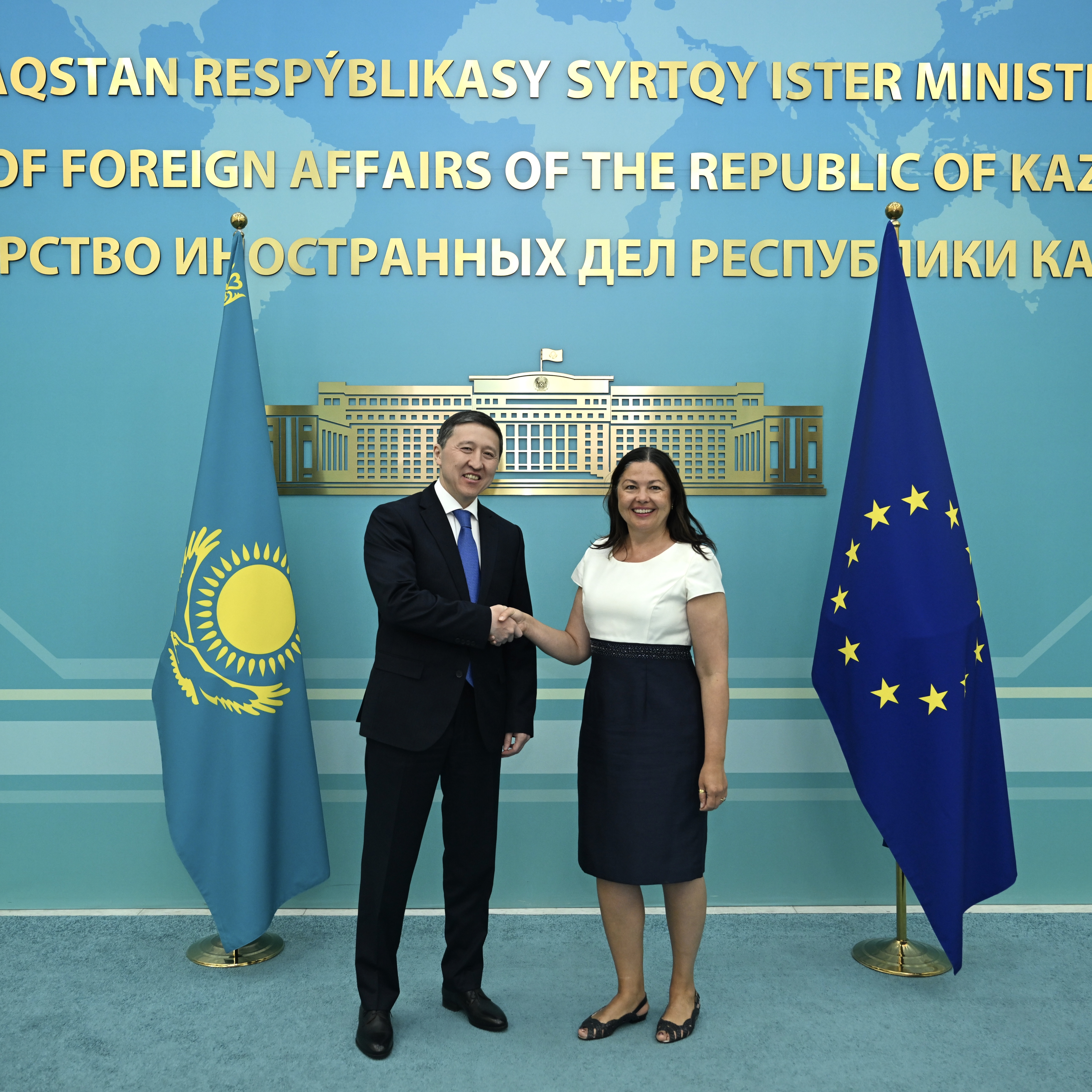
Kazakhstan and the European Union Set New Strategic Goals to Deepen Partnership 30.06.2026
Astana, 29th of May 2026 – Within the framework of the Enhanced Partnership and Cooperation Agreement the 23rd meeting of the Cooperation Committee in Political Configuration was held under the chairmanship of Deputy Minister of Foreign Affairs of the Republic of Kazakhstan Arman Issetov and from the European side Deputy Managing Director for Eastern Europe and Central Asia of the European External Action Service Аudrone Perkauskiene.The parties held detailed exchange of views on the dynamics of political reforms in Kazakhstan, as well as dialogue in the areas of effective public administration, judicial reform and the rule of law.Special attention was paid to trade and economic cooperation, including the implementation of the Global Gateway initiative. Kazakhstan and the European Union identified strategic priorities for further strengthening partnership in such areas as enhancing transport and logistics connectivity, green energy, environmental protection, supplies of critical raw materials, and expanding the export potential of Kazakhstan.The importance of strengthening academic mobility and cooperation between research institutions under the Erasmus+ and Horizon Europe programmes was also highlighted.“The EU remains Kazakhstan’s largest trading and investment partner. Last year, our mutual trade reached 45 billion US dollars. Between 2005 and 2025, the European capital inflow has exceeded 200 billion dollars. Currently, more than 4,000 European companies are successfully operating in our country. We highly value the growing interest of European businesses in Kazakhstan and our region as a reliable partner and strategic transit hub connecting Europe and Asia”, noted Deputy Minister Issetov.For her part, Аudrone Perkauskiene highly commended the current dynamics of the strategic partnership with Kazakhstan, noting the European Union is eager to deepen cooperation across all directions and joining efforts to tackle common international challenges.A separate item on the agenda was devoted to discussing prospects for facilitating the visa regime for citizens of the Republic of Kazakhstan. The parties noted the importance of intensifying dialogue and further advancing cooperation in the consular and visa sphere.Following the meeting, the parties reaffirmed their mutual interest in further strengthening the partnership between the Republic of Kazakhstan and the European Union across the entire spectrum of bilateral cooperation.The dialogue platform serves as an active mechanism for discussing the current cooperation agenda and aligning positions between Kazakhstan and the European Union on a wide range of issues involving sectoral government agencies. Source : https://www.gov.kz/memleket/entities/mfa/press/news/details/1231015?lang=ru
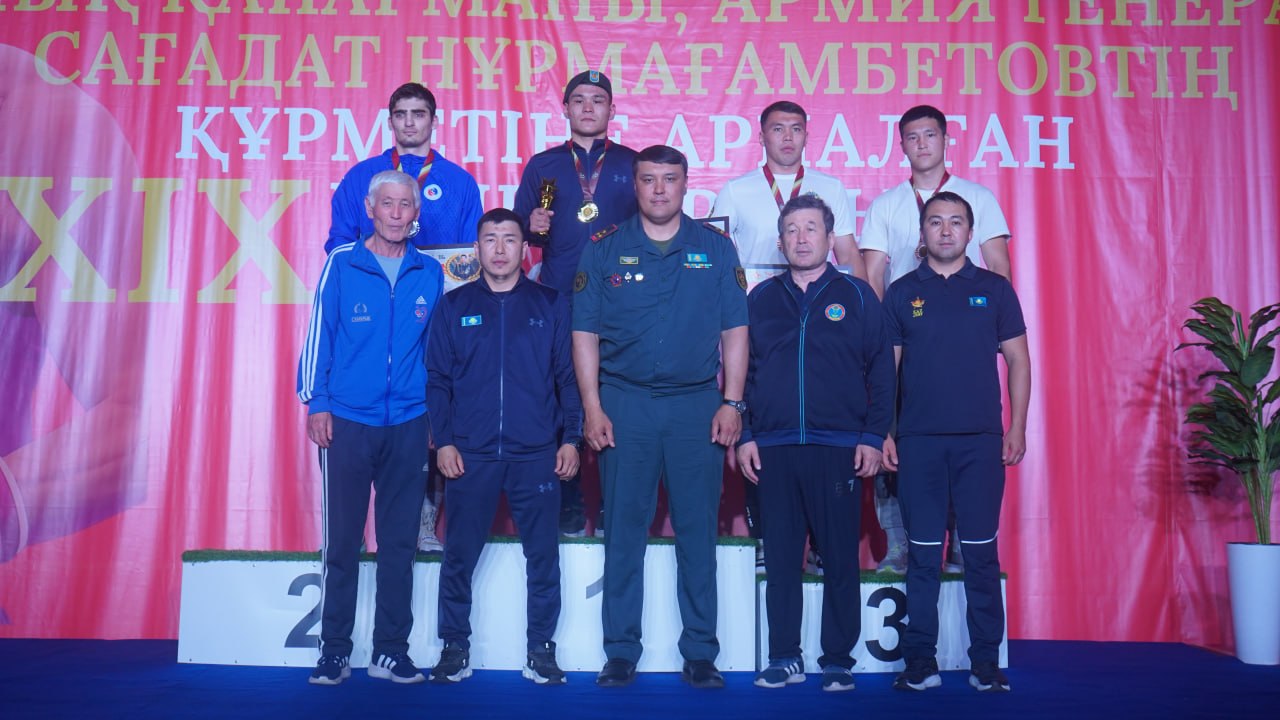
Kazakhstan took first place in the International Boxing Tournament in Memory of Sagadat Nurmagambetov 30.06.2026
Source : https://www.gov.kz/memleket/entities/mod/press/news/details/1231051?lang=ru
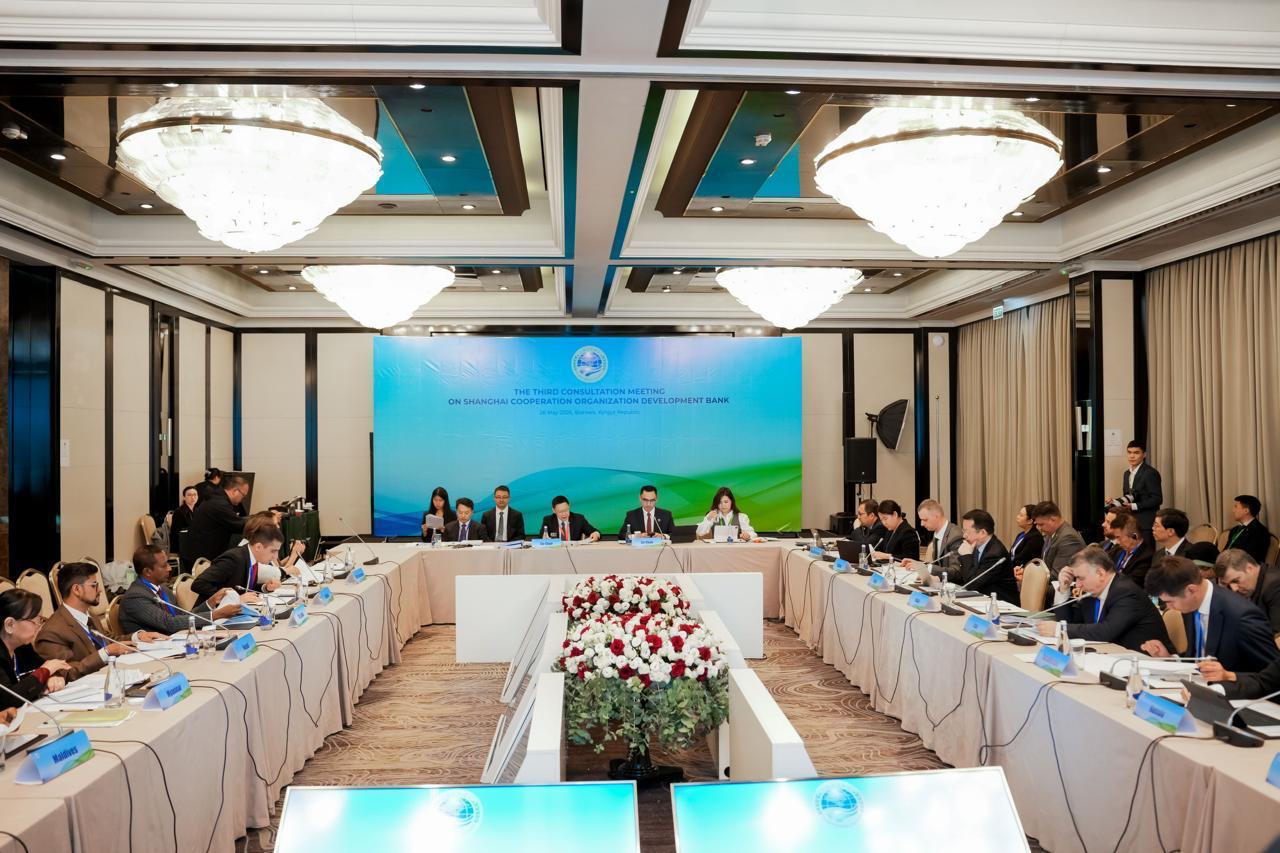
Discussions Held in Bishkek on the Establishment of the SCO Development Bank and the Development of Financial Cooperation 30.06.2026
On May 28–29, events organized by the Shanghai Cooperation Organization (SCO) were held in Bishkek, during which participants discussed the establishment of the SCO Development Bank, the expansion of financial cooperation among member states, and the improvement of multilateral cooperation mechanisms. Kazakhstan was represented at the events by Vice Minister of Finance Dauren Kenbeil. Participants paid particular attention to issues related to the formation of the future financial institution, as well as the development of modern financing instruments and the digitalization of the financial sector.On May 28, 2026, the third consultative meeting on the establishment of the SCO Development Bank took place. During the discussions, D. Kenbeil noted the need for non-sovereign financing, the formation of authorized capital using local currencies and alternative instruments, as well as the determination of requirements for the location of the headquarters.The participants in the negotiations reaffirmed the importance of establishing the SCO Development Bank and their commitment to advancing the multilateral consultative process.On May 29, 2026, a meeting of finance ministers and central bank governors from SCO member states was held.During the meeting, participants discussed ways to expand financial cooperation and establish new mechanisms for collaboration. Particular attention was paid to pressing issues facing the modern international financial system, as well as the digitalization of public finances.In his speech, D. Kenbeil outlined the key directions for the development of Kazakhstan’s financial system amid the transition to a model of a technologically independent and innovative state. Particular attention was paid to the digitalization of public finances and the successful debut issuance of Panda bonds on the Chinese stock market.Following the meeting, SCO member states expressed confidence in the development of the partnership and the achievement of mutually beneficial goals. Source : https://www.gov.kz/memleket/entities/minfin/press/news/details/1231052?lang=ru
The heads of state of the Eurasian Economic Union (EAEU) adopted a Joint Statement on the responsible development of AI 30.06.2026
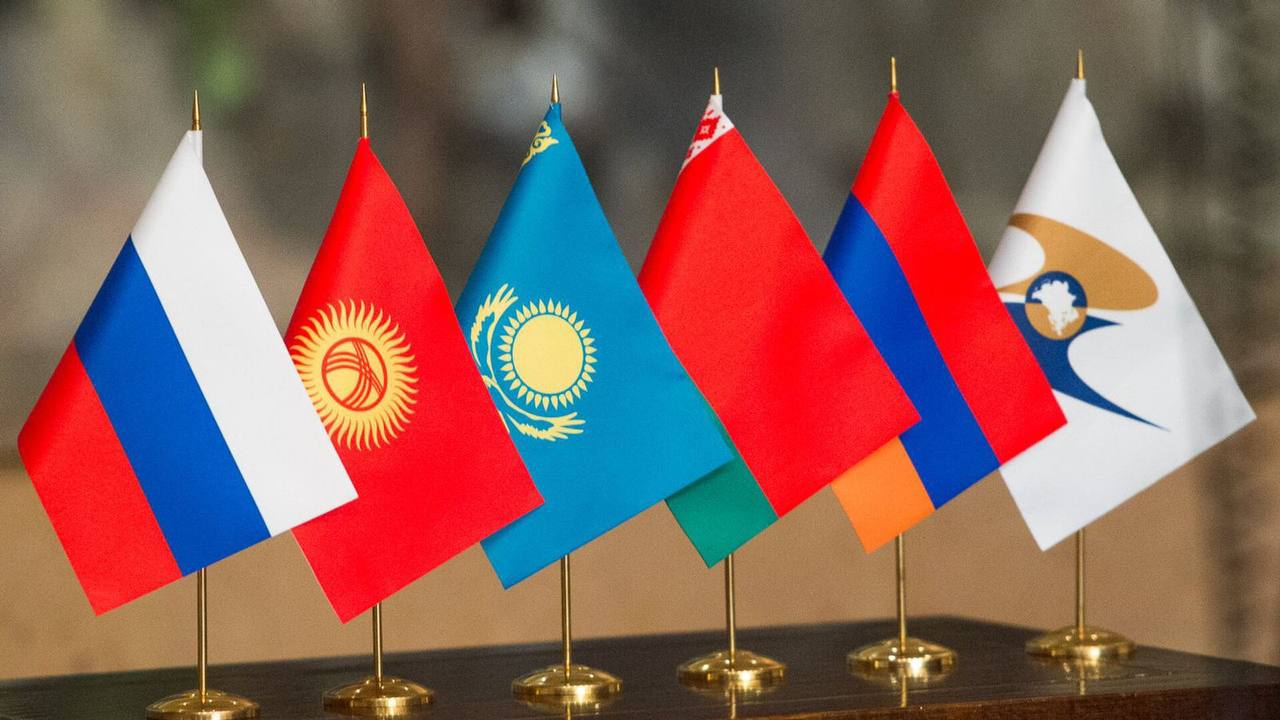
In Astana, at the Eurasian Economic Forum, the heads of state of the Eurasian Economic Union (EAEU) member countries adopted the Joint Statement on the Responsible Development of Artificial Intelligence within the EAEU.The initiative to develop the document was announced by the President of the Republic of Kazakhstan, Kassym-Jomart Tokayev, at the meeting of the Supreme Eurasian Economic Council on December 21, 2025. The proposal was supported by all EAEU member states. The Joint Statement aims to develop practical cooperation among EAEU countries in the field of artificial intelligence, exchange experience, best practices, and technological solutions, as well as interaction in economic sectors where AI is already becoming an important factor in increasing efficiency and competitiveness. The document also provides for the development of economic and technological cooperation, taking into account the national digital sovereignty of the Eurasian "five" countries. Kazakhstan consistently promotes the digital development agenda, considering artificial intelligence as one of the key drivers of economic growth, productivity enhancement, and the creation of new opportunities for businesses and citizens.In the context of the nationwide policy of ubiquitous digital technology development and the declared Year of Digitalization and Artificial Intelligence, the adoption of the Joint Statement within the EAEU in Astana underscores the relevance of the digital agenda promoted by the Republic of Kazakhstan.Overall, the document defines the common principles for the responsible use of AI technologies within the EAEU. It is worth noting that the key objectives of the Joint Statement are to ensure the free movement of goods, services, capital, and labor, accelerate the digitalization of key economic sectors of the EAEU member states, ensure non-discriminatory and ethical use of AI, and enhance the global competitiveness of the EAEU member states.Source : https://www.gov.kz/memleket/entities/mti/press/news/details/1231070?lang=ru