News
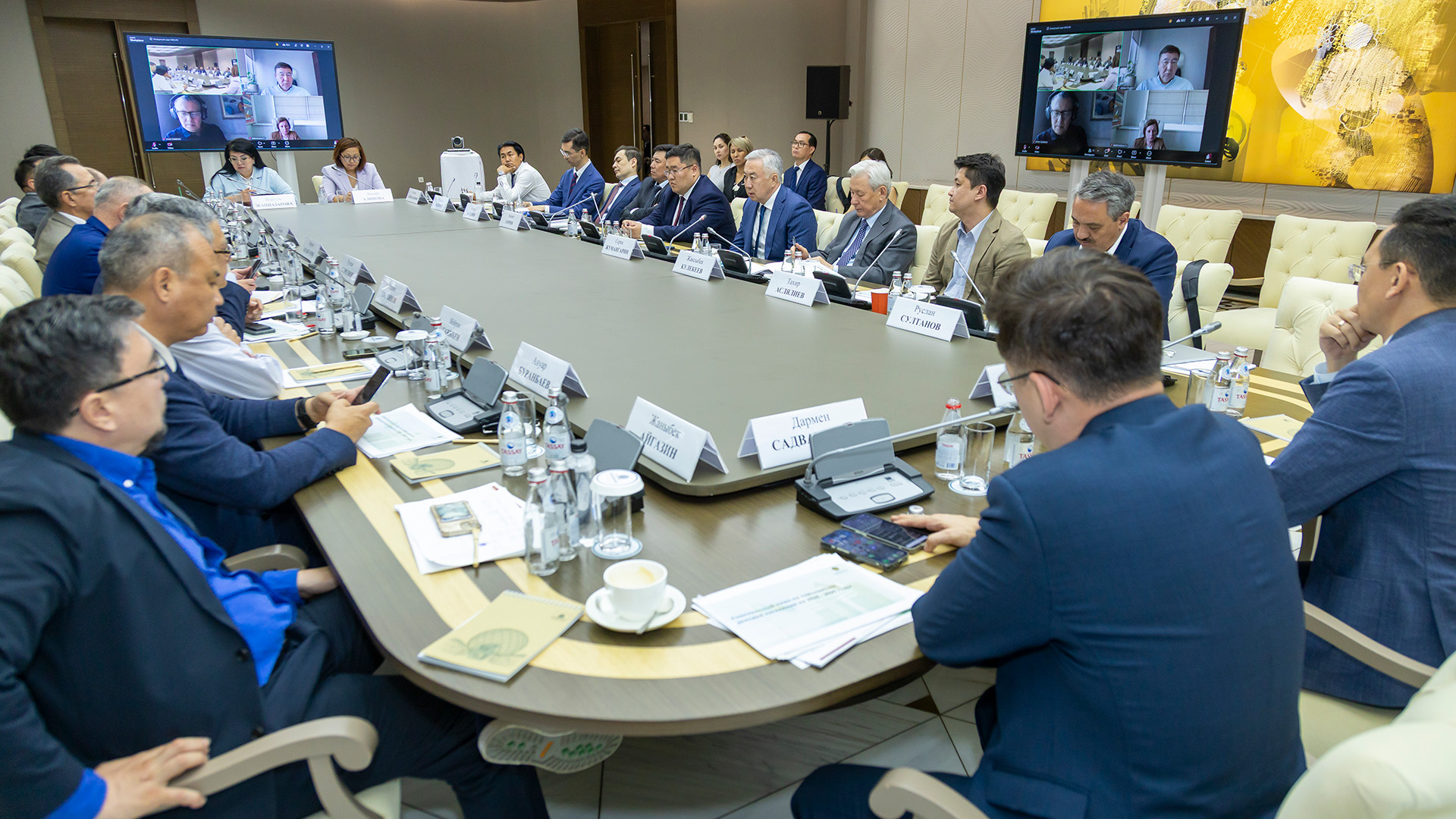
Главный канал доходов населения в Казахстане – рынок труда 30.06.2026
Около двух третей денежных доходов казахстанцев формируется за счет работы по найму. Такой вывод был озвучен на заседании Экспертного совета при Министерстве национальной экономики под председательством заместителя Премьер-министра – министра национальной экономики Серика Жумангарина. В работе совета приняли участие свыше 30 экспертов из различных секторов экономики и финансов. Экспертам был представлен анализ взаимосвязи экономического роста и реальных доходов населения, подготовленный Институтом экономических исследований, а также проект Комплексного плана повышения доходов населения на ближайшие четыре года. По данным Института экономических исследований, начиная с 2000 года отмечается положительная динамика роста реального ВВП, заработной платы и денежных доходов населения. В то же время именно доходы от работы по найму остаются основным источником благосостояния граждан. В 2025 году их доля составила около двух третей всех денежных доходов населения. Как отметил председатель правления Института экономических исследований Биржан Баткеев, проведенный анализ показывает, что повышение благосостояния граждан требует усиления ключевых каналов передачи экономического роста в доходы населения. В числе приоритетов – создание качественных рабочих мест, повышение производительности труда и рост заработной платы. Анализ также выявил существенные отраслевые и региональные различия. По ряду показателей, включая уровень заработной платы, в 2025 году среди отраслей-лидеров выделяются горнодобывающая промышленность, финансовая и страховая деятельность, информация и связь, а также обрабатывающая промышленность. Вместе с тем с точки зрения доходов населения особое значение имеют не только сектора-лидеры, но и то, насколько они создают устойчивые и качественные рабочие места, формируют цепочки добавленной стоимости и передают импульс другим секторам экономики. Поэтому приоритеты повышения доходов должны учитывать не только отраслевые темпы роста, но и масштаб занятости. Для роста благосостояния особенно важны сектора, где сочетаются высокая занятость и потенциал повышения производительности. Кроме того, на уровень благосостояния влияют доступность инфраструктуры, образования, здравоохранения, транспорта и других базовых услуг На основе результатов анализа Министерство национальной экономики разработало проект Комплексного плана повышения реальных доходов населения. Документ включает 58 мероприятий по шести направлениям: повышение заработной платы;создание качественных рабочих мест;развитие человеческого капитала и повышение занятости;снижение инфляции и рост реальных доходов;налоговые и социальные меры;снижение долговой нагрузки и повышение финансовой устойчивости населения. Проект плана представил участникам Экспертного совета первый вице-министр национальной экономики Азамат Амрин. В ходе обсуждения эксперты отметили, что на уровень доходов населения продолжают влиять внешние экономические факторы. По словам кандидата экономических наук, профессора Жаксыбека Кулекеева, существенное воздействие оказывают торговые противоречия в мировой экономике, геополитическая нестабильность, ограничения экспортной логистики и замедление экономической активности у ключевых торговых партнеров Казахстана. Эти факторы отражаются на экспортной выручке, доходах бюджета и общей экономической динамике страны. Своим опытом повышения производительности труда поделился директор ТОО «АВЗ» Марат Баккулов. «На моем заводе роботизация идет уже второй год. Благодаря этому производительность труда на одного сотрудника за последние два года практически удвоилась – с 27 млн до 50 млн тенге. Мы заменяем низкоквалифицированный труд высококвалифицированным: если раньше у нас работали обычные слесари, то теперь их место занимают инженеры. Соответственно растет и уровень заработной платы», — отметил Марат Баккулов. Член Совета директоров Teniz Capital Investment Banking Галим Хусаинов обратил внимание на необходимость повышения производительности труда и технологической модернизации экономики. «Доля фонда оплаты труда в структуре ВВП Казахстана составляет около 32%, тогда как в развитых странах этот показатель достигает 50–60%. Повышение заработной платы без роста производительности неизбежно ведет к инфляции. Поэтому необходимы развитие агломераций, внедрение искусственного интеллекта, технологическое перевооружение предприятий и расширение финансирования реального сектора экономики», — подчеркнул Галим Хусаинов. Подводя итоги заседания, Серик Жумангарин отметил, что все предложения экспертов будут внимательно рассмотрены и учтены в дальнейшей работе.«Сейчас мы находимся на этапе, когда вместе с новыми производствами в страну приходят современные технологии. Это создает возможности для подготовки специалистов нового уровня и освоения востребованных навыков. Вместе с экспертным сообществом мы начали большой разговор о том, что означает благосостояние в понимании каждого казахстанца и какие факторы реально влияют на рост доходов населения. Институт экономических исследований уже начал исследование на эту тему, и мы приглашаем вас делиться с нами своими исследованиями, предложениями, экспертным мнением. Очевидно, что ни одного бюджета не хватит, если решать эту задачу исключительно через повышение заработных плат. Необходим устойчивый экономический рост, развитие производств, повышение производительности труда и расширение возможностей для занятости. Поэтому мы рассчитываем на дальнейший диалог с экспертами и ждем новых предложений для обсуждения на следующих заседаниях Экспертного совета», — отметил Серик Жумангарин.Source : https://www.gov.kz/memleket/entities/economy/press/news/details/1237715?lang=ru
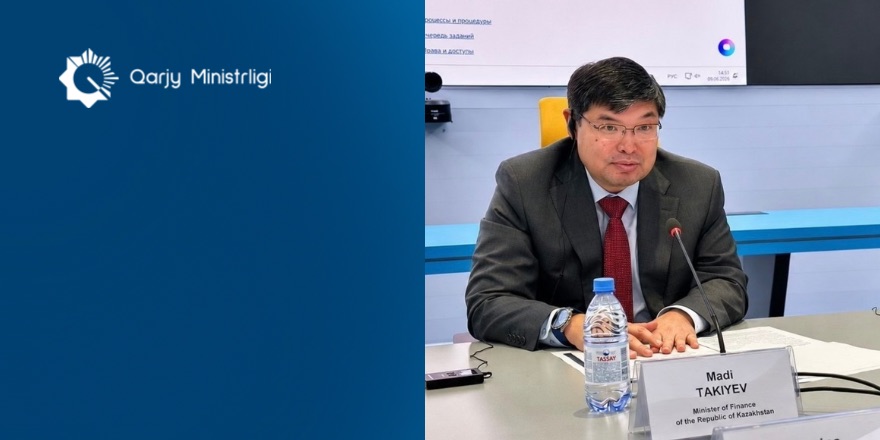
Madi Takiyev held a meeting with the new Head of the IMF Mission to Kazakhstan 30.06.2026
Astana, Ministry of Finance of the Republic of Kazakhstan, June 9, 2026. Minister of Finance of the Republic of Kazakhstan Madi Takiyev held a meeting with the new Head of the International Monetary Fund (IMF) Mission to Kazakhstan, Amina Lahreche, Senior Economist Dyna Heng and other experts.Madi Takiyev expressed his appreciation for the IMF’s regular missions conducted under Article IV Consultations, as well as for its targeted consultations and technical assistance.The meeting took place at the Digital Government Support Center and focused on discussing key issues of the country’s socio-economic development, the current execution of public finances, and further strengthening cooperation between Kazakhstan and the International Monetary Fund.During the meeting, Vice Minister of Finance of the Republic of Kazakhstan Asset Turysov delivered a presentation on the initiatives being implemented in the country to advance the digital transformation of public administration and the digitalization of budget processes. Particular attention was paid to the introduction of modern digital solutions in public finance management and the development of analytical tools to support decision-making.The Head of the IMF Mission noted Kazakhstan’s achievements in the digital transformation of the public sector and public financial management.At the conclusion of the meeting, the parties reaffirmed their commitment to continued cooperation and exchange of experience in order to promote sustainable economic growth and enhance the effectiveness of public administration.Source : https://www.gov.kz/memleket/entities/minfin/press/news/details/1237693?lang=ru
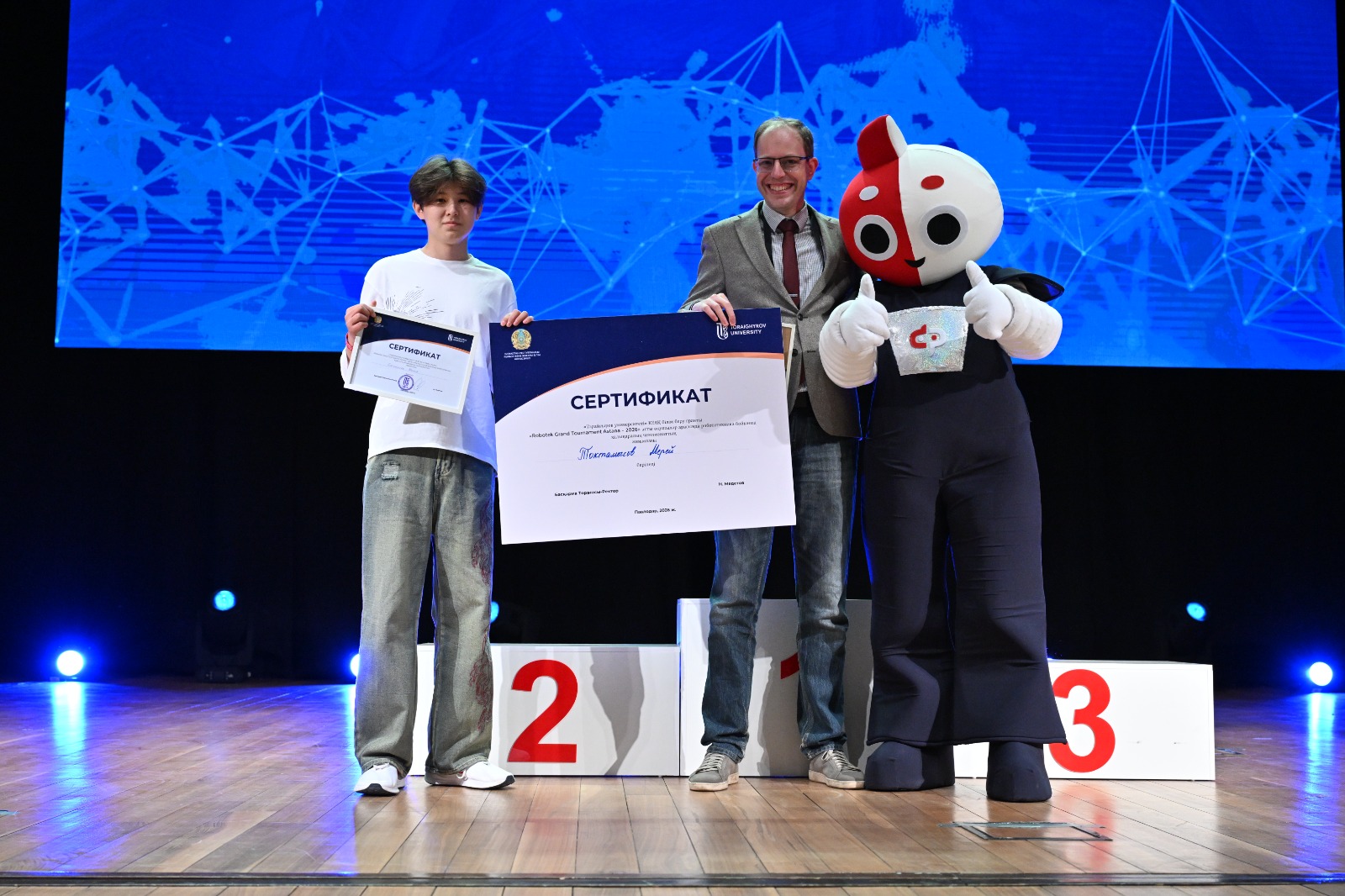
Results of the republican robotics tournament Grand Tournament Astana 2026 30.06.2026
In May 2026, the implementation of the RoboBastau project concluded in schools of the East Kazakhstan Region. The project was organized by the East Kazakhstan Regional Scientific and Methodological Center for Informatization and Education Development "Örken" of the Education Department of the East Kazakhstan Region, in collaboration with the "Robotek" robotics school, with the support of the "Kazzinc" company. The project aimed to develop engineering and technical competencies among students and popularize robotics among schoolchildren in the region.As a result of the project, the East Kazakhstan Region was represented by 10 teams at the international final of the Robotek Grand Tournament Astana 2026, of which 3 teams were participants of the RoboBastau project. This was the largest representation among all regions of the country.Special mention should be made of a member of the East Kazakhstan Region team - Merey Toktamysov, a participant in the robotics club of the R. Marsekov Secondary School in the Ulan District. Based on his performance at the championship, he received an educational grant to study a technical specialty at the Toraygyrov University Non-Commercial Joint-Stock Company (Pavlodar city).Source : https://www.gov.kz/memleket/entities/vko-bilim/press/news/details/1229539?lang=ru
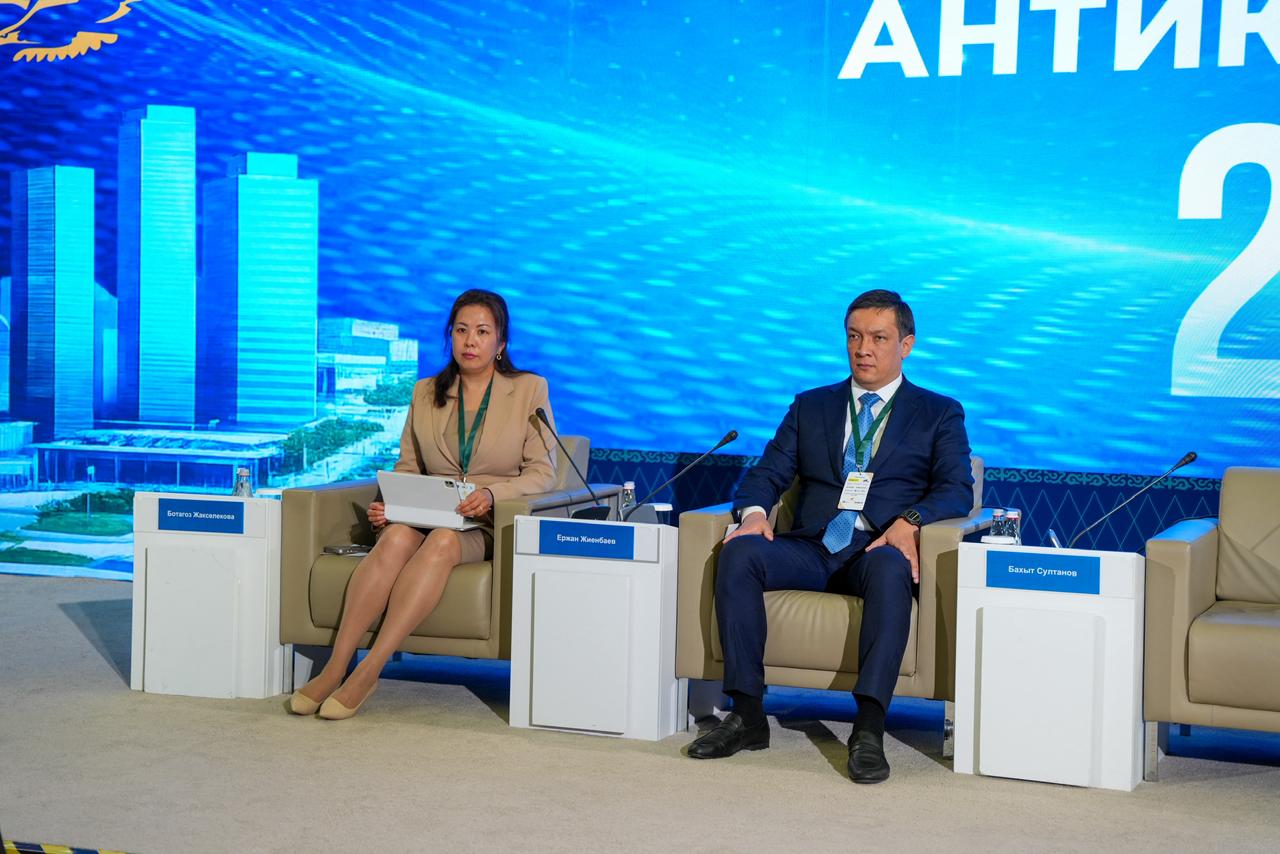
XIV International Forum «Anti-Counterfeit-2026» held in Astana on 28 May 2026 30.06.2026
On 28 May 2026, the XIV International Forum «Anti-Counterfeit-2026» was held in Astana within the framework of the Eurasian Economic Forum. The Forum was organized by the Ministry of Justice of the Republic of Kazakhstan with the support of the Eurasian Economic Commission.The Forum became one of the largest international platforms in the Eurasian region dedicated to combating the illicit trafficking of counterfeit products, protecting intellectual property rights, developing digital control mechanisms and strengthening fair competition.The Forum's distinguished guests included Assistant to the President of the Republic of Kazakhstan on Legal Affairs Yerzhan Zhiyenbayev, Minister of Justice of the Republic of Kazakhstan Yerlan Sarsembayev, Member of the Board (Minister) for Economy and Financial Policy of the Eurasian Economic Commission Bakhyt Sultanov and President of the Eurasian Patent Office of the Eurasian Patent Organization Grigory Ivliev.Opening the plenary session, the participants emphasized that, amid the rapid development of the digital economy and cross-border e-commerce, combating counterfeit products has become increasingly relevant. According to international organizations, the global trade in counterfeit goods amounts to approximately USD 467 billion, while in the EAEU countries alone more than 6.6 million units of counterfeit products were identified in 2024.In his speech, Minister of Justice of the Republic of Kazakhstan Yerlan Sarsembayev stressed that intellectual property is now regarded not only as a legal institution, but also as a strategic resource for the development of the knowledge economy, innovation and digital technologies. Particular attention was drawn to the fact that the new version of the Constitution of the Republic of Kazakhstan for the first time explicitly establishes that intellectual property shall be protected by law.The Minister also emphasized that digitalization simultaneously creates new opportunities and poses new challenges, as counterfeit products are increasingly distributed through online platforms, marketplaces and cross-border e-commerce channels. In this regard, particular importance is attached to the introduction of digital services, the development of product traceability mechanisms and the use of artificial intelligence technologies in the protection of intellectual property rights.The Forum programme included a plenary session and 10 thematic sessions devoted to the digitalization of the intellectual property sphere, the development of product labeling systems in the EAEU countries, consumer protection in e-commerce, legalization of commodity markets, technical regulation, youth initiatives in combating counterfeiting as well as the application of artificial intelligence and modern digital technologies.Special attention was paid to issues related to building a transparent digital economy, strengthening international cooperation, increasing the accountability of online platforms and developing coordinated approaches among the EAEU member states to combat the illicit trafficking of counterfeit goods.The International Forum «Anti-Counterfeit-2026» brought together representatives of government authorities, law enforcement and customs agencies, international organizations, patent offices, business communities and expert circles from the EAEU member states. More than 1,000 participants registered for the Forum.The Forum will conclude with a final session during which recommendations will be adopted. Source : https://www.gov.kz/memleket/entities/adilet/press/news/details/1229553?lang=ru
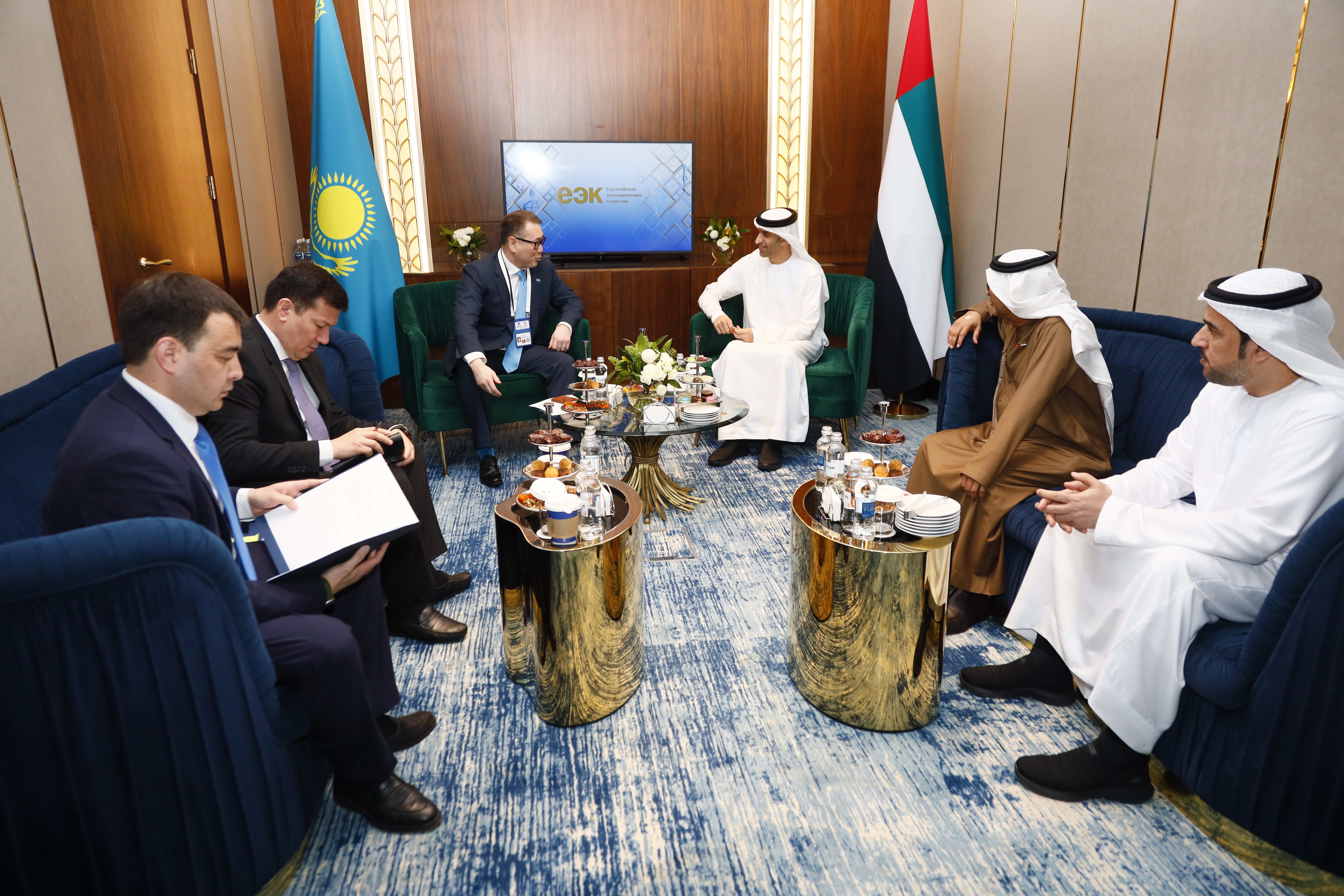
Kazakhstan and the UAE are strengthening their strategic trade and investment partnership 30.06.2026
Minister of Trade and Integration of the Republic of Kazakhstan Arman Abayevich Shakkaliyev held a meeting with the Minister of Foreign Trade of the United Arab Emirates, Dr. Thani bin Ahmed Al Zeyoudi, who arrived at the head of an official UAE delegation to participate in the meeting of the Supreme Eurasian Economic Council and the Eurasian Economic Forum.During the negotiations, the parties discussed prospects for the further development of trade, economic, and investment cooperation, as well as the implementation of bilateral agreements and joint initiatives aimed at expanding business ties between Kazakhstan and the UAE.It was noted that the partnership between the two countries demonstrates stable positive dynamics. Mutual trade indicators are consistently growing, investment interaction is expanding, and the number of joint projects in strategically important sectors of the economy is increasing.Special attention was paid to the implementation of investment projects in the fields of logistics, trade, agro-industrial complex, financial infrastructure, and modern technologies. It was emphasized that the United Arab Emirates is one of Kazakhstan's key economic partners in the Middle East.The parties separately noted that by the end of 2025, the UAE entered the top 4 largest international investors in Kazakhstan, with FDI volume amounting to $1.6 billion. A significant portion of Emirati investments is directed towards projects related to the development of transport and logistics infrastructure, trade, urban environment, etc. Meanwhile, trade turnover between the countries showed a year-on-year growth of 5%.According to the results of January-March 2026, trade turnover between Kazakhstan and the UAE amounted to $45.8 million. At the same time, Kazakhstan's exports to the UAE increased by 42.1%.The Kazakh side presented the investment potential of the Alatau City project, emphasizing its role as one of the promising international centers for economic growth, innovation, and attraction of global business to the region.Prospects for cooperation in the agro-industrial sector were also considered, including the development of food infrastructure, processing of agricultural products, and the introduction of modern technologies in the field of food security.The parties paid separate attention to the interaction between JSC "Export Credit Insurance Corporation of Kazakhstan" and UAE financial institutions, including issues of Islamic financing, support for investment projects, and exchange of experience in export, financial, and trade regulation.The Emirati side, in turn, expressed interest in developing joint initiatives in the fields of microfinance, insurance, and forming investment portfolios. Readiness was noted to expand investment presence in Kazakhstan, including through mechanisms to support small and medium-sized businesses, as well as the introduction of modern financial instruments.Following the meeting, the parties confirmed their mutual interest in further deepening the strategic partnership, expanding trade and economic ties, and implementing new joint investment projects between Kazakhstan and the United Arab Emirates.Source : https://www.gov.kz/memleket/entities/mti/press/news/details/1229557?lang=ru

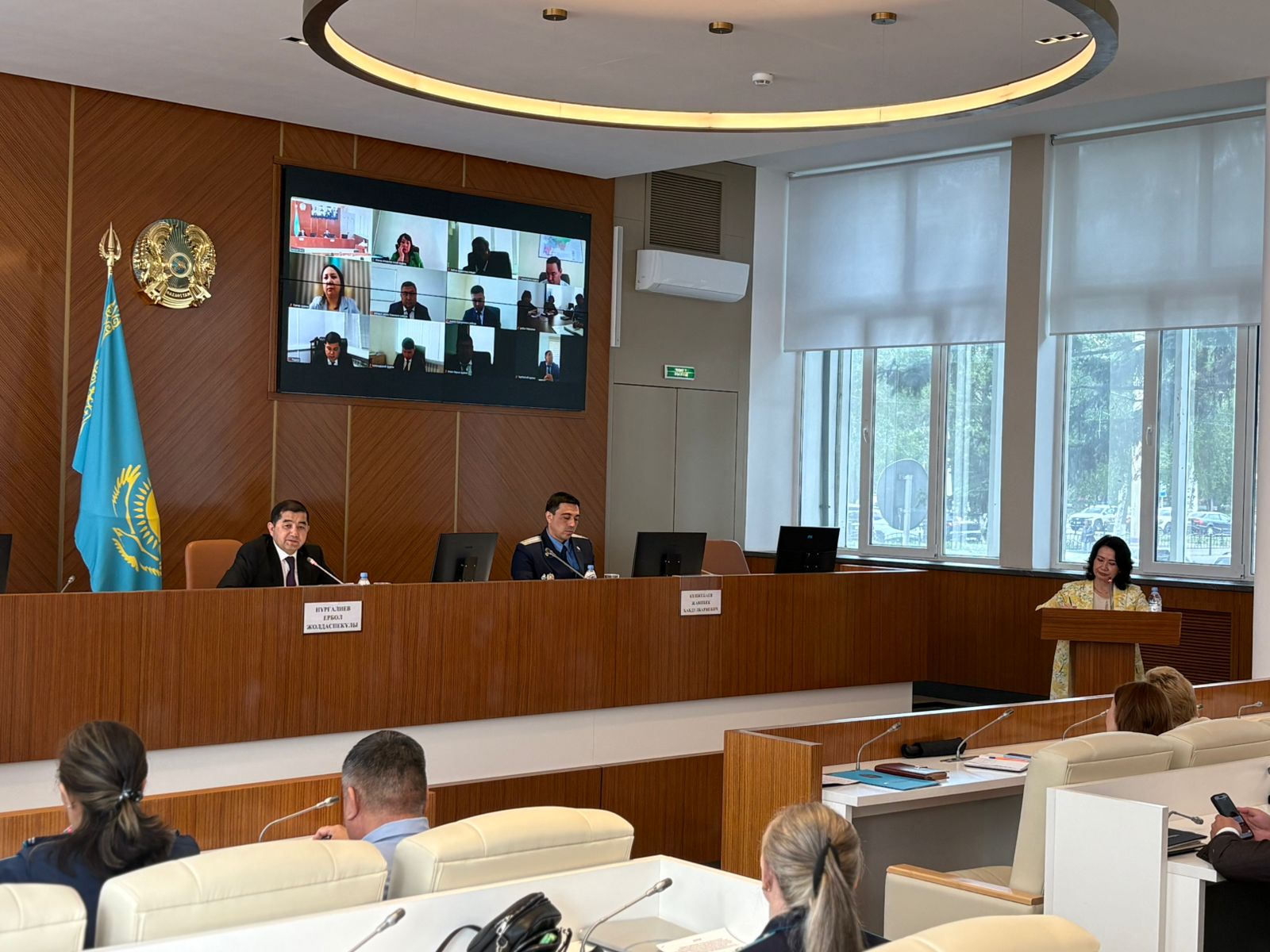
A meeting of the regional commission on juvenile affairs and protection of their rights was held under the chairmanship of Deputy Akim of the East Kazakhstan region Nurgaliev E.Zh. 30.06.2026
On May 28, 2026, a meeting of the regional commission on juvenile affairs and the protection of their rights was held under the chairmanship of the Deputy Akim of the East Kazakhstan Region, Y.Zh. Nurgaliyev.The commission's work was attended by representatives of law enforcement agencies, local executive bodies, the Chairman of the Public Council of the East Kazakhstan Region, as well as a deputy of the East Kazakhstan Regional Maslikhat — a member of the "Amanat" party faction.The meeting considered issues of organizing recreation, health improvement, and employment of minors during the summer holidays, the prevention of road traffic injuries, as well as the prevention of offenses among college students.Furthermore, the Department of the Committee on Legal Statistics and Special Records of the General Prosecutor's Office of the Republic of Kazakhstan for the East Kazakhstan Region presented an analysis of suicidal behavior among minors. Special attention was paid to the early identification of risk factors, strengthening psychological support for adolescents, and improving preventive work in educational institutions and families.Following the meeting, relevant instructions were given to state bodies aimed at improving the effectiveness of interdepartmental cooperation, strengthening preventive measures, and ensuring the protection of the rights and legitimate interests of minors.Source : https://www.gov.kz/memleket/entities/vko-bilim/press/news/details/1229565?lang=ru
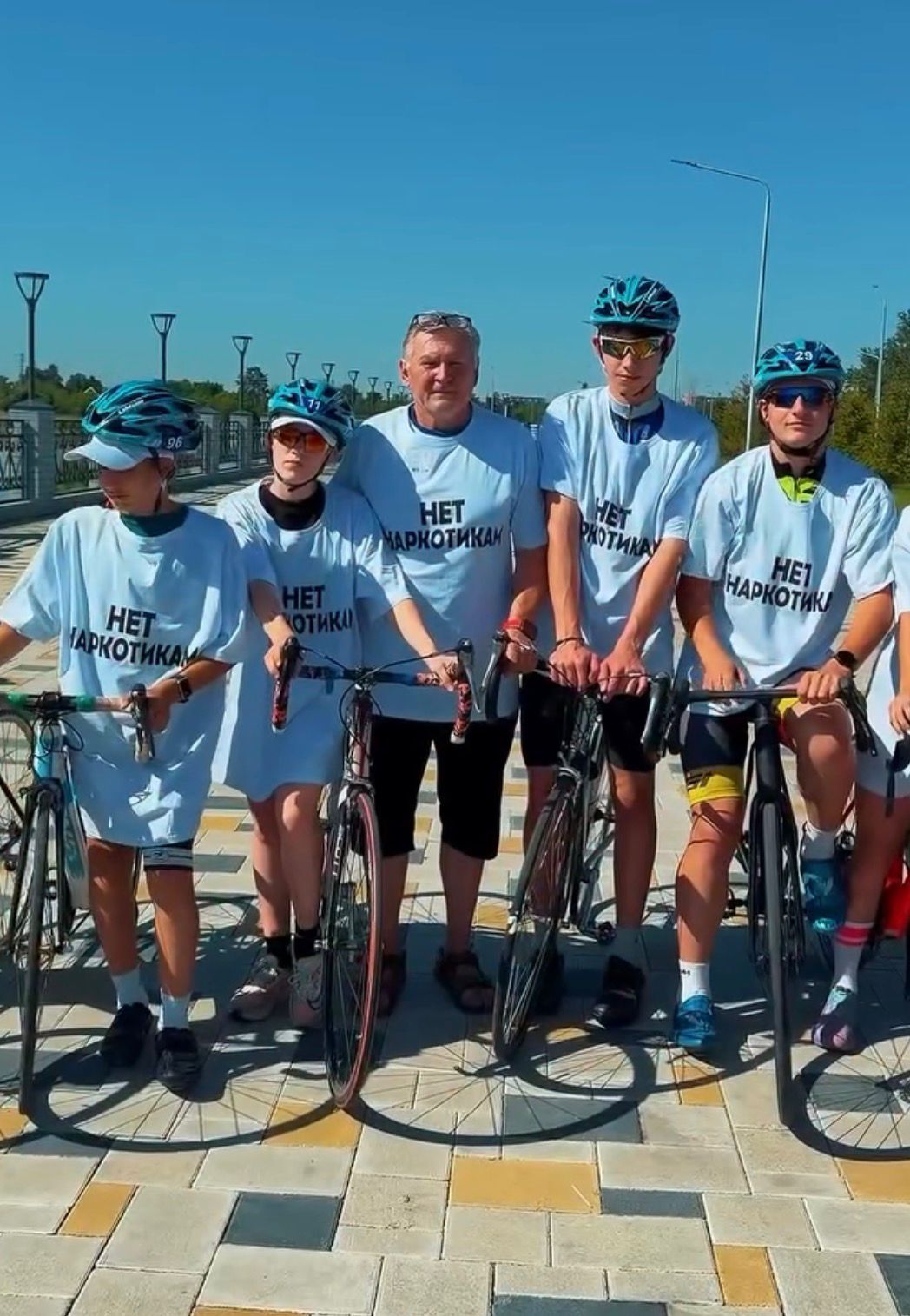
TO SPORTS-YES! TO DRUGS-NO! 30.06.2026
The streets of our city are filled with a special energy of a healthy lifestyle, speed and unity! A large-scale Bike Marathon "Sports against drugs" was held, which brought together people who chose a conscious and active future.The event was attended by about 300 participants, who once again proved that our society supports a healthy lifestyle. In this important initiative, the athletes of the “school of higher sports skills” showed special activity and demonstrated their skills.Our pupils have once again clearly proved that sports are the most effective alternative against any harmful habit. Because sport is character, discipline, perseverance and constant desire to move forward.Our main principle is that sport begins with freedom, effort and healthy consciousness. While drugs temporarily fog up human life, sport opens up new opportunities and gives real strength.We choose a healthy generation, a strong nation and a bright future in which every finish will become a new victory!We invite everyone to choose sports, appreciate life and become an example for others!Source : https://www.gov.kz/memleket/entities/kostanai-kalasy-akimat/press/news/details/1229597?lang=ru
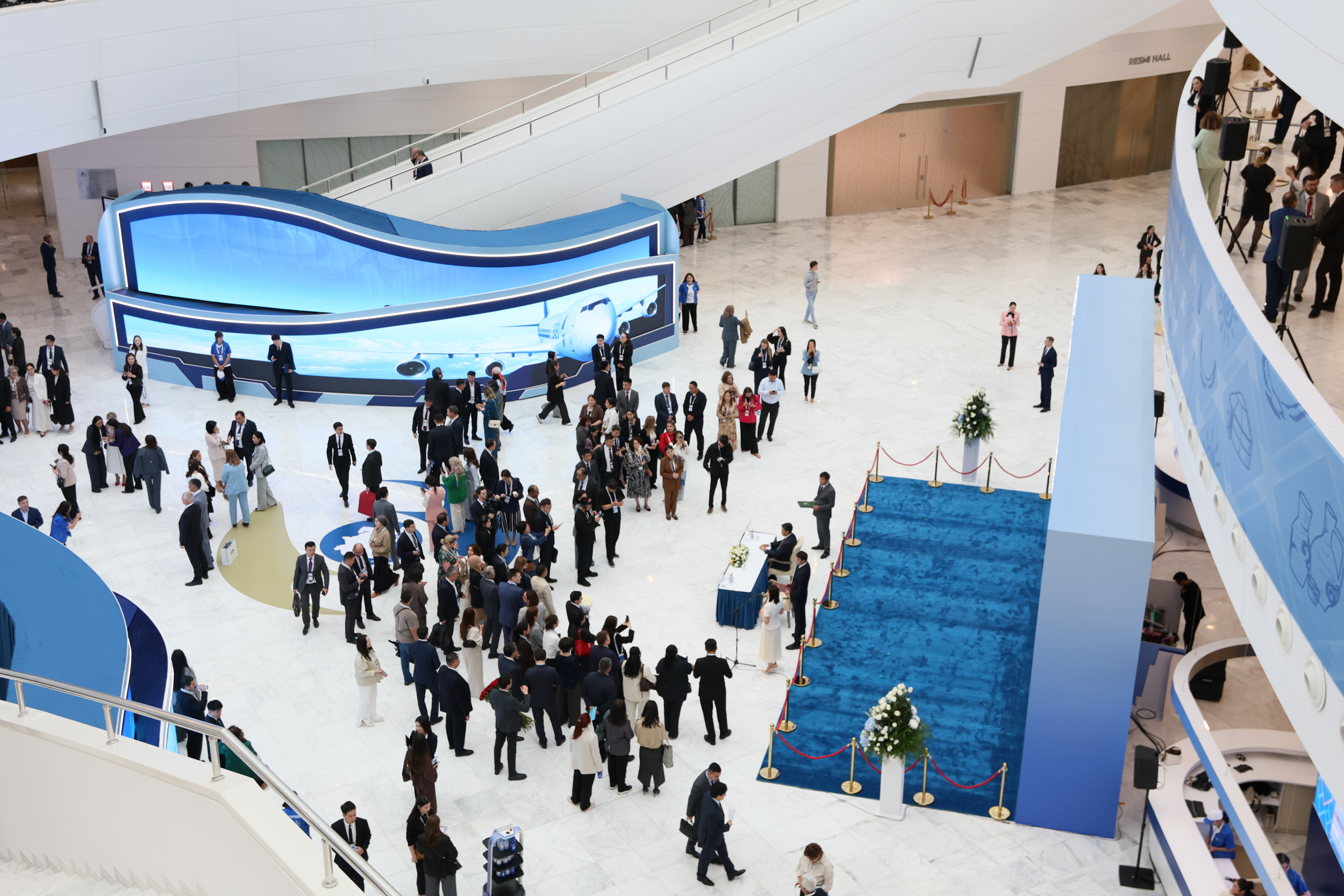
Kazakhstan Showcases Its AI Ecosystem and Supercomputers at the Astana Forum 30.06.2026
On 28 May 2026, as part of the Eurasian Economic Forum in Astana, a panel session titled "Artificial Intelligence and the New Paradigm of Competition: A Threat or a Driver of Growth for Cross-Border EAEU Markets?" was held, organised jointly by the Eurasian Economic Commission and the Ministry of Artificial Intelligence and Digital Development of the Republic of Kazakhstan.Session participants discussed the impact of artificial intelligence on market transformation, the development of digital ecosystems, and the evolving approaches to antitrust regulation in the context of the new digital economy.Today, AI is reshaping not only business models but the very logic of competition. Algorithms enable companies to analyse markets faster, optimise processes, forecast demand, and scale services. At the same time, new challenges are emerging: closed digital ecosystems, algorithmic pricing, data concentration, and the risk of restricted competition.During the session, it was noted that Kazakhstan is systematically building a comprehensive national AI ecosystem- spanning digital infrastructure and computing capacity through to workforce development, legislative frameworks, and international cooperation.Kazakhstan currently holds a leading position in Central Asia in terms of digital development and AI readiness. In 2025, the country ranked 58th out of 195 states in the Global AI Readiness Index, and also emerged as a world leader in e-government development, placing 24th in the UN E-Government Development Index and 10th in the UN Online Services Index.The cornerstone of Kazakhstan's AI integration efforts is the state platform Smart Data Ukimet, which enables centralised and secure integration of government data. Through this platform, Kazakhstan is transitioning from standalone digital services to building a data-driven state and embedding AI systematically into public administration.Significant importance is attached to establishing a modern regulatory environment. The new Law of the Republic of Kazakhstan on Artificial Intelligence is designed to create clear and transparent rules for the sector's development, ensure the protection of citizens' rights, and provide a predictable environment for developers and international investors alike.To safeguard its digital sovereignty, Kazakhstan is actively developing its own computing infrastructure. The country already operates two high-performance supercomputer clusters built on the latest NVIDIA H200 chips.The alem.cloud cluster, oriented towards the public sector, universities, and startups, has become the largest supercomputer cluster in the region and has been listed in the global TOP500 ranking. The second cluster- AI-Farabi, launched by Kazakhtelecom - is aimed at the corporate sector, the banking industry, and export markets. Its performance exceeds 103 PFLOPS, which has also secured its place in the global TOP500 ranking.Human capital development remains one of Kazakhstan's foremost priorities. The country is implementing the AI Movement initiative, aimed at equipping the general population with foundational AI skills. Operating out of Astana Hub is Tomorrow School - Kazakhstan's first artificial intelligence school - while universities are advancing the AI Sana programme, designed to build AI competencies and an entrepreneurial mindset among students.Participants also examined international experience in AI regulation, emerging forms of potential anticompetitive practices, the need for algorithmic transparency, and the development of competencies within antitrust authorities to conduct independent audits of AI systems.The parties further discussed how to strike the right balance between protecting competition and consumer rights while stimulating innovation and investment in AI, without compromising the technological sovereignty and security of states.Participants emphasised that artificial intelligence remains a powerful driver of economic growth, productivity gains, and the development of cross-border digital markets.Kazakhstan reaffirms its commitment to active international cooperation in the field of artificial intelligence and advocates for the development of AI on the principles of trust, transparency, safety, and shared progress.Today, Kazakhstan positions itself as a regional hub for AI innovation and a reliable partner for the global technology community.Source : https://www.gov.kz/memleket/entities/maidd/press/news/details/1229607?lang=ru

A concert program will be held on May 30 at 6:00 PM in the central square to mark the 20th anniversary of the 2006 Kegen village alumni reunion. 30.06.2026
Source : https://www.gov.kz/memleket/entities/kegen-kegen/press/news/details/1229615?lang=ru
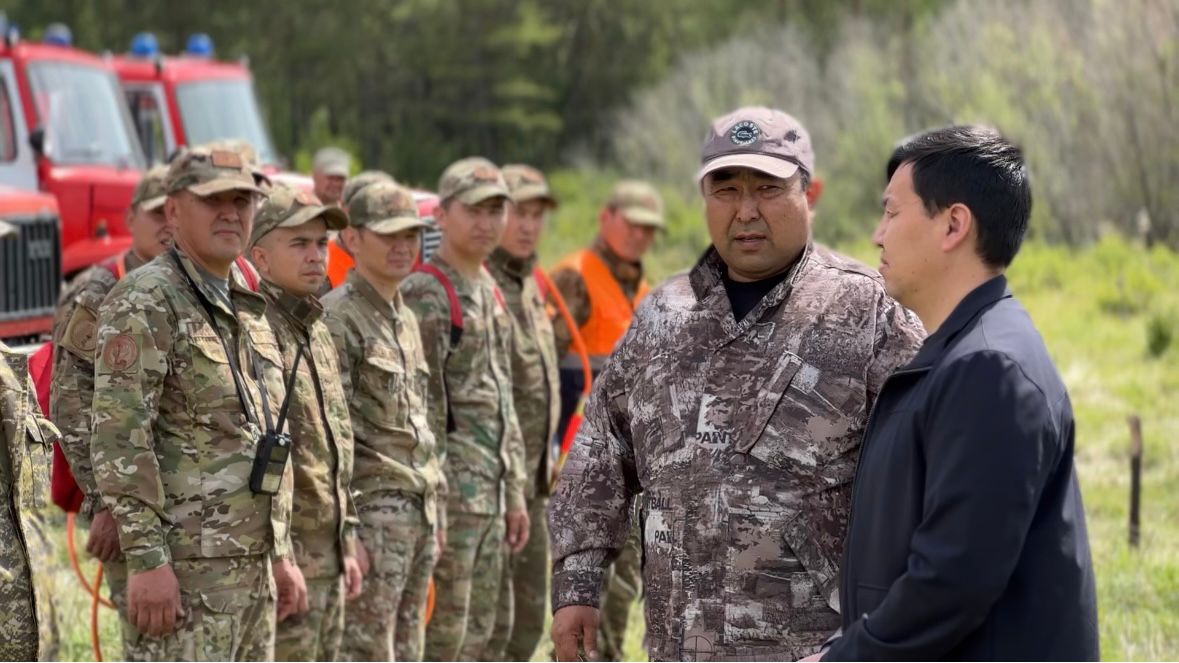
The republican command and staff exercise "Ort-2026" was held in the Samara region 30.06.2026
On May 28–29, 2026, the republican command and staff exercise "Ort-2026" was held in the Kaindinsky Forestry District of the Samara District.The event was attended by personnel from the Samara District Emergency Situations Department, law enforcement agencies, personnel from Fire Station No. 32, representatives from the Samara Forestry State Institution, rural district akims, and the district's civil defense services.The exercise focused on preparing governing bodies, forces, and resources of the state civil defense system to prevent and respond to emergencies during the fire season.During the exercise, forest and steppe fire suppression procedures, interdepartmental interactions, information exchange, and radio communications were practiced. The readiness of firefighting teams for rapid response was tested.Particular attention was paid to the organization of the fire suppression headquarters, on-site communications, the establishment of water intake points, the use of counter-burning, and the exploration of water sources. Practical training was also conducted on the use of firefighting equipment and firetruck equipment.Furthermore, as part of the exercise, a competition was held between staff from Fire Station No. 32 in the village of Samarskoye, employees of the Samara Forestry State Institution, and representatives of local government agencies. The event was aimed at improving professional skills and teamwork in extinguishing wildfires.Source : https://www.gov.kz/memleket/entities/vko-samar/press/news/details/1229617?lang=ru
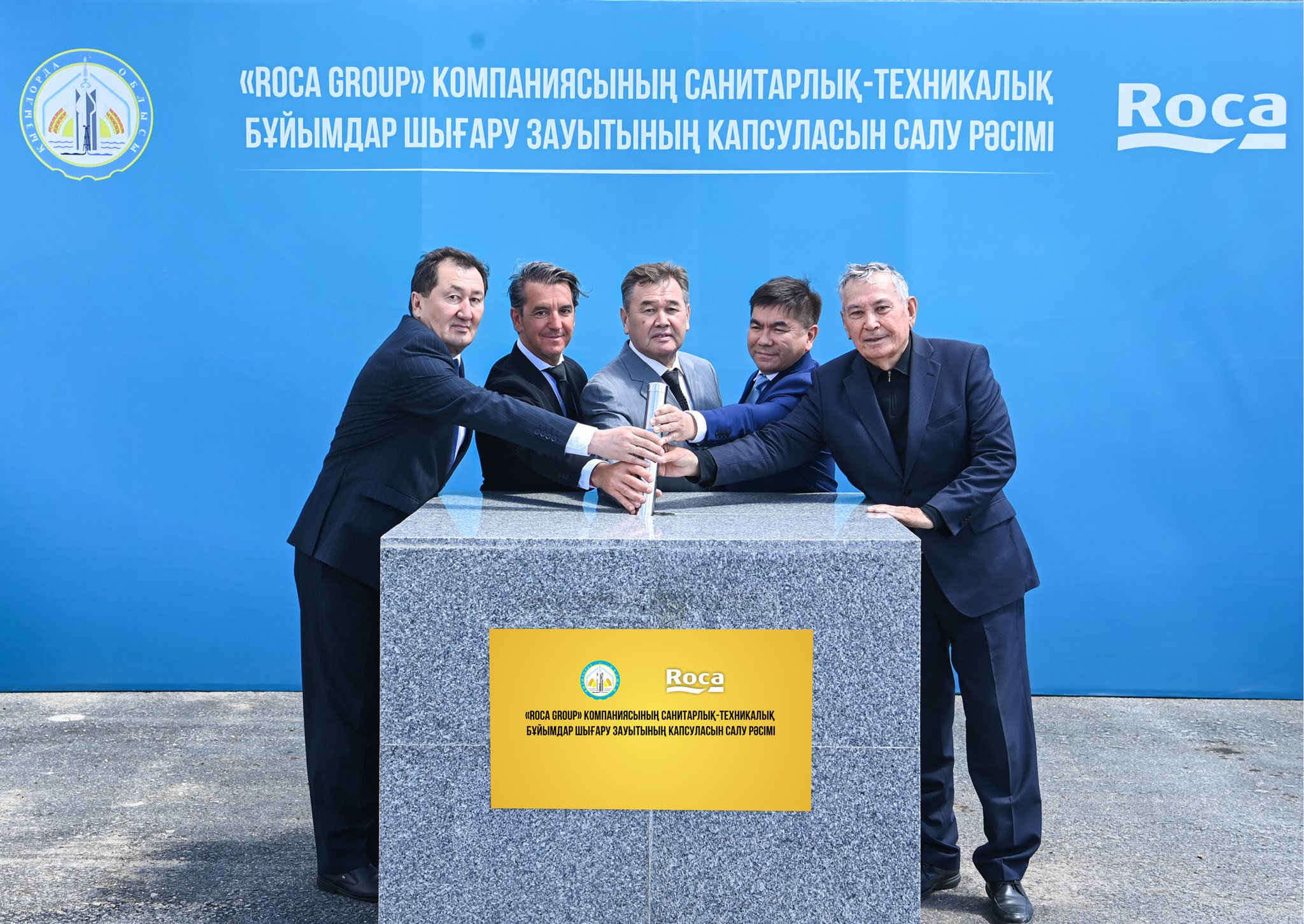
The foundation of the Spanish Roca Group plant was laid in Kyzylorda 30.06.2026
The foundation has been laid for a sanitary equipment plant of the world-renowned Spanish company "Roca Group" in Kyzylorda. The event was attended by the region's Akim Murat Ergeshbayev, the General Director of "Roca Group" Daniel Jurado Hernandez, the Trade and Economic Counselor of the Embassy of Spain Jesus Vidal Borrella, heads of law enforcement agencies, directors of construction companies, representatives of the intelligentsia, and elders."Roca Group" is one of the world leaders in the production of sanitary equipment with over a century of history. The company operates 78 production sites worldwide, employing over 20,000 people. Its products are exported to more than 170 countries.At the ceremony, the region's Akim, referring to the instruction of the Head of State Kassym-Jomart Tokayev on attracting investments and developing modern production, noted that a favorable investment climate has been formed in the region."The Head of State said that 'New investments should, first of all, be directed towards forming the foundation of a modern industry in our country.' In recent years, the investment potential of our region has been growing, and major projects are being successfully implemented. Over 2.3 trillion tenge in investments have been attracted to the region's economy. In the next three years, it is planned to implement 48 investment projects worth 1.9 trillion tenge. As a result, more than 10,000 new jobs will be created.Today we are witnessing the capsule-laying ceremony for a high-tech production facility that is important for our country. I express gratitude to the Spanish company 'Roca Group' for implementing such a large-scale project in the Kyzylorda region. This initiative will give a new impetus to the region's economy, increase export potential, and create new jobs. We are always ready for open and trusting dialogue and effective work with domestic and foreign investors",- said Murat Nalkhozhauly. At the gathering, the region's Prosecutor Rizabek Ozharov and the General Director of the "Roca Group" partnership Daniel Jurado Hernandez spoke, and elder Ibrahim Abibullayev gave his blessing.It should be noted that the project is being implemented with the support of JSC "NAC 'KAZAKH INVEST'".The agreement on the construction of the "Roca Group" plant in the Kyzylorda region was reached during the tenure of Nurlybek Nalibayev as the region's head, and the relevant documents were signed at the Government level.This is the first production facility in Kazakhstan manufacturing sanitary products that meet international environmental safety standards.A land plot of 24 hectares has been allocated for the plant, with an investment of 44.1 billion tenge. The annual production capacity will reach up to 500,000 items. The produced goods will be supplied to the domestic market of Kazakhstan and exported to Central Asian countries. Furthermore, about 300 permanent jobs will be created, with provisions for training local specialists and improving their qualifications. The company plans to launch production for assembling faucets and installation systems by the end of the year. Showrooms showcasing the company's products will open in the cities of Astana and Almaty in June.Source : https://www.gov.kz/memleket/entities/kyzylorda/press/news/details/1229663?lang=ru
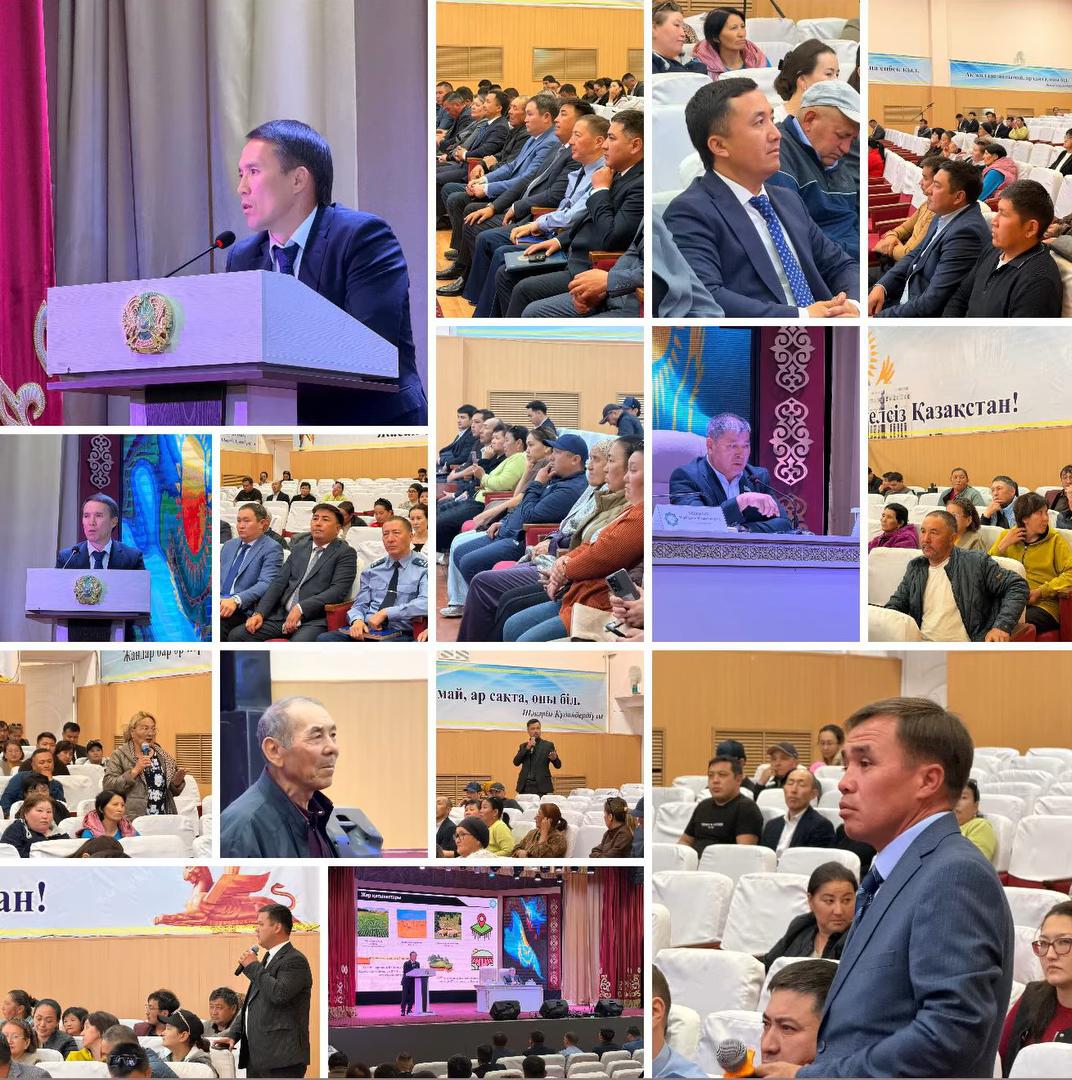
District Akim Meets with Residents of Kegen Village 30.06.2026
District Akim Nurbakhyt Moldakhmetovich held a report meeting with residents of Kegen village. During the meeting, the district head highlighted a number of important initiatives implemented for the benefit of the country and outlined the main areas of work to be carried out in the future.Source : https://www.gov.kz/memleket/entities/kegen-kegen/press/news/details/1229678?lang=ru
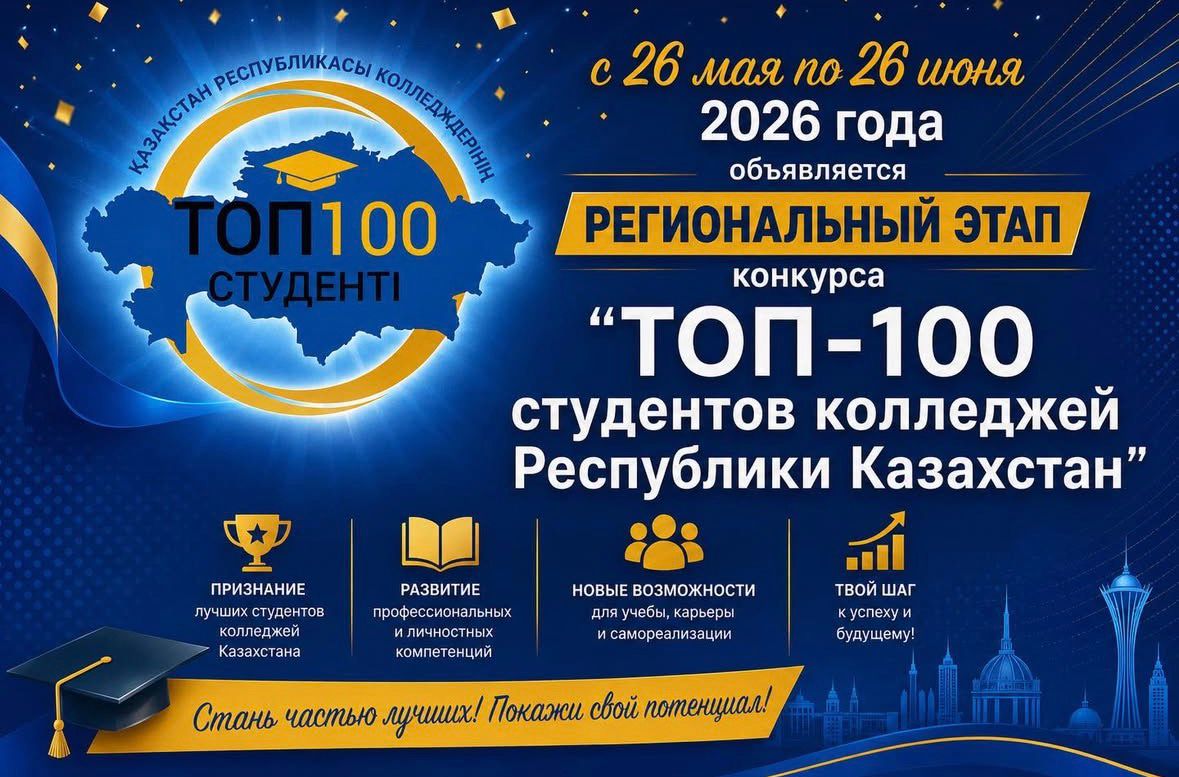
State Institution "Department of Education of East Kazakhstan Region" announces the beginning of the regional stage of the competition "TOP 100 college students of the Republic of Kazakhstan" 30.06.2026
In accordance with the Order of the Minister of Education and Science of the Republic of Kazakhstan dated December 7, 2011 No. 514 "On approval of the List of national and international Olympiads and competitions of scientific projects (scientific competitions) in general education subjects, competitions of performers, competitions of professional skills and sports competitions", the Department of Education of East Kazakhstan Region announces the beginning of the regional stage of the competitionTOP 100 college students of the Republic of Kazakhstan". To participate in the regional stage, you must provide:- Motivation letter "Enbekpen biikke zhet", in which the participant presents ideas for the development of the chosen profession, taking into account the ideological values of the Unified Education Program "Adal Azamat", "Zane tartin" and the ideology of the movement "Taza Kazakhstan", as well as increasing the prestige of working professions (no more than 350 words);- A video posted on a social network (on the personal accounts of the participant or supervisor, or on the official accounts of the college), in which the participant demonstrates his commitment to his chosen profession and college, shows the application of professional skills, as well as his contribution to the socio-economic development of the region and the country (no more than 2 minutes, with a link to the video);- A presentation of their own project on their chosen profession, in which the participant presents himself as a future specialist and demonstrates the use of digital technologies and the active introduction of artificial intelligence technologies (no more than 7 slides).From each TiPPO organization, no more than 3 (three) candidates of students who won the first (internal) stage are sent to the regional stage of the competition.The TiPPO organizations will provide the tender documentation for participation in the regional stage from May 26 to June 26, 2026 to the following email address: prof_vko@eduvko.kz , vrvkgk@mail.ru .The results of the regional stage of the competition will be announced on June 26, 2026.@talap.edu.kz #Youth of Kazakhstan#StudentyVKO#TOP100#2026Source : https://www.gov.kz/memleket/entities/vko-bilim/press/news/details/1229733?lang=ru
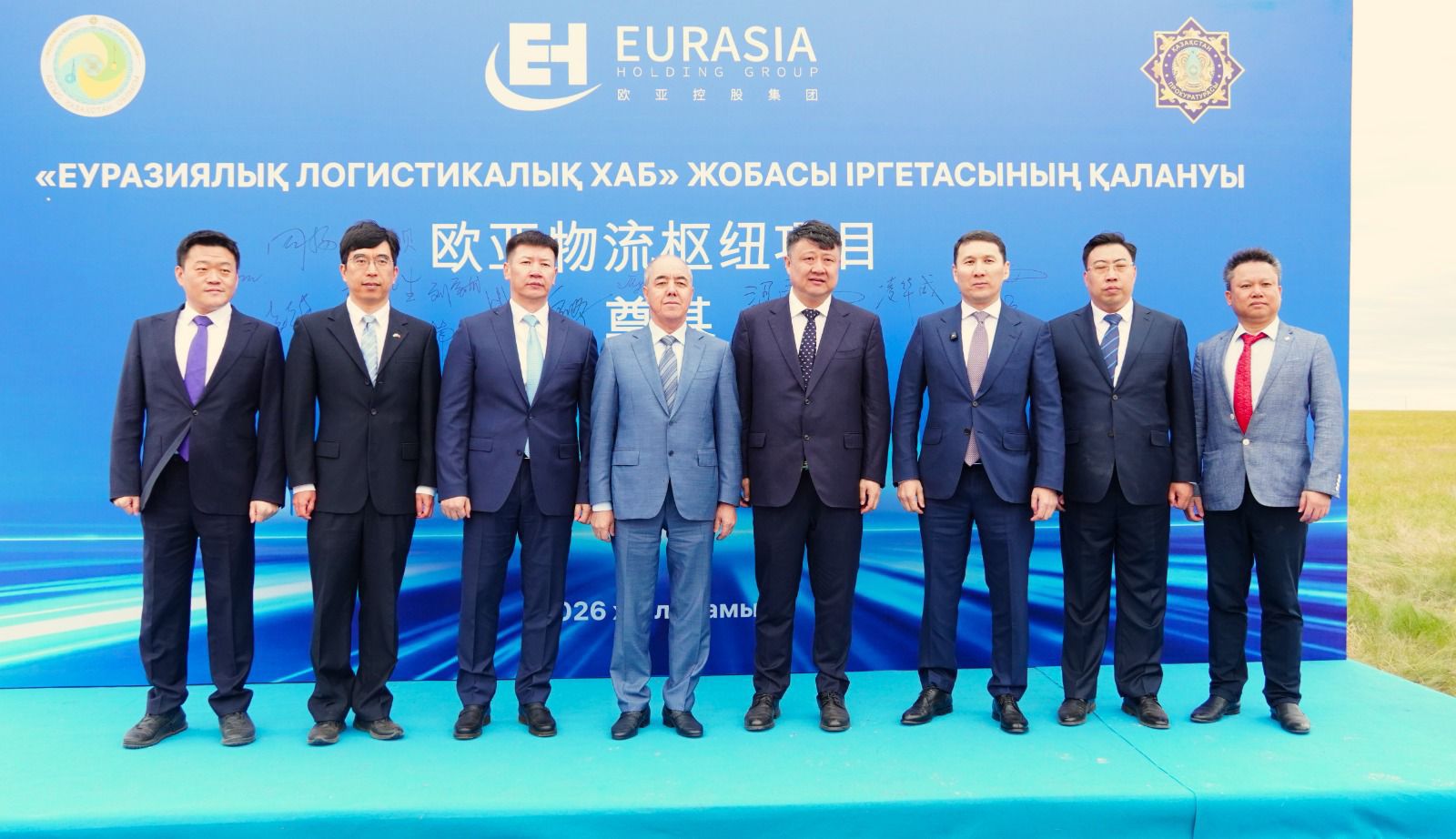
Construction of the Eurasian Industrial and Logistics Hub Begins in Uralsk 30.06.2026
With the support of JSC “NC “KAZAKH INVEST”, a groundbreaking ceremony for the Eurasian Industrial and Logistics Hub was held in the West Kazakhstan Region. The project is being initiated by Jinone Excellence Investment LLP, a subsidiary of Eurasia Holding Group. The project will be implemented on a 20-hectare site in Uralsk. The total investment volume amounts to $130 million. The complex will include a steel structures plant with an annual production capacity of up to 30,000 tons, a construction formwork manufacturing facility capable of producing up to 60,000 units per year, and a cable plant with an annual capacity of up to 250,000 coils of BV-type cable. The facility is scheduled to be commissioned by the end of 2026. The project is expected to create 510 permanent jobs. A key component of the hub will be an open-type Class A customs warehouse designed for the storage and processing of third-party cargo, including shipments from Chinese e-commerce companies, Russian traders, and European consignors. This format will enhance logistics efficiency and contribute to the development of international trade in the region. “In our view, this project is highly important and essential for the region. It has significant potential. This is only the beginning – we intend to continue implementing new initiatives and projects here in the future. We are confident that the hub will provide additional momentum for the development of transit, trade, industry, and logistics. Today, more than 9,000 Chinese companies operate in Kazakhstan, and over 250 joint projects are currently being implemented,” said Sultangali Kinzhakulov, Chairman of the Management Board of JSC “NC “KAZAKH INVEST”. The project aims to establish a key holding platform for the Eurasian industrial synergy corridor connecting China, Central Asia, Russia, Eastern Europe, and the European Union. Located at the intersection of major international transport routes, Uralsk holds strong potential for becoming a modern industrial and logistics center with direct access to the markets of the Eurasian Economic Union countries.Source : https://www.gov.kz/memleket/entities/mfa-beijing/press/news/details/1229751?lang=ru
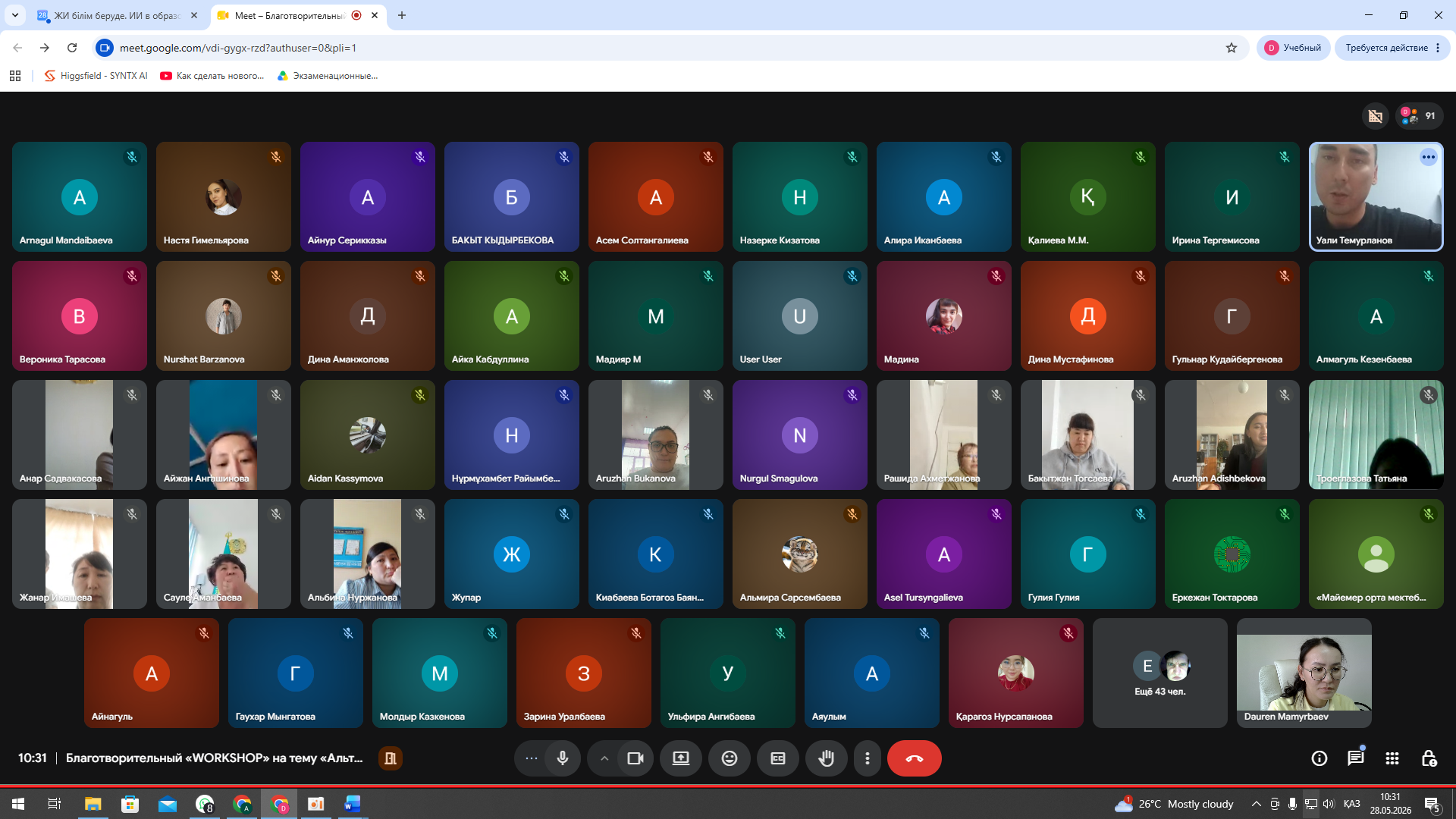
Regional charity WORKSHOP on "Alternative and special methods of inclusive support for children with special educational needs" 30.06.2026
On May 28, 2026, the Department of Education of the East Kazakhstan region, in conjunction with the S. Amanzholov East Kazakhstan University, held a charity WORKSHOP on the theme "Alternative and special education programs" in the framework of the project "Competence Center for Psychological and Pedagogical Training and Methodological and Technological Support for children with special educational needs." methods of inclusive support for children with special educational needs"The event was attended by more than 300 teachers from secondary education organizations in the region.The WORKSHOP has become an effective platform for the exchange of experience, professional interaction and the promotion of modern approaches in the field of inclusive education.The proceeds will be used to produce a professional defectologist's table for the KSU "School-Center for Additional Education No. 48" of the Ust-Kamenogorsk City Education Department of the East Kazakhstan Region.Source : https://www.gov.kz/memleket/entities/vko-bilim/press/news/details/1229756?lang=ru
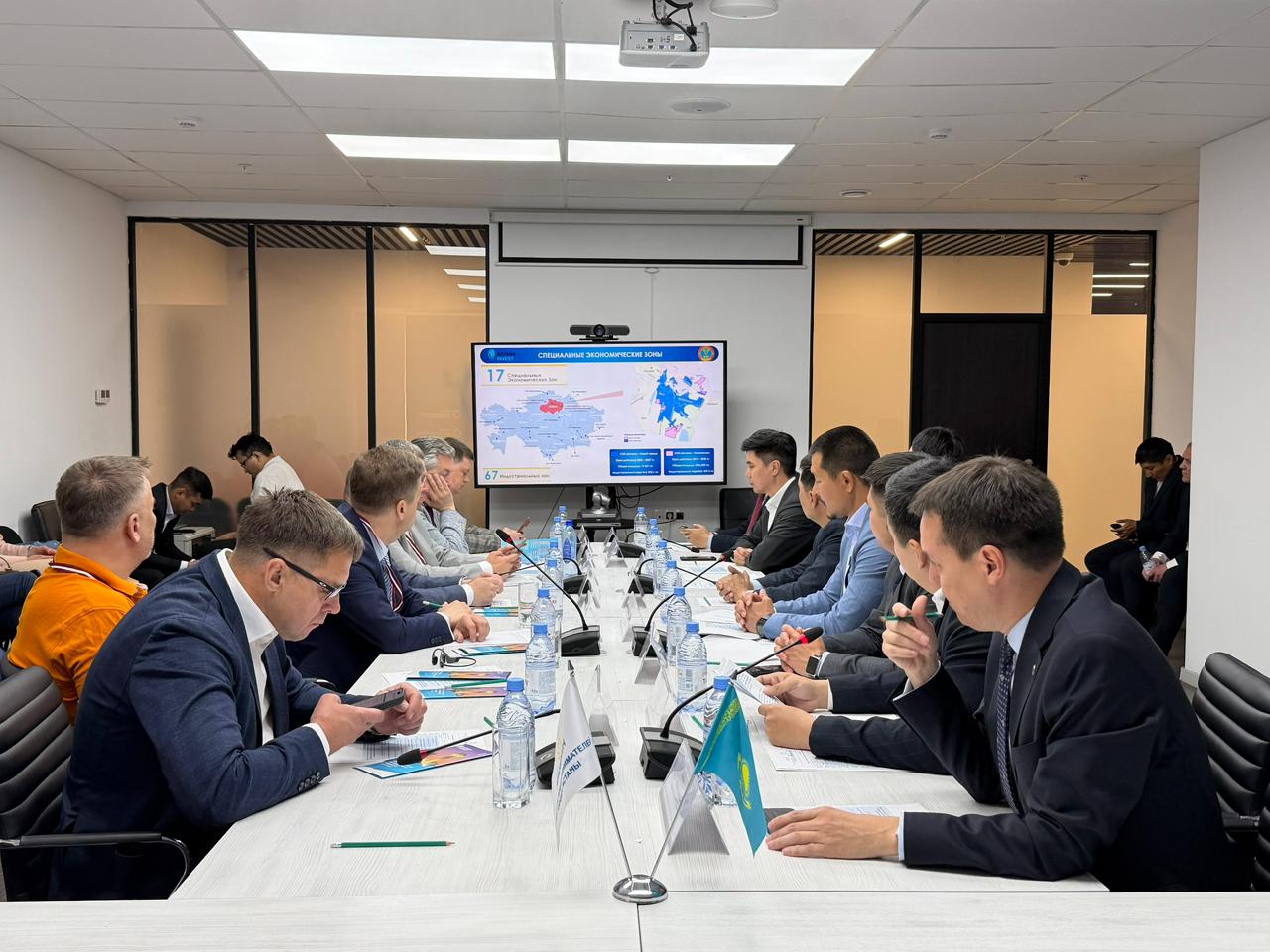
A meeting with a delegation from the Republic of Latvia was held at the Chamber of Entrepreneurs of Astana 30.06.2026
The delegation included representatives of port infrastructure, logistics, and investment companies.The parties discussed expanding trade and economic cooperation, developing logistics routes, strengthening investment collaboration, as well as cooperation in the agro-industrial sector and manufacturing industry.The Director of the Astana City Chamber of Entrepreneurs, Kanat Alin, presented the main areas of the Chamber's activities, along with tools for business support and protection.The parties established direct business contacts and discussed promising directions for further cooperation. https://www.instagram.com/p/DYzXlfyIxkE/?hl=ru Source : https://www.gov.kz/memleket/entities/astana-uir/press/news/details/1229759?lang=ru
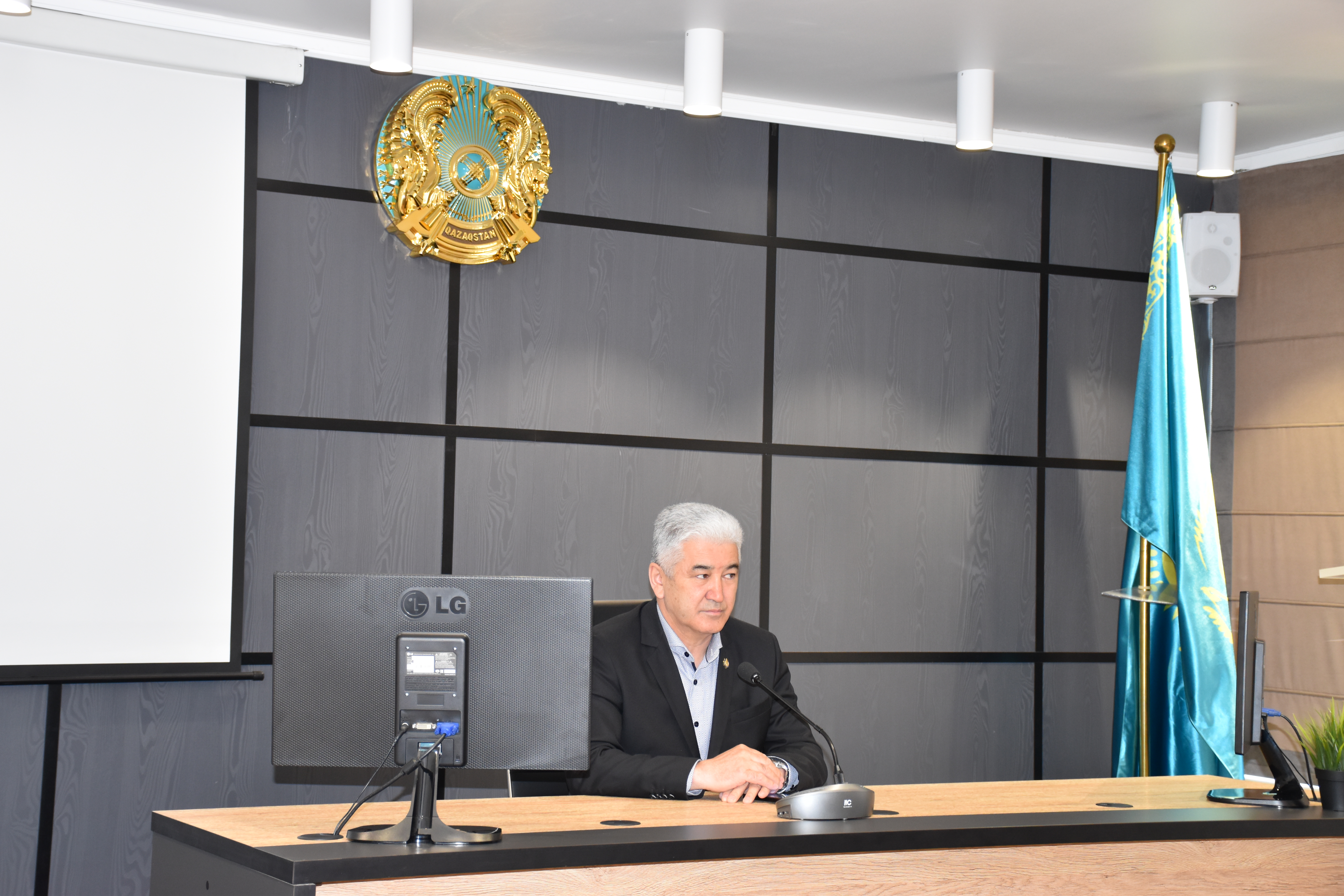
Meeting on Compliance with Public Service Legislation and Official Ethics Held at the Department of State Revenues for the East Kazakhstan Region 30.06.2026
On May 22, 2026, the Department of State Revenues for the East Kazakhstan Region held a meeting with the participation of heads of structural divisions and customs posts on issues related to compliance with the legislation on public service and the norms of official ethics.During the meeting, Deputy Head of the Department of State Revenues for the East Kazakhstan Region – Ethics Commissioner K.K. Koyshinov reminded employees of the need to comply with the requirements of the Code of Ethics for Civil Servants of the Republic of Kazakhstan both during and outside working hours.Within the framework of the meeting, employees were informed about the key requirements imposed on civil servants, including compliance with the law, business etiquette, inadmissibility of disseminating false information, unethical statements and actions undermining the authority of the civil service and state bodies.In addition, employees were reminded of the inadmissibility of participation in gambling activities and other actions incompatible with the status of a civil servant.Following the meeting, heads of structural divisions and customs posts were instructed to communicate the main provisions of the Code of Ethics for Civil Servants of the Republic of Kazakhstan and the Law of the Republic of Kazakhstan "On Public Service" to employees, as well as to conduct regular technical training sessions aimed at further studying the requirements of the legislation of the Republic of Kazakhstan.Source : https://www.gov.kz/memleket/entities/kgd-vko/press/news/details/1229769?lang=ru
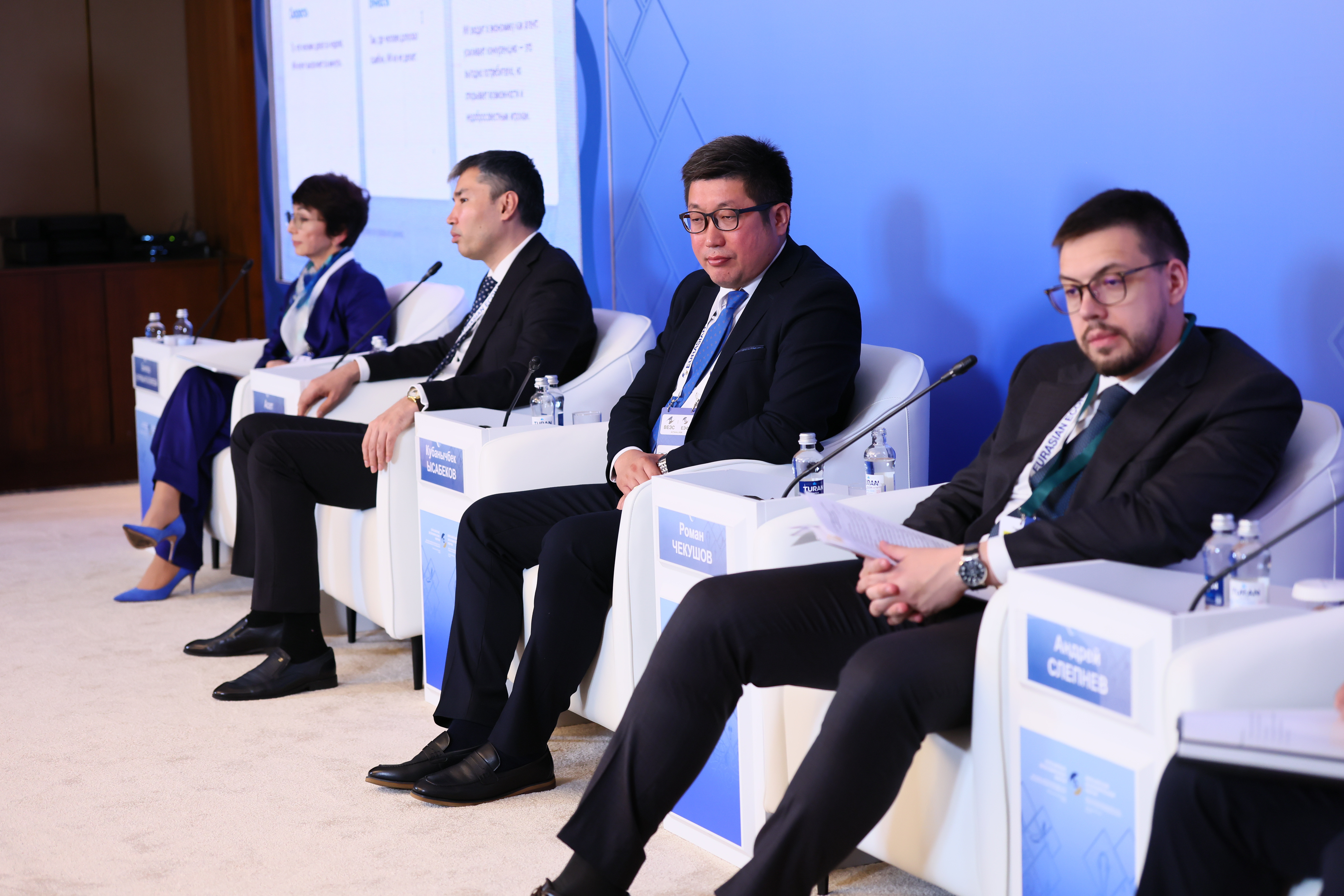
Digital labeling in the EAEU countries was discussed at the Eurasian Economic Forum in Astana 30.06.2026
Source : https://www.gov.kz/memleket/entities/mti/press/news/details/1229770?lang=ru
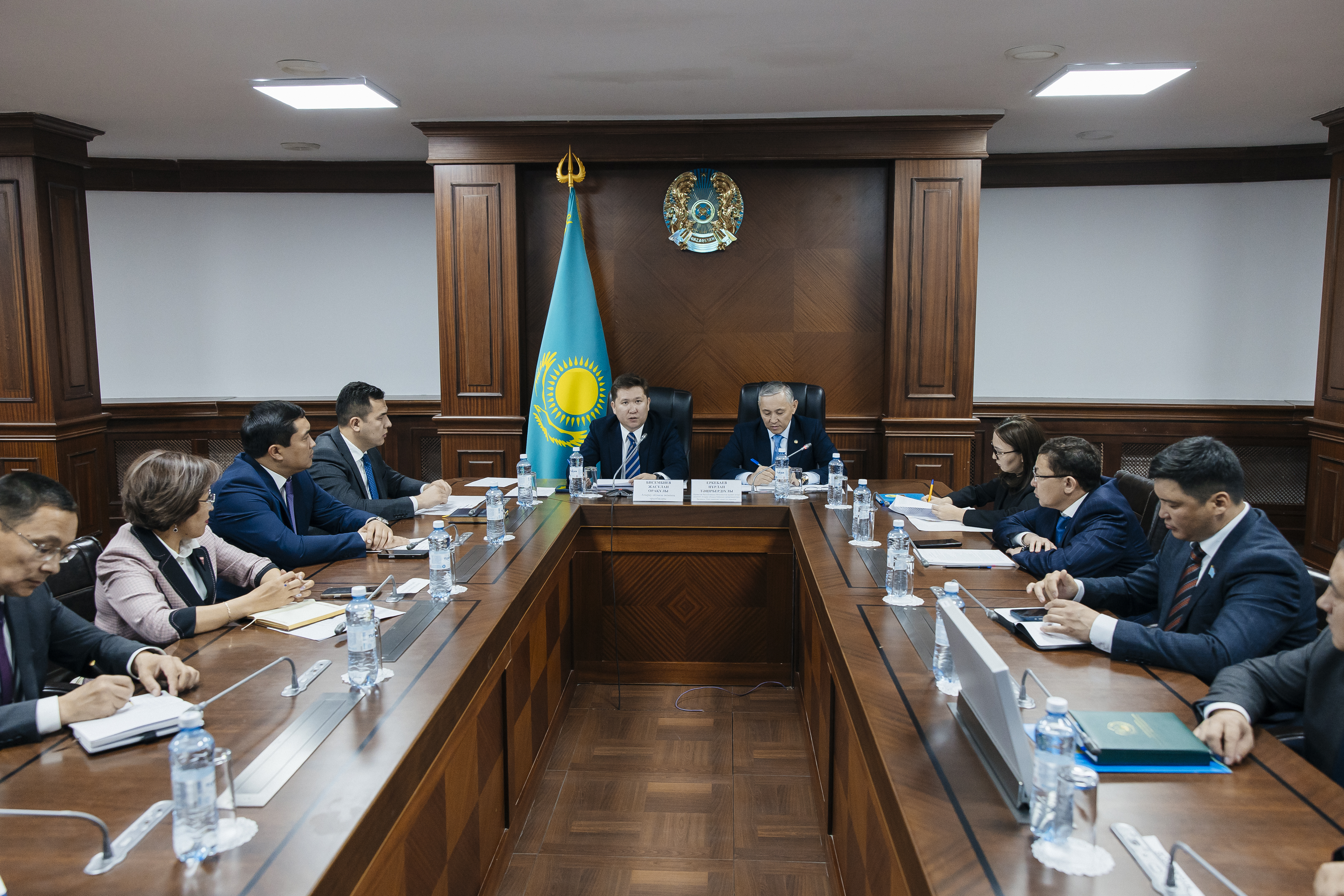
The new Law "On Civil Service" and digitalization of HR processes were discussed in Atyrau 30.06.2026
A meeting was held in the Atyrau Region to explain the new Law "On Civil Service," as well as improve HR policies and ensure adherence to official ethics.The event was attended by Deputy Akim of the Region Zhasulan Bisembiev, Head of the Department of the Agency of the Republic of Kazakhstan for Civil Service Affairs in Atyrau Region Nurlan Yerkebayev, and department heads.Ainur Yensegenova, Deputy Head of the Department of the Agency of the Republic of Kazakhstan for Civil Service Affairs, delivered a report. She outlined the key provisions of the new law, which aims to professionalize the government apparatus, implement a hybrid career growth model, digitalize HR processes, and improve the social security of civil servants.According to her, the law establishes a procedure for digital selection for civil service positions through the integrated information system "E-Kyzmet.""The competitive selection process is conducted entirely online through the eqyzmet.gov.kz portal, which will simplify procedures, reduce timeframes, and increase the transparency of personnel processes. A mechanism for horizontal promotion within a position is also provided. For Corps B civil servants, a job level will be established, which will affect their salary," she said.During the meeting, special attention was paid to issues of official ethics, the prevention of corruption and bureaucracy, rules of conduct on social media, as well as a ban on cyberbullying and gambling.In turn, Zhasulan Bissembiyev noted that the adoption of the new law will strengthen the requirements for the professionalism of civil servants."As you are aware, the Head of State signed the Law of the Republic of Kazakhstan 'On the Civil Service of the Republic of Kazakhstan.' This Law aims to increase the openness of the civil service system, strengthen accountability, and improve the quality of services provided to the public. Understanding these changes and their effective application in daily work is important for every civil servant," he said.At the end of the meeting, a question-and-answer session was held, where civil servants received clarification on issues of interest to them.Source : https://www.gov.kz/memleket/entities/atyrau/press/news/details/1229809?lang=ru