
News
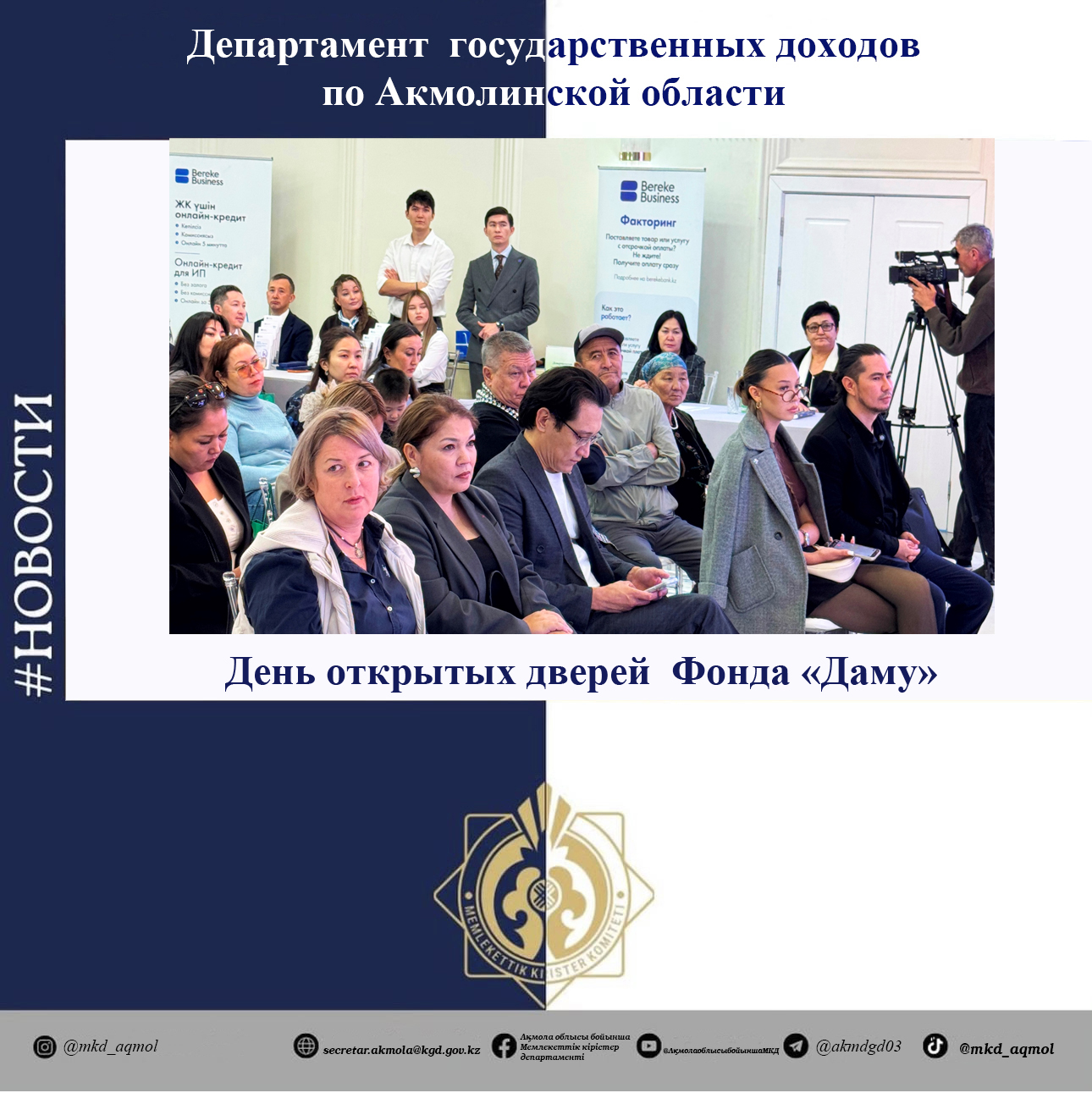
Open Day of the «Damu» Foundation 22.09.2026
On September 18, Akmola region hosted the Open Day of the Damu FoundationOpen Day in Akmola region gathered 183 participants.Entrepreneurs learned about government support tools, financing conditions and opportunities for business development. The specialists also individually reviewed the projects of the participants and advised on specific issues.This format allows entrepreneurs to get the necessary information in one place.Employees of the Department of State Revenues in Akmola region Shynar Musina and Mariyam Kusainova, who took part in the event, provided competent answers to questions from business representatives.Source : https://www.gov.kz/memleket/entities/kgd-akmola/press/news/details/1295958?lang=ru
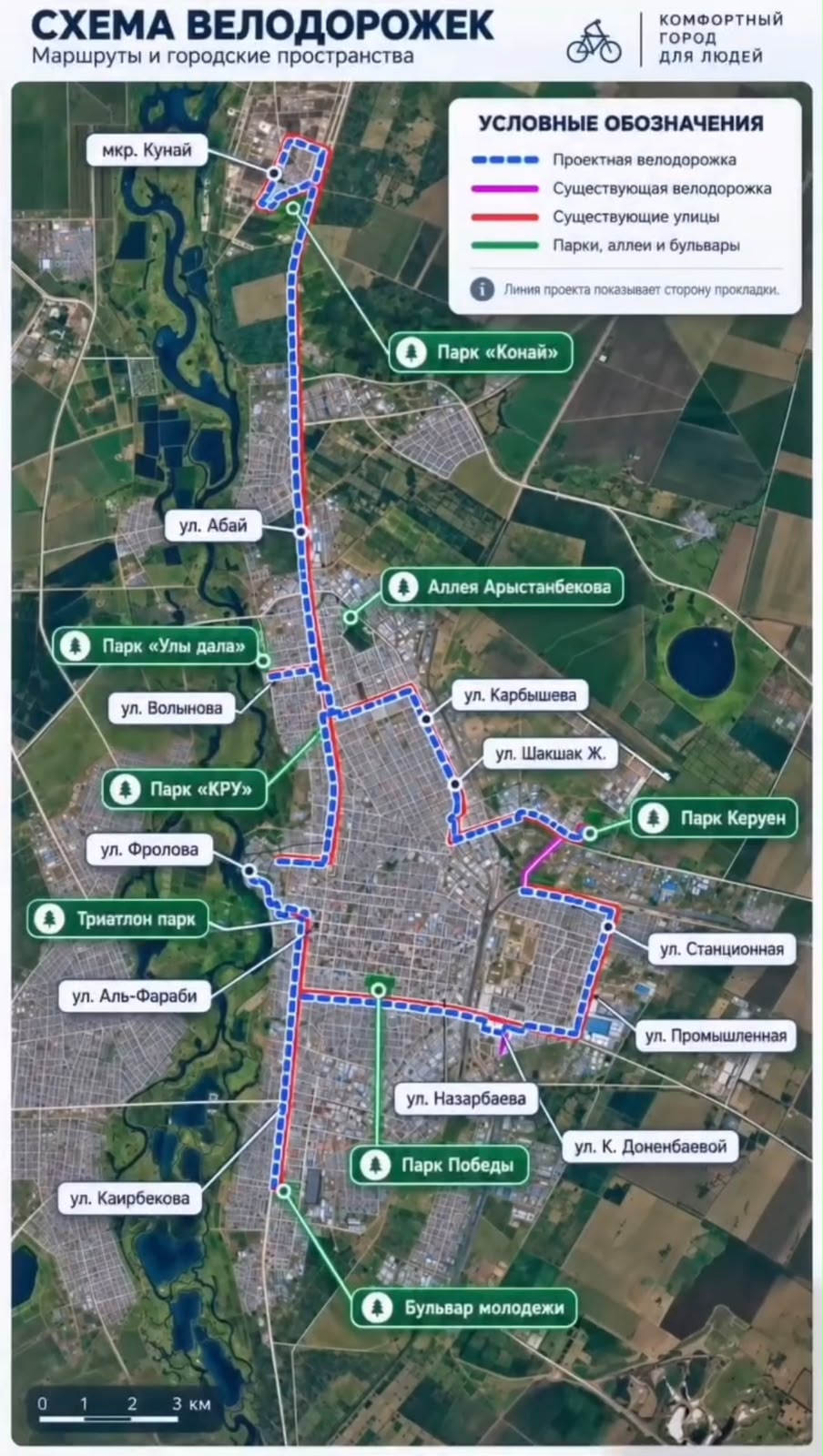
Bicycle Infrastructure Development Project Presented 22.09.2026
Today, a project for the development of bicycle infrastructure in Kostanay was presented at an executive meeting. The project has passed expert review and is ready for implementation.As part of the project, a bicycle route with a total length of 38.2 kilometers was developed. It will cover various areas of the city, connecting residential districts with major parks, recreational areas, and sports facilities.The route will pass through the Konai microdistrict, "Uly Dala" and KRU parks, Triathlon Park, the central part of the city, Youth Boulevard, Yubileyny and Airport microdistricts, "Keruen" Park, the park on Arystanbekov Street, and other city areas.The main goal of the project is to create safe and convenient conditions for cycling, as well as to gradually build a unified city bike network. This will make it possible to use the bicycle as a full-fledged mode of urban transport.Implementation of the project is planned to begin next year, once the funding source is determined. Source : https://www.gov.kz/memleket/entities/kostanai-kalasy-akimat/press/news/details/1295907?lang=ru

Payment of import VAT in digital tenge: integration of the SRC's customs systems with the Digital Tenge Platform 22.09.2026
The State Revenue Committee of the Ministry of Finance of the Republic of Kazakhstan announces the completion of the integration of the SRC's information systems with the Digital Tenge Platform with respect to customs documents. The work has been carried out since the beginning of this year by the Platform's National Operator — Kazakhstan National Payment Corporation JSC — together with Halyk Bank of Kazakhstan JSC. The implemented mechanism allows participants of the pilot project to initiate payment of value-added tax on imports to the budget using digital tenge — for goods declarations (GD) and applications for the import of goods (AIG) — with a direct exchange of payment statuses on customs documents. The direct interaction between the customs systems and the Digital Tenge Platform ensures that the SRC's information systems receive payment status in real time. In addition, an auto-payment mechanism for customs declarations has been implemented, which speeds up their release. This approach replaces periodic reconciliation based on statements with a direct exchange of payment statuses between the SRC's and the Platform's systems, reducing the administrative burden on participants in foreign economic activity. As a result, waiting time at the border is reduced and the load on customs checkpoints decreases. The Digital Tenge Platform has proven itself as a next-generation infrastructure: programmable payments, traceability of funds, and seamless interaction between government agencies and the financial sector. A special contribution to the project's implementation was made by Halyk Bank of Kazakhstan JSC — a second-tier bank that ensured the technical readiness and synchronization of its systems with the Platform. The maturity of its payment infrastructure and the team's responsiveness in refining its services made it possible to launch the mechanism within a short timeframe and confirm its functionality on real transactions. The new mechanism creates the basis for expanding the "Refund of Value-Added Tax from the Budget" ("Digital VAT") project along the entire chain — from exporter to importer. This will increase the transparency of transactions, speed up VAT refunds, and further automate VAT administration. The State Revenue Committee will continue joint work with the National Bank of the Republic of Kazakhstan, Kazakhstan National Payment Corporation JSC, and second-tier banks to scale up digital-tenge-based services, consistently reducing the administrative burden on participants in foreign economic activity.Source : https://www.gov.kz/memleket/entities/kgd-almaty/press/news/details/1295898?lang=ru
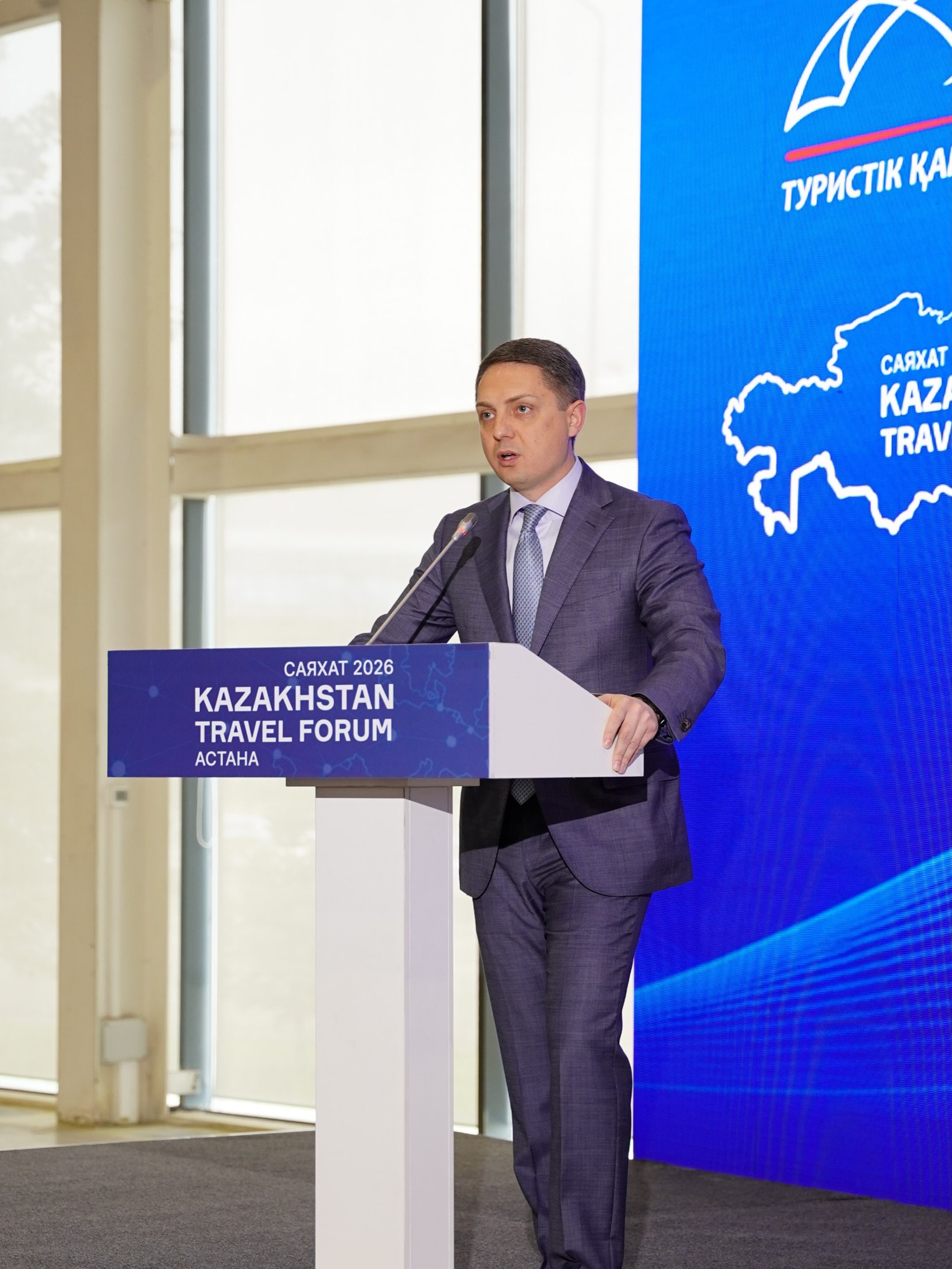
Tourist Arrivals in Astana Rise by 12% in the First Half of 2026 22.09.2026
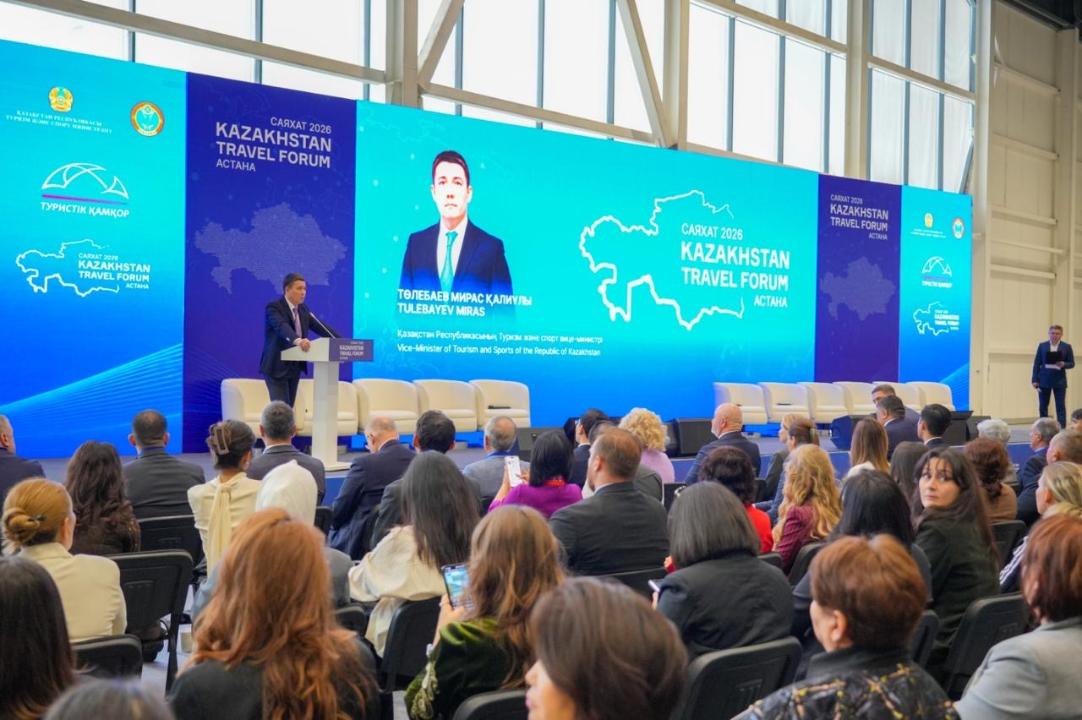
Around 830,000 tourists visited Astana in the first half of 2026, a 12% increase compared with the same period last year. Of these, approximately 187,000 were international visitors.The figures were announced by Astana Deputy Akim Yevgeny Glotov at the opening of the international tourism forum Kazakhstan Travel Forum 2026.This year’s forum focused on the theme of “Safe Tourism.” It brought together representatives of government agencies, tourism businesses, airlines, the hospitality industry, international organizations and industry associations. Participants discussed tourist safety, industry development, transport accessibility, service quality, and cooperation between the government and businesses.Event, business, cultural and medical tourism are all developing in Astana. As visitor numbers grow, the city is expanding its offerings for tourists: new attractions are opening, international hotel brands are entering the market, and a calendar of major cultural, sporting and business events is taking shape.More than 1.6 million tourists visit the capital each year, with tourist arrivals increasing by an average of 10–12% annually.“Astana is no longer a city that people visit solely for business. More than 1.6 million tourists come to the capital every year, and this figure is growing by an average of 10–12% annually. Our task today is to create conditions that encourage visitors not only to come to Astana for a concert or a business meeting, but also to stay longer and return in the future. Cities around the world are competing to attract these visitors, and Astana is actively taking part in that competition,” said Yevgeny Glotov.Event tourism remains a key area of development for the city’s tourism industry. Major international concerts, sporting competitions, business gatherings and cultural events help attract more visitors to the capital and encourage them to extend their stays.Source : https://www.gov.kz/memleket/entities/astana-uir/press/news/details/1295850?lang=ru
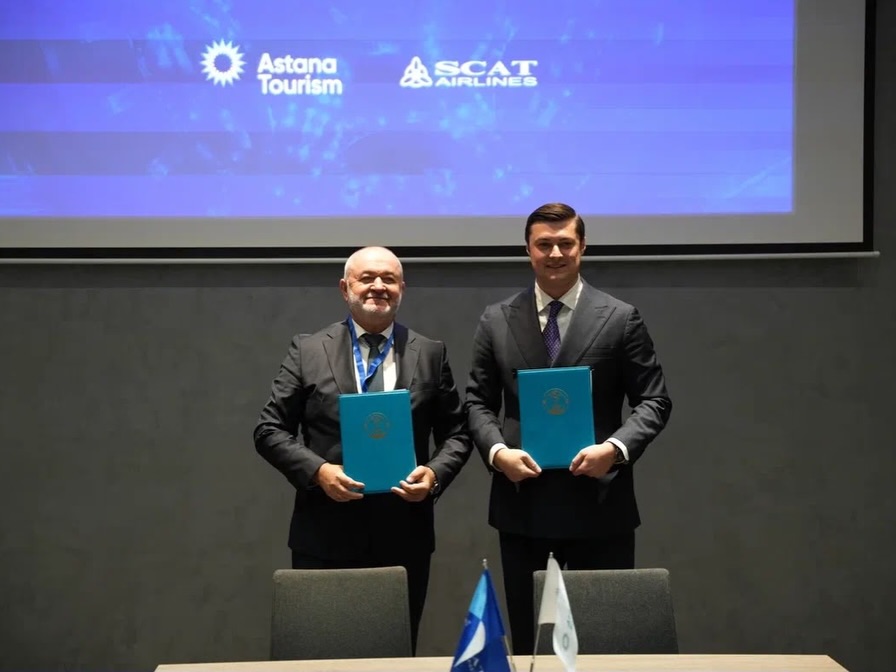
Development of Astana’s Tourism Industry Discussed at Kazakhstan Travel Forum 22.09.2026
As part of Kazakhstan Travel Forum, a meeting of the Expert Council on Tourism Development was held under the chairmanship of Akimzhanov Khalel, Head of the Astana City Department for Investment and Entrepreneurship Development.The meeting brought together representatives of the capital’s tourism industry and the airlines VIETJET QAZAQSTAN and SCAT.One of the key agenda items was the development of Astana’s Tourism Industry Development Strategy for 2026–2031. Participants were presented with the results of work carried out to date, the main priorities for tourism development in the capital, and the approaches developed during the preparation of the strategic document.The Visit Astana partnership programme was also presented. It aims to improve the quality of tourism services and promote the city’s tourism infrastructure.Representatives of VIETJET QAZAQSTAN and SCAT gave presentations on their operations and prospects for further cooperation with the tourism industry.Following the Expert Council meeting, cooperation agreements were signed between representatives of the aviation and tourism industries. The agreements aim to strengthen cooperation among industry stakeholders, develop joint initiatives, promote tourism products, and expand opportunities to attract visitors to Astana.The meeting helped identify priorities for further joint efforts to develop the capital’s tourism industry and strengthen cooperation among industry stakeholders.Source : https://www.gov.kz/memleket/entities/astana-uir/press/news/details/1295852?lang=ru
International Tourism Forum SAYAKHAT 2026 Held in Astana 22.09.2026
The international tourism forum Kazakhstan Travel Forum SAYAKHAT 2026 was held in Astana. The three-day event, themed “Risk-Free Tourism,” brought together representatives of government agencies, the tourism industry, airlines and the hospitality sector to discuss the safe development of tourism, the protection of travellers’ rights and stronger international cooperation.The forum welcomed tourism professionals and international partners alongside representatives of government agencies, airlines and the hotel industry. On September 17, participants took part in a familiarisation programme showcasing the capital’s tourism infrastructure, including a sightseeing tour of Astana and an information tour of the city’s hotels. The forum’s main business programme took place at the EXPO International Exhibition Centre.The programme featured panel discussions and expert sessions, B2B meetings, presentations of tourism products, an international exhibition and agreement-signing ceremonies. Exhibitors included major Kazakhstani tour operators, travel agencies from Russia, Kyrgyzstan, Uzbekistan and other countries, airlines, representatives of national tourism authorities, international hospitality companies, industry associations and destination management companies (DMCs).During four panel sessions, industry experts exchanged views on establishing mutual guarantees in tourism services, developing cross-border cooperation, improving collaboration between tour operators and travel agencies, and building travellers’ trust through responsible tourism. Discussions also covered preventing and addressing unfair practices in the industry, experience-driven urban planning and event tourism.Several agreements and memoranda were signed during the forum, and new tourism products and international travel destinations were presented. The winners of the Best Tourism Village 2026 competition were also recognised.According to Kymbat Maratova, PR Specialist at Astana RedBus Tour, more than two million tourists have used the company’s services over the two years since 2024. The company organises sightseeing tours of Astana and trips to Burabay.“We operate throughout the year, although the three summer months are our busiest period. Tourists from different regions of Kazakhstan also visit us in winter and spring. The most popular attractions in Astana include the National Museum, the Baiterek Monument and the older part of the city on the right bank of the river. Many visitors also want to explore Republic Avenue. On average, we organise excursions for more than 100,000 tourists a year.“This year, we launched a new project called ‘Astana by Night’. The tour starts at 8:00 p.m. and has proved very popular, as residents of the capital can join after work.“Our audio guide provides information in eight languages. We have updated it to reflect the closure of certain attractions. We operate five bus tours daily between 11:00 a.m. and 8:00 p.m. “Tickets cost KZT 6,000 for adults and KZT 3,000 for pensioners, large families, children and people with Group II or III disabilities. Tours are free for journalists, people over the age of 75, people with Group I disabilities and those accompanying them,” she said.In 2025, the number of tourists visiting Astana increased by 7% compared with 2024, reaching 1,604,825. This included 380,301 international visitors and 1,224,524 domestic tourists. Russia, China, Türkiye, Germany and the United States were the five leading countries of origin for international visitors to the capital.Astana has 317 hotels and other accommodation facilities, with a combined capacity to accommodate more than 18,000 guests at a time.Rauan Akhmetov, a representative of Astana Tourism LLP, spoke about the information services available to visitors.“We work to develop tourism in Astana and have several departments dedicated to this area. Information about the capital’s tourist attractions is available on our social media pages. We have also opened two tourist information kiosks: one at the airport and another near the Baiterek Monument.“Visitors can obtain free brochures and tourist maps in Kazakh, Russian, English and Chinese. These provide information about the city’s attractions, hotels, public transport routes and other useful services.“Since the beginning of the year, we have assisted more than 10,000 tourists, over 70% of whom were international visitors. Many came from Russia, Germany and China. Overall, we serve around 20,000 tourists annually.“International visitors are particularly interested in the Grand Mosque, the Baiterek Monument, the National Museum and the museum at Nurly Zhol railway station,” Akhmetov said.On September 19, the forum continued in Astana’s Central Park with a citywide celebration under the theme “Tourism Is Everyone’s Business.” Residents and visitors enjoyed a running event, a gastronomic festival, sports and family activities, and a cultural programme. Source : https://www.gov.kz/memleket/entities/astana-uir/press/news/details/1295834?lang=ru
Tourism Representatives from 13 Countries Gather in Astana to Explore the Capital’s Tourism Potential 22.09.2026
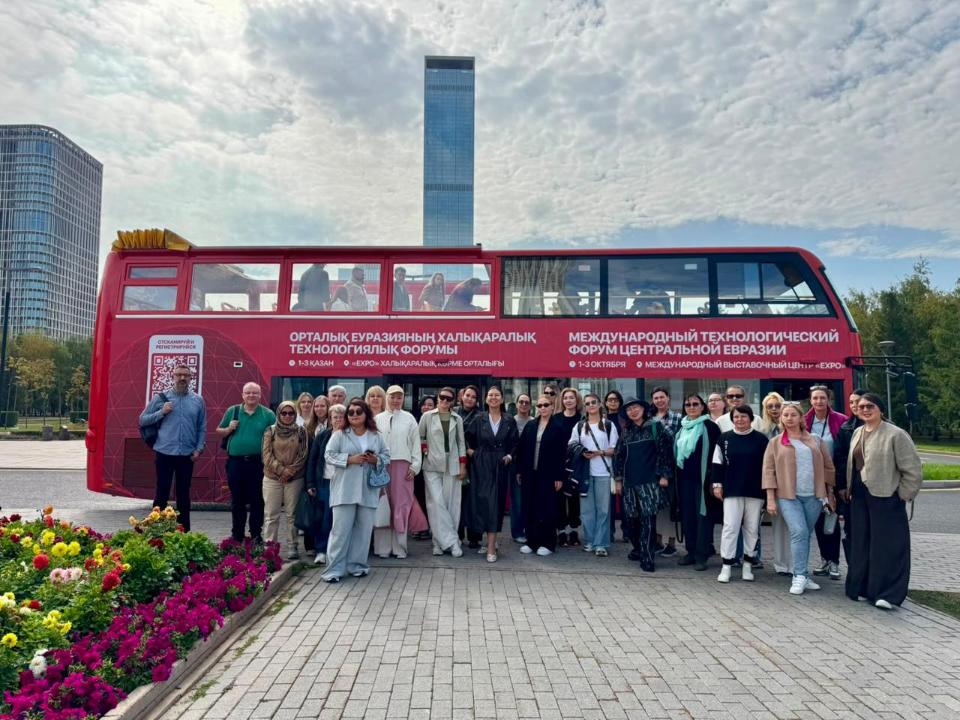
Astana hosted Kazakhstan Travel Forum SAYAKHAT 2026, bringing together tourism industry representatives from 15 regions of Kazakhstan and 13 countries. On the first day of the three-day international forum, local and international specialists explored the capital’s tourist attractions, transport system and hotel infrastructure. The main business programme included B2B meetings, panel sessions and discussions on key issues facing the tourism industry.The first day focused on introducing participants to Astana’s tourism potential and infrastructure. Guests took a sightseeing tour of the city aboard two tour buses. The route began at the Wyndham Garden Astana hotel and included the Khan Shatyr shopping and entertainment centre, the Baiterek Monument, Independence Square, the Palace of Peace and Reconciliation, the National Museum of the Republic of Kazakhstan, the Grand Mosque of Astana and the Museum of Kazakhstan Railways.Participants also took a ride on TARLAN ASTANA, experiencing a new mode of public transport and learning more about the capital’s transport infrastructure.An information tour of Astana’s hotels was also organised. Participants visited Ibis, Rixos President Astana, The St. Regis Astana, Astana Resort and Wyndham Garden Astana, where they explored the accommodation, service standards and facilities available for hosting tourists and delegations.“Tourism industry representatives from across Kazakhstan and abroad came to the forum. We therefore dedicated the first day to showcasing the capital’s tourist attractions, transport system and hotel infrastructure. Participants toured the city, visited key landmarks, travelled on TARLAN ASTANA and explored the facilities offered by local hotels. This provided an opportunity to demonstrate Astana’s potential as a tourist destination,” said Sayat Oraztay, Director of the Infrastructure and Event Support Department at Astana Tourism Development Centre LLP.The forum brought together major tour operators and travel agencies from Kazakhstan, tourism companies from Russia, Belarus, Kyrgyzstan and Uzbekistan, airlines, national tourism authorities, representatives of international hotel chains, industry associations and destination management companies (DMCs).The Kazakhstan Travel Forum SAYAKHAT 2026 programme continued on September 19. On the third day, Astana’s Central Park hosted a city run, a tourism festival, an orienteering event, children’s activities and a gastronomic festival. A food tour of the city was also included in the programme.Source : https://www.gov.kz/memleket/entities/astana-uir/press/news/details/1295820?lang=ru
East Kazakhstan Region discusses prospects for cooperation with Poland 22.09.2026
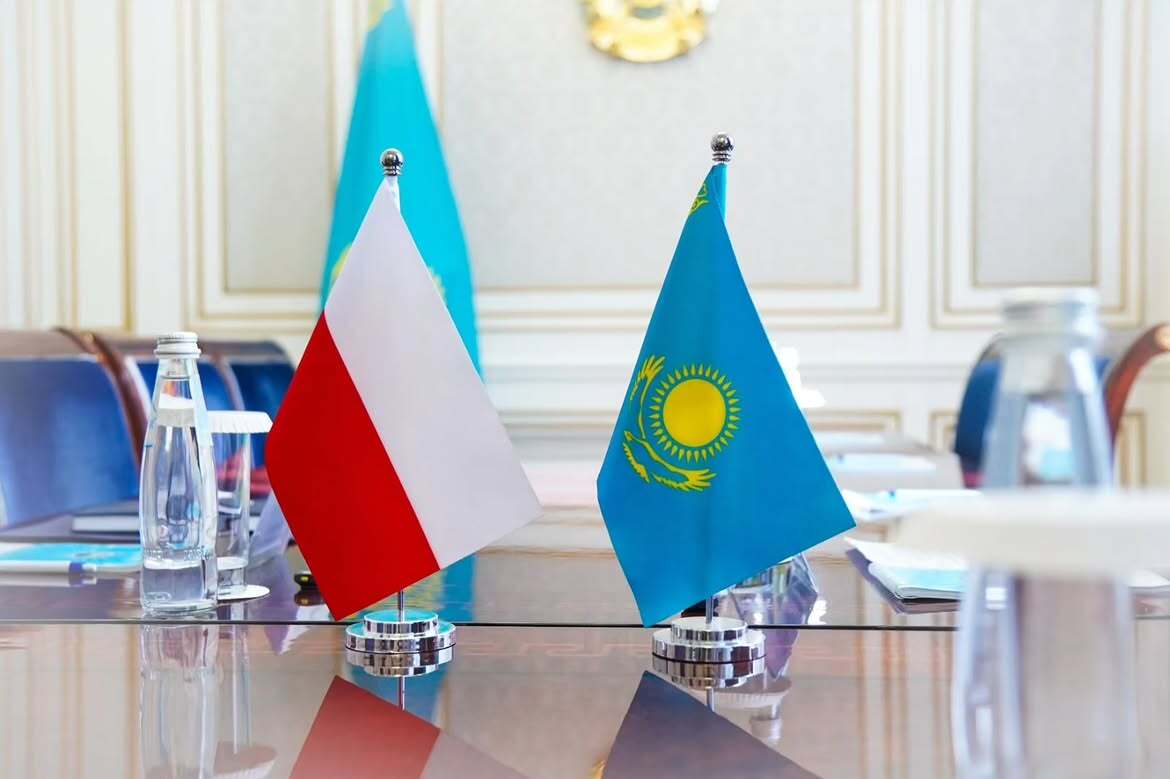
В Восточно-Казахстанской области состоялась встреча с Временным поверенным в делах Республики Польша в Республике Казахстан Михалом Лабендой, прибывшим в регион для обсуждения вопросов промышленного и инвестиционного сотрудничества.В ходе встречи были представлены экономический и инвестиционный потенциал Восточно-Казахстанской области, основные направления развития промышленности, перспективы добычи редких металлов, атомной энергетики, а также возможности реализации совместных проектов.Отдельное внимание в ходе переговоров уделено развитию сотрудничества в сфере туризма и привлечению польских инвестиций в туристские проекты Восточно-Казахстанской области.По итогам встречи стороны договорились о продолжении взаимодействия и дальнейшей проработке конкретных направлений сотрудничества в сферах промышленности, инвестиций и туризма.В рамках визита польская делегация, в состав которой вошли представители государственных органов, научных и экспертных организаций, а также польского бизнеса, посетит крупные промышленные предприятия региона. В ходе встреч будут рассмотрены перспективные направления сотрудничества в области промышленности, геологии, добычи и переработки стратегически важных сырьевых ресурсов.Source : https://www.gov.kz/memleket/entities/tourism-vko/press/news/details/1295762?lang=ru
Ambassador of Guinea-Bissau presented copies of credentials at the Ministry of Foreign Affairs of Kazakhstan 22.09.2026
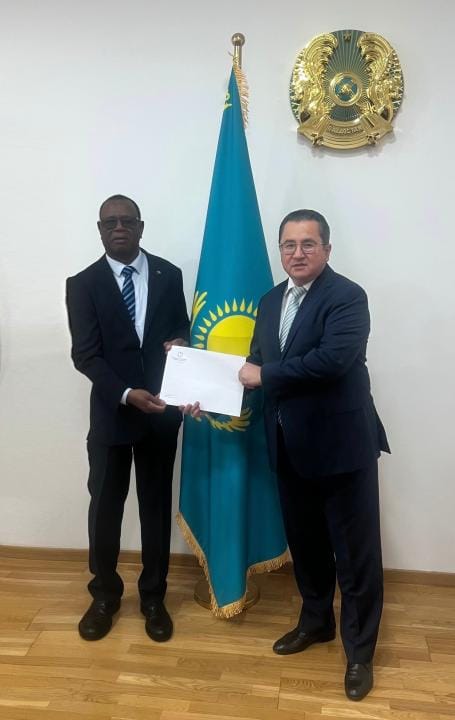
On September 17, 2026 Deputy Minister of Foreign Affairs of the Republic of Kazakhstan Arman Issagaliyev received copies of the credentials from Braima Embalo, Ambassador-designate of the Republic of Guinea-Bissau to the Republic of Kazakhstan.Congratulating Ambassador Embalo on his appointment, A. Issagaliyev expressed confidence that his diplomatic mission would contribute to further strengthening the traditionally friendly relations and mutually beneficial cooperation between the two countries.The parties discussed issues related to further developing political dialogue, expanding trade and economic partnership, as well as cultural and humanitarian cooperation.Ambassador B. Embalo expressed his gratitude for the warm welcome and reaffirmed his readiness to make every effort to further develop relations between Astana and Bissau.Source : https://www.gov.kz/memleket/entities/mfa-rabat/press/news/details/1295745?lang=ru
Briefing "Personal property tax" 22.09.2026
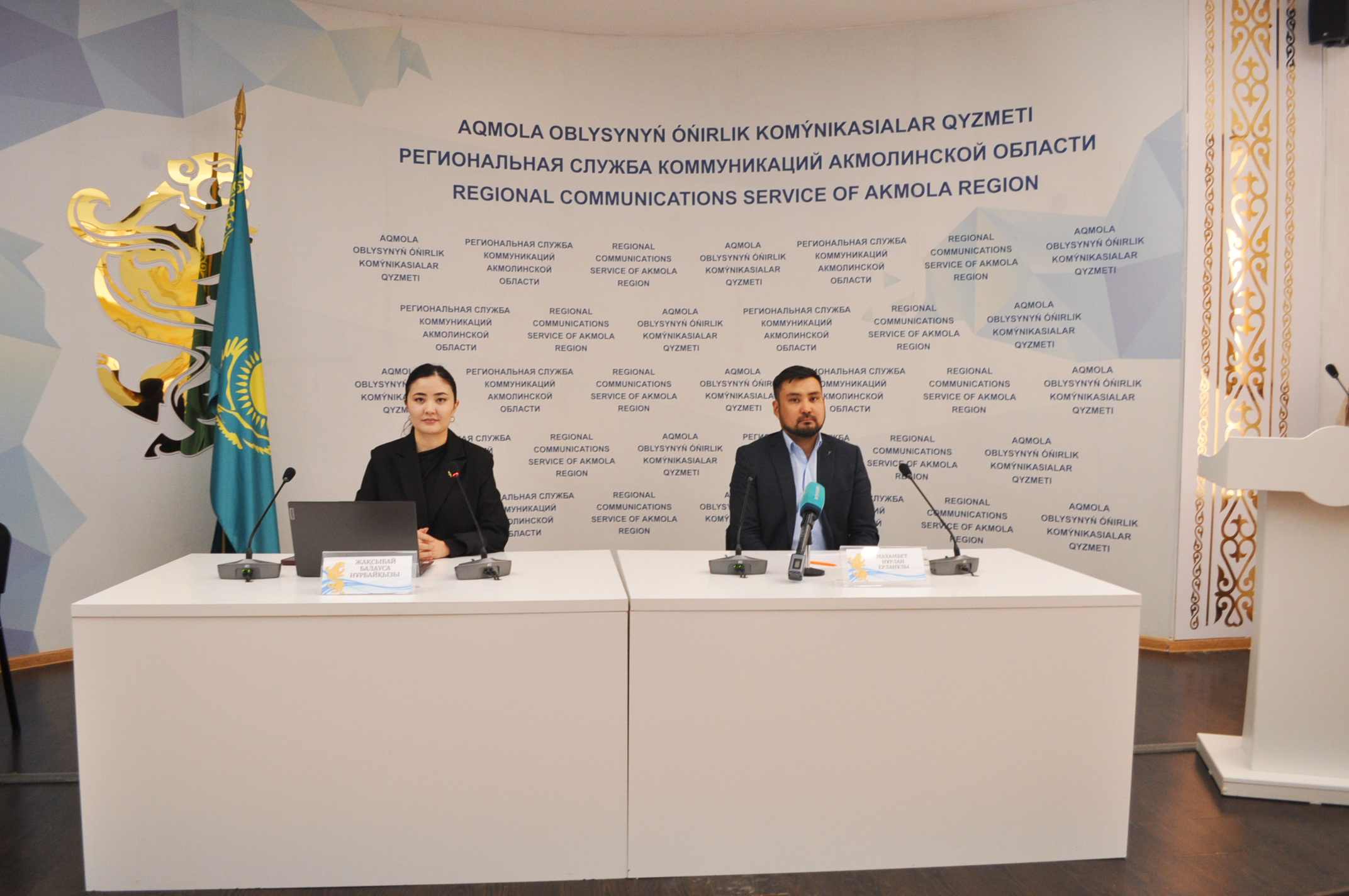
On September 17, a briefing "Property tax of individuals" was held at the Regional Communications Service.During the briefing, acting Head of the Department of State Revenues in the Akmola region Nurlan Makhambet recalled that on October 1 of this year, the deadline for individuals-owners of real estate and land plots to pay property tax for 2025 expires.According to the Tax Code of the Republic of Kazakhstan, the object of taxation on property of individuals is located in the territory of the Republic of Kazakhstan:1) dwellings, buildings, summer cottages, garages, parking spaces and other buildings, structures, premises owned by them on the basis of ownership;2) land plots owned by individuals on the basis of ownership.Payers of property tax on individuals are not veterans of the Great Patriotic War, veterans equated in benefits to veterans of the Great Patriotic War, persons with disabilities, orphans and children left without parental care, for the period until they reach the age of 18, one of the parents of persons with disabilities since childhood, mothers with many children, awarded the title "Mother Heroine," awarded with the "Altyn Alka" pendant, pensioners living separately. The amount of property tax is calculated according to the tax base.Property tax is paid at the location of the property.The amount of property tax can be found out and at the same time pay for the details in the "Service of upcoming payments FL and IP" of the mobile application "e-salyq Azamat," through the applications of banks "Halyk Bank," "Kaspi Bank" and others.You can also find out the amount of property tax on the portal of the State Revenue Committee of the Ministry of Finance of the Republic of Kazakhstan portal.kgd.gov.kz in the Services section in the "Upcoming Payments and FL Debt" tab, through the Chat bot in the Telegram channel using the SalyqBot link and contacting a single Contact Center by number 1414.From October 2, the following measures are applied to citizens who have not paid tax on time:restriction of banking services: debtors will not be able to open a bank account, transfer money or apply for a loan.accrual of penalties: for each day of delay, a penalty is charged in the amount of 1.25 times the official refinancing rate of the National Bank of the Republic of Kazakhstan.enforcement measures:- if the debt exceeds 1 MCI after 30 working days from the date of delivery of the notice, a tax order is issued;- if the debt is not repaid within 5 working days, the order is transferred to private bailiffs (RSI);- ChSI apply tough sanctions: arrest of bank accounts and property, as well as a ban on travel outside Kazakhstan. In addition, the debtor is charged with the payment of ChSI services - up to 25% of the debt amount.Dear taxpayers, we urge you not to postpone payment and pay off property tax on time!Source : https://www.gov.kz/memleket/entities/kgd-akmola/press/news/details/1295647?lang=ru
Talks in Lebanon Explore Closer Cultural Ties with Kazakhstan 22.09.2026
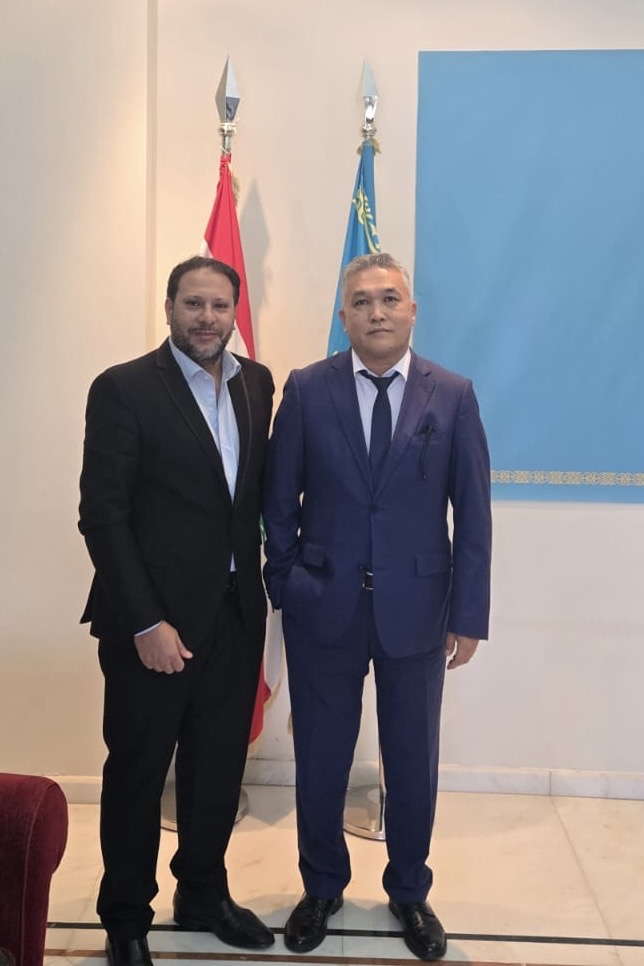
On September 21, Kazakhstan’s Ambassador to Lebanon, Rasul Jumaly, met with Ahmad Abdullah Al Shawish, President of the Arab Commission for Building Citizens and Nations. They discussed opportunities to expand Kazakhstan’s cultural cooperation and people-to-people ties with Lebanon and other Arab countries.The discussions placed particular emphasis on strengthening educational cooperation, building connections among young people, deepening understanding of each other’s history and culture, and expanding ties between civil society organizations. The Ambassador emphasized that sharing information and experience in culture and education helps bring peoples closer together. To advance these goals, the Lebanese representative has proposed opening a Kazakh cultural center in Lebanon in the near future. The proposal is under consideration.Source : https://www.gov.kz/memleket/entities/mfa-beirut/press/news/details/1295637?lang=ru
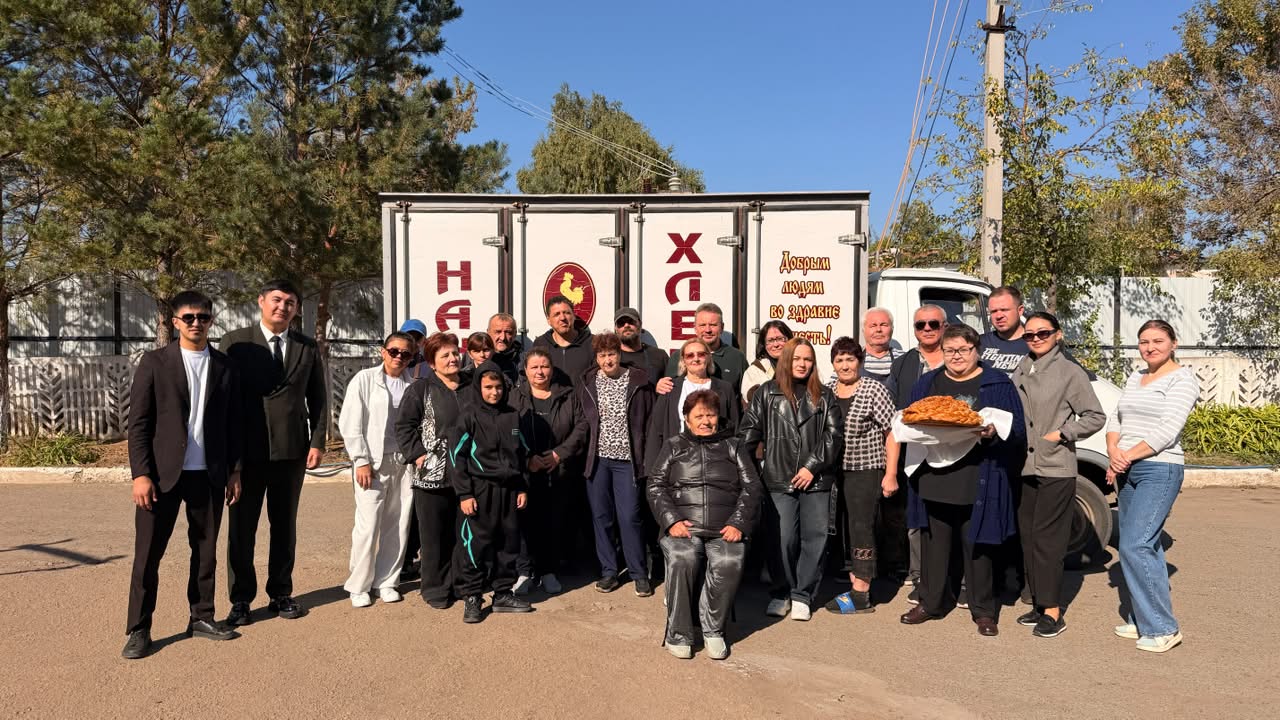
On September 21, the creative team of the District House of Culture named after Yelubay Omirzakov visited Shalygin IE and Chernykh IE with special travelling concerts dedicated to Labour Day. 22.09.2026
On this day, the performers visited the enterprises’ workplaces to congratulate the teams, express their gratitude for their daily hard work, and share favourite songs, good spirits, and festive emotions.The warm atmosphere, music, and sincere words of appreciation provided a pleasant break from the daily work routine.We sincerely thank the heads of Shalygin IE and Chernykh IE, as well as all the employees, for their hospitality, hard work, and dedication to their profession!Source : https://www.gov.kz/memleket/entities/kostanai-bmalin-audany-akimat/press/news/details/1295571?lang=ru
Kazakhstan is Considering Launching Production of Agricultural Machinery of the French Brand 21.09.2026
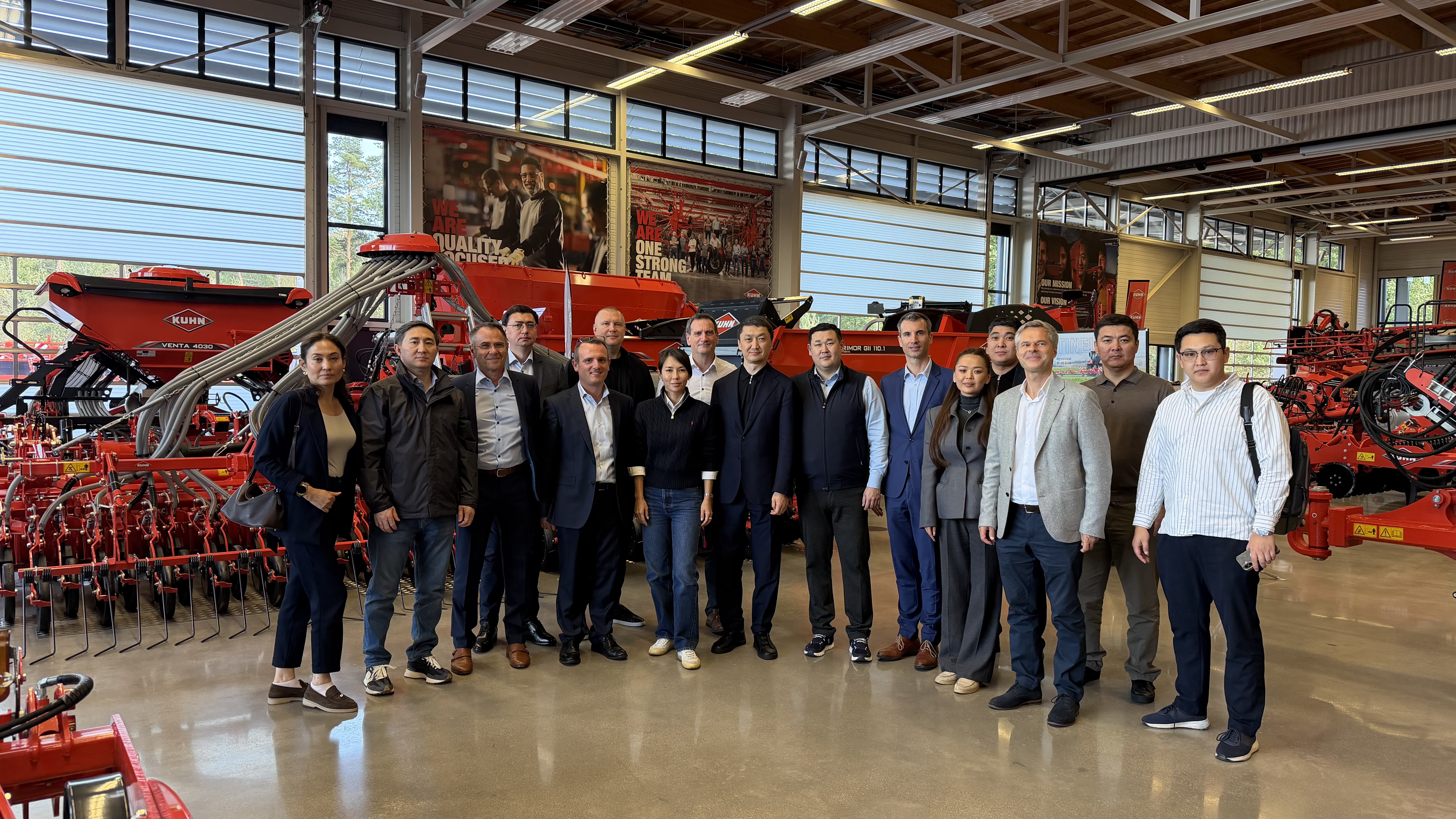
Saverne, Monswiller, September 18, 2026 – As part of a working visit to France, representatives of Kazakhstan visited the production sites of KUHN, one of the worlds’ leading manufacturers of agricultural machinery.The delegation headed by Olzhas Saparbekov, Vice-Minister of Industry and Construction of Kazakhstan; Azat Sultanov, Vice-Minister of Agriculture of Kazakhstan; Dinara Shukizhanova, President of AgromashHolding KZ JSC; and Sergey Glokke of Eurasia Group AG (KUHN’s partner in Kazakhstan).During the visit, participants learned out production processes and technological solutions of the company’s operations. Attention was also focused to the prospects for further cooperation and the development of industrial cooperation.The parties discussed the localization of KUHN agricultural machinery production in Kazakhstan, technological interaction and the further development of production competencies.The visit built on the agreements reached in April 2026 during the meeting between Prime Minister of Kazakhstan O.Bektenov and leading global manufacturers of agricultural machinery where an agreement was signed between AgromashHolding KZ JSC, Eurasia Group AG LLP and KUHN Group, providing for the development of industrial cooperation and the development of localized KUHN machinery production in Kazakhstan.The working meeting in Saverne and Monswiller allowed the parties to discuss further practical steps to implement the agreements reached and to expand cooperation in the field of agricultural machinery manufacturing. Located in the French Grand Est, KUHN Group is one of the world leaders in the development, manufacture and supply of agricultural machinery and implements. Today, KUHN operates 11 plants on three continents and supplies agricultural machinery to more than 110 countries worldwide.Source : https://www.gov.kz/memleket/entities/mfa-strasbourg/press/news/details/1295511?lang=ru
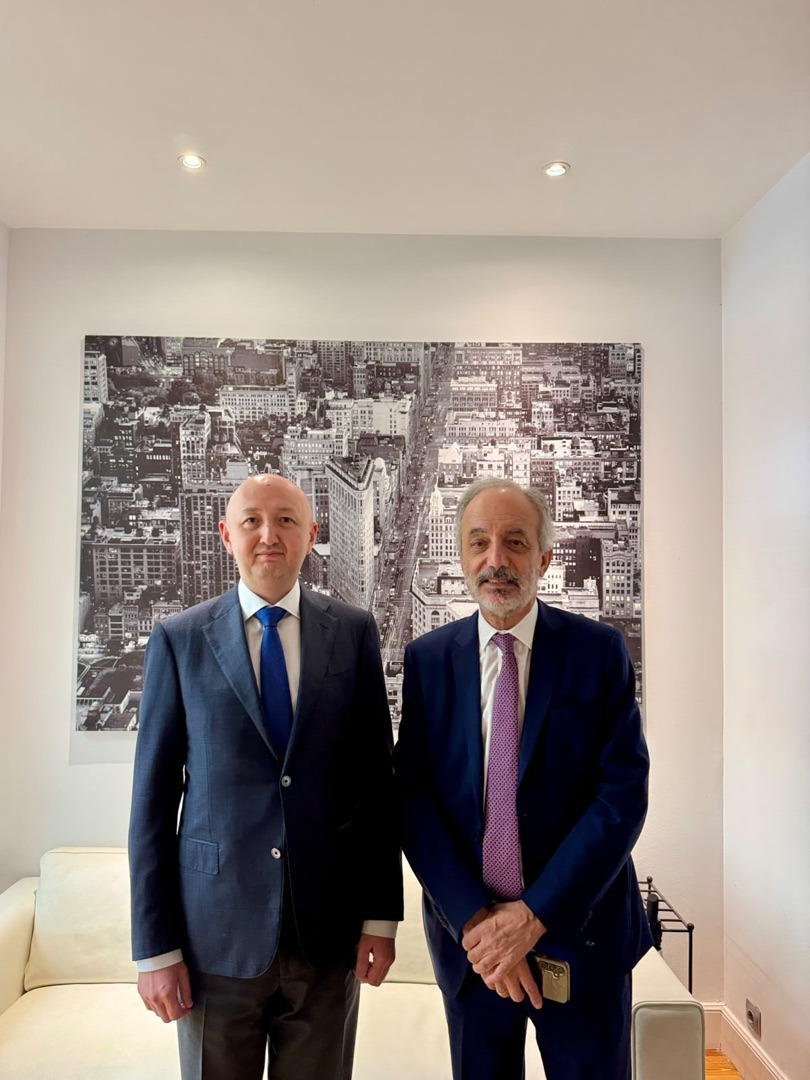
Prospects for Kazakhstan’s Cooperation with the European Parliament Discussed in Madrid 21.09.2026
Madrid, September 18, 2026 – Ambassador of Kazakhstan to Spain Danat Mussayev held a meeting with Member of the European Parliament Francisco Millán Mon.During the meeting, the parties exchanged views on the current state and prospects of Kazakhstan’s cooperation with the European Union and, in particular, with the European Parliament. Particular attention was paid to further strengthening political dialogue and exploring new opportunities within the strategic partnership between Kazakhstan and the EU.Danat Mussayev briefed the MEP on the new stage of Kazakhstan’s political modernization following the entry into force of the new Constitution and the elections to the unicameral Kurultai. It was emphasized that the ongoing reforms are aimed at further strengthening representative institutions, expanding political participation and enhancing the effectiveness of public administration.The parties also discussed promising areas of cooperation between Kazakhstan and the European Union, with a focus on enhancing transport connectivity, developing the Middle Corridor, and expanding trade, economic and investment cooperation. In this context, the importance of the practical implementation of the agreements reached during the visit of President of Kazakhstan Kassym-Jomart Tokayev to Brussels in June this year was highlighted.Francisco Millán positively assessed the consistent nature of the political reforms being implemented in Kazakhstan and expressed interest in further strengthening cooperation between Kazakhstan and the European Union.Following the meeting, the interlocutors agreed to maintain working contacts and continue constructive dialogue on issues of mutual interest.Source : https://www.gov.kz/memleket/entities/mfa-madrid/press/news/details/1295452?lang=ru
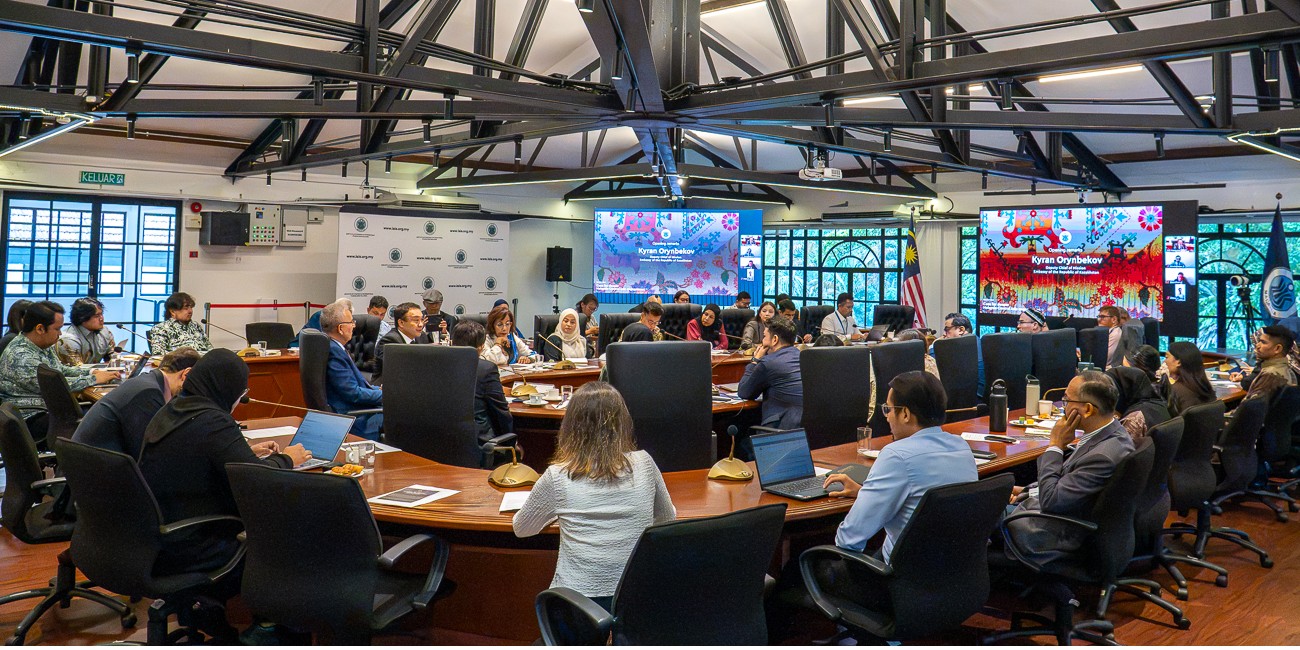
Kazakhstan and Malaysia Discuss New Opportunities for Regional Cooperation 21.09.2026
Kuala Lumpur, 21 September 2026 – The Institute of Strategic and International Studies Malaysia (ISIS Malaysia) hosted a roundtable entitled “The Case for Deeper Malaysia–Central Asia Engagement”, focusing on opportunities to strengthen political, economic and people-to-people cooperation between Malaysia and the countries of Central Asia.The event was attended by Deputy Chief of Mission of the Embassy of the Republic of Kazakhstan in Malaysia Kyran Orynbekov, Executive Chairman of ISIS Malaysia Professor Dr Mohd Faiz Abdullah, leading expert at the Kazakhstan Institute for Strategic Studies under the President of the Republic of Kazakhstan (KazISS) Bauyrzhan Auken, representatives of the Ministry of Foreign Affairs of Malaysia, experts from research institutions in Uzbekistan and Kyrgyzstan, diplomats and members of the wider expert community.In his opening remarks, Kyran Orynbekov noted that Kazakhstan pursues an active and balanced foreign policy based on dialogue, mutual respect and multilateral cooperation. He highlighted Kazakhstan’s international initiatives aimed at promoting peace, security and international dialogue, including the Congress of Leaders of World and Traditional Religions, Kazakhstan’s advocacy for a world free of nuclear weapons, and the initiative to establish the Conference on Interaction and Confidence-Building Measures in Asia (CICA). He also emphasised Kazakhstan’s consistent contribution to strengthening multilateral cooperation, building mutual trust and promoting peaceful solutions to international and regional challenges.Executive Chairman of ISIS Malaysia Professor Dr Mohd Faiz Abdullah stressed that closer engagement among countries with shared approaches and interests creates favourable conditions for strengthening mutual understanding and developing long-term partnerships. He highlighted the significant potential for expanding cooperation between Malaysia and the Central Asian countries, including in trade and investment, education and other promising areas.Particular attention during the discussion was given to Kazakhstan’s political and constitutional modernisation. In his presentation of the ISIS Malaysia research note, analyst Qarrem Kassim examined key developments in Kazakhstan’s political system, including the constitutional referendum and the establishment of a new unicameral Parliament — the Kurultai. He noted that the new Parliament could provide an additional official channel for developing long-term economic partnerships, alongside engagement with government bodies, state-owned enterprises and relevant economic agencies.The discussion also highlighted significant opportunities for further cooperation between Malaysia, Kazakhstan and other Central Asian countries in areas such as trade and investment, connectivity, energy, critical minerals, digital technologies, education and research.The roundtable provided a valuable platform for deepening mutual understanding between Malaysia and Central Asia, expanding political and expert dialogue, and identifying new opportunities for practical cooperation.Source : https://www.gov.kz/memleket/entities/mfa-kuala-lumpur/press/news/details/1295448?lang=ru
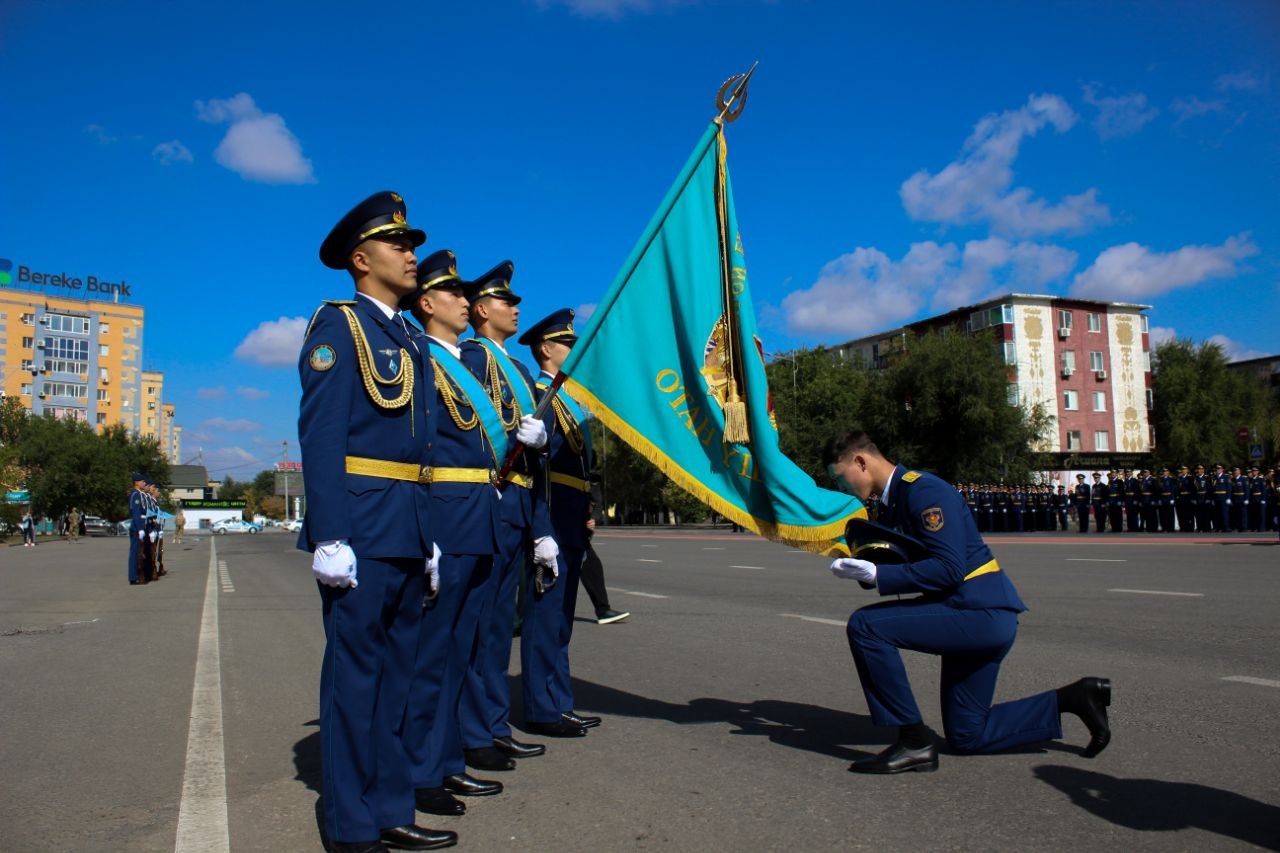
About 70 graduates of the Military Institute of the Air Defense Forces received their first officer ranks. 21.09.2026
Source : https://www.gov.kz/memleket/entities/mod/press/news/details/1295410?lang=ru
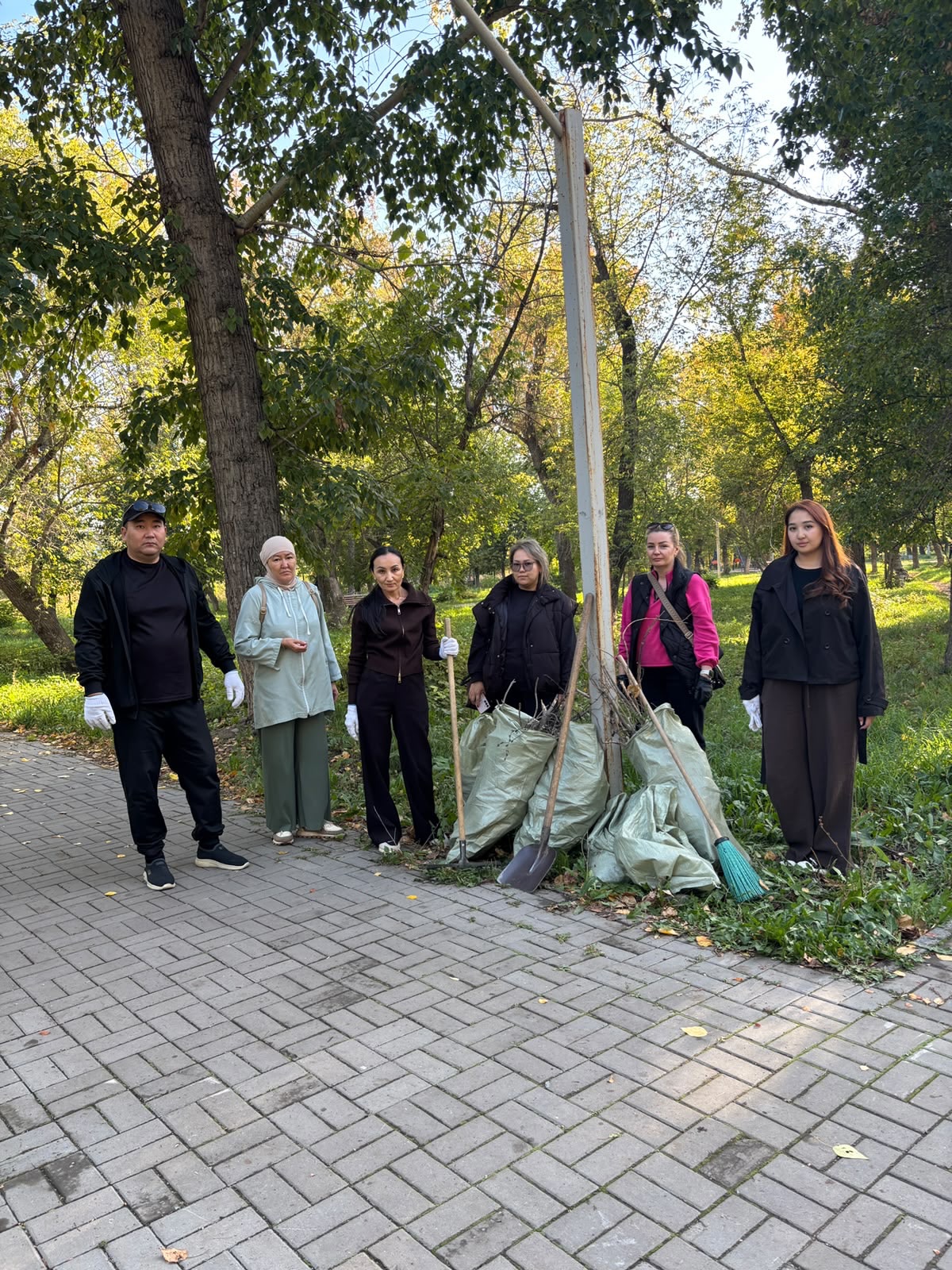
Управление туризма и инвестиций ВКО приняло участие в экологической акции «World Cleanup Day» 21.09.2026
19 сентября 2026 года в Восточно-Казахстанской области состоялась экологическая акция «World Cleanup Day» («Дүниежүзілік сенбілік»), организованная в рамках реализации экологической инициативы «Таза Қазақстан».В мероприятии приняли участие сотрудники государственных органов, представители организаций, волонтеры и жители региона.В рамках акции проведены работы по уборке и благоустройству территорий, а также мероприятия, направленные на повышение экологической культуры и формирование ответственного отношения к окружающей среде.«World Cleanup Day» является международной экологической инициативой, объединяющей участников из разных стран и направленной на сохранение чистоты общественных пространств и повышение уровня экологической ответственности населения.Сотрудники Управления туризма и инвестиций Восточно-Казахстанской области приняли участие в акции, поддержав инициативу по сохранению чистоты и благоустройству территории региона.Source : https://www.gov.kz/memleket/entities/tourism-vko/press/news/details/1295363?lang=ru
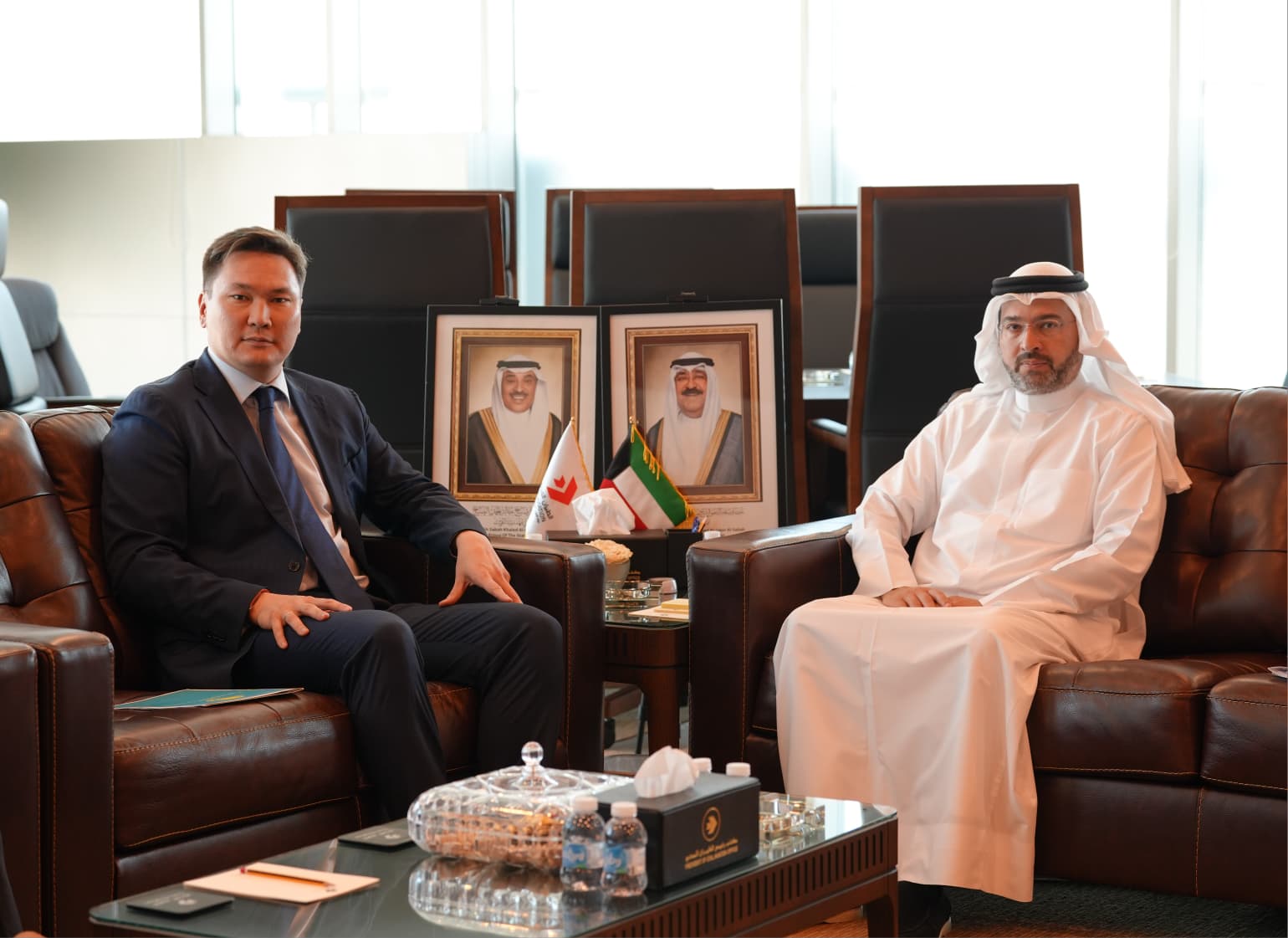
New Prospects for Air Connectivity between Kazakhstan and Kuwait 21.09.2026
Al-Kuwait, 20 September 2026 – Ambassador of the Republic of Kazakhstan to the State of Kuwait Yerzhan Yelekeyev held a meeting with Sheikh Humoud Mubarak Al-Sabah, President of the Directorate General of Civil Aviation of Kuwait.During the meeting, the sides discussed prospects for further developing Kazakh-Kuwaiti cooperation in the field of civil aviation and expanding direct air connectivity between the two countries.Particular attention was paid to opportunities to increase the frequency of direct passenger flights between Kazakhstan and Kuwait, which would contribute to the further development of business and tourism ties between the two countries.The sides also considered prospects for developing air cargo transportation, including expanding opportunities for the delivery of Kazakh products to the Kuwaiti market and strengthening transport and logistics links between Kazakhstan and Kuwait.The parties separately discussed the conclusion of the intergovernmental Air Services Agreement between the Republic of Kazakhstan and the State of Kuwait, the draft of which had previously been submitted by the Kazakh side for consideration by Kuwait. In this regard, the importance of further elaborating the document with a view to its subsequent signing was emphasized.For his part, Sheikh Humoud Al-Sabah expressed the Kuwaiti side’s interest in further developing cooperation with Kazakhstan in the field of civil aviation and confirmed his readiness to make the necessary efforts to deepen bilateral cooperation, expand air connectivity and implement joint initiatives in this area.Following the meeting, the sides reaffirmed their mutual interest in strengthening cooperation in the field of civil aviation and further developing direct air connectivity between Kazakhstan and Kuwait.Source : https://www.gov.kz/memleket/entities/mfa-kuveyt/press/news/details/1295366?lang=ru
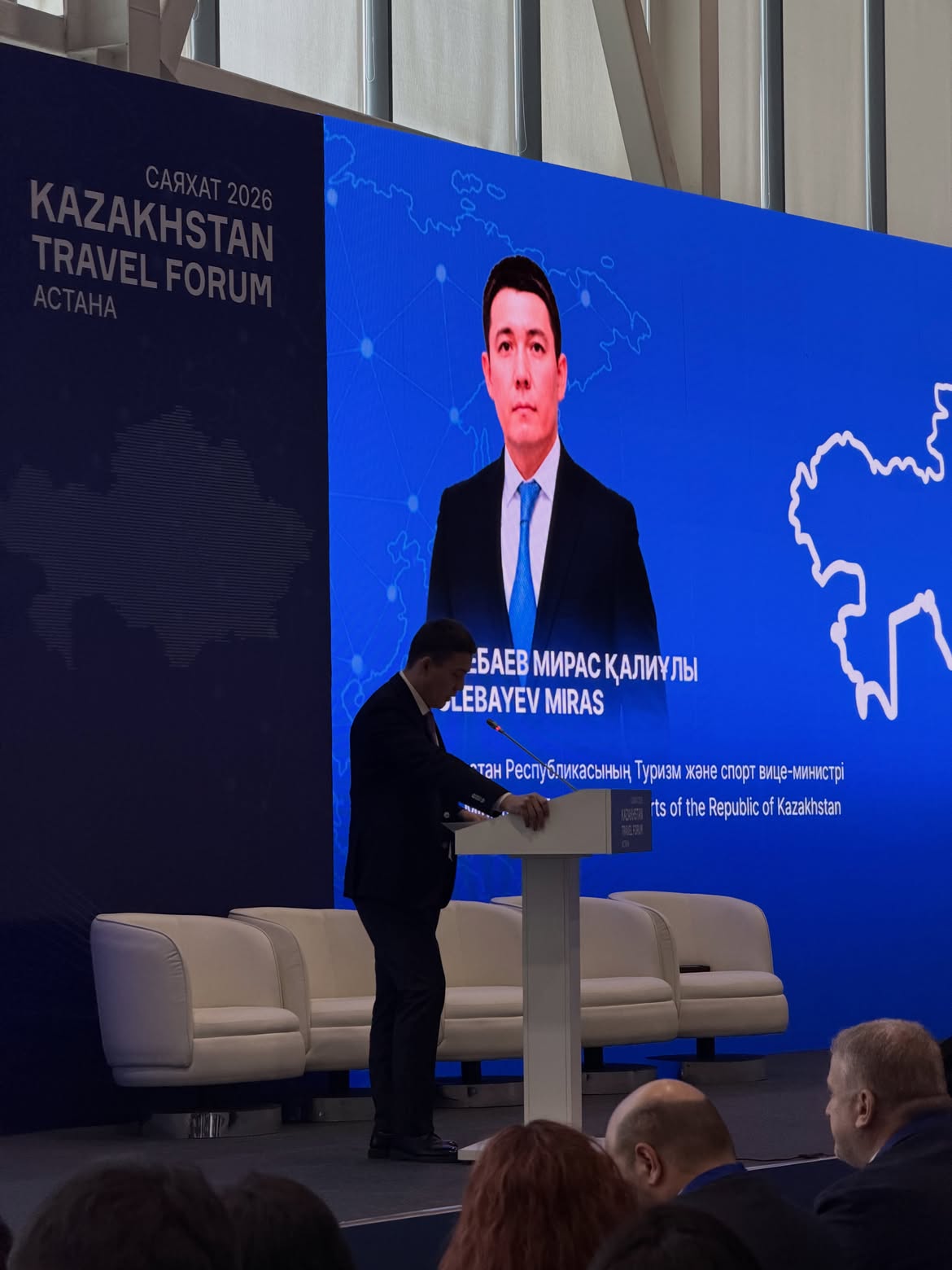
East Kazakhstan Region Participates in Kazakhstan Travel Forum «SAYAKHAT 2026» 21.09.2026
Representatives of the Department of Tourism and Investments of the East Kazakhstan Region, the Tourism Information Centre and the tourism business are participating in the international tourism forum Kazakhstan Travel Forum «SAYAKHAT 2026», held in Astana from 17 to 19 September.The theme of this year's forum is “Risk-Free Tourism”. The event brings together representatives of government authorities, the tourism and hospitality sectors, airlines and international organizations.The forum programme includes expert sessions, panel discussions, B2B meetings and presentations of tourism products.Symbat Ramazanov, Chairman of the Tourism Council of the Chamber of Entrepreneurs of the East Kazakhstan Region, participated as a speaker in the panel session “Experience Economy: Service, Competencies and New Standards”.The exhibition area features natural products from local producers, including Altai honey and other beekeeping products.The participation of representatives of the East Kazakhstan Region in the forum contributes to the exchange of experience, strengthening interregional cooperation and promoting the region's tourism and investment potential.Source : https://www.gov.kz/memleket/entities/tourism-vko/press/news/details/1295360?lang=ru
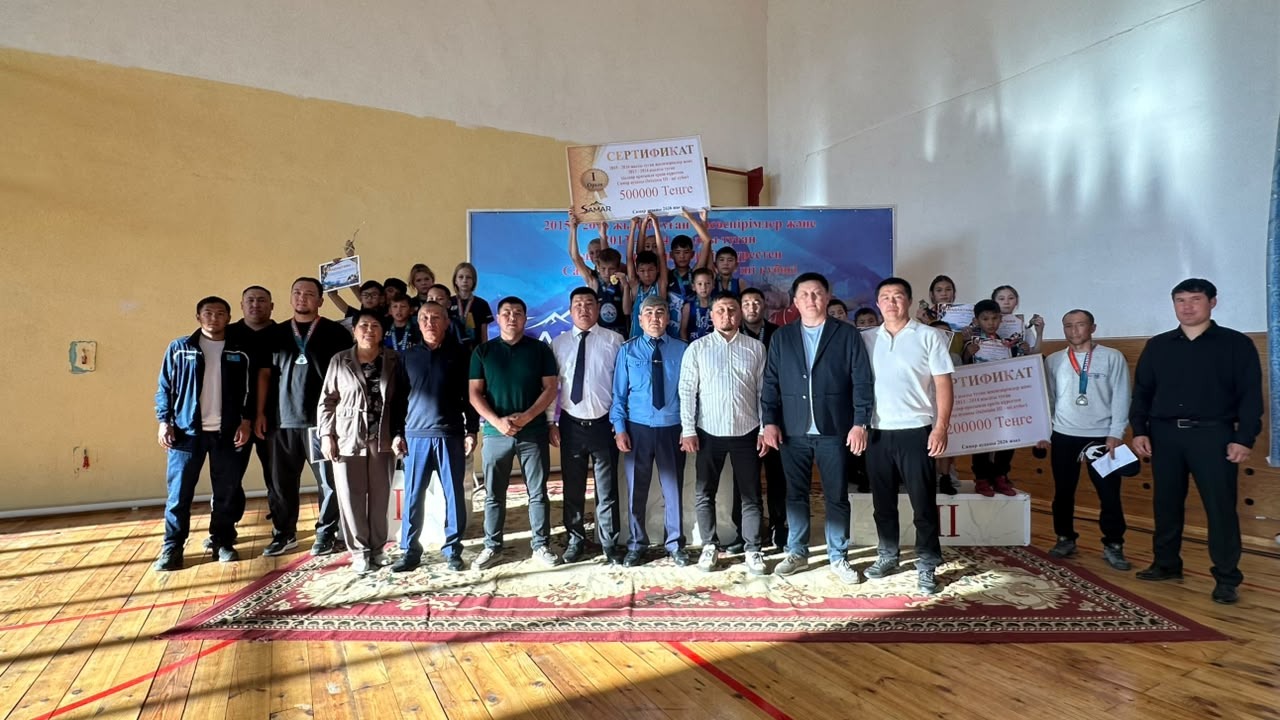
В районе Самар прошёл открытый турнир по вольной борьбе на Кубок акима 21.09.2026
An open tournament dedicated to the district Akim's Cup in freestyle wrestling was held in Samara region among boys born in 2015-2016 and girls born in 2013-2014.The competition was organized within the framework of the implementation of the principle of" Law and order", aimed at the formation of discipline and responsibility among teenagers, promotion of a healthy lifestyle.The tournament was attended by young wrestlers from Ust-Kamenogorsk, Zaisan, Shemonaikha, Samara, Bolshoy Naryn districts, as well as Zharminsky and Kokpekty districts of Abay region.During the competition, the athletes showed their skills and good training, showed their determination to win. The best were determined, and the first place in the team competition was taken by the Samara region. The second place went to Ust — Kamenogorsk, the third place went to Zharminsky district.Akim of the district Serik Zhenisov expressed warm wishes to the participants of the competition and noted the importance of supporting young athletes:"Today's tournament is a good opportunity for young athletes to improve their skills and exchange experience. Young people who are engaged in sports strive for discipline, responsibility and achievement of goals. I wish all participants success. I am sure that in the future such competitions will continue, and our district will have strong athletes who will defend the honor of the country," the mayor of the district said.According to the results of the competition, the winners and prize-winners were awarded with diplomas, medals and cash certificates.Source : https://www.gov.kz/memleket/entities/vko-samar/press/news/details/1295331?lang=ru