World
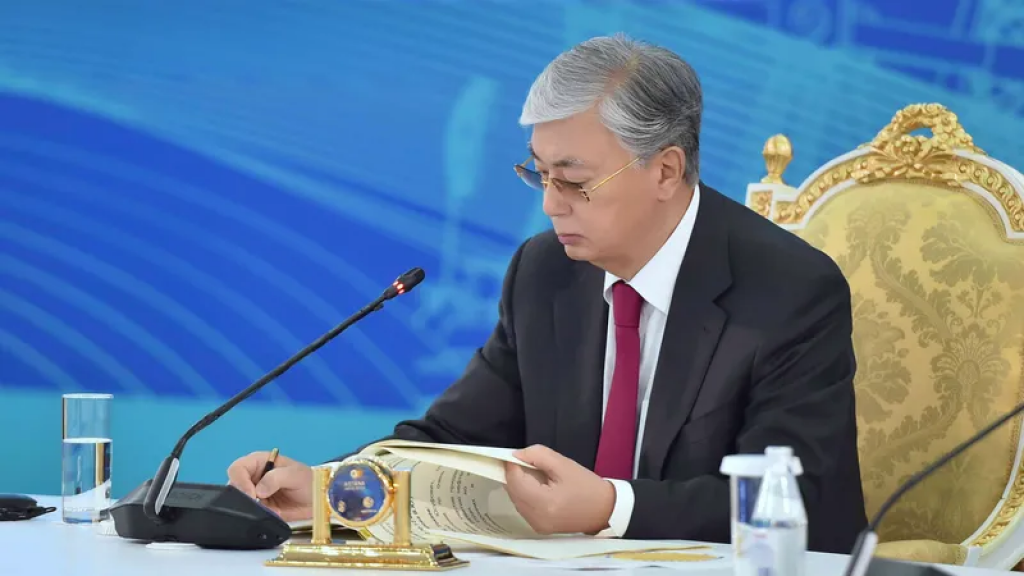
On July 1, 2026, the Law of the Republic of Kazakhstan “On Amnesty in Connection with the Adoption of the New Constitution of the Republic of Kazakhstan” was signed. 13.07.2026
An amnesty has begun for individuals who have committed administrative offenses.Persons who have committed administrative offenses under only the articles of the Code of Administrative Offenses listed in the Law, with the exception of those specified in Article 8 of this Law, are exempt from administrative penalties.Individuals who are citizens of the Republic of Kazakhstan, business entities (registered as individual entrepreneurs in the Republic of Kazakhstan), private notaries, private bailiffs, attorneys, and legal consultants shall be exempt from administrative penalties in the form of administrative fines that have not been enforced as of the date this Law enters into force, or from the unenforced portion thereof as of the date this Law enters into force, for administrative offenses.Enforcement proceedings shall be terminated in accordance with the Law “On Enforcement Proceedings and the Status of Judicial Enforcement Officers.”The enforcement of decisions imposing fines, reviewed by the state revenue authorities specified in paragraph 1 of this article—with the exception of those specified in Article 8 of this Law—shall be terminated by the state revenue authorities. Legal Department Source : https://www.gov.kz/memleket/entities/kgd-zhetysu/press/news/details/1251959?lang=ru

Happy Diplomatic Service Day of Kazakhstan! 13.07.2026
Congratulations on the Diplomatic Service Day of the Republic of Kazakhstan!We sincerely thank you for your dedication, professionalism, and valuable contribution to strengthening international cooperation and enhancing the global standing of Kazakhstan.We wish you continued success, new achievements, and prosperity in your important mission for the benefit of our country. Source : https://www.gov.kz/memleket/entities/kazaid/press/news/details/1251935?lang=ru
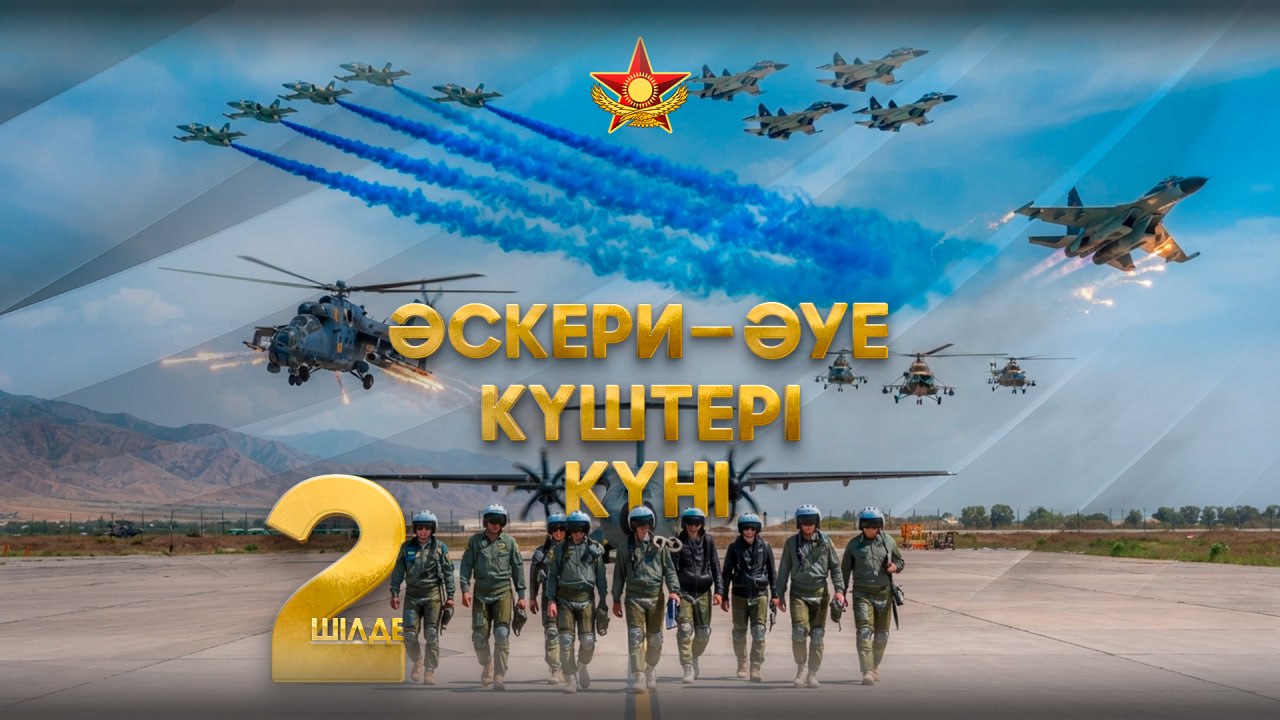
Air Force Day is celebrated in Kazakhstan on July 2 13.07.2026
Source : https://www.gov.kz/memleket/entities/mod/press/news/details/1251921?lang=ru
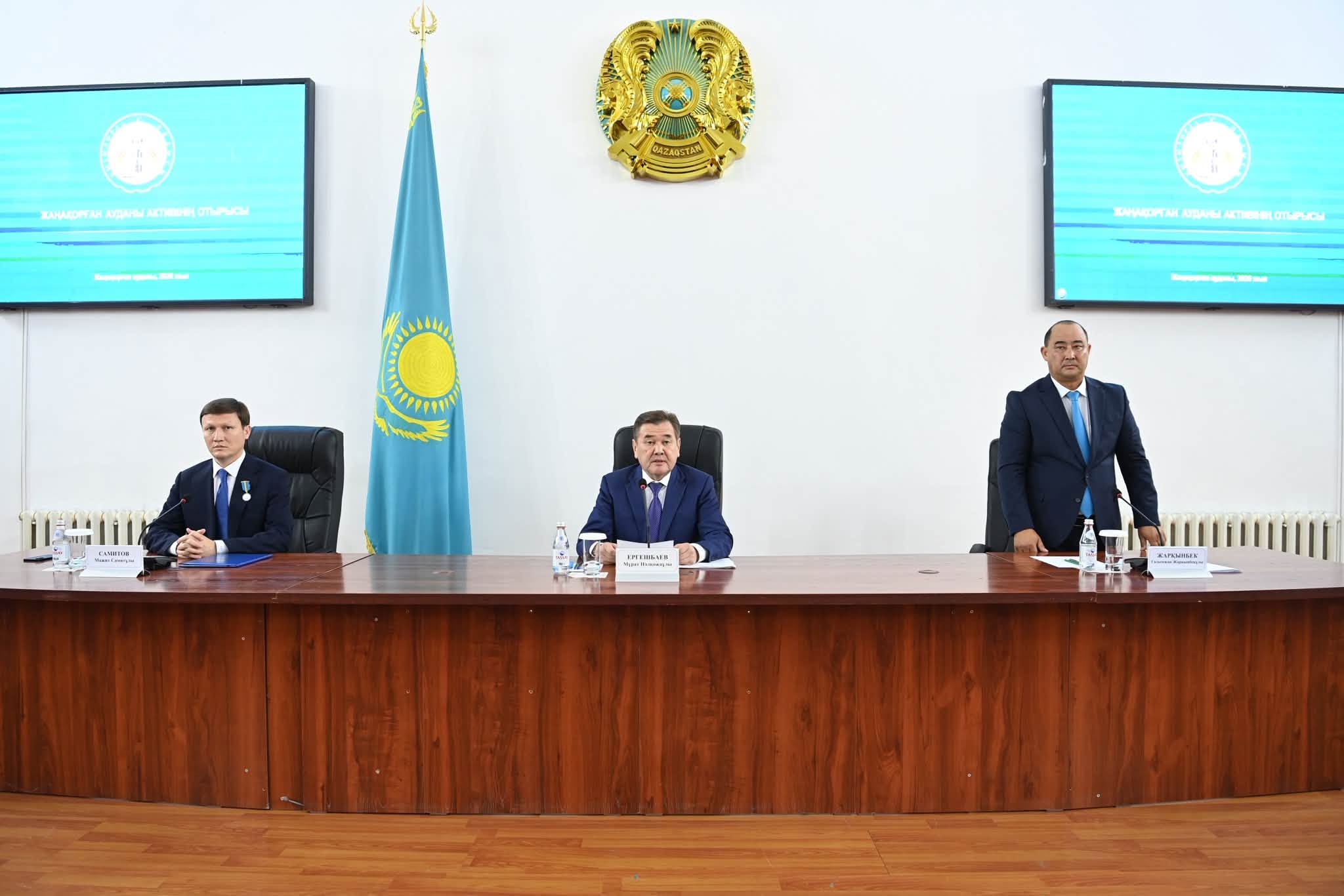
Galymzhan Zharkynbek appointed akim of Zhanakorgan district 13.07.2026
A meeting of the Zhanakorgan district's activists, chaired by Murat Ergeshbayev, regional akim, was held in the Zhanakorgan district. The meeting focused on socio-economic indicators and personnel changes.Zhanakorgan district akim Mazhit Samitovich Samitov was awarded the Kyzylorda Region Honorary Certificate and the medal "For Contribution to the Development of the Kyzylorda Region" for his dedicated work.The new district akim, Zharkynbek Galymzhan Zharkynbekovich, was introduced. The newly appointed district akim has been tasked with effectively and efficiently attracting investment, expanding the tax base, creating new jobs, implementing entrepreneurship development projects, and ensuring socio-political stability.Zhanakorgan is one of the leading agricultural producing districts. Therefore, one of the main objectives should be the efficient use of agricultural potential, increasing production volumes, and enhancing the competitiveness of the industry. Given the water shortage in the coming years, it is necessary to systematically diversify crop areas, increase the share of water-intensive crops, and implement advanced water-saving technologies on farms.Tourism is an important sector of the economy. The natural features and historical and cultural heritage of the Zhanakorgan region offer significant opportunities for increasing tourism potential. This will positively impact the creation of new jobs, the development of small and medium-sized businesses, and the development of the district's economy.The newly appointed head of the district has been instructed to utilize all resources to ensure the high-quality implementation of new projects.Galymzhan Zharkynbekovich was born in 1978 in the Zhanakorgan district. He graduated from the Kazakh State Agrarian University with a degree in Agronomy.He began his career as a chief specialist at the state-owned enterprise Kazagreks and held various senior positions in agriculture. From 2009 to 2021, he served as the head of the regional territorial inspectorate department, head of the Kyzylorda city agriculture and veterinary department, and deputy akim of the Zhanakorgan district.From January 2021 to the present, he has served as chairman of the Zhanakorgan district maslikhat.Source : https://www.gov.kz/memleket/entities/kyzylorda/press/news/details/1251928?lang=ru
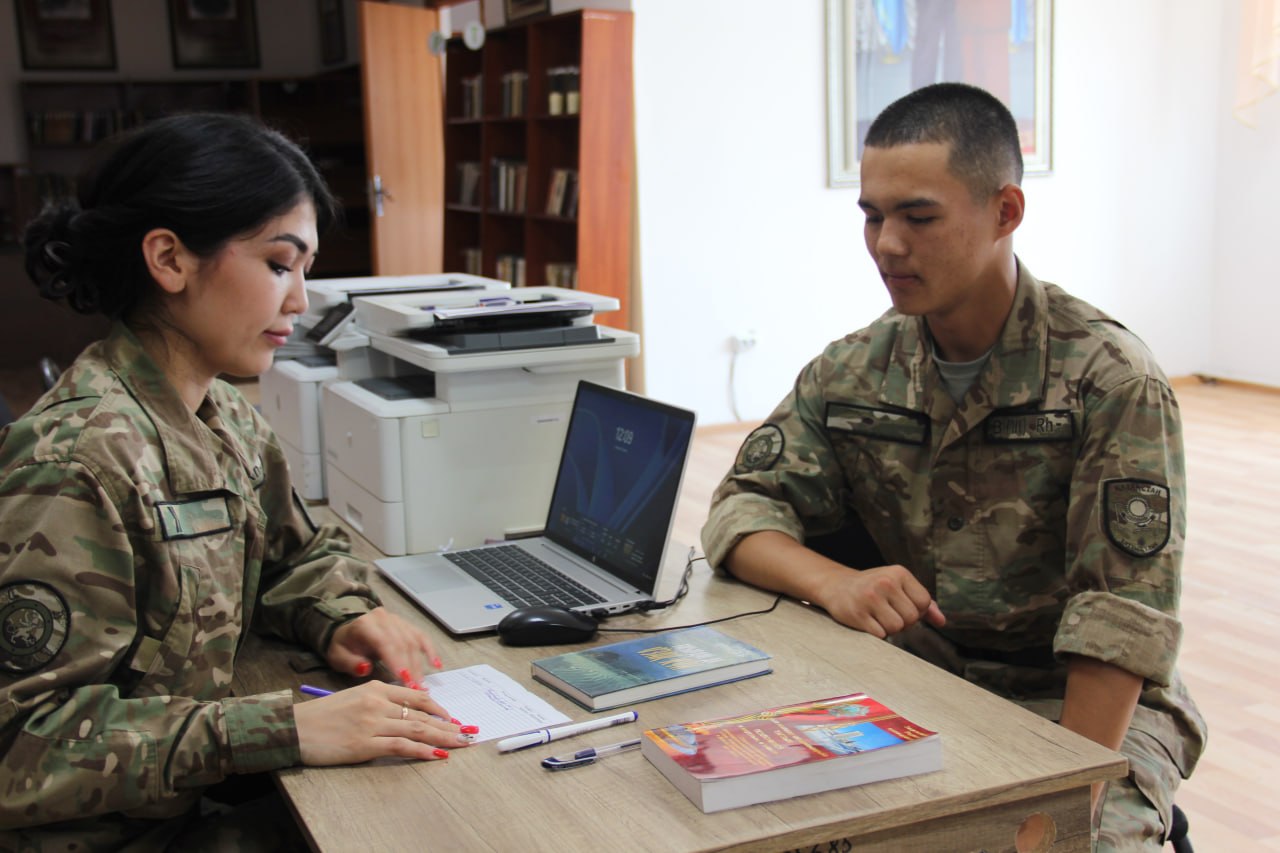
"BOOKGUARD" Reading Challenge: National Guard Servicemen Have Read More Than 4,000 Books 13.07.2026
he BOOKGUARD literary challenge continues across the National Guard of the Ministry of Internal Affairs of the Republic of Kazakhstan. Since the beginning of the year, participants have read more than 4,000 books. The most active readers are conscript servicemen, who account for over 2,000 of the books completed. Contract servicemen and officers are also actively participating in the initiative.One of the participants is Zhasulan Nurzhanuly, a serviceman of Military Unit 5573 in Astana. The 19-year-old guardsman, who was drafted from Shymkent, has been passionate about reading since childhood. Even during his basic military training, he managed to read two books.Zhasulan is currently reading "The Day Lasts More Than a Hundred Years" by Chingiz Aitmatov. According to him, the fate of the novel’s main character highlights the importance of resilience, responsibility, and strength of character—qualities essential for every serviceman.A special place on his reading list is occupied by "Ushkan Uya" ("Our Family Nest") by Bauyrzhan Momyshuly. The story of the legendary commander’s childhood inspired the young guardsman to reflect on the crucial role of family and upbringing in shaping a person's character.After completing his military service, Zhasulan plans to pursue higher education and take part in the Srоchnik 2.0 educational program. He uses his free time to combine military service with self-development through reading.The BOOKGUARD reading challenge was launched on April 6 of this year at Military Unit 5574 of the National Guard in Turkestan. It has since expanded to National Guard units across the country, promoting a culture of reading and encouraging lifelong learning among servicemen. Press Service of the National GuardMinistry of Internal Affairs of the Republic of KazakhstanSource : https://www.gov.kz/memleket/entities/kvv/press/news/details/1251908?lang=ru
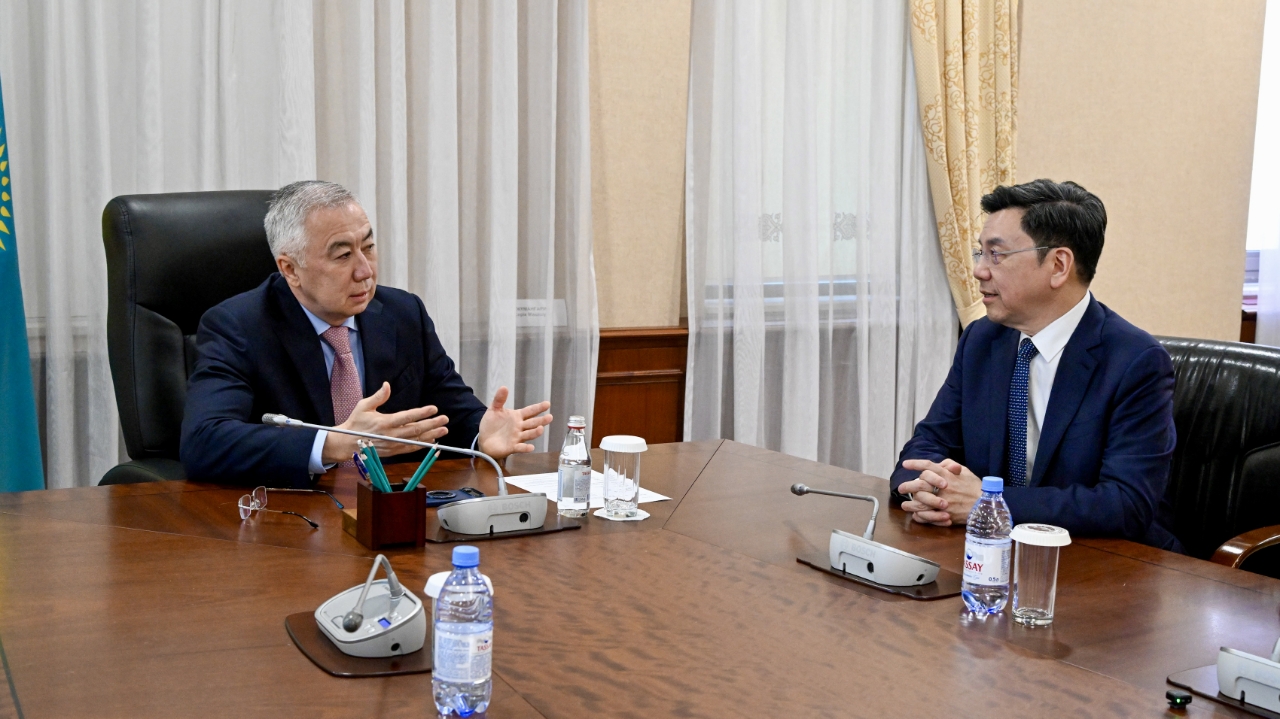
Серик Жумангарин обсудил внедрение ИИ в госуправление с основателем компании «01.AI» Кай-Фу Ли 13.07.2026
Заместитель Премьер-министра – министр национальной экономики РК Серик Жумангарин встретился с генеральным директором компании «01.AI» Кай-Фу Ли. Стороны обсудили перспективы использования ИИ для макроэкономического прогнозирования и повышения эффективности государственного аппарата.Серик Жумангарин отметил, что высокая волатильность внешних факторов усложняет расчеты при использовании традиционных подходов.«Для нас критически важно качество предсказуемости и возможность раннего выявления признаков изменения экономической ситуации. Стандартные прогнозы не всегда успевают за рынком. Если раньше аналитика составлялась на месяц или год, то сегодня гибкая оценка требуется ежедневно. Нам необходима единая интеллектуальная модель для комплексного сценарного анализа», - поделился вице-премьер.Выступая на встрече, глава компании «01.AI» Кай-Фу Ли отметил, что искусственный интеллект развивается беспрецедентными темпами, ежегодно становясь значительно мощнее и доступнее. По его словам, ИИ уже способен за считанные минуты выполнять задачи, на которые человеку требуются многие часы.Он подчеркнул, что государственным органам важно использовать искусственный интеллект не только для автоматизации рутинных процессов, но и как инструмент поддержки стратегических решений. По мнению Кай-Фу Ли, технологии ИИ могут помочь в прогнозировании экономического развития, моделировании различных сценариев, повышении эффективности государственного управления, снижении рисков и совершенствовании процесса принятия решений.Отдельное внимание он уделил необходимости внедрения искусственного интеллекта на уровне руководства государственных органов, поскольку именно такой подход позволяет максимально раскрыть потенциал технологии.Кай-Фу Ли также отметил, что широкое распространение ИИ окажет существенное влияние на мировую экономику, ускорит экономический рост и одновременно потребует адаптации рынка труда, системы образования и государственной политики. В этой связи он высоко оценил внимание, которое Казахстан уделяет развитию искусственного интеллекта и цифровых технологийВ ходе встречи были представлены цифровые решения для Министерства национальной экономики. Среди них - система автоматизации проверок бизнеса, которая на основе данных 27 госорганов автоматически оценивает риски и формирует списки проверок, а также платформа прогнозирования экономического роста, анализирующая в режиме реального времени влияние ключевых макроэкономических факторов на экономику.По итогам встречи стороны договорились продолжить совместную работу по развитию алгоритмов искусственного интеллекта для обеспечения предсказуемости и стабильности экономической политики Казахстана.Source : https://www.gov.kz/memleket/entities/economy/press/news/details/1251910?lang=ru
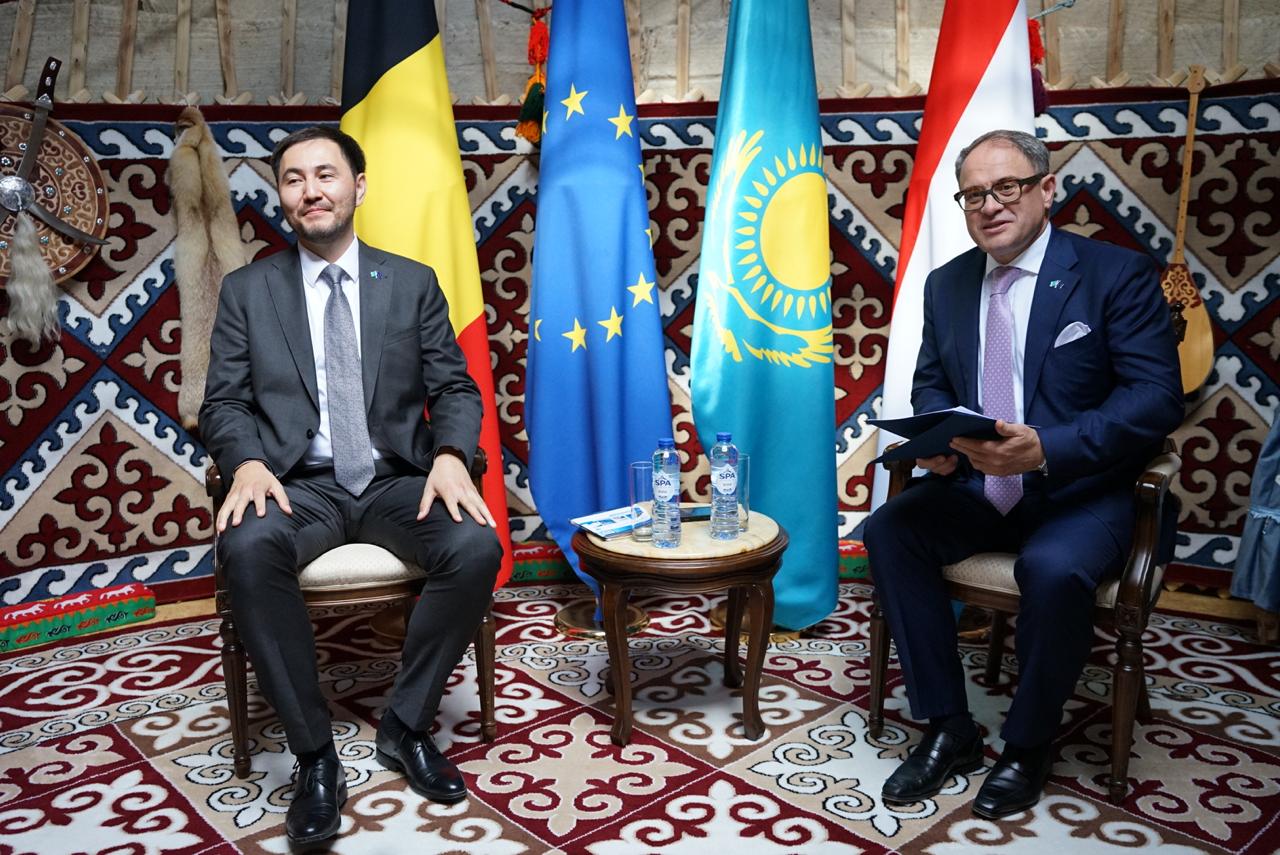
Kazakhstan's New Constitution Presented Under the Shanyraq in Brussels 13.07.2026
Brussels, July 1, 2026 – The Embassy of the Republic of Kazakhstan in the Kingdom of Belgium hosted a roundtable discussion under its “Shanyraq Dialogue” platform to mark the entry into force of the new Constitution of the Republic of Kazakhstan.The event was opened by the Ambassador of the Republic of Kazakhstan to the Kingdom of Belgium, Roman Vassilenko, who underscored the historic significance of the new Constitution entering into force, describing it as the beginning of a new stage in the country’s political modernization. He also noted the symbolic timing of the official visit of the President of Kazakhstan, Kassym-Jomart Tokayev, to Brussels shortly before this milestone, highlighting the close link between Kazakhstan’s domestic reforms and the development of its strategic partnership with the European Union.The Ambassador emphasized that the new Constitution provides a solid foundation for strengthening democratic institutions, reinforcing the rule of law in Kazakhstan, and further expanding cooperation with the European Union.The keynote speaker was Zhandos Shaimardanov, Director of the Kazakhstan Institute for Strategic Studies under the President of the Republic of Kazakhstan, who presented an expert overview of the country’s new constitutional framework.He stressed that the entry into force of the Constitution marks a new phase in Kazakhstan’s political and legal development. According to Mr. Shaimardanov, the renewed Basic Law is the result of broad public dialogue and enshrines not only a new institutional architecture of the state, but also modern constitutional values centered on human rights, freedoms, and dignity.Particular attention was paid to the practical implementation of the constitutional reforms, the further improvement of legislation, and ensuring the sustainability of the ongoing reform process.Mr. Shaimardanov noted that the Constitution strengthens the accountability of the state to its citizens, reinforces the principles of justice, the rule of law, and social cohesion, and reflects Kazakhstan’s transition to a new development model based on human capital, knowledge, innovation, and digital transformation.The roundtable was followed by a lively discussion during which participants exchanged views on the implementation of Kazakhstan’s constitutional reforms, the prospects for the country’s political modernization, and the further development of cooperation between Kazakhstan and the European Union.In particular, the EU Special Representative for Central Asia, Eduards Stiprais, highlighted the importance of the consistent implementation of Kazakhstan’s institutional reforms. In turn, Dietmar Krissler, Head of the Central Asia Division at the European External Action Service, reaffirmed the European Union’s support for Kazakhstan’s political transformation agenda, as underscored during President Tokayev’s official visit to Brussels.At the conclusion of the event, participants noted that the “Shanyraq Dialogue” continues to serve as an effective platform for open expert dialogue between Kazakhstan and its European partners on issues of domestic development and international cooperation. Source : https://www.gov.kz/memleket/entities/mfa-brussels/press/news/details/1251879?lang=ru
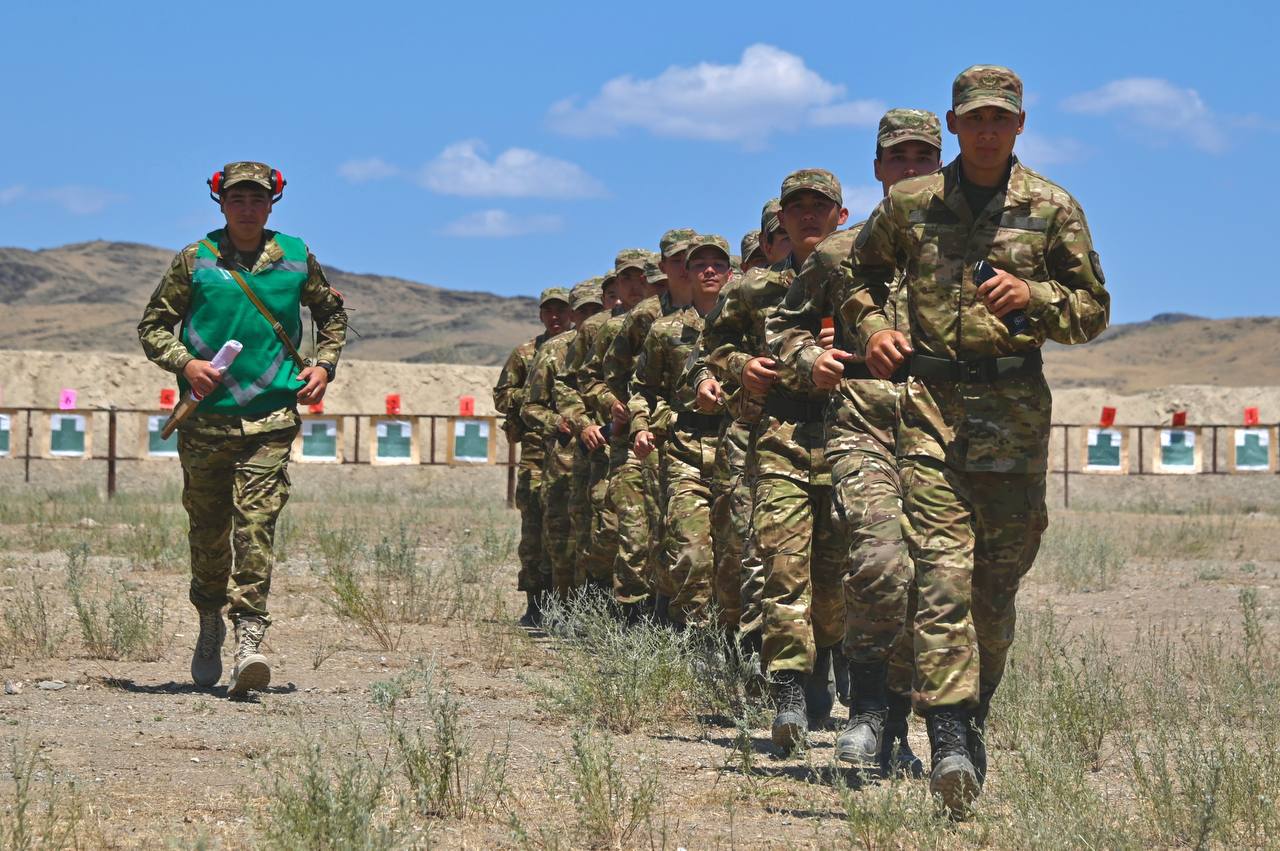
Results of the spring draft: over 21,000 citizens have joined the ranks of the Kazakhstani army 13.07.2026
Source : https://www.gov.kz/memleket/entities/mod/press/news/details/1251881?lang=ru
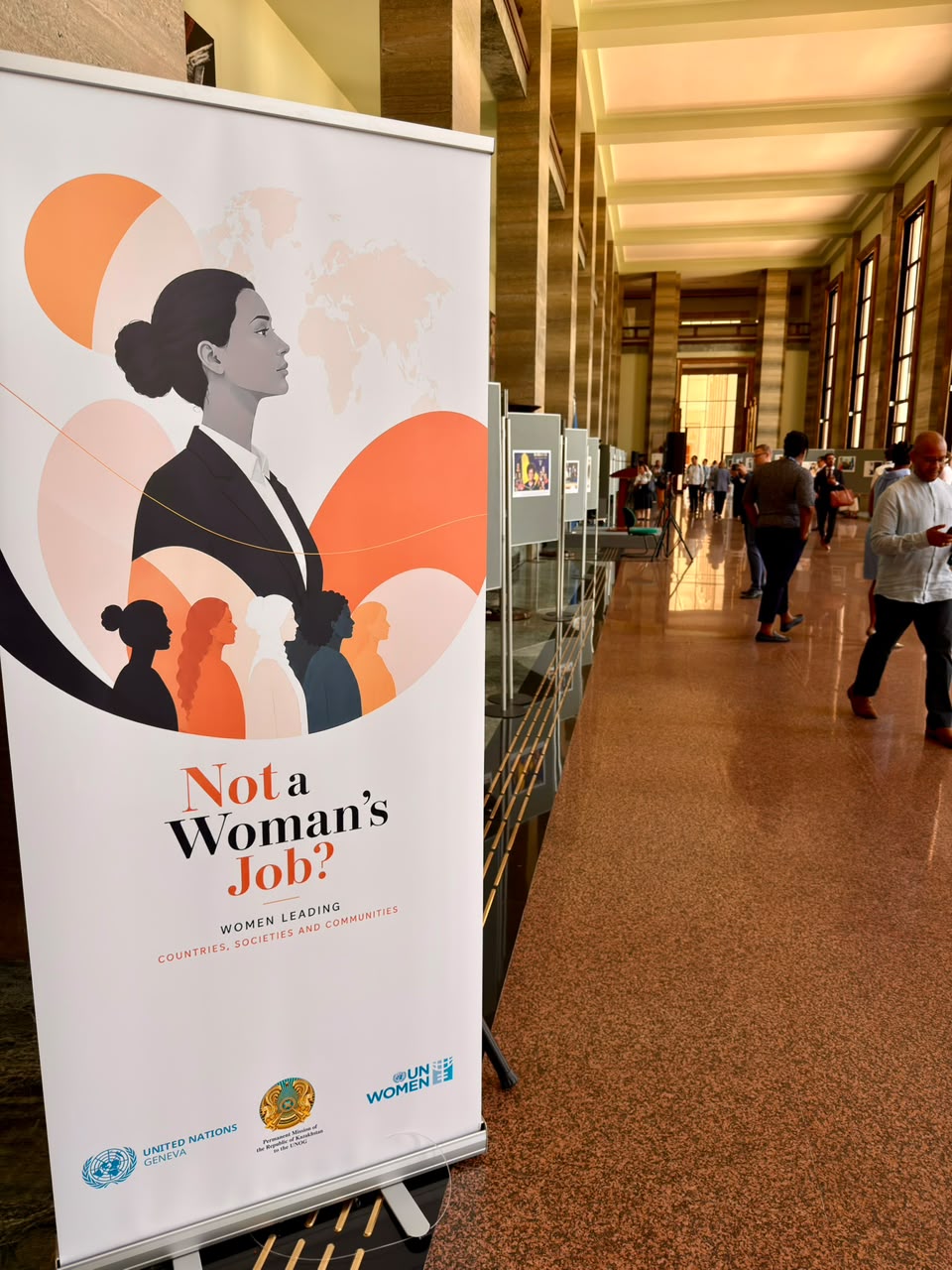
Kazakhstan and the UN in Geneva Open International Photo Exhibition Dedicated to Women Leaders 13.07.2026
Geneva, June 30, 2026 – The Permanent Mission of the Republic of Kazakhstan to the United Nations Office and other international organizations in Geneva, in cooperation with the United Nations Office at Geneva, co-organized the international photo exhibition "Not a Woman's Job? Women Leaders of Countries, Societies, and Communities," which opened at the Palais des Nations.The exhibition brings together photographs and stories of women whose hard work and leadership make significant contributions to the development of nations, societies, and local communities. The project aims to demonstrate that leadership knows no gender boundaries, and that the full participation of women in decision-making processes, diplomacy, public governance, business, science, culture, and civil society is an essential prerequisite for building more resilient, just, and inclusive societies.This year, the exhibition received a widespread response from the international community. More than 45 permanent missions submitted photographic materials showcasing the role of women in public and political life, peacebuilding, humanitarian action, education, culture, and local government.Speaking at the official opening ceremony, the Kazakh side emphasized that the exhibition, through photographs and personal stories, serves as a reminder of the critical role women play in shaping the future of states, societies, and local communities. It was noted that respect for women leaders is deeply rooted in the historical and cultural heritage of Kazakhstan. A powerful symbol of this is the legendary Queen Tomyris, whose wisdom, courage, and state leadership continue to inspire new generations.Special attention was paid to the ongoing political and institutional reforms in Kazakhstan, enshrined in the updated Constitution, as well as the state's consistent measures to expand women's participation in public life, strengthen mechanisms for protecting their rights, and promote the principles of gender equality and equal opportunity.The opening ceremony was attended by heads of diplomatic missions, leaders of international organizations, and representatives of civil society and the media. Participants highlighted the significance of the exhibition as an international platform for recognizing the achievements of women leaders, exchanging best practices, and promoting the principles of gender equality and women's empowerment in decision-making processes.Source : https://www.gov.kz/memleket/entities/mfa-geneva/press/news/details/1251872?lang=ru
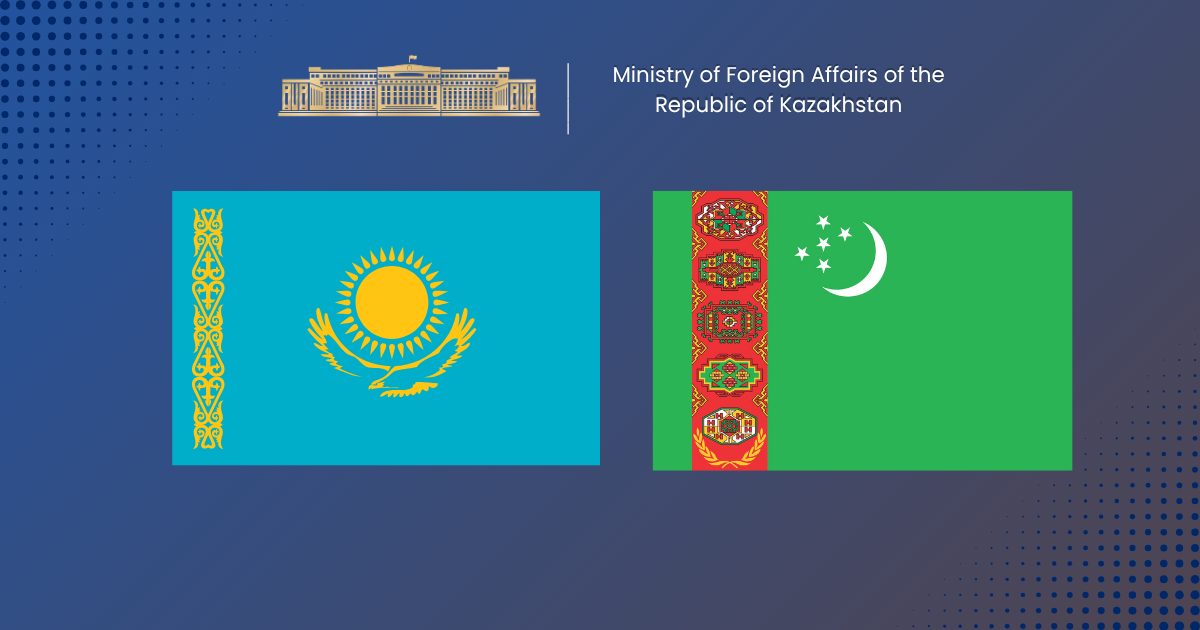
Kazakhstan and Turkmenistan Continue to Strengthen Their Strategic Partnership 13.07.2026
Ashgabat, July 1, 2026 – As part of his official visit to Turkmenistan, Minister of Foreign Affairs of the Republic of Kazakhstan Yermek Kosherbayev was received by the President of Turkmenistan, Serdar Berdimuhamedov.During the meeting, the Kazakh Foreign Minister conveyed warm greetings and best wishes on behalf of the President of the Republic of Kazakhstan Kassym-Jomart Tokayev.Minister Kosherbayev underscored the special importance that Astana attaches to Kazakhstan–Turkmenistan cooperation, which continues to develop in the spirit of good-neighbourliness, mutual respect, and strategic partnership.For his part, President Berdimuhamedov expressed satisfaction with the positive momentum of bilateral cooperation and emphasized the importance of further deepening the strategic partnership between Kazakhstan and Turkmenistan.The Kazakh Foreign Minister also briefed the President on the implementation of the agreements reached at the highest and high levels.The parties also exchanged views on current regional and international issues. They noted the high level of cooperation between the two countries within multilateral frameworks and underscored the importance of further advancing regional cooperation aimed at strengthening peace and stability in Central Asia.A key outcome of the meeting was the signing of the Treaty on Friendship, Good-Neighbourliness and Cooperation for the Development of Central Asia in the 21st Century. This historic step marked the beginning of a new stage of regional cooperation and sustainable development.Source : https://www.gov.kz/memleket/entities/mfa/press/news/details/1251864?lang=ru
On the Development of Trade and Economic Cooperation 13.07.2026
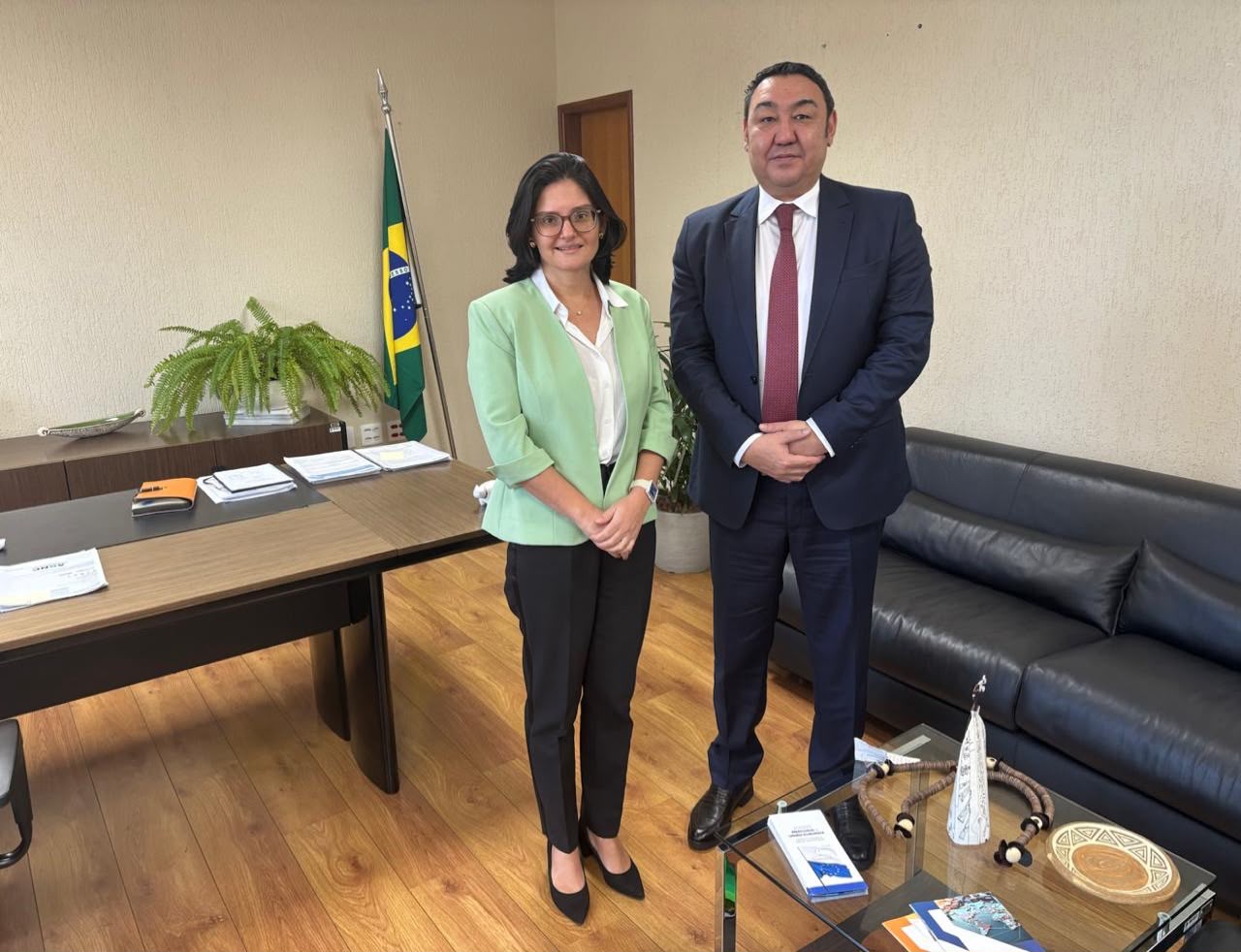
Brasília, July 1, 2026 – Ambassador of Kazakhstan to Brazil Bolat Nussupov held a meeting with Tatiana Prazeres, Secretary of Foreign Trade at Brazil's Ministry of Development, Industry, Trade and Services.In the context of Kazakhstan's recent political reforms, the Ambassador briefed his counterpart on the country's current development, its favorable investment climate, and the government's measures to support foreign investment.The two sides highly appreciated the work of the Brazil–Kazakhstan Business Council, established in 2021, as well as the outcomes of the visit of Brazil's Minister of Foreign Affairs, Mauro Vieira, to Astana in May this year. They also agreed to make joint efforts to increase bilateral trade to US$1 billion.The Kazakh side emphasized the importance of intensifying trade and economic cooperation between the two countries and adopting government support measures to promote exports and imports through the diversification of traded goods.In addition, with a view to giving fresh impetus to bilateral trade cooperation, the parties discussed the possibility of establishing an interministerial working group between the trade ministries of the two countries within the framework of the existing Intergovernmental Commission (IGC). Source : https://www.gov.kz/memleket/entities/mfa-brazil/press/news/details/1251865?lang=ru
Kazakhstan and the Islamic Development Bank Expand Strategic Partnership 13.07.2026
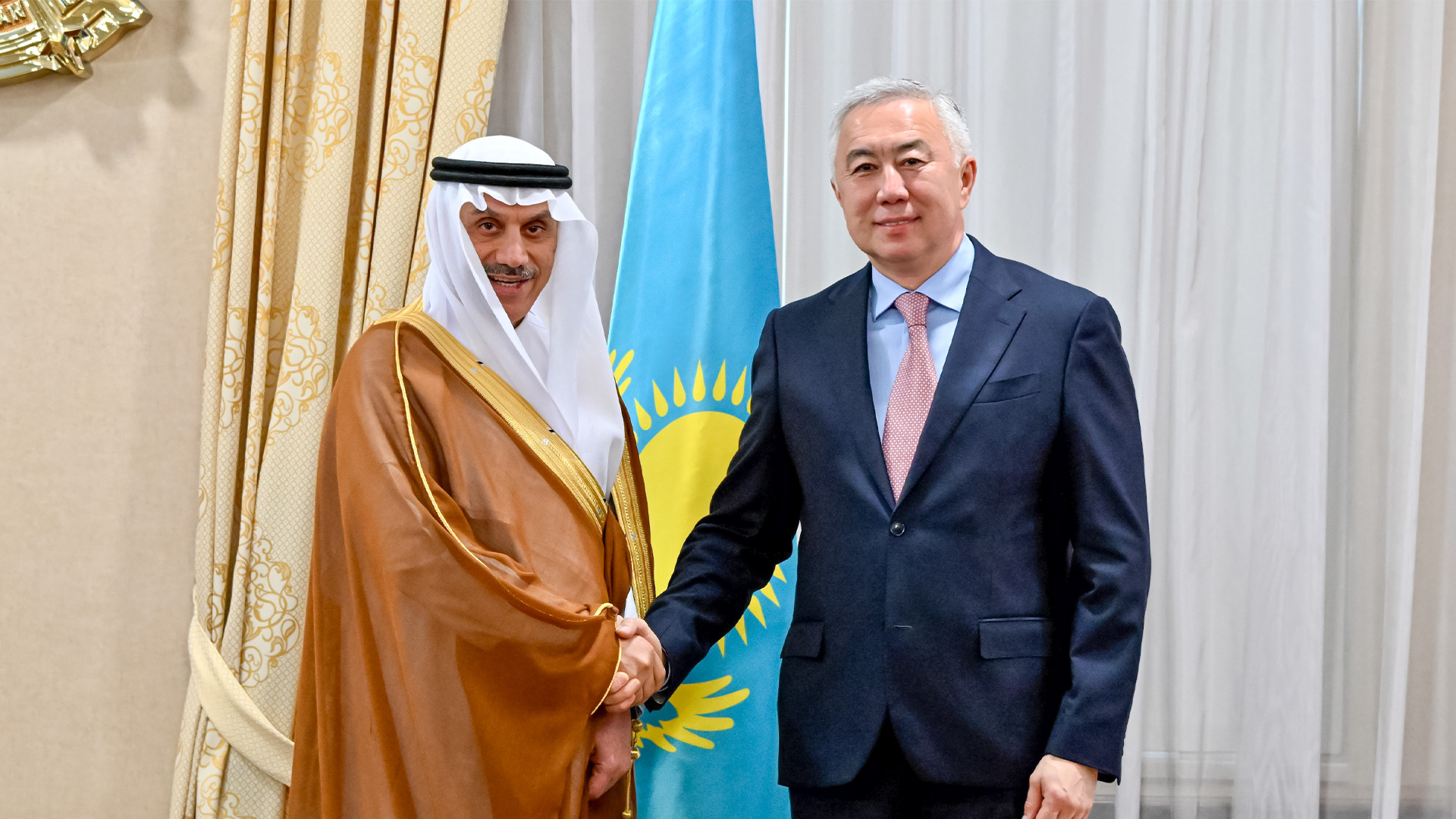
Deputy Prime Minister – Minister of National Economy of the Republic of Kazakhstan Serik Zhumangarin held a meeting with President of the Islamic Development Bank Muhammad Al-Jasser.Welcoming the head of the IDB, Serik Zhumangarin noted his personal contribution to the development of partnership with Kazakhstan and emphasized that the visit confirms the strategic nature of cooperation between our country and the Islamic Development Bank.“Over the past three years, our financial interaction has reached a qualitatively new level. In 2024, the implementation of a large-scale program for the construction and reconstruction of water management infrastructure facilities began with an investment volume of $1.1 billion. Since February of this year, we have started implementing the Framework Agreement to attract $1.3 billion for the development of infrastructure of special economic and industrial zones. In addition, issues of financing the transport projects ‘Kyzylorda – Saksaulsk’ and ‘Bypass of Kyzylorda City’ are being worked out,” the Deputy Prime Minister noted.Currently, a new Partnership Strategy for 2027–2032 is being developed jointly with the Islamic Development Bank, which will determine the priority areas for further cooperation with Kazakhstan.President of the IDB Muhammad Al-Jasser emphasized that the potential for interaction is significantly broader than the projects already being implemented.“Over the years of joint work, effective interaction has been built between our specialists, which allows expanding the project portfolio. The Islamic Development Bank has sufficient flexibility to find solutions to many issues facing member countries. At the same time, we pay special attention to the development of national capabilities, using the internal systems of states to prepare and implement projects. When a country is able to implement projects mainly on its own, it indicates the maturity of its institutions and sustainable development. I am confident that together with Kazakhstan we can do much more,” he noted.Al-Jasser also emphasized that the Islamic Development Bank is not only a financial institution but also an integrated group operating on the single window principle. Thanks to specialized structures, the group provides comprehensive project support, combining long-term project financing, insurance, and trade finance instruments.During the meeting, Serik Zhumangarin proposed considering the possibility of opening an additional IDB office in Astana. According to him, the current regional hub in Almaty is successfully performing its functions, but the significant expansion of cooperation requires closer interaction with central government bodies, including on the development of Islamic finance mechanisms.“We expect that the rich expertise of the Islamic Development Bank will allow us to continue jointly implementing projects aimed at infrastructure development, improving food security, effective management of water and other natural resources, as well as introducing modern and ‘green’ technologies,” the Deputy Prime Minister emphasized.At the end of the meeting, an exchange of signed copies of the Agreement on Forward Leasing for the Development of Infrastructure of Special Economic and Industrial Zones took place.For reference: Kazakhstan has been a member of the Islamic Development Bank since 1995. The IDB Regional Office in Almaty, opened in 1997, coordinates the Bank’s activities in the countries of Eastern Europe, the CIS, Mongolia, and China.Over the period of cooperation from 1997 to 2026, the volume of financing for projects and technical assistance from the IDB in Kazakhstan exceeded $4.2 billion.Currently, projects in the water, transport, and industrial sectors are being jointly implemented, and a new Partnership Strategy between Kazakhstan and the IDB for 2027–2032 is being developed.Source : https://www.gov.kz/memleket/entities/mfa-jeddah/press/news/details/1253284?lang=ru
Kazakhstan and Brno Strengthen Regional Partnership 13.07.2026
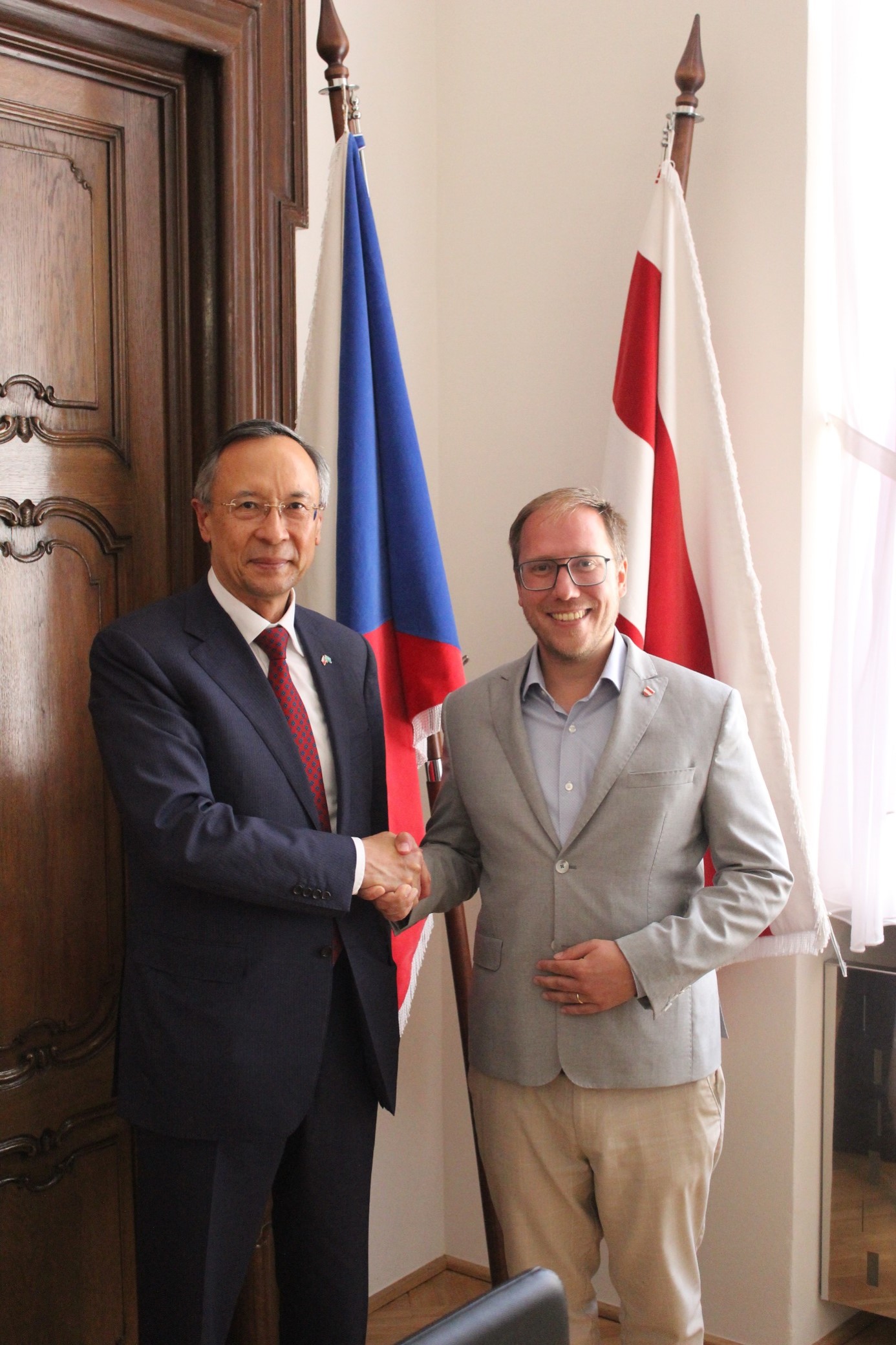
Brno, 29 June 2026 - As part of his working visit to the city of Brno, Ambassador Extraordinary and Plenipotentiary of the Republic of Kazakhstan to the Czech Republic Kairat Abdrakhmanov held a meeting with Deputy Mayor of Brno Filip Chvátal.During the meeting, the parties exchanged views on prospects for expanding cooperation and developing direct contacts between Kazakhstan and Brno, the largest city of the South Moravian Region. It was emphasised that interregional cooperation has traditionally represented an important dimension of bilateral relations between the two countries.Particular attention was paid to opportunities for exchanging experience in the areas of sustainable urban development, environmental protection, innovation and investment promotion, as well as to the implementation of joint economic projects and strengthening cooperation between educational and research institutions. Special importance was attached to creating new opportunities for business communities, representatives of the scientific and academic sectors, cultural and creative professionals, as well as young people of both countries.During the meeting, the Czech side was briefed on the progress of comprehensive political and institutional reforms in Kazakhstan aimed at strengthening the rule of law, enhancing the effectiveness of public institutions and expanding citizens’ participation in the country’s public and political life.Particular focus was placed on the entry into force of the new Constitution of the Republic of Kazakhstan and the establishment of the new public institution Khalyk Kenesi (People’s Council), designed to serve as a platform for open dialogue, representation of the interests of various social groups and greater citizen engagement in discussions on the country’s future development priorities.The constructive and cordial discussion, held in the historic building of Brno City Hall, was attended by representatives of the Brno City Administration responsible for international relations, strategic development and support for innovation initiatives, as well as representatives of the regional Chamber of Commerce.The parties reaffirmed their commitment to further strengthening partnership and facilitating the establishment of new contacts between the regions of Kazakhstan and the Czech Republic, recognising interregional cooperation as an important contribution to the development of long-term and mutually beneficial relations between the two countries.Source : https://www.gov.kz/memleket/entities/mfa-prague/press/news/details/1251854?lang=ru
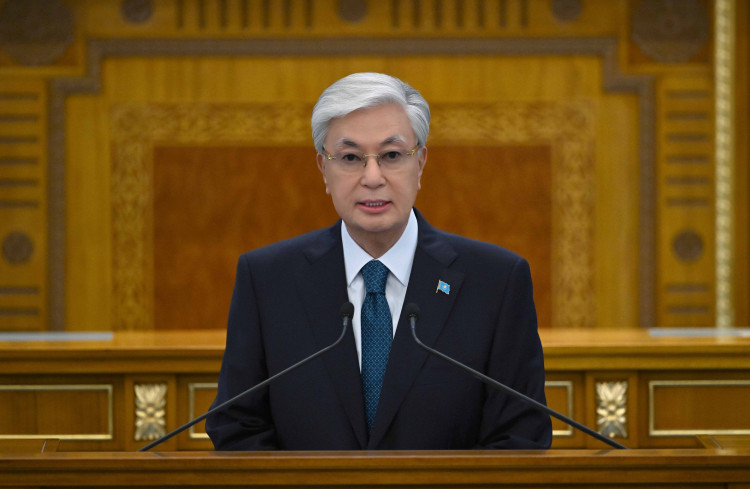
Remarks by the Head of State Kassym-Jomart Tokayev at a Joint Session of the Two Chambers of Parliament 13.07.2026
Dear compatriots!Honorable members of Parliament and members of the Government!It is no exaggeration to say that our meeting today is an event of historic significance.We are not merely bringing another parliamentary session to a close – we are drawing a line under an entire era in the development of Independent Kazakhstan and opening a fundamentally new chapter in the history of our nation’s statehood.The new Constitution of our country will come into force tomorrow.Along with the Basic Law, the system of state power will also undergo a fundamental transformation.The bicameral Parliament will be replaced by a unicameral Kurultai.Overall, these changes clearly reflect the continuity of Kazakhstan’s historical development.Thirty years ago, the country’s first-ever professional Parliament was established.With its new institutional framework, the legislature played a vital role in strengthening statehood, establishing the national legal framework, and building a market economy.The scale of this achievement is impressive: over the past three decades, about three and a half thousand laws have been enacted, with one in ten initiated by the deputies themselves.Our legislative system was shaped by many outstanding statesmen and public figures whose achievements have been recognized by both our people and the international community.Their dedicated work and selfless service to the country have left a lasting mark in the annals of our parliamentarism and in the memory of our compatriots.Parliament has always been a dynamic institution, responding to the demands of the times and the needs of society.Our country’s supreme legislative body has brought together professionals from across society in pursuit of common goals.Thanks to this synergy, we have succeeded in fostering a high standard of parliamentary culture in both political and legislative terms.This is one of the clearest indicators of Kazakhstan’s maturity as a developed country.Each new parliamentary convocation marked another confident step forward, reflecting the steady evolution of our nation.I am well aware of the significance of the vigorous debates held within these walls and the true importance of every law passed to strengthen our Independence.At this historic moment, I would like to express my deep gratitude to the deputies of the Mazhilis and the Senate of all convocations for their impeccable integrity and selfless service to the Motherland.Special thanks go to the current composition of Parliament, which can rightly be described as one of the strongest in Kazakhstan’s modern history.You have had to work during a very challenging period in our nation’s development.It was you who stood at the forefront of the changes taking place across the country.Despite all the challenges, you have worked tirelessly to implement far-reaching reforms.You have assumed responsibility during the most difficult moments and served as a catalyst for the reforms our country so urgently needed.In the last three years alone, more than three hundred crucial laws have been adopted, including historic constitutional laws and codes that will serve as a solid foundation for our future achievements.Together, we have launched an irreversible process of national transformation, affecting every sphere of life – from the economic model to the system of social values.To play a direct role in such a historic transformation is a great honor and a tremendous responsibility.It is safe to say that each of you has fulfilled your responsibilities with dignity.You have worked tirelessly to build a Just and Strong Kazakhstan.Undoubtedly, your tireless work and persistent efforts will be recorded in the annals of our country’s history.But the clock of history does not stand still. The rapidly changing world requires us to take truly decisive action and embrace innovative approaches. I have said this more than once. This is what the times demand.As you are aware, the international situation is deteriorating and becoming increasingly unpredictable, greatly complicating the prospects for global economic development.According to forecasts by the IMF and specialized UN agencies, over the next two years the international community and individual countries will face significant challenges in implementing their economic development plans.Nevertheless, we must not give in to despair, let alone panic. The Government must step up its efforts to ensure the country’s sustainable development. The agenda includes such pressing issues as curbing inflation and bringing it down to the lowest possible level, preventing a slowdown in economic growth, and improving our key economic indicators.As you know, a far-reaching modernization of the entire system of public administration will begin tomorrow.This is not just another administrative reform. It is, in fact, the beginning of a new historical era, marking the start of transformations unprecedented in both their significance and their consequences.In other words, we are undertaking a complete overhaul of the entire edifice of Kazakh statehood.While preserving the foundations and structural integrity of our country’s Independence, we must fundamentally improve the system of public administration. This is a critically important task that requires the concerted efforts of everyone involved, including representatives of the civil service, academic institutions, research and policy centers, NGOs, and international organizations.The goal set out in last year’s Address – to transform Kazakhstan into a developed digital state within three years – remains in place.The future of our country largely depends on achieving this goal.We must always remember that the task of fully safeguarding Kazakhstan’s Independence and sovereignty has not yet been completed, and we should expect threats and challenges to continue growing.Our primary objective is to raise living standards, ensure security, improve the quality of life of our citizens, and make these gains irreversible.We cannot afford to rest on our laurels. The scale and complexity of the tasks before us demand persistent and effective work.With this in mind, I believe it is important to summarize the main outcomes of our joint efforts and outline the priorities for our country’s further development.FIRST. Formation of a new architecture of state powerAs mentioned above, this convocation of Parliament will be remembered for the high quality of its legislative work and the unprecedented effectiveness of its members.You have made a unique contribution to the ongoing process of building a Just Kazakhstan, as well as to the drafting and adoption of the Constitution.Almost every one of you can say to future generations of politicians and public figures – to your children and grandchildren: “I had the honor of taking a direct part in drafting the Constitution of 2026.”By supporting parliamentary reform, the members of Parliament have demonstrated to the entire world their political and civic responsibility, as well as their deep understanding of the national interest.Many of the deputies present in this hall served on the Constitutional Commission, met with citizens, and provided comprehensive explanations of the reforms that will shape our state and its economic potential for many years to come.Following the adoption of the Basic Law in a nationwide referendum, you succeeded in bringing our country’s legal system into line with the new constitutional realities to a high standard and in remarkably short order.In particular, Parliament swiftly drafted and adopted nine legislative packages, including six constitutional laws.As a result, our fundamental formula of state power – “A Strong President – An Influential Kurultai – An Accountable Government” – has now found full institutional expression.Within the renewed balance of powers, the President has retained his key role as a symbol of the Independence and unity of the state, the guarantor of the Constitution, and the protector of the lawful rights and freedoms of our citizens.It is extremely important to understand and bear in mind that Kazakhstan remains a presidential republic, where the President serves as the head of state, Supreme Commander-in-Chief of the Armed Forces, appoints the heads of all law enforcement agencies, determines the country’s main domestic and foreign policy priorities, and represents our state on the international stage.At the same time, the modernization process calls for the further transformation of the parliamentary system.The Kurultai will be tasked with eliminating unnecessary bureaucratic obstacles, improving the speed and quality of the legislative process, and ensuring the effective engagement of qualified experts and advisers.In the era of comprehensive digitalization and artificial intelligence, the Kurultai will have to work at an accelerated pace to ensure that national legislation keeps up with the rapidly changing realities of the digital environment. This is a critically important task because it will determine Kazakhstan’s readiness to compete globally.I hope that the Kurultai will become a leading driver of technological progress.At the first meeting of the Working Group on Parliamentary Reform in October last year, I raised the issue of introducing a fully fledged e-Parliament system.While Kazakhstan already ranks among the world’s top 25 countries in e-Government development, establishing and advancing an Electronic Parliament will require substantial effort.The newly elected deputies will have to adopt a new approach to lawmaking, relying on predictive analytics and the modeling of economic impacts and social risks through the use of Big Data.Important draft laws should be opened for discussion with experts and responsible civic activists. Digital tools should be used to significantly broaden participation and transform these discussions into genuine public debate.The Kurultai is intended to serve as a platform for an open nationwide dialogue, responding promptly to the issues of public concern. This means that the specific concerns of our citizens must be treated as a priority, with appropriate instructions issued to government bodies through the relevant regulatory legal acts.Indeed, it is impossible to build a Progressive and Just State without effective public institutions.For this reason, I proposed establishing a new constitutional body –the Kazakhstan Halyk Kenesi (People’s Council of Kazakhstan) –which will bring together representatives of maslikhats, public councils, expert platforms, and civil society organizations.The Halyk Kenesi will also assume the functions previously carried out by the Assembly of the People of Kazakhstan.Thus, while the institutional structure will change, the fundamental essence of national unity – the guiding principle of our domestic policy – will remain unchanged.The Halyk Kenesi will be the first constitutional dialogue platform in our nation’s history and a symbol of Kazakhstan’s unique diversity.Previously separate institutions will be brought together into a Supreme Consultative Body vested with the right of legislative initiative.This means that the voice of the people will become a central and indispensable element of public policy.The most valuable outcome of these reforms is the participation of citizens in making the country’s most important decisions.The mechanism of direct popular expression, which had remained dormant for almost thirty years, has now become an established political practice. Since 2022, three nationwide referendums have been held on issues of fundamental importance to the country.My principled position remains unchanged: it is the people who must be the architects of the changes taking place in our country.At the same time, specific initiatives may – and should – originate from the authorities.It can already be said that the reforms implemented in our country have created a sustainable system of checks and balances among state institutions and improved the quality of public administration.However, the ultimate objective of all these transformations –increasing the people’s well-being and improving the quality of life in every region of the country – requires additional efforts from the Government, legislators, and society as a whole.SECOND. Transition to a New Economic ModelThis is a strategic task of exceptional importance. To address it effectively, we must develop new approaches and adopt new ways of thinking. It is clear that our previous methods will no longer be sufficient.As I have said before, the global situation and the international environment continue to deteriorate year by year.We face numerous conflicts and challenges.Nevertheless, we continue to pursue a balanced policy and move forward with confidence. We will remain committed to this course.Last year, the national economy grew by 6.5 percent, a strong result against the backdrop of global economic growth.For the first time in our history, Kazakhstan’s gross domestic product exceeded 300 billion U.S. dollars, while GDP per capita has increased by 50 percent since 2019, reaching 15,000 U.S. dollars.This is one of the highest figures among the countries of the Commonwealth of Independent States.We have succeeded in bringing inflation down. After the first five months of this year, it had declined to 10.4 percent. However, we must continue working to reduce it further.The stability of the country’s financial system has been ensured. Our national currency remains well protected against external risks.Overall, Parliament has maintained productive cooperation with the Government and the National Bank.The most pressing issue at present is the National Bank’s base interest rate. We must approach this issue with careful balance.The new Budget and Tax Codes that you adopted have fundamentally reset our entire economic system and transformed the way public finances are managed.As a result, the foundation has been laid for a new model of Kazakhstan’s economy.Modern plants are being established across the country to manufacture automobiles, household appliances, freight railcars, construction materials, and other high-quality products.Between 2023 and 2025 alone, 540 industrial projects worth 3.7 trillion tenge were implemented.Over the next two years, more than 200 additional production facilities are expected to come online, attracting approximately three trillion tenge in investment. This will generate higher budget revenues, introduce advanced technologies, and, most importantly, create new jobs.The projects already launched have created nearly 50,000 permanent jobs. The completion of the planned facilities will create employment opportunities for more than 20,000 additional people.The state is investing substantial resources to support and protect domestic entrepreneurs.Overall, approximately half of Kazakhstan’s working-age population is employed in small and medium-sized businesses. Over the past five years, employment in this sector has reached 4.5 million people.The share of small and medium-sized businesses in GDP has also reached a record level, surpassing 40 percent for the first time.In 2025, entrepreneurs received support totaling eight trillion tenge through the Baiterek Holding.In addition, fundamentally new Construction and Water Codes were adopted. These are landmark documents for regulating strategically important sectors.Last year, more than 20 million square meters of housing were built in Kazakhstan – the highest figure in our history.Most importantly, thousands of families were able to move into homes of their own.Alongside improvements in our cities, the quality of life in rural communities continues to improve steadily.This year, twelve major projects are scheduled for completion, providing more than half a million rural residents with access to clean drinking water.Agricultural producers have received state support on an unprecedented scale.Last year, one trillion tenge in credit resources was mobilized for concessional financing of the agro-industrial sector.For the first time, farmers gained access to long-term financing at an annual interest rate of five percent, contributing significantly to the modernization of agriculture.As a result of these measures, gross agricultural output reached nearly ten trillion tenge, while exports increased by 30 percent to seven billion U.S. dollars – the highest level in more than a decade.High-tech industries are developing dynamically.We have also achieved significant progress in our domestic pharmaceutical industry.According to the World Health Organization, Kazakhstan ranks first among the countries of the Commonwealth of Independent States in public confidence in its pharmaceutical industry.The pharmaceutical market has exceeded one trillion tenge, while foreign investment in the sector has more than tripled over the past three years.However, we cannot be satisfied with these achievements. We still face major challenges, and we must accomplish the goals we have set for ourselves.As I have said before, our country is entering a new investment cycle that will serve as a driver of economic diversification.Diversification is not merely a slogan or an attractive phrase. It is a complex and demanding task that cannot be approached superficially.Last year, gross foreign direct investment inflows into Kazakhstan increased by 14 percent, exceeding 20 billion U.S. dollars.It is particularly encouraging that investment is increasingly flowing into the industries of the future: manufacturing, transport and logistics, digital infrastructure, and the financial sector. This will undoubtedly contribute to the country’s dynamic development.In this context, the Constitutional Law “On the Special Legal Regime of the City of Alatau,” which I signed in May, is of particular importance. It opens broad opportunities for both foreign and domestic businesses, and we must make full use of the potential created by this unique legislation.The creation of rapidly developing digital megacities, innovation clusters, and high-productivity industries is intended to transform Kazakhstan into Eurasia’s leading high-tech and business hub.If this unprecedented project succeeds – and we must ensure that it does – it will create an entirely new model of sustainable economic growth.THIRD. Strengthening the country’s energy and infrastructure frameworkThe transition to a new model of economic development requires comprehensive strengthening of our energy, engineering, transport, and logistics infrastructure.This is the backbone of every modern state, and Kazakhstan must be no exception.That is why we have launched an unprecedented National Project for the modernization of the energy and utilities sectors.More than one trillion tenge has been allocated for the implementation of this project this year alone.Instead of costly and ineffective cosmetic “facade renovations,” we will undertake the genuine reconstruction of our critical infrastructure and essential public utility systems.Kazakhstan’s energy mix has traditionally been dominated by fossil fuels – coal, oil, and natural gas.Hydrocarbons remain the foundation of our national economy, providing the overwhelming share of our foreign currency earnings.Beyond export revenues, they also serve as an affordable source of heat and energy for our cities and rural communities.That is why we intend to accelerate the gasification of the country. The task is to increase the current gasification rate from nearly 65 percent to 80 percent.Alongside traditional energy sources, the Government is also focusing on green energy, which now accounts for seven percent of our energy mix.To ensure a reliable energy supply for our growing economy, more than 13 gigawatts of new generating capacity will be commissioned by 2029, with at least one quarter coming from renewable energy sources.At the same time, our vast reserves of fossil fuels, including coal, constitute a natural competitive advantage, and we must make full use of them.That is why, in March of this year, we adopted the National Project for the Development of Clean Coal Generation.Over the next three years, three new combined heat and power plants will be built in Kokshetau, Semey, and Ust-Kamenogorsk using technologies that meet the highest environmental standards.These plants must be built without fail. There has been too much talk and too little action.Kazakhstan is the world’s leading producer of uranium and possesses a well-developed nuclear infrastructure.Therefore, the decision to embrace nuclear power generation is absolutely the right one. The choice made by our people during the historic 2024 referendum is, in essence, a civilizational one.It guarantees our country’s energy sovereignty and provides a reliable foundation for the energy-intensive digital economy of the future.Construction of our first nuclear power plant will begin next year.We must also focus on another vital element of the country’s infrastructure foundation – the transport and logistics sector.This sector is of strategic importance. Every country in our region is investing in this area, and competition is intensifying.Given the central role of rail transport in freight movement, we are placing major emphasis on constructing and modernizing new railway lines and stations.Last year, service began on the second track of the Dostyk–Moyinty railway and on the Almaty bypass railway line.This year, construction of the Moyinty–Kyzylzhar and Darbaza–Maktaaral railway lines will be completed, and next year the Bakhty–Ayagoz railway line will enter service.We must also continue upgrading our highways.Last year alone, work began on repairing 13,000 kilometers of roads, with 6,000 kilometers already completed. Such a large-scale effort had never before been undertaken in our country’s history.The modernization of our highway border crossings must be completed next year.As a result of these efforts, transit road freight has doubled over the past five years, reaching six million tons.Last year, road freight carriers generated revenues of one and a half trillion tenge, nearly matching those of the railway sector.All of this demonstrates the tremendous potential of Kazakhstan’s road freight industry. We must therefore provide every possible support to these entrepreneurs.In aviation, our route network is expanding rapidly, while full-fledged aviation hubs are being developed.From this perspective, construction of a new airport in Astana can no longer be delayed. Work must begin as soon as possible.I also consider the establishment of a national air cargo carrier to be an important step. It will significantly strengthen Kazakhstan’s position in international logistics.As the region’s leading oil and gas producer, we must build a robust aviation fuel supply infrastructure. This is an urgent priority.As you know, I recently visited Brussels, where I held talks with the leaders of the European Union. Particular attention was devoted to the development of the Trans-Caspian International Transport Route.Freight traffic along the Middle Corridor has increased fivefold over the past six years, exceeding four million tons annually.This has been made possible largely through the expansion of maritime transport and improvements to port infrastructure.The legislative support provided by Parliament has undoubtedly given powerful momentum to the rapid development of this sector. Since 2023, eight laws have been adopted and a number of international treaties aimed at its comprehensive development have been ratified.I am confident that, through these consistent efforts, Kazakhstan will strengthen its position as a reliable energy supplier and become one of the region’s leading transport and logistics hubs.The Government must give this area its highest priority.We face another extremely important, highly responsible, and urgent task: large-scale construction.The more we build, the faster Kazakhstan will move along the path of progress. Above all, this means investing in core infrastructure. We must rapidly build railways, highways, airports, railway stations, major water treatment and water supply facilities, manufacturing plants, industrial enterprises, urban infrastructure, and many other essential facilities.Financial resources are temporary – their value diminishes with each passing year. The best use of those resources is to deliver tangible results and leave lasting assets to future generations.We must not squander public funds under the pretext of building a “social state.” Such short-sighted policies will neither be understood nor forgiven by future generations.In other words, we must turn Kazakhstan into one great construction site.FOURTH. Building a fully digital stateAnother major achievement of the deputies of the Eighth Convocation of Parliament is that you became true pioneers of the digital transformation.Neither our country nor the world had ready-made “recipes” or legislative templates for regulating artificial intelligence.That is why I highly commend your contribution to creating a flexible legal framework that has laid a solid foundation for our country’s development for decades to come.The new Constitution enshrines one of the fundamental prerequisites for building a Digital Kazakhstan – the right of citizens to the protection of their personal data in cyberspace.Kazakhstan became one of the first countries in the world to adopt the landmark Digital Code and the Law “On Artificial Intelligence.”These measures have enabled us to establish the modern infrastructure needed for a systematic transition to a fully digital state.We are already seeing tangible results. Kazakhstan now ranks first in Central Asia in the Government AI Readiness Index. But this is only the beginning of a long journey.The strategic direction for this large-scale transformation is set out in the nationwide Digital Qazaqstan Strategy, which I approved earlier this June.We must integrate artificial intelligence across all key sectors of the economy while fundamentally improving the quality of public administration.Earlier this January, I signed new banking legislation that, for the first time, established a legal framework for digital financial assets and created transparent conditions for their circulation.At my instruction, the Center for Regulatory Intelligence has been established to conduct a comprehensive review and modernization of the country’s regulatory framework.This will significantly improve the operating environment for our entrepreneurs.The continued development of the eGov Business platform, operating on a “one-stop shop” principle, is also helping to create a more favorable business environment.Our digital banks and fintech companies have created integrated lifestyle ecosystems that provide citizens and businesses with seamless access to financial services, commerce, and government services.As a result, over the past five years Kazakhstan’s e-commerce market has expanded almost eightfold, reaching 3.7 trillion tenge –nearly 15 percent of total retail trade.This reflects both growing public confidence in the digital economy and changing consumer behavior.To sustain this momentum, the state must ensure that infrastructure development keeps pace with technological progress.An important step in this direction has been the deployment of powerful supercomputers capable of transforming the theoretical potential of artificial intelligence into practical solutions for public administration, the economy, and national security.At the same time, artificial intelligence requires enormous computing capacity and vast amounts of energy.That is why the launch of the “Data Center Valley” megaproject is of strategic importance. It is intended to become a powerful magnet for the world’s leading Big Tech companies. This initiative must remain a constant priority for the Government, and I will personally oversee its implementation.In essence, this is the moment when Kazakhstan’s digital sovereignty is being built, positioning our country as a high-tech hub along the New Silk Road.At the same time, we must remember that even the world’s most powerful computers and most advanced data centers are of little value without highly qualified specialists.That is why we are beginning to educate the architects and developers of the future from the earliest years of schooling.Two next-generation innovation schools have already opened at the International Center Alem.ai.This academic year will also see the opening of Central Asia’s first specialized university dedicated to artificial intelligence.Digital transformation is an open and dynamic process that encompasses every level of public administration and society as a whole.Already, tens of thousands of civil servants – from senior government officials to rural akims (local governors) – have participated in specialized training programs.We must fundamentally rethink both the philosophy and the operating model of public administration by making a decisive transition from traditional bureaucracy to the highly efficient service-oriented paradigm of “Government as a Platform” (GovTech).Our ultimate objective is to build an advanced digital state that is firmly embedded in the global technological landscape, capable of effectively advancing and defending Kazakhstan’s national interests, while serving its citizens with the highest standards of professionalism.FIFTH. Advancing human capitalAs I have repeatedly emphasized, neither natural resources nor population size alone can guarantee a nation’s success in the twenty-first century.The only form of capital that remains entirely immune to inflation is the quality of human potential.That is precisely why we regard the social sector as a strategic priority.Today, the state is making substantial investments across all key areas aimed at the comprehensive development of our citizens. Particular emphasis is placed on science and education, culture and healthcare, sports, and the social support system.This year alone, more than 19 trillion tenge has been allocated to these priority areas, accounting for more than half of the national budget.Kazakhstan remains one of the few countries in the world pursuing such a comprehensive, consistent, and large-scale social policy.It is important to recognize Parliament’s substantial contribution to advancing socially important initiatives and strengthening the principles of justice throughout our society.True justice, however, is not about the equal distribution of public goods.Rather, it is about creating a carefully balanced and highly effective system that provides every citizen with equal opportunities.The cornerstone of this approach is equality before the law.A vivid example of this principle was your adoption of the Law “On the Recovery of Illegally Acquired Assets to the State,” which has enabled the return of more than one trillion tenge.More than half of these recovered assets are already being used for the benefit of our people, financing the construction of 450 essential social and public utility facilities.Thanks to a dedicated constitutional provision, Kazakhstan became the first country in the region to transform its natural wealth into real start-up capital for its citizens.The “National Fund for Children” program has demonstrated its effectiveness. Over the past three years, 2.3 billion U.S. dollars has been credited to the accounts of six and a half million young Kazakhstanis.A natural continuation of this long-term policy has been the introduction of the “Keleshek” savings system, together with comprehensive support for gifted students who have won international academic Olympiads.This is what we mean when we speak of investing in the future.Indeed, what other country in our neighborhood – or, more broadly, across the Eurasian continent – devotes such substantial resources to social development? I believe the answer is self-evident.Under today’s circumstances, we must place even greater emphasis on advancing science and higher education in order to further strengthen Kazakhstan’s technological sovereignty.We are therefore giving priority to modernizing our universities while actively facilitating the establishment of campuses of leading international universities in Kazakhstan.The Law “On Science and Technological Policy,” adopted by Parliament, has already contributed to significant improvements in the country’s research infrastructure and created new opportunities for young scientists.Overall, we face an important task: to raise the quality and effectiveness of Kazakhstan’s scientific sector to an entirely new level.Naturally, the foundations of the nation’s intellectual potential are laid in secondary education.Over the past three years, 584 modern schools have been built across the country, with one in every three constructed under the innovative “Keleshek Mektepteri” program.This year, another 84 schools will open, with more than half located in rural areas.Kazakhstan’s healthcare system is also continuing to develop.Since 2019, nearly 1,300 healthcare facilities have been built nationwide.Average life expectancy has now reached almost 76 years. According to the World Bank, Kazakhstan ranks first in the region on this indicator, underscoring our country’s continued progress.Every citizen, regardless of insurance status, is guaranteed access to essential healthcare services.Moreover, our citizens have access to some of the most advanced medical care available today, ranging from cutting-edge neurosurgery to advanced reproductive medicine.At the same time, we are creating decent working conditions for those who have devoted themselves to serving society, while taking concrete steps to enhance the prestige of the teaching and medical professions.The salaries of teachers, healthcare workers, and social workers are being increased on a systematic basis.Over the past three years, more than 1.2 million people have received substantial salary increases ranging from 50 to 100 percent.Kazakhstan has built a multi-tiered and targeted system of social assistance. This support must be directed to those who genuinely need it.Assistance is provided electronically through the Digital Family Card.Thanks to the persistence of the members of Parliament, a long-standing and highly sensitive issue affecting workers in hazardous industries has been resolved. They now have the legal right to receive social benefits and transfer to lighter work from the age of 55 until they reach retirement age.Your legislative decisions to protect the rights of women and children, reduce household indebtedness and gambling addiction, and combat drug-related crime and cyber fraud have received broad public support.Our principal strategic objective is to raise a highly educated, physically and intellectually developed, progressive young generation capable of putting our highest constitutional principles into practice.To become a creative nation committed to innovation, we must first and foremost rely on our enduring values, rich history, and cultural heritage.In just a few days, our entire country will celebrate National Dombra Day.This is a special holiday that highlights our unique identity and strengthens the spirit of our people, especially the younger generation.As the outstanding poet Kadyr Myrza Ali wrote, “A true Kazakh is a dombra.”Indeed, by honoring the dombra, we elevate our national art.The dombra, one of our most sacred national symbols, is destined to become a unique cultural brand representing our people around the world.Overall, the state continues to pay close attention to the development of our spiritual and cultural life.You – the members of Parliament – have also made a significant contribution to this noble cause.Of course, it is impossible within a single address to convey the full scale and profound significance of all that you have accomplished.In addition to the codes and laws I have mentioned, Parliament devoted its attention to a wide range of other equally important issues.During the Eighth Convocation, members of Parliament submitted more than 2,000 parliamentary inquiries, held more than 30 Government Hours, and conducted nine parliamentary hearings.The committees of both chambers also worked actively and effectively.Looking ahead to the transition to a unicameral Kurultai, the structure of its committees should reflect the key priorities and strategic directions of state policy.Throughout these years, Parliament has carefully built an effective system of engagement with citizens through party initiatives and regular visits to the regions to meet with voters.During public receptions, citizens’ concerns were heard and their pressing issues addressed.Parliament became a genuine center of attraction for leading scholars, experts, and civil society activists.This unique intellectual ecosystem was supported by the Senate’s Expert Club and the Mazhilis Public Chamber, which facilitated productive dialogue and comprehensive expert review of draft legislation.You demonstrated true leadership in promoting the concept of “Adal Azamat” (“Responsible Citizen”) and the nationwide “Taza Kazakhstan” (“Clean Kazakhstan”) initiative, laying the foundations for a new and progressive civic ethic.Parliamentary activity became a visible embodiment of the principle of “Law and Order,” helping to firmly embed it in state policy and transform it into an integral part of our national identity.The members of Parliament also made a significant contribution to strengthening Kazakhstan’s international standing as a responsible and influential middle power.Through active participation in interparliamentary assemblies, overseas visits, and major international forums, our legislators built relationships of trust and productive cooperation with foreign colleagues and international institutions.The Congress of Leaders of World and Traditional Religions has traditionally been one of the cornerstones of our pragmatic foreign policy.For many years, the Secretariat of this distinguished dialogue platform operated successfully under the auspices of the Senate.The Kurultai, which will become our principal legislative body, must ensure continuity across all key areas of activity, preserve its deep institutional memory, and continue developing Kazakhstan’s unique parliamentary culture.The country’s highest representative body is called upon to make a decisive contribution to building a Just Kazakhstan – a state of equal opportunity for every citizen – and to continue working actively toward that goal.I am confident that, by honorably fulfilling its important legislative mission, the Kurultai will help firmly establish in our society the enduring principles of Law and Order, Diligence and Progress, Cleanliness and Respect for Nature.Dear Deputies,The entry into force of the new Constitution is a historic event that will have a direct impact on the future of our nation. Our Basic Law opens the way to a new stage of large-scale political and social transformation.In this regard, I will sign a number of documents, including a Decree calling elections to the Kurultai.Accordingly, competition among political parties will also intensify.As a creative nation, we must conduct this political campaign with the highest standards. The upcoming elections must serve as an example of open, honest, and fair political competition.The people of Kazakhstan are the driving force behind the fundamental transformations taking place in our society.Our citizens have demonstrated through their actions that they care deeply about the future of our country and are capable of making informed choices at decisive moments.These are qualities found only in nations distinguished by a strong sense of responsibility, unity, resilience, and a rich culture.Participation in elections means taking part in matters of national importance. I am therefore confident that our compatriots will participate actively in the upcoming electoral campaign.The Kurultai is the foremost symbol of the New Kazakhstan. Its members must therefore be true patriots – people of initiative and statesmanlike vision, in other words, the very best among us. After all, it is by the work of the Kurultai that the people will judge the success of our reforms.At this important moment, I would once again like to express my sincere gratitude to the leadership and members of the Senate and the Mazhilis for their dedicated and tireless service to our country.You have never hesitated to raise the people’s most pressing concerns and have consistently defended our national interests.A new stage brings new opportunities.I believe that many of you will join the Kurultai and continue serving the country. I also believe that the Kazakhstan Halyk Kenesi (People’s Council of Kazakhstan) should include dedicated and highly qualified citizens such as yourselves.I would also like to express my special gratitude to the parliamentary faction and all members of the AMANAT Party for their active and constructive role.You have demonstrated through your actions the true meaning of patriotism and civic responsibility.At the recent party congress, an important strategic decision was made to merge with the new Adilet Party.I wholeheartedly welcome and support this truly historic step.The consolidation of all progressive political and public forces around our shared national values and goals will provide powerful momentum for the profound reforms underway in our country.Ultimately, we all share one common purpose: to build a modern and advanced state that opens the way to a brighter future for the younger generation.We have no other homeland but Kazakhstan. The successful development of our country depends on us alone.If we stand united as one nation, we will overcome every challenge and achieve every goal we have set.We will strengthen the foundations of our sacred Independence and build a Just, Strong, Safe, Clean, and Advanced Kazakhstan.I firmly believe this.To work selflessly toward that goal is the sacred duty of every citizen.May peace and prosperity always reign in our country!May our Motherland endure forever!Source : https://www.gov.kz/memleket/entities/mfa-ottawa/press/news/details/1251830?lang=ru

Young talents from Kazakhstan immersed themselves in Latvian culture 13.07.2026
Jurmala, Latvia - On 1st of July the closing ceremony was held for the “Cultural Diversity Through Art” summer camp, organized by Khanzada Esenova, director of the “Children Paint the World” Public Foundation, with the support of the Embassy of Kazakhstan in Latvia.Talented children from Kazakhstan visited key sites of Latvia’s historical, cultural, and artistic heritage. A key feature of the project was that these iconic locations served as interactive educational venues, where renowned Latvian experts conducted exclusive master classes for the young artists.Jurmala Mayor Janis Ledins, who attended the closing ceremony, spoke highly of the art camp, emphasizing the importance of continued creative cooperation between Kazakhstan and Latvia.Source : https://www.gov.kz/memleket/entities/mfa-riga/press/news/details/1251823?lang=ru

The “E-Salyq Business” Mobile Application Has Been Updated: Tax Obligations Without Visiting the Tax Office 13.07.2026
The State Revenue Department for Almaty informs that the “E-Salyq Business” mobile application has been updated in accordance with the new Tax Code of the Republic of Kazakhstan.Individual entrepreneurs and self-employed citizens can now perform basic tax procedures remotely using a mobile phone, without visiting state revenue authorities, standing in queues, or submitting unnecessary documents.For self-employed citizens, the procedure has been simplified as much as possible. They are not required to register as individual entrepreneurs or submit tax reports. It is sufficient to generate receipts in the “E-Salyq Business” mobile application for each income received.At the end of each month, the application automatically generates an income register and calculates social payments. Payment is made through a banking application at a total rate of 4%, including:mandatory pension contributions (MPC) — 1%;contributions to compulsory social health insurance (CSHI) — 1%;social contributions (SC) — 1%;employer mandatory pension contributions (EMPC) — 1%.All key stages of work are also available in the application for individual entrepreneurs. Through “E-Salyq Business”, users can:register as an individual entrepreneur;select a special tax regime;generate receipts and keep income records;submit a tax declaration under Form 910.00.All these actions can be completed without visiting government authorities.The purpose of updating the mobile application is to simplify the fulfillment of tax obligations, reduce paper-based document flow, and increase the availability of public services in electronic format.The State Revenue Department for Almaty recommends that individual entrepreneurs and self-employed citizens actively use the capabilities of the “E-Salyq Business” mobile application for the timely and convenient fulfillment of tax obligations.Detailed conditions for applying special tax regimes are provided in Section 16 of the Tax Code of the Republic of Kazakhstan.Source : https://www.gov.kz/memleket/entities/kgd-almaty/press/news/details/1251791?lang=ru
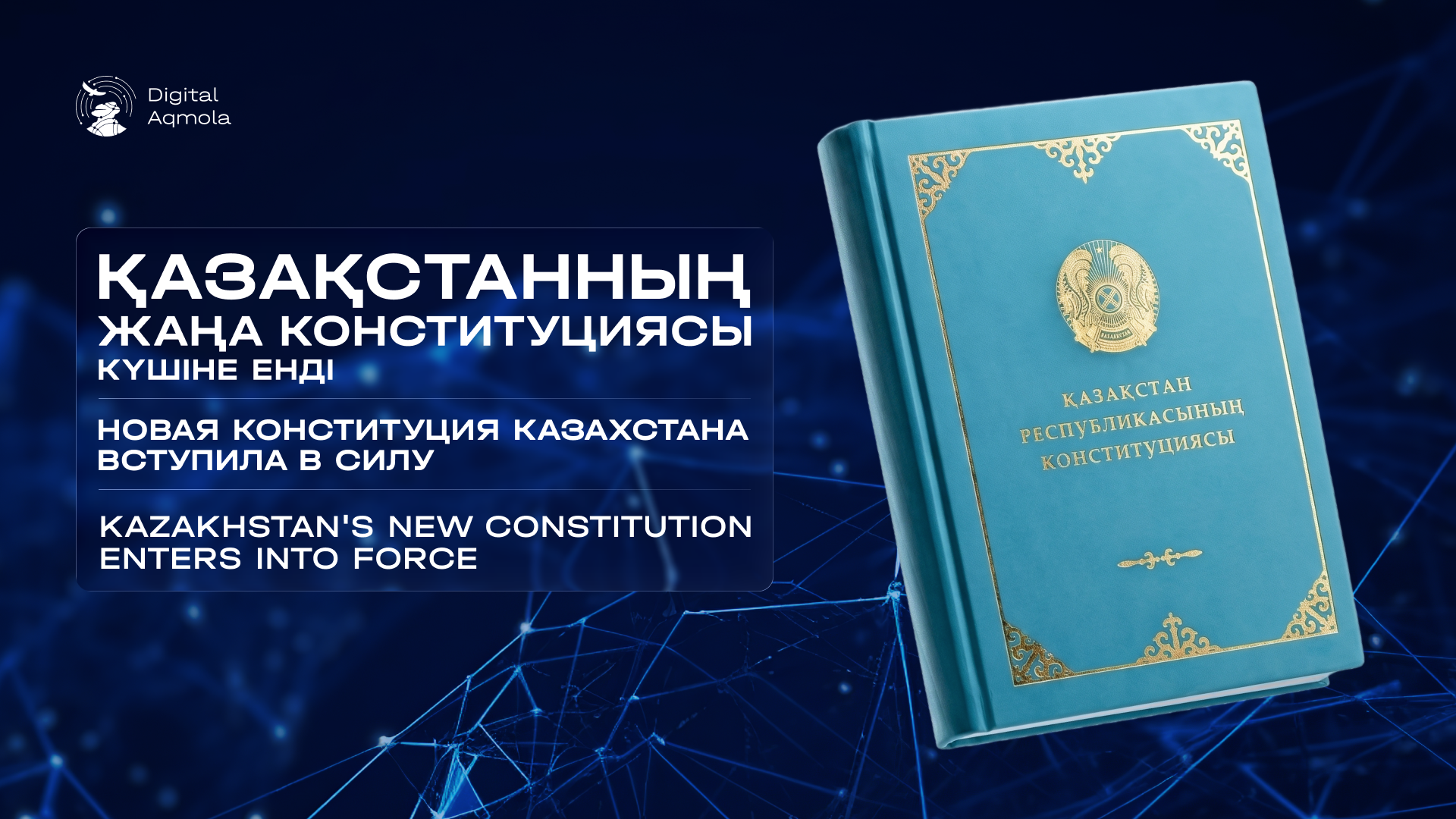
🌐 The New Constitution Has Been Adopted! 13.07.2026
🌐 The Department of Digitalization and Archives is actively working on implementing its provisions: advancing citizens' digital rights, protecting personal data, transitioning archives into modern electronic formats, and increasing the transparency of public services.The digital future is here today!Source : https://www.gov.kz/memleket/entities/aqmola-digital/press/news/details/1251770?lang=ru
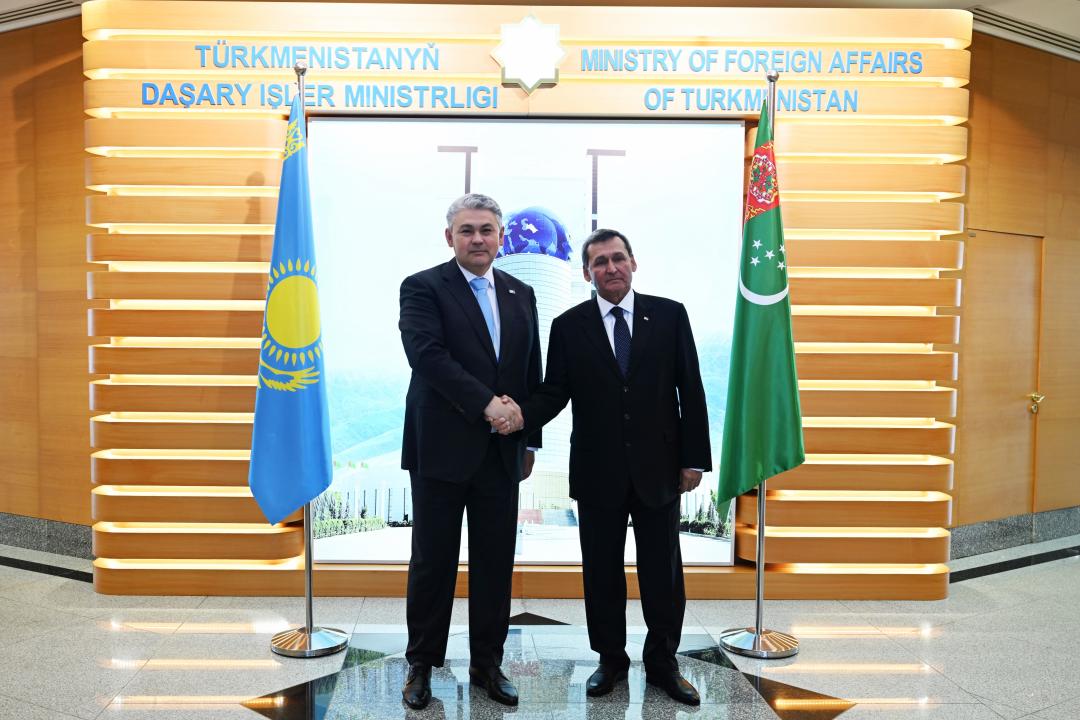
Kazakhstan and Turkmenistan Reaffirm Commitment to Further Strengthening Their Strategic Partnership 13.07.2026
Ashgabat, July 1, 2026 – As part of his official visit to Ashgabat, Minister of Foreign Affairs of the Republic of Kazakhstan Yermek Kosherbayev held talks with the Deputy Chairman of the Cabinet of Ministers and Minister of Foreign Affairs of Turkmenistan Rashid Meredov.During the meeting, the two foreign ministers discussed a broad range of issues related to Kazakhstan-Turkmenistan cooperation, including further strengthening political dialogue and expanding collaboration in trade, investment, transport and logistics, energy, as well as cultural and humanitarian affairs.The sides reaffirmed their commitment to further developing the strategic partnership, emphasizing that regular contacts at the highest and high levels remain instrumental in strengthening bilateral relations.“Turkmenistan is a close brotherly nation for Kazakhstan, bound to us by centuries-old ties of friendship and good-neighborliness. Thanks to our joint efforts, interstate relations have reached a qualitatively new level,” said the Kazakh Foreign Minister.For his part, Minister Meredov reaffirmed the Turkmen side’s readiness to further expand practical cooperation across the entire bilateral agenda.The development of trade and economic cooperation was among the key topics of the talks. The ministers noted that bilateral trade increased by 6.8% in the first four months of 2026, reaching approximately 180 million US dollars. In line with the instructions of the Heads of State, the parties confirmed their commitment to increasing bilateral trade to 1 billion.The ministers highly praised the outcomes of the 14th Meeting of the Joint Intergovernmental Commission on Economic, Scientific-Technical, and Cultural Cooperation, held in Astana on June 24, highlighting its important role in advancing joint projects.The parties also discussed prospects for expanding cultural and humanitarian cooperation as an important foundation for long-term bilateral relations. Particular attention was given to enhancing cooperation in education, science, culture, and healthcare.The ministers also exchanged views on current regional and international issues, reaffirming their readiness to continue close coordination within the United Nations, the Commonwealth of Independent States (CIS), and other international organizations. Particular emphasis was placed on joint efforts to promote peace, security, and sustainable development in Central Asia, as well as cooperation on issues related to Afghanistan.Minister Kosherbayev wished the Turkmen side every success during Turkmenistan’s chairmanship of the Consultative Meetings of the Heads of State of Central Asia and the Commonwealth of Independent States.The parties expressed their readiness to continue working together to further strengthen their strategic partnership.Following the talks, the Cooperation Program between the Ministry of Foreign Affairs of the Republic of Kazakhstan and the Ministry of Foreign Affairs of Turkmenistan for 2027–2028 was signed.Source : https://www.gov.kz/memleket/entities/mfa-ashgabat/press/news/details/1254180?lang=ru
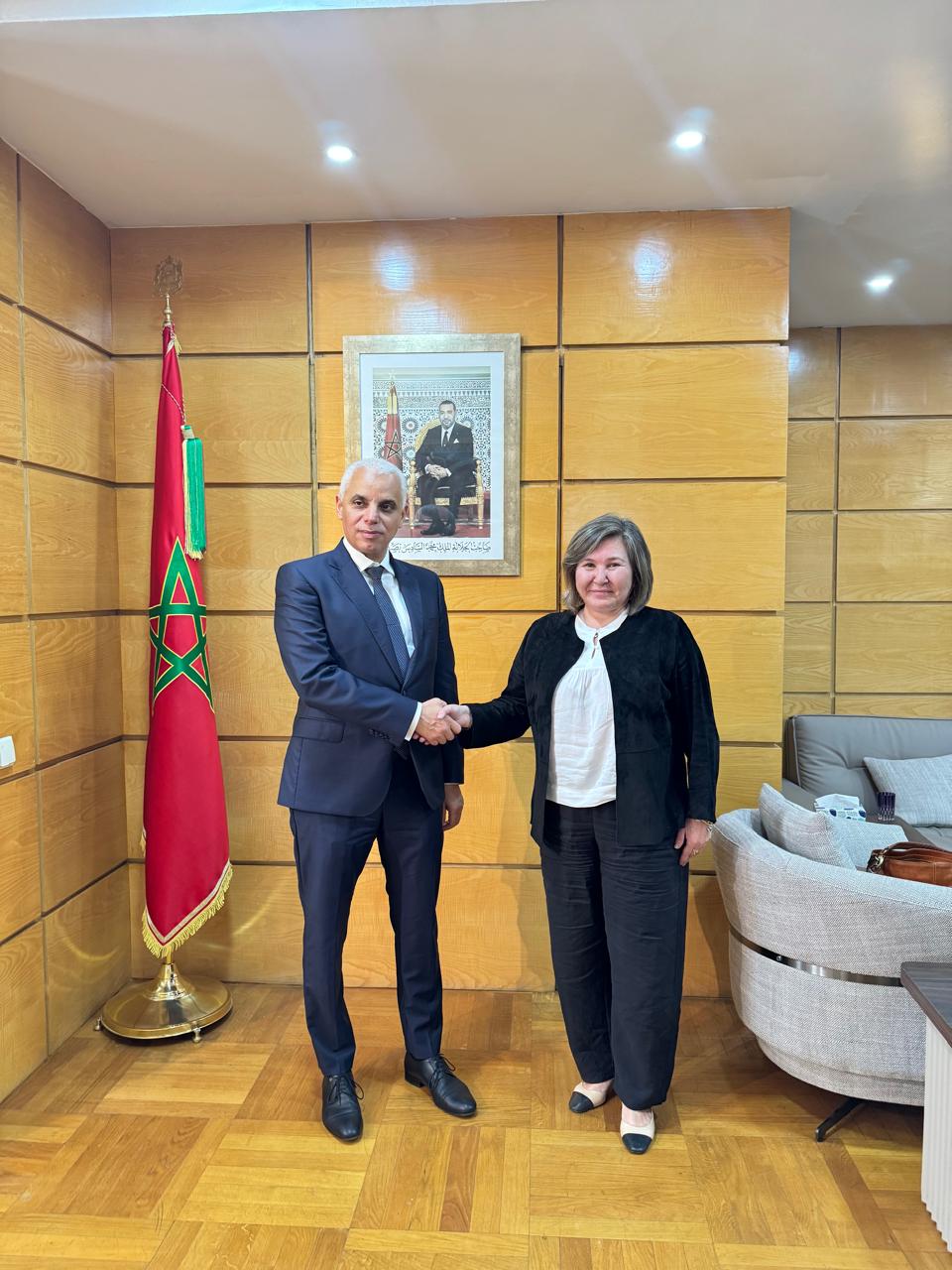
Kazakhstan is strengthening ties with Morocco’s Fez-Meknes region 13.07.2026
On June 24-25, 2026, Ambassador Extraordinary and Plenipotentiary of the Republic of Kazakhstan to the Kingdom of Morocco Mrs Saulekul Saylaukyzy participated in the 6th Fez-Meknes Economic Forum, met with Ouali Khalid Ait Talib, Governor of the Fez Prefecture, and Amine Bensaïd, Rector of El Aouhaouine University.At the meeting with Ouali Khalid Ait Talib, the parties discussed prospects for developing cooperation between Kazakhstan and Morocco in trade, economic, investment, cultural and humanitarian spheres. The parties expressed interest in organizing interregional business forums with Kazakhstani businesses. They also noted the importance of expanding ties between higher education institutions and intensifying student exchange programs and academic cooperation. The regional leadership expressed its readiness to provide the necessary support to Kazakhstani partners in areas such as tourism, the restaurant industry, industry, education, and healthcare.During the meeting with Dr. A. Bensaïd, the parties confirmed the two countries' high potential in education and science and discussed mutual student exchanges in areas such as oriental studies, international relations, artificial intelligence, ecology, and renewable energy. Following the meeting, the Ambassador gave a lecture to students at Al-Akhaween University on the significance of the Golden Horde in Kazakhstan's history, constitutional reforms, economic opportunities, and the current state and prospects of bilateral cooperation between Kazakhstan and Morocco.Source : https://www.gov.kz/memleket/entities/mfa-rabat/press/news/details/1251745?lang=ru

Issuance of Electronic Waybills for Goods Subject to Traceability within the Eurasian Economic Union (EAEU) 13.07.2026
Issuance of Electronic Waybills for Goods Subject to Traceability within the Eurasian Economic Union (EAEU)Dear Taxpayers! The State Revenue Committee reminds that, pursuant to Article 180 of the Tax Code of the Republic of Kazakhstan, the traceability of goods imported into the customs territory of the Eurasian Economic Union (EAEU) in accordance with an international treaty ratified by the Republic of Kazakhstan is ensured through the operation of a national traceability system that records goods subject to traceability and transactions related to their circulation.The Rules for the Operation of the Goods Traceability Mechanism were approved by Order No. 623 of the Minister of Finance of the Republic of Kazakhstan dated October 24, 2025.Taxpayers engaged in the circulation of goods subject to traceability are required to issue Electronic Invoices (EIs) based on Electronic Waybills (EWs) issued through the Virtual Warehouse module.The List of Goods Subject to Traceability in accordance with the Agreement on the Mechanism for the Traceability of Goods Imported into the Customs Territory of the Eurasian Economic Union was approved by Decision No. 5 of the Council of the Eurasian Economic Commission dated January 26, 2026 (the list of goods is provided below).The list of goods subject to traceability includes 34 Commodity Codes of the EAEU Commodity Nomenclature of Foreign Economic Activity (CN FEA EAEU).The traceability mechanism for goods imported into the customs territory of the EAEU will become effective on September 1, 2026.List of Goods Imported into the Customs Territory of the EAEU Subject to TraceabilityCN FEA EAEU CodeDescriptionUnit of Measurement Used for Traceability8418 10 200 18418 10 800 18418 21 100 08418 21 510 08418 21 590 08418 21 910 08418 21 990 08418 29 000 08418 30 200 18418 30 800 18418 40 200 18418 40 800 1Household refrigerators and freezerspcs8450 11 110 08450 11 190 08450 11 900 08450 12 000 08450 19 000 08450 20 000 0Household or laundry-type washing machines, including machines equipped with a spin dryerpcs8528 71 110 08528 71 150 08528 71 190 08528 71 910 08528 71 990 08528 72 100 08528 72 200 18528 72 200 98528 72 300 18528 72 300 28528 72 300 38528 72 900 98528 72 400 08528 72 600 08528 72 800 08528 73 000 0Reception apparatus for television, whether or not incorporating radio-broadcast receivers or sound or video recording or reproducing apparatuspcs Source : https://www.gov.kz/memleket/entities/kgd-akmola/press/news/details/1282877?lang=ru