World
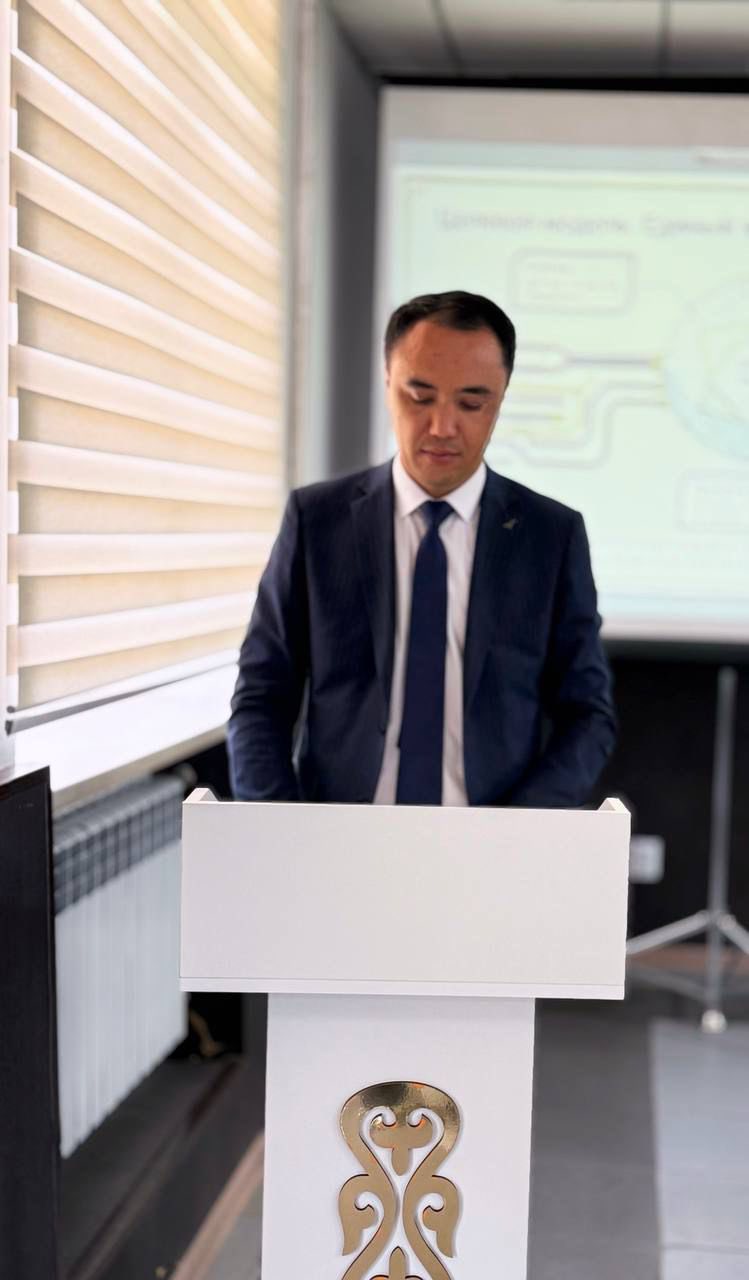
Meeting with graduates of the Taraz Regional University named after M. H. Dulati 30.06.2026
In accordance with the letter from the Committee of State Property and Privatization of the Ministry of Finance of the Republic of Kazakhstan dated May 21, 2026, No. KGiP-02-KG/596-I, and with the aim of developing a mechanism for employing the best graduates of higher educational institutions in the bodies of the Ministry of Finance, the Department of State Property and Privatization of the Zhambyl Region, together with the Department of State Treasury of the Zhambyl Region, organized a meeting with graduates of the M. Kh. Dulaty Taraz Regional University. During the event, the Deputy Head of the Department of State Property and Privatization of the Zhambyl Region — Authorized Ethics Officer Shertaev Kurmangazy Rakhymzhanovich and the Deputy Head of the Department of State Treasury of the Zhambyl Region Bukhashev Zhazylbek Ashkeuly introduced the graduates to the specifics of public service and spoke in detail about the activities of their departments. Currently, our country urgently needs young specialists with new thinking, who possess digital technologies and, most importantly, are willing to serve their country and native region faithfully. Our department is the main state body in the region, carrying out processes for managing state assets, optimizing republican property, as well as privatizing confiscated and state property. Graduates who have completed higher education with a GPA of at least 3.33 can be appointed to entry-level public service positions without a competitive selection process. This opportunity is primarily aimed at supporting talented youth, attracting a new generation of personnel to the state apparatus, and strengthening human resource potential in the regions. This not only simplifies the path for young people to enter public service but also gives them the opportunity to start working in their specialty earlier. For state bodies, this, in turn, is an effective tool for attracting educated and purposeful specialists with a new vision.Source : https://www.gov.kz/memleket/entities/gosreestr/press/news/details/1230534?lang=ru
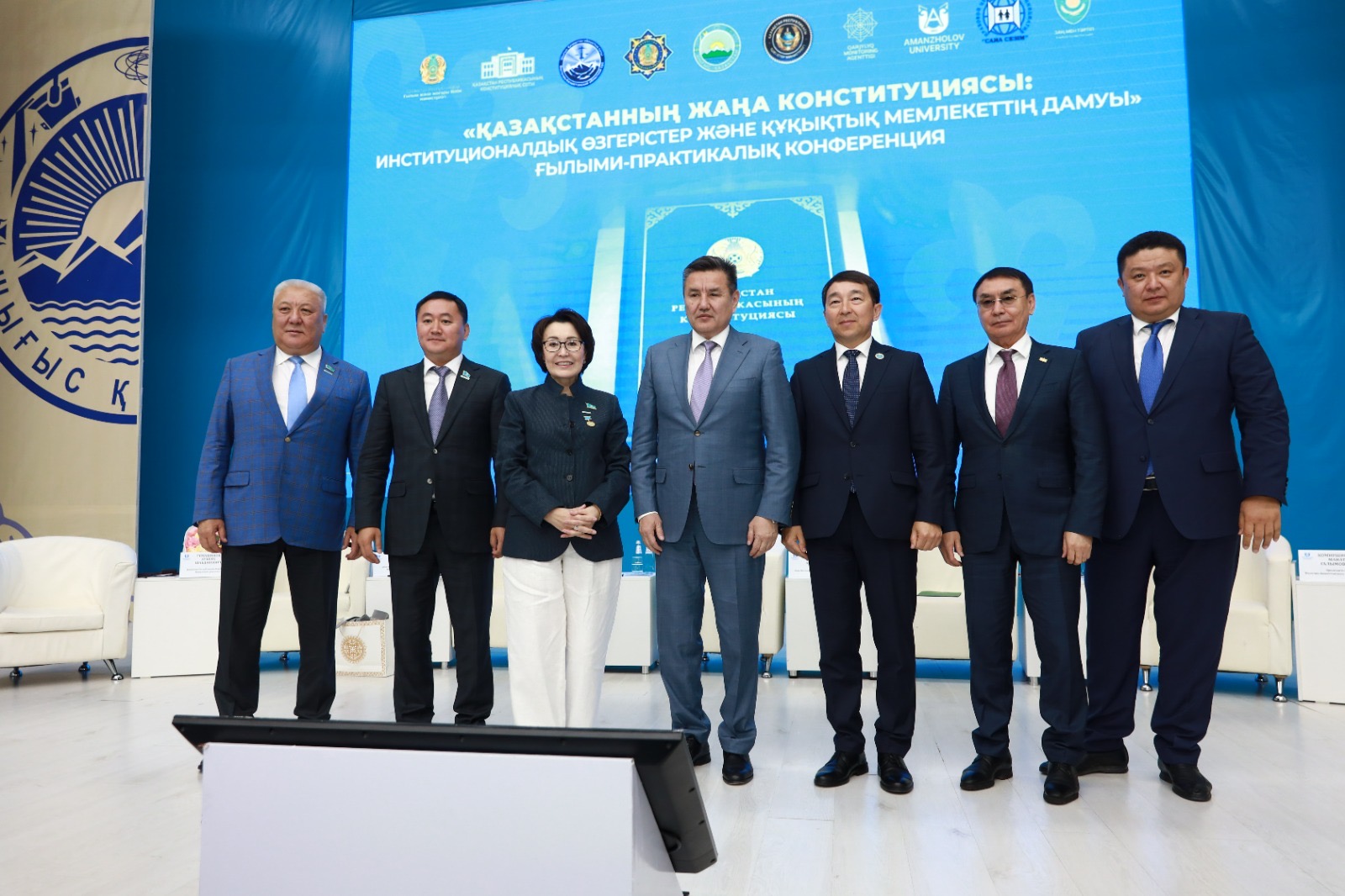
The Constitutional Court Continues Outreach Activities on the New Constitution 30.06.2026
A scientific and practical conference titled “The New Constitution of Kazakhstan: Institutional Changes and the Development of the Rule-of-Law State” was held at Sarsen Amanzholov East Kazakhstan University. The event was jointly organized by the Constitutional Court, the Ministry of Education and Science, and the Akimat of East Kazakhstan Region.The event brought together representatives of local representative and executive bodies, the judiciary, law enforcement agencies, the academic community, and civil society organizations of the region. The conference was opened by the Akim of the region, Nurymbet Saktaganov, who emphasized the particular importance of constitutional reforms for strengthening statehood and building a Just Kazakhstan.The Deputy Chairperson of the Constitutional Court, Bakyt Nurmukhanov, delivered a welcoming speech. He noted that the new Constitution marks a new stage in the development of society and the state, and elaborated on key constitutional innovations, including the consolidation of digital human rights and the development of human capital, education, science, and innovation.Participants of the conference, including Members of Parliament, representatives of the Constitutional Court, state bodies, and the academic community, discussed issues related to the organization of state power under the new Constitution, the development of electoral institutions, the relationship between national and international law, and the further transformation of the system of representative government in Kazakhstan.During the event, winners of the student online competition “The New Constitution of the Just Kazakhstan” were awarded. In addition, Bakyt Nurmukhanov and Amirkhan Umarov, Head of the Analytical Division of the Constitutional Court Administration, conducted a training session entitled “The Supremacy of the Constitution and the Development of the Legal Institution of Amicus Curiae in Constitutional Proceedings.”As part of the working visit, representatives of the Constitutional Court also visited a NIS school and the “Ümit” children’s home, where they met with students and residents. During an open dialogue, key provisions of the new Constitution, the development of electoral institutions, and the role of citizens in decision-making on socially significant issues were discussed.Particular interest was expressed in the system of child self-governance at the “Ümit” children’s home, where elected governing bodies operate among the residents. The children spoke about their self-governance activities, participation in addressing daily institutional matters, cooperation with the administration, and implementation of their own initiatives. During the meeting, representatives of the Constitutional Court emphasized the importance of fostering in young people a sense of responsibility, leadership, and participation in decision-making, which form the foundation of democratic principles and constitutional values.Source : https://www.gov.kz/memleket/entities/ksrk/press/news/details/1230541?lang=ru
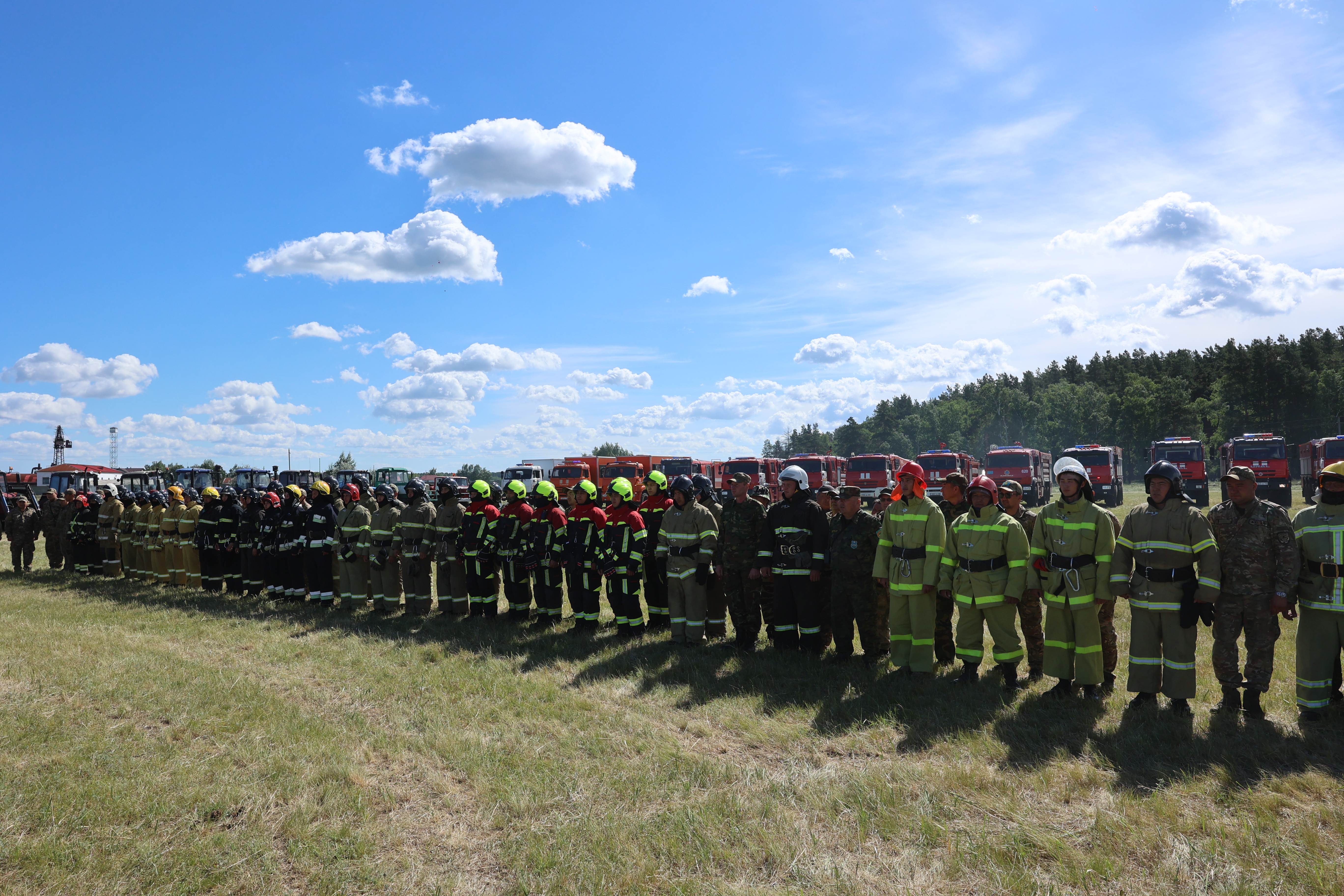
Republican command and staff exercises "Ort - 2026" 30.06.2026
Republican command-staff exercises "Fire - 2026" were held in the region. The akim of Kostanay region, Kumar Aksakalov, participated in the large-scale event.To prevent and avert large forest fires in the region, work is underway to strengthen and update the material and technical base. 51 fire trucks, 86 tractors, 36 forest fire complexes, 26 patrol vehicles, 16 units of trailer equipment, and 2 trailer firefighting modules have been purchased. The work to equip forestry institutions with modern specialized equipment and communication means will continue."This year, under the 'Village Rescuers' program, it is planned to open 18 new fire posts and modernize 12 existing posts. This will ensure the safety of 75 settlements with a population of over 34 thousand people," noted the head of the region.The conducted exercises contribute to improving the efficiency of the early fire detection system, enhancing space monitoring and patrolling of forest-steppe territories, as well as expanding capabilities to eliminate fire outbreaks in the first hours of their occurrence.Source : https://www.gov.kz/memleket/entities/kostanay/press/news/details/1230544?lang=ru
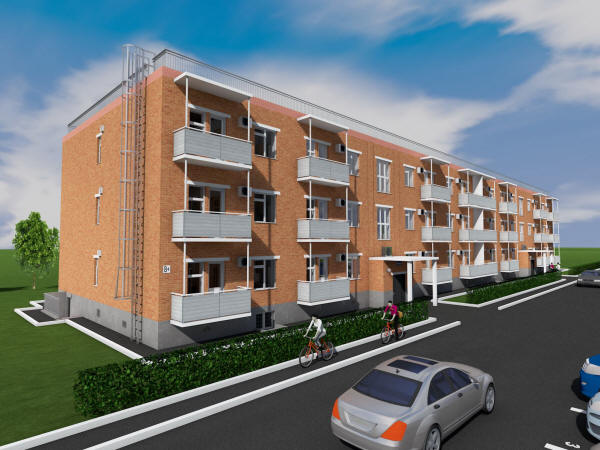
Explanation of the procedure for major repairs of residential buildings 30.06.2026
Stages of Repair Work under the State Program“Concept for the Development of Housing and коммунal Infrastructure for 2023–2029”Stage 1. Obtaining Residents’ Consent for Major Repairs of an Apartment BuildingWhat happens: During residents’ meetings, decisions are considered and approved regarding the implementation of major repairs within the framework of the Concept for the Development of Housing and Communal Infrastructure for 2023–2029.Details: The scope of repair works is determined, and a House Council is elected from among the residents.Stage 2. Development and Approval of Design and Cost Estimate Documentation (DCED)The design and cost estimate documentation is prepared under one of the following options:Funded by the local budget: the preparation period is 5–6 months.Funded by the Operator with subsequent reimbursement: the preparation period is only 2 months.Stage 3. Selection of a Contractor for Repair WorksWho selects: The contractor is selected by the House Council.Requirements: Only companies with a rating of Category 3 or higher are eligible for consideration.Stage 4. Implementation of Repair WorksStart of works: After signing the contracts and approving the work schedule, contractors begin repair activities.Stage 5. Acceptance of Completed Repairs and Commissioning of the FacilityThe acceptance commission includes:House Council;Head of the ОСИ (Owners’ Association);Contracting organization;Author’s and technical supervision representatives;Operator.Stage 6. Payment for the Completed Major RepairsWho pays: Owners of apartments and non-residential premises.Terms: The repayment period ranges from 7 to 15 years.Contact InformationFor additional information, please contact LLC “ZhKHremont”:Address: 75 Kairbekov Street, KostanayPhone: +7 (714) 437-40-71Email: zhkhremont2013@mail.ruInstagram: @zhkh_remontSource : https://www.gov.kz/memleket/entities/kostanai-kalasy-akimat/press/news/details/1237630?lang=ru
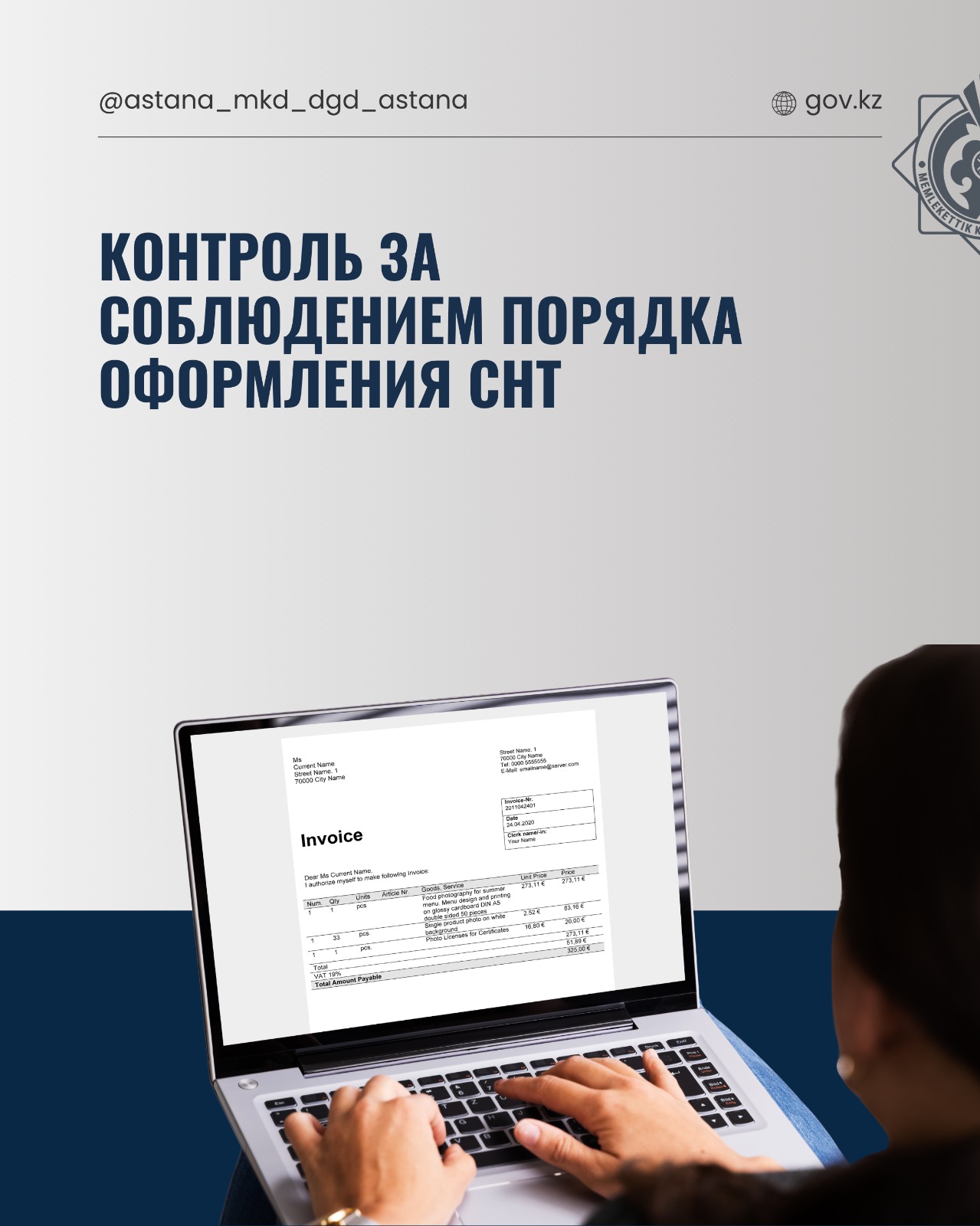
Monitoring of compliance with the order of registration of a farming co-op 30.06.2026
The tax authorities monitor compliance with the procedure for issuing accompanying invoices for goods when:-movement, sale and (or) shipment of goods across the territory of the Republic of Kazakhstan, including during international road transport between the EAEU Member States;-import of goods into the territory of the Republic of Kazakhstan from the territory of non–EAEU member states and EAEU member States;-when goods are exported from the territory of the Republic of Kazakhstan to the territory of non–EAEU member states and EAEU member States. The obligation to issue accompanying invoices for goods arises in the following terms when:-movement, sale and (or) shipment of goods on the territory of the Republic of Kazakhstan – no later than the beginning of movement, sale and (or) shipment of goods;-import of goods into the territory of the Republic of Kazakhstan from the territory of the EAEU member states – before crossing the State border of the Republic of Kazakhstan;-export of goods from the territory of the Republic of Kazakhstan to the territory of non–EAEU member states and EAEU member states – no later than the beginning of the movement, sale and (or) shipment of goods;-carrying out international road transport from the territory of one EAEU Member State to the territory of another EAEU Member State through the territory of the Republic of Kazakhstan – at a checkpoint at the crossing of the State Border of the Republic of Kazakhstan.The list of goods subject to the obligation to issue accompanying invoices for goods, as well as the forms, procedure for registration and their document flow are determined by the authorized body.Source : https://www.gov.kz/memleket/entities/kgd-astana/press/news/details/1237635?lang=ru
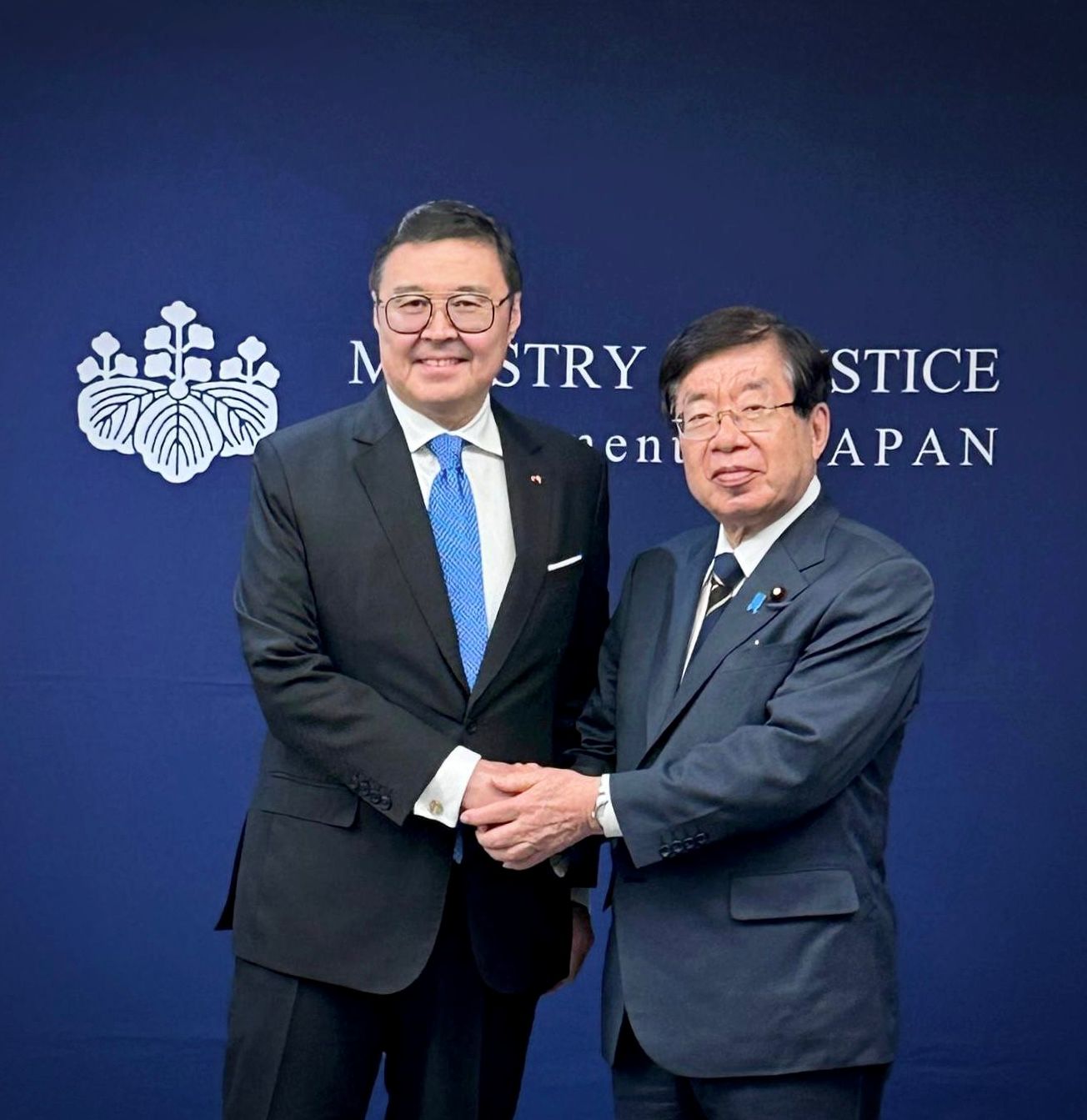
Agreement Reached with Japan’s Justice Minister to Expand Legal Framework 30.06.2026
Tokyo, May 29, 2026 – Ambassador of the Republic of Kazakhstan to Japan Yerlan Baudarbek-Kozhatayev held a meeting with the Minister of Justice of Japan, Hiroshi Hiraguchi.During the conversation, the parties discussed the preparations for the first-ever meeting of Ministers of justice in the "Central Asia + Japan" format, which is scheduled to take place in Tokyo later this year. This high-level event is expected to serve as an important platform for exchanging legal expertise, discussing legislative reforms, and establishing a legal framework to support investment projects.The Japanese Minister emphasized the significance of the Memorandum of Cooperation signed in December 2025 between the Ministries of Justice of Kazakhstan and Japan, aimed at strengthening bilateral interaction in the fields of justice and law enforcement practice.Minister Hiraguchi also assured the Ambassador that the Ministry of Justice of Japan, in cooperation with the Ministry of Foreign Affairs of Japan, will consider the possibility of concluding a number of bilateral agreements with Kazakhstan in the legal sphere.On his part, Ambassador Baudarbek-Kozhatayev informed the Japanese side on the ongoing political and legal reforms in Kazakhstan, including the provisions of the new Constitution, measures to digitalize public services, and initiatives aimed at strengthening mechanisms for the protection of human rights and freedoms.Source : https://www.gov.kz/memleket/entities/mfa-tokyo/press/news/details/1230631?lang=ru
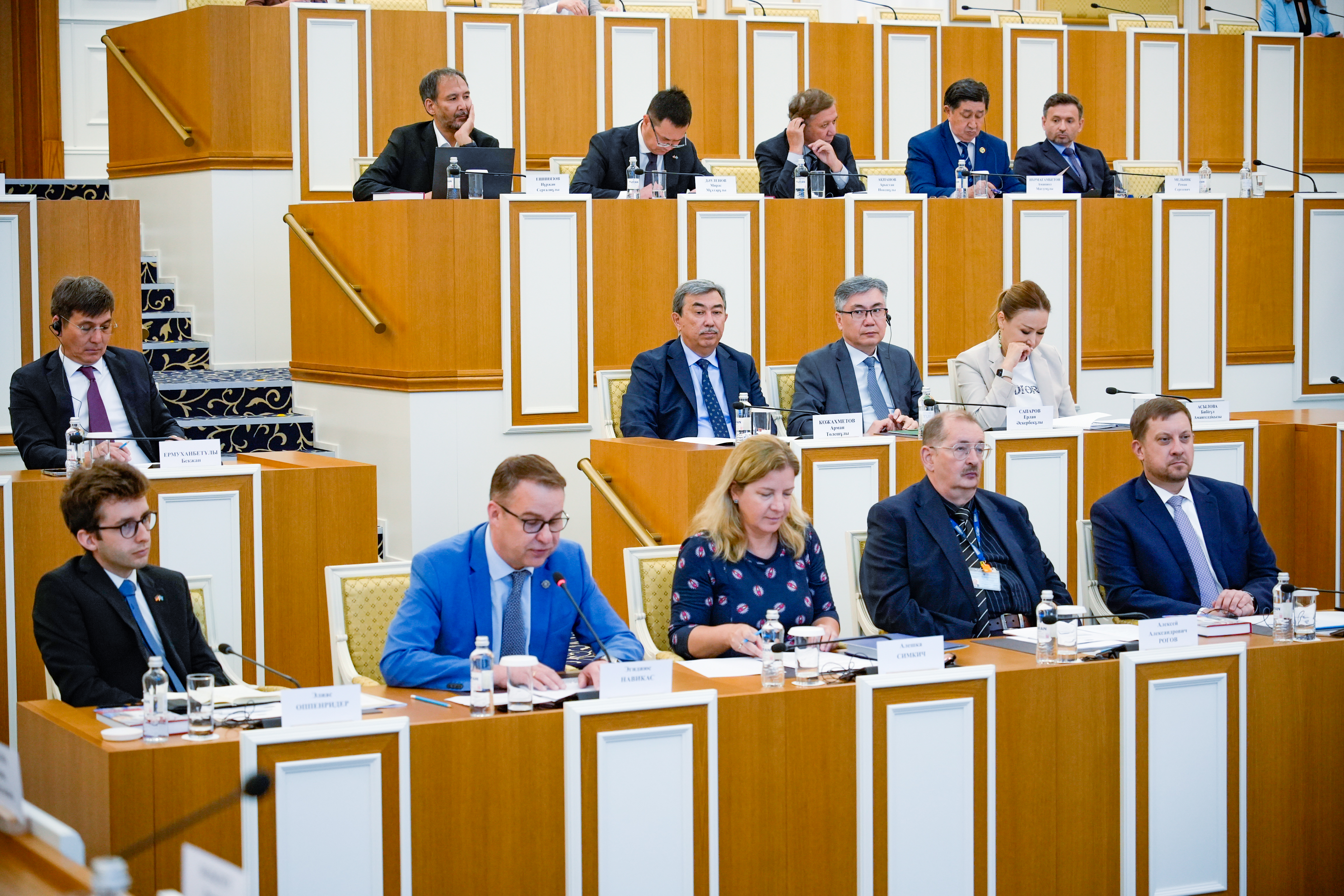
The Scientific Advisory Council under the Constitutional Court Discussed Access to Administrative Justice 30.06.2026
On May 29, 2026, the seventh meeting of the Scientific Advisory Council under the Constitutional Court of the Republic of Kazakhstan was held in Astana.The Scientific Advisory Council is a permanent consultative body under the Constitutional Court, whose members are engaged in constitutional proceedings to prepare academic opinions and expert assessments on matters under review by the Court.Cooperation between constitutional review bodies and the academic and expert community is a widely recognized international practice that contributes to the development of constitutional and legal doctrine and the improvement of law-enforcement practice.The meeting was attended by members of the Scientific Advisory Council, representatives of Parliament, government bodies, the academic and expert community, as well as members of the diplomatic corps and international organizations.The Chairperson of the Constitutional Court, Elvira Azimova, delivered the welcoming address. In her speech, she emphasized the importance of strengthening the constitutional foundations of the state, developing the principles of the rule of law, and further improving mechanisms for the protection of human rights and freedoms.Special attention was given to the implementation of the 2026 constitutional reform aimed at strengthening a human-centered model of the state, expanding guarantees of judicial protection, and enhancing the effectiveness of constitutional review. The importance of international cooperation and engagement with the academic community within the framework of the Scientific Advisory Council was also highlighted.Representatives of the diplomatic corps noted the importance of further developing cooperation with Kazakhstan in the field of the rule of law, strengthening human rights institutions, and improving the judicial and legal system. They also emphasized the role of the Constitutional Court as a key institution for the protection of the Constitution, human rights, and the freedoms of citizens.The main topic of the meeting was access to justice in administrative proceedings. Presentations were delivered by Asset Balgynbayev, Deputy Head of the Analytics and Constitutional Proceedings Division of the Constitutional Court Administration; Professor Roman Melnyk, Director of the School of Administrative and German Law at Maqsut Narikbayev University, Doctor of Law; Almat Gabbasov, legal expert of the project “FELICITY II” of the German Society for International Cooperation, Candidate of Legal Sciences; Leila Zhakaeva, Professor at the Center for State and Legal Disciplines of the Academy of Justice under the Supreme Judicial Council of the Republic of Kazakhstan, Doctor of Law; Aigul Zhakengbayeva, Partner at the international law firm Dentons, Candidate of Legal Sciences; as well as Supreme Court judges and other participants.The discussions covered the development of judicial review in administrative proceedings, the constitutional and legal foundations of the right to judicial protection, the permissibility of its limitations, as well as issues concerning the definition of public-law relations and conditions of access to administrative justice.Particular attention was paid to the draft annual Address of the Constitutional Court on the state of constitutional legality in the Republic of Kazakhstan, presented by Erlan Saparov, Deputy Head of the Constitutional Court Administration.Summing up the meeting, Elvira Azimova highlighted the contribution of the Scientific Advisory Council to the work of the Constitutional Court and the development of constitutional and legal doctrine. From 2023 to 2026, more than 17,000 applications from citizens were submitted to the Constitutional Court, resulting in 79 normative resolutions that have had a significant impact on the development of legislation and law-enforcement practice.The meeting participants expressed support for further strengthening cooperation between the Constitutional Court, the academic community, and international partners in order to enhance the protection of constitutional rights, develop legal science, and improve the national legal system.The Chairperson of the Constitutional Court proposed a new format for the participation of members of the Scientific Advisory Council in the Court’s activities, providing for the preparation of expert opinions on cases admitted to constitutional proceedings.Source : https://www.gov.kz/memleket/entities/ksrk/press/news/details/1230632?lang=ru
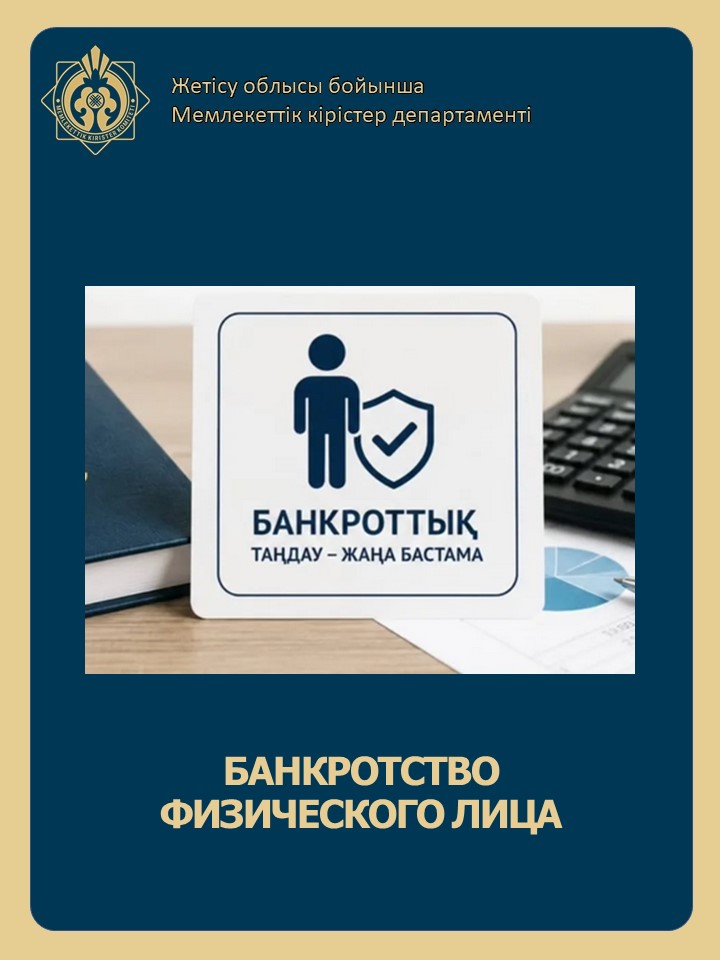
PERSONAL BANKRUPTCY 30.06.2026
Kazakhstan has introduced a personal bankruptcy procedure aimed at restoring citizens’ solvency and reducing their debt burden. This mechanism allows debtors to manage their financial situation.What is individual bankruptcy?Individual bankruptcy is a legal procedure applied when a citizen is unable to repay debts under their obligations. It provides for the restructuring or discharge of a citizen’s debt in accordance with specific requirements.In the Republic of Kazakhstan, this procedure includes:out-of-court bankruptcy;court-administered bankruptcy;restoration of solvency is carried out in accordance with established procedures.Who is eligible for out-of-court bankruptcy?The out-of-court bankruptcy procedure may be used by individuals who meet the following requirements:debt to a bank, microfinance organizations, or collection agencies;a loan repayment term of more than 12 months;non-payment over the past 12 months;lack of assets;debt collection measures have been taken.For citizens from socially vulnerable groups, certain requirements may be relaxed.Court-Administered Bankruptcy ProceedingsCourt-administered bankruptcy proceedings are used if the individual has assets or if the amount of debt has reached a critical level. In this case:The court reviews the debtor’s financial situation;An inventory of assets is compiled;Obligations to creditors are settled in accordance with the law.During the proceedings, the debtor’s assets may be sold, and the proceeds used to repay the debt.Restoration of SolvencyThis procedure allows a citizen to pay off debts in installments without declaring bankruptcy. A payment schedule will be approved by the court, and the citizen will repay the debt within a specified period.Consequences of BankruptcyDeclaring an individual bankrupt has a number of consequences:Access to credit will be restricted for 5 years;The ability to file for bankruptcy again is limited to a specific period;Financial status may be monitored.Therefore, before filing for bankruptcy, it is necessary to carefully assess all legal and financial consequences. Source : https://www.gov.kz/memleket/entities/kgd-zhetysu/press/news/details/1256949?lang=ru
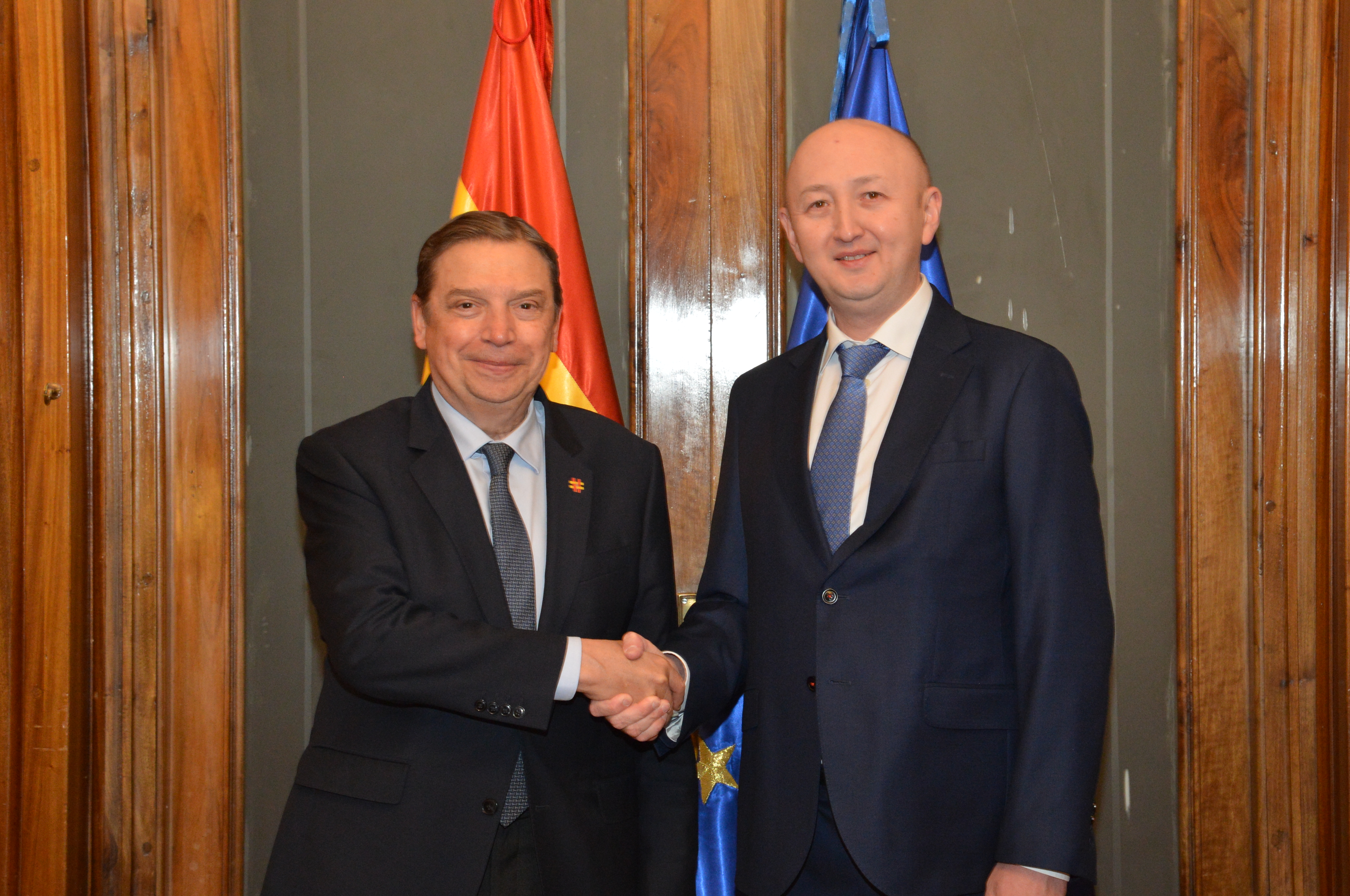
Strengthening cooperation with Spain in the agricultural sector was discussed in Madrid 30.06.2026
Madrid, 28 May 2026 – The Ambassador of the Republic of Kazakhstan to Spain, Danat Mussayev, held talks with the Minister of Agriculture, Fisheries and Food of the Kingdom of Spain Luis Planas.During the meeting, the Ambassador highlighted Kazakhstan’s significant agricultural resources, steady growth in agricultural exports, and its advantageous geographic location, which provides access to the markets of Central Asia, China, and the Eurasian Economic Union.In this context, he emphasized the strong potential for cooperation between the two countries in livestock production, agricultural processing, and the introduction of modern agricultural technologies.For his part, the Minister reaffirmed Spain’s readiness to further deepen cooperation with Kazakhstan, including the development of contacts between relevant government agencies, research institutions, and business communities in both countries. He noted that the existing potential for bilateral cooperation is not yet fully utilized and offers additional opportunities for the implementation of new joint projects.The two sides also noted the positive dynamics in bilateral trade in agricultural products and underlined the importance of further increasing trade turnover, including through the expansion of the range of mutual supplies.At the conclusion of the talks, Minister Luis Planas expressed his intention to invite the Minister of Agriculture of Kazakhstan Aidarbek Saparov, to pay a working visit to Spain to continue the dialogue and discuss prospects for implementing joint projects in the agro-industrial sector.Source : https://www.gov.kz/memleket/entities/mfa-madrid/press/news/details/1230659?lang=ru
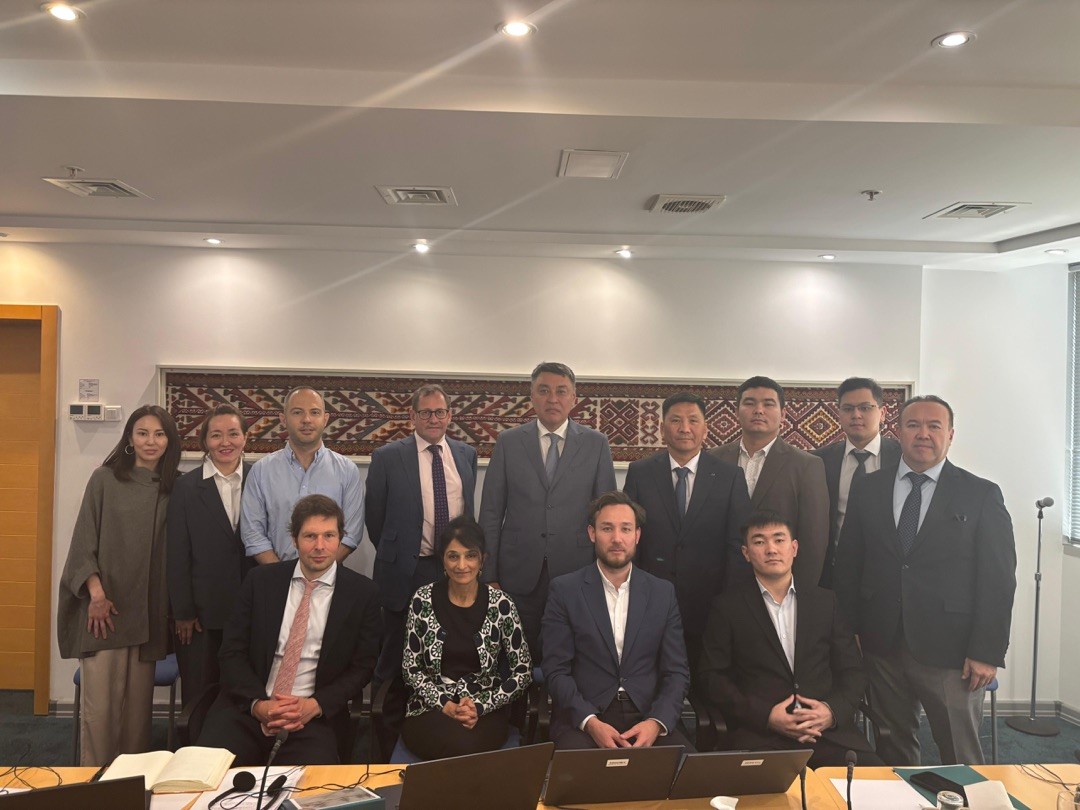
The World Bank held a three-day seminar for the staff of the SRC of the Ministry of Finance of the Republic of Kazakhstan 30.06.2026
From May 25 to May 28, 2026, the World Bank organized an educational seminar for employees of the State Revenue Committee of the Ministry of Finance of the Republic of Kazakhstan. The event was aimed at improving the professional competencies of tax officials in the field of international taxation and transfer pricing. The seminar opened with a welcoming speech by Zh. Nurzhanov, Deputy Chairman of the State Duma of the Ministry of Finance of the Republic of Kazakhstan, who noted the strategic importance of such cooperation for improving tax administration in Kazakhstan and stressed the need to introduce advanced international standards into the practice of the department. During the first three days, the seminar participants studied transfer pricing issues in detail. Special attention was paid to the specifics of pricing in the field of mining and sale of minerals, the specifics of tax control of financial transactions, as well as approaches to the analysis of transactions with distributors. A separate block of the program was the discussion of Amount B, a simplified approach to remuneration for basic distribution activities within the framework of the OECD Pillar One. A landmark event of the seminar was a virtual meeting with representatives of the tax authority of India, a country with extensive experience in the field of transfer pricing. During the meeting, the parties exchanged practical approaches to the control of inter-company transactions and discussed current challenges in this area. The final day, on May 28— was devoted to a wide range of international taxation issues: the introduction of the global minimum tax (Pillar Two), the application of Action 4 of the BEPS Plan in terms of limiting interest deduction, mechanisms for eliminating double taxation, as well as the practice of horizontal monitoring as a tool for building partnerships between tax authorities and bona fide taxpayers. The seminar made a significant contribution to building the institutional capacity of the SRC of the Ministry of Finance of the Republic of Kazakhstan and strengthening its position in the system of international tax cooperation.Source : https://www.gov.kz/memleket/entities/kgd/press/news/details/1230662?lang=ru
A Mobile Seminar Was Held in Ust-Kamenogorsk in Honor of the 10th Anniversary of the State Corporation 30.06.2026
A Mobile Seminar Was Held in Ust-Kamenogorsk in Honor of the 10th Anniversary of the State CorporationOn May 28–29, a cluster mobile seminar was held in Ust-Kamenogorsk to mark the 10th anniversary of the Non-Profit Joint Stock Company “State Corporation ‘Government for Citizens’.”The large-scale event brought together specialists from relevant departments of the central office, the corporate training center “Tanym,” as well as employees of regional divisions from five branches.The seminar served not only as a platform for professional dialogue, but also as an opportunity to summarize ten years of the State Corporation’s activities, exchange experience, and discuss further development of the public service delivery system in the country.Over the course of two days, participants discussed key issues in the areas of real estate and legal entity registration, family and marriage legislation, social services, land cadastre, process automation, and the implementation of modern digital solutions. Particular interest was given to the use of blockchain technologies in the registration of real estate rights and the development of the Unified State Cadastre of Real Estate.“Such meetings are especially valuable as they provide an opportunity for specialists from different regions to work in a unified professional environment, exchange experience, and jointly develop effective solutions. This directly affects the quality of public services provided to citizens,” noted representatives of the corporate training center “Tanym.”Special attention during the seminar was given to:the development of digital services and improvement of public service standards;updating real estate object data;improving interagency cooperation;reviewing citizens’ appeals regarding problematic issues.Speakers presented practical case studies, results of implemented projects, and successful examples of digital transformation. Participants actively shared experience, discussed complex practical cases, and proposed solutions.“Today, the State Corporation is not just a single operator of public services. It is a large system that works daily for millions of citizens. Such mobile seminars allow us to hear each other, promptly resolve issues, and jointly develop modern approaches to public service delivery,” said Azamat Yessembulov, Director of the East Kazakhstan Region branch of the State Corporation “Government for Citizens.”The second day of the event was held in a panel session format, where heads of central office departments provided targeted clarification sessions for employees of relevant units in their respective fields.Such events contribute to strengthening professional cooperation between divisions, improving staff qualifications, and implementing unified standards of public service delivery across the country. Source : https://www.gov.kz/memleket/entities/vko-kurchum/press/news/details/1230682?lang=ru

Housing Construction and Road Infrastructure Development Continue in the “Bereke” Residential District 30.06.2026
An on-site meeting was held in the “Bereke” residential district to discuss housing construction, landscaping, and the development of the road infrastructure.This year, it is planned to complete the construction of 12 apartment buildings funded by the state budget. At present, 9 buildings have already been completed, while landscaping and improvement works are ongoing in the surrounding areas. Construction of the remaining 3 buildings is still underway and is expected to be completed during the summer period.Special attention during the meeting was given to the development of the road network. Due to the growing demands of the rapidly developing district, a decision was made last year to temporarily suspend construction works and revise the project design. The updated project предусматривает road expansion from 7 to 14 meters on certain sections and from 4 to 7 meters on several streets. In addition, the number of streets will increase from 5 to 6.The road infrastructure modernization works are expected to be completed by the end of this year.The possibility of creating a 4-hectare park area for residents’ recreation and leisure is also being considered.Source : https://www.gov.kz/memleket/entities/kostanai-kalasy-akimat/press/news/details/1230731?lang=ru
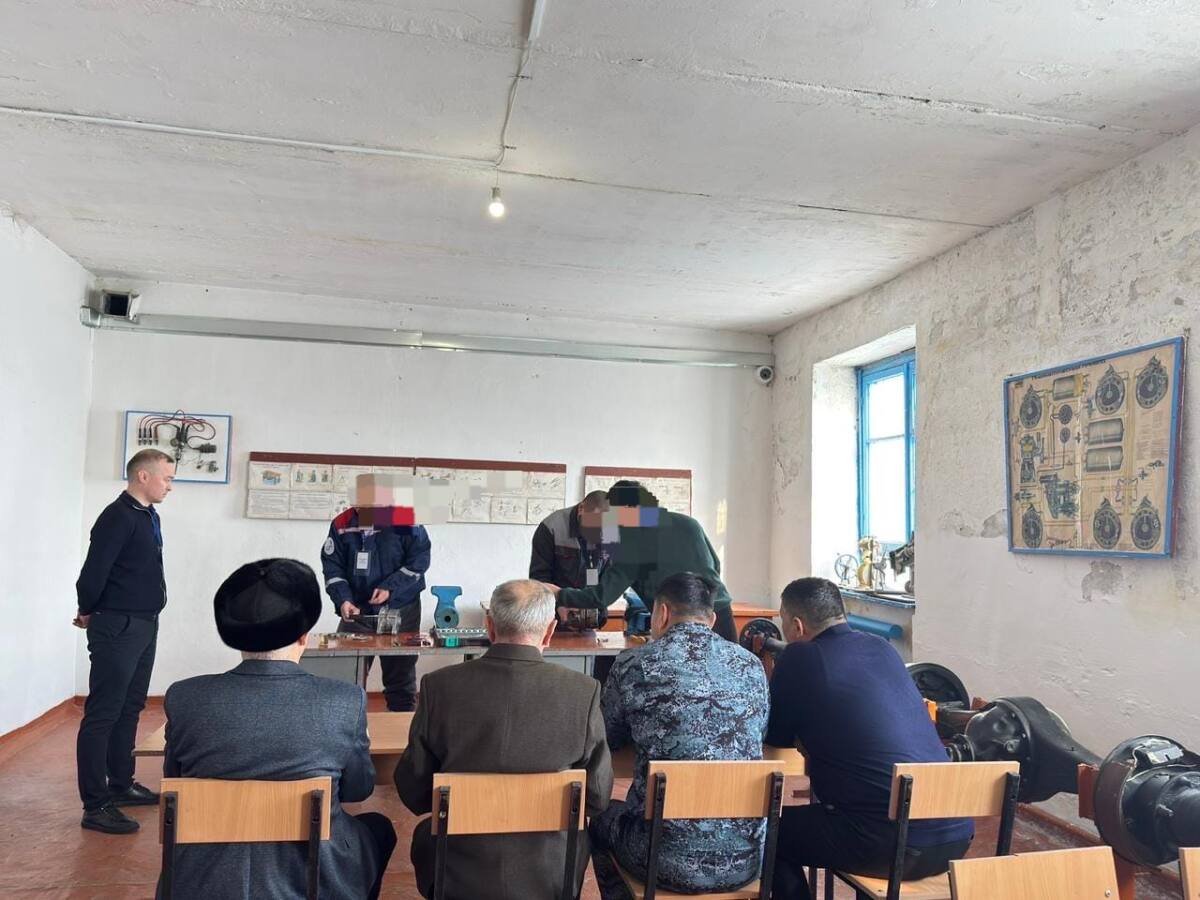
Convicted institutions of Abay region became prize-winners of the Republican competition of professional skills 30.06.2026
The convicts serving their sentences in the medium-security institution of the penal system in the Abai region became the winners of the republican competition of professional skills among college students at the KUIS "The best car repair mechanic". Following the results of the competition, representatives of the Abai region institution took the second and fifth places, demonstrating a high level of theoretical training and practical skills. The competition is aimed at improving the quality of vocational training for convicts with the qualification of "Car repair mechanic", as well as at creating sustainable motivation for professional development, self-improvement and further social adaptation after release.The main objectives of the competition were to determine the level of theoretical knowledge and practical skills of participants in the field of car fitting, to improve professional skills in accordance with modern industry requirements, as well as to form responsibility for the quality of work performed and compliance with occupational health and safety requirements. The competition was held in two stages.At the first stage, participants completed test tasks consisting of 60 questions covering vehicle design, materials science, and industrial safety requirements. At the second stage, the contestants completed the task of disassembling and assembling an automobile generator. According to the results of the competition, convicted medium-security penal institutions in the Abai region were among the best, taking second and fifth places among participants from all over the republic. One of the winners is a 35—year-old convict serving a sentence for distributing narcotic drugs. He was previously sentenced to nine years in prison. While in the institution, the man began studying at the Polytechnic College at the institution in a working specialty.After school, I went to Semey University, but dropped out in my final year. I tried to earn money by working at various jobs, but I still didn't have enough money. At some point, he made the wrong choice and started distributing drugs, for which he ended up in prison. Now, being here, I decided to get a job and change my life. I am studying to become a welder in order to earn an honest living after my release. Winning the prize in the competition was my first achievement and proved that it is possible to move forward and set new goals and became an opportunity for me to reconsider my life priorities," the convict shared. - The participation of convicts in professional competitions plays an important role in their re-socialization. Obtaining sought-after jobs and participating in such competitions help convicts develop professional skills, build responsibility and self-confidence. Such events motivate them to a law—abiding lifestyle and increase their chances of successful employment after their release," said Nurbolat Sapargaliyev, Deputy head of Nurbolat.Source : https://www.gov.kz/memleket/entities/duisabai/press/news/details/1230754?lang=ru
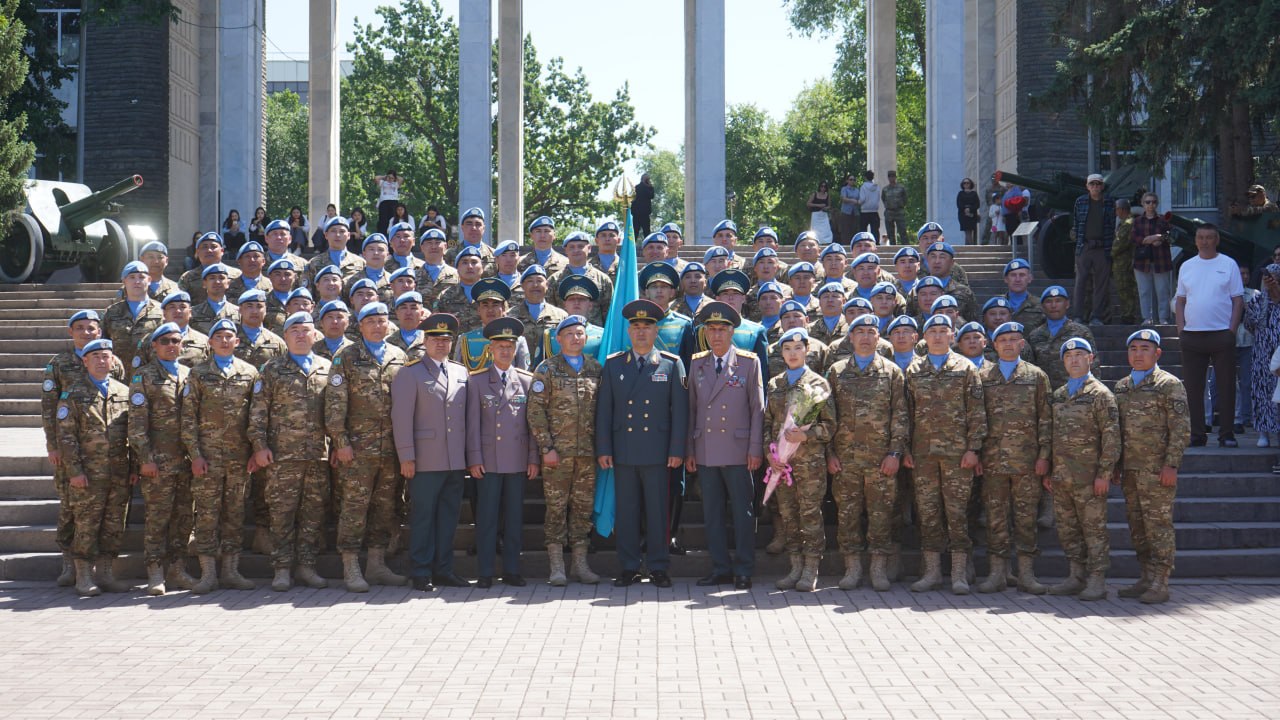
The UN mission's best result: the second contingent of Kazakh peacekeepers has completed its service in the Golan Heights. 30.06.2026
Source : https://www.gov.kz/memleket/entities/mod/press/news/details/1230760?lang=ru

WHAT MUST A CASH REGISTER RECEIPT (KKM RECEIPT) CONTAIN IN 2026? 30.06.2026
The content of a cash register (KKM) receipt is regulated by Paragraph 56 of the Order "On Certain Issues Related to the Application of Cash Register Machines" dated October 24, 2025, No. 626.A cash register receipt must include the following information:the name of the taxpayer;the address of the location where the cash register is used;the taxpayer identification number (TIN/BIN/IIN);the factory (serial) number of the cash register;the registration number of the cash register assigned by the tax authority;the sequential number of the receipt;the name of the good, work, or service in accordance with the National Catalogue of Goods;the identification code of the good in accordance with the National Catalogue and the means of identification applied to goods subject to mandatory labeling and traceability;the quantity of the purchased goods, works, or services, and their unit of measurement;the unit price of the good, work, or service;the total sale amount of the good, work, or service;the name of the fiscal data operator (FDO) and the website details of the fiscal data operator for verifying the authenticity of the control receipt of cash registers with data fixation and/or transmission functions;the date and time of the purchase of goods, execution of works, or rendering of services;the fiscal attribute;the amount of Value Added Tax (VAT), specifying the rate for turnovers on the sale of goods, works, and services subject to VAT — in case the taxpayer is a VAT payer;a barcode containing the encoded information about the cash register receipt.The provisions of subparagraphs 12) and 16) of the first part of this paragraph do not apply to receipts from cash registers without data transmission functions.The information in subparagraph 7) on the receipt of a cash register with data fixation and/or transmission functions shall be displayed electronically.Receipts from cash registers used in currency exchange offices, metal scrap collection points, glass container reception points, and pawnshops shall additionally include information on the sale and purchase amounts.The cash register receipt shall additionally contain details stipulated by the technical documentation of the cash register manufacturer, including information on the VAT amount.At the request of the buyer (customer) or recipient of goods, works, and services, the identification number (IIN/BIN) of the buyer (customer) or recipient shall be displayed on the receipt of a cash register with data fixation and/or transmission functions.All information contained in the cash register receipt shall, at the request of the buyer (customer) or recipient of goods, works, and services, be reflected and printed in Kazakh and/or Russian.Starting from 2026, amendments have been made to the content of the KKM receipt; the receipt must now also contain:the name of the good, work, or service in accordance with the NCG (National Catalogue of Goods);the identification code of the good in accordance with the NCG and the means of identification applied to goods subject to labeling.Within the framework of technical requirements, a service for the automatic connection of KKM to the NCG has been implemented in cash registers.To date, the procedure for displaying the names of goods on receipts has been simplified for small business entities through the introduction of the NCG.When using a KKM, it will be sufficient to scan the barcode of the product; the names of the goods are already entered into the State Database of the NCG and are available in the FDO services.At the same time, cash register models that do not meet the technical requirements will be excluded from the State Register of KKM.Non-compliance of a KKM receipt with the approved requirements entails administrative liability in 2026 in the form of a warning (Paragraph 7, Article 284 of the Code of Administrative Offenses of the Republic of Kazakhstan). A repeated violation committed within a year after the imposition of an administrative penalty (Paragraph 8, Article 284 of the Code of Administrative Offenses of the Republic of Kazakhstan) shall entail a fine:on private notaries, private bailiffs, and small business entities — in the amount of 20 MCI (Monthly Calculation Indices);on medium business entities — in the amount of 30 MCI;on large business entities — in the amount of 40 MCI. Source : https://www.gov.kz/memleket/entities/kgd-zhetysu/press/news/details/1230767?lang=ru
Semey resident sentenced to imprisonment for alimony debt of more than five million tenge 30.06.2026
A 38-year-old resident of Semey has been evading alimony payments to his two minor children for almost seven years. As a result, the amount owed to them exceeded five million tenge. By a court decision, the man was found guilty and sentenced to one year of restriction of liberty with compulsory outpatient supervision and treatment for alcohol dependence. The convict was registered with the probation service of the Central District of Semey. Upon registration, the order and conditions of serving his sentence, as well as the consequences of their violation, were explained to him. Despite the ongoing preventive work, the man repeatedly violated the established restrictions: he did not appear for mandatory registration with the probation service and left his place of residence at night without permission, for which the restriction of freedom was replaced by imprisonment for a period of eleven months. - Nine years ago, I started a family. When my son was born and my daughter was born a year later, I was supposed to be a support and an example for them. But instead, I left the house more and more often to visit friends, and then I started drinking alone. Back then, I didn't notice how my family was crumbling. All this time, my wife was dragging down the house and the children, and I was only ruining our lives. In the end, she couldn't stand it and filed for divorce. When I was prescribed restriction of freedom and treatment for alcoholism, I had a chance to change everything. I promised myself I wouldn't drink anymore, but I broke down every time. Now I realize that I have lost the most precious thing — my family and the trust of my children. Having lost my freedom, I finally realized what my mistakes had led to. I really want to find my children and do everything possible so that they can forgive me someday," the convict shared. Convicted persons who are registered are given the opportunity to improve without isolation from society. The Probation Service conducts preventive and explanatory work with convicts, provides assistance in finding employment and treatment. Restriction of freedom is a chance for a person to change his life and fulfill his duties to his family. However, in case of systematic violations of the conditions of serving a sentence, the court decides to commute the punishment to imprisonment, compliance with the conditions of punishment and fulfillment of parental duties is not only a requirement of the law, but also an opportunity for a person to change his life and save the future of his children," said Yerzhan Espolatov, head of the probation service of the Central District of Semey.Source : https://www.gov.kz/memleket/entities/duisabai/press/news/details/1230778?lang=ru
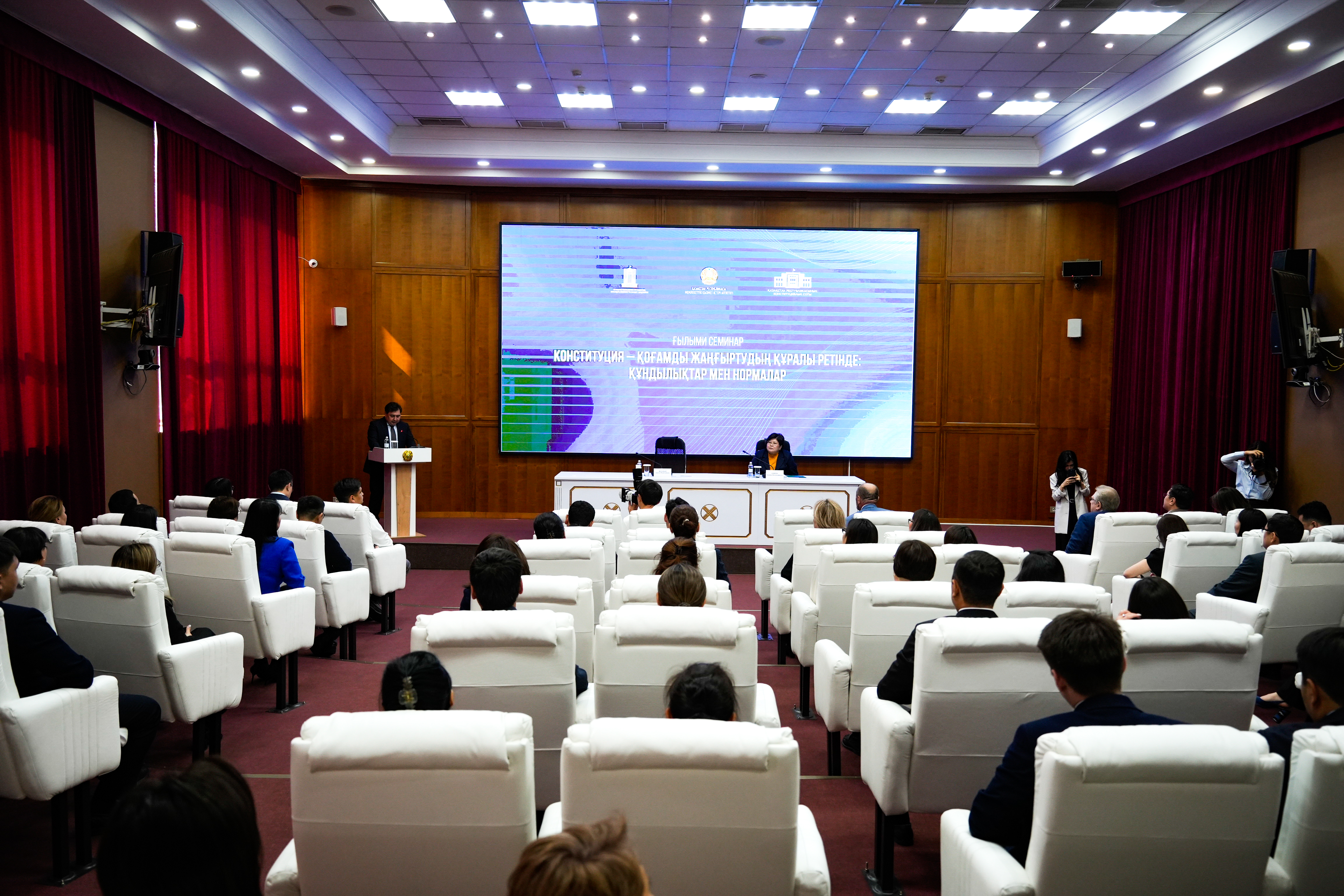
Key Provisions of the New Constitution Discussed at the Academy of Public Administration 30.06.2026
Теlegram CС - https://t.me/consot_kz Just over a month remains before the new Constitution of the Republic of Kazakhstan, adopted through a national referendum, enters into force. In this regard, the understanding of constitutional principles and approaches to their implementation in the work of public servants has become particularly relevant.These issues were the focus of a scientific and practical seminar entitled “The Constitution as an Instrument for the Modernization of Kazakhstani Society: Values and Norms,” held at the Academy of Public Administration under the President of the Republic of Kazakhstan. The event featured presentations by Chairperson of the Constitutional Court Elvira Azimova, Chairperson of the Agency for Civil Service Affairs Darkhan Zhazykbay, and Professor of Astana International University, Doctor of Law Isidor Shamilovich Borchashvili.In her address, the Chairperson of the Constitutional Court presented in detail the concept of the 2026 constitutional reform.Participants were provided with an overview of the stages involved in drafting the new Constitution, including the work of expert groups, the operation of online platforms for collecting citizens’ proposals, public consultations, and preparations for the national referendum. Particular attention was paid to the high level of public engagement in the discussion of the constitutional amendments.The seminar also examined the key provisions of the new Constitution aimed at improving the system of public administration and further strengthening the principle of separation of powers. In particular, discussions focused on the establishment of the institution of the Vice President, the transition to a unicameral Parliament (Kurultai), the creation of the Kazakhstan People’s Council, and the enhancement of the Constitutional Court’s role as an independent body of constitutional review.The presentation further highlighted the fundamental constitutional values and priorities of state policy. Special attention was devoted to changes in the area of human rights and freedoms, as well as to the preservation of the principles of sovereignty, territorial integrity, and Kazakhstan’s commitment to its national and international obligations.The audience demonstrated strong interest in questions concerning the practical implementation of the constitutional innovations and their impact on the activities of state bodies. During the discussion, it was emphasized that the successful implementation of the new Constitution depends on the level of legal culture, the professional competence of public servants, and the consistent observance of constitutional principles in law-enforcement and administrative practice.Professor Isidor Borchashvili donated copies of his scholarly publication, Commentary on the Criminal Code of the Republic of Kazakhstan, to the Academy’s library collection for use in educational and research activities.Summarizing the meeting, the Chairperson of the Constitutional Court emphasized that the constitutional reform is aimed at strengthening democratic institutions, improving the effectiveness of public administration, and enhancing mechanisms for the protection of human rights and freedoms.Source : https://www.gov.kz/memleket/entities/ksrk/press/news/details/1230883?lang=ru
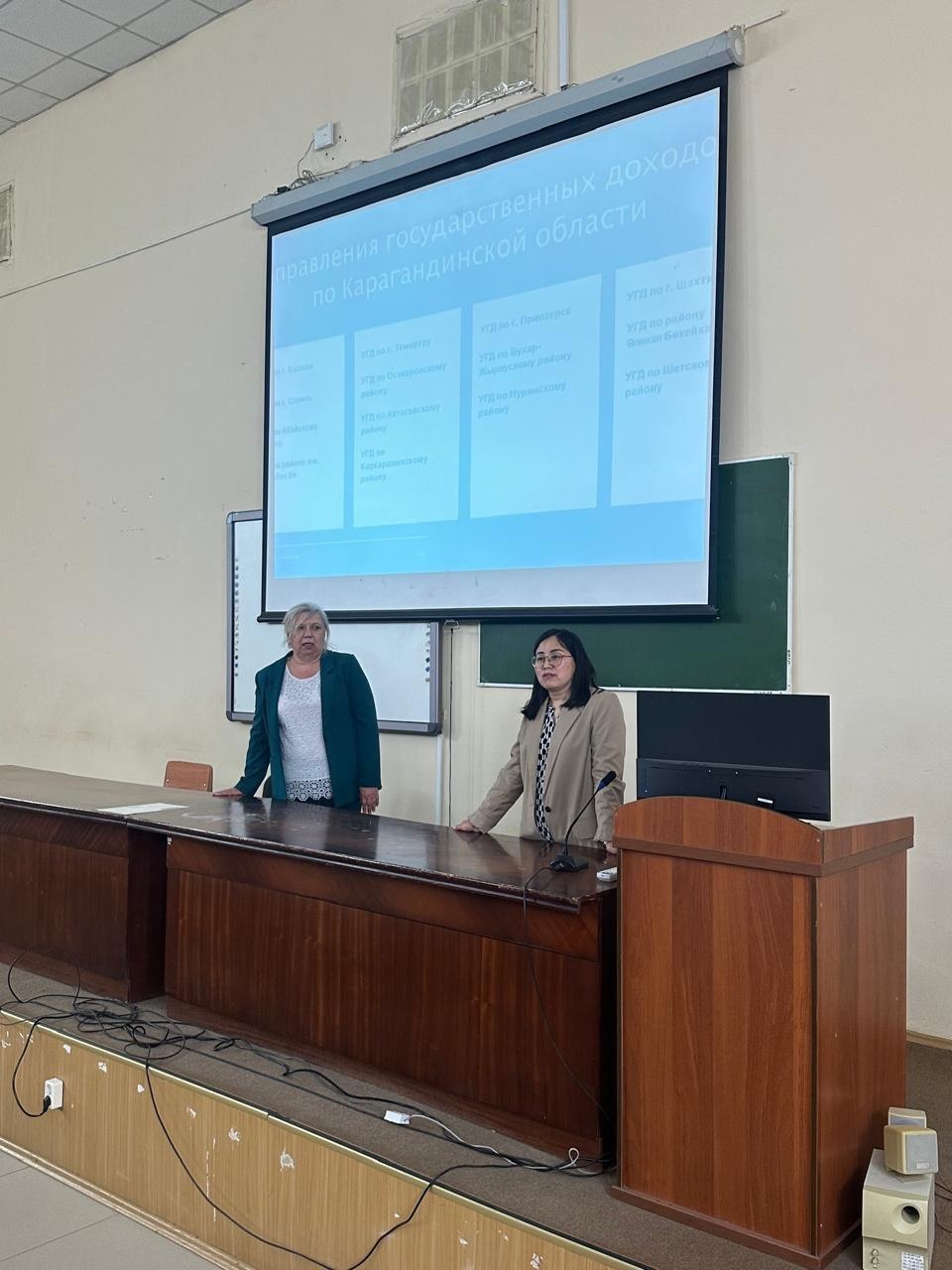
Future specialists were told about the civil service 30.06.2026
As part of the implementation of an internal pilot to develop a mechanism for the best graduates of university employment in the Ministry of Finance, on May 28, 2026, employees of the Department of State Revenue for the Karaganda region held a career guidance meeting with graduates of the Karaganda National Research University named after Academician E.A.Buketov. At the meeting, the staff told about the activities of the Ministry's bodies, career opportunities, the procedure for entering the civil service, as well as information about internships and adaptation.Source : https://www.gov.kz/memleket/entities/kgd-karaganda/press/news/details/1230780?lang=ru
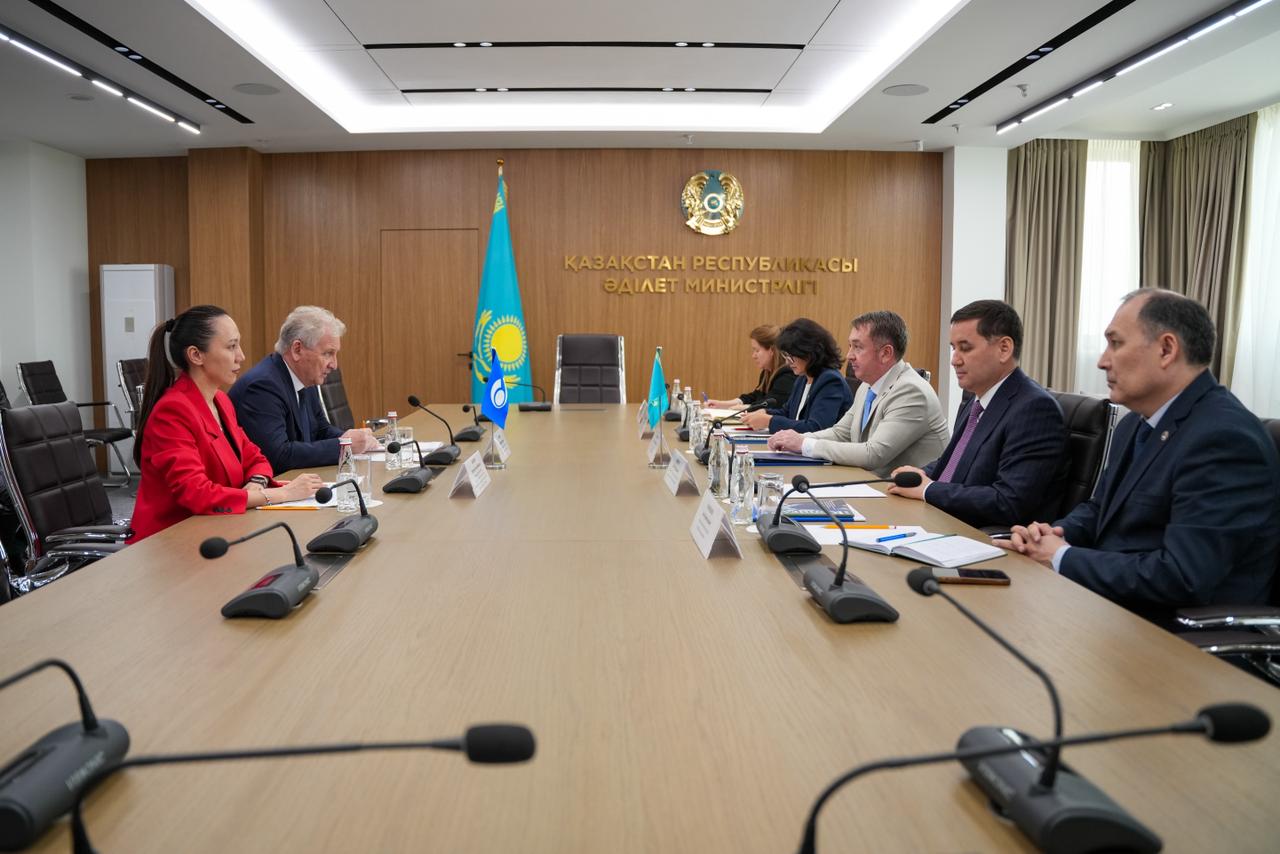
A meeting was held between the Minister of Justice of the Republic of Kazakhstan Yerlan Sarsembayev and the President of the Eurasian Patent Office Grigory Ivliev 30.06.2026
During the meeting the parties discussed current issues related to the development of Eurasian cooperation in the field of industrial property, digitalization of patent procedures and the introduction of modern technologies into the activities of patent offices.The Minister of Justice of the Republic of Kazakhstan Yerlan Sarsembayev highlighted the large-scale constitutional reform being carried out in the country, within the framework of which issues of intellectual property have for the first time been enshrined at the constitutional level as a significant legal value. It was emphasized that these changes create an additional foundation for the further improvement of the national intellectual property system and the development of an innovation-driven economy.Special attention was paid to the development of electronic interaction between offices, the application of artificial intelligence technologies in patent examination as well as the improvement of mechanisms for supporting applicants and enhancing the quality of expert activities.The Kazakhstani side emphasized its consistent efforts aimed at modernizing the national intellectual property system, including the development of digital services, improvement of legislation and strengthening of international cooperation. It was noted that the protection of intellectual property is regarded as an important element in the formation of a modern innovative economy and sustainable technological development.The parties also exchanged views on the further improvement of Eurasian mechanisms in the field of patenting, the development of cooperation between national offices as well as the preparation of joint programs in the areas of digitalization and professional training of specialists.Following the meeting, the parties confirmed their mutual interest in further strengthening practical cooperation and implementing joint initiatives within the Eurasian space. Source : https://www.gov.kz/memleket/entities/adilet/press/news/details/1230787?lang=ru
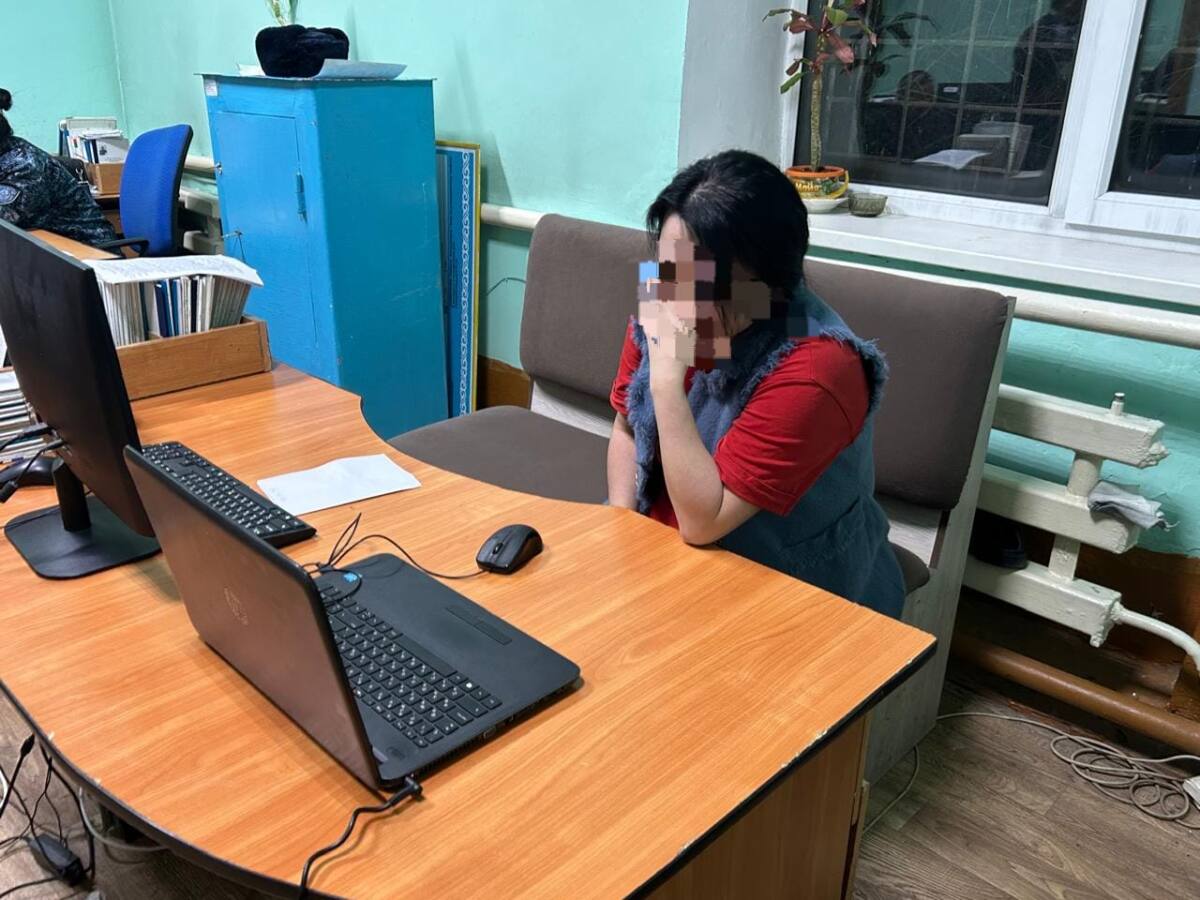
After almost three years of separation: a convict in the Abai region saw her children for the first time via video link 30.06.2026
A video call with her children, whom she had not seen for almost three years, was organized for the convict at the minimum security institution of the penal enforcement system in the Abai region. A 35-year-old resident of Astana is serving a sentence for fraud. The court sentenced her to four years in prison. Previously, the woman was in the penal colony for women in the Abai region, where she actively participated in the public life of the institution, took part in events and proved herself on the positive side. For her exemplary behavior, she was transferred to a minimum security facility for further punishment. During a conversation with the staff of the institution, the woman said that she has two children— daughters aged eight and five. The most difficult ordeal for her was the long separation from them. When I got here, the hardest thing for me was realizing that I was no longer with my children. All this time, I communicated with them only by payphone and tried not to let them see me within the walls of the institution. I thought it would be easier for them that way. Now they think I'm on a long business trip. During the separation, the children have matured a lot. My eldest daughter went to school, which was an important event that I couldn't take part in. I was very worried about this. This is a special moment for any mom. All this time, I've only seen my children grow up from the photos my family gave me. I looked at them over and over again and imagined them talking to me, laughing and hugging me," she said. The staff of the institution decided to support the convict and organized a video call with the children for her. When her daughters' faces appeared on the screen, she couldn't hold back her tears. When I saw them on the screen, it just took my breath away. They've grown so much… I looked at them and couldn't believe that I was finally seeing their eyes, their smiles. We didn't talk for very long, but for me it was the most precious moments in recent years. It is my love for children that helps me not to give up and believe that after liberation we will be able to start life anew, soon I will return to them and do everything to never let them down again. This meeting gave me great strength and hope," the convict shared. Maintaining family ties is an important part of the process of convict correction. Family support plays a huge role in everyone's life, especially for those who find themselves in prison. Such hangouts help convicts not to lose touch with their loved ones, provide emotional support and become a strong motivation for correction and return to normal life after release. Such hangouts help convicts to keep in touch with their family and support their desire for correction. According to the staff, the support of loved ones plays an important role in the process of re—socialization and the return of a person to a law-abiding life," said Rustem Berlibekov, deputy head of the institution.Source : https://www.gov.kz/memleket/entities/duisabai/press/news/details/1230789?lang=ru