News
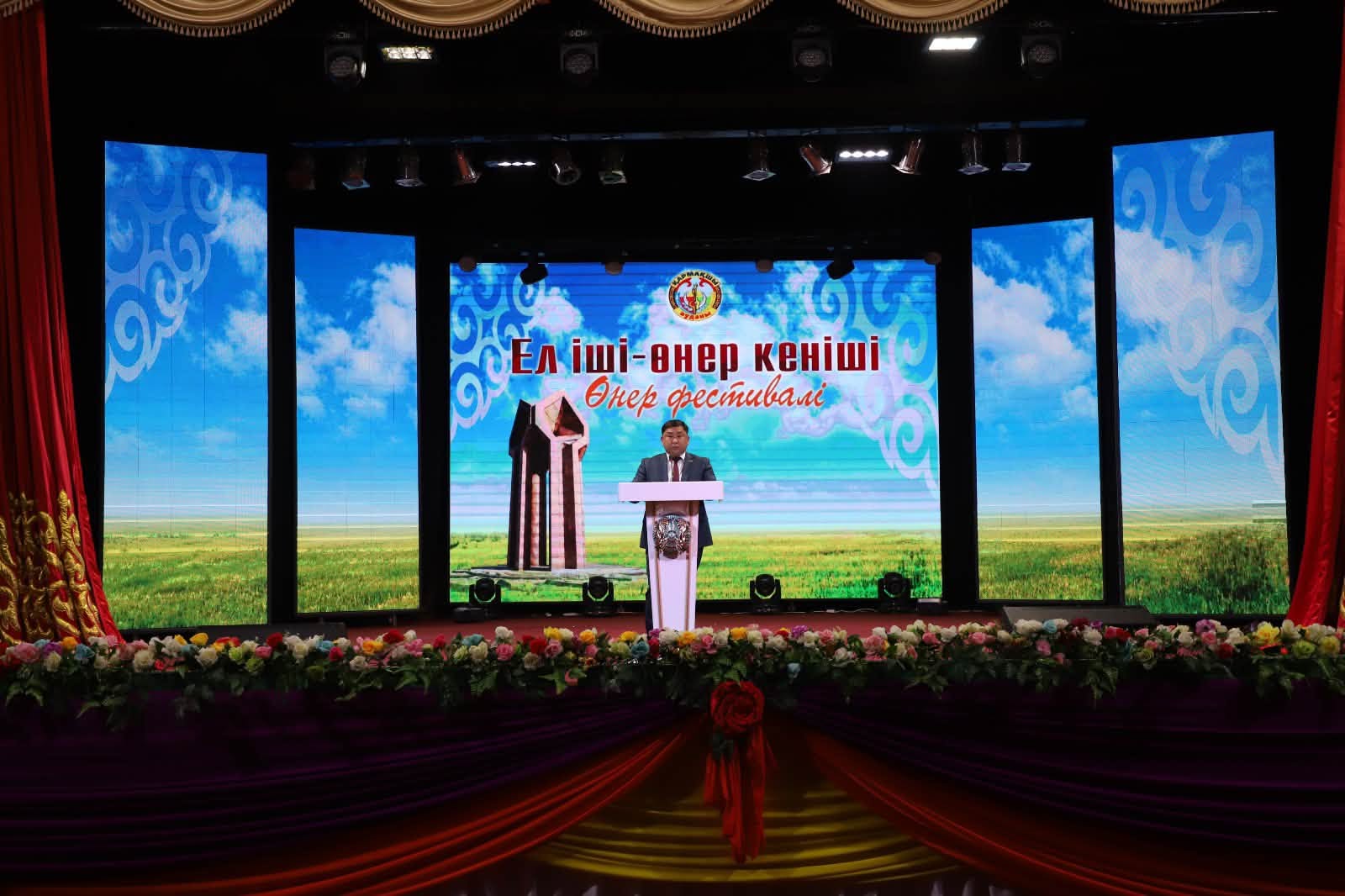
“El Ishi – Oner Kenishi”: Festival of Arts Concludes 17.09.2026
Supporting local talents and promoting their creative achievements are important areas in the development of culture. In this regard, the annual “El Ishi – Oner Kenishi” festival brings talented artists from the Karmakshy District together on one stage, providing residents with a celebration of art and cultural heritage.Today, the closing evening of the district arts festival “El Ishi – Oner Kenishi” was held at the Shamshat Tolepova District House of Culture.The cultural project has been held annually since 2017 and traditionally takes place during the summer months, bringing joy and spiritual inspiration to residents of the district each year.District Akim Zhandos Yerkinbek attended the closing ceremony and congratulated the performers and audience on the successful completion of the significant cultural event.“The sacred land of Karmakshy has long been a place with a rich cultural heritage, deep historical roots, strong spiritual traditions and a special connection to the arts. Therefore, this traditional festival of folk art is of great importance to the cultural life of our district. Throughout the summer, concert programmes held in the central square featured songs, instrumental music, the traditional art of zhyr and terme, and dance. I sincerely thank all the performers who preserve and promote the spiritual heritage of our sacred land,” the Head of the District said.During the closing evening, a number of performers who participated in the festival were recognized in special nominations. In addition, citizens who actively contributed to the successful organization of the programme, including its information support, received Letters of Appreciation from the District Akim.Following the award ceremony, the audience was presented with a festive concert featuring artists from the district. The programme included vocal performances, dances and instrumental pieces, creating a joyful atmosphere for the audience.This year, the festival was distinguished by its expanded scope. Alongside artists from the district centre, the creative work of performers from settlements throughout the district was also highlighted. From June to September, cultural events featured artists from 14 settlements of the district, as well as performers from the district centre’s Kosheney Rustembekov House of Zhyrau and the Turymbet Salkynbayuly School of Arts.The Head of the District noted that systematic work to enrich the spiritual and cultural life of the district would continue.Source : https://www.gov.kz/memleket/entities/kyzylorda-karmakshy/press/news/details/1293153?lang=ru
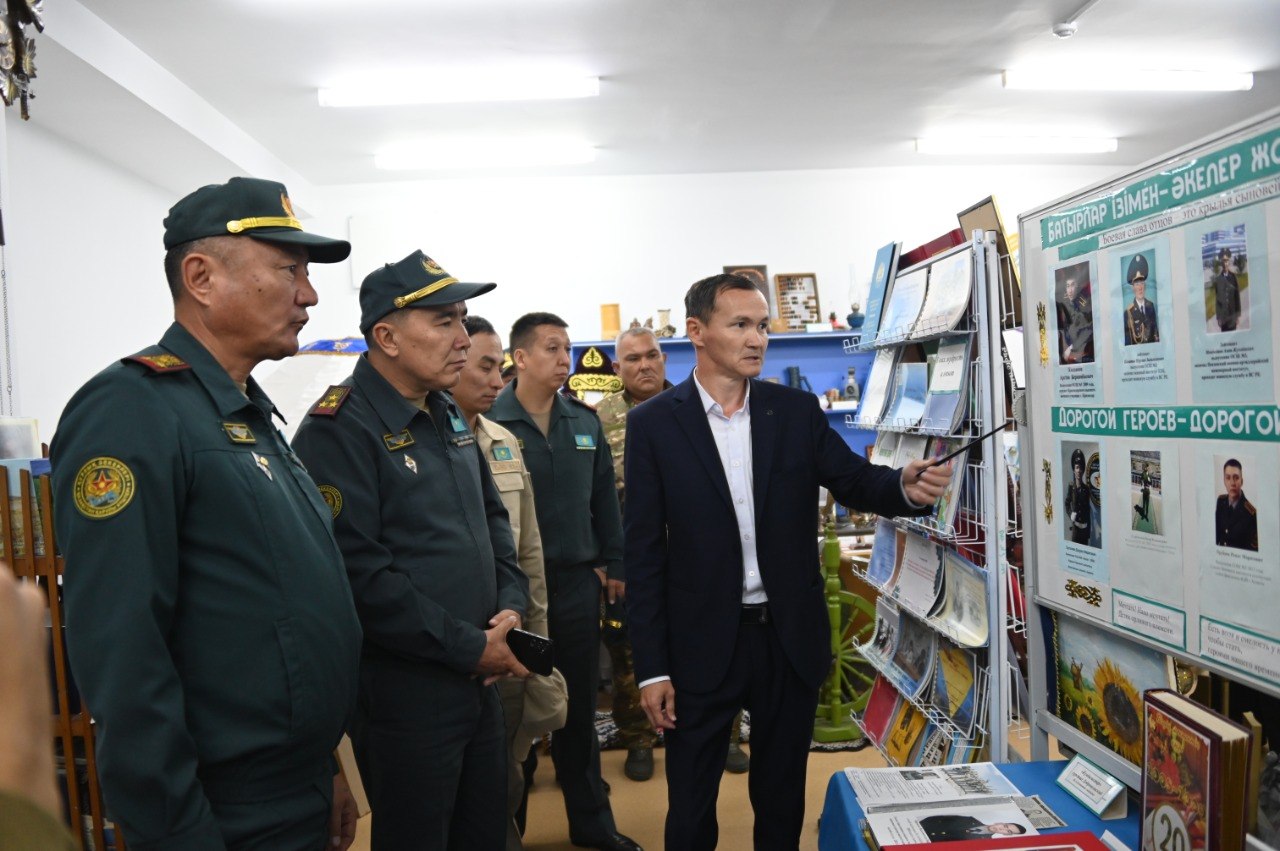
Ministry of Defence personnel met with young people from the Burlinsky and Terektinsky districts. 17.09.2026
Source : https://www.gov.kz/memleket/entities/mod/press/news/details/1293154?lang=ru
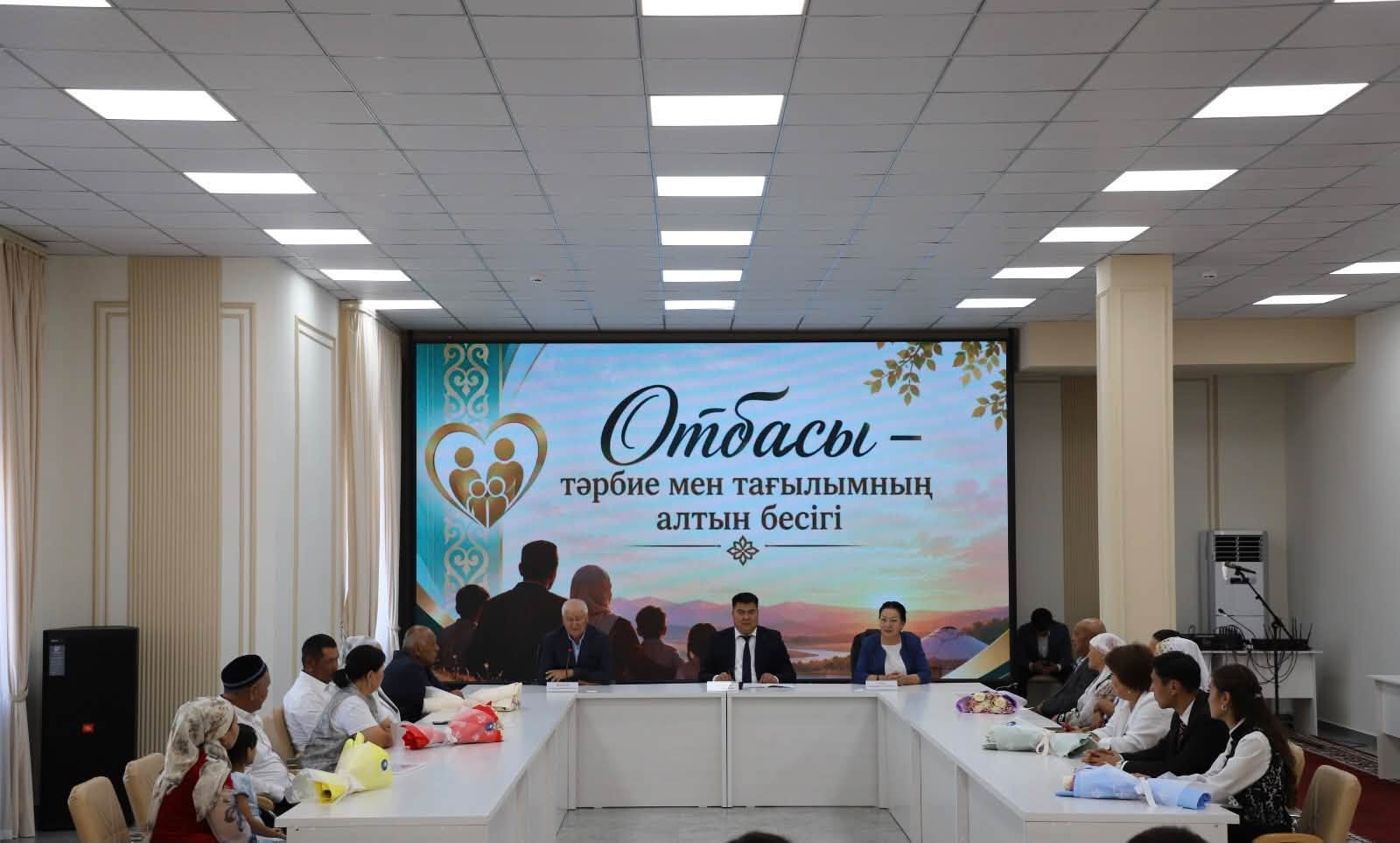
Honoring Exemplary Families 17.09.2026
Today, in accordance with the instruction of the district akim, a celebratory reception dedicated to Family Day was held at the “Rukhaniyat” Center. The event was chaired by Deputy Akim of the district Dias Moldabayev.During the meeting, Dias Asylbekuly congratulated everyone present on Family Day and noted:– We should emphasize that President of our country Kassym-Jomart Kemelevich Tokayev pays particular attention to the fact that the state begins with the family, as well as to the importance of strengthening fundamental family values in our society. For our people, the family has always been considered a sacred concept. The foundations of a person’s upbringing are formed within the family. This year, 17 mothers in our district have been awarded the “Altyn Alqa” pendant, while 47 mothers have received the “Kumis Alqa” pendant. Therefore, honoring exemplary families and making their life stories an example for the younger generation is a shared responsibility for all of us, – he said.At the celebratory reception, the Arykbayev, Korganbayev, Yeleuov, Matzhanov, Togyzbayev and Aliaskarov families were recognized for promoting family values. They were awarded in the following categories: “A Harmonious Family,” “A Family Raised Through Hard Work,” “A Family with a Noble Legacy,” “A Family Balancing Service and Family Life,” “A Determined Family,” and “A Family Combining Art and Education.”During the event, Chairman of the District Council of Veterans Askar Merekov shared his thoughts on the family as an important social institution that can serve as an example for the younger generation. Chairwoman of the District Women’s Council Kulzhaukhar Rayeva also delivered her festive greetings.The meeting also featured a concert program, followed by musical performances by local artists.It should be noted that particular attention is being paid to the national “Mereili Otbasy” competition, which aims to promote family values. This year, following the results of the district stage, the Tortayev and Kiyasov families were nominated to participate in the regional stage. Following the regional competition, they were awarded in the “Baiterek” and “Kemel” categories.In addition, as part of the Family Day celebrations, the Zhakenov family from the Aktobe rural district met with the akim of the region and was presented with a special “Gauhar Toy” award.Source : https://www.gov.kz/memleket/entities/kyzylorda-karmakshy/press/news/details/1293141?lang=ru
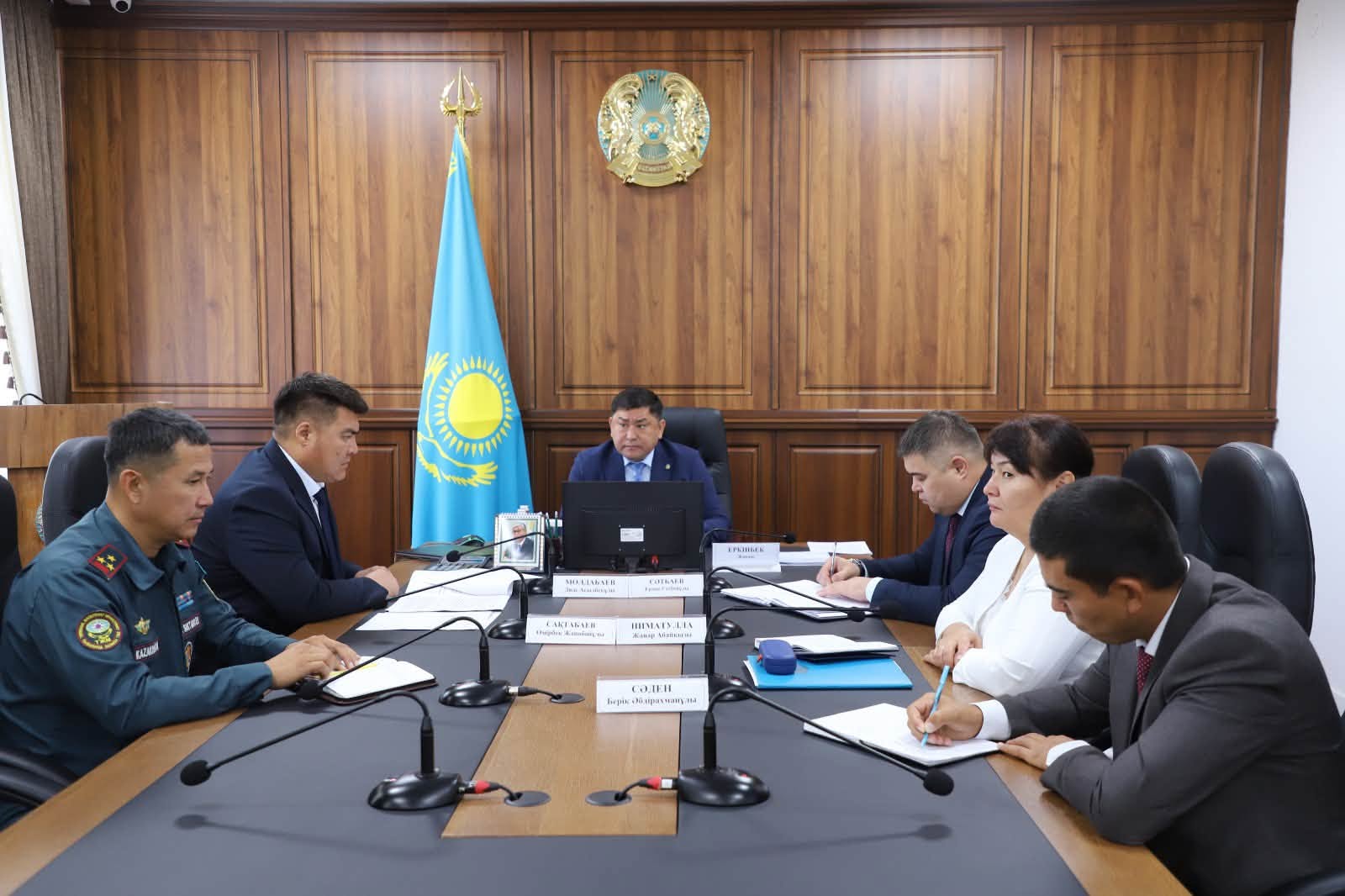
Development of the Digital Assets Sector Discussed 17.09.2026
Today, a regular meeting was held under the chairmanship of District Akim Zhandos Yerkinbek. In accordance with the agenda, a number of pressing issues related to the development of the digital assets sector and the socio-economic development of the district were considered.Following the results of January–August 2026, positive dynamics were recorded in the district’s key macroeconomic indicators. The Head of the District emphasized the need to maintain this positive trend through the end of the year and ensure the fulfillment of all established indicators.The meeting also addressed the progress of budget revenue execution. As of September 1, 2026, the district’s own-revenue plan had been fulfilled by 107.7 percent. As a result, revenues exceeding the planned amount were secured. In this regard, instructions were given to continue systematic work and ensure proper execution of revenues from all types of taxes.One of the current issues in the social sphere is the verification of families classified under categories “A” and “B” in the Digital Family Map.“President of the Republic Kassym-Jomart Kemelevich Tokayev has repeatedly emphasized in his Addresses the need to ensure that state support measures are targeted at citizens who genuinely need assistance. Therefore, this work must be carried out in a timely manner,” the District Akim noted.Accordingly, responsible specialists, jointly with the akims of the settlement and rural districts, were instructed to complete the work in full within the established timeframe.In addition, the meeting emphasized the need to take measures in accordance with the law against persons who have committed administrative offenses under Article 505 concerning violations of landscaping and improvement regulations, Article 408 concerning the procedure for the destruction of agricultural animals, and Article 434-2 concerning the maintenance of cleanliness in public areas.Concluding the meeting, Zhandos Yerkinbek instructed those responsible to maintain strict control over the implementation of the issues considered on the agenda.Source : https://www.gov.kz/memleket/entities/kyzylorda-karmakshy/press/news/details/1293143?lang=ru
Sanitary and Epidemiological Service Specialists Honored 17.09.2026
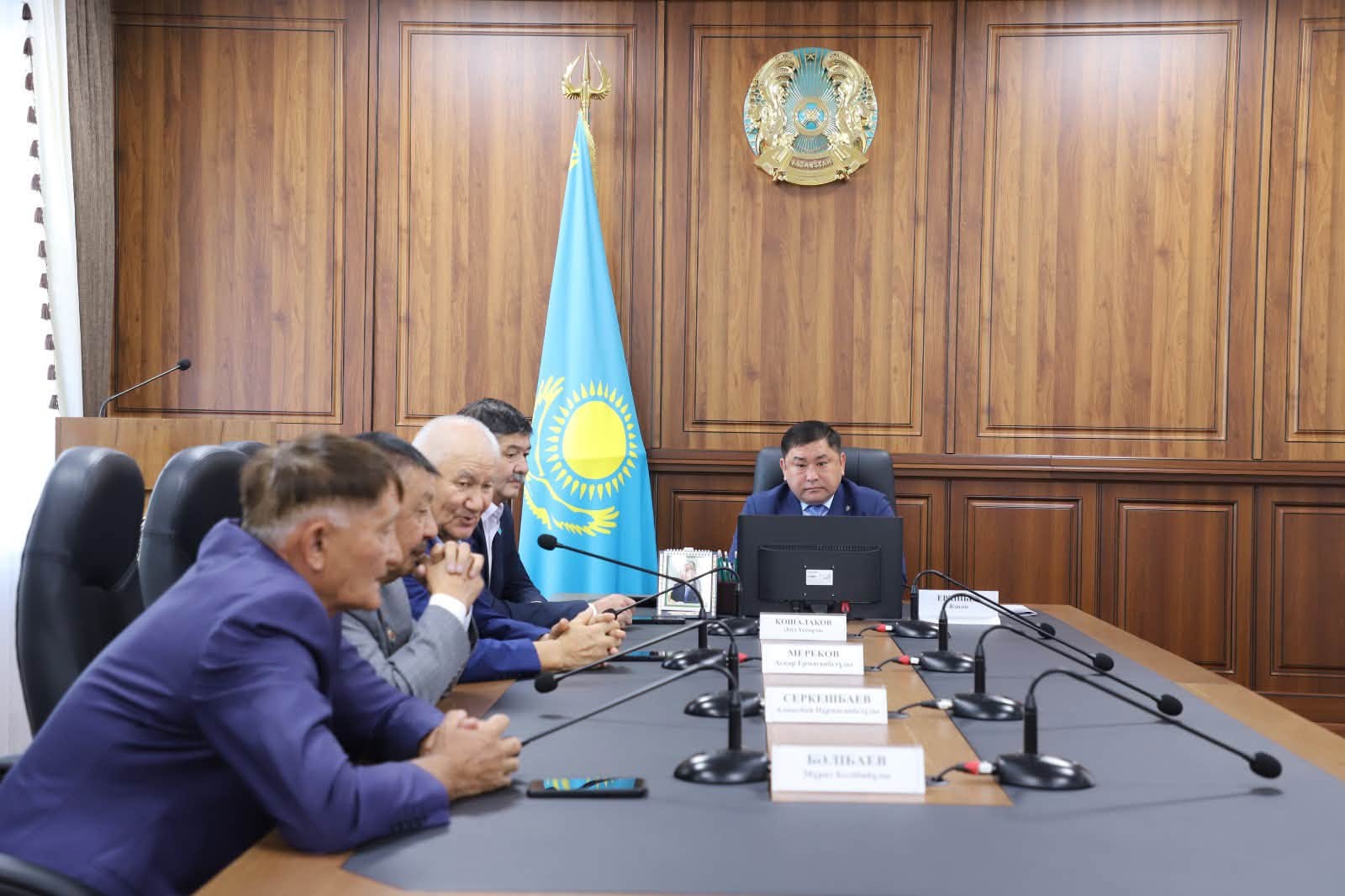
Today, a ceremonial event dedicated to congratulating employees of the sanitary and epidemiological service on their professional holiday was held in the meeting hall of the district akimat. The event was chaired by District Akim Zhandos Yerkinbek.During the ceremony, the District Akim congratulated the sector’s specialists on their professional holiday:– Protecting public health, ensuring sanitary and epidemiological safety, and preventing infectious diseases are highly responsible and important tasks. Specialists working tirelessly in this field every day make a significant contribution to protecting the health and safety of the population. Your professional competence, responsibility and dedication to your work are a strong foundation for ensuring sanitary safety. I wish you success in your work and continued recognition and respect in your professional activities, – the District Akim said.During the ceremony, a number of specialists who have made a significant contribution to ensuring public safety were presented with Letters of Appreciation from the District Akim in recognition of their dedicated service.Chairman of the District Maslikhat Adil Koshalakov, Chairman of the District Council of Veterans Askar Merekov, veteran of the anti-plague service Murat Balibayev, as well as veterans of the sanitary and epidemiological service Alpysbai Serkeshbayev and Gulnar Tulepbergenova also conveyed their congratulations and best wishes.During the meeting, the veterans shared memories of their professional careers and expressed their sincere wishes to the younger generation of specialists on the occasion of their professional holiday.The dedicated work of specialists serving in such a responsible field deserves high appreciation and respect, as their efforts play an important role in protecting public health and ensuring the well-being of the country.Source : https://www.gov.kz/memleket/entities/kyzylorda-karmakshy/press/news/details/1293145?lang=ru

- 17.09.2026
Source : https://www.gov.kz/memleket/entities/almobl-enbek/press/news/details/1293117?lang=ru
- 17.09.2026
Source : https://www.gov.kz/memleket/entities/almobl-enbek/press/news/details/1293119?lang=ru
Kazakhstan Presents Outcomes of Systemic Reforms to the UN Committee on the Rights of the Child 16.09.2026
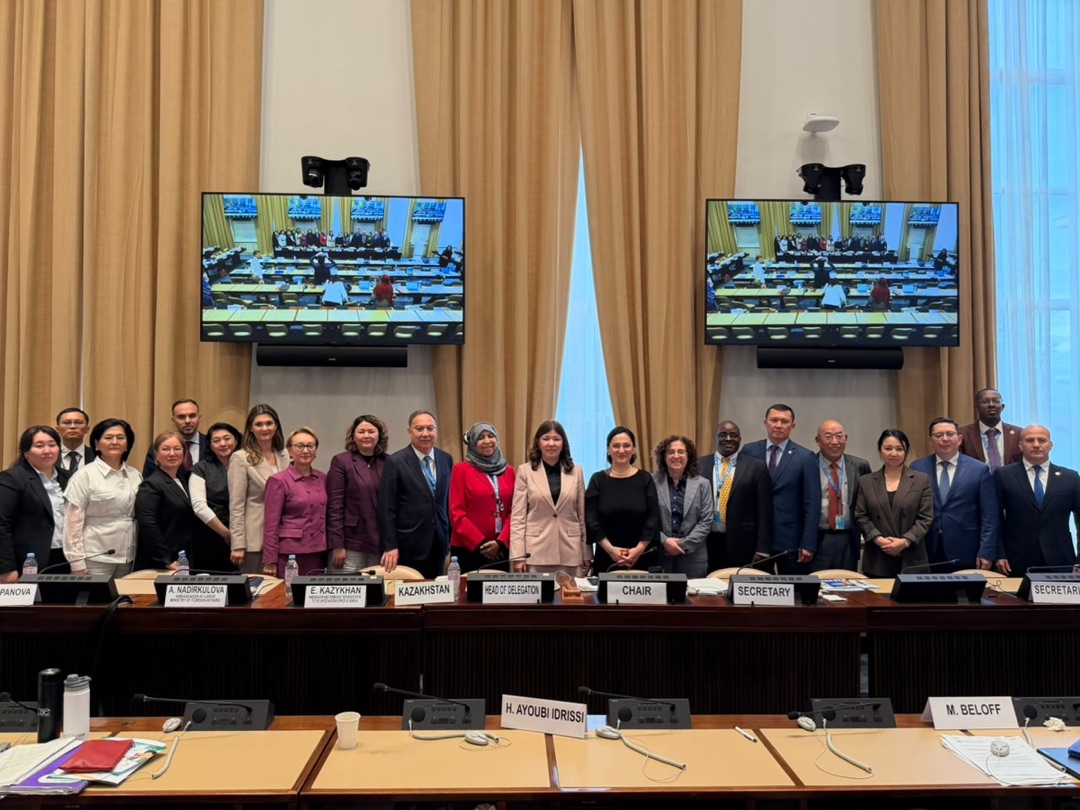
Geneva, 16 September 2026 – On 15–16 September 2026, during its 101st session, the United Nations Committee on the Rights of the Child considered the combined fifth and sixth periodic reports of the Republic of Kazakhstan on the implementation of the Convention on the Rights of the Child.Kazakhstan’s inter-agency delegation was headed by Zhuldyz Suleimenova, Minister of Education of the Republic of Kazakhstan. During the consideration of the reports, the delegation presented the key legislative and institutional reforms aimed at further strengthening the national system for safeguarding children’s rights and well-being.It was noted that Kazakhstan is home to approximately 6.9 million children, who account for around 34 per cent of the country’s population. Ensuring their rights, safety and well-being remains among the Government’s key policy priorities.Particular attention was given to the new Constitution of the Republic of Kazakhstan, adopted in March 2026. The Basic Law strengthened guarantees relating to family policy and the protection of minors, while also enshrining the right to free secondary education in public educational institutions.A key element in the further development of state policy in this area is the Children of Kazakhstan Concept for 2026–2030, which brings together measures relating to safety, education, healthcare and social support. Regional departments for children’s rights have been established, the system of guardianship authorities has been expanded, and targeted support for children and families is being introduced.The delegation also presented measures to prevent violence against children, combat bullying and cyberbullying, strengthen psychological support services, and further develop the nationwide 24-hour “111” contact centre.Special emphasis was placed on the transition from institutional care to family-based care. Today, 82 per cent of orphans and children deprived of parental care are being raised in family settings.“The ultimate measure of our effectiveness is tangible improvement in the life of every child. Kazakhstan remains open to meaningful dialogue and to the continued strengthening of its national child rights protection system,” Minister Suleimenova stressed.The dialogue also addressed the development of child healthcare, equal access to quality and inclusive education, children’s participation in decisions affecting them, and the protection of their rights in the digital environment.As a specific example of the implementation of its international obligations, Kazakhstan presented its experience in the repatriation, rehabilitation and reintegration of 572 children returned from armed conflict zones in Syria and Iraq under the humanitarian operations “Zhussan” and “Russafa.”The Kazakh delegation reaffirmed the country’s commitment to the consistent improvement of its national system in accordance with its obligations under the Convention on the Rights of the Child and its Optional Protocols, as well as to continued constructive engagement with United Nations treaty bodies and civil society.Source : https://www.gov.kz/memleket/entities/mfa-geneva/press/news/details/1293090?lang=ru
A Center That Gives Hope 16.09.2026
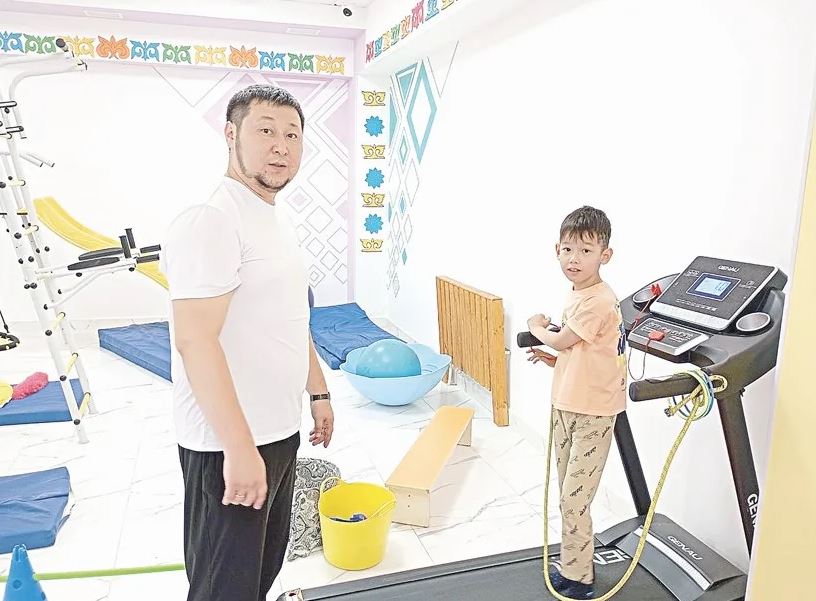
The Demeu Center, located in Astana’s Nura District, provides correctional, developmental, and educational services for children with special needs. This socially significant project was implemented with the support of the Astana city administration, the Department for Investment and Entrepreneurship Development, and the Astana Development Center.The center is designed to meet the needs of children with special needs. Its team includes speech therapists, special education specialists, psychologists, and specialists in movement and music therapy. The center applies such approaches as ABA therapy, Floortime, sensory integration, music therapy, and hippotherapy. It also features a specially equipped gym and two swimming pools.Currently, 70 children attend the center, supported by a team of 42 educators and specialists. Each child follows an individualized program tailored to their specific needs and developmental profile.The center’s founder, speech therapist and special education specialist Lyazzat Temirzhanovna, has nearly 40 years of experience working with children with special needs. According to her, the center’s primary goal is to focus not on a child’s diagnosis, but on their abilities and to help them reach their full potential.As part of government support for the Demeu project, the investor was provided with a land plot free of charge, while organizational and advisory assistance was provided throughout all stages of the project’s implementation.The center’s activities are aimed at developing the potential of children with special needs, helping them adapt to everyday life, and providing families with the professional support they need. The project demonstrates how cooperation between the government and social entrepreneurship can contribute to the implementation of socially significant initiatives. Read more in the Egemen Qazaqstan article “Үміт шырағын жаққан орталық” https://egemen.kz/news/umit-shyragyn-zhaqqan-ortalyq Source : https://www.gov.kz/memleket/entities/astana-uir/press/news/details/1293077?lang=ru
The Embassy of the Republic of Kazakhstan invites interested parties to participate in an auction for the purchase of a motor vehicle 16.09.2026
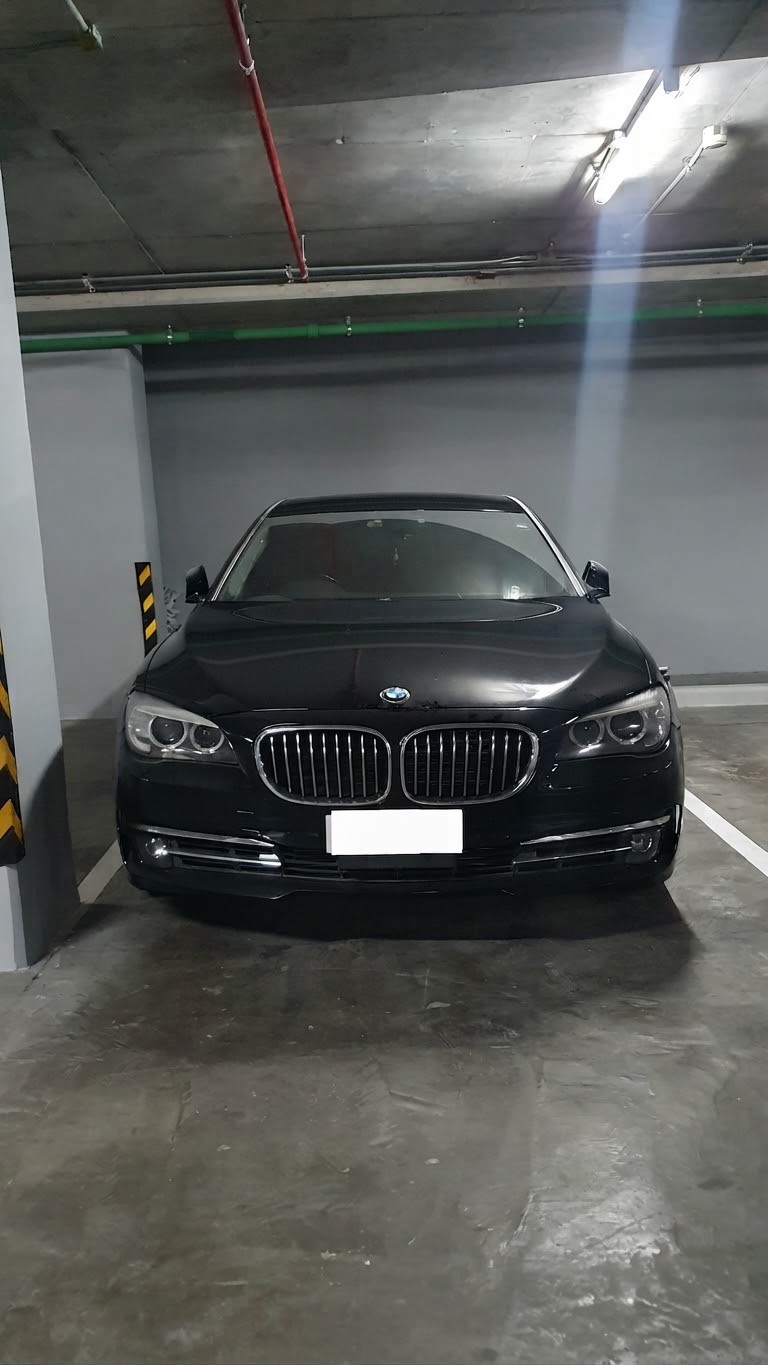
The auction will be held on 1 October 2026 at 3:00 p.m. at the Embassy of the Republic of Kazakhstan in the Kingdom of Thailand (Bangkok). Form and method of bidding:Ascending-price auction. Object of sale:Official motor vehicle, BMW 740Li, manufactured on 7 November 2013, colour – black, free from any encumbrances. Starting price:USD 3,059.88 (three thousand fifty-nine US dollars and 88 cents). Security deposit (15%):USD 458.98 (four hundred fifty-eight US dollars and 99 cents).The security deposit must be paid no later than 30 September 2026 inclusive. Bank account details will be provided separately. Deadline and place for submission of applications to participate in the auction:30 September 2026, from 9:30 a.m. to 1:00 p.m.To participate in the auction, applicants must submit the following documents to the address of the organiser:an application in the prescribed form;for individuals – a copy of an identity document;for legal entities – copies of the identity document of the legal entity’s representative and a document confirming the state registration of the legal entity in accordance with the laws of the Kingdom of Thailand;a copy of the payment document confirming payment of the security deposit. Auction procedure and determination of the winner:The auction will be conducted by way of ascending bidding. The participant offering the highest price for the object of sale shall be declared the winner.The winner must sign the sale and purchase agreement within 5 calendar days after the auction. The security deposit shall be credited towards the purchase price. Contact details for inquiries and vehicle inspection:Tel.: +66 63 268 99 02WhatsApp: +66 63 268 99 02Email: kazconsulbangkok@gmail.comAddress: P23 Building, 20th Floor, 11/2 Soi Sukhumvit 23, Khlong Toei Nuea, Watthana District, Bangkok 10330. The vehicle is sold in its current technical condition (“as is”).Participants are required to carefully review this announcement and the draft sale and purchase agreement, and to inspect the technical condition of the vehicle before paying the security deposit and submitting their applications.Participants may not request any improvements, adjustments or repairs to the vehicle, nor may they request exemption from any taxes, fees or other expenses related to the re-registration of the vehicle or transfer of ownership.The winner must pay the remaining purchase price in full, as well as all applicable taxes, within 10 days from the date of signing the agreement. VAT, customs duties and all re-registration expenses shall be borne by the Buyer.If the successful bidder fails to comply with the terms of the agreement within the prescribed period, the bidder shall be deemed to have waived the right to purchase the vehicle, and any payments made, including the security deposit, shall not be refunded.Bank charges incurred in connection with the transfer of the security deposit shall not be refunded to auction participants.Bid rigging and any other forms of improper interference with the auction process are strictly prohibited.Interested parties may inspect the vehicle at the Embassy of the Republic of Kazakhstan in the Kingdom of Thailand from 17 to 29 September 2026, between 10:00 a.m. and 5:00 p.m., strictly by prior appointment.Requests for inspection appointments and any inquiries may be addressed to the Embassy by telephone at +66 63 268 9902. Source : https://www.gov.kz/memleket/entities/mfa-thailand/press/news/details/1293068?lang=ru

The Department of Internal Affairs of the Pavlodar region informs: in September, the dispatch of VAT desk control notifications will start 16.09.2026
The Department of State Revenue for the Pavlodar region informs that in September 2026, the taxpayers of the region will receive notifications from the desk control on the facts of underestimation of the amount of VAT in tax reporting.Notifications are generated automatically by comparing the data of electronic invoices (ESF) and the declaration on the form 300.00.A notification is generated if the supplier of the taxpayer who has filed a claim for a refund of the excess VAT has revealed an underestimation of the VAT amount for goods, works or services sold.The deadline for the execution of the notification is 30 business days from the day following the day of its delivery.Upon receipt of the notification, the taxpayer must:- in case of agreement with violations, submit additional tax reports on the form 300.00;- in case of disagreement, send a written explanation with supporting documents and justification for the absence of violations.Taxpayers are advised to compare the ESF data in advance with the indicators of the declaration of f. 300.00 and regularly check their personal account (ESF IP notifications, Taxpayer's Office).In case of non-elimination of violations within the prescribed period, the state revenue authorities have the right to appoint a tax audit in accordance with the Tax Code of the Republic of Kazakhstan.Department of Explanatory Work and Contact CenterState Duma of the Pavlodar regionSource : https://www.gov.kz/memleket/entities/kgd-pavlodar/press/news/details/1293003?lang=ru
Physical and Creative Activities for Persons with Disabilities to Be Held in Kokshetau 16.09.2026
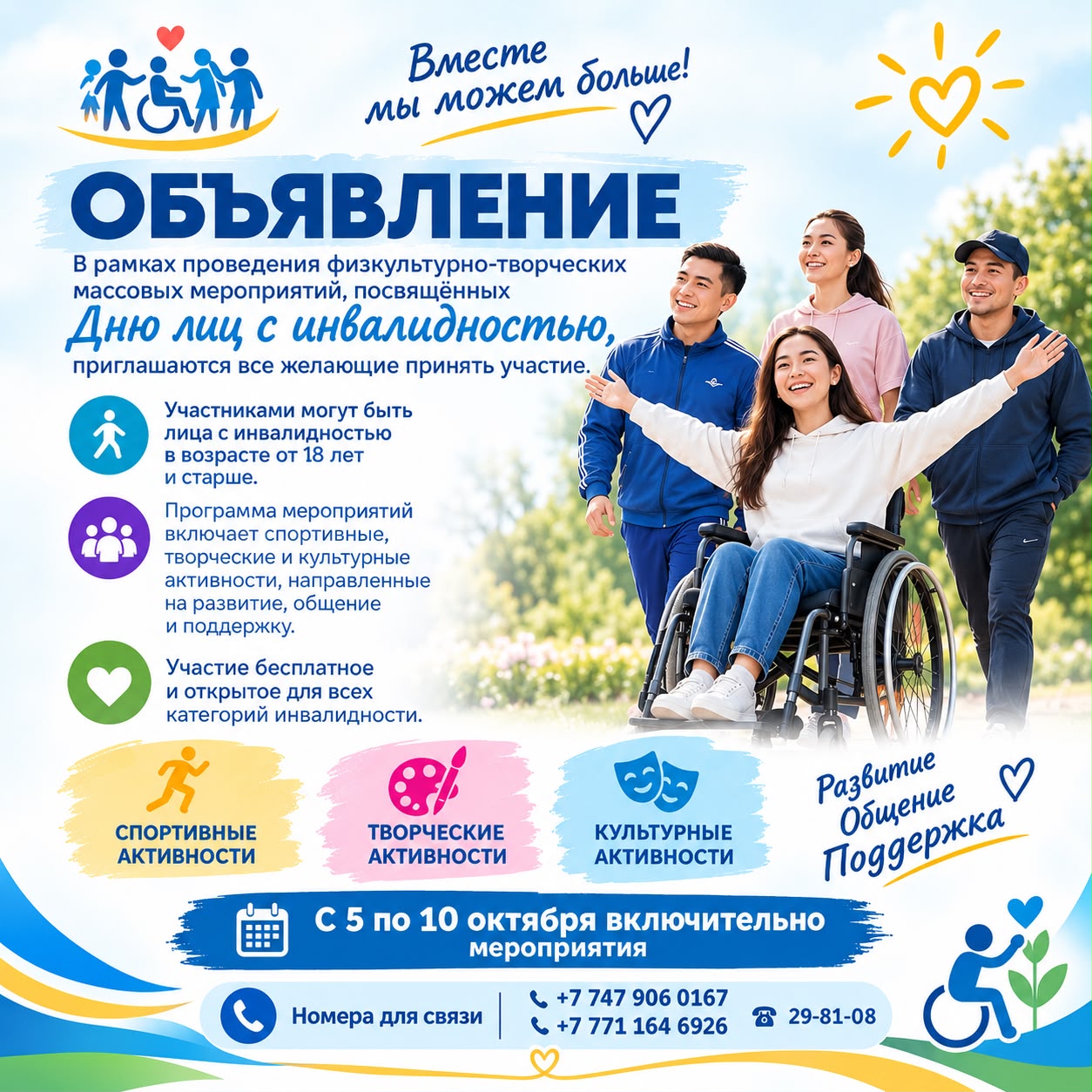
Physical and Creative Activities for Persons with Disabilities to Be Held in KokshetauFrom October 5 to 10, a series of physical, creative and public activities dedicated to the Day of Persons with Disabilities will be held in Kokshetau.Persons with disabilities aged 18 and over are invited to participate. The programme includes sports, creative and cultural activities aimed at personal development, communication and mutual support.Participation is free of charge and open to persons with all categories of disabilities.For more information, please contact:+7 747 906 0167, +7 771 164 6926, 29-81-08.Source : https://www.gov.kz/memleket/entities/ovp-kokshetauakmo/press/news/details/1293004?lang=ru
President Kassym-Jomart Tokayev Participates in the First Central Asia - Republic of Korea Summit 16.09.2026
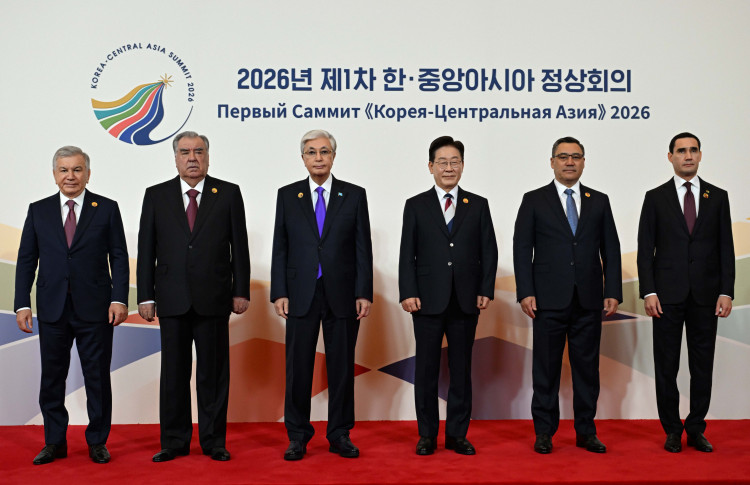
Seoul, September 16, 2026 – The President of Kazakhstan, Kassym-Jomart Tokayev, attended the first "Central Asia – Republic of Korea" Summit. In his speech, the Head of State presented a strategic vision for the further development of multilateral cooperation.Trade and InvestmentIn 2025, the mutual trade volume between the countries of Central Asia and South Korea exceeded $10 billion for the first time, with Kazakhstan accounting for about half of the total regional trade turnover.Seoul is among the top ten leading trade partners of Kazakhstan and ranks 9th among the largest investors, with a gross investment volume exceeding $12 billion. Today, more than a thousand joint ventures with Korean capital operate in Kazakhstan.Bilateral cooperation is reaching a qualitatively new level: commercial agreements worth approximately $19 billion were signed during the current state visit of the Head of State.The Head of State proposed launching the "Central Asia – Korea" Industrial and Technological Development Partnership. This mechanism will allow governments to form a portfolio of flagship joint projects focusing on:Production localization and technology transfer;Strengthening regional cooperation;Exporting finished products to third-party markets.The initiative to hold the first meeting of the ministers of industry of Central Asian countries and the Republic of Korea was also supported.Transport and LogisticsAgainst the backdrop of global supply chain restructuring, the role of Central Asia as a key connecting link between East and West is growing.The high potential of integrating the Middle Corridor with the Korean transport initiative TRIPP was highlighted. Under this concept, Korea will be able to carry out multimodal transportation to Central Asia through the Kazakh-Chinese logistics terminal at the port of Lianyunggan. According to the President, this can unite the potentials of both routes and form an end-to-end transport and logistics chain from South Korea through Central Asia to Europe.EnergyKazakhstan remains one of the world's leading hydrocarbon producers, with an annual oil production volume of about 100 million tons. The Head of State declared the country's readiness to expand cooperation, including the resumption of energy supplies to Korea, as well as joint geological exploration and development of new subsurface plots.Special emphasis was placed on the possibility of implementing joint projects to develop "clean hydrogen," "clean coal," and nuclear technologies.Digitalization, AI, and Critical Raw MaterialsThe Republic of Korea is one of the leaders in the global technology race, while Kazakhstan is actively conducting its digital transformation. A number of major initiatives are already being implemented at the intersection of these vectors:Woosong University has opened in Turkestan;The Artificial Intelligence Institute was established in Kyzylorda jointly with SeoulTech;A branch of KAIST (Korea Advanced Institute of Science and Technology), one of the world's leading scientific universities, is planned to open in Alatau City;The AI SilkNet predictive analytics and foresight center, created jointly with the Korea Institute of Science and Technology Information, has begun operations. The President proposed uniting scientific institutions, universities, and IT companies of Central Asian countries under the auspices of the AI SilkNet center, utilizing the potential of the Alem.ai International Artificial Intelligence Center in Astana.Furthermore, it was proposed to launch a joint regional AI Talent program to train qualified artificial intelligence specialists for Central Asian countries.Critical Materials SectorKazakhstan possesses a rich resource base and ranks among the world leaders in rare earth metal reserves. The synergy of Kazakhstan's resource potential and Korea's technological capabilities opens up wide horizons for business.The Head of State welcomed the agreement reached to establish a joint Center for Rare and Rare Earth Metals Research in Almaty, involving the Korea Institute for Advancement of Technology (KIAT).The primary goal of the project is to build a complete production cycle: from scientific research and extraction of critical raw materials to deep processing and the manufacture of high-tech products (semiconductors, microelectronics, batteries, components for electric vehicles, and robotics). To implement these tasks, it was proposed to establish a joint Kazakh-Korean company.Water and EcologyKazakhstan proposed developing a joint program to attract advanced Korean technologies into the field of water conservation, implementing digital water resource accounting, and developing modern water-saving infrastructure in the Central Asian region.Humanitarian DimensionTo strengthen people-to-people ties, it was proposed to launch a long-term Central Asia – Korea Future Generation program aimed aimed at expanding youth contacts as well as educational and cultural exchanges.https://www.akorda.kz/en/president-kassym-jomart-tokayev-participates-in-the-first-central-asia-republic-of-korea-summit-1683611Source : https://www.gov.kz/memleket/entities/mfa-bratislava/press/news/details/1293006?lang=ru
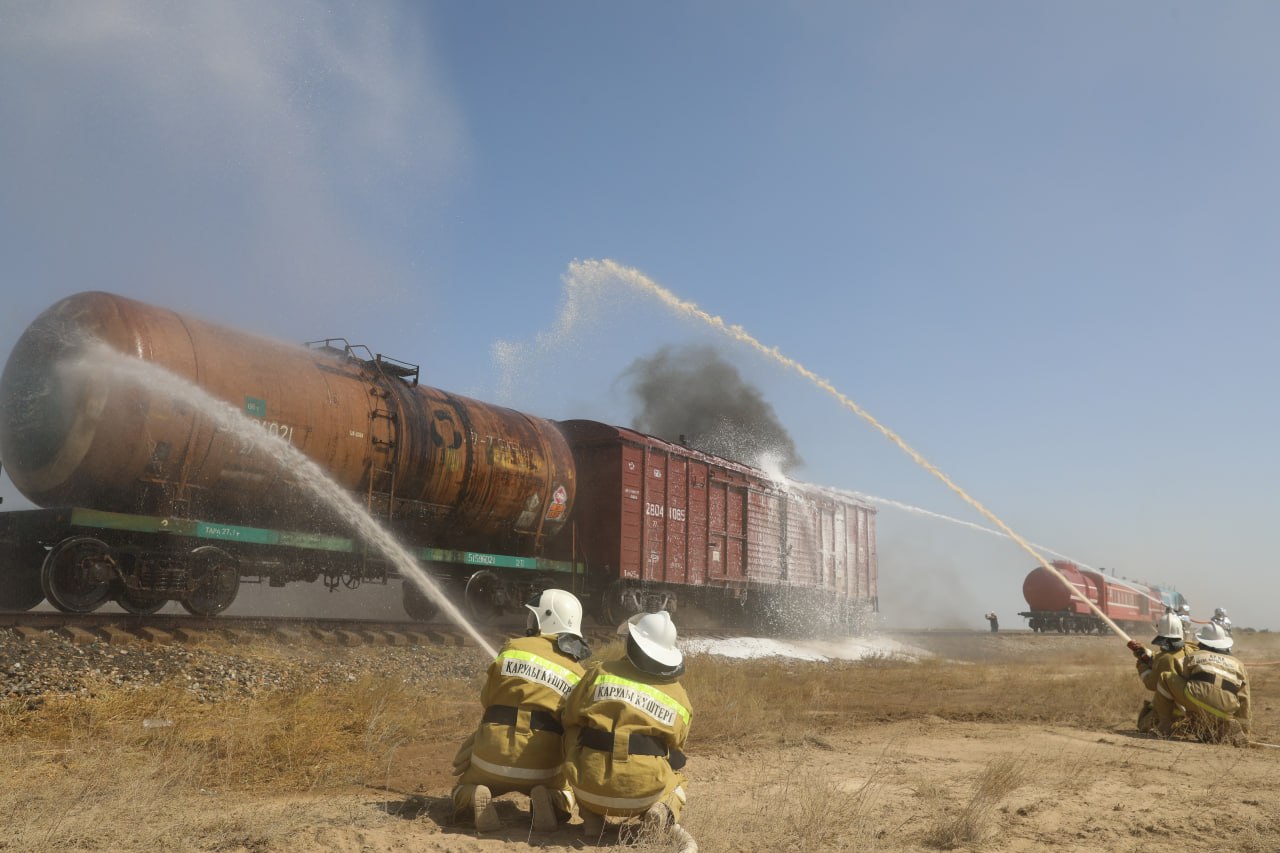
Special exercises to respond to emergency situations were held at the Gvardeysky garrison. 16.09.2026
Source : https://www.gov.kz/memleket/entities/mod/press/news/details/1292996?lang=ru
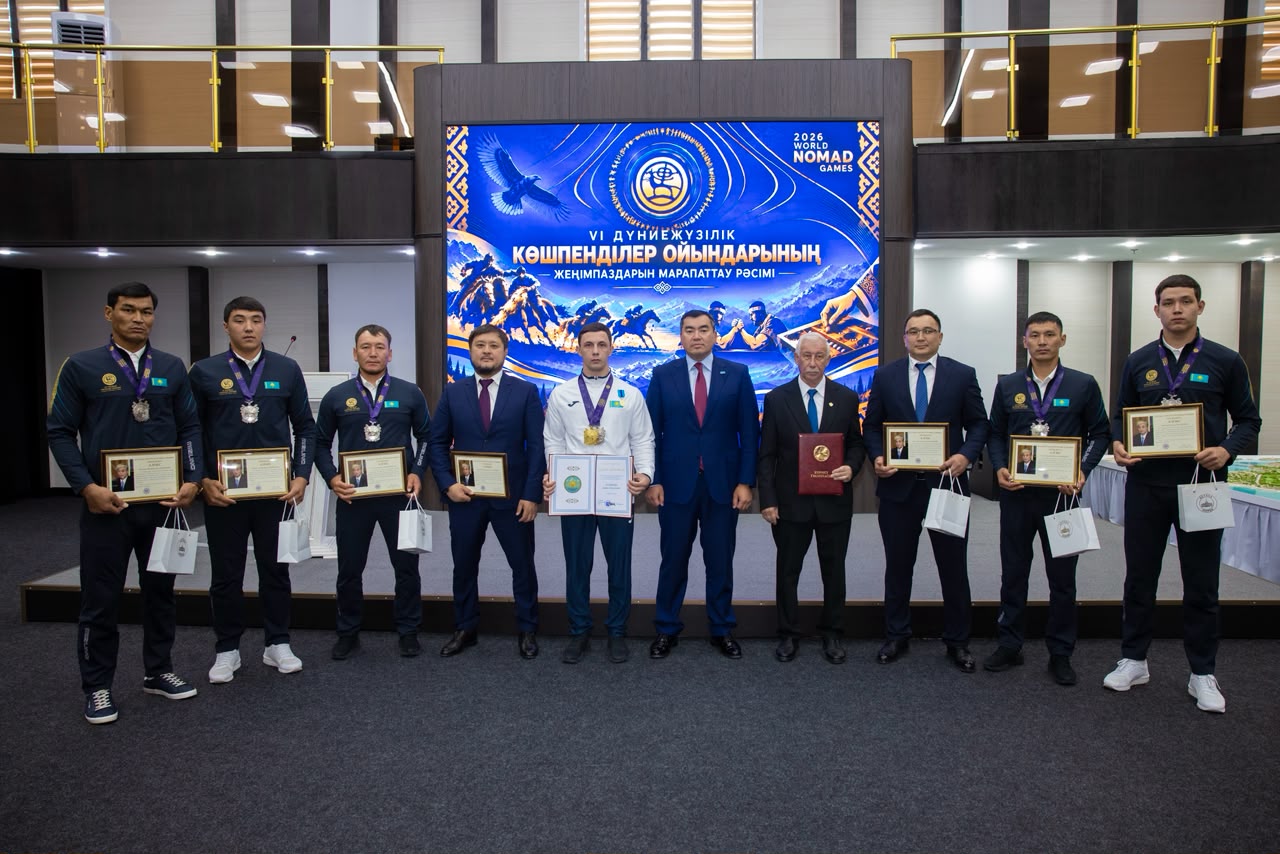
Winners of the World Nomad Games Honored 16.09.2026
Source : https://www.gov.kz/memleket/entities/almobl/press/news/details/1292980?lang=ru

Desk audit, first half of 2026 16.09.2026
The State Revenue Committee has identified discrepancies regarding the full reporting of income by taxpayers using the special tax regime based on a simplified declaration; these findings are based on bank data concerning mobile transfers received from 100 or more different individuals during each of three consecutive calendar months. Please note that upon receipt of a notification, it must be complied with within 30 working days (approximately 45 calendar days):If you agree, you must submit additional reporting and pay the outstanding tax.• If you disagree, you must submit an explanation with supporting arguments (this also constitutes compliance). The purpose of the desk audit is to give the taxpayer the opportunity to resolve discrepancies independently. You can review and respond to the notification via the "Taxpayer Personal Account." Source : https://www.gov.kz/memleket/entities/kgd-akmola/press/news/details/1292973?lang=ru
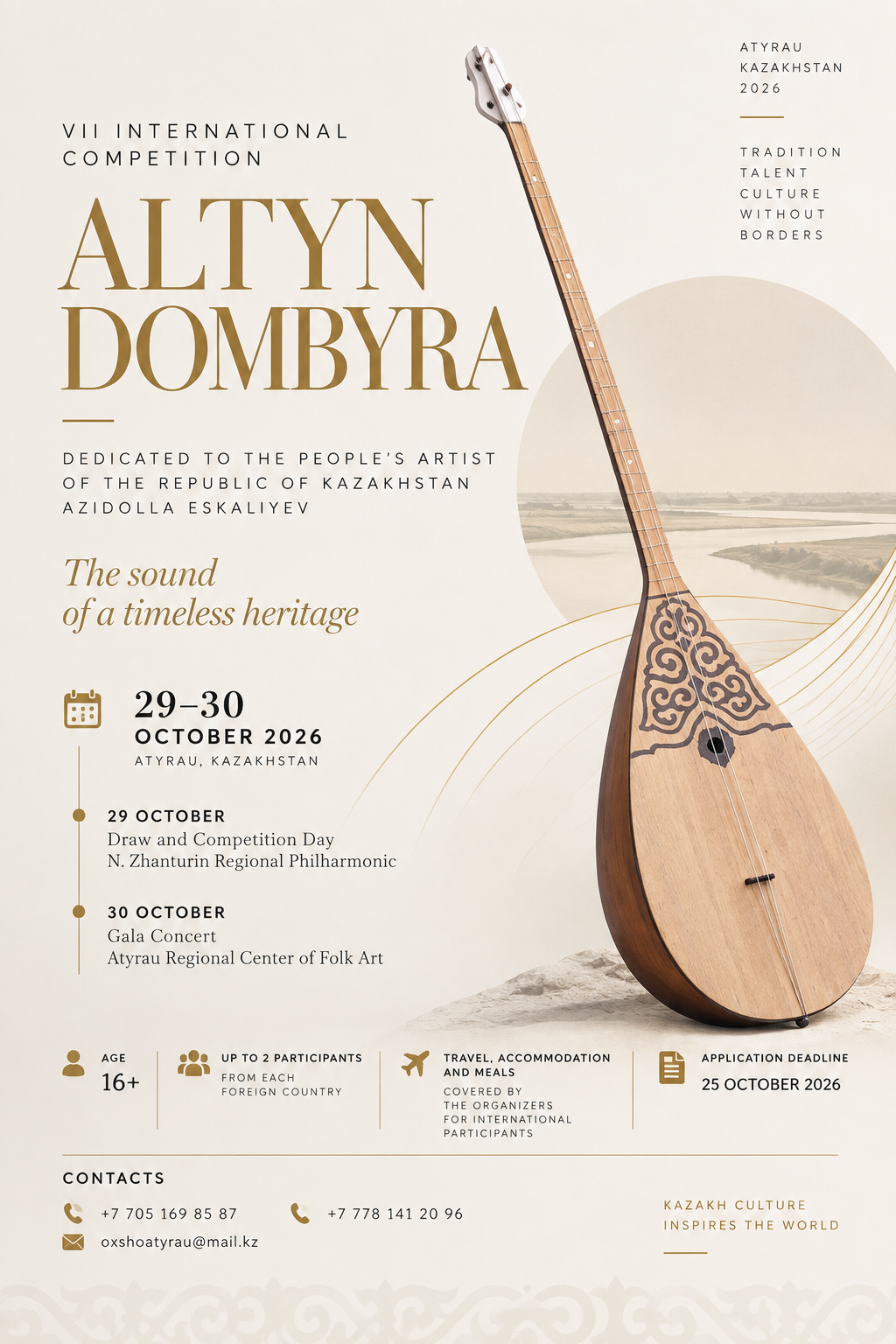
VII INTERNATIONAL “ALTYN DOMBYRA” COMPETITION TO BE HELD IN ATYRAU 16.09.2026
The VII International “Altyn Dombyra” Competition for Dombra Players and Performers on Three-String Folk Instruments will take place in Atyrau, Kazakhstan, on 29–30 October 2026. The competition is dedicated to Azidolla Eskaliyev, People’s Artist of the Republic of Kazakhstan, professor, distinguished kui performer and composer. Its objectives include promoting traditional Kazakh kui performance internationally, preserving the artistic legacy of Azidolla Eskaliyev, and identifying and supporting young musical talent.The competition is open to students of specialized music institutions, professional musicians and talented performers aged 16 and above. Each foreign country may nominate up to two participants. Holders of state honorary titles and Grand Prix winners of previous competitions named after Azidolla Eskaliyev are not eligible to participate.The competition will be held in two rounds. For international participants, the first-round programme includes Kurmangazy’s Balbyrauyn, W.A. Mozart’s Rondo (Turkish March) and one kui by a Kazakhstani composer. In the second round, participants will perform one composition by Azidolla Eskaliyev and one national work representing their own country.Performances will be evaluated by a jury comprising prominent cultural and artistic figures from Kazakhstan and abroad. The assessment criteria include stage culture, performance skills, artistic expression, as well as the accuracy and overall quality of the performance.The draw and competition performances will be held on 29 October at the N. Zhanturin Regional Philharmonic, followed by the Gala Concert on 30 October at the Atyrau Regional Center of Folk Art. For international participants, travel, accommodation and meal expenses are covered by the organizers.Application documents must be submitted by 25 October 2026.Contacts:+7 705 169 85 87+7 778 141 20 96 — K. MenseitkyzyE-mail: oxshoatyrau@mail.kzSource : https://www.gov.kz/memleket/entities/mfa-kuala-lumpur/press/news/details/1294002?lang=ru
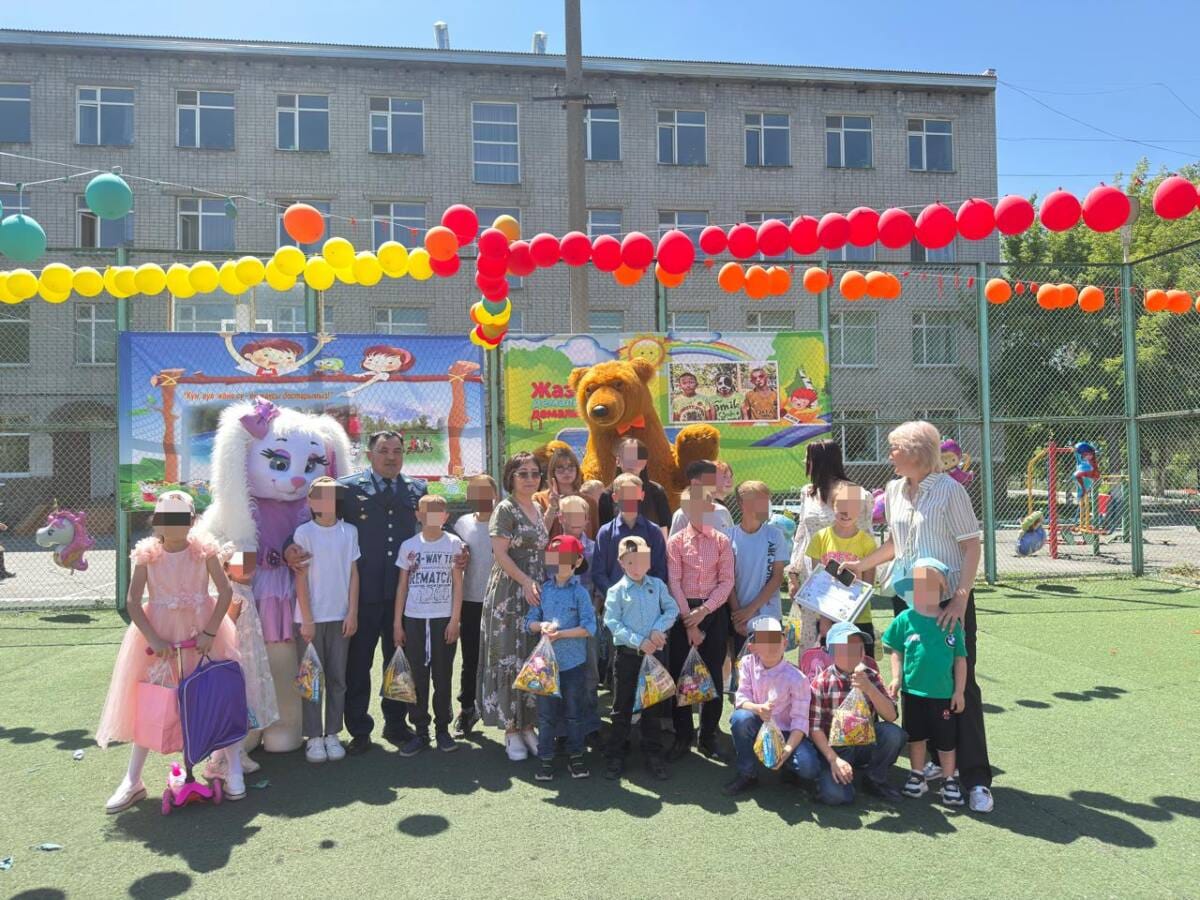
The staff of the secondary security institution of the Military educational Institution in the Abai region congratulated the pupils of the Child Support Center on the Children's Day. 16.09.2026
Employees of the secondary security institution of the Penitentiary in the Abai region congratulated the pupils of the Center for the Support of Children in Need of special social Services in the city of Semey on the International Children's Day.The center educates more than 70 children under the age of 18 who find themselves in a difficult life situation. In honor of the holiday, a festive program was organized for them with concert performances, creative performances and game events.The staff of the institution took part in the celebration and presented the children with gifts made by the convicts. Among them are dombra, chess, national dishes, hazel nuts and other useful items.The initiative has become a part of the social work of the Penal Colony and a vivid example of how labor contributes to the rehabilitation of convicts. Participating in such projects allows them to develop professional skills, build a sense of responsibility, and contribute to socially useful causes.-For our students, the attention and support from society are of particular value. Such meetings give children positive emotions and help them feel cared for. We are grateful to the staff of the institution for their participation in the lives of our children and the prepared gifts," said Rymkhan Nurgaliyeva, Deputy Director of the Child Support Center for Educational Work.- All products were made by convicts as part of their employment. We have tried to prepare useful and educational gifts for the children. For convicts, participation in such social projects is of great importance, as it contributes to the formation of responsibility, respect for social values and the desire for positive change. Such events have become a good tradition for the staff of the correctional system of the Abai region and are aimed at supporting children in need of special attention and care," said Kuanyshbek Tukanov, head of the Department for the organization of labor of convicts of the institution.Source : https://www.gov.kz/memleket/entities/duisabai/press/news/details/1292947?lang=ru
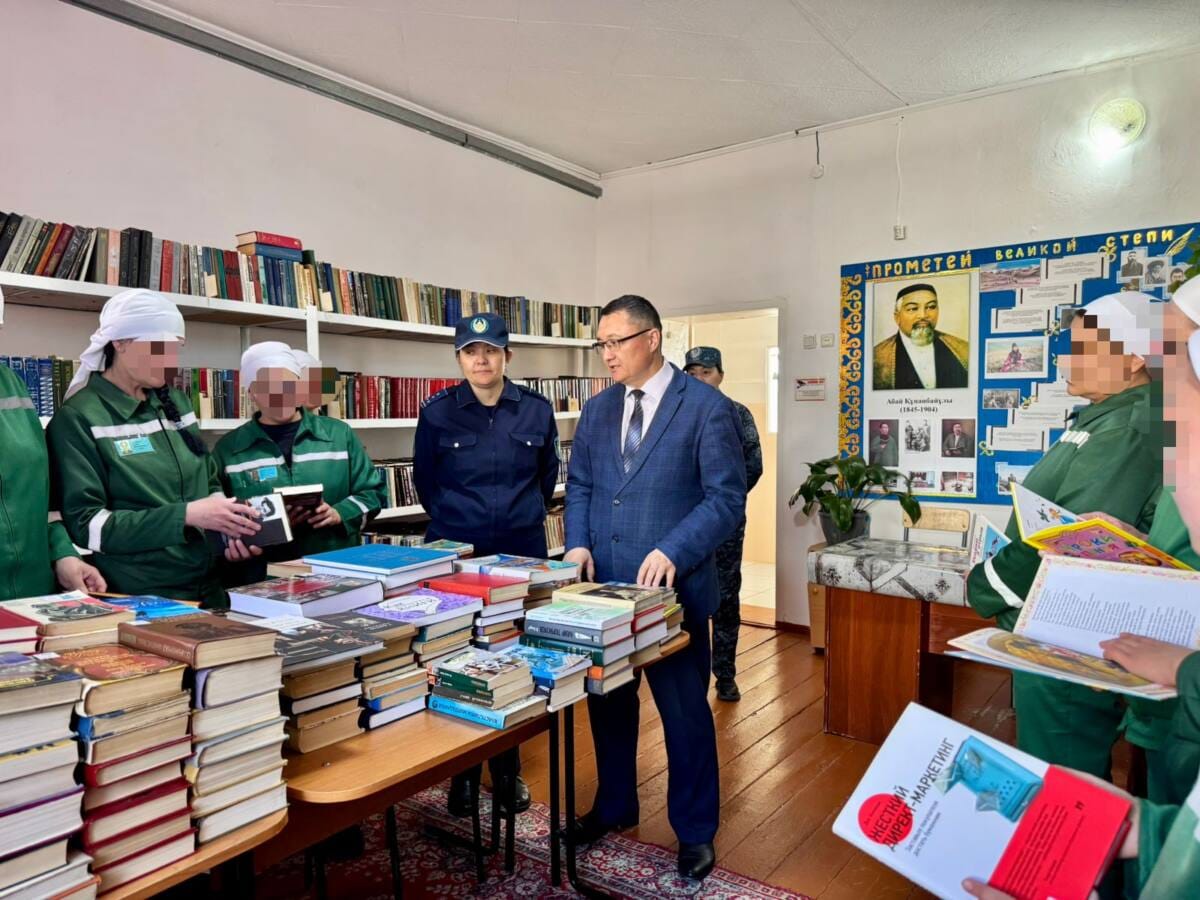
The Commissioner for Human Rights visited the penal colony for women in the Abai region 16.09.2026
The Commissioner for Human Rights for the region, Abai Zhumageldin Dulat Yertuganovich, paid a working visit to the women's colony of the region's penal system. During the visit, the Ombudsman monitored the observance of the rights of convicts, got acquainted with the conditions of their detention, the organization of meals, medical care, as well as issues of employment and social adaptation of women serving sentences. Special attention was paid to the living conditions. As part of the inspection of the facility, sleeping quarters, a dining room, eating places, personal hygiene rooms and sanitary units were examined. Compliance with sanitary standards, the level of household provision and access of convicts to the necessary living conditions were assessed. A separate focus of the visit was the study of the institution's production activities. There are six production facilities on the territory of the colony that provide employment for convicts. Among them there is a confectionery workshop, a workshop for the production of semi—finished products, two sewing workshops, a sausage workshop, as well as a site for growing and processing vegetable products. During the visit, an anonymous survey of more than 30 convicted women was conducted, aimed at assessing the conditions of detention, the level of observance of rights, as well as the availability of medical, psychological and legal assistance. In addition, a personal reception was held, during which more than 10 convicts were able to directly address the Commissioner with their concerns. As a sign of support for the re-socialization programs, the library fund of the institution was replenished with more than 150 books collected as part of a charitable initiative. This step is aimed at developing an educational environment and organizing meaningful leisure time for convicted women. "Such visits help to ensure the transparency of the activities of institutions of the penal correction system, allow timely response to problematic issues and strengthen the mechanisms for protecting the rights of convicts," said Yerzhan Akhmetgaliyev, Deputy head of the institution.Source : https://www.gov.kz/memleket/entities/duisabai/press/news/details/1292930?lang=ru