
Society
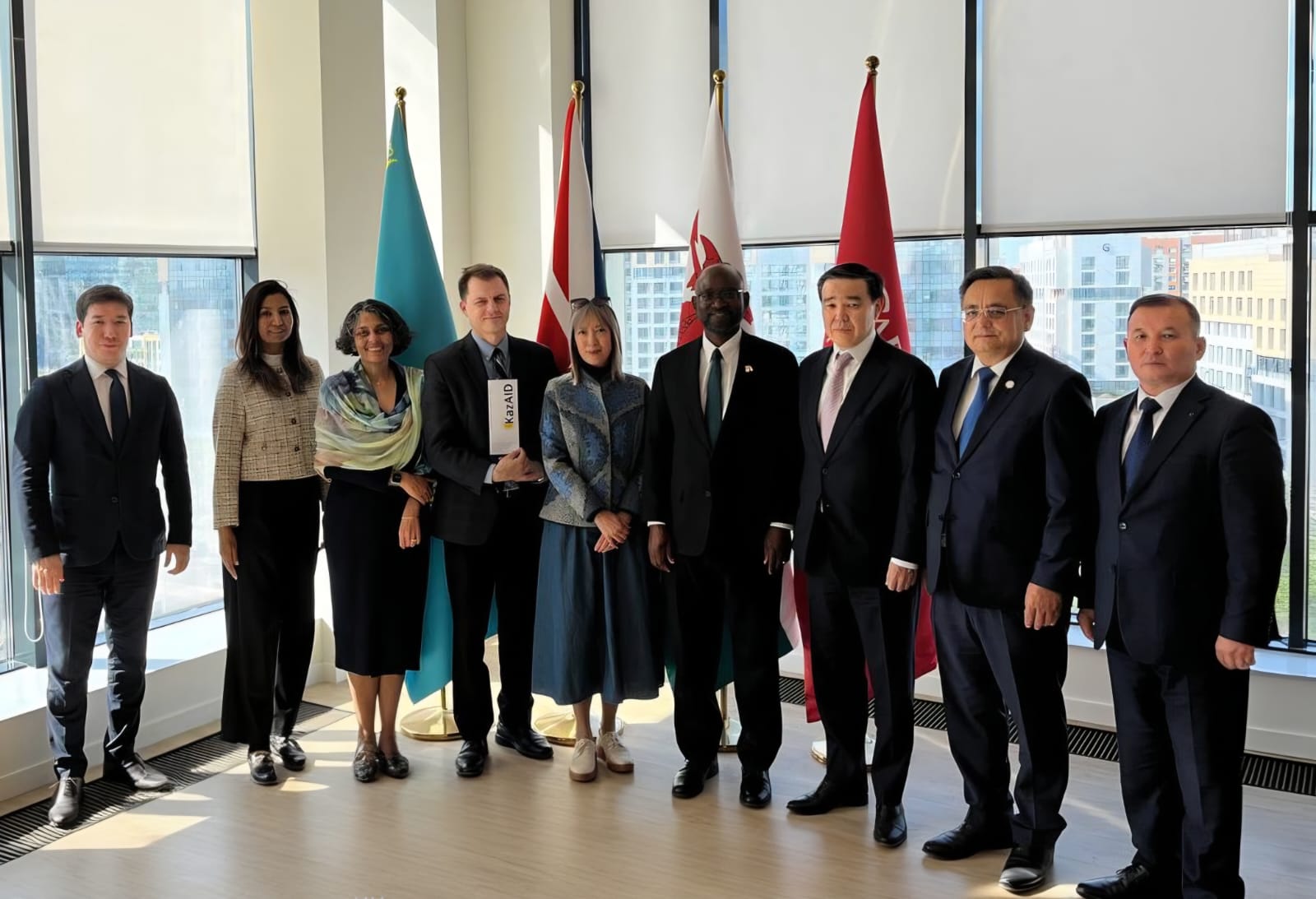
Meeting between KazAID and Michigan State University (MSU) 22.05.2026
May 15, 2026, Astana – A meeting was held between the Chairman of the Board of KazAID, A. Arystanov, and the Vice Provost of Michigan State University (MSU), Professor T. Awokuse, Director of the Center for Eurasian Studies, Professor V. Tarabara, and other representatives of MSU.During the meeting, MSU representatives presented information about the university's educational programs in the fields of medicine, science and research, environment, and agriculture. They also initiated a proposal to establish a joint virtual academy in the field of water diplomacy for partner countries.The parties discussed opportunities for cooperation and the implementation of joint projects. They also considered the possibility of signing a memorandum of cooperation between the two organisations.Source : https://www.gov.kz/memleket/entities/kazaid/press/news/details/1225231?lang=ru
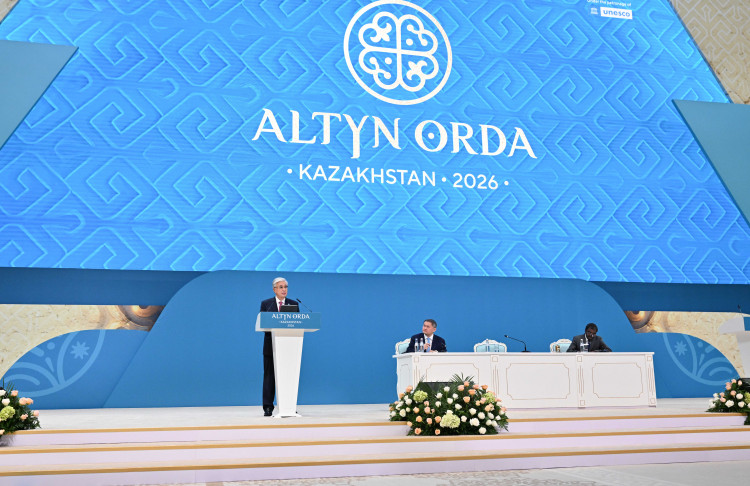
Speech by Head of State Kassym-Jomart Tokayev at the international symposium "The Golden Horde as a Model of Steppe Civilization: History, Archaeology, Culture, Identity" 22.05.2026
Dear participants!I am pleased to welcome you to the international symposium dedicated to the history of the Golden Horde.First of all, I would like to express my sincere gratitude to all the guests who have come to Astana to participate in today's event.I would also like to thank the speakers who have just spoken – renowned scholars and representatives of reputable international organizations – for their insightful presentations.Today, no historian questions the power of the Golden Horde – an empire that ruled the Great Steppe and occupied the vast expanses of Eurasia. This is a historical fact.This empire, which connected West and East and significantly influenced the development of various civilizations and the formation of states, was a major political structure, which is also undeniable.This is precisely why the history of the Golden Horde is the subject of numerous in-depth studies. This topic remains relevant today and, in my opinion, will never lose its significance.This is one of the most important chapters in the history of our country and of all humanity.The main goal of the symposium, which will last several days, is to strengthen ties with the global scientific community for a systematic and comprehensive analysis of this issue.In this regard, I would like to express my deepest gratitude to the leadership of UNESCO for supporting our country's initiative.I express my gratitude to former UNESCO Director-General Audrey Azoulay, who is attending today's forum. We highly appreciate your significant contribution to strengthening the partnership between Kazakhstan and UNESCO.Holding this event under the auspices of such a prestigious international organization underscores the global historical significance of the Golden Horde's legacy.Also participating in today's symposium is a delegation led by UNESCO's High Representative, Mr. Lazar Eloundou Assomo, Director of the World Heritage Centre.Thanks to the Organization's support, our country has implemented many important initiatives. A clear result of this cooperation is the inclusion of such iconic sites as the Mausoleum of Khoja Ahmed Yasawi, the petroglyphs of Tamgaly, and several ancient settlements on the UNESCO World Heritage List.Extensive work has also been undertaken to preserve and promote Kazakhstan's intangible cultural heritage.For example, a significant event in 2025 was the international recognition of the unique manuscript "Genealogy of the Khans." This valuable document contains information about the country's rulers, including the Golden Horde period.Therefore, we are interested in further expanding our partnership, which is in our common interests and is of great importance.It is significant that this symposium brought together various research schools specializing in the history of the Golden Horde and the Great Steppe.Here, the role of Russian scholars, who have fruitfully studied this vast topic for many years and have managed to compile a body of research providing extensive knowledge about the Golden Horde, deserves due recognition.At the same time, the topic of the Golden Horde has transcended the borders of a single state, attracting the attention of researchers in China, Mongolia, the United States, India, Pakistan, Japan, Kyrgyzstan, Uzbekistan, Egypt, and a number of European countries. It can be said that this topic is confidently moving across the globe.Ultimately, the chronicle of the Golden Horde is the shared history of humanity.I am confident that today's unique symposium will give new impetus to the systematic study of world heritage. The scholars and experts present here are making a significant contribution to achieving this lofty goal.I sincerely believe that your work will bear significant fruit that will enrich our shared history and scholarship.Dear symposium participants!In Kazakhstan, the history of the Golden Horde is viewed as a complex, multidimensional period in the world history. This circumstance should not be oversimplified under any circumstances, as this will inevitably lead to a linear view of this unique phenomenon of world history, which is fraught with historical errors, which, in turn, could undermine good relations between states and peoples.Unfortunately, we are already witnessing similar cases involving different interpretations of major historical events of global significance.In the current extremely complex and tense geopolitical situation, it is important to be able to find compelling and inspiring examples in human history of the development of world-building constructs and the creation of platforms for dialogue, without becoming fixated on the grim chronology of wars.I understand that this is no easy task, because the entire world history, from ancient times to the present, is rich in detailed descriptions of wars and armed conflicts.The reason for this phenomenon is quite clear: wars, with their inexhaustible potential for confrontation, were much easier to describe than the monotonous processes of creation in peaceful conditions. Incidentally, Leo Tolstoy's famous novel "War and Peace" is a phenomenal and fundamental description of war rather than peace.But precisely now, when the global community has reached a historical "fork in the road" and faces a civilizational choice, it is critical to unite the efforts of authoritative, professional scholars to present our shared history as a factor in the unification of nations. Here, it is important to understand that historical assessment must be absolutely objective and politically neutral. The principle that "history is made only by the strong and written by the victors" is admittedly anti-scientific: since victors are not judged, they should be accorded the most honorable place in world history, where all the complimentary assessments of researchers flock. And small and medium-sized countries, especially those that suffered defeats on the battlefield in the past, will have to be content with the role of historical “backbenchers.”Kazakhstan has begun a rather active process of reexamining outdated dogmas and stereotypes that, for the sake of political ambitions, reduce once-mighty steppe empires to the status of so-called "sub-states" and even portray nomadic peoples as wild, elemental forces that have transcended the historical context.However, in restoring an objective historical picture, we are far from blindly idealizing the past.History does not tolerate or forgive lies in the name of self-admiration, nor does it forgive attempts to transform a shared heritage into a typically national phenomenon.Claiming a monopoly on the interpretation of our rich past, with its contradictions and complexities, is a dead end, leading to the degradation of science and the growth of mutual mistrust.Meanwhile, the professional community of historians undoubtedly includes representatives of effective "soft power" and scientific diplomacy; they can build bridges where politicians can only erect walls. Their mission is especially important in these turbulent times.For Kazakhstan, the era of the Golden Horde is a crucial part of national history, a period of civilizational evolution.I have already stated above that the historical memory of most peoples is more vividly marked by the conquests of rulers and talented military leaders than by the monotonous work of reformers and outstanding thinkers.Indeed, legendary military victories evoke a heightened emotional response in people compared to their responses to institutional innovations and progressive ideas, the fateful significance of which is revealed and properly appreciated long afterward.A clear example of this is the distorted perception of the history of the Great Steppe, which, as a rule,is still perceived as an endless series of battles and conflicts.This one-dimensional approach significantly simplifies and distorts historical reality, squeezing the complex, multilayered existence of the Great Steppe, especially the Golden Horde, into the "Procrustean bed" of banal military chronicles.I believe that the high level of interdisciplinary development in modern scholarship will nevertheless allow for the improvement of the objective study of the history of the Golden Horde.Given that authoritative researchers of that period are gathered in this hall today, I would like to briefly outline my vision of the main areas of scholarly research, which, in my opinion, will help expand the prospects for a positive reinterpretation of the history of the Golden Horde.FIRST. Study of intellectual heritage.The phenomenon of the Golden Horde cannot be understood or comprehended without reference to the rich intellectual landscape that developed in the heart of Eurasia over more than a thousand years.It is well known that in the Middle Ages, the Great Steppe became one of the world's centers for the generation of progressive ideas.The flowering of intellectual thought in Central Eurasia occurred on fertile soil that absorbed the energy of the nomadic world, the Turkic-Mongol heritage, Islamic traditions, and the ideological principles of the Christian community of nations.This was a continuous process of positive evolution of ideas. Each century added new values to the treasury of thought of the Great Steppe.Without understanding and recognizing this profound continuity, it is difficult to objectively assess the rapid rise of the Golden Horde.And here, of course, the rich legacy of outstanding thinkers who created scientific, philosophical, and literary masterpieces long before the founding of the Golden Horde is of great importance.First and foremost is Abu Nasir al-Farabi, one of the unshakable pillars of world philosophy, known in history as the "Second Teacher of the World" after Aristotle.In his treatise "On the Views of the Inhabitants of the Virtuous City," he presented a broad and compelling vision of ways to achieve the common good based on justice, knowledge, and moral perfection.His ideas are a key reference point for understanding the subsequent political and philosophical tradition of the Turkic-Muslim world.Undoubtedly, the figure of the great Khoja Ahmed Yasawi occupies a special place in the intellectual heritage of the Great Steppe. He laid the foundation for the formation of "Turkic Islam," which organically combines universal Muslim values and local spiritual traditions.Essentially, it was he who proposed to all the peoples of the Great Steppe a completely new ideological doctrine, which has become the foundation of our worldview even in modern times.Yassawi's views became an integral part of the cultural code of the Great Steppe, and his mausoleum in Turkestan is recognized as a UNESCO World Heritage Site.The city of Turkestan itself has remained the main spiritual and political center of the region for centuries and to this day, considered the sacred capital of the Turkic world.It is natural that the ideas of Al-Farabi, Yassawi, and other outstanding thinkers were further developed in the Golden Horde.For example, it was during this era that a grandiose ideological synthesis of the Turkic language, Islamic literary tradition, and centuries-old steppe wisdom took place. This phenomenon was clearly evident in the literature of the Golden Horde period and became the core of the "golden age" of Turkic literature.It's symbolic that this year marks the 800th anniversary of the legendary "Aqsaq Qulan" kyu, which essentially marked the birth of epic poetry accompanied by the main musical instrument of the Great Steppe—the dombra.It's no coincidence that the legacy of such zhyrau storytellers as Ketbuga, Asan Qayqy, Shalkiyz, and Dospambet still lives on in the traditional art genres of our region.The epics of that period (Er Edige, Alpamys, Qoblandy, and Er Tarqyn) celebrate the heroes and events of the shared history of the Kazakhs, Tatars, Bashkirs, Nogais, Karakalpaks, and other peoples.This thread of intellectual and spiritual continuity proved so strong that it has passed through the centuries, embodied in the works of the great Abai.In his concept of "Tolyk Adam," he essentially presented a universal formula for nurturing a harmonious person or a holistic nature based on the trinity of reason, will, and kindness.Therefore, it should be noted that the intellectual heritage of the Great Steppe developed as a natural ideological substance of global significance for our region,without exceptions or derogations.It was a holistic philosophical and ideological "product."The establishment of the Al-Farabi and Qoja Ahmet Yassaui Orders became a symbol of Kazakhstan's commitment to this ideological heritage.These high state awards will be presented to those who make outstanding contributions to the development of science, education, and spirituality, including foreign scientists, political figures, and public figures.The first recipient of the Qoja Ahmet Yassaui Order was Turkish President Recep Tayyip Erdogan, who recently paid a state visit to Kazakhstan.Today, I proposed presenting the second order to former UNESCO Director-General Audrey Azoulay. She graciously agreed to accept it.In this way, we emphasize the exceptional importance of intellectual work and creative interaction for the future of peoples united by a common historical destiny.SECOND. It is necessary to carefully study the Golden Horde's system of governance.The territory of the Ulus of Jochi at its peak exceeded 6 million square kilometers, which, incidentally, is significantly larger than the Roman Empire at its greatest expansion.It is not without reason that some historians call the Golden Horde the Rome of the Steppes.However, the greatness of the Golden Horde was measured not by its geographical extent, but by its institutional stability.The Jochids ruled the states of the Great Steppe for over 600 years, which is comparable, for example, to the reigns of dynasties such as the Han or Habsburg.This fact speaks to the legitimacy and viability of the system created by the Jochids, which ensured the harmonious coexistence of different ethnic groups and religions.The Golden Horde developed a harmonious system of steppe and Islamic law.The foundation of public order was a legal culture rooted in the Great Yasa of Genghis Khan and even more deeply in the traditions of the Turkic Khaganate.The dictatorship of law was so comprehensive that the security of individuals and property was guaranteed throughout the empire. This means that order reigned in society.Furthermore, there is precise historical evidence of the existence of developed office practices during the Golden Horde era.The institution of the Kurultai also served as a unique example of steppe democracy.Although the social structure of the Ulus was clear and stable, justice, rather than rigid dogma, played a dominant role in society.In the army and bureaucracy, discipline, exemplary service, and meritocracy were paramount, opening up broad opportunities for representatives of all ethnic groups and the various groups inhabiting this vast empire.Thus, thanks to a well-balanced domestic and foreign policy, stability was maintained in society, and the state prospered.The Golden Horde maintained active diplomatic contacts with Mamluk Egypt, the Vatican, Byzantium, the Ottoman Empire, and European courts.Overall, even during periods of profound crisis, such as the Great Turmoil of the 14th century, the Golden Horde's system of governance was quite stable. As is well known, this system was subsequently adopted by many Eurasian states.THIRD. The economic model of the Golden Horde should be comprehensively studied.It is well known that the ancient civilizations of Mesopotamia, Egypt, China, and India were largely formed through the development of river valleys.The Great Steppe, however, created a fundamentally different type of historical development.Five thousand years ago, in Botai, northern Kazakhstan, humans first domesticated the horse, a pivotal event that determined the course of world history.The equestrian culture gave rise to a unique strategic thinking and a highly mobile lifestyle.Thus, by controlling all key transport, trade, and humanitarian links across the vast expanses of Eurasia, the Golden Horde became the pinnacle of equestrian nomadic civilization.Therefore, there is every reason to assert that it was precisely the symbiosis of nomadic and sedentary lifestyles that was the main reason for the Golden Horde's remarkable emergence onto the historical stage.Ultimately, thanks to the synergy of a nomadic lifestyle, urban craft culture, and trade routes,the Golden Horde developed a developed economy, cemented by a monetary and fiscal system.According to many scholars, important discoveries are currently being made in Golden Horde numismatics.Archaeologists have discovered dozens of previously unknown mints.According to experts, during its heyday, the Golden Horde minted approximately 28 million silver coins.Currently, the total number of coins from that era in public and private collections approaches one million.It is symbolic that the name of Kazakhstan's national currency, the tenge, directly derives from the Horde word "dang," which is likely also the origin of the word "money."This is not just a linguistic coincidence, but rather an illustration of how the Golden Horde established the standards of monetary relations in our vast region.The empire controlled the northern branch of the Great Silk Road, transforming the steppe into a secure transit corridor.Thousands of tons of goods passed through the territory of the Ulus of Jochi annually: silk from China, spices from India, furs from Russia, and handicrafts from Europe and the Near and Middle East.Unlike many states of the time, the Golden Horde demonstrated a principle of strategic openness throughout its development, which was reflected even in the appearance of its cities.During its heyday, the empire's cities were not confined within fortress walls, but developed as spaces for intensive trade and high human mobility.This experience convincingly refutes the myth of a supposedly eternal conflict between the steppe and the city.On the contrary, it was precisely their interaction that created one of the most flexible models of medieval statehood.This is confirmed by the material culture of the Golden Horde cities, of which, according to scholars, there were more than a hundred.Various archaeological excavations indicate that the cities of the Golden Horde employed advanced engineering solutions to ensure the comfort of their residents.The high level of production and scale of the construction industry of that time were embodied in Golden Horde bricks; this sought-after building product was widely used throughout the region from the Irtysh to the Danube.Overall, it can be said that the Golden Horde gave birth to or created a proto-global market, within which enterprising people from all corners of Eurasia freely traded and conducted business, contributing to overall progress.The research directions I have outlined, of course, do not claim to be exhaustive.Unlike you, I am not a scholar of ancient history.These are merely the outlines of further scholarly research that will allow us to rethink the roleof the Golden Horde and overcome the inertia of a purely military-political perception of its history. It is important to fully uncover the civilizational matrix of the Golden Horde, with its deep intellectual and spiritual traditions, effective institutions, and developed economy.This is necessary not only for a comprehensive scientific reconstruction of the past, but also for understanding the origins of statehood, identity, and, indeed, the shared history of the peoples of Central Eurasia.Dear scientists and experts!As is well known, Kazakhstan has been implementing large-scale political and economic reforms in recent years.This is undoubtedly an extremely important and responsible step for our country.At the same time, we clearly recognize the challenge we face: without a change in consciousness, society will not be renewed and the state will not develop. This is an axiom.In this regard, the issue of preserving historical continuity is extremely pressing. Clearly, without it, no progress is possible. If we do not respect the past, then moving toward a brighter future will be difficult.Therefore, as a progressive nation, we will only move forward.The new Constitution, adopted by national referendum, clearly states that preserving the continuity of the Great Steppe with its thousand-year history is our sacred duty.After all, in our state activities, our country is the direct heir to the Golden Horde, which made "Mangilik El" its main idea.The legacy of the Golden Horde is boundless. We are making systematic efforts to adapt and modernize this colossal spiritual and historical heritage for the 21st century.On my initiative, the first specialized academic institution, the Institute for the Study of the Ulus of Jochi, was established in Kazakhstan.In the forthcoming academic history of Kazakhstan, a separate volume will be dedicated to the Golden Horde for the first time.To popularize the historical and cultural heritage of the Ulus of Jochi, films are being made, books are being published, monuments are being erected, plays are being staged, and exhibitions are being held.But for a real breakthrough in the comprehensive study and promotion of the historical phenomenon of the Golden Horde, we must reach a fundamentally new, global level.Recently, at the Organization of Turkic States summit in Turkestan, I proposed creating a center dedicated to the popularization of steppe civilization.At the same time, it is necessary to launch a large-scale publishing project involving international experts on the Golden Horde.It is important that academic research become a reliable foundation for the implementation of various projects in the creative industry and media sphere.In the era of globalization, total digitalization, and artificial intelligence, a new interpretation of the concept of nomadism, which is now vividly embodied in the creative potential and incredible passion of "digital nomads," is particularly relevant.I am convinced that a comprehensive study of the traditions of steppe statehood, based on justice, openness, and cultural dialogue, will contribute to the long-term progress of all of Central Eurasia.Today, we can already state that our region is entering a period of new renaissance and the return of its historical mission as an important civilizational and geopolitical center of the world.The unprecedented spirit and creative energy of our peoples, including the younger generation, play a decisive role in this process. Thanks to this, we today set lofty goals and accomplish important tasks.Source : https://www.gov.kz/memleket/entities/mfa-muscat/press/news/details/1227105?lang=ru
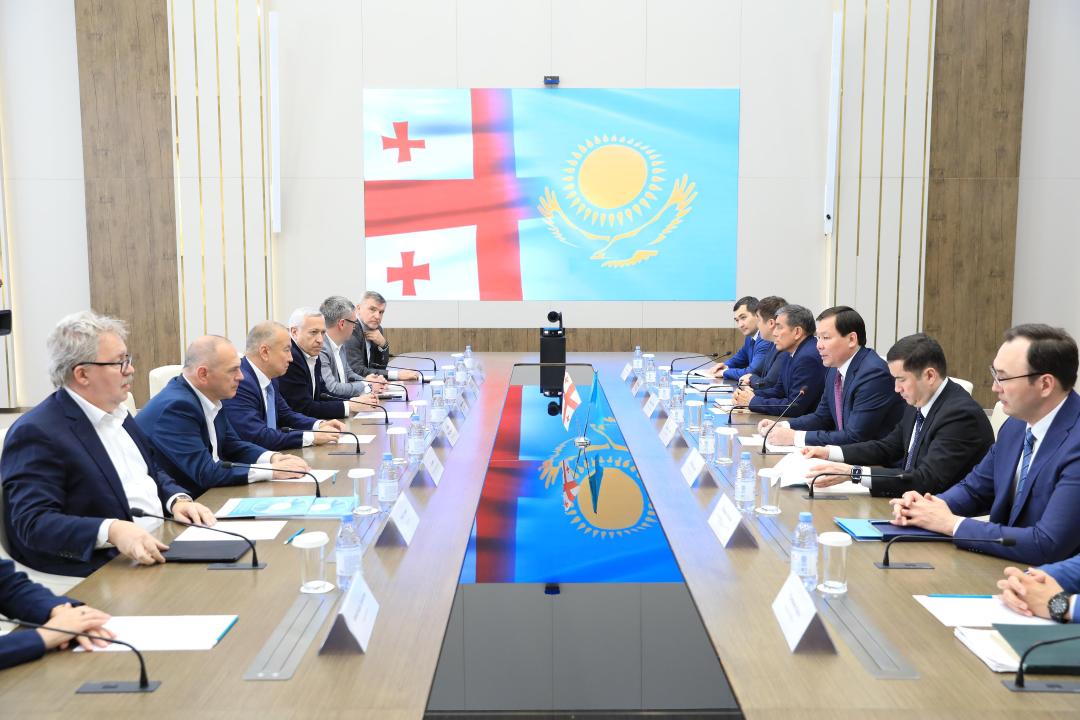
Kazakhstan Strengthens Investment Ties with Georgian Business Circles 22.05.2026
As part of efforts to attract foreign investment and expand international business cooperation, a delegation of Georgian businessmen headed by David Bezhuashvili, Chairman of the Board of Directors of GIG Holding, paid a visit to the regions of Kazakhstan.During the visit, the foreign businessmen familiarized themselves with Kazakhstan’s investment, industrial, transport and logistics potential, and held a number of meetings aimed at discussing prospects for the implementation of joint projects and expanding practical cooperation with the Kazakh side.In Astana, negotiations were held with Nurlan Sauranbayev, Minister of Transport of the Republic of Kazakhstan. The parties discussed the current state and prospects of cooperation in the transport and logistics sector. They exchanged views on the development of infrastructure cooperation, improving the efficiency of transport corridors, and the participation of foreign companies in projects of mutual interest.As part of the visit to Kokshetau, the delegation visited KazRost enterprises specializing in the production of agricultural machinery, including tractors and combines. The plants were launched with the participation of Georgian investments, which demonstrates the steady development of investment cooperation between Kazakhstan and Georgia. During the visit, the delegation was presented with the production capacities, technological solutions and capabilities of the enterprises in manufacturing modern agricultural machinery.Special attention was paid to the new Savory plant for the production of compound feed for cattle and poultry. The enterprise was also launched with the participation of Georgian capital as part of the implementation of a memorandum of cooperation signed between the parties at the Silk Road Forum in Tbilisi in 2023. The delegation was introduced to the plant’s production lines, technological capabilities, as well as its contribution to the development of the region’s agro-industrial potential.In Aktobe, representatives of the business circles held a meeting with Askhat Shakharov, Akim of Aktobe Region. The parties discussed the region’s investment potential, tools for supporting and assisting investors, as well as opportunities for implementing joint projects in industry, infrastructure and other significant sectors of the economy.It was noted that Kazakhstan consistently works to create favorable conditions for foreign investors, develop the regional economy and strengthen international business ties. In this regard, the visit of Georgian business representatives served as an important platform for exchanging views and identifying promising areas for further cooperation.A significant positive dynamic in investment cooperation between Kazakhstan and Georgia has been observed. According to the National Bank of the Republic of Kazakhstan, by the end of 2025, the volume of Georgian investments in Kazakhstan’s economy reached 312.7 million US dollars, significantly exceeding the total volume of investments from Georgia to Kazakhstan received over the years of independence.Source : https://www.gov.kz/memleket/entities/mfa-tbilisi/press/news/details/1225269?lang=ru
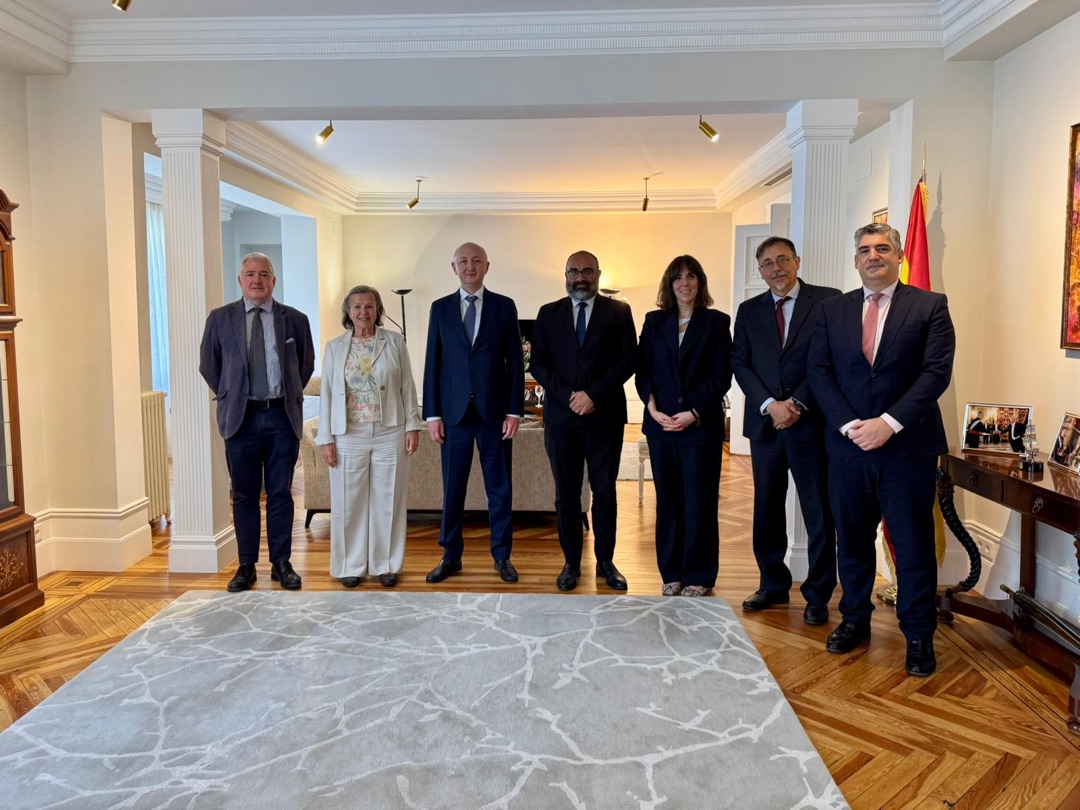
Historical Heritage and Contemporary Reforms of Kazakhstan Become the Focus of an Expert Discussion in Madrid 22.05.2026
Madrid, May 20, 2026 – The Embassy of Kazakhstan in Spain organized a roundtable discussion with the participation of representatives of the Spanish expert and academic community specializing in international relations, history, global economy and environmental agenda.During the event, Ambassador Danat Mussayev familiarized participants with Kazakhstan’s key approaches to ensuring sustainable development amid current international challenges, presenting the main directions of the country’s political modernization, foreign policy course and technological development.Participants were also briefed on the priorities of Kazakhstan’s multi-vector policy as a “Middle Power”, aimed at strengthening multilateral cooperation and promoting constructive international dialogue under the auspices of the United Nations.Particular attention was paid to Kazakhstan’s initiatives in the fields of global security, water diplomacy and environmental sustainability, including the promotion of the initiative to establish an International Water Organization, the activities of the International Fund for Saving the Aral Sea, as well as the country’s efforts to advance inter-civilizational and interreligious dialogue.A separate part of the presentation was devoted to Kazakhstan’s domestic political transformations. The Kazakh diplomat emphasized that the Constitution adopted following the republican referendum creates conditions for further strengthening institutions, improving the system of public administration and expanding public participation in decision-making processes.In this context, the importance of preserving the historical continuity and cultural heritage of the Great Steppe was also highlighted. It was emphasized that Kazakhstan views the legacy of the Golden Horde as an integral part of the country’s historical and civilizational development, reflected in its modern national identity.Spanish experts gave a positive assessment of the ongoing transformations in Kazakhstan and noted the country’s growing role in the regional and global agenda.Following the event, the participants confirmed their mutual interest in further developing analytical and expert cooperation between Kazakhstan and Spain.Source : https://www.gov.kz/memleket/entities/mfa-madrid/press/news/details/1225271?lang=ru
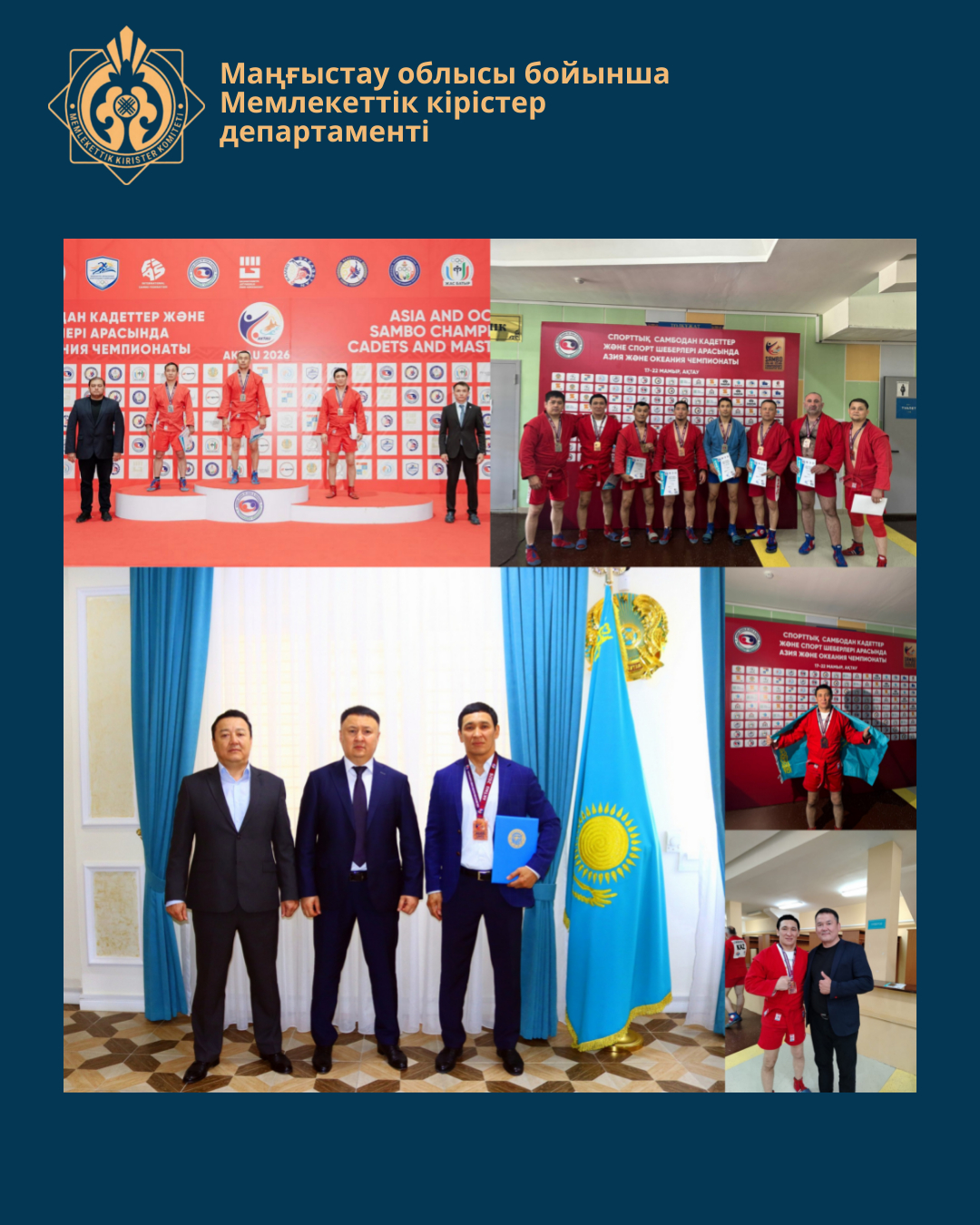
Amal Myrzaliev, Head of the Department of the State Duma of the Mangystau Region, is an Asian bronze medalist in SAMBO 22.05.2026
The Asian and Oceania Sambo Championship among masters (men) was held in Aktau. The tournament brought together about 300 of the strongest athletes from more than 14 countries.Myrzaliev Myrzalievich confidently won the bronze medal in the 71 kg weight category.Amal Myrzaliev successfully combines public service with big-time sports: he holds the position of head of the Debt Management Department of the State Revenue Department for the Mangystau region. His result is a vivid example of determination, discipline and the ability to achieve high goals both at work and on the tatami.Arman Nurlanovich Akhmetkaliyev, Head of the Department, congratulated Amal Myrzalievich on his well-deserved award and wished him new sporting successes and fruitful work.Congratulations to Amal Myrzalievich on the Asian bronze medal! (unofficial translation)Source : https://www.gov.kz/memleket/entities/kgd-mangistau/press/news/details/1225277?lang=ru
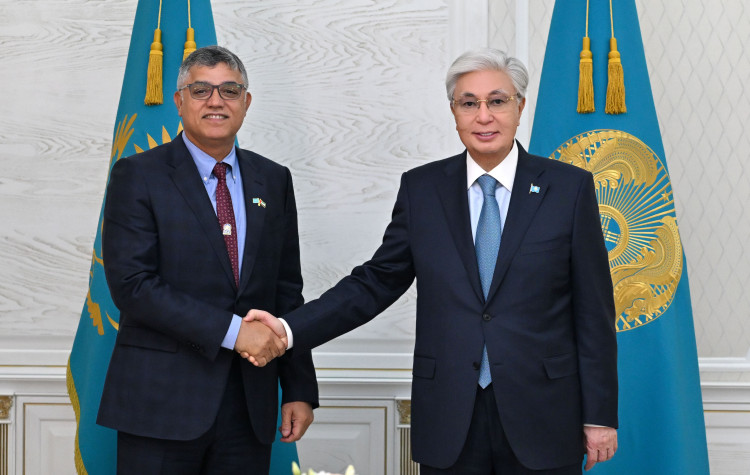
President of Kazakhstan Meets President of the World Meteorological Organization, Director General of the UAE National Centre of Meteorology Abdullah Al Mandous 22.05.2026
Turkestan, 15 May 2026 — During the meeting, President Kassym-Jomart Tokayev highlighted the central role of the World Meteorological Organization, a specialized agency of the United Nations, in strengthening global cooperation in the areas of climate, weather, water resources, and disaster risk reduction.The parties gave particular attention to climate agenda issues of strategic importance for Kazakhstan, underscoring the significance of developing early warning systems, modernizing meteorological infrastructure, and expanding scientific data exchange.The Head of State reaffirmed Kazakhstan's readiness to deepen cooperation with the UAE National Centre of Meteorology.The urgency of addressing water security and water resource management at both regional and global levels was emphasized. In this context, the parties noted the importance of Kazakhstan's initiative to establish an International Water Organization under the auspices of the United Nations.A cloud seeding project is being implemented in the Turkestan Region in partnership with the UAE National Centre of Meteorology, aimed at raising reservoir water levels and ensuring adequate water supply to agricultural areas. The full-scale launch of the project is scheduled for 17 May 2026.Kazakhstan has become the first country in the region to move to the practical application of artificial precipitation technologies.Source: akorda.kzSource : https://www.gov.kz/memleket/entities/mfa-wto/press/news/details/1225278?lang=ru

Kazakh Startup Mirai Tech Named Finalist for the WIPO Global Awards 2026 22.05.2026
Geneva, 19 May 2026 – Kazakh startup Mirai Tech has been selected as a finalist for the prestigious WIPO Global Awards 2026, becoming one of a limited number of innovative projects worldwide recognized by the World Intellectual Property Organization (WIPO).In 2026, more than 1,300 applications from 126 countries were submitted to the competition. Following a multi-stage evaluation process, international experts selected 33 finalists among small and medium-sized enterprises and startups demonstrating innovative solutions and effective use of intellectual property for sustainable business development.The Kazakh startup Mirai Tech was shortlisted in the special "Sports" category, established under the theme of World Intellectual Property Day 2026 – "IP and Sports".The company developed innovative battery-free insoles capable of tracking movement and assessing injury risks. The technology, developed from six years of university research, is patent-protected in Kazakhstan with international filings underway. The solution creates new opportunities to enhance athlete safety and monitor physical condition.The advancement of a Kazakh startup to the finals of this prestigious international WIPO award reflects the growing potential of Kazakhstan's innovation ecosystem and confirms the ability of Kazakh developers to create globally competitive technological solutions through effective intellectual property management.Finalists gain access to the international WIPO Global Awards Alumni Community, including opportunities to engage with investors, accelerators, experts, and international partners.The winners will be announced on 10 July 2026 during the award ceremony to be held at WIPO headquarters in Geneva, within the framework of the WIPO General Assembly.The Permanent Mission of the Republic of Kazakhstan to the WTO congratulates the Mirai Tech team on this significant international recognition and wishes them continued success in the final stage of the competition.Source : https://www.gov.kz/memleket/entities/mfa-wto/press/news/details/1225283?lang=ru
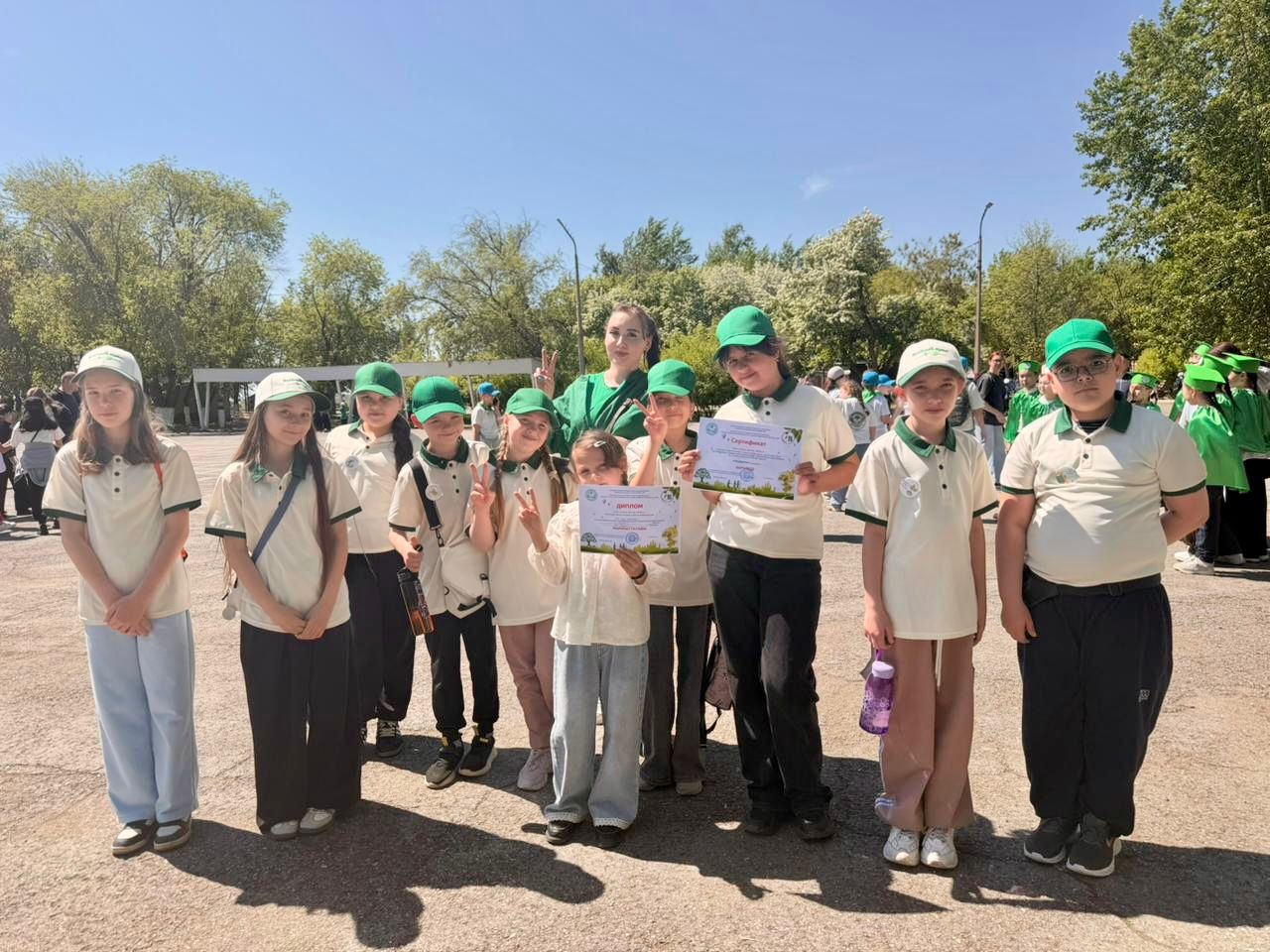
"Ecological Express" was held in Kostanay region 22.05.2026
The city environmental express "Earth is Our Common Home" was held in Rudny. The event aimed to expand environmental and local history knowledge, as well as to develop tourism skills among the younger generation.Teams of students from grades 3-5 from 18 educational institutions of the city participated in the environmental express. The total number of participants was about 180 people.The event was held in a quest format: participants moved along route sheets and completed tasks at thematic stations dedicated to environmental literacy, tourism skills, and local history. The schoolchildren demonstrated knowledge about natural phenomena, tourist equipment, orientation in the area, as well as the flora and fauna of their native land.Particular attention was drawn to the "Second Life of Things" competition-exhibition, within which participants presented projects on waste recycling and material reuse. The works were presented in several categories and received high praise from the jury.The environmental express contributed to raising the environmental culture of schoolchildren, developing teamwork skills, and fostering a caring attitude towards the environment.Source : https://www.gov.kz/memleket/entities/kostanay/press/news/details/1225290?lang=ru
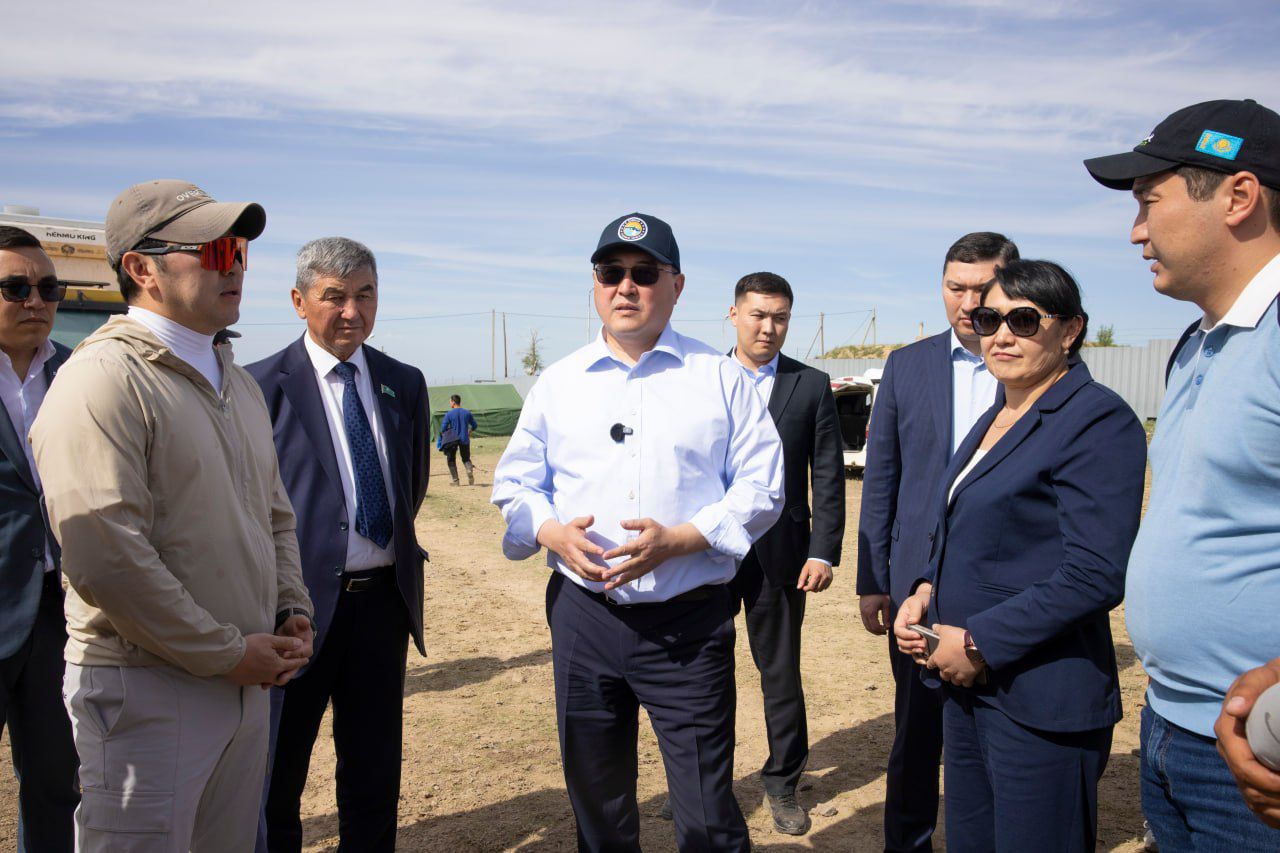
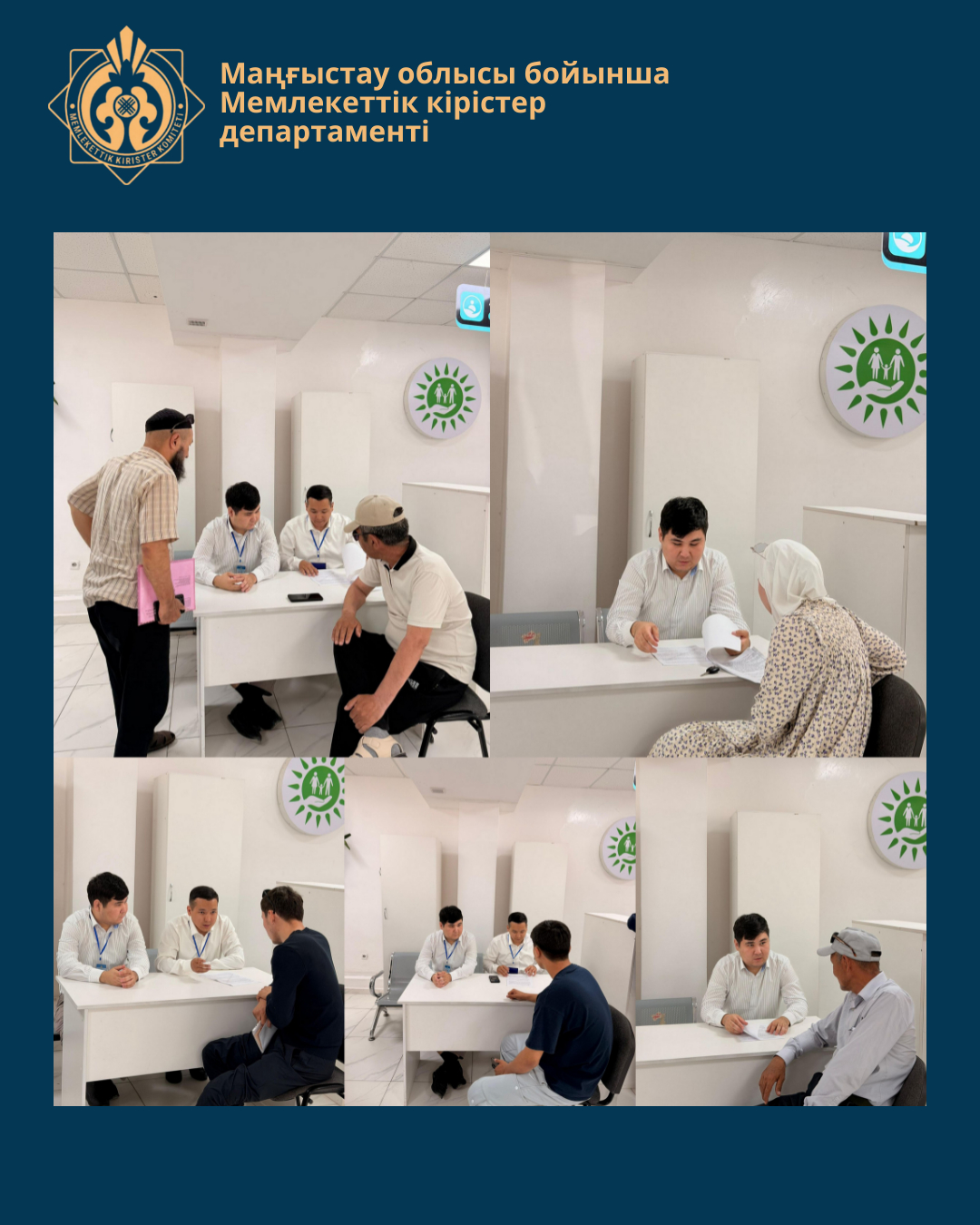
At the Zhanaozen City Public Service Center, the State Revenue Department for the city of Zhanaozen held a reception for citizens on tax issues as part of the Service Recipient's Day 22.05.2026
At the Zhanaozen City Public Service Center, the State Revenue Department for the city of Zhanaozen held a reception for citizens on tax issues as part of the Service Recipient's Day.During the day, the department's specialists advised residents on topical tax issues: the procedure for paying taxes by individuals and legal entities, filling out declarations, obtaining tax benefits, refunding overpaid amounts, and other topics.Citizens could receive clarifications on the spot, ask questions and solve problems without prior appointment. The event was organized to increase the literacy of the population and improve the quality of public services."The day of the service recipient allows us to interact directly with residents, promptly answer their questions and help in compliance with tax legislation. We plan to hold such meetings regularly," noted the Department of State Revenue for the city of Zhanaozen.Residents of the city positively assessed the initiative, noting the convenience of receiving consultations in the usual PSC format. (unofficial translation)Source : https://www.gov.kz/memleket/entities/kgd-mangistau/press/news/details/1225304?lang=ru
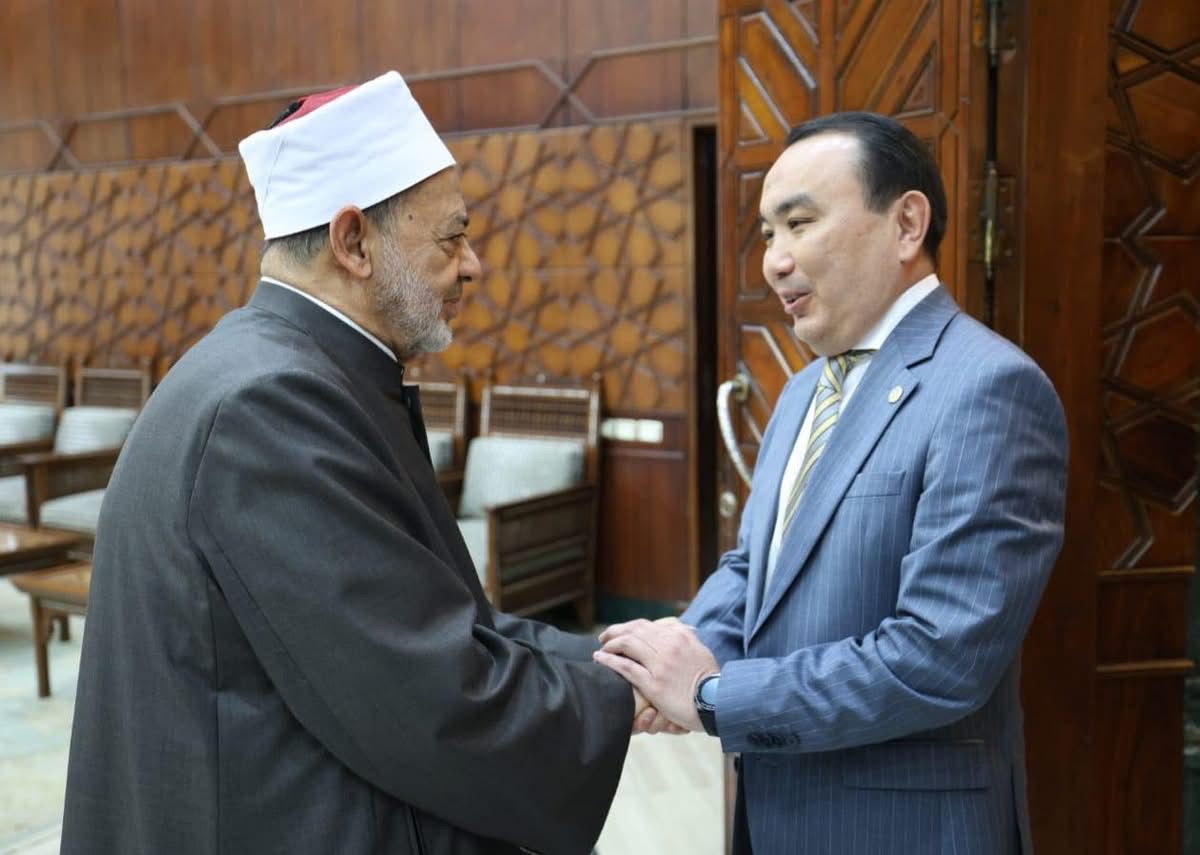
Kazakhstan and Egypt Strengthen Cooperation in the Fields of Interfaith Dialogue and Theological Education 22.05.2026
Cairo, May 18, 2026 - The Ambassador of Kazakhstan to Egypt Askar Zhengis held a meeting with Grand Imam of Al-Azhar Sheikh Ahmed El-Tayeb. During the meeting, the parties discussed the outcomes of the 8th Congress of Leaders of World and Traditional Religions held in Astana on September 17-18, 2025, and emphasized that the leadership of Kazakhstan attaches particular importance to further strengthening cooperation with Al-Azhar Al-Sharif.The Grand Imam of Al-Azhar noted that the results of the 8th Congress, held in Astana under the theme “Dialogue of Religions: Synergy for the Future”, demonstrated Kazakhstan’s significant role in promoting and strengthening global interreligious dialogue. He also stated that he has always supported the holding of the Congress of Leaders of World and Traditional Religions and that they will continue their regular participation in its activities in order to promote interreligious dialogue and harmony.Sheikh Ahmed El-Tayeb particularly noted that, within the framework of the Congress, President of the Republic of Kazakhstan Kassym-Jomart Tokayev received the Egyptian delegation, and emphasized with satisfaction that this meeting had given an additional strong impetus to cooperation between Al-Azhar and Kazakhstan.Askar Zhengis spoke about the large-scale political reforms currently taking place in Kazakhstan. In particular, he noted that the new Constitution had been adopted through a nationwide republican referendum held on March 15, 2026. He also informed that, in accordance with the new constitutional reforms, elections of Kurultai deputies would be held in the country, the position of Vice President would be introduced into the state system, a People’s Council would be established, and other important political developments were underway in the country.The Sheikh of Al-Azhar noted that he holds fraternal Kazakhstan in special warmth and expressed his sincere wishes that the large-scale political reforms in the country would serve the well-being of the people and become an important step toward Kazakhstan’s further prosperity and the strengthening of its competitiveness on the global stage. He also stated his readiness to pay a working visit to Astana at a convenient time for him.On behalf of Kazakhstan’s leadership, the Ambassador congratulated Grand Imam of Al-Azhar Sheikh Ahmed El-Tayeb, on his 80th anniversary and, following Kazakh tradition, draped a chapan over his shoulders.Following the meeting, the parties reaffirmed their readiness to continue jointly developing cooperation within the framework of the Congress, as well as in the field of theological education.Source : https://www.gov.kz/memleket/entities/mfa-cairo/press/news/details/1225311?lang=ru
On the Cancellation of the Extension of the Deadline for Submission of Tax Reporting 22.05.2026
Due to the introduction of the norm for the formation of zero reporting, the postponement of the TRF submission is no longer provided.In this regard, taxpayers need to plan the preparation of reports in advance and send them in a timely manner.Please note that the rules providing for the exclusion of revocation of tax reports, as well as the extension of the deadline for their submission, come into force on January 01, 2026 and apply to legal relations that arise, including before the specified date.Source : https://www.gov.kz/memleket/entities/kgd-vko/press/news/details/1225336?lang=ru
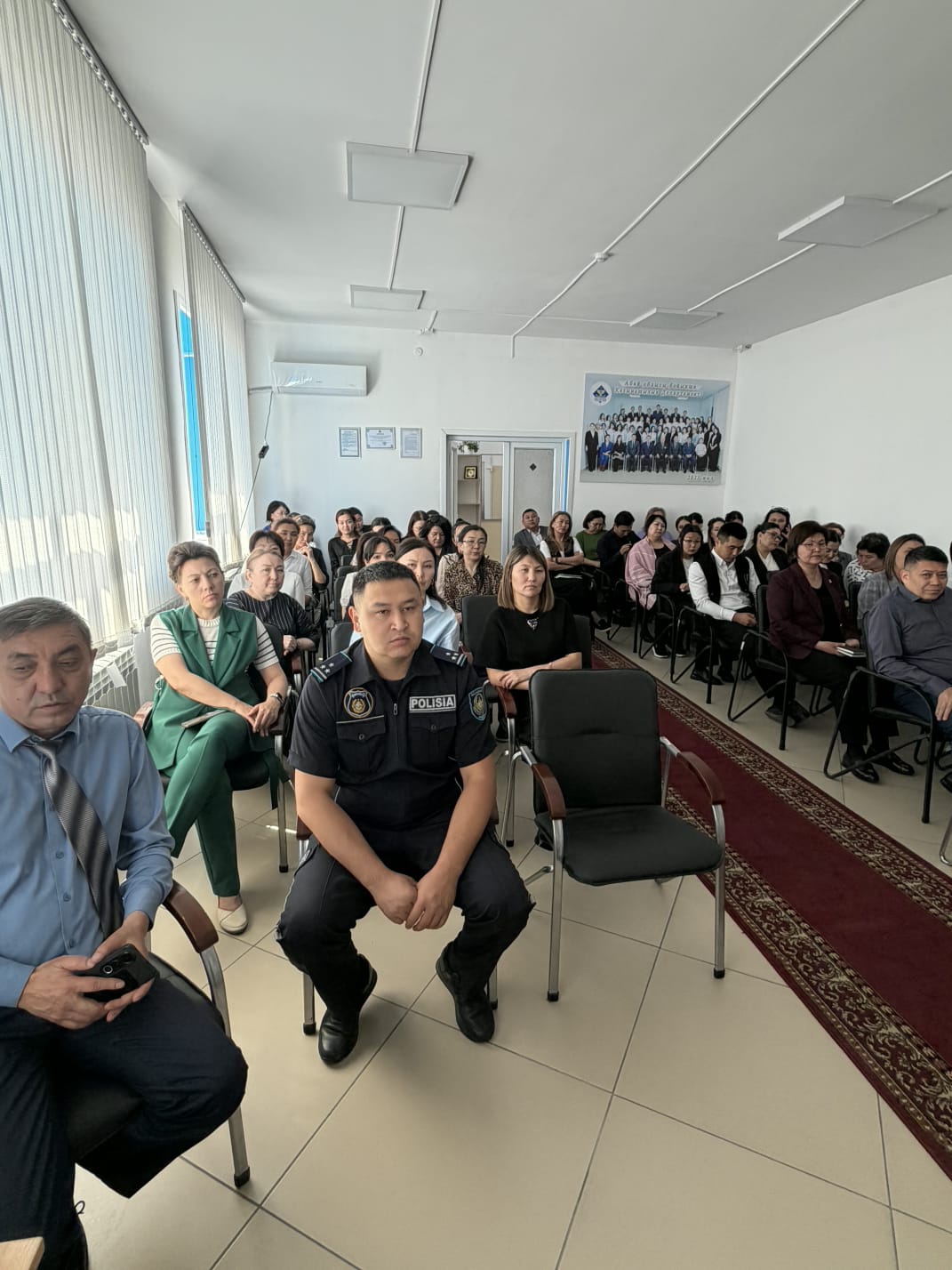
Security of facilities vulnerable to terrorism: Joint government training sessions held in the Abay region 22.05.2026
On May 21, 2026, representatives of the State Institution "Management of the Specialized Security Service of the East Kazakhstan Region and the Abai Region of the Committee for Control of Security Activities of the Ministry of Internal Affairs of the Republic of Kazakhstan" conducted a joint training session with the Department of State Property and Privatization of the Abai Region and the Department of State Treasury for the Abai Region for the personnel of facilities vulnerable to terrorism (VTF). The purpose of the events was to train employees in the correct interaction with law enforcement and specialized agencies in emergency situations, to convey to the personnel a clear procedure for action upon detection of suspicious objects or receipt of anonymous threats (by phone or in writing), as well as to ensure safety. During the event, a report on briefings and action algorithms in the event of a terrorist threat was heard, and a video was shown.Source : https://www.gov.kz/memleket/entities/gosreestr/press/news/details/1225349?lang=ru
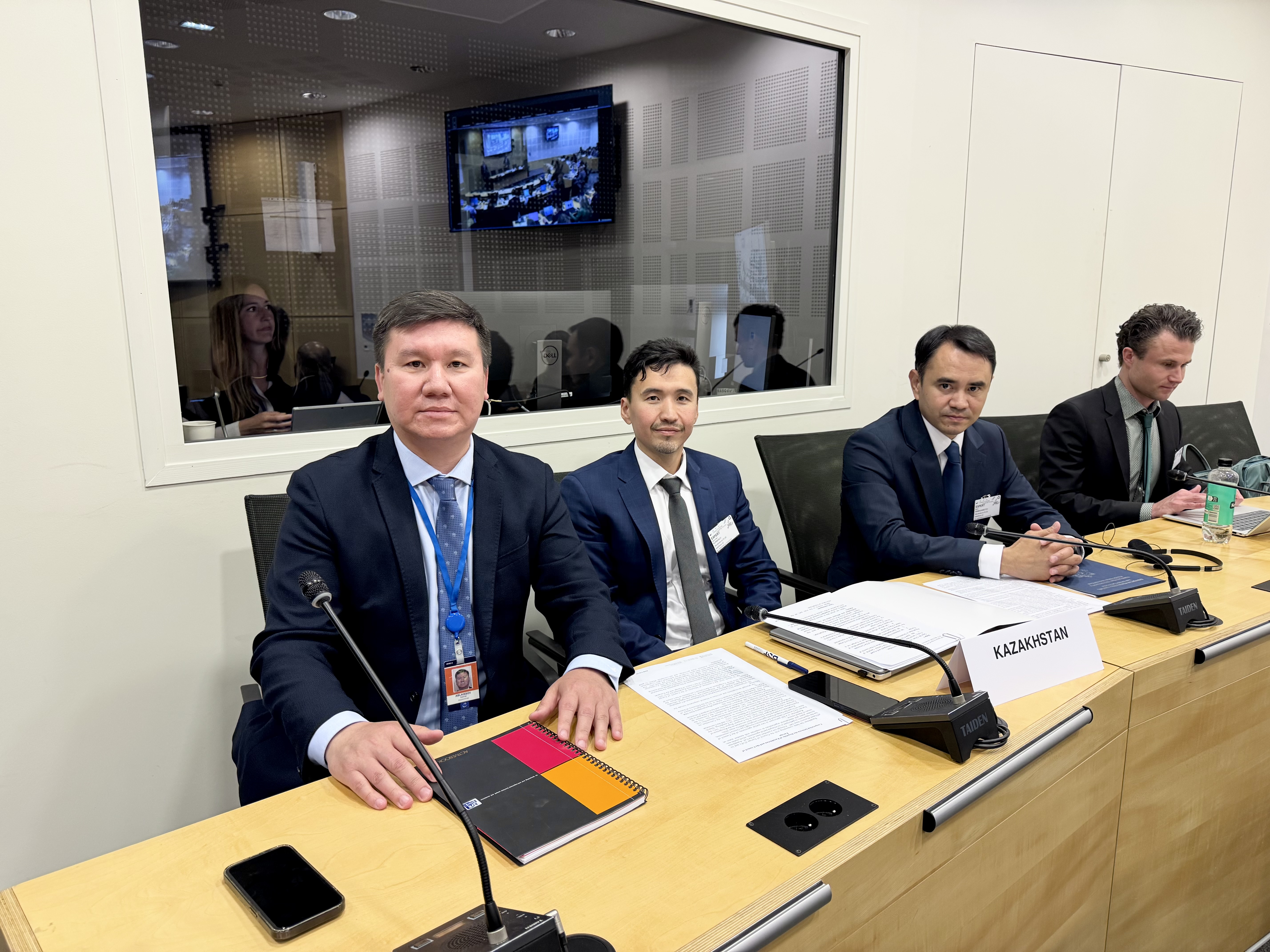
Kazakh Representatives Discussed International Cooperation in Criminal Matters at the Council of Europe 22.05.2026
Strasbourg, 20 May 2026 – Representatives of the Prosecutor General’s Office of the Republic of Kazakhstan participated in the 89th plenary meeting of the Committee of Experts on the Operation of European Conventions on Cooperation in Criminal Matters (PC-OC).The Kazakh delegation provided detailed information on the international cooperation of Kazakhstan in the field of mutual legal assistance, the ongoing modernization of the national legal system, as well as the country’s constructive engagement with the Council of Europe.During the meeting, participants discussed current issues related to improving mechanisms of international cooperation in criminal justice matters, including the development of practical forms of interaction between competent authorities of states.The Kazakh side reaffirmed its commitment to further strengthening cooperation with European partners in the field of criminal justice, exchanging best practices, and developing the legal and treaty framework for international cooperation.Participation in the activities of the Committee is regarded as an important element of Kazakhstan’s consistent efforts to strengthen the rule of law, further improve its legislative framework, and expand legal cooperation in line with international standards.Source : https://www.gov.kz/memleket/entities/mfa-strasbourg/press/news/details/1225354?lang=ru
Regional meeting of the Association of Art Teachers 22.05.2026
On May 21, 2026, the East Kazakhstan Regional Scientific and Methodological Center for Informatization and Development of Education "Örken" of the Education Department of the East Kazakhstan Region held the 2nd meeting of the regional (online) community of teachers of the subject "Artistic Labor" with the aim of supporting the professional development of teachers, enhancing their creative potential, and improving the quality of teaching the subject.The meeting was attended by the chairpersons of district and city communities, as well as teachers of artistic labor.During the meeting, the results of the community's work for the academic year were reviewed, and proposals for developing a work plan for the 2026–2027 academic year were considered.According to the meeting agenda, Ayauly Baқytbekқyzy Kyzyrkhanova, an artistic labor teacher at the G. Musrepov Secondary School of the Education Department for the Tarbagatay District of the Education Department of the East Kazakhstan Region, presented on the topic "Combining Modern Tools and National Values in the Lesson." Elena Viktorovna Vasilyeva, an artistic labor teacher at the Regional Specialized Boarding School-Lyceum for Gifted Children in Mathematics, Physics, and Computer Science of the Education Department of the East Kazakhstan Region, shared her experience on the topic "From Idea to Finished Product: Organizing Project Activities in Artistic Labor Lessons."Additionally, Zhanar Bauyrzhanovna Tungishbayeva, an artistic labor teacher at the BINOM SCHOOL-lyceum named after Y. Altynsarin in Astana, a Master of Pedagogical Sciences, and the author of the textbook "Artistic Labor" for the 8th grade (girls' version) published by "Almaty Kitap," presented her textbook.The speakers demonstrated substantive and practice-oriented experience relevant to the meeting's theme.Source : https://www.gov.kz/memleket/entities/vko-bilim/press/news/details/1225358?lang=ru
Regarding the types of tax reporting 22.05.2026
As part of the new Tax Code, the type of tax reporting "Additional upon notification" has been changed to the type "upon notification". At the same time, an initial or additional TRF may be submitted upon notification.Liquidation tax reporting is provided only in cases of termination, liquidation and reorganization of the taxpayer, as well as upon de-registration of the VAT payer.Source : https://www.gov.kz/memleket/entities/kgd-vko/press/news/details/1225410?lang=ru
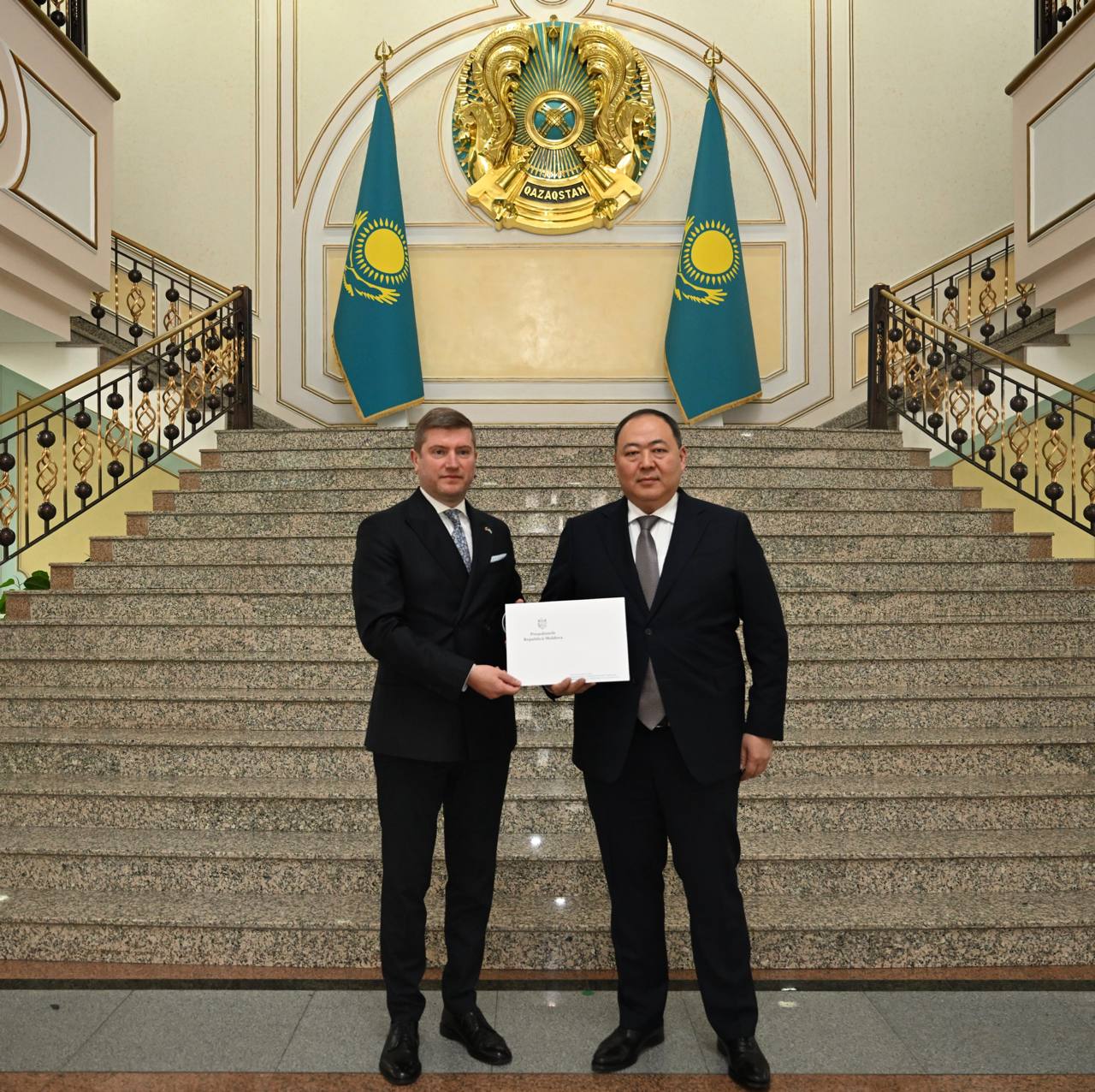
Moldovan Ambassador Presents Copies of Credentials at Kazakhstan’s Foreign Ministry 22.05.2026
Astana, 21 May 2026 – Deputy Minister of Foreign Affairs of the Republic of Kazakhstan Yermukhambet Konuspayev received copies of credentials from the newly appointed Ambassador Extraordinary and Plenipotentiary of the Republic of Moldova to the Republic of Kazakhstan Igor Moldovan.During the meeting, the parties discussed prospects for further strengthening bilateral cooperation in the political, trade-economic, and cultural-humanitarian spheres, as well as the upcoming schedule of bilateral events.In addition, they exchanged views on current issues of cooperation between the two countries within international organizations.At the conclusion of the meeting, the Ambassador of Moldova expressed his gratitude for the warm welcome and noted that his readiness to make every effort to ensure the steady development of interstate relations in the spirit of friendship and partnership.Source : https://www.gov.kz/memleket/entities/mfa/press/news/details/1225411?lang=ru
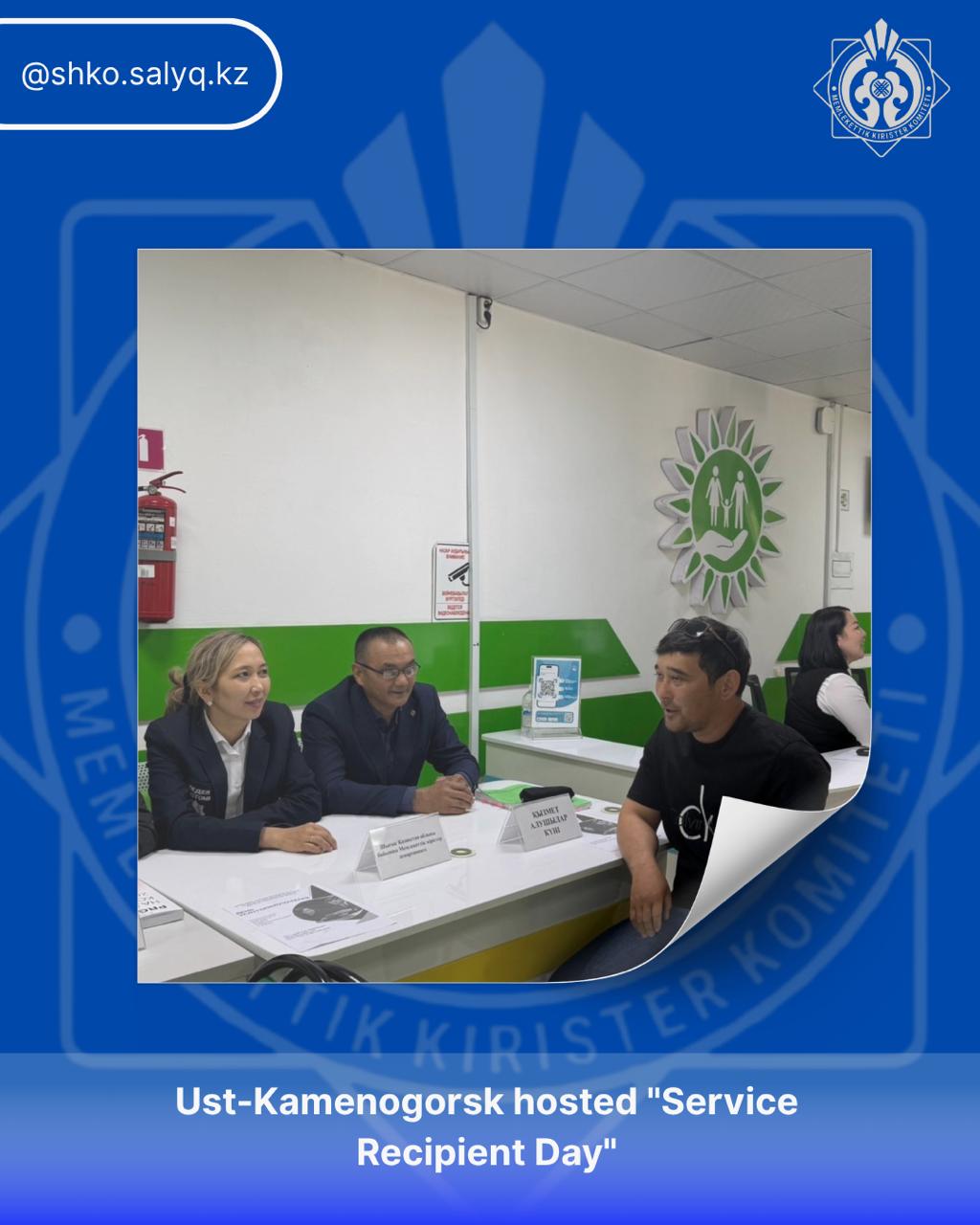
Ust-Kamenogorsk hosted "Service Recipient Day" 22.05.2026
On May 20, 2026, Public Service Center No. 3 in Ust-Kamenogorsk hosted "Service Recipient Day," an event organized to enhance public legal literacy and inform citizens about procedures for accessing public services.The event was attended by representatives from the State Revenue Department, alongside specialists from the state bodies that provide public services in the fields of entrepreneurship and taxation.During the meeting, citizens received information on how to access public services, application submission procedures, and the use of electronic services. Additionally, updates regarding changes to tax legislation and tax reporting procedures were discussed.Participants of the event received consultations on various matters of interest, as well as practical assistance in navigating the electronic services of the state bodies.Such events contribute to improving the quality of public services, fostering public feedback, and enhancing the digital literacy of citizens.Source : https://www.gov.kz/memleket/entities/kgd-vko/press/news/details/1225450?lang=ru
The "People's Accountant" campaign continues in the Mangystau region 22.05.2026
The Ministry of Finance of the Republic of Kazakhstan continues the "People's Accountant" campaign aimed at supporting entrepreneurs and improving the quality of accounting and tax accounting.The promotion started on January 5, 2026 and will last until June 30, 2026. As part of the initiative, individual entrepreneurs and small businesses can receive professional advice on the following issues free of charge:- accounting;- tax reporting;- work in information systems of tax authorities.In the Mangystau region, consultations are held at the Department of State Revenue for the city of Aktau at the address: Aktau, 31B-35.Schedule of face-to-face consultations (starting from March 2026): Tuesdays and Thursdays from 10:00 to 13:00.Entrepreneurs also have access to:- video consultations;- telephone communication with district and city administrations during reception hours;- online consultations via official resources;- webinars (in online and offline format);- thematic consultation sessions during the reporting periods."People's Accountant" is the first step in the transition from a control model to service support for taxpayers. In the future, the Ministry of Finance plans to expand measures to prevent violations and strengthen the quality of business advisory support.We invite all entrepreneurs of Mangystau to actively use free assistance! (unofficial translation)Source : https://www.gov.kz/memleket/entities/kgd-mangistau/press/news/details/1225462?lang=ru
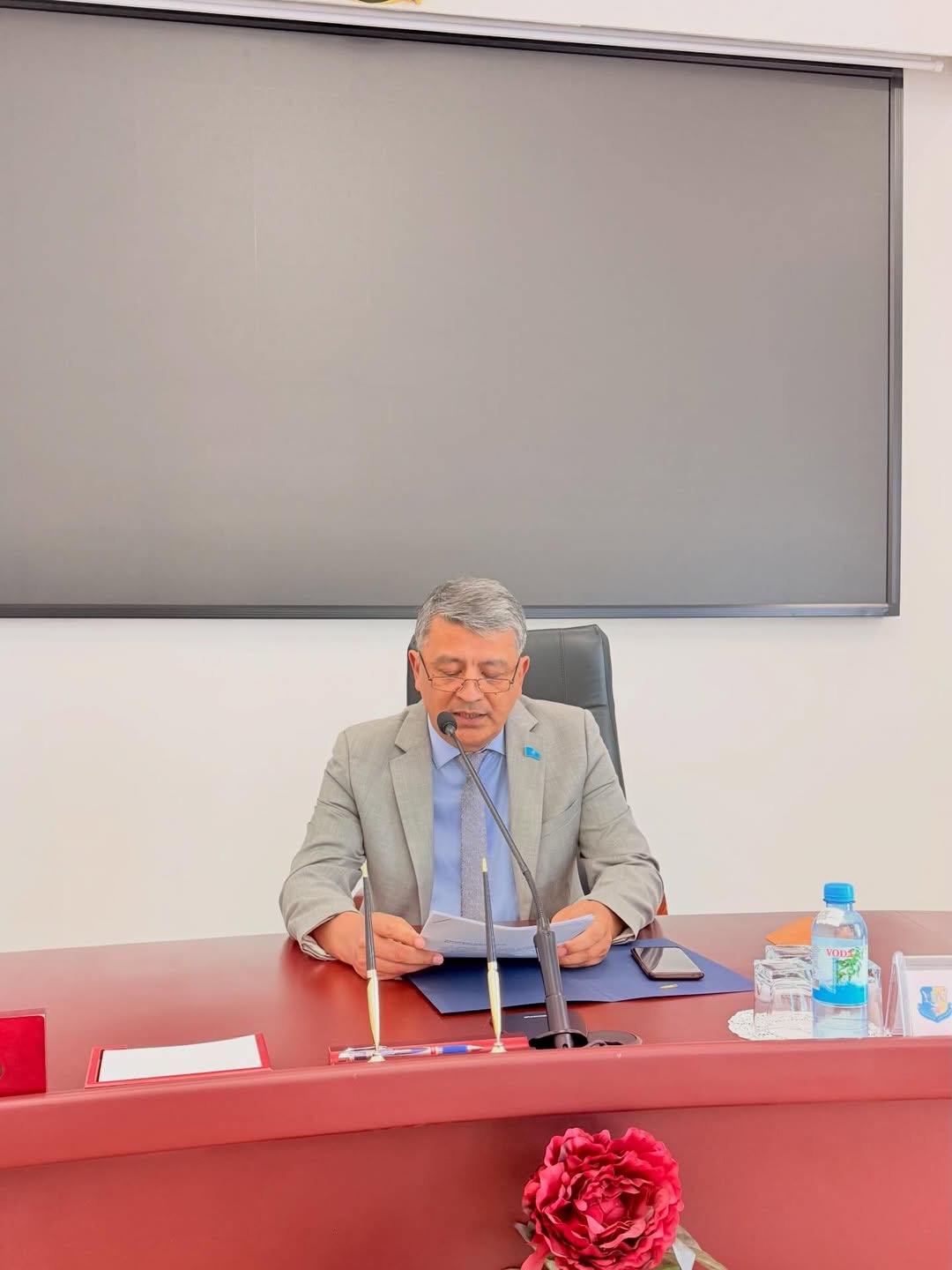
An extraordinary session of the city maslikhat was held 22.05.2026
On May 19, 2026, an extraordinary session of the Kostanay City Maslikhat was held under the chairmanship of Omarali Baigabylov.During the meeting, the deputies considered two issues on the agenda. The powers of Olga Igimbayeva, deputy for district No. 16, were terminated on the basis of a personal statement.Changes have also been made to the Kostanay City Development Plan for 2026-2030.In addition, information was announced about the existence of grounds for the early termination of the powers of the deputy in district No. 3 Dmitry Pavlenko.Source : https://www.gov.kz/memleket/entities/kostanai-kalasy-akimat/press/news/details/1225480?lang=ru