News
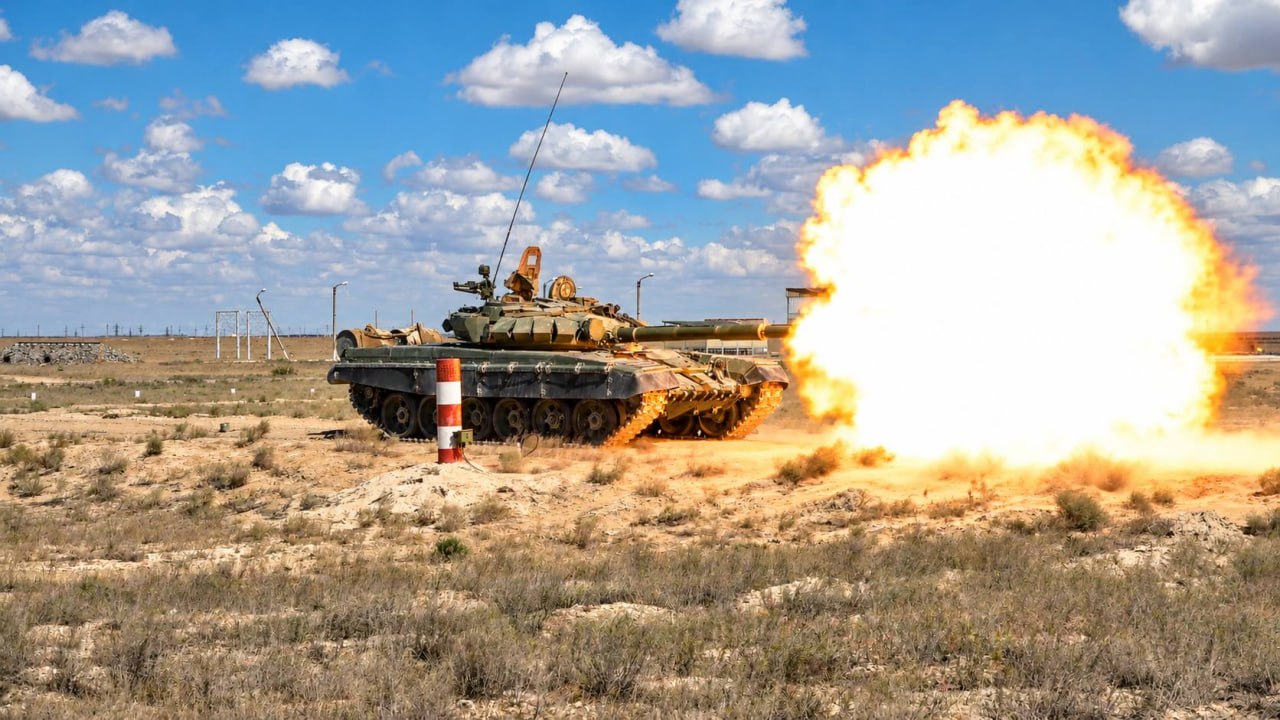
Marines conducted standard live-fire exercises at the Oymasha training ground in Mangystau. 15.09.2026
Source : https://www.gov.kz/memleket/entities/mod/press/news/details/1292120?lang=ru
- 15.09.2026
Source : https://www.gov.kz/memleket/entities/almobl-densaulyk/press/news/details/1292108?lang=ru
Accreditation of Foreign Media Representatives Now Open 15.09.2026
Accreditation is now open for representatives of foreign media outlets wishing to cover the Second Joint Colloquium, to be held on 2-3 October 2026, as well as the 24th Meeting of the Secretariat, scheduled for 7 October 2026.Foreign media representatives interested in covering these events are invited to complete the relevant accreditation form.Please note that the deadline for submitting accreditation applications has been revised. According to the Non-Profit Joint Stock Company “International Center for Interfaith and Interreligious Dialogue,” the final deadline for applications is 15 September 2026.Source : https://www.gov.kz/memleket/entities/mfa-budapest/press/news/details/1292058?lang=ru

How the UAPF Open Day on New Opportunities for Pension Savings Management Went 15.09.2026
On September 16, 2026, UAPF JSC held its latest Open Day, entitled "Participation of Contributors in Managing Their Pension Assets and the invest.enpf.kz Portal for Independent Access to Information on Investment Portfolio Managers."Meeting participants were provided with detailed information on amendments to the Social Code of the Republic of Kazakhstan, which will take effect on September 7, 2026, significantly expanding the rights of UAPF contributors to independently choose strategies and portfolios for managing their pension savings.According to these amendments, depositors will be able to transfer up to 100% of their savings to investment portfolio managers (IPMs) for trust management. It was explained that these changes are aimed at increasing long-term returns from savings management by selecting an IPM with the most suitable investment strategy and performance history. Those gathered were informed that contributors of compulsory pension contributions (CPC) and voluntary pension contributions (VPC), as well as individuals for whom compulsory occupational pension contributions (COPC) and VPC have been transferred, will be able to independently determine the amount of their savings transferred to trust management, select one or more IPMs, and one or more investment portfolios in line with their financial goals.UAPF specialists also introduced the event participants to the unified online information platform, invest.enpf.kz, introduced for the convenience of investors, which consolidates key information on the investment management of pension assets. The platform provides convenient and structured access to performance information and allows for dynamic comparison of various data on portfolios managed by all trust managers (the NBRK and IPMs) over a specified period. Investors can evaluate investment portfolios and independently select a manager and their investment strategies based on their interests.Answers were also given to questions regarding mechanisms for protecting pension savings when managing IPM.During the meeting, UAPF JSC specialists not only explained the terms of the innovation's implementation, explained how to choose the right IPM, and transfer pension savings, but also answered other questions from participants and media representatives related to Kazakhstan's pension system.According to Open Day participants, the meeting was well-organized, with lively discussions, and UAPF JSC representatives explained all the nuances of the changes to Kazakhstan's funded pension system in a clear and accessible manner. Source : https://www.gov.kz/memleket/entities/akimat-karakiya/press/news/details/1294665?lang=ru
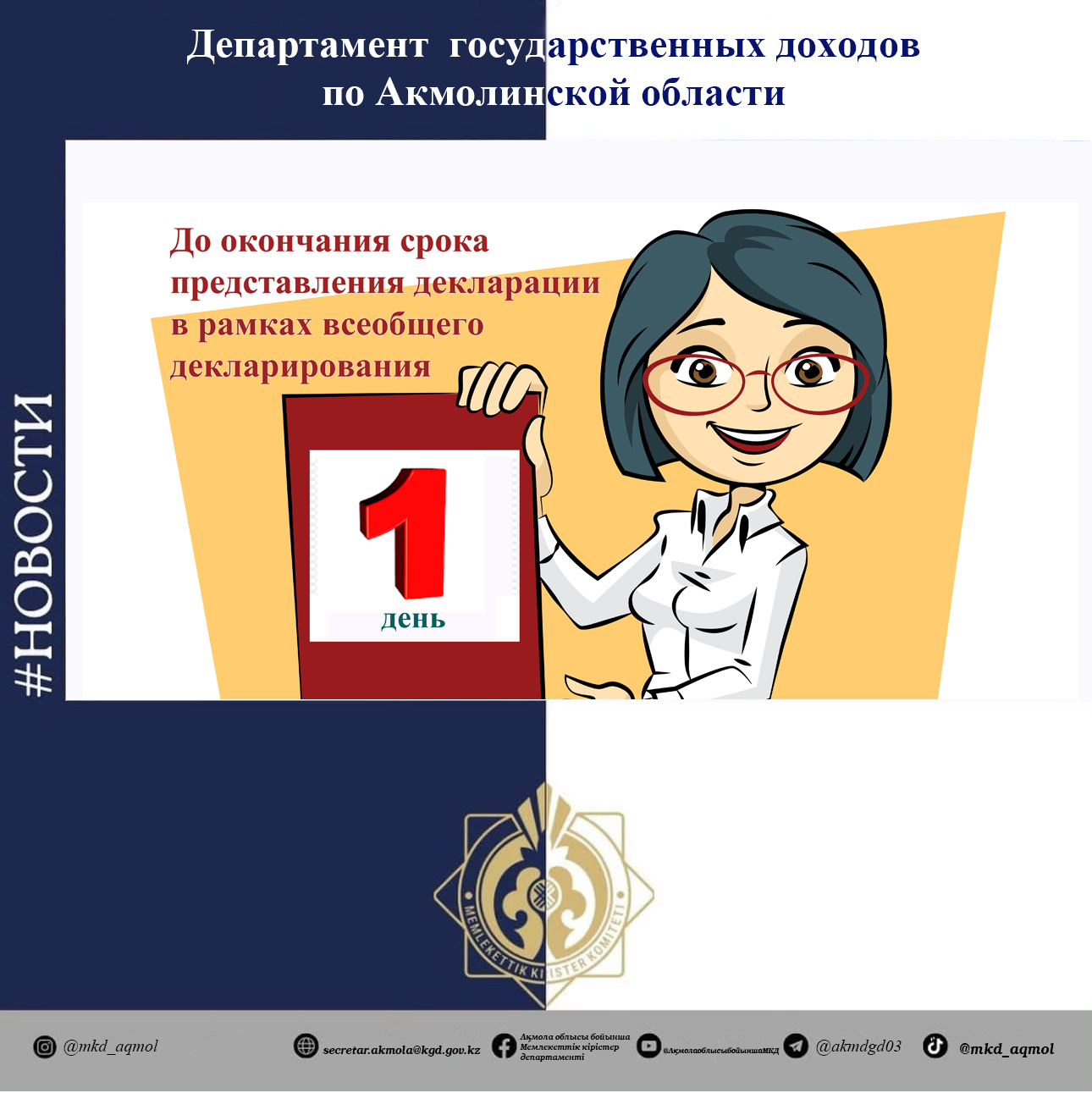
1 days left before the deadline for submitting the declaration within the framework of the Universal Declaration! 15.09.2026
The Department of State Revenues in the Akmola region reminds that on September 15, 2026, the deadline for submitting the declaration within the framework of universal declaration ends!In the first year of entry into the universal declaration system, a Declaration of Assets and Liabilities (form 250.00) is submitted. In subsequent years, a Declaration of Income and Property (form 270.00) is submitted. The declaration can be provided using the services "Taxpayer's Cabinet" (knp.kgd.gov.kz), the "e-government" portal (egov.kz) and through the e-Salyq Azamat mobile application, eGov mobile, as well as mobile applications of second-level banks Halyk, Kaspi, etc.Source : https://www.gov.kz/memleket/entities/kgd-akmola/press/news/details/1292002?lang=ru
To the customers of GKP "KTEK" 15.09.2026
GKP "Kostanay Heat and Power Company" (under the Kostanay City Akimat) announces that the hot water supply will be temporarily restricted on September 16, 2026, from 09:00 to 20:00. This is due to the repair of defects on the TM-23 main heating network along Chkalov Street and the replacement of shut-off valves.The hot water supply restriction will affect the following locations:Multi-apartment residential buildings:Abay Ave. — Nos. 2A, 6, 8, 8/1, 10, 10/1, 10/2, 12, 12/1.Volynov St. — Nos. 13, 15.Voroshilov St. — Nos. 1A, 3, 3/1, 3/2, 3A, 3B, 66, 68, 70, 72, 74.Kochubey St. — Nos. 1, 2, 3, 4, 5, 6, 7, 8, 9.Miroshnichenko St. — Nos. 8, 10, 12, 14, 20.Social facility:Kindergarten No. 27, 1 Miroshnichenko St.We apologize for any inconvenience caused and thank you for your understanding.Source : https://www.gov.kz/memleket/entities/kostanai-kalasy-akimat/press/news/details/1292003?lang=ru
Kazakhstan’s First Administrative Amnesty 15.09.2026
Kazakhstan is implementing its first administrative amnesty as part of the country’s constitutional and institutional reforms.The process is carried out digitally: no application is required, eligible cases are identified automatically, and beneficiaries are notified electronically or via SMS.The measure applies to obligations arising from minor administrative offences. At the same time, court-imposed fines, repeat offences, as well as violations affecting public safety, public health, or the interests of the state are excluded from the amnesty.The administrative amnesty is being implemented from 1 July to 31 December 2026.Source : https://www.gov.kz/memleket/entities/mfa-hague/press/news/details/1291907?lang=ru

NOTICE OF AN AUCTION FOR THE SALE OF A MOTOR VEHICLE 15.09.2026
The auction organizer — the Embassy of the Republic of Kazakhstan in the State of Kuwait (Registration No. 3553), with its registered address at State of Kuwait, Surra, Block 1, Street 6, House 367B, hereby announces an open auction for the sale of a motor vehicle.Auction method: ascending-price bidding.The auction will take place on 1 October 2026 at 11:00 a.m. at: State of Kuwait, Surra, Block 1, Street 6, House 367B.Details of the Property Offered for SaleLot No. 1Passenger vehicleMake and model: Mercedes-Benz S400LYear of manufacture: 2015Color: Dark blueMileage: 204,000 kmEngine capacity: 2,996 cm³Fuel type: PetrolVIN: WDDUG6FB8FA119383Registration number: 1/240General condition: The vehicle is technically defective and requires repairs, as well as replacement of the tires.Starting price: USD 10,096.07 (KWD 3,100).Security deposit of 15% of the starting price: USD 1,514.41.Bid increment of 5% of the starting price: USD 504.80.Terms of Participation and Application ProcedureIndividuals and legal entities that have submitted their applications and paid the security deposit within the prescribed period are eligible to participate in the auction.Applications and registration of participants shall be accepted in writing at: State of Kuwait, Surra, Block 1, Street 6, House 367B.Application deadline: 30 September 2026 at 5:30 p.m.The participant offering the highest price for the vehicle shall be declared the winner of the auction.The winner’s security deposit shall be credited toward the purchase price of the vehicle. Security deposits paid by the other participants shall be refunded within 15 business days following completion of the auction.To participate in the auction, the following documents must be submitted to the organizer:an application in the prescribed form;for individuals — a copy of an identity document;for legal entities — a copy of the identity document of the legal entity’s representative, a document confirming the representative’s authority, and a document confirming the legal entity’s registration in accordance with the laws of the State of Kuwait;a copy of the payment document confirming payment of the security deposit.Before paying the security deposit and submitting an application, participants must carefully review this Notice and the draft sale and purchase agreement and inspect the actual technical condition of the vehicle.The vehicle is sold in its current “as-is” condition. Following the auction, the buyer shall not be entitled to demand that the organizer remedy any technical defects, carry out repairs, improve the vehicle’s condition, or reimburse any related expenses.Participants shall bear all expenses related to inspecting the vehicle, participating in the auction, and transferring the security deposit.If the winner fails to sign the sale and purchase agreement or comply with its terms within the prescribed period, the winner shall be deemed to have waived the right to purchase the vehicle. In such a case, the security deposit paid by the winner shall not be refunded.Bank charges and other expenses related to the transfer or refund of the security deposit shall not be reimbursed to participants.Bid rigging and any other form of unlawful interference with the auction process are strictly prohibited.Bank Details for Payment of the Security DepositBeneficiary: Embassy of the Republic of Kazakhstan in the State of KuwaitBeneficiary’s address: State of Kuwait, Surra, Block 1, Street 6, House 367BBeneficiary’s registration number: 3553Bank: National Bank of Kuwait (NBK)Account number: 2010333980IBAN: KW06NBOK0000000000002010333980SWIFT/BIC: NBOKKWKWPayment reference: “Security deposit for participation in the auction for Lot No. 1.”Buyer’s Obligations and Collection of the VehicleThe highest bidder shall sign the Auction Results Protocol immediately following the conclusion of the auction.The buyer must transfer the full purchase price of the vehicle, less the previously paid security deposit, within 10 business days from the date of signing the sale and purchase agreement.The vehicle shall be handed over to the buyer after the full payment has been credited to the organizer’s bank account and all necessary documents have been signed.All expenses associated with the transfer of ownership, vehicle registration, payment of taxes, administrative fees, customs duties, and any other payments related to the purchase of the vehicle shall be borne entirely by the buyer.Vehicle Inspection and Contact InformationThe vehicle’s technical condition and relevant documents may be inspected, and the application form and draft sale and purchase agreement may be obtained, at State of Kuwait, Surra, Block 1, Street 6, House 367B, on business days from 9:00 a.m. to 3:00 p.m.Contact person: Abdurassul TeipovTelephone: +965 51421247Email: ab.teipov@gmail.comSource : https://www.gov.kz/memleket/entities/mfa-kuveyt/press/news/details/1291909?lang=ru
ANNOUNCEMENT UAPF JSC reminds about the importance of timely registration of pensions 15.09.2026
The UAPF reminds that individuals with pension savings in the UAPF, formed through compulsory pension contributions and/or compulsory occupational pension contributions, who have reached the generally established retirement age, as well as individuals with disabilities of the first and second groups, if the disability is permanent, are entitled to receive pension benefits from the UAPF according to the established schedule.As a reminder, the old-age pension is available to individuals who have reached the generally established retirement age: men upon reaching 63 years of age, and women upon reaching 61 years of age in 2026.Pension benefits from the UAPF are paid until the pension savings are depleted.To receive pension benefits from the UAPF upon reaching retirement age, beneficiaries must promptly contact the local Public Service Center (PSC) at their place of residence. Documents and applications can be submitted to the PSC 10 days before the beneficiary reaches retirement age. We strongly recommend adhering to this deadline, as it is especially important for receiving a state pension, which requires verification of work experience based on the documents submitted.The pension is assigned from the date of application. It is important to note that if an application for pension payments is submitted before reaching retirement age, the date of application is considered the date of reaching retirement age. If an application is submitted after reaching retirement age, the date of application is considered the date of registration of the application with the Government for Citizens State Corporation.In addition, please note that future pensioners (potential beneficiaries) whose phone numbers are registered in the egov mobile citizen database will receive an SMS notification from number 1414 two months before reaching retirement age, informing them of the opportunity to contact the nearest branch of the State Corporation in a timely manner to receive pension payment services, with a link to the list of documents on the egov.kz website. This means that government agencies are sending out the relevant notifications to ensure pension benefits are processed within the prescribed timeframe, as benefits are not assigned for the missed period.Meanwhile, for individuals who have reached retirement age and who have pension savings in the UAPF but have not applied for their benefit, the UAPF conducts an annual verification, jointly with the State Corporation, to determine whether these citizens have assigned old-age pension benefits and the state basic pension benefit from budgetary funds. Based on the results of this verification, the UAPF makes payments proactively, i.e., without an application.Furthermore, starting in March 2026, a similar, non-application pension benefit paymentt procedure has been introduced through voluntary pension contributions (VPC) for individuals who have reached retirement age and who have pension savings in the UAPF through VPC, but who have not previously applied to the UAPF for payment due to reaching the age of fifty or disability.The non-application pension benefit payment procedure through VPC (if any) provides for:automatic assignment of UAPF pension payments through the VPC when applying to the State Corporation in the prescribed manner with applications for a pension from the state budget and payments through compulsory pension contributions and/or compulsory occupational pension contributions in connection with reaching retirement age;making payments through the VPC as part of a proactive service.To receive a disability payment upon reaching age 50 through the VPC, please contact UAPF offices or through your personal account on the UAPF website (enpf.kz) or the UAPF mobile app using an electronic digital signature.Please note that UAPF offers on-site services for individuals with disabilities. A preliminary consultation is provided, including verification of eligibility for services remotely, without an on-site visit.The enpf.kz website provides a list of required documents depending on the type of pension benefit, the method of submission, document requirements, application forms and sample forms, and a sample power of attorney. In the "Electronic Services" section, you can pre-screen documents submitted for pension benefits from UAPF.UAPF was founded on August 22, 2013 on the basis of GNPF APF JSC. The founder and shareholder of the UAPF is the Government of the Republic of Kazakhstan represented by the State Institution Committee of State Property and Privatization of the Ministry of Finance of the Republic of Kazakhstan. Trust management of UAPF pension assets is carried out by the National Bank of the Republic of Kazakhstan. In accordance with the pension legislation, the UAPF attracts compulsory pension contributions, employer’s compulsory pension contributions, compulsory occupational pension contributions, voluntary pension contributions, as well as carries out enrollment and accounting of voluntary pension contributions formed at the expense of the unclaimed amount of guaranteed compensation for the guaranteed deposit, transferred by the organization carrying out mandatory guarantee of deposits, in accordance with the Law of the Republic of Kazakhstan "On mandatory guarantee of deposits placed in second-tier banks of the Republic of Kazakhstan", ensures the implementation of pension benefits. The Fund also carries out accounting of target assets and target requirements, accounting and crediting of target savings (TS) to target savings accounts, payments of TS to their recipients in bank accounts, accounting for returns of TS in the manner determined by the Government of the Republic of Kazakhstan within the framework of the National Fund for Children program (More details at www.enpf.kz) Source : https://www.gov.kz/memleket/entities/abay/press/news/details/1291903?lang=ru
Internal state audit expands digital accounting monitoring 15.09.2026
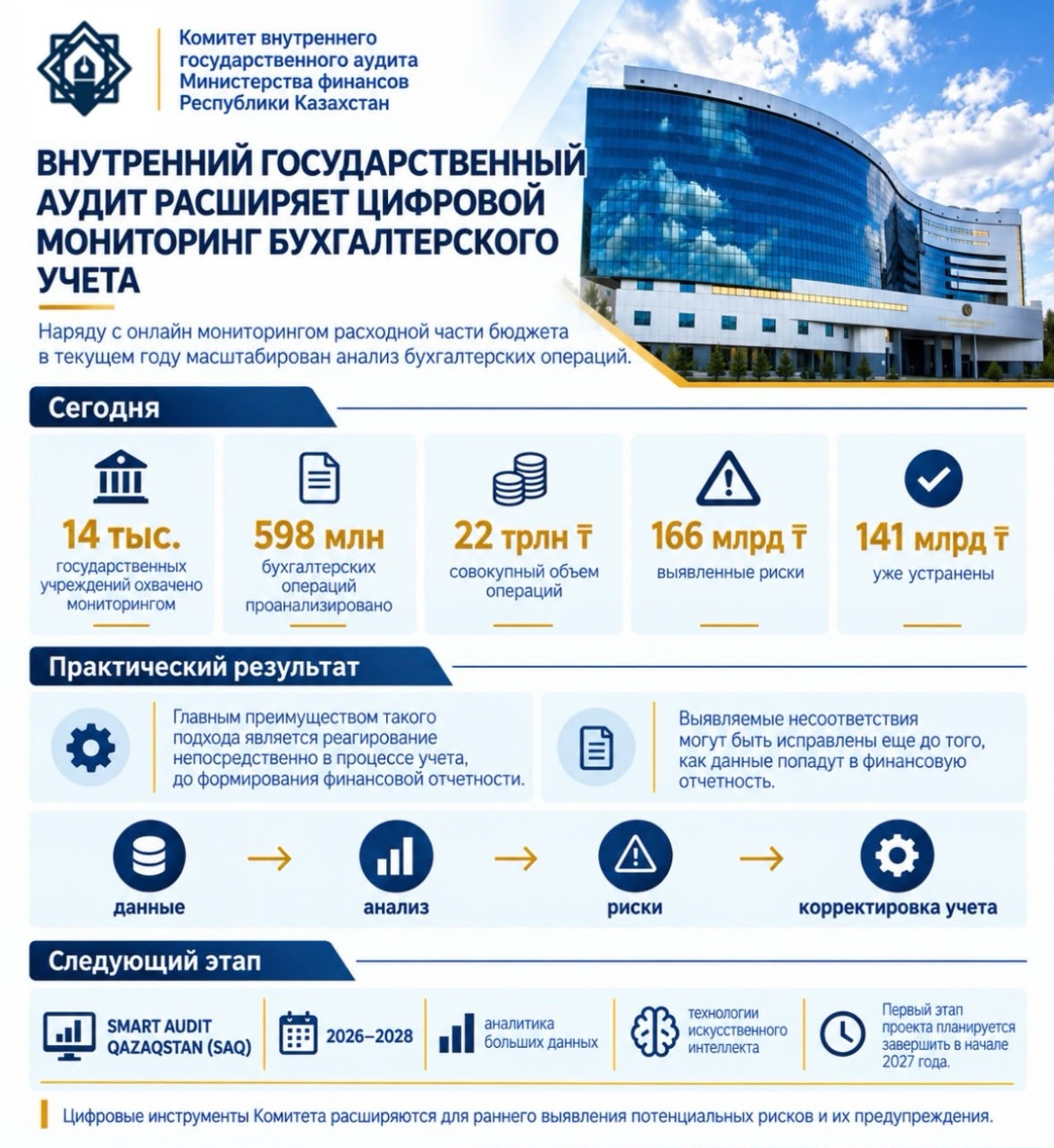
The practice of remote identification and risk assessment of non-compliance with budget legislation in the activities of public institutions is expanding in Kazakhstan. This approach allows for the timely detection of potential violations and the taking of preventive measures without the need for on-site inspections.One of the key tools in this work is the risk management system, which enables the online analysis of financial and accounting operations of public institutions.This work is carried out by the Internal State Audit Committee of the Ministry of Finance of the Republic of Kazakhstan. This year, the Committee not only continued online monitoring of the budget expenditure side but also scaled up the analysis of accounting operations.Today, remote monitoring covers 14,000 public institutions. Based on the risk management system, more than 598 million accounting operations with a total volume of 22 trillion tenge have been analyzed.Notifications of identified risks amounting to approximately 166 billion tenge were promptly sent to budget program administrators, of which 141 billion tenge have already been resolved.The main advantage of this approach is the response directly within the accounting process, before the formation of financial statements.Identified discrepancies can be corrected by public institutions even before the data enters the financial statements and affects the reliability of information on assets, liabilities, and financial results, including during the formation of consolidated financial statements for the republican budget. "Digital data allows us to see the state of accounting in real time. Instead of subsequent detection of an already committed violation, it has become possible to respond in a timely manner at the stage when actions or inactions of institutions arise that could lead to financial violations, waste of budget funds, and economic damage to the state" – noted Committee Chairman YERZHAN MYNZHASAROV.The development of digital monitoring is one of the practical directions for implementing the Concept for the Development of Internal State Audit of the Republic of Kazakhstan until 2030, adopted this year.Among the key benchmarks of the Concept are the further development of a risk-oriented approach, data analytics, and preventive control.The next stage is the integration of the Committee's digital tools into a unified analytical environment.For this purpose, the integrated analytical information system for state audit SMART AUDIT QAZAQSTAN (SAQ) is being implemented.The system is being implemented in stages from 2026 to 2028 and provides for the introduction of big data analytics using artificial intelligence technologies. The first stage of the project is planned to be completed in early 2027.Already today, the Committee's digital tools are being expanded for the early detection of potential risks and their prevention. Source : https://www.gov.kz/memleket/entities/kvga/press/news/details/1291875?lang=ru
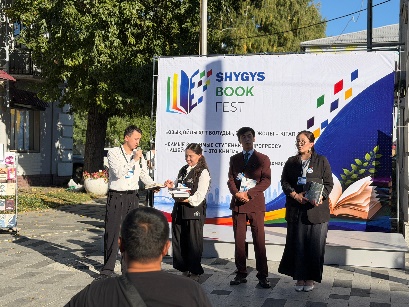
Shygys Book Fest – 2026 15.09.2026
The annual large-scale book festival “Shygys Book Fest” is held in the East Kazakhstan Region to promote reading culture, popularize books and literature, encourage reading among the public, and foster interest in the intellectual and cultural heritage.In 2026, the festival once again became an open platform that brought together readers, writers, emerging authors, library professionals, representatives of the creative community, and everyone interested in books and literature. The East Kazakhstan Regional Children’s and Youth Library also joined the festival, preparing a rich and diverse program for its readers, combining educational, literary, and interactive formats.The central idea of “Shygys Book Fest – 2026” was to promote reading and foster an educated, intellectually developed generation within the framework of the concept «Зерделі ұлт» — «Интеллектуальная нация» (“Zerdeli Ult” -“Intellectual Nation”). The festival aims to increase interest in books and literature, broaden the horizons of the younger generation, and encourage a pursuit of knowledge, creativity, and self-development.As part of the festival, a book exhibition titled «Оқыған ұрпақ – озық ұрпақ. Читающее поколение – поколение будущего». (“A Reading Generation is the Generation of the Future”) was organized. The exhibition featured works that contribute to broadening perspectives, developing intellectual curiosity, and cultivating a sustained interest in reading. Special attention was given to works by Kazakhstani authors, literature on the history and culture of Kazakhstan, as well as contemporary literature of interest to young people. A vibrant interactive highlight of the festival was the literary game «Страницы на связи» (“Pages in Connection.”) Participants tested their knowledge of literary works, authors, and characters, demonstrating their erudition, quick thinking, and teamwork skills. The game-based format made engagement with literature dynamic, emotional, and enjoyable.A special place in the program was given to the event «Кітап. Дәстүр. Бір кеңістік. » (“Book. Tradition. “A Shared Space.”) which brought together literature, national traditions, and modern culture. Participants were able to explore the connection between literature and historical memory, spiritual values, and cultural heritage, as well as see how traditions are reflected in contemporary cultural life.The interactive photo exhibition «Любимый город: прошлое и настоящее» (“Favorite City: Past and Present”) introduced visitors to the history of the streets, avenues, and architectural landmarks of Ust-Kamenogorsk. Using QR codes, visitors could access additional information, discover interesting facts, and gain deeper insight into the history of their hometown. This format effectively combined visual materials, modern digital technologies, and local history content.Another intellectual challenge was the library quest «Ұлы жаңалықтар дәуірі. Эпоха открытий» (“The Era of Great Discoveries.”) Participants completed a series of tasks related to books, knowledge, scientific discoveries, and outstanding figures. The quest contributed to the development of logical and critical thinking, cognitive engagement, teamwork, and interest in new knowledge.All events were held in a creative, educational, and welcoming atmosphere. The interactive formats helped attract participants’ attention to literature and demonstrated that books are not only a source of knowledge but also a space for communication, creativity, discovery, and collaborative idea exchange.The organization of “Shygys Book Fest – 2026” contributed to the development of reading culture, the promotion of national literature, history, and traditions, as well as the advancement of the idea of «Зерделі ұлт» — «Интеллектуальная нация» (“Zerdeli Ult” -“Intellectual Nation”). The festival brought together readers and members of the creative community, creating a platform for dialogue, knowledge exchange, and cultural development.Thus, “Shygys Book Fest – 2026” demonstrated that books remain an essential part of modern life — a source of knowledge and inspiration, a means of communication, and a powerful tool for shaping an intellectually and culturally developed generation.Source : https://www.gov.kz/memleket/entities/vko-cultura-arhiv/press/news/details/1291865?lang=ru
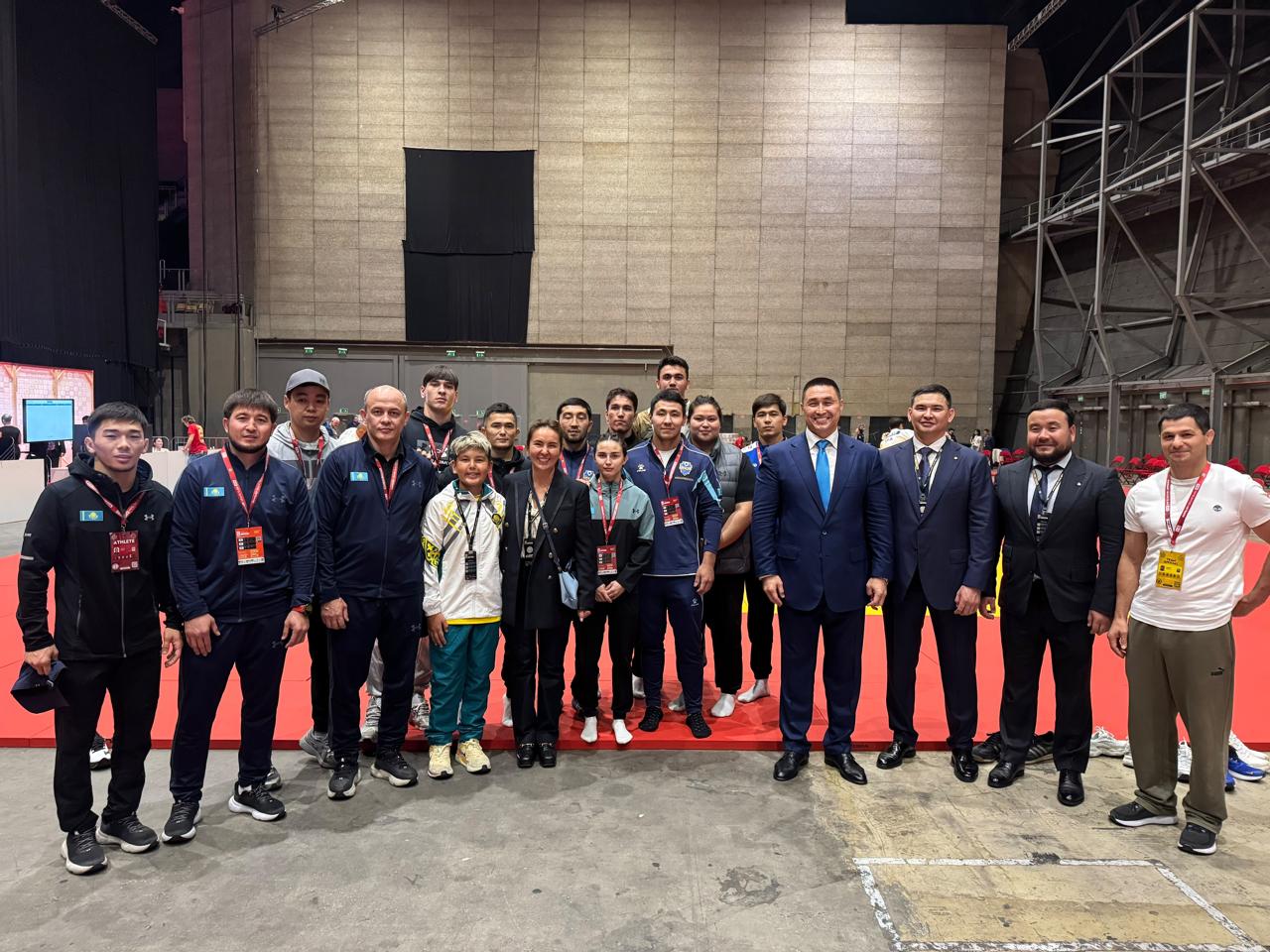
Kazakh Judokas Take Part in the Hungary Grand Slam 2026 International Tournament 15.09.2026
Budapest, 14 September 2026 - Kazakhstan’s national judo team took part in the Hungary Grand Slam 2026 international tournament, held on 11-13 September this year in the capital of Hungary.The competition brought together 504 athletes from 67 countries. Medals were contested in 14 weight categories at the László Papp Sports Arena, with seven categories each for men and women. The Hungary Grand Slam is included in the official calendar of the International Judo Federation (“IJF”) and is one of the stages of the IJF World Judo Tour.Kazakhstan was represented at the tournament by 12 judokas: 10 men and 2 women. As part of the event, Ambassador-designate Extraordinary and Plenipotentiary of the Republic of Kazakhstan to Hungary Anel Bakytbekkyzy met with members of the national team and wished the athletes further success and new achievements on the international stage.On the sidelines of the tournament, the Ambassador-designate held a meeting with President of the International Judo Federation Marius Vizer and Adviser to the President of the International Judo Federation (“IJF”) Almaz Alsenov.The parties exchanged views on the further development of cooperation between Kazakhstan and the International Judo Federation, the promotion of judo, the training of coaches and referees, as well as the organisation of major international competitions in the country.Particular attention was paid to preparations for the 2027 World Judo Championships in Astana. Kazakhstan will host the World Championships for seniors in individual and team events for the first time. The tournament will bring together the world’s strongest judokas and will serve as an important stage of the Olympic cycle on the road to the 2028 Summer Olympic Games in Los Angeles.In addition, the parties discussed the prospects of opening an IJF Academy in Astana, which is expected to become a regional platform for training coaches and referees of international level.The participants noted the positive dynamics of judo development in Kazakhstan. Currently, more than 160,000 adults and children practise this sport in the country. The “Judo in Schools” programme is being implemented, judo’s presence in higher and military education is expanding, and work is underway to improve the professional level of coaches and referees.At the conclusion of the meeting, the Ambassador-designate emphasized Kazakhstan’s interest in further strengthening cooperation with the International Judo Federation and implementing joint initiatives aimed at developing both mass and professional sport.Background: Since 2023, Astana has hosted the Qazaqstan Barysy Grand Slam international ranking tournament, which is included in the official calendar of the International Judo Federation.In 2027, Kazakhstan will host a number of major international sports competitions, including world championships in boxing, table tennis, judo, taekwondo and esports, as well as the World Junior Short Track Championships. Source : https://www.gov.kz/memleket/entities/mfa-budapest/press/news/details/1291859?lang=ru
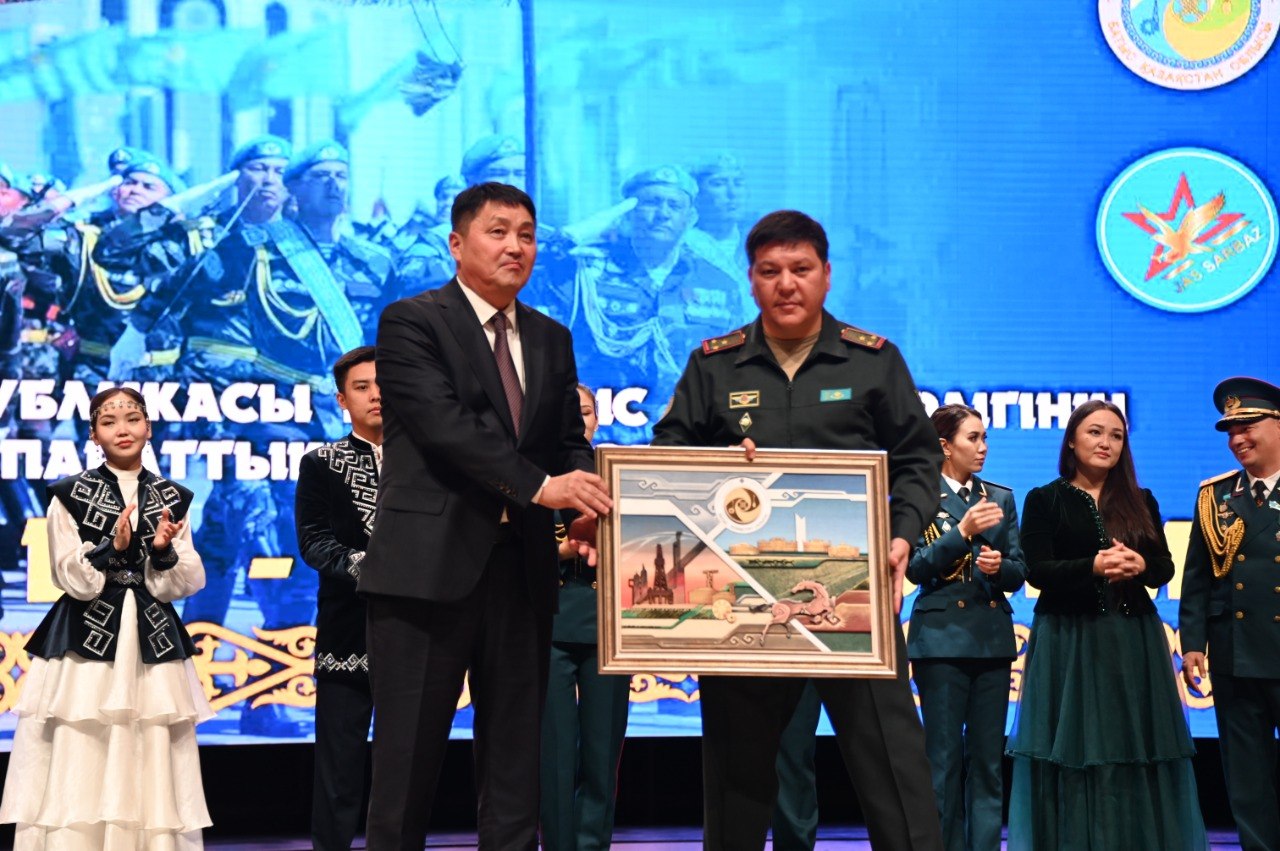
About 2,000 people took part in a patriotic event organized by the Ministry of Defence in Uralsk. 15.09.2026
Source : https://www.gov.kz/memleket/entities/mod/press/news/details/1291833?lang=ru
Payment for the Use of the Radio Frequency Spectrum. 15.09.2026
The payment for the use of the radio frequency spectrum is charged for the radio frequency spectrum denominations (bands, ranges) allocated by the authorized state body responsible for implementing state policy in the field of communications.The right to use the radio frequency spectrum is certified by permits issued by the authorized state body responsible for implementing state policy in the field of communications, in accordance with the procedure established by the Law of the Republic of Kazakhstan “On Communications”.Amounts of the one-time payment for carrying out entrepreneurial activities involving the provision of communications services using the radio frequency spectrum, payable to the budget in accordance with the Law of the Republic of Kazakhstan “On Communications”, shall not be credited against the payment.Territorial divisions of the authorized state body responsible for implementing state policy in the field of communications shall submit to the tax authorities at the place of location of the payers information on payers, taxable items, permits issued, their validity periods, amendments and additions made to the permits issued, notices sent to taxpayers, and the amounts of the payment within the following time limits:where the authorized state body responsible for implementing state policy in the field of communications issues a notice specifying the annual amount of the payment and sends it to the payment payers no later than February 20 of the current reporting period, the information shall be submitted no later than February 25 of the tax period;where a permit certifying the right to use the radio frequency spectrum is obtained after the above-mentioned deadline, the authorized state body responsible for implementing state policy in the field of communications shall send the taxpayer a notice specifying the amount of the payment no later than the 20th day of the month following the month in which the taxpayer obtained the permit to use the radio frequency spectrum. In this case, the payment shall be made no later than the 25th day of the month following the month in which the taxpayer obtained the permit to use the radio frequency spectrum.Territorial divisions of the authorized state body responsible for implementing state policy in the field of communications shall, no later than the 25th day of the month following the reporting quarter, submit to the tax authorities at the place of location of the payers information on the payers of the one-time payment for carrying out entrepreneurial activities involving the provision of communications services using the radio frequency spectrum, the amounts of such one-time payment payable to the budget, and the deadlines for its payment.Source : https://www.gov.kz/memleket/entities/kgd-astana/press/news/details/1291774?lang=ru

By CarGoRuqsat electronic queue system 15.09.2026
Since May 2025, the CarGoRuqsat electronic queue system has been introduced at automobile checkpoints.As part of the system, carriers planning to leave Kazakhstan through automobile checkpoints need to book a place in the electronic queue using the CarGoRuqsat application.To do this, follow the https://cgr.qoldau.kz/ru/start link, register and enter the CarGoRuqsat application, select a checkpoint, indicate the date and time of crossing the border and fill in the data on the driver and vehicle.After approval of the application, you must arrive at the checkpoint in a timely manner to pass the border.In turn, the introduction of an electronic queue system at the border with the EAEU countries will also eliminate periodic congestion at checkpoints and systematize the process of crossing the border.Source : https://www.gov.kz/memleket/entities/kgd-sko/press/news/details/1291750?lang=ru
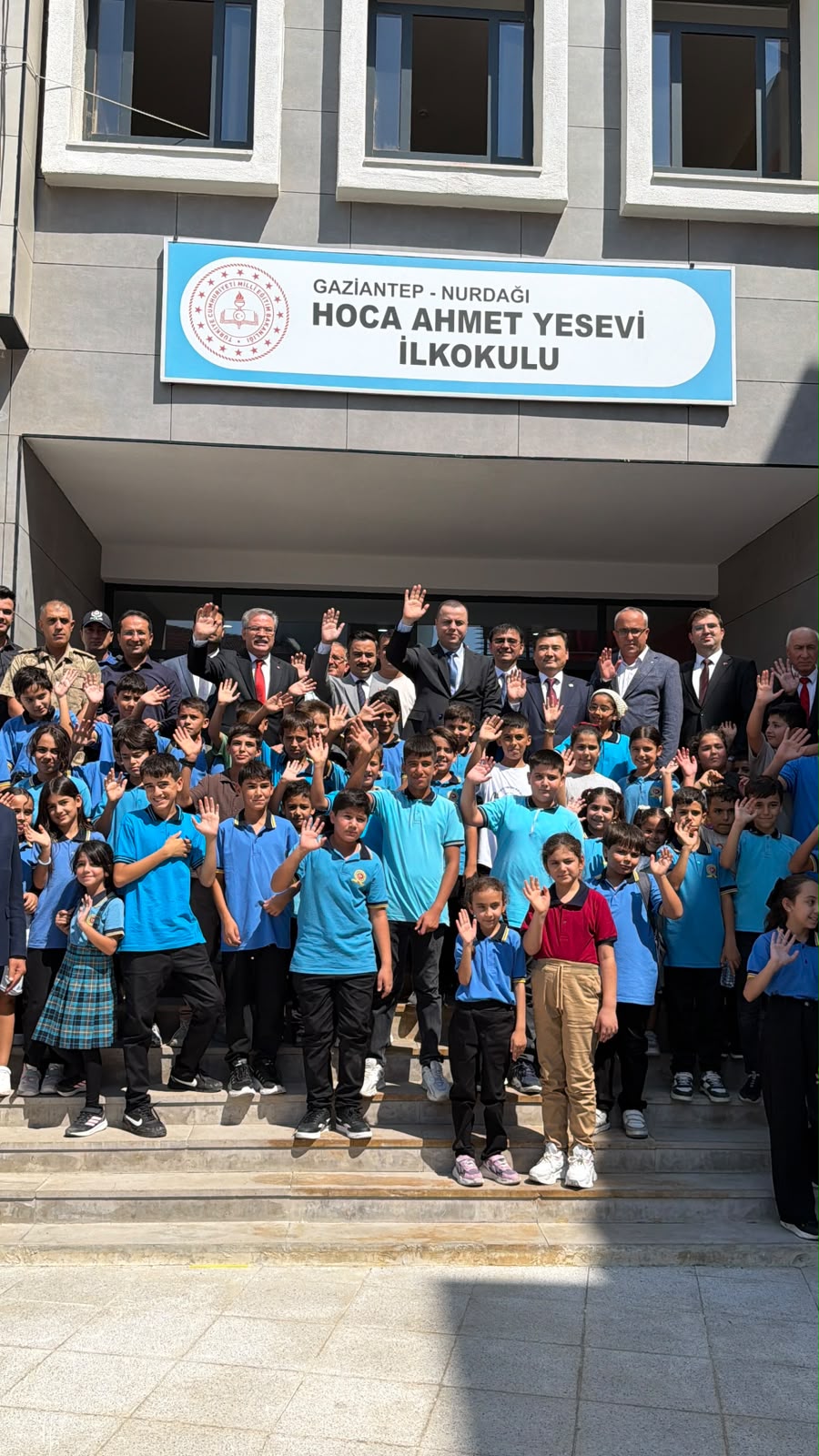
A Turkish school built by Kazakhstan opens its door to pupils 15.09.2026
On September 14, 2026, the Khoja Ahmed Yasawi School welcomed its first students in the Nurdağı district of Gaziantep Province.The school was built on the decision of the President of the Republic of Kazakhstan, Kassym-Jomart Tokayev, following the devastating earthquakes in Türkiye. The project represents Kazakhstan's contribution to the recovery of the affected region and serves as a symbol of solidarity between the brotherly peoples of Kazakhstan and Türkiye.The event was attended by Chairman of the Board of KazAID Amb. Nurgali Arystanov, Deputy Governor of Gaziantep Province Yakup Kılınçoğlu, representatives of the local community, parents, and students.During the visit, Amb. Nurgali Arystanov held a bilateral meeting with Yakup Kılınçoğlu. The sides discussed prospects for further interaction and potential areas of cooperation. For reference: The school is designed for 900 students. Currently, 50 teachers are already working at the educational institution. Necessary modern infrastructure and comfortable conditions have been established to ensure quality education and comprehensive development for the students.Source : https://www.gov.kz/memleket/entities/kazaid/press/news/details/1291751?lang=ru
Personal property tax: objects of taxation are not only apartments 15.09.2026
The Department of State Revenue of the Mangystau region explains to citizens the procedure for taxation of property of individuals. Property tax is levied not only on apartments: the object of taxation includes various types of real estate and land plots owned in Kazakhstan. What is the object of taxation According to the Tax Code of the Republic of Kazakhstan, the objects of taxation on the property of individuals are located on the territory of the Republic:dwellings (apartments, apartment buildings, rooms);buildings;country houses;garages;Parking spaces;other buildings, structures, and premises (including storerooms, outbuildings, outbuildings, and outbuildings);land plots owned by individuals by right of ownership.Thus, the tax is paid not only by the owners of apartments in apartment buildings, but also by the owners of individual residential buildings, cottages, garages, parking spaces, outbuildings and land plots. Who is the payer Tax payers are individuals who own these facilities. The tax is calculated by the tax authorities. The tax base for housing and country buildings is the value of the object, determined by the State Corporation "Government for Citizens" as of January 1 of the year following the tax period. This cost is usually lower than the market price of the property. Tax rates The personal property tax is calculated depending on the value of the object on a progressive scale. For objects with a value of up to 2,000,000 tenge inclusive, the rate is 0.05 percent of the cost. Then the rate increases stepwise. If the total value of all taxable objects owned by one owner exceeds 450,000,000 tenge, the tax is calculated based on the total value at an increased rate of 2 percent (2,946,600 tenge plus 2 percent of the amount exceeding 450 million tenge). Benefits Certain categories of citizens are entitled to benefits within the established amount of MCI from the total cost of facilities. """""" These include Heroes of the Soviet Union, Heroes of Socialist Labor, persons awarded the titles of "Halyk kaharmany", "Kazakstan Enbek Yeri", awarded the Order of Glory of three degrees and the Order of Otan, participants of the Great Patriotic War and persons equated to them, the disabled, mothers of many children, awarded the title of "Mother Heroine" or those awarded the "Altyn alka" pendant, retired persons living separately, within the limits stipulated by the Tax Code.The owners of apartments (rooms) in an apartment building are not property tax payers in terms of a share in the land occupied by such a house. It is important not to confuse it with the tax on the sale of property. The property tax is an annual tax for the ownership of an object. It does not replace the individual income tax on property income when selling real estate. From January 1, 2026, when selling residential real estate, dachas, garages, parking spaces, storerooms, personal subsidiary facilities and land plots, property income (value gain) arises if the object has been owned for less than two years — for objects acquired after the entry into force of the new Tax Code. For properties purchased before 2026, the same minimum period of ownership remains — one year. When selling non-residential (commercial) real estate, the increase in value is taxed regardless of the period of ownership. The tax is paid only on the difference between the sale price and the purchase price, and not on the entire transaction amount. IPN rate: 10 percent of the increase to 8,500 MCI and 15 percent of the excess amount. How to find out the amount and pay the tax The amount of the accrued tax can be checked in the e-Salyq Azamat mobile application, on the egov e-government portal.kz and on the Internet resource of the State Revenue Committee. It is recommended to make payments on time, avoiding the formation of arrears. The presence of tax arrears may lead to enforcement measures, including restrictions on travel outside the Republic of Kazakhstan. (Unofficial translation) Source : https://www.gov.kz/memleket/entities/kgd-mangistau/press/news/details/1291702?lang=ru
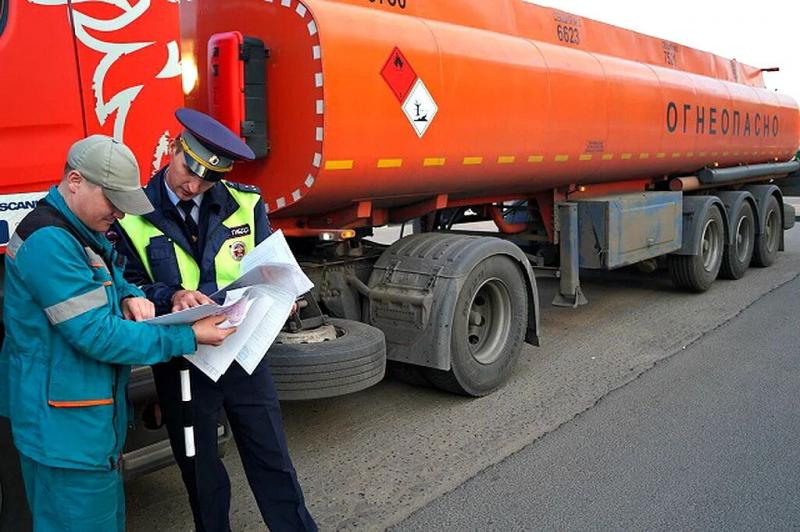
Introduction of bans on the export of petroleum products 15.09.2026
In accordance with the Order of the Acting Minister of Energy of the Republic of Kazakhstan No. 175-nk dated April 30, 2026 "On some issues of export of petroleum products from the territory of the Republic of Kazakhstan," a ban was introduced for a period of six months for the period from May 21, 2026 to November 21, 2026 on export from the territory of the Republic of Kazakhstan, including to the member states of the Eurasian Economic Union:motor transport of gasoline, diesel fuel and certain types of petroleum products (commodity nomenclature codes of foreign economic activity of the Eurasian Economic Union 2709 00, 2710, 2902, 3403, 3811, 3826 00), except for lubricating oils (commodity nomenclature codes of foreign economic activity of the Eurasian Economic Union 2710 19 820 0, 2710 19 840 0, 2710 19 860 0, 2710 19 880 0, 2710 19 920 0, 2710 19 940 0, 2710 19 980 0, 3403 19 900 0, 3403 91 000 0), except for removal in fuel tanks, provided by the manufacturer of automobile vehicles, not more than once a day, the export of aviation fuel for research work on the selection of additives, qualification and laboratory tests of samples from a pilot batch for the purpose of industrial production, approval and (or) re-approval of the technology of industrial production of aviation fuel (jet fuel), subject to agreement with the authorized body in the field of production of petroleum products and the presence of a contract with an organization authorized to carry out the above works and a letter indicating the number of samples required for this purpose (samples) and volumes of aviation fuel, as well as the export of petroleum products as part of the provision of humanitarian assistance by decision of the Government of the Republic of Kazakhstan;2) railway transportation of petroleum products (commodity nomenclature codes of foreign economic activity of the Eurasian Economic Union 2710 12), with the exception of gasoline export (commodity nomenclature codes of foreign economic activity of the Eurasian Economic Union 2710 12 412 0, 2710 12 413 0, 2710 12 450 0, 2710 12 490 0) according to delivery plans, approved in accordance with paragraph 7 of Article 18 of the Law of the Republic of Kazakhstan "On State Regulation of the Production and Circulation of Certain Types of Petroleum Products," as well as the export of petroleum products as part of the provision of humanitarian assistance by decision of the Government of the Republic of Kazakhstan.And also a ban was introduced for a period of six months for the period from July 1, 2026 to December 31, 2026 on the export of light distillates from the territory of the Republic of Kazakhstan outside the customs territory of the Eurasian Economic Union (codes of commodity nomenclature of foreign economic activity of the Eurasian Economic Union 2710 12 110 1 - 2710 12 310 0, 2710 12 700 0 - 2710 12 900 8), jet fuel and diesel fuel (commodity nomenclature codes of foreign economic activity of the Eurasian Economic Union 2710 19 110 0 - 2710 19 460 0), gas oil (commodity nomenclature codes of foreign economic activity of the Eurasian Economic Union 2710 20 110 0 - 2710 20 190 0), toluene, xylene (commodity nomenclature codes of foreign economic activity of the Eurasian Economic Union 2902 30 000 0, 2902 41 000 0, 2902 42 000 0, 2902 44 000 0), oil bitumen (commodity nomenclature code of foreign economic activity of the Eurasian Economic Union 2713 20 000 0).The purpose of this ban is to ensure the economic security of the country, load domestic processing enterprises and stabilize prices. Source : https://www.gov.kz/memleket/entities/kgd-sko/press/news/details/1291632?lang=ru
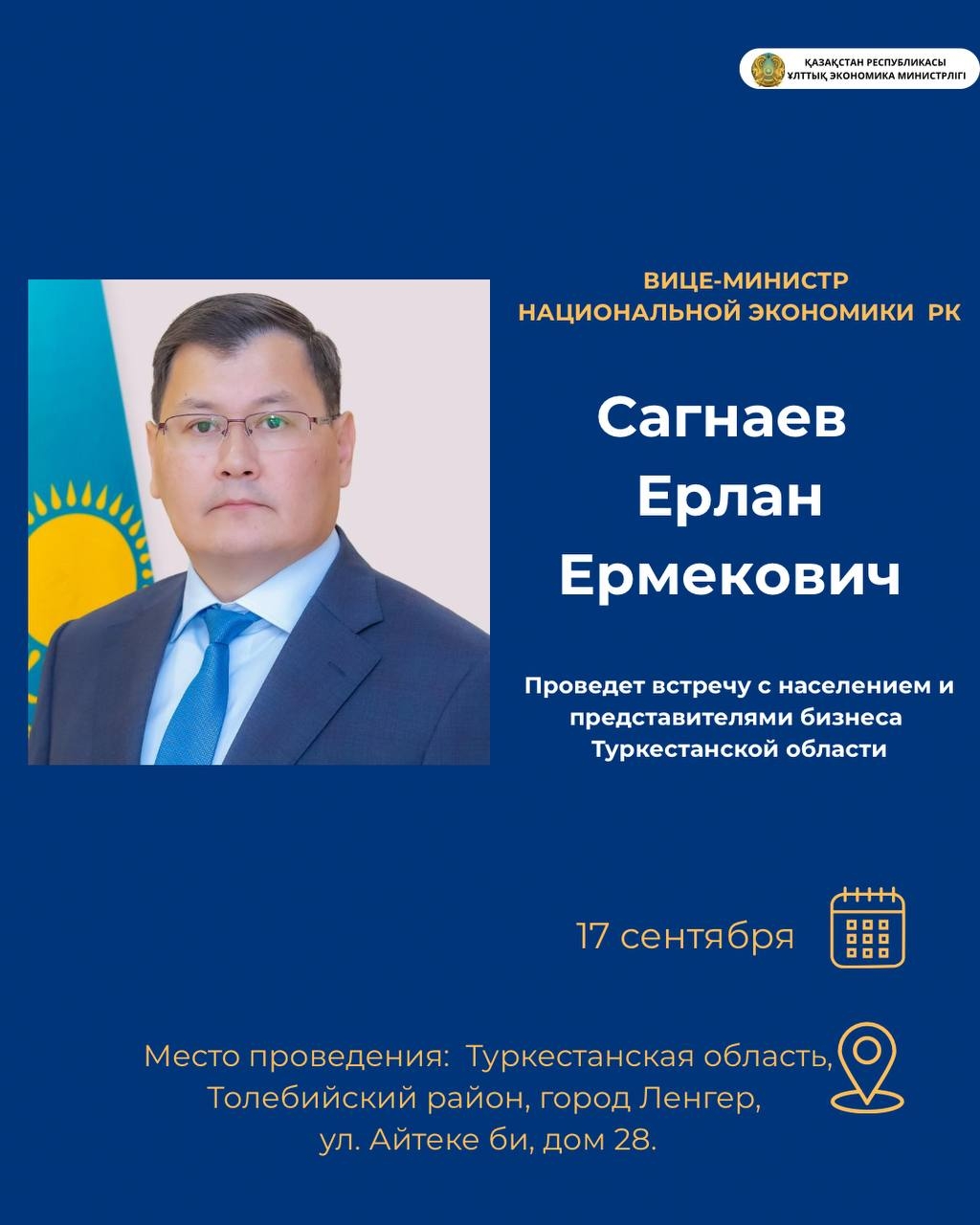
Встреча вице-министра национальной экономики с жителями Туркестанской области 15.09.2026
Уважаемые жители Толебийского района Туркестанской области!17 сентября 2026 года вице-министр национальной экономики РК Ерлан Сагнаев проведет встречу с населением и представителями бизнеса.Основные мероприятия пройдут по адресу: Туркестанская область, Толебийский район, город Ленгер, ул. Айтеке би, дом 28.Встреча с населением и представителями состоится в 15:00.Для записи на прием граждан и встречу просим обращаться по телефону: WhatsApp +7 776 662 6575 (МНЭ)Приглашаем граждан принять активное участие и задать свои вопросы вице-министру национальной экономики Ерлану Сагнаеву.Source : https://www.gov.kz/memleket/entities/economy/press/news/details/1291611?lang=ru
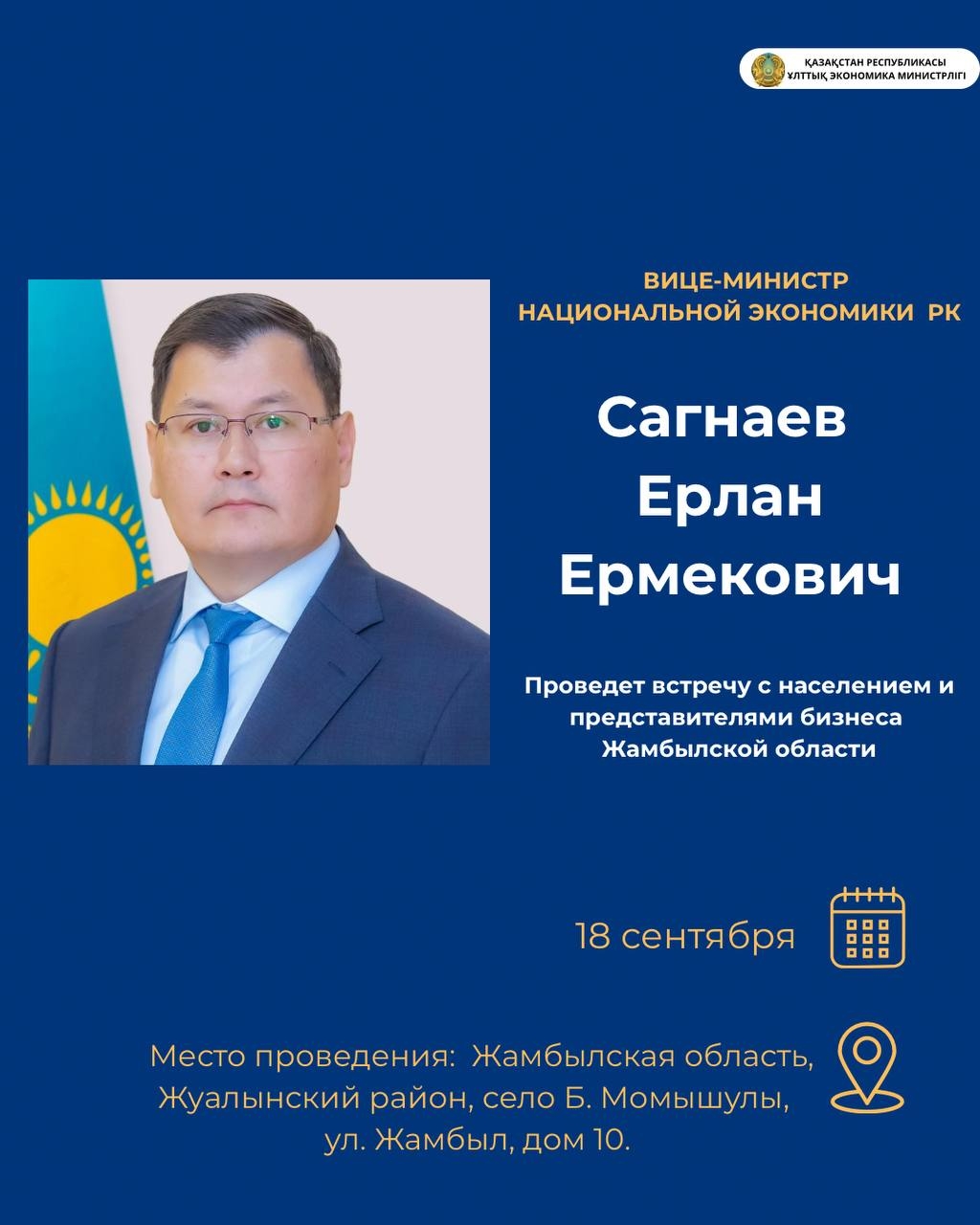
Встреча вице-министра национальной экономики с жителями Жамбылской области 15.09.2026
Уважаемые жители Жуалынского района Жамбылской области!18 сентября 2026 года вице-министр национальной экономики РК Ерлан Сагнаев проведет встречу с населением и представителями бизнеса.Основные мероприятия пройдут по адресу: Жамбылская область, Жуалынский район, село Б. Момышулы, ул. Жамбыл, дом 10.Встреча с населением и представителями состоится в 11:00.Для записи на прием граждан и встречу просим обращаться по телефону: WhatsApp +7 776 662 6575 (МНЭ)Приглашаем граждан принять активное участие и задать свои вопросы Вице-министру национальной экономики Ерлану Сагнаеву. Source : https://www.gov.kz/memleket/entities/economy/press/news/details/1291607?lang=ru