
Society
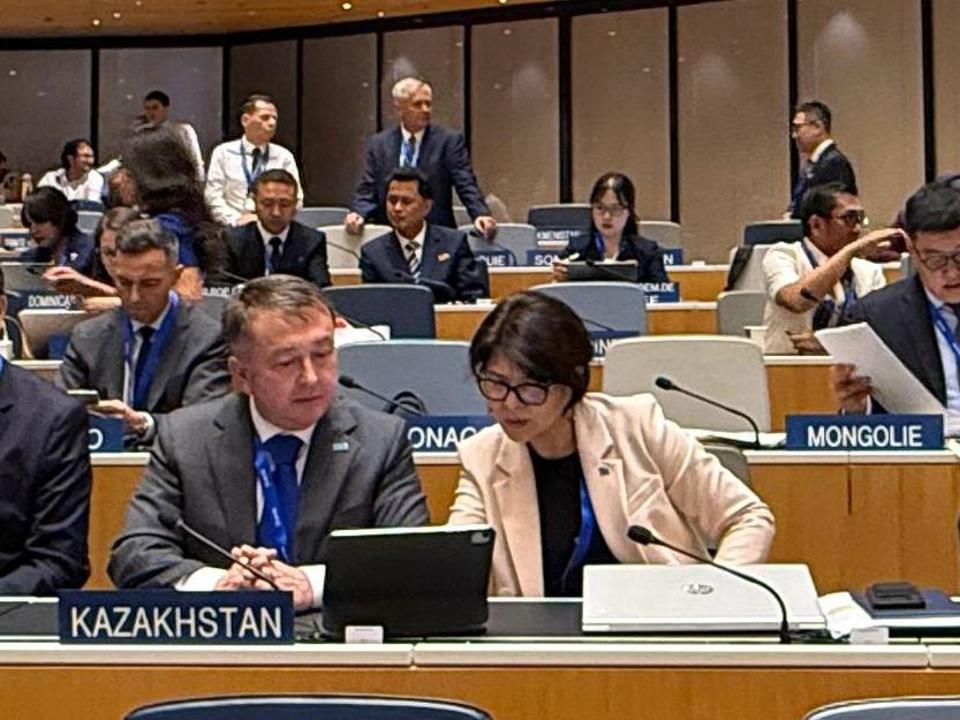
Kazakhstan opens "Heritage of the Great Steppe" country exhibition at WIPO 15.07.2026
On 7 July 2026 in Geneva, Minister of Justice of the Republic of Kazakhstan Yerlan Sarsembayev took part in the opening of the 68th series of meetings of the Assemblies of the Member States of the World Intellectual Property Organization (WIPO) and delivered a statement on behalf of the Kazakh delegation, setting out Kazakhstan's key priorities for the further development of the intellectual property system.A landmark event in Kazakhstan's participation in this year's Assemblies became the opening of the country exhibition of the Republic of Kazakhstan, “Heritage of the Great Steppe”, held the following day at WIPO headquarters with participation of the Permanent Representative of the Republic of Kazakhstan to the World Trade Organization and International Economic Organizations Kairat Torebayev, the Permanent Representative of the Republic of Kazakhstan to the United Nations Office and other international organizations in Geneva Yerzhan Kazykhan as well as other distinguished guests.The ceremony brought together WIPO Director General Daren Tang, heads and representatives of foreign delegations and participants in the Assemblies. For Kazakhstan the exhibition holds particular significance as it presents the country as a nation that carefully preserves its rich cultural heritage while reimagining it through modern technologies, creative interpretation and new forms of international cultural engagement.The exhibition showcases the depth and diversity of Kazakhstan's cultural legacy as a living foundation of national identity and contemporary creative expression. It features decorative and applied arts, elements of traditional costume, musical instruments and objects of everyday nomadic life.At the heart of the exhibition is the immersive multimedia installation “Masterpieces of Kazakhstan’s Painting” presented in cooperation with the Abylkhan Kasteyev National Museum of Arts of the Republic of Kazakhstan. The project brings together outstanding works of Kazakh visual art and modern digital technologies, offering international audiences a new way to experience and appreciate the country's artistic heritage.The cultural programme featured the ethno-folk ensemble “Joshy Qazaq National Group”, which combined the traditional sound of Kazakh instruments with a contemporary stage performance. Guests were also introduced to Kazakhstan's rich gastronomic traditions.The “Heritage of the Great Steppe” exhibition will remain on display at WIPO headquarters until 15 July 2026 and forms an important part of the cultural programme of the Assemblies, reflecting Kazakhstan's commitment to promoting its historical and creative heritage on the international stage.Source : https://www.gov.kz/memleket/entities/adilet-kis/press/news/details/1255699?lang=ru
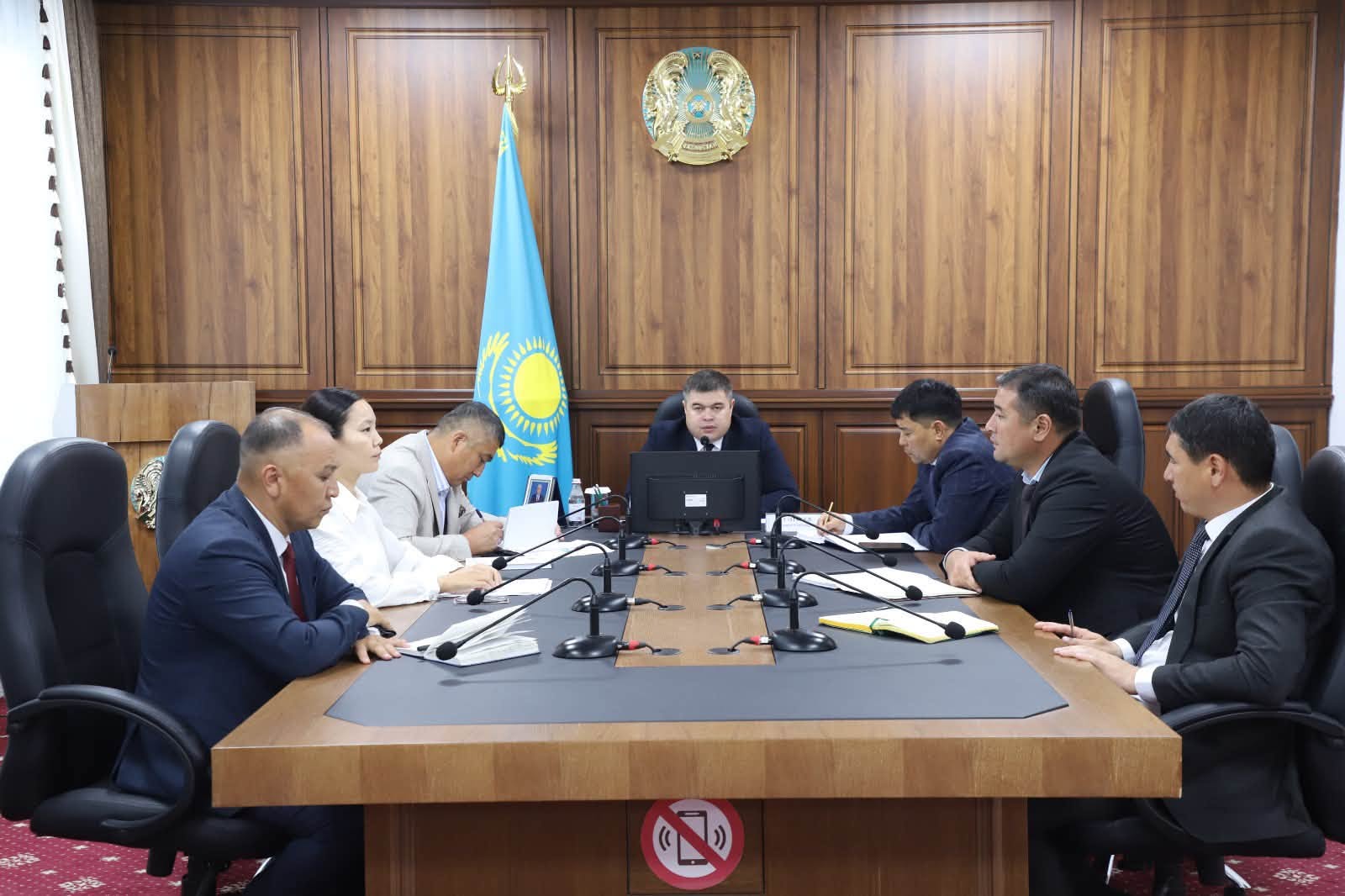
The Constitution as the Legal Foundation for Modernizing the Civil Service 15.07.2026
Today, in accordance with the instruction of the District Akim, a meeting was held in the conference hall of the District Akimat under the chairmanship of Yermek Satbayuly, Head of the District Akim's Office.The agenda included explanations of the new Constitution of the Republic of Kazakhstan, which entered into force on July 1, 2026, as well as the key provisions of the new Law of the Republic of Kazakhstan "On the Civil Service of the Republic of Kazakhstan," which also came into effect on July 1, 2026.The meeting was attended by the heads of the district akimat's independent departments, the akims of the settlement and rural districts via online format, and civil servants.During the meeting, participants received comprehensive explanations of the new legislative provisions and the amendments introduced, including their legal and practical significance. In addition, explanatory work was carried out on the effective implementation of the new requirements and principles governing the civil service.Source : https://www.gov.kz/memleket/entities/kyzylorda-karmakshy/press/news/details/1255474?lang=ru
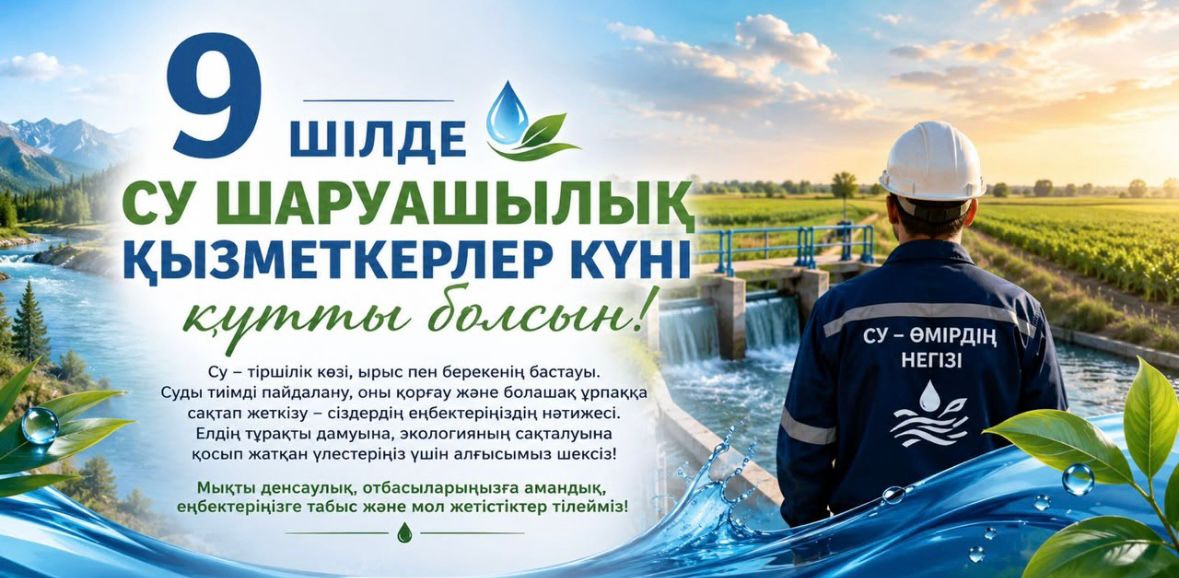
ПОЗДРАВЛЯЕМ С ДНЁМ РАБОТНИКОВ ВОДНОГО ХОЗЯЙСТВА! 15.07.2026
ПОЗДРАВЛЯЕМ С ДНЁМ РАБОТНИКОВ ВОДНОГО ХОЗЯЙСТВА!Водное хозяйство — одна из важнейших отраслей, обеспечивающих благополучие населения и качество жизни. Благодаря вашему ежедневному ответственному труду жители бесперебойно обеспечиваются качественной питьевой водой, а системы водоотведения функционируют стабильно и надежно. Этот праздник является знаком уважения к вашему профессионализму, ответственности и самоотверженному труду. Выражаем искреннюю благодарность за ваш значимый вклад в обеспечение благополучия жителей и развитие отрасли. Поздравляем с праздником! Source : https://www.gov.kz/memleket/entities/shymkent-energetika-kommunal/press/news/details/1255622?lang=ru
Execution of the Revenue Side of the Local Budget for the First Four Months of 2026 15.07.2026
The revenue side of the local budget of the East Kazakhstan Region, in terms of tax revenues, amounted to KZT 81.7 billion for the first four months of 2026. Against a planned target of KZT 66.5 billion, budget execution reached 122.8%, exceeding the plan by KZT 15.2 billion.Local budget revenues are generated from three levels of budgets: district budgets, the regional budget, and the budgets of local self-government bodies.For the first four months of 2026:District budgets collected KZT 60.7 billion;The regional budget collected KZT 17.6 billion;Local self-government budgets collected KZT 3.4 billion.In total, local budget revenues amounted to KZT 81.7 billion.The largest share of local budget revenues was generated from the following sources:Corporate Income Tax (CIT) from legal entities, excluding revenues from large businesses, accounting for 28.2% of total revenues, or KZT 23.0 billion;Individual Income Tax (IIT) withheld at the source of payment, accounting for 26.3% of total revenues, or KZT 21.5 billion;Social Tax, accounting for 23.0% of total revenues, or KZT 18.8 billion.Source : https://www.gov.kz/memleket/entities/kgd-vko/press/news/details/1255494?lang=ru
Tax Revenue to the State Budget from Monitoring Enterprises for April 2026 15.07.2026
According to Order No. 786 of the Ministry of Finance of the Republic of Kazakhstan dated 18 December 2025, 12 enterprises in the East Kazakhstan Region are included in the list of entities subject to national monitoring: LLP Kazzinc;LLP Vostoktsvetmet;JSC Orica Kazakhstan;JSC Ulba Metallurgical Plant;JSC Ust-Kamenogorsk Titanium and Magnesium Plant;LLP Ulba-FA;LLP Altyn Shyghys;LLP OblShygysZhol;LLP Ust-Kamenogorsk CHP Plant;JSC Ust-Kamenogorsk Poultry Farm;LLP United Energy Service Company;LLP AK NIET GROUP. In April 2026, tax revenues from the above-mentioned enterprises amounted to KZT 7.6 billion and were credited to the State Budget, including: KZT 2.5 billion to the Local Budget;KZT 5.1 billion to the Republican Budget, taking into account a VAT refund at the zero rate credited to taxpayers' bank accounts in the amount of KZT 2.2 billion. The share of tax revenues generated by enterprises subject to national monitoring in the total State Budget revenues of the region amounted to 20.3%, including: 10.1% of Local Budget revenues;40.1% of Republican Budget revenues. Cumulative Statistics for the First Four Months of 2026 During the first four months of 2026, cumulative tax revenues from enterprises subject to national monitoring amounted to KZT 92.3 billion, including: KZT 10.2 billion credited to the Local Budget;KZT 82.1 billion credited to the Republican Budget, taking into account a VAT refund at the zero rate credited to taxpayers' bank accounts in the amount of KZT 2.2 billion.Source : https://www.gov.kz/memleket/entities/kgd-vko/press/news/details/1255542?lang=ru

Results of activities of the Internal Audit Services of central and local executive bodies for the first half of 2026 15.07.2026
In the first half of 2026, the Internal Audit Services of central government bodies, local executive bodies, and police departments conducted 165 audit engagements.The audits covered budget funds and state assets totaling 1,158.9 billion tenge. Based on the audit results, violations of budget and other legislation of the Republic of Kazakhstan were identified in the total amount of 92.6 billion tenge, which constitutes 7.9% of the total funds covered. Of these, financial violations amounted to 32.4 billion tenge, and procedural violations – 60.2 billion tenge.Following the audit engagements, 173 decisions were issued to the audited entities to eliminate the identified violations. Through measures taken, violations totaling 1.7 billion tenge were remedied by means of reimbursement to the budget, restoration of accounting records, as well as delivery of goods, performance of works, and provision of services.For the violations committed, 226 officials were brought to disciplinary liability, and 136 persons – to administrative liability. In addition, 20 audit case files were referred to law enforcement agencies for procedural decision-making.Quality control covered 95 audit engagement files. Based on the assessment results, 16 files were recognized as compliant with state audit and financial control standards, 76 – as compliant with remarks, and another 3 files were recognized as non-compliant with the established standards.Source : https://www.gov.kz/memleket/entities/kvga/press/news/details/1255550?lang=ru

Illegal Export of Petroleum Products is Prohibited: SRC Department for the Jetisu Region Warns of Liability 15.07.2026
🚫 Dear Participants in the Turnover of Petroleum Products! The Department of State Revenues for the Jetisu Region reminds you that the illegal export of petroleum products is prohibited and entails administrative or, in certain cases, criminal liability.❗ The following is strictly prohibited:The export of petroleum products without the necessary documents and permits;Movement of goods outside of established checkpoints;Use of forged documents and submission of false information;Concealment of the volume and origin of petroleum products.Please be reminded that all operations involving petroleum products must be carried out in strict accordance with the legislation of the Republic of Kazakhstan, utilizing control metering devices (CMD) and issuing the required accompanying invoices for goods (SNT).Compliance with the law is the key to transparent business operations, fair competition, and the prevention of the illicit trafficking of petroleum products. Source : https://www.gov.kz/memleket/entities/kgd-zhetysu/press/news/details/1255561?lang=ru

INFORMATION NOTICE FROM THE DEPARTMENT OF STATE REVENUES FOR THE JETISU REGION FOR PETROLEUM PRODUCT MARKET PARTICIPANTS 15.07.2026
Dear Petroleum Product Market Participants,The Department of State Revenues for the Jetisu Region reminds you of the necessity to comply with the legislation of the Republic of Kazakhstan regarding the production, storage, transportation, and sale of petroleum products.The sale, shipment, and transportation of petroleum products must be carried out with the mandatory use of metering control devices (MCD) that transmit data in real time.Violation of the established requirements entails liability in accordance with the legislation of the Republic of Kazakhstan.Compliance with the law is the key to a transparent and legal turnover of petroleum products. Source : https://www.gov.kz/memleket/entities/kgd-zhetysu/press/news/details/1255566?lang=ru
On the Issuance of a Universal Banking License to Freedom Bank Kazakhstan JSC 15.07.2026
The Agency of the Republic of Kazakhstan for Regulation and Development of the Financial Market announces that, in accordance with the new differentiated bank licensing framework introduced by the Law of the Republic of Kazakhstan dated January 16, 2026, "On Banks and Banking Activities in the Republic of Kazakhstan" (hereinafter referred to as the Banking Law), the first universal banking license has been issued.The Banking Law establishes two types of banking licenses:Universal banking license – authorizes a bank to conduct the full range of banking operations without restrictions.Basic banking license – authorizes a bank to accept deposits, extend loans, and provide settlement and cash services, but does not permit lending to non-residents or related parties, transactions involving derivative financial instruments, investments in foreign assets, or other complex cross-border transactions.Pursuant to Article 132 of the Banking Law, banks are required to re-register their existing licenses for banking and other operations as universal banking licenses within six months from the date the Law entered into force.On July 7, 2026, the Agency issued the first universal banking license, No. 1.1.551.129, to Freedom Bank Kazakhstan JSC, including authorization to conduct the following additional operations:Banking operations:Opening and maintaining metal accounts for individuals and legal entities, reflecting the physical quantity of refined precious metals and precious metal coins owned by such persons; Accepting deposits under housing construction savings schemes, and opening and maintaining depositors' accounts; Providing housing loans, interim housing loans, and preliminary housing loans to depositors for the purpose of improving housing conditions. Other operations:Interbank loans, interbank guarantees, interbank sureties, and other interbank transactions; Purchasing, accepting as collateral, recording, storing, and selling refined precious metals (gold, silver, platinum, and platinum group metals) in bullion form, as well as precious metal coins. Source : https://www.gov.kz/memleket/entities/ardfm/press/news/details/1255602?lang=ru
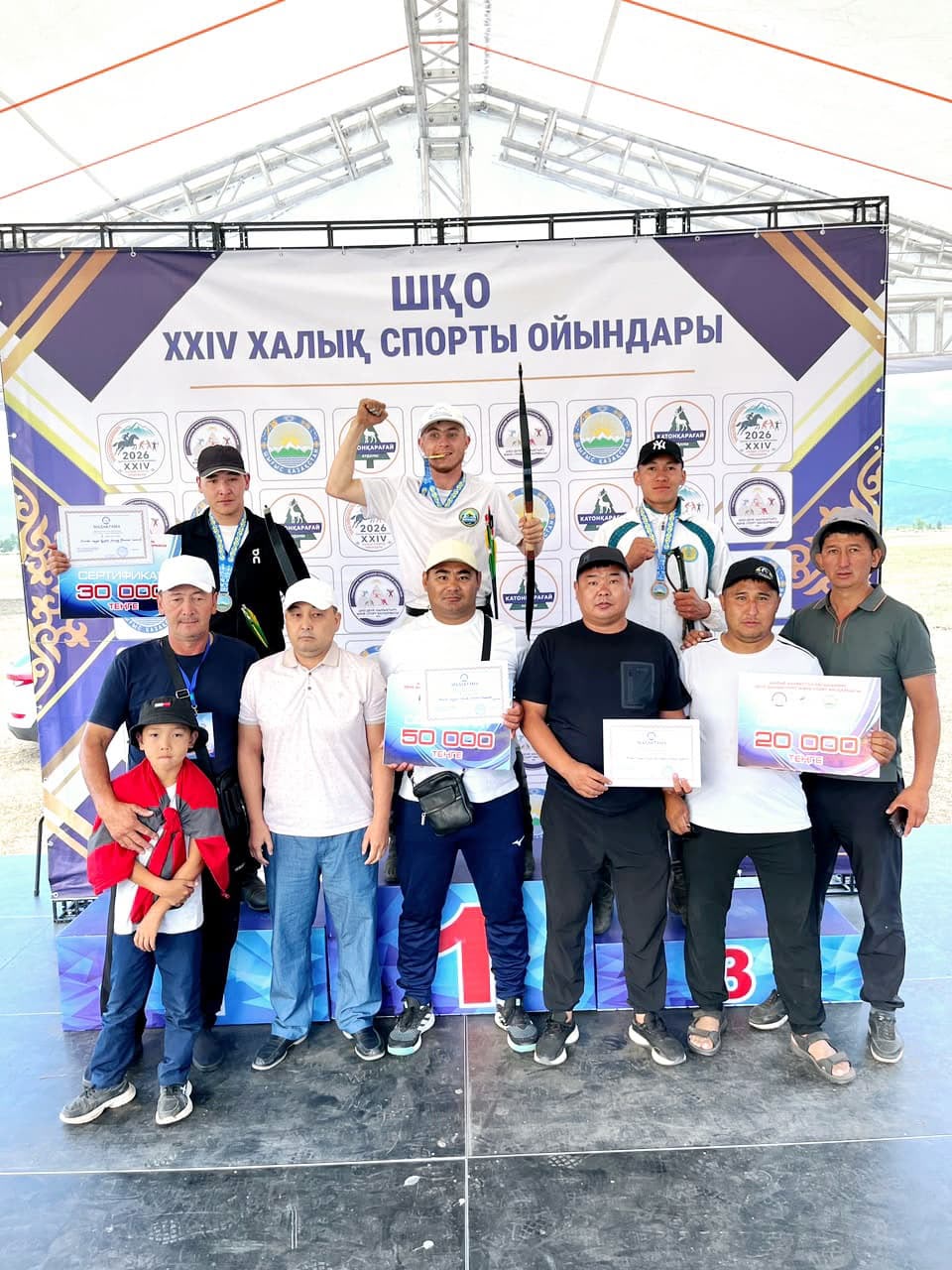
An athlete from the Samar region became the winner of the XXIV National Sports Games of East Kazakhstan region 15.07.2026
The XXIV National Sports Games of the East Kazakhstan region are being held in the Katon-Karagai district as part of the Altai - Turki Alemin altyn Besigi International festival. Athletes from all over the region take part in the competition. The competition program includes national sports: kokpar, audarispak (in the weight categories of 74, 80 and 87 kg), zhamby ata and tengye ilu.On the first day of the competition, the athlete of the Samar Kalymbek Nurasyl district won a bronze medal in the zhamby ata equestrian competition, taking third place.The Samar district is also represented by a cockpit team at the XXIV National Sports Games. Large-scale competitions are aimed at popularizing national sports, preserving and promoting cultural traditions, as well as improving sports skills and strengthening the spirit of sports competition among participants.Source : https://www.gov.kz/memleket/entities/vko-samar/press/news/details/1255410?lang=ru
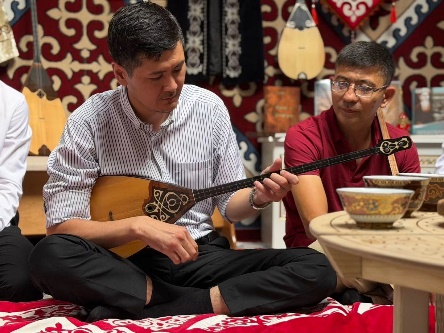
«Dombra vibe» cultural event 15.07.2026
To mark National Dombra Day, the library hosted a unique cultural event titled “Dombra Vibe.”The special guest of the evening was renowned dombra craftsman Zhanarbek Kazezuly. During the meeting, he explained to young readers that the dombra is far more than a musical instrument for the Kazakh people—it is a sacred symbol of the nation’s spirit, history, and ancestral heritage. He also spoke about the significance of National Dombra Day and shared fascinating insights into the art of crafting a dombra. He described the unique characteristics of different types of wood used in its production, emphasizing that each dombra has its own distinctive sound. He encouraged the younger generation to cherish their national heritage and promote the rich tradition of Kazakh küy music.The event also featured engaging discussions with professional dombra performers from the region, accompanied by live musical performances. One of the highlights of the evening was the outstanding performance by amateur dombra player Galina Grigoryeva, whose heartfelt rendition of a traditional Kazakh küy deeply moved the audience. In recognition of her contribution to promoting Kazakhstan’s musical heritage, she was presented with a Certificate of Appreciation on behalf of the library administration.In addition, the event highlighted the values and significance of the renewed Constitution, emphasizing its role in strengthening the country’s fundamental spiritual and social principles.The evening concluded with a summary of its inspiring and memorable moments, and commemorative souvenirs were presented to the guests as a token of appreciation for their active participation in the cultural event.Source : https://www.gov.kz/memleket/entities/vko-cultura-arhiv/press/news/details/1255422?lang=ru
MNE has introduced new digital services to businesses to simplify their work 15.07.2026
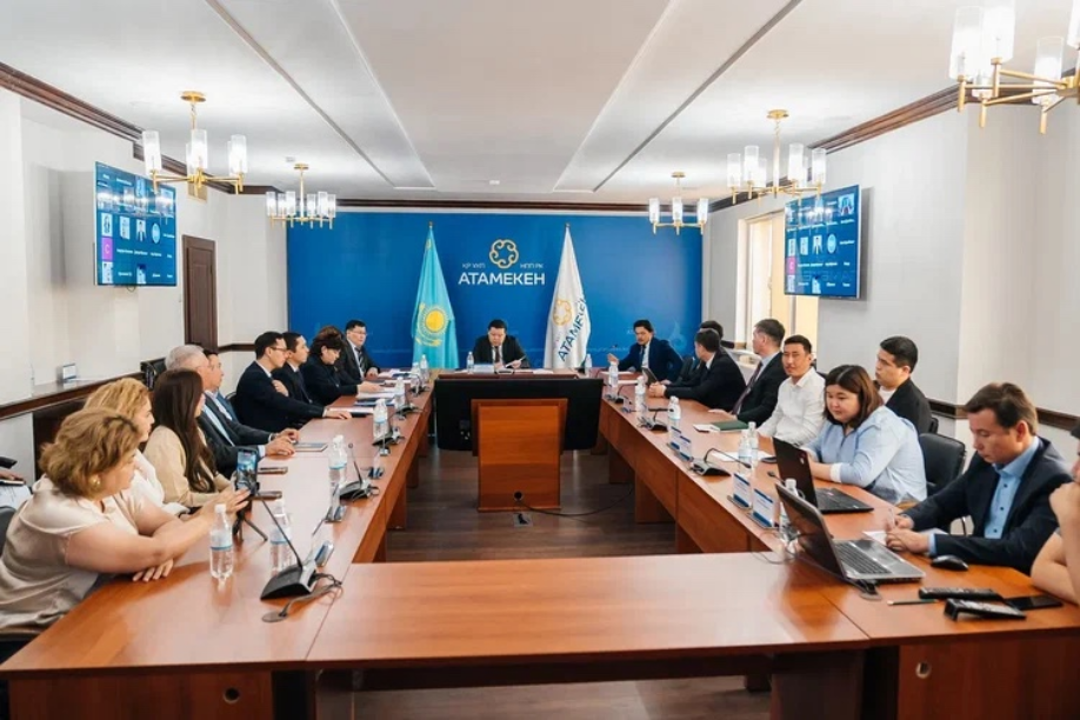
The Ministry of National Economy of the Republic of Kazakhstan has presented two new digital products to the business community. The developments are aimed at simplifying the start of a business and increasing the availability of government support measures.The presentation of the prototypes took place at the Atameken NPP site. The main purpose of the meeting before the official launch of the systems is to test the interfaces together with entrepreneurs and refine the functionality to meet the real demands of the market.The first digital product was the Register of mandatory Requirements, integrated into a Single personal account of the entrepreneur. Today, the requirements for doing business are contained in a large number of regulatory legal acts, which makes it difficult to apply them in practice. The new service combines them into a single digital system and generates a personal list of mandatory requirements for the entrepreneur, depending on the type of activity chosen.To receive a checklist, it is enough for the user to select the field of activity and answer several clarifying questions. After that, the system automatically generates a list of necessary requirements with direct links to government services for obtaining permits.Currently, the register already includes about 106 thousand mandatory requirements covering various sectors of the economy. The use of digital filtering makes it possible to eliminate excessive requirements and provide entrepreneurs with only those standards that relate to their specific activities.The registry will also allow you to assess the administrative burden on the business. The built-in calculation mechanism determines how much time and financial costs each mandatory requirement requires, which will become an additional tool for improving business regulation.The second service introduced was a unified system of government support measures. It will combine information on all existing programs of subsidies, preferential loans, guarantees and grants. Entrepreneurs will be able to choose the appropriate support tools and apply through a single digital service.Business representatives supported the initiative and made suggestions for the development of services. In particular, it was proposed to introduce proactive notifications of legislative changes, as well as use artificial intelligence technologies to improve user convenience."We deliberately came to the business community at the prototype stage to compare watches with future users. The idea of entrepreneurs to introduce "smart" notifications of changes in legislation is an excellent case. All proposals received will be analyzed in detail and taken into account when finalizing the systems before they are put into commercial operation," said Deputy Minister of National Economy Bekbolat Moldabekov.https://www.gov.kz/memleket/entities/economy/press/news/details/1255423?lang=ruSource : https://www.gov.kz/memleket/entities/kostanai-ekonomika-zhosparlau/press/news/details/1255591?lang=ru
Zhaslan Madiyev Joins the AI for Good Global Commission Under the International Telecommunication Union 14.07.2026
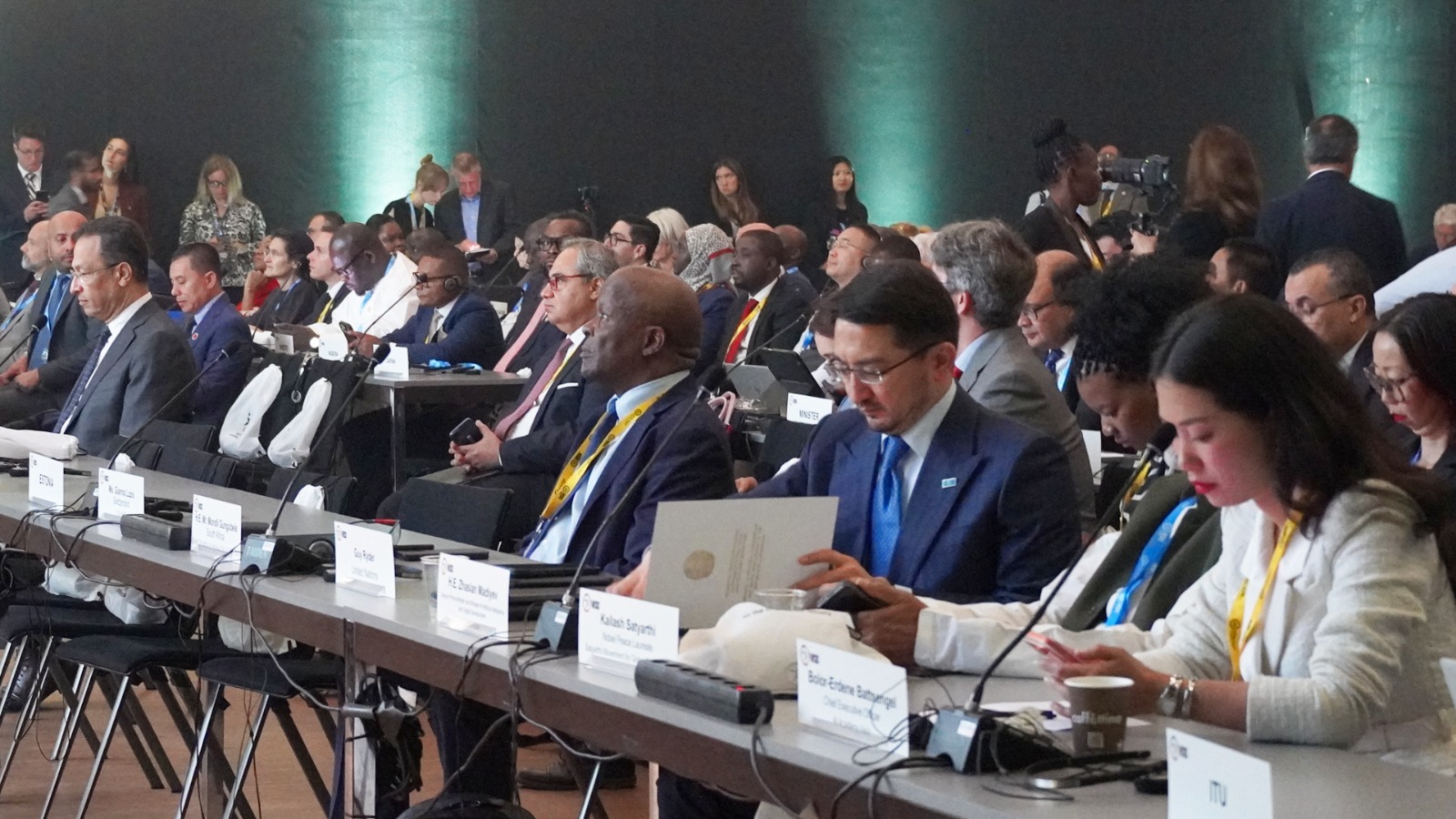
Deputy Prime Minister - Minister of Artificial Intelligence and Digital Development of the Republic of Kazakhstan Zhaslan Madiyev, at the invitation of the International Telecommunication Union (ITU), joined the founding members of the AI for Good Global Commission, a new high-level global commission that brings together world leaders to develop practical approaches to the advancement of artificial intelligence.Established under the auspices of the ITU, the Commission includes more than 40 leaders from governments, international organizations, and the world's leading technology companies. It is co-chaired by President of Rwanda Paul Kagame and Founder and CEO of Salesforce Marc Benioff, the Vice-Chair is ITU Secretary-General Doreen Bogdan-Martin.The Commission also includes President of Estonia Alar Karis, President of Iceland Halla Tómasdóttir, CEO of Microsoft Brad Smith, Founder and CEO of NVIDIA Jensen Huang, CEO of Amazon Andy Jassy, CEO of Google Research & Society James Manyika, CEO of Qualcomm Cristiano Amon, CEO of Accenture Julie Sweet, CEO of Anthropic Jack Clark, CEO of Pfizer Albert Bourla, CEO of the WTO Ngozi Okonjo-Iweala, and other world leaders.On 8 July, the first meeting of the Commission was held in Geneva as part of the AI for Good Global Summit. During the meeting, participants discussed the key areas of international cooperation in the field of artificial intelligence, the development of trustworthy AI, reducing the digital divide, and expanding access to modern technologies.Kazakhstan's participation in the Commission confirms the country's growing role in shaping the international agenda in the field of artificial intelligence. The Commission will serve as a platform for developing practical solutions for the advancement of trustworthy artificial intelligence, reducing the digital divide, and expanding countries' access to modern technologies.Zhaslan Madiyev's inclusion in the AI for Good Global Commission is a recognition of Kazakhstan's contribution to the development of international cooperation in the field of artificial intelligence and digital transformation.Source : https://www.gov.kz/memleket/entities/maidd/press/news/details/1255083?lang=ru

ACT Creative Tech Week 2026 to Be Held in Almaty with Participation of Leading Experts from the Republic of Korea 14.07.2026
From July 23 to 26, 2026, Almaty will host the international forum ACT Creative Tech Week 2026, bringing together representatives from the fields of education, creative industries, artificial intelligence, and digital technologies from Kazakhstan and the Republic of Korea.The forum marks the first practical step in implementing the Memorandum of Understanding signed in Seoul between the public association "Dialogue" Union of Translators, the Academy of Creative Technologies (ACT), and YLAB Academy.On July 4, 2026, in Seoul, the public association "Dialogue" Union of Translators, the Academy of Creative Technologies (ACT), and YLAB Academy signed a Memorandum of Understanding.The document provides for cooperation in the fields of education, creative industries, artificial intelligence, and digital technologies. The parties will jointly develop educational programs, organize international events, and exchange professional expertise.ACT is an international educational platform based at ALT University, training specialists in AI, IT, and creative technologies. YLAB Academy is the educational division of YLAB, a global leader in the webtoon industry and intellectual property (IP) development. Source : https://www.gov.kz/memleket/entities/almaty/press/news/details/1255114?lang=ru
Central Asian Business Representatives Expand Business Ties in South Africa 14.07.2026
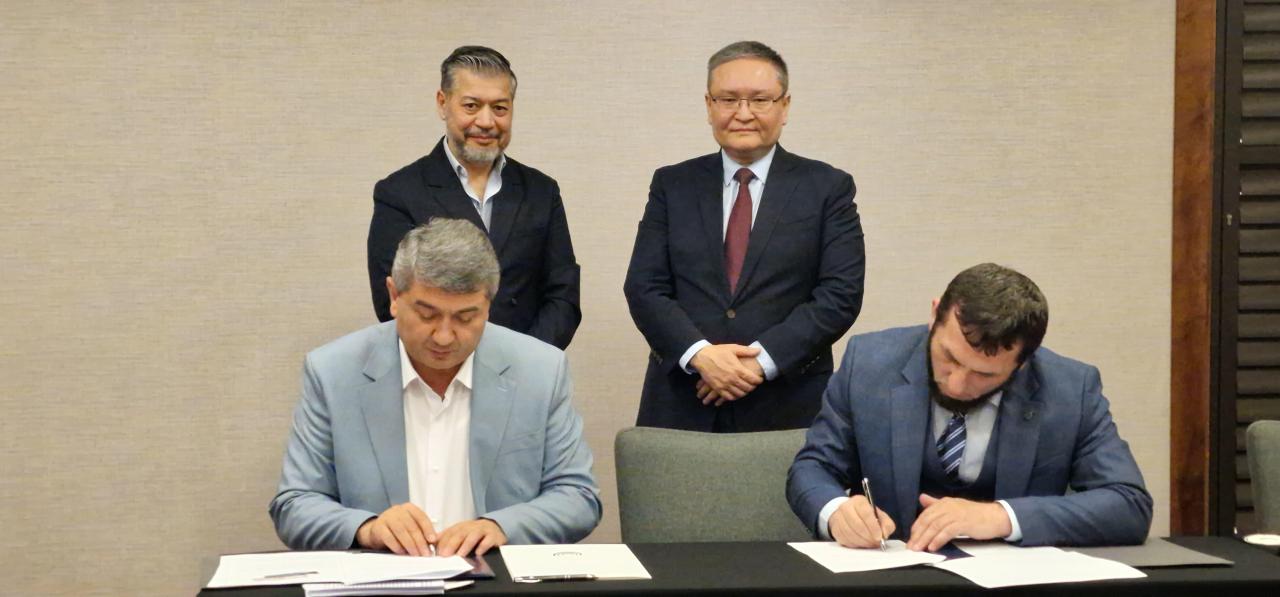
Ambassador of the Republic of Kazakhstan Yerkin Akhinzhanov participated in a business forum held in Johannesburg, which brought together representatives of the business communities of Kazakhstan, Kyrgyzstan, Tajikistan, Russia and South Africa. The event focused on discussing prospects for the development of trade, economic, investment and transport-logistics cooperation between the countries of Central Asia and the states of the African continent.The forum was attended by representatives of companies operating in industry, telecommunications, the agro-industrial sector, logistics, construction, education, distribution and the jewelery industry, as well as representatives of South Africa's business community and expert circles.During his remarks, Ambassador of Kazakhstan Yerkin Akhinzhanov informed participants about ongoing efforts to promote trade, economic and investment cooperation with the countries of Southern Africa, and highlighted the growing potential for interregional cooperation between the countries of Central Asia and the states of the African continent.Particular attention was paid to the development of transport and logistics connectivity between the regions, including the potential of the Middle Corridor as one of the key international routes contributing to the resilience of global supply chains, the diversification of transport flows, and the expansion of access to new markets.On the sidelines of the forum, a Memorandum of Understanding was signed between the South Africa - Kazakhstan Trading and Cultural Association (SAKTCA) and Central Asia Group (CAG). The document is aimed at strengthening interaction between business communities, as well as developing trade, economic, investment, cultural and educational ties.During their stay in the Republic of South Africa, representatives of the business community also visited a number of enterprises and infrastructure facilities in the Gauteng and Western Cape provinces that are of interest for the development of cooperation in the mining industry, the agro-industrial complex and logistics.A separate meeting was held with representatives of the Cape Chamber of Commerce, during which opportunities for expanding direct business contacts, attracting investment and further developing economic cooperation between business communities were discussed.The South Africa and Kazakhstan Trading and Culture Association (SAKTCA), established in 2024, is an organization aimed at promoting and strengthening bilateral cooperation between the Republic of Kazakhstan and the Republic of South Africa in the fields of trade, investment, culture, education, tourism, and public initiatives. The Association serves as a platform for interaction between businesses, institutions, and expert communities of both countries.The Central Asia Group (CAG), established in 2003, is an international consulting company specializing in market entry, risk analysis, and strategic business advisory services in Central Asia, Southeast Asia, and Africa.Source : https://www.gov.kz/memleket/entities/mfa-pretoria/press/news/details/1255142?lang=ru
Tax Revenue to the Republican Budget from the Other Economy Sector for April 2026 14.07.2026
The other economy sector comprises taxpayers other than those subject to national monitoring under Order No. 786 of the Ministry of Finance of the Republic of Kazakhstan dated 18 December 2025 (12 monitoring enterprises are registered in the East Kazakhstan Region). In April 2026, tax revenues from enterprises of the other economy sector credited to the Republican Budget amounted to KZT 7.6 billion, taking into account VAT refunds at the zero rate credited to taxpayers' bank accounts. The share of revenues from the other economy sector in the total revenues of the Republican Budget amounted to 59.9%. Revenue Structure by Budget Classification Code (BCC): BCC 105101 – Value Added Tax (VAT) on goods produced, works performed, and services rendered within the Republic of Kazakhstan – 35.1% of total revenues;BCC 105115 – VAT on goods imported from member states of the Eurasian Economic Union (EAEU) – 25.4%;BCC 105102 – VAT on goods imported into the Republic of Kazakhstan – 23.2%;BCC 101110 – Corporate Income Tax (CIT) from large business entities – 10.6%. The largest taxpayers in the other economy sector for April 2026 were: LLP GRK MLD – 4.0% of total revenues;JSC MAY – 3.8%;LLP AITAS AGRO TRADE – 2.4%;LLP AES Ust-Kamenogorsk HPP – 2.2%;LLP Maralicha Mining Company – 2.0%.Source : https://www.gov.kz/memleket/entities/kgd-vko/press/news/details/1255143?lang=ru
Kazakhstan's Initiative to Establish an International Water Organization Presented to South Africa 14.07.2026
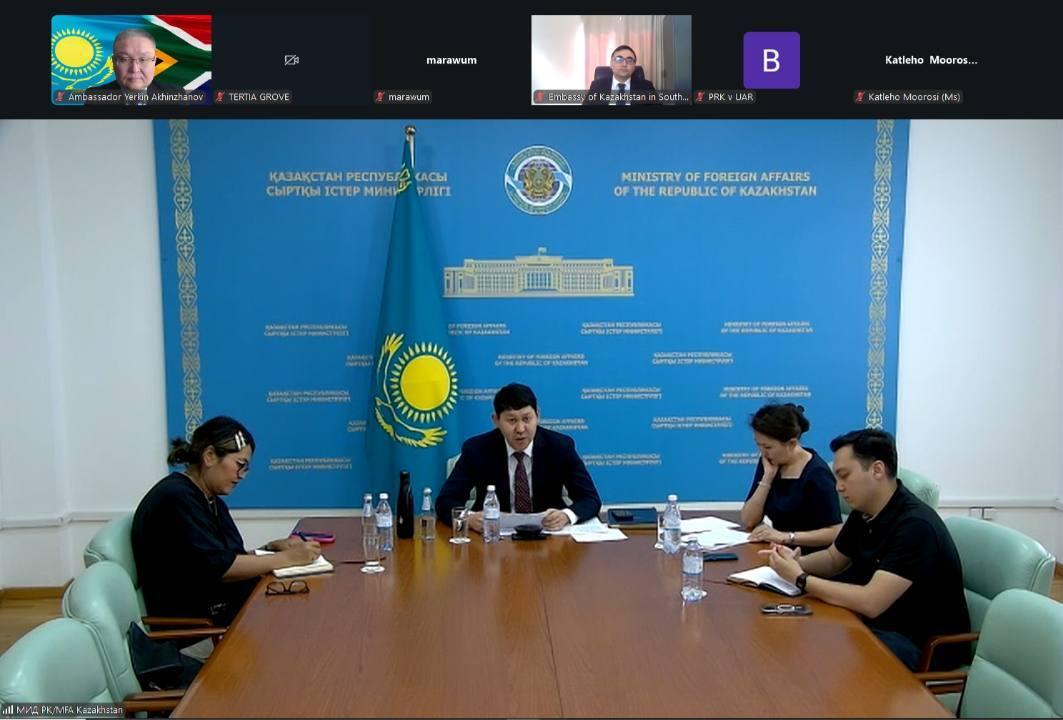
Representatives of the Ministry of Foreign Affairs of the Republic of Kazakhstan, the Department of Water and Sanitation of the Republic of South Africa, and the Department of International Relations and Cooperation held an online meeting with the participation of the Embassy of Kazakhstan in South Africa. The discussions focused on the initiative of the President of the Republic of Kazakhstan, Kassym-Jomart Tokayev, to establish an International Water Organization under the auspices of the United Nations. During the meeting, the participants exchanged views on strengthening international cooperation in water resources management and discussed opportunities for collaboration in advancing the initiative.It was noted that the proposed International Water Organization would serve as a platform for enhancing coordination among states, international organizations, and relevant institutions in addressing global water challenges, promoting sustainable water resource management, and facilitating the exchange of best practices.The participants also emphasized the growing importance of the global water agenda in the face of climate change, increasing pressure on water resources, and the need for coordinated approaches to their sustainable and efficient use.Tshepang Malakwane, Director of Global Relations at South Africa's Department of Water and Sanitation, underscored the importance of moving from fragmented sectoral initiatives to a more coordinated approach to implementing the global water agenda. He also expressed South Africa's interest in further examining and discussing Kazakhstan's proposal.At the conclusion of the meeting, the parties agreed to continue consultations and maintain cooperation on this issue through relevant international platforms.Source : https://www.gov.kz/memleket/entities/mfa-pretoria/press/news/details/1255147?lang=ru
The Voice of Kazakhstani Women Repatriated from Conflict Zones Heard at the United Nations 14.07.2026
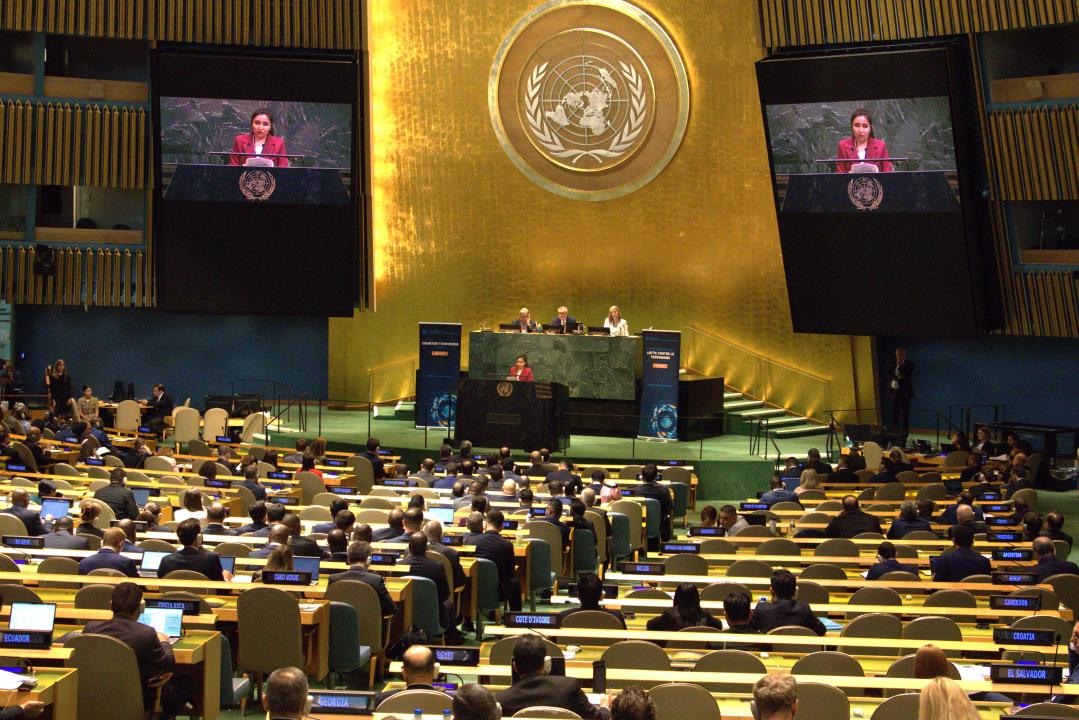
The Kazakh delegation is actively participating in the UN Counter-Terrorism Week taking place in New York from 26 June to 2 July. During the High-Level Conference, Kazakhstan presented its experience in repatriating its citizens from conflict zones in Syria and Iraq.Particular attention was drawn to the testimony of one of Kazakhstan’s repatriated women, who addressed the audience from the UN podium as a special guest at the High-Level Conference.She shared her personal story of returning to Kazakhstan and successfully reintegrating into society after overcoming numerous hardships and challenges.“Thanks to the support of the state, my life has returned to normal. My children are receiving an education, and I have the opportunity to run my own small business,” she noted.During the Counter-Terrorism Week, Kazakhstan, together with other UN Member States, is participating in negotiations on the outcome document of the Ninth Review of the UN Global Counter-Terrorism Strategy, which will be adopted following the High-Level Conference.On the margins of the Counter-Terrorism Week, the Kazakh delegation, together with the Central Asian countries, will host a specialized side event entitled “Central Asia’s Experience in the Prosecution, Rehabilitation and Reintegration of Returnees from Conflict Zones.” The delegation will also hold a number of bilateral meetings with UN officials and international experts.Kazakhstan has also been invited to serve as a speaker at several side events organized by international organizations and partner countries, including Russia and Jamaica.Background: The repatriated woman (whose identity is withheld for security reasons) and her four children were returned to Kazakhstan in 2019 under the special humanitarian operation Zhusan, launched by decision of the President of the Republic of Kazakhstan, Kassym-Jomart Tokayev.As a result of the Zhusan and Rusafa operations, more than 700 Kazakhstani citizens were repatriated to their homeland, the majority of whom were women and children.Source : https://www.gov.kz/memleket/entities/mfa-pretoria/press/news/details/1255152?lang=ru
Паспорт бюджетных программ Управления физической культуры и спорта города Шымкента на 2026–2028 годы 14.07.2026
Паспорт бюджетных программ Управления физической культуры и спорта города Шымкента на 2026–2028 годы опубликован на интернет-портале «Открытые НПА».Просим принять участие в публичном обсуждении данного проекта постановления.Ссылка для подробного ознакомления: https://budget.egov.kz/budgetprogram/budgetprogram?govAgencyId=4379571&budgetId=4335758Source : https://www.gov.kz/memleket/entities/shymkent/press/news/details/1255198?lang=ru
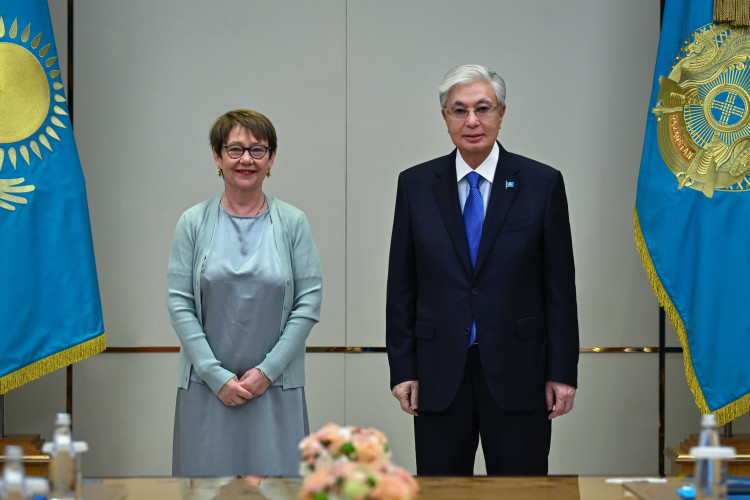
The Head of State met with Odile Renaud-Basso, President of the European Bank for Reconstruction and Development 14.07.2026
During the meeting, held within the framework of the 38th plenary session of the Foreign Investors Council, the parties discussed prospects for cooperation between Kazakhstan and the financial institution in the coming years.The President expressed gratitude to the EBRD leadership for its contribution to the economic development of the country.“We are bound by relations of strategic partnership. Kazakhstan is one of the Bank’s key partner states, and such cooperation fully aligns with our long-term policy. Our collaboration has been successfully developing for many years,” noted Kassym-Jomart Tokayev.It was emphasized that over the past thirty years, the Bank has invested more than €11 billion in Kazakhstan across 354 projects. As a result, Kazakhstan has become one of the EBRD’s largest partners in the region.At present, the Bank’s portfolio in Kazakhstan comprises 131 projects with a total value exceeding €3.1 billion.The Head of State welcomed the signing of a Framework Partnership Agreement between the Government of Kazakhstan and the EBRD aimed at expanding cooperation to promote the country’s sustainable development.President Tokayev stated that Kazakhstan is currently implementing an ambitious reform program designed to build a more diversified, competitive, and technologically advanced economy.In turn, Odile Renaud-Basso commended Kazakhstan’s favorable investment climate and the structural economic transformations that provide a solid foundation for achieving strategic objectives.“Kazakhstan is one of our most important countries of operation. This year we have observed a very high level of investment activity. Agreements have already been signed for projects worth over $1 billion. Taking into account projects under preparation, we expect total investments this year to reach €1.3 billion. This will mark the highest level of investment in the history of our work in Kazakhstan,” said the EBRD President.Renaud-Basso confirmed the Bank’s readiness to continue supporting Kazakhstan in the development of infrastructure, transport accessibility, irrigation, and the energy sector. The EBRD intends to place particular emphasis on supporting the private sector, fostering small and medium-sized enterprises, and financing investment projects. One of the priority areas will be investment in critical raw materials.The parties also underscored the importance of enhancing cooperation in the fields of digitalization and artificial intelligence. The EBRD stands ready to support the development of Kazakhstan’s innovation ecosystem, contributing to the digital transformation of the national economy. Source : https://www.gov.kz/memleket/entities/mfa-pretoria/press/news/details/1255217?lang=ru