Enbekshi QazaQ

World

Briefing on the draft of the New Constitution of Kazakhstan and the upcoming National Referendum 12.03.2026
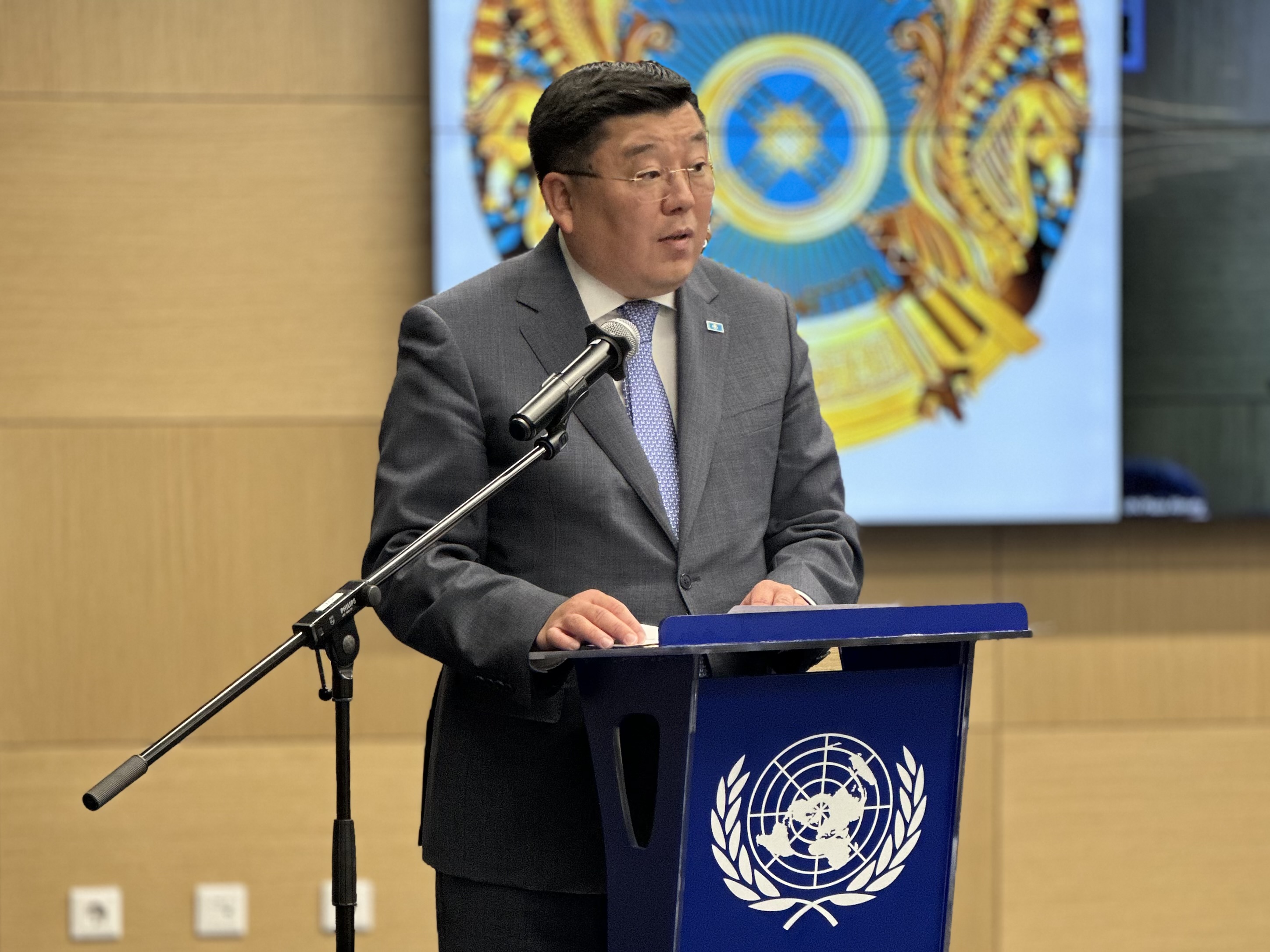
On March 4 2026, Kazakh Ambassador Kanat Tumysh held a briefing for the Vietnamese media on the draft of the New Constitution of the Republic of Kazakhstan and the upcoming national referendum scheduled for March 15.The briefing was attended by representatives of leading Vietnamese newspapers and mass media, as well as journalists and female reporters interested in the current constitutional reforms in Kazakhstan.During the briefing, the Ambassador presented the key provisions and objectives of the proposed constitutional reform. He noted that the draft Constitution represents a significant step in the political development and modernization of Kazakhstan, aimed at strengthening democratic institutions, improving governance and increasing the efficiency of the state system.The Ambassador stressed that the proposed new Constitution of Kazakhstan will mark the beginning of a political transition starting on July 1, including the termination of the powers of the current parliament if voters approve the reforms in a nationwide referendum on March 15. It was emphasized that the reform marks a transition from targeted amendments to a comprehensive constitutional transformation reflecting broader changes in the political system, governance model, and value system of the State.The Ambassador also stressed the importance of the referendum as a key democratic mechanism allowing the citizens of Kazakhstan to determine the future constitutional development of the country.Source : https://www.gov.kz/memleket/entities/mfa-hanoi/press/news/details/1179498?lang=kk
Almasbek Almatov Paid Tribute to the Spirit of Korkyt Ata 12.03.2026
During his visit to the Karmakshy district, Honored Worker of Kazakhstan, holder of the Order of Barys (III degree), professor and zhyrau Almasbek Almatov visited the Korkyt Ata Memorial Complex and paid tribute to the spirit of the great thinker, kobyz musician, and legendary father of the kui tradition, Korkyt Ata.During the meaningful ceremony, the zhyrau recited a prayer in honor of the ancestor and shared his thoughts on the unique place of Korkyt Ata’s heritage in Kazakh spirituality. He emphasized that the legacy of Korkyt Ata stands at the origins of the zhyrau tradition of the Syr region.Source : https://www.gov.kz/memleket/entities/kyzylorda-karmakshy/press/news/details/1179446?lang=kk
The Pearl of Epic Poetry 12.03.2026
Today, the district House of Culture named after Shamshat Tolepova hosted the republican festival of zhyrshi and zhyrau titled “Zhyr – Amanat”, dedicated to the 70th anniversary of the Honored Worker of Kazakhstan, holder of the Order of Barys (3rd degree), professor and zhyrau Almasbek Almatov.The event was attended by the district akim Zhandos Yerkinbek, who congratulated admirers of traditional epic art.“The Syr region is the golden cradle of art. Our sacred Karmakshy district has long been known as a spiritual center of the zhyrau tradition. It is not without reason that people say: ‘A land adorned by a hundred zhyrau and the birthplace of a hundred poets.’ It is a great honor for us that today’s gathering is dedicated to the 70th anniversary of the renowned Kazakh zhyrau and prominent representative of our national art, Almasbek Almatov. Almasbek aga has devoted his life to promoting national art and developing the zhyrau tradition. His creativity and work are a significant contribution to the spiritual heritage of the Kazakh people. May our national art flourish and may our spirit always remain strong,” said Zhandos Yerkinbek.Almasbek Nurmakhanuly is an honorary professor of the Kurmangazy Kazakh National Conservatory. He has trained many students and contributed greatly to introducing the art of zhyrau into the academic education system. Today, his students win prizes at republican and international competitions, contributing to the development of national art.During the event, the district akim noted the jubilee’s contribution to promoting the zhyrau tradition and presented him with the district’s highest award — the Certificate of Honor. Participants of the artistic evening were also awarded letters of appreciation from the district akim.During the festival, well-known zhyrshi and zhyrau from different regions of the country, as well as the jubilee’s students, performed for the audience, presenting traditional terme and tolgau and creating a memorable spiritual evening.The distinguished artist Almas Almatov expressed his sincere gratitude for the honor shown to him.Source : https://www.gov.kz/memleket/entities/kyzylorda-karmakshy/press/news/details/1179430?lang=kk
The Ambassador of Kazakhstan discussed constitutional reforms of Kazakhstan with representatives of the Vietnamese business 12.03.2026
On 24 February, 2026 Kazakh Ambassador Kanat Tumysh held a meeting with representatives of the Vietnamese business community to discuss key developments in Kazakhstan, including constitutional reforms in the country and international initiatives.During the meeting, the Ambassador informed the participants about the importance of the new Constitution of Kazakhstan, emphasizing its role in promoting political modernization, strengthening democratic institutions and creating a more transparent and favorable environment for economic development and foreign investment.The parties also discussed the upcoming 2026 Regional Environmental Summit, initiated by the President of Kazakhstan, which will be held in Astana later this year. The summit is expected to serve as an important platform for addressing regional environmental issues, promoting sustainable development, and strengthening international cooperation.In addition, the Ambassador presented President Tokayev's initiative to establish an International organization for Water Resources under the auspices of the United Nations, aimed at strengthening global cooperation in the field of water security, sustainable management of water resources and solving common environmental problems.The meeting provided a valuable opportunity to exchange views and confirm mutual interest in strengthening economic cooperation and partnership between Kazakhstan and Vietnam.Source : https://www.gov.kz/memleket/entities/mfa-hanoi/press/news/details/1179437?lang=kk
Specialists Recognized for Their Active Participation in the Autumn Military Conscription Campaign 12.03.2026
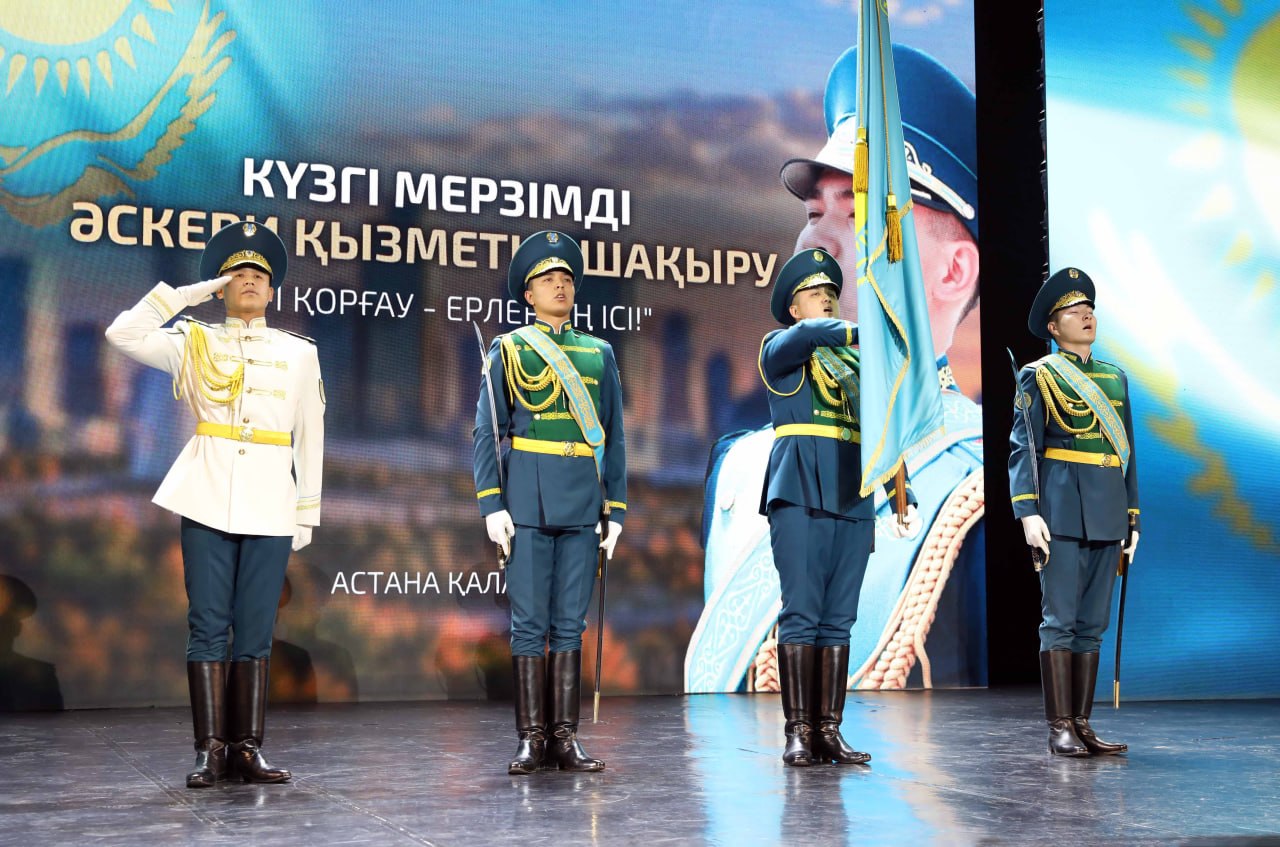
In Kazakhstan, the work of conscripting citizens for compulsory military service is carried out systematically. Ensuring the high-quality organization of this process is currently one of the key priorities. In this regard, a meeting dedicated to organizing the 2026 spring conscription campaign was held today under the chairmanship of the Deputy Akim of the district, Dias Moldabayev.According to the main agenda item, the Head of the Department for Defense Affairs of the Karmakshy District, Zhandos Bekmurzayev, delivered a report on the progress of the spring conscription campaign and provided information on the organization of the draft activities.During the meeting, the Deputy Akim emphasized the importance of ensuring the conscription campaign is organized efficiently and systematically and gave a number of instructions to the responsible specialists.In addition, several specialists who responsibly fulfilled their duties and actively participated in last year’s autumn conscription campaign were awarded Letters of Appreciation from the district akim and the deputy akim.It should be noted that from March 1 to June 30, 2026, citizens aged 18 to 27 who are eligible for military service will undergo medical examinations and be called up for service in the Armed Forces.Source : https://www.gov.kz/memleket/entities/kyzylorda-karmakshy/press/news/details/1179439?lang=kk
Development of trade and economic partnership between Kazakhstan and Armenia discussed in Yerevan 12.03.2026
Ambassador Bolat Imanbayev met with the Minister of Economy of the Republic of Armenia Gevorg Papoyan, during which they discussed the current state and prospects for further development and strengthening of bilateral trade and economic cooperation.Particular attention was paid to increasing the volume of mutual trade and expanding the range of goods, as well as intensifying investment cooperation between the business circles of the two countries.The parties noted the importance of implementing joint projects in the field of agriculture, food and light industry, construction and infrastructure within the framework of the Kazakhstan-Armenia Intergovernmental Commission for Economic Cooperation and the newly established Business Council. An agreement was reached on holding consultations between industry representatives of Kazakhstan and Armenia on a regular basis.Following the meeting, mutual interest in intensifying the Kazakh-Armenian economic partnership was confirmed, and the schedule of bilateral events this year was considered.Source : https://www.gov.kz/memleket/entities/mfa-erevan/press/news/details/1179393?lang=kk
March 8 — International Women’s Day 🌷 12.03.2026
On the occasion of March 8 — International Women’s Day, a special event filled with respect and appreciation was organized in the Bastyshy rural district. Honored elderly mothers of our village, who are considered its true treasure, as well as respected mothers awarded the “Altyn Alqa” and “Kumis Alqa” honors, were shown recognition and presented with festive gift baskets.The Akim of the Bastyshy rural district, A.B. Kenesbekov, congratulated the respected mothers on this bright spring holiday and noted their special role in the family and society. It was emphasized that the wisdom, kindness, and upbringing given by mothers serve as an example for the younger generation and bring prosperity to the country. They were wished good health, long life, and well-being to their families.The sponsor of the festive gifts was Bakytbek Kusaiynuly Qumarov. On behalf of the village residents, gratitude was expressed to the sponsor for supporting this good initiative and bringing joy to the mothers.This event became a clear expression of respect for mothers and honor for the older generation. 🌷Source : https://www.gov.kz/memleket/entities/vko-samar-bastaushy/press/news/details/1179397?lang=kk
Announcement. A round table will be held to discuss issues related to the launch of the "Declaration for Goods" functionality of IS "KEDEN" and other issues 12.03.2026
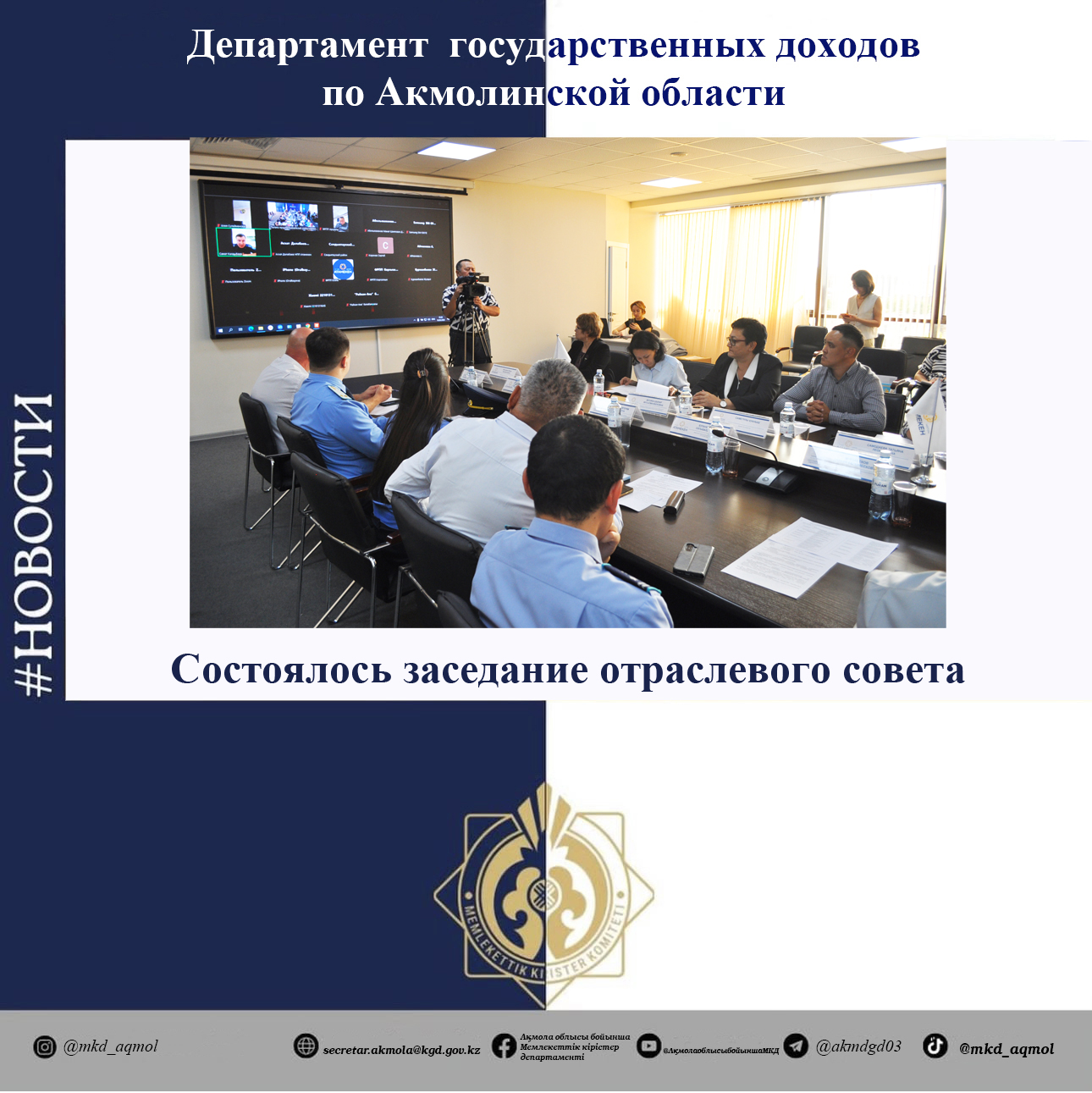
Dear participants of foreign economic activity! The Department of State Revenues in the Akmola region reports that on March 13 in the assembly hall of the DGD at 11.00 o'clock. A round table will be held to discuss issues related to the launch of the "Declaration for Goods" functionality of IS "KEDEN, "the introduction of customs declaration of e-commerce goods using the declaration for e-commerce goods, as well as other topical issues arising in the implementation of foreign economic activity. We invite you to take part!       Source : https://www.gov.kz/memleket/entities/kgd-akmola/press/news/details/1179403?lang=kk
О незаконных отключениях электрической энергии жителей Костанайской области. 12.03.2026
О незаконных отключениях электрической энергии жителей Костанайской области. В соответствии с пунктом 51 Правил пользования электрической энергией от 25 февраля 2015 года №143, энергоснабжающая организация направляет в энергопередающую (энергопроизводящую) организацию заявку на прекращение (ограничение) поставки электрической энергии, письменно предупредив Потребителя путем направления уведомления способами, указанными в акцепте договора (электронной почтой, факсом, почтовым отправлением, коротким текстовым сообщением, мультимедийным сообщением, действующими мессенджерами) в сроки не менее чем за 5 (пять) рабочих дня до прекращения поставки электрической энергий Потребителю (Потребителя, использующего электрическую энергию для бытовых нужд не менее чем за 30 (тридцать) календарных дней).Согласно пункту 12 Приказа Министра энергетики Республики Казахстан от 23 октября 2017 года №356 «Об утверждении Типовых договоров электроснабжения», продавец обязан уведомить потребителя не менее чем за 30 календарных дней до приостановления подачи электрической энергии за неоплату или неполную оплату за электрическую энергию способом, позволяющим подтвердить факт отправки уведомления потребителю.Если у потребителя в договоре указано, что он может получать уведомления посредством СМС-сообщения, то его обязаны уведомить этим видом, если же нет, то поставщик обязан предупредить об отключении, передав уведомление на бумажном носителе. В случае, если потребитель был отключен от электрической энергии без предупреждения, житель региона имеет право обратиться с письменным заявлением на поставщика электроэнергии, в РГУ «Территориальный департамент Комитета государственного энергетического надзора и контроля Министерства энергетики Республики Казахстан по Костанайской области» расположенный по адресу г.Костанай, ул. Гоголя 75, 3 этаж, кабинет 320, рабочий телефон 50-02-60.Незаконное отключение от электроэнергии является нарушением прав потребителей и влечет за собой штраф, согласно статьи 172 ч.5 (незаконные ограничение и (или) отключение электрической и (или) тепловой энергии) Кодекса об администравных правонарушений Республики Казхастан на должностных лиц, субъектов малого предпринимательства в размере 25, на субъектов среднего предпринимательства – в размере 50, на субъектов крупного предпринимательства – в размере 75 МРП.Также, согласно статье 19 ч.1 Закона Республики Казахстан «Об электроэнергетике» № 588 от 9 июля 2004 года, потребители имеют право требовать от энергопроизводящей, энергопередающей и энергоснабжающей организаций возмещения реального ущерба (выход из строя бытовой техники), причиненного недопоставкой или поставкой некачественной электрической и тепловой энергии, в соответствии с условиями заключенных договоров. Source : https://www.gov.kz/memleket/entities/kostanay-fedorov/press/news/details/1179371?lang=kk
Kazakhstan and Malaysia Strengthen Cooperation in Trade, Investment and Industry 12.03.2026
Kuala Lumpur, 11 March 2026 – Ambassador of Kazakhstan to Malaysia, H.E. Bulat Sugurbayev held a meeting with Malaysia’s Minister of Investment, Trade and Industry, Datuk Seri Haji Johari bin Abdul Ghani. The meeting was also attended by Rustam Karagoyshin, Chairman of the Management Board of the National Managing Holding “Baiterek”, as well as the leadership of the Damu Entrepreneurship Development Fund, the Industry Development Fund, and representatives of Allur Group.Ambassador B. Sugurbayev noted the significant growth in bilateral trade, which increased by 53% in 2025 to reach USD 221 million. A positive impetus to cooperation was provided by the visit of a Kazakh trade delegation led by the Minister of Trade and Integration of Kazakhstan,  Arman Shakkaliyev, as well as the signing of a Memorandum of Cooperation between QazTrade and its Malaysian partner MATRADE last year.Datuk Seri Haji Johari bin Abdul Ghani noted that Malaysia views Kazakhstan as an important partner and a major regional hub for accessing the markets of Central Asia. The Minister expressed readiness to further strengthen trade, economic and investment cooperation. The parties also discussed the development of bilateral cooperation mechanisms, including the next meeting of the Joint Trade and Economic Committee and the activation of the Kazakhstan–Malaysia Business Council.Particular attention was paid to transport and logistics cooperation. Ambassador Sugurbayev highlighted Kazakhstan’s strategic role as a transit hub between Asia and Europe, including within the framework of the development of the Trans-Caspian International Transport Route (TITR). It was noted that the expansion of railway connectivity between mainland Southeast Asia and China creates additional opportunities to integrate cargo flows with this route. The Ambassador expressed confidence that Kazakhstan could serve as an important platform for Malaysian companies seeking to enter not only the markets of Central Asia and the Eurasian Economic Union, but also Europe. He also proposed considering the establishment of a Malaysian Trade House at the Khorgos International Centre for Cross-Border Cooperation.Rustam Karagoyshin, Chairman of the Management Board of Baiterek, informed about plans to involve the Malaysian company Proton in the development of the automotive industry in Kazakhstan. The joint production project is expected to create a multiplier effect in Kazakhstan’s economy through job creation and support for local entrepreneurship.In addition to this investment and technology partnership project, the delegation of Baiterek also discussed expanding cooperation with Malaysia’s financial sector, development institutions and organizations supporting small and medium-sized enterprises.Source : https://www.gov.kz/memleket/entities/mfa-kuala-lumpur/press/news/details/1179287?lang=kk
Representatives of the Ministry of Defense met with young people from Mangystau 12.03.2026
Source : https://www.gov.kz/memleket/entities/mod/press/news/details/1179330?lang=kk
A festival of professions was held in the Amangeldy district 12.03.2026
As part of the unified educational program "Adal Azamat" (Honest Citizen), a festival of professions was organized in the Amangeldy district. The main goal of the event is to introduce young people to the importance of various professions, popularize the values of labor, responsibility, and respect for work, as well as to help schoolchildren approach the choice of their future specialty consciously.As part of the event, a substantial exhibition dedicated to various professions was organized. The exhibition widely featured fields such as medicine, education, law enforcement, entrepreneurship, technical and creative specialties. Representatives from different spheres talked about the specifics and significance of their work, encouraging young people to be hardworking and professionally skilled.During the festival, schoolchildren were able to freely communicate with specialists and get answers to their questions. Furthermore, a meeting with representatives of various professions was organized, where guests shared their stories of professional development, experiences of achieving success, and talked about important steps when choosing a future profession.Such meetings have become a powerful motivation for the younger generation and have contributed to increasing young people's interest in choosing their future specialty.According to the organizers, the festival has become an important platform aimed at shaping the professional orientation of young people and educating citizens who bring benefit to society.Source : https://www.gov.kz/memleket/entities/kostanay/press/news/details/1179141?lang=kk
On February 26 of the current year, a meeting with potential investors in the tourism sector of the Katon-Karagay district was held in the city of Ust-Kamenogorsk. 12.03.2026
The event brought together 11 entrepreneurs, representatives of JSC “NC Kazakh Tourism”, JSC “NC Kazakh Invest”, the Damu Entrepreneurship Development Fund, the Development Bank of Kazakhstan, SPK “Ertis”, as well as specialists in tourism, entrepreneurship and land relations.During the meeting, priority land plots available for provision as in-kind grants were presented. Participants were also briefed on procedures for changing the designated land use, mechanisms for supporting and implementing investment projects, available state support instruments, and the district’s tourism development master plan.Katon-Karagay district is open to investment and new tourism development projects.#KatonKaragay #Tourism #Investments #EastKazakhstan #RegionalDevelopmentSource : https://www.gov.kz/memleket/entities/vko-katon-karagay/press/news/details/1179105?lang=kk
Kazakhstan and the Saudi Fund for Development Discuss New Opportunities for Cooperation 12.03.2026
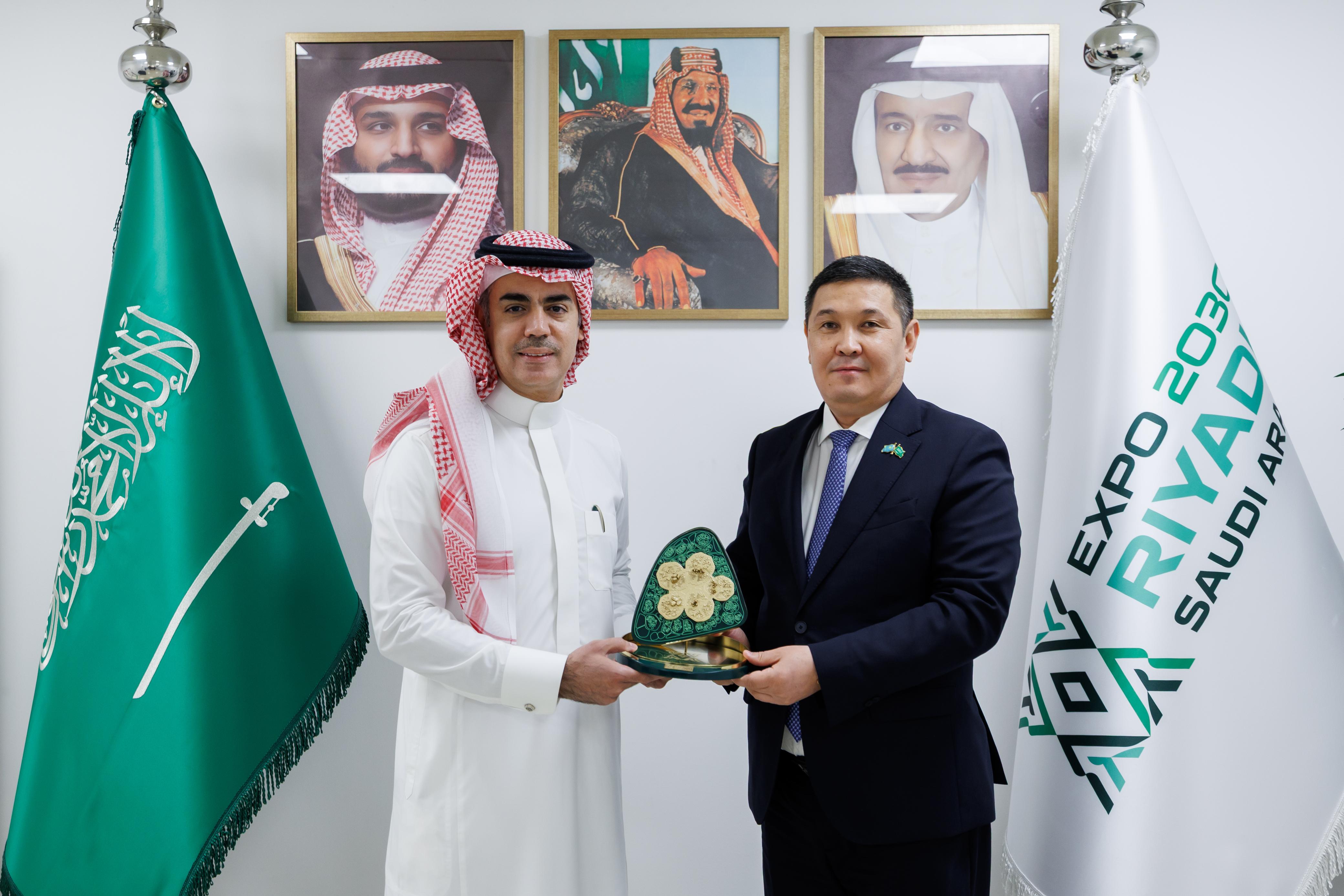
Riyadh, March 11, 2026 – Ambassador of the Republic of Kazakhstan to the Kingdom of Saudi Arabia Madiyar Menilbekov held negotiations with the Chief Executive Officer of the Saudi Fund for Development Sultan Al-Marshad.During the conversation, the parties discussed prospects for implementing joint projects in the fields of infrastructure and healthcare.Madiyar Menilbekov noted the important role of the Saudi Fund for Development in supporting socio-economic projects in various countries and emphasized the interest of the Kazakh side in expanding its partnership with the Fund.In turn, Sultan Al-Marshad expressed readiness to consider promising projects and highlighted the Fund’s interest in developing cooperation with Kazakhstan.Following the meeting, the parties agreed to further strengthen Kazakh-Saudi economic ties.Source : https://www.gov.kz/memleket/entities/mfa-riyadh/press/news/details/1179107?lang=kk
New York Hosts Event Marking International Women’s Day 12.03.2026
New York, March 10, 2026 – A special event marking International Women’s Day took place in New York, celebrating the accomplishments of outstanding women from the city’s diverse communities.The Consulate General of Kazakhstan in New York co-organized the event as part of its annual cooperation with the Society of Foreign Consuls in New York. Representatives of the New York City Mayor’s Office, the foreign diplomatic corps, and diaspora communities.The ceremony recognized women from various countries for their achievements in business, public service, science, culture, and other fields.Kazakhstan nominated Tilekshi Amangeldiyeva, a Kazakh financial professional and entrepreneur. She is the founder of the American Central Asian Business Alliance (ACABA), which promotes trade and investment ties between the United States and Central Asia, as well as the founder of the “Qazaq” Book Club in New York, which supports the promotion of the Kazakh language and culture.The evening’s cultural program featured music and dance performances reflecting the traditions of participating countries, including Georgia, India, Peru, and Serbia. Kazakhstan’s contribution to the program featured American guitarist and dombra performer Geoff Gerch and Baruch College senior Amanmyrza Zhussipkhan, who performed Kurmangazy’s Adai kyui.As part of the culinary segment, participating countries presented traditional national dishes for guests.The event underscored the important role of women in social, economic, political, and cultural development and helped foster stronger cultural, humanitarian, and business ties among New York’s international community.Source : https://www.gov.kz/memleket/entities/mfa-newyork/press/news/details/1179121?lang=kk
Strengthening the International Nuclear Security Regime in the Focus of Kazakhstan and OPANAL 12.03.2026
Mexico City, March 11, 2026 –The Ambassador of the Republic of Kazakhstan to Mexico, Almurat Turganbekov, visited the headquarters of the Agency for the Prohibition of Nuclear Weapons in Latin America and the Caribbean (OPANAL), where he met with the organization’s newly elected Secretary-General, Juan Carlos Ojeda.During the meeting, the parties exchanged views on current issues on the international agenda, including strengthening multilateral cooperation between the Republic of Kazakhstan, in its capacity as Chair of the Treaty of the Central Asian Nuclear-Weapon-Free Zone (CANWFZ), and OPANAL.Ambassador Almurat Turganbekov noted the important role of OPANAL in promoting initiatives aimed at building a nuclear-weapon-free world and expressed appreciation to the organization’s Secretariat for its consistent support of Kazakhstan’s initiatives in the field of nuclear disarmament and non-proliferation. In this context, the significance of the signing of the Memorandum of Cooperation between OPANAL and CANWFZ in December 2024 was emphasized.Secretary-General Juan Carlos Ojeda, in turn, highly praised Astana’s contribution and efforts in consistently advancing the nuclear-weapon-free agenda both in Central Asia and at the global level. He informed the Kazakh side about the organization’s current activities and presented several proposals for further development of cooperation between OPANAL and CANWFZ.The parties reaffirmed their mutual interest in further strengthening cooperation among nuclear-weapon-free zones in the field of non-proliferation and disarmament.During the conversation, Almurat Turganbekov also drew attention to the worsening situation in the Middle East and, in this regard, emphasized the need for further consolidation of international efforts to reduce risks in the field of nuclear security.The Kazakh diplomat also informed his counterpart about the key provisions of the constitutional and political reforms being carried out in Kazakhstan, noting that a nationwide referendum on amendments to the Constitution will be held in the country on March 15, 2026. It was emphasized that these reforms represent a continuation of the consistent political and socio-economic transformations being implemented by the President of the Republic of Kazakhstan, Kassym-Jomart Tokayev.In addition, Almurat Turganbekov informed about the upcoming large-scale event, the Regional Environmental Summit 2026, which aims to consolidate the efforts of the Central Asian countries, in partnership with the UN and other international organizations, to develop joint environmental solutions.Juan Carlos Ojeda noted his awareness of the current developments in Kazakhstan and expressed interest in participating in the aforementioned event.At the conclusion of the meeting, the parties reaffirmed their mutual intention to maintain regular dialogue and continue working to further strengthen the partnership between Kazakhstan and OPANAL in the field of nuclear non-proliferation.Source : https://www.gov.kz/memleket/entities/mfa-mexico/press/news/details/1179122?lang=kk
Kazakhstan presents its experience in combating drug crime at the UN session in Vienna 12.03.2026
Vienna, March 9-13, 2026 - The delegation of Kazakhstan is participating in the 69th session of the United Nations Commission on Narcotic Drugs.The Commission is the central policymaking body of the UN system responsible for shaping international drug control policy. Each year, delegations of member states, representatives of international organizations, experts, academic circles, and civil society institutions take part in its work.The delegation of Kazakhstan includes representatives of the Presidential Administration, the General Prosecutor’s Office, the Ministry of Internal Affairs, the Financial Monitoring Agency, the Permanent Mission of Kazakhstan in Vienna, and non-governmental organizations.During the event, Mr. Berik Assylov, the Prosecutor General of the Republic of Kazakhstan addressed the participants of the session via video message. He reaffirmed Kazakhstan’s commitment to the goals and principles of the UN international conventions aimed at combating illicit drug trafficking and emphasized the importance of uniting the efforts of the global community in addressing the drug threat.It was noted that combating the drug trade is one of the key priorities for ensuring the safety of citizens, as well as maintaining legality and public order. Kazakhstan, located at the crossroads of transit routes between Asia and Europe and possessing vast territories where cannabis grows naturally, pays special attention to a comprehensive fight against illicit drug trafficking.In his remarks, Berik Assylov noted that Kazakhstan, through the consolidation of efforts of all law enforcement agencies, is implementing effective measures to suppress the activities of organized criminal groups, dismantle drug laboratories, and block drug trafficking channels, seizing the significant quantities of narcotic drugs and financial assets of the drug trade, including cash and cryptocurrency from illegal circulation.The Kazakh speaker also highlighted the special role of international cooperation in combating transnational drug crime and reaffirmed Kazakhstan’s readiness, as a member of the Commission on Narcotic Drugs, to support initiatives aimed at strengthening the global drug control system and introducing modern technologies to address emerging challenges.Within the framework of the Commission session, Kazakhstan will also host a side event dedicated to modern approaches using digital technologies to detect drug trafficking and counter money laundering of criminal proceeds.   Source : https://www.gov.kz/memleket/entities/mfa-vienna/press/news/details/1179087?lang=kk
Kazakhstan Launches the QazETA Digital Platform for Foreign Nationals in Pilot Mode 12.03.2026
«QazETA» digital platform for foreign nationals QazETA is a state digital platform designed to provide foreign nationals with convenient, transparent, and secure access to key migration and related services under the “one-stop shop” principle (a unified digital window for foreigners).The project aimed to create a modern, user-friendly platform for foreigners interacting with the government authorities of the Republic of Kazakhstan, as well as to improve the efficiency and quality of public service delivery.The QazETA platform is focused on:- simplifying procedures for entry into and stay of foreign nationals in the Republic of Kazakhstan;- creating a single digital entry point that ensures consistent interaction of foreign nationals with government services, from entry into the country to everyday services;- increasing transparency of processes, reducing application processing times, and improving service quality;- the digitalization of core migration procedures and their integration into mobile service;The platform is currently operating in pilot mode and the implementation of the platform will be carried out in phases. Currently, the following services are available:- issuance of electronic visas (e-Visa);- issuance of an Electronic Travel Authorization (ETA);- obtaining the status of an electronic resident of the Republic of Kazakhstan (e-Residency);- issuance of certificates confirming the crossing of the state border of the Republic of Kazakhstan by foreign nationals (including for the purpose of IMEI verification of mobile devices). Key services of the platform:  Electronic visa (e-Visa)An electronic visa is a digital form of a state service for issuing visas to foreign nationals and stateless persons.Citizens of 104 countries may apply for a single-entry electronic visa under the following categories: "А3" (service), "А5" (investor), "В1","В2","В3", (business trip), "В9-1" (Digital Nomad Visa), "В10" (private travel), "В12" (tourist), "С12" (medical treatment). An electronic visa is issued on the basis of an electronically issued invitation (the invitation is issued by the territorial police authorities of the Ministry of Internal Affairs of the Republic of Kazakhstan) and is valid only for the visa holder and does not apply to accompanying persons. In case of passport replacement, a new electronic visa must be obtained.Foreign nationals and stateless persons are permitted to enter and exit the territory of the Republic of Kazakhstan using a valid electronic visa only through border crossing points of the international airports of the Republic of Kazakhstan. Electronic Travel Authorization (ETA) The ETA is intended for citizens of countries that are exempt from visa requirements of the Republic of Kazakhstan. The authorization is issued in electronic form.Foreign nationals planning to travel to Kazakhstan must submit an ETA application through the mobile application no later than 72 hours prior to travel. The validity period of the ETA is 180 days.The actual duration of stay of foreign nationals in Kazakhstan is regulated in accordance with the applicable migration legislation.At the same time, the issuance of an ETA does not guarantee entry into the territory of the Republic of Kazakhstan. The final decision on admission is made by the authorized state body of the Republic of Kazakhstan during border control procedures.The following categories are exempt from the requirement to obtain an ETA:- holders of diplomatic and service (official) passports;- members of official delegations;- representatives of the diplomatic corps accredited in the Republic of Kazakhstan.During the pilot period, obtaining an ETA is recommended but not mandatory for citizens of countries exempt from the Republic of Kazakhstan’s visa requirements. After the pilot period, the ETA will be gradually introduced as a mandatory requirement for these categories of citizens.  Electronic Residency (e-Residency)e-Residency is an innovative instrument that provides foreign nationals and stateless persons located outside the Republic of Kazakhstan with access to digital government and commercial services within the jurisdiction of the Astana International Financial Centre (AIFC).The e-Residency program is implemented within jurisdiction of the AIFC and provides for:- remote issuance of an Individual Identification Number (IIN);- opening of bank accounts and payment cards;- issuance of eSIMs;- remote company registration and business operationswithin jurisdiction of the AIFC. Further expansion of the platform’s functionality is planned, including the issuance of health insurance, the possibility of expedited border control for ETA holders (Fast Track), payment of service fees, and other digital services.The QazETA mobile application is available for download on Google Play and the App Store.As part of the project, a technical support service is in operation. Inquiries and suggestions are accepted via email at support@qazeta.kz. Source : https://www.gov.kz/memleket/entities/mfa-bern/press/news/details/1179090?lang=kk
Interview with Satybaldy Burshakov, Ambassador of Kazakhstan to North Macedonia, for the MIA news agency on the upcoming 15 March referendum on Kazakhstan's new constitution 11.03.2026
Ambassador Burshakov: Kazakhstan to vote for new Constitution on March 15 to become presidential republic with influential unicameral ParliamentKazakhstan on March 15 will hold a referendum to adopt a new Constitution to finally part with a super-presidential form of government and moving to a presidential republic with an authoritative, influential unicameral Parliament. Independentce, soveregnity, territorial integrity of the country as well as the citizens’ interests and rights lie at the heart of the draft national constitution, says the Ambassador of Kazakhstan, Satybaldy Burshakov, in an interview with MIA.“Kazakhstan has entered a period of profound transformation. We are carrying out large-scale transformations that will affect the fate of the whole country. In January 2026, President Tokayev outlined the main parameters of the constitutional reform, which subsequently formed the basis for the draft of the new Constitution. The reform marks an evolution from point-by-point amendments to a comprehensive update of the Basic Law reflecting changes in the political system, the model of public administration and values,” he says.A broad public discussion has been ongoing for more than six months, notes Burshakov, and since then, numerous proposals and amendments discussed in the society, in the expert community, social network, press. In January, a 130-member Constitutional commission was formed to systematize proposals.“The commission carefully reviewed and consolidated all proposals and introduced a number of amendments. Importantly, the commission’s work was open. It is important to note that never before had reforms in Kazakhstan been discussed so comprehensively and covered so widely live. As President Tokayev stressed, against the backdrop of profound geopolitical, geo-economic, and technological shifts, it is vital to update national goals, values, and principles and reinforce them at the Constitutional level,” says Burshakov.Among the institutional innovations is the creation of a unicameral Parliament (Kurultai) consisting of 145 members elected by proportional representation for a five-year term, while simultaneously expanding its powers. The position of Vice President is being established in the executive branch, which will represent the Head of State in cooperation with domestic and foreign socio-political, scientific and educational circles.“The President of Kazakhstan has repeatedly stressed that the reform is not limited to changing the text of the Constitution, but is aimed at a real transformation of public relations and increasing the effectiveness of the state. Thus, the referendum will become a starting point for the practical implementation of the principles laid down in the new Constitution,” says the Ambassador.Read below Ambassador Satybaldy Burshakov's full interview with MIAKazakhstan is undergoing constitutional reforms. What is the goal of these reforms? What are the main changes of the reforms that will be introduced?Kazakhstan has entered a period of profound transformation. We are carrying out large-scale transformations that will affect the fate of the whole country. In January 2026, President Tokayev outlined the main parameters of the constitutional reform, which subsequently formed the basis for the draft of the new Constitution. The reform marks an evolution from point-by-point amendments to a comprehensive update of the Basic Law reflecting changes in the political system, the model of public administration and values.In fact, a broad public discussion on this issue did not begin yesterday but has been ongoing for more than six months. Since then, numerous proposals and amendments discussed in the society, in the expert community, social network, press.This January a 130-member Constitutional commission was formed to systematize proposals. The commission carefully reviewed and consolidated all proposals and introduced a number of amendments. Importantly, the commission’s work was open. It is important to note that never before had reforms in Kazakhstan been discussed so comprehensively and covered so widely live.As President Tokayev stressed, against the backdrop of profound geopolitical, geo-economic, and technological shifts, it is vital to update national goals, values, and principles and reinforce them at the Constitutional level.Political reforms of recent years allow us to see that Kazakhstan is parting with a super-presidential form of government and moving to a presidential republic with an authoritative, influential Parliament.The proposed amendments to the current Constitution will make it possible to redistribute powers, strengthen the balance in the system of checks and balances, and, most importantly, increase the effectiveness and sustainability of all political institutions.The draft of the new Basic Law embodies fundamental principles and values aimed at consolidating the nation and ensuring the progressive development of Kazakhstan. It establishes such foundations as building a Just Kazakhstan, the rule of law, as well as the absolute priority of protecting the rights and freedoms of citizens. The Constitution redefines the long-term development guidelines of the state, consolidating education, science, culture and innovation as strategic priorities. This reflects a conscious transition to a development model based on human capital rather than solely on raw materials.In general, the draft of the country's new Basic Law incorporates all the fundamental principles and values aimed at consolidating the people and ensuring Kazakhstan's dynamic progress. It outlines fundamental principles such as a Just Kazakhstan, Law and Order, and the absolute priority of protecting the rights and freedoms of citizens.In the field of social policy, the Constitution defines marriage as a voluntary and equal union of a man and a woman, which serves as a measure to protect traditional values and strengthen legal guarantees for women. The State undertakes obligations to protect traditional cultural values and to counteract the imposition of destructive behaviors. At the same time, the principles of independence, sovereignty and territorial integrity of the country remain unshakable. The unitary character, territorial integrity and form of government of the State are fixed as unchangeable.The updated Constitution strengthens the formulations concerning the foundations of unity and social harmony, introducing the concept of creative and responsible patriotism.Thus, the draft of the new Constitution is a conceptually updated, professionally prepared document that has undergone comprehensive expert review.The final decision on the adoption of the new Constitution will be made by the citizens of Kazakhstan on a nationwide referendum on March 15, 2026.What will be the next step after the March 15 referendum, when the Constitution will be adopted?The referendum will be a key event determining the future vector of the country's development. This is an important stage that marks the transition to a new constitutional model in Kazakhstan. The only issue on the ballot is the adoption of the new Constitution in its entirety, which underlines the integrity of the proposed changes. If the draft is approved by the people, the new Basic Law will enter into force on the day of the official publication of the results of the referendum.If the Constitution is adopted, large-scale legislative work will begin to bring all the country's legislation into line with the new constitutional norms. This will require the development and adoption of a whole package of new laws and amendments to existing codes governing the activities of government agencies, the rights and freedoms of citizens, as well as economic processes. The Parliament and the Government will begin to implement those provisions that require detailed legislative regulation. Following these procedures parliamentary elections to elect members of newly established Kurultay will be held and consequently new Kazakh government will be formed after the elections.The President of Kazakhstan has repeatedly stressed that the reform is not limited to changing the text of the Constitution, but is aimed at a real transformation of public relations and increasing the effectiveness of the state. Thus, the referendum will become a starting point for the practical implementation of the principles laid down in the new Constitution.Will this new constitution change the course of the country?The new Constitution, of course, is designed to consolidate and deepen the country's development course. This is not about changing foreign policy orientations or a geopolitical vector, but about a fundamental transformation of the domestic structure and social contract. According to experts, the new Basic Law reflects the realities of an already established state, whose citizens are focused on creation and progress. The document is intended to create a legal framework for building an effective and fair model of interaction between the state, society and business.Amendments to the Constitution consolidate fundamentally new accents in public policy. As I have already noted, for the first time at the highest level, the development of human capital, education, science and innovation are recognized as strategic areas of government activity. This means a long-term investment priority in the development of the nation's intellectual potential and the technological renewal of the economy. At the same time, the mechanisms for protecting property rights are being strengthened, while understanding that the use of property should serve the interests of the whole society.Thus, the new Constitution becomes a high-quality «roadmap» that forms value orientations - creative patriotism, hard work, knowledge and environmental culture determining the long-term development of the country. The foreign policy course based on multi-vector approach and pragmatism remains unchanged, but now it is supported by a powerful internal transformation aimed at strengthening sovereignty and improving the well-being of citizens.About the economic development of the country. Kazakhstan in 2025 succeeded to 6.5% GDP. What are the prospective for 2026? What are the challenges?Kazakhstan is demonstrating strong economic growth, becoming one of the leaders among the countries of Eastern Europe and Central Asia by the end of 2025. According to the World Bank, the republic's GDP growth reached 6% by the end of the year, which is almost seven times higher than in a number of neighboring countries and confirms the country's status as one of the main growth engines in the region. Thanks to this dynamic development, Kazakhstan's gross domestic product has exceeded the threshold of $300 billion (in per capita terms exceeded $15,000) for the first time in history, which is a historic achievement for the Kazakh economy.According to international experts, the prospects for 2026 are characterized by a phase of stabilization and moderate growth after a period of rapid recovery. The World Bank forecasts GDP growth of 4.5%, reflecting the transition to a more balanced development model. The Government of Kazakhstan remains optimistic and continues to work towards achieving ambitious targets, focusing on qualitative growth, diversification and sustainability of the economy.Kazakhstan continues to rank among the world’s 50 largest economies, according to the projections released by the International Monetary Fund (IMF) in October 2025.The IMF estimates that Kazakhstan’s nominal gross domestic product (GDP) will reach $320 billion in 2026, keeping the country firmly within the global top 50. Kazakhstan remains the only Central Asian state represented in this group.Among the key tasks and challenges facing the country in 2026 is the need to balance between stimulating economic activity and containing internal risks. Particular attention is paid to preventing credit overheating, controlling rising prices for housing and communal services, and ensuring stable growth rates in the non-resource sector. Globally, we are closely monitoring the slowdown in demand in the eurozone and trade restrictions that may indirectly affect export opportunities, and we are adapting our economic policies to these conditions.Large-scale digitalization and widespread use of Artificial Intelligence have become a national priority in Kazakhstan. E-government is an important pillar of our national development strategy. Around 90% of public services are already digitalized. The strategic goal is to further diversify our external trade and economy, making it more inclusive and resilient, as well as to transform Kazakhstan into a fully digital power within the next three years.2026 has been declared the Year of Digitalization and Artificial Intelligence Development in Kazakhstan.What are the main projects of Kazakhstan? Where money will be invested?Kazakhstan's investment policy is aimed at implementing major infrastructure and social projects that will drive high-quality economic growth and improve the well-being of the population.According to international analytical organizations, in 2025 Kazakhstan attracted about $19 billion in new investments, which accounted for the overwhelming share of all investment projects in North and Central Asia. A significant part of these funds was allocated to the real sector of the economy.The main investments are aimed at the development of industry and the manufacturing sector, the agro-industrial complex, infrastructure and transport.In this context, priority attention is given to the development of the transport and logistics industry as a key factor in unlocking the transit potential of the country located at the crossroads of the most important trade routes between Europe and Asia. We are implementing a comprehensive modernization program for roads, railways, and port infrastructure, which will significantly increase capacity and shorten cargo delivery times. Special importance is attached to the development of the Trans-Caspian International Transport Route (TITR or «Middle Corridor»), which opens up new opportunities for diversifying cargo flows and strengthening ties between the continents.Kazakhstan aims to become a major transit and logistics corridor connecting Asia and Europe, while building a modern economy grounded in technology, innovation, and human capital.Strengthening Kazakhstan's transit and logistics potential is a task of strategic importance. The country is located in the center of the Eurasian continent at the intersection of most transit highways. There are 12 international transport corridors: 5 by rail and 7 by road, through which up to 85 percent of overland cargo transportation between China and Europe is carried out.The launch of the Trans-Caspian International Transport Route (TITR), or the Middle Corridor, and active participation in the «North-South» project clearly demonstrate our competitiveness in global logistics chains.In 2024, freight traffic along this route increased by 62%, reaching 4.5 million tons. We are working with foreign partners to establish a unified long-term tariff along the corridor. This will increase freight traffic to 10 million tons.In the energy sector, Kazakhstan maintains its status as one of the guarantors of global energy security, being a major supplier of oil, uranium, and other energy resources to world markets. Simultaneously, we are implementing a strategic course towards a «green» transition, actively developing projects in renewable energy and hydrogen technologies to meet the challenges of the new era.In parallel, work is underway to upgrade the airport infrastructure of the country's largest cities, which will contribute to the growth of passenger and tourist flows. An important tool for achieving these goals is international cooperation with leading financial institutions, such as the Asian Development Bank, which implements large-scale initiatives in the transport sector. These projects are designed not only to strengthen Kazakhstan's position as a reliable transit hub, but also to create new jobs, stimulate the development of related industries and contribute to the sustainable economic development of the country.The Astana International Financial Center (AIFC) played an important role in attracting investments in 2025. For the last year about 6 billion USD was raised through its platform, and the number of registered companies increased by more than a thousand.A significant event of 2025 was also the Kazakhstan Global Investment Roundtable (KGIR-2025), which resulted in the signing of investment agreements worth about 7.5 billion dollars. The agreements covered projects in the energy sector, industry, agriculture and logistics.In parallel, investment projects in the field of tourism and regional development are being implemented, including the creation of tourist and recreational complexes in the eastern and southern regions of the country, which contributes to the diversification of the economy and the development of small and medium-sized businesses.The major investment projects implemented in 2025 have confirmed the effectiveness of Kazakhstan's chosen strategy to attract capital and develop non-resource industries. Investments have become an important factor in economic sustainability, technological renewal and increasing the country's competitiveness in the international arena.Regarding Astana-Skopje bilateral relations. What can we expect in this area? What are the perspectives? Any official high-level visits in close future?  Kazakhstan considers North Macedonia as an important partner in the Balkans, and we are committed to strengthening and expanding our bilateral cooperation in every possible way. We are delighted to maintain regular contacts and open dialogue with North Macedonia at the highest level. We are proud to announce that last year we have reached important joint results. Working visit in May 2025 to Astana by Madame President Siljanovska-Davkova to attend the Astana International Forum and to meet President of Kazakhstan Kassym-Jomart Tokayev, as well as visit by Foreign Minister Timcho Mucunski in June 2025 are evidence of those results. The energy cooperation as a key issue was discussed during the visit of Minister of Energy Madame Sanja Bozhinovska to Kazakhstan when she met her Kazakh counterpart. Regional cooperation was established between Kumanovo municipality and Karagandy city when Mr Mayor Maxim Dimitrievski visited Kazakhstan in May 2025.We see prospects for cooperation primarily in the trade, economic and investment spheres, where there is significant untapped potential for increasing mutual trade and implementing joint projects. We believe that, as a rule, the intensification of direct contacts between the business circles of the two countries is the most effective tool for finding new points of contact and launching mutually beneficial initiatives. The creation of the Kazakh-Macedonian Business Council is seen as a key practical step in this direction.In this regard, we have high hopes for deepening cooperation between the Chambers of Commerce, which have the necessary authority and expertise to bring business communities closer together and facilitate the implementation of joint projects. Kazakhstan, with its rich natural resources and developed agricultural sector, offers its Macedonian partners ample opportunities to establish long-term cooperative ties.In addition to the economy, important attention is paid to the humanitarian sphere and the simplification of contacts between citizens. During the meeting of the leaders, an agreement was reached to consider issues of visa facilitation, which should give additional impetus to tourist, business and cultural exchanges. We look forward to intensifying the bilateral dialogue in the near future and confirm our readiness for substantive work in all areas of mutual interest. *************** Амбасадорот Буршаков за МИА: На 15 март Казахстан оди на референдум за нов Устав со кој ќе премине во претседателска република со влијателен еднодомен ПарламентАмбасадорот Буршаков за МИА: На 15 март Казахстан оди на референдум за нов Устав со кој ќе премине во претседателска република со влијателен еднодомен ПарламентНа 15 март Казахстан ќе одржи референдум за усвојување на нов Устав со кој конечно ќе се оттргне од „суперпретседателски“ систем на владеење и ќе премине во претседателска република со авторитетен, влијателен еднодомен Парламент. Сржта на нацртот за новиот народен устав е независноста, суверенитетот, територијалниот интегритет на државата, како и интересите и правата на граѓаните, вели во интервју за МИА амбасадорот на Казахстан во земјава, Сатибалди Буршаков.Од Виолета Геров,  11:45, 10 март, 2026На 15 март Казахстан ќе одржи референдум за усвојување нов Устав со кој конечно ќе се оттргне од „суперпретседателскиот“ систем на владеење и ќе премине во претседателска република со авторитетен, влијателен еднодомен Парламент. Сржта на нацртот за новиот народен устав е независноста, суверенитетот, територијалниот интегритет на државата, како и интересите и правата на граѓаните, вели во интервју за МИА амбасадорот на Казахстан во земјава, Сатибалди Буршаков.- Казахстан започна период на длабока трансформација. Спроведуваме обемни промени кои ќе ја одредат судбината на целата земја. Во јануари 2026 година, претседателот Токаев ги постави основите на уставната реформа, врз кои се темели и нацрт-текстот на новиот Устав. Оваа реформа претставува еволуција од амандмани на одредени делови до сеопфатно обновување на највисокиот правен акт, со цел да се рефлектираат промените во политичкиот систем, моделот на јавна администрација и вредностите, вели амбасадорот Буршаков.Тој подвлекува дека широката јавна дебата за прашањето на уставната реформа трае веќе повеќе од шест месеци, бројни предлози и амандмани биле разгледани во општеството, експертската заедница, социјалните мрежи и медиумите, а во јануари била формирана уставна комисија од 130 членови која ги систематизирала предлозите и претставила низа амандмани.- Многу е важно што работата на комисијата беше целосно транспарентна. Никогаш досега реформите во Казахстан не биле дискутирани толку детално и пренесени нашироко во живо. Како што нагласи претседателот Токаев, во време на големи геополитички, геоекономски и технолошки пресврти, од витално значење е да се обноват националните цели, вредности и принципи, и тие да се зацврстат на уставно ниво, вели Буршаков.Меѓу клучните институционални иновации е воведувањето на еднодомен Парламент (Курултај) составен од 145 членови, избрани по пропорционален модел со мандат од пет години, при што неговите овластувања значително се прошируваат. Исто така, се воведува функцијата потпретседател во извршната власт, кој ќе го претставува шефот на државата во соработката со домашни и странски социополитички, научни и образовни кругови.- Претседателот на Казахстан има многупати нагласено дека реформата не е само промена на текстот на Уставот, туку има за цел вистински да ги промени општествените односи и да ја зголеми ефективноста на државата. Па така, референдумот ќе претставува почетна точка за практична имплементација на принципите утврдени во новиот Устав, вели Буршаков.Во интервјуто казахстанскиот амбасадор говори и за чекорите кои претстојат доколку нацрт уставот биде одобрен од народот на референдумот, за економскиот развој на земјата која е рангирана од страна на ММФ меѓу 50-те најголеми економии во светот, инвестирањето во инфраструктурата за развој на транзитниот потенцијал на земјата, која се наоѓа на раскрсницата на најважните трговски патишта меѓу Европа и Азија и задржување, вели, на својот статус, како еден од гарантите на глобалната енергетска безбедност, како главен снабдувач на нафта, ураниум и други енергетски ресурси на светските пазари. Тој се осврнува и на перспективите на билатарните односи Скопје - Астана и за актуелната Блискоисточна криза. Следува целосното интервју на амбасадорот на Казахстан Сатибалди Буршаков за МИАКазахстан е во процес на уставни реформи. Која е нивната цел и кои се главните промени што ќе се воведат?- Казахстан започна период на длабока трансформација. Спроведуваме обемни промени кои ќе ја одредат судбината на целата земја. Во јануари 2026 година, претседателот Токаев ги постави основите на уставната реформа, врз кои се темели и нацрт-текстот на новиот Устав. Оваа реформа претставува еволуција од амандмани на одредени делови до сеопфатно обновување на највисокиот правен акт, со цел да се рефлектираат промените во политичкиот систем, моделот на јавна администрација и вредностите.Всушност, широката јавна дебата за ова прашање трае веќе повеќе од шест месеци. Оттогаш, бројни предлози и амандмани беа разгледани во општеството, експертската заедница, социјалните мрежи и медиумите.Овој јануари беше формирана уставна комисија од 130 членови со цел да ги систематизира предлозите. Комисијата внимателно ги прегледа и ги обедини сите предлози и претстави низа амандмани. Многу е важно што работата на комисијата беше целосно транспарентна. Никогаш досега реформите во Казахстан не биле дискутирани толку детално и пренесени нашироко во живо.Како што нагласи претседателот Токаев, во време на големи геополитички, геоекономски и технолошки пресврти, од витално значење е да се обноват националните цели, вредности и принципи, и тие да се зацврстат на уставно ниво.Политичките реформи од последните години покажуваат дека Казахстан конечно ја напушта суперпретседателската форма на владеење и преминува кон претседателска република со авторитетен и влијателен Парламент.Предложените амандмани ќе овозможат прераспределба на моќта, подобар баланс во системот на контрола и, што е најважно, поголема ефикасност и одржливост на сите политички институции. Во суштина, градиме сосема нов систем на управување. Меѓу клучните институционални иновации е воведувањето на еднодомен Парламент (Курултај) составен од 145 членови, избрани по пропорционален модел со мандат од пет години, при што неговите овластувања значително се прошируваат. Исто така, се воведува функцијата потпретседател во извршната власт, кој ќе го претставува шефот на државата во соработката со домашни и странски социополитички, научни и образовни кругови.Предлог текстот за новиот Устав ги содржи темелните принципи и вредности насочени кон обединување на нацијата и обезбедување прогресивен развој на Казахстан. Ги поставува темелите за изградба на „Праведен Казахстан“, владеење на правото, и става апсолутен приоритет на заштитата на човековите права и слободи. Уставот ги редефинира долгорочните насоки за развој на државата, утврдувајќи ги образованието, науката, културата и иновациите како стратешки приоритети. Ова ја одразува свесната транзиција кон модел на развој заснован на човечкиот капитал, наместо исклучиво на суровини.Во областа на социјалната политика, Уставот го дефинира бракот како доброволна и еднаква заедница меѓу маж и жена, што служи како мерка за заштита на традиционалните вредности и зајакнување на правните гаранции за жените. Државата презема обврски да ги заштити традиционалните културни вредности и да се спротивстави на наметнувањето деструктивни однесувања. Истовремено, принципите на независност, суверенитет и територијален интегритет на земјата остануваат силни. Унитарниот карактер, територијалниот интегритет и формата на државно управување се утврдени како непроменливи.Обновениот Устав ги зајакнува формулациите што се однесуваат на темелите на единство и социјална хармонија, воведувајќи го концептот на креативен и одговорен патриотизам. На тој начин, нацртот на новиот Устав претставува концептуално обновен, професионално подготвен документ кој помина сеопфатна експертска ревизија. Конечната одлука за усвојување на новиот Устав ќе ја донесат граѓаните на Казахстан на државен референдум на 15 март 2026 година.Кој е следниот чекор по референдумот и усвојувањето на Уставот?- Референдумот ќе биде клучен настан кој ќе ја одреди идната насока за развој на државата. Единственото прашање на ливчето на референдумот ќе биде усвојувањето на новиот Устав во неговата целост, што го нагласува интегритетот на предложените измени. Доколку нацртот биде одобрен од народот, новиот Устав ќе стапи во сила на денот на официјалното објавување на резултатите од референдумот.Потоа започнува обемна работа за усогласување на сите закони со новите уставни норми. Ова подразбира нов пакет на закони и амандмани на постоечките закони кои ги регулираат владините агенции, правата и слободите на граѓаните, како и економските процеси. По завршувањето на овие процеси, ќе се одржат парламентарни избори за избор на членови на новоформираниот Курултај, по што ќе следи и формирањето на новата влада на Казахстан. Претседателот на Казахстан има многупати нагласено дека реформата не е само промена на текстот на Уставот, туку има за цел вистински да ги промени општествените односи и да ја зголеми ефективноста на државата. Па така, референдумот ќе претставува почетна точка за практична имплементација на принципите утврдени во новиот Устав.Дали уставните промени ќе го сменат правецот во кој се движи земјата?- Новиот Устав е дизајниран да го консолидира и продлабочи развојниот правец на земјата. Не станува збор за менување на ориентацијата во надворешната политика, туку за суштинска трансформација на домашната структура и општествениот договор. Според експертите, новиот Устав ја одразува реалноста на веќе етаблирана држава, чии граѓани се фокусирани на создавање и напредок. Документот има за цел да создаде правна рамка за изградба на ефикасен и праведен модел на интеракција меѓу државата, општеството и бизнисот.Уставните измени утврдуваат сосема нови приоритети во јавните политики. Како што веќе реков, за првпат на највисоко ниво, развојот на човечкиот капитал, образованието, науката и иновациите се утврдени како стратешки области во активностите на Владата. Ова подразбира долгорочен инвестициски приоритет во развојот на интелектуалниот потенцијал на земјата и технолошката обнова на економијата. Истовремено, се зајакнуваат механизмите за заштита на имотните права, притоа со разбирање дека користењето на имотот треба да им служи на интересите на целото општество.На тој начин, новиот Устав станува висококвалитетен патоказ што ги обликува вредносните ориентации – креативен патриотизам, напорна работа, знаење и еколошка култура кои ги одредуваат долгорочниот развој на земјата. Правецот во надворешната политика заснован на мултивекторски пристап и прагматизам останува непроменет, но сега е поддржан со моќна внатрешна трансформација насочена кон зајакнување на суверенитетот и подобрување на благосостојбата на граѓаните.Во врска со економскиот развој на земјата. Казахстан во 2025 година успеа да достигне 6,5 отсто БДП. Какви се перспективите за 2026 година и кои се предизвиците?- Казахстан покажува силен економски раст, станувајќи лидер меѓу земјите од Источна Европа и Централна Азија до крајот на 2025 година. Според Светската банка, растот на БДП на Републиката достигна 6 отсто до крајот на годината, што е речиси седум пати повисоко отколку во голем број соседни земји и го потврдува статусот на земјата како еден од главните двигатели на растот во регионот. Благодарение на овој динамичен развој, бруто домашниот производ на Казахстан го надмина прагот од 300 милијарди долари (по глава на жител надмина 15.000 долари) за првпат во историјата, што е историско достигнување за казахстанската економија. Според меѓународните експерти, перспективите за 2026 година се карактеризираат со фаза на стабилизација и умерен раст по период на брзо закрепнување. Светската банка прогнозира раст на БДП од 4,5 отсто, што го одразува преминот кон поурамнотежен модел на развој. Владата на Казахстан и понатаму е оптимист и продолжува да работи кон остварување на амбициозни цели, со фокус на квалитативен раст, диверзификација и одржливост на економијата.Казахстан продолжува да се рангира меѓу 50-те најголеми економии во светот, според проекциите објавени од Меѓународниот монетарен фонд (ММФ) во октомври 2025 година.Оценките на ММФ се дека номиналниот бруто домашен производ (БДП) на Казахстан ќе достигне 320 милијарди долари во 2026 година, со што земјата ќе остане цврсто меѓу првите 50 земји во светот. Казахстан останува единствената централноазиска држава во оваа група.Меѓу клучните задачи и предизвици со кои се соочува земјата во 2026 година е потребата од рамнотежа помеѓу стимулирање на економската активност и намалување на внатрешните ризици. Особено внимание се посветува на спречување прекумерен кредитен раст, контролирање на растечките цени за станбени и комунални услуги и обезбедување стабилни стапки на раст во секторот кој не е поврзан со ресурси. На глобално ниво, внимателно го следиме забавувањето на побарувачката во еврозоната и трговските ограничувања што индиректно можат да влијаат на можностите за извоз и ги прилагодуваме нашите економски политики на овие услови.Масовната дигитализација и широката употреба на вештачката интелигенција станаа национален приоритет во Казахстан. Е-владата е важен столб на нашата национална стратегија за развој. Околу 90 отсто од јавните услуги се веќе дигитализирани.Стратешката цел е понатамошна диверзификација на нашата надворешна трговија и економија, правејќи ја поинклузивна и поотпорна, како и трансформирање на Казахстан во целосно дигитална сила во следните три години.Оваа 2026 година е прогласена за година на дигитализација и развој на вештачка интелигенција во Казахстан.Кои се главните проекти на Казахстан, каде ќе се инвестира? - Инвестициската политика на Казахстан е насочена кон спроведување на големи инфраструктурни и социјални проекти што ќе поттикнат висококвалитетен економски раст и ќе ја подобрат благосостојбата на населението.Според меѓународните аналитички организации, во 2025 година Казахстан привлече околу 19 милијарди долари нови инвестиции, што претставува огромен дел од сите инвестициски проекти во Северна и Централна Азија. Значаен дел од овие средства беа наменети за реалниот сектор на економијата.Главните инвестиции се насочени кон развој на индустријата и производствениот сектор, агроиндустрискиот комплекс, инфраструктурата и транспортот.Во овој контекст, приоритетот се става на развојот на транспортната и логистичката индустрија како клучен фактор во отклучувањето на транзитниот потенцијал на земјата, која се наоѓа на раскрсницата на најважните трговски патишта меѓу Европа и Азија. Спроведуваме сеопфатна програма за модернизација на патиштата, железниците и пристанишната инфраструктура, што значително ќе го зголеми капацитетот и ќе го скрати времето за испорака. Посебно значење се придава на развојот на Транскасписката меѓународна транспортна рута (или „Средниот коридор“), што отвора нови можности за диверзификација на товарните текови и зајакнување на врските меѓу континентите.Казахстан има за цел да стане главен транзитен и логистички коридор што ги поврзува Азија и Европа, градејќи модерна економија заснована на технологија, иновации и човечки капитал.Зајакнувањето на транзитниот и логистичкиот потенцијал на Казахстан е задача од стратешко значење. Земјата се наоѓа во центарот на Евроазискиот континент на раскрсницата на повеќето транзитни автопати. Постојат 12 меѓународни транспортни коридори: 5 преку железница и 7 преку патишта, преку кои се извршува до 85 проценти од копнениот товарен транспорт помеѓу Кина и Европа.Развојот на Транскасписката меѓународна транспортна рута (TITR), или Средниот коридор, и активното учество во проектот „север-југ“ јасно ја покажуваат нашата конкурентност во глобалните логистички синџири.Во 2024 година, товарниот сообраќај по оваа рута се зголеми за 62%, достигнувајќи 4,5 милиони тони. Работиме со странски партнери за да воспоставиме унифицирана долгорочна тарифа по должината на коридорот. Ова ќе го зголеми товарниот сообраќај на 10 милиони тони.Во енергетскиот сектор, Казахстан го задржува својот статус како еден од гарантите на глобалната енергетска безбедност, како главен снабдувач на нафта, ураниум и други енергетски ресурси на светските пазари. Истовремено, спроведуваме стратешки курс кон „зелена“ транзиција, активно развивајќи проекти во обновливите извори на енергија и водородните технологии за да се справиме со предизвиците на новата ера.Паралелно со тоа, се работи на надградба на аеродромската инфраструктура на најголемите градови во земјата, што ќе придонесе за раст на патничките и туристичките текови. Важна алатка за постигнување на овие цели е меѓународната соработка со водечки финансиски институции, како што е Азиската банка за развој, која спроведува широки иницијативи во транспортниот сектор. Овие проекти се дизајнирани не само да ја зајакнат позицијата на Казахстан како сигурен транзитен центар туку и да создадат нови работни места, да го стимулираат развојот на сродните индустрии и да придонесат за одржлив економски развој на земјата.Меѓународниот финансиски центар Астана (AIFC) одигра важна улога во привлекувањето инвестиции во 2025 година. Во текот на изминатата година преку неговата платформа беа собрани околу 6 милијарди американски долари, а бројот на регистрирани компании се зголеми за повеќе од илјада.Значаен настан во 2025 година беше и Казахстанската глобална инвестициска тркалезна маса (KGIR-2025), која резултираше со потпишување на инвестициски договори во вредност од околу 7,5 милијарди долари. Договорите опфатија проекти во енергетскиот сектор, индустријата, земјоделството и логистиката.Истовремено, се спроведуваат инвестициски проекти во областа на туризмот и регионалниот развој, вклучително и создавање туристичко-рекреативни комплекси во источните и јужните делови на земјата, што придонесува за диверзификација на економијата и развој на мали и средни претпријатија.Главните инвестициски проекти во 2025 година ја потврдија ефикасноста на избраната стратегија на Казахстан за привлекување капитал и развој на индустрии кои не се засноваат на ресурси. Инвестициите станаа важен фактор во економската одржливост, технолошката обнова и зголемувањето на конкурентноста на земјата на меѓународната сцена. Во делот на билатерални односи Астанја - Скопје, што да очекуваме на ова поле? Какви се можностите? Дали ќе има официјални посети на високи претставници во блиска иднина?- Казахстан ја смета Северна Македонија за важен партнер на Балканот. Се залагаме за зајакнување и проширување на нашата билатерална соработка на секој можен начин. Среќни сме што одржуваме редовно контакти и отворен дијалог со Северна Македонија на највисоко ниво. Минатата година постигнавме важни заеднички резултати. Работната посета минатиот мај на Астана од страна на претседателката Сиљановска-Давкова, каде присуствуваше на Меѓународниот форум во Астана и каде се сретна со претседателот на Казахстан Касим-Јомарт Токаев, како и посетата минатиот јуни на министерот Тимчо Муцунски, се доказ за овие резултати. Се разговараше за енергетска соработка, кое е клучно прашање, за време на посетата на министерката за енергетика Сања Божиновска на Казахстан каде се сретна со нејзиниот колега. Регионална соработка беше оформена меѓу општината Куманово и градот Караганди кога градоначалникот Максим Димитриевски го посети Казахстан во мај 2025.Има можности за соработка пред се во сферата на трговијата, економијата и инвестициите, каде има значаен неискористен потенцијал за зголемување на заемната трговија и за реализација на заеднички проекти. Сметаме дека, како правило, интензивирање на директните контакти на деловните круговите на двете земји е најефективниот алат за да најдеме нови точки за контакт и за промовирање на иницијативи. Основањето на казахстанскиот и македонски бизнис-совет се смета за клучен практичен чекор во таа насока.Во таа насока, имаме големи надежи за продлабочување на соработката меѓу стопанските комори, кои имаат авторитет и експертиза за зближување на деловните заедници и олеснување на спроведувањето на заеднички проекти. Казахстан, со своите богати природни ресурси и развиен земјоделски сектор, им нуди на своите македонски партнери изобилство можности за воспоставување долгорочни соработнички врски.Покрај економијата, важно внимание се посветува на хуманитарната сфера и поедноставувањето на контактите меѓу граѓаните. За време на состанокот на лидерите, беше постигнат договор да се разгледаат прашањата за олеснување на визниот режим, што треба да даде дополнителен импулс на туристичката, деловната и културната размена. Со нетрпение очекуваме интензивирање на билатералниот дијалог во блиска иднина и ја потврдуваме нашата подготвеност за суштинска работа во сите области од заеднички интерес. Source : https://www.gov.kz/memleket/entities/mfa-skopje/press/news/details/1179008?lang=kk
Kazakhstan's experience in nuclear disarmament discussed at Tallinn University 11.03.2026
Tallinn, March 10, 2026 – The Ambassador of Kazakhstan to Estonia Altay Kulginov, participated in a round table titled «The Dilemma of Nuclear Deterrence» organized in cooperation with Tallinn University.The event was attended by representatives of the Estonian diplomatic corps, prominent political scientists, faculty members, and students.In his speech, Ambassador Kulginov presented Kazakhstan's unique experience, emphasizing that the renunciation of the world's fourth-largest nuclear arsenal served as the starting point for a new global security architecture.The Ambassador highlighted the position of the President of Kazakhstan, Kassym-Jomart Tokayev, who consistently promotes the vision of a world free from nuclear threats at the highest international levels. During the discussion, President Tokayev’s words were quoted: «Kazakhstan has learned from its own experience the terrible consequences of nuclear testing. Therefore, our country is firmly committed to achieving a world free of nuclear weapons. Attaining this status is not just a political choice, but a moral duty to future generations».A significant part of the event was devoted to analyzing Kazakhstan's historical initiatives, specifically the closure of the Semipalatinsk test site and its policy of denuclearization. Estonian experts and diplomats agreed that Kazakhstan's model of nuclear disarmament remains a premier example of responsible leadership in global politics.At the conclusion of the meeting, the parties discussed the role of the academic community in promoting peace. The event reaffirmed the strong interest of Estonian scientific and political circles in Kazakhstan's experience, resulting in an agreement to continue the dialogue on international security and strengthen humanitarian ties at Tallinn University.Source : https://www.gov.kz/memleket/entities/mfa-tallin/press/news/details/1179040?lang=kk