
Economics
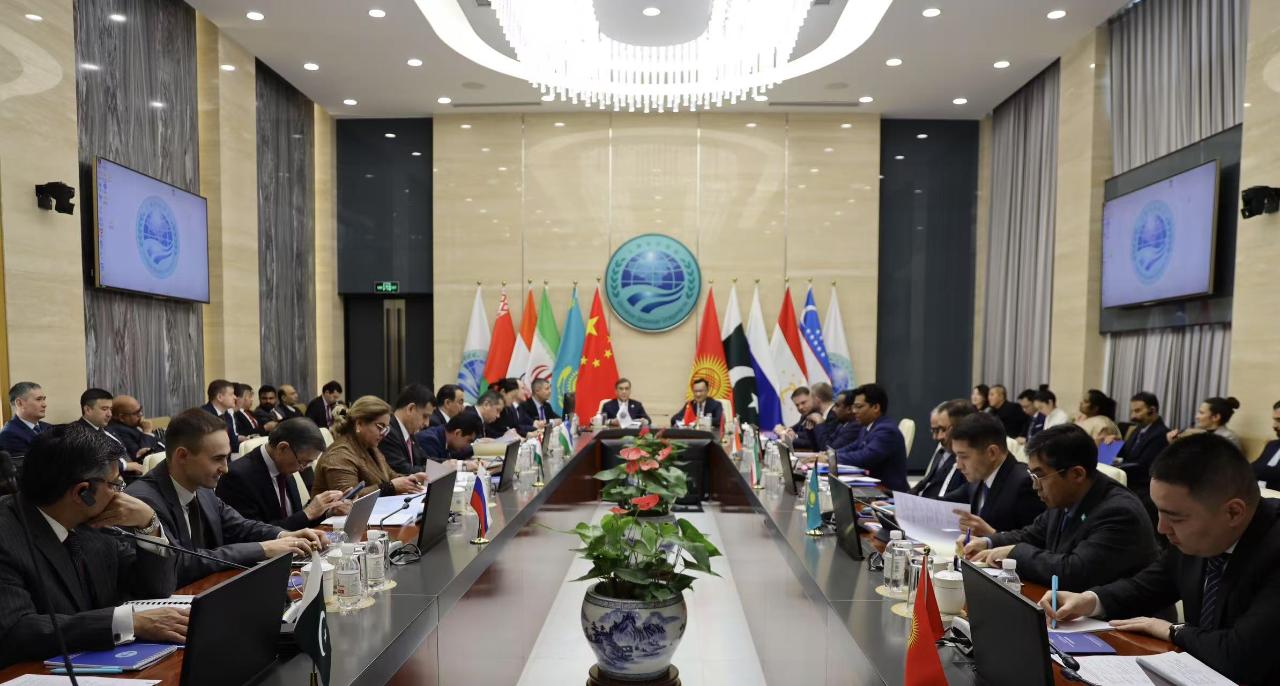
Issues of Improving the SCO’s Activities were Considered in Beijing 24.02.2025
Beijing, 18-21 February 2025 – A regular meeting of the Council of National Coordinators of the Shanghai Cooperation Organization (SCO) member states was held under the chairmanship of the Chinese side. The Kazakh delegation was headed by Murat Mukushev, National Coordinator of the Republic of Kazakhstan, Ambassador-at-Large of the Ministry of Foreign Affairs.The participants discussed the implementation of the agreements of the Astana SCO Summit held in 2024. A thorough exchange of views was held on improving the Organization’s activities, as well as on the content of the upcoming high-level meetings in 2025, including preparations for the summit of heads of state in China.Special attention was paid to various aspects of updating the legal framework. The national coordinators advocated a thorough elaboration of all the proposals put forward in order to transform the SCO into an effective and mobile multilateral structure.“The considered issues of SCO modernization lie in the plane of implementation of the agreements reached by the heads of the SCO member states at the summit in Astana on July 4, 2024, and it is important to develop a consensus approach on all aspects of improvement to achieve the set goals,” said the National Coordinator of Kazakhstan.The parties also discussed the issues of the SCO dialogue partnership and deepening the Organization’s international cooperation.Source : https://www.gov.kz/memleket/entities/mfa/press/news/details/943109
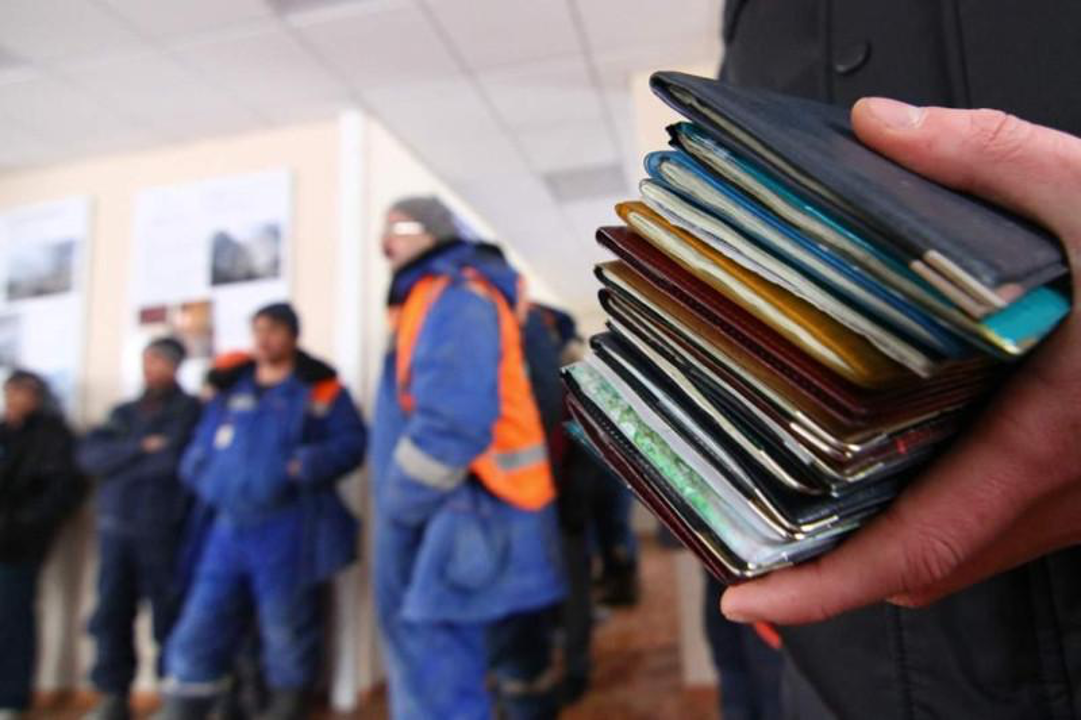
More than 13 thousand foreign citizens work in Kazakhstan 24.02.2025
As of February 1, 2025, 13,072 foreign citizens work in the territory of Kazakhstan with the permission of local executive bodies.Among the permits for the attraction of foreign labor (hereinafter referred to as FWW), there are the following categories: 568 permits for managers and their deputies (first category), 2,528 permits for heads of structural divisions (second category). The main part of the attracted FWW belongs to the third (specialists) and fourth (skilled workers) categories - they are 4,787 and 987 people, respectively. Also, 672 people were attracted for seasonal work, and 3,530 people were attracted within the framework of corporate transfers.Currently, there are 1,710 employers in Kazakhstan using FWW. They employ more than 383.1 thousand citizens of Kazakhstan, which is 96.6% of the total number of employees.By types of economic activity, the largest number of people working in the construction sector - 5,343 people, mining and quarrying - 1,360 people, manufacturing - 1,338 people, administrative and support services - 1,089, agriculture, forestry and fisheries - 688 people.The main countries of origin of labor migrants are: China - 4,778 people, Turkey - 1,158 people, India - 1,121 people, Uzbekistan - 623 people.In order to protect the internal labor market, the Ministry of Labor and Social Protection of the Population of the Republic of Kazakhstan annually sets and allocates quotas for attracting foreign specialists to the republic. The total quota for 2025 was set at 0.2% or 14.8 thousand units in relation to the number of workers in the republic.Source : https://www.gov.kz/memleket/entities/enbek/press/news/details/942870
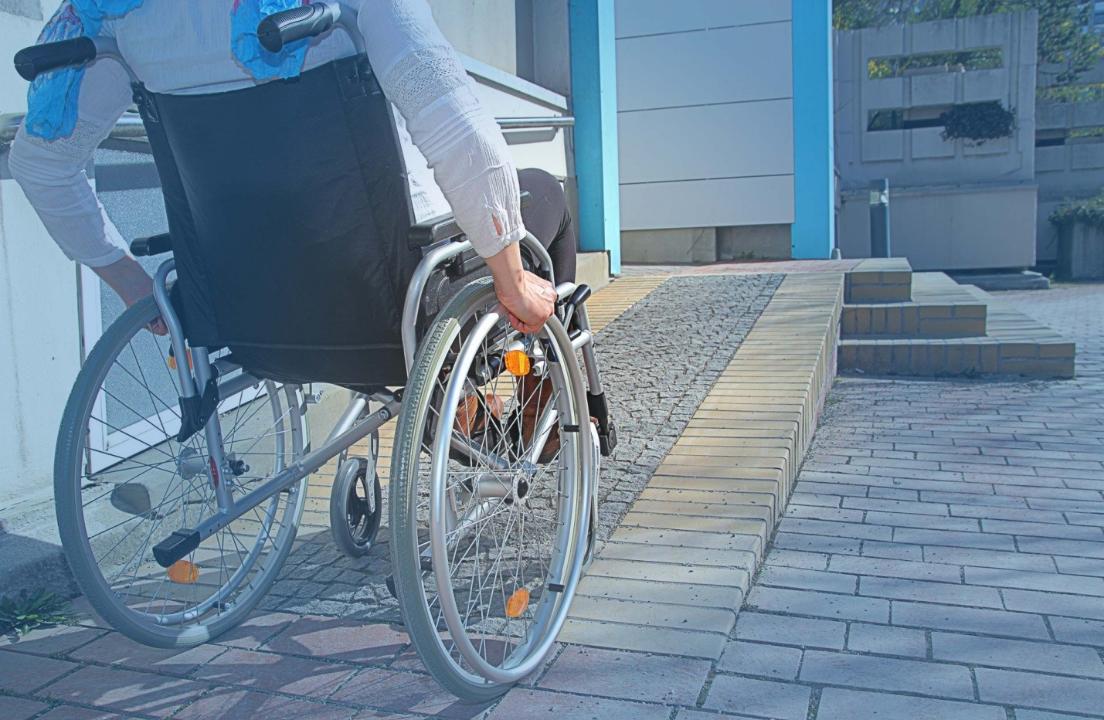
More than a thousand objects in the Karaganda region are adapted for people with disabilities 24.02.2025
In order to ensure the legal rights of people with disabilities and create an accessible environment for them, 1,080 social infrastructure facilities have been fully adapted in the Karaganda region.Currently, the Concept of Inclusive Policy for 2025-2030, the Roadmap of the "Amanat" party for 2023-2027, and the "Together with the People" project, developed on the instructions of the Head of State, are being implemented in the Republic of Kazakhstan.The Roadmap of the "Amanat" party provides for work on adapting more than 40,000 facilities included in the interactive accessibility map (hereinafter referred to as the Map) for 2023-2027. Every year, 20% of such facilities are subject to adaptation. Thus, in 2023, 20% of the objects on the map will be adapted, in 2024 - 40%, in 2025 - 60%, in 2026 - 80%, and in 2027 - 100%. Currently, 22,777 objects across the country are fully adapted.By the end of 2024, it is planned to adapt 691 objects in the Karaganda region, the plan has been exceeded in the region, and adaptation work has been carried out in 1,080 objects.For example, 1,080 objects in the region are accessible to all categories of people with disabilities. Among them:- healthcare facilities – 129;- educational facilities – 279;- cultural facilities – 191;- trade and service facilities – 124;- state and quasi-state organizations – 229;- sports facilities – 31;- transport infrastructure facilities – 10;- social protection facilities – 9;- others – 78.“I would like to give an example of the pedestrian path from the Shakhter stadium to the railway station along Bukhar Zhyrau Avenue in Karaganda. The new pavements are laid smoothly, the slope is safe to walk and descend. Thanks to this, I can freely go to the Nurken Abdyrov Sports Palace, the Central Park of Karaganda, the Miners' Palace of Culture, the City Mall shopping mall and other socio-cultural facilities. Also, many buses are equipped with ramps, and travel on public transport, that is, buses, is free for people with disabilities. In general, I can say that work is being actively carried out to ensure accessibility for people with disabilities in the city of Karaganda, and I believe that the situation will only improve in the future,” shared Naiman Zhaksygorin, a citizen with the first group of disabilities. In addition, as part of state control in 2024, the Karaganda region Department of the Committee for Regulation and Control in the Field of Social Protection established a number of departments in the areas of state administration, healthcare, social protection, culture, private entrepreneurship, trade, etc. conducted 134 inspections of social infrastructure facilities in the following sectors, including: 43 as part of preventive control, 52 unscheduled, and 39 at the request of the prosecutor's office.According to the results of the inspection, 68 orders were issued to eliminate the violations identified, and 67 administrative fines were imposed in the amount of more than 11.8 million tenge.It should be noted that when the owners of the facilities are first identified during preventive control, they are only given instructions to eliminate them, without bringing them to administrative responsibility. If the instructions are not fulfilled within the specified time, a fine will be imposed.Source : https://www.gov.kz/memleket/entities/enbek/press/news/details/942886
The volume of retail trade in Kostanay region increased by almost 700 billion tenge in 2024 22.02.2025
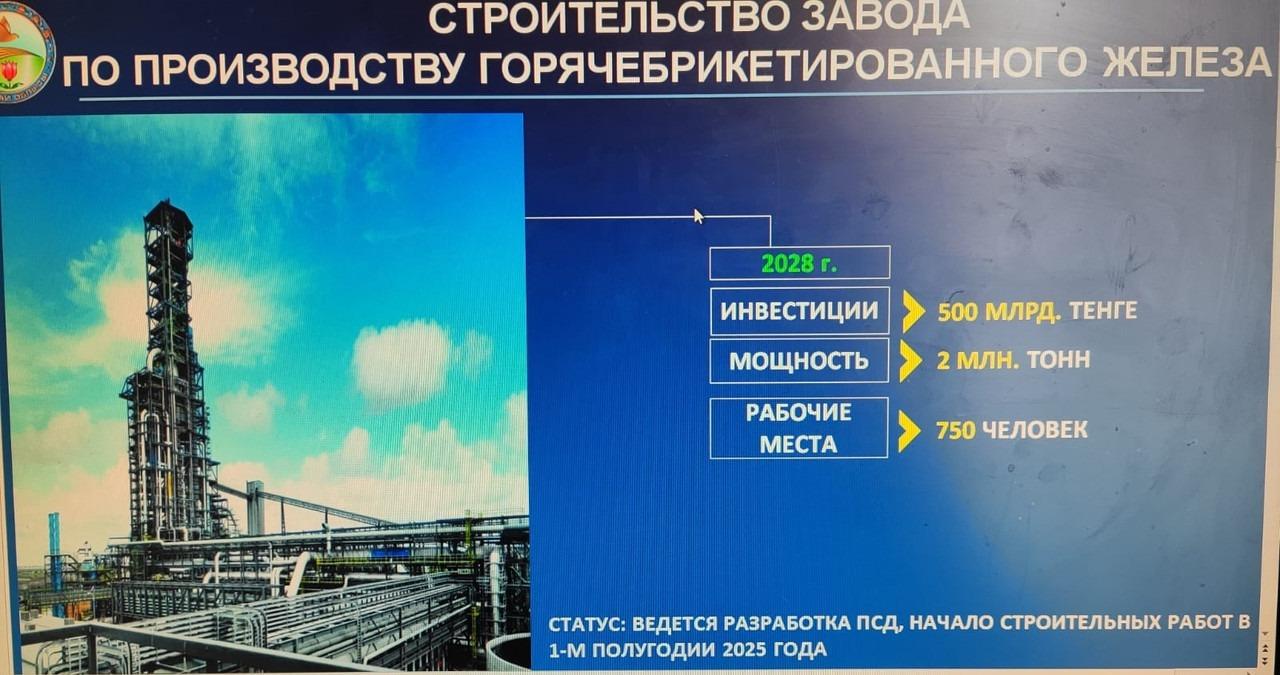
Our region is one of the fastest growing, with significant economic and industrial potential.By the end of 2024, the growth of retail trade in Kostanay region amounted to 11.7% (691.2 billion tenge), wholesale – 10.4% (1,165.8 billion tenge). There is a positive trend in domestic trade indicators, which increased by 12.0% and amounted to more than 1.8 trillion tenge (2023 – 1.6 trillion tenge).The region's foreign trade turnover is $4.7 billion. In the structure of trade turnover, export supplies account for 33.8%,Import operations account for 66.2%. At the same time, the region's exports amounted to 1.6 billion US dollars, imports – 3.1 billion US dollars. There are 1,175 enterprises with foreign participation in the region.The region's economy is showing steady growth and major investment projects are being implemented to ensure its further development. According to the results of last year, 9 key projects were commissioned in the industrial sector of the region with a total investment of 136 billion tenge and the creation of 1.5 thousand jobs. These are projects in the fields of mechanical engineering, metallurgy, light industry, as well as in the agro-industrial complex.For example, during the implementation of the above-mentioned projects within the framework of industrial cooperation in the automotive sector, domestic manufacturers (SaryarkaAvtoProm LLP) involved foreign industrial concerns from the Czech Republic represented by SKODA, HONGQI from the People's Republic of China, as well as Uzavtosanoat from the Republic of Uzbekistan, the total volume of investments amounted to 38.7 billion tenge. The total production capacity is 50,000 vehicles per year and 650 jobs will be created.In 2025, it is planned to launch 9 investment projects with a total investment of 286.8 billion tenge and the creation of 3.4 thousand jobs, of which the largest projects will also be implemented in the priority sectors of mechanical engineering and metallurgy for the region.Thus, it is planned to implement a project to build a new KIA full-cycle car manufacturing plant, which will have a tangible positive effect on the economic development of the region and will contribute to increasing export potential. The volume of investments in the project is 90 billion tenge, the production capacity of 70 thousand cars per year and the creation of 1,500 jobs.Another important project in the automotive sector is the construction of a Localization Center for the production of automotive components (TEHNOPARK KZ LLP), which will be aimed at supplying products mainly to the conveyors of Kazakhstani automobile plants, including the aforementioned KIA plant. This project is being implemented as part of the program for the creation of small industrial zones, where a distinctive feature will be the placement of domestic manufacturers from among small and medium-sized businesses on the site of this facility. The implementation of this project is aimed at import substitution and deepening localization.In addition, two projects are planned to be launched in the field of metallurgy this year (KamLit KZ LLP): production of main gears of driving axles and in-depth localization of production of drive axle beams for trucks, with a production capacity of 74 thousand gearboxes and 90 thousand beams for trucks per year, with a total investment of 160.5 billion tenge with the creation of 650 jobs.It should be noted that as a result of the implementation of these projects, in addition to increasing production volumes, the range of products is expanding due to the emergence of a new product range.It should also be noted that in the coming years, 3 promising projects are planned to be implemented in the region in the field of deep metal processing and the development of the region's transport and logistics potential.Such projects include the construction of a plant for the production of hot briquetted iron (JSC SSGPO) with a production capacity of 4 million tons, worth 920 billion tenge, with the creation of 1.1 thousand jobs.The next project is the construction of a steelmaking plant for the production of steel billets (CASPIAN STEEL QZ LLP) with a production capacity of up to 1 million tons of products per year, the project cost is 308 billion tenge with the creation of 600 jobs.The above-mentioned projects are capable of organizing a full technological cycle, starting from the extraction and processing of raw materials to the sale of finished products.Increasing the volume of production and the range of goods produced requires providing the necessary logistical component. In this regard, it is planned to build a transport and logistics complex "Sukhoi port" on the territory of Kostanay worth about 37 billion tenge, with a capacity of about 400 thousand containers per year and the creation of 500 jobs. Given the advantageous economic and geographical location of the region, this project makes it possible to create an international logistics hub.In general, a pool of 45 investment projects has been formed in the region with a total investment of more than 2.3 trillion tenge and the creation of 10.5 thousand jobs.Kostanay region is a promising region for investing in various sectors of the economy, which is facilitated by its geographical location, developed infrastructure, rich natural resources and an actively developing industrial sector.Interview of Abenov A.T., Deputy Akim of Kostanay region to Kostanay News newspaperEditorial photoSource : https://www.gov.kz/memleket/entities/kostanay/press/news/details/943128
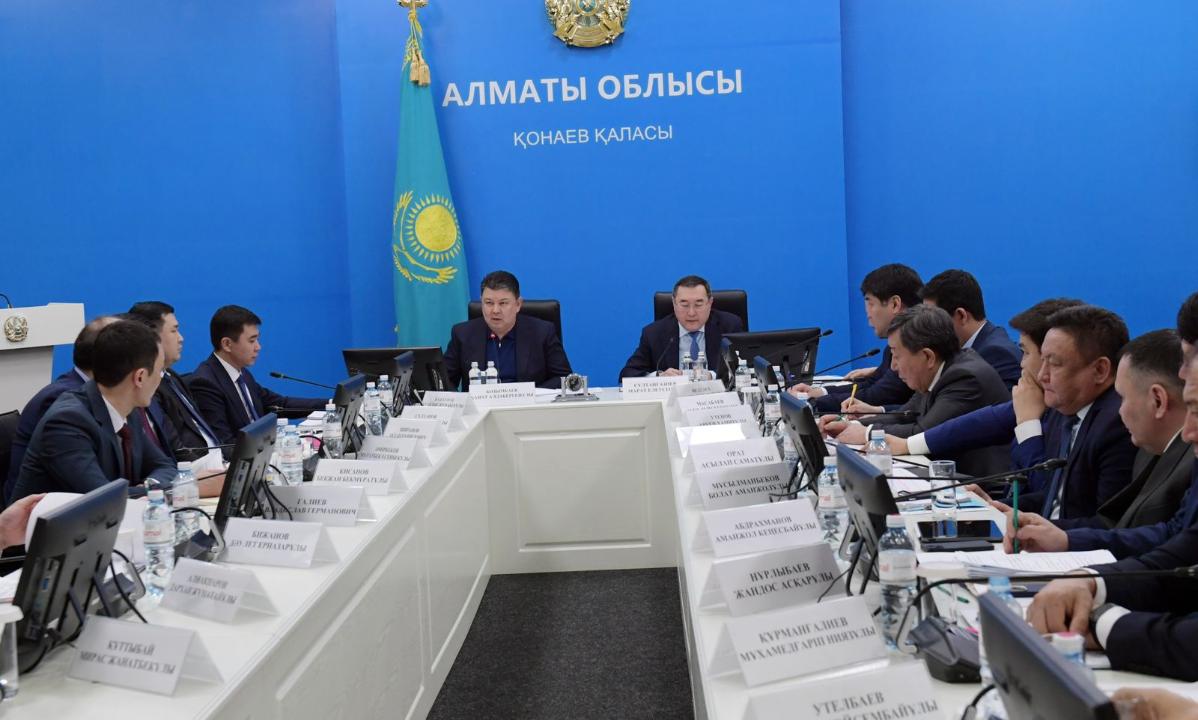
Kanat Bozumbayev held a meeting of the Design Office on the development of the Alatau district and met with entrepreneurs 21.02.2025
Today, 11 projects are being developed in Alatau in the fields of tourism, logistics, industry, education and business. Large investment projects are planned in the city, and preliminary agreements on their placement have been made taking into account engineering structures and protective zones. It is envisaged to make adjustments to the city's territorial planning in connection with sanitary zones, efficient use of industrial sites and environmental impact. In this regard, the Vice Prime Minister met with business representatives and design institutes and listened to proposals for amendments to the city's General Plan."The construction of the new Alatau city should be convenient, safe, technologically advanced and environmentally friendly. Alatau can become an example of a modern urban center. It is necessary to ensure that urban planning is modern, based on international standards. I have instructed to review the issues of placing investment projects in the city within a month in accordance with the agreements concluded with investors. All relevant ministries should accelerate the process and make changes to the master plan by May,” Kanat Bozumbayev said.Then, a meeting of the Project Office was held in Alatau, which was attended by the vice ministers of the national economy, justice, agriculture, transport, construction and infrastructure, labor and social protection of the population. The participants reported on the work on the implementation of EPC conditions and mechanisms for using financing instruments for construction. The issues of agricultural lands, the relocation of the Almaty Zoo to the Alatau territory, as well as the establishment of an experimental environment and a site for an air taxi were considered.In order to make the city more attractive and strengthen human resources, it was proposed to increase the mortgage lending limit for specialists in Alatau.Let us recall that since 2024, the Almaty region akimat and Otbasy Bank JSC have jointly launched the Almaty Youth preferential mortgage lending program for young people under 35 years of age. Last year, 500 million tenge was allocated for this program from the local budget, and another 500 million tenge was financed by the bank. This allowed 55 families to be provided with housing. Currently, 38 applicants have received the keys to their apartments.Following the results of the last design office, Kanat Bozumbayev warned state bodies about the volume of work to be done and reminded that officials of ministries and akimats bear personal responsibility for failure to fulfill tasks on time.
Families raising single-parent and disabled children in the Koktem housing complex in Ust-Kamenogorsk were ceremoniously handed over apartment keys. On a sunny day with white snow and light pouring from the sky, the joy of those who received housing knew no bounds.Ust-Kamenogorsk residents, who have been waiting in line for housing for many years, were congratulated by the city's mayor, Almat Akishov, and expressed his best wishes.— We are currently seeing the benefits of the "Housing the Population" program, which is being implemented at the initiative of the Head of State. This is the only opportunity for many of our citizens to have housing. At the initiative of the President and with the support of the regional akim, 20 families are now in housing. May your new homes be filled with joy and happiness, and may you have many happy days. Raise a good generation and contribute to the welfare of the country. Congratulations on your new homes! - said the akim of Ust-Kamenogorsk, Almat Akishov.The mayor of the city noted that 200 families will be provided with apartments this year, and this figure will not decrease next year.Yermek Khadzhi Mukatayev, who headed the Khalifa Altai mosque in Ust-Kamenogorsk for ten years, was recently appointed deputy chairman of the Spiritual Administration of Muslims of Kazakhstan and deputy mufti. He specially congratulated the owners of the new homes:— During my ten years of service, I have seen how Ust-Kamenogorsk has developed and become more beautiful. Today we are also witnesses of a good event. I would like to express my gratitude to the regional and city authorities for conveying the instructions of the Head of State to the people and effectively implementing them. Congratulations on your new homes! May our country develop and prosper! We always wish our people spiritual and economic prosperity, - said Yermek Mukataev.One of the lucky ones who received housing is Sagymgul Baizhumanova, who has been on the waiting list for 17 years and is raising her son with a disability of the first group.- My joy knows no bounds! We have been waiting for this moment for many years. Thank you to our President and all the leaders who participated! The quality of the apartment turned out to be higher than we expected, - she said enthusiastically.The spacious and bright two-room apartment has been completely renovated. The city akim presented the new homeowners with a carpet and household appliances, wishing them happiness in their homes.Source : https://www.gov.kz/memleket/entities/almobl/press/news/details/938801
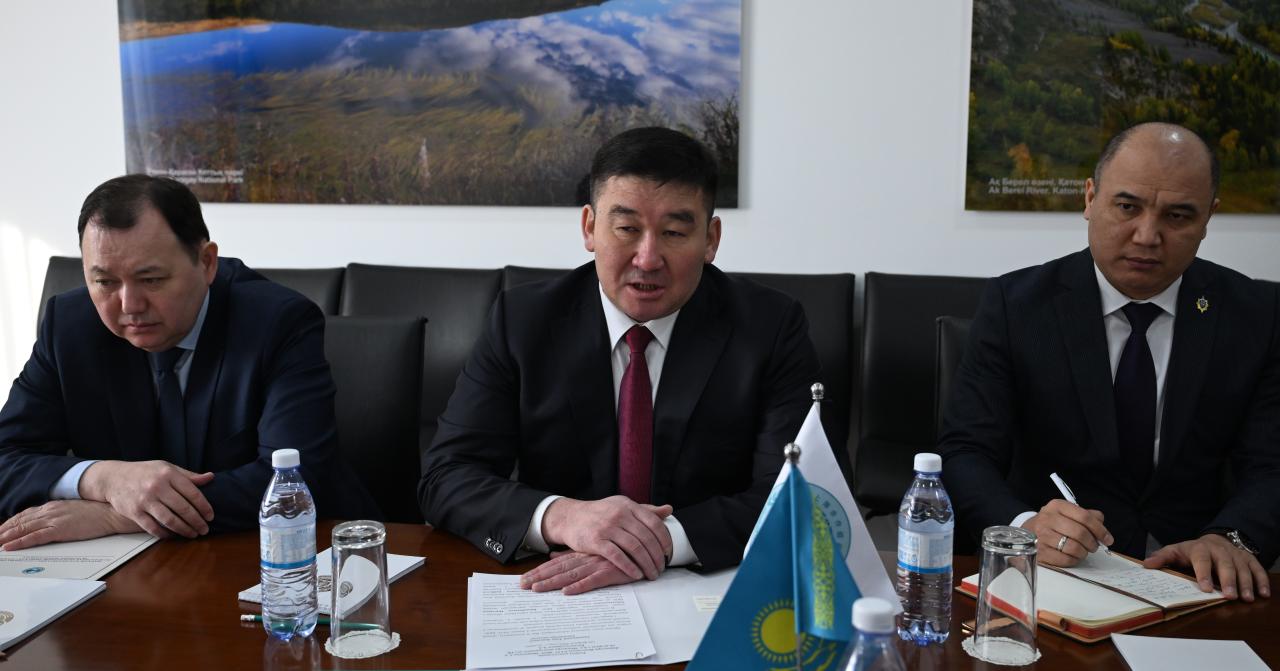
Negotiations on ensuring security in the SCO space were held at the Ministry of Foreign Affairs of Kazakhstan 21.02.2025
Astana, February 20, 2025 – First Deputy Minister of Foreign Affairs of the Republic of Kazakhstan Akan Rakhmetullin met with the newly appointed Director of the Executive Committee of the Regional Anti-Terrorism Structure (RATS) of the Shanghai Cooperation Organization Ularbek Sharsheev.The parties exchanged views on the development of the situation in the field of ensuring security and stability in the region and noted the importance of implementing the conclusions of the SCO Astana Summit held on July 4, 2024.A. Rakhmetullin highly appreciated the RATS's activities in coordinating the joint efforts of the SCO member states in combating terrorism, separatism and extremism. Noting the advanced level of practical cooperation between Kazakhstan and the Executive Committee, he expressed support for joint work, including on issues of improving the SCO.The parties also discussed the prospects for further development of the SCO activities aimed at strengthening regional security.At the end of the meeting, A. Rakhmetullin congratulated U. Sharsheev on his appointment and wished him successful work in this position.Reference: The SCO SCO Executive Committee is a permanent body of the Organization responsible for assisting, coordinating and interacting with the competent authorities of the SCO member states in the fight against terrorism, separatism and extremism.Source : https://www.gov.kz/memleket/entities/mfa/press/news/details/942454

Kazakhstan has established an independent expert institute in the medical and social expertise system 21.02.2025
From January 1, 2025, the Institute of Independent Experts for the Certification of Citizens Referred by Medical Organizations for Medical and Social Expertise (hereinafter referred to as MES) in Kazakhstan was introduced in a proactive format.The introduction of the Institute of Independent Experts will allow the involvement of specialized specialists from healthcare organizations in medical and social expertise, as well as contribute to resolving issues of staffing MES services, reducing the risks of corruption offenses, and improving the quality of public services for determining disability.In order to effectively introduce this institute, a pilot mechanism for involving independent experts in medical and social expertise was tested from September to December 2024. 18 doctors participated in the pilot project, and 7,532 acts of the MES were reviewed.Based on the results of the pilot project, amendments and additions were made to the existing regulatory legal acts.Currently, the Committee for Regulation and Control in the Field of Social Protection of the Ministry of Labor and Social Protection of the Population of the Republic of Kazakhstan is accepting documents from candidates for inclusion in the register of independent experts of medical and social expertise. Applications are submitted through the Social Services Portal (aleumet.egov.kz), while candidates consent to the collection and processing of personal data.As previously reported, today, absentee certification is carried out for 30 nosological entities. Since the beginning of 2025, more than 8.5 thousand applications received from all regions of Kazakhstan have been considered in this format.Source : https://www.gov.kz/memleket/entities/enbek/press/news/details/941907
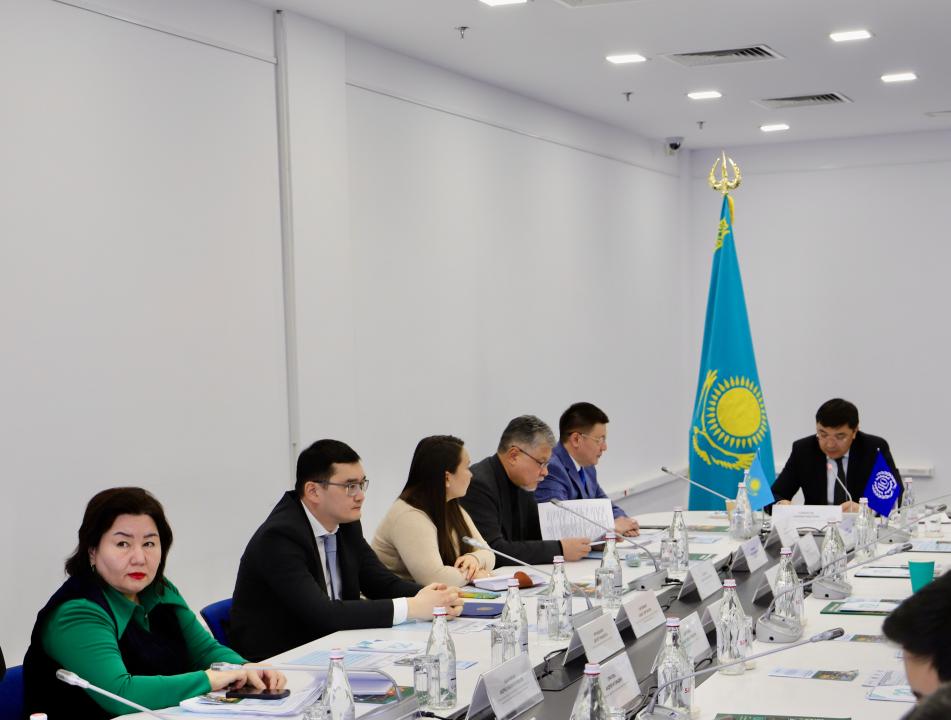
Experts discussed social justice issues in Astana 21.02.2025
On the eve of the World Day of Social Justice, which is being celebrated in our country for the first time, a scientific and practical round table entitled “Social Justice and Decent Work: Modern Critiques and Innovations” was held in the capital. Experts extensively discussed the implementation of the International Labor Organization’s “Global Coalition for Social Justice” initiative, the roadmap for promoting decent work in Kazakhstan, the impact of the concepts of safe labor and the development of the labor market of the Republic of Kazakhstan, as well as the activities planned within the framework of the Year of Working Professions.This event was organized by the Ministry of Labor and Social Protection of the Population of the Republic of Kazakhstan with the support of the International Labor Organization (hereinafter referred to as the ILO). The work of the round table was also supported by the United Nations (hereinafter referred to as the UN), interested state bodies and subordinate organizations, the National Confederation of Employers of the Republic of Kazakhstan, the Federation of Trade Unions, etc. representatives of organizations participated.Opening the meeting, the First Vice-Minister of Labor and Social Protection of the Population of the Republic of Kazakhstan, Akmadi Sarbasov, noted that close cooperation between Kazakhstan and the ILO, the ratification of ILO conventions have a great impact on promoting the principles of social justice in the labor sphere."According to ILO forecasts, the following trends and scenarios for the development of the social and labor sphere, in particular the labor market, remain relevant: "Green" jobs; care economy - social work and special social services; "gig economy" - flexible, platform employment; global supply chain - transnational global networks; The era of robots is an acceleration of the pace of automation of production, an increase in demand for industrial robots,” said A. Sarbasov.According to him, the global trends of development of artificial intelligence and digitalization, including in the social and labor sphere, play a decisive role.“Thus, the Ministry is developing and implementing innovative solutions for the digitalization of the process of assessing working conditions, the online platform of the Unified Educational and Methodological Center, the automatic information system “Labor Protection and Safety”, the Digital Map of Enterprises, and is currently working on the Digital Map of the Family, the Electronic Labor Exchange, the Portal of Social Services, etc. systems are working effectively,” the vice minister said.At the same time, Akmadi Sarbasov noted that, despite modern challenges, working professions remain the basis of the Kazakhstani labor market.“The implementation of measures to hold the Year of Working Professions, which combines digital technologies, professional skills and social support, will not only increase the prestige of working professions, but also ensure sustainable growth in the well-being of citizens,” he said.The speaker shared plans to achieve social justice for the coming years.“The first task is to achieve a high standard of living, fair distribution of income and a significant reduction in inequality among citizens within the framework of the existing mechanism of social protection of the population.The second task is to complete the transition from the “Economy of Simple Things” to the “Complex Economy” - an economy based on the acquisition and use of productive knowledge to create complex and technologically advanced goods, services and industries,” Akmadi Sarbasov concluded.The participants of the round table The progress of the implementation of the ILO initiative "Global Coalition for Social Justice", the roadmap for promoting decent work in the Republic of Kazakhstan, the impact of the concepts of safe labor and labor market development in the Republic of Kazakhstan, as well as the activities planned within the framework of the Year of Working Professions were discussed.Representatives of the ILO, the Federation of Trade Unions of the Republic of Kazakhstan, the National Confederation of Employers in their reports prioritized a number of key areas for the implementation of the principles of social justice. The history and prospects of cooperation between Kazakhstan and the ILO, the experience of the UN Development Program in employment issues, the role of occupational safety and health, and other issues were also considered in detail.It should be noted that the World Day of Social Justice was established by the UN in 2007 and is celebrated annually as a major opportunity to draw attention to the need for social justice in the world. In 2025, the international community will attach special importance to this day thanks to the initiative of the "Global Coalition for Social Justice", which includes more than 300 ILO partners.Source : https://www.gov.kz/memleket/entities/enbek/press/news/details/942236

Kazakhstan strengthens global cooperation: main achievements of foreign policy in 2024 21.02.2025
Kazakhstan is clearly demonstrating its commitment to broad-based multilateral cooperation in strict accordance with the UN Charter. This was announced by President Kassym-Jomart Tokayev in his September 2024 Address to the Nation. The Head of State noted that the country plays an active role in addressing issues of international security and stability.In 2024, Kazakhstan chaired a number of prestigious international organizations and platforms, which contributed to addressing pressing issues on the regional and global agenda. The successful chairmanship of the Shanghai Cooperation Organization (SCO), the Turkic States Organization (TSO), the Conference on Interaction and Confidence Building Measures in Asia (CICA), the Collective Security Treaty Organization (CSTO), the Consultative Meeting of the Heads of State of Central Asia, and the International Aral Sea Saving Fund (IASF) was an important step in strengthening Kazakhstan's international influence and expanded diplomatic opportunities. During Kazakhstan's chairmanship of the SCO, more than 160 events were held covering a wide range of topics, including economic cooperation, security, environmental initiatives, and digital transformation. The treaty framework was supplemented with 60 new documents strengthening cooperation between the participating countries. Kazakhstan initiated the Organization's development strategy until 2035, aimed at forming a continental belt of Eurasian economy, trade, transport and logistics connections. The main event of the chairmanship was the Astana Summit, which was held for the first time in the "SCO Plus" format. The main achievement of the CICA chairmanship was the transition to a new stage of institutional development. Within the framework of the transformation roadmap, the Charter and Rules of Procedure were developed, the Catalog of Confidence-Building Measures was updated, the Council of Wise Men, the Forum of Think Tanks and the CICA Fund were established. Kazakhstan took the initiative to digitize the interaction of the participating countries and launched a platform for the exchange of data and analytical materials. The chairmanship of the Organization of Turkic States was marked by the launch of the large-scale program "TURKTIME!", as well as contributing to the strengthening of cultural and economic integration. Within the framework of this initiative of the Head of State, projects in the field of education, scientific research and entrepreneurship were implemented. A mechanism of permanent representatives was established, state symbols were unified, and an Investment Fund was created to support strategic projects. The significant increase in mutual trade between the participating countries, which exceeded 45 billion US dollars, indicates the growth of economic cooperation.During its chairmanship of the CSTO, Kazakhstan focused on promoting initiatives to counter such pressing threats as cross-border crime, terrorism and illicit drug trafficking. More than 80 events were held, including meetings of heads of state, thematic round tables and military exercises. Special attention was paid to completing the 10-year work on the Tajik-Afghan border strengthening program.The efforts of the Kazakhstani chairmanship in the International Aral Sea Saving Fund (2024-2026) are focused on completing the process of improving the IAF, developing a mutually beneficial mechanism for managing the region's water and energy resources, ensuring the timely and high-quality implementation of environmental programs, and taking coordinated measures to overcome the consequences of climate change.As part of Kazakhstan's water diplomacy, about 35 meetings on transboundary rivers were held with China, Russia, and Central Asian countries in 2024. Agreements were reached with Kyrgyzstan and Uzbekistan on water withdrawals through the Shu, Talas, and Syrdarya transboundary rivers. Negotiations are underway with China on more than 20 rivers, including the Irtysh and Ili. The country's accession to the UN Convention on the Law of Non-Navigational Uses of International Watercourses was an important step.2024 was a breakthrough year in terms of strengthening multifaceted cooperation with the states of Central Asia. The program article of the Head of State "Renaissance of Central Asia: Towards Sustainable Development and Prosperity" set the format of fraternal relations, good-neighborliness and strategic partnership in the region.It was important to hold the 6th session of the Consultative Meeting of the Heads of Central Asian States with the participation of the President of Azerbaijan, the Special Representative of the UN Secretary-General for the Central Asian Region, and the Head of the UN Regional Center for Preventive Diplomacy for Central Asia. Following the summit, the "OA-2040" Regional Cooperation Development Concept, the Regional Cooperation Roadmap for 2025-2027, and the Action Plan for the Development of Industrial Cooperation for 2025-2027 were signed.In addition, Kazakhstan continues to play an important role in international diplomacy, acting as a mediator in conflict resolution. Within the framework of the Astana process, we have provided a platform for negotiations on the Syrian crisis. Kazakhstan unites the main participants and contributes to the achievement of compromise solutions. The country also proposed the creation of an international mediation center for resolving regional conflicts, which will be an important step in the development of preventive diplomacy mechanisms.Kazakhstan demonstrates a high degree of integration into world politics. Our country is an initiator of large regional projects in the fields of energy, transport, trade, and digital technologies. The development of the Trans-Caspian international transport route, cooperation within the framework of the “One Belt, One Road” project, and active participation in the Eurasian Economic Union confirm the country’s commitment to strengthening global economic ties. The introduction of green technologies and programs for decarbonizing the economy have become an important part of Kazakhstan’s international agenda. An important aspect has been the expansion of cooperation in the field of sustainable development and energy with the European Union and the Middle East.Kazakhstan continues to pursue a peace-oriented foreign policy. The country makes a significant contribution to ensuring security, sustainable development, and prosperity in the Eurasian space. Expanding participation in global initiatives of the UN, WTO, and other international organizations, developing strategic partnerships with leading powers, and deepening economic diplomacy remain the main priorities of the country’s foreign policy.Source : https://www.gov.kz/memleket/entities/mfa/press/news/details/941854
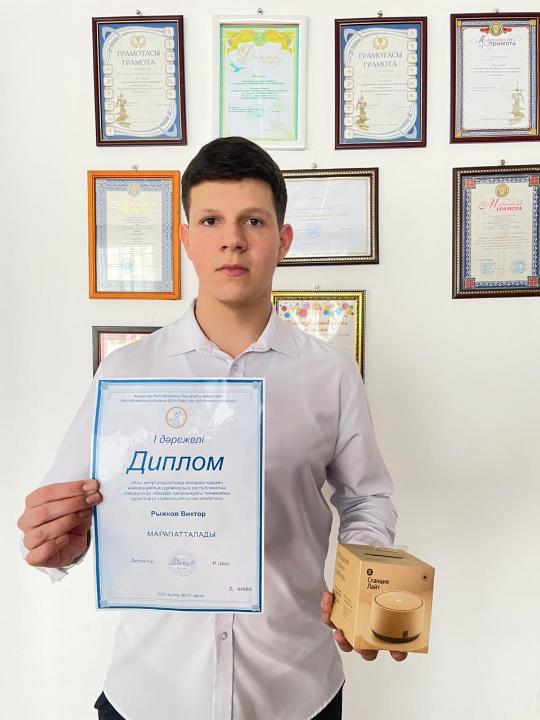
A Student from Kostanay Developed an Innovative Project “Smart Bridge” to Prevent Bridges from Collapse During Floods 21.02.2025
Victor Ryzhkov, a 10th grade student at the Aleksandrov school in the Kostanay district, under the guidance of his teacher Vitaly Bazarkin, developed an innovative project called “Smart Bridge” to prevent bridges from collapsing in the event of a sharp rise in water levels during floods.According to Victor, the idea came to him during the floods that caused significant damage in his native Kostanay district and other regions of Kazakhstan in the spring of 2024.“Smart Bridge” is an automated system that raises a bridge using sensors that respond to the threshold water level and an Arduino programmable microcontroller.“My goal is to create a system that helps people and infrastructure prepare for floods. The project went through several stages, we had difficulties in choosing a lifting mechanism, but we were able to successfully implement our idea,” Viktor Ryzhkov noted.The system shows great potential for use in real situations. In the future, Viktor plans to improve the model by adding the ability to raise the bridge in stages, as well as integrating a radio module to automatically send messages to special services, which is expected to allow special services to quickly respond to changing situations.The project has already won first place in the Republican contest of innovative ideas “First step to a great invention” in the nomination “Technical design in the field of industry.”Source : https://www.gov.kz/memleket/entities/kostanay/press/news/details/941270
About the ninth round of political consultations between Kazakhstan and Egypt 21.02.2025
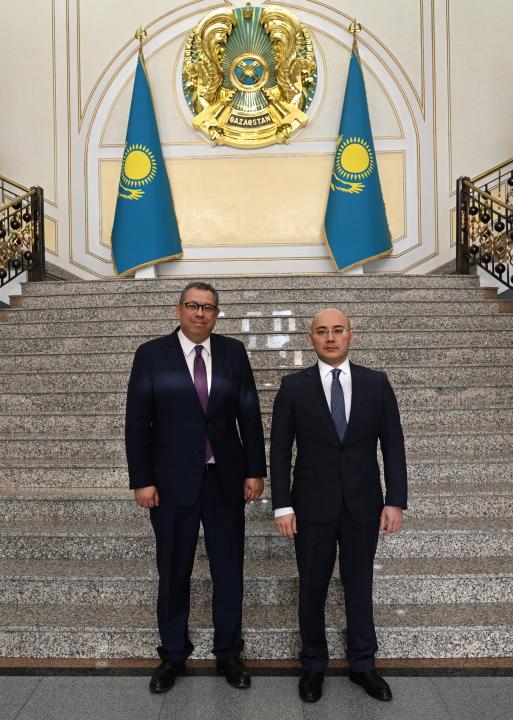
Astana, February 19, 2025 - The ninth round of Kazakhstan-Egypt political consultations was held under the chairmanship of Deputy Minister of Foreign Affairs of the Republic of Kazakhstan Alibek Kuantyrov and Deputy Minister of Foreign Affairs of Egypt for Asia, the Pacific and New Zealand Ahmed Shahin.During the consultations, the parties highly appreciated the positive momentum of cooperation between Astana and Cairo, noting the significant potential of bilateral relations based on the principles of friendship and mutually beneficial partnership.Special attention was paid to strengthening trade and economic cooperation, and it was noted that in recent years, trade turnover between the two countries has increased. At this point, further steps were discussed to expand trade volumes, exchange information on export and import potential, and stimulate the volume of mutual investments."In 2024, trade turnover between Kazakhstan and Egypt will increase by 70% and amount to $274 million." Despite these indicators, there is significant potential for the development and strengthening of bilateral trade and economic relations,” the Kazakh diplomat noted.In this context, an agreement was reached to revitalize the activities of the Kazakhstan-Egypt Business Council in order to establish direct contacts between the business circles of the two countries and implement joint projects in transport and logistics, agriculture, mineral resources, pharmaceuticals, IT technologies and other areas of mutual interest.At the same time, the interlocutors comprehensively discussed issues of expanding cooperation within the framework of the sixth joint meeting of the Kazakhstan-Egypt Intergovernmental Commission on Trade and Economic, Cultural and Humanitarian and Scientific and Technical Cooperation, which is scheduled to be held in Astana this year.In addition, in order to strengthen bilateral cooperation, the parties confirmed their intention to continue the experience of exchanging visits and expanding the contractual and legal framework between the two countries, and also considered the agenda of upcoming high-level and high-level events.In addition, they exchanged views on topical issues of the regional and international agenda, including Kazakhstan and Egypt agreed to activate cooperation within the framework of the UN, OSCE, BRICS, SCO and CICA organizations in various arenas.Following the results of the meeting, the parties noted the need to hold regular bilateral consultations and agreed to continue a close dialogue between the Ministries of Foreign Affairs.Source : https://www.gov.kz/memleket/entities/mfa/press/news/details/941805
ITMLab social project finals held in Astana 21.02.2025
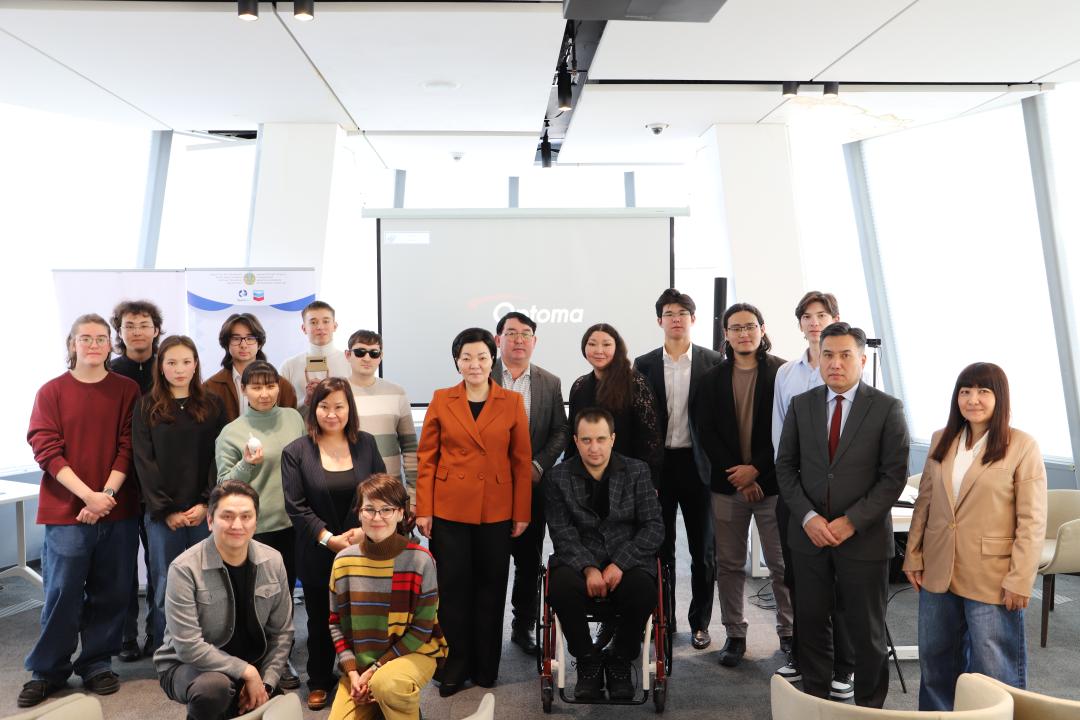
The final stage of the ITMLab social project was held in Astana, where participants presented their developments to experts and potential investors to improve the quality of life of people with disabilities. These were prototypes of technical rehabilitation tools, as well as various technologies aimed at creating an accessible and inclusive environment.As previously reported, hackathons were held in Astana and Almaty within the framework of the ITMlab project, during which the most interesting and relevant startup projects to improve the quality of life of people with disabilities were selected. During the final presentation, 18 teams presented their projects, their ideas were refined under the guidance of professional teachers for a month. After the presentations, the jury selected 6 teams that received grants to implement prototypes.At the final stage, ready-made developments were presented to experts and potential investors. Each project was based on specific needs and conditions identified during in-depth research. These solutions are aimed at increasing the accessibility of technology, improving communications, and developing an inclusive society.Shaka is a glove with vibromotors and sensors that helps people with visual impairments navigate their daily lives.Fenix Recovery is an exoskeleton and compact locomotor simulator that can be used both in specialized centers and at home.Bulan is an optimized electronic device for wheelchairs for people with disabilities.RiMy is an electronic display adapted to Braille.Zhan KB is a manufacturer of wear-resistant tips for white canes.Procrastinators is an application that translates sign language into text and vice versa in real time. “These projects have been in preparation for several months and have undergone a process that requires a lot of careful and hard work. This is proof that changing the world is within our power. We believe that the ITMLab project will help promote inclusivity in our country. I hope that the ITMLab project will develop further, opening the door to new initiatives to promote inclusion in our country,” noted Zahira Begaliyeva, Director of the IteachMe Foundation.The implementation of this ITMLab project was made possible thanks to the support of the general partner, Chevron, which made a significant contribution to the development of an accessible inclusive environment, as well as creating conditions for innovative solutions. The Ministry of Labor and Social Protection of the Population of the Republic of Kazakhstan assisted the project by providing expert support and consultations, which became an important basis for the successful implementation of the idea.In her opening speech, the Minister of Labor and Social Protection of the Population of the Republic of Kazakhstan Svetlana Zhakypova noted the importance of the social project for improving the quality of life of people with disabilities.“Within the framework of the final stage of the ITMLab project, initiatives were proposed to include digital technologies in the development of technical means of rehabilitation. Today we are witnessing how young people are participating in such development processes. "These are innovations that will help people with disabilities and improve their quality of life," said the head of the Ministry of Social Development.Following the event, interested investors and business representatives offered cooperation, mentoring, and professional knowledge exchange to the most promising teams. This format allowed participants not only to present their ideas, but also to receive valuable suggestions and support for their further development.Source : https://www.gov.kz/memleket/entities/enbek/press/news/details/941652
Almaty Region Strengthens Cooperation with China 21.02.2025
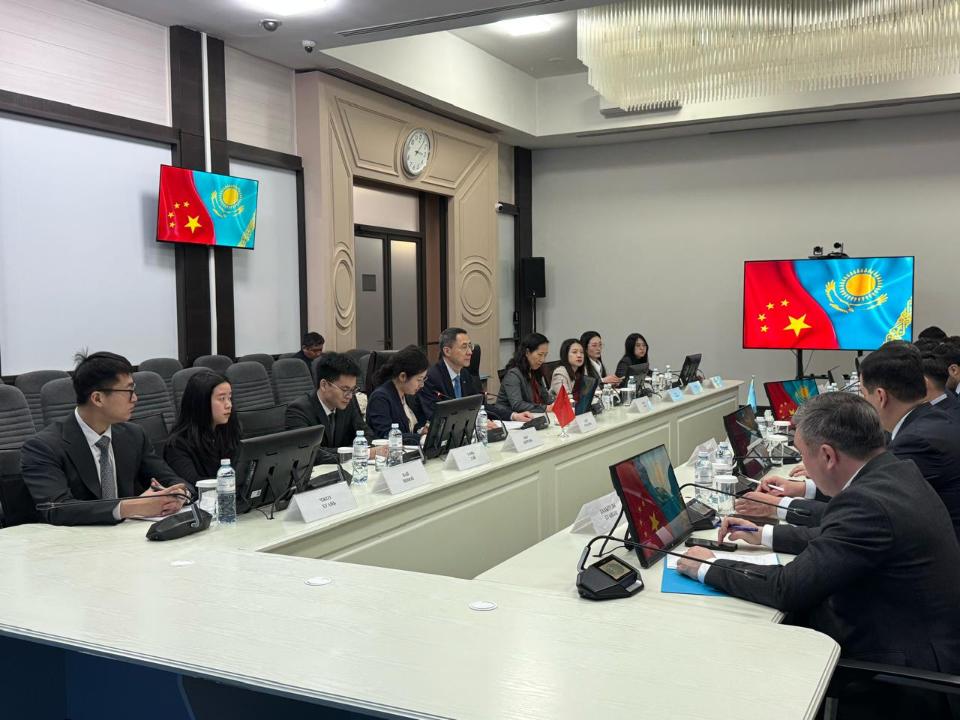
A meeting was held in Almaty region between the regional governor Marat Sultangaziev and the Ambassador Extraordinary and Plenipotentiary of the People's Republic of China to Kazakhstan Han Chunlin.During the talks, the parties discussed the current state and development prospects of bilateral cooperation in the trade and economic, investment and tourism sectors.Trade and economic relations between Almaty region and China are developing rapidly. Chinese investments play an important role in the development of the region's agro-industrial complex. The following projects have been successfully implemented with China: • LLP "KIK Zhibek Zholy" - introduction of drip irrigation technologies (7.5 billion tenge, 450 jobs). • TOO "KIK Zhibek Zholy" – construction of a dry milk production plant (7.5 billion tenge, 27 jobs). • TOO "KIK Zhibek Zholy" – compound feed production plant (7.5 billion tenge, 60 jobs).Future projects include: • CITIC CONSTRUCTION CO., LTD – construction and modernization of irrigation systems on 26 thousand hectares (234 billion tenge). • SHANGHAI STRATCH BIOTECHNOLOGY Co., Ltd and EURASIAN CONTINENTAL BRIDGE Co., Ltd – construction of a fructose, maltose and lactose production plant (206.5 billion tenge, 2,000 jobs). • Fufeng Group – construction of a grain deep processing plant (1,000 jobs). Chinese investors are actively participating in large industrial projects in the region: • TOO "Zhetysu Wolfram" – tungsten processing plant (135 billion tenge, 350 jobs). • LLP "Kelun Kazpharm" – construction of a pharmaceutical factory (7.5 billion tenge, 450 jobs). • LLP "Qazmetproduct" – steel wire production (359 million tenge, 60 jobs). Upcoming industrial projects: • BAOXIN (Zhambyl district) – production of metallurgical products (106 billion tenge, 500 jobs). • TBEA – construction of a transformer plant (50 billion tenge, 500 jobs). • LLP "Baulong quice" – assembly of special equipment (52 billion tenge, 1,366 jobs).China is one of the main tourism partners of the Almaty region. In 2024, more than 11,700 Chinese tourists visited the region, which is 43% more than in 2023. The meeting discussed the creation of joint tourist routes, development of infrastructure, and attracting Chinese investors to the hotel business. During the negotiations, one of the main topics was China's participation in the modernization of the infrastructure of the Almaty region. Among the proposed projects were: • Construction and modernization of engineering networks in the cities of Alatau and Kunayev (162 billion tenge). • Construction of 6 electrical substations in the region (36 billion tenge). As part of strengthening cultural ties, it was announced that the 100th anniversary of the People's Artist of Kazakhstan Nurgisa Tlendiev will be celebrated in Beijing. This event is aimed at further strengthening cultural cooperation between the two countries.Following the results of the meeting, the parties expressed their intention to continue developing bilateral cooperation.Source : https://www.gov.kz/memleket/entities/almobl/press/news/details/941289
Kazakhstanis paid more than 60 billion tenge in disability and loss of breadwinner benefits and social payments 21.02.2025
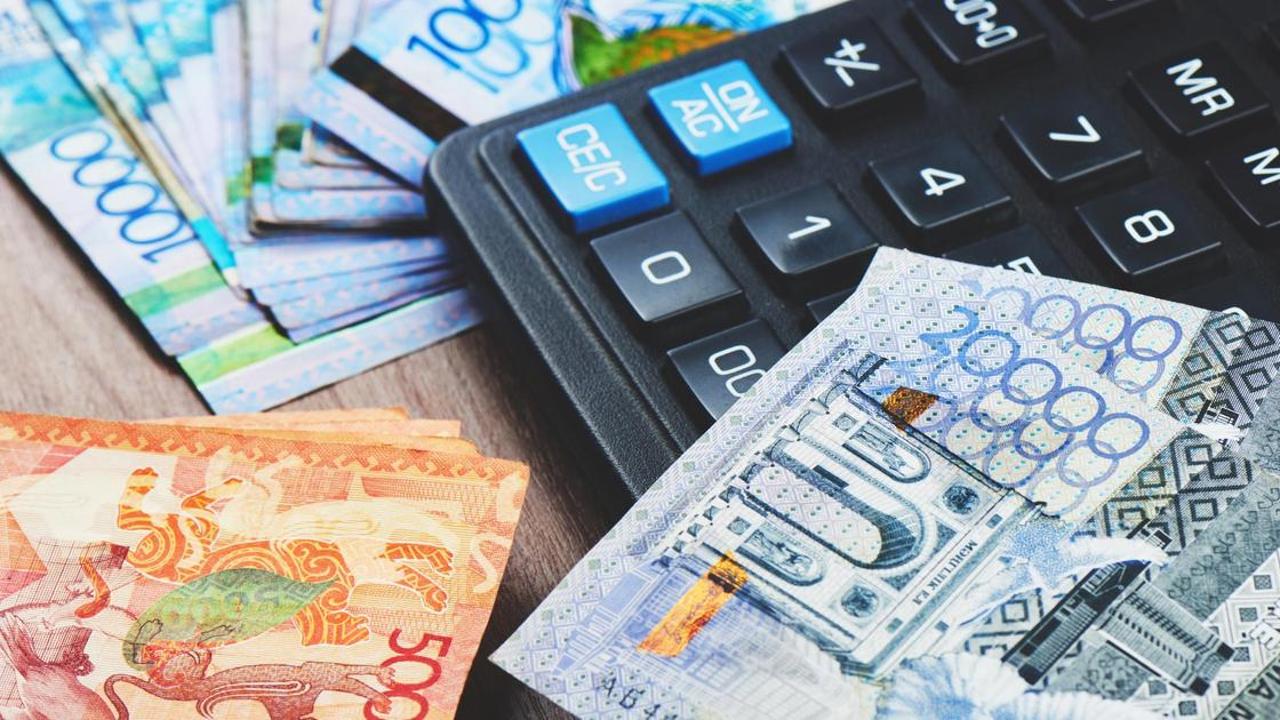
Since the beginning of the year, 53.2 billion tenge has been spent from the republican budget to pay state social benefits for disability and loss of a breadwinner (hereinafter referred to as state social benefits). In addition, social payments for loss of working capacity and loss of a breadwinner in the amount of approximately 7.4 billion tenge were made from the State Social Insurance Fund (hereinafter referred to as the MSIF).As of February 1, 2025, the number of MSIF recipients for disability was approximately 541.7 thousand people, and for loss of a breadwinner - approximately 193.3 thousand people.The amount of state social benefits for disability depends on the group and cause of disability, as well as the amount of the minimum subsistence level established by the Law "On the Republican Budget" for the relevant financial year.The amount of state social benefits for loss of a breadwinner depends on the number of people dependent on the deceased breadwinner, the causes of death and the minimum subsistence level.In addition, social payments are made from the MSIF in case of social risks to participants in the mandatory social insurance system. For example, as of February 1, 2025, 86.1 thousand people received social benefits for loss of working capacity, and about 61.3 thousand families received social benefits for loss of a breadwinner.The amount of payments is individual and depends on: the average monthly income for which social contributions were made to the Social Insurance Institution for the last 2 years, coefficients for loss of working capacity, the number of dependents, the length of participation in the compulsory social insurance system, and income replacement.These payments are made in addition to similar benefits paid from the republican budget.The amount of state social benefits for disability and loss of a breadwinner increased by 6.5% from January 1, 2025 due to the increase in the minimum subsistence level. By decision of the Government of the Republic of Kazakhstan, the amount of social security payments for loss of working capacity and loss of a breadwinner has also increased by 6.5%. For example, this year, the amount of social security for disability due to a general illness is 101,702 tenge for group 1, 81,362 tenge for group 2, and 55,474 tenge for group 3. As of February 1, the average amount of social security payments for loss of working capacity is 71,245 tenge, and for loss of a breadwinner is 72,214 tenge.Source : https://www.gov.kz/memleket/entities/enbek/press/news/details/940973

On February 1, 2025, more than 169 thousand people were provided with targeted social assistance 21.02.2025
February 17, Deputy Akim of Mangystau Oblast Askar Kanybekov, in accordance with the instructions of the head of the region, Nurdaulet Kilybay, got acquainted with the activities of institutions under the Fisheries Department and the implementation of innovative projects in the industry. Since the Mangystau region is located on the coast of the Caspian Sea, fisheries are of strategic importance for this region. However, the region mainly breeds sturgeon. New projects are being launched to increase fish species and expand aquaculture potential. One of them is the project "Formation of Caspian salmon broodstock and establishment of an incubation workshop" being implemented at the greenhouse complex of Sultan Agro LLP in Aktau. This initiative, implemented with the support of the KFEA, is aimed at giving impetus to the development of aquaculture in the region and raising the fisheries sector to a new level. Then, Askar Kanybekov visited the "Animal Protection Service" municipal institution of the Fisheries Department of the Mangystau region. This institution is engaged in the protection of the reserve stock of fishery water bodies and sites, as well as organizing measures to preserve and effectively use wildlife. They are implementing various activities aimed at maintaining environmental sustainability. During the working trip, the deputy akim of the region met with industry specialists and discussed current issues and future plans related to the development of fisheries in the region.Source : https://www.gov.kz/memleket/entities/enbek/press/news/details/939965

The Almaty region akimat announces a competition for the development of a regional symbol project 21.02.2025
In accordance with the Rules for the Development of the Regional Emblem Project, approved by the Order of the Minister of Culture and Information of the Republic of Kazakhstan No. 503-НН dated October 30, 2024, applications for the development of the regional emblem of the Almaty region are accepted within 3 months (from February 17, 2025 to May 17, 2025): Requirements for the regional emblem project: The development of the project is based on the principles of:- strengthening public harmony and national unity,- preserving heraldic symbols,- taking into account the national traditions, historical, cultural, geographical, socio-economic features of the region.When developing the project, it is prohibited to use the image of the State Flag and State Emblem of the Republic of Kazakhstan, as well as images of religious, tribal and tribal symbols.When developing the project, the following Notes:- the project is a new work that has not been used before and, with its uniqueness, determines the future development direction of the local area;- the visual component of the project, a three-dimensional image and (or) a model, has a clear relief;- official names, inscriptions and other texts in the project are written in the Kazakh language;- when developing the project, violation of copyright and (or) related rights, plagiarism is not allowed.The authors of the project are recognized as citizens of the Republic of Kazakhstan.In the event that several individuals participated in the creation of the project, all of them are considered its authors (co-authors).When developing the project, it is allowed to use national ethnographic elements (ornamentations).Applications for participation in the competition are accepted in Kazakh and Russian languages and include a description of the project.Applications for participation in the competition are submitted to the regional department of internal policy (electronic copy zhumash.ibrayva.64@mail. daurenbaevmarat78@gmail.com) in paper and electronic format no later than May 17, 2025!.If you have any questions, you can contact 87773717606 (Ibrayeva Zhumash Shynybekovna), 87776883792 (Daurenbayev Marat Omirbekovich)!Source : https://www.gov.kz/memleket/entities/almobl/press/news/details/940045
Kazakhstan and Hungary: new horizons of strategic partnership 21.02.2025
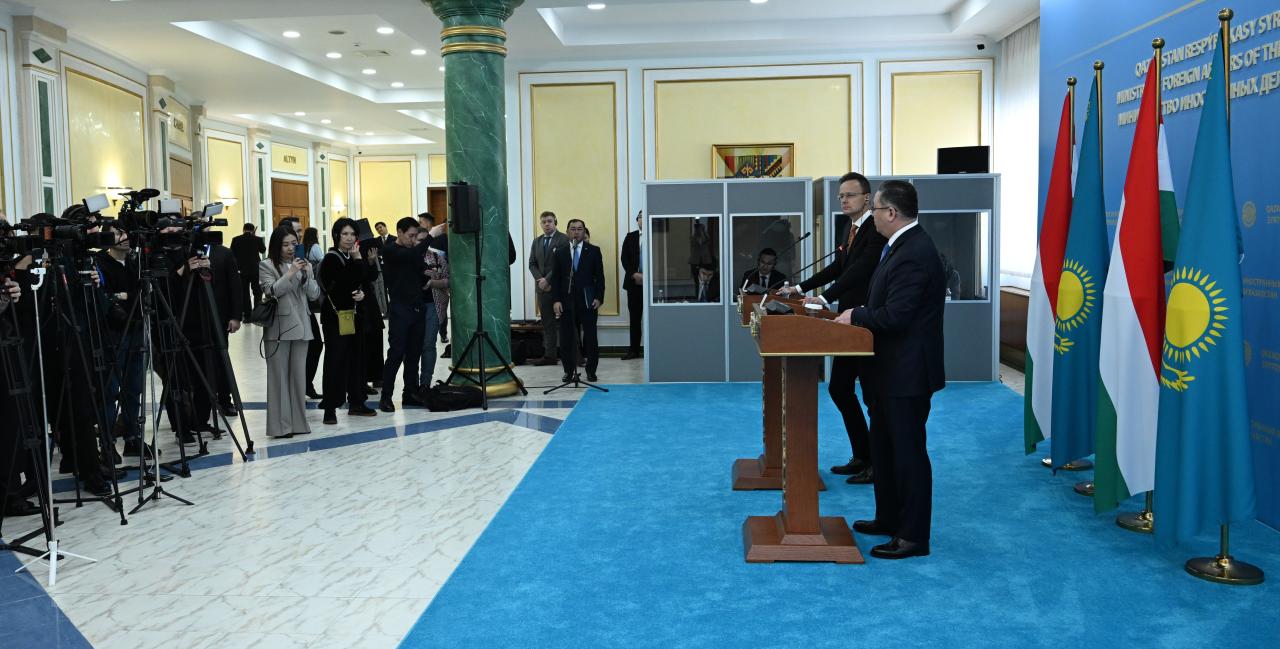
Astana, February 17, 2025 – Deputy Prime Minister of the Republic of Kazakhstan – Minister of Foreign Affairs Murat Nurtileu held talks with Minister of Foreign Economic Relations and Foreign Affairs of Hungary Péter Szijjártó, who arrived in Astana on an official visit.This visit of the Hungarian Minister is his seventh official visit to Kazakhstan, which is a clear demonstration of the strong and long-term relations between the two countries. Ten years ago, P. Szijjártó first visited Astana, and this event became an important milestone in strengthening Kazakh-Hungarian relations.The parties discussed a wide range of issues of bilateral cooperation, reaffirming their commitment to deepening the strategic partnership based on common historical roots and traditional friendship. In particular, priority areas of political, economic, energy, and cultural and humanitarian interaction were considered.The Foreign Ministers discussed the implementation of the agreements reached as a result of the visit of the President of Kazakhstan Kassym-Jomart Tokayev to Budapest in November 2024 and the visit of the Prime Minister of Hungary Viktor Orbán to Astana in November 2023.During the negotiations, special attention was paid to further expanding trade and economic ties. Last year, the volume of trade turnover increased by 4.4% and reached almost $200 million. The parties agreed to take additional measures to achieve the goal set by the heads of state to increase trade turnover to $1 billion.The volume of Hungarian direct investments in the Kazakh economy exceeded $370 million. Currently, 16 joint projects worth a total of $700 million are being implemented, including important projects in the energy and industrial sectors. For example, the Hungarian oil and gas company MOL has invested $200 million in the development of the Rozhkovskoye field, a large gas and condensate field in Western Kazakhstan. The Globalia company is building solar power plants in several regions of Kazakhstan, and the UBM holding will begin construction of three compound feed plants worth $62 million this year. The conversation also considered important initiatives aimed at deepening economic cooperation. In particular, the issues of opening branches of Hungarian banks in Kazakhstan, building a multimodal cargo terminal in Budapest, increasing supplies of Kazakh oil to Hungary, as well as exporting uranium and minerals of strategic importance were discussed. An important step in this direction will be the imminent creation of a joint Investment Fund. “Hungary is a fraternal state for us, and we attach great importance to strategic partnership with it. We strive to enrich trade and economic cooperation with concrete and effective results,” said the Kazakh Foreign Minister.In turn, the Hungarian Minister confirmed that Budapest intends to deepen bilateral relations with Astana not only in the political, but also in the economic, investment and cultural spheres. “We are ready to expand cooperation with Kazakhstan and are confident that this will bring great benefits to both countries,” P. Szijjártó noted.The interlocutors also drew attention to the importance of cooperation in the field of science and education. Hungary annually provides 250 educational grants to Kazakh students (currently, about 1,000 Kazakh students are studying at Hungarian universities).In addition, a direct flight between Shymkent and Budapest will be launched from May 2025. This will further strengthen ties between the fraternal peoples and create new opportunities for cooperation in various areas.During the talks, the parties exchanged views on topical issues of the regional and global agenda, including conflicts in Europe and the Middle East. The heads of the foreign ministries of Kazakhstan and Hungary expressed hope for the establishment of a peaceful and constructive dialogue between the opposing sides.M. Nurtleu confirmed Kazakhstan's commitment to the principles of the UN Charter, as well as the country's balanced and pragmatic foreign policy aimed exclusively at peaceful solutions.The ministers also discussed the prospects for cooperation within the framework of the UN, the OSCE and other multilateral organizations.The parties, noting Hungary's active participation in the work of the Organization of Turkic States (OTS), noted that the upcoming informal TSO summit in Budapest will be an important step in strengthening cooperation between countries connected by a common Turkic heritage.Following the results of the negotiations, memorandums of understanding were signed on cooperation between diplomatic academies and on teaching the Hungarian language.About 30 Hungarian companies and 40 joint ventures are successfully operating in Kazakhstan. Since 2005, the volume of direct investments from Hungary into the Kazakh economy has exceeded $370 million.Source : https://www.gov.kz/memleket/entities/mfa/press/news/details/939880
Appointment 21.02.2025
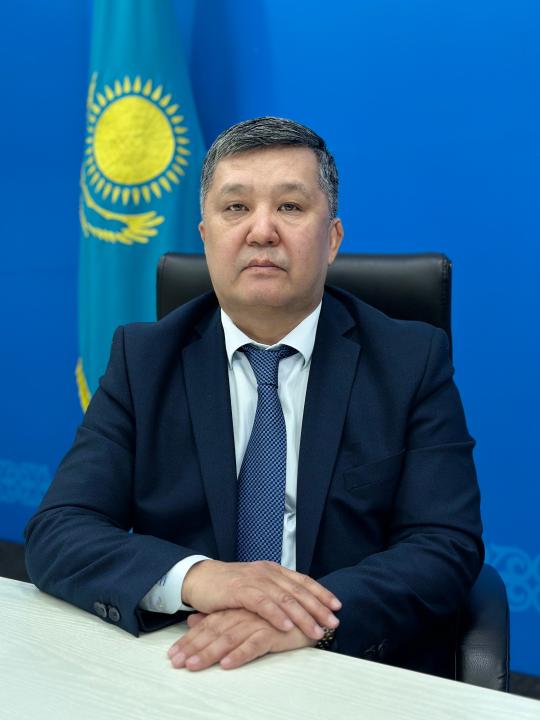
By order of the Acting Head of the Almaty Region Akim's Office, Amanzhol Ibragimov Istoleuovich Since February 17, he has been appointed to the position of Advisor to the Akim of Almaty Region.Amanzhol Istoleuovich was born in 1968, has a higher education, graduated from the Al-Farabi Kazakh National University in 1995 with a degree in Oriental Studies, and from the M. Tynyshpayev Kazakh Academy of Transport and Communications in 2004 with a degree in Economics and Management, is a Candidate of Economic Sciences.He began his career in 1995 as a leading specialist at the Almaty Railway.Over the years, he has held positions in the international department of the republican state enterprise "Kazakh Temir Zholy", head of the representative office of the Xinjiang Uyghur Autonomous Region (PRC), head of the department of the international department of NC "KTZ", head of the representative office of the PRC and Southeast Asia (Beijing), advisor to the President of NC "KTZ", He held the positions of Advisor to the President of KTZ Express JSC, Branch Director of Kazpost JSC, Director of the Container Transportation Department of KTZ Express JSC, Deputy General Director of Eurasia Supply Chain Aktau/Almaty LLP. For about 18 years, he headed the Representative Office of KTZ NC JSC in the PRC. From October 2024 to the present, he has held the position of General Director of TezJet Cargo LLP.Source : https://www.gov.kz/memleket/entities/almobl/press/news/details/939273
Kazakhstan and Germany: content on the prospects for cooperation dialogue 21.02.2025
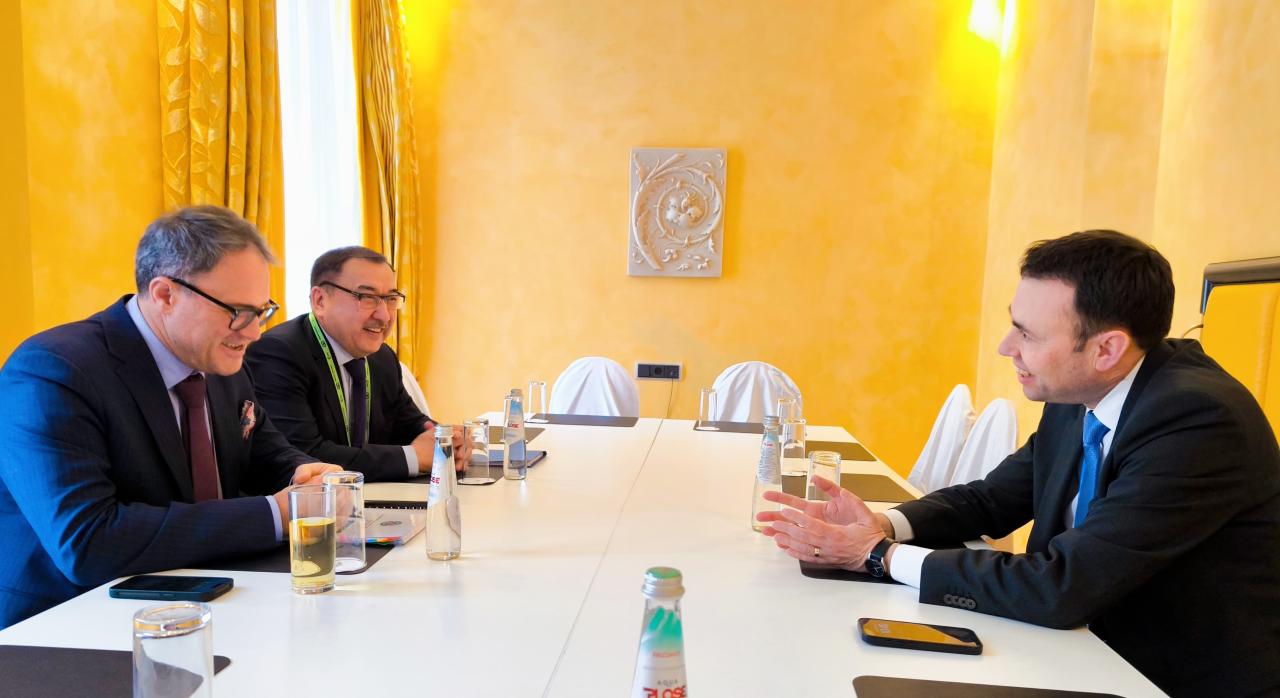
Munich, February 16, 2024 – Within the framework of the Munich Security Conference, the Deputy Minister of Foreign Affairs of the Republic of Kazakhstan Roman Vasilenko met with Bundestag Member of Parliament Robin Wagener (Alliance 90/Green Party), Coordinator of Public Cooperation with Central Asia of the German Foreign Ministry, Head of the Bundestag Delegation to the OSCE Parliamentary Assembly, and Bundestag Member of Parliament Niels Schmid, Foreign Policy Representative of the Social Democratic Party of Germany faction.During the talks, the parties discussed the current state and prospects of political, trade and economic cooperation, as well as the results of the second "Central Asia + Germany" summit held in Astana in September 2024.The importance of the adoption of the Joint Declaration on Cooperation between Kazakhstan and Germany was highly appreciated. This document determined the further steps of the wide-ranging partnership between our countries. The results of the activities of the main platforms for bilateral interaction - the Intergovernmental Working Group, the Kazakhstan-German Business Council, and the Berlin Eurasian Club - were also reviewed. The parties discussed the next steps in further developing the strategic partnership, as well as upcoming events in bilateral and multilateral formats.Source : https://www.gov.kz/memleket/entities/mfa/press/news/details/939093
In 2025, Kazakhstanis were paid benefits in the amount of more than 80 billion tenge for childbirth and childcare 21.02.2025
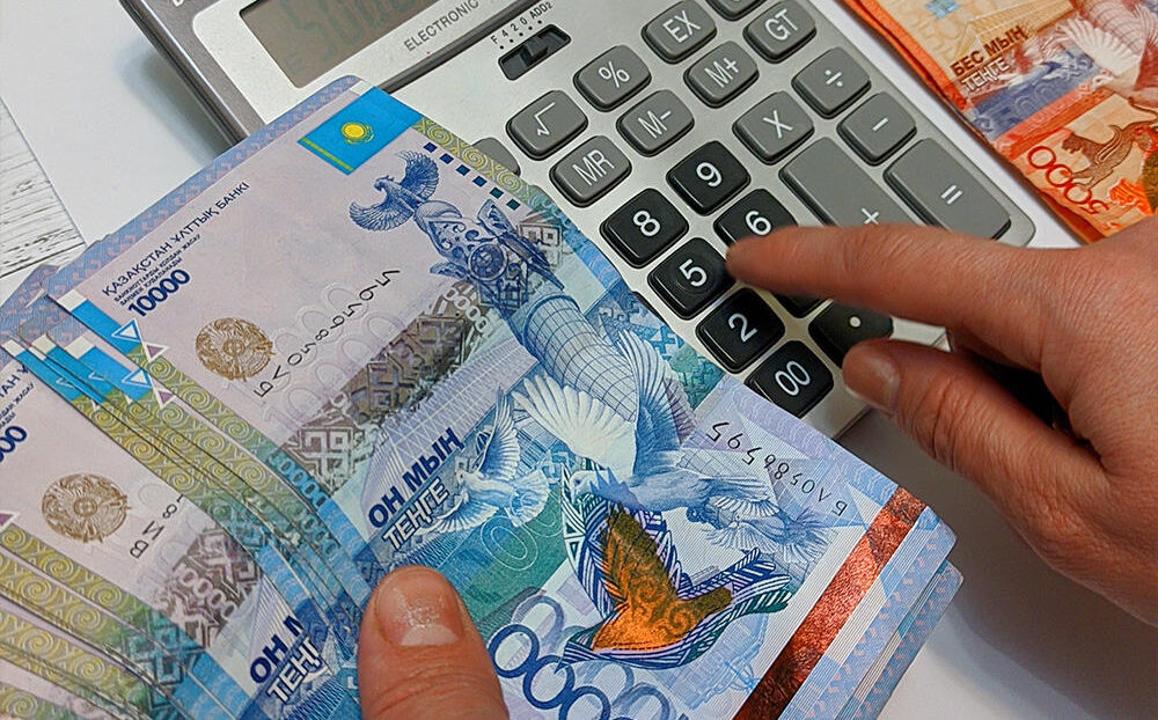
Since the beginning of the year, 170.8 thousand people have been covered by state benefits, as well as payments from the State Social Insurance Fund (hereinafter referred to as the SSF) related to childbirth and care for a child until the child reaches 1.5 years of age, for a total amount of 80.1 billion tenge.In January 2025, 33.7 thousand people received benefits for childbirth from the republican budget for a total amount of 6 billion tenge. Citizens of our country who have children born, adopted, or under guardianship, relatives, as well as foreigners permanently residing in Kazakhstan, can apply for this benefit.People (families) with children born, adopted, or under guardianship, if the person caring for the child is not a participant in the compulsory social insurance system, and stepchildren, if they are not in the family of other parents, have the right to receive benefits related to child care. During the reporting period, 123 thousand people received child care benefits for children up to 1.5 years of age in the amount of 3.6 billion tenge.The amount of state benefits for childbirth and child care is determined by the law on the republican budget, depending on the monthly calculation index (hereinafter referred to as the MCI) approved for the relevant financial year. From the beginning of 2025, the amount of state benefits has been indexed by 6.5%.The amount of the child birth benefit:- for the first, second, third child - 38 MCI or 149,416 tenge;- for the fourth and subsequent children - 63 MCI or 247,716 tenge.The benefit paid for the care of the child until he reaches 1.5 years of age is paid monthly in the following amounts:- for the first child - 5.76 MCI or 22,648 tenge;- for the second child - 6.81 MCI or 26,777 tenge;- for the third child - 7.85 MCI or 30,866 tenge;- for the fourth and subsequent children - 8.90 MCI or 34,995 tenge.In addition, working citizens are entitled to benefits related to pregnancy and childbirth, adoption of a newborn child (children) In case of loss of income, the social payment from the Social Insurance Institution is assigned for all days of leave granted for pregnancy and childbirth. The amount of the payment depends on the average monthly income for which social transfers were made to the Social Insurance Institution during the last 12 months before the issuance of the certificate of temporary disability for pregnancy and childbirth and the number of days of disability.Since the beginning of the year, 23.6 thousand people have received this lump-sum payment for a total amount of 33.3 billion tenge, which is 4% more than in the corresponding period of 2024. The average amount of the assigned payment was 1,714,618 tenge.Also, in case of loss of income from the Social Insurance Institution due to the care of a child until he or she reaches the age of one and a half, a monthly social payment is assigned to the participant of the social insurance system from the date of birth of the child. The amount of the payment is 40% of the average monthly income for which social transfers were made to the Social Insurance Institution over the last 2 years. In the event of the birth of two or more children, the payment is assigned individually for each child.In 2025, this payment was assigned to 24.2 thousand people, the average monthly payment was 93,740 tenge. The payment was provided in the amount of 37.2 billion tenge, which is 21% more than in the same period in 2024.Source : https://www.gov.kz/memleket/entities/enbek/press/news/details/939080