
Society
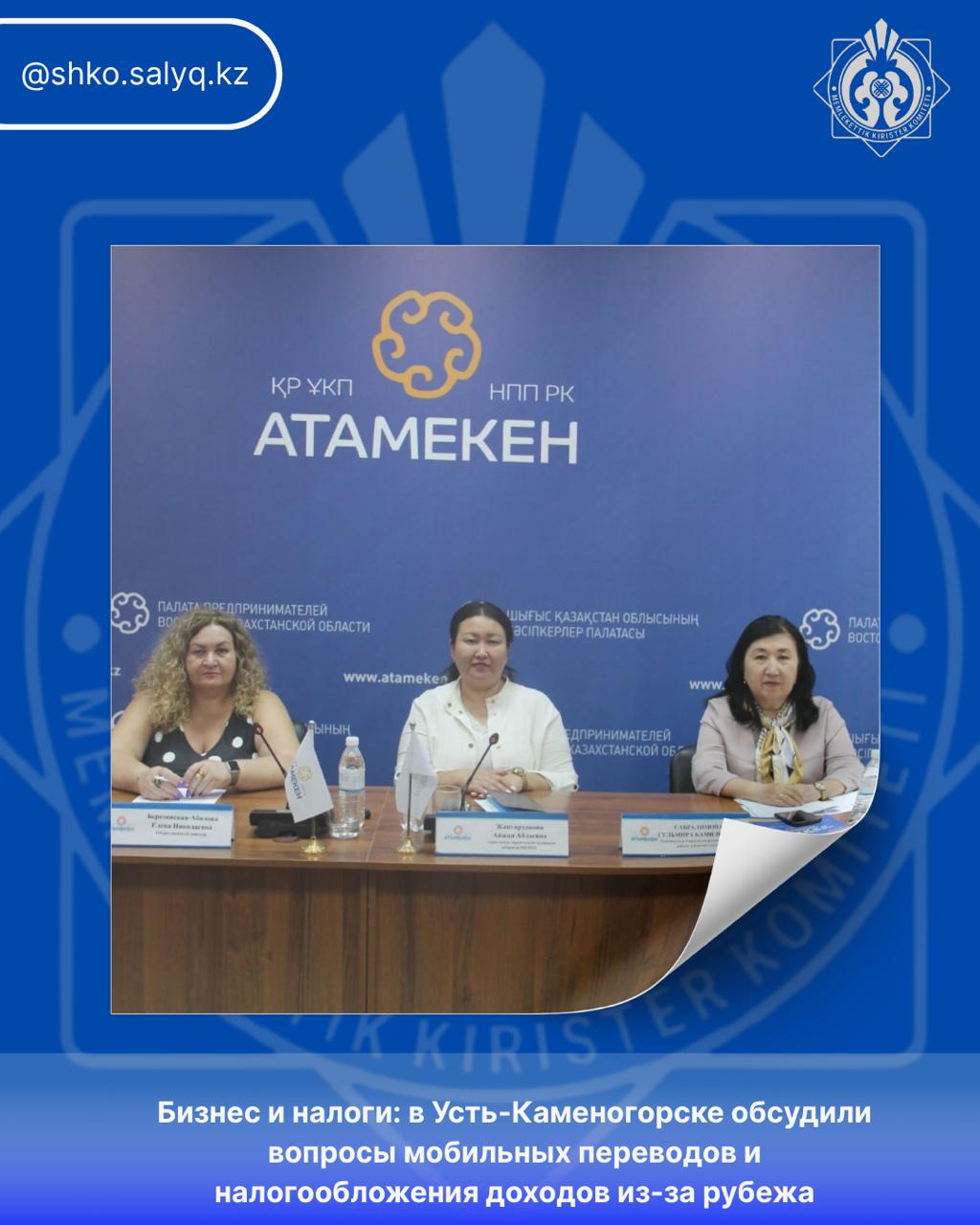
Business and Taxes: Mobile Transfers and Taxation of Foreign-Sourced Income Discussed in Ust-Kamenogorsk 01.07.2026
On June 9, 2026, another live session of the “Business and Taxes” project was held at the Chamber of Entrepreneurs of East Kazakhstan Region, jointly organized with the State Revenue Department of East Kazakhstan Region.The meeting focused on issues related to mobile money transfers as well as the taxation of income earned by individuals outside the Republic of Kazakhstan.During the event, Gulmira Sabralimova, Head of the Public Awareness and Contact Center Department, explained the current provisions of tax legislation, the procedures for declaring income received from foreign sources, and the specifics of monitoring mobile transfers. Participants received answers to topical questions regarding the fulfillment of tax obligations and the practical application of tax regulations.Special attention was paid to improving tax literacy among citizens and entrepreneurs, as well as preventing violations of tax legislation.The meeting was held in an open dialogue format and was broadcast live on Facebook, enabling a wide range of interested citizens and business representatives to participate in the discussion.The organizers emphasized the importance of such events in ensuring timely awareness of legislative changes among taxpayers and fostering a culture of voluntary tax compliance.Source : https://www.gov.kz/memleket/entities/kgd-vko/press/news/details/1238669?lang=ru
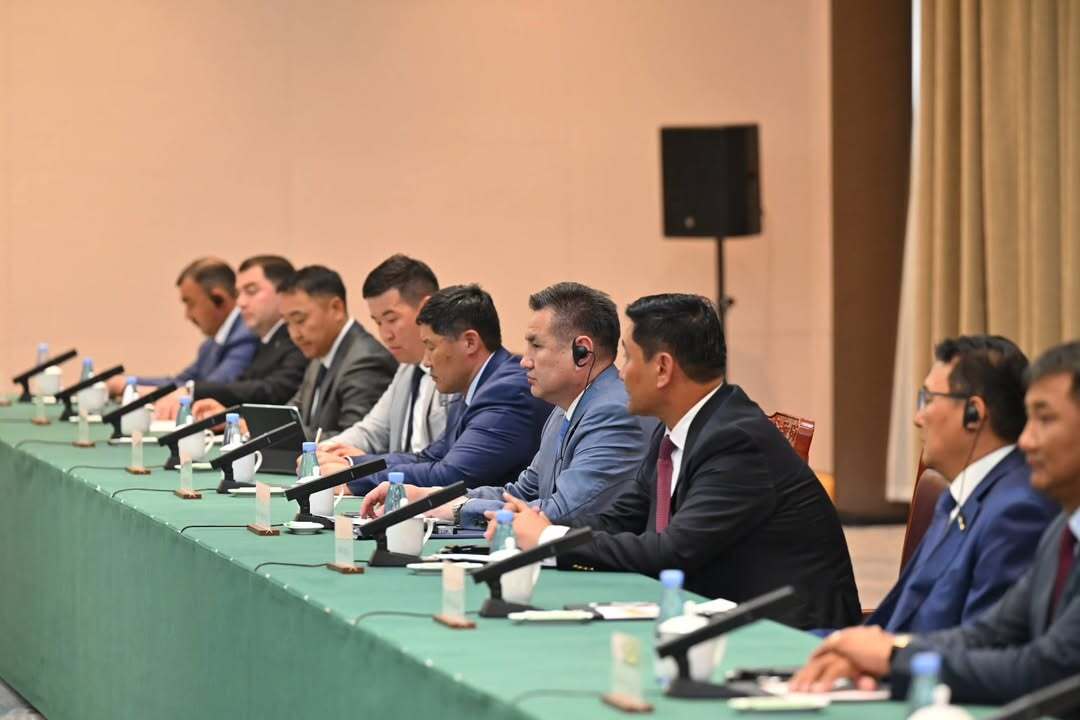
A delegation of the East Kazakhstan Region led by the Akim of the Region, N.A. Saktaganov, took part in the International Regional Cooperation Conference “Greater Altai – 2026”, held in Altay City of the People's Republic of China. 01.07.2026
During the conference, the investment, industrial, transport-logistical, and tourism potential of the East Kazakhstan Region was presented. Special attention was drawn to the region's strategic location, which is becoming a key transport and logistics hub connecting Kazakhstan, China, Russia, and Mongolia. Participants of the event were presented with the results of large-scale work on the development of the region's infrastructure. In particular, the largest bridge in Central Asia across the Bukhtarma Reservoir has been commissioned, over 1,500 kilometers of roads have been modernized, and the construction of new airports in the Katon-Karagay and Zaysan districts is underway. As part of the conference, meetings and negotiations were held with representatives of business circles, government agencies, and potential investors. Promising investment projects of the East Kazakhstan Region were presented to foreign partners, along with opportunities for expanding cooperation in the fields of industry, tourism, logistics, and cross-border interaction. The region's high tourism potential was separately highlighted. Unique natural landscapes, rich historical and cultural heritage, and the development of modern tourism infrastructure enable East Kazakhstan to host up to one million tourists annually. The development of cross-border tourist routes between Kazakhstan and China was also identified as a promising direction. Furthermore, it was emphasized that in 2026-2027, the East Kazakhstan Region will chair the International Coordinating Council "Altai – Our Common Home". This mission opens additional opportunities for strengthening partnership ties between the regions of Greater Altai, implementing joint initiatives, and promoting new projects in economic, tourism, and humanitarian spheres. Participation in the "Greater Altai – 2026" conference was an important step in strengthening international cooperation and promoting the East Kazakhstan Region as a reliable partner for investment, business, and tourism. Photos provided by the press service of the Akimat of the East Kazakhstan Region.Source : https://www.gov.kz/memleket/entities/tourism-vko/press/news/details/1238671?lang=ru
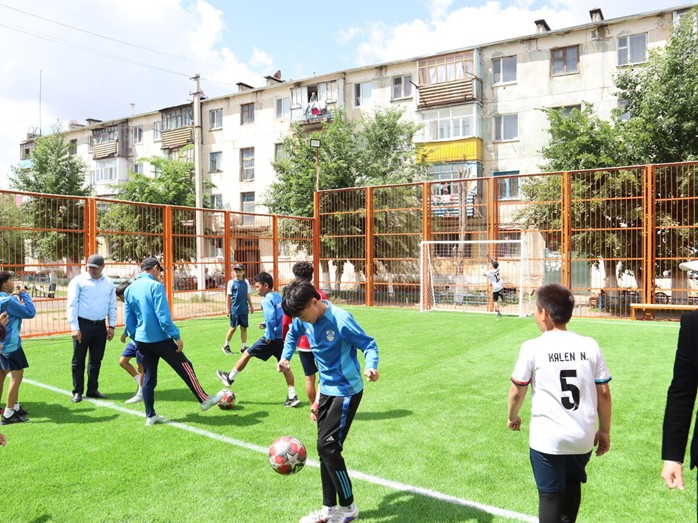
A new sports ground has been put into operation in Arkalyk 01.07.2026
A new mini-football pitch for children and teenagers has opened in the city of Arkalyk. The facility was commissioned on the eve of June 1st — International Children's Day — on Auelbekov Street.The sports facility was built with the support of socially responsible businesses. The project sponsor was the company "Arkalyk Qus," which allocated its own funds amounting to 8 million tenge for the construction.The opening ceremony was attended by representatives of the city akimat, the company's management, and residents of nearby houses. The new sports ground is located in the courtyard of residential buildings and is intended for children from several apartment buildings.The opening of the facility will allow children and teenagers to actively engage in mass sports and spend their free time productively. Such initiatives contribute to the promotion of a healthy lifestyle and the development of sports infrastructure in the city.Representatives of local authorities expressed gratitude to the sponsoring company and emphasized the importance of business support for social initiatives.The work on developing mass sports and creating comfortable infrastructure for children in Arkalyk will continue.Source : https://www.gov.kz/memleket/entities/kostanay/press/news/details/1238672?lang=ru
Individual income tax for individuals, rates, deductions 01.07.2026
On January 1, 2026, a new Tax Code entered into force in Kazakhstan, which amended the procedure for calculating individual income tax (IIT) and applying tax deductions by individuals. The main purpose of the innovations is to reduce the tax burden on low-income citizens and improve the system of tax benefits.A tax deduction is the amount by which an individual's income is reduced when calculating personal income tax. The larger the amount of deductions applied, the lower the amount of tax payable.Since 2026, a progressive scale of taxation has been applied to most incomes of individuals.:10% – for incomes up to 8,500 MCI per year;15% – for a portion of income exceeding 8,500 MCI per year.Thus, for the majority of workers with a regular salary level, the IIT rate remains at 10%.Starting from January 1, 2026, according to the new Tax Code, individuals have the right to apply the following types of tax deductions.- Deductions for social payments (MPC, CSHI, SC)- Basic tax deduction (introduced on January 1, 2026)30 MCI monthly;no more than 360 MCI per calendar year.At the MCI of 4,325 tenge for 2026, the monthly deduction amount is: 129,750 tenge per month, 1,557,000 tenge per year.The basic deduction allows you to reduce the taxable income of each taxpayer, regardless of his income level (for only one tax agent).- Social tax deductionsIn the amount of up to 5,000 MCI per calendar year for persons with disabilities in groups I and II.In the amount of 882 times the MCI per year for certain socially vulnerable categories (persons with disabilities of the third group; participants of the Great Patriotic War and persons equated to them; home front workers; one of the parents, guardians, trustees of a child with a disability; one of the parents, guardians, trustees of a person recognized as a person with a disability due to "a person with a disability since childhood, etc.).Tax deductions can be appliedby the employer when calculating wages;independently by an individual when submitting a tax return in cases stipulated by law.Source : https://www.gov.kz/memleket/entities/kgd-vko/press/news/details/1238674?lang=ru
Meeting with the President of the Brazilian Tobacco Industry Federation 01.07.2026
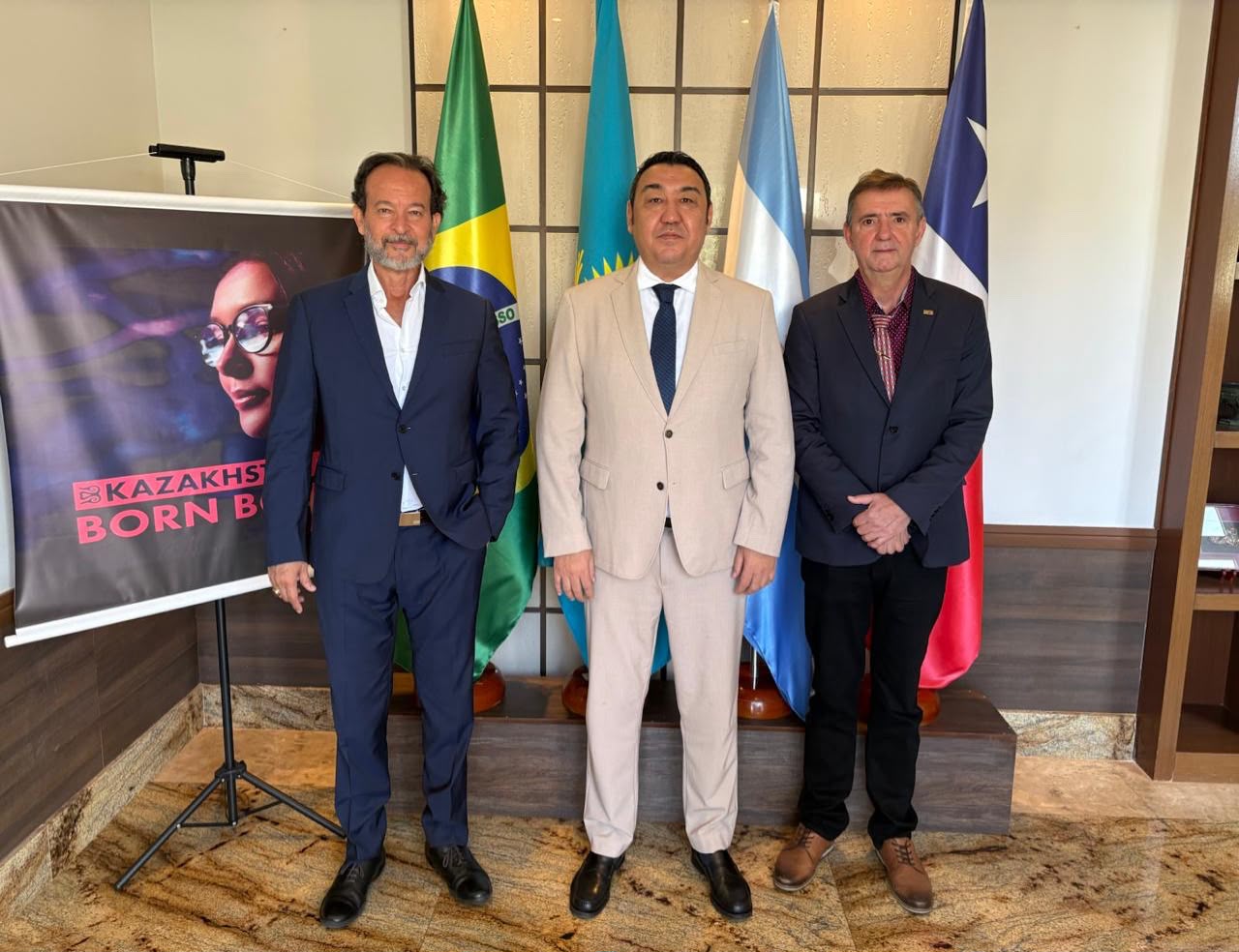
Brazil, June 10, 2026 – A meeting was held at the Embassy of Kazakhstan in Brazil between Ambassador BolatNussupov, President of the Brazilian Tobacco Industry Association «Sinditabaco»ValmorThesing, and President of the Brazil–Kazakhstan Chamber of Commerce and Industry CassianoViana.During the meeting, the parties discussed the establishment of bilateral cooperation in the field of production technologies and the supply of raw tobacco.The Brazilian side noted that Brazil is the world’s leading exporter of tobacco and ranks third globally in production volume, producing approximately 600,000–700,000 metric tons annually, behind only China and the United States. Around 85–90% of Brazilian tobacco is exported, primarily to Europe and Southeast Asia. The country’s main tobacco-growing regions are located in the southern states of Rio Grande do Sul, Santa Catarina, and Paraná.In this regard, interest was expressed in establishing partnerships with relevant organizations and companies in Kazakhstan operating in this sector. The parties agreed to organize an online meeting between potential partners from the two countries. Source : https://www.gov.kz/memleket/entities/mfa-brazil/press/news/details/1238649?lang=ru

Astana Yutariya Plant 01.07.2026
The Astana Yutariya plant was launched about ten years ago and has beenoperating continuously since then. The enterprise employs more than 250people. Here, specialized workwear is manufactured for representativesof various professions.More about the production process can be found on the program"Qoltańba" on Astana TV.Source : https://www.gov.kz/memleket/entities/astana-uir/press/news/details/1238652?lang=ru
On Interparliamentary Cooperation Development with Austria 01.07.2026
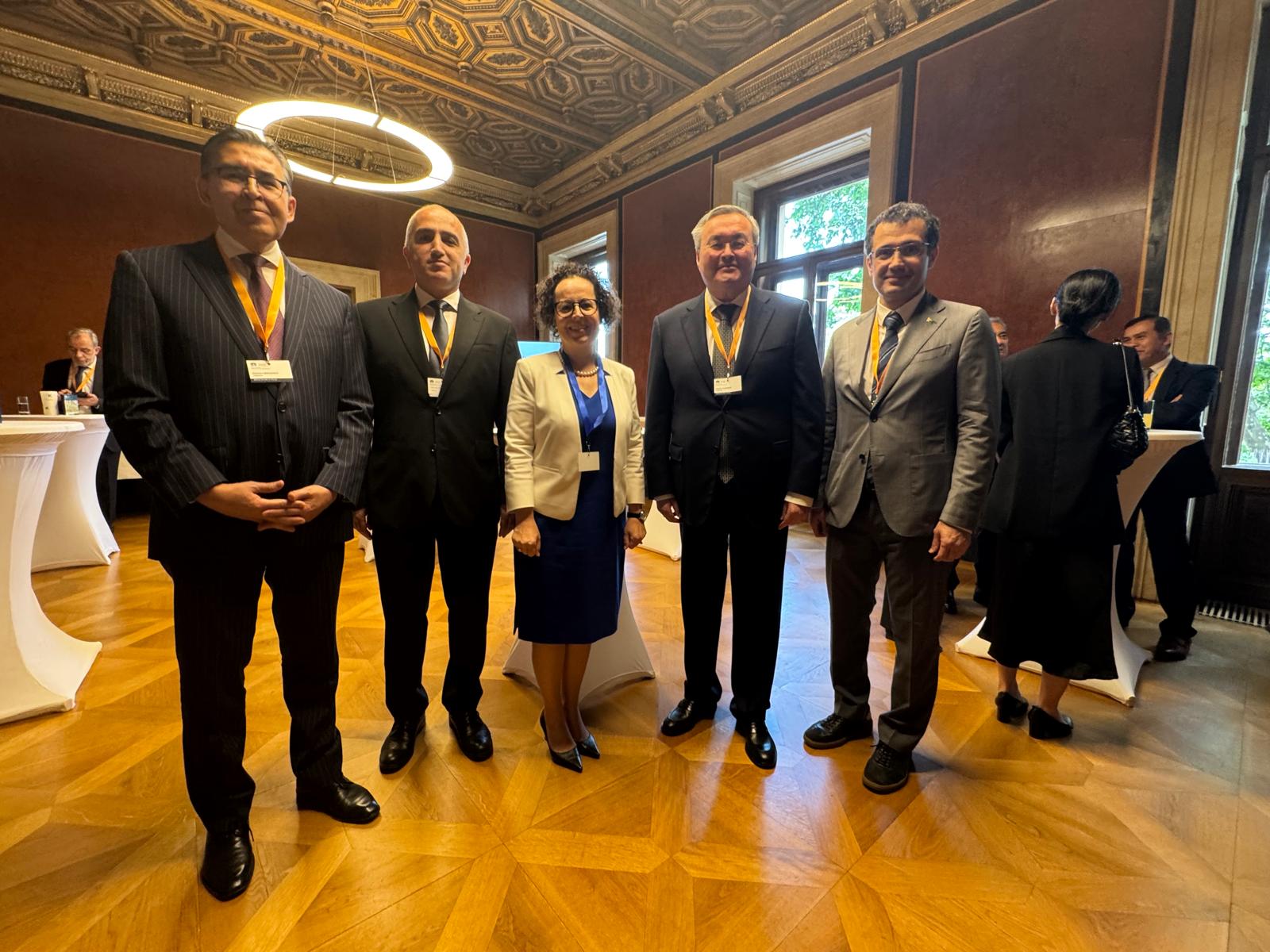
Vienna, June 9, 2026 – Mukhtar Tileuberdi, Ambassador of Kazakhstan to Austria, took part in an event organized by the Austrian Parliamentary Society (Österreichische Parlamentarische Gesellschaft, ÖPG), during which he held a number of substantive and productive meetings with the leadership of the Austrian Parliament and representatives of interparliamentary circles.During the event, Ambassador Tileuberdi held meaningful discussions with Walter Rosenkranz, President of the National Council of Austria, Christina Schwarz-Fuchs, Vice President of the Austrian Federal Assembly and member of the Austria–Kazakhstan Friendship Group, as well as with other parliamentarians.During the meetings, the Ambassador informed Austrian lawmakers about the implementation of the large-scale political reform program initiated by President of the Republic of Kazakhstan Kassym-Jomart Tokayev. Particular attention was paid to the further modernization of Kazakhstan’s political system, the strengthening of democratic institutions, and the expansion of citizens’ participation in decision-making processes.The interlocutors were briefed in detail on the key provisions of the updated Constitution of the Republic of Kazakhstan, which introduced new mechanisms for balancing the branches of government, enhanced the role of Parliament and the Vice President, strengthened local self-government, and expanded guarantees for the protection of citizens’ rights and freedoms.Special attention was also given to plans for the upcoming Kurultai elections and further steps aimed at the country’s institutional development within the framework of building a “Just Kazakhstan.” Positive assessments were voiced regarding the visit of the Austrian Ministers of Foreign Affairs and Interior to Kazakhstan on May 5–7 this year.Welcoming the positive outcomes of the visit of the two Austrian ministers to Kazakhstan, Austrian parliamentarians expressed their interest in maintaining an active interparliamentary dialogue and expanding bilateral cooperation between Kazakhstan and Austria. Particular emphasis was placed on the forthcoming visit of the friendship group to Kazakhstan scheduled for September 27–30 this year.The parties reaffirmed their mutual commitment to further strengthening the Kazakh-Austrian partnership and maintaining regular contacts.Source : https://www.gov.kz/memleket/entities/mfa-vienna/press/news/details/1238622?lang=ru
7th Meeting of the Kazakhstan-Canada Business Council Held in Astana 01.07.2026
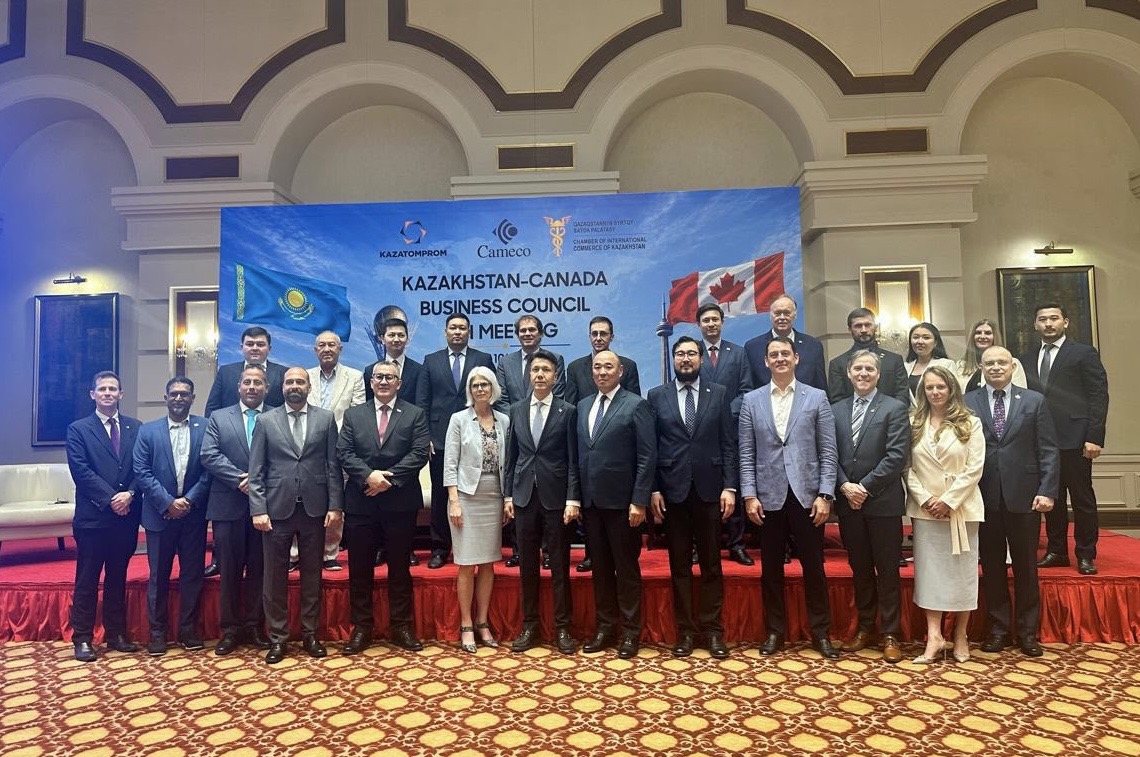
Astana, June 10, 2026 – The 7th meeting of the Kazakhstan-Canada Business Council (KCBC), co-chaired by Kazatomprom JSC and Cameco Corporation, was held in Astana on June 10, 2026. The event brought together more than 100 participants, including senior representatives of Kazakhstani government agencies, the business communities of Kazakhstan and Canada, as well as experts and academics.The event was opened on behalf of the Government of the Republic of Kazakhstan by Deputy Foreign Minister Alibek Kuantyrov. Welcoming remarks were also delivered by the KCBC co-chairs – Chairman of the Management Board of Kazatomprom JSC Meirzhan Yussupov and Chief Executive Officer of Cameco Corporation Tim Gitzel (via prerecorded video address).The business programme featured two thematic sessions dedicated to artificial intelligence development and trade and investment cooperation in the key sectors of the bilateral agenda.During the first session, Vice-Minister of Artificial Intelligence and Digital Development of Kazakhstan B.Mukhametkaliyev outlined state policy priorities in digital transformation and AI, identifying concrete opportunities for foreign technology companies in the Kazakhstani market. Chris Terris, President of Telus Agriculture & Consumer Goods, shared the company's experience applying AI solutions in the agro-industrial sector. Speakers also addressed AI implementation practices in telecommunications, big data management, manufacturing processes, and other areas. The discussion illustrated the broad range of opportunities for Kazakhstan-Canada cooperation in digital technologies and confirmed mutual interest in pursuing joint initiatives in this field.At the second panel session, Chairman of the Presidium of the National Chamber of Entrepreneurs “Atameken” K.Sharlapaev briefed participants on the current state of Kazakhstan’s business environment and its development outlook, drawing Canadian partners’ attention to systemic reforms aimed at improving conditions for investors. The management of QazTrade JSC presented existing tools for stimulating bilateral trade and expanding Kazakhstani exports to Canada. Vice-President of B2Gold N.Reeder, Director of CanAgro R.Minin and Vice-President of Xena Distribution E.Purdy discussed prospects for joint projects in Kazakhstan's mining, energy, and agro-industrial sectors.At the conclusion of the event, the parties reaffirmed their mutual commitment to deepening cooperation and expressed their intention to consistently implement the agreements reached during the meeting.The strong representation of Canadian business at the forum reflects growing interest from Canadian business circles in the Kazakhstani market and underscores the country's appeal as the most reliable and secure investment jurisdiction in the region.The 7th KCBC meeting marked another significant step in advancing the bilateral business dialogue and provided fresh impetus for the development of trade and economic relations between Kazakhstan and Canada.Background: The Kazakhstan-Canada Business Council is the key mechanism for advancing trade and economic dialogue between the business communities of the two countries. The Council was established in 2015 and operates under the co-chairmanship of Kazatomprom JSC on the Kazakhstani side and Cameco Corporation on the Canadian side. The 6th KCBC meeting was held in Toronto in March 2024.Source : https://www.gov.kz/memleket/entities/mfa-ottawa/press/news/details/1238628?lang=ru
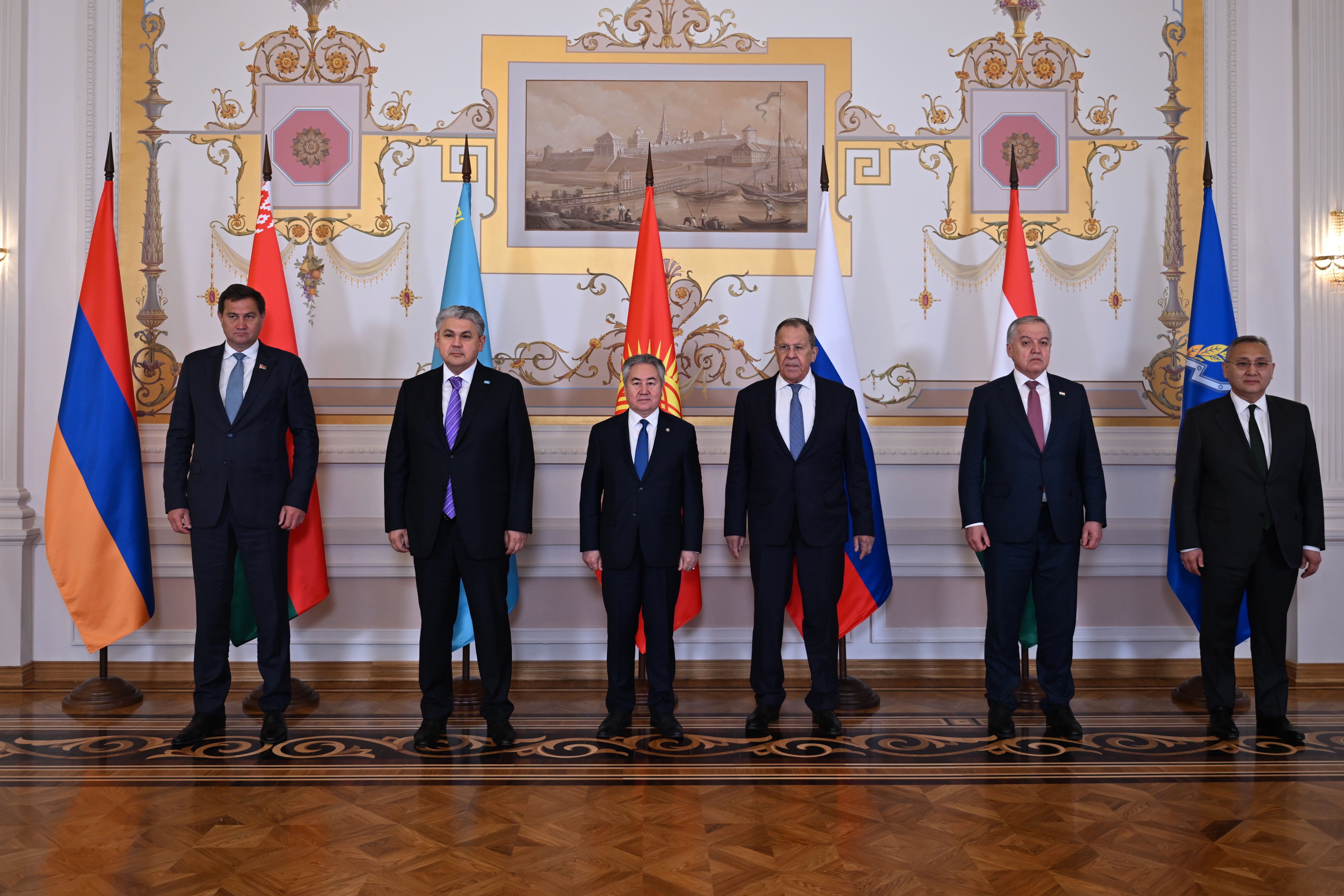
Kazakhstan’s Foreign Minister Participates in CSTO Council of Foreign Ministers Meeting 01.07.2026
Kazan, June 10, 2026 – Minister of Foreign Affairs of the Republic of Kazakhstan, Yermek Kosherbayev, participated in the regular meeting of the Council of Foreign Ministers of the Collective Security Treaty Organization (CSTO).During the meeting, the foreign ministers of the CSTO member states exchanged views on the international and regional situation and its impact on the security of the Organization's member states.In his remarks, the Minister of Foreign Affairs of Kazakhstan noted that the Collective Security Treaty Organization remains an important pillar for ensuring peace, stability and sustainable development in the region. Through their joint efforts, the Organization’s member states effectively counter contemporary challenges and threats, coordinate actions in the field of defence, and respond promptly to crisis situations.He also informed the participants about Kazakhstan’s position and approaches regarding cooperation within the CSTO framework and put forward a number of proposals aimed at the Organization’s further comprehensive development.He emphasized the importance of coordinating efforts in the areas of information and cybersecurity. In this context, he briefed the participants on the development of digital technologies and artificial intelligence in Kazakhstan, highlighting, in particular, the adoption of the Digital Code, the launch of the Alem AI Center for Artificial Intelligence and a supercomputing cluster, as well as the establishment of the Data Center Valley and the implementation of the Astana Smart City project.He also expressed gratitude to Kazakhstan’s partners within the Collective Security Treaty Organization for their support in establishing the Asia-Pacific Regional Hub of Digital Solutions for Sustainable Development in Almaty.Following the meeting, the ministers approved the draft CSTO Counter-Terrorism Strategy until 2030.The Council of Foreign Ministers also adopted political statements on preventing an arms race in outer space, the need to counter threats arising from the use of information and communication technologies for sabotage and terrorist purposes, strengthening the role of international law and commitment to the principles of the UN Charter, as well as a statement marking the 85th anniversary of the beginning of the Great Patriotic War.Overall, the parties reaffirmed their commitment to enhancing cooperation within the CSTO framework and further strengthening the Organization.The next meeting of the Council of Foreign Ministers, under the chairmanship of the Russian Federation, will take place in Moscow in November 2026 on the eve of the CSTO Collective Security Council session.Source : https://www.gov.kz/memleket/entities/mfa/press/news/details/1238550?lang=ru
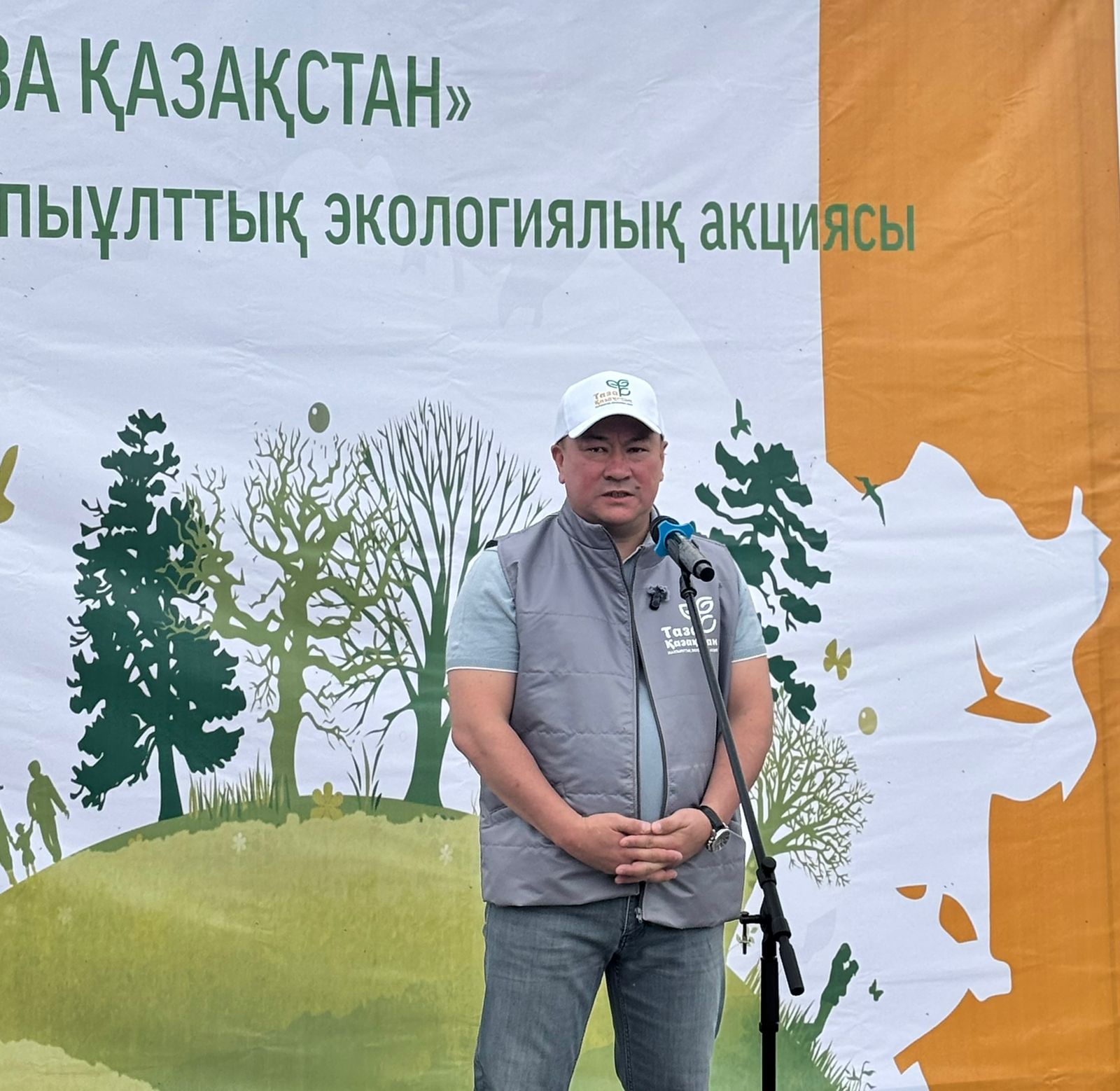
Environmental campaign “Ertis taza zhagadan bastalady” 01.07.2026
The city of Kurchatov hosted the "Irtysh River Embankment" environmental campaign, aimed at cleaning and improving the Irtysh River embankment. Participants cleaned the city embankment, one of the city's most beloved walking spots, a favorite place where residents and visitors can relax and enjoy the picturesque view of the Irtysh River. Around 200 Kurchatov residents—representatives of city businesses and organizations, volunteers, members of the "Zhasyl El" labor brigade, and members of the Veterans Council—participated in the event. Five tons of trash were collected and removed during the campaign. Participants emphasized the importance of maintaining cleanliness and respecting the natural environment.Participants emphasized that the embankment is not only a recreational area but also an important public space uniting generations of Kurchatov residents.Source : https://www.gov.kz/memleket/entities/abay-kurchatov/press/news/details/1238534?lang=ru
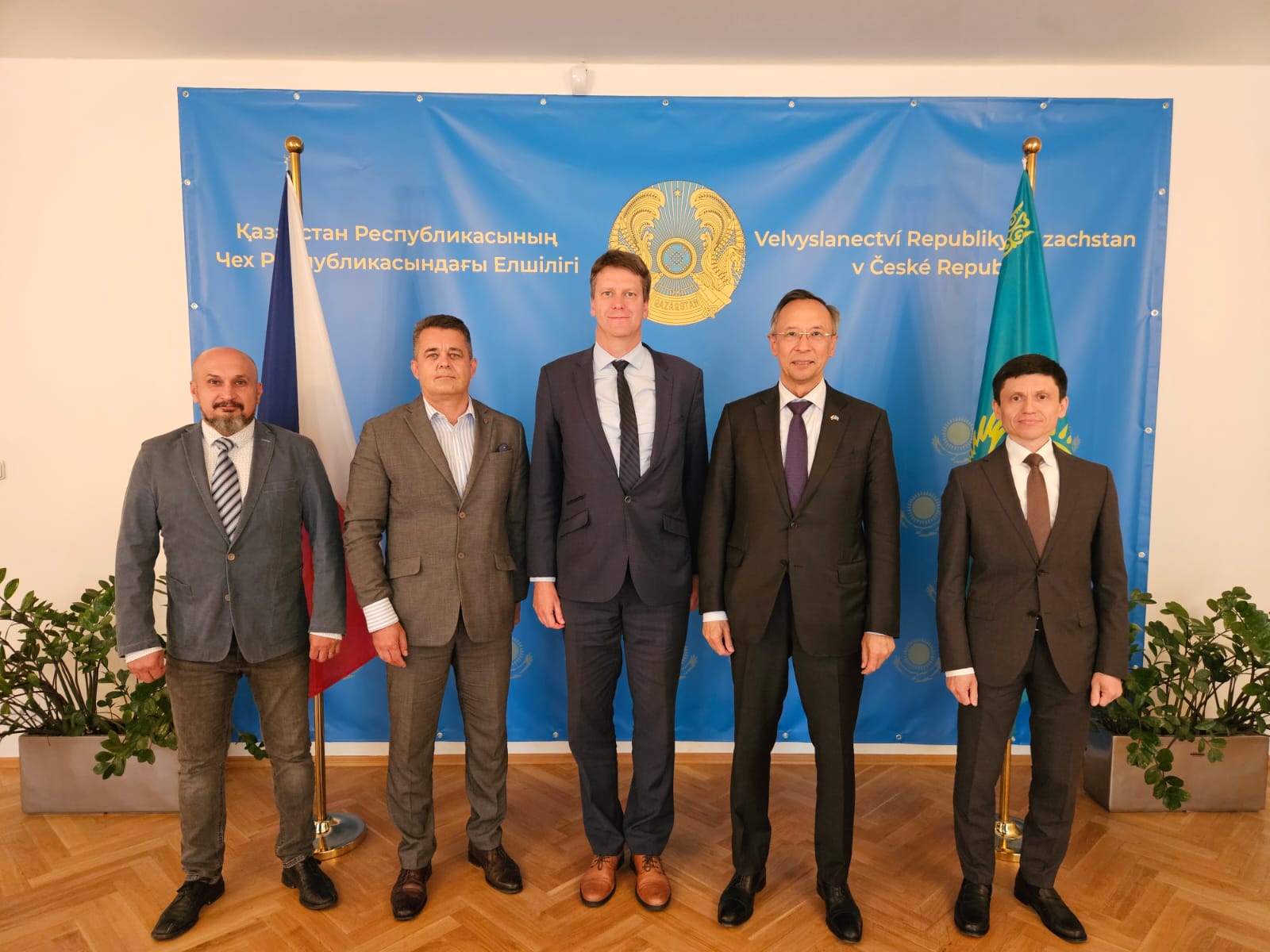
Kazakhstan and the Czech Republic Strengthen Cooperation in the Preservation and Maintenance of Military Burial Sites 01.07.2026
Prague, 9 June 2026 - A meeting was held at the Embassy of the Republic of Kazakhstan in Prague with representatives of the Department for Veterans and War Graves of the Ministry of Defence of the Czech Republic, Pavel Kugler, Martin Žour and Radim Chrást.During discussions with Ambassador of Kazakhstan to the Czech Republic Kairat Abdrakhmanov, the parties reviewed prospects for Kazakh-Czech cooperation in the identification, research, restoration and maintenance of military burial sites located in the territories of both countries.Particular attention was devoted to archival and historical research, efforts to establish the fate of fallen military personnel and civilian victims, as well as the preservation of historical memory related to the tragic events of the twentieth century and the legacy of the two World Wars.In this context, the parties noted the significance of the visits to Kazakhstan by Jan Bartošek, Deputy Speaker of the Chamber of Deputies of the Parliament of the Czech Republic, in 2023 and 2025. During these visits, burial sites of persons of Czech origin in several regions of Kazakhstan were visited, meetings were held with representatives of state institutions and the expert community, and a scientific and historical conference was organized.The participants underscored the importance of establishing a systematic framework for cooperation at the governmental level, including the restoration and study of military archives, the development of comprehensive databases of war graves, and the exchange of international best practices in this field. Such efforts, they noted, would contribute to strengthening humanitarian ties, fostering mutual understanding, and deepening people-to-people contacts between the two countries.The parties further emphasized that respectful stewardship of memorial sites, together with the search for and restoration of military burial places, carries not only historical significance but also an important moral dimension. Preserving the memory of victims of war serves future generations and contributes to the promotion of peace, reconciliation and conflict prevention.Kazakh diplomats expressed their appreciation to their Czech counterparts for their dedicated and sustained efforts to preserve and maintain the burial sites of Czech soldiers abroad, as well as those of foreign, including Kazakh soldiers, located on the territory of the Czech Republic.The meeting reaffirmed the mutual commitment of both sides to further expanding cooperation, enhancing expert exchanges, and implementing joint initiatives aimed at studying shared historical heritage and preserving military burial sites, in line with the agreements reached at the highest level.Source : https://www.gov.kz/memleket/entities/mfa-prague/press/news/details/1238521?lang=ru

Attention Foreign Economic Activity Participants and Carriers! 01.07.2026
The State Revenue Department for Almaty informs that there is currently a congestion of freight vehicles at the “Zhaysan” road border checkpoint of the State Revenue Department for Aktobe Region on the Kazakhstan–Russia section of the state border (adjacent to the “Ilek-1” checkpoint in the Orenburg Region of the Russian Federation).In this regard, in order to minimize waiting times, prevent vehicle downtime, and optimize logistics processes, the State Revenue Department for Almaty strongly recommends that foreign economic activity participants, carriers, customs representatives, and other parties involved in the transportation process:Plan routes in advance, taking into account the current traffic load in this direction;Use alternative routes: until the situation is resolved, it is recommended to move vehicles through the “Alimbet” road border checkpoint;Timely inform drivers and other concerned parties about possible changes to transportation routes.The situation is under continuous monitoring by the authorized state authorities. Source : https://www.gov.kz/memleket/entities/kgd-almaty/press/news/details/1238495?lang=ru
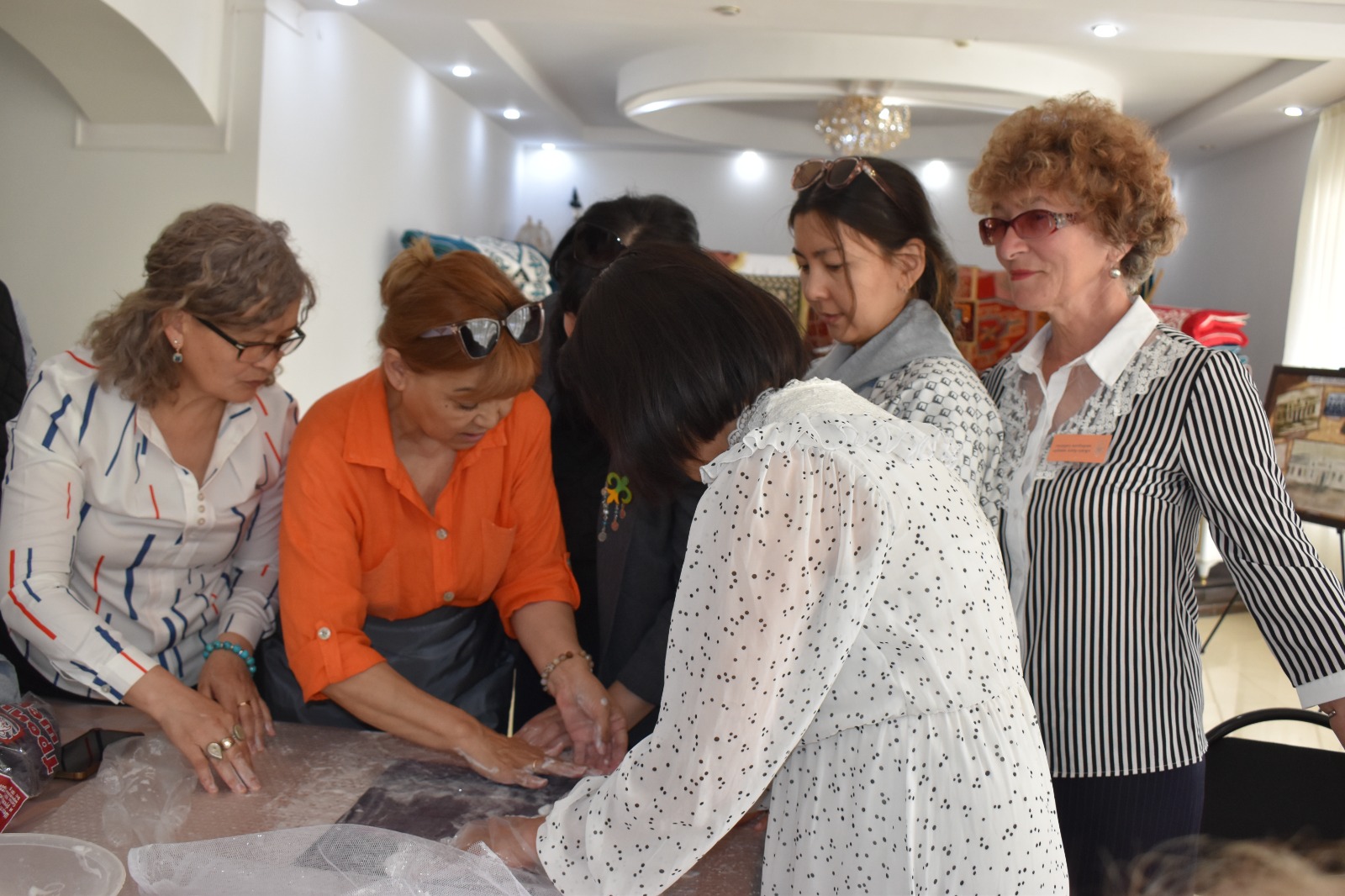
In the Beimbet Mailina district, on June 10, a regional cultural and educational forum “Madeni muraga kamkorlyk - ult bolashagyna kamkorlyk” was held, dedicated to the 90th anniversary of the Beimbeta Mailina district. 01.07.2026
The event brought together cultural workers, historians, teachers, masters of decorative and applied arts, and all those who cherish the national heritage. The head of the Department of Culture and Language Development of the Beimbet Maylin District Akimat, Zhanat Kazbekovna Nugmanova, addressed the participants with a welcoming speech.As part of the project, the district exhibition "Cultural Heritage is the Nation's Treasure" was launched, featuring historical documents and exhibits from the district museum and archive, book expositions, works by masters of decorative and applied arts, and young artists from the art school.The guests showed particular interest in master classes on pottery, felt making, crafting national jewelry and dombra, as well as thematic lectures dedicated to the history and cultural heritage of the native land.The project has become an important platform for preserving and popularizing national traditions, passing knowledge to the younger generation, and strengthening the connection between times.Source : https://www.gov.kz/memleket/entities/kostanai-bmalin-audany-akimat/press/news/details/1238459?lang=ru
A two-day republican online seminar was held 01.07.2026
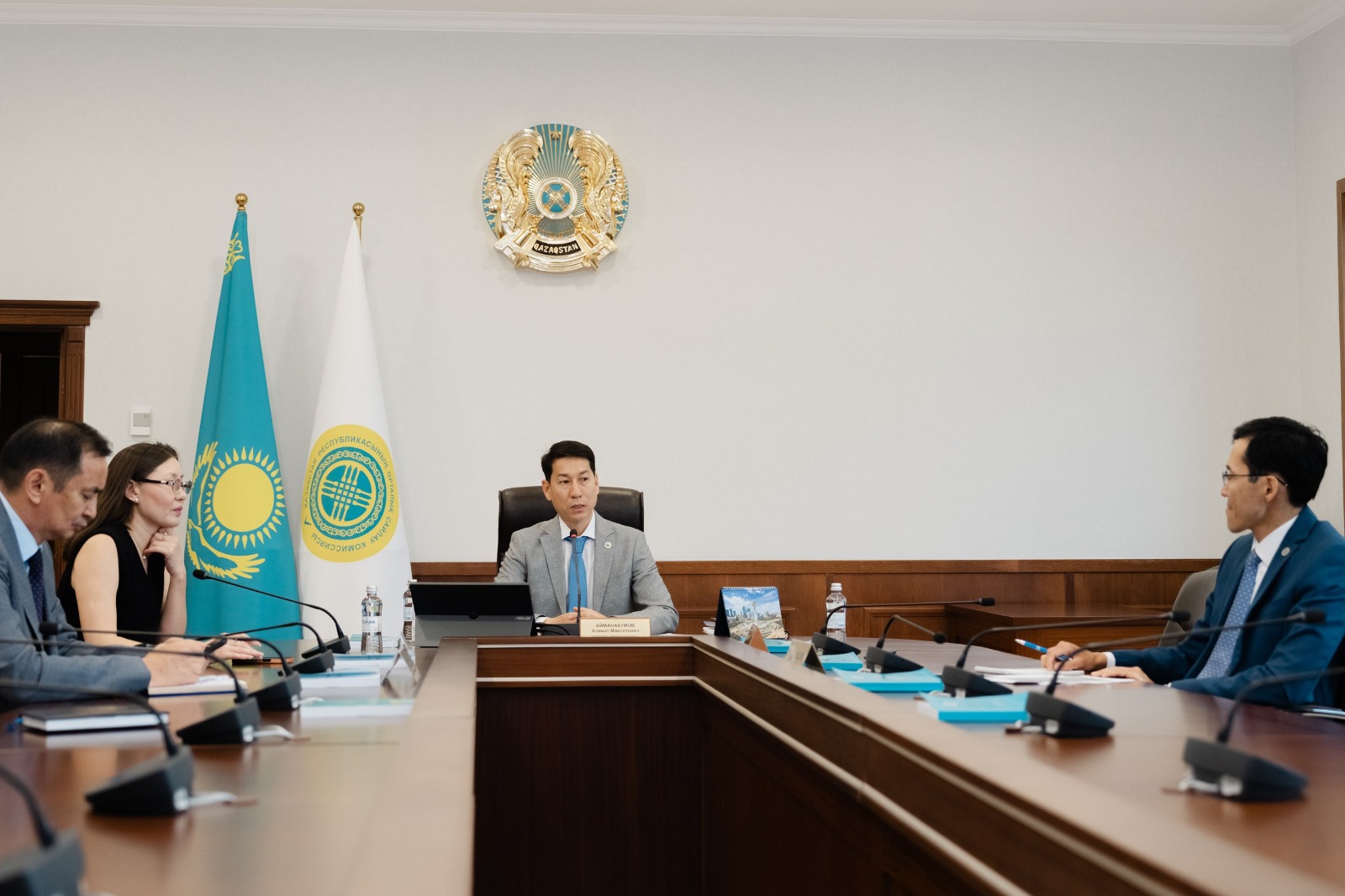
On 9-10 June 2026, the Central Election Commission of the Republic of Kazakhstan, as part of the implementation of the Comprehensive Plan of Measures for Organizing Training for Participants of the Electoral Process for 2026, held a republican training online seminar on the topic “Practical Aspects of Organizing and Conducting the Electoral Process.”The event was held at the Academy of Public Administration under the President of the Republic of Kazakhstan and brought together 160 members of territorial election commissions who perform their duties on a permanent professional basis.The seminar programme was aimed at improving the practical skills and enhancing the legal competence of election organizers. During the training, participants considered current issues related to the organization and conduct of election campaigns.The participants familiarized themselves with the latest amendments and new provisions of the electoral legislation of the Republic of Kazakhstan, and also examined the practice of handling citizens’ appeals within the framework of the electoral process.In addition, special attention was paid to issues related to voter information, election campaigning, and national observation. The relevant thematic blocks, which included practical case analysis, were delivered by representatives of the Central Election Commission.The sessions were held in an interactive format using the case-study method: participants worked in small groups, discussed real-life situations, and jointly developed practical solutions.The second day of the seminar was fully devoted to the practical training session “Communication under Stress: Negotiations and Conflict Resolution in the Electoral Process.” During the sessions, participants mastered effective communication tools. The practical part included the analysis of video cases and role-playing exercises.Following the two-day course, participants completed a feedback questionnaire and received electronic certificates confirming their successful completion of the training.The programme was implemented according to the cascade training principle: members of territorial election commissions who completed the seminar will subsequently conduct similar training activities in their respective regions. This approach contributes to the dissemination of the knowledge gained and ensures a unified standard of professional training, competence, and legal culture at all levels of the electoral system.Source : https://www.gov.kz/memleket/entities/election/press/news/details/1238451?lang=ru
New Rules for the Administration and Control of Footwear Labeling in Kazakhstan 01.07.2026
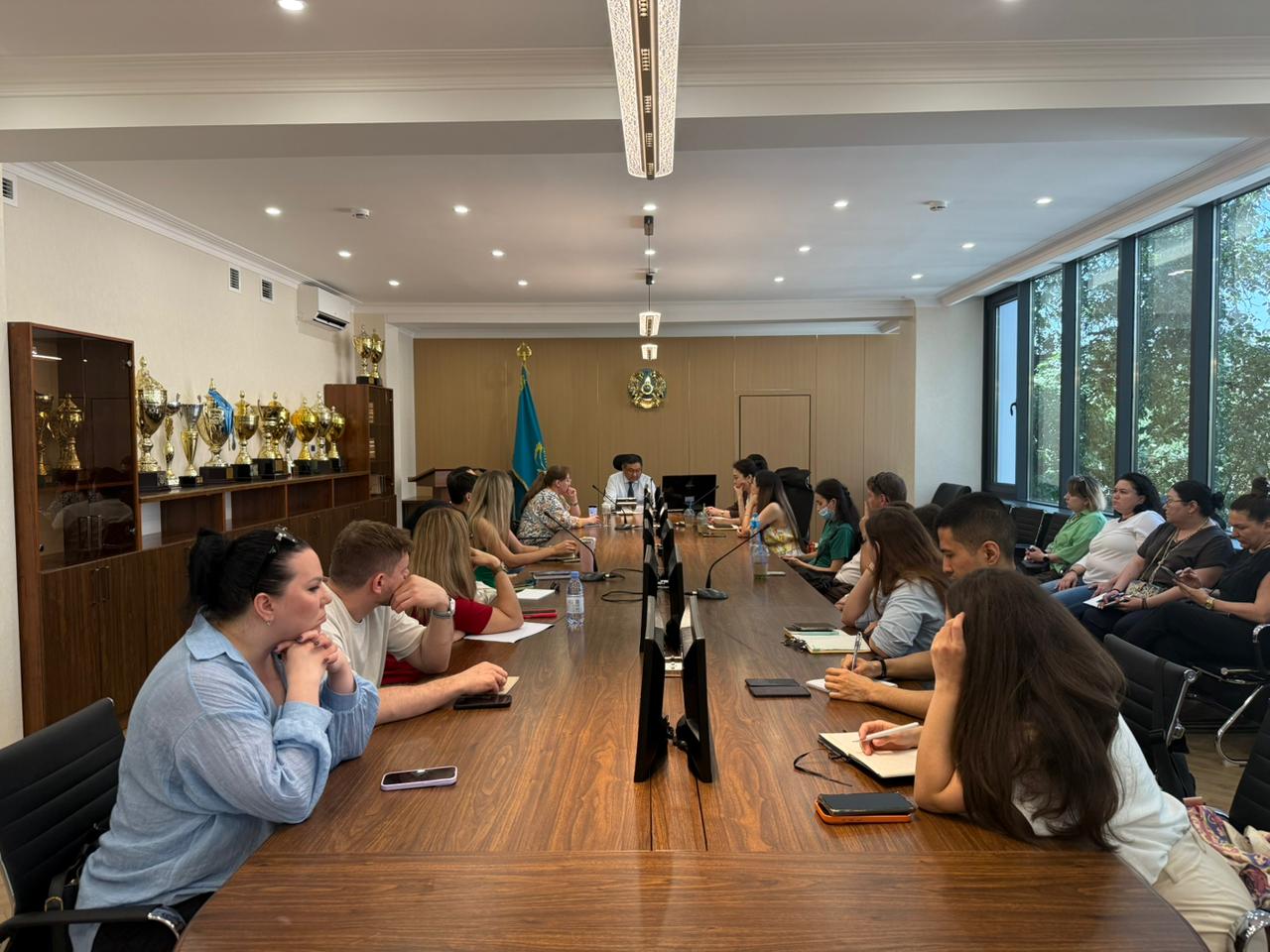
On June 9, 2026, the State Revenue Department for Almaty held a working meeting with major companies engaged in the sale of footwear products in Kazakhstan.The purpose of the meeting was to explain to businesses the rules of product labeling and traceability aimed at ensuring market transparency.Three Key Changes in AdministrationNew Supervisory Authority:Since February 2026, the functions of administering and controlling the footwear labeling system have been officially assigned to the State Revenue Committee of the Ministry of Finance of the Republic of Kazakhstan (SRC MF RK).Single Operator:On a competitive basis, JSC Kazakhtelecom has been designated as the single operator of the national product labeling and traceability system.International Integration:Kazakhstan’s national labeling system has been fully integrated with the corresponding systems of EAEU member states. In particular, integration with the Russian Federation has been operational since November 2022, and with the Republic of Belarus since September 2023, ensuring product traceability within the common economic area.What Taxpayers Need to KnowCode Structure:The labeling code must contain information about the product type, its unique identification number, and cryptographic security elements that verify the authenticity of the product.Operating Procedure:The meeting covered the current methods of applying identification means to footwear products and the procedures for registering market participants in the relevant information systems.Recording Transactions:Participants were informed about the procedure for obtaining labeling codes and how businesses must record all transactions involving labeled goods in the information systems.Source : https://www.gov.kz/memleket/entities/kgd-almaty/press/news/details/1238453?lang=ru
Information Security in Government Revenue Agencies 01.07.2026
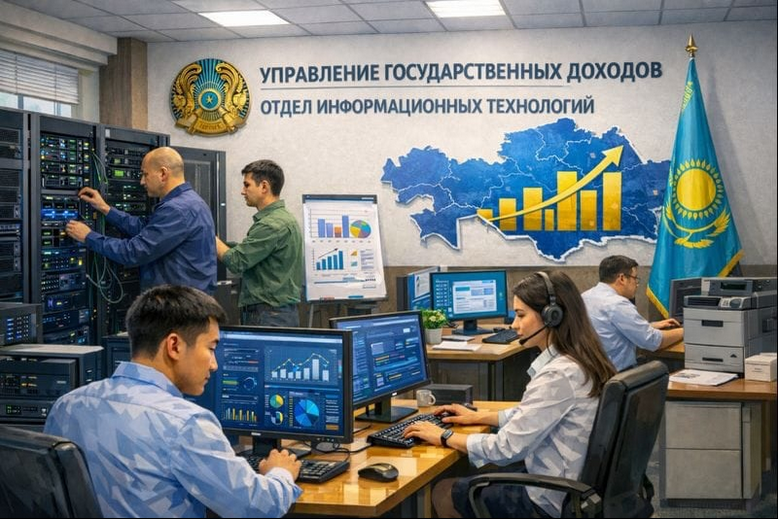
Information security in government revenue agencies refers to a set of measures designed to ensure the security of taxpayers’ personal data, financial information, and government information systems. Main objectives: * maintaining data confidentiality;* preventing the leakage, alteration, or destruction of information;* protecting against cyberattacks and viruses;* ensuring the secure operation of electronic services. Key information security measures: Protection of passwords and electronic digital signatures (EDS)It is prohibited to disclose EDS and passwords to unauthorized persons. Restricting access to informationEmployees have access only to the data necessary for their work. Use of antivirus and security systemsTo prevent hacking and virus infections. Data backupStoring copies of important information to prevent data loss. Compliance with the laws of the Republic of KazakhstanInformation protection is regulated by laws on personal data and information security. The primary government agency in this area is the State Revenue Committee of the Ministry of Finance of the Republic of Kazakhstan. Source : https://www.gov.kz/memleket/entities/kgd-zhetysu/press/news/details/1238442?lang=ru

How to protect your rights 01.07.2026
The Department of Trade and Consumer Rights Protection of the Ministry of Trade and Integration of the Republic of Kazakhstan for the Kyzylorda region brings to the attention of consumers their rights regarding the return or exchange of purchased goods, works, and services.Here are the key recommendations and steps that will help you protect your rights as a consumer:Know your basic rightsRight to information: The consumer has the right to receive complete, reliable, and timely information about the goods (work, service), as well as about the seller (manufacturer, performer) in Kazakh and Russian languages.Right to safety: The goods (work, service) must be safe for the life, health, property of the consumer, and the environment.Right to proper quality: The consumer has the right to purchase goods (works, services) of proper quality.Right to free choice: Coercion to conclude a contract is not allowed.Right to exchange or return of goods: The consumer has the right to exchange or return goods of both proper and improper quality;Right to compensation for damages: The consumer has the right to full compensation for damages (harm) caused to their life, health, and/or property due to defects in the goods (work, service);Right to receive documents: The consumer has the right to receive from the seller (manufacturer, performer) a document confirming the fact of purchase of the goods (performance of work, provision of service), or a contract concluded upon purchase of the goods (performance of work, provision of service);Keep your documentsAlways request and keep: cash and sales receipts, receipts, invoices, warranty cards, contracts, and other documents confirming the fact of purchase or order of a service. This is your primary evidence in case of a dispute.Actions when purchasing a defective product (or improper provision of a service)If you have been sold a product of improper quality (and its defects were not specified by the seller), you have the right, at your choice, to demand (according to the Law of the Republic of Kazakhstan):A proportionate reduction in the purchase price.Free elimination of defects in the goods (repair).Reimbursement of your expenses for eliminating defects in the goods.Replacement with a product of the same brand (model, article).Replacement with the same product of a different brand (model, article) with a corresponding recalculation of the purchase price.Termination of the contract and refund of the money paid for the goods.Source : https://www.gov.kz/memleket/entities/kyzylorda-karmakshy/press/news/details/1238429?lang=ru
Vehicle registration plates for legal entities can now be ordered via the eGov.kz porta 01.07.2026
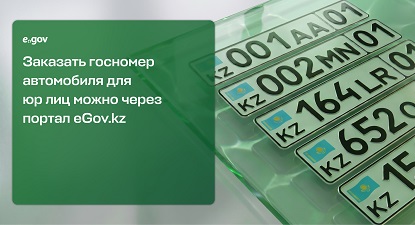
A service for obtaining state vehicle registration plates for legal entities has been automated on the eGov.kz portal. Organizations can now select and order their preferred registration plate numbers for company vehicles entirely online.The upgraded service “Ordering a state vehicle registration plates for legal entities” is available on the eGov.kz portal. A similar service will soon be launched in the eGov Business mobile application on its homepage. Previously, this popular service was available only to individuals. It should be noted that since 2026, the range of state registration plate categories has been expanded to include both “preferred” and “mirror” number combinations.To use the service on the eGov.kz portal, the user needs to:Log in to the eGov.kz portal and navigate to “For Citizenry” → “Transportation and Communication” → “Automobile Transport”;Select the service "Ordering a state vehicle registration plate";Search for the desired license plate number and combination;If the chosen number is unavailable, an alternative number must be entered;If the number is available, the cost is displayed in MCI and in tenge.Fill-in all the required fields (select the region, PSC where the plate will be issued, and the type of plate);Make payment of the state fee;Sign an application using a digital signature (DS) with signing authority.In personal account (in the "History of Obtained Services") familiarize with a generated electronic document and notification on the service delivery status.The issued license plate should be picked up at the PSC previously indicated. It is important to note that the registration plate is assigned to the organization only after it has been issued at the PSC. Thus, in cases where citizens are transferring ownership or purchasing a vehicle, it is necessary to ensure that the license plate is already ready for issuance at the Public Service Center. The timeframe for issuing license plates under the rules of this service: for Astana and Almaty – within 5 working days; for the regions and Shymkent – within 15 working days.The public service was launched thanks to the cooperation of the Public Services Committee of the Ministry of Artificial Intelligence and Digital Development of the Republic of Kazakhstan, National Information Technologies JSC and Ministry of Internal Affairs of the Republic of Kazakhstan.Source : https://www.gov.kz/memleket/entities/aqmola-selinograd/press/news/details/1238431?lang=ru
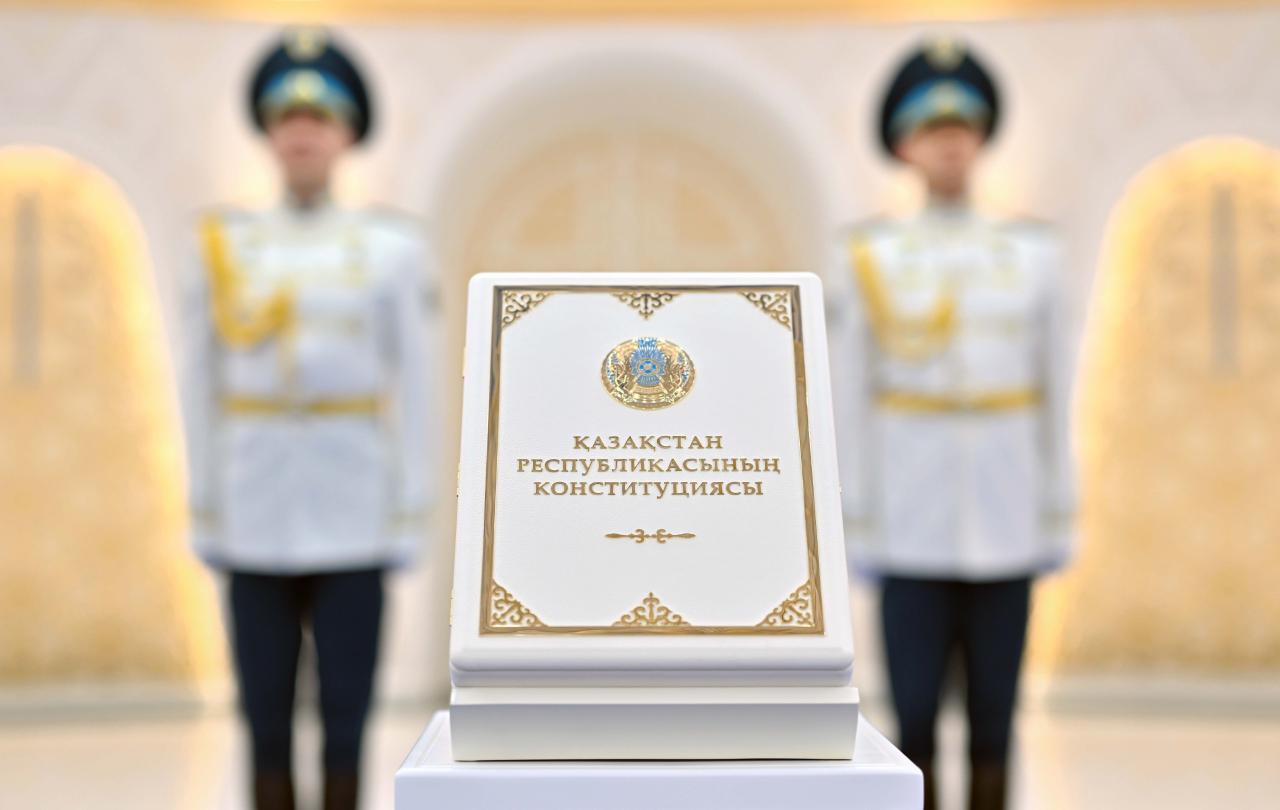
The Constitution of the Republic of Kazakhstan Entered into Force on July 1, 2026 01.07.2026
DEAR CITIZENS OF KAZAKHSTAN!On July 1, 2026, the Constitution of the Republic of Kazakhstan, adopted by the national referendum held on March 15, 2026, entered into force.Through the expression of the will of the people of Kazakhstan, the foundations have been laid for a new stage in the country’s constitutional development.The 1995 Constitution of the Republic of Kazakhstan has ceased to have legal force.The entry into force of the new Basic Law marks a historic milestone in the development of the state and establishes an updated constitutional model based on the supremacy of the Constitution, stronger guarantees of human rights and freedoms, greater legal certainty, increased accountability of public authorities, and broader public participation in the governance of the state.The Constitution has substantially revised and expanded the fundamental principles governing the Republic of Kazakhstan. For the first time, these principles include the protection of Sovereignty and Independence; respect for human rights and freedoms; ensuring the rule of law and public order; strengthening national unity; improving the well-being of the people; promoting the ideals of responsible and constructive patriotism; fostering public dialogue; affirming the values of diligence, progress, and knowledge; cultivating a high level of environmental awareness; preserving historical and cultural heritage; and supporting national culture.The Sovereignty, Independence, unitary nature, territorial integrity, and form of government of the Republic of Kazakhstan remain unchanged.For the first time at the constitutional level, the strategic priorities for the country’s development have been defined, including the development of human capital, education, science, and innovation as the foundation for the long-term development of the Republic of Kazakhstan.The Constitution establishes the supremacy of the Constitution as the Basic Law of the state, affirming its highest legal authority and direct applicability throughout the territory of the Republic of Kazakhstan. All laws and other normative legal acts shall be adopted solely on the basis of and in implementation of the Constitution and may not contradict it.The provisions governing the temporal application of laws, which were previously enshrined among the principles of justice, have now been elevated to constitutional status as one of the foundations of the constitutional order. The prohibition on giving retroactive effect to laws that impose new obligations, worsen the legal position of citizens, or establish or increase liability has become universally binding on all state bodies and public officials.The range of matters subject to regulation by constitutional laws has been expanded to include the legal status and activities of the Halyq Kenesi, the legal status of the capital, the organization of the highest state authorities, the Constitutional Court, the judicial system, special legal regimes, and other matters relating to the structure of the state. This ensures greater stability in their legal regulation.The Halyq Kenesi has been established as the supreme representative body of the people and has been granted the right of legislative initiative, thereby strengthening public participation in the formation of state policy. A new model of legislative authority has been established, and powers have been redistributed among state institutions.The constitutional model for the protection of human rights has been substantially updated. The Constitution now enshrines the key guarantees of criminal proceedings not as principles governing the courts, but as inalienable rights of every individual, binding on all state authorities from the moment a person's liberty is actually restricted. These guarantees include the right to legal defense from the moment of actual detention, judicial oversight over restrictions of liberty, the prohibition of arbitrary detention, the right to remain silent and not to testify against oneself or close relatives (the so-called “Miranda rules”), and the presumption of innocence.For the first time at the constitutional level, the Constitution establishes the state's obligation to compensate for harm caused by unlawful actions of state bodies and public officials, the right to the protection of intellectual property, guarantees of digital rights, including the protection of personal data and digital security, as well as the environmental responsibility of both the state and its citizens.With the entry into force of the new Constitution, the Constitutional Court of the Republic of Kazakhstan will continue to exercise constitutional review, ensuring the supremacy of the new Constitution, protecting its highest legal authority, and promoting a uniform understanding of constitutional values.The entry into force of the new Constitution marks the beginning of a new stage in the constitutional development of the Republic of Kazakhstan, in which the individual, human dignity, rights, and freedoms remain the highest values of the state, and the supremacy of the Constitution serves as the firm foundation for sustainable development, the rule of law, and justice.The Constitutional Court of the Republic of Kazakhstan congratulates all citizens of the Republic of Kazakhstan on the entry into force of the new Constitution and on the beginning of a new stage in the constitutional development of our country.Link to the new text of the Constitution https://www.gov.kz/memleket/entities/ksrk/press/news/details/1159830?lang=en Source : https://www.gov.kz/memleket/entities/ksrk/press/news/details/1250997?lang=ru