News
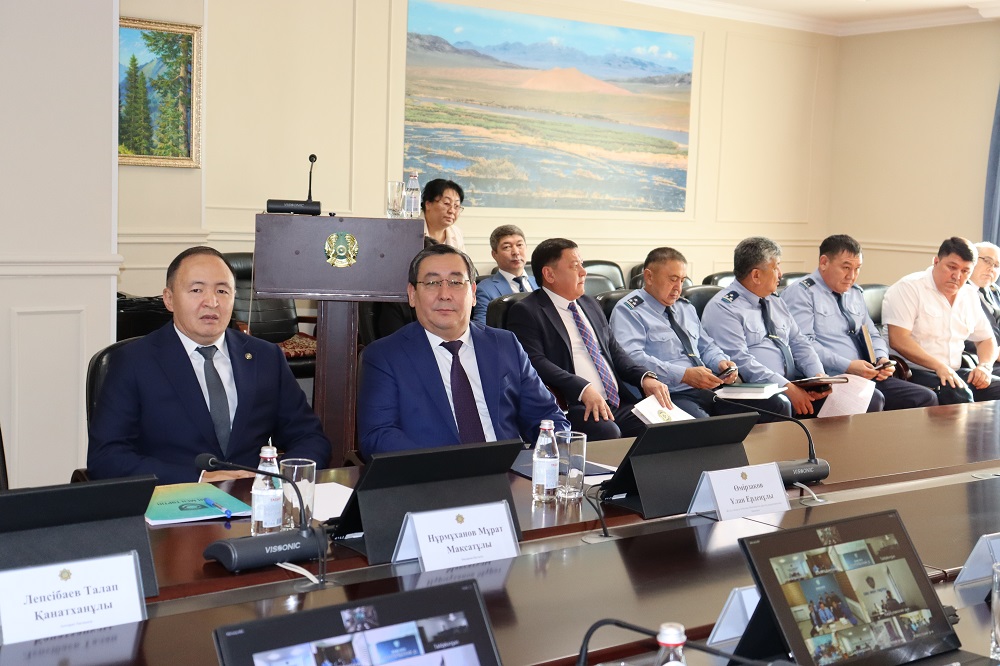
HEAD OF THE STATE REVENUE DEPARTMENT FOR THE JETISU REGION, U. UMIRZAKOV, PARTICIPATED IN THE COORDINATION COUNCIL MEETING 19.09.2026
A meeting of the Coordination Council for Ensuring Law, Order, and Combating Crime in the Jetisu Region was held. U. Umirzakov, Head of the State Revenue Department for the Jetisu Region, took part in the meeting. The agenda included the state of legality and interaction of authorized bodies in the activities of public and private enforcement agents for 2024–2026 regarding the compulsory recovery of alimony, wages, as well as tax and administrative arrears in favor of the state. In particular, during the meeting, special attention was paid to compliance with tax legislation, including the repayment of tax arrears and the collection of vehicle tax. Representatives of the state revenue bodies reported on the ongoing work in this direction and the results of interaction with enforcement agents.Source : https://www.gov.kz/memleket/entities/kgd-zhetysu/press/news/details/1294515?lang=ru

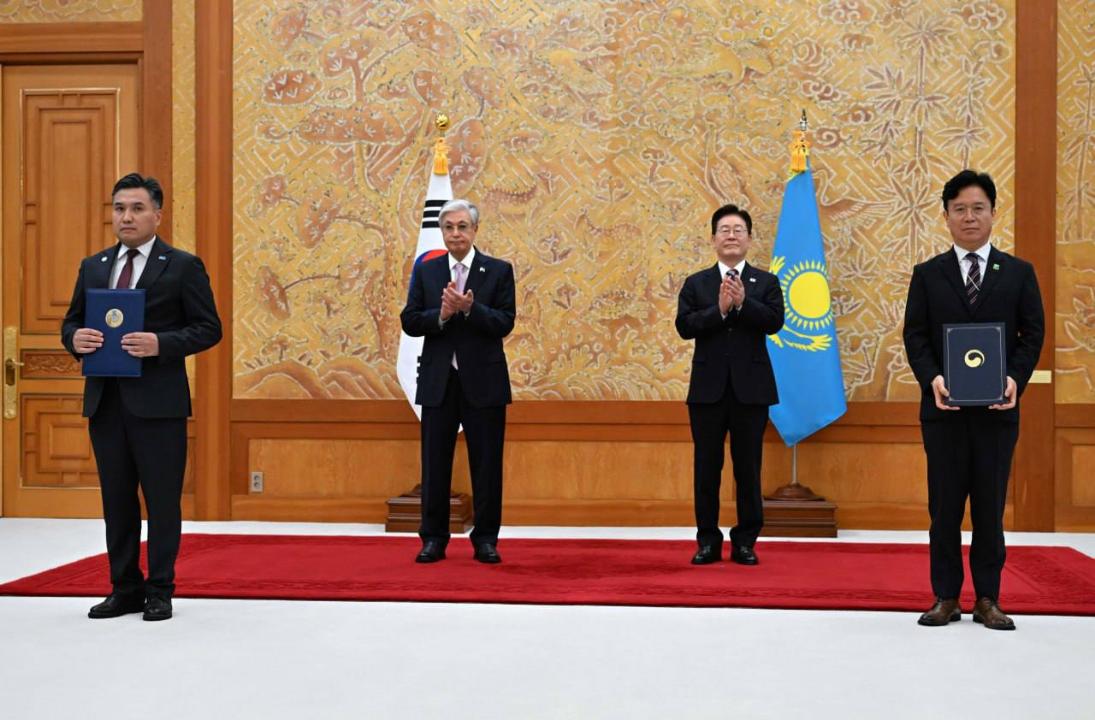
How to Safely Receive Social Payments: What Citizens Need to Know 19.09.2026
Source : https://www.gov.kz/memleket/entities/almobl-enbek/press/news/details/1294496?lang=ru
- 19.09.2026
Source : https://www.gov.kz/memleket/entities/almobl-enbek/press/news/details/1294488?lang=ru
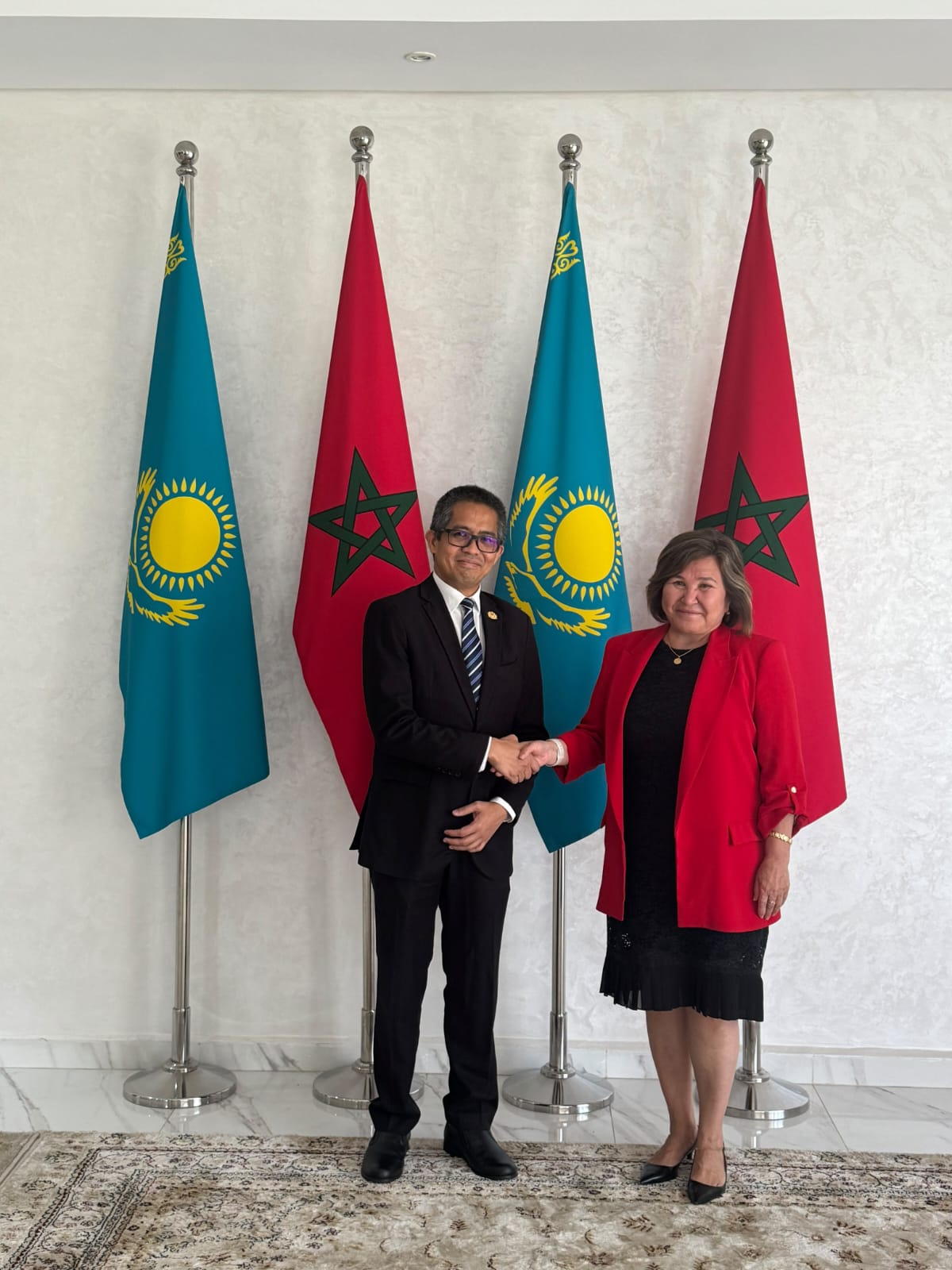
On the meeting of the Ambassador of Kazakhstan to Morocco Saulekul Saylaukyzy with the Ambassador of Malaysia to Morocco Edi Irwan bin Mahmud 19.09.2026
Malaysia's Ambassador to the Kingdom of Morocco, Edi Irwan bin Mahmud, paid a courtesy visit to Saulekul Saylaukyzy, the Ambassador of the Republic of Kazakhstan to the Kingdom of Morocco and Dean of the Asia-Pacific Ambassadors' Group.During the meeting, the two sides expressed hope for fruitful cooperation and the strengthening of bilateral relations. S.Saylaukyzy wished her new Malaysian counterpart a successful diplomatic mission and significant professional achievements in this responsible position.Edi Irwan bin Mahmud is a career diplomat who has served in the Ministry of Foreign Affairs of Malaysia since 2001. He has held positions in Malaysian diplomatic missions in Yemen, Vietnam, Fiji, and Australia, and was Malaysia's Ambassador to Laos.Source : https://www.gov.kz/memleket/entities/mfa-rabat/press/news/details/1294433?lang=ru
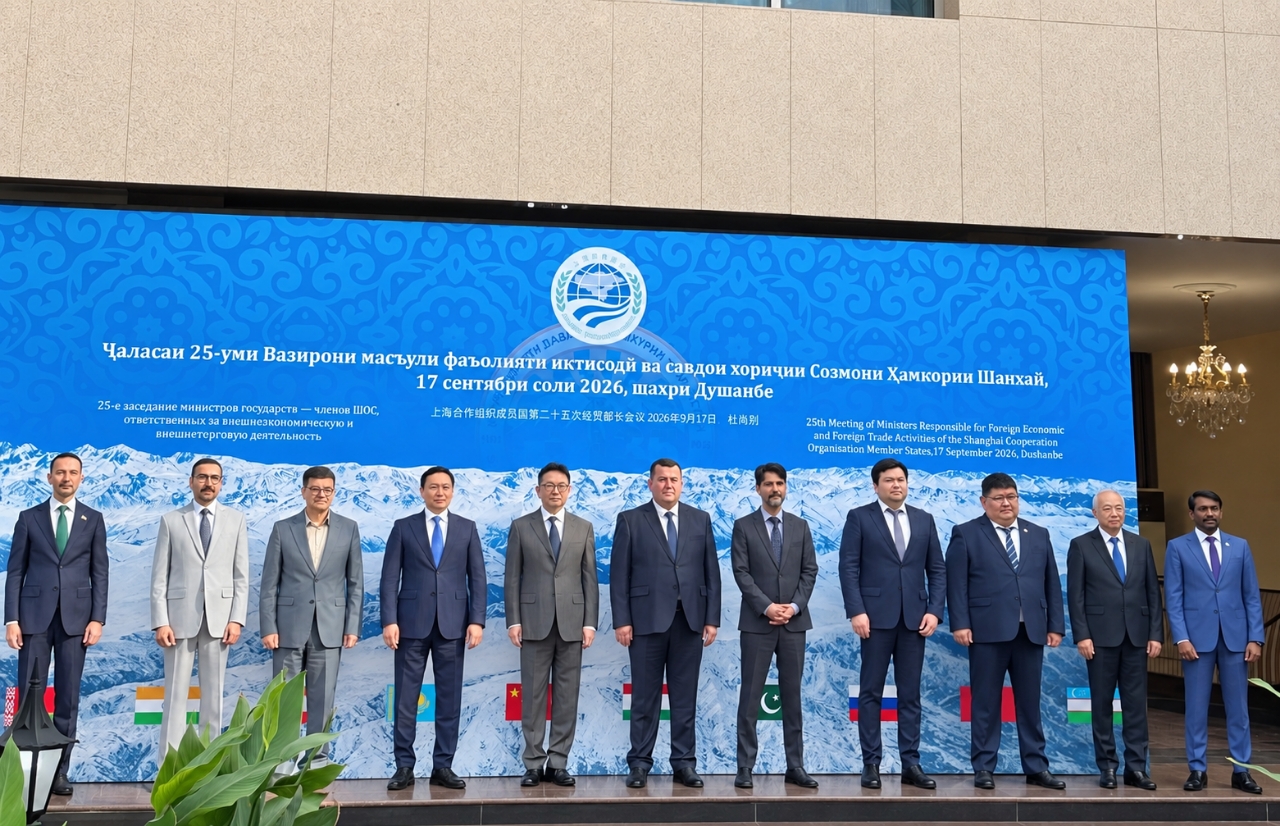
Kazakhstan advocates for expanding trade and economic cooperation within the SCO 19.09.2026
The 25th Meeting of Ministers of the Shanghai Cooperation Organization Member States Responsible for Foreign Economic and Trade Affairs was held in Dushanbe. Kazakhstan was represented at the meeting by Deputy Minister of National Economy of the Republic of Kazakhstan Asan Darbayev.Participants discussed the development of mutual trade, investment and industrial cooperation, transport and logistics connectivity, trade digitalization, and the improvement of trade procedures. Particular attention was paid to the development of industrial cooperation and regional value chains.Assan Darbayev noted that Kazakhstan views the SCO as an important platform for expanding trade and economic ties and implementing joint projects. He noted that the potential for mutual trade between the organization's countries remains significant.In 2025, Kazakhstan's trade turnover with SCO countries reached $72.5 billion, an increase of 7% year-on-year. From January to June 2026, mutual trade volume amounted to $35.9 billion, a 9.8% increase compared to the same period last year."In this regard, it is important to continue joint efforts to simplify trade procedures, reduce border transit times, and reduce the administrative burden on businesses. This will create more favorable conditions for the further growth of mutual trade," the Vice Minister noted. Kazakhstan also advocated for the further development of paperless and electronic trade, the digitalization of trade procedures, and the mutual recognition of electronic documents. The country is placing particular emphasis on the preparation of an agreement among SCO member states on trade facilitation.Following the meeting, the participants agreed on an Action Plan for 2026–2030 to implement the Program of Multilateral Trade and Economic Cooperation of the SCO Member States for subsequent approval at a meeting of the Council of Heads of Government of the SCO member states. The Regulation on the Special Working Group for the Development of the Creative Economy was also approved.The next Meeting of SCO Ministers Responsible for Foreign Economic and Trade Activities will be held in 2027 in Uzbekistan.Source : https://www.gov.kz/memleket/entities/economy/press/news/details/1294404?lang=ru
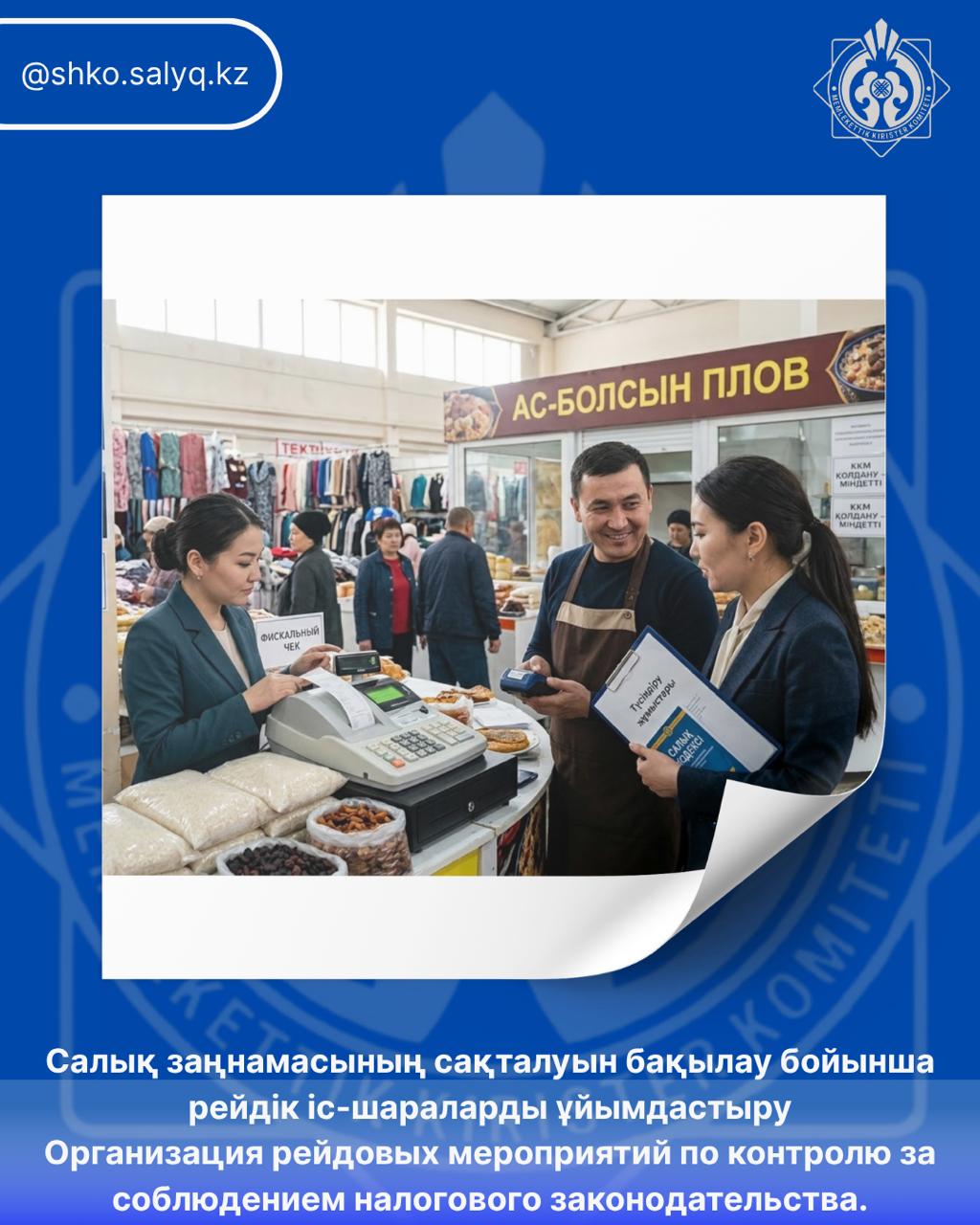
Organization of raid activities to monitor compliance with tax legislation 19.09.2026
State revenue authorities continuously conduct raid activities aimed at identifying and preventing violations of tax legislation and reducing unaccounted turnover.During these activities, the use of cash registers, the issuance of fiscal receipts, the completeness of income reporting, and compliance by business entities with the established requirements of tax legislation are monitored. Special attention is paid to trade, public catering, and service sector facilities.The conducted raid activities make it possible not only to identify violations but also to conduct explanatory work with entrepreneurs aimed at the voluntary and conscientious fulfillment of tax obligations.This work is one of the practical instruments for improving tax discipline and reducing the level of the shadow economy.Source : https://www.gov.kz/memleket/entities/kgd-vko/press/news/details/1294385?lang=ru
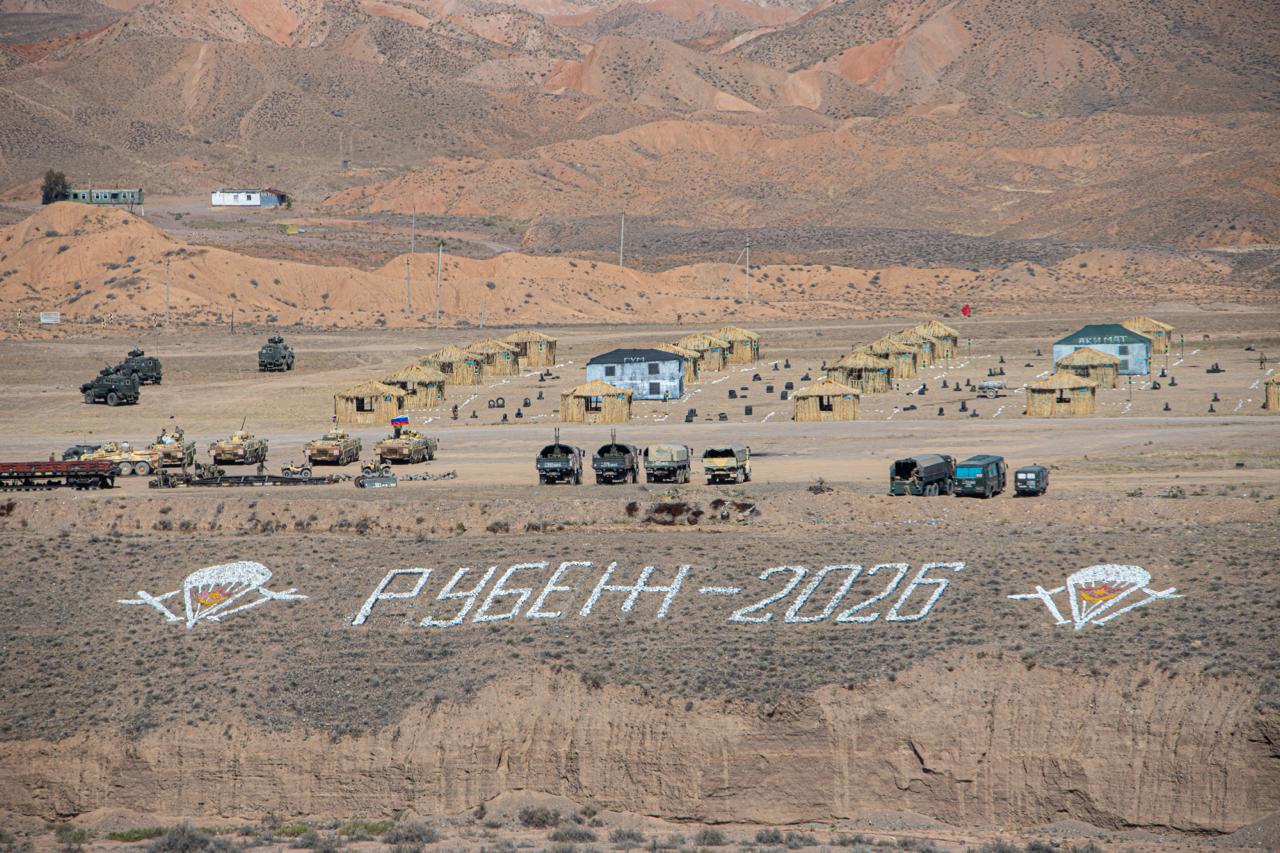
The joint CSTO exercise "Rubezh-2026" has been completed in Kazakhstan 18.09.2026
Source : https://www.gov.kz/memleket/entities/mod/press/news/details/1294367?lang=ru
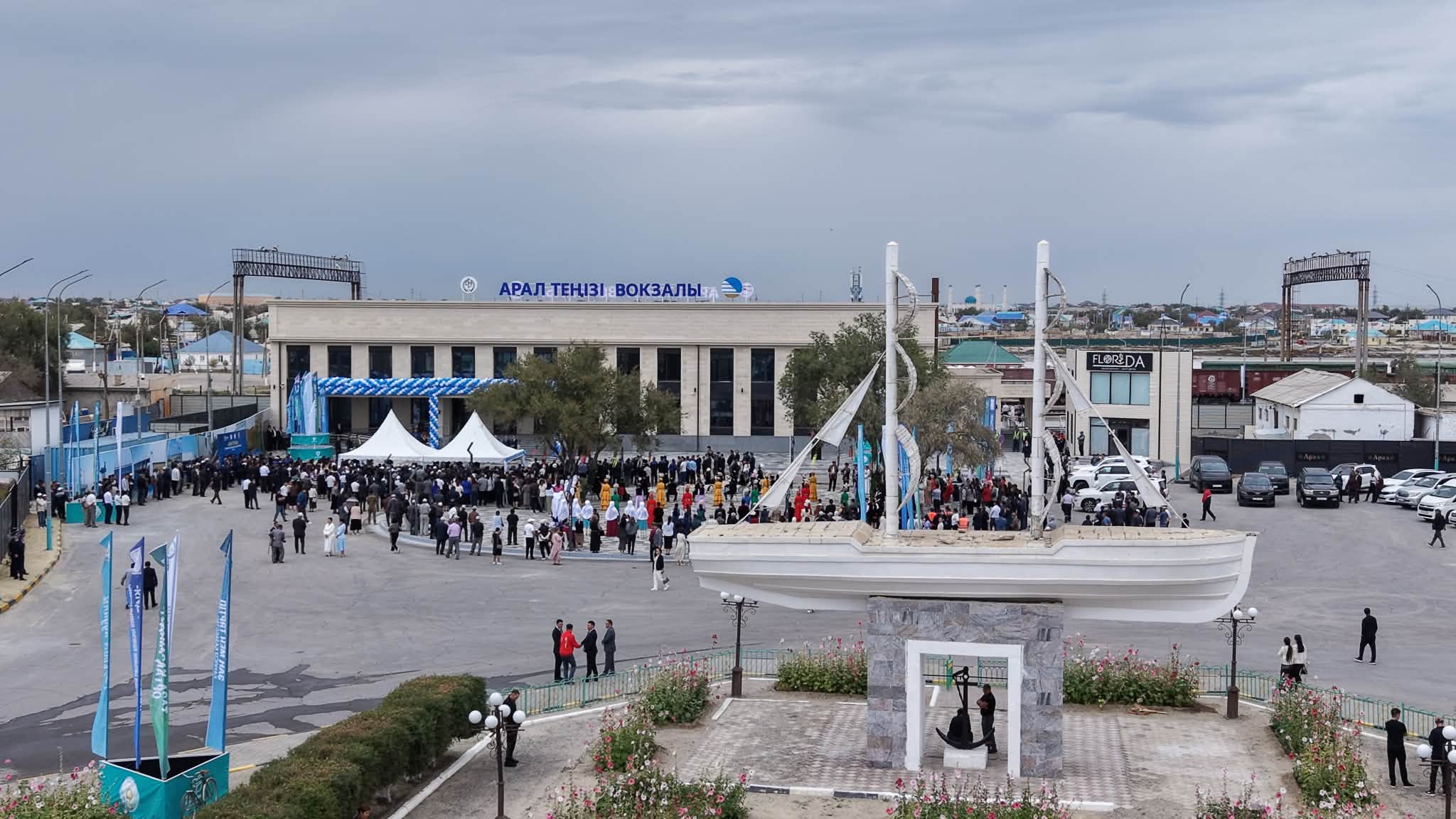
"Aral Tenizi" railway station was opened in Aralsk after reconstruction 18.09.2026
During a working trip of Kyzylorda Region Akim Murat Ergeshbayev to Aralsk, the grand opening of the reconstructed "Aral Tenizi" railway station took place. The event was attended by deputies of the Kurultai of the Republic of Kazakhstan Serik Kozhaniyazov, Nurken Bakytbekuly, Magzhan Eraliyev, Irina Ten, and maslikhat deputies.The station was renovated as part of the Head of State's instruction to modernize railway infrastructure. Currently, repair work is being carried out at 124 stations across the country. Among them are seven railway stations, two service points, and a passenger platform at Talap station in Kyzylorda Region.The head of the region noted that comfortable and safe conditions for passengers have been created at the renovated stations, which will give a new impetus to the development of the region's transport infrastructure."In accordance with the instruction of the Head of State, railway stations are being renovated across the country. In 2024, the Kyzylorda railway station was overhauled, and the adjacent territory was fully landscaped. Work has been completed at the stations of Zhanakorgan, Shieli, Kazaly, and Saksaulsk, as well as at the passenger platform of Talap station — today these facilities are already serving passengers.This year, more than 80 kilometers of railway tracks are being overhauled in the region. Service points in the villages of Zhalagash and Terenozeck are also being modernized. Today, the stations of Toretam and Zhosaly are being put into operation. More than 10 billion tenge has been allocated for the reconstruction and overhaul of the stations. We are confident that the quality of the new buildings and the level of service will receive a positive assessment from guests and tourists traveling through our region and will create a good impression of the region",- said Murat Ergeshbayev. Kurultai deputy Irina Ten spoke at the ceremony. A blessing in honor of the opening was given by honorary citizen of the Aral district, chairman of the district public council Aldabergen Zholanov.Workers of the railway industry who have worked in this field for many years, as well as representatives of the contractor organization that participated in the reconstruction of the station, were presented with letters of gratitude from the akim of the region.The "Aral Tenizi" railway station was built in 1905 during the construction of the "Orenburg — Tashkent" railway line. After more than a century, the building was renovated and equipped in accordance with modern requirements. Necessary conditions have been created for passengers. The station is capable of serving up to 600 people per day and simultaneously accommodating up to 224 passengers.1.7 billion tenge was allocated for the reconstruction of the facility. The company "Tekhosnastka Remservice" began construction work in November last year.The station building includes a mother and child room, a medical center, a luggage storage room, a waiting room, and an elevator for people with special needs. A canteen, cafeteria, and sanitary facilities are also operating here.Source : https://www.gov.kz/memleket/entities/kyzylorda/press/news/details/1294371?lang=ru
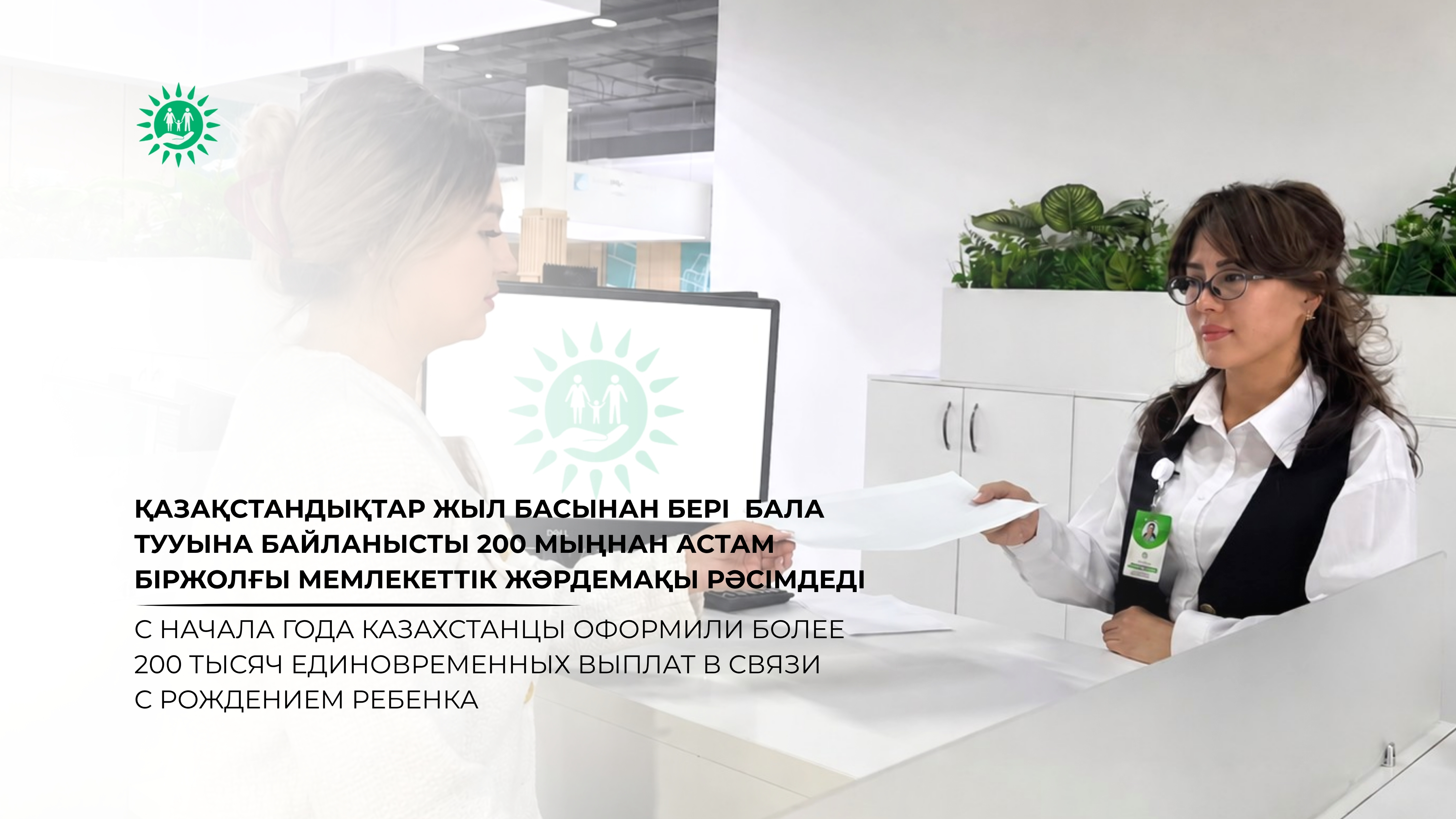
Since the beginning of the year, Kazakhstanis have received over 200,000 one-time payments for the birth of a child. 18.09.2026
Since the beginning of the year, Kazakhstanis have received over 200,000 one-time payments for the birth of a child.The arrival of a baby brings many happy moments, which are complemented by an important step: applying for the required benefits. Parents can receive the childbirth benefit through the State Corporation "Government for Citizens." Over the first eight months of this year, over 200,000 families have already received the one-time payment for the birth of a child.There is no need to apply for the payment in person; the service is available proactively. After registering the child's birth, parents receive an SMS notification. Simply confirm consent to receive the service and provide a bank account, and the benefit will be assigned automatically.The largest volume of payments is received in the southern regions and cities throughout the country. The Turkestan region is the clear leader in the number of benefits received, with over 28,000 families receiving payments there. Almaty ranks second with over 19,000 payments, and Astana rounds out the top three, with over 17,000 families receiving state support.The amount of the one-time financial assistance from the state depends on the birth order of the child. In 2026, the payment for the birth of the first, second, or third child will be 164,350 tenge, and for subsequent children, 272,475 tenge.It's also important to consider the application deadline. Documents must be submitted within 18 months of the child's birth. After this period, the right to payment is lost.You can apply for benefits at branches of the State Corporation "Government for Citizens" - service delivery takes up to 7 business days. If you apply through the e-government portal or second-tier bank apps, the payment will be processed within 4 business days.Source : https://www.gov.kz/memleket/entities/vko-ridder/press/news/details/1295128?lang=ru
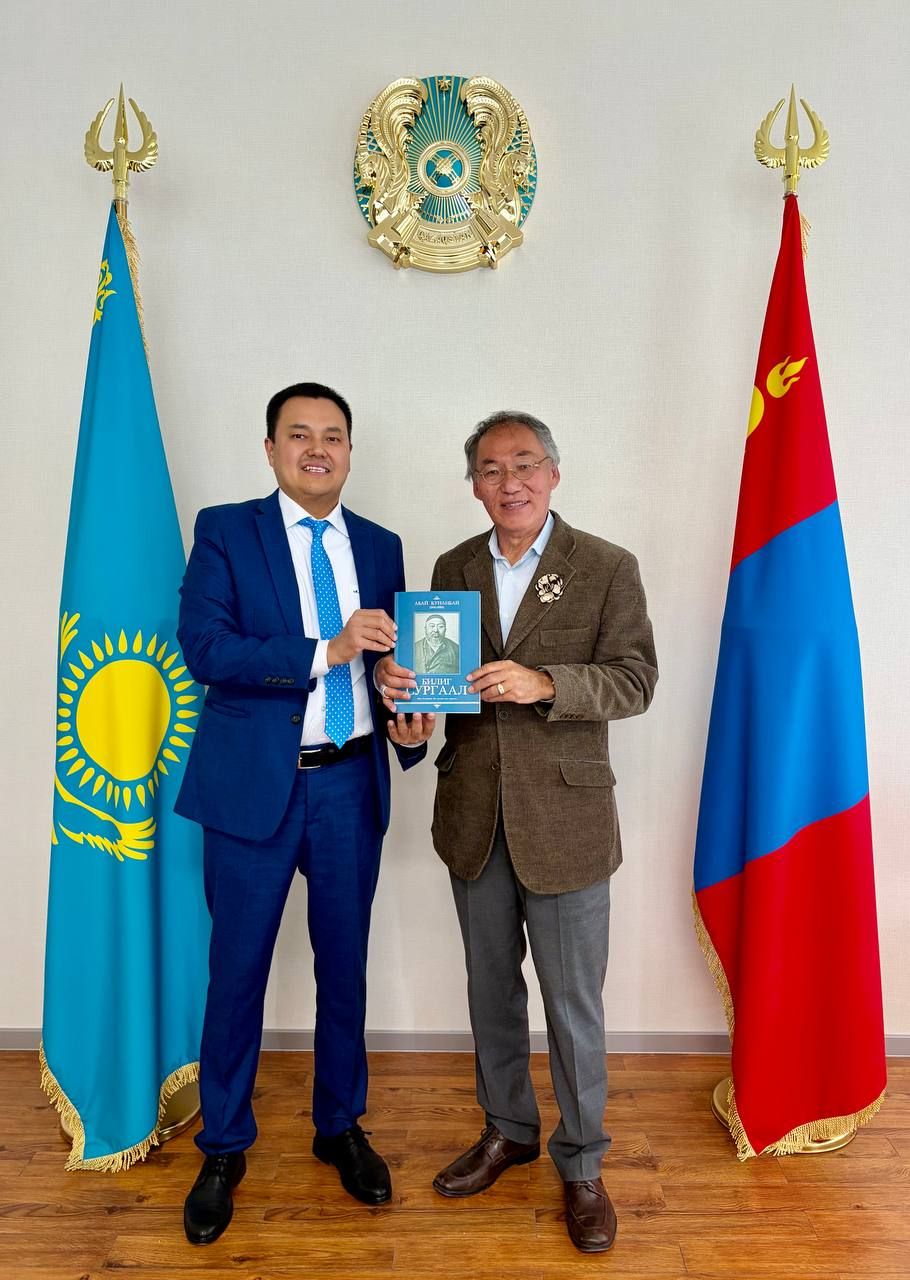
Abai’s Words of Edification: A Shared Heritage of Humanity 18.09.2026
Ulaanbaatar, 17 September 2026 — Kazakhstan’s Ambassador to Mongolia, Almas Seitakynov, met with Luvsangiin Batbayar, a prominent Mongolian poet, writer and translator, and a member of the Mongolian Writers’ Union.Known for his literary works and translations of Japanese poetry into Mongolian, Batbayar turned several years ago to the writings of the great Kazakh poet and thinker Abai Qunanbaiuly, translating his works into Mongolian.During the meeting, the two discussed cultural and humanitarian ties between Kazakhstan and Mongolia, highlighting the role of literature and translation in deepening mutual understanding between their peoples.Batbayar presented the Embassy with several copies of Bilig Surgaal, a bilingual edition of Abai’s Words of Edification in Kazakh and Mongolian. The book features parallel texts, with explanatory notes on selected words and concepts for Mongolian readers. Copies have also been donated to libraries in Ulaanbaatar and across Mongolia’s provinces.Batbayar noted that, more than 130 years after they were written, Abai’s reflections remain relevant today.«As I read Abai, I often found myself thinking that his words speak just as directly to people today» he said.Ambassador Seitakynov emphasised that Abai’s legacy has long transcended national boundaries, resonating with readers across countries and cultures.He thanked Batbayar for introducing Mongolian readers to Kazakh literature and underscored the important role of writers and translators in strengthening cultural ties between the two countries.Source : https://www.gov.kz/memleket/entities/mfa-ulaanbaatar/press/news/details/1294277?lang=ru
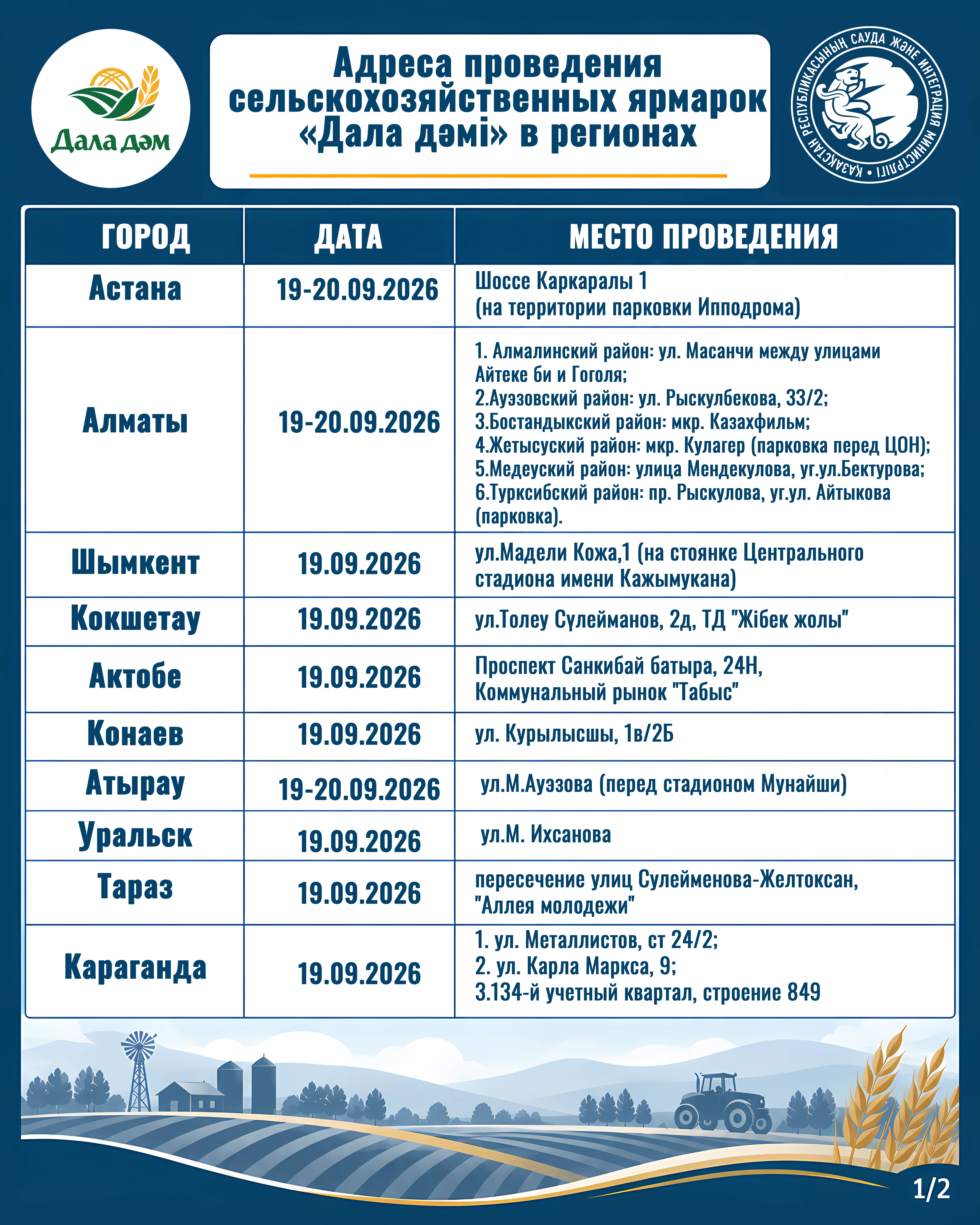
The Ministry of Trade is launching "Dala Dami" weekly fairs across the country 18.09.2026
Starting September 19, 2026, the Ministry of Trade and Integration of the Republic of Kazakhstan is launching weekly agricultural fairs "Dala Dami" across the country. The fairs will be held every weekend and will become a unified modern format for direct sales of domestic agricultural products.In the first weekend alone, on September 19 and 20, more than 2,000 tons of domestic agricultural products will be presented at fairs across the country.In Astana, the "Dala Dami" project will become a platform for presenting agricultural products from the country's regions. Each week, producers from different regions will be represented in the capital. In Astana and Almaty, the fairs will be held for two days, on Saturday and Sunday, and in other regions on Saturdays. Vegetables and fruits, meat and dairy products, grains and other seasonal goods will be sold directly by farmers and producers, without intermediaries.For local agricultural producers, trading places at the fairs are provided free of charge. This will allow farmers to sell their own products directly, and buyers to purchase seasonal goods at affordable prices.The organization of fairs provides for a unified approach throughout the republic. Trade will be carried out on specially equipped counters and trading structures. Spontaneous trade from cars, trucks and trailers is not permitted. Trading places will be designed in the unified style of the "Dala Dami" project, reflecting the harvest season, the wealth of Kazakhstan's land and the labor of domestic producers.At the same time, "Dala Dami" is not only a trading platform. The fairs will be organized as a public space for spending weekends with family. The venues are planned to create a festive atmosphere with seasonal decoration, national elements, tastings, activities for children and other events.Autumn is traditionally perceived as a time of harvest, abundance and summing up the results of spring-summer labor. Therefore, the project is designed to show not only the finished products, but also their path from the land and the producer's labor to the consumer's table."Dala Dami" fairs will be held every weekend starting from September 19, 2026.Source : https://www.gov.kz/memleket/entities/mti/press/news/details/1294269?lang=ru
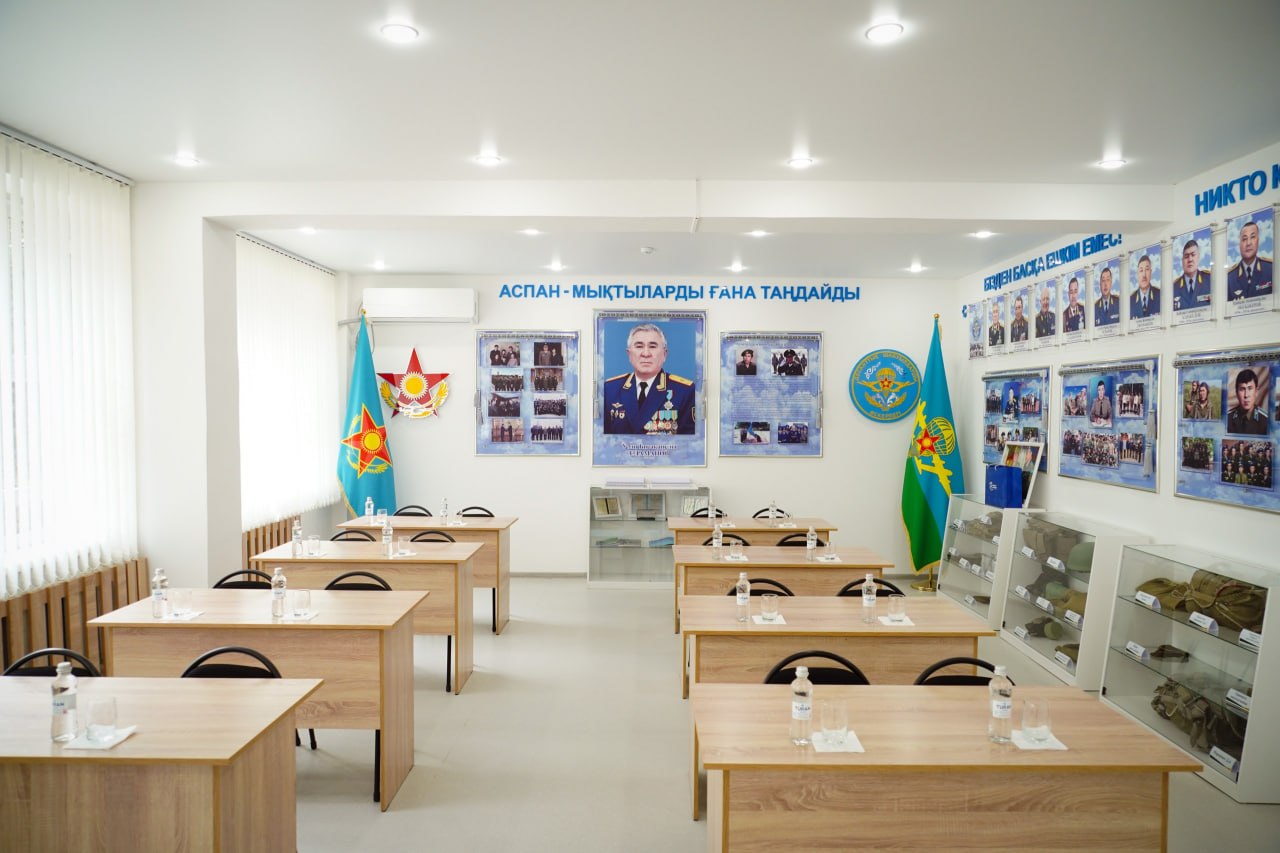
A military-patriotic class named after the first commander of the Air Assault Forces has opened in Astana. 18.09.2026
Source : https://www.gov.kz/memleket/entities/mod/press/news/details/1294246?lang=ru
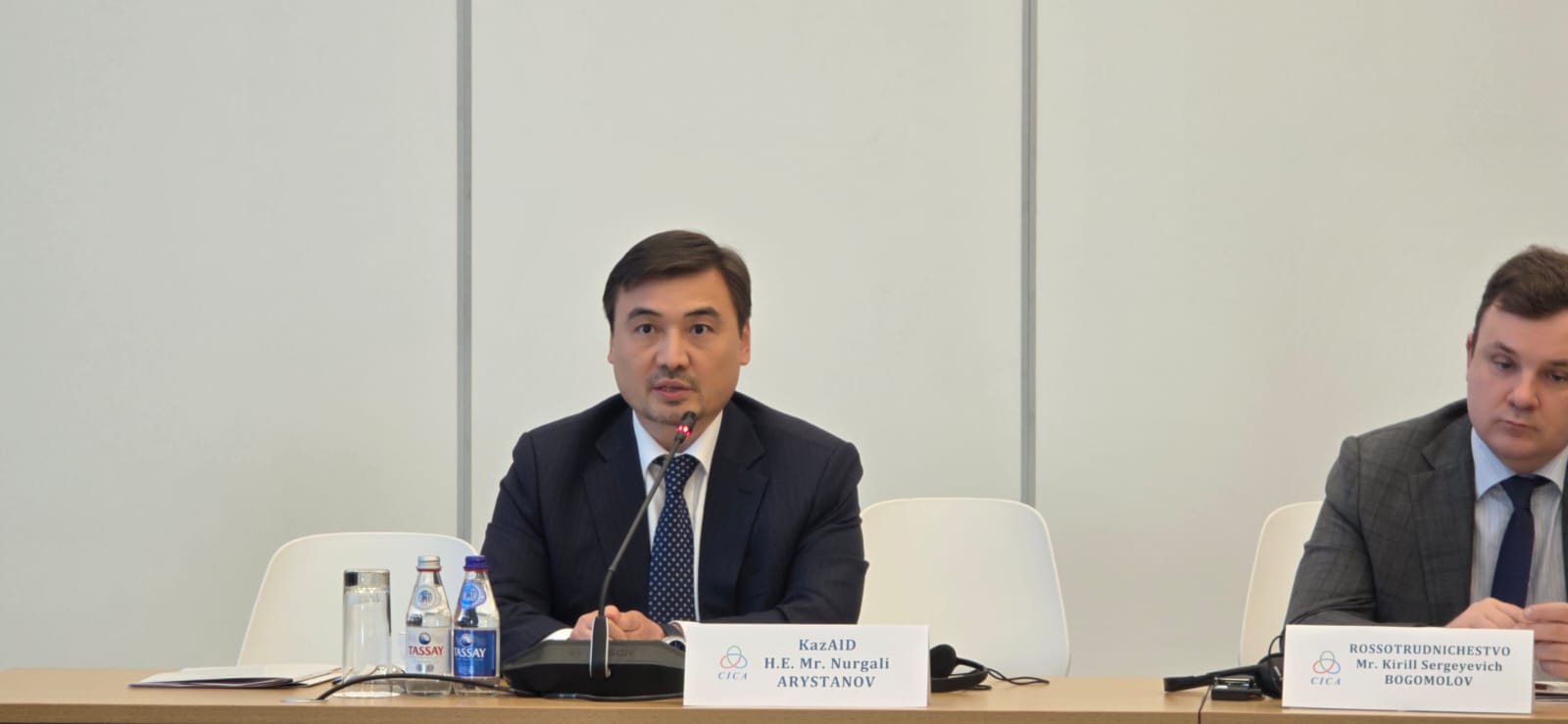
Presentation of the CICA Fund to Development Agencies and Key Stakeholders Held in Astana 18.09.2026
On September 17, 2026, the presentation of the CICA Fund to development assistance agencies and key stakeholders was held at the CICA Headquarters in Astana. The event was attended by CICA Secretary General Amb. Kairat Sarybay, CICA Secretariat officials, and representatives of international organizations and regional development agencies.The meeting served as a platform to present the concept and strategic objectives of the CICA Fund as a practical framework for transforming policy dialogue into tangible joint projects.Speaking at the event, Chairman of the Board of KazAID Amb. Nurgali Arystanov highlighted the agency's work since its inception in 2020, focusing on flagship programs such as Avicenna (Healthcare), Dostyk (Digitalization & Diplomacy), and Entrepreneurship. He also outlined promising priority areas, including food security, water management, and international trade.KazAID expressed its full commitment to partnering with the CICA Secretariat and Member States, offering its operational infrastructure to act as an executing agency for projects approved under the CICA Fund, and scaling up capacity-building initiatives across the region.Source : https://www.gov.kz/memleket/entities/kazaid/press/news/details/1294237?lang=ru
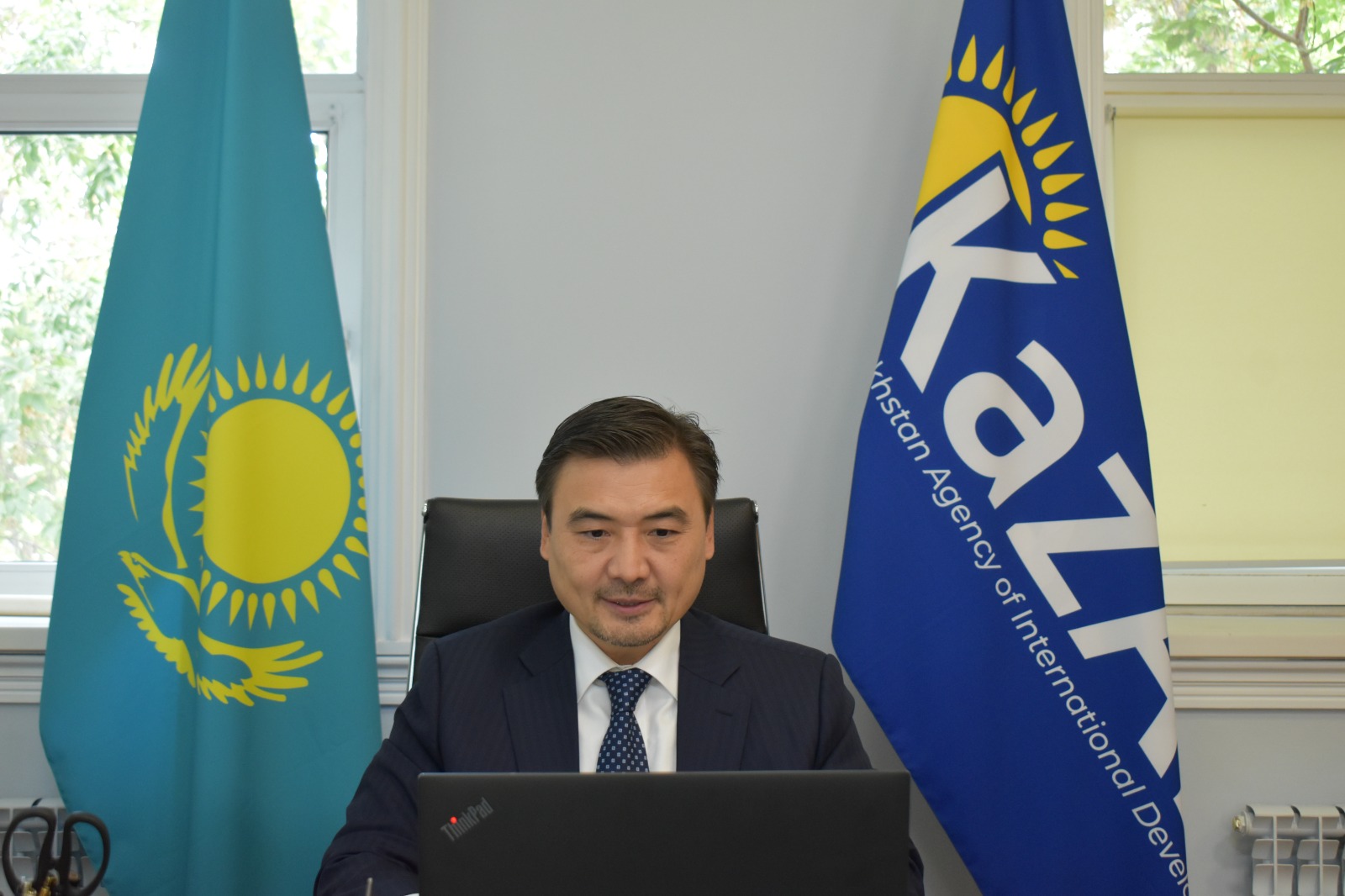
KazAID Participated in the 10th North and Central Asian Forum on SDGs 18.09.2026
On September 17, 2026, Chairman of the Board of KazAID Amb. Nurgali Arystanov spoke online at the session titled "Goal 17: Strengthen the means of implementation and revitalize the Global Partnership for Sustainable Development" as part of the 10th North and Central Asian Multi-Stakeholder Forum on the Implementation of the Sustainable Development Goals, organized by the ESCAP Subregional Office at the UN Plaza.In his address, Amb. N. Arystanov presented information on the Kazakh agency's activities and projects aimed at supporting partner countries in line with the 2030 SDG Agenda. He also emphasized that Kazakhstan is consistently expanding its contribution to international cooperation for sustainable development.The event was attended by representatives of the UN, international and regional organizations, financial institutions, as well as delegates from North and Central Asian states, the scientific community, civil society, and the private sector.Source : https://www.gov.kz/memleket/entities/kazaid/press/news/details/1294130?lang=ru
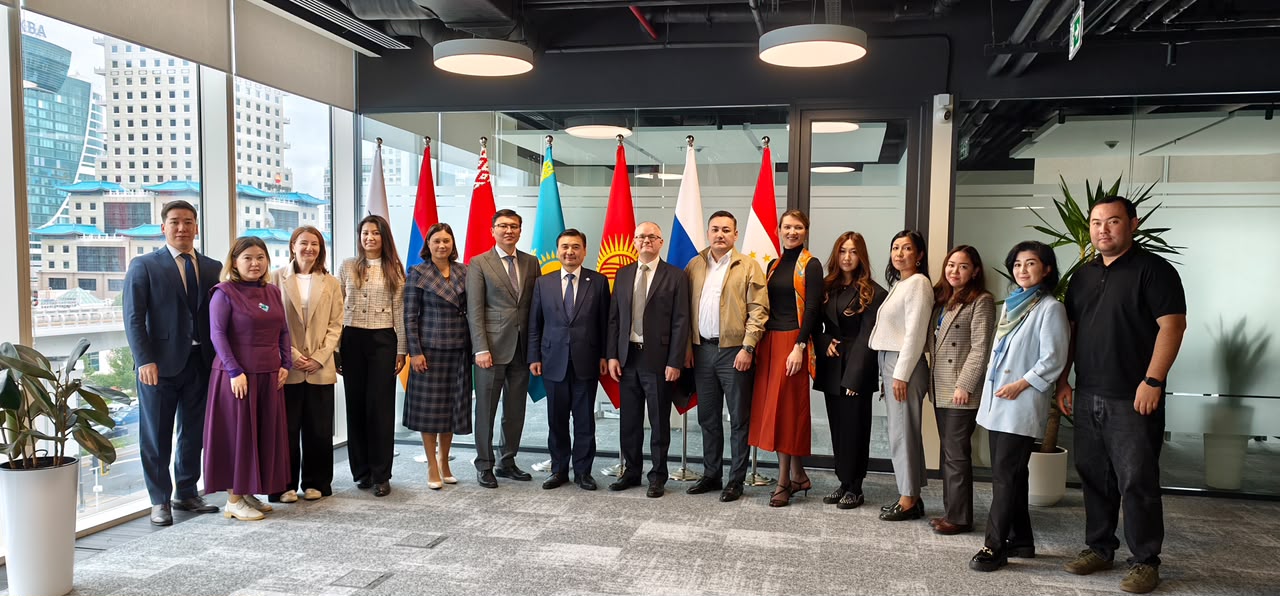
KazAID and EFSD Conducted a Joint Workshop 18.09.2026
On September 16, 2026, a workshop was organized by KazAID in cooperation with the Eurasian Fund for Stabilization and Development (EFSD) on "The Role of the Republic of Kazakhstan in Promoting International Development" was held for representatives of key government agencies and organizations of the Republic of Kazakhstan at the EFSD headquarters in Astana.The EFSD delivered a presentation on the role of the Republic of Kazakhstan in international development assistance and presented the results of analytical work evaluating the country's development and its national Official Development Assistance (ODA) system.In his remarks, Chairman of the Board of KazAID Amb. Nurgali Arystanov expressed confidence that cooperation between the two organizations contributes to achieving goals and objectives aimed at enhancing the socio-economic standing of the region.Source : https://www.gov.kz/memleket/entities/kazaid/press/news/details/1294125?lang=ru
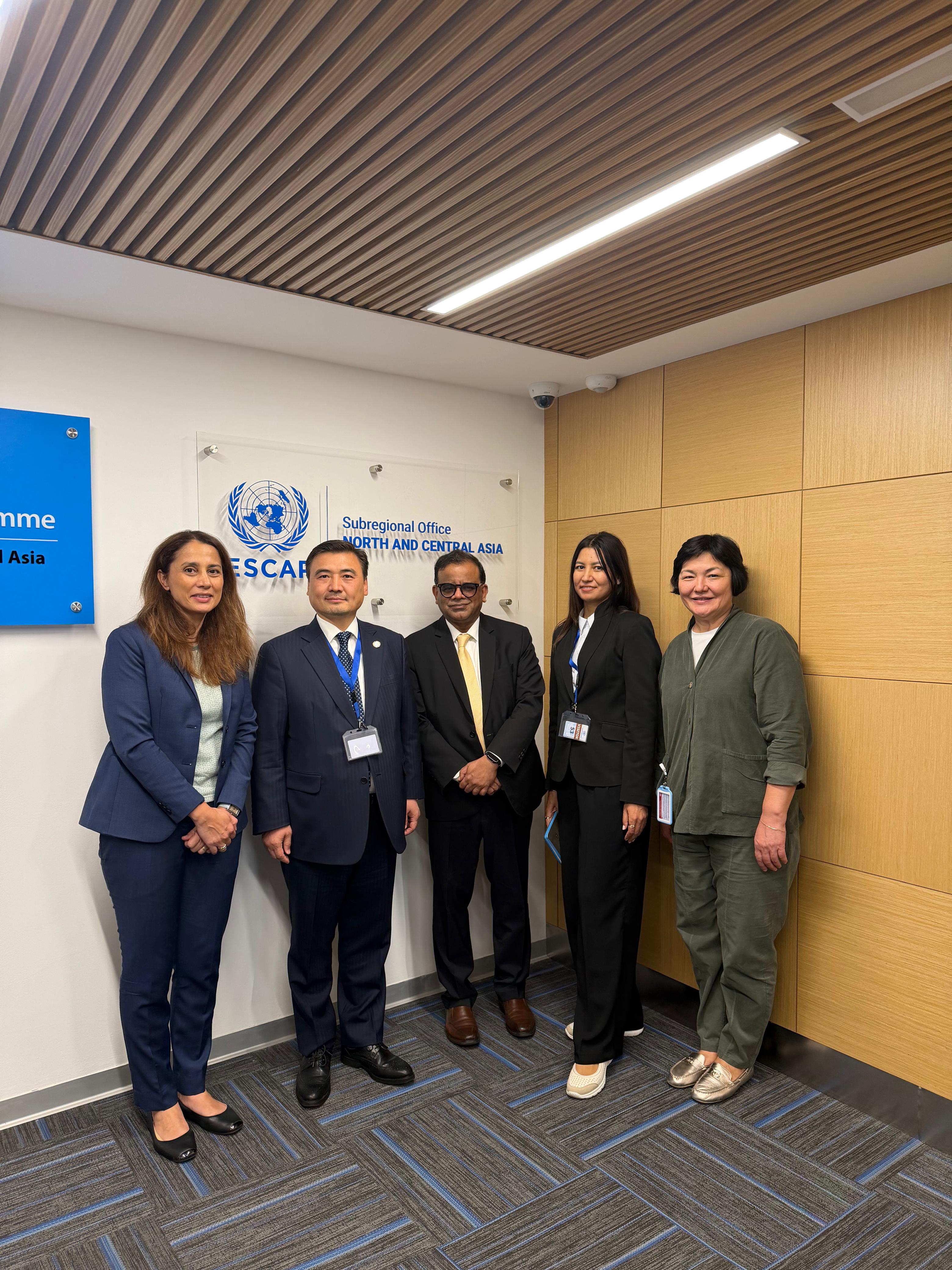
KazAID Held Bilateral Meetings on the Sidelines of the 3rd Emerging Development Partners Meeting 18.09.2026
On September 9–11, 2026, on the sidelines of the Third Meeting of Emerging Development Partners, Chairman of the Board of KazAID Amb. Nurgali Arystanov held bilateral meetings with Dr. Ali Ercan, Vice President of the Turkish Cooperation and Coordination Agency (TİKA); Hamid Zeynalov, Acting Director of the Azerbaijan International Development Agency (AIDA); Chulvat Narintrangura, Director-General of the Thailand International Cooperation Agency (TICA); Dr. Srinivas Tata, Director of the Strategy and Programme Management Division at the UN Economic and Social Commission for Asia and the Pacific (ESCAP); with Mr. Kazi Shahjahan, Joint Secretary of the Economic Relations Division of the Ministry of Finance of Bangladesh; and Mahit Safarli, Representative for Central Asia of the United Nations High Commissioner for Refugees (UNHCR).During the bilateral talks, the parties discussed key aspects of cooperation, including the implementation of joint development projects in priority areas.Source : https://www.gov.kz/memleket/entities/kazaid/press/news/details/1294118?lang=ru
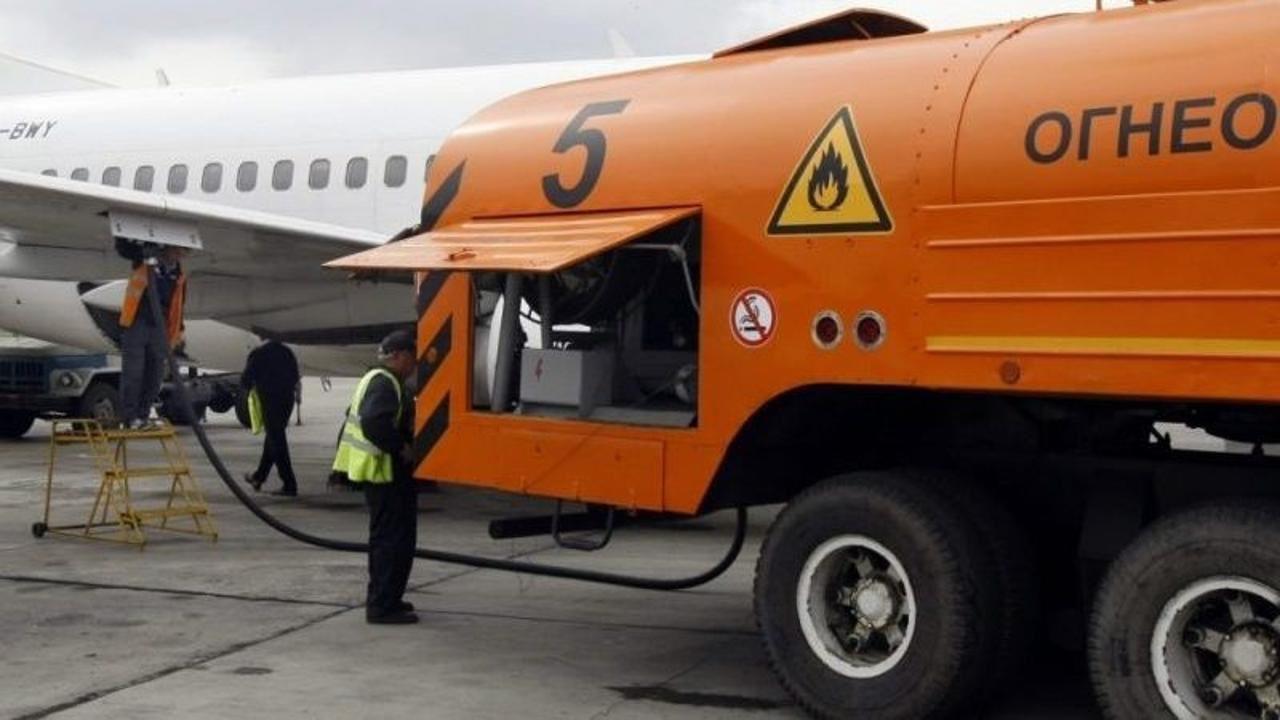
“AULIE-ATA” INTERNATIONAL AIRPORT HELD ADMINISTRATIVELY LIABLE 18.09.2026
The Department of the Agency for Protection and Development of Competition of the Republic of Kazakhstan in Zhambyl Region reviewed the activities of “Aulie-Ata” International Airport JSC regarding pricing in the sale of aviation fuel.Based on the analysis of the state of competition and price dynamics conducted by the Department, the antimonopoly authority completed an investigation into the Airport. The investigation established violations of antimonopoly legislation related to the setting of a monopolistically high price for aviation fuel.The Airport, disagreeing with the results of the investigation, challenged them before the courts of first and second instance. By a ruling of the Judicial Collegium for Administrative Cases of the Zhambyl Regional Court, the results of the investigation were recognized as lawful and justified. During the hearing at the Specialized Court for Administrative Offenses of the city of Taraz, the Airport admitted its guilt.The company was held administratively liable under Part 3 of Article 159 of the Code of the Republic of Kazakhstan on Administrative Offenses. An administrative fine of KZT 3.2 million was imposed, and monopolistic income in the amount of KZT 25.2 million obtained as a result of monopolistic activity was confiscated.In addition, the antimonopoly authority issued an order to the Airport to cease violations of the legislation of the Republic of Kazakhstan in the field of competition protection. The order requires the Airport to establish an economically justified price.Source : https://www.gov.kz/memleket/entities/zk/press/news/details/1294111?lang=ru
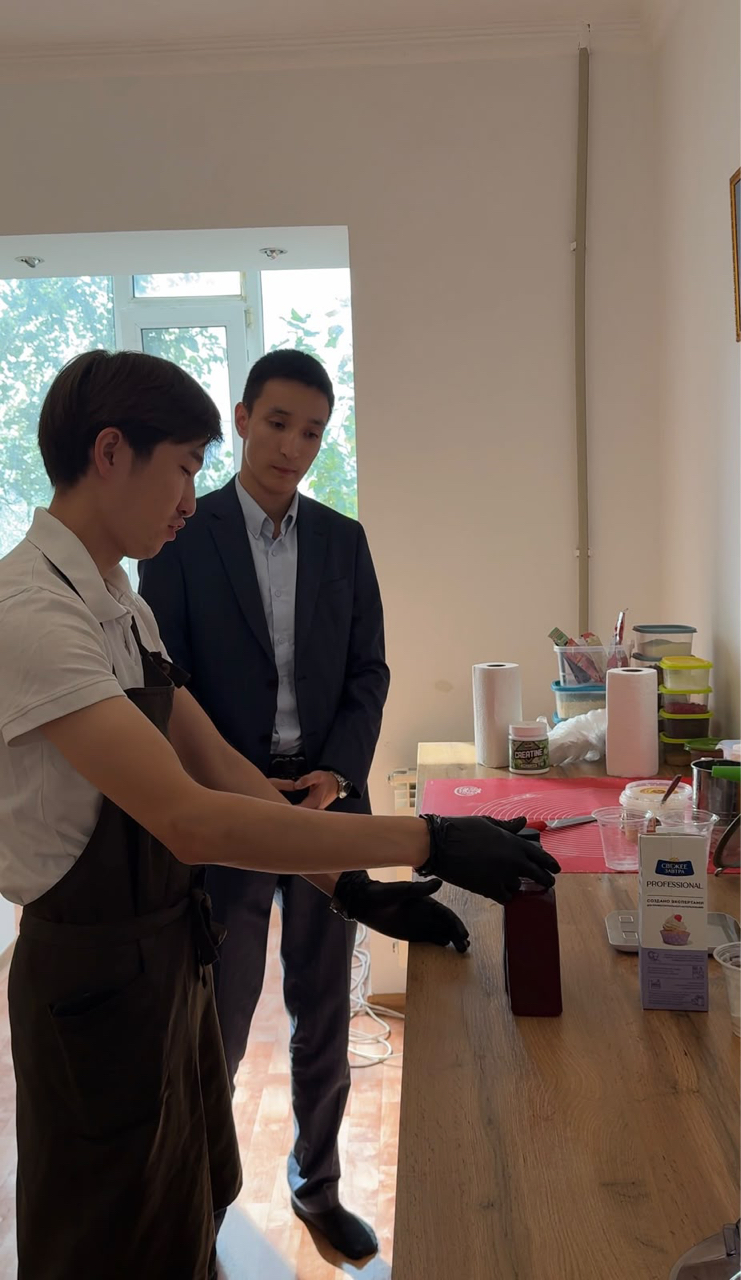
A recipient of the regional governor’s "Tauelsizdik urpaqtary" grant has turned their idea into reality and is offering a natural product! 18.09.2026
Ice cream made from natural ingredientsNatural, sugar-free juicesNo additivesAnd most importantly—a young entrepreneur bringing their vision to life!Supporting young people is about more than just financial aid; it is about believing in an idea, creating opportunities, and paving the way for them to launch their own business.Source : https://www.gov.kz/memleket/entities/aktobe-zhastar1/press/news/details/1294095?lang=ru
Implementation of the 2025 Address: How Kazakhstan’s Investment Model Is Changing 18.09.2026
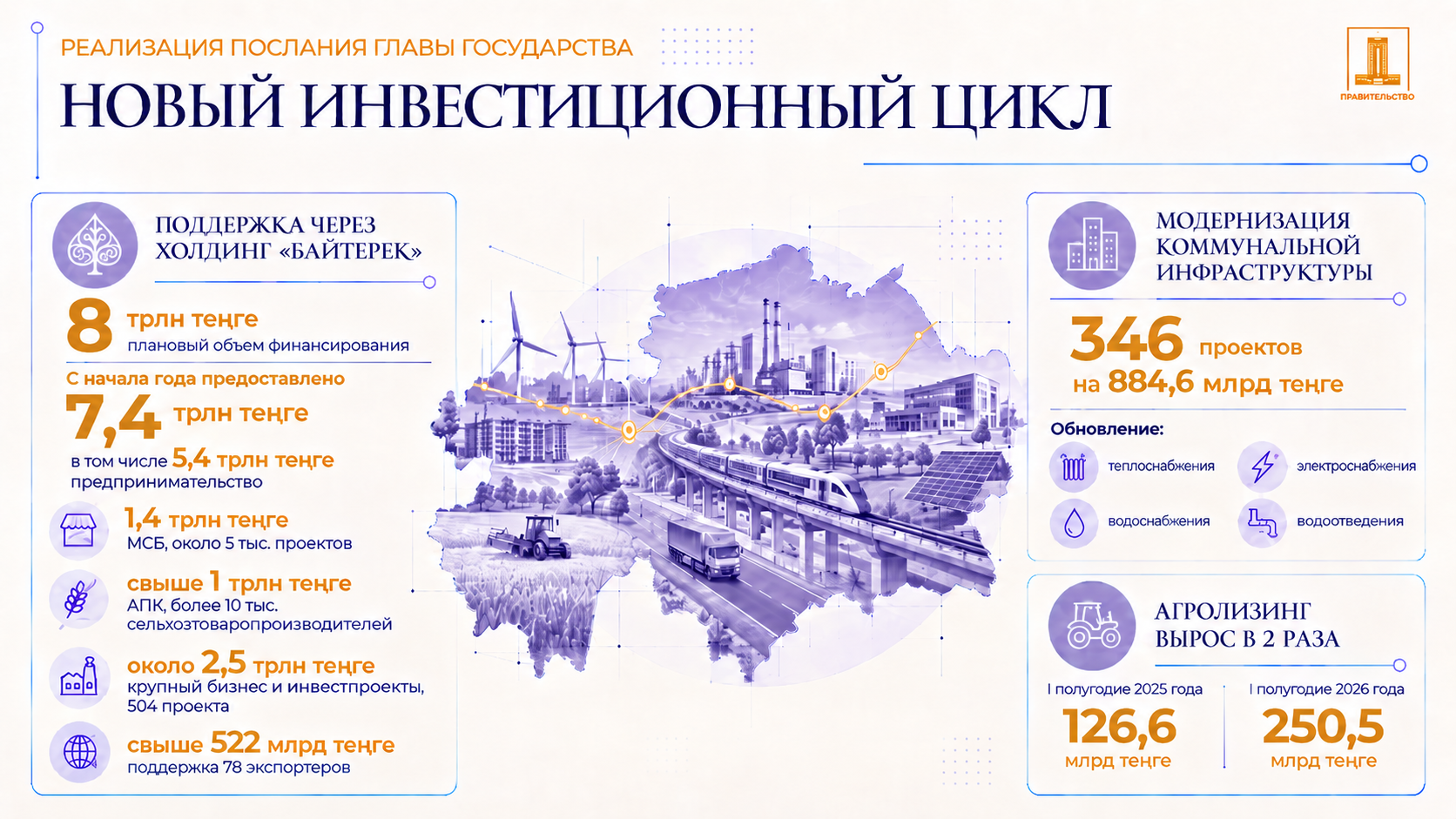
As part of the implementation of the Address by Head of State Kassym-Jomart Tokayev to the people of Kazakhstan, “Kazakhstan in the Age of Artificial Intelligence: Current Challenges and Solutions through Digital Transformation,” the country is undertaking a comprehensive overhaul of its investment policy.In December 2025, the Investment Policy Concept through 2030 was adopted, and Baiterek Holding was transformed into a national investment holding company. The new model is focused on attracting private and foreign capital and developing domestic production, infrastructure, technology, and non-resource exports. By 2029, an additional USD 150 billion in investment is planned to be attracted through the Holding’s instruments.The approach to attracting capital is also being improved: the state is shifting toward proactive investor outreach and targeting. For example, the regions identify priority sectoral niches and prepare investment proposals that have undergone preliminary development.The investor support system is being restructured and now operates at the external, central, and regional levels. A Fast Track mechanism is used to expedite project implementation, while the powers of the Investment Headquarters under the Government are being expanded. Investor protection has been strengthened: a “prosecutorial filter” is in place, a unified register of problematic issues and complaints is being established, and mechanisms for the pre-trial settlement of investment disputes are being improved. In 2025, 30 Investment Agreements were concluded; in 2026, 26 agreements have already been concluded for approximately KZT 5.2 trillion.In addition, a task force working-group mechanism is being established to support key foreign partners, and a “green corridor” is being applied to expedite the necessary procedures. The digital component of the new model provides for the development of the National Digital Investment Platform and the creation of an Integrated Analytical System for Monitoring Investment Projects, incorporating data analytics tools and artificial intelligence elements.Fixed capital investment grew by 16.7% in 2025Investment activity in Kazakhstan continues to show positive momentum. In 2024, fixed capital investment exceeded KZT 19.4 trillion, with real growth of 8%. In 2025, the figure increased to approximately KZT 23.5 trillion, while the real growth rate accelerated to 16.7%.Between January and August 2026, more than KZT 13.5 trillion was invested in fixed capital, 8.1% more than in the same period of the previous year. The share of fixed capital investment in GDP increased from 14.2% in 2024 to 14.7% in 2025. In the first half of 2026, it stood at 13.4%.At the same time, a new investment portfolio is being developed. A unified information center, Kazakhstan Investment House, is planned to be established in Astana on the basis of Kazakh Invest and to operate as a “one-stop shop.” To date, 667 specific projects with a total investment volume of USD 162.5 billion have been selected, along with an additional pipeline of projects aimed at developing the raw-material base worth USD 42.6 billion.New projects attracted in 2024–2025 include facilities in advanced processing, industry, the agro-industrial complex, and transport infrastructure. In the Zhambyl Region, Fufeng Group is implementing a USD 350 million deep corn-processing project: construction and installation works began in 2025, and the first phase is expected to be launched in 2026. In the Akmola Region, Dalian Hesheng Holding Group is building a USD 500 million deep wheat-processing complex. Spain’s Roca Group is implementing a USD 70 million project in the Kyzylorda Region to establish a plant for the manufacture and assembly of sanitary ware.In the Almaty Region, Solico Group has begun construction of a USD 58.8 million cheese production facility with a capacity of 155 tonnes of products per day; commissioning of the facility, which is expected to create approximately 400 jobs, is scheduled for 2027. Guoyou Materials Group is developing a USD 1.1 billion project for a new port on Kazakhstan’s Caspian coast with a throughput capacity of up to 15 million tonnes. Switzerland’s Harvest Group SA has commenced implementation of a USD 700 million agro-industrial cluster providing for the phased conversion of 300,000 hectares of land into irrigated agricultural land.The share of budget funds fell to 14%, while the share of non-budgetary sources rose to 86%One of the notable changes concerns the structure of investment financing. In 2024, state budget funds accounted for 21.6% of total fixed capital investment; in 2025, the share was 21.5%. Between January and August 2026, it declined to 14%.Non-budgetary sources already accounted for 86% of investment during this period. Enterprises’ own funds remain the principal source, at 66.7%. Bank loans accounted for 5.6%, while other borrowed funds accounted for 13.7%.Current trends indicate a declining role for direct budget financing and a growing share of businesses’ own and borrowed funds. This model is consistent with the objective of using state instruments not as the sole source of capital, but as a mechanism for mobilizing additional private resources.The share of manufacturing in investment increased to 14.1%In 2025, some of the highest real growth rates in investment were recorded in the energy sector at 61.8%, the agro-industrial complex at 51.8%, manufacturing at 39%, and information and communications at 32%.The trend continued in 2026. Between January and August, real investment increased by 49.3% in the energy sector, 45.3% in information and communications, 39.9% in manufacturing, and 17.6% in the agro-industrial complex.Particularly notable is the change in the shares of individual sectors in total investment. In manufacturing, the share increased from 10.7% in 2024 to 12.7% in 2025 and to 14.1% between January and August 2026. In the agro-industrial complex, it increased from 3.8% to 5.6%; in energy, from 6.9% to 9.7%; and in information and communications, from 1.8% to 2.3%.Against this backdrop, the share of the mining industry declined from 18.7% in 2024 to 13.9% in the first eight months of 2026.These changes are also reflected in the structure of the economy. Manufacturing’s share of GDP increased from 12.4% in 2024 to 12.8% in 2025 and reached 14% in the first half of 2026. At the same time, the oil and gas sector’s share declined from 8.1% to 7.8% of GDP, while the share of the mining industry as a whole decreased from 12% to 11.7%.KZT 8 trillion for the real sector: Baiterek restructures its financing systemA key role in the new investment architecture is assigned to Baiterek Holding. In 2026, financing for the real sector through its instruments is planned to remain at KZT 8 trillion, including KZT 1 trillion through the capitalization of the Holding.Financing parameters are also changing. The Development Bank of Kazakhstan has raised the minimum financing threshold for investment projects to KZT 15 billion and for export transactions to KZT 3 billion, thereby focusing on major strategic initiatives. The Industrial Development Fund is placing greater emphasis on mechanical engineering: the minimum financing amount for such projects has been set at KZT 1 billion, whereas for projects outside mechanical engineering, the minimum total investment project value is KZT 15 billion.Since the beginning of the year, the total volume of support, including the housing sector, has reached KZT 7.4 trillion, of which KZT 5.4 trillion has been allocated to entrepreneurship. Through the Damu Fund, approximately 5,000 SME projects worth KZT 1.4 trillion have been supported. More than KZT 1 trillion has been allocated to the agro-industrial complex through the Agrarian Credit Corporation and KazAgroFinance for more than 10,000 agricultural producers. Approximately KZT 2.5 trillion has been channeled through the Development Bank of Kazakhstan, the Industrial Development Fund, and Qazaqstan Investment Corporation to finance 504 large-business projects and investment initiatives. The Export Credit Agency provided support to 78 exporters totaling more than KZT 522 billion.Up to KZT 7 billion per project and a guarantee of up to 85%: support for small businesses expandedFor small and medium-sized businesses, expanding access to financing remains the principal area of support. For loans of up to KZT 7 billion under the Guarantee Fund, the guarantee may cover up to 85% of the financing amount, but no more than KZT 3.5 billion. The mechanism may be used for investment purposes, working capital replenishment, and refinancing.The preferential lending program “Orleu” continues: financing of up to KZT 7 billion is provided at a final interest rate of 12.6% per annum for a term of up to 10 years. Priority sectors include manufacturing, tourism, IT, and creative industries. To modernize production capacity, “Orleu Leasing” provides financing of up to KZT 500 million per borrower.A separate instrument is the Unified Small Business Support Program “Isker Aimaq.” The maximum loan amount under the program is KZT 200 million. Funds may be used both for investment purposes and for working capital. The subsidy amounts to 40% of the nominal interest rate and 50% for social entrepreneurship entities; the subsidy period is up to three years. Processing and manufacturing have been designated as the program’s core focus.At the same time, interaction between businesses and development institutions is being streamlined. A unified front office has been established, the 1408 contact center, a CRM system, and a unified AI assistant have been launched, and integration with the National Digital Investment Platform has been completed.346 projects worth KZT 884.6 billion allocated to modernization of public utility infrastructureThe Holding’s investment mechanisms also extend to infrastructure modernization. Under the National Project for the Modernization of the Energy and Utilities Sectors (NPMEUS), Baiterek acts as the financial operator, arranging and coordinating financing through subsidiaries, second-tier banks, and international financial institutions.To date, 346 projects with a total value of KZT 884.6 billion have been approved under this mechanism. They are aimed at upgrading utility networks, reducing accident rates, and improving the quality of heat, electricity and water supply, as well as wastewater services.KZT 250.5 billion in six months: agricultural leasing volume nearly doubled year-on-yearAnother area of focus is the renewal of agricultural machinery. In 2025, KazAgroFinance concluded leasing agreements totaling KZT 268.9 billion for the acquisition of 10,393 units of machinery. In the first half of 2026, financing had already reached KZT 250.5 billion, compared with KZT 126.6 billion in the corresponding period of the previous year. The company’s services were used by 3,931 agricultural producers.A range of leasing programs is available to renew the machinery and tractor fleet. Preferential leasing of agricultural machinery is provided at an annual interest rate of 6% for up to 10 years; a separate program offers a 5% annual rate for up to 7 years with a down payment of at least 10%. Under the “Made in Kazakhstan” program, domestically produced machinery and vehicles are available at 6% per annum for up to 10 years; the “Own Feed” program, on the same terms, covers forage-harvesting machinery and mobile irrigation systems. For agricultural producers that do not qualify for preferential programs, “Agroleasing” is available at 12.6% per annum for up to 10 years.The leasing application process is fully available online: an agricultural producer may submit an application remotely, while an AI-powered service analyzes the documents and issues a decision on the application within 10 minutes. An electronic queue for preferential programs via a Telegram bot and an AI-based online monitoring system for leased assets have also been launched.At the end of 2025, the total volume of support provided through Baiterek Holding’s instruments across all areas amounted to KZT 10.4 trillion. In 2026, the focus remains on financing the real sector, launching production facilities, infrastructure projects, supporting entrepreneurship, the agro-industrial complex, and exports.#ZiPSource : https://www.gov.kz/memleket/entities/economy/press/news/details/1294087?lang=ru

"JUMYS TAP" INITIATIVE: WORK STREAMLINED 18.09.2026
A meeting was held to streamline activities under the "Jumys tap" initiative, which aims to provide employment for young people and expand their opportunities in the labor market.During the meeting, participants discussed the initiative's key areas, advisory services for youth, the strengthening of cooperation with relevant agencies, and the future work plan.Particular attention was paid to assisting young people registered with the probation service in finding employment and supporting their social reintegration, as well as engaging unemployed youth and those in the NEET category in the labor market.Additionally, the meeting addressed the systematic organization of efforts to provide information on job vacancies, explain state support measures, offer guidance on starting a business, and provide career counseling.Moving forward, activities under the "Jumys tap" initiative will continue in specific areas through collaboration with relevant agencies.Source : https://www.gov.kz/memleket/entities/aktobe-zhastar1/press/news/details/1294076?lang=ru