Science

On measures of social support for veterans on Victory Day in Kostanay region 05.05.2026
Systematic work continues in the Kostanay region to ensure social protection for veterans and persons equated to them in accordance with the Law of the Republic of Kazakhstan "On Veterans". As of today, 4 participants of the Great Patriotic War, as well as 3040 veterans and other categories of citizens covered by the relevant legislation, reside in the region.Throughout the year, veterans and home front workers are provided with a range of social, economic, and cultural measures aimed at improving their quality of life and strengthening social support.As part of the celebration of May 9 - Victory Day, by decisions of local representative bodies, participants of the Great Patriotic War were provided with a one-time social assistance payment of 5,000,000 tenge.Additionally, payments are provided for other categories of citizens, including: underage prisoners of concentration camps, ghettos, and other places of forced detention created by the Nazis and their allies during the Second World War; citizens who worked during the siege in the city of Leningrad at enterprises, institutions, and organizations of the city and were awarded the medal "For the Defense of Leningrad" or the badge "Resident of Besieged Leningrad"; persons awarded orders and medals of the former USSR for selfless labor and impeccable military service in the rear during the Great Patriotic War, as well as persons who worked (served) for at least six months from June 22, 1941, to May 9, 1945, and were not awarded orders and medals of the former USSR for selfless labor and impeccable military service in the rear during the Great Patriotic War; widows of soldiers who died in the Great Patriotic War and wives of deceased veterans of the Great Patriotic War, recognized as persons with disabilities.The amounts of payments for these categories are determined by decisions of the maslikhats of cities and districts.In addition to one-time payments, monthly social assistance is provided on a permanent basis to veterans, home front workers, as well as persons equated to veterans, and members of their families.In accordance with the decisions of local representative bodies, these categories of citizens are also provided with social support measures in the field of health improvement.According to the decision of the regional maslikhat, veterans are provided with free vouchers for sanatorium-resort treatment. In 2026, health improvement for 360 people is planned at the expense of the regional budget.Additionally, starting from 2024, an alternative support mechanism has been introduced - reimbursement of costs for sanatorium-resort treatment. The compensation is provided in an amount not exceeding the guaranteed cost of the voucher established on the portal of social services.Source : https://www.gov.kz/memleket/entities/kostanay/press/news/details/1214428?lang=kk
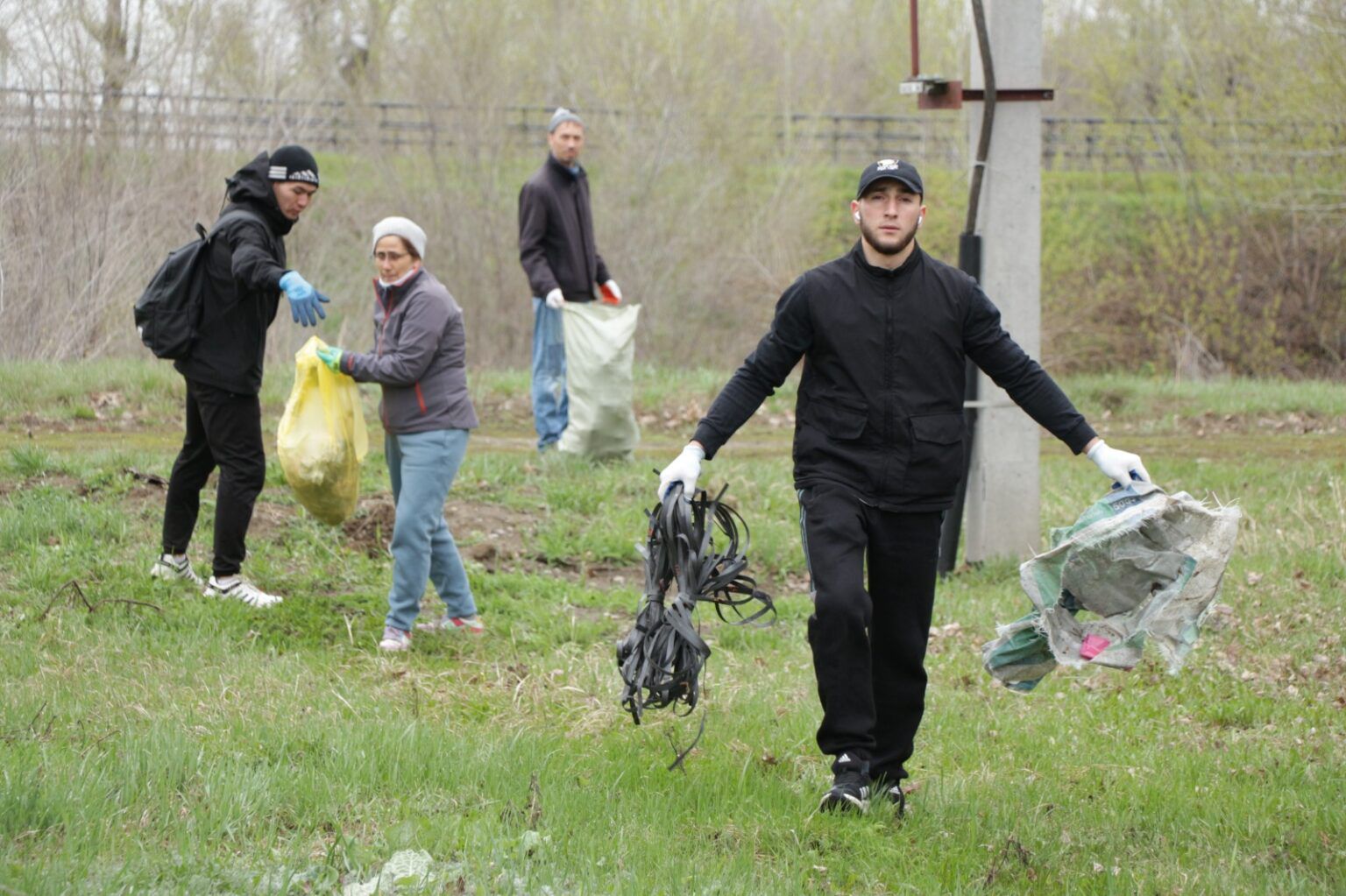
The coast of Tobol has been cleared: traditional diving took place in Kostanay 05.05.2026
Another environmental event — plogging — took place in the city of Kostanay on the banks of the Tobol River. The running community Run in Joy acted as the organizer. The community leaders are Dmitry Kaptyol and Anna Blyum.Plogging is a modern environmental initiative that combines running and cleaning up the environment. The event took place on the section from the restaurant "Ak Shanyrak" to the Gagarin Dam along the Tobol River. The main goal of the event is to develop environmental culture and promote a healthy lifestyle.Armed with gloves and bags, the participants ran along the route while simultaneously collecting household waste along the shore. In addition, some eco-activists used stand-up paddleboards to clean up trash directly in the river. The Department of Housing and Communal Services of the city of Kostanay provided support by supplying two tractors and the necessary equipment.It is worth noting that the location for the plogging was not chosen by chance. This is one of the popular routes for training and holding sporting events. It is here that the "Self-Transcendence" trail marathon takes place, the start of which is located near the mausoleum of Ybyrai Altynsarin.In just a few hours, the participants collected over 100 bags of trash. More than 40 people took part in the event — students, representatives of the "walruses" community, running clubs, and active city residents.It is worth noting that plogging in Kostanay has been held on a regular basis since 2019, and the number of participants grows every year.Source : https://www.gov.kz/memleket/entities/kostanay/press/news/details/1214082?lang=kk
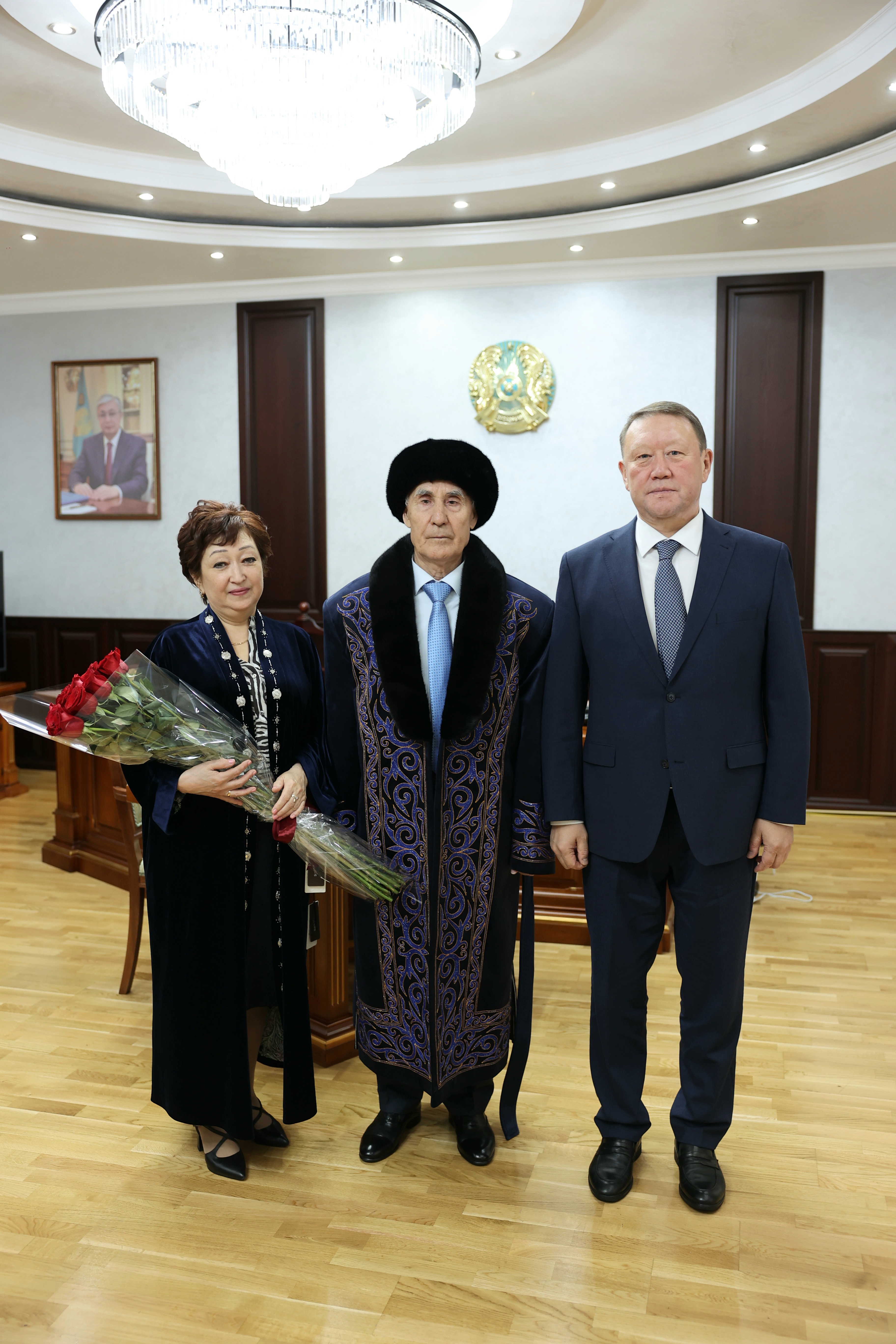
80th anniversary! 04.05.2026
The head of the region, Kumar Aksakalov, congratulated the outstanding scientist, wise mentor, and public figure Kalkaman Khasenovich Zhakyp on his 80th anniversary.Kalkaman Khasenovich dedicated his conscious life to serving the people. His life journey, which began in a simple village, reached significant heights thanks to hard work and perseverance. More than 300 scientific works by the scholar are dedicated to issues of interethnic relations, the state language, history, culture, and the development of society.Currently, serving as the chairman of the regional Council of Aksakals under the Assembly of the People of Kazakhstan, he sets an example for the younger generation, contributing to strengthening unity and harmony in the country.The respected aksakal has also achieved significant success in the field of sports. He participates in marathons of various levels, covering thousands of kilometers."Dear Kalkaman Khasenovich, I wish you and your spouse, Damesh Saktaganovna, long life, good health, prosperity for your families, and the joy of spending more happy days together," noted the regional akim in his congratulatory speech.The work of Kalkaman Zhakyp has received high recognition from the state and is marked by various awards, including the "Kurmet" order. On this day, the head of the region, expressing sincere gratitude to the jubilarian, also awarded him the special breast badge "Ybyrai Altynsarin." Source : https://www.gov.kz/memleket/entities/kostanay/press/news/details/1213573?lang=kk
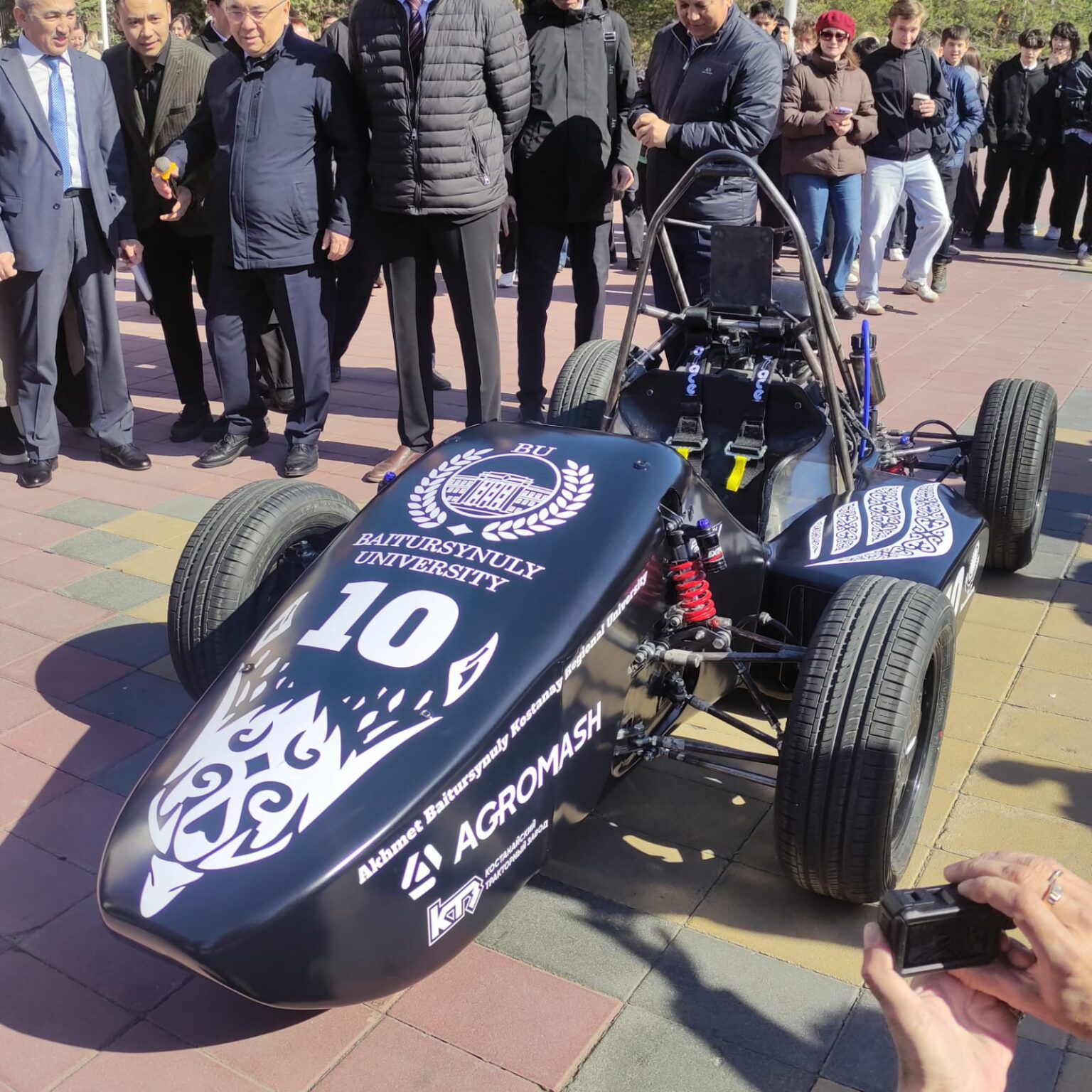
Students assembled the first sports car in Kazakhstan in Kostanay 02.05.2026
A ceremonial presentation of the first racing car, designed and assembled by students, took place at the Akhmet Baitursynuly Kostanay Regional University. On the eve of Science Day, the car, covered with a white cloth, was presented to the public and became one of the most striking elements of the event.The project was implemented on the basis of the Center for Advanced Mechanical Engineering at the university. Notably, every part of the car was made by the students themselves — from scratch. From the idea and engineering calculations to design, assembly, and testing — all stages were carried out by the young engineers.As the organizers note, this is not just an academic exercise but a full-fledged engineering test. Student racing cars of such a high level are rare in Kazakhstan.A distinctive feature of the project is that the student acts simultaneously as both the driver and the engineer, being responsible for both the driving and the technical aspects.The implementation of the project has become a clear testament to the development of engineering education in the region and the high potential of future specialists.Source : https://www.gov.kz/memleket/entities/kostanay/press/news/details/1213066?lang=kk
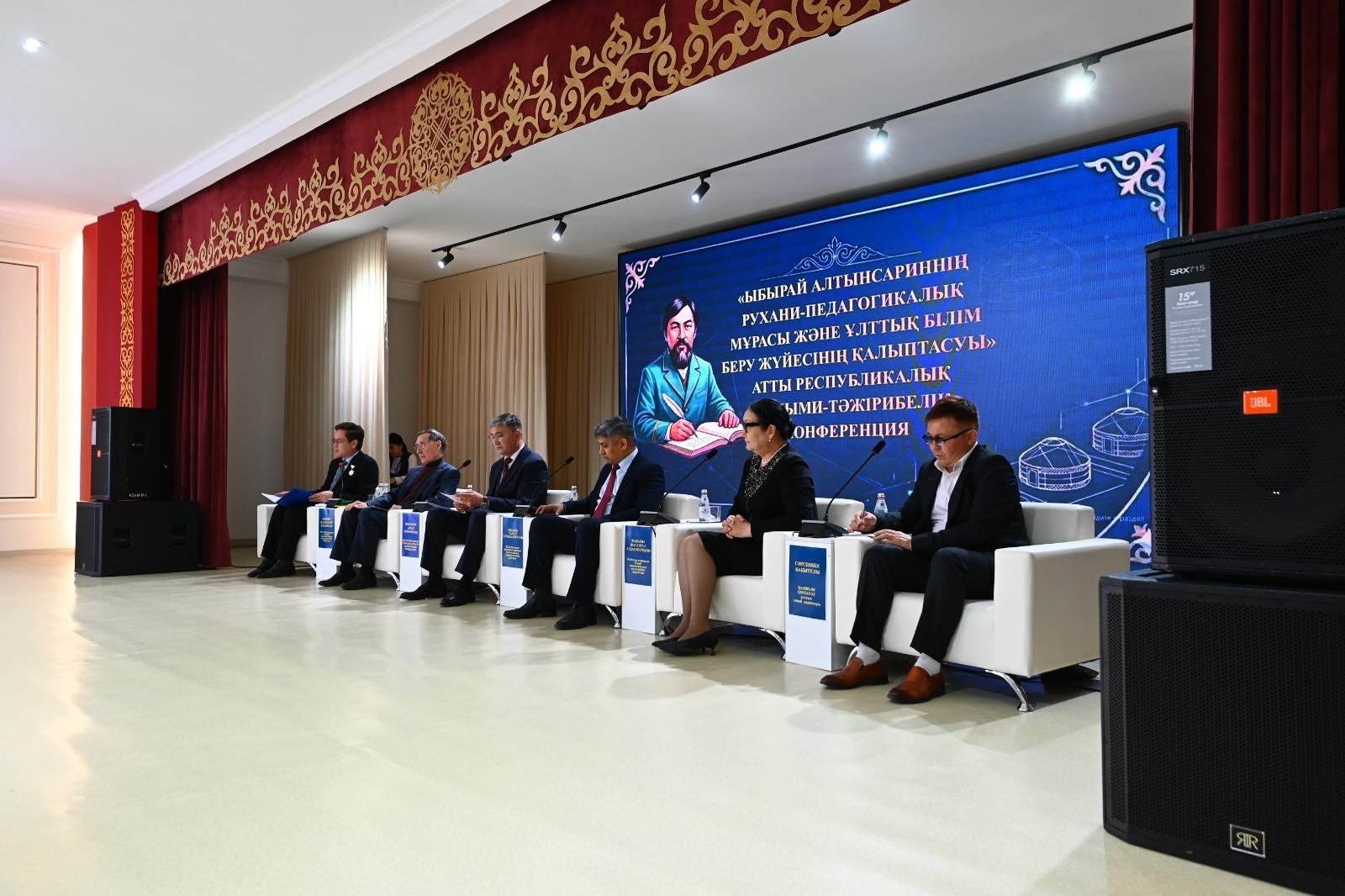
From Tradition to Innovation: Educational Development Based on Ibrai Altynsarin's Ideas Discussed 30.04.2026
The Republican Scientific and Practical Conference "The Spiritual and Pedagogical Heritage of Ybyrai Altynsarin and the Formation of the National Education System" was held in the Kostanay region at the Ybyrai Altynsarin Rudny Social and Humanitarian College, dedicated to the 185th anniversary of the outstanding educator, teacher, and public figure Ybyrai Altynsarin.The event was organized by the Education Department of the Kostanay Region Akimat and the Methodological Center with the support of the Department of Technical and Vocational Education. The direct implementation of the conference was ensured by the Ybyrai Altynsarin Rudny Social and Humanitarian College.The conference became a significant platform for discussing current issues in the development of the education system of the Republic of Kazakhstan, as well as for comprehending the spiritual and pedagogical heritage of Ybyrai Altynsarin in the context of modern challenges and transformations. Particular attention was paid to the continuity of traditional values and the introduction of innovative approaches into the educational process.More than 140 representatives from all regions of the country took part in the conference, including scientists, teachers, university professors, representatives of the technical and vocational education system, doctoral students, as well as public figures and experts in the fields of education and culture.During the plenary and sectional sessions, participants discussed the role of Ybyrai Altynsarin's ideas in shaping the national model of education, issues of spiritual and moral education of youth, the development of pedagogical science, and the introduction of modern educational technologies. A separate emphasis was placed on integrating the best traditions of domestic pedagogy with international experience.Based on the results of the conference, practical recommendations were developed aimed at further improving the education system, enhancing the quality of specialist training, and developing the country's scientific and educational potential.Holding such events contributes to strengthening professional dialogue, exchanging best practices, and forming a unified educational space based on national values and oriented towards innovative development.Source : https://www.gov.kz/memleket/entities/kostanay/press/news/details/1212050?lang=kk

New approaches to the system of state price control 30.04.2026
The issue of price control for socially significant food products (SSFP) is one of the priority areas of activity for the Ministry of Trade and Integration of the Republic of Kazakhstan.A set of measures, including state control, is being implemented to stabilize prices.Since the beginning of 2026, the list of SSFPs has been expanded from 19 to 31 items, which necessitates the strengthening of control measures.As of mid-April of the current year, 1,406 administrative fines have been imposed for exceeding the maximum trade markup on SSFPs, which constitutes approximately 50% of the total number of violations detected under this article for the entire year of 2025 (2,913).The work of regional commissions to identify intermediary schemes throughout the entire pricing chain has been intensified. A total of 372 meetings have been held nationwide, 1,092 violations have been identified, 974 protocols have been drawn up, and 118 intermediaries have been excluded from the supply chains.One of the key areas is the analysis of electronic invoices. Since the beginning of the year, 2,361 risks of exceeding the trade markup have been identified, with information on them sent to territorial subdivisions for detailed analysis and appropriate measures.It should be noted that the Ministry is implementing modern approaches to control. Within the framework of analyzing electronic invoices, digital tools, including artificial intelligence technologies, are being used, which allows for processing significant volumes of data in a short time and increasing the efficiency of identifying violations.New methods of analytical data processing are being applied to counter unproductive intermediation. In particular, chains involving three or more wholesale links within one region, as well as transactions of four or more links completed within one day, are being identified. Additionally, an analysis of the affiliation of transaction participants is being conducted. All identified risks are sent for consideration by regional commissions, whose task is to assess compliance with trade legislation requirements and take measures to exclude unproductive intermediaries.The Ministry of Trade and Integration of the Republic of Kazakhstan will continue to work on improving state control mechanisms and taking necessary measures aimed at ensuring price stability for socially significant food products.Source : https://www.gov.kz/memleket/entities/mti/press/news/details/1211934?lang=kk
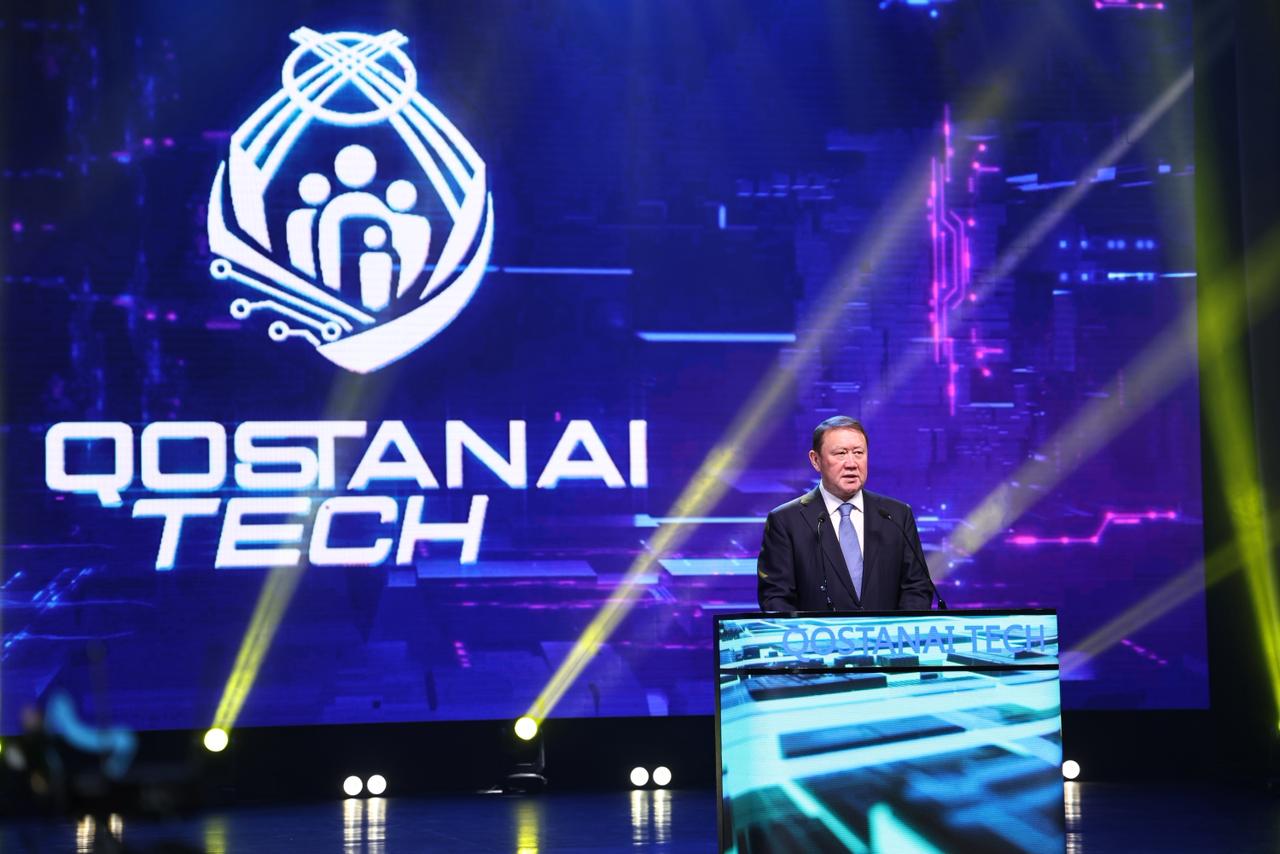
QOSTANAI TECH confirms Kostanay Region’s position as one of Kazakhstan’s leaders in digital transformation 29.04.2026
The Kostanay region has reinforced its position as one of Kazakhstan’s emerging hubs of digital transformation through the large-scale “QOSTANAI TECH” festival, which brought together more than 10,000 participants and effectively turned the city into an open technological platform.The event united representatives of business, science, industry, education, and the IT sector, along with students and young innovators. For several days, Kostanay functioned as a live technological ecosystem where innovation was not only presented but actively demonstrated in real interaction with the public.Opening the festival, Akim of Kostanay Region Kumar Aksakalov emphasized that digitalization and artificial intelligence have become the key drivers of regional economic development. Today, the region ranks fourth in Kazakhstan in manufacturing output, with over 70% of its economy generated by this sector. The industrial landscape already includes 145 operational industrial robots, along with the active implementation of digital management systems and AI-based solutions.The agricultural sector has also undergone significant digital transformation: 100% of arable land, 90% of pastures, and 95% of hayfields have been digitized. As a result, losses have decreased by 40%, productivity has increased by 30%, and operational costs have been reduced by 15%.The international program featured TED-style sessions with leading global and national experts. A highlight was an online address by Nobel Peace Prize laureate Rae Kwon Chung, who stressed that the future of education must be grounded not only in knowledge and skills but also in values and sustainable development principles.A defining feature of the festival was its integration into urban space. Public areas across the city were transformed into open innovation zones featuring scientific experiments, engineering demonstrations, robotics showcases, and drone technologies. The Youth Palace was reimagined as an immersive “smart city” environment with interactive digital installations.Strong interest was drawn to emerging technologies such as artificial intelligence, robotics, and drone football — a rapidly developing tech sport gaining popularity in Kazakhstan. At the same time, student teams developed AI-based digital solutions and presented prototypes addressing real-sector challenges during a dedicated hackathon.The festival also marked the launch of industrial tourism in the region, offering participants guided visits to major manufacturing sites, including Allur, KIA, and Agromash plants, where they observed full production cycles.“QOSTANAI TECH” ultimately positioned Kostanay not only as an industrial region, but as a growing ecosystem where education, technology, and innovation converge to shape a new economic model for Kazakhstan.Source : https://www.gov.kz/memleket/entities/kostanay/press/news/details/1211810?lang=kk
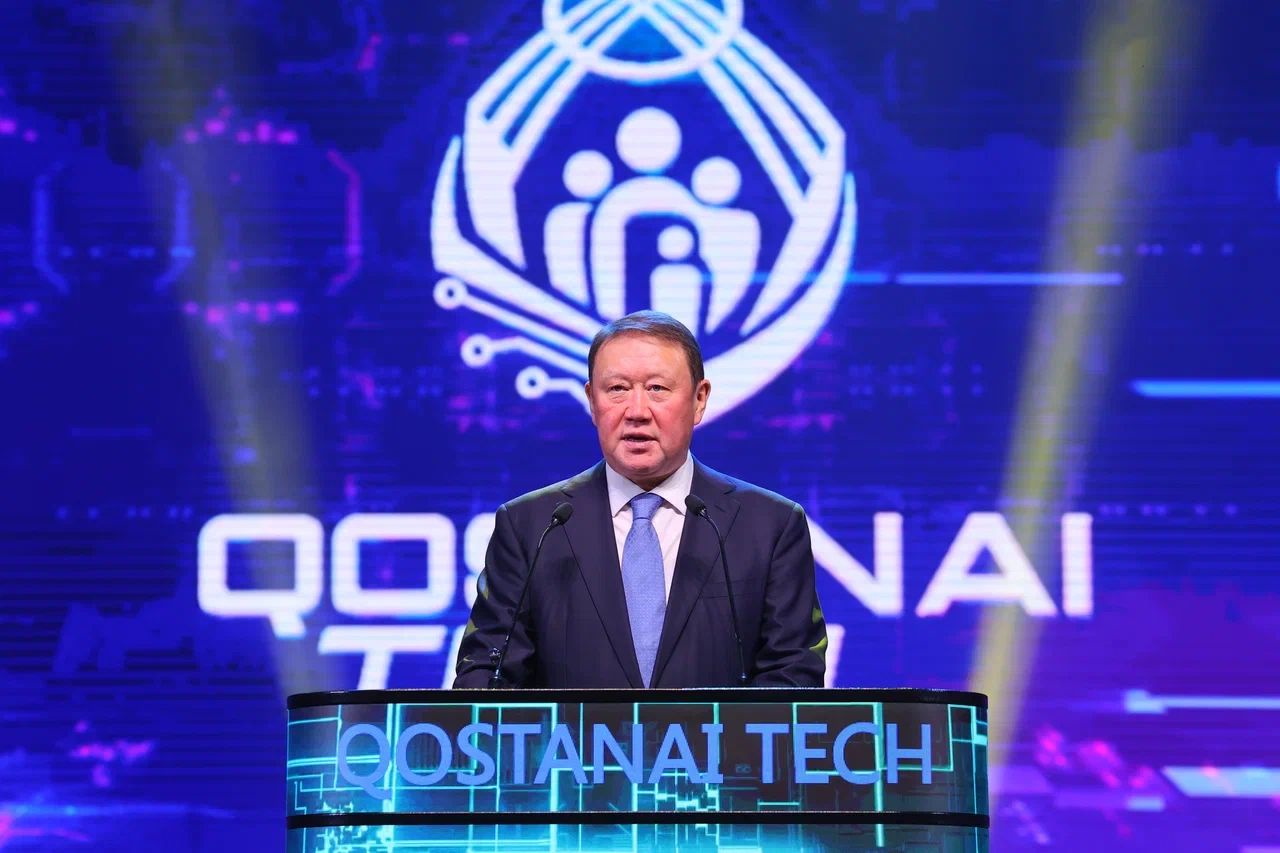
QOSTANAI TECH is in full swing: the largest family scientific and innovative festival is taking place in Kostanay 29.04.2026
The largest family-friendly scientific and innovation festival of the year, «QOSTANAI TECH», is taking place in Kostanay, having already gathered thousands of residents of the region, guests from other parts of Kazakhstan, as well as representatives from business, science, the IT sector, and youth.Since early morning, the "Zhastar Saraiy" venue and the surrounding area have become a hub for everyone interested in technology, science, and the future of the digital economy.The festival was opened by the Akim (Governor) of the Kostanay Region, Kumar Aksakalov, who emphasized that the development of technology and artificial intelligence is becoming one of the key factors for the region's competitiveness.— Today, digitalization, robotization, and the implementation of artificial intelligence are already encompassing industry, agriculture, healthcare, education, and the service sector. Our task is to build a knowledge-based economy and prepare a new generation of specialists, — noted the head of the region.A special event of the business program was the online connection with the 2007 Nobel Peace Prize laureate, South Korean diplomat and scientist, Rae Kwon Chung. In his speech, he stressed that technological development must go hand in hand with sustainable development and environmental responsibility.— Economic growth is impossible without caring for the future of the planet and responsibility towards future generations, — noted the Nobel laureate, addressing the festival participants.International participation at this level gave the forum special significance and underscored its status as a platform for global dialogue on technology and the future.As part of the festival, interactive zones, an exhibition of modern technologies, VR and AI areas, robotics laboratories, an esports arena, and science shows for children and adults have already begun operating.Demonstration areas are of particular interest to guests, where one can operate agricultural machinery in virtual reality, see simulations of electric vehicle assembly lines, and participate in engineering workshops.Simultaneously, TED-style talks by international and Kazakh experts are taking place, dedicated to issues of artificial intelligence, industrial transformation, digital infrastructure, and the future of education.The festival continues; ahead, guests can look forward to industrial tours, the hackathon finals, and a large concert program.Source : https://www.gov.kz/memleket/entities/kostanay/press/news/details/1211389?lang=kk
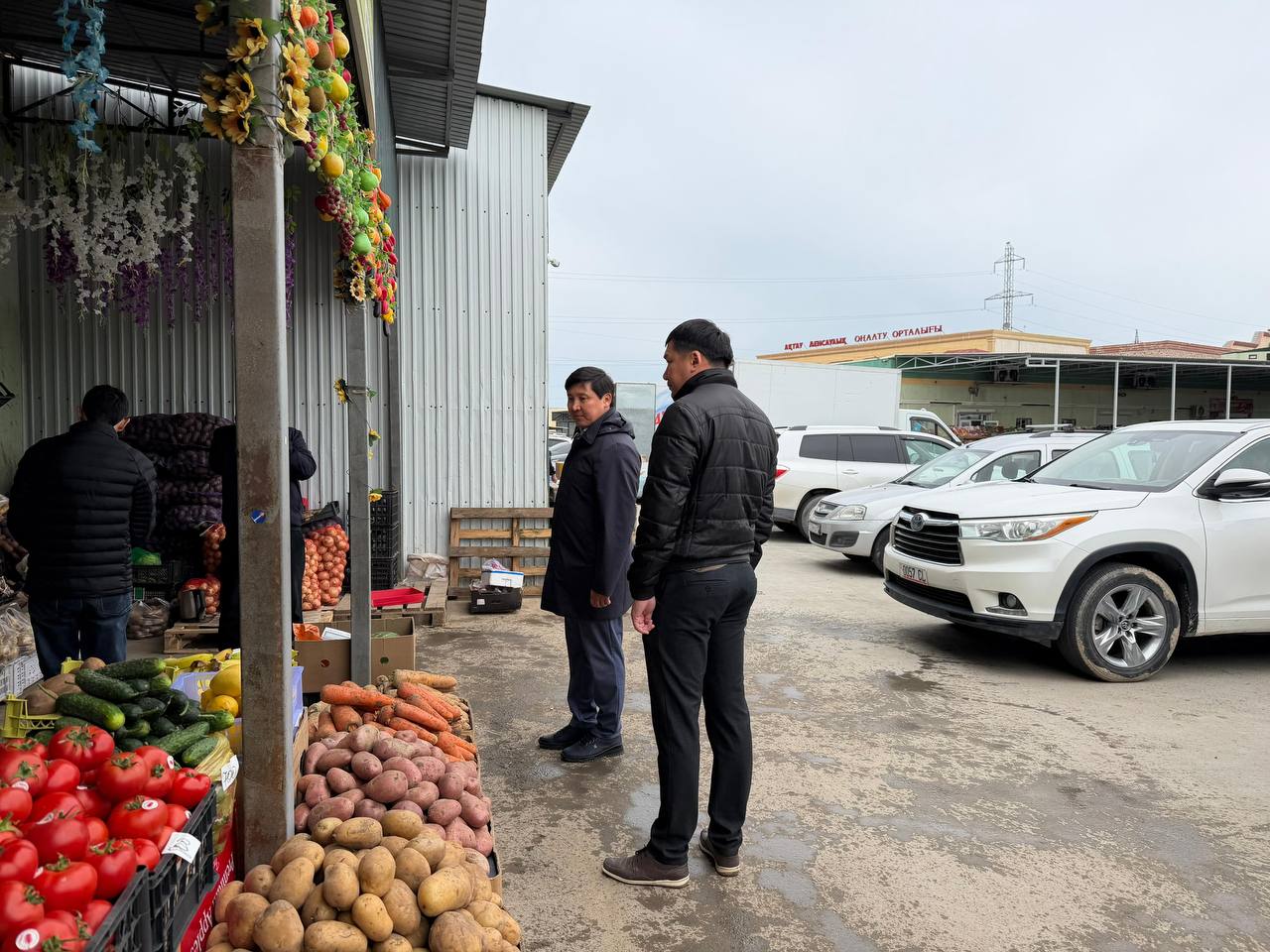
The Vice Minister of Trade personally inspected the wholesale markets of Aktau 29.04.2026
Vice Minister of Trade and Integration Aidar Abildabekov inspected the wholesale markets in Aktau. He visited the "Asar-S" market, as well as the large vegetable warehouses KazFruit and Asia Fruit Aktau, which are the main suppliers of products to the Mangystau region. The work was carried out in accordance with the instructions of Prime Minister Olzhas Bektenov regarding establishing order in food markets and eliminating inefficient intermediation.A commission has been established in the region, which conducted monitoring at the "Kök bazar", "Asar-S" markets and in the meat sector "Magash". Violations were identified during the inspection. Five business entities were selling socially significant food products with an excess of the permissible trade markup. Administrative measures have been taken against them.A case of overpricing for meat products at the "Magash" market was also recorded. After the commission's intervention, the price per kilogram was reduced from 4500 to 3500 tenge.Furthermore, excessive intermediary links in supply chains were identified. Cases of several transactions being made within one day for the same product were established. As a result, TOO "Goods and Service" was recognized as an unproductive intermediary and excluded from the chain. This allowed one of the large retail chains in Aktau to switch to direct purchases from a wholesale supplier and reduce the price of potatoes from 275 to 242 tenge and onions from 165 to 132 tenge.A similar scheme was identified in the supply of vegetable products through Asia Fruit Aktau and Asia Fruit Aktau KZ. After the intermediary was excluded, the retail chain switched to direct purchases, which led to a decrease in the price of potatoes from 235 to 225 tenge and carrots from 264 to 205 tenge.According to Aidar Abildabekov, the region needs to strengthen the work of the commission to identify intermediary schemes. He noted that since the beginning of the year, a small number of intermediaries have been identified, and this statistic raises doubts. At the same time, the Mangystau region remains one of the regions where the main share of products is imported by importers and wholesalers from other regions. He emphasized that this is a key issue for the interest of the regional leadership, as with proper work, intermediary schemes can be identified systematically, not sporadically.For reference: Since the beginning of 2026, state control has been strengthened. Thus, as of April 23 of the current year, 1,406 fines have been imposed under Article 204-4 (exceeding the maximum trade markup), which is about 50% of the total number of violations identified under this article for the entire year of 2025 (2,913 violations).The total amount of fines for violating the trade markup amounted to over 53 million tenge. Of these, in the Mangystau region — 49 fines amounting to 540 thousand tenge.For applying different prices and the absence of price tags, 489 rulings were issued amounting to 18.4 million tenge, including 36 rulings in the Mangystau region amounting to over 1.1 million tenge.In terms of the number of initiated administrative proceedings, the Mangystau region ranks 4th among the regions.The work of regional commissions to identify intermediary schemes has been intensified. Across the country, 372 meetings were held, 1,092 violations were identified, 974 protocols were drawn up, and 118 intermediaries were excluded.In the Mangystau region, as of April 23 of the current year, 27 meetings have been held. As a result, 51 cases of violations were identified, of which in 49 cases an excess of the trade markup was recorded with subsequent drawing up of administrative protocols, and 2 unproductive intermediaries were also identified and excluded from supply chains.In terms of the number of identified cases, the region ranks 6th among the regions.In addition, an analysis of electronic invoices is being conducted: 4,395 chains have been studied, 2,361 risks have been identified, which allows for timely prevention of cases of excessive margins and violations of trade legislation. Source : https://www.gov.kz/memleket/entities/mti/press/news/details/1211253?lang=kk
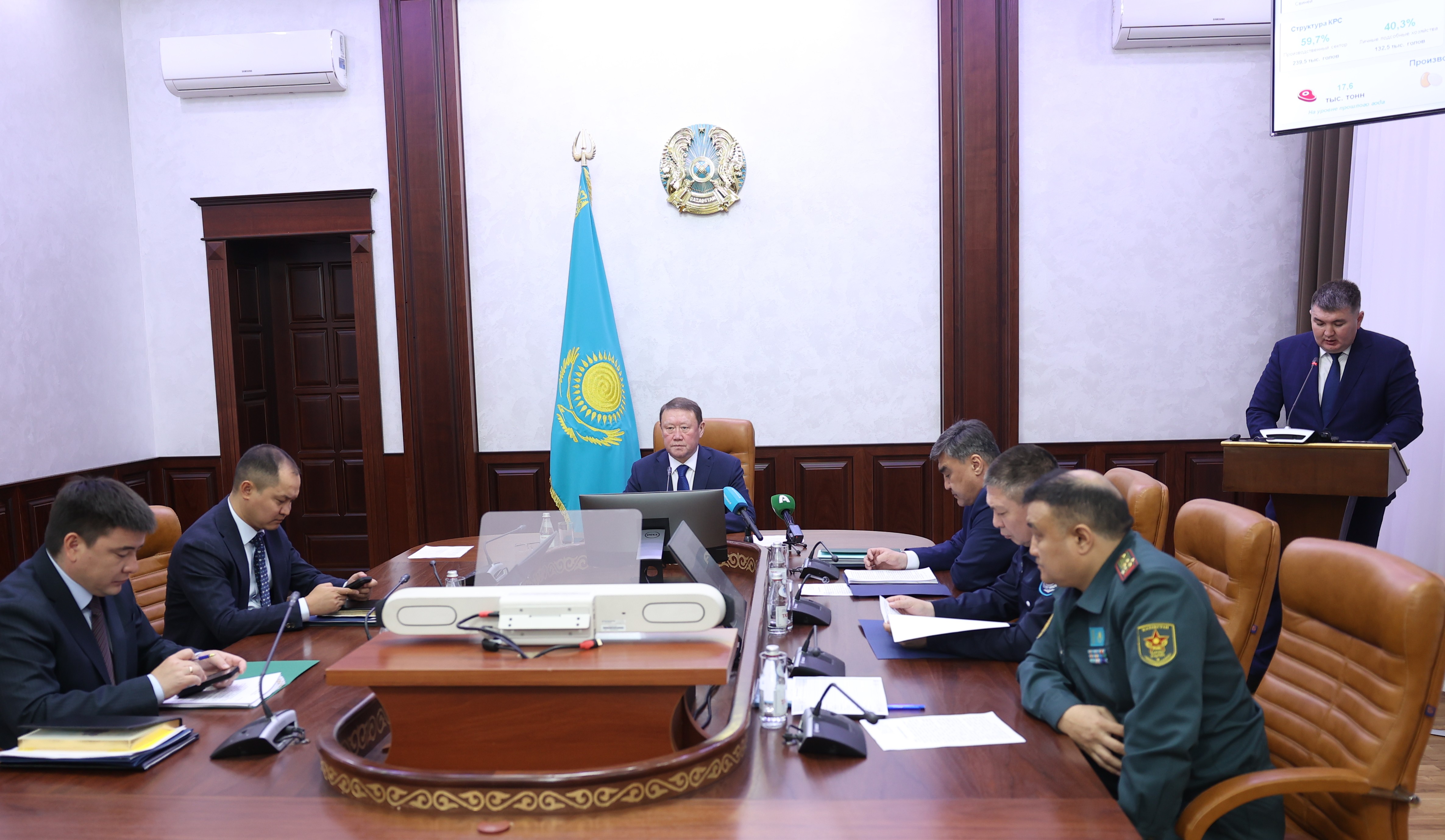
The number of livestock has increased in the region 28.04.2026
A meeting of the regional akimat dedicated to the development of livestock farming in the region was held under the chairmanship of the regional head, Kumar Aksakalov.As noted by the Head of State, livestock farming is one of the priority areas of agriculture. It is a key factor in ensuring food security, increasing rural employment, and the sustainable development of villages.Last year, 7.5 billion tenge was allocated for the purchase of breeding stock, as well as for reducing the cost of milk and meat production; this year, 10.8 billion tenge is provided. The growth amounted to 44%. Lending at a rate of 2.5% per annum continues."The Comprehensive Livestock Development Plan for 2026-2030 has been approved by the Government. Our region has become one of the key initiators of this plan, systematically advocating for the interests of farmers in obtaining affordable credit resources. Currently, the preferential credit programs 'Bereke' and 'Igilik' at 6% per annum are being implemented. For the implementation of transhumance livestock projects, the 'Zhailau' program with a similar rate for a term of 7-10 years will be launched. It will be implemented in three regions of the country. In our region, it is intended for agricultural producers in the city of Arkalyk, Amangeldy, and Zhangeldinsky districts. Every invested tenge must yield a concrete result. Our task is to effectively use the available opportunities to increase the livestock population, improve its quality, and introduce modern technologies," noted the akim of the region.It should be noted that in 2025 compared to 2022, the region has seen growth in the livestock and poultry population: cattle - by 25.2 thousand heads, horses - by 14.2 thousand heads, sheep and goats - by 14.6 thousand heads.Sustainable growth in livestock farming is associated with the launch of 7 modern large-scale industrial dairy farms. Another 6 such farms are under construction, 5 of which will be commissioned this year. Overall, 12 new modern dairy farms with a production volume of 77 thousand tons of raw milk per year will be able to meet the needs of more than 200 thousand people."We must approach the development of livestock farming comprehensively. The President of the country has clearly outlined the priorities for the development of the agro-industrial complex: deep processing, increased productivity, and the introduction of modern technologies. New and existing farms must be a model of production and sanitary culture, both inside and out. There must be cleanliness, order, and a high standard everywhere and in everything," emphasized Kumar Aksakalov. Source : https://www.gov.kz/memleket/entities/kostanay/press/news/details/1210843?lang=kk
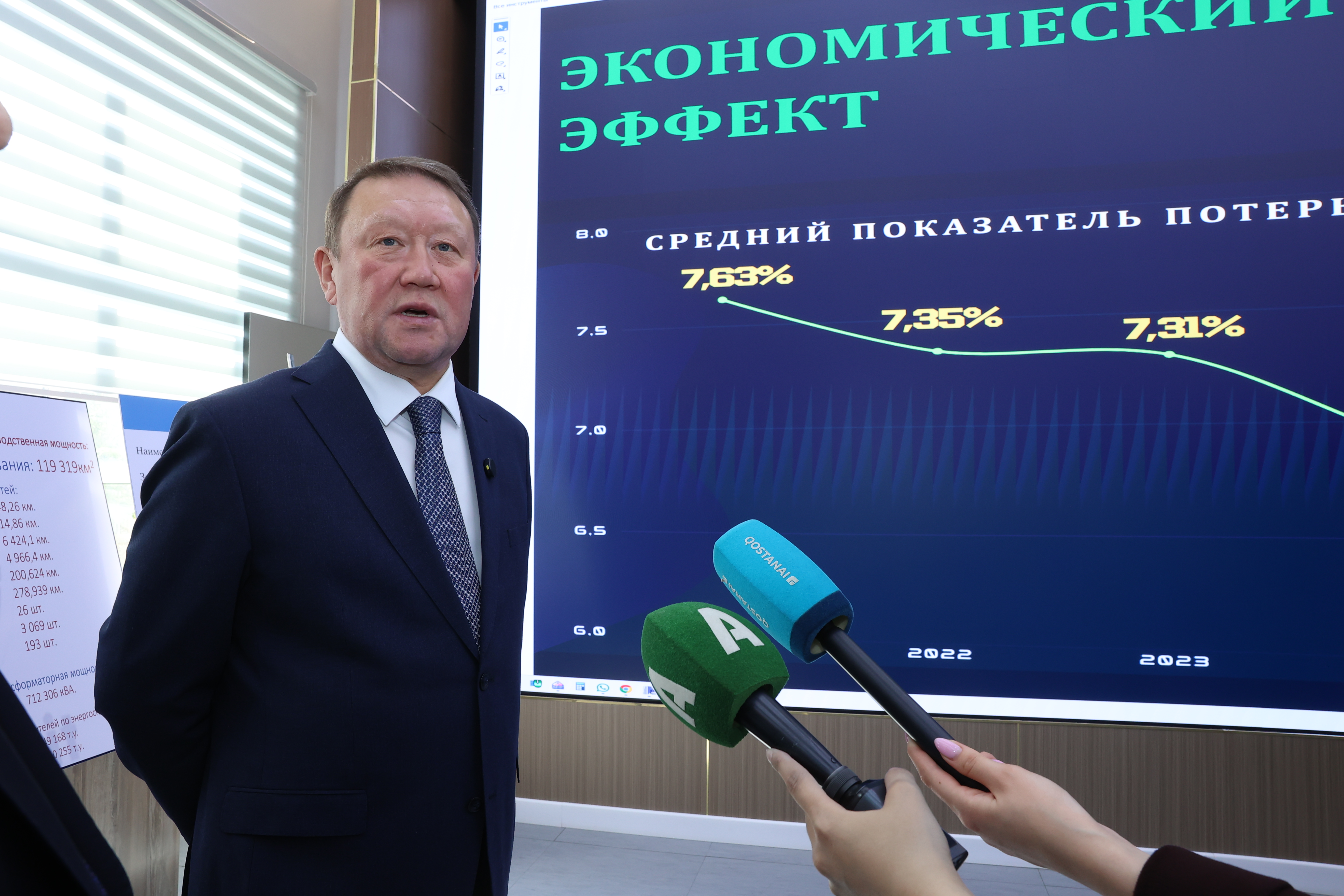
The level of accidents in electrical networks has decreased 28.04.2026
The head of the Kumar Aksakalov region familiarized himself with the activities of "EPK Forfait" LLP.The President of the country noted that without stable and sufficient electricity production, the implementation of artificial intelligence and large-scale digitalization is impossible."Compared to last year, the accident rate on the networks has decreased by 10%. Thanks to the new digital dispatch center of "EPK-forfait" LLP, the response time to emergency outages has been reduced from 2 hours to 5 minutes. Positive dynamics are also observed in infrastructure indicators — systematic work is underway to reduce the wear level of electrical networks from 83% in 2021 to 73% this year, update equipment, and reconstruct lines and substations," noted the head of the region.Reducing technical losses in the networks to 6.4% is an important achievement, while the average for the republic is 10–11%.I would particularly like to note the implementation of digital metering devices, automated monitoring systems, and the first solutions based on artificial intelligence."Our task is to move from eliminating the consequences of accidents to predicting and preventing them. From manual management to an intelligent model of the energy system," noted Kumar Aksakalov.Source : https://www.gov.kz/memleket/entities/kostanay/press/news/details/1210833?lang=kk

Serious violations in the use of medical equipment have been identified in Almaty 28.04.2026
In Almaty, following an unscheduled inspection conducted by the Department of the Committee for Technical Regulation and Metrology of the Ministry of Trade and Integration of the Republic of Kazakhstan, gross violations of legislation in the field of ensuring measurement uniformity were identified in the activities of the State Communal Enterprise on the Right of Economic Management "Central City Clinical Hospital".The inspection revealed that until February 11, 2026, 106 patient monitoring modules were in operation at the medical institution without undergoing mandatory procedures. The equipment was used without type approval or metrological certification, was not registered in the state register, and had not undergone mandatory verification. Furthermore, these devices were used in the process of providing medical care.These modules are intended for monitoring patients' vital signs - heart rate, blood pressure, blood oxygen saturation level (SpO₂), electrocardiogram (ECG), and body temperature. The use of such equipment without confirmation of measurement accuracy directly impacts clinical decision-making and creates risks to patient safety.During the inspection, violations of the requirements of Articles 17 and 19 of the Law of the Republic of Kazakhstan "On Ensuring Measurement Uniformity" were identified in the activities of the medical organization. The established facts are confirmed by the inspection materials.Based on the results of the supervisory measures, a mandatory order was issued to eliminate the identified violations. The operation of the equipment must be brought into full compliance with legal requirements.For the committed violations, the institution was held administratively liable under Article 419 of the Code of the Republic of Kazakhstan on Administrative Offenses. The fine amounted to 600 MCI (2,595,000 tenge) and was paid in the prescribed manner.The Department emphasizes that compliance with requirements in the field of metrological control is mandatory and directly related to ensuring patient safety. Any deviations from established norms are unacceptable. Source : https://www.gov.kz/memleket/entities/mti/press/news/details/1210598?lang=kk
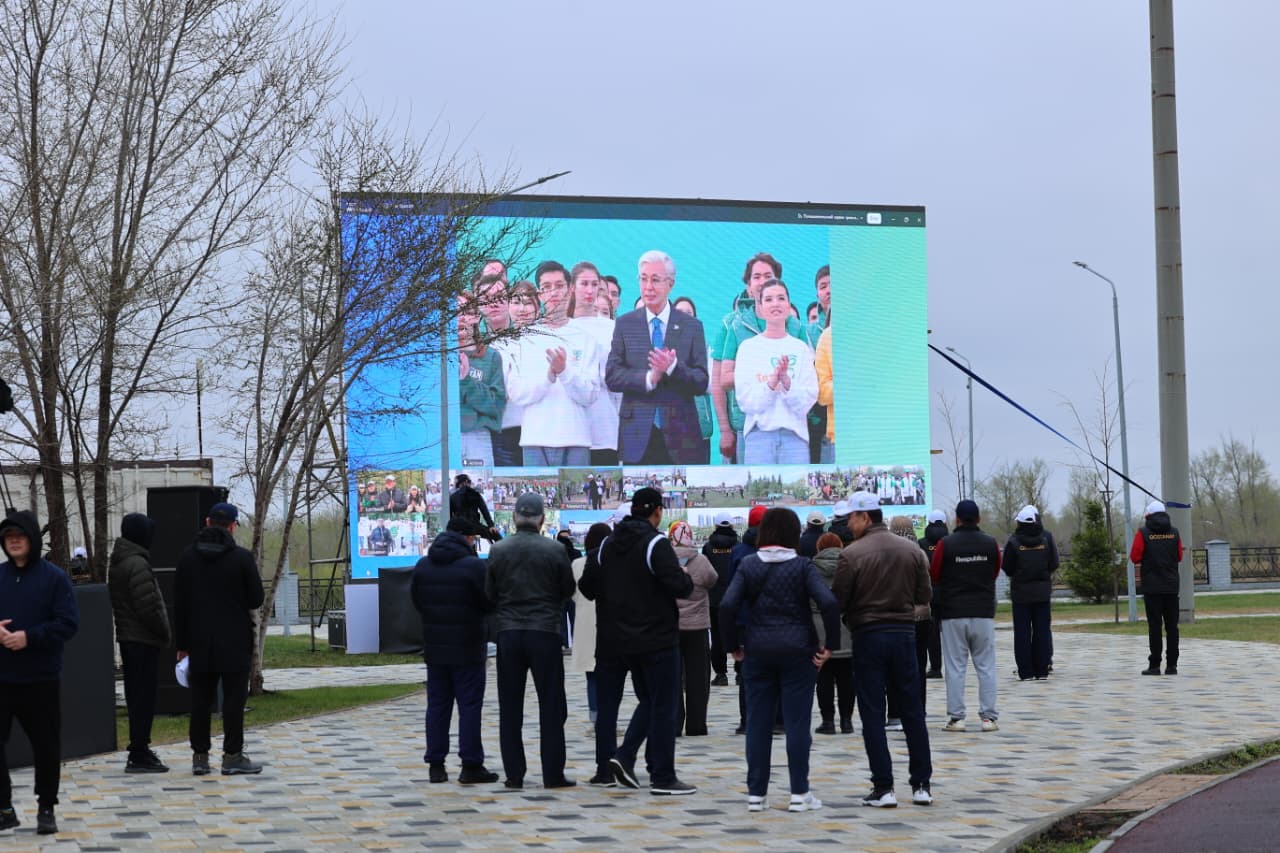
Residents of the region planted 12 thousand seedlings 27.04.2026
With the participation of the Head of State Kassym-Jomart Kemeluly Tokayev, the nationwide environmental campaign "Taza Kazakhstan" (Clean Kazakhstan) was held. Residents of the Kostanay region also actively joined the large-scale event by planting 12 thousand seedlings.Since the beginning of the environmental program's implementation in 2024, over 400 public spaces have been improved in the region, more than 250 children's and sports grounds have been installed, about 600 unauthorized dumpsites have been eliminated, over 1,250 dilapidated and ownerless structures have been demolished, and more than 277 thousand trees and seedlings have been planted.To date, 105 thousand residents and 1.9 thousand enterprises have participated in the sanitary cleanup and improvement efforts, with 3.5 thousand units of equipment involved. 1.3 thousand hectares of territory have been cleaned, including 19 thousand courtyards, and 50 thousand tons of waste have been removed.Over the past three years, 94 parks and squares have been built and improved in the region, and 420 children's and sports grounds have been installed. Additionally, the facades of more than 200 apartment buildings have been renovated."In 2026, the following are planned: planting 77.3 thousand seedlings, renovating the facades of 63 apartment buildings, installing 31 new children's playground, continuing the demolition of dilapidated housing, and improving 80 parks and public recreation areas. A bicycle park with an area of 43.8 hectares will be built in the Kostanay district, and an eco-park with an area of 40 hectares will be built in the city of Kostanay," noted the Akim (Governor) of the Kostanay region, Kumar Aksakalov.Source : https://www.gov.kz/memleket/entities/kostanay/press/news/details/1209230?lang=kk
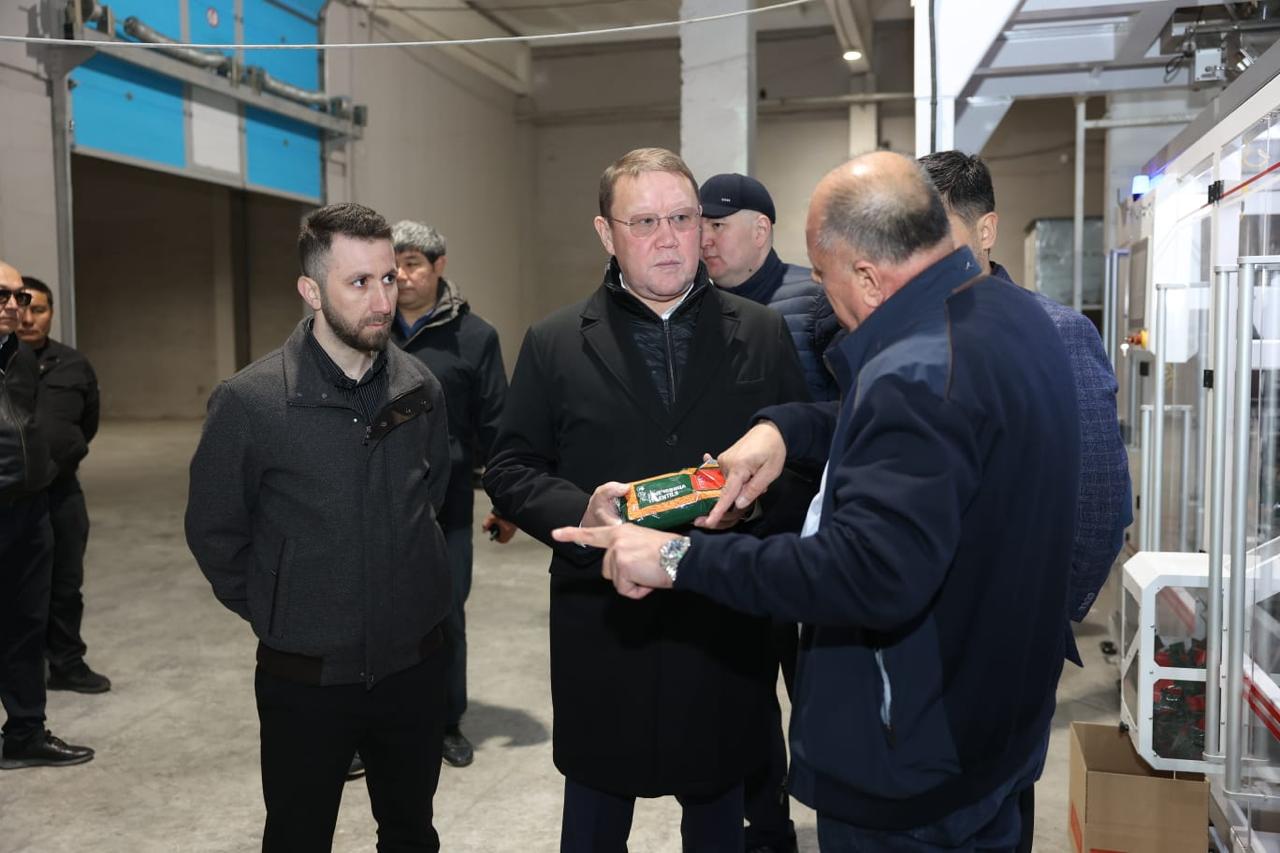
Kostanay region strengthens exports of processed agricultural products 27.04.2026
The region is a leader in processing agribusiness products. According to the results of 2025, 8.1 million tons of processed agribusiness products were exported from the Republic of Kazakhstan. Of these, the Kostanay region accounts for 2.2 million tons. The share of the Kostanay region in the export of processed products is 27.2%. One such exporting enterprise is Kaizen LLP, which processes legumes and was launched two years ago. Now an agreement has been reached with the Turkish holding Arbel to open a pasta production plant. The company also intends to build a flour milling complex, where 200 thousand tons of wheat will be processed annually. As a result, the total capacity of the enterprise will reach 400 thousand tons per year. As noted by the Akim of the Kostanay region, Kumar Aksakalov, Kaizen LLP was opened as part of the implementation of the Head of State's instruction to increase the share of processed products in the agribusiness sector to 70%.Kaizen LLP was built with investments from the international Turkish holding Arbel. 70 jobs were created. The enterprise processes four crops: peas, chickpeas, green lentils, and red lentils.To date, the enterprise is unique for the northern region of the country in terms of the level of technological equipment and organization of production processes in the field of legume processing. Production is focused on producing high value-added products that meet modern quality and safety requirements.The enterprise's technological base includes modern high-performance equipment, ensuring a high level of process automation, stable product quality, and compliance with international standards.Products are supplied both to the domestic market of Kazakhstan and for export. The export geography covers the Turkish Republic, the People's Democratic Republic of Algeria, the Islamic Republic of Afghanistan, as well as a number of European countries. Just last year, the enterprise produced and exported 180 thousand tons of products.To further develop the industry, the enterprise has begun implementing an investment project to build a pasta production plant. The new enterprise will create 60 new jobs.The company also plans to build a flour milling complex, where 200 thousand tons of wheat will be processed."The implementation of these projects is aimed at ensuring the domestic market with domestic processed products, reducing dependence on imported pasta, and developing the enterprise's export potential with access to the markets of neighboring countries," noted Kumar Aksakalov.Overall, the activities of Kaizen LLP fully correspond to the tasks of increasing the level of processing of agricultural raw materials and diversifying the economy.Source : https://www.gov.kz/memleket/entities/kostanay/press/news/details/1209242?lang=kk
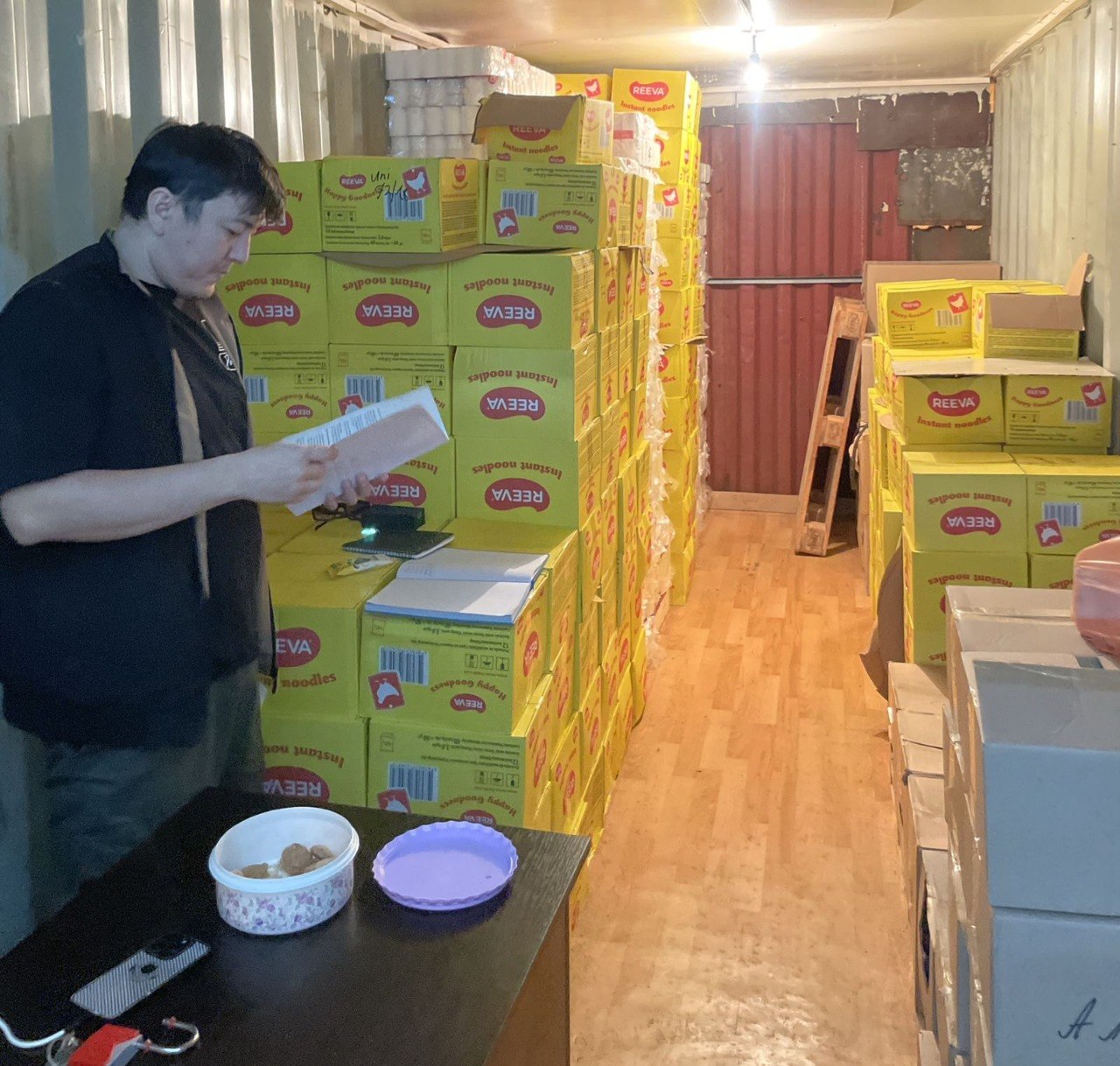
Nine intermediaries were identified at the Almaty wholesale market during an inspection 27.04.2026
In execution of the instruction of Prime Minister Olzhas Bektenov, in order to ensure state control and prevent unjustified price increases for socially significant food products and to eliminate unproductive intermediaries, the Department, on April 25 of the current year, together with the Entrepreneurship and Investment Department of Almaty, the State Revenue Department of Almaty, the Department of Economic Investigations of Almaty, and the offices of the district akims of the city, conducted another monitoring at the city's largest wholesale market "Barys-4". Within the framework of the monitoring conducted, the Department of Trade and Consumer Rights Protection of Almaty analyzed the wholesale intermediaries of the market. As a result of comprehensive measures, 9 intermediaries have been identified to date. Also, within the framework of the regional commission, the State Revenue Department of Almaty is conducting chronometric surveys of business entities. At the same time, the Department has carried out comprehensive work to inform and explain the requirements of trade legislation to entrepreneurs and the administration of the trading market. Special attention was paid to compliance with the established trade markup of no more than 15% on socially significant food products, as well as the need to sell goods with clearly designed and accessibly placed price tags.This issue is under constant control; materials regarding all identified intermediaries and business entities will be submitted for consideration at a meeting of the regional commission. Source : https://www.gov.kz/memleket/entities/mti/press/news/details/1209114?lang=kk
Lessons of the law: how legal culture is formed among schoolchildren and students in Kostanay region 27.04.2026
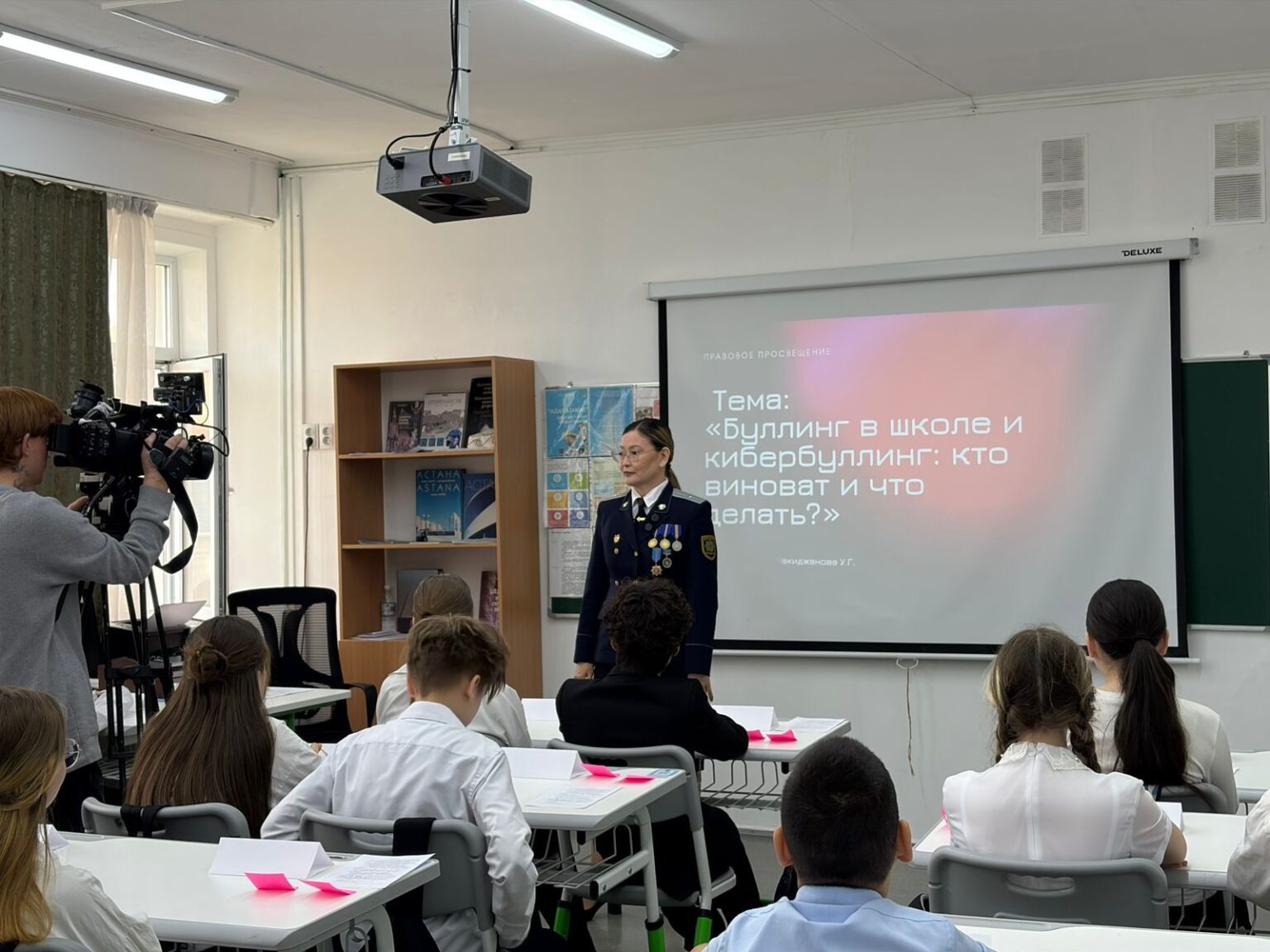
In the Kostanay region, as part of the "Law and Order" concept, a program of educational sessions aimed at shaping the legal consciousness of youth is being implemented in stages. The initiative is designed to enhance the legal culture of the younger generation, prevent offenses, and create a safe educational environment.Schools and colleges in the region are covered under the project. Employees of the prosecutor's office and police, as well as veterans of law enforcement agencies, are actively involved in its implementation as mentors. This allows for the transfer of practical knowledge to young people and the explanation of legal issues using specific examples.The program includes sessions aimed at improving the legal literacy of students. Particular attention is paid to the prevention of bullying and cyberbullying, drug addiction and gaming addiction, as well as the prevention of deviant behavior among minors. The sessions are conducted in an interactive format using trainings and practical tasks, which promotes student engagement.Another event took place at Secondary School No. 8 in the city of Kostanay. During the meeting, an open dialogue with students was organized, within which issues of compliance with legal norms, personal responsibility, and respect for the law were discussed in detail.This project is an important initiative that contributes to strengthening legal culture among young people, fostering a respectful attitude towards the law, and shaping them into conscious citizens.Source : https://www.gov.kz/memleket/entities/kostanay/press/news/details/1209045?lang=kk
More than 100 thousand Kostanay residents took part in the republican environmental campaign "Taza Kazakhstan" 26.04.2026
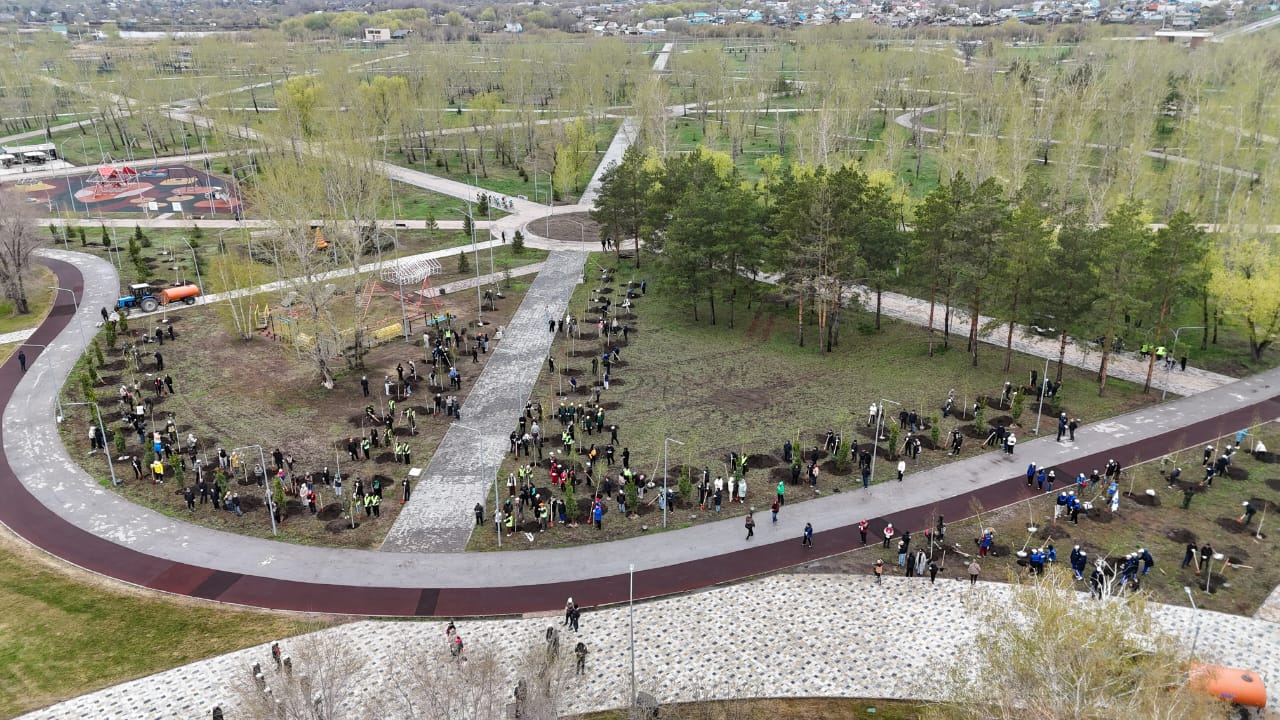
The Kostanay region has joined a large-scale nationwide environmental campaign, held in the format of a teleconference with the participation of President Kassym-Jomart Tokayev. The initiative is being implemented as part of the nationwide program "Taza Kazakhstan" and is considered one of the key tools for shaping the country's modern environmental agenda.During the live broadcast, the Head of State outlined the strategic significance of the project, emphasizing its dual focus — practical improvement of territories and the formation of an environmental culture in society. According to the President, greening settlements is a long-term investment in the nation's health and a sustainable future.The central venue for the campaign in the region was the Triathlon Park in Kostanay — one of the focal points of the urban environment, where the environmental initiative gained the broadest public reach. Here, representatives of authorities, businesses, the volunteer movement, and city residents took part in tree planting. The work was led by the region's akim, Kumar Aksakalov. Among the participants were representatives of the industrial sector, including enterprises from the automotive industry and light industry, as well as agricultural producers."On the President's instructions, we in the region are not just holding campaigns, but building systematic work. 'Taza Kazakhstan' for us is about real results: clean streets, new trees, improved courtyards. We want the residents of the Kostanay region to see these changes every day and become part of these changes themselves," noted the head of the region.Residents of the region support environmental initiatives and note real changes."The city is indeed becoming cleaner and more comfortable. It's clear that the work is ongoing, not one-off: new trees are appearing, courtyards are being improved. I wish we ourselves would also treat what is being created with more care," shared Dana Tokzhanova, a resident of Kostanay.A symbolic yet practical result of the campaign was the planting of about 12 thousand trees in just one day. At the same time, as emphasized at the regional level, the key priority remains not only the scale of planting but also the subsequent systematic care of the green spaces.In a broader context, the region's environmental transformation is already showing tangible results. In 2024–2025, 40.3 billion tenge has been allocated for the implementation of specialized projects. During this period, over 400 public spaces have been improved, more than 250 children's and sports grounds have been created, about 600 unauthorized landfills have been eliminated, and over 1,250 dilapidated structures have been demolished. Concurrently, approximately 277 thousand trees have been planted, 1.3 thousand hectares of territories have been cleaned, and about 50 thousand tons of waste have been removed.Special emphasis has been placed on the development of public spaces as an element of a quality urban environment. The region has already established 80 such facilities, and in 2026, the implementation of another 25 projects is planned. Over the past three years, an additional 94 parks and squares have been created, significantly expanding the infrastructure for recreation and leisure.The comprehensive renewal also affects the housing stock. In the region, roof and facade repairs have been carried out on 180 apartment buildings. Plans include further planting of 77 thousand seedlings, roof and facade repairs for another 63 buildings, installation of 31 new children's and sports grounds, and continuation of work on demolishing dilapidated housing.The high involvement of the population and businesses confirms the sustainability of the emerging environmental culture: more than 105 thousand people and about 1.9 thousand enterprises participated in the sanitary measures.Thus, the implementation of the "Taza Kazakhstan" initiative in the Kostanay region goes beyond individual campaigns, forming a systematic approach to territorial development. It is not only about environmental changes but also about the transformation of the urban environment, improving the quality of life, and strengthening the region's long-term investment attractiveness.Source : https://www.gov.kz/memleket/entities/kostanay/press/news/details/1208764?lang=kk
Instances of price gouging for vegetables have been uncovered at the Ust-Kamenogorsk wholesale market 26.04.2026
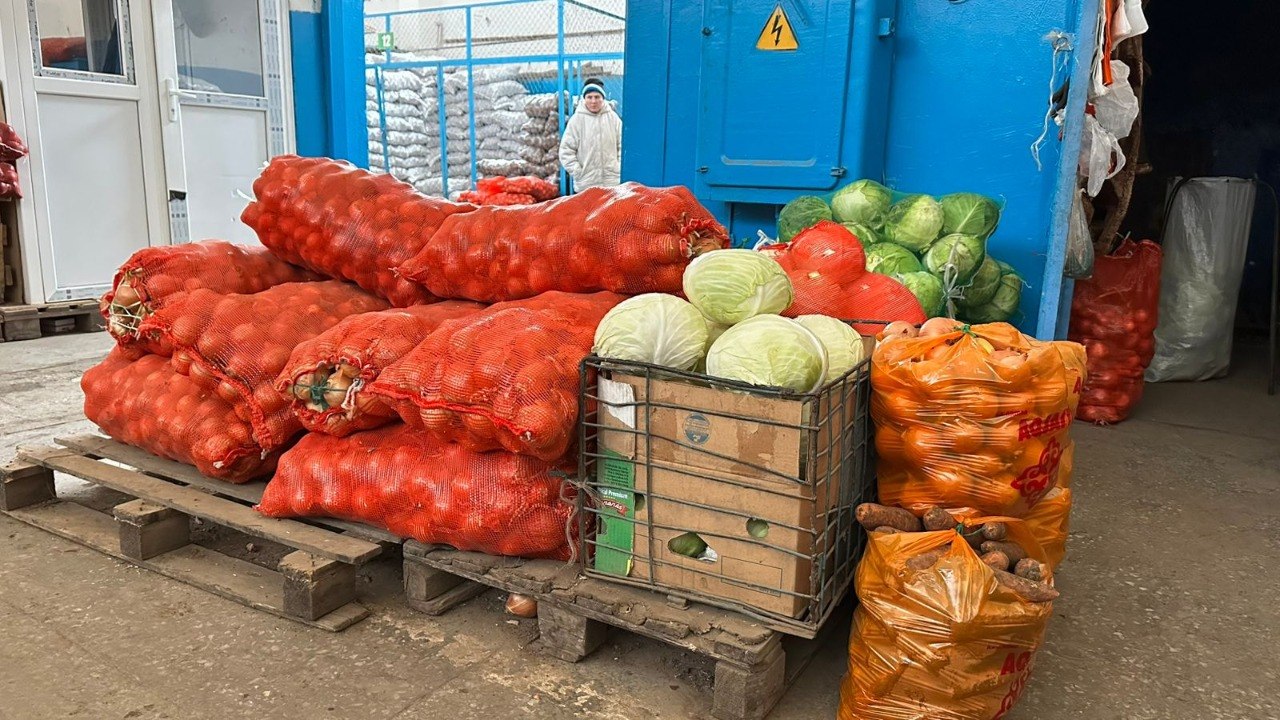
Based on the results of comprehensive monitoring of the "Dina" wholesale market, facts of significant price inflation for socially important products by one of the individual entrepreneurs have been identified. Analysis of electronic invoices showed that trade markups on carrots, potatoes, and cabbage repeatedly exceeded permissible norms.Carrots: with a purchase price from farms in the Pavlodar region at 170 tenge/kg, the goods were resold with a markup of up to 35% (up to 230 tenge/kg).Potatoes: in February, a batch of over 30 tons was purchased in the Abai region at 150 tenge/kg. In March, these potatoes were sold in Ust-Kamenogorsk at prices ranging from 250 to 280 tenge/kg. The actual markup ranged from 70% to 86%.Cabbage: with a purchase from agricultural producers at 130 tenge/kg, sales were conducted at prices of 200–220 tenge/kg. The markup varied from 53% to 69%.These vegetables were subsequently sold to the public in "convenience" stores with an additional trade markup.Materials on these facts have already been reviewed at a meeting of the Regional Commission. Currently, materials are being prepared to register an unscheduled inspection regarding the individual entrepreneur. If violations are confirmed, the entrepreneur will be held administratively liable, and an order to reduce the price of vegetables will also be issued.The Department of Trade for the East Kazakhstan Region reminds: according to legislation, the maximum trade markup on socially important food products (SIFP) must not exceed 15%.Source : https://www.gov.kz/memleket/entities/mti/press/news/details/1208750?lang=kk
Employees of the Ministry of Trade and Integration, headed by Arman Shakkaliyev, took part in the "Taza Kazakhstan" campaign 26.04.2026
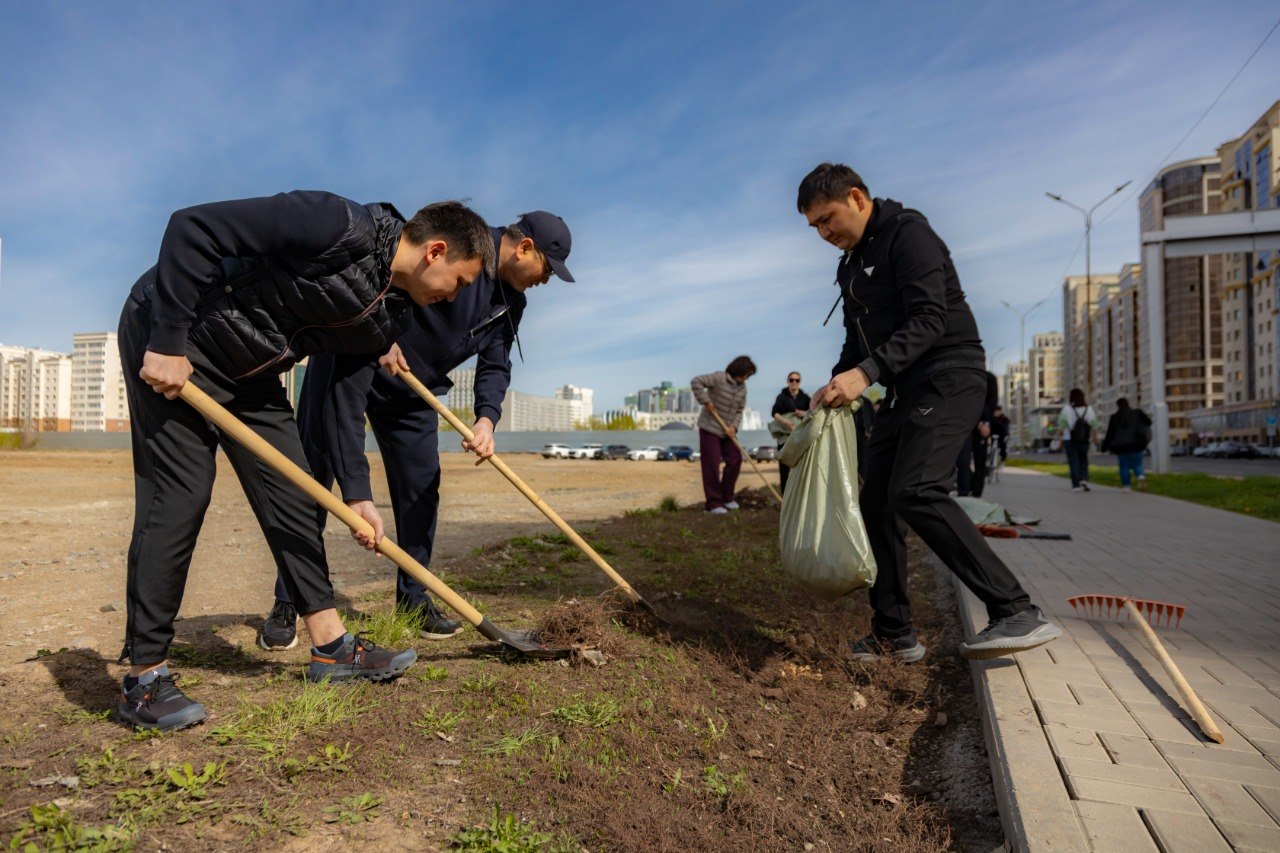
Employees of the Ministry of Trade and Integration of the Republic of Kazakhstan, led by Minister Arman Shakkaliyev, as well as heads and employees of subordinate organizations, took part in a community clean-up event within the framework of the environmental campaign "Taza Qazaqstan", which took place on April 25.About 200 employees participated in the event. Representatives of the ministry cleaned the area from Turkestan Street to the intersection with Orynbor and Syganak Streets."Taza Qazaqstan is a manifestation of every citizen's responsibility to society. Cleanliness should become a mandatory norm for each of us. Also, the cleanliness and comfort of the city we live in directly depend on us," noted Minister of Trade and Integration of the Republic of Kazakhstan Arman Shakkaliyev.#TazaQazaqstanSource : https://www.gov.kz/memleket/entities/mti/press/news/details/1208749?lang=kk
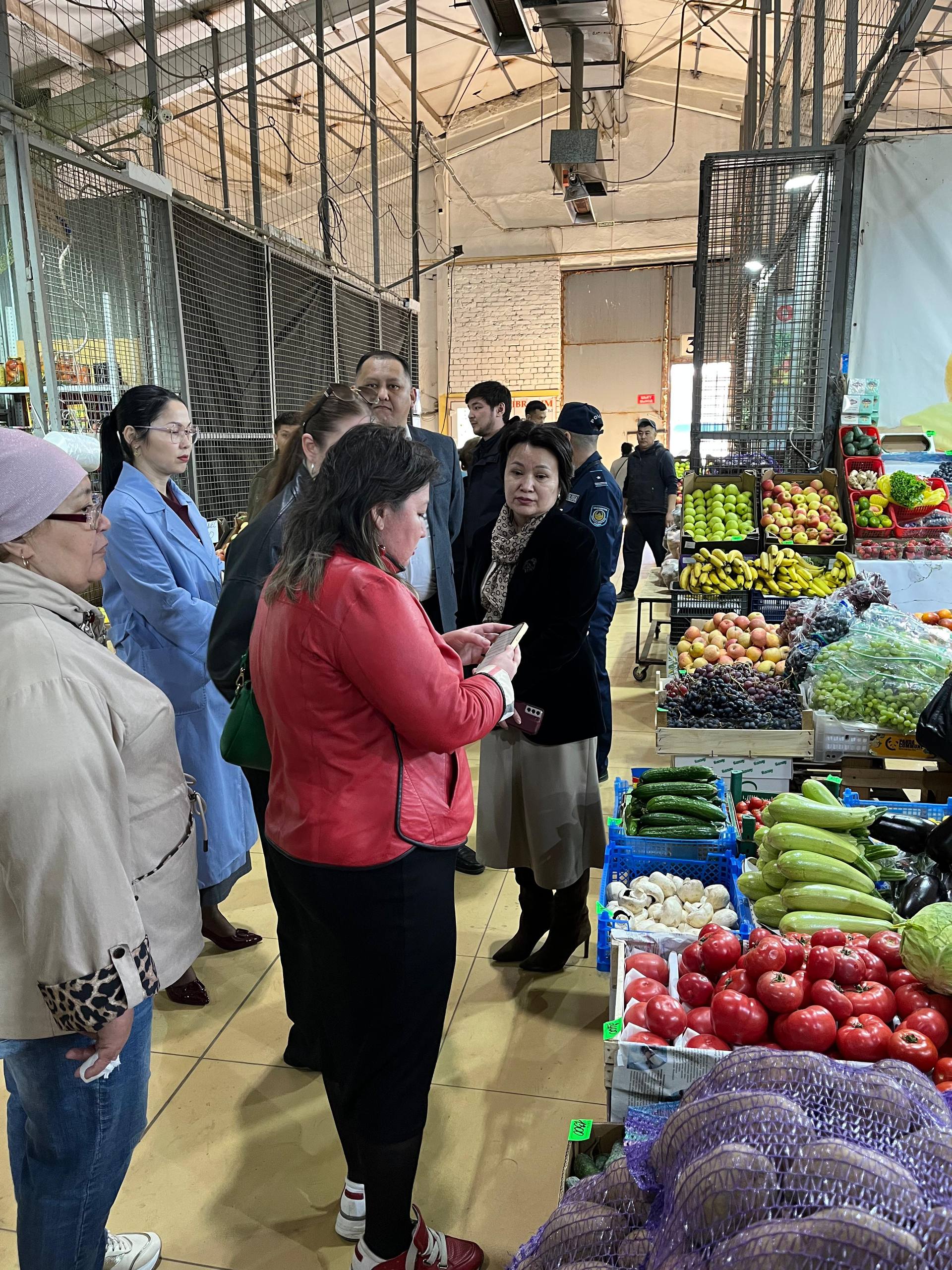
Prime Minister’s directive: inflated prices were immediately removed at bazaars 25.04.2026
The regional commission of the West Kazakhstan Region visited the wholesale and retail market "Altyn Alma", to assess the situation with prices for socially significant food products on-site. The focus was on the meat and vegetable pavilions, where the final cost of products for the population is formed.The work was conducted in a live format, with direct dialogue with tenants. Entrepreneurs were explained the requirements of the legislation, including compliance with the 15 percent trade markup, the presence of written price tags, as well as sanitary and tax regulations.The visit allowed for immediate impact on the situation. The commission identified unnecessary links in the supply chain; two intermediaries for potatoes were eliminated. Simultaneously, direct supplies of products from the stabilization fund of the AQJAIYQ Agricultural Production Cooperative to the market were established.If previously potatoes were sold at a price from 230 to 250 tenge per kilogram depending on the variety and quality, then the products from the stabilization fund went on sale at 165 tenge with a supply price of 145 tenge.Currently, the AQJAIYQ Agricultural Production Cooperative supplies up to 5 tons of products to the market. The goods are in high demand among buyers. Supplies of vegetable products are planned to continue until the end of the first decade of May.Such visits will be conducted on a regular basis. This format shows real effect and allows for quick decision-making.Since the beginning of 2026, 11 meetings of the Regional Commission have been held in the West Kazakhstan Region. 47 cases of exceeding the trade markup on socially significant food products have been identified. Administrative measures have been taken for all violations.Source : https://www.gov.kz/memleket/entities/mti/press/news/details/1208562?lang=kk