Science
Serve the cause and people 15.04.2026
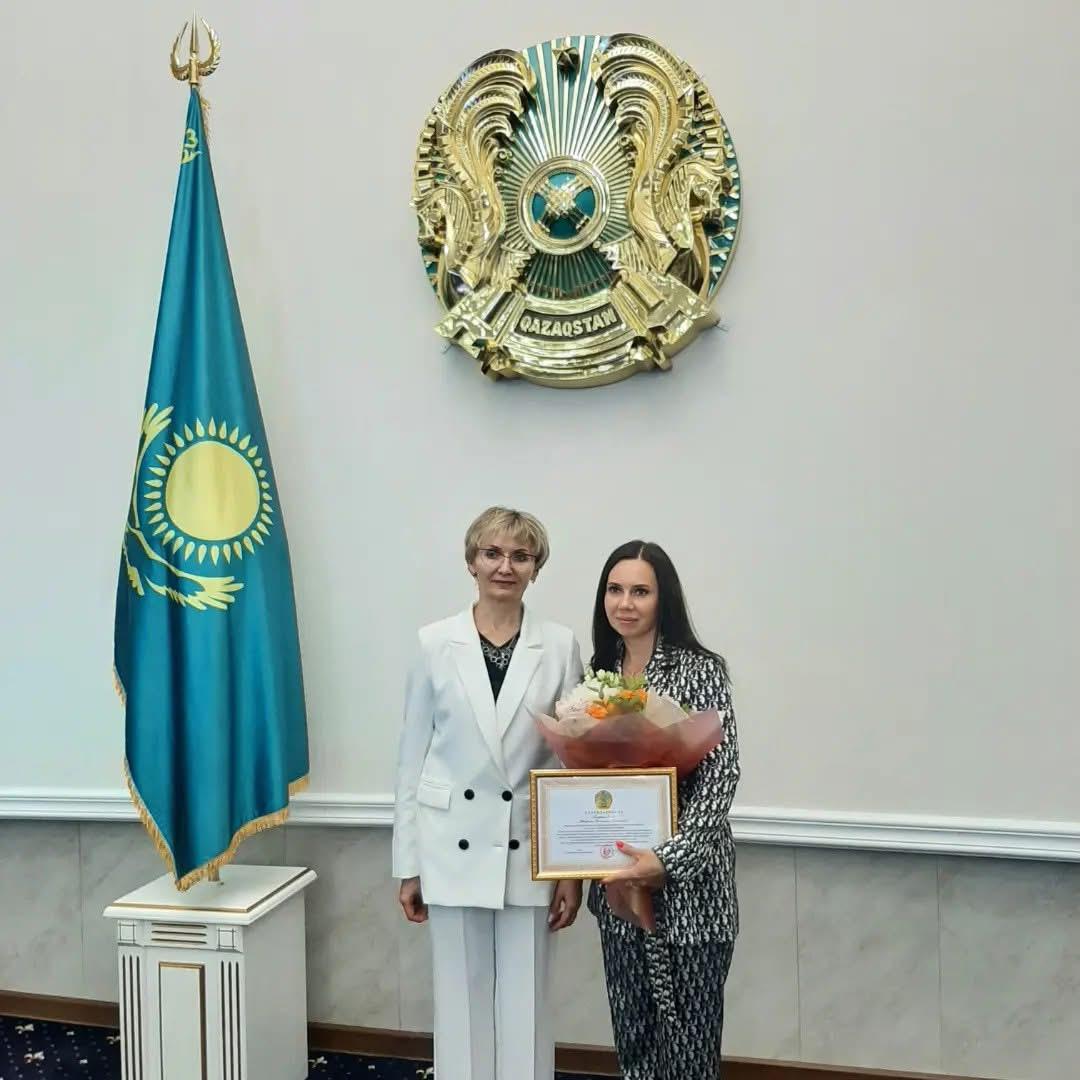
Behind every state institution are people — those who, every day, without unnecessary noise or publicity, perform their work honestly and conscientiously. It is precisely such specialists who shape the true face of public service. One of them is Ekaterina Mikhailovna Parshina — the chief specialist of the Department of the Committee for Technical Regulation and Metrology of the Ministry of Trade and Integration of the Republic of Kazakhstan for the North Kazakhstan Region, a state inspector for state control and supervision.Ekaterina Mikhailovna has been working in the public service system for over 17 years. During this time, she has established herself as a professional for whom responsibility, integrity, and quality of work are not just job requirements, but a personal standard. Colleagues note her attention to detail, diligence, and ability to find solutions even in complex work situations.The work of a state inspector requires not only knowledge of legislation and practical experience but also a high degree of personal responsibility. Ekaterina Mikhailovna has repeatedly participated in conducting state control in various regions of the country and has taken part in improving regulatory rules in the field of determining the country of origin of goods and issuing certificates. Her professional knowledge is also in demand during prestigious quality competitions such as "Altyn Sapa" and "Best Product of Kazakhstan," where she participates in the work of the commissions.However, behind the strict formulations of the position and professional achievements stands a person for whom simple life values are important.Outside of work, Ekaterina Mikhailovna leads an active and modest lifestyle. She loves movement and sports — walks, hiking, and fitness classes. In her free time, she prefers books, especially historical works and novels that allow for a deeper understanding of people's destinies and eras.A special place in her life is occupied by volunteer work. She does not remain indifferent to those in need: she participates in supporting homeless animals and tries to help elderly people, for whom attention and human participation are especially important.But the main support and source of vitality for Ekaterina Mikhailovna remains her family. She holds a special warmth for her parents — respects them, cares for them, and considers it her duty to support and protect her closest people.The stories of such people rarely become the center of attention because they do not seek publicity. But it is precisely thanks to their daily, honest, and responsible work that society's trust in public service is strengthened. And it is precisely such specialists who confirm that public service is, first and foremost, service to the people.Source : https://www.gov.kz/memleket/entities/mti/press/news/details/1201213?lang=kk

Intellectual quiz "IT brAInstorm" was held in Kostanay 13.04.2026
For the first time in the Kostanay region, an intellectual quiz "IT brAInstorm" was organized, aimed at popularizing information technology and artificial intelligence among schoolchildren.The event became an important part of the systematic work to develop digital skills among youth and increase interest in modern IT professions.Teams from 7 comprehensive schools in the city of Kostanay took part in the quiz. Participants competed in several stages, testing their knowledge in the field of information technology and artificial intelligence, solving logical problems, and also demonstrating skills in quick thinking and teamwork.The "IT brAInstorm" format differed from traditional quizzes in that it allowed participants not only to test their knowledge but also to develop analytical thinking, creativity, and the ability to work effectively in a team. During the quiz, schoolchildren learned about modern technological trends and expanded their understanding of the opportunities in the IT sphere.Before the quiz began, a tour was organized for the participants at the Qostanai Hub. During the tour, the schoolchildren familiarized themselves with the center's infrastructure and received detailed information about educational programs, startup projects, and opportunities for technological development. Source : https://www.gov.kz/memleket/entities/kostanay/press/news/details/1199434?lang=kk

The action "We are volunteers" was held in the Naurzumsky district 11.04.2026
In the Nauryzym district of the Kostanay region, the "We Are Volunteers" campaign was held, during which young people contributed to the improvement of the area. Active volunteers of the district gathered together and carried out work to clean the monument dedicated to veterans of the Great Patriotic War, as well as the adjacent territory.During the campaign, participants cleared the area of litter, tidied up the surrounding space, and beautified the memorial site. Such events are aimed at fostering a sense of patriotism and respect for historical heritage among the younger generation.It is worth noting that the volunteer movement in the country is actively developing. Social and environmental initiatives contribute to increasing the civic engagement of youth and involving them in socially significant activities.According to the organizers, the "We Are Volunteers" campaign is not a one-time event. In the future, such initiatives will continue, and the youth of the district will remain actively involved in the life of society.Source : https://www.gov.kz/memleket/entities/kostanay/press/news/details/1198917?lang=kk
About the International Year of Volunteers for Sustainable Development 09.04.2026
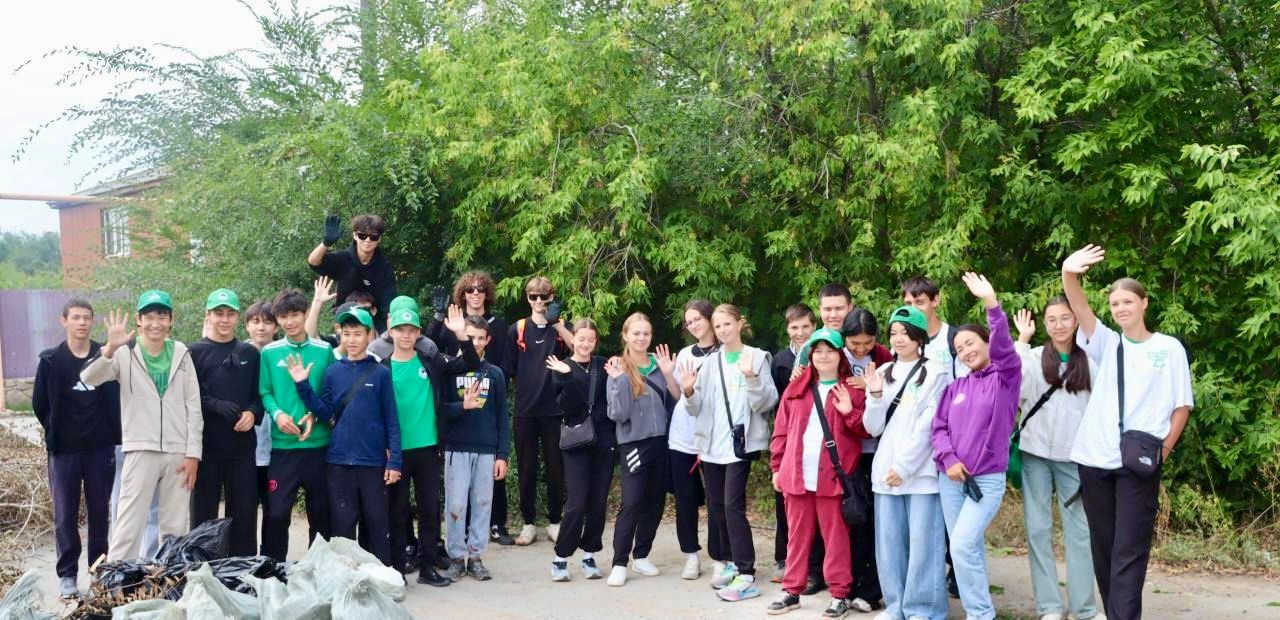
At the initiative of the Republic of Kazakhstan, an important historical decision was made at the international level: the United Nations General Assembly adopted a resolution proclaiming 2026 as the International Year of Volunteers for Sustainable Development.A number of projects are being implemented in the region to develop the volunteer movement and support environmental initiatives. One of the main innovations in this direction is the organization of the "Best Environmental Strategies" competition among volunteers. The winner of the competition is awarded a grant of 1 million tenge. The award ceremony will take place at a solemn event summarizing the year's results. Competition participants develop their initiatives in advance and go through stages of selection and project defense.The region currently has about 3 thousand volunteers, of which 2,456 are youth. To support and develop the volunteer movement, 11 projects with a total value of 19,245 thousand tenge are being implemented in the region in 2026. One of them is the "Promotion of Volunteering in the Kostanay Region" project worth 5 million tenge, implemented by the Regional Youth Resource Center.Overall, volunteer activity in the country has shown steady growth in recent years. Annually, more than 60 thousand people are attracted to the National Volunteer Network, and more than 200 people have become laureates of the international "Volunteer of the Year" award.At the regional level, an increase in volunteer activity is also observed. According to the results of 2025, 2,211 events were organized in the region, with the participation of more than 22 thousand volunteers. The total volume of volunteer activity exceeded 4,800 hours. Furthermore, the regional front office is becoming an effective platform providing opportunities for the formation of proactive youth and leaders.Source : https://www.gov.kz/memleket/entities/kostanay/press/news/details/1197131?lang=kk
Basements and parking lots will become shelters under the new standard 08.04.2026
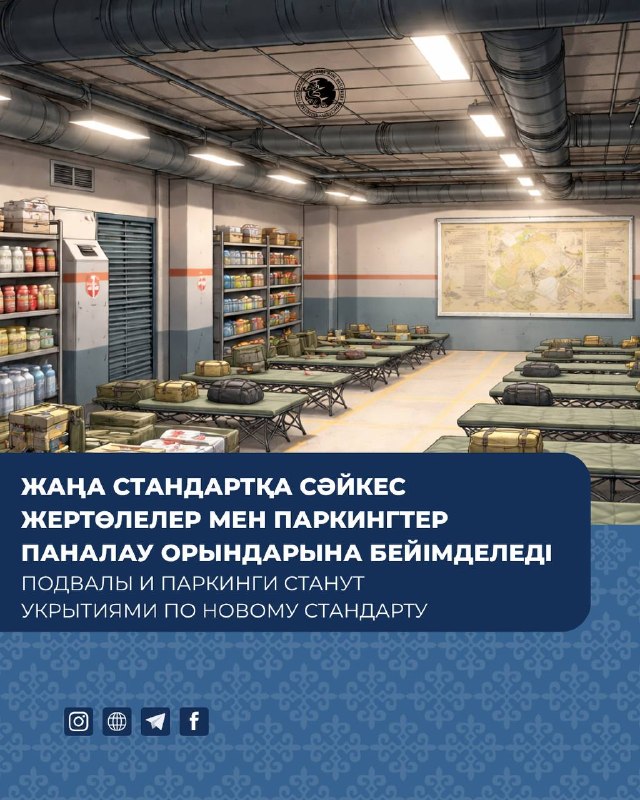
Kazakhstan has approved regulations for equipping shelters for the population. The new standard covers basements, underground parking lots, and other subterranean spaces, reports the press service of the Ministry of Trade and Integration of the Republic of Kazakhstan.In Kazakhstan, a new standard for shelters in case of emergencies will come into effect from January 1, 2026. This refers to ST RK 4016-2025, which establishes requirements for adapting basements, parking lots, and other underground premises for population protection. It was developed by KazStandard as part of the National Standardization Plan for 2025 at the request of the Ministry of Emergency Situations.The Committee for Technical Regulation and Metrology of the Ministry of Trade and Integration of the Republic of Kazakhstan noted that the document is aimed at improving the level of safety and preparedness for emergencies.— In global practice, subterranean premises, including basements, ground floors, underground passages, and subways, are widely used for population protection. In Kazakhstan, such spaces can also be adapted for civil defense protective structures, — the department reported.The new standard eliminates a regulatory gap and introduces uniform requirements for shelters. It defines the procedure for inspecting buildings and adapting them for population protection during emergencies of a natural, man-made, and military nature.The document establishes requirements for structures and room layouts, as well as for life support systems. These include ventilation, water supply, electricity supply, sanitary conditions, and communications. The procedure for assessing the technical condition of buildings is also established, including checking load-bearing structures and engineering systems.Measures for reinforcing structures and retrofitting premises, if necessary, are separately provided for. The standard provides examples of typical solutions and a table for assessing shelter suitability.The project has been coordinated with the Ministry of Emergency Situations, the Ministry of Defense, the Ministry of Ecology and Natural Resources, the Committee for Atomic and Energy Supervision and Control of the Ministry of Energy, the Regional Department for Emergency Situations and the Department for Mobilization Preparation and Civil Protection, technical committees in the field of industrial safety and construction, the NCE "Atameken", the Atomic Energy Agency, the National Nuclear Center, the Institute of Atomic Energy, and other organizations.Comments and proposals received during the coordination process concerned considering geographical, climatic, and seismic features when developing technical solutions, developing algorithms for protection against unmanned aerial vehicles, including appendices with examples of retrofitting schemes and a table for assessing premises suitability, reinforcing shelter walls and openings, as well as implementing an automated public access system to shelters. All proposals were taken into account.The adoption of the standard will allow for the formation of a unified approach to the use of subterranean premises and will increase the level of population protection in emergency situations.Source : https://www.gov.kz/memleket/entities/mti/press/news/details/1195458?lang=kk
The winners of "Sauda in Digital Nauryz" received awards 08.04.2026
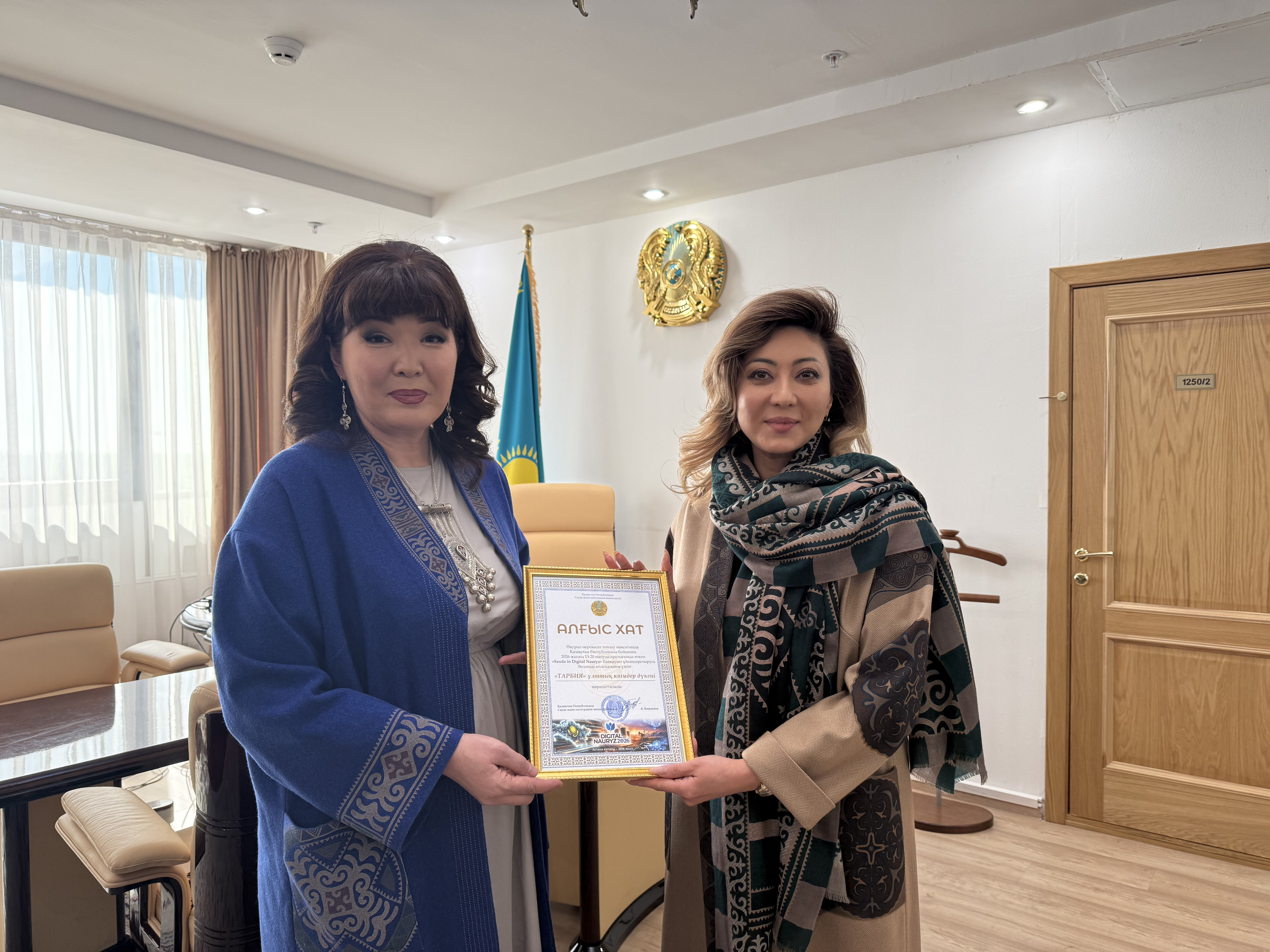
From March 13 to 23, 2026, the national competition "Sauda in Digital Nauryz" was held in the country, aimed at developing digital solutions in the field of trade. The competition was organized among shopping malls and retail chains and aimed to popularize national culture through the use of digital technologies.According to the competition rules, participants published special videos on social media. Important criteria such as national identity, creativity, level of artificial intelligence use, audience engagement, and work quality were considered when determining the winners.Based on the competition results, winners were determined in the following categories:"Best Digital Design" — the retail chain "Anvar" (Aktobe city);"Best Digital Greeting" — the shopping mall "TSUM" (Karaganda city);"Best Use of Artificial Intelligence" — the shopping mall "Umay" (Karaganda city);"Most Creative Digital Project" — the retail chain "Small" (Almaty city).During the official ceremony, winners were presented with special diplomas and national attire on behalf of the leadership of the Ministry of Trade and Integration of the Republic of Kazakhstan.As part of the competition, in collaboration with the national clothing store "Tarbiya," free national clothing fitting zones were organized in major shopping and entertainment centers across the country. Thematic photo zones and Instagram frames were also set up. All materials were published on social media under the unified hashtag #saudadigitalnauryz.Source : https://www.gov.kz/memleket/entities/mti/press/news/details/1195554?lang=kk
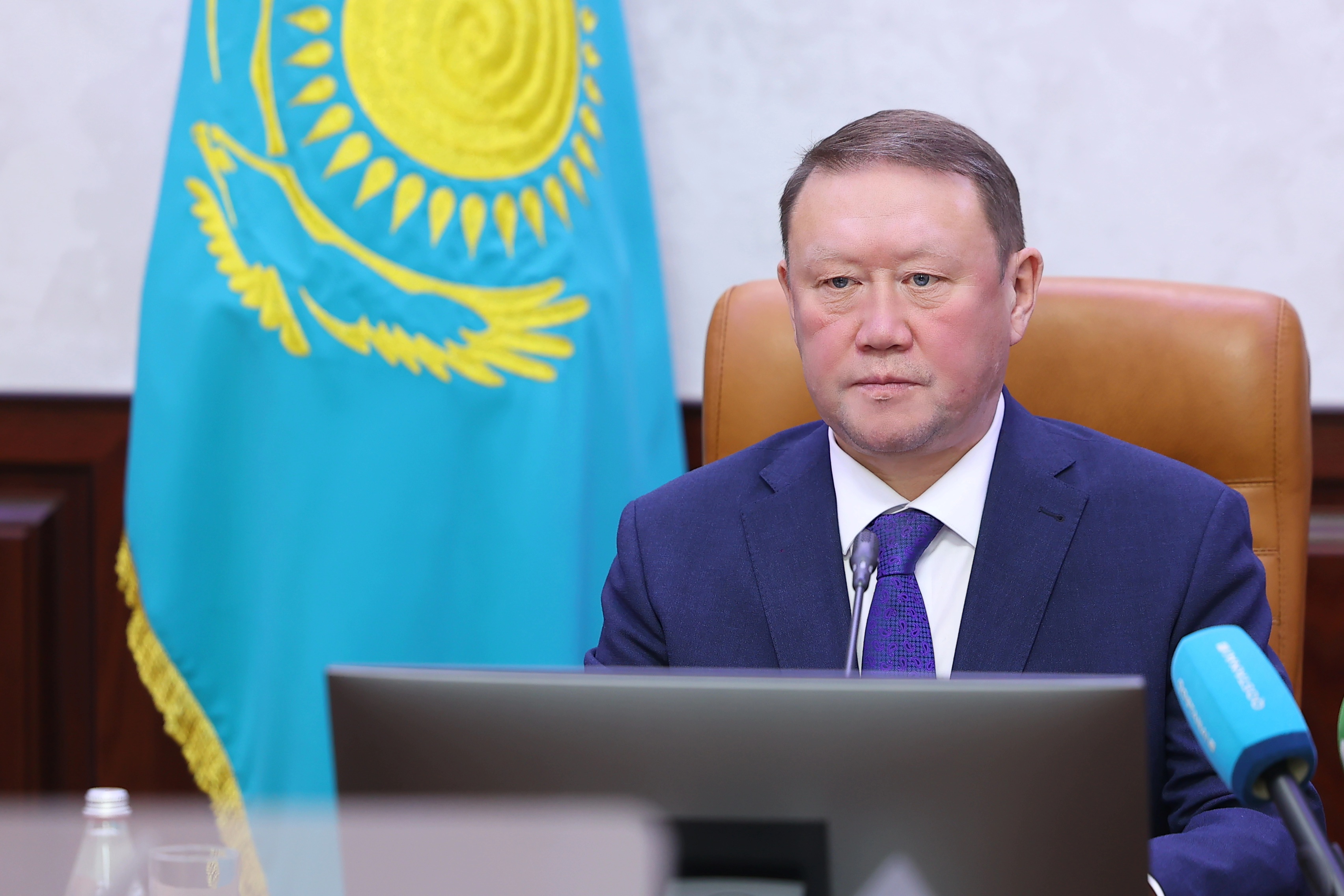
Accidents on heating networks in the region decreased by 6 times 08.04.2026
A meeting of the regional akimat on the issues of the progress and completion of the heating season was held under the chairmanship of the Akim of the Kostanay Region, Kumar Aksakalov.The Head of State has repeatedly instructed to ensure the uninterrupted progress of the heating season. In our region, it is proceeding as planned and is nearing completion. No major accidents have been recorded. This is undoubtedly the result of repair work carried out in advance last summer.Significant funds are allocated annually for the modernization of heat supply facilities and engineering infrastructure. As a result, the number of accidents on heating networks in the region has decreased 6 times — from 830 in the 2022–2023 heating season to 134 in the current one.The President of the country set the task to reduce the wear and tear of heating networks to 42% by the end of 2029. In 2022–2025, we managed to reduce this indicator from 50% to 43%."Another important issue is tariffs. People should pay a fair price for the heat, water, and electricity they consume. This is possible through the installation of modern metering devices with remote data transmission functionality. Such devices allow for accurate accounting of consumption volumes and ensure transparency in calculations. The implementation of automated meters is growing: if in 2023 they were installed in 433 houses, then in 2025 — already in 1,132 houses, an increase of 3 times. Metering devices allow for savings through consumption regulation. Now, with the onset of warm spring weather, residents open their windows, and heat escapes outside. At the same time, they continue to pay for heating in full. This is not right. Our task is to more actively install heat metering units with the participation of our enterprises and local manufacturers. Such devices are already successfully operating in the region," noted the head of the region.In the current heating season, savings in one apartment building amounted to 890 thousand tenge — these are funds that remain with our citizens. The Akim of the region emphasized the need to continue installing metering devices at the same pace and ensure 100% coverage.Source : https://www.gov.kz/memleket/entities/kostanay/press/news/details/1196263?lang=kk
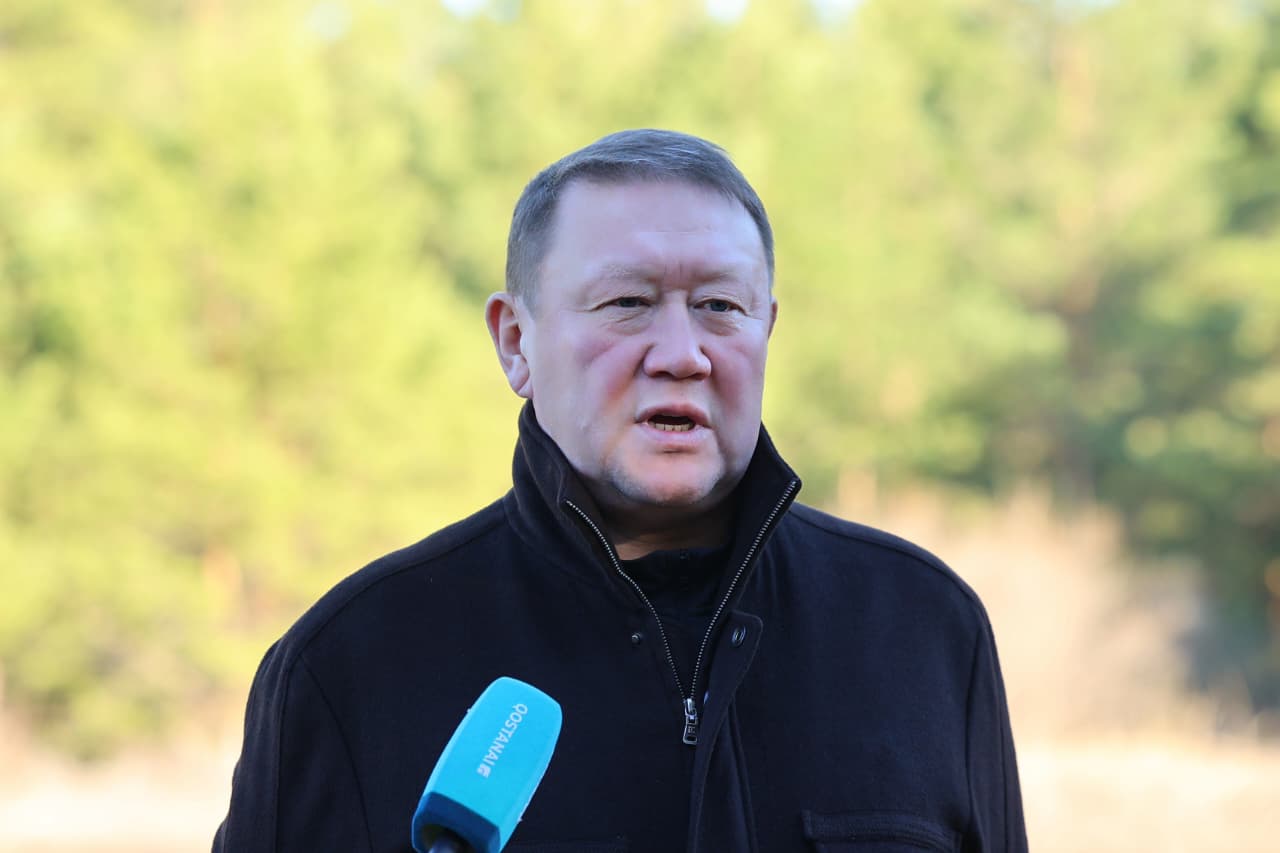
The head of the region gives an Address by Akim of Kostanay region Kumar Aksakalov to the residents of the region in connection with the end of the flood period in an interview with a local TV channel 08.04.2026
Dear residents of the region!The flood season in our region has concluded.In this regard, I would like to particularly highlight the coordinated work of all authorized bodies. Thanks to the timely measures taken, populated areas were protected from meltwater. We did not allow a single residential house to be flooded. All necessary measures were taken. No emergency situations were registered. Protective engineering structures were implemented in advance:- In 92 populated areas, 32 protective embankments with a total length of 54 km were built and reinforced;- 38 water culverts were installed;- 78 km of storm sewer were cleaned;- Snow was cleared from more than 1,600 private house yards across the region.Over 3,600 people and more than 500 pieces of equipment were involved in carrying out these works. Hydrological posts operated around the clock on the rivers, maintaining constant monitoring of water levels.Thus, the period associated with the threat of flooding in the Kostanay region passed in a routine manner. All of this is the result of our joint work.I would like to express my gratitude to all citizens who participated in the joint efforts – emergency service personnel, military personnel, volunteers, and youth.Source : https://www.gov.kz/memleket/entities/kostanay/press/news/details/1196315?lang=kk
The Department defended consumer rights: the court awarded over 5.3 million tenge for a cancelled concert 08.04.2026
The Department of Trade and Consumer Rights Protection of the Ministry of Trade and Integration of the Republic of Kazakhstan for the North Kazakhstan Region reports on a significant court decision made in defense of consumer rights.Court No. 2 of the city of Petropavlovsk has fully satisfied the Department's lawsuit against an individual entrepreneur for the recovery of funds in favor of consumers.The basis for the appeal to the court was numerous appeals from citizens who purchased tickets for a concert by the performer "Akmal", scheduled for October 25, 2025, in the city of Kostanay. Due to the cancellation of the event, the obligations to refund consumers were not fulfilled by the respondent or were not fulfilled properly (partially).During the consideration of the case, it was established that a significant number of consumers did not receive a full refund of the money paid. Despite sending a pre-trial claim to the entrepreneur, the identified violations were not rectified.Given that the rights of more than ten consumers were violated, the Department exercised its right to apply to the court in defense of an indefinite number of persons in accordance with the current legislation of the Republic of Kazakhstan.The achieved result was made possible thanks to the coordinated and consistent work of the Department's specialists, who ensured effective consideration of citizens' appeals and proper support of the case in judicial bodies.By the court's decision, 5,380,126 (five million three hundred eighty thousand one hundred twenty-six) tenge was recovered from the respondent in favor of the affected citizens. "The adopted court decision is an important law enforcement precedent confirming the state-guaranteed protection of consumer rights. Regardless of the form of service provision, including the use of electronic platforms, business entities are obliged to properly and fully fulfill the obligations they have undertaken to consumers.This result also testifies to the high efficiency and professionalism of the Department's employees, whose coordinated work made it possible to ensure the restoration of the violated rights of citizens.The Department will continue systematic work to protect consumer rights and will respond in principle to every identified violation", — noted the acting head of the Department G. Abayev. Source : https://www.gov.kz/memleket/entities/mti/press/news/details/1196326?lang=kk
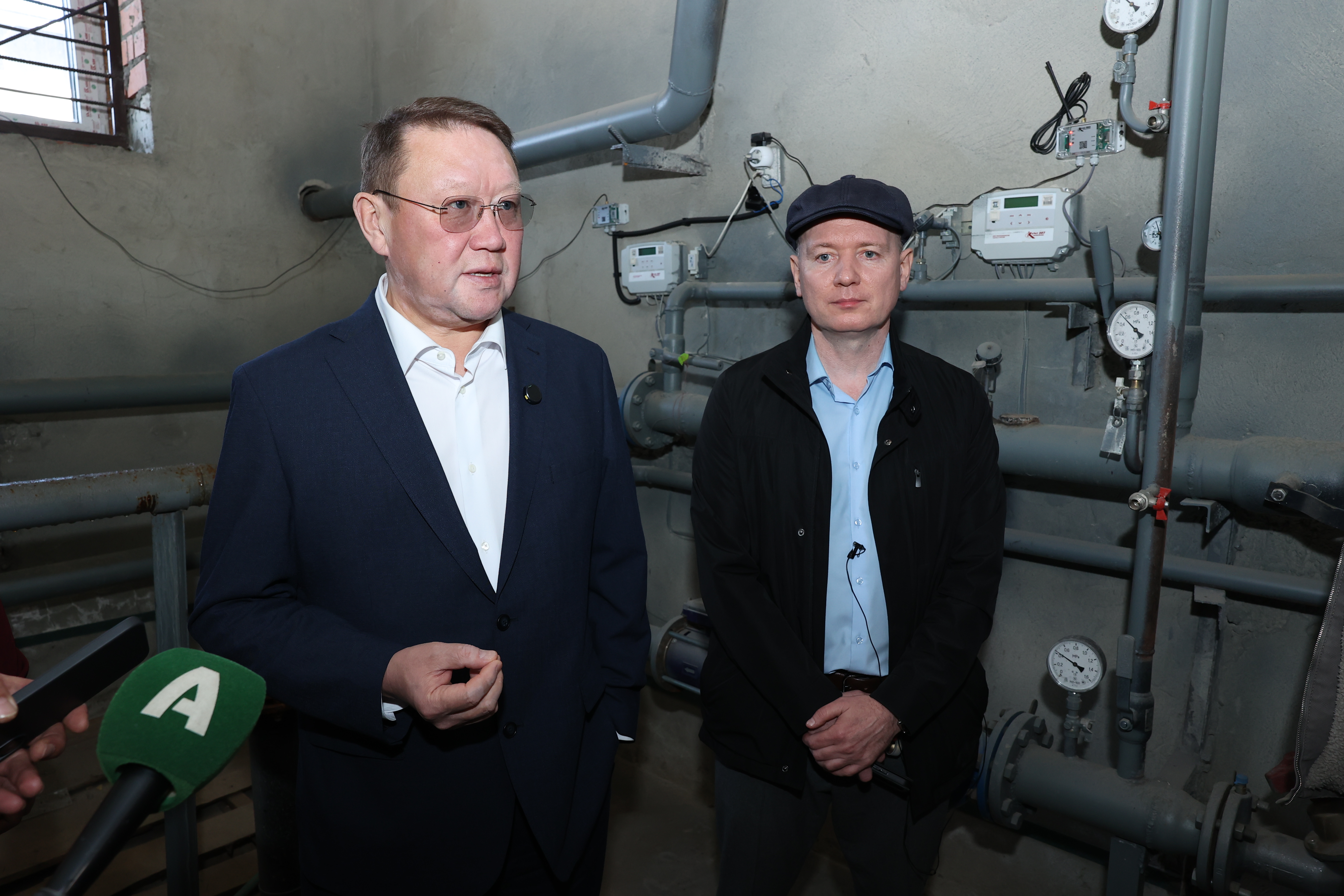
Modernization of the energy and utility sectors is an important step 07.04.2026
On the eve of the heating season's end, Akim of the Kostanay Region, Kumar Aksakalov, inspected the condition of the heating networks in an apartment building in the city of Kostanay.«The Head of State has repeatedly instructed to ensure the uninterrupted progress of the heating season. In our region, the heating season is proceeding normally. No major accidents have been recorded. Even when they occurred, they did not affect the quality of heat supply. This is undoubtedly the result of repair work carried out in advance. Considering that last heating season there were emergency situations related to boiler equipment and ruptures in main networks, this indicates that we have drawn the right conclusions», – noted the head of the region.The Head of State particularly emphasizes the importance of modernizing the energy and utilities sectors. The task is set to reduce the wear and tear of heating networks to 42% by the end of 2029.Significant financial resources are allocated annually for the modernization of heat supply facilities and engineering infrastructure. As a result:the number of heating network damages has decreased by 84%: from 830 cases in the 2022–2023 heating season to 134 in the current season;the wear and tear level has been reduced from 50% in 2022 to 43% in 2025.The work will continue within the framework of the National Project for the Modernization of the Energy and Utilities Sectors. Even at the stage of completing the current season, it is important to plan the necessary steps in advance for a successful start of the next heating period.«The next issue I would like to address is the tariff. People should pay for the heat, water, and electricity they actually consume. This is only possible with the installation of 'smart' metering devices. While the level of stationary meter equipment is high, we are only at the initial stage regarding automated systems. Today, the installation of such devices in the region is progressing dynamically: if in 2023 they were installed in 433 houses, then in 2025 – already in 1,132 houses, an increase of almost three times. Meters allow residents to save on heating services. However, this potential is not fully utilized. For example, with the onset of warm spring days, many open windows and essentially 'heat the street,' while continuing to pay in full. This is wrong», – emphasized Kumar Aksakalov.The population should have both individual apartment meters and building-wide meters. Furthermore, they should be automated so that readings are transmitted remotely, without human involvement. This eliminates data distortion, discrepancies with actual consumption, and, consequently, overcharging for services. Such situations cause distrust and dissatisfaction among the population, as well as reluctance to pay for heating services.«Our task is to install as many heat metering units as possible. Enterprises and local manufacturers already operating in the region should participate in this work. All these measures are aimed at saving. In the current heating period, savings amounted to more than 890 thousand tenge from one apartment building. These are funds that remain in the pockets of our citizens», – noted the Akim of the region.Furthermore, heat-generating enterprises will also incur lower costs. With an increase in the number of meters, fuel consumption and heat losses decrease. This will become possible with 100% heat metering.The work on installing metering devices will continue at the same pace, which will allow for 100% coverage in the next 5 years.Source : https://www.gov.kz/memleket/entities/kostanay/press/news/details/1195181?lang=kk
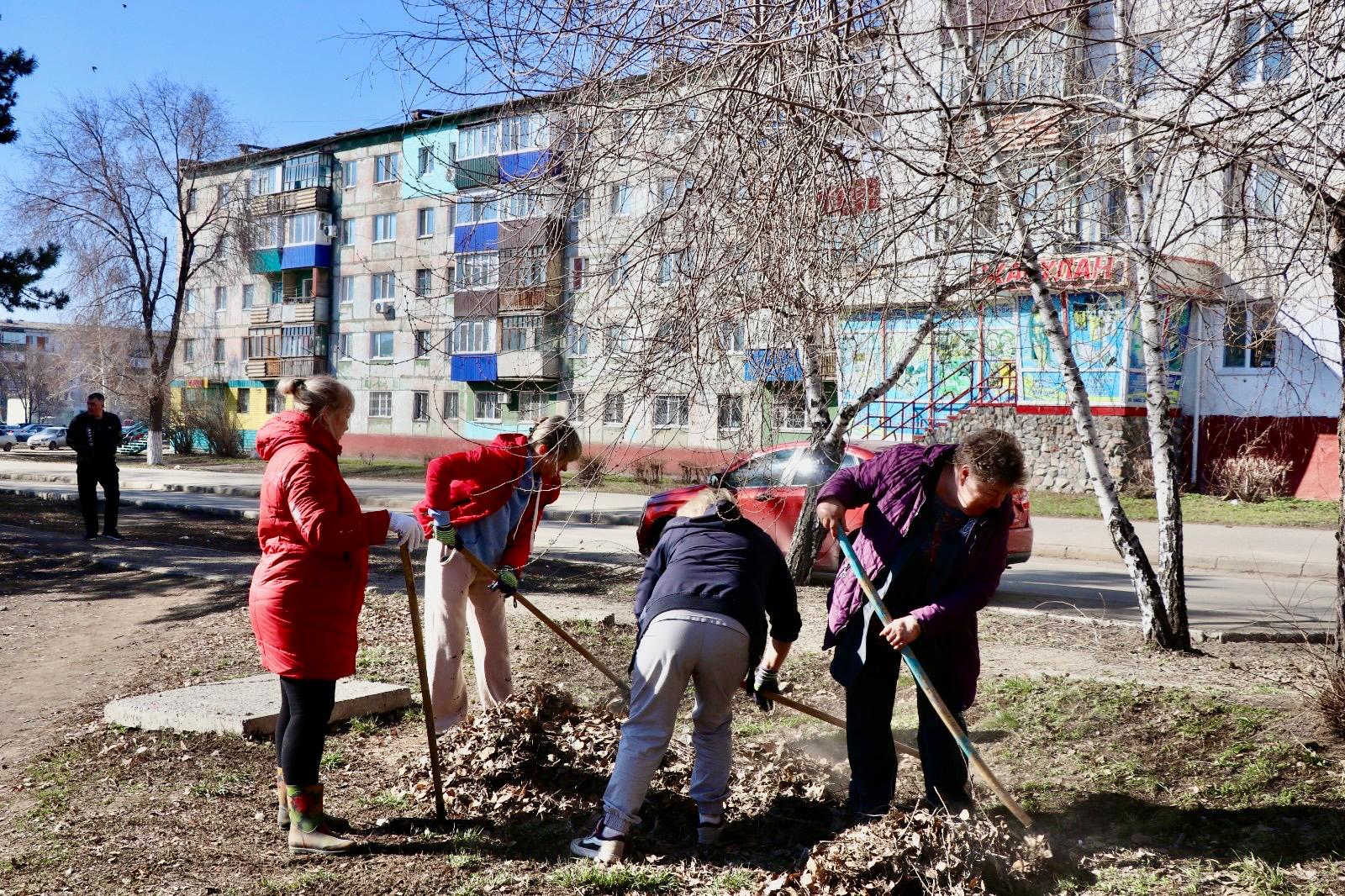
A citywide clean-up day was held in Rudny, working with rakes and shovels 07.04.2026
As part of the republican environmental campaign "Taza Kazakhstan," the first city-wide cleanup day was organized in the city of Rudny.About a thousand people took part in the large-scale improvement campaign. Among them were employees of state institutions and enterprises, youth, volunteers, and city residents. Representatives of different generations united for a common goal and contributed to the cleanliness and improvement of their hometown.During the cleanup, work was carried out to clean up the city's territory: streets, courtyards, and public spaces were cleared. As a result, about 280 tons of waste were collected and transported to specialized landfills. 18 units of special equipment were involved in the work.The activity of veteran organizations was particularly noted. They demonstrated civic responsibility and genuine care for their hometown in practice.Such initiatives not only improve the sanitary condition of the city but also contribute to the formation of an environmental culture among the population.Source : https://www.gov.kz/memleket/entities/kostanay/press/news/details/1195101?lang=kk
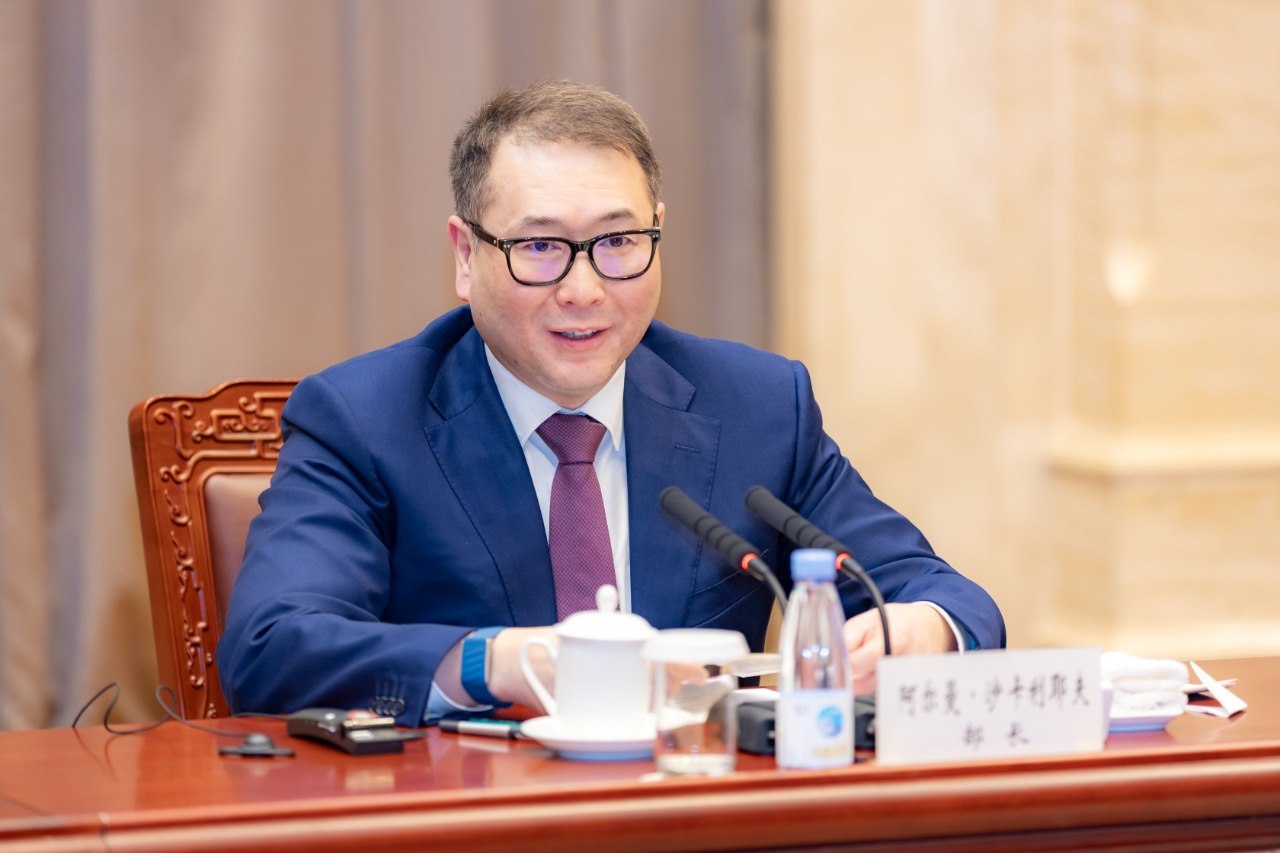
Kazakhstan and China are expanding cooperation 04.04.2026
As part of the continuation of his official visit to China, the Minister of Trade and Integration of the Republic of Kazakhstan, Arman Shakkaliyev, held a meeting with the Secretary of the Party Committee of the Xinjiang Uygur Autonomous Region (XUAR), Chen Xiaojiang.During the meeting, it was noted that XUAR plays a system-forming role in Kazakhstan-China relations, acting as the main land bridge between the two countries and forming a significant part of mutual trade. As of the end of 2025, the trade turnover between Kazakhstan and XUAR amounted to approximately 18.9 billion US dollars.The Chinese side provided an overview of the current pace of socio-economic development in XUAR, emphasizing the region's sustainable growth, expansion of foreign economic ties, and active infrastructure modernization. It was noted that XUAR continues to strengthen its role as a key center for cross-border cooperation and a transit hub for interaction with Kazakhstan.Special attention was paid to the development of transport and logistics infrastructure. The parties discussed measures to increase the capacity of border checkpoints, modernize railway routes, and synchronize infrastructure projects.The importance of implementing initiatives such as the expansion of the "Dostyk–Moyynty" section, the construction of the "Ayagoz–Tacheng" railway crossing, and the development of the "Khorgos" and "Alashankou" border hubs was noted. The need to further increase capacity and eliminate infrastructure bottlenecks was emphasized.Separate attention was given to the development of the "Khorgos" International Center for Cross-Border Cooperation, including the modernization of its infrastructure and the expansion of opportunities for trade and investment.Logistics, energy, tourism, and the development of cross-border trade were also identified as priority areas.The parties reached an agreement on the active participation of the Kazakh side in the international EXPO "China–Eurasia," where Kazakhstan will participate as a guest of honor. The event will take place from June 25 to 29 of this year and is one of the key international platforms in the region aimed at developing trade and economic cooperation, promoting exports, and strengthening business ties between Eurasian countries.Interest was also confirmed in ensuring the participation of delegations from Kazakhstan's border regions in the Second International Conference of the Greater Altai.In turn, the Minister of Trade and Integration of the Republic of Kazakhstan emphasized the strategic importance of XUAR:"Xinjiang is a key link in the system of cross-border and transit interaction. The main flow of goods passes through the region, making it Kazakhstan's most important partner in the development of trade, logistics, and industrial cooperation."The Minister invited the Chinese side to visit Kazakhstan to participate in the Forum of Interregional Cooperation and the Friendly Dialogue of Border Regions, which are scheduled to be held this year.Separate attention was paid to the need to diversify mutual trade, including increasing the share of high value-added products, developing agricultural exports, and launching joint production facilities.Following the meeting, the parties confirmed their readiness to further deepen cooperation, including the implementation of joint infrastructure, investment, and industrial projects.The Minister emphasized that the development of cooperation with XUAR is a key element of Kazakhstan's strategy to form sustainable trade routes and strengthen the country's role as a transit and logistics hub between China, Central Asia, and Europe. Source : https://www.gov.kz/memleket/entities/mti/press/news/details/1193984?lang=kk
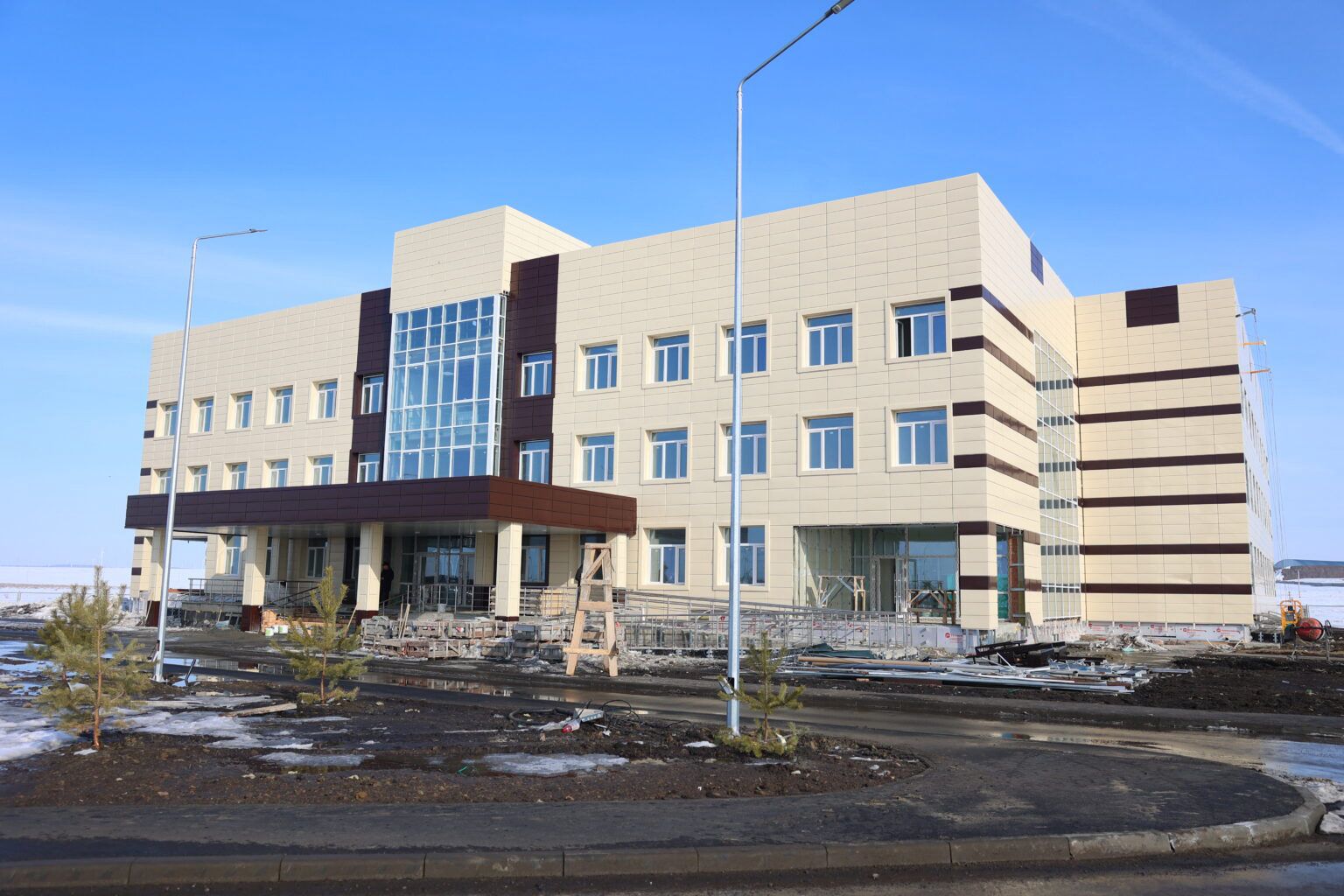
The construction of a new polyclinic in the village of Zarechny is nearing completion 04.04.2026
In the Kostanay region, systematic work continues on the development of social infrastructure. A vivid example is the construction of a new polyclinic for 250 visits per shift in the Zarechny settlement of the Kostanay district.Currently, the main construction work has been completed. Only the work on the external finishing of the building, the arrangement of the basement, and the sewage system remains. According to specialists, all work is planned to be completed within the next month and a half, followed by the commissioning of the facility.After the opening of the new polyclinic, the quality of medical care in the Kostanay district will significantly improve. To date, the Kostanay District Hospital serves more than 51 thousand residents.The commissioning of the modern medical institution will completely resolve the existing issues. Comfortable working conditions will be created for medical workers, and the accessibility and quality of medical services provided to the population will significantly increase.Thus, the new polyclinic in the Zarechny settlement is one of the significant projects aimed at developing the region's healthcare system.Source : https://www.gov.kz/memleket/entities/kostanay/press/news/details/1193943?lang=kk
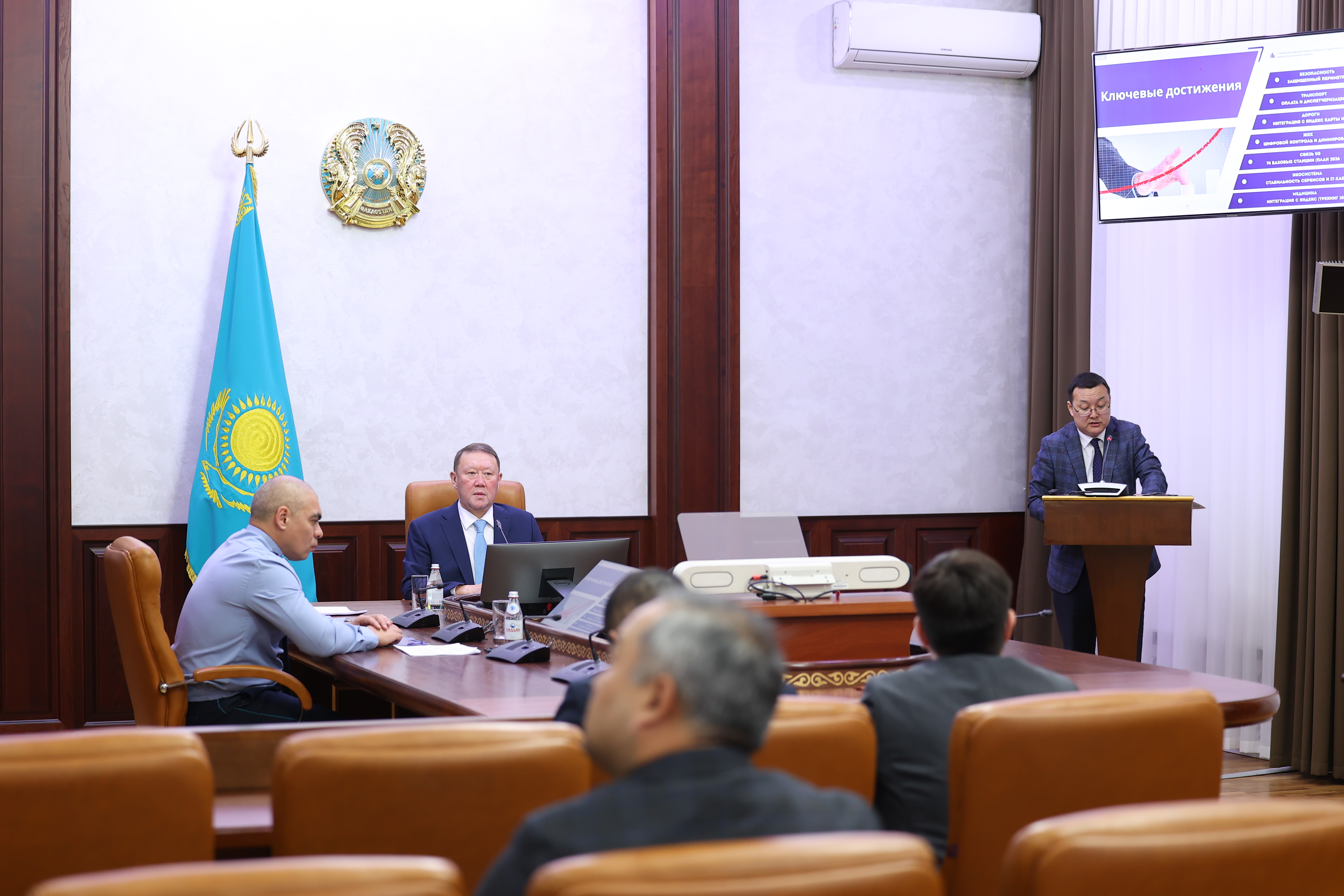
The formation of a modern digital region is an important task 03.04.2026
A meeting of the Kostanay Region Digital Headquarters was held under the chairmanship of the regional head, Kumar Aksakalov. The Head of State declared 2026 the Year of Digitalization and Artificial Intelligence.Within the agenda, the issue of implementing the Strategy for building "smart cities" in the Kostanay Region was considered.A report was presented by the head of the Department of Informatization, Provision of Public Services and Archives of the Kostanay Region Akimat, Azamat Kashiev. Co-reporters included the Akim of the city of Kostanay, Marat Zhundubaev, the acting head of the Department of Energy and Housing and Communal Services of the Kostanay Region Akimat, Azamat Sabirzhan, as well as the director of ECO-SERVICE-2030 LLP, Vitaliy Siukhov.The meeting presented the current results of the digitalization of the city of Kostanay and the region's housing and communal services, implemented within the framework of the Republic of Kazakhstan's "Smart City" Reference Standard.It was noted that by the end of 2025, 6 key digital projects with a total value of approximately 242 million tenge had been implemented in the regional center. Among the priority areas are the development of the Situation Center and the "AiKey" information system, the introduction of digital control services in the utility sector, and the development of the urban digital platform "Smart Qostanai," which integrates 78 services for the population.Special attention during the meeting was paid to issues of urban infrastructure development. Measures for automating street lighting, modernizing traffic light facilities, introducing "smart" bus stops, digitalizing utility service accounting, and improving public safety levels were considered.Projects planned for implementation in 2026 were also discussed. They are aimed at further introducing artificial intelligence technologies, developing video surveillance systems, and implementing pilot solutions in the areas of "smart" transport and urban environment monitoring.During the meeting, the regional Akim, Kumar Aksakalov, emphasized the strategic importance of the region's digitalization:"We must systematically make efforts to transform the region into a modern digital region. Within the current year, the launch of a number of projects to introduce advanced technologies, including solutions in the field of artificial intelligence, is envisaged. However, not only the technologies themselves are important, but also their quality, as well as their real contribution to the region's economy. More than 900 industrial enterprises operate in the region; 117 industrial 'smart' robots have been introduced at the KIA and KamlitKZ plants (in 2023, there were only 3). 28 robots are also used in the mining industry. In agriculture, 100% of arable land, 90% of pastures, and 95% of hayfields have been digitized. In livestock farming, 7 modern 'smart' dairy farms are operational, and precision farming technologies have been introduced in crop production. Significant progress is also observed in the Smart City direction — over the past three years, the number of cameras connected to the Regional Operational Management Center has increased from 102 in 2023 to 285 in 2025, that is, by 2.8 times."Following the meeting, the necessity of continuing systematic work on digitalization aimed at improving the quality of life of the population, the efficiency of urban management, and the formation of a modern, safe, and technologically advanced urban environment was noted.Source : https://www.gov.kz/memleket/entities/kostanay/press/news/details/1193644?lang=kk
We invite you to a job fair for civil service applicants 03.04.2026
Within the framework of the event, you will have the opportunity to:familiarize yourself with current vacancies in government agencies;receive consultations on the procedure for entering the civil service;learn about the requirements for candidates and the stages of the competitive selection;ask questions to representatives of government institutions.📅 Date: April 10, 2026📍 Venue: 98 Pushkin Street (the "Ai-komek" building)🕒 Time: 11:00 AMInvited to participate are: graduates of educational institutions, young professionals, unemployed youth, as well as all interested citizens.Source : https://www.gov.kz/memleket/entities/kostanay/press/news/details/1193620?lang=kk
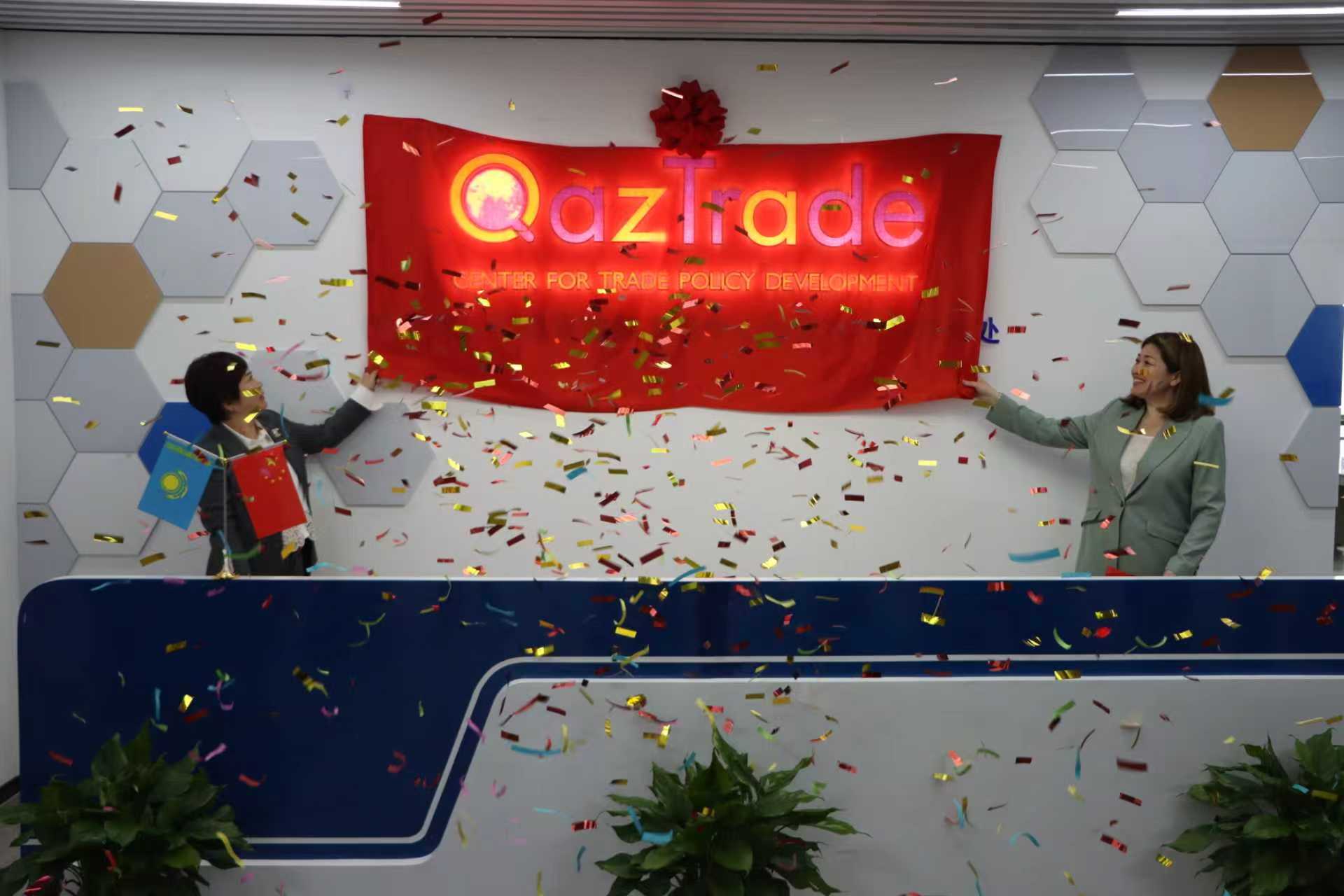
QazTrade opened a representative office in Wuhan, China 03.04.2026
Wuhan is one of China's key transport and logistics hubs, known as the "crossroads of nine provinces".The representation in Wuhan becomes part of Kazakhstan's already forming network of presence in China. To date, QazTrade partnership offices operate in a number of key cities such as Hefei, Xi'an, Changsha, Nanjing, Tianjin, Chengdu, and Qingdao. "We are currently building our work so that businesses don't just come for negotiations, but can operate continuously in the market. This is precisely why such a network across China is needed. QazTrade not only accompanies companies, we help them work directly with Chinese partners on the ground. Wuhan is a very important point in this regard. It is a major logistics hub through which several regions with high demand converge," said Aitmukhamed Aldazharov, General Director of QazTrade. Also, during the visit to Wuhan, an agreement was signed between QazTrade and the Chinese company GuanYu International Supply Chain, specializing in logistics and promoting foreign products in the Chinese market. The document provides for the promotion of Kazakh products in Central China, organization of B2B meetings, negotiation support, and supply chain support. The event was attended by Managing Director of QazTrade Ainur Amirekova, Deputy Head of the Jiangxia District People's Government Ne Kaitian, Director of the District Foreign Affairs Office Fu Jun, Head of the Commerce Department Ge Zenglai, as well as Chairman of the Board of the Investment and Technology Group Han Wei and representatives of Chinese companies. According to QazTrade data, trade turnover with Hubei province, where Wuhan is located, amounted to $163.6 million in 2025, an increase of 12.1%. Source : https://www.gov.kz/memleket/entities/mti/press/news/details/1193455?lang=kk

Kazakhstan and China plan to build a steel plant with a capacity of up to 3 million tons of steel per year 02.04.2026
In Fujian province, discussions are underway regarding the localization of production and the launch of new Chinese enterprises with investments of up to $1.2 billion. This became clear following the visit of Kazakhstan's Minister of Trade and Integration, Arman Shakkaliyev, to Fujian province. A key agreement was to work on a major investment project with the Chinese company Fujian Hengwang Investment. This involves the construction of a metallurgical plant in Kazakhstan with a capacity of up to 3 million tons of steel per year. The investment volume is estimated at $1.2 billion. The project envisages the creation of about 2.5 thousand jobs and is focused on the domestic market and export. Simultaneously, projects for the localization of production in Kazakhstan in a number of industries are being discussed. With the textile company Jinyuan, the launch of yarn production and the development of deep processing are being worked out. With Weihua Heavy Machinery, the creation of lifting equipment production and engineering centers is being discussed. With Shenda Electric, the organization of transformer and electrical product manufacturing is being considered. With Jinlun Hi-tech Fiber, projects in the field of synthetic fibers and chemical processing are being discussed. In essence, this is about forming value-added chains within Kazakhstan, involving technology transfer, production localization, and access to external markets. "Fujian is one of China's key industrial and export regions. We work with provinces, not with China as a whole. Through its ports, Kazakh products can enter southern China and ASEAN countries," noted Arman Shakkaliyev. According to QazTrade data, in 2025, the trade turnover between Kazakhstan and Fujian province amounted to about $522 million.Source : https://www.gov.kz/memleket/entities/mti/press/news/details/1192626?lang=kk
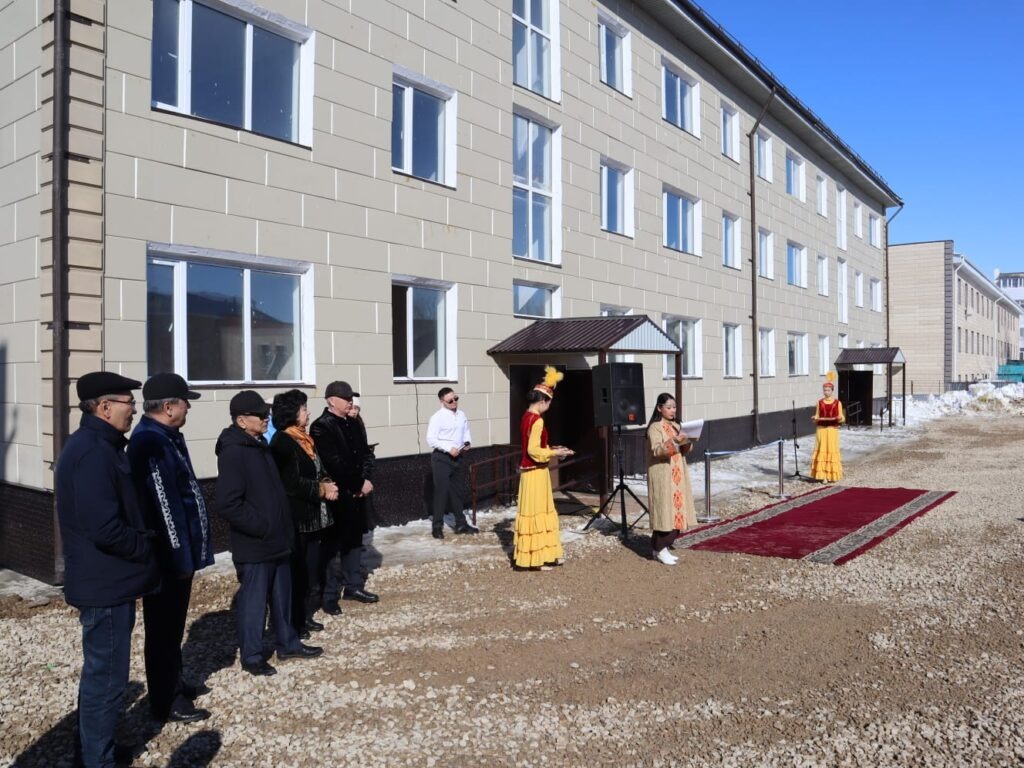
An 18-apartment residential building has been commissioned in Arkalyk 02.04.2026
In the city of Arkalyk, the work to provide housing for the population is consistently ongoing. This year, as part of the implementation of the instructions of the Head of State to support socially vulnerable segments of the population, another significant project has been realized.Thus, at the address 51 Shakshaka Zhanibek Street, an 18-apartment residential building has been commissioned, and families in need are already celebrating their housewarming.It is worth noting that work in this direction in the city is carried out in stages. In 2025, a 48-apartment residential building at 13 Baitursynov Street was renovated and transferred to socially vulnerable categories of citizens. In 2026, a 55-apartment residential building at 12 Baitursynov Street was also purchased for 983 million tenge and provided to families in need.The new apartment building has also been fully modernized in accordance with modern requirements. The facility was purchased for 281 million 967 thousand tenge with the aim of providing housing for socially vulnerable categories of citizens. The building includes 12 two-room and 6 three-room apartments.Source : https://www.gov.kz/memleket/entities/kostanay/press/news/details/1192474?lang=kk
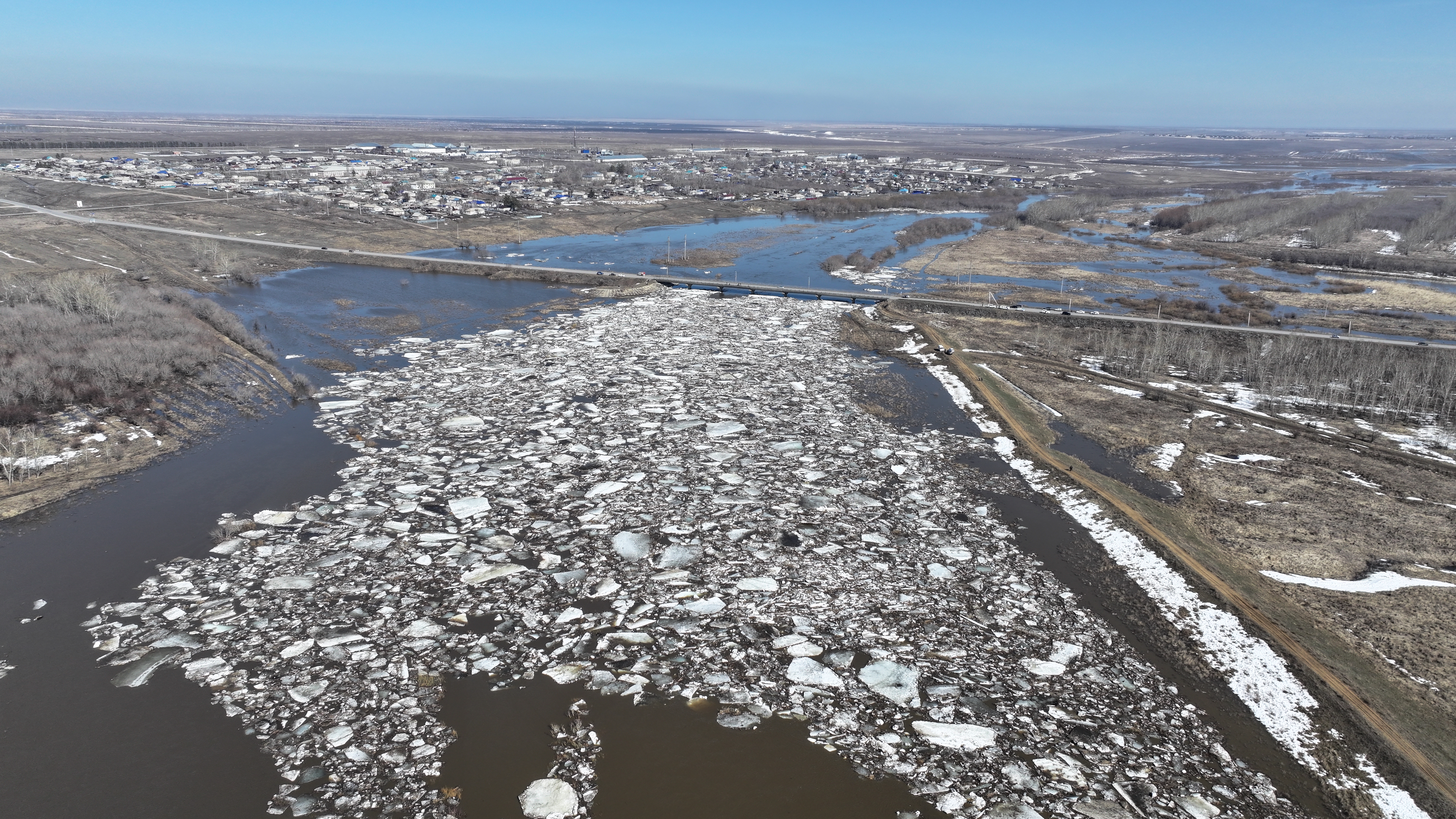
Beimbet Mailin district: there is no threat of flooding 02.04.2026
Akims of the Kostanay region, Kumar Aksakalov, visited the villages of Ayet and Varvarinka in the Beimbet Maylin district during a working trip, where he familiarized himself with the progress of flood control measures.To protect the region's settlements from floods, measures have been carried out for bank reinforcement works, the construction and strengthening of protective embankments, the building of diversion channels, and the erection of earth fills. Work continues to prevent potential flooding. Not a single household in the region has been flooded.As of today, the total water volume in the two major reservoirs is at 70% capacity (939.51 million m3), against a standard of 1.4 billion m3.A task force of 2,815 personnel, 392 units of equipment, 123 watercraft units, and 336 motor pumps has been designated for flood and inundation response.Since the beginning of March this year, water passage structures have been cleared. Round-the-clock duty has been organized in flood-prone areas.The flood situation is under special control.In the Beimbet Maylin district, two ice jams were observed on the Ayet River: the first in the village of Ayet, the second in the village of Mayskoye.Thanks to the riverbed clearing and deepening works carried out last year, as well as the preventive measures this year, ice drift began on both sections of the Ayet River by the evening of April 1, and water flow was restored.The peak of the high-risk period has passed. The situation is stable, and there is no cause for concern. Source : https://www.gov.kz/memleket/entities/kostanay/press/news/details/1192361?lang=kk
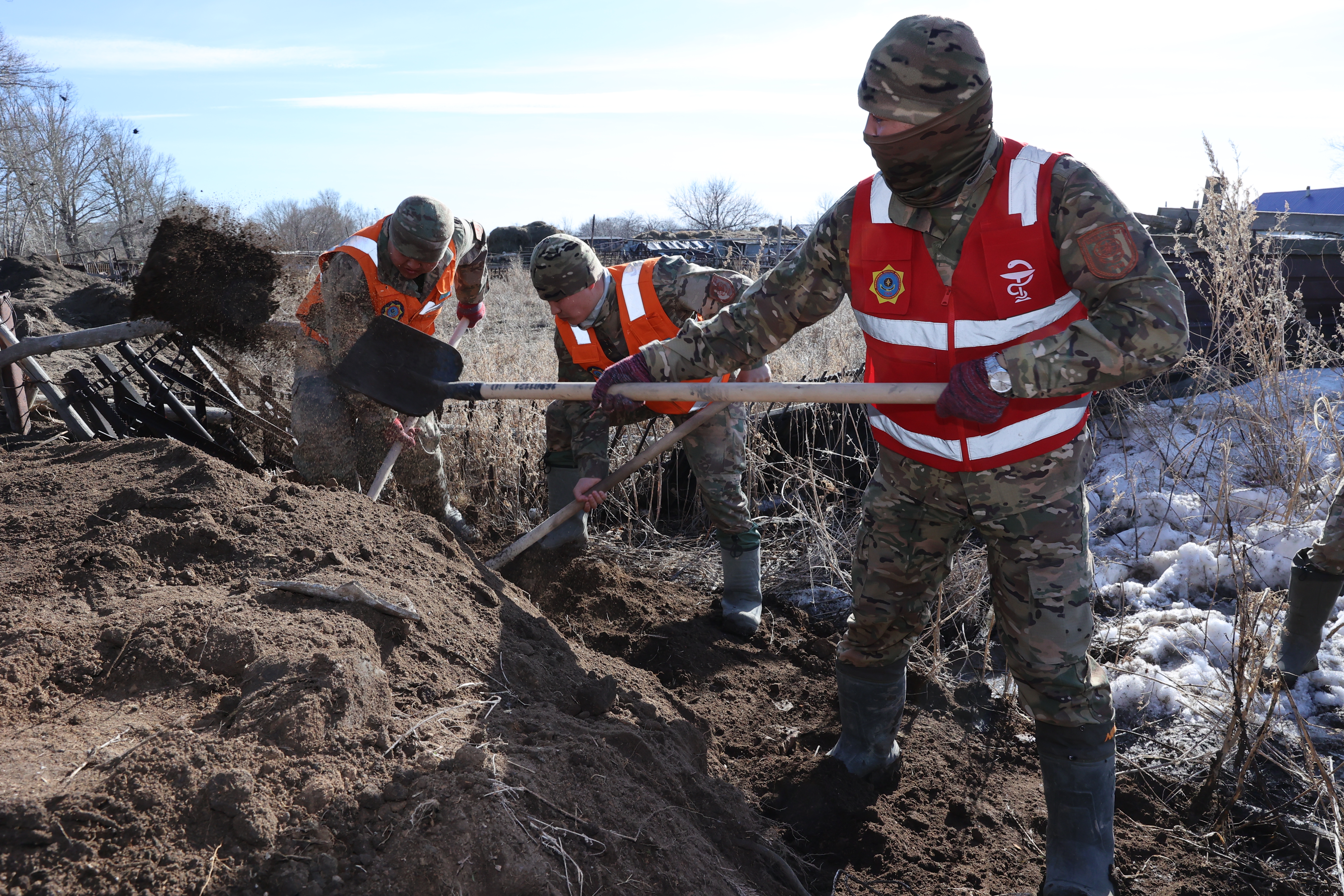
Flood preparation works in the region 01.04.2026
With the onset of the flood period in the region, efforts to ensure the safety of the population have been intensified. The flood situation in the region is under the special control of the head of the region."To date, the total water volume in two large reservoirs is 939.5 million m3, which is 70% of capacity, against a norm of 1.4 billion m3. A task force of 2,815 personnel, 392 units of equipment, 123 watercraft, and 336 motor pumps has been designated for flood and inundation response," noted the regional Akim, Kumar Aksakalov.On the roads, there are 3 overflows, of which 1 is of republican significance and 2 are of district significance.The overflow on the road to the village of Karynsaldy in the Amangeldy district has been eliminated, and traffic has been restored.There is 1 settlement (the village of Mirnoye in the city of Arkalyk) without transport access.No instances of washouts have been recorded in the region. No flooding of private residential houses has been registered in the region, and there are no flooded houses under monitoring. The constructed barrier made it possible to prevent water from reaching nearby houses.More than 1.3 million cubic meters of snow have been removed from the regions.Cleaning of aryks (3) and drainage canals (51) is underway, reinforcement of protective embankments (2,515 m) is being carried out, snow removal from residential yards (1,578 households) has been organized, and over 8,500 bags of inert materials have been laid.Blasting operations to break up ice on rivers and water bodies in the region have been completed. The volume of work performed amounted to 225 thousand cubic meters.To carry out preventive flood control measures and pre-position forces and means in the regions, consolidated task forces totaling 272 personnel, 32 units of equipment, and 7 watercraft were dispatched from March 16 to 27 of this year to the city of Arkalyk and the Amangeldy, Zhangeldin, Nauryzym, Karasu, and Auliekol districts.As part of flood control measures, evacuation points, feeding stations, and temporary accommodation centers for the population have been established in rural settlements prone to flooding. Currently, round-the-clock duty is organized at flood-prone sections of the region, and constant monitoring of the situation is ensured. Source : https://www.gov.kz/memleket/entities/kostanay/press/news/details/1192124?lang=kk